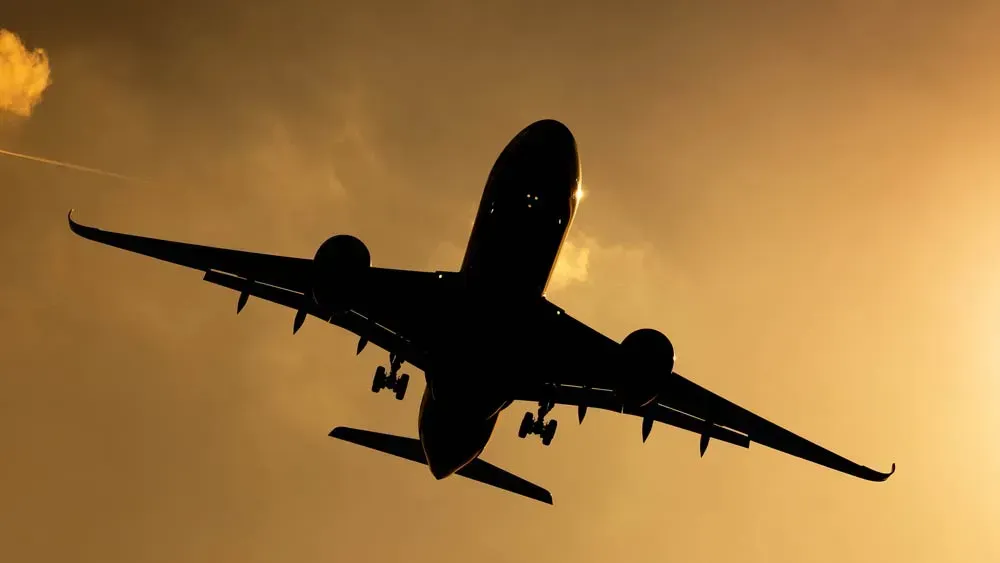
Recent global indexes and human rights reports highlight a troubling reality: not all destinations are safe for queer travelers.
For many people in the LGBTQ+ community, travel is a celebration of identity and freedom. Yet, for queer travelers, safety cannot be taken for granted everywhere. Multiple recent analyses—including the 2025 Gay Travel Index and the LGBTQ+ Risk Map—identify several countries where LGBTQ+ individuals face extreme legal, social, and physical danger, including the possibility of imprisonment, violence, or even death .
Countries With the Highest Level of Risk
According to the 2025 global indexes, the following countries are consistently flagged as the most dangerous for LGBTQ+ travelers:
- Iran: Same-sex acts are illegal and punishable by imprisonment, corporal punishment, and, in some cases, the death penalty. Discrimination is institutionalized, and LGBTQ+ individuals have virtually no legal protections .
- Saudi Arabia: The legal system criminalizes homosexuality, with punishments ranging from imprisonment to execution. There is widespread societal hostility to LGBTQ+ people, and even suspicion of same-sex relationships can result in harsh penalties .
- Afghanistan: Under current law, LGBTQ+ identities are criminalized, and people suspected of being queer are at risk of violence from both state and non-state actors .
- Somalia, Yemen, Uganda, United Arab Emirates, Tanzania, Malaysia, Pakistan, Chechnya (Russia): Each of these countries features laws that either criminalize same-sex relationships or target gender minorities. Penalties vary but can include imprisonment, corporal punishment, and, in some cases, the death penalty. Social stigma is pervasive, and law enforcement agencies are often hostile or unresponsive to the needs of queer individuals .
Human rights organizations have documented cases of violence, harassment, and arbitrary detention targeting LGBTQ+ individuals in these countries. In some instances, there are reports of state-led crackdowns, forced medical examinations, and public outings .
Travelers should be aware that, in many high-risk destinations, mere suspicion of queer identity can trigger legal action. Laws are often vaguely written, giving authorities broad discretion to detain or prosecute individuals. These legal frameworks are frequently backed by cultural or religious norms that are hostile to sexual and gender minorities, leading to an environment where violence and discrimination are commonplace .
In countries with the death penalty for same-sex acts, such as Iran and Saudi Arabia, there have been credible reports of executions and severe state-led persecution. Travelers are at risk not only from law enforcement but also from members of the public who may report suspected queer individuals to authorities .
International LGBTQ+ and human rights organizations strongly advise against travel to these high-risk countries for individuals who are openly queer or may be perceived as such. For those who must travel, experts recommend:
- Avoiding any public displays of affection or gender nonconforming behavior. - Refraining from using LGBTQ+ dating apps or websites while in-country, as authorities have been known to use them in sting operations . - Researching travel advisories from LGBTQ+ rights groups and foreign ministries before departure. - Registering travel plans with your home country’s embassy and having emergency contacts accessible at all times.
Tools such as the Gay Travel Index and the LGBTQ+ Risk Map are updated annually and serve as critical resources for planning safe journeys. These guides not only identify risks but also highlight advocacy efforts and provide up-to-date travel safety information .
While the risks for queer travelers remain severe in these countries, international advocacy continues to push for reform. Organizations such as Human Rights Watch, Amnesty International, and regional LGBTQ+ associations are documenting abuses, lobbying for legal changes, and providing support to those affected .
Queer travelers are urged to stay informed, prioritize their safety, and support global initiatives working towards LGBTQ+ equality and protection. Travel can be a powerful act of visibility and solidarity, but it is essential to recognize and respect the realities faced by queer people in different parts of the world.
Entrepreneur Tristan Schukraft, widely known as the “CEO of Everything Gay,” has encouraged LGBTQ+ travelers to embrace their authentic selves at The Tryst Puerto Vallarta, the world’s first luxury gay hotel, in a recent Out Magazine interview.
Puerto Vallarta’s reputation as a queer destination has soared over the years, drawing visitors with its vibrant nightlife, inclusive culture, and scenic beaches. The city’s Zona Romántica, Old Town, has long been the heart of queer life in the region, hosting a spectrum of beloved brunch spots, gay bars, and thrilling excursions that make it a global favorite for LGBTQ+ travelers .
Tristan Schukraft, a visionary entrepreneur celebrated for his work in both tech and hospitality, has taken this legacy to new heights with the opening of The Tryst Puerto Vallarta. In a candid interview with Out Magazine, Schukraft shared his excitement about the resort’s grand debut and its mission to offer a safe, affirming space for everyone under the queer umbrella .
Schukraft’s philosophy for The Tryst is simple yet bold: create a space where gay travelers are encouraged to “embrace their worst behavior,” a phrase he uses to champion authentic self-expression and liberation from judgment. “We want everyone to feel like they can be themselves—uninhibited, joyful, and celebratory,” Schukraft told Out Magazine during the resort’s star-studded grand opening, which drew celebrities and queer icons from around the globe .
The resort’s amenities are tailored for a luxurious and playful experience. With 53 custom guest rooms and suites, guests can enjoy private terraces, ocean views, outdoor showers, and two lavish pools. The Tryst also hosts drag brunches and features a notably friendly staff, ensuring the property stands out as both a sanctuary and a celebration .
While Puerto Vallarta has long been celebrated for its welcoming embrace of gay and queer travelers, The Tryst’s arrival marks a significant milestone: it is the world’s first luxury gay hotel, designed specifically with the needs and desires of queer guests at its core . The city’s transformation into an international LGBTQ+ hotspot has been fueled by businesses and venues that prioritize inclusivity, with The Tryst now serving as a flagship for this movement.
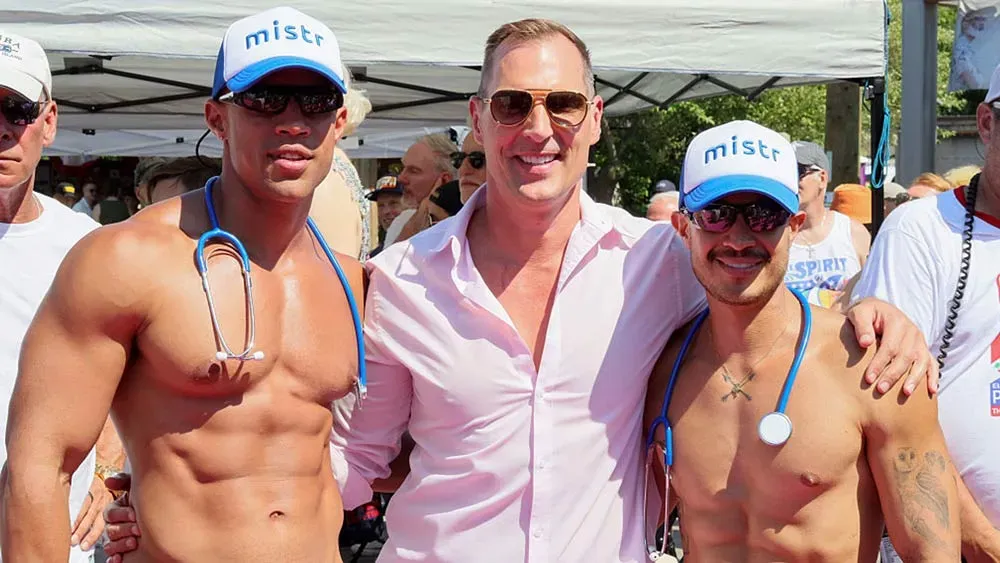
Schukraft’s approach goes beyond hospitality. His broader portfolio includes MISTR, the largest telemedicine platform dedicated to HIV prevention and long-term care, reflecting a commitment to community health and wellbeing alongside leisure and celebration .
Tristan Schukraft’s ambitions for queer hospitality extend far beyond Puerto Vallarta. The Tryst Hotel brand is expanding rapidly, with properties in Fire Island set to open next season and a landmark location in Rio de Janeiro announced for 2026. “Who knew Brazil could get gayer?! This is our biggest hotel yet,” Schukraft enthused, highlighting plans for a rooftop pool, drag brunches, a bathhouse, and a top-floor restaurant—all designed to offer guests a complete experience without ever needing to leave the hotel .
The ethos underpinning all Tryst Hotels is rooted in radical inclusion and safety for queer people. Schukraft’s vision is to create environments where everyone, regardless of identity or background, feels welcomed, valued, and free to be themselves .
The launch of The Tryst Puerto Vallarta comes at a time when queer travelers increasingly seek destinations that offer not only enjoyment but also safety and affirmation. According to Out Magazine, the resort’s design and programming reflect a deep understanding of these needs, with curated experiences that foster connection, community, and pride .
Schukraft’s encouragement for gays to “go feral” at his resorts is both a nod to playful freedom and a rallying cry for self-acceptance. In his Out Magazine feature, he emphasized that The Tryst is more than a hotel—it’s a movement towards creating spaces where queer people can thrive, connect, and celebrate in environments designed with their needs in mind .
The grand opening of The Tryst Puerto Vallarta was attended by a diverse array of celebrities, influencers, and community leaders, underscoring the resort’s significance as a new centerpiece of global queer culture. The event itself was described as “one for the history books” by Out Magazine, reflecting the excitement and optimism surrounding Schukraft’s vision .
The impact of The Tryst extends beyond its chic interiors and luxury amenities. By centering queer identities, the resort and its founder are helping to redefine the landscape of queer travel, encouraging greater visibility, acceptance, and celebration in international destinations .
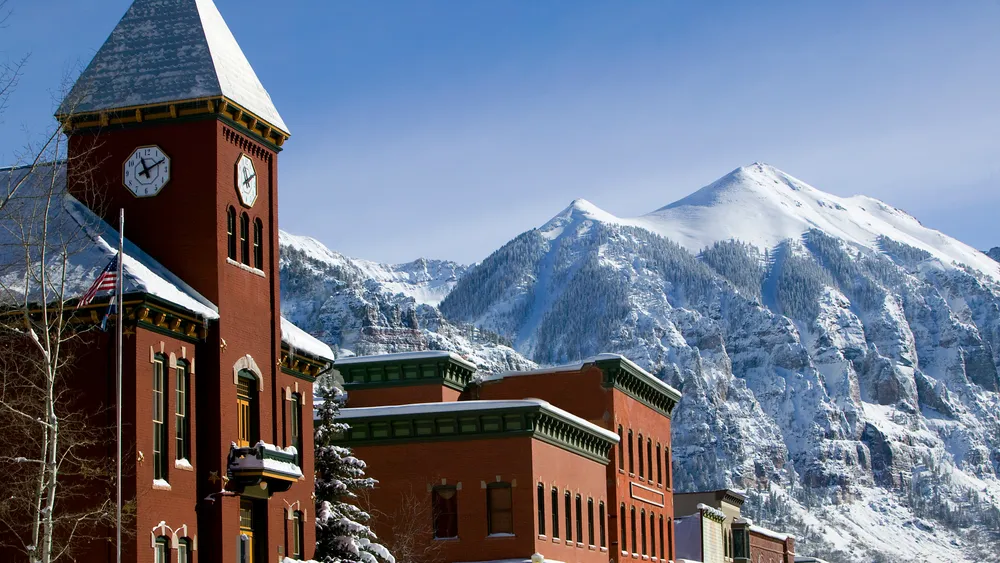
Tucked away in the Colorado Rockies, Telluride is rapidly gaining recognition as one of North America’s most queer-friendly and inclusive small towns, offering a blend of natural beauty, vibrant community events, and year-round Queer visibility.
For decades, queer travelers in North America have gravitated toward familiar urban enclaves—San Francisco’s Castro, New York’s Fire Island, or Provincetown’s storied Cape Cod sands. But a quieter revolution is taking place in the heart of the Colorado Rockies: Telluride, once known chiefly for its ski slopes and arts festivals, is emerging as a uniquely inclusive haven for LGBTQ+ people seeking both adventure and acceptance .
Unlike many ski resort towns that cater to a luxury crowd with little visible queer culture, Telluride’s embrace of LGBTQ+ inclusivity is deliberate and deep-rooted. From public policy to community events, local businesses and residents have cultivated an environment where everyone—regardless of gender identity or sexual orientation—can feel authentically themselves.
Telluride’s journey toward queer-friendly status accelerated in the early 2000s, when local activists began organizing Pride events and working with town officials to ensure safety and visibility for LGBTQ+ residents and visitors. The annual Telluride Gay Ski Week, now a staple of the winter calendar, draws participants from across the country for days of skiing, parties, and community-building in one of the world’s most breathtaking mountain landscapes .
But advocacy in Telluride extends beyond seasonal events. The town council and local organizations have adopted anti-discrimination ordinances and provided funding for mental health and outreach programs specifically tailored to LGBTQ+ needs . Businesses routinely display rainbow flags year-round, not just during Pride, signaling an authentic welcome to queer travelers at every turn.
Winter sports have often felt exclusionary for transgender people, nonbinary folks, and anyone outside the mainstream athletic mold. Telluride is changing that narrative. The town’s ski schools and rental shops have participated in inclusivity training, ensuring that people of all identities can access gear, lessons, and guidance without fear of bias or misgendering .
The Telluride Gay Ski Week is more than just a party; it’s a fundraiser for local queer youth initiatives and features workshops, panel discussions, and outdoor activities designed for every level of ability. Nonprofit partnerships with local organizations, such as AspenOUT , have helped replicate success and share best practices in building welcoming mountain communities .
Telluride’s commitment to LGBTQ+ inclusion is evident outside the winter season. The Telluride Film Festival and Bluegrass Festival have both featured queer artists and filmmakers, and local galleries routinely showcase works by LGBTQ+ creatives. In recent years, the Telluride Arts District has partnered with OUT Boulder County and other regional organizations to host queer poetry readings, drag brunches, and educational workshops .
Summer brings hiking, mountain biking, and river rafting, with local guides and adventure companies openly advertising their allyship and readiness to serve a diverse clientele. For families, the Telluride Library offers LGBTQ+-inclusive story hours, and youth groups have established safe spaces for queer and questioning teens https://www.telluridearts.org.
Many travelers and residents note that Telluride’s size—just over 2,000 permanent residents—allows for a sense of intimacy and community not found in sprawling metropolises. “I moved here for the mountains, but stayed for the people,” says Jamie Lee, a nonbinary ski instructor who relocated from Denver. “There’s real allyship here, not just rainbow capitalism” .
Transgender people and gender-nonconforming individuals report positive experiences with local healthcare providers, who have received specialized training to address the needs of queer and trans patients . “The difference is palpable,” says Alex Torres, a transgender writer who frequents Telluride for its arts festivals. “I feel safe hiking alone or going out at night—something I can’t say for every mountain town.”
Telluride’s hospitality scene includes several LGBTQ+-owned bed and breakfasts, as well as hotels that participate in the International LGBTQ+ Travel Association’s accreditation program . Many local bars and restaurants host queer-themed nights, and the Sheridan Opera House regularly schedules drag performances and queer cabaret acts, drawing crowds from neighboring towns and states.
Nightlife in Telluride is relaxed but lively, with venues like the Last Dollar Saloon and Liberty Lounge advertising Pride cocktails and hosting monthly queer mixers. “It’s easy to meet people, whether you’re traveling solo or with a partner,” says Sam Bennett, a frequent visitor from Salt Lake City .
Telluride is not without its challenges. Housing affordability and the high cost of living can be obstacles for both residents and travelers, particularly those from marginalized communities. Local advocacy groups are pushing for more equitable access to housing and employment, and the town council has responded with initiatives aimed at supporting diverse populations .
Access remains a concern for some: Telluride’s remote location means that public transportation options are limited, and driving in winter can be daunting. However, regional shuttle services and new partnerships with LGBTQ+ travel organizations are working to improve mobility and accessibility for all .
Telluride is served by Montrose Regional Airport , with shuttle and rental car options available for the scenic hour-long drive into town. Visitors should plan ahead for weather conditions, especially in winter. The best time to visit for LGBTQ+ events is January during Gay Ski Week, though summer offers a wealth of outdoor and cultural activities.
Travelers can expect a high level of safety, visible queer representation, and a genuine sense of belonging. Whether you’re seeking the thrill of the slopes, the serenity of mountain vistas, or the warmth of a queer community, Telluride offers an experience that’s both off the beaten path and at the forefront of inclusivity .
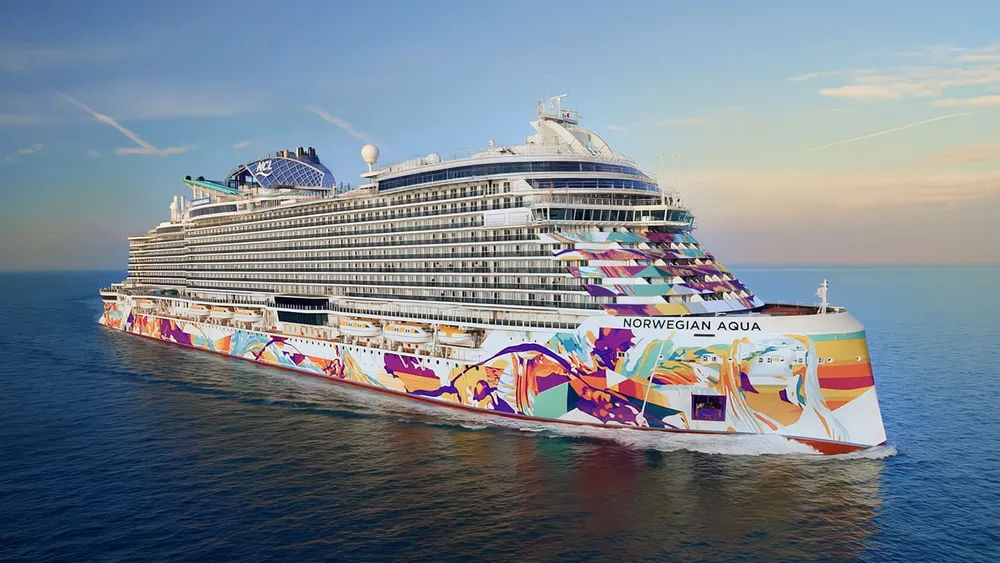
After seven days aboard Norwegian Cruise Line’s newest ship, the Norwegian Aqua, one thing is clear: the cruise line has made entertainment a top priority, and it shows.
After seven days aboard Norwegian Cruise Line’s newest ship, the Norwegian Aqua, one thing is clear: the cruise line has made entertainment a top priority, and it shows.
The 3,571-passenger ship, which launched Caribbean itineraries from Port Canaveral this summer, delivers on its promise of bold, high-energy programming. At the center of the ship’s entertainment offerings is “Revolution: A Celebration of Prince,” a concert-style production that received standing ovations during both of its performances in the ship’s three-story theater.
Featuring iconic tracks such as “Kiss,” “Purple Rain,” “When Doves Cry,” and “1999,” the show transforms the theater into a full-scale rock venue. Advanced lighting design, a moving stage, and a high-energy cast make the production feel like a stadium tour at sea. Passengers could be heard singing along and praising the show long after the final curtain.
Norwegian has made no secret of investing heavily in entertainment aboard Aqua, and based on guest feedback throughout the week, that investment appears to be paying off.
Prince Takes Center Stage
The headline show, Revolution: A Celebration of Prince, transforms the Aqua’s three-story main theater into a high-powered concert venue, packed with iconic hits such as Purple Rain, 1999, and When Doves Cry.
Performed twice during the voyage, the production drew full houses both nights. From where I sat, passengers were fully engaged, clapping, singing along, and giving standing ovations. The lighting and sound design rivaled what you’d see at major land-based concerts, and the cast, though newly assembled, delivered a seamless performance.
Norwegian’s investment in Revolution was clearly a priority, and judging by the reaction onboard, it was a smart one.
Next-Level Attractions at Sea
The Aqua’s standout attraction is the Aqua Slidecoaster, which Norwegian bills as the world’s first hybrid waterslide and roller coaster. Riders are launched through twin slides across three decks in what looks like a cross between a thrill ride and a water park feature.
Personally, it was a hard pass for me, but younger passengers rode it repeatedly and raved about the experience.
Also new is the Glow Court, a digital sports complex featuring an interactive LED floor. During the day, it hosts games and recreational play. At night, it transforms into a dance club and social space for adults, a clever use of the ship's real estate.
Entertainment for All Ages
Family entertainment isn’t an afterthought. The Aqua Game Zone, a retro-modern arcade space, caters to all ages with classics like Ms. Pac-Man and Mario Bros. alongside newer titles. Throughout the week, I saw both kids and adults competing side by side and sharing laughs.
Another highlight is Elements: The World Expanded, a family-friendly theatrical show featuring acrobatics, illusion, and extravagant costumes. It leaned more whimsical than the Prince show and held the attention of even the youngest guests, no small feat during a 45-minute performance at sea.
Dining Expands in All Directions
With 17 venues, Norwegian Aqua offers the most dining options in the fleet to date. One standout is Sukhothai, the line’s first Thai specialty restaurant. Bright and modern, it served some of the most flavorful dishes I had all week.
The Indulge Food Hall, already a favorite on Norwegian’s Prima-class ships, makes a return with 10 international food stations serving small plates. It feels more like a curated food market than a buffet, ideal for grazing across cuisines in one meal.
New to Aqua is Planterie, Norwegian’s first plant-based eatery. Even as someone who doesn’t usually seek out vegetarian food, I found the citrus-forward salad I tried to be one of the best dishes of the week.
Designed for Downtime
In a notable shift, Norwegian removed go-kart tracks in favor of a larger pool deck, and it was the right call. Throughout the cruise, loungers were available even on the sunniest days.
The Vibe Beach Club, an expanded adults-only retreat, offers a quieter alternative to the main pool areas. And for those seeking serious relaxation, the two-deck Mandara Spa features what may be the largest thermal suite at sea.
With six saunas (including a clay sauna, salt room, and cold room), a vitality pool with massaging jets, and dozens of heated stone loungers facing panoramic windows, it’s a place where time seems to slow down. Despite the size, it never felt overcrowded.
A New Direction for Norwegian
What struck me most about the Norwegian Aqua wasn’t just the entertainment; it was the balance. One moment, you’re watching a full-scale Prince tribute concert; the next, you’re reclining on a thermal lounger, staring out at the sea in silence.
It’s this balance that makes the Aqua appealing to both families seeking action-packed days and adults craving a refined, relaxing escape.
That sentiment was echoed by many on board. I overheard kids begging for “one more round” in the arcade and adults sharing praise for the dining upgrades over cocktails. Even seasoned cruisers I spoke with said Aqua felt like a fresh direction for the brand.
With the Aqua, Norwegian Cruise Line has delivered its most entertainment-forward ship. They also created a vessel that blends variety, energy, and comfort in a way that raises the bar for what modern cruising can look like.
by Alicia Richards | Travelbinger
Copyright Associated Press. All rights reserved. This material may not be published, broadcast, rewritten, or redistributed.
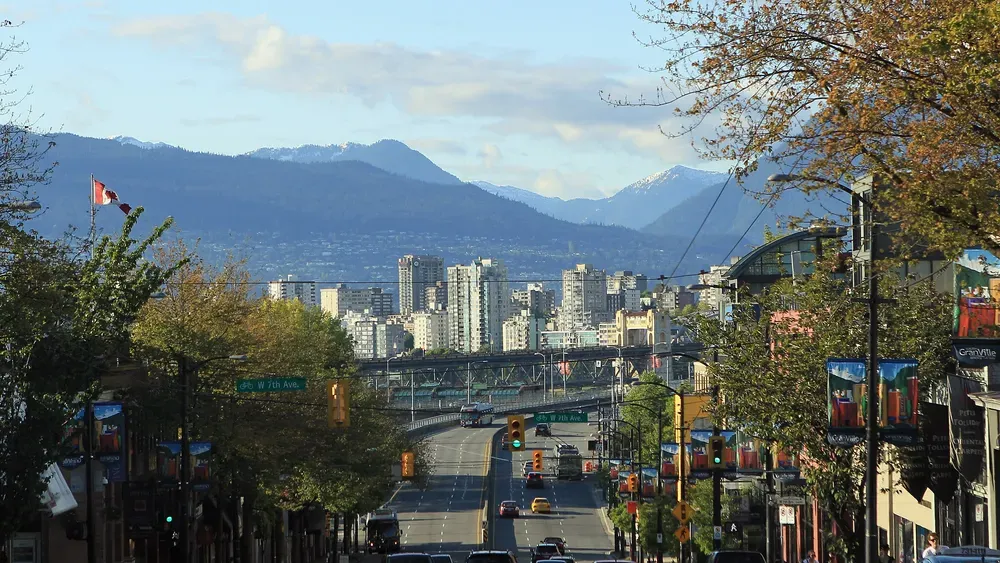
VANCOUVER, BC - JUNE 03: A scenic view of Vancouver from Camrie Street photographed on June 3, 2011 in Vancouver, Britich Columbia, Canada. Photo Credit: (Photo by Bruce Bennett/Getty Images)
Canada remains one of the world’s most welcoming countries for queer travelers, with vibrant neighborhoods, robust Pride celebrations, and a culture of inclusivity.
Canada’s reputation as a leading LGBTQ+ travel destination is rooted in its strong legal protections, inclusive culture, and dynamic queer communities. With same-sex marriage legalized nationwide in 2005 and comprehensive anti-discrimination laws in place, the country has established itself as a safe and affirming space for LGBTQ+ people from around the world . This progressive foundation is reflected in Canada’s major cities, each offering unique experiences and vibrant queer neighborhoods.
Montréal: The Heartbeat of LGBTQ+ Culture
Montréal stands out as one of North America’s premier LGBTQ+ destinations, renowned for its joie de vivre and dynamic queer scene . The city’s famed Gay Village, known locally as Le Village, stretches along Sainte-Catherine Street and transforms into a pedestrian promenade during the warmer months. Here, visitors encounter a tapestry of rainbow flags, bustling cafés, and open-air terraces. The neighborhood buzzes with nightlife, including drag shows, dance clubs, and cabarets, as well as family-friendly events. Each August, Montréal hosts Fierté Montréal, one of Canada’s largest Pride festivals, drawing locals and tourists to celebrate diversity with parades, performances, and community forums .
Beyond the Village, Montréal’s cultural offerings include the historic charm of Old Montréal, museums, and a thriving arts scene. The city’s accessibility—just a short flight from major U.S. cities—makes it an ideal entry point for international travelers seeking both celebration and culture .
Toronto: Urban Diversity and Pride Legacy
Toronto, Canada’s largest city, is home to the Church-Wellesley Village, a cornerstone of the country’s LGBTQ+ history and activism. This neighborhood is a lively mosaic of queer-owned businesses, bookstores, and community centers. Toronto Pride, held each June, is among the largest in North America, known for its inclusive programming and diverse representation, including a Trans March and Dyke March .
Landmarks such as the CN Tower and Royal Ontario Museum combine with a world-class food scene and multicultural festivals, making Toronto a cosmopolitan hub for LGBTQ+ visitors. The city’s commitment to inclusion is reflected in year-round events and the visible presence of LGBTQ+ leaders in public life .
Vancouver: Coastal Charm and Davie Village
On Canada’s west coast, Vancouver offers a blend of urban sophistication and scenic beauty. Davie Village, located in the city’s West End, is the heart of Vancouver’s LGBTQ+ community, with rainbow crosswalks marking the vibrant streetscape. The area features a range of inclusive bars, restaurants, and nightlife options, as well as accessible beaches and parks .
Vancouver Pride in August is a highlight, featuring a parade, outdoor concerts, and family-friendly activities. The city’s proximity to nature allows travelers to combine urban exploration with outdoor adventures in nearby Stanley Park, Grouse Mountain, and the Pacific coastline .
Winnipeg and Edmonton: Emerging Hubs on the Prairies
While larger cities often attract the spotlight, mid-sized Canadian cities like Winnipeg and Edmonton are gaining recognition for their growing LGBTQ+ communities. Winnipeg’s Osborne Village is celebrated for its creative energy, with independent shops, theaters, and annual events such as Pride Winnipeg and the Reel Pride Film Festival. The city’s Canadian Museum for Human Rights offers an important space for learning about the ongoing fight for equality .
Edmonton’s Jasper Avenue is an emerging LGBTQ+ neighborhood, home to a cluster of queer-run businesses and bars. The city’s Pride celebrations and public art tours contribute to a sense of community and belonging .
- -
Canada consistently ranks among the safest countries for LGBTQ+ travelers, with robust legal protections and a societal emphasis on equity . The country’s major cities are home to a wide range of resources for LGBTQ+ visitors, including queer-friendly accommodations, health services, and community organizations. National and local governments actively promote inclusivity, with visible support for events like Pride and policies aimed at reducing barriers for transgender people and other marginalized identities .
Whether you’re drawn to Montréal’s nightlife, Toronto’s diverse neighborhoods, Vancouver’s ocean views, or the welcoming communities of Winnipeg and Edmonton, Canada offers something for every LGBTQ+ traveler. For those planning a visit, consider aligning your trip with one of the country’s many Pride festivals for a truly immersive experience. With its ongoing commitment to equality and a spirit of celebration, Canada stands as a beacon of inclusion for the global LGBTQ+ community.
As anti-LGBTQ+ laws proliferate, both domestic and international tourism to and within the U.S. is being reshaped, with notable impacts on travel safety, destination choices, and industry revenues.
Recent months have witnessed a surge in legislative and policy actions across the United States that restrict rights and legal protections for queer people, with a particular focus on transgender individuals. These measures have had direct and measurable effects on tourism, as both domestic and international travelers reassess their itineraries in light of safety and inclusivity concerns. Travel advisors, advocacy groups, and research institutes have documented a marked shift in travel patterns, cancellations, and the perception of the U.S. as a destination for queer visitors .
Over the past year, state legislatures have introduced and, in many cases, passed dozens of laws restricting queer rights. According to the American Civil Liberties Union’s 2025 legislative tracking, these bills often target transgender people’s ability to update gender markers on identity documents, ban gender-affirming care for youth, and restrict public expression, such as drag performances .
For travelers, these restrictions have immediate practical consequences. In states where updating a driver’s license or birth certificate is now prohibited or heavily restricted, transgender people may be forced to travel with identification that does not match their gender presentation, increasing the risk of harassment, discrimination, or even violence at airports, hotels, and other public venues. Advocacy organizations stress that, for many, the fear of being “outed” or denied services is enough to cancel or avoid travel altogether .
A May 2025 study by the Williams Institute at UCLA found that 30% of transgender respondents reported traveling less frequently since the 2024 U.S. election, and 70% said they were less likely to vacation in states perceived as less trans-affirming . The study further reveals that nearly one in six respondents had canceled or considered canceling travel plans to states they viewed as hostile to transgender rights.
This trend is confirmed by travel industry professionals. Dean Nelson, a travel advisor and LGBTQ+ tourism consultant based in Vancouver, notes that clients are rescheduling or canceling cruises that begin or end in Florida or other states with anti-queer laws, opting instead for European or Canadian itineraries . Jaike Rowe, a sales and product manager at Out of Office, reports that while some clients avoid the U.S. entirely, others choose to focus travel on cities with strong reputations for inclusivity, such as San Francisco or New York .
The impact on transgender travelers is especially acute. The controversial passport and ID policies introduced during and after the Trump administration have resulted in frequent invasive questioning at airports and border crossings for transgender people . Duncan Greenfield-Turk, chief travel designer with Global Travel Moments, underscores the risks, stating, “The U.S. is not considered a safe place for transgender people,” and highlights the absence of legal guidance or government assurances for trans travelers .
According to the Williams Institute, 65% of transgender respondents are less likely to travel even within their own states if local policies are perceived as hostile. This internal migration away from less inclusive regions has economic consequences, impacting tourism revenues in states with restrictive laws .
The tourism industry has responded with caution and in some cases, activism. The International LGBTQ+ Travel Association emphasizes safety and inclusivity as top priorities and urges destinations to maintain strong legal protections and visible queer communities to attract travelers. Many travel agencies now actively track local laws and advise clients on which destinations are safest and most welcoming .
Riskline’s 2025 LGBTQ Risk Map categorizes the U.S. as a “Normal Concern” destination overall, but notes growing anxiety among transgender travelers due to regional disparities and political polarization . Travel guides and advocacy groups alike now recommend consulting up-to-date local information before planning U.S. travel, especially for transgender, nonbinary, and gender-diverse individuals.
The repercussions extend beyond individual travelers. The decline in queer tourism has financial impacts on states and cities, especially those that have previously marketed themselves as queer-friendly destinations. Loss of business from canceled conventions, pride festivals, and leisure travelers is compounded by the reputational damage caused by restrictive laws.
Some cities and regions, aware of the potential economic fallout, have doubled down on their commitment to inclusivity—publicly reaffirming support for queer rights and culture. These efforts are reflected in targeted marketing campaigns, visible pride celebrations, and expanded legal protections, all aimed at attracting travelers who might otherwise avoid the U.S. or specific states .
Given the evolving legal landscape, experts recommend the following for queer travelers considering U.S. destinations:
- Research local and state laws before booking travel, particularly regarding identity documents and public expression .
- Seek out destinations with strong reputations for LGBTQ+ inclusivity and visible communities.
- Consult travel advisors and advocacy organizations for up-to-date safety information and legal guidance.
- Prioritize personal safety and comfort, and be prepared to alter plans if local laws or conditions change.
While most major U.S. cities remain welcoming and vibrant for queer visitors, the current climate requires vigilance and informed decision-making, especially for transgender and gender-diverse travelers .
KLM and Delta Air Lines have been named the official airline partners for WorldPride 2026 in Amsterdam.
KLM Royal Dutch Airlines and Delta Air Lines have officially announced their partnership as the designated airline sponsors for WorldPride 2026 in Amsterdam, set to be the largest Pride celebration in the city’s history. This landmark event, scheduled from July 25 to August 8, 2026, is expected to attract approximately two million visitors from around the world, marking Amsterdam’s return to the global spotlight as a city of diversity and acceptance .
WorldPride is renowned for its scale and influence, occurring every two to three years in different cities and uniting the LGBTQ+ community on a global stage. The collaboration between KLM and Delta Air Lines is a strategic move to facilitate and encourage international participation, leveraging their combined global networks to make travel to Amsterdam accessible for attendees from every continent. With travel as a barrier for many, the airlines’ involvement is regarded as critical to enabling broader representation and participation at WorldPride 2026 .
Miriam Kartman, Chief People Officer at KLM, emphasized that the partnership is more than a sponsorship—it’s a public affirmation of the airlines’ core values. “At KLM, we believe that everyone should be welcome, no matter where they come from or who they are. For us, WorldPride 2026 is more than just an event: it’s an opportunity to demonstrate that connection and inclusion are in KLM’s DNA. We’re proud that, together with Pride Amsterdam, we can bring people together from all over the world to celebrate being yourself,” Kartman stated .
Delta Air Lines echoed this sentiment, reaffirming their ongoing commitment to diversity, inclusion, and respect for all passengers, regardless of sexual orientation or gender identity. Both companies have previously sponsored LGBTQ+ initiatives, including Pride events and advocacy campaigns, positioning themselves as leaders in corporate social responsibility within the aviation sector .
WorldPride 2026 carries the theme “UNITY,” chosen to celebrate the strength of loving partnerships and the solidarity of the global queer community. This theme is particularly poignant given the event’s alignment with major milestones in queer history:
- The Netherlands’ legalization of same-sex marriage in 2001 set a global precedent for equality and human rights. WorldPride 2026 will honor this landmark achievement, reflecting on the progress made and the work that remains for true equality worldwide .
- Pride Amsterdam, now in its 30th year, has grown from a local celebration to an international beacon of visibility, inclusion, and acceptance, drawing participants and activists from every corner of the globe .
- COC Netherlands, founded in 1946, is recognized as the oldest operational LGBTQ+ advocacy group worldwide. Its contributions to social change and legal reform have shaped generations of activism, both in the Netherlands and beyond .
The announcement of KLM and Delta’s partnership has been met with widespread approval from queer organizations and advocacy groups. Many see the move as not just a matter of convenience, but as a powerful statement of corporate solidarity with marginalized communities. The visibility afforded by such large-scale corporate support is seen as a catalyst for further progress, especially in regions where queer rights remain contested or under threat .
As Amsterdam prepares for WorldPride, organizers are collaborating with local and international advocacy groups to ensure the event is inclusive for all identities, including transgender people, non-binary individuals, and those from intersectional backgrounds. Accessibility, safety, and representation are core considerations in event planning, with input from community leaders guiding the development of programming, outreach, and support services .
The partnership between KLM and Delta is part of a broader movement in the airline industry toward greater inclusivity and representation. Both companies have previously implemented internal policies supporting queer employees, including anti-discrimination protections, diversity training, and resource groups. Their sponsorship of WorldPride 2026 is widely viewed as an extension of these values, with the potential to inspire other corporations to deepen their own commitments to equality .
Queer film festivals across the United States offer vibrant spaces for LGBTQ+ storytelling, community, and visibility. From New York’s NewFest to the Honolulu Rainbow Film Festival, these events highlight diverse queer narratives and foster connections na
Every year, queer film festivals transform cities across the United States into centers of LGBTQ+ storytelling and celebration. These festivals not only showcase the diversity of queer experiences but also provide vital platforms for filmmakers and audiences to connect, reflect, and build community. As travel rebounds and cultural events return to full force, queer film festivals are once again drawing local and international visitors, making them must-visit events for LGBTQ+ travelers and allies alike .
One of the oldest and largest is NewFest: The New York Lesbian, Gay, Bisexual, & Transgender Film Festival, which has been a cornerstone of New York’s queer culture since 1988. NewFest serves as both a film festival and a year-round media presenter, ensuring that LGBTQ+ stories have a consistent platform in one of the world’s most diverse cities. The festival, running from September 18–28 in 2025, is renowned for its robust selection of international films, panels, and special events, all dedicated to amplifying the voices of LGBTQ+ filmmakers and audiences . NewFest’s programming is intentionally inclusive, with a mission to represent the spectrum of queer experiences and identities, making it a welcoming destination for all members of the LGBTQ+ community.
On the West Coast, Frameline in San Francisco is another historic institution. Although this year’s festival concluded in June, Frameline remains a beacon for queer cinema, with a reputation for launching groundbreaking films and celebrating both established and emerging talent. Frameline’s commitment to intersectionality and diverse storytelling ensures that transgender people, queer people of color, and other underrepresented voices are central to the cinematic conversation .
Beyond the major metropolitan festivals, cities across the country host events that are equally enthusiastic—if more intimate—about queer storytelling. The Connecticut LGBTQ Film Festival, now in its 38th year, stands as the state’s longest-running film festival and one of the country’s most enduring platforms for queer narratives. Held June 20–28, 2025, the festival is celebrated for its welcoming atmosphere and its focus on underrepresented filmmakers .
Meanwhile, the Honolulu Rainbow Film Festival distinguishes itself with its tropical setting and commitment to community and cultural celebration. In its 36th year, the festival features a blend of local and international programming, emphasizing inclusivity and connection in Hawaii’s unique context. The 2025 event runs from June 27–29 and offers fee waivers for Hawaii-based filmmakers, reinforcing its investment in nurturing local talent .
In the Midwest, Reeling: Chicago LGBTQ+ International Film Festival (September 25–October 5, 2025) stands as one of the longest-running queer film festivals in the world. With more than four decades of history, Reeling continues to offer a dynamic blend of features, shorts, and community events. This year, select films will also be available virtually, increasing accessibility for audiences unable to travel to Chicago .
For queer travelers, these festivals offer more than film screenings—they provide opportunities for connection, advocacy, and celebration in affirming spaces. Many festivals partner with local LGBTQ+ organizations, host workshops, and offer both in-person and virtual programming to ensure accessibility. Early planning is advised, as tickets and accommodations can fill quickly, especially in cities known for their vibrant queer nightlife and cultural scenes.
Before attending, visitors are encouraged to review festival health and safety guidelines, as well as accessibility accommodations. Many festivals offer reduced ticket prices or fee waivers for students, elders, or community members with financial need, ensuring broad participation .
Queer film festivals continue to play a crucial role in promoting authentic LGBTQ+ stories, challenging stereotypes, and inspiring future generations of filmmakers and audiences. By traveling to and supporting these festivals, queer audiences and allies help sustain vibrant spaces for representation, dialogue, and joy in communities nationwide.
Whether you’re a cinephile, a casual moviegoer, or simply seeking connection, queer film festivals across the United States stand ready to welcome you—on screen and in spirit.
Sand Castle on the Beach in Frederiksted, St. Croix, stands out as an adults-only, queer-friendly Caribbean resort, offering an inclusive haven where all identities are celebrated.
A Caribbean Escape Where All Identities Shine
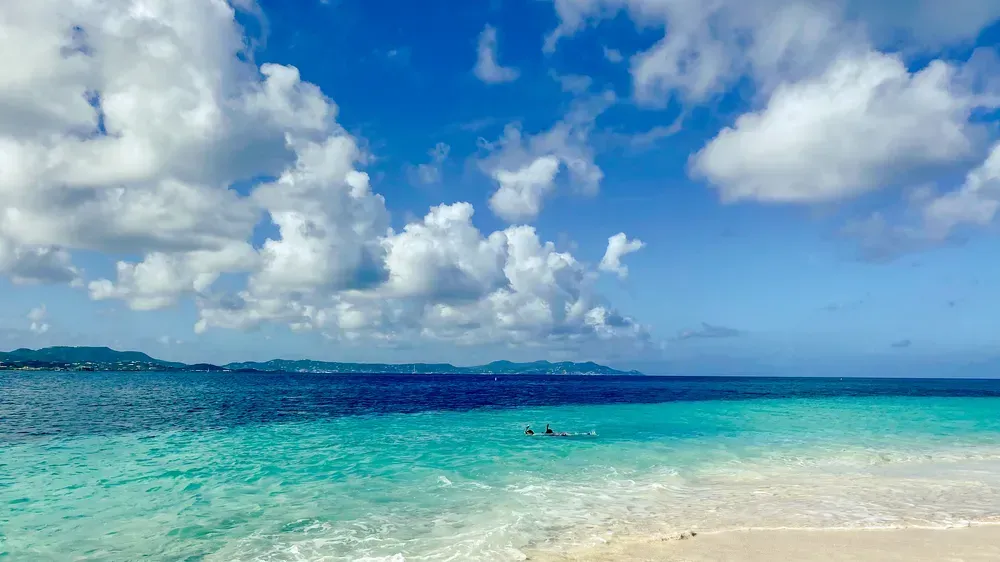
For LGBTQ+ travelers seeking genuine inclusivity, Sand Castle on the Beach in Frederiksted, St. Croix, offers more than just sun and sand—it provides a sanctuary where every guest is welcomed with open arms and authentic hospitality. Located on a pristine stretch of white sand, this adults-only boutique resort has earned a reputation as one of the Caribbean’s most LGBTQ+-friendly destinations, blending classic island charm with a strong commitment to diversity and safety .
Rooted in Community and Inclusion
Sand Castle on the Beach has long been recognized for its open-door policy and visible support for queer visitors. Reports from travelers as far back as the early 2000s highlight the resort’s history of hosting same-sex commitment ceremonies and attracting a diverse clientele, with gay, lesbian, transgender, and nonbinary guests sharing the grounds with straight couples and allies . This intentional inclusivity is not only reflected in the guest list but also in the resort’s policies and staff training, ensuring that everyone—regardless of gender identity or expression—feels safe and at home.
Guest experiences emphasize the warm, affirming environment cultivated by staff. From the front desk to the maintenance team, employees are routinely praised for treating LGBTQ+ guests with respect and kindness, fostering a sense of belonging that is too often missing from mainstream hospitality .
A Beachfront Haven With All the Essentials
The resort itself is intimate, with about 30 rooms ranging from cozy studios to ocean-view suites, many equipped with kitchenettes for convenience . The grounds include a small, clothing-optional pool, adding to the relaxed, judgment-free atmosphere. With no guests under 18 permitted, the environment is tranquil, catering to those seeking rest and connection rather than family-centric bustle.
One highlight is the on-site Beach Side Cafe, which serves breakfast, lunch, dinner, and weekend brunch, earning praise for its quality and range of offerings . The beach just steps from the rooms offers excellent snorkeling; guests can rent equipment directly at the front desk and explore vibrant marine life without leaving the property. Visitors have also noted the unique local tradition of watching horse owners exercise their horses in the surf, a sight available right from the shore .
Events and Visibility: A Year-Round Celebration
Sand Castle on the Beach goes beyond passive inclusion by actively participating in events that center LGBTQ+ joy and visibility. The resort regularly hosts drag brunches, pride-themed gatherings, and community outreach events, often featuring performers with national profiles such as Candi Stratton and Dorae Saunders . These events invite both travelers and locals to celebrate in a festive, affirming environment.
While the resort is often described as especially popular among lesbian travelers, it makes clear in its messaging and operations that all members of the LGBTQ+ spectrum are welcome and valued. The diversity of guests—from same-sex couples to solo transgender travelers—demonstrates the resort’s commitment to intersectional inclusion .
Safety, Location, and the Local Scene
St. Croix itself is generally regarded as one of the more open-minded Caribbean islands, and Frederiksted’s laid-back energy adds to the appeal for LGBTQ+ visitors. Some guests have noted that the immediate area is more residential than commercial, and resort staff advise caution when walking to town after dark—a reminder to prioritize safety in a new environment . However, the resort’s proximity to local dining and cultural sites, combined with its robust in-house amenities, means many guests find little reason to venture far.
The property’s strong reputation for inclusivity has made it a safe harbor for queer travelers, particularly for those who may have faced discrimination elsewhere in the Caribbean—a region where LGBTQ+ rights and acceptance can still be inconsistent. Sand Castle on the Beach stands as a counterpoint, proving that Caribbean hospitality can be both traditional and progressive.
A Model for Queer Hospitality in the Caribbean
For LGBTQ+ travelers, Sand Castle on the Beach is more than a destination; it is a model for what inclusive hospitality can look like in the Caribbean. With its welcoming staff, thoughtfully designed spaces, and ongoing support for queer visibility and celebration, the resort continues to set a standard for affirming travel experiences. As more resorts and destinations look to attract a diverse global clientele, Sand Castle on the Beach offers a blueprint rooted in respect, safety, and genuine community.
The Trump administration has decided to abandon a Biden-era plan that would have required airlines to pay cash compensation and cover lodging and meals for stranded passengers when airlines cause flight cancellations or changes
The Trump administration said Thursday it is abandoning a Biden-era plan that sought to require airlines to compensate stranded passengers with cash, lodging and meals for flight cancellations or changes caused by a carrier.
The proposed rule would have aligned U.S. policy more closely with European airline consumer protections. It was proposed last December in the final weeks of then-President Joe Biden's administration, leaving its fate in the hands of his Republican successor.
In a document posted Thursday, President Donald Trump's Transportation Department said its plan to scrap the proposed rule is “consistent with Department and administration priorities.” Trump has sought to significantly roll back or modify federal regulations that his administration deems are wasteful or burdensome.
Industry trade group Airlines for America, which represents carriers including United, Delta and Southwest Airlines, welcomed the move by the Trump administration.
“We are encouraged by this Department of Transportation reviewing unnecessary and burdensome regulations that exceed its authority and don’t solve issues important to our customers," the group said Thursday in a statement.
Airlines already offer some level of customer service when they cause flight cancellations or severe delays, but passengers usually have to ask for help at the airport, and airline promises don’t carry the weight of federal rules.
But the proposed rule sought compensation starting at $200 when a flight is canceled or significantly delayed because of a mechanical problem with the plane or an airline computer outage. Compensation as high as $775 was proposed for delays of nine hours or more.
Carriers fiercely opposed it. In a public comment submitted this summer, Spirit Airlines said the rule threatened to increase operating costs for airlines and drive up ticket prices for passengers.
The budget carrier filed for Chapter 11 bankruptcy protection last week for the second time in a year. Spirit quickly followed that announcement with news that it planned to suspend operations next month in about a dozen cities.
“There is no free lunch,” Spirit said. “If every time a flight has to be cancelled due to, say, an aircraft maintenance issue, airlines were required to pay each affected passenger $300 plus hotel and meals, there would be a perverse incentive to cancel flights preemptively at any hint of trouble.”
Biden's Transportation Department was also considering free rebooking on the next available flight, including flights on rival airlines, as well as meals and lodging when passengers are stranded overnight.
by Rio Yamat
Copyright Associated Press. All rights reserved. This material may not be published, broadcast, rewritten, or redistributed.