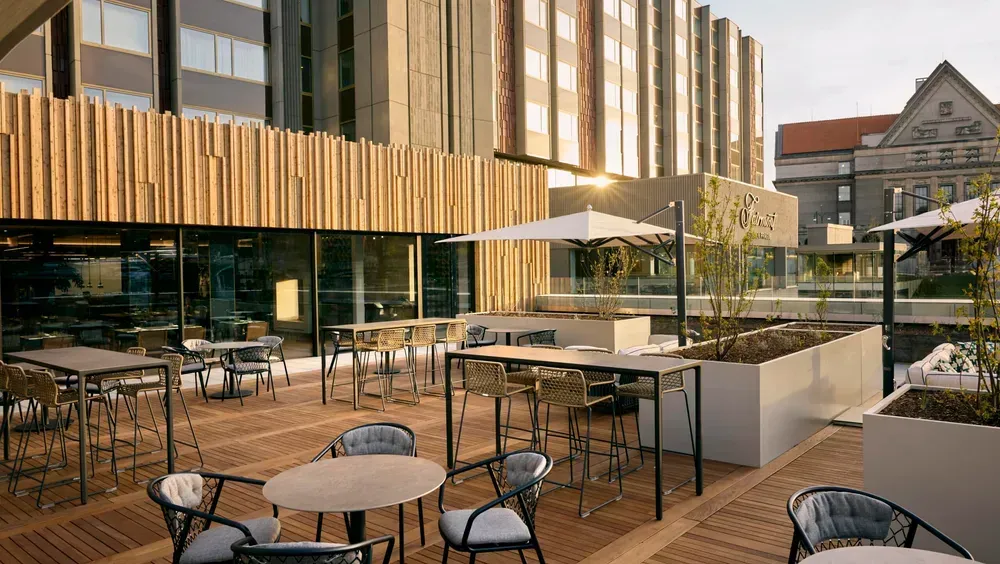
The reopening of one of Prague’s ultimate luxury hotels marks one of the most significant moments in the city’s recent hospitality history. Formerly the InterContinental Prague, the landmark brutalist building has reopened as the Fairmont Golden Prague after a five-year, $200 million restoration. It is the first Fairmont property in both the Czech Republic and Central Europe.
The reopening of one of Prague’s ultimate luxury hotels marks one of the most significant moments in the city’s recent hospitality history. Formerly the InterContinental Prague, the landmark brutalist building has reopened as the Fairmont Golden Prague after a five-year, $200 million restoration. It is the first Fairmont property in both the Czech Republic and Central Europe.
“It’s one of the largest hotel transformations Central Europe has seen in years,” said Karolina Jovanovic, marketing communication manager at Fairmont Golden Prague. “The architect wanted to show respect for the building’s legacy while giving it a new life that meets today’s expectations for luxury.”
Once a symbol of modern luxury in Czechoslovakia, the hotel now returns with preserved 1970s Czech artworks, newly commissioned pieces from leading contemporary artists, and world-class amenities designed to reestablish its place as a cultural and architectural touchstone in the nation’s capital.
First Western Hotel Investment in the Eastern Bloc
The hotel’s significance began long before its 2025 reopening. According to a June 12, 2025, information release from Fairmont Golden Prague, the original property was the first international five-star hotel in Czechoslovakia and the first Western investment in an Eastern Bloc country.
Funded by PanAm, the project broke political and economic barriers, drawing global attention. Upon its completion in 1974, it was covered by outlets including The New York Times, which underscored its rarity as a luxury presence behind the Iron Curtain.
Restored Czech Art and New Design Define the Interiors
Today, the Fairmont Golden Prague preserves much of its artistic heritage. Originally designed by architect Karel Filsak, it has been reimagined by TaK Architects under lead architect Marek Tichý, who retained original stained glass windows, chandeliers, and sculptures while adding works from leading contemporary Czech artists.
Behind the hotel, a glass cube will house a contemporary art gallery managed by the Kodl family.
The property offers 320 rooms and suites, including the 1,614-square-foot Presidential Suite, and six dining venues. Most of the rooms feature glass walls by Lasvit, a collection of 150 original Czechoslovak film posters, and some also have lighting from Bomma.
Sustainability is a priority, with 97.7% of the cooling system powered by sustainable sources. Guests booking the Fairmont Gold experience have access to an executive lounge, offering priority check-in, all-day refreshments, and tailored guest assistance. “We’re the only luxury hotel in Prague with a true executive lounge,” Jovanovic said. “It’s designed for guests who want both privacy and personalized service.”
Six Dining Venues Span Fine Dining to Comfort Food
The hotel’s six dining venues range from riverside casual to rooftop fine dining. Its signature restaurant, Zlatá Praha, is led by executive chef de cuisine Maroš Jambor, formerly of New York’s three-Michelin-starred Eleven Madison Park. “By reviving the hotel’s historic restaurant name, we aim to make Zlatá Praha a destination for fine dining in Prague,” Jovanovic said.
At street level, Tilia Garden serves healthy, café-style dishes, including vegan options, as part of the spa zone. Across a new pedestrian bridge from Dvořák Embankment, Greenhouse offers grilled meats, fish, and Pilsner beer. Kafka Brasserie serves breakfast and plans to add weekend brunches in the fall.
The Coocoo’s Nest lobby bar serves classic cocktails and light bites. On the ninth floor, Golden Eye offers Pan-Asian dishes, including nikkei sushi and ceviche, with panoramic views.
From Soft Opening to Full Operations, with More to Come
Fairmont Golden Prague opened in April 2025 with 40 rooms and two restaurants. By August, all 297 rooms and six dining venues were in operation. An additional 23 residences, scheduled for completion in fall 2025, will bring the total to 320 accommodations.
Miloš Forman Square in front of the hotel is being cleared of construction equipment, with a public tender for its revitalization set for October. On Sept. 11, the Kodl Contemporary Gallery behind the hotel will hold its opening ceremony.
A History of High-Profile Guests
Over the decades, the hotel has hosted actors Meryl Streep and Tom Cruise, music legend Elton John, and political leaders including former U.S. Presidents George H.W. Bush and Richard Nixon, former Secretary of State Madeleine Albright, former British Prime Minister Margaret Thatcher, and former U.S. Secretary of State Hillary Clinton.
Location in Prague’s Historic Josefov District
Located in Prague’s Josefov district, the Fairmont Golden Prague stands at the edge of the Old Town, where the city’s Jewish heritage meets its medieval heart. At the end of Pařížská Street, home to luxury boutiques, the hotel overlooks the Vltava River. Directly opposite is the Law Faculty of Charles University.
For American travelers seeking the pinnacle of comfort in Prague, Fairmont Golden Prague offers more than luxury accommodations—it immerses guests in a living gallery of Czech artistry, from preserved 1970s masterpieces to striking contemporary works.
by Veronika Primm | Travelbinger
Copyright Associated Press. All rights reserved. This material may not be published, broadcast, rewritten, or redistributed.
Swimming in the Seine is an increasingly popular tourist attraction in the French capital, and a must-do for Parisians themselves
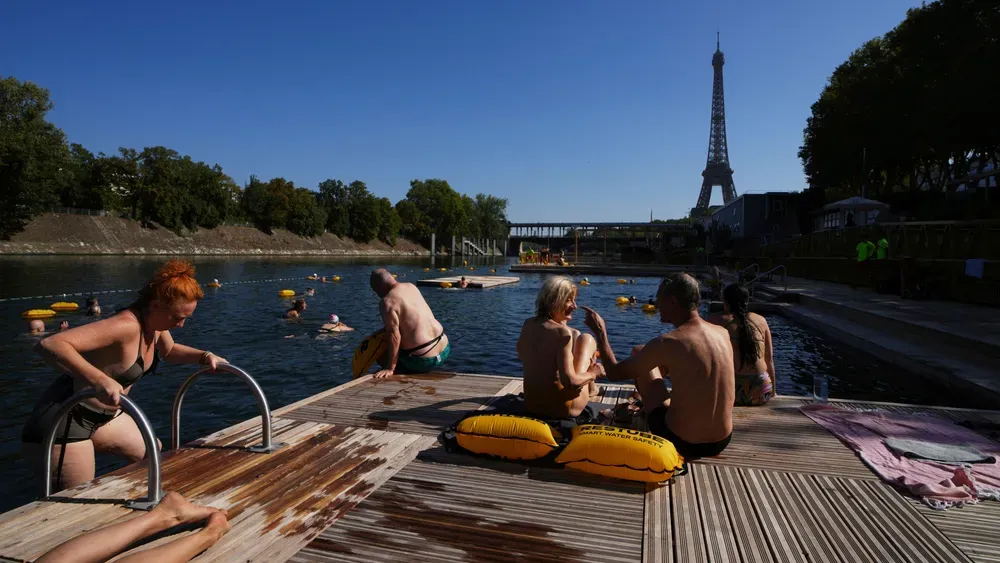
PARIS (AP) — Swimming in the Seine is an increasingly popular tourist attraction in the French capital — and a must-do for Parisians themselves. Thousands of people have enjoyed a dip in the river since three public bathing sites opened last month, the first in over a century.
The swimming areas are expected to get even more crowded as a heatwave arrives in the region on Tuesday. Paris has been placed under “high vigilance” by national weather service Meteo France, with temperatures up to 38 degrees Celsius (100 Fahrenheit) expected.
At the Grenelle site in the west of Paris, visitors swim and sunbathe with a unique view of the Eiffel Tower, with small fishes darting near the surface.
Water quality is tested daily to conform with European regulations. Swimming in the Seine had been illegal since 1923, with a few exceptions, due to pollution and risks posed by river navigation. The new bathing sites are possible following a 1.4 billion euro ($1.6 billion) cleanup that made it suitable for Olympic competitions last year.
“Imagine that,” said Constanze Martens, a tourist from Mexico. “Swimming with view of the Eiffel Tower and in pure natural water, clean, safe, and with all this lovely people too, you have every age here."
On Monday, the water temperature in the Seine was 22 degrees Celsius (71 Fahrenheit).
“It’s quite warm, warmer than the sea, which was quite surprising, and is very pleasant,” said Elisabeth Lorin, from the Paris eastern suburb of Montreuil.
Until the end of August, bathing sites are open for free at scheduled times to anyone 10 or older or 14 or older, depending on the location. Details are in the Paris city hall website, in English as well. Each swimmer must be equipped with a yellow buoy, attached to their waist, for safety reasons. There are changing rooms with lockers.
The site welcomes between 800 and 1,200 visitors per day, with a limit of 200 at any one time, said the manager of the Grenelle site, Yann Forêt.
Paris Deputy Mayor Pierre Rabadan last week said over 40,000 people had swum at the sites since they opened on July 5. That's despite almost two weeks of closures largely due to rainy weather, which increases water pollution upstream.
“Right now, the water quality is excellent and we have optimal conditions with warm weather,” Rabadan told The Associated Press on Monday. He said the daily decision to open the sites depends on weather conditions and factors including water flow rate and any known pollution.
Several lifeguards monitor the sites, occasionally using their whistles to remind swimmers not to jump or leave the perimeter. No major incident has been reported, Rabadan said.
Marina Gicquel, a 22-year-old lifeguard at Grenelle, said the main difference from a swimming pool is the river current, along with the murky water.
“You can only see people’s heads sticking out. That’s why buoys are useful,” Gicquel said. "And it’s also quite deep. It’s three to five meters (10 to 16 feet) deep, so people find no foothold.”
Some visitors, like Australian Thurkka Jeyakumar, had been skeptical about swimming in the Seine, citing the river’s murky color and bacteria issues.
Unsafe levels of E. coli or other bacteria appear during prolonged periods of rain that overwhelm pipes, leading untreated wastewater to flow into the river instead of a treatment plant. Last year, some Olympic competitions were postponed for that reason.
In the end, Jeyakumar gave it a try because she lost a bet.
“For the moment, I have to say that it was much nicer and cleaner than I thought it would be," she said. "So the bet worked out for the better!”
by Sylvie Corbet
Copyright Associated Press. All rights reserved. This material may not be published, broadcast, rewritten, or redistributed.
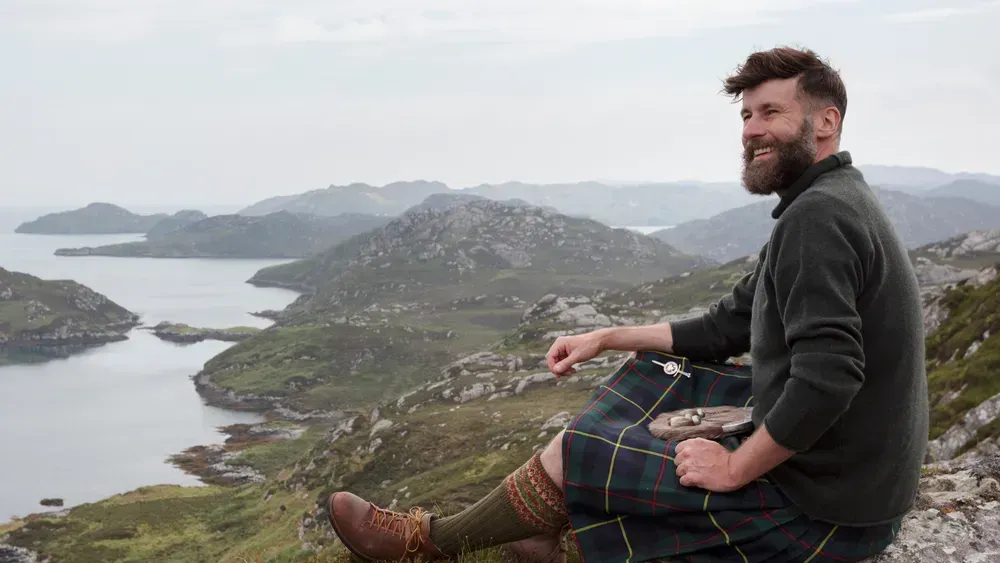
Best-selling gay cookbook author Coinneach MacLeod, known as the Hebridean Baker, is set to make his television presenting debut this autumn with a four-part culinary travel series, "Hebridean Baker: Nordic Islands."
Coinneach MacLeod, the internationally acclaimed author and beloved Hebridean Baker, is stepping out of his cozy Scottish island kitchen and onto the global stage with his first-ever television presenting role. This autumn, audiences will join Coinneach in "Hebridean Baker: Nordic Islands," a four-part culinary adventure airing on BBC ALBA and BBC iPlayer, with versions in both Gaelic and English .
The series promises viewers more than just recipes; it’s a heartfelt celebration of island life, resilience, and the ties that bind communities across oceans. Coinneach, who is openly gay and a proud advocate for LGBTQ+ visibility in food media, expressed his excitement for the show: “This series has been a dream come true. I’ve always believed food connects us, and on Hebridean Baker: Nordic Islands, I’ve been welcomed into kitchens, farms and cafés across the north, meeting incredible bakers, fishermen and storytellers whose passion for their island, culture and cuisine has been inspiring. It’s been a joy to explore and share those connections” .
Coinneach’s presence as a gay host is significant, especially in culinary television where LGBTQ+ representation remains limited. His authentic storytelling, paired with his signature Fair Isle sweaters and ever-present yellow wellies, brings a unique warmth to the screen and fosters a sense of belonging for queer viewers. Margaret Cameron, director of content at MG ALBA, emphasized this aspect: “Coinneach brings a unique warmth and authenticity to the screen – qualities that resonate deeply with audiences at home and abroad. Hebridean Baker: Nordic Islands is more than a foodie series; it’s a heartfelt celebration of island life and the threads that connect communities across oceans. We are proud to premiere this beautifully crafted series in Gaelic on BBC ALBA, and to see Gaelic storytelling take its rightful place on the international stage” .
For LGBTQ+ audiences, Coinneach’s visibility matters. His gentle, affirming presence offers a powerful counterpoint to mainstream narratives, demonstrating that queer people belong everywhere—including the kitchens and villages of the world’s most remote islands.
Filmed across four extraordinary Nordic islands—Lofoten (Norway), the Faroe Islands, Gotland (Sweden), and Bornholm (Denmark)—the series dives headfirst into the wild and wonderful flavors of the North . Viewers will join Coinneach as he:
- Joins an Arctic fishing boat crew, learning about sustainable seafood practices and the lives of Nordic fishermen. - Samples fermented mutton with Faroese farmers, discovering age-old traditions that weave together family, history, and food. - Brews Viking-style ale on Gotland, shining a light on how local ingredients and ancient recipes continue to shape community identity. - Uncovers the secrets of Denmark’s famous pastries on the picturesque island of Bornholm, baking cakes fit for a princess in the Baltic.
Each episode centers not only the food but also the people who make it—their stories, their resilience, and the creative ways islanders maintain cultural identity in an ever-changing world. Coinneach’s gentle interviewing style encourages candid moments, allowing queer and allied viewers to see universal themes of connection, tradition, and pride.
The show’s launch marks a milestone for LGBTQ+ representation in travel and culinary television. Coinneach’s journey is also a celebration of diversity within island communities, many of which have historically been isolated but now increasingly embrace openness and inclusivity. By sharing the everyday lives and culinary traditions of Nordic islanders, the series invites all viewers—queer and non-queer alike—to appreciate the vibrant tapestry of cultures that thrive at the edges of Europe .
For LGBTQ+ audiences seeking travel inspiration, connection, and affirmation, "Hebridean Baker: Nordic Islands" offers a new kind of adventure—one that celebrates queer joy, cultural exchange, and the universal language of food.
Produced by Caledonia TV and funded by MG ALBA, the series is set to premiere this autumn, with the Gaelic-language edition airing exclusively on BBC ALBA and BBC iPlayer and an English-language version available for broader audiences . As Coinneach MacLeod brings his signature blend of warmth, hospitality, and pride to screens worldwide, queer viewers can look forward to a series that not only satisfies the palate but also celebrates the power of connection—across islands, cultures, and identities.
ELLA Festival, one of Europe’s leading events for LGBTQ+ women and non-binary people, is set to return to the island of Mallorca from August 29 to September 6, 2025.
This summer, the internationally-renowned ELLA Festival returns to Mallorca, welcoming LGBTQ+ women and non-binary people from around the world to the Balearic Islands for eight days of culture, music, activism, and community. From August 29 to September 6, 2025, attendees will experience a program packed with conferences, workshops, performances, and social activities designed to foster empowerment, visibility, and joy among queer communities.
Now in its ninth edition, ELLA Festival has become a cornerstone event for LBTQ+ (lesbian, bisexual, transgender, queer) women and non-binary individuals seeking a welcoming and affirming environment. The festival’s return to Mallorca, a location celebrated for its breathtaking scenery and vibrant local culture, marks a triumphant continuation of ELLA’s commitment to inclusivity and global LGBTQ+ solidarity.
The official inauguration will take place on the rooftop of Palau de Congressos de Palma, kicking off a week of festivities with a blend of entertainment, art, and community spirit. Attendees can anticipate a powerful opening speech from Phyll Opoku-Gyimah, known affectionately as Lady Phyll, co-founder of UK Black Pride and a leading LGBTQ+ activist in the United Kingdom. Her address is expected to set the tone for an event deeply rooted in empowerment, visibility, and intersectionality.
The opening night will also feature performances by acclaimed artists such as Sheela Gathright, whose live set promises to energize and inspire, and international drag queen Ruda Puda, renowned for her multilingual shows that embrace diversity and joy. The evening will be further enlivened by a lineup of top international DJs, including Katie Kace (Austria), DJ Pamela (Sweden), DJ Delva (Argentina), and DJ ALX (Netherlands), ensuring a soundtrack as diverse as the festival’s attendees.
Festival-goers can expect a full sensory experience with visual art exhibitions, multimedia installations, and interactive moments such as an exclusive photocall and videography to commemorate the night. A dedicated LGBTQ+ merchandising stand will offer community-themed goods, reinforcing the event’s celebratory and inclusive atmosphere.
Over the course of the festival, ELLA’s agenda includes a rich mix of activities designed to appeal to a broad spectrum of interests and identities. Attendees will have the opportunity to participate in:
- *Conferences and Talks:* Featuring international speakers, activists, and thought leaders addressing key issues facing LGBTQ+ women and non-binary people today, including intersectionality, health, rights, and creative expression. - *Workshops and Wellness:* From creative arts and photography to sexuality, health, and gender, sessions led by experts such as Irene Aterido (Spanish sociologist and sexologist) offer education and personal growth. - *Sports and Outdoor Activities:* Beach days, yoga, and innovative workouts—such as the music-driven Pound workout—encourage wellbeing and connection in Mallorca’s beautiful natural surroundings. - *Music and Entertainment:* Nightly performances by international artists and DJs ensure a continuous celebration of queer talent. - *Social Events:* Speed-friending meetups, cocktail hours, and exclusive parties provide space for new friendships and lasting memories.
ELLA Festival’s commitment to diversity extends beyond entertainment. The event serves as a vital platform for visibility and advocacy, foregrounding voices and experiences often marginalized within mainstream LGBTQ+ spaces. By centering women, non-binary people, and intersectional identities, ELLA fosters a sense of belonging and agency, encouraging attendees to celebrate their authentic selves and build solidarity across borders.
The festival’s programming reflects a holistic approach to LGBTQ+ empowerment, blending celebration with education and activism. International guests and artists are selected for their contributions to art, sports, and social change, making each edition a unique convergence of inspiration, talent, and progress.
The island of Mallorca, with its turquoise coastlines, vibrant cities, and rich cultural heritage, provides a picturesque and inclusive backdrop for ELLA Festival. Palma, the capital, is renowned for its LGBTQ+-friendly venues, making it an ideal setting for an event devoted to celebration, community, and connection.
Festival packages and hotel recommendations are available to suit a variety of needs, ensuring accessibility for international guests and newcomers. The ELLA Global Community app offers updates, guidance, and ways to connect before and during the festival, further enhancing the sense of belonging.
Frankie & Jo’s, a woman and LGBTQIA+-owned dessert shop in Seattle’s Capitol Hill neighborhood, is redefining what it means to be an inclusive business in a thriving tourist destination.
Seattle’s Capitol Hill is famed for its rainbow crosswalks, vibrant nightlife, and a history of LGBTQ+ activism and acceptance. Among its many queer-owned establishments, Frankie & Jo’s stands out as both a must-visit for tourists and a cornerstone of the local LGBTQ+ community. Founded by Megan Janes and Suzie Barnes-Janes, a wife-and-wife team, Frankie & Jo’s has become a destination for plant-based dessert lovers and those seeking an affirming, inclusive environment in one of the city’s most bustling neighborhoods .
Frankie & Jo’s offers a menu of inventive, dairy-free ice creams and popsicles made from natural, locally sourced ingredients. Flavors range from pomegranate-mint to cinnamon cream, emphasizing both creativity and a dedication to sustainability. The shop’s eco-friendly ethos extends beyond its menu, with compostable packaging and a commitment to reducing waste, aligning with the values of many socially conscious travelers .
What truly sets Frankie & Jo’s apart is its visible LGBTQIA+ ownership and the intentional creation of a welcoming space for all identities. The shop’s decor is bright and joyful, and staff are trained to provide friendly, inclusive service regardless of gender expression or sexual orientation. This approach is especially meaningful in a tourist-heavy neighborhood, where first impressions matter and the presence of openly queer-owned businesses signals safety and acceptance for LGBTQ+ travelers .
Frankie & Jo’s regularly participates in Capitol Hill’s Pride celebrations and donates to local queer organizations, reinforcing its role as more than just a business, but as a community hub. For many visitors, seeing LGBTQIA+ leaders at the forefront of a successful, visible enterprise provides affirmation and inspiration, particularly for those from less-accepting regions .
Seattle’s reputation as an LGBTQ+ friendly city is well-earned, with neighborhoods like Capitol Hill offering a rich ecosystem of queer-owned cafes, bars, and boutiques . Frankie & Jo’s contributes to this landscape by providing a family-friendly, alcohol-free space where all ages and identities are celebrated. The shop is often featured in travel guides for LGBTQ+ visitors and has been praised for its role in making Seattle a model destination for inclusive tourism .
The dessert shop’s success also demonstrates the economic power and influence of LGBTQ+-friendly businesses within tourist economies. By centering queer representation and values, Frankie & Jo’s has attracted a loyal customer base that includes both locals and international travelers seeking safe, affirming experiences .
Frankie & Jo’s continues to evolve in response to feedback from the LGBTQ+ community. Recent initiatives include partnerships with local advocacy groups, hosting pop-up events for queer artists, and providing safe space for community gatherings during Pride and beyond . The owners’ visibility as married queer women is central to the shop’s mission, offering representation that resonates deeply within the community and sets a standard for inclusive business practices nationwide.
For tourists and locals alike, Frankie & Jo’s is more than just a dessert shop—it’s a beacon of LGBTQIA+ visibility, resilience, and joy in the heart of one of America’s most affirming cities. As the world looks to Seattle for models of inclusive tourism, Frankie & Jo’s provides a sweet, sustainable example of how business can foster community and belonging for all.
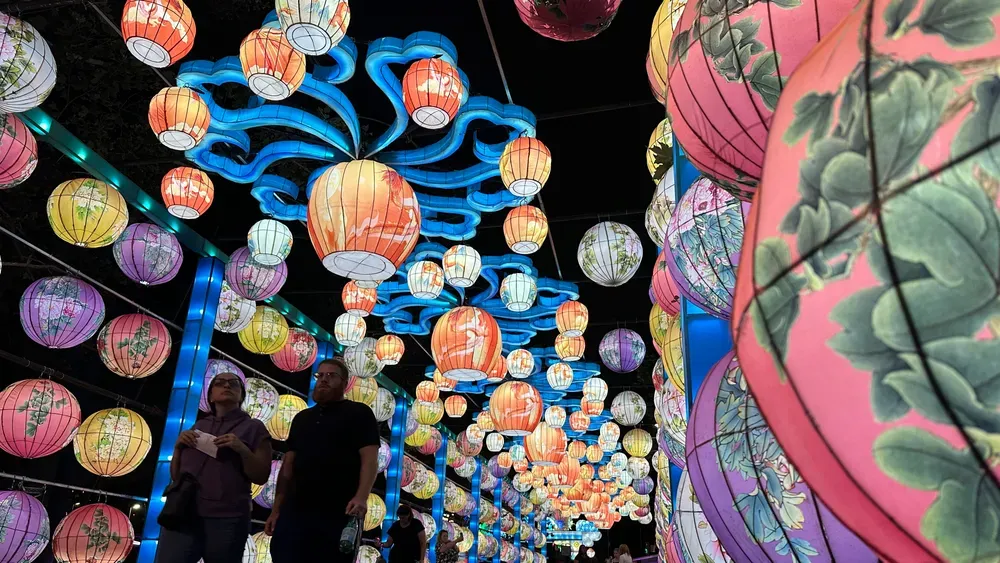
Visitors walk through a lighted tunnel at the Philadelphia Chinese Lantern Festival, Tuesday, Aug. 5, 2025 in Philadelphia.Photo Credit: (AP Photo/Tassanee Vejpongsa)
Now in its eighth year, the Philadelphia Chinese Lantern Festival has become a seasonal staple for locals and tourists alike
PHILADELPHIA (AP) — What began as a novel summer event in 2016 has blossomed into a cherished summer tradition for Philadelphia. Now in its eighth year, the Philadelphia Chinese Lantern Festival in Franklin Square has become a seasonal staple for locals and tourists.
This year, the festival once again transforms the historic square into a luminous wonderland.
More than a thousand handcrafted lanterns depict intricate scenes from enchanted forests to the underwater world. The centerpiece, a 200-foot-long (61-meter-long) dragon, has become an iconic symbol of summer in the city.
“It has definitely become a Philly summer tradition. People really have grown to expect it,” said Amy Needle, president and CEO of Historic Philadelphia, the event organizer. “We have people that come back every year. They know that every year the lanterns are all new.”
The festival’s appeal spans generations and cultures, drawing diverse crowds who come to immerse themselves in the breathing-taking displays.
“Tonight, it was a beautiful night. Just seeing the different people out, just different cultures out, whether you’re Asian, Black, white... everybody is here to celebrate,” said Tamea Butler, a visitor from Nashville, Tennessee.
Some attendees, like Philadelphia resident Jamie Lenegan, dress in traditional Chinese attire to fully embrace the event.
“We love to dress up because we want to be immersed in the culture. We want to really embrace the moment and just take it all in,” said Lenegan, who visited the festival for the first time with friends.
For others, the visual splendor is the main draw.
“All the colors and the lights and stuff like that, you can’t get enough of it. It’s just vivid and beautiful,” said James Rohmann, who was making a day trip to the city with his son.
Traditionally, the Lantern Festival marks the end of the Lunar New Year period. However, organizers moved the event to the summer to avoid unpredictable winter weather. The Philadelphia Chinese Lantern Festival runs through Aug. 31.
by Tassanee Vejpongsa
Copyright Associated Press. All rights reserved. This material may not be published, broadcast, rewritten, or redistributed.
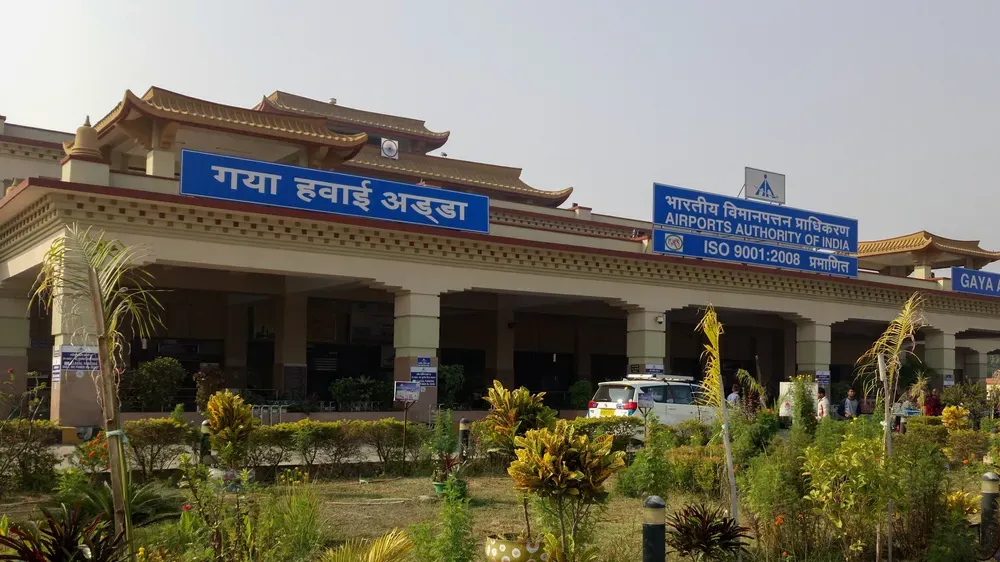
Despite a wave of political requests and cultural concerns, Gaya International Airport in India will retain its “GAY” three-letter code.
Gaya International Airport, located in the historic and spiritual city of Gaya in Bihar, India, has been thrust into the national and international spotlight over its three-letter airport code: GAY. The code, assigned by the International Air Transport Association (IATA), drew criticism from some local politicians and community members, who deemed it culturally insensitive and offensive. However, India’s Ministry of Civil Aviation has confirmed that the code will remain unchanged, citing international aviation protocols and the absence of any safety concerns .
The debate intensified when Bhim Singh, a Member of Parliament from the Bharatiya Janata Party (BJP), raised the issue in the Rajya Sabha, the upper house of India’s Parliament. Singh argued that the code “GAY” offended the social and cultural sensibilities of local residents and travelers, and called for it to be replaced with a more “respectful and culturally appropriate” alternative . He also questioned the government about complaints and suggestions received regarding the code.
Responding to the parliamentary query, Union Minister of State for Civil Aviation Murlidhar Mohol clarified that the IATA assigns three-letter codes to airports based on international standards, typically using the first three letters of the city’s name. “Once the code is issued, it is not usually changed and any exception to it can only be made if the code offers any threat to air safety,” Mohol stated in a written reply . He also revealed that Air India had previously approached IATA seeking a change, but the request was denied under IATA Resolution 763, which asserts that assigned codes are considered permanent unless there are exceptional circumstances, typically related to aviation safety .
Gaya’s airport code has been in official use since September 2011, coinciding with the start of regular Air India flights between Gaya, Varanasi, and Delhi. The code’s assignment was based on standard IATA procedures and has functioned without issue for over a decade .
While some critics claim the code is embarrassing or offensive, LGBTQ+ rights advocates have pointed out that the discomfort reflects broader issues of homophobia and societal stigma. According to LGBTQ+ activists, efforts to change the code are less about aviation protocol and more about discomfort with the word “gay” itself . As one activist noted, “The call to change the airport code is a symptom of homophobia.”
Globally, other cities have faced similar controversies. For example, Sioux City in the United States attempted to change its “SUX” airport code after politicians expressed embarrassment, though ultimately the code remained. Fukuoka, Japan, also failed in an effort to switch its “FUK” code to “FUN” in 2019 for similar reasons . In each case, the permanence of IATA codes has been upheld, reinforcing the industry’s commitment to neutrality and standardization.
LGBTQ+ advocacy groups view the Indian government’s decision as an important signal. “Keeping the code ‘GAY’ is not only about following international norms, it’s about refusing to erase identities or give in to prejudice,” said an LGBTQ+ activist in India .
For many in the LGBTQ+ community, the controversy surrounding the Gaya airport code highlights ongoing challenges related to visibility and acceptance in India and around the world. The word “gay,” while a neutral descriptor for sexual orientation, still generates discomfort among some segments of society. Advocates argue that efforts to censor or change such terms, even in unrelated contexts like aviation, can perpetuate harmful stigmas.
The city of Gaya, known as a major pilgrimage site for both Hindus and Buddhists, holds significant spiritual and cultural importance. The debate over the airport’s code, however, has revealed the tension between tradition and modernity, and between cultural sensitivities and the need for inclusivity.
Despite the discomfort expressed by some residents, there is no evidence that the “GAY” code has caused harm or confusion in commercial airline operations. International aviation authorities emphasize that codes are assigned for practical reasons and are only changed when safety is at risk, not for reasons of social or cultural discomfort .
The Ice Palace Nightclub in Cherry Grove, Fire Island, stands as one of the oldest and most iconic queer friendly businesses in a renowned summer destination.
Fire Island, a slender barrier island off the coast of Long Island, New York, has a long-standing reputation as a sanctuary for LGBTQ+ individuals seeking acceptance, community, and celebration. The towns of Cherry Grove and Fire Island Pines, in particular, have been pivotal in shaping the island’s identity as an inclusive destination since the mid-20th century. Among the many businesses that have contributed to this legacy, the Ice Palace Nightclub stands out as a cornerstone of the Cherry Grove community, renowned for its welcoming atmosphere, energetic events, and unwavering support for LGBTQ+ rights .
Founded in the early 1950s, the Ice Palace has provided a safe and affirming space for LGBTQ+ people long before mainstream acceptance. The club’s reputation for openness and exuberance attracted not only local residents but also visitors from New York City and beyond, helping to cement Fire Island’s status as a must-visit LGBTQ+ destination . Its enduring popularity is reflected in its ability to host generations of guests, offering a space where people of all identities and backgrounds can gather without fear of judgment or exclusion.
The Ice Palace is perhaps best known for its vibrant calendar of events, which includes drag shows, dance parties, and themed nights that draw enthusiastic crowds throughout the summer season. The annual July 4th “Invasion of the Pines,” a tradition dating back to 1976, is among the most beloved celebrations on the island. During this event, drag performers and allies board ferries to parade from Cherry Grove to Fire Island Pines, creating a colorful and joyous spectacle that underscores the island’s spirit of solidarity and pride .
Beyond its entertainment offerings, the Ice Palace plays a crucial role in supporting local LGBTQ+ initiatives. The club frequently hosts fundraisers and awareness campaigns addressing issues such as HIV/AIDS, transgender rights, and queer youth support. These events demonstrate a commitment to both celebration and advocacy, making the Ice Palace not only a nightlife hotspot but also a center for activism and community engagement .
What sets the Ice Palace apart is its dedication to inclusivity. The club’s staff and management foster an environment where all guests—regardless of sexual orientation, gender identity, or expression—are treated with dignity and respect. This commitment is reflected in the club’s programming, which regularly features performers and DJs from diverse backgrounds and identities. Visitors can expect to encounter drag kings and queens, transgender entertainers, and nonbinary artists sharing the stage, ensuring that representation and visibility remain at the heart of the venue’s mission .
Patrons frequently express appreciation for the Ice Palace’s safe and affirming atmosphere, noting that it is a place where they can fully express themselves without fear. This reputation has made the nightclub a destination not only for LGBTQ+ individuals but also for allies and tourists who wish to experience Fire Island’s legendary hospitality firsthand .
Fire Island’s Ice Palace Nightclub remains a powerful symbol of what inclusive businesses can achieve. As anti-LGBTQ+ rhetoric and policies resurface in various parts of the world, the existence of safe, affirming spaces where people can gather, celebrate, and organize remains as essential as ever. The Ice Palace’s continued success serves as a reminder that openness, diversity, and visibility are not only good for business but also vital for the health and resilience of the LGBTQ+ community .
As Fire Island continues to welcome new generations of LGBTQ+ travelers, the Ice Palace stands ready to provide joy, community, and a sense of belonging—ensuring its legacy endures for years to come.
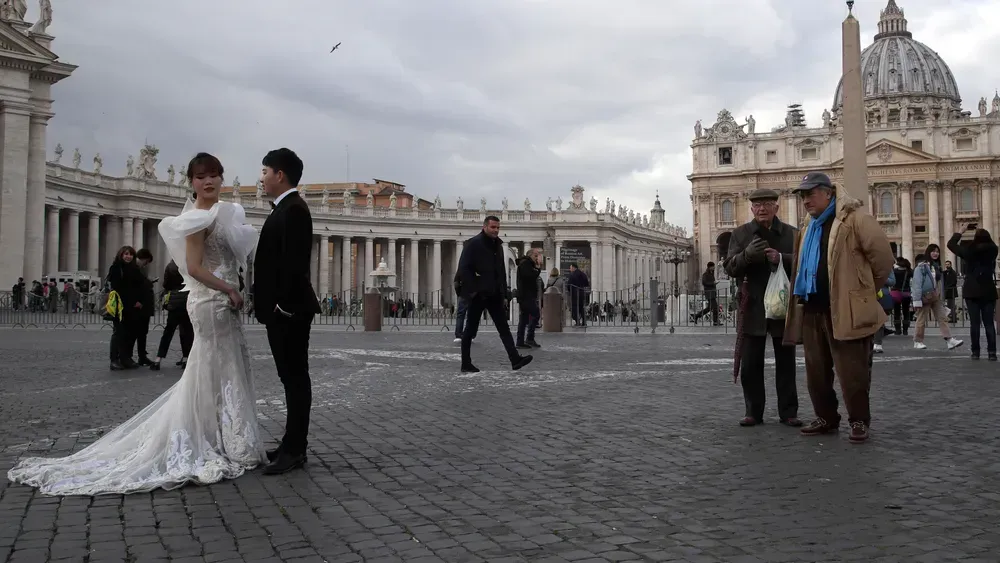
FILE - People look at Chinese couple in wedding clothes posing for photos in front of St. Peter's Square at the Vatican, Jan. 17, 2019. Photo Credit: (AP Photo/Alessandra Tarantino, File)
Italy is becoming a top destination for American couples tying the knot.
FLORENCE, Italy (AP) — James Atkinson and Samantha Fortino toured a Tuscan vineyard and learned to make pasta and a Bolognese sauce alongside their family and friends in Florence. Atkinson discovered a penchant for chianti, while Fortino fell for Italy’s hugo spritz — a cocktail that posed no risk of staining her wedding dress on July 24.
Italy has hosted a number of star-studded weddings in the past decade, most recently Jeff Bezos and Lauren Sánchez ’s extravaganza in Venice. Away from the spotlight, tens of thousands of ordinary Americans have set their sights on the country for their special day in recent years.
“Weddings in America can be a little too grand and a little bit too big and it ends up not really being about the couple,” said Fortino, 28, a neonatal nurse from Skaneateles, New York. “We both just really wanted something intimate and meaningful.”
Over 15,000 foreign couples wed in Italy last year, up 64% from 2019, the year before the pandemic, according to market research from the Center of Tourist Studies of Florence. Growth was led by U.S couples, who account for almost one-third of that total.
Italy was the top international destination for American couples after Mexico, according to Maryland-based wedding planning website The Knot.
For many Americans, Italy embodies the simple, beautiful romance of a bygone era. Weather is balmy and its varied landscapes, from the sea to the mountains, stunning. The food is familiar and crowd-pleasing. But perhaps the biggest driver of the recent uptick is ample opportunity for a range of outings, which together with the wedding event are alluring for those on a quest for unique, memorable moments — part of a consumer trend termed “the experience economy.”
“In the United States, everything is just more expensive for one night and we wanted to make an experience, so we did two nights here," said Atkinson, 31, who owns a concrete company. “It just seemed like way more worth it to us to do that and make a trip out of it with our family, our loved ones.”
‘Nobody cancels’
One guest who had never visited Italy was ecstatic about the invite, and took advantage to tack on side trips, first to Venice and then with the wedding crew to Cinque Terre. Another, Gary Prochna, nearly didn’t attend because of work piling up at his paving company. He eventually came around and was floored by the venue — a 15th-century villa with a sweeping view over Florence and its famous Duomo.
“I got married in the United States and our venue was very nice. I thought — until this moment — we had the best wedding,” said Prochna, 68, adding that he now hopes his daughters will get hitched abroad.
More than half of Americans surveyed by Mastercard in January 2024 said they prefer to spend their money on memory-making experiences, and more than a third said they'd plan a whole trip around one particular experience.
Marcy Blum, a prominent luxury event planner based in Manhattan, said almost 90% of the weddings she plans abroad are in Italy.
“The reason Italy is so popular is because that’s where your guests want to go,” she said. "You send an invitation that you’re getting married in Capri or Positano and everybody comes. Everybody. They want to come. Nobody cancels.”
Jack Ezon, CEO of Embark Beyond, a luxury travel and destination event service also based in Manhattan, said 60% of his company’s events were outside the U.S. before the pandemic. Today it’s almost 90%, nearly all split evenly between Italy and France.
The threat of tariffs under President Donald Trump has given destination weddings a boost. Ezon has moved six events from the U.S. to Europe this year, because people were afraid tariffs on alcohol would cause their bar bill to explode.
Cost comparison
The shift to destinations has benefited planners with networks across Italy and local vendors. According to Wedding Italy, the husband-and-wife team who put on the Atkinson wedding, American clients spend three times as much as Italians, due to more elaborate wedding decor and other events in their multiday lineup.
Average spend on hometown weddings in the U.S. was $32,000 last year, according to The Knot. By comparison, foreigners' weddings in Italy cost an average 61,500 euros ($70,600) and typically have dozens fewer guests, the Center of Tourist Studies of Florence's data showed.
In the garden where the Atkinsons held their service, cypress trees swayed in the wind as the bride emerged from the chapel, beaming in her lace mermaid-silhouette gown. She walked down the aisle as speakers played the theme song to Star Wars. It was her sneaky trick to make the groom cry, and it worked like a charm.
Before the exchange of rings, before the lovebirds threw their arms around one another, their officiant said:
“Traditionally I would ask: Is there any reason why this couple shouldn't be married? But for goodness’ sake – we all flew to Italy and can’t get our points back! So instead I’ll ask: Who here approves of this union?”
Cheers all around.
by Dario Artale and David Biller
Copyright Associated Press. All rights reserved. This material may not be published, broadcast, rewritten, or redistributed.
This handout picture provided on Thursday, July 31, 2025 shows Nazi graffiti sprayed onto the entrance door of the 'Das Hoven' cafe in Berlin, Germany.Photo Credit: (Danjel Zarte via AP)
A Berlin cafe known as a safe space for LGBTQ+ people has become a target for hate and homophobic attacks
BERLIN (AP) — A neon sign inside the Das Hoven cafe in a trendy Berlin neighborhood proudly proclaims “QUEER AND FRIENDS.”
The sign was intended to show the cafe is a safe space for LGBTQ+ people. But it has also become a beacon for hate and homophobic attacks.
Owner Danjel Zarte said there are 45 pending criminal investigations related to the cafe over the past year and a half, ranging from verbal and physical attacks on patrons and workers to windows being broken or covered in feces and Nazi graffiti. One person even stood outside the cafe with a gun.
“An act of terror,” Zarte said. "I sometimes have panic attacks in the morning and am afraid to look at my cell phone because I’m afraid that something has happened again.”
Attacks against LGBTQ+ people and gay-friendly establishments are rising across Germany, including in Berlin, a city that has historically embraced the community, members of which often use the word queer to describe themselves.
Last year saw a 40% increase in violence targeting LGBTQ+ people in 12 of Germany's 16 federal states as compared to 2023, according to the Association of Counseling Centers for Victims of Right-Wing, Racist and Antisemitic Violence.
Hostility toward LGBTQ+ people serves as a “rallying cry” for believers in right-wing extremism, according to Judith Porath, the association's managing director. Experts have seen an increase in demonstrations and violence among neo-Nazis, most of whom are young men.
Bastian Finke, the head of MANEO, an organization tracking anti-gay violence in the capital city, said those who are openly queer on Berlin’s roads “automatically run a very, very high risk simply because of who they are. To be attacked, to be insulted, to be spat on. We have these scenarios every day.”
The fear was palpable at Saturday's Christopher Street Day parade in Berlin. The annual Pride event commemorates the 1969 Stonewall rebellion in New York City, when a spontaneous street uprising was triggered by a police raid on the Stonewall Inn gay bar on Christopher Street in Greenwich Village.
“The mood is actually tense: People are afraid, they are unsettled," Thomas Hoffmann, a member of the event's executive board, said Saturday.
Hundreds of thousands of people showed up for the celebration, dancing to techno beats as they marched to the iconic Brandenburg Gate.
"That is really a powerful, wonderful sign for more equality,” Hoffmann added.
Hoffmann and others have long wanted German lawmakers to amend the constitution to explicitly include the legal protection of LGBTQ+ people from discrimination based on gender identity. But that looks unlikely to become a political priority.
For Zarte, the stress of hate crimes and politics is nonstop, except during the Christopher Street Day parade, which always brings him to tears.
"It is very moving to feel completely accepted once a year," he said.
___
Pietro De Cristofaro in Berlin contributed to this report.
by Fanny Brodersen and Stefanie Dazio
Copyright Associated Press. All rights reserved. This material may not be published, broadcast, rewritten, or redistributed.