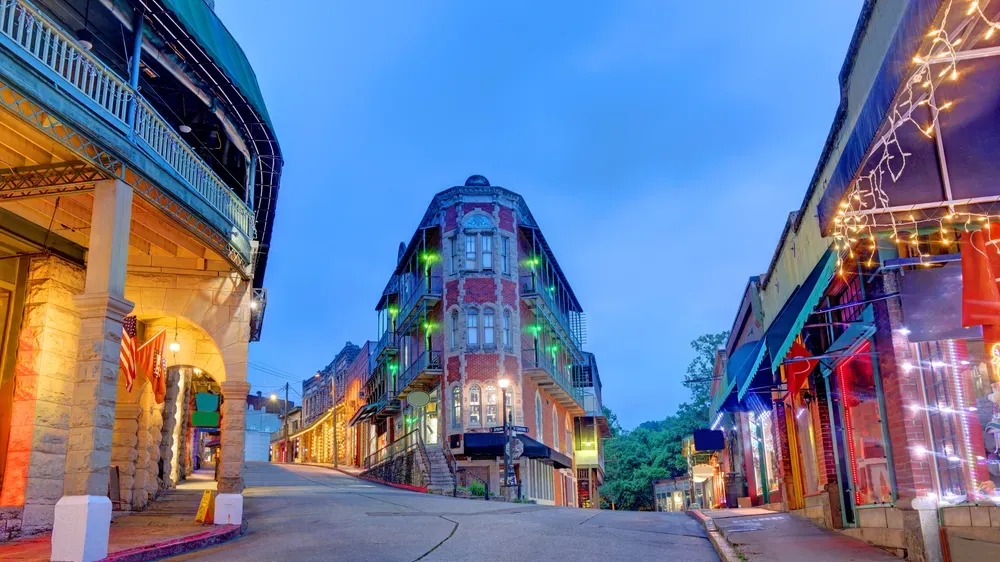
Tucked into the Ozark Mountains, Eureka Springs, Arkansas, has quietly become a beacon for queer travelers seeking an inclusive, vibrant, and off-the-radar destination.
For many queer travelers, the phrase “LGBTQ+-friendly destination” evokes images of big cities or well-known enclaves like Provincetown or Fire Island. However, in the heart of the American South, Eureka Springs, Arkansas, stands as a testament to how small towns can lead the way in inclusivity without sacrificing their distinctive charm. Once primarily known for its Victorian architecture and healing springs, Eureka Springs has in recent years earned a reputation as one of the most welcoming places for LGBTQ+ people in North America, especially among towns its size .
Eureka Springs’ journey toward queer inclusivity did not happen overnight. Its longstanding status as a haven for artists, eccentrics, and spiritual seekers helped foster an environment of openness. In 2014, the town made national news by passing a nondiscrimination ordinance that explicitly protected sexual orientation and gender identity—making it one of the first towns in Arkansas to do so, despite statewide resistance . Local businesses, many LGBTQ+-owned, quickly adopted rainbow flags and pride stickers, signaling to travelers that this was a place where diversity was not just tolerated but celebrated.
Eureka Springs hosts a variety of LGBTQ+-centered events that draw visitors from across the United States. The twice-yearly Diversity Weekend festivals—in the spring and fall—bring parades, drag performances, queer art exhibitions, and dance parties to the town’s winding streets . Local establishments like Henri’s Just One More and Eureka Live are gathering spots for both locals and visitors, offering a sense of community that’s rare in small-town America.
The town’s queer-friendly ethos extends year-round, as many hotels, bed-and-breakfasts, and shops are LGBTQ+-owned or affirming. According to recent coverage, Eureka Springs has one of the highest per-capita concentrations of queer-owned businesses in the region .
Eureka Springs’ appeal goes beyond its inclusivity. The town’s historic downtown is a maze of Victorian storefronts, quirky boutiques, and galleries, all nestled into steep hillsides. The surrounding Ozark landscape offers hiking, mountain biking, and kayaking, providing adventurous travelers with outdoor escapes just minutes from their accommodations. For those seeking relaxation, the town’s namesake springs and spas promise rejuvenation.
Cultural events, from opera and jazz festivals to local theatre, further enrich the experience. Art lovers will find a thriving creative scene, with galleries displaying works by LGBTQ+ artists and allies. Many community events, including the annual May Festival of the Arts, intentionally spotlight queer voices .
In a region where open queerness can still be met with resistance, Eureka Springs demonstrates that even the smallest communities can build spaces where all are welcome. Town leaders, business owners, and residents have worked together to foster a climate of respect and celebration. As a result, LGBTQ+ people—whether travelers or new residents—report feeling seen and supported here .
Travel media and LGBTQ+ outlets now regularly feature Eureka Springs among the best queer-friendly small towns in North America, especially those off the usual travel circuit . This recognition is backed by the town’s ongoing commitment to nondiscrimination and its visible, year-round pride.
Getting to Eureka Springs typically involves a drive through the Ozarks, adding to the sense of discovery. The town is accessible from airports in Fayetteville, Arkansas, or Springfield, Missouri. Accommodations range from historic hotels to rustic cabins, many of which fly the rainbow flag or list their LGBTQ+-friendly status online .
Travelers are encouraged to check the town’s event calendar for Diversity Weekends or other queer-inclusive happenings. Given the welcoming community, it’s not uncommon for first-time visitors to return—or even consider making Eureka Springs their home.
As more queer travelers seek authentic, inclusive destinations beyond the crowds and high prices of coastal cities, Eureka Springs stands out as a model for rural LGBTQ+ hospitality. Here, every season brings opportunities for connection, celebration, and discovery in a setting as beautiful as it is affirming .
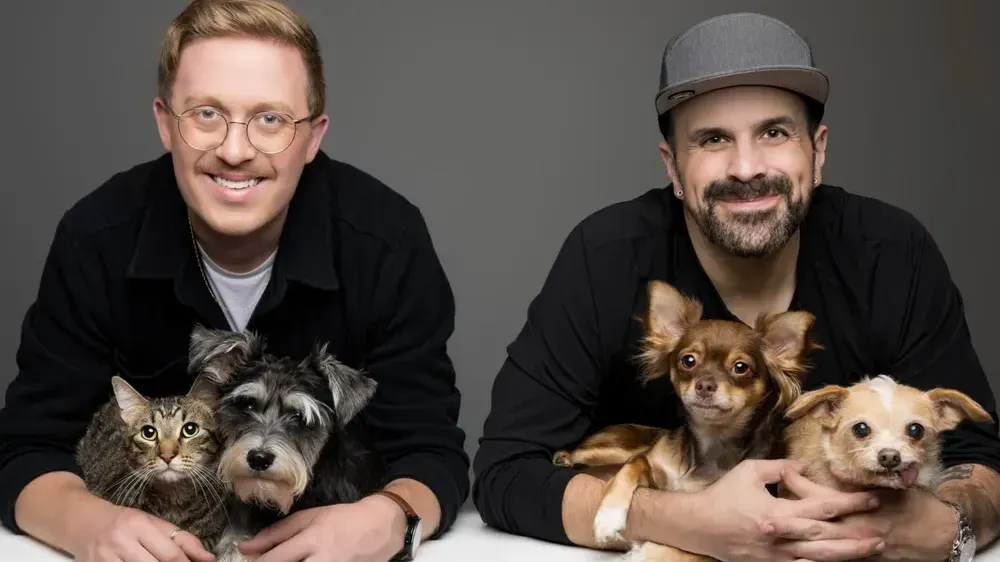
Photographer Michel Rohner and his husband Dillon Beckmann are traveling the world capturing spontaneous portraits of dogs, sharing their images online to raise funds for a permanent canine sanctuary in Cusco, Peru.
Swiss-Peruvian photographer Michel Rohner and his American husband, Dillon Beckmann, have launched a heartfelt global initiative called “Paws Around the World.” The couple, co-founders of the pet photography brand Arf & Wag, are traveling across cities and continents, taking spontaneous, professional portraits of dogs they meet on the streets. Their goal is not only to celebrate the deep connection between humans and their canine companions, but also to fund a sanctuary for abandoned dogs in Cusco, Peru .
Michel and Dillon’s journey began in Des Moines, Iowa, where they founded Arf & Wag Studio. In 2024, they relocated to Valencia, Spain, using their new home as a base for their expanding project. While Michel takes the lead as photographer, Dillon coordinates logistics and supports each photo session, ensuring the process is smooth and engaging for both dogs and their owners .
The couple’s approach is as unique as it is inclusive: their photo sessions are entirely spontaneous and free. They often spot a dog while walking through the bustling streets of cities like London, Paris, Barcelona, or Vienna, and approach the owner for a quick, impromptu shoot. These images, full of character and charm, are then shared online, primarily through their Instagram account and personal website, inviting viewers to not only enjoy the artistry but also contribute to a cause .
“Every dog has a story worth telling and every portrait we share brings us one step closer to building a safe haven,” Michel said in an interview. “Dogs have been a constant source of love, resilience, and connection in both our lives. They have an incredible way of bringing people together across cultures, languages, and backgrounds. Through this project, we want to honour that connection while giving back to the dogs who need it most” .
The heart of Michel and Dillon’s mission lies in Cusco, Peru. Their dream is to build a permanent sanctuary offering shelter, veterinary care, and adoption opportunities for the region’s many stray dogs. The idea grew from their previous work founding Cusco Canine Rescue, a nonprofit dedicated to helping street dogs in the Andes. Witnessing firsthand the scale of the need, the couple decided to use their creative skills to drive meaningful change .
Rather than charging for their photographic services, Michel and Dillon fund the project through a combination of merchandise sales, donations, and earnings from their growing online community. Every cent raised goes directly toward the sanctuary project. The couple’s website states, “We’re not there yet but with every photo, every subscriber, every shared moment, you’re helping us get one step closer” .
This initiative stands out not only for its innovative fundraising method but also for its visibility as an LGBTQ+-led project in the field of animal welfare. Michel and Dillon’s work has been covered by LGBTQ+ media and has resonated with audiences who appreciate both the inclusive message and the tangible impact of their efforts .
Research shows that pet ownership is particularly significant in the LGBTQ+ community, with many individuals reporting improved mental health and social connection through caring for animals . Projects like Paws Around the World highlight how LGBTQ+ advocacy can intersect with broader social causes, fostering compassion, visibility, and generosity.
With more than 600 Instagram followers and a growing archive of canine portraits, Michel and Dillon continue to travel, photograph, and connect with dog lovers across the globe. Their journey is ongoing, and they invite supporters to join them—whether by following their work online, sharing their story, or contributing to the sanctuary fund.
For updates on their travels, stories of the dogs they meet, and ways to support the sanctuary project, visit their website (arfwag.com) or follow them on Instagram (@arfwag).
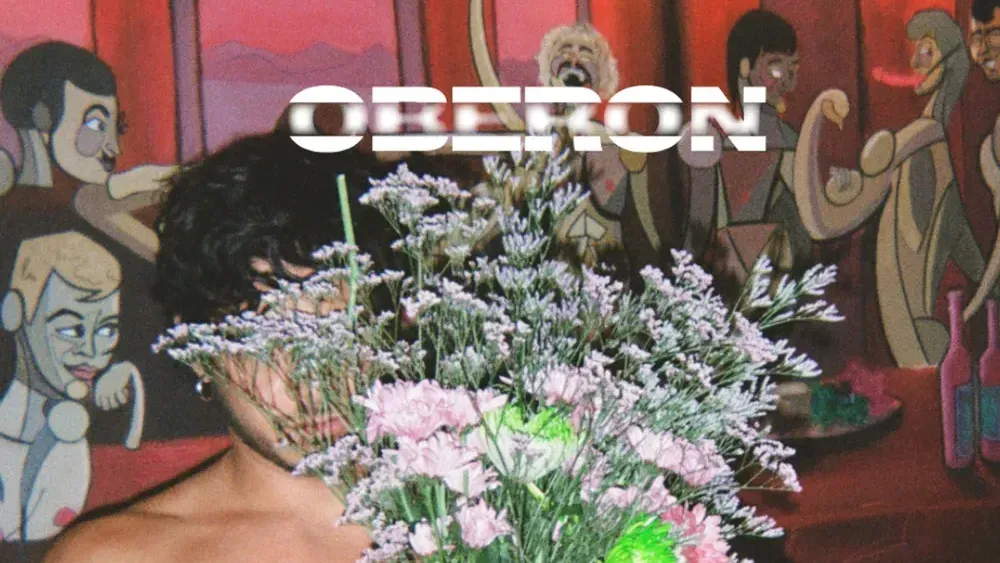
Oberon, a vibrant new LGBTQIA+-focused cocktail bar, has officially launched in Williamsburg, Brooklyn, creating an inclusive space for queer nightlife and community.
Williamsburg, Brooklyn, has welcomed a bold new addition to its nightlife scene with the official opening of Oberon, a queer cocktail bar dedicated to serving the LGBTQIA+ community. Located at North 10th Street and Driggs Avenue, Oberon debuted last month and has already garnered attention for its vibrant atmosphere, specialty drinks, and dedication to inclusivity .
Oberon was established by the team behind The Craic, a well-known local establishment, marking a commitment to expanding affirming spaces for LGBTQIA+ individuals in the neighborhood. The bar’s mission, as stated by its founders, is to serve as a "haven where heritage meets hedonism," underscoring both the celebratory and community-driven aspects of queer nightlife .
Stepping into Oberon, patrons encounter a red-lit bar adorned with neon accents, mirrors, and a spacious dance floor, all designed to encourage self-expression and social connection. The drink menu features inventive cocktails such as a blood orange jalapeño margarita, an Earl Grey-infused gin creation, and an espresso martini. For those seeking alternatives, beer, wine, non-alcoholic beverages, and mocktails are also available .
Oberon’s pricing aims for accessibility, with happy hour deals including beers starting at $6 and specialty cocktails at $8. The bar also offers a small food menu, supporting guests who want to fuel up before hitting the dance floor .
Music is central to Oberon’s vibe, with DJs spinning sets nearly every night. The grand opening weekend alone featured performances by six different DJs, and management has announced plans for even more live entertainment as the bar establishes itself in the community .
Oberon’s emergence comes at a significant time for queer nightlife, as many LGBTQIA+ venues across New York City have faced challenges in recent years, from economic pressures to shifting demographics. The addition of a new space explicitly dedicated to queer joy and safety is both a celebration and a statement about the ongoing need for inclusive gathering places .
According to its founders, Oberon is more than just a bar—it is envisioned as a "community anchor," with plans to host events ranging from drag shows and open mic nights to themed parties supporting queer artists and local organizations. The bar’s opening just after Pride Month signals a commitment to year-round visibility and celebration for LGBTQIA+ people in Brooklyn and beyond .
Oberon is currently open from 4 p.m. to midnight Monday through Thursday, and from 2 p.m. to midnight Friday through Sunday, with management indicating plans to expand hours in response to community demand. The bar’s location—482 Driggs Avenue—places it at the heart of Williamsburg’s bustling nightlife district and within easy reach of public transportation .
As Brooklyn’s queer community continues to grow and diversify, Oberon’s arrival is being met with enthusiasm from both residents and nightlife regulars. With its inclusive vision, creative drinks, and energetic programming, Oberon is poised to become a central fixture in the borough’s LGBTQIA+ landscape for years to come.
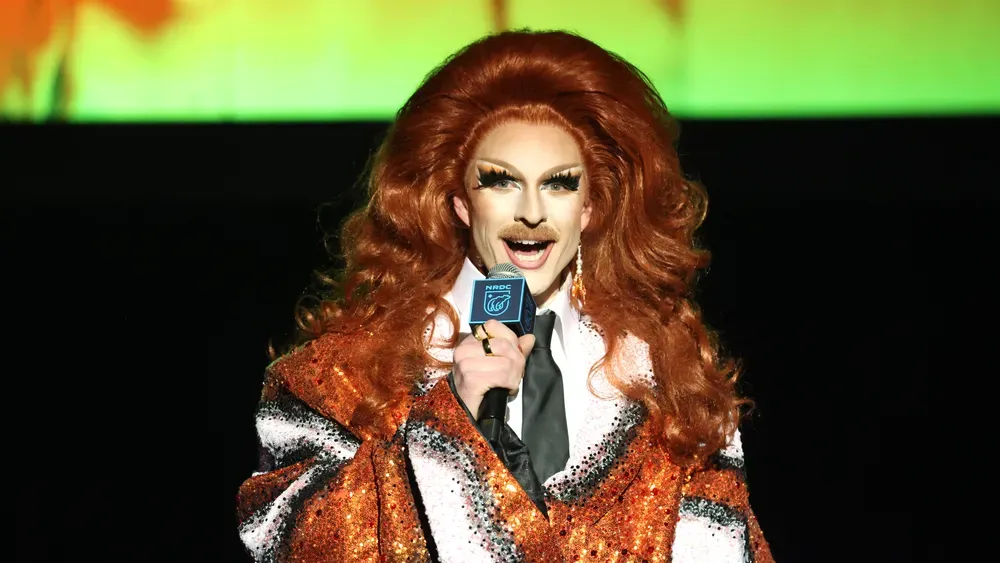
LOS ANGELES, CALIFORNIA - MAY 09: Pattie Gonia performs onstage at Netflix Is A Joke Fest Presents "Nick Offerman & Friends Vs Climate Crisis" at Wilshire Ebell Theatre on May 09, 2024 in Los Angeles, California. Photo Credit: (Photo by Rich Polk/Getty Images for NRDC)
A lesbian couple marked their honeymoon with a unique adventure, embarking on a backpacking journey to meet renowned drag artist and environmental advocate Pattie Gonia.
In a heartwarming and headline-making celebration, a lesbian couple has captured the attention of LGBTQ+ communities by choosing to spend their honeymoon on a backpacking trek culminating in a personal meeting with drag performer and environmental activist Pattie Gonia. Their journey, recently spotlighted on social media, has been widely embraced as both a joyful affirmation of queer love and a powerful statement about LGBTQ+ presence in outdoor spaces .
According to a post by Pride on Threads, the couple described their adventure as the “most lesbian honeymoon ever,” combining their shared passion for hiking with the opportunity to connect with Pattie Gonia, a figure celebrated for blending drag artistry with environmental advocacy . Images and video clips from the trek, some of which have been shared by Pattie Gonia herself, show the newlyweds traversing mountain trails, donning backpacks, and ultimately arriving at a scenic meet-up with the drag icon .
Wyn Wiley, the artist behind Pattie Gonia, has gained widespread recognition for using drag performance as a means of advocating for LGBTQ+ inclusion in environmental movements and outdoor recreation. Through a mix of performance art, social media activism, and community-building, Pattie Gonia has inspired thousands to embrace both their queer identities and a love for nature .
The meeting between the couple and Pattie Gonia was more than a fan encounter; it was a symbolic affirmation of the growing visibility and acceptance of LGBTQ+ people in spaces historically dominated by heteronormative culture. “I love my chosen family. I love being out here,” Pattie Gonia wrote in a recent Instagram post, emphasizing the importance of finding community and celebrating identity beyond urban environments .
News of the couple’s honeymoon quickly circulated through LGBTQ+ networks and outdoor enthusiast communities, with many praising their decision to celebrate their union in a way that felt authentic and empowering . Followers described the event as “inspirational” and “joyful,” highlighting how queer narratives are increasingly intertwined with broader cultural conversations about belonging and self-expression .
The honeymooners’ story also underscores ongoing efforts to challenge stereotypes about who participates in outdoor recreation. By sharing their journey and connecting with a prominent LGBTQ+ activist, the couple has contributed to a wider push for representation, visibility, and safety for LGBTQ+ people in national parks and other wild spaces.
This story arrives at a moment when queer representation in media and public life continues to expand, yet disparities in access and inclusion persist. Advocates point to the importance of stories like this in encouraging others to claim their space—both figuratively and literally—in outdoor environments.
The couple’s decision to mark their marriage with a mountain adventure and a meeting with Pattie Gonia resonates with many LGBTQ+ individuals who see the outdoors as a site of healing, joy, and authenticity. It also highlights how influential queer public figures can inspire and mobilize community, creating spaces where all identities are celebrated and uplifted .
As LGBTQ+ visibility grows across all sectors of society, stories of love, resilience, and adventure—like this honeymoon hike—offer powerful reminders of the diversity and vitality within the community.
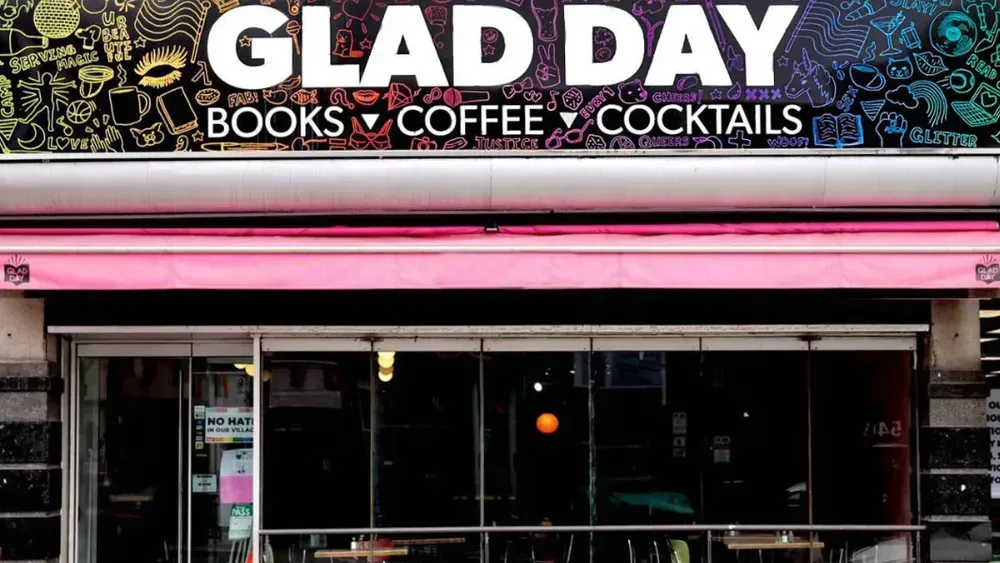
Glad Day Bookshop in Toronto, Canada stands as a beacon of LGBTQ+ inclusion, offering a safe space, literary resources, and vibrant community events in the heart of one of the world’s top queer-friendly cities.
Toronto, Canada, has long been recognized as one of the world’s most welcoming destinations for LGBTQ+ travelers, celebrated for its multicultural identity and diverse queer-owned businesses. At the heart of Toronto’s Church-Wellesley Village, the city’s vibrant queer enclave, stands Glad Day Bookshop—a business that not only serves as a retail space but as a community hub, event venue, and historic symbol of LGBTQ+ resilience and visibility.
Founded in 1970, Glad Day Bookshop is widely recognized as the oldest LGBTQ+ bookstore in the world, providing literature, resources, and safe gathering space for the queer community through decades of social change. The shop’s roots are deeply intertwined with the city’s evolution as a haven for LGBTQ+ rights, having served activists, artists, and everyday people seeking affirmation and connection.
Throughout its history, Glad Day has championed freedom of expression, frequently resisting censorship and legal challenges that targeted queer literature and representation. Its impact goes beyond retail, as it has continually offered a platform for marginalized voices and hosted countless readings, discussions, and celebrations—particularly during Toronto’s annual Pride Festival, one of North America’s largest and most diverse Pride events.
Today, Glad Day Bookshop is more than just a bookstore. It’s a café, bar, and event space, hosting everything from drag brunches to poetry slams and community workshops. The shop’s programming is intentionally inclusive, welcoming all LGBTQ+ identities—including transgender people, nonbinary individuals, and people of color. Glad Day’s commitment to accessibility is evident in its wheelchair-friendly layout and its efforts to provide free or low-cost events for those facing financial barriers.
Glad Day also prioritizes intersectionality, curating literature and events that center on the experiences of Black, Indigenous, and other marginalized queer communities. This commitment is reflected in its partnerships with local organizations, mental health initiatives, and support groups, which use the bookstore as a gathering place to address issues like discrimination, mental health, and homelessness among LGBTQ+ populations.
Toronto’s status as a top LGBTQ+ travel destination is reinforced by its broad network of inclusive businesses, ranging from restaurants and bars to boutiques and galleries. The Church-Wellesley Village, anchored by Glad Day, draws thousands of visitors each year, especially during Pride Month, when the streets transform into a celebration of diversity and acceptance.
Local businesses frequently display rainbow flags and signage to signal their allyship and commitment to LGBTQ+ inclusion. Glad Day stands out for its longevity and its unwavering dedication to advocacy. During the COVID-19 pandemic, Glad Day launched emergency relief funds for queer artists and hospitality workers, further cementing its role as a lifeline for vulnerable community members.
Glad Day’s influence extends beyond Toronto, inspiring LGBTQ+ bookstores and community spaces around the world to adopt similar models of inclusion and activism. Its story is frequently cited in global travel guides and LGBTQ+ destination rankings, positioning Toronto as a must-visit city for queer travelers seeking both celebration and connection.
International organizations, such as Human Rights Campaign and ILGA World, have highlighted the importance of queer-owned businesses like Glad Day in fostering safe spaces and advancing LGBTQ+ rights worldwide. Visitors to Toronto often cite their experience at Glad Day as a highlight, praising the staff’s warmth, the diverse book selection, and the sense of belonging they feel upon entering the space.
In a rapidly changing world, Glad Day Bookshop remains committed to its founding principles of inclusion, activism, and community support. As Toronto continues to attract LGBTQ+ travelers from around the globe, Glad Day stands as a living testament to the power of safe spaces, queer entrepreneurship, and the enduring spirit of Pride.
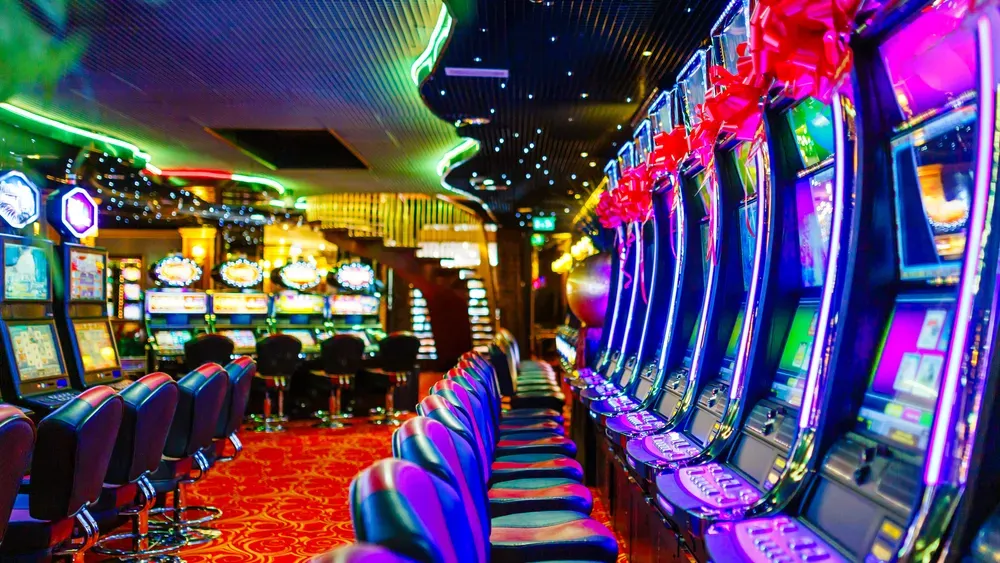
Tourism in Las Vegas is slumping this summer, with resorts and convention centers reporting fewer visitors compared to last year, especially from abroad, and some officials are blaming the Trump administration’s tariffs and immigration policies for the decline
LAS VEGAS (AP) — Tourism in Las Vegas is slumping this summer, with resorts and convention centers reporting fewer visitors compared to last year, especially from abroad, and some officials are blaming the Trump administration’s tariffs and immigration policies for the decline.
The city known for lavish shows, endless buffets and around-the-clock gambling welcomed just under 3.1 million tourists in June, an 11% drop compared to the same time in 2024. There were 13% fewer international travelers, and hotel occupancy fell by about 15%, according to data from the Las Vegas Convention and Visitors Authority.
Mayor Shelley Berkley said tourism from Canada — Nevada's largest international market — has dried up from a torrent “to a drip.” Same with Mexico.
“We have a number of very high rollers that come in from Mexico that aren’t so keen on coming in right now. And that seems to be the prevailing attitude internationally,” Berkley told reporters earlier this month.
Ted Pappageorge, head of the powerful Culinary Workers Union, called it the “Trump slump.” He said visits from Southern California, home to a large Latino population, were also drying up because people are afraid of the administration's immigration crackdown.
“If you if you tell the rest of the world they’re not welcome, then they won’t come,” Pappageorge said.
Canadian airline data shows fewer passengers from north of the border are arriving at Harry Reid International Airport in Las Vegas. Air Canada saw its passenger numbers fall by 33% in June compared to the same time a year ago, while WestJet had a 31% drop. The low-cost carrier Flair reported a whopping 62% decline.
Travel agents in Canada said there's been a significant downturn in clients wanting to visit the U.S. overall, and Las Vegas in particular. Wendy Hart, who books trips from Windsor, Ontario, said the reason was “politics, for sure.” She speculated that it was a point of “national pride” that people were staying away from the U.S. after President Donald Trump said he wanted to make Canada the 51st state.
“The tariffs are a big thing too. They seem to be contributing to the rising cost of everything,” Hart said.
At downtown's Circa Resort and Casino, international visits have dipped, especially from Canada and Japan, according to owner and CEO Derek Stevens. But the downturn comes after a post-COVID spike, Stevens said. And while hotel room bookings are slack, gaming numbers, especially for sports betting, are still strong, he said.
“It's not as if the sky is falling,” he said. Wealthier visitors are still coming, he said, and Circa has introduced cheaper package deals to lure those with less money to spend.
“There have been many stories written about how the ‘end is near’ in Vegas,” he said. “But Vegas continues to reinvent itself as a destination worth visiting.”
On AAA's annual top ten list of top Labor Day destinations, Las Vegas slipped this year to the last spot, from number six in 2024. Seattle and Orlando, Florida — home to Disneyworld — hold steady in the top two spots, with New York City moving up to third for 2025.
Reports of declining tourism were news to Alison Ferry, who arrived from Donegal, Ireland, to find big crowds at casinos and the Vegas Strip.
“It’s very busy. It has been busy everywhere that we’ve gone. And really, really hot,” Ferry said. She added that she doesn't pay much attention to U.S. politics.
Just off the strip, there's been no slowdown at the Pinball Museum, which showcases games from the 1930s through today. Manager Jim Arnold said the two-decade-old attraction is recession-proof because it’s one of the few places to offer free parking and free admission.
“We’ve decided that our plan is just to ignore inflation and pretend it doesn’t exist," Arnold said. “So you still take a quarter out of your pocket and put it in a game, and you don’t pay a resort fee or a cancelation fee or any of that jazz.”
But Arnold said he's not surprised that overall tourism might be slowing because of skyrocketing prices at high-end restaurants and resorts, which “squeezes out the low end tourist.”
The mayor said the rising cost of food, hotel rooms and attractions also keeps visitors away.
“People are feeling that they’re getting nickeled and dimed, and they’re not getting value for their dollar,” Berkley said. She called on business owners to “see if we can’t make it more affordable” for tourists.
“And that’s all we want. We want them to come and have good time, spend their money, go home,” the mayor said. “Then come back in six months.”
___
Weber reported from Los Angeles.
by Ty Oneil and Christopher Weber
Copyright Associated Press. All rights reserved. This material may not be published, broadcast, rewritten, or redistributed.
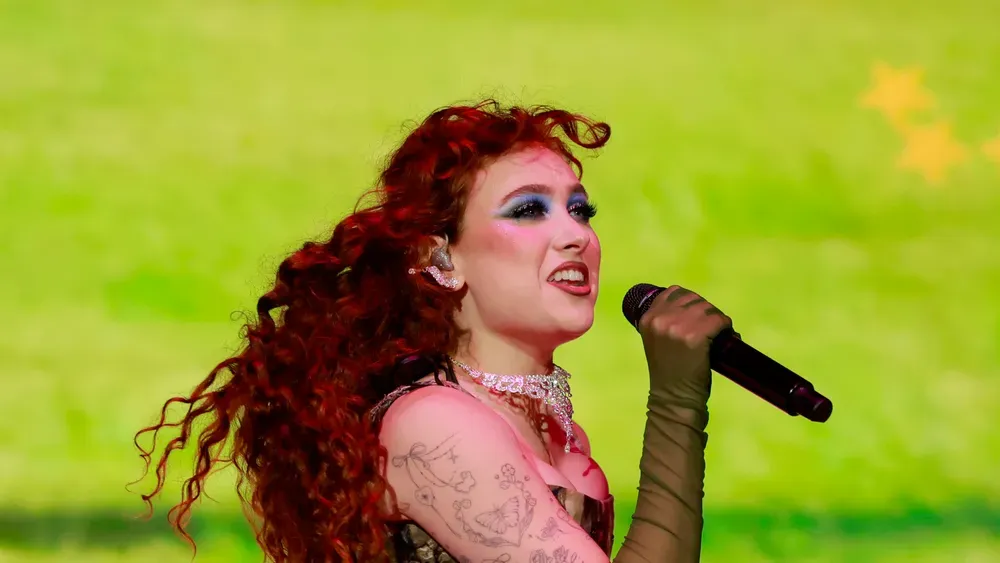
A surprise mention of Saskatchewan in Chappell Roan’s new hit single has triggered a surge in interest for the Canadian province, prompting the Saskatchewan Tourism Board to launch a targeted campaign.
When Grammy-winning pop artist Chappell Roan released her latest single “The Subway” in early August, few could have predicted the ripple effect it would have on Canadian tourism. In the song, Roan — a celebrated LGBTQ+ icon — playfully references “movin’ to Saskatchewan” as a whimsical solution to heartbreak. This brief lyrical nod has proven powerful, transforming the prairie province into an unexpected viral destination almost overnight .
According to Tourism Saskatchewan, the initial response was immediate and pronounced, with more than 230 social media mentions and nearly 40,000 interactions tied to the region in the days following the song’s release. The influx of attention has been particularly strong among Roan’s LGBTQ+ fanbase, who have lauded both the artist’s visibility and Saskatchewan’s apparent openness .
Seizing on the momentum, the Saskatchewan Tourism Board quickly announced a new marketing campaign centered around the Chappell Roan name drop. The campaign aims to attract fans — and especially LGBTQ+ travelers — to the province’s vast landscapes, lively urban centers, and inclusive communities .
Jonathan Potts, CEO of Tourism Saskatchewan, emphasized the positive response: “People are reacting very positively. It's a very open, welcome province. Everybody is welcome here, and everybody belongs here,” Potts told ABC News, underscoring the region’s commitment to diversity and belonging .
The campaign features digital ads, social media content, and travel packages inspired by “The Subway,” including themed itineraries for fans and LGBTQ+ visitors. Saskatchewan’s tourism authority, recognizing Roan’s status as a queer pop icon, has highlighted local LGBTQ+ friendly spaces, events, and resources in its outreach .
Saskatchewan, located in the heart of the Canadian prairies and home to over 1.1 million people, is known for its wide-open spaces, 2,000 to 2,500 hours of annual sunshine, and more than 100,000 lakes . Its largest cities, Saskatoon and Regina, host vibrant arts communities and Pride events each year. Both cities have made strides toward greater LGBTQ+ inclusion, with dedicated Pride festivals, advocacy organizations, and visible support from local leaders .
For many LGBTQ+ travelers, safety and acceptance are crucial factors when choosing destinations. The Saskatchewan Tourism Board’s explicit messaging about belonging and openness is being seen as a positive step, particularly in a time when anti-LGBTQ+ rhetoric remains a concern in many parts of the world .
Chappell Roan’s influence cannot be understated. As an out queer artist, her fan base includes a significant LGBTQ+ audience, many of whom have taken to social media to share their excitement about visiting Saskatchewan. The singer’s vow to perform in the province — “I promise I will” — has further galvanized interest and given the province’s campaign an additional boost .
Local businesses, especially those owned by or serving LGBTQ+ people, have reported increased inquiries and bookings since the campaign launched. “We’ve had more calls in the past week from people asking about Pride events and queer-friendly spaces than in the previous two months,” said a Saskatoon café owner . Tourism Saskatchewan has also begun reaching out directly to LGBTQ+ organizations to ensure their platforms and campaigns are representative and supportive.
The Saskatchewan Tourism Board’s nimble response to an unexpected pop culture moment demonstrates both the power of representation and the economic benefits of embracing inclusivity. As more provinces and destinations recognize the potential of LGBTQ+ tourism — and as artists like Chappell Roan continue to challenge norms and champion visibility — the landscape of travel and community building is changing for the better.
For those inspired by “The Subway” to seek healing, adventure, or simply a welcoming space, Saskatchewan’s message is clear: “Everybody is welcome here, and everybody belongs here” .
The Puerto Vallarta City Council has unanimously approved Councilwoman Melissa Madero’s initiative to modify local tourism regulations and officially introduce the “Distintivo I,” a new recognition for tourism establishments that actively foster inclusion
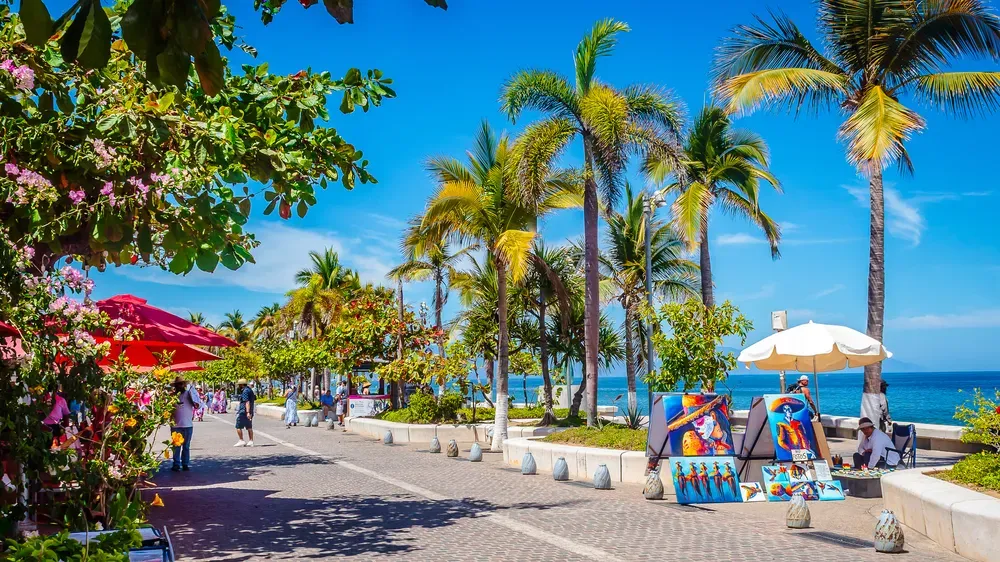
Puerto Vallarta, one of Mexico’s most visited destinations and a renowned haven for LGBTQ+ travelers, has taken a historic step to further cement its reputation as a welcoming city for all. In a council session held this week, local lawmakers voted to approve an initiative by Councilwoman Melissa Madero to amend the city’s Tourism Regulations and create the “Distintivo I”—a formal recognition awarded to businesses that demonstrate a strong commitment to inclusion and non-discrimination in their operations .
The “Distintivo I” (or “Badge I” for Inclusion) aims to set a new standard for the tourism industry by highlighting hotels, restaurants, tour operators, and other establishments that go beyond compliance and proactively cultivate spaces where all guests, regardless of sexual orientation, gender identity, disability, nationality, or background, feel safe and respected .
Councilwoman Madero explained during the session that the badge will serve as both a mark of pride for participating businesses and a clear signal to visitors that Puerto Vallarta prioritizes diversity and equitable treatment. “This is about building a city where every person can feel at home and every business understands the value of inclusion—not just as a policy, but as a lived reality,” she stated .
Puerto Vallarta’s tourism sector, which sees millions of international and domestic visitors annually, has long been recognized for its LGBTQ+ friendly atmosphere, especially in neighborhoods like the Romantic Zone. The city’s move to formalize inclusive practices through regulation is expected to further boost its global reputation as a model for diversity in tourism .
Establishments that wish to earn the “Distintivo I” will need to demonstrate adherence to a set of guidelines, including staff training on non-discrimination, accessible facilities, and the promotion of safe spaces for all guests. While the specific criteria and application process will be outlined in forthcoming city government publications, advocates predict robust participation among local business owners eager to display their commitment to inclusive values .
For the LGBTQ+ community, both locally and internationally, the initiative is being hailed as a significant advancement. “Puerto Vallarta has always been a beacon for queer travelers, but formalizing this recognition is a message of solidarity, not just to tourists, but to LGBTQ+ residents,” said a spokesperson for a local LGBTQ+ advocacy group .
This move comes at a time when global travelers are increasingly prioritizing destinations that demonstrate authentic inclusivity and respect for human rights. According to travel industry experts, recognitions like the “Distintivo I” can have a positive impact on both visitor satisfaction and business growth, as more travelers seek safe and affirming environments .
In recent years, Puerto Vallarta has also introduced measures to support sustainable tourism and infrastructure, including a new tourist entry fee designed to fund public improvements . The launch of the “Distintivo I” demonstrates a parallel commitment to social sustainability, affirming the city’s leadership in responsible and ethical tourism.
City officials are expected to roll out the details of the “Distintivo I” program in the coming weeks, including how establishments can apply and what ongoing evaluation will look like. The city council has encouraged all tourism-related businesses to begin reviewing their policies and practices in anticipation of the new requirements.
Community leaders, tourism professionals, and LGBTQ+ organizations have expressed strong support for the measure, emphasizing the importance of moving beyond symbolic gestures to implement real, enforceable standards. “This isn’t just about a badge on the wall—it’s about creating a city where every visitor and resident, including transgender people, same-sex couples, and people with disabilities, can feel valued and protected,” said a representative from a Puerto Vallarta-based LGBTQ+ resource center .
As Puerto Vallarta prepares for its next high season, the “Distintivo I” is poised to become a touchstone for inclusive tourism—not just in Mexico, but across Latin America and beyond.
Blondies Loft + Slushbar, located in Puerto Vallarta’s celebrated Emiliano Zapata neighborhood, stands out as a vibrant and inclusive business at the heart of one of the world’s most queer friendly travel destinations.
Puerto Vallarta, nestled on Mexico’s Pacific coast, has earned its reputation as one of the most progressive and welcoming destinations for LGBTQ+ travelers worldwide. At the center of this vibrant resort city is the Emiliano Zapata neighborhood—affectionately known as Old Town—a lively district renowned for its colorful queer nightlife and inclusive businesses. Among these, Blondies Loft + Slushbar has emerged as a standout establishment, offering a unique blend of fun, community, and affirmation for all who walk through its doors .
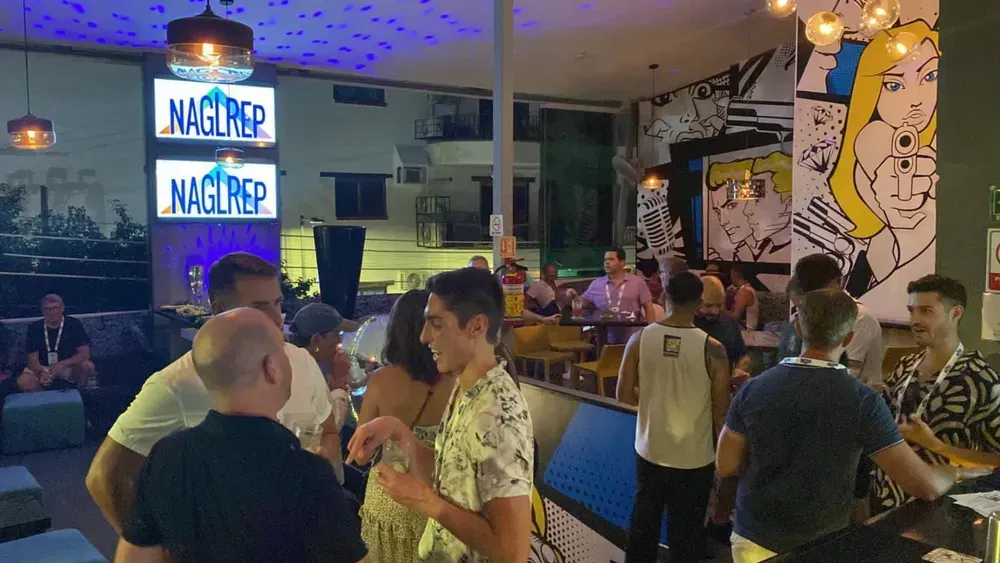
Blondies Loft + Slushbar is not just a bar; it is a celebration of LGBTQ+ culture and visibility in one of Mexico’s most beloved tourist spots. The venue is instantly recognizable by its comic book–inspired décor—bright pops of color, playful murals, and a design that feels both nostalgic and modern. Its menu is equally inventive, specializing in frozen cocktails and “slushes” with cheeky names, reflecting the owners’ sense of humor and commitment to joy .
The staff are known for their friendly, affirming service, ensuring that every guest—regardless of identity or background—feels seen and celebrated. The business’s explicit support for LGBTQ+ rights and events, such as Puerto Vallarta Pride, further cements its role as a cornerstone of the local community .
Blondies serves as a social hub for Puerto Vallarta’s LGBTQ+ residents and the thousands of visitors who flock to the city each year, especially during the annual Puerto Vallarta Pride festivities. The bar’s open-air rooftop offers panoramic views of Old Town and the ocean, providing a relaxed setting for connection and celebration. During Pride and other community events, Blondies hosts themed parties and fundraisers, contributing to local LGBTQ+ charities and grassroots initiatives .
The venue’s popularity is not confined to a single week of festivities. Throughout the year, Blondies remains a favorite spot for after-beach drinks, casual gatherings, and impromptu dance parties. Its accessible location—just steps from Playa de los Muertos, Puerto Vallarta’s famous “gay beach”—makes it a natural starting point or finishing touch for a day spent embracing the city’s sun and vibrant queer culture .
Blondies Loft + Slushbar is part of a larger network of LGBTQ+-owned and affirming businesses that have helped transform Puerto Vallarta into a model of queer tourism and hospitality in Latin America. The city’s commitment to inclusivity is reflected in its legal protections for LGBTQ+ people, as well as the proliferation of queer-friendly hotels, restaurants, and cultural venues .
This supportive environment has tangible benefits: LGBTQ+ travelers report feeling safe and welcomed, and many describe Puerto Vallarta as a “home away from home.” Blondies’ success, and its role in local philanthropy, helps sustain this climate of acceptance, providing economic and social support to LGBTQ+ residents and visitors .
As the global travel industry continues to recognize the importance of LGBTQ+ inclusivity, establishments like Blondies Loft + Slushbar set a standard for what it means to be truly welcoming. Their commitment to visibility, safety, and celebration sends a clear message: queer travelers are not just tolerated in Puerto Vallarta—they are embraced.
For many, a visit to Blondies is more than a night out; it’s an affirmation of belonging and a testament to the progress that has been made in cities like Puerto Vallarta. By fostering connection in a joyful, affirming space, Blondies Loft + Slushbar exemplifies why this city remains at the forefront of global LGBTQ+ travel—and why its businesses, both large and small, matter so much to the ongoing story of equality and inclusion.
The reopening of one of Prague’s ultimate luxury hotels marks one of the most significant moments in the city’s recent hospitality history. Formerly the InterContinental Prague, the landmark brutalist building has reopened as the Fairmont Golden Prague after a five-year, $200 million restoration. It is the first Fairmont property in both the Czech Republic and Central Europe.
The reopening of one of Prague’s ultimate luxury hotels marks one of the most significant moments in the city’s recent hospitality history. Formerly the InterContinental Prague, the landmark brutalist building has reopened as the Fairmont Golden Prague after a five-year, $200 million restoration. It is the first Fairmont property in both the Czech Republic and Central Europe.
“It’s one of the largest hotel transformations Central Europe has seen in years,” said Karolina Jovanovic, marketing communication manager at Fairmont Golden Prague. “The architect wanted to show respect for the building’s legacy while giving it a new life that meets today’s expectations for luxury.”
Once a symbol of modern luxury in Czechoslovakia, the hotel now returns with preserved 1970s Czech artworks, newly commissioned pieces from leading contemporary artists, and world-class amenities designed to reestablish its place as a cultural and architectural touchstone in the nation’s capital.
First Western Hotel Investment in the Eastern Bloc
The hotel’s significance began long before its 2025 reopening. According to a June 12, 2025, information release from Fairmont Golden Prague, the original property was the first international five-star hotel in Czechoslovakia and the first Western investment in an Eastern Bloc country.
Funded by PanAm, the project broke political and economic barriers, drawing global attention. Upon its completion in 1974, it was covered by outlets including The New York Times, which underscored its rarity as a luxury presence behind the Iron Curtain.
Restored Czech Art and New Design Define the Interiors
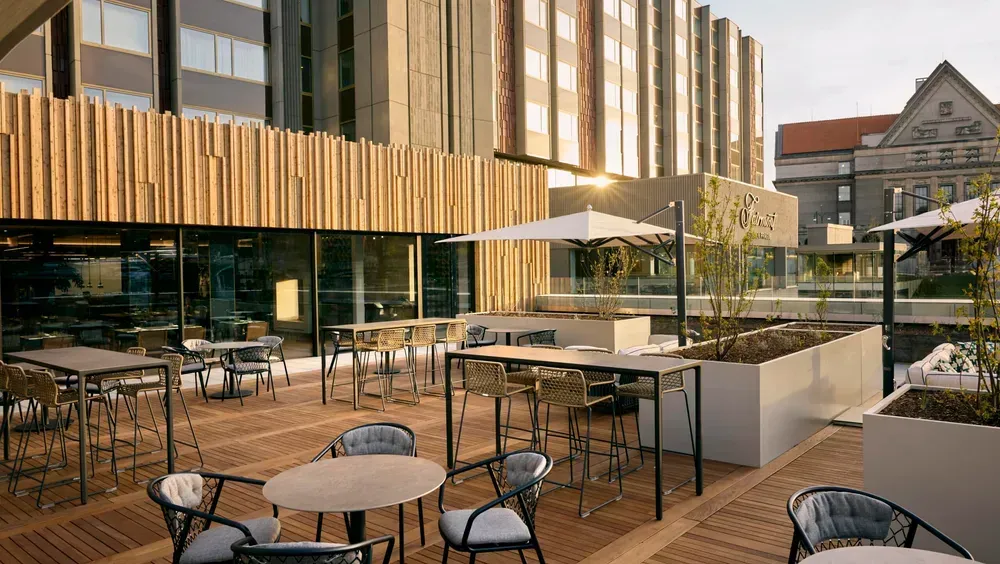
Today, the Fairmont Golden Prague preserves much of its artistic heritage. Originally designed by architect Karel Filsak, it has been reimagined by TaK Architects under lead architect Marek Tichý, who retained original stained glass windows, chandeliers, and sculptures while adding works from leading contemporary Czech artists.
Behind the hotel, a glass cube will house a contemporary art gallery managed by the Kodl family.
The property offers 320 rooms and suites, including the 1,614-square-foot Presidential Suite, and six dining venues. Most of the rooms feature glass walls by Lasvit, a collection of 150 original Czechoslovak film posters, and some also have lighting from Bomma.
Sustainability is a priority, with 97.7% of the cooling system powered by sustainable sources. Guests booking the Fairmont Gold experience have access to an executive lounge, offering priority check-in, all-day refreshments, and tailored guest assistance. “We’re the only luxury hotel in Prague with a true executive lounge,” Jovanovic said. “It’s designed for guests who want both privacy and personalized service.”
Six Dining Venues Span Fine Dining to Comfort Food
The hotel’s six dining venues range from riverside casual to rooftop fine dining. Its signature restaurant, Zlatá Praha, is led by executive chef de cuisine Maroš Jambor, formerly of New York’s three-Michelin-starred Eleven Madison Park. “By reviving the hotel’s historic restaurant name, we aim to make Zlatá Praha a destination for fine dining in Prague,” Jovanovic said.
At street level, Tilia Garden serves healthy, café-style dishes, including vegan options, as part of the spa zone. Across a new pedestrian bridge from Dvořák Embankment, Greenhouse offers grilled meats, fish, and Pilsner beer. Kafka Brasserie serves breakfast and plans to add weekend brunches in the fall.
The Coocoo’s Nest lobby bar serves classic cocktails and light bites. On the ninth floor, Golden Eye offers Pan-Asian dishes, including nikkei sushi and ceviche, with panoramic views.
From Soft Opening to Full Operations, with More to Come
Fairmont Golden Prague opened in April 2025 with 40 rooms and two restaurants. By August, all 297 rooms and six dining venues were in operation. An additional 23 residences, scheduled for completion in fall 2025, will bring the total to 320 accommodations.
Miloš Forman Square in front of the hotel is being cleared of construction equipment, with a public tender for its revitalization set for October. On Sept. 11, the Kodl Contemporary Gallery behind the hotel will hold its opening ceremony.
A History of High-Profile Guests
Over the decades, the hotel has hosted actors Meryl Streep and Tom Cruise, music legend Elton John, and political leaders including former U.S. Presidents George H.W. Bush and Richard Nixon, former Secretary of State Madeleine Albright, former British Prime Minister Margaret Thatcher, and former U.S. Secretary of State Hillary Clinton.
Location in Prague’s Historic Josefov District
Located in Prague’s Josefov district, the Fairmont Golden Prague stands at the edge of the Old Town, where the city’s Jewish heritage meets its medieval heart. At the end of Pařížská Street, home to luxury boutiques, the hotel overlooks the Vltava River. Directly opposite is the Law Faculty of Charles University.
For American travelers seeking the pinnacle of comfort in Prague, Fairmont Golden Prague offers more than luxury accommodations—it immerses guests in a living gallery of Czech artistry, from preserved 1970s masterpieces to striking contemporary works.
by Veronika Primm | Travelbinger
Copyright Associated Press. All rights reserved. This material may not be published, broadcast, rewritten, or redistributed.