SLS Barcelona, the city’s newest five-star seafront resort, is making waves with its flamboyant design, top-tier amenities, and welcoming spirit for LGBTQ+ guests.
Barcelona has long been celebrated as one of Europe’s most LGBTQ+-friendly cities, and the arrival of SLS Barcelona in April 2025 marks a new era of hospitality that is as bold as it is inclusive. With its shimmering façade mimicking the Mediterranean waves and a location at the heart of Port Fòrum, SLS Barcelona is more than a luxury hotel—it’s a vibrant hub tailored to travelers seeking both indulgence and community spirit .
SLS Barcelona’s 471 rooms and suites are designed with drama and comfort in mind, drawing inspiration from lunar phases and using mirrored glass, warm timber, and oversized headboards for a sense of contemporary glamour . Each room features a balcony or terrace—many with panoramic marina or city views—offering guests a private slice of Barcelona’s famed coastline .
Accessibility is a core part of the SLS Barcelona ethos, with rooms featuring mobility-friendly layouts, roll-in and transfer showers, visual alarms, and closed captioning on TVs, ensuring every guest feels welcome and safe .
Dining at SLS Barcelona is itself a journey. The resort boasts six distinct venues, including a Mediterranean coal-fired grill, an informal tapas bar, and Kyara, a post-modern cocktail bar set to become a nightlife staple with its aromatic compositions and innovative mixology . Cosmico, the rooftop pool bar and club, offers day-to-night entertainment across one of Barcelona’s largest waterfront rooftops, complete with infinity pools, cabanas, and DJ sets—perfect for LGBTQ+ travelers looking to connect and celebrate in style .
For guests seeking wellness alongside revelry, SLS Barcelona features three outdoor pools, a sun-drenched fitness center, and soon, a subterranean spa for full-body relaxation .
SLS Barcelona’s commitment to inclusivity extends beyond its amenities. As the official hotel partner for Primavera Sound, one of Europe’s largest and most LGBTQ+-celebrated music festivals, SLS offers a seamless festival experience—just steps from Parc del Fòrum, the festival’s iconic venue . The hotel’s 770-square-metre Gala Ballroom and eight additional event spaces are designed for everything from intimate community gatherings to large-scale celebrations, making it an ideal venue for queer weddings, parties, and cultural events .
While SLS does not currently feature dedicated LGBTQ+ programming within its own events calendar , its proximity to Barcelona’s thriving queer scene—especially the Eixample district, known as 'Gayxample'—means guests are always close to the city’s most celebrated LGBTQ+ bars, clubs, and cultural institutions .
Insider Tips: What to Do During Your Stay
- Explore Port Fòrum and Beyond: Start your day with a stroll along the marina, where local cafés blend seamlessly with pop-up art installations and open-air markets. The adjacent Parc del Fòrum often hosts LGBTQ+-friendly events and is the epicenter of Primavera Sound .
- Day Trips to ‘Gayxample’: A short taxi or metro ride brings you to Eixample, where you’ll find iconic venues such as Arena Madre and Punto BCN, as well as independent queer-owned shops and galleries .
- Beach Life: Mar Bella Beach, famous for its inclusive atmosphere and LGBTQ+ section, is easily accessible from SLS Barcelona. Expect rainbow flags, beach parties, and a diverse crowd year-round .
- Cultural Must-Sees: Don’t miss the Museu d’Art Contemporani de Barcelona (MACBA) for avant-garde exhibitions, or explore queer history at the Centre LGTBI de Barcelona, which offers rotating exhibits, resources, and community events .
- Hotel-Hosted Experiences: SLS Barcelona’s rooftop yoga sessions, curated dining events, and cocktail masterclasses are open to all guests and foster a sense of community, with staff trained in inclusive hospitality and ready to recommend LGBTQ+-friendly venues citywide .
SLS Barcelona aims to set a new standard for eco-conscious luxury, with energy-efficient facilities, renewable energy sources, and responsibly sourced materials throughout its design . For LGBTQ+ travelers, this commitment to both environmental and social responsibility adds peace of mind, knowing their stay supports a brand that values people and planet alike.
New guests can take advantage of limited-time offers, including up to 50% off for Dis-loyalty members and A-List packages with daily dining credits, welcome gifts, and complimentary breakfasts through December 2025 . These perks make SLS Barcelona not only an indulgent choice, but also an accessible one for LGBTQ+ travelers seeking both value and elevated experience.
SLS Barcelona stands out as a beacon of inclusive luxury, where every guest—regardless of sexual orientation, gender identity, or expression—can expect thoughtful service, world-class amenities, and easy access to the best of Barcelona’s diverse culture. With its unique blend of extravagance, community focus, and prime location, SLS Barcelona is poised to become the go-to destination for LGBTQ+ travelers seeking a memorable, affirming, and utterly fabulous stay in one of Europe’s great queer capitals.
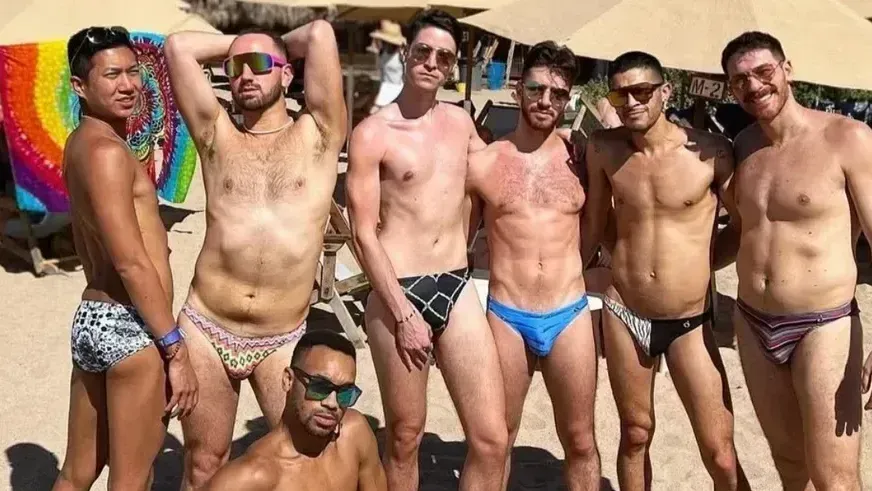
For nearly three decades, Alphonse has defined the look of gay swimwear in Puerto Vallarta, transforming a personal hobby into a celebrated boutique brand.
If you know gay Puerto Vallarta, you likely know Alphonse—the designer whose name is now synonymous with queer beach fashion in Mexico’s most celebrated LGBTQ+ resort town. The story of Alphonse Swimwear began in 1996, when Alphonse simply wanted to make comfortable, stylish swimwear for himself. At the time, mainstream options for gay men were limited, especially in Mexico, where “speedo” style swimwear wasn’t widely available for queer clientele .
Alphonse’s solution was to create his own suits. The bold cuts and eye-catching prints quickly caught the attention of friends and fellow sunseekers, who began requesting custom suits. “Soon, friends started asking me to make suits for them, and the business grew organically from there,” Alphonse told Queerty.com .
By 1998, Alphonse and his husband transformed this grassroots enthusiasm into a small-scale business. Their boutique, Alphonse Swimwear, launched in Puerto Vallarta’s Zona Romántica—an area that has since become a vibrant hub for LGBTQ+ nightlife, culture, and tourism .
Alphonse Swimwear is defined by meticulous craftsmanship and a keen eye for both classic and contemporary design. The brand offers five original styles: Bikini, Atletico, Olympic, Mini B-twini, and B-twini. Each swimsuit is produced in limited editions, ensuring exclusivity and quality . Fabrics are chosen for their durability, vibrant colors, and comfort—a reflection of Alphonse’s commitment to both fashion and function .
A hallmark of the Alphonse experience is its personalized service. Customers can make appointments for fittings, during which Alphonse takes individual measurements and tailors each suit to fit perfectly. This bespoke approach has earned Alphonse Swimwear rave reviews from both tourists and locals, who praise the quality, beauty, and inclusivity of the designs . As one visitor shared, “Several different cuts available. From slightly more conservative to a cut that is more revealing. Alphonse has swimwear that will ensure your perfect fit” .
Alphonse’s boutique is conveniently located near Playa de Los Muertos, the popular gay beach in Puerto Vallarta, making it a sought-after destination for visitors seeking both style and community .
Alphonse Swimwear is more than a fashion label—it is a symbol of queer visibility, pride, and entrepreneurship in a region where LGBTQ+ rights and representation have evolved dramatically over the past three decades. The business has helped make Puerto Vallarta a mecca for gay travelers from around the world, who flock to the city for its beaches, nightlife, and welcoming atmosphere .
The brand’s success is rooted not only in its eye-catching designs but also in its connection to the LGBTQ+ community. Alphonse has consistently supported local events and charities, including Pride festivities and HIV/AIDS outreach, further cementing his role as a community leader . His boutique stands as an affirming space for customers of all gender identities and expressions. As Alphonse told Queerty.com, “It’s about more than just looking good—it’s about feeling comfortable and celebrated in your own skin, whoever you are” .
The legacy of Alphonse Swimwear is apparent not only in the brightly colored suits dotting the beaches of Puerto Vallarta, but also in the growing number of LGBTQ+ owned businesses in the city. Alphonse’s model—prioritizing individuality, quality, and community—has inspired a new generation of queer entrepreneurs across Mexico and beyond .
As the global queer community continues to seek out welcoming destinations and affirming experiences, Alphonse remains a trailblazer, showing that authentic representation and style are always in vogue. For visitors to Puerto Vallarta, a stop at Alphonse Swimwear is both a fashion pilgrimage and a celebration of LGBTQ+ culture—a testament to the power of self-expression, creativity, and love .
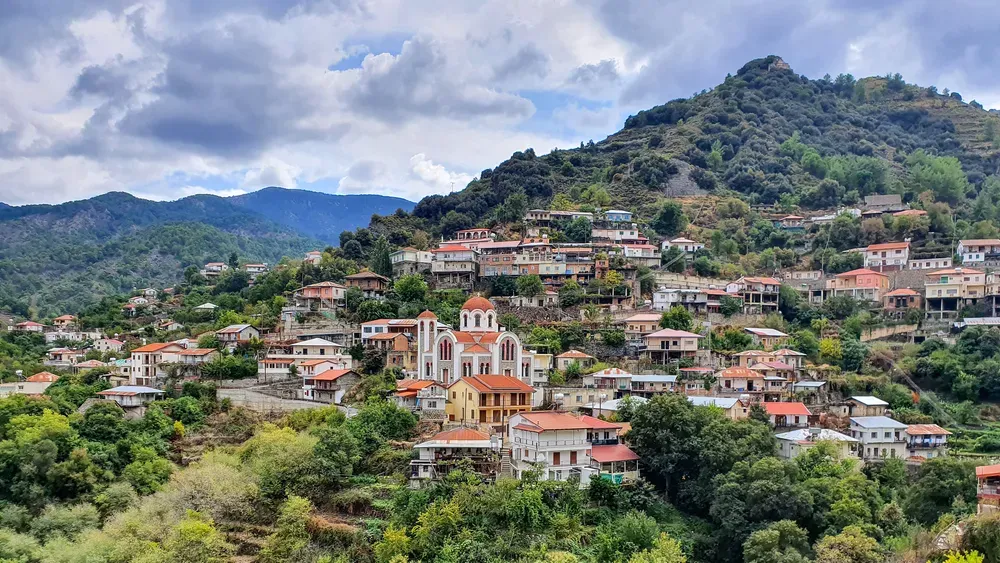
Cyprus, the sun-drenched Mediterranean island, is rapidly emerging as a dynamic destination for LGBTQ+ travelers seeking a blend of ancient history, vibrant culture, and queer-friendly spaces.
Cyprus, the sun-drenched Mediterranean island, is rapidly emerging as a dynamic destination for LGBTQ+ travelers seeking a blend of ancient history, vibrant culture, and queer-friendly spaces. While traditional values persist in some rural areas, recent years have seen significant growth in LGBTQ+ visibility, events, and hospitality—making Cyprus an increasingly attractive choice for queer visitors .
Situated at the crossroads of Europe, Asia, and Africa, Cyprus is divided into six major districts: Nicosia, Famagusta, Kyrenia, Larnaca, Limassol, and Paphos. The capital, Nicosia, is notable as the world's last divided capital, a legacy of the island’s complex political history. Despite this, Cyprus has been peaceful for decades, with tourism flourishing thanks to its 340 days of sunshine each year, stunning coastlines, and archaeological treasures .
Cyprus is a member of the European Union, and while legal protections for LGBTQ+ people have advanced in recent years, social attitudes can vary. Urban centers and coastal resorts are generally open and welcoming, with a growing number of queer-owned businesses and events .
While Cyprus may not rival the likes of Mykonos or Sitges for sheer scale, its LGBTQ+ scene is vibrant and steadily expanding. Nicosia leads with several gay bars and venues, and hosts the annual Cyprus Pride event each summer. Since its inception in 2014, Cyprus Pride has grown rapidly, embraced by locals and marked by increasing participation from across the island. Organizers were initially wary of opposition, but community response has been overwhelmingly positive, with Pride now a fixture in the Cypriot calendar .
Limassol is home to The Elysium Bar Complex, a popular spot for queer nightlife, situated a short drive from the city center. Larnaca offers a lively bar scene along Mackenzie Beach, while Paphos is famed for its laid-back beaches frequented by LGBTQ+ sunbathers and nudists. Though some venues have closed in recent years, new establishments continue to emerge, reflecting a resilient and adaptive queer community .
Cyprus boasts three unofficial gay beaches, each offering a sanctuary for queer travelers seeking both relaxation and connection. These beaches are well-known among locals and visiting LGBTQ+ people, providing a discreet yet social setting. For those interested in clothing-optional sunbathing, Paphos is a prime destination. While public displays of affection (PDA) are generally welcomed in queer-friendly locales, travelers are advised to be mindful in rural or conservative areas, where discretion may be appreciated .
Cyprus does not currently feature exclusively queer hotels like those found in Fort Lauderdale or Mykonos, but its boutique hotels and guesthouses are renowned for their hospitality and inclusivity. Many LGBTQ+ travelers opt for platforms such as Misterb&b, which connect guests with queer hosts—ensuring both comfort and valuable local insight into the island’s underground scene. This approach has been praised for enhancing the travel experience and forging authentic connections .
Each June or July, Nicosia transforms for Cyprus Pride, drawing thousands for a celebration of diversity and inclusion. The event features a parade, live performances, workshops, and community outreach. Organizers note that the festival’s growth is a testament to the island’s evolving attitudes and the resilience of its LGBTQ+ community. Pride was paused in 2020 and 2021 due to the COVID-19 pandemic, but has since returned stronger, underscoring the importance of visibility and solidarity .
Cypriots are renowned for their hospitality, and most travelers report feeling safe and welcome. As with any destination, it is wise to exercise situational awareness, particularly when exploring less populated or rural areas. English is widely spoken, and local police are accustomed to assisting tourists.
For queer travelers, it is recommended to:
- Research venues and events in advance. - Use LGBTQ+ friendly accommodation platforms. - Respect local customs in conservative areas. - Connect with local LGBTQ+ organizations or online communities for up-to-date advice and support .
Cyprus offers much more than nightlife and beaches. The island’s rich history is evident in its ancient ruins, Byzantine churches, and Ottoman architecture. Culinary experiences highlight Mediterranean flavors—think halloumi cheese, fresh seafood, and local wines.
Notable attractions include:
- The ancient city of Kourion (Limassol district) - The Tombs of the Kings (Paphos) - The Venetian walls of Nicosia - Troodos Mountains for hiking and nature - Larnaca Salt Lake, especially beautiful in spring .
Cyprus’s LGBTQ+ community is bolstered by grassroots organizations and online networks, offering support and advocacy. These groups provide resources, safe spaces, and information about upcoming events, activism, and health services. Engaging with these organizations can enrich your visit and foster meaningful connections.
For queer travelers seeking sun, history, and community, Cyprus is a destination growing in both visibility and inclusivity. Whether participating in Pride, lounging on a secluded beach, or exploring ancient ruins, LGBTQ+ visitors will find a welcoming spirit and a sense of belonging that continues to flourish .
The twenty-seventh annual Gay Days at Disneyland are set to take place Friday, September 12 to Sunday, September 14.
The following is a press release from our OUTreach besties at Gay Days Anaheim!
The twenty-seventh annualGay Days at Disneyland are set to take place Friday, September 12 to Sunday, September 14. The event is expected to attract thousands of LGBTQ+ park-hoppers from California and all over the country. They will enjoy Disneyland in a way that it can only be experienced during Gay Days.
Since the event began in 1998, the Disneyland Resort has welcomed this annual celebration and continues to do so even as some of the country’s culture wars aim their sights at Disney and the LBGTQ+ community.
Festivities begin on Friday at noon with the opening of the Gay Days Welcome Center/ Expo at the Grand Californian Hotel. At 7:00 PM, Cheyenne Jackson, takes to the stage with his new act, “Another Prince Charming,” before he heads to Carnegie Hall next season. At 9:00, queer stand up comedian Zach Noe Towers makes his Gay Days debut with a night of comedy.
Saturday, September 13 will be Gay Day at Disneyland with a full day of activities and meet-ups scheduled in the park. The day culminates at House of Blues Anaheim with two performances featuring RuPaul’s Drag Race All Stars champion, Ginger Minj, in a brand-new show, “The Magic Queendom” at 7:00 PM and 9:00 PM. At 10:00 DJ Paulo Ramirez. takes over for our signature dance party, KINGDOM!
Sunday, September 14 will be Gay Day at Disney's California Adventure with more in-park activitiesand at 11:00, the first ever Gay Days Drag Queen Bingo featuring Chico’s Angels star, Kay Sedia.
As the sun sets, we’ll close the weekend at 6:00 PM with another Drag Race champion, Lawrence Chaney in “Taking the Mickey”, straight from her UK tour, and then Gay Days favorite, Jackie Cox, in her new show “Nurse Jackie” at 8:00 PM.
VIP ticket packages are available now.
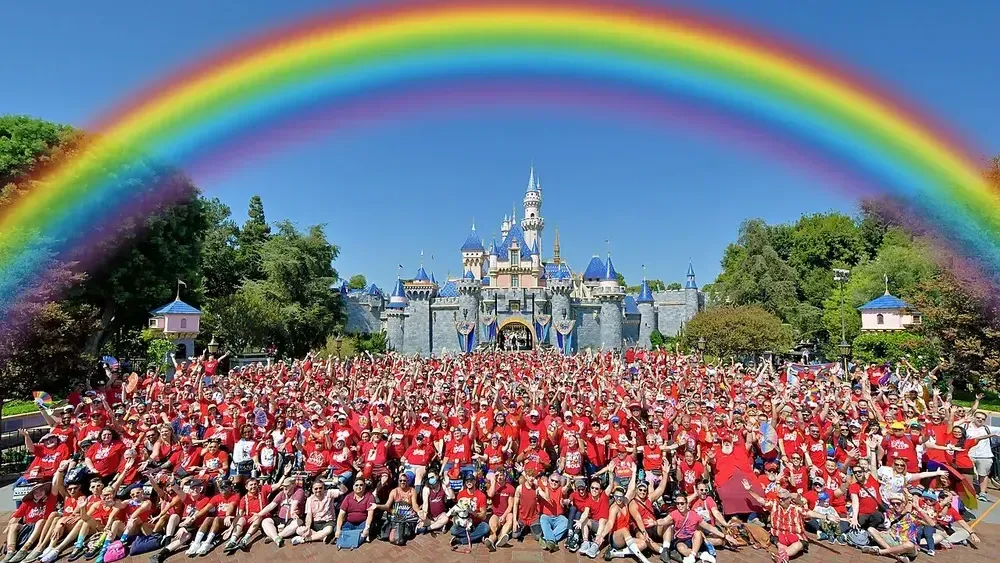
Both days in the parks will feature gatherings only available over Gay Days weekend, including a scavenger hunt, a group photo, a lesbian ice cream social, group meet ups at varying attractions, and many more events targeted to families, teens, bears, couples and Mouseketeers of every ilk. A complete schedule is available at the Gay Days website www.GayDaysAnaheiminfo.com
Other highlights of the weekend include the Gay Days Welcome Center (located inside the Sequoia Ballroom of Disney’s Grand Californian Hotel), a scavenger hunt, a gigantic group photo and mixers all over the resort.
Gay Days Anaheim is a "mix-in" with the park’s other weekend guests, but gays and lesbians are encouraged to wear red shirts in order to identify each other and to show strong numbers. Official T-shirts are available at the official Gay Days at Disneyland website.
Gay Days Anaheim is NOT a Disney-sponsored event so Disney will not have any information regarding the "unofficial" happening.
Sponsors for the event include Delta, Mistr, Howard Johnson Anaheim, and Radiant Health Center. Media sponsors are The Fight, Queerty, Pink Media, and EDGE Media Network.
For complete details, including discounted hotel rooms and park tickets, visit www.GayDaysAnaheiminfo.com
A new survey shows that younger Americans rely on AI and ChatGPT more and more to construct their vacation itineraries, in contrast to older generations that still rely on old-school, traditional methods to sort their travel plans.
Is travel planning the next space AI is taking over?
A new survey shows that younger Americans are relying on AI and ChatGPT more and more to construct their vacation itineraries.
This is a stark contrast to older generations that still rely on old-school, traditional methods to sort their travel plans. Seven in ten baby boomers also say they have never used AI for their travel plans.
The top application for AI in travel planning was found to be asking it to compare flight prices for wherever they’re headed, with 29% of all those polled saying they’ve done this.
A similar amount says AI comes in even before that: Twenty-nine percent of respondents have even asked it where they should go for their trip.
Another one in five even let AI complete a detailed plan for their whole trip, complete with sights to see, local things to do and museums to tick off.
While word of mouth and recommendations from loved ones have always been the most common way to learn about fun places to travel, the survey revealed that there’s a new contender.
YouTube (34%) was crowned as the top resource people use for travel inspo, officially topping recommendations from family (30%) and friends (28%).
The generations were split on this, as unsurprisingly, younger generations were a lot more reliant on social media than older generations.
While YouTube was the most popular when accounting for every survey-taker, Gen Z was overwhelmingly using TikTok for travel inspiration (52%).
In comparison, just 27% of millennials and only 2% of boomers said they use TikTok for this purpose.
While AI is still fairly new, it’s easy to see this trend growing as the technology becomes more sophisticated.
by Talker Research | Travelbinger
Copyright Associated Press. All rights reserved. This material may not be published, broadcast, rewritten, or redistributed.
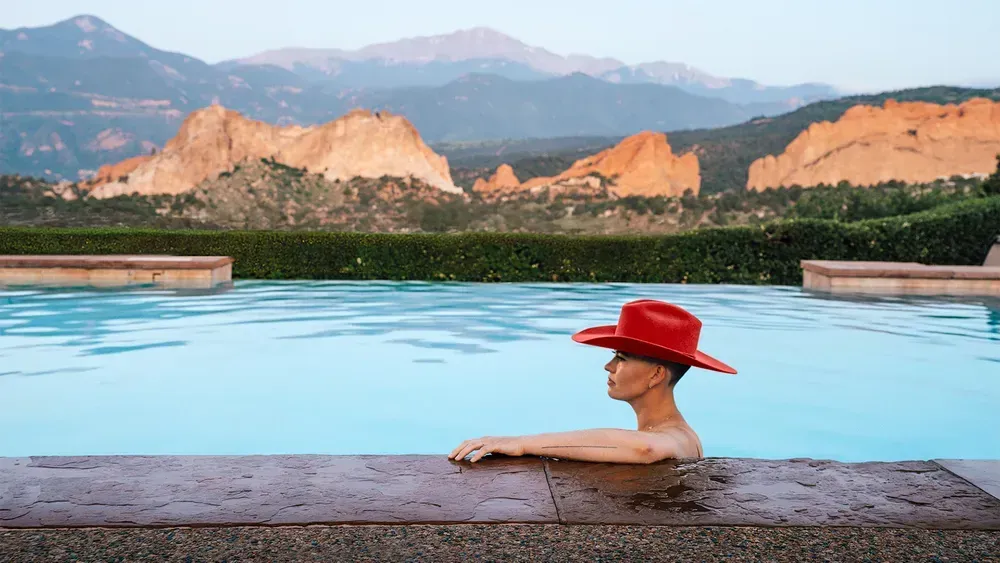
For a state that looks pretty straight-edged on the map, it delivers with more sides than meets the eye. Beyond its natural beauty, the state’s rugged outdoors offers a surprising backdrop for locals and visitors to relax and find peace in every season..
For a state that looks pretty straight-edged on the map, it delivers with more sides than meets the eye. Beyond its natural beauty, the state’s rugged outdoors offers a surprising backdrop for locals and visitors to relax and find peace in every season.
From hot springs and healing arts to forest bathing and fresh-air meditations, Colorado isn’t just a wellness destination – it’s an experience. Grab your crew (or take yourself on a solo journey), and discover why this state offers one of the most well-rounded retreats you never saw coming.
The Front Range and the Rockies
Nestled within the iconic sandstone formation of Red Rocks Park, you’ll find Red Rocks Amphitheater, a world-class venue known for its stunning scenery and live events. Yoga on the Rocks is a bucket-list experience for any wellness seeker. Drawing a funky fresh crowd each weekend from Denverand surrounding areas, move and bend alongside other soulful stretchers as you salute the sun, calm your senses, and breathe in the fresh mountain breeze. The event is held every Saturday in the summer months and more information can be found here. Pro tip: check the venue’s calendar for upcoming live music, shows and more.
The Oakwell Beer Spaoffers a unique and refreshing way to unwind, combining relaxation with Colorado’s celebrated craft beer culture. Guests soak in private cedarwood tubs filled with a blend of hops, barley, yeast, and minerals—the same ingredients used in brewing beer—while enjoying a cold brew straight from the tap. It’s the perfect spot for beer lovers and wellness seekers alike to recharge and enjoy a truly one-of-a-kind experience.
Nourish your mind, body and spirit at True Nature Healing Arts located in a sprawling campus in Carbondale —with an experience that allows you to connect with the healing powers of nature. Book a yoga class in the morning, and take a walk through the Peace Garden, a restorative and therapeutic sanctuary open and free to the public. And don’t forget to schedule a spa or self-care session to finish a blissful day.
Northern Colorado
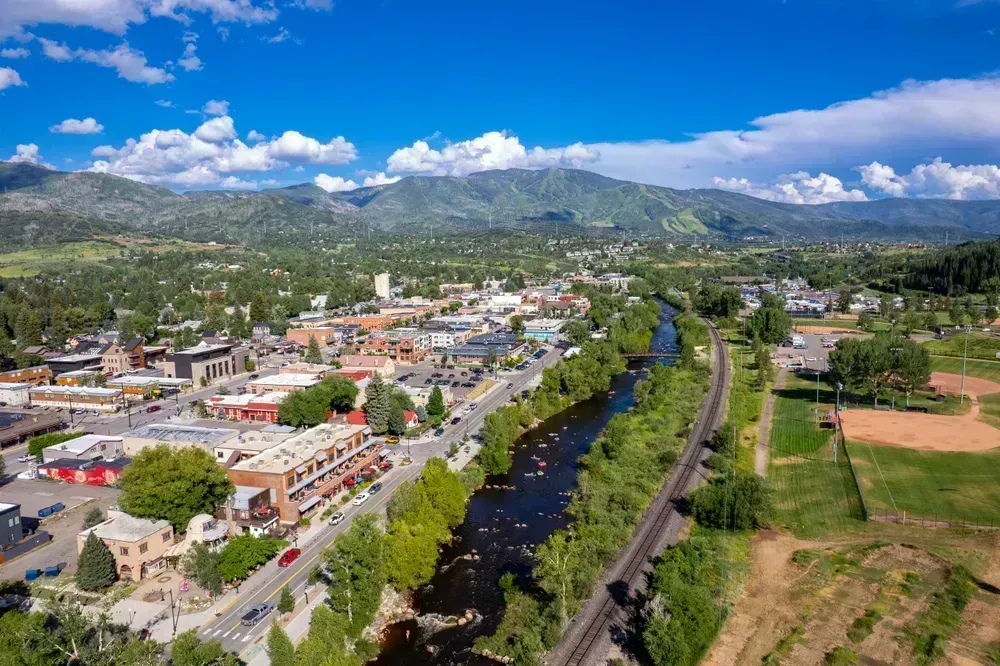
For unbelievable views, take your crew to Rabbit Ears Peak Trailto see wildflower blooms straight out of a movie. Beyond the trail, Steamboat Springsis also home to a variety of outdoor activities to help you connect with nature, whether you're strolling a forest trail, casting a line fly-fishing, or biking along scenic routes. But to slow it down and experience a more zen-like pace, rent a canoe and slowly drift along Dumont Lake, soaking in the peaceful surroundings.
To fully immerse yourself in Colorado’s restorative energy, carve out time for a visit to Strawberry Park Hot Springs, a spa retreat nestled in the mountainous landscape in Steamboat. Let the stone masonry-lined thermal pool waters wash over you, transporting you to utter zen relaxation. Or try one of the spa’s many aquatic therapy treatments for ultimate rejuvenation and an authentic nod to the state’s replenishing spirit.
Further east, Fort Collinsoffers its own brand of outdoor serenity. The town offers Lory State Park, an expansive environment that offers plenty of trails for hiking, biking and even horseback riding. But save your energy for Arthur’s Rock Trail, a dazzling weave of open meadows and canopied forests that crests the mountain for an eye-popping panoramic view of the Front Range. It’s a place to pause, take it all in, and feel fully present in Colorado’s great outdoors.
Southern Colorado
Begin your journey in Crestone, a place long known for its spiritual energy and serene setting. Here, the Crestone Zigguratrises from the valley floor, a sandstone structure inspired by the sacred temples of ancient Mesopotamia. Visitors from around the world are drawn to this peaceful landmark to reflect, meditate, and take in sweeping views of the San Luis Valley. Climb its spiral steps and feel the landscape’s quiet power settle around you.
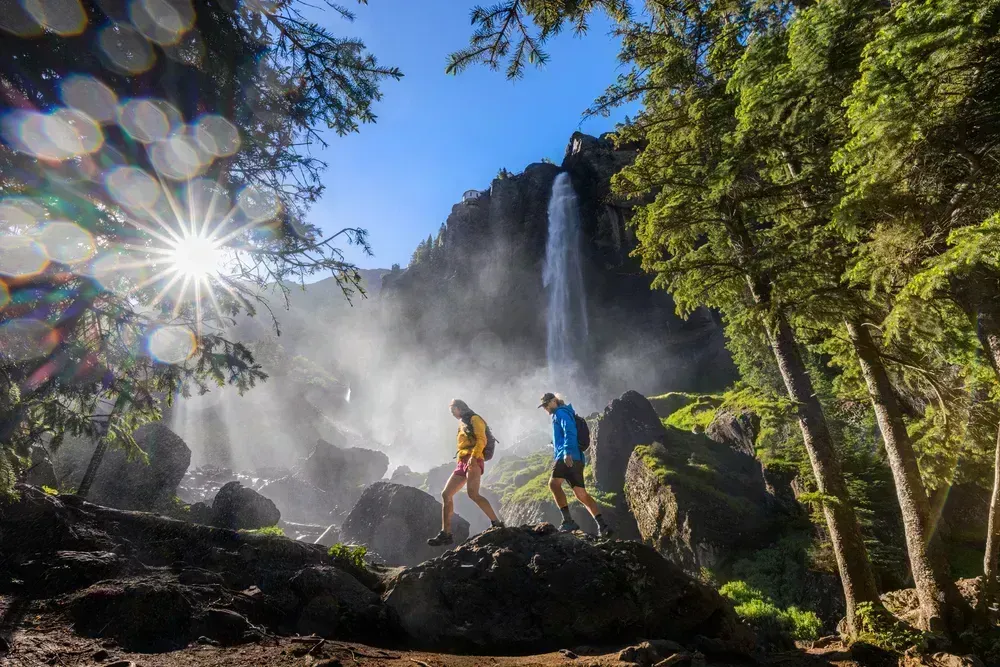
Southwest Colorado is also home to some of the state’s most breathtaking waterfalls, formed by snowmelt cascading from rocky cliffs. Telluride, a picturesque Victorian-era mountain town, showcases hikes at Bridal Veil Falls to witness the state’s tallest waterfall. Feel the mist on your face as the water plunges 365 feet into the canyon below.
However, no wellness retreat in this region is complete without a rejuvenating soak. Dunton Hot Springs, tucked in a restored 1800s ghost town across the mountain from Telluride, blends rustic charm with alpine luxury. Soak in the mineral-rich waters surrounded by hand-hewn log cabins, or explore the quaint saloon and open meadows for a taste of the old West with a wellness twist.
Plan Your Trip
Plan Your Trip
From a state that’s anything but square, Colorado’s wellness scene is full of surprises. Start planning your getaway and discover all the sides of Colorado that soothe, stretch, and spark your spirit at Colorado.com/Summer-LGBTQ .
ABC's Robin Roberts revisits New Orleans 20 years after the destruction of Hurricane Katrina for a news special on rebuilding after the storm
Revisiting the time she broke down on “Good Morning America” while covering Hurricane Katrina's destruction of her hometown Pass Christian, Mississippi, Robin Roberts said she feared losing her job.
Only three months after she was named a host of the ABC News show with industry vets Charles Gibson and Diane Sawyer, Roberts had played it straight on the Gulf Coast. That's what reporters do: they keep a lid on emotions to get the work done. Then Gibson asked, during a live shot, if Roberts had determined that her mother and other family members were safe.
So much for professional reserve.
“It's one thing if you shed a tear, but I was boo-hooing,” Roberts said. “I was delighted that in the end people were touched by that in a way that I wasn't expecting, that it was authenticity. That was proof that they just want you to be real in the moment.”
That clip of a much younger Roberts — still a “Good Morning America” host — is replayed on her ABC News special looking back at Katrina after 20 years. It airs Friday at 8 p.m. Eastern and is streamed on Disney+ and Hulu starting the next day.
Roberts, 64, has been back in the region more times than she can count since then, both to report and visit family. Her mother, Lucimarian, died in 2012 at age 88. Her sister Sally-Ann, a longtime news anchor in New Orleans, has retired.
“I still can't believe it's been 20 years,” she said. “Two decades. Going through the old footage was a little PTSD. You kind of blocked some of that out.”
In the special, Roberts retraces the ride she took from New Orleans to Pass Christian 20 years ago. There are fewer “staircases to nowhere” along the way, evidence of destroyed homes, each time she's back. But remnants from Katrina are still there.
Retracing her steps back to hometown
She tours Pass Christian with the longtime former mayor, Chipper McDermott. They visit her rebuilt high school — spotting the picture of Roberts on display — and the new version of a favorite family restaurant that had been washed away.
McDermott shows new homes with living areas built 20 feet in the air to protect against future storm surges. “A lot of people say, ‘why would you live in a place where you have to live on stilts?’” Roberts said. “It's home. Pick anywhere in the world where Mother Nature can't have the upper hand at some point. But home is home.”
Roberts wanted to pay tribute both to people who stayed in the area and rebuilt, and people who came to the Gulf in the storm's immediate aftermath to help.
“It took a lot of strength to raise our hands and say we need help,” she said. “It's very hard for Southerners to do that. We like to do it on our own. We did a lot on our own, but we got a lot of help. And we're very appreciative of that help.”
The special doesn't ignore tough issues, like economic inequality in the pace of rebuilding. Some affordable housing was replaced by hotels and casinos. One effective segment visits a New Orleans photographer, Jeremy Tauriac, and musician, Jasmine Batiste, who were children when rescued from Katrina and talked about the difficulties rebuilding their lives.
“It is different, in some ways, of course,” Roberts said. “Nothing stays the same, especially after something like that. But the heart and soul of what New Orleans is? It didn't touch that.”
by David Bauder
Copyright Associated Press. All rights reserved. This material may not be published, broadcast, rewritten, or redistributed.
The Ritz Bar and Lounge, a cornerstone of New York City’s queer nightlife, has reopened in Hell’s Kitchen after a sweeping renovation and change in ownership.
Hell’s Kitchen’s famed queer nightclub, The Ritz Bar and Lounge, has received a transformative facelift, marking a new era for one of Manhattan’s most storied LGBTQ+ venues. After changing ownership in early 2025, the club unveiled its refreshed space with a grand reopening on May 17th, attended by local politicians, drag royalty, and members of the community eager to celebrate the rebirth of a nightlife institution .
The four-story building, situated at 369 W 46th Street, has long been central to New York’s queer culture, hosting unforgettable drag performances, DJ sets, and dance parties that drew people from across the city and beyond. Now, under the stewardship of new owner Eric Hanninen—himself a longtime patron of the venue—the club has emerged with a modern look and a renewed mission to serve as a safe, inclusive, and dynamic gathering place .
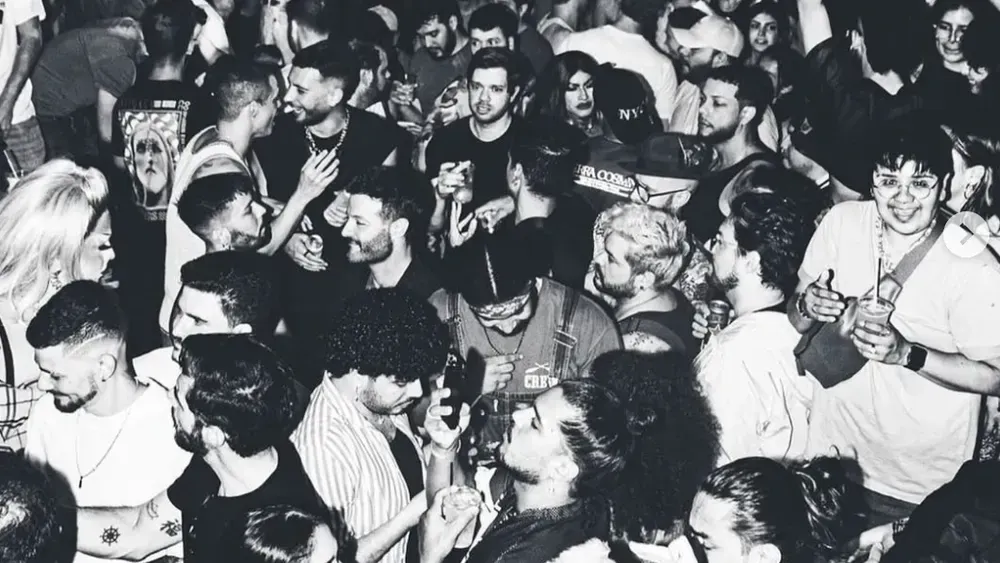
The Ritz’s facelift extends well beyond surface-level glamour. Patrons stepping inside will find a new dance floor shimmering beneath a disco ball, a state-of-the-art DJ booth, plush benches, and remodeled bathrooms designed for comfort and accessibility. Ambient lighting now sets the mood for late-night revelry, while the previously shuttered second-floor bar has reopened, offering an intimate lounge experience perched above the main action .
The club’s backyard patio has also been revamped, featuring new seating and table service—a welcome addition for those seeking conversation and connection in a more relaxed setting. Importantly, the renovations included critical upgrades to the HVAC system, lighting, and overall safety infrastructure, with Hanninen personally moving into an apartment above the club to ensure ongoing oversight and community engagement .
Beyond aesthetics, the relaunch signals a significant evolution in the club’s approach to safety and inclusivity. Hanninen has implemented a comprehensive security plan, including ID and bag checks, staff retraining in de-escalation techniques, and extended operating hours from 4 p.m. to 4 a.m. New liquor licensing and legal improvements to the outdoor spaces ensure that every guest can enjoy themselves in a secure, welcoming environment .
Community leaders and advocates have praised these changes, emphasizing the importance of safe queer spaces at a time when LGBTQ+ rights and safety remain under threat in many parts of the country. At the reopening, New York drag icon and activist Brita Filter spoke passionately about the club’s role in her own journey, recalling, “This was where I saw my first drag show… where I learned what my queer culture was… and where I learned how to fight back.” Her remarks underscored the enduring significance of queer nightlife venues in fostering belonging and resilience .
The Ritz’s reputation for vibrant programming remains unchallenged. Regular events include rotating DJ sets, drag shows, and dedicated evenings for RuPaul’s Drag Race viewing parties. The club’s relaunch coincides with Pride Month, amplifying its role as a center for celebration and activism. “We know The Ritz means a lot to this neighborhood, and we’re listening,” Hanninen stated. “There’s a lot of work to do, but we’re committed to creating a space that welcomes everyone, celebrates queer culture, and brings back the energy that made The Ritz special in the first place” .
Patrons have responded enthusiastically, with online reviews highlighting the upgraded atmosphere, improved amenities, and the club’s commitment to maintaining its playful spirit. “The Ritz got a facelift and now she’s BACK… tight, slick, and ready to party. The old messy charm? Still there. But now it’s wrapped in mood lighting, actual airflow, and furniture that doesn’t feel like a dare. And bathrooms no longer feel like a biohazard,” wrote one reviewer, reflecting the blend of nostalgia and excitement that defines the new Ritz .
For many LGBTQ+ people, venues like The Ritz are more than entertainment destinations—they are sanctuaries where chosen family is forged, identities are affirmed, and joy is shared. As one longtime patron put it, “I’m a gay man, and this is my home—this is my chosen family… it’s really great that we get to come together, we get to party, we get to celebrate, you know, and we get to escape. And I think the disco ball is at the center of all that” .
The Ritz’s resurgence is emblematic of a broader revival in New York’s queer nightlife, with other historic venues undergoing similar rebirths. But for many, The Ritz stands apart for its history, its sense of community, and its enduring commitment to inclusivity. With its doors open wide once more, the club is poised to continue shaping the narrative of queer life in New York City for years to come.
he Ritz offers both a reminder of the power of safe, affirming spaces and a testament to the resilience of queer culture. The club’s reopening, under queer ownership and with a dedication to community, marks not just a return, but a renewal—a promise that the heart of New York’s LGBTQ+ nightlife beats stronger than ever.
The Ritz Bar and Lounge is open daily from 4 p.m. to 4 a.m., welcoming guests of all gender identities and orientations to experience the new chapter of a legendary venue .
Asheville, North Carolina, long known for its vibrant arts scene and breathtaking mountain landscapes, is quickly gaining recognition as an emerging queer-friendly destination in North America.
Nestled in the heart of the Blue Ridge Mountains, Asheville, North Carolina, has quietly transformed from a sleepy mountain town into one of the most progressive and welcoming destinations for LGBTQ+ travelers in the American South. While major cities like New York, San Francisco, and Toronto have long been celebrated for their established queer communities, Asheville’s blend of southern charm, grassroots activism, and a burgeoning queer scene is drawing attention for all the right reasons .
Asheville’s reputation as an inclusive haven is rooted in its history as an arts enclave and a hub for countercultural movements. The city’s downtown buzzes with galleries, mural-lined streets, and independent bookstores, many of which are LGBTQ+-owned or explicitly queer-affirming. Since the 1980s, local grassroots organizations have advocated for LGBTQ+ rights, culminating in visible signs of acceptance—rainbow crosswalks, Pride flags in shop windows, and a city council that openly supports equality measures .
A pivotal moment came in 2019 when Asheville hosted its first-ever Trans Pride Parade, a landmark event in the region that drew visitors from across the Southeast and solidified the city’s commitment to transgender inclusion. Local advocacy groups such as the Campaign for Southern Equality and Blue Ridge Pride continue to educate, support, and celebrate the region’s diverse queer population through year-round programming .
Unlike some larger urban centers, Asheville’s queer scene is woven seamlessly into the city’s cultural fabric rather than confined to a single neighborhood.
- Bars and Nightlife: The Odditorium, a beloved dive bar and music venue, regularly hosts drag shows, queer open-mics, and LGBTQ+ dance parties. O.Henry’s, one of the South’s oldest gay bars, offers a welcoming space for locals and visitors alike, with weekly karaoke, themed nights, and a reputation for zero tolerance toward discrimination .
- Festivals and Community Events: Blue Ridge Pride, held every September, attracts thousands to downtown Asheville for a weekend of live music, a vibrant parade, and a family-friendly festival atmosphere. The festival highlights intersectional voices, centering transgender people, people of color, and rural LGBTQ+ communities that are often marginalized even within queer spaces .
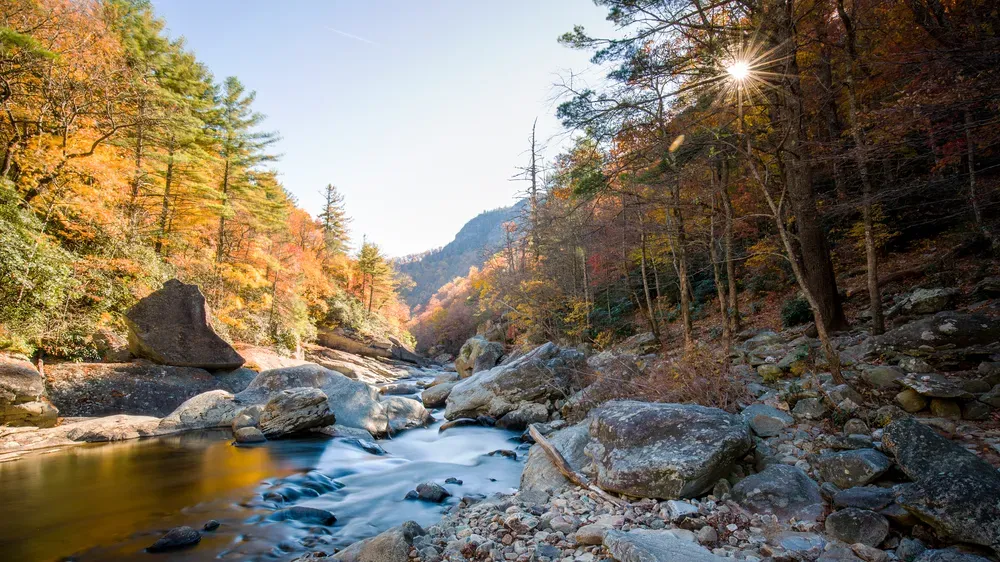
- Wellness and Outdoor Activities: For LGBTQ+ travelers seeking connection with nature, Asheville is an ideal base. Queer-led hiking groups such as Out in the Woods and LGBTQ+-friendly adventure outfitters offer safe spaces to explore the Blue Ridge Parkway, Pisgah National Forest, and nearby hot springs. Mindfulness retreats, yoga workshops, and holistic wellness centers also cater to queer and trans visitors looking for rest and rejuvenation in a judgment-free environment .
Asheville’s queer community is notable for its intersectional approach. The city’s LGBTQ+ centers and advocacy groups work closely with organizations focused on racial justice, disability rights, and economic equity, ensuring that the region’s growing reputation for inclusivity extends to all—regardless of gender identity, race, or background.
Recent years have also seen the rise of Black- and Latinx-led queer events, such as the annual Queer Black Asheville Block Party and bilingual Drag Brunches at local restaurants. These gatherings explicitly address the unique challenges faced by LGBTQ+ people of color in the South and celebrate the multiplicity of queer experiences .
- Accommodations: Many Asheville hotels and guesthouses are LGBTQ+-owned or explicitly queer-affirming. The Blind Tiger and Beaufort House Inn have received recognition for their inclusive policies and diverse clientele .
- Culinary Scene: Asheville’s food culture is a draw in itself, with queer chefs leading innovative kitchens and farm-to-table restaurants. The city’s breweries—more per capita than almost anywhere else in America—often host drag bingo, queer trivia, and community fundraisers.
- Arts and Shopping: The River Arts District is home to LGBTQ+ artists and craftspeople. Queer-owned bookstores, such as Firestorm Books & Coffee, offer curated selections of queer literature, zines, and art.
While Asheville is a beacon of progressiveness, it exists within a state and region where LGBTQ+ protections are not universal. North Carolina’s history includes notable anti-LGBTQ+ legislation, and rural areas surrounding Asheville can present challenges for those seeking acceptance. However, the city’s visible activism, coalition-building, and support networks have created an environment where queer people not only visit but also choose to settle and thrive .
Travelers are encouraged to connect with local organizations for up-to-date resources and community events, especially since the landscape of LGBTQ+ rights in the South can shift rapidly.
Asheville’s rise as an emerging queer-friendly destination signals a broader trend—smaller cities and rural regions across North America are building vibrant, intersectional queer communities that offer alternatives to the traditional urban “gayborhood.” By centering local voices, prioritizing inclusion, and leveraging its natural beauty, Asheville is redefining what it means to be a queer destination in the 21st century .
LGBTQ+ travelers seeking something different—connection, authenticity, and adventure—will find Asheville’s doors open, its mountains inviting, and its community ready to welcome all.
Bisbee, Arizona, a vibrant former mining town nestled in the Mule Mountains, is emerging as an unexpected queer-friendly destination in North America.
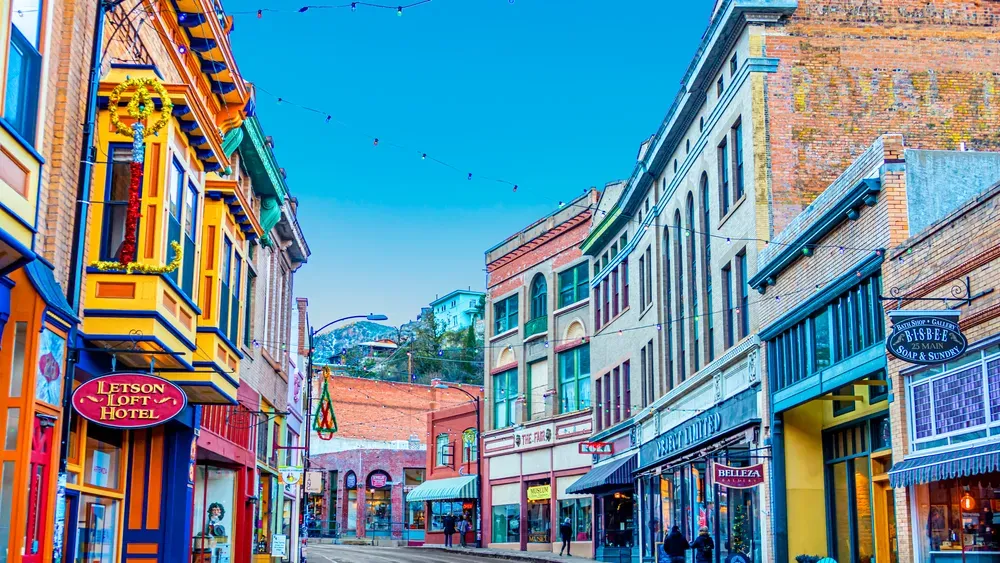
Once a copper-mining boomtown, Bisbee, Arizona, is rewriting its story. Perched in the Mule Mountains near the Mexican border, Bisbee’s colorful Victorian homes, narrow winding streets, and bohemian flair have long attracted artists, eccentrics, and outsiders. In recent years, this desert enclave has quietly become a beacon for LGBTQ+ travelers and residents seeking community, creativity, and acceptance in a state more often associated with conservative politics .
Bisbee’s transformation is no accident. In 2013, the city made national headlines as the first municipality in Arizona to legalize civil unions for same-sex couples, defying state law at the time and setting a precedent for local activism . This bold move signaled Bisbee’s commitment to inclusion and inspired a wave of LGBTQ+ individuals and couples to relocate, open businesses, and invest in the town’s future .
Bisbee’s queer renaissance is visible in its vibrant downtown, where rainbow flags hang alongside murals, and LGBTQ+-owned establishments anchor the social scene. The town’s main drag, Brewery Gulch, is home to legendary bars like St. Elmo, Arizona’s oldest continuously operating bar, and the Bisbee Grand Hotel, which frequently hosts drag shows, cabaret nights, and inclusive dance parties .
The community’s visibility extends beyond nightlife. Bisbee Pride, held annually in June, draws thousands for a weekend of parades, live music, drag performances, and workshops. The event is organized by Bisbee Pride Inc., a volunteer-run nonprofit dedicated to fostering queer visibility and equity in southern Arizona . Unlike larger metropolitan Prides, Bisbee’s festival is intimate, grassroots, and deeply woven into the fabric of the town. Local businesses, from art galleries to coffee shops, participate with themed displays, special menus, and extended hours, making the celebration feel like a citywide embrace.
Bisbee’s rise as a queer-friendly destination is closely tied to its robust network of LGBTQ+-owned and -affirming businesses. Historic bed-and-breakfasts, such as the Letson Loft Hotel and the School House Inn, are known for their inclusive policies and welcoming hosts . The town’s eateries, like Cafe Roka and Bisbee Coffee Company, prioritize safe and celebratory spaces for all patrons. Many new arrivals—drawn by Bisbee’s lower cost of living and creative freedom—have opened vintage shops, bookstores, and art studios that contribute to the town’s eclectic charm .
Beyond commerce, Bisbee’s queer community has built infrastructure for support and connection. The Bisbee LGBTQ Resource Center offers social services, mental health resources, and peer support groups, ensuring that both visitors and residents have access to affirming care . These efforts are buoyed by the town’s progressive politics, with openly LGBTQ+ residents serving on city council and leading civic initiatives .
Bisbee’s artistic soul is evident year-round. The town hosts a packed calendar of events, many with explicitly queer themes or programming. In addition to Bisbee Pride, the annual Bisbee 1000 Stair Climb—an athletic event that traverses the city’s iconic staircases—features a robust turnout from local LGBTQ+ running clubs and drag athletes, blending fitness with flamboyance .
Art walks, poetry readings, and film screenings spotlight queer creators, while the Bisbee Royale theater regularly programs LGBTQ+ cinema . The town’s galleries exhibit work by transgender artists and queer photographers, exploring themes of identity, migration, and resilience that resonate deeply in the borderland context .
Bisbee’s emergence as a queer haven is inseparable from its activist history and borderland location. The town’s population reflects a mix of longtime locals, newcomers fleeing unaffordable coastal cities, and migrants from neighboring Mexico. This diversity has fostered a culture of mutual aid and intersectional solidarity, with local organizations collaborating on immigrant rights, reproductive justice, and anti-discrimination campaigns .
While Arizona as a whole has seen waves of anti-LGBTQ+ legislation, Bisbee’s residents have responded with public protests, voter drives, and legal challenges, ensuring that queer voices remain central to the town’s identity and future .
Bisbee is located about 90 miles southeast of Tucson and is accessible via scenic State Route 80. The drive itself is part of the adventure, winding through high desert and mountain vistas . Travelers are encouraged to book accommodations in advance, especially during Pride and major festival weekends. While the town is compact and walkable, public transportation is limited, so most visitors opt to drive or cycle.
For LGBTQ+ travelers seeking an alternative to big-city scenes, Bisbee offers the warmth of a tight-knit community, the thrill of discovery, and the comfort of being truly seen. Whether you’re sipping coffee on a sun-drenched patio, dancing late into the night at a drag revue, or exploring the haunted halls of a historic hotel, Bisbee’s queer spirit is everywhere—bold, beautiful, and unapologetically itself.