QT Wellington, a boutique hotel in the heart of Wellington, New Zealand, has become a standout destination for queer travelers seeking both creative inspiration and a genuinely welcoming atmosphere.
Wellington, New Zealand’s breezy, creative capital, stands out in 2025 as one of the world’s most queer-friendly tourist destinations. Its inclusive culture is evident not just in public events and rainbow flags waving from business windows, but in the everyday experiences of visitors and locals alike. Among the businesses leading this charge is QT Wellington, a boutique hotel that seamlessly fuses bold art, hospitality, and a deep respect for queer identities.
QT Wellington is housed in a former department store, but its transformation is nothing short of spectacular. From the moment guests step into the lobby, they’re surrounded by vibrant murals, avant-garde sculptures, and eclectic furnishings that reflect the city’s creative energy. Each corridor bursts with queer-coded creativity, making the hotel itself a living gallery where every guest is invited to feel celebrated and seen.
The staff at QT Wellington are as diverse as the décor; management and front desk teams are trained in inclusive hospitality practices and are proactive in supporting guests of all genders, sexual orientations, and backgrounds. Pronoun badges, gender-neutral bathrooms, and sensitivity training are standard, ensuring no awkward moments—just pure welcome. The hotel’s own website and social media regularly showcase their participation in local Pride events and partnerships with LGBTQ+ organizations .
QT Wellington doesn’t just provide accommodation—it actively supports and hosts queer events throughout the year. During Wellington’s annual Out in the City Pride celebrations, the hotel serves as both a venue and a sponsor, offering space for drag brunches, queer art exhibitions, and panel discussions on issues affecting queer communities. These events are family-friendly and attract a diverse range of participants, from local transgender activists to international travelers.
The hotel also collaborates with Wellington’s trans-led collectives and queer organizations to provide safe spaces for workshops, wellness retreats, and social gatherings. Its rooftop bar, with panoramic views of the city and harbor, is a favorite spot for both casual meetups and more formal celebrations.
QT Wellington’s commitment to inclusivity goes beyond visible symbols. Staff are trained to respond to the needs of queer guests with sensitivity and respect, whether that means assisting with travel arrangements for same-sex couples, offering information on local queer nightlife, or connecting guests with community resources in the city. The hotel’s employment policies emphasize diversity, with targeted recruitment for queer staff and ongoing professional development focused on equity and anti-discrimination.
Furthermore, QT Wellington works with local businesses to source inclusive amenities, such as gender-neutral toiletries and sustainable products. Their partnerships extend to queer-owned cafés, galleries, and tour operators, helping guests experience Wellington’s rich queer culture beyond the hotel walls.
QT Wellington has received praise from major travel publications and queer advocacy groups for its approach. It has been featured in guides by the International LGBTQ+ Travel Association and is regularly recommended by travel experts for its mix of creative flair and genuine welcome. Guests frequently cite the hotel’s “radically inclusive” environment and the sense of belonging they feel during their stay.
Local leaders have also acknowledged QT Wellington’s role in supporting the community, particularly its sponsorship of Pride events and ongoing support for trans-led initiatives. The hotel’s visibility as a safe and affirming space has helped set a standard for other businesses in Wellington and across New Zealand.
QT Wellington is a microcosm of what makes Wellington such a compelling destination for queer travelers. The city itself boasts exciting cultural, artistic, and gastronomic destinations. Rainbow flags in businesses, regular drag shows in dive bars, and an active conversation around queer rights make it clear that queer culture is woven into the fabric of daily life.
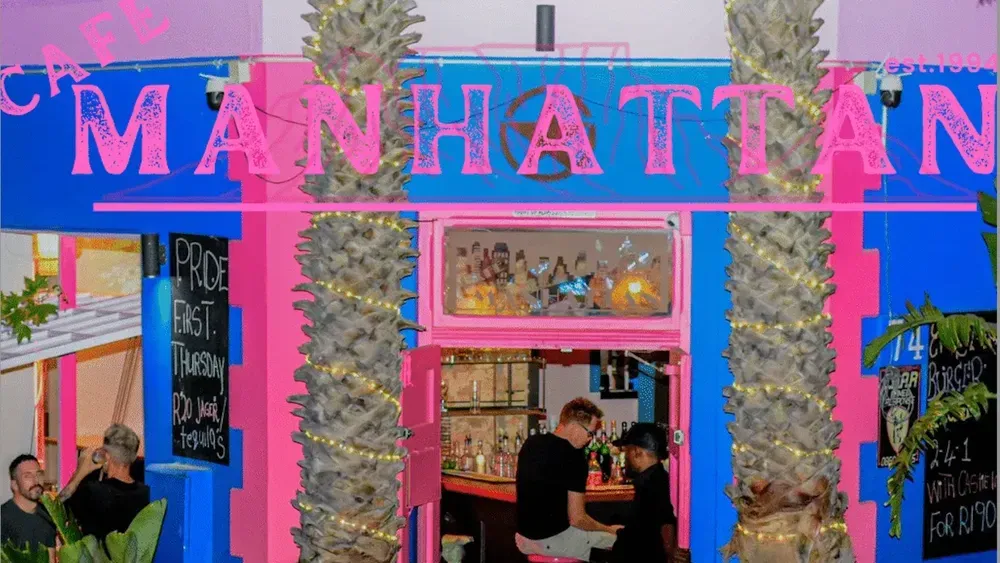
Café Manhattan, located in Cape Town’s vibrant De Waterkant district, stands out as a cornerstone for LGBTQ+ locals and travelers alike. The venue’s inclusive atmosphere, rich history, and active support for the community have made it a must-visit spot in one of the world’s most LGBTQ+ friendly cities.
Cape Town has long been celebrated as one of Africa’s most LGBTQ+ friendly destinations, renowned for its welcoming atmosphere, breathtaking scenery, and progressive legal climate. Following South Africa’s historic legalization of same-sex marriage in 2006—the first and still only African nation to do so—Cape Town emerged as a beacon for LGBTQ+ travelers seeking both adventure and acceptance .
At the heart of this inclusivity lies **De Waterkant**, a lively district known for its cobblestone streets, colorful houses, and an array of LGBTQ+-owned businesses. Among these, Café Manhattan has distinguished itself as a longstanding icon of queer hospitality in the city.
Founded in the early 1990s, Café Manhattan quickly established itself as a go-to gathering place for Cape Town’s queer community and its allies. The venue’s classic American diner aesthetic—complete with a wraparound bar, retro décor, and outdoor patio—creates a casual yet vibrant setting that attracts a diverse clientele . Guests range from local regulars to international visitors, with many drawn by the café’s reputation for being open, affirming, and safe for all identities.
The menu is as eclectic as its patrons, featuring everything from burgers and milkshakes to plant-based options, catering to varied dietary needs and preferences. Regular theme nights, drag performances, and karaoke events have further cemented Café Manhattan’s role as a community hub—offering not just entertainment, but a sense of belonging .
Café Manhattan’s commitment to LGBTQ+ inclusion extends beyond its daily operations. The venue is a proud supporter of Cape Town Pride, which takes place annually each February and has grown into one of Africa’s largest queer festivals. During Pride, Café Manhattan hosts special events, fundraisers, and afterparties, amplifying the voices and visibility of South Africa’s LGBTQ+ community .
In addition to festival season, the business regularly partners with local LGBTQ+ organizations to promote health initiatives, safe sex awareness, and HIV prevention, ensuring that queer wellness remains a priority within the community . Staff receive training on sensitivity and inclusivity, creating an environment where transgender people, nonbinary individuals, and all other LGBTQ+ identities are treated with dignity and respect.
Café Manhattan’s influence reaches far beyond its immediate neighborhood. As Cape Town has gained global recognition as a premier LGBTQ+ travel destination, the café has become a staple in international travel guides and LGBTQ+-focused itineraries. Visitors from around the world consistently cite the venue’s welcoming atmosphere and visible queer presence as highlights of their South African experience .
For many, a visit to Café Manhattan is about more than just food or nightlife—it’s a celebration of the progress South Africa has made in advancing LGBTQ+ rights, and a testament to the resilience and vibrancy of the queer community in Africa.
Despite its success, Café Manhattan is not immune to the broader challenges facing LGBTQ+ spaces worldwide. Rising costs, gentrification, and the evolving needs of younger generations require constant adaptation. Management has responded by investing in community outreach, updating the menu, and reimagining entertainment offerings to reflect the full spectrum of queer identities .
Most importantly, Café Manhattan remains steadfast in its original mission: to provide a safe, joyful, and visible space for LGBTQ+ people in the heart of Cape Town. As South Africa continues to lead the continent in queer rights and visibility, the café stands as both a living legacy and a hopeful vision for the future of inclusive tourism.
Seattle’s Capitol Hill neighborhood is emerging as one of North America’s most dynamic queer-friendly destinations, offering a vibrant blend of nightlife, arts, and community year-round.
In a landscape where major cities like San Francisco and New York have long dominated the queer travel narrative, Seattle’s Capitol Hill is quietly carving out its own place as an inclusive, authentic, and emerging LGBTQ+ destination. Located just east of downtown, Capitol Hill has become the cultural and social heart of Seattle’s queer community, offering a rich tapestry of nightlife, arts, activism, and acceptance that resonates through all seasons.
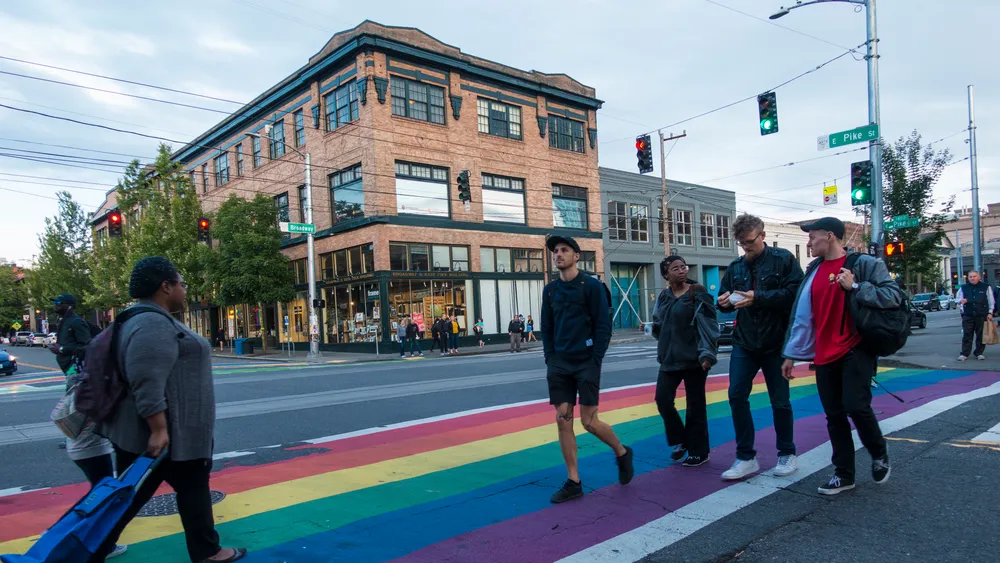
Capitol Hill’s transformation into a queer haven didn’t happen overnight. Its roots trace back several decades, as LGBTQ+ people sought spaces that were both safe and expressive in a city known for progressive values. Today, rainbow crosswalks mark the neighborhood’s intersections, and establishments proudly display inclusive signage. The Wildrose Bar, one of the country’s last remaining lesbian bars, has served as a social anchor since 1984, offering a welcoming environment for transgender people, nonbinary individuals, and the broader queer community.
Capitol Hill’s queer-owned businesses, ranging from coffee shops to record stores, serve as gathering points and support networks. The Center on Colfax, a cornerstone for local LGBTQ+ resources, frequently hosts events, workshops, and support groups that are affirming of all identities.
While summer brings Pride festivities and outdoor block parties, Capitol Hill’s allure intensifies in the cooler months. Seattle’s mild, rainy winters draw travelers looking for cozy urban adventures rather than beach escapes. Local bars such as Queer/Bar and Unicorn offer regular drag shows, open mics, and themed nights, making them popular spots for both residents and visitors. The city’s legendary coffee culture provides inviting refuges during drizzly afternoons, while nearby museums and galleries—such as the Seattle Art Museum and the smaller, queer-friendly galleries on Pike and Pine—offer cultural immersion for all.
For outdoor enthusiasts, Capitol Hill’s proximity to parks and trails allows for brisk autumn walks, with views of the city skyline and Mount Rainier on clear days. Day trips to the Cascades for skiing or snowshoeing are readily accessible, and many LGBTQ+-owned guesthouses offer off-season rates, making Seattle a practical choice for budget-conscious travelers.
Seattle’s arts scene is renowned for its inclusivity and innovation. Capitol Hill’s theaters, such as Neumos and the Annex Theatre, frequently feature queer artists and productions that challenge, celebrate, and reflect the diversity of LGBTQ+ experiences. Community spaces like Gay City provide not only health resources but also workshops on everything from poetry to political organizing. Bookstores such as Elliott Bay Book Company offer curated selections that highlight queer voices, and local zines and publications keep travelers informed about upcoming events and social movements.
Nightlife in Capitol Hill is both lively and diverse. The Wildrose Bar, Queer/Bar, and the Unicorn stand out for their inclusive programming and welcoming atmospheres. Drag shows here are not mere entertainment—they are vital expressions of culture and identity, often raising funds for local causes or spotlighting emerging talent. Many venues incorporate accessibility features and prioritize the safety of transgender people and other marginalized groups.
Seattle consistently ranks as one of the most LGBTQ+-friendly cities in North America, thanks to robust anti-discrimination policies and a city government that actively supports queer rights. The presence of LGBTQ+ community organizations ensures that resources are available for travelers, whether they need medical assistance, legal advice, or simply a space to connect. The neighborhood’s visible queerness—rainbow flags, inclusive signage, and open conversations—creates an environment where all identities are recognized and affirmed.
While safety is a priority, travelers are encouraged to remain aware of their surroundings, as with any urban environment. Local organizations provide up-to-date information on community events and safety tips, making it easier for visitors to navigate the city with confidence. Transgender people and nonbinary travelers are specifically welcomed and supported by local advocacy groups, with resources available before and during travel.
- Getting There: Seattle is accessible via SeaTac International Airport, with direct transit routes to Capitol Hill via light rail.
- Where to Stay: LGBTQ+-owned guesthouses and boutique hotels in Capitol Hill offer safe, comfortable lodging, often with discounts during fall and winter.
- Events: Check local calendars for drag shows, open mics, and art exhibitions. Off-season programming is robust and often less crowded.
- Community Resources: Visit the Center on Colfax and Gay City for health, wellness, and social events. Many organizations have robust online presences with updated resources.
- Beyond Capitol Hill: Consider a road trip to Portland, Oregon, just three hours away, for additional queer-friendly spaces and events.
In the wake of recent political and social challenges, Capitol Hill’s resilience and activism have made it a beacon for queer travelers seeking not only acceptance but also celebration. The neighborhood’s commitment to intersectionality, visible support for transgender people and other marginalized identities, and its thriving creative scene set it apart as a destination that is both welcoming and dynamic.
Seattle’s unique combination of urban sophistication, natural beauty, and a deeply-rooted queer community make Capitol Hill an ideal destination for those looking to explore, connect, and celebrate their identities in a setting that is both progressive and authentic.
The Twin Palms Resort, a modern boutique retreat in Palm Springs’ storied Twin Palms neighborhood, is redefining the clothing-optional experience for gay men with its blend of mid-century modern design, upscale amenities, and affirming hospitality.
Palm Springs has long been a sanctuary for LGBTQ+ travelers seeking sun, style, and a sense of belonging. The Twin Palms Resort, newly revitalized and situated within the city’s iconic mid-century modern enclave, is quickly gaining a reputation as a standout among the region’s celebrated men-only, clothing-optional properties. As part of Resorts Palm Springs’ trio—which also includes Santiago and Descanso—Twin Palms offers an experience designed for those who value both communal connection and personal comfort, all in a setting that honors the area’s storied LGBTQ+ legacy .
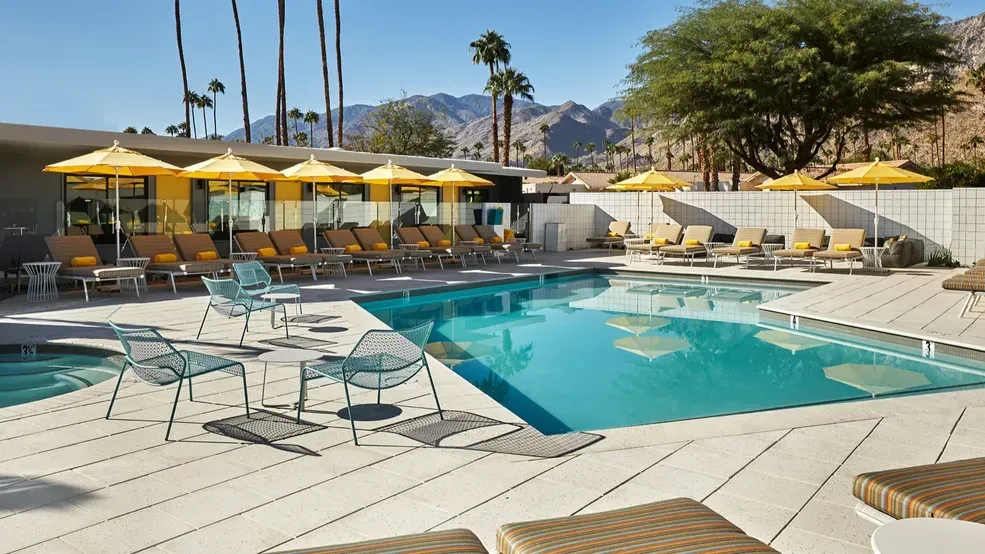
The transformation of Twin Palms Resort has elevated it into a destination where classic Palm Springs architecture meets contemporary hospitality. Twenty thoughtfully designed guest rooms and suites open onto a stunning new swimming pool—its lines echoing the famed rooflines of the surrounding neighborhood—offering guests a seamless blend of privacy and sociability. The resort’s clothing-optional policy is exactly that: optional. Guests of all body types and backgrounds are welcome to relax as they please, in a judgment-free environment that celebrates diversity and body positivity .
Luxurious details abound, from king-size pillow-top beds with premium cotton linens to spacious marble bathrooms featuring walk-in rain showers. Select rooms boast private patios for those seeking a more intimate retreat. The resort’s communal amenities are equally enticing: a heated and chilled pool, a 12-person spa, plush sun beds, outdoor fire pit, mist cooling system, and breathtaking views of the San Jacinto Mountains. With complimentary continental breakfast, poolside lunch, and 24-hour access to snacks and non-alcoholic drinks, guests can indulge in laid-back luxury from sunrise to sunset .
Twin Palms Resort’s ethos is rooted in affirmation and inclusivity. The property is LGBTQIA+-owned and operated, and the staff is trained to ensure that every guest feels welcome and respected, regardless of gender identity, expression, or body type. The atmosphere is friendly and social, making it easy for solo travelers, couples, and friend groups alike to connect and unwind. The resort’s management has worked to cultivate a space that is free from judgment and full of possibilities, where guests can be themselves—clothed or not—without fear or inhibition .
This commitment to community is further reflected in the resort’s partnerships and programming. Twin Palms frequently collaborates with local LGBTQ+ organizations and businesses, supporting Palm Springs’ broader queer ecosystem. Whether hosting poolside socials, wellness workshops, or special events during Pride season, the resort stands as a hub for connection and celebration .
Palm Springs’ desert climate makes Twin Palms a year-round getaway, and the resort’s amenities are designed to maximize comfort in all seasons—think poolside misting systems for summer afternoons and a cozy fire pit for cooler desert nights. The location, a quick drive or bike ride from downtown, means easy access to the city’s vibrant nightlife, diverse dining, and renowned arts scene. For those who wish to explore, the resort offers complimentary multi-speed bicycles and ample off-street parking, including electric vehicle chargers for eco-conscious travelers .
As part of the celebrated Resorts Palm Springs group, Twin Palms invites guests to experience the best of queer hospitality in a setting that’s as relaxed as it is refined. For many, the chance to enjoy world-class amenities, connect with community, and embrace one’s authentic self—whether poolside or under the stars—makes Twin Palms Resort not just a place to stay, but a destination to remember.
Eureka Springs, Arkansas, a picturesque Ozark town, has quietly emerged as a vibrant, queer-friendly destination in the American South.
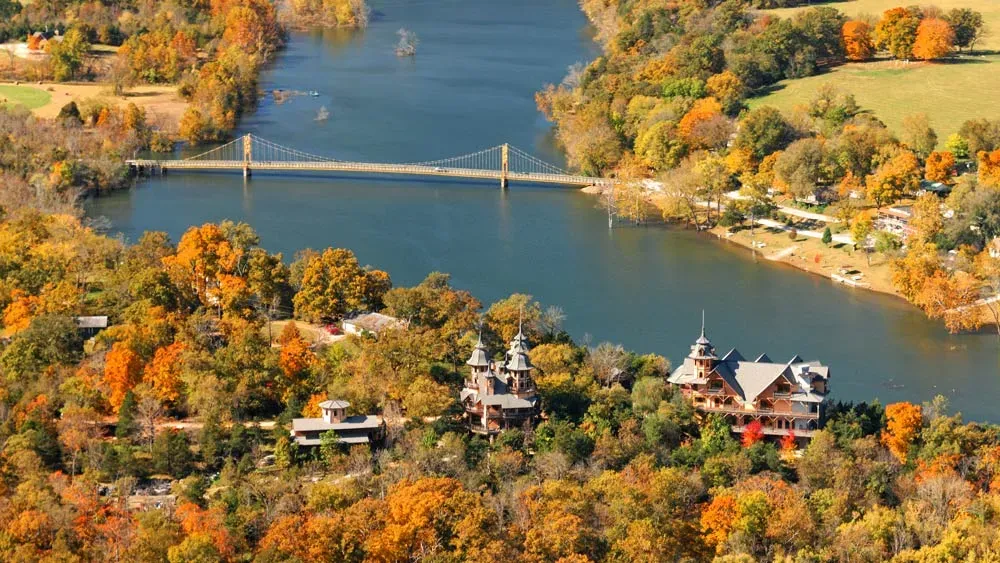
Nestled in the rolling hills of northwest Arkansas, Eureka Springs might seem an unlikely place for queer travelers to find community and celebration. Yet, over the past two decades, this Victorian-era town has become a quietly powerful beacon for queer inclusion in the South, drawing visitors from across North America seeking both relaxation and representation. With its winding streets, historic architecture, and lush scenery, Eureka Springs offers more than scenic beauty—it offers a model for rural queer visibility and hospitality.
Eureka Springs was founded in the late 19th century as a healing destination, famed for its mineral springs and grand hotels. For decades, it attracted artists, bohemians, and free spirits, laying the groundwork for a culture of openness and creativity. In the early 2000s, as LGBTQ+ travelers sought alternatives to big-city Pride hotspots, Eureka Springs began to emerge as a welcoming option, largely due to its progressive-minded residents and local businesses.
The town’s transformation was catalyzed by a coalition of LGBTQ+ entrepreneurs, artists, and allies who opened queer-owned businesses, created inclusive events, and advocated for equality. Today, Eureka Springs boasts one of the highest per-capita rates of LGBTQ+ household ownership in Arkansas, with rainbow flags flying from Victorian porches and shop windows throughout the downtown district.
One of Eureka Springs’ defining features is its robust calendar of LGBTQ+ events. The town hosts three annual Diversity Weekends, which include drag performances, dance parties, art exhibitions, and educational forums. These weekends were founded to foster visibility and solidarity, and have grown to attract thousands of visitors from across the region.
Eureka Springs Pride, held each June, is a grassroots celebration featuring a parade, live music, and community picnics. Unlike larger, corporate-sponsored Pride festivals, Eureka Springs’ celebration is resolutely local—organized by residents and supported by businesses that prioritize inclusion. The Pride parade winds through the historic streets, culminating in Basin Spring Park, where locals and visitors mingle in a family-friendly atmosphere.
Other events, like the Ozark Mountain UFO Conference and the annual Zombie Crawl, may not be explicitly queer but are known for their inclusive, offbeat spirit, drawing a diverse crowd and creating opportunities for connection.
Eureka Springs offers a surprising density of queer-owned and queer-friendly businesses for a town of fewer than 2,000 residents. From the iconic Local Flavor Café, known for its welcoming staff and eclectic menu, to the historic Crescent Hotel, which regularly hosts LGBTQ+ weddings and commitment ceremonies, hospitality is central to the town’s ethos.
Bars and nightlife cater to a range of tastes: Brews coffeehouse doubles as an art gallery, while Eureka Live Underground is a favorite for drag shows and dance nights. The town’s galleries and boutiques showcase local artists, many of whom identify as LGBTQ+, and support the community through fundraising and advocacy.
Eureka Springs’ leadership in queer inclusion is particularly significant given its location in a region where queer people have often faced legal and social barriers. The town was the first in Arkansas to issue same-sex marriage licenses in 2014, during a brief window before the state’s ban was overturned. Local clergy and civic leaders have consistently advocated for non-discrimination ordinances and public education, setting a precedent for other rural communities.
This visibility matters. For transgender people, nonbinary individuals, and queer families living in rural areas, Eureka Springs offers not only a safe space to visit but also a model for organizing and coalition-building. LGBTQ+ youth in northwest Arkansas frequently travel to Eureka Springs to connect with peers, find resources, and experience affirmation—often for the first time.
Beyond its historic downtown, Eureka Springs is surrounded by natural beauty. The region’s hiking trails, lakes, and parks are accessible year-round, and outfitters are increasingly attuned to the needs and safety of LGBTQ+ travelers. Activities like canoeing on the White River, mountain biking, and birdwatching provide opportunities for connection and restoration in a welcoming environment.
Wellness retreats, yoga studios, and spas have also embraced queer travelers, offering packages tailored to couples and groups. The historic Bathhouse Row offers massages and mineral soaks, and local guides provide holistic healing workshops and mindfulness sessions.
For queer travelers seeking more than a party destination, Eureka Springs offers a place to connect with nature, history, and each other. It’s a town where Southern hospitality is more than a slogan—it’s a lived commitment to inclusion, visibility, and joy.
Travelers can reach Eureka Springs via regional airports in Fayetteville or Branson. Accommodations range from historic inns to cozy bed-and-breakfasts, many of which are LGBTQ+-owned and operated. The town’s official tourism website and local LGBTQ+ organizations provide resources for planning a safe, affirming visit .
Whether you’re seeking a romantic getaway, a place to celebrate Pride, or simply a space to relax and reconnect, Eureka Springs delivers a unique blend of history, hospitality, and hope. In the heart of the Ozarks, the rainbow flies high.
Nepal is emerging as an inviting destination for LGBTQ+ travelers, blending breathtaking Himalayan landscapes, rich cultural heritage, and a growing queer-friendly travel infrastructure.
A Welcoming Destination: Nepal’s Growing LGBTQ+ Appeal
In recent years, Nepal has become a top choice for LGBTQ+ travelers seeking both adventure and acceptance in South Asia. Known for its panoramic mountain views and centuries-old temples, Nepal is also earning recognition for its inclusive approach to tourism. Several Nepalese tour operators now offer packages specifically tailored to LGBTQ+ visitors, providing safe, welcoming experiences that put the needs of the queer community first .
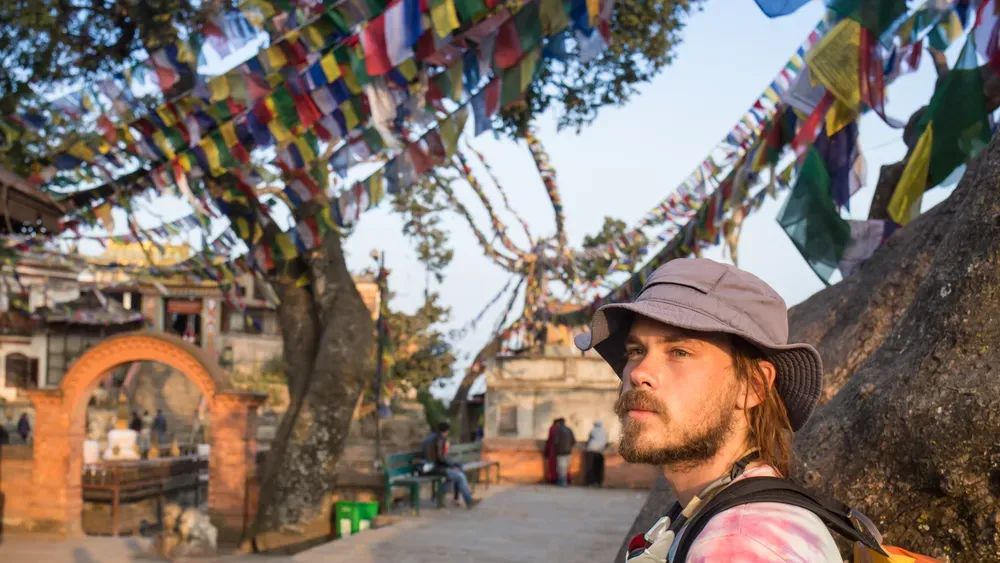
Companies like Trekking Team Group and Above the Himalaya have developed itineraries that combine cultural immersion, adventure, and comfort. These tours often feature historic highlights like Kathmandu Durbar Square and Swayambhunath Stupa, exhilarating activities such as white-water rafting, and opportunities to connect with local LGBTQ+ communities. The emphasis on safety, knowledgeable local guides, and inclusive accommodation ensures that LGBTQ+ travelers can focus on discovery and connection rather than concerns about acceptance .
Navigating Culture and Custom with Respect
While Nepal’s major cities like Kathmandu and Pokhara are increasingly open and cosmopolitan, understanding local customs remains vital for a positive experience. Public displays of affection, regardless of orientation, are generally frowned upon in Nepalese society, especially in rural or religious areas . LGBTQ+ travelers are encouraged to dress modestly when visiting holy sites and to be mindful of conservative norms outside urban centers. Many LGBTQ+ tour operators provide pre-trip orientation sessions and ongoing support to help travelers navigate these nuances with confidence and respect .
In Kathmandu and Pokhara, queer visitors will find a selection of LGBTQ-friendly hotels, bars, and restaurants, some of which actively support and celebrate local and international Pride events . These venues foster community and provide a welcoming environment for socializing. However, in smaller towns and rural communities, it is advisable to research or consult local guides regarding the most inclusive spaces .
Connecting with Nepal’s LGBTQ+ Community
One of Nepal’s most impactful draws for queer travelers is the chance to engage with the local LGBTQ+ community. Nepal is home to several advocacy organizations, such as the Blue Diamond Society, which has played a pivotal role in advancing LGBTQ+ rights nationally. While same-sex marriage is not yet legal, Nepal’s 2015 constitution recognizes gender and sexual minorities, and a visible queer rights movement has fostered an atmosphere of growing acceptance, particularly in urban centers .
Some travel itineraries include opportunities to meet local activists, learn about Nepal’s queer history, or participate in community-led events. These encounters provide valuable cultural exchange and help support local LGBTQ+ initiatives through responsible tourism .
Top Destinations and Experiences in Nepal
From the bustling streets of Kathmandu to the serene Annapurna trails, Nepal offers a spectrum of experiences for queer travelers:
- Kathmandu Valley: Explore the ancient palaces, vibrant street markets, and spiritual sites such as Pashupatinath Temple and Swayambhunath (Monkey Temple). The valley is dotted with LGBTQ-friendly accommodations and tour providers .
- Pokhara: Known for its picturesque lakes and gateway to trekking adventures, Pokhara boasts a lively nightlife and is considered open-minded among Nepalese cities. It’s a great base for adventure activities or relaxation .
- Chitwan National Park: Join a safari to spot rhinos and tigers, or opt for a river cruise. Many tour groups include Chitwan in their LGBTQ+ itineraries, ensuring inclusive service and comfort .
- Luxury and Wellness Retreats: For those seeking tranquility, several operators offer wellness-focused escapes, including yoga and meditation retreats in the Himalayas, designed to be inclusive for all identities .
Practical Tips for an Enjoyable Visit
- Book with established, LGBTQ-friendly tour operators who understand the specific needs of queer travelers. - Keep updated on local laws and customs, especially if traveling independently to less touristed or rural areas. - Consider joining group tours for enhanced safety, comfort, and the opportunity to meet other LGBTQ+ travelers. - Engage with Nepal’s LGBTQ+ community through events, organizations, or guided cultural experiences to deepen your understanding and connections.
Nepal’s warm hospitality, diverse landscapes, and increasing commitment to inclusion make it a standout destination for LGBTQ+ visitors. With careful planning and cultural respect, queer travelers can expect a journey filled with beauty, adventure, and meaningful community.
Salt Spring Island, nestled off the coast of British Columbia, is quietly emerging as one of North America’s most affirming, off-the-beaten-path destinations for queer travelers.
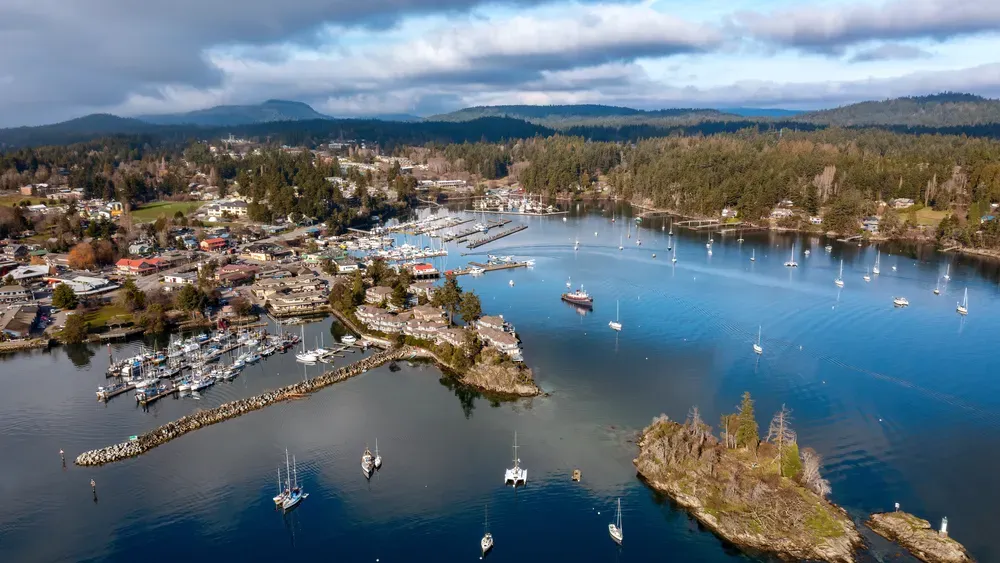
Queer travel in North America often conjures images of rainbow-festooned streets in cities like San Francisco, Vancouver, or New York. But a quieter revolution is underway on Salt Spring Island, a storied enclave in the Southern Gulf Islands of British Columbia, Canada. Known for its lush forests, artisan communities, and progressive values, Salt Spring is now gaining recognition as an emergent queer-friendly destination—offering a haven for LGBTQ+ travelers far from the bustle of urban gayborhoods .
Salt Spring’s reputation as a progressive refuge dates back to the 1960s, when artists, hippies, and activists, many of whom were LGBTQ+, arrived seeking community and acceptance. Over subsequent decades, the island’s population became a tapestry of creators, healers, and entrepreneurs, many of whom identify as queer or transgender people. Unlike many rural areas, Salt Spring’s local politics and community organizations consistently champion inclusion, with Pride flags dotting storefronts year-round and anti-discrimination policies embedded in public life .
While major Canadian cities like Toronto and Vancouver boast massive Pride parades, Salt Spring offers a more intimate experience. Its annual Salt Spring Pride festival is a grassroots affair, organized by queer residents and allies, featuring poetry slams, art shows, and educational workshops alongside dance parties and drag performances. Events are designed to be intergenerational, accessible, and explicitly inclusive of transgender, nonbinary, and Two-Spirit participants.
What distinguishes Salt Spring is that its queer-friendly ethos persists year-round—not just during Pride season. Local businesses, from farm-to-table cafés to yoga studios and art galleries, display symbols of inclusion and frequently host queer-centered workshops, open mics, and discussion circles. Transgender people and queer families report feeling not only welcomed, but actively celebrated by the broader community. In recent years, Salt Spring Island Public Library has curated collections of queer literature and regularly hosts readings by LGBTQ+ authors .
The island also offers crucial resources for queer youth and elders alike, including peer support groups, mental health services, and collaborations with regional organizations such as QMUNITY, British Columbia’s leading queer resource center.
Salt Spring’s appeal is not limited to its social scene. The island’s geography—a mosaic of old-growth forests, pebble beaches, and tranquil lakes—provides a setting for reflection, romance, and healing. For travelers seeking respite from discrimination or burnout, the combination of physical beauty and emotional safety can be transformative. Salt Spring’s wellness retreats and spiritual centers, many of which are queer-owned or operated, offer yoga, meditation, and holistic therapies in a judgment-free environment .
Artistic expression is central to Salt Spring’s queer identity. The island boasts a disproportionately high number of queer visual artists, musicians, and writers, whose works frequently address themes of gender, identity, and social justice. Annual events like the Salt Spring National Art Prize and the Indigenous Storytelling Festival explicitly uplift LGBTQ+ and Two-Spirit creators .
Salt Spring’s activism is intersectional by necessity. Indigenous organizers partner with queer groups to address land rights, environmental justice, and anti-racism. The result is a culture where queer liberation is inseparable from broader struggles for equity and sustainability—a model increasingly cited by regional and national organizations as a best practice for rural queer advocacy .
Getting to Salt Spring is itself an adventure, involving a scenic ferry ride from Vancouver or Victoria. Once on the island, visitors will find a range of accommodations, from queer-owned B&Bs to eco-lodges and campgrounds. The local tourism board provides resources for LGBTQ+ visitors, including a directory of queer or trans-friendly businesses .
Canada’s robust legal protections for queer people—including marriage equality, anti-discrimination laws, and access to gender-affirming healthcare—extend to Salt Spring, making it one of the safest rural destinations in North America for queer travelers .
As queer travelers seek alternatives to crowded urban centers and commercialized Pride events, destinations like Salt Spring Island are poised to become models for rural LGBTQ+ tourism. The island’s success demonstrates that queer affirmation and visibility are possible even in remote settings—provided they are rooted in community, activism, and allyship.
Recent global indexes and human rights reports highlight a troubling reality: not all destinations are safe for queer travelers.
For many people in the LGBTQ+ community, travel is a celebration of identity and freedom. Yet, for queer travelers, safety cannot be taken for granted everywhere. Multiple recent analyses—including the 2025 Gay Travel Index and the LGBTQ+ Risk Map—identify several countries where LGBTQ+ individuals face extreme legal, social, and physical danger, including the possibility of imprisonment, violence, or even death .
Countries With the Highest Level of Risk
According to the 2025 global indexes, the following countries are consistently flagged as the most dangerous for LGBTQ+ travelers:
- Iran: Same-sex acts are illegal and punishable by imprisonment, corporal punishment, and, in some cases, the death penalty. Discrimination is institutionalized, and LGBTQ+ individuals have virtually no legal protections .
- Saudi Arabia: The legal system criminalizes homosexuality, with punishments ranging from imprisonment to execution. There is widespread societal hostility to LGBTQ+ people, and even suspicion of same-sex relationships can result in harsh penalties .
- Afghanistan: Under current law, LGBTQ+ identities are criminalized, and people suspected of being queer are at risk of violence from both state and non-state actors .
- Somalia, Yemen, Uganda, United Arab Emirates, Tanzania, Malaysia, Pakistan, Chechnya (Russia): Each of these countries features laws that either criminalize same-sex relationships or target gender minorities. Penalties vary but can include imprisonment, corporal punishment, and, in some cases, the death penalty. Social stigma is pervasive, and law enforcement agencies are often hostile or unresponsive to the needs of queer individuals .
Human rights organizations have documented cases of violence, harassment, and arbitrary detention targeting LGBTQ+ individuals in these countries. In some instances, there are reports of state-led crackdowns, forced medical examinations, and public outings .
Travelers should be aware that, in many high-risk destinations, mere suspicion of queer identity can trigger legal action. Laws are often vaguely written, giving authorities broad discretion to detain or prosecute individuals. These legal frameworks are frequently backed by cultural or religious norms that are hostile to sexual and gender minorities, leading to an environment where violence and discrimination are commonplace .
In countries with the death penalty for same-sex acts, such as Iran and Saudi Arabia, there have been credible reports of executions and severe state-led persecution. Travelers are at risk not only from law enforcement but also from members of the public who may report suspected queer individuals to authorities .
International LGBTQ+ and human rights organizations strongly advise against travel to these high-risk countries for individuals who are openly queer or may be perceived as such. For those who must travel, experts recommend:
- Avoiding any public displays of affection or gender nonconforming behavior. - Refraining from using LGBTQ+ dating apps or websites while in-country, as authorities have been known to use them in sting operations . - Researching travel advisories from LGBTQ+ rights groups and foreign ministries before departure. - Registering travel plans with your home country’s embassy and having emergency contacts accessible at all times.
Tools such as the Gay Travel Index and the LGBTQ+ Risk Map are updated annually and serve as critical resources for planning safe journeys. These guides not only identify risks but also highlight advocacy efforts and provide up-to-date travel safety information .
While the risks for queer travelers remain severe in these countries, international advocacy continues to push for reform. Organizations such as Human Rights Watch, Amnesty International, and regional LGBTQ+ associations are documenting abuses, lobbying for legal changes, and providing support to those affected .
Queer travelers are urged to stay informed, prioritize their safety, and support global initiatives working towards LGBTQ+ equality and protection. Travel can be a powerful act of visibility and solidarity, but it is essential to recognize and respect the realities faced by queer people in different parts of the world.
Entrepreneur Tristan Schukraft, widely known as the “CEO of Everything Gay,” has encouraged LGBTQ+ travelers to embrace their authentic selves at The Tryst Puerto Vallarta, the world’s first luxury gay hotel, in a recent Out Magazine interview.
Puerto Vallarta’s reputation as a queer destination has soared over the years, drawing visitors with its vibrant nightlife, inclusive culture, and scenic beaches. The city’s Zona Romántica, Old Town, has long been the heart of queer life in the region, hosting a spectrum of beloved brunch spots, gay bars, and thrilling excursions that make it a global favorite for LGBTQ+ travelers .
Tristan Schukraft, a visionary entrepreneur celebrated for his work in both tech and hospitality, has taken this legacy to new heights with the opening of The Tryst Puerto Vallarta. In a candid interview with Out Magazine, Schukraft shared his excitement about the resort’s grand debut and its mission to offer a safe, affirming space for everyone under the queer umbrella .
Schukraft’s philosophy for The Tryst is simple yet bold: create a space where gay travelers are encouraged to “embrace their worst behavior,” a phrase he uses to champion authentic self-expression and liberation from judgment. “We want everyone to feel like they can be themselves—uninhibited, joyful, and celebratory,” Schukraft told Out Magazine during the resort’s star-studded grand opening, which drew celebrities and queer icons from around the globe .
The resort’s amenities are tailored for a luxurious and playful experience. With 53 custom guest rooms and suites, guests can enjoy private terraces, ocean views, outdoor showers, and two lavish pools. The Tryst also hosts drag brunches and features a notably friendly staff, ensuring the property stands out as both a sanctuary and a celebration .
While Puerto Vallarta has long been celebrated for its welcoming embrace of gay and queer travelers, The Tryst’s arrival marks a significant milestone: it is the world’s first luxury gay hotel, designed specifically with the needs and desires of queer guests at its core . The city’s transformation into an international LGBTQ+ hotspot has been fueled by businesses and venues that prioritize inclusivity, with The Tryst now serving as a flagship for this movement.
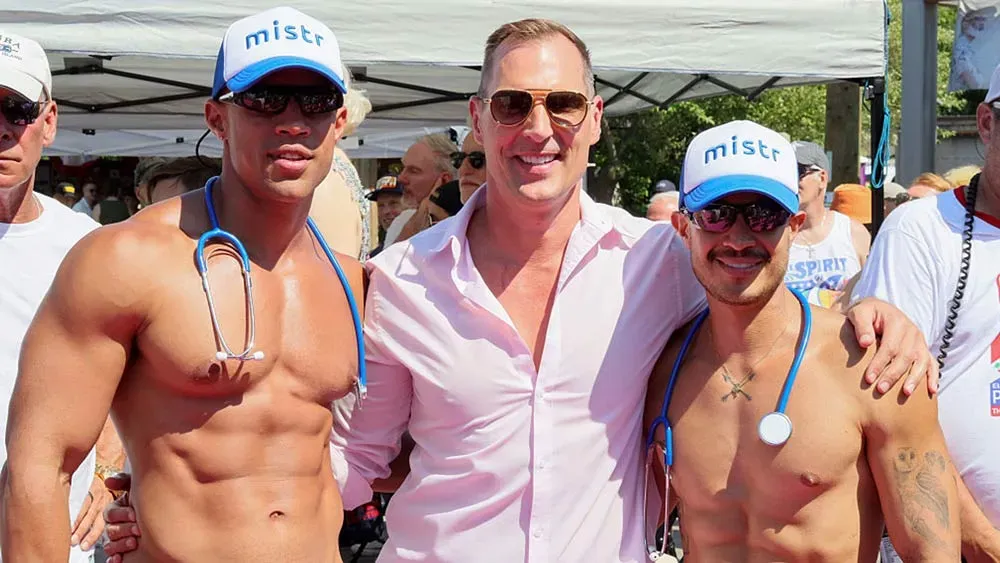
Schukraft’s approach goes beyond hospitality. His broader portfolio includes MISTR, the largest telemedicine platform dedicated to HIV prevention and long-term care, reflecting a commitment to community health and wellbeing alongside leisure and celebration .
Tristan Schukraft’s ambitions for queer hospitality extend far beyond Puerto Vallarta. The Tryst Hotel brand is expanding rapidly, with properties in Fire Island set to open next season and a landmark location in Rio de Janeiro announced for 2026. “Who knew Brazil could get gayer?! This is our biggest hotel yet,” Schukraft enthused, highlighting plans for a rooftop pool, drag brunches, a bathhouse, and a top-floor restaurant—all designed to offer guests a complete experience without ever needing to leave the hotel .
The ethos underpinning all Tryst Hotels is rooted in radical inclusion and safety for queer people. Schukraft’s vision is to create environments where everyone, regardless of identity or background, feels welcomed, valued, and free to be themselves .
The launch of The Tryst Puerto Vallarta comes at a time when queer travelers increasingly seek destinations that offer not only enjoyment but also safety and affirmation. According to Out Magazine, the resort’s design and programming reflect a deep understanding of these needs, with curated experiences that foster connection, community, and pride .
Schukraft’s encouragement for gays to “go feral” at his resorts is both a nod to playful freedom and a rallying cry for self-acceptance. In his Out Magazine feature, he emphasized that The Tryst is more than a hotel—it’s a movement towards creating spaces where queer people can thrive, connect, and celebrate in environments designed with their needs in mind .
The grand opening of The Tryst Puerto Vallarta was attended by a diverse array of celebrities, influencers, and community leaders, underscoring the resort’s significance as a new centerpiece of global queer culture. The event itself was described as “one for the history books” by Out Magazine, reflecting the excitement and optimism surrounding Schukraft’s vision .
The impact of The Tryst extends beyond its chic interiors and luxury amenities. By centering queer identities, the resort and its founder are helping to redefine the landscape of queer travel, encouraging greater visibility, acceptance, and celebration in international destinations .
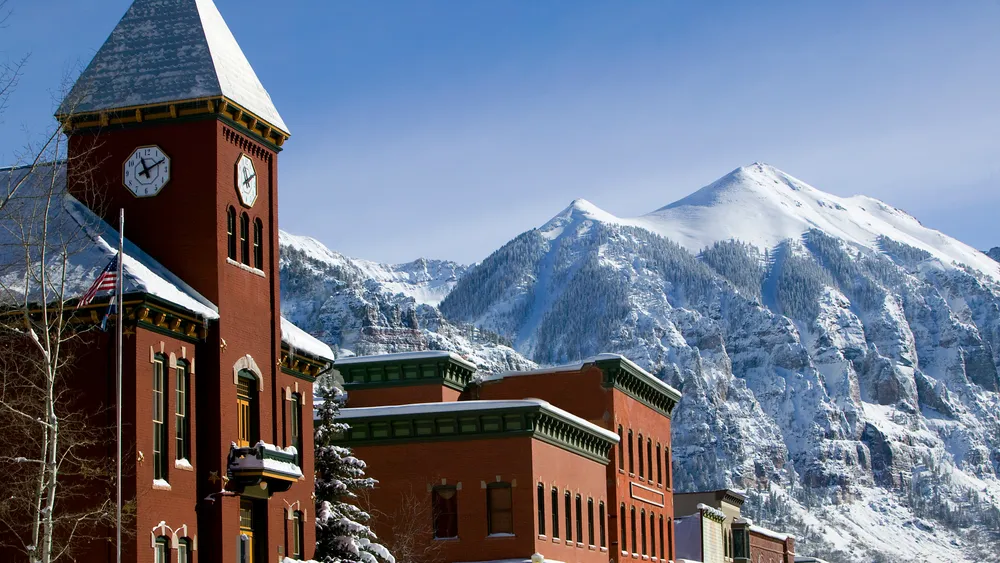
Tucked away in the Colorado Rockies, Telluride is rapidly gaining recognition as one of North America’s most queer-friendly and inclusive small towns, offering a blend of natural beauty, vibrant community events, and year-round Queer visibility.
For decades, queer travelers in North America have gravitated toward familiar urban enclaves—San Francisco’s Castro, New York’s Fire Island, or Provincetown’s storied Cape Cod sands. But a quieter revolution is taking place in the heart of the Colorado Rockies: Telluride, once known chiefly for its ski slopes and arts festivals, is emerging as a uniquely inclusive haven for LGBTQ+ people seeking both adventure and acceptance .
Unlike many ski resort towns that cater to a luxury crowd with little visible queer culture, Telluride’s embrace of LGBTQ+ inclusivity is deliberate and deep-rooted. From public policy to community events, local businesses and residents have cultivated an environment where everyone—regardless of gender identity or sexual orientation—can feel authentically themselves.
Telluride’s journey toward queer-friendly status accelerated in the early 2000s, when local activists began organizing Pride events and working with town officials to ensure safety and visibility for LGBTQ+ residents and visitors. The annual Telluride Gay Ski Week, now a staple of the winter calendar, draws participants from across the country for days of skiing, parties, and community-building in one of the world’s most breathtaking mountain landscapes .
But advocacy in Telluride extends beyond seasonal events. The town council and local organizations have adopted anti-discrimination ordinances and provided funding for mental health and outreach programs specifically tailored to LGBTQ+ needs . Businesses routinely display rainbow flags year-round, not just during Pride, signaling an authentic welcome to queer travelers at every turn.
Winter sports have often felt exclusionary for transgender people, nonbinary folks, and anyone outside the mainstream athletic mold. Telluride is changing that narrative. The town’s ski schools and rental shops have participated in inclusivity training, ensuring that people of all identities can access gear, lessons, and guidance without fear of bias or misgendering .
The Telluride Gay Ski Week is more than just a party; it’s a fundraiser for local queer youth initiatives and features workshops, panel discussions, and outdoor activities designed for every level of ability. Nonprofit partnerships with local organizations, such as AspenOUT , have helped replicate success and share best practices in building welcoming mountain communities .
Telluride’s commitment to LGBTQ+ inclusion is evident outside the winter season. The Telluride Film Festival and Bluegrass Festival have both featured queer artists and filmmakers, and local galleries routinely showcase works by LGBTQ+ creatives. In recent years, the Telluride Arts District has partnered with OUT Boulder County and other regional organizations to host queer poetry readings, drag brunches, and educational workshops .
Summer brings hiking, mountain biking, and river rafting, with local guides and adventure companies openly advertising their allyship and readiness to serve a diverse clientele. For families, the Telluride Library offers LGBTQ+-inclusive story hours, and youth groups have established safe spaces for queer and questioning teens https://www.telluridearts.org.
Many travelers and residents note that Telluride’s size—just over 2,000 permanent residents—allows for a sense of intimacy and community not found in sprawling metropolises. “I moved here for the mountains, but stayed for the people,” says Jamie Lee, a nonbinary ski instructor who relocated from Denver. “There’s real allyship here, not just rainbow capitalism” .
Transgender people and gender-nonconforming individuals report positive experiences with local healthcare providers, who have received specialized training to address the needs of queer and trans patients . “The difference is palpable,” says Alex Torres, a transgender writer who frequents Telluride for its arts festivals. “I feel safe hiking alone or going out at night—something I can’t say for every mountain town.”
Telluride’s hospitality scene includes several LGBTQ+-owned bed and breakfasts, as well as hotels that participate in the International LGBTQ+ Travel Association’s accreditation program . Many local bars and restaurants host queer-themed nights, and the Sheridan Opera House regularly schedules drag performances and queer cabaret acts, drawing crowds from neighboring towns and states.
Nightlife in Telluride is relaxed but lively, with venues like the Last Dollar Saloon and Liberty Lounge advertising Pride cocktails and hosting monthly queer mixers. “It’s easy to meet people, whether you’re traveling solo or with a partner,” says Sam Bennett, a frequent visitor from Salt Lake City .
Telluride is not without its challenges. Housing affordability and the high cost of living can be obstacles for both residents and travelers, particularly those from marginalized communities. Local advocacy groups are pushing for more equitable access to housing and employment, and the town council has responded with initiatives aimed at supporting diverse populations .
Access remains a concern for some: Telluride’s remote location means that public transportation options are limited, and driving in winter can be daunting. However, regional shuttle services and new partnerships with LGBTQ+ travel organizations are working to improve mobility and accessibility for all .
Telluride is served by Montrose Regional Airport , with shuttle and rental car options available for the scenic hour-long drive into town. Visitors should plan ahead for weather conditions, especially in winter. The best time to visit for LGBTQ+ events is January during Gay Ski Week, though summer offers a wealth of outdoor and cultural activities.
Travelers can expect a high level of safety, visible queer representation, and a genuine sense of belonging. Whether you’re seeking the thrill of the slopes, the serenity of mountain vistas, or the warmth of a queer community, Telluride offers an experience that’s both off the beaten path and at the forefront of inclusivity .