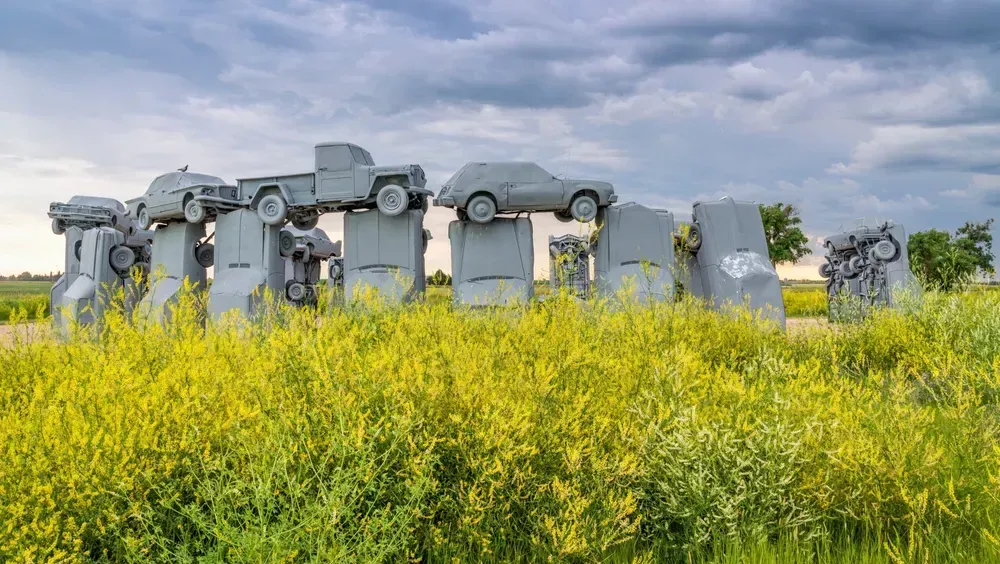
Alliance, Nebraska — Carhenge, the quirky Stonehenge-inspired sculpture made of old cars, stands out against the summer fields of yellow sweet clover. Created by Jim Reinders, it’s one of America’s most offbeat roadside attractions. Photo: Marekuliasz / ShutterstockPhoto Credit: Photo: Marekuliasz / Shutterstock via AP
Long known as a stretch of prairie most travelers pass over, Nebraska is working to change its reputation; the state’s “Good Life is Calling” campaign aims to redefine Nebraska’s image, highlighting communities where art, history, and outdoor recreation meet.
Long known as a stretch of prairie most travelers pass over, Nebraska is working to change its reputation. And in towns like Alliance and Valentine, visitors are discovering family-friendly adventures ranging from quirky roadside attractions to kayaking rivers under star-studded skies.
The state’s “Good Life is Calling” campaign aims to redefine Nebraska’s image, highlighting communities where art, history, and outdoor recreation meet. For families willing to look beyond the highway, small towns are offering experiences that blend affordability, adventure, and the kind of warm welcome that makes visitors feel at home.
Alliance: Arts, Americana, and a Car Sculpture ParkAlliance, a town of about 8,000 in western Nebraska, has developed a reputation for creativity and community spirit. At the edge of town sits Carhenge, a replica of England’s Stonehenge built entirely from vintage cars. The roadside attraction, once considered a curiosity, has become a centerpiece of the town’s identity, drawing travelers off U.S. Highway 385 to wander among the painted autos arranged in a circle.
Downtown, families find a slower pace and a creative undercurrent. The Carnegie Arts Center, housed in a restored library, showcases regional artists, children’s workshops, and traveling exhibits that connect small-town Nebraska with the broader art world.
Just outside town, Dobby’s Frontier Town offers a hands-on history lesson: a reconstructed pioneer settlement with clapboard storefronts, log cabins, a saloon, and even a jailhouse where kids and adults alike can imagine life in another era.
Hannah Robinson, who grew up in Alliance, left for college but later chose to return. Now working with Box Butte Development Corporation, she helps promote tourism in the region. Robinson says she takes pride in her hometown and enjoys showing visitors what makes Alliance a unique place.
Valentine: Where the Sandhills Meet the River
About three hours northeast, Valentine sits in the heart of Nebraska’s Sandhills, a region of rolling grass-covered dunes that feels far removed from the interstate. For families, the town of roughly 2,700 offers a gateway to outdoor recreation.
The Niobrara River winds through the valley, drawing kayakers and tubers during the summer months. Outfitters line the riverbanks, offering equipment rentals and shuttles, making it easy for families to float past limestone cliffs, waterfalls, and cottonwood groves. Along the way, it’s not uncommon to spot bald eagles overhead or deer grazing on the bluffs.
At Smith Falls State Park, visitors hike a short trail to Nebraska’s tallest waterfall, cascading 63 feet into the Niobrara. The nearby Fort Niobrara National Wildlife Refuge offers another side of the outdoors, with trails through prairie grasslands and the chance to see herds of bison and elk.
Evenings bring a quieter kind of adventure. At the Nebraska Star Party, held near Merritt Reservoir, visitors spread blankets on open fields to take in some of the darkest skies in the Midwest. Bob Rose, a resident of Tucson, Ariz., came once and was so impressed he returned this year. “The sky is unbelievable,” he said. “I had such a great time last year that I decided to come back again.”
Locals Who Open Their Doors and Hand Over KeysVisitors often talk about Nebraska's attractions, but many say it’s the people who leave the lasting impression. When my rental car fell through, Jordan Diedrich of Twin Cities Development Association handed over his own keys for the week, no questions asked. “That’s just the way people are here,” a fellow resident said. “You look out for each other.”
Hospitality also runs through the Valentine's tourism office. Regina Osburn, tourism director in Valentine, is known for her enthusiasm and local knowledge. “She has so much love and passion for her job that she can recommend the perfect activities for every type of family and vacation,” one visitor said. “Stop in and chat with her, and you’ll leave with more ideas than you have time to try.”
The sense of community extends to those who have chosen Nebraska as home. At one riverside park, a staffer from Iowa said he moved to Valentine because he loved the outdoor lifestyle. “Working along the Niobrara has been my favorite job ever,” he said, gesturing to the river. “I get to spend my days outside, surrounded by this.”
A Community That Calls People Back
While the attractions make for good itineraries, locals say what keeps people rooted is harder to quantify. Again and again, residents tell a similar story: they grew up in towns like Alliance or Valentine, left for school or careers, and eventually found their way back.
“There’s nowhere else that gives you the same sense of home,” said one Valentine resident. “You know your neighbors. People show up for each other. That’s something families feel when they visit, too.”
That sense of belonging is part of what Nebraska is banking on with its tourism push. The “Good Life is Calling” campaign doesn’t just sell attractions; it sells the idea of community as part of the travel experience.
Affordable, Approachable, and Authentic
For families weighing vacation options, Nebraska’s appeal lies in both affordability and authenticity. Lodging in small towns often comes at a fraction of big-city rates, while outdoor attractions like the Niobrara or Dobby’s Frontier Town cost little more than the price of admission or a day’s rental.
At the same time, travelers can experience slices of Americana that feel less packaged than larger destinations. Small-town festivals, summer concerts, and local wineries provide an opportunity to slow down. Parents can share a bottle of Nebraska-made wine while kids play cornhole on the lawn — a simple moment that resonates long after the trip.
Redefining “Flyover Country”
For many travelers, Nebraska has long been shorthand for the miles between one destination and another. The campaign, and the communities behind it, are working to change that perception. In Alliance, the car sculptures of Carhenge now appear on postcards and tourism brochures. In Valentine, the Niobrara River has been recognized as a National Scenic River, raising its profile among paddlers and conservationists.
The combination of quirky attractions and natural beauty is winning converts. “I came with no expectations and left with a list of things I still want to do,” said one visitor after kayaking the river and attending a dark sky party. “It feels like discovering a hidden part of America.”
by Chantelle Kincy | Travelbinger
Copyright Associated Press. All rights reserved. This material may not be published, broadcast, rewritten, or redistributed.
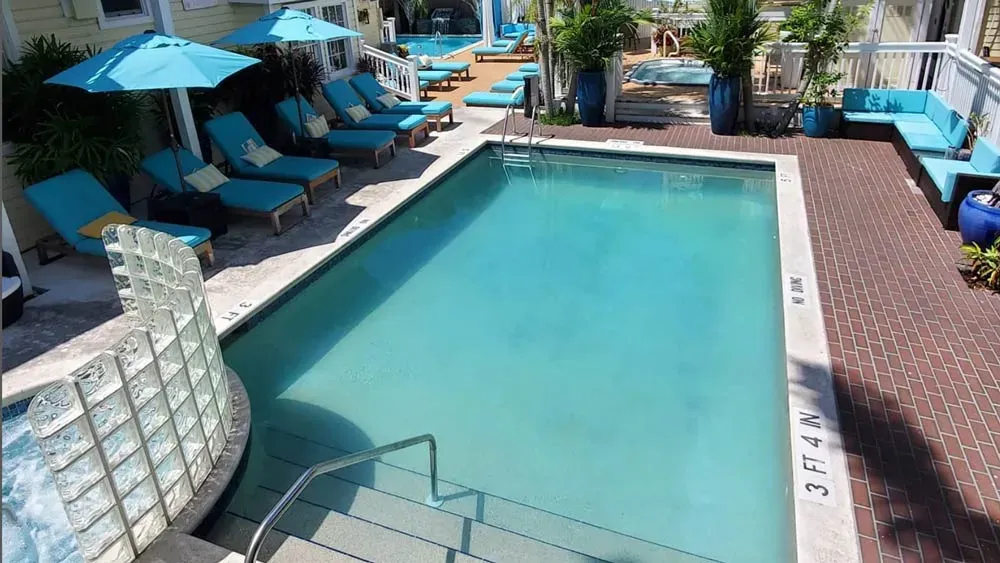
The Equator Resort in Key West stands out as a beacon of queer inclusivity, offering a welcoming and affirming environment for travelers in one of the world’s most storied queer destinations.
Key West is famed as an LGBTQ+ haven, attracting visitors from around the globe since the 20th century with its laid-back ambiance, progressive values, and vibrant queer culture. The Equator Resort, nestled just off the historic Duval Street, has become a standout establishment for LGBTQ+ travelers seeking not just a place to stay, but a community to join. Local businesses and hotels in Key West, including the Equator Resort, are celebrated for flying the rainbow flag year-round, signaling openness and a steadfast commitment to inclusivity .
The Equator Resort is specifically marketed and designed as an adult, clothing-optional resort catering primarily to gay men, but its ethos of inclusivity and support extends to all LGBTQ+ identities. The staff is trained to affirm and respect diverse gender identities and sexual orientations, ensuring that every guest feels valued and safe during their stay. In a region where queer travelers have sometimes faced discrimination elsewhere, the Equator Resort’s explicit policy of welcome is both a relief and a joy for guests. As noted in coverage of Key West’s tourism, acceptance “lingers in the air all year round,” with local businesses like the Equator Resort upholding this tradition not just during Pride, but every day .
Key West’s reputation as an LGBTQ+-friendly destination is rooted in decades of activism and community-building. The city’s famous “One Human Family” motto is reflected in its annual Pride festivities, drag shows, and inclusive nightlife, but also in the everyday experiences of travelers and residents alike. The Equator Resort participates in community outreach efforts such as supporting local LGBTQ+ charities, contributing to Pride events, and collaborating with advocacy organizations to ensure equitable treatment for all visitors . With amenities like pool parties, social mixers, and group excursions, the resort fosters organic connections among guests and helps newcomers feel immediately at home.
The importance of spaces like the Equator Resort extends beyond hospitality—they serve as informal centers of advocacy and support for LGBTQ+ people, especially those traveling from less accepting regions. By modeling best practices in inclusivity, the resort influences other businesses in Key West and beyond to adopt similar policies. Its visible support for all members of the LGBTQ+ community, including transgender people and nonbinary guests, sets a high bar for what affirming travel experiences can and should look like .
Travelers consistently report feeling not just tolerated, but celebrated at the Equator Resort, with staff and management taking active steps to address any concerns related to identity, safety, and comfort. The resort’s official materials and online presence stress that guests of every background are welcome, and policies are in place to address discrimination or harassment swiftly and decisively .
For many LGBTQ+ travelers, the ability to be open about their identities while on vacation is more than a luxury—it is a necessity. The Equator Resort’s visible celebration of queerness, from its staff policies to its participation in Key West’s legendary drag brunches and Pride parades, offers a sense of belonging that can be difficult to find elsewhere. This visibility is especially meaningful for guests from countries or states where LGBTQ+ rights are under threat or where public expression is limited .
Key West’s enduring status as a queer-friendly destination is inextricably linked to the success and practices of local businesses like the Equator Resort. By providing a safe, affirming, and joyful environment, the resort not only enhances the travel experience, but also strengthens the broader movement for LGBTQ+ acceptance and equality—one guest at a time.
Route 66 may be best known for classic cars, retro motels and neon signs, but its walls tell their own story. Across eight states and more than 2,400 miles, murals celebrate the people, places and pop culture that have shaped the Mother Road for nearly a century.
Route 66 may be best known for classic cars, retro motels and neon signs, but its walls tell their own story. Across eight states and more than 2,400 miles, murals celebrate the people, places and pop culture that have shaped the Mother Road for nearly a century.
Some works reflect the golden age of road travel. Others reimagine historic moments, celebrate community identity or simply invite travelers to slow down and look closer. From Lake Michigan to the Pacific Ocean, you'll find these colorful creations splashed across old brick buildings, gas stations, fences and even motels. They may be painted on brick and stucco, but these murals turn otherwise forgettable walls into something worth pulling over for.
Murals in Illinois
In the Land of Lincoln, Route 66 travelers are greeted by a trail of vibrant postcard-style murals stretching from Chicago to Collinsville. These large-scale artworks showcase iconic landmarks and slogans from each stop along the Mother Road.
Pontiac stands out as a mural hotspot, home to more than two dozen public artworks. The most photographed piece is the large Route 66 shield mural on the side of the Illinois Route 66 Hall of Fame and Museum, which is designed for drivers to pull up and snap a picture with their vehicle.
Murals in Missouri
In the Show Me State, Cuba proudly claims the title of Route 66 Mural City. This small town features 14 public artworks that depict scenes from both local and national history, including visits from Harry Truman, Amelia Earhart and Bette Davis.
In Joplin, travelers can visit the Route 66 Mural Park, where a cherry red 1963 Corvette bursts from the wall. Downtown Joplin also features several large-scale murals, but the most significant is inside City Hall. "Joplin at the Turn of the Century" was painted by Thomas Hart Benton and remains the famed artist's final signed work. Just down the hall, his grandson added a mural that captures the city during Route 66's heyday, blending artistic legacy with road trip nostalgia.
Murals in Kansas
The Sunflower State may claim the shortest stretch of Route 66 with just 13 miles of the iconic highway, but it still delivers plenty of mural charm. In Galena, the "Greetings from Galena" mural offers a colorful photo op with a vintage postcard design that reflects the town's mining roots and Route 66 pride.
Just down the street, a pair of dueling billboard murals, one for Coca-Cola and the other for Pepsi, adds a playful touch to the historic downtown. These side-by-side artworks reflect both advertising nostalgia and the friendly rivalry that shaped American pop culture, turning a small corner of Southeast Kansas into a must-see mural stop.
Murals in Oklahoma
The Sooner State is rich in Route 66 history, and its mural scene reflects that deep connection. From Claremore's Route 66-themed wall art to Edmond's colorful welcome mural, small towns contribute vibrant slices of local pride. But it's Tulsa that leads the state's mural movement.
With 28 miles of the Mother Road running through its core, Tulsa showcases several impressive, large-scale artworks. Road trippers can see many of these works near Route 66 landmarks such as the Meadow Gold sign and Mother Road Market, which blend public art with dining, history and roadside nostalgia.
Murals in Texas
Route 66 murals in the Lone Star State are bold and larger-than-life. In Shamrock, murals feature vintage cars, neon signs and the town's famous U-Drop Inn. In Amarillo, the largest city along the Panhandle's stretch of the Mother Road, red trucks cruise across city maps and sunsets glow behind technicolor cacti. These murals blend Western grit with pop-art flair, celebrating Texas heritage with boots, hats and a wink of Western flair.
Murals in New Mexico
The Land of Enchantment's murals mix nostalgia with Native, Hispanic and roadside influences, showcasing the state's deep cultural roots in desert tones along this sunbaked stretch of Route 66. In Tucumcari, there are now almost 100 murals, many painted by the husband-and-wife team of Doug and Sharon Quarles. They feature desert landscapes, vintage cars and nods to the Mother Road's heyday, turning buildings along Tucumcari Boulevard into a drive-by gallery.
In Albuquerque, one standout is at Garcia's Kitchen, where vivid florals and local symbolism pay tribute to the city's heritage and culinary roots. Farther west, Gallup honors its cultural diversity with more than 20 murals spread across three self-guided mural walking tours.
Murals in Arizona
In Flagstaff, one impressive mural stretches a full city block as it chronicles the history of Route 66. "The Mother Myth of Route 66" spotlights the shifting identity of the road and the people who traveled it. Migrants, classic cars and neon signs come together in a visual timeline that blends historical imagery with symbolic storytelling.
In Kingman, the El Trovatore Motel is home to the world's longest Route 66 map: a 206-foot mural that tracks the highway's full route from Chicago to Santa Monica. Its illustrated landmarks offer a state-by-state preview of the 2,448-mile journey along Route 66, painted directly onto the motel's stucco exterior.
Murals in California
As Route 66 rolls into the Golden State, murals along its final miles reflect both the vast desert landscapes of the Mojave and the promise of the Pacific ahead. In Needles, a cheerful mural near the museum features Spike, Snoopy's desert-dwelling brother from Charles Schulz's "Peanuts" comic strip. He stands alongside a Santa Fe train and a Mojave tortoise, set against a rocky backdrop and a U.S. flag that nods to local history and Americana.
Farther west in San Bernardino, the McDonald's Museum, housed in the chain's original fast-food location, includes several exterior murals that reflect fast-food nostalgia and the golden age of car culture. In Claremont, a mural inside the historic Wolfe's Market illustrates local landmarks in soft pastels, bridging Route 66's roadside Americana with the city's own century-old story.
Continuing westward, Pasadena's murals lean more artistic. One vibrant piece, "Sunset Symphony," places the city's domed city hall among orange blossoms and glowing skies, blending realism with postcard fantasy. Just around the corner, a bold "Greetings from Pasadena" mural uses classic block letters filled with references to Jackie Robinson, Van Halen and the Rose Parade.
How to best experience Route 66 murals
Route 66 murals often appear on the sides of historic buildings, in downtown districts or even on fences and retaining walls. To capture them clearly, photographers should aim for morning or late afternoon light, avoiding the harsh midday sun. Travelers should respect private property and avoid blocking local driveways or walkways.
Because some murals may be newly painted or temporarily covered, it's helpful to check visitor center websites or community social media pages for the most recent updates. Many towns also offer printed or digital mural maps to guide walking tours. Whether snapping a quick photo or planning a longer stop, appreciating these public artworks adds another layer of discovery to the classic American road trip.
The Mother Road's most colorful storytellers
Woven into the fabric of this historic highway, Route 66 murals offer a century of vivid, street-level views of American culture. They echo the past, celebrate the present and invite anyone passing by to slow down and see what makes each place unique.
Sage Scott is a travel writer and photographer who was bitten by the travel bug as a preschooler when her family moved abroad for the first time. She recently checked a classic road trip off her bucket list by driving all 2,448 miles of Route 66, from Chicago to Santa Monica. Follow her adventures at Everyday Wanderer.
by Sage Scott
Copyright Associated Press. All rights reserved. This material may not be published, broadcast, rewritten, or redistributed.
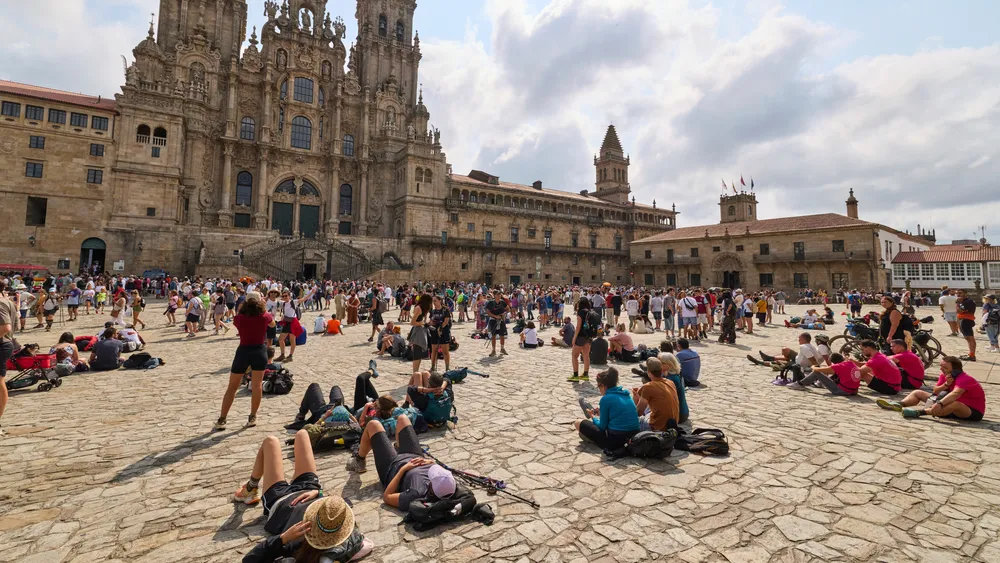
Pilgrims and tourists rest in front of the cathedral in Santiago de Compostela, northwestern Spain, Thursday, Aug. 21, 2025. Photo Credit: AP Photo/Lalo Villar
Residents of Santiago de Compostela are struggling with overtourism
SANTIAGO DE COMPOSTELA, Spain (AP) — While some Barcelona residents sought to repel a tsunami of tourists with plastic water pistols, a neighborhood association in Santiago de Compostela opted for a friendlier approach: a guide to good manners for visitors to their town, the endpoint of the Catholic world's most famous pilgrimage.
Translated into several languages, the group posted it throughout the northwestern Spanish city and distributed it at its ever-growing number of hostels. It reminded tourists to keep noise down, respect traffic rules and use plastic protectors on hiking poles to avoid damaging the narrow cobblestone streets, among other things.
To little avail, it would seem. Large groups still take over the streets singing hymns, bikes ride in the wrong direction and metal pole tips clatter against the ground. Santiago's social media is awash with photos denouncing a lack of decorum.
Tourists' greater offense, though, stems from their sheer numbers; the old town and squares surrounding the cathedral holding the reputed tomb of Saint James the Apostle — and that was the center of town life for a millennium — today are almost exclusively the domain of outsiders, whose influx has served to expel residents. This dynamic has left Santiago emerging as the latest global destination where longtime residents have grown embittered by the overtourism transforming their community.
“We do not have tourism-phobia. We have always lived in harmony with tourism, but when it gets out of hand, when the pressure goes beyond what is reasonable, that is when rejection arises,” said Roberto Almuíña, president of the neighborhood association in the old town that's a UNESCO World Heritage site.
Scenery for visitors
The “Camino de Santiago,” known in English as the Way of St. James, dates back to the 9th century, with pilgrims following its converging trails for up to hundreds of kilometers on paths originating in Portugal and France. The modern popularity it gained with the 2010 film “The Way” starring Martin Sheen was turbocharged more recently by social media and experience-driven travel after the coronavirus pandemic.
Last year, a record half-million people signed up to trek one of the approved routes to the cathedral — equal to five times the city’s resident population, and marking a 725-fold increase over the last four decades. Added to those masses are ordinary tourists not arriving by trail.
The proliferation of short-term rentals drove annual rent prices up 44% from 2018 to 2023, according to a study commissioned by the city council to the Fundación Universidade da Coruña. That led municipal authorities in May to request the regional government classify the area as a high-pressure zone, like Barcelona or San Sebastian, which would help to limit rent increases.
Already, last November, Santiago's city council enacted a ban on Airbnb-style tourist accommodations in the historic center, arguing at the time in a statement that it was “a necessity arising from its significant growth, which has clear effects on the number of housing units available for residents and on their price.”
Sihara Pérez, a researcher at the University of Santiago, described finding anywhere to rent in the city as “mission impossible,” while Antonio Jeremías, 27, told The Associated Press that he's considering moving back in with his mother, because his salary working full-time at a warehouse isn’t enough to make ends meet.
Andrea Dopazo, 32, tried to move out of her parents’ house in a neighborhood located fully 5 kilometers (3 miles) from the city center. But her desire to continue living in the place where she grew up and community ties are strong proved futile, and she had to take something in a town outside Santiago.
“The only people who have been able to stay in the neighborhoods are those who have been lucky — or unlucky — enough to inherit an apartment from their grandparents, uncles or parents,” said Dopazo, who works in human resources.
Across Spain, there have been major street protests against unaffordable housing, with many linking the housing crunch to tourists gobbling up short-term rentals.
Breaking the rules
In the old town, tourists can stay in small hotels in former homes or huge hostels converted from former seminaries, which aren’t subject to the ban. But in the hustle to cash in, some short-term rentals are apparently flouting the restriction, evidenced by tenants collecting keys from lockboxes hung outside buildings.
“Some follow the rules and others don’t, but this is the model that is really limiting residential housing,” said Montse Vilar, from another neighborhood group, Xuntanza.
Santiago’s City Hall told The Associated Press in a statement that it is “doing everything in its power to enforce the regulations” and that it takes action whenever it detects a case of an illegal apartment housing tourists.
Between 2000 and 2020, the historic center lost about half its permanent population, now reduced to just 3,000 residents who “resist like the Gauls” behind buildings' thick stone facades, Almuíña said. There are no hardware stores or newsstands left, and just one bakery. A couple grocery stores coexist with cafes, ice cream parlors and souvenir shops.
“The city has emptied out. You only have to take a walk to see that all we've got are closed, abandoned buildings that are falling apart,” Almuíña added.
Spirituality
This year, the number of pilgrims reaching Santiago is on track to set another record. The surge is further souring Santiago's residents on their city's tourism-centric economic model; already half of them rejected it as of 2023, up from just over one-quarter a decade earlier, according to a study conducted by Rede Galabra, a research group focused on cultural studies at the University of Santiago.
Even some of the pilgrims are noting a shift, like Spaniards Álvaro Castaño and Ale Osteso who met on the route four years ago and have returned every year since.
“The Camino is becoming more and more known, many more people are coming,” Osteso said one recent morning at the end of their trek, among tour groups of pilgrims in bright, color-coordinated outfits and families snapping pictures. “Spirituality seems to have been a little lost at times.”
by Teresa Medrano
Copyright Associated Press. All rights reserved. This material may not be published, broadcast, rewritten, or redistributed.
While Greece’s most famous destinations like Mykonos and Athens are renowned for their vibrant queer scenes, an emerging wave of LGBTQ+ travelers is discovering welcoming communities and unique experiences far from the usual tourist crowds.
For decades, Greece has been a beacon for LGBTQ+ travelers, thanks to iconic destinations like Mykonos and the bustling nightlife of Athens. However, many queer travelers are now seeking experiences that go beyond the tourist traps—looking for spaces where authenticity thrives and community is celebrated in everyday life. In 2025, as LGBTQ+ rights and visibility continue to strengthen across the country, Greece offers even more for those willing to wander off the well-trodden path .
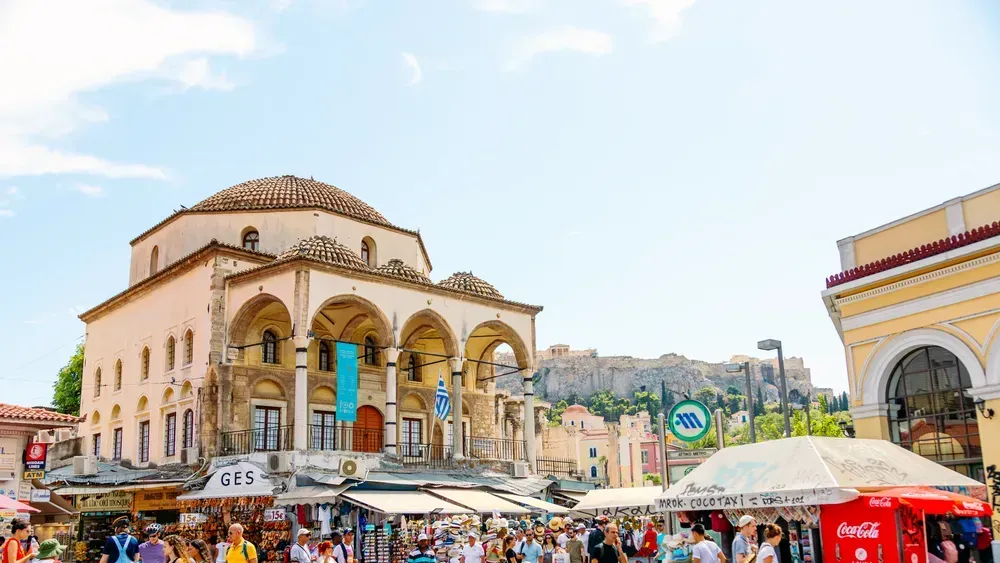
Athens is often seen as a gateway to the Greek islands, but its neighborhoods offer hidden gems for queer visitors. Platia Agaias Irini, close to Monastiraki, has become a vibrant gathering point for the local LGBTQ+ community. Here, you’ll find inclusive cafes like Rooster and Myrovolos, where queer locals and visitors mingle, as well as bars such as BIG Bar and Noiz—venues that regularly host drag performances and LGBTQ+ events, particularly during Athens Pride each June .
For a more grassroots experience, the Gazi district stands out as the heart of Athens’ queer nightlife. Once an industrial area, Gazi now pulses with small shops, LGBTQ+-run cafes, and legendary clubs like S-Cape, Shamone, and BEqueer. BEqueer, in particular, is lauded for its creative drag shows and inclusive themed parties, attracting a diverse crowd seeking celebration and community. Cantina Social, with its cozy ambiance and regular queer events, offers a relaxed alternative to the high-energy club scene—perfect for those who value connection and conversation over loud beats .
Mykonos remains a mecca for LGBTQ+ travelers, boasting legendary venues and the renowned XLSIOR Festival each August. Yet, its popularity often means crowded beaches and soaring prices . For those craving a quieter or more unique experience, other Greek islands offer both safety and a sense of discovery.
Lesvos, the birthplace of Sappho, is especially meaningful for lesbian travelers and those interested in queer history. The island’s Eressos village, home to the annual International Eressos Women’s Festival, hosts workshops, performances, and beach parties celebrating women-loving-women from around the globe. Unlike Mykonos, Lesvos offers a quieter vibe, affordable local cuisine, and a strong sense of community .
Skiathos and Santorini also provide gay-friendly accommodations and welcoming locals. In Skiathos, LGBTQ+-owned guesthouses ensure safe and inclusive stays, while Santorini’s dramatic sunsets and small queer-friendly bars in Fira and Oia offer romance and relaxation away from the party crowds. These islands are perfect for couples, solo travelers, and groups seeking both cultural immersion and a sense of belonging .
Athens Pride has grown exponentially since its inception in 2005, with record attendance and increasing support from public figures. But the movement extends far beyond the capital. Thessaloniki, Patras, and Heraklio now host their own pride festivals, fostering visibility and solidarity in regions less explored by international visitors .
Throughout Greece, LGBTQ+ organizations and collectives are working to make all visitors feel at home. Many local guides offer walking tours focused on queer history, connecting travelers with the country’s rich cultural heritage and contemporary activism. In smaller towns, queer-friendly cafes and art spaces provide safe havens for conversation, performance, and art.
For those interested in wellness and nature, eco-retreats on the Pelion Peninsula and in the mountains of Crete have begun hosting LGBTQ+-exclusive weeks, blending Greek hospitality with community-building workshops and outdoor adventures .
Travel Tips and Resources
- Respect local customs while expressing your identity—most Greeks are welcoming, but attitudes may vary in rural areas . - Connect with local LGBTQ+ organizations for event calendars and safe space recommendations. - Consider traveling outside peak months (June–September) to experience a slower pace and more authentic interactions . - Always check for current information on pride events and legal rights before visiting lesser-known locales .
Whether you’re sipping coffee in a queer-run Athenian cafe, dancing at a drag show in Gazi, or sharing stories with new friends on the shores of Lesvos, Greece offers an abundance of choices for LGBTQ+ travelers in search of something genuine and unforgettable. By venturing beyond the familiar, queer visitors are not only welcomed—they become part of a living, evolving story of pride and possibility.
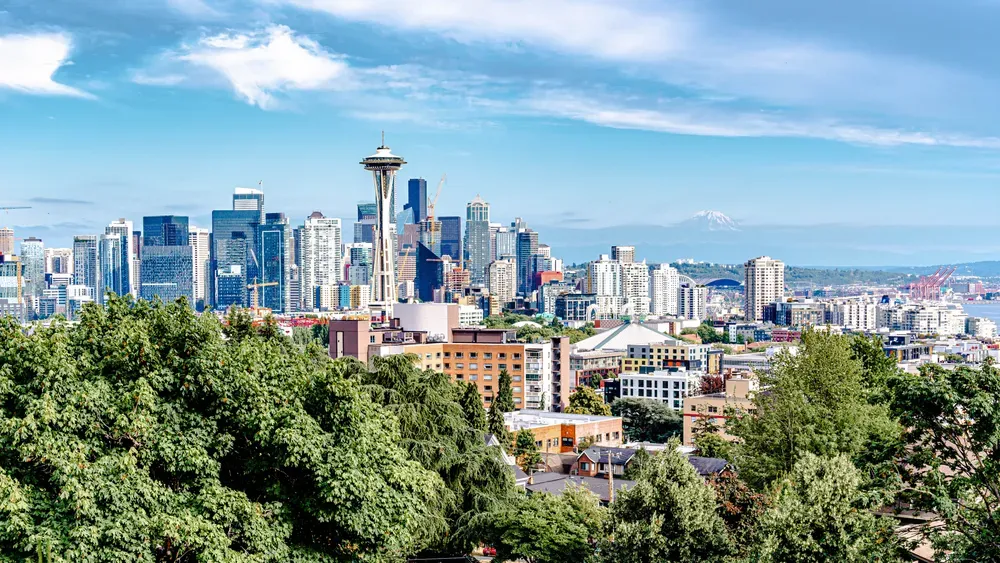
Seattle’s Capitol Hill neighborhood has emerged as a vibrant and inclusive hub for LGBTQ+ travelers seeking community, culture, and adventure. With a rich tapestry of queer-owned businesses, historic venues, and year-round events, the area offers a welcoming atmosphere and urban energy away from the mainstream tourist circuit.
Seattle’s Capitol Hill neighborhood, perched just east of downtown, has steadily grown from a local gathering spot to one of North America’s most dynamic queer-friendly travel destinations. While cities like San Francisco and New York have long drawn international LGBTQ+ crowds, Capitol Hill offers a distinctive Pacific Northwest vibe—lush, creative, and welcoming to visitors of all identities. With its blend of nightlife, arts, and activism, the area is increasingly recognized as a beacon for queer travelers seeking authenticity and community.
Capitol Hill’s reputation as a queer haven is rooted in decades of activism and visibility. The district is home to landmark venues like The Wildrose Bar—one of the nation’s last remaining lesbian bars, continuously operating since 1984. Queer/Bar and Unicorn, two celebrated nightlife spots, host regular drag performances, dance parties, and art shows that draw both locals and visitors. The neighborhood’s streets are lined with rainbow crosswalks, signaling a community proud of its diversity and resilience.
Cultural institutions such as the Northwest Film Forum and the Seattle Art Museum frequently spotlight queer artists and filmmakers, further cementing Capitol Hill’s role as a creative powerhouse. Bookstores like Elliott Bay Book Company offer curated LGBTQ+ literature sections, while local galleries host exhibitions by transgender, nonbinary, and queer artists throughout the year.
Seattle’s climate—a mild winter with frequent rain—creates a cozy backdrop for a range of indoor and outdoor activities. Capitol Hill’s nightlife pulses year-round, with seasonal highlights including the Seattle Queer Film Festival each fall and regular drag brunches at venues like Queer/Bar. Outdoor enthusiasts can take advantage of nearby Volunteer Park, a green space that serves as a gathering point for community picnics and Pride festivities.
The annual Seattle Pride Parade and related events center on Capitol Hill, transforming the neighborhood into a colorful celebration of LGBTQ+ joy, history, and activism. For those seeking a quieter visit, the winter months offer lower hotel rates and a more relaxed atmosphere, with plenty of queer-owned cafés and restaurants providing warm, welcoming spaces for conversation and connection.
One of Capitol Hill’s defining features is its commitment to intersectionality and inclusion. The Center on Colfax, a leading LGBTQ+ community center, hosts support groups, workshops, and social events for people across the spectrum of gender identity and sexual orientation. The neighborhood’s advocacy organizations, including Gender Justice League and Ingersoll Gender Center, work tirelessly to uplift transgender people, nonbinary individuals, and queer people of color through programming and activism.
Capitol Hill’s queer-owned businesses are explicitly inclusive—many offering gender-neutral bathrooms, accessibility accommodations, and staff training in cultural competency. This ethos is echoed in the neighborhood’s public art, murals, and community events, which highlight the stories of marginalized groups within the broader LGBTQ+ community.
Seattle is easy to reach via direct flights from major North American cities, with Capitol Hill just a short ride from the airport. The neighborhood’s walkability makes it ideal for exploring on foot, and public transit options connect travelers to the city’s other attractions, including Pike Place Market and the waterfront.
For visitors seeking to extend their adventure, Portland, Oregon—another queer-friendly destination—is just a three-hour drive away, offering more opportunities for exploration in the Pacific Northwest.
With recent expansions in queer nightlife, new LGBTQ+-owned restaurants, and a renewed focus on intersectional advocacy, Capitol Hill stands out as an emerging destination for travelers seeking both celebration and community. Its balance of urban excitement and Pacific Northwest charm provides a refreshing alternative to the more crowded, mainstream queer hotspots. For those yearning for connection, creativity, and visibility, Seattle’s Capitol Hill offers a welcoming embrace—and a promise of discovery.
San Francisco welcomes vacationers with interesting landmarks, eclectic neighborhoods, a highly diverse culinary scene, a well-connected transportation system, and a lively waterfront.
"Only in San Francisco.” While you’ve likely heard the phrase, its meaning doesn’t truly come alive until you experience the city for yourself.
Recognized as one of the top ten destinations to visit in the United States by TripAdvisor's Travelers' Choice Awards, San Francisco welcomes vacationers with interesting landmarks, eclectic neighborhoods, a highly diverse culinary scene, a well-connected transportation system, and a lively waterfront.
Famous attractions like Alcatraz Island, the Golden Gate Bridge, and Fisherman's Wharf check off iconic experiences, while neighborhoods bring their own character with the Mission District's murals, Haight-Ashbury's bohemian vibes, the flavors of Japantown, and the timeless luxury of Nob Hill.
This year, San Francisco was named the “culinary capital" of the United States, with Travel + Leisure highlighting research crediting its food scene, diverse options, and innovative approaches. A recent study by the Auguste Escoffier School of Culinary Arts further solidified the city as America’s most multicultural dining destination, citing its variety of global cuisines.
And with iconic cable cars, ferries crossing the Bay, and the futuristic self-driving Waymo, San Francisco keeps vacationers moving across the city in memorable ways. The energy of the waterfront and the beauty of the Bay round out the experience with sunset views and day trips just across the water.
Historic Stays With a San Francisco StoryOn Nob Hill, the InterContinental Mark Hopkins has been part of San Francisco's story for nearly a century. Opened in 1926, the hotel combines Renaissance Revival architecture with a location that puts vacationers near popular attractions. Cable cars run right outside, and Union Square, Chinatown, and the waterfront are all within easy reach.
The hotel is also known for its historic sky lounge on the 19th floor, Top of the Mark. It's been a favorite gathering place since the 1940s, first for servicemen and their families during World War II and later for generations of travelers.
Views stretch in every direction, making it a perfect setting for cocktails, live music, and sunsets. The hotel's restaurant, Nob Hill Club, is known for California-inspired cuisine served in a relaxed yet sophisticated space. The InterContinental Mark Hopkins is a hotel that connects you to the city's past while still offering all the amenities of a modern stay.
Experiences That Are Uniquely San FranciscoAlcatraz Island tells the story of America's most infamous prison. Today, the former federal penitentiary is a National Park where audio tours guide you through cellblocks, and the ferry ride gives you perfect views of the San Francisco skyline.
The San Francisco Bay isn't just for ferry rides, though. Guided kayaking trips with companies like City Kayak allow you to paddle along the shoreline, offering a unique perspective of the city.
Golden Gate Park is San Francisco's outdoor living room. With gardens and trails, it hosts year-round events including music festivals and cultural celebrations. This year, Dead & Company celebrated 60 years of Jerry Garcia's music with a 3-day music festival that attracted fans from across the country.
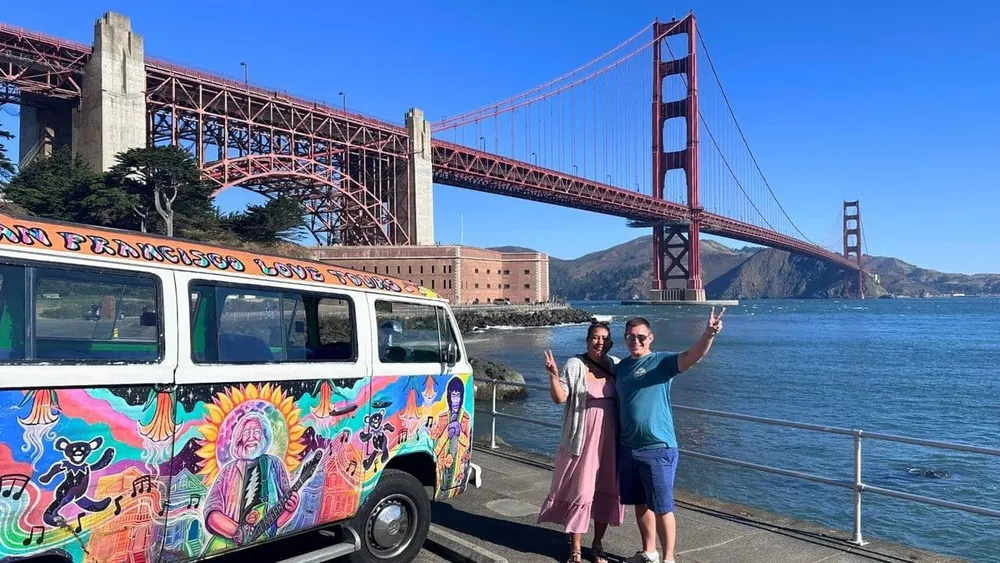
Hop into a classic painted Volkswagen bus with San Francisco Love Tours for a small-group ride around the city packed with stories, good laughs, and plenty of peace signs from people on the street.
Church of 8 Wheels, housed in a former church built in 1898, is now home to a retro roller disco with live DJs, lights, and skating that make for a nostalgic night out.
San Francisco's Japantown is the oldest and largest of only three remaining in the United States. At its center is the Peace Plaza with a five-tiered pagoda, surrounded by shops and places to enjoy ramen, sushi, and Japanese sweets. Japantown also hosts cultural celebrations like the annual Nihonmachi Street Fair, where music and food bring the community together.
Always lively, Fisherman's Wharf and Pier 39 have shopping, dining, and entertainment along the waterfront. Sea lions lounging on docks, the Aquarium of the Bay, and Ghirardelli Square help make this one of San Francisco's most family-friendly stops.
Eating Your Way Through the City by the BayA San Francisco classic since 1945, the Tonga Room & Hurricane Bar inside the Fairmont is a tiki bar like no other. The pool serves as a stage for live bands on a floating platform, complete with simulated thunderstorms. Surrounded by bamboo and glowing lanterns, guests sip rum cocktails and share plates with Asian and Polynesian flavors.
Founded in 1886, Fior d'Italia is the oldest Italian restaurant in the United States. The restaurant serves Northern Italian dishes, including handmade pasta such as ravioli and gnocchi, along with classics like osso buco and risotto. The restaurant's classic Italian decor and live music make it a warm and welcoming place for an evening out.
For those craving seafood, Crab House at Pier 39 is known for its Dungeness killer crab served whole with a secret roasted garlic sauce. Diners also come for crab chowder, seafood pasta, and views of the Bay.
Explore More With Day Trips Beyond the BridgeJust across the Bay, a ferry ride will take you to Sausalito, a waterfront town with a relaxed, Mediterranean feel. Vacationers enjoy strolls along the harbor lined with sailboats and floating homes, browse art galleries, shop boutiques, and dine at restaurants with views of the San Francisco skyline.
A short drive from the city, Muir Woods National Monument is home to giant redwoods, many of which are more than 1,000 years old. Shaded trails wind through the grove, ranging from easy boardwalk loops to longer hikes. The stillness of the redwoods is the perfect retreat from city life and into the calm of nature.
A Vacation You'll Find "Only in San Francisco"What makes San Francisco unforgettable is the combination of its icons and experiences. You'll eat well, explore widely, and discover something interesting in every neighborhood. It's a vacation you can find "Only in San Francisco."
by Travelbinger | Travelbinger
Copyright Associated Press. All rights reserved. This material may not be published, broadcast, rewritten, or redistributed.
Amid Antwerp’s historic streets and vibrant cultural scene, Hotel Julien stands out as a leading LGBTQ+-friendly boutique hotel, welcoming travelers with its inclusive ethos and stylish design.
Antwerp, Belgium, is renowned for its rich history, cutting-edge fashion, and dynamic port economy, but in recent years, it has also emerged as a beacon of LGBTQ+ inclusivity in Western Europe. Just 25 miles north of Brussels and easily accessible from major European capitals, Antwerp offers a compact city center bustling with queer-owned businesses, lively bars, and community events that draw visitors from around the world. The city’s progressive spirit is perhaps best exemplified during Antwerp Pride, one of the continent’s largest and most colorful celebrations, held annually in August and drawing thousands to its streets for four days of festivities.
Nestled just steps from Groenplaats and within easy reach of celebrated museums and gay nightlife, **Hotel Julien** is frequently cited as a top choice for LGBTQ+ travelers seeking style, comfort, and community. The hotel’s chic, contemporary design features Carrara marble bathrooms, original timber beams, and, in select rooms, private terraces overlooking the city skyline. Guests are encouraged to enjoy the hotel’s tranquil spa, which offers an array of treatments in a soothing, inclusive environment.
Hotel Julien’s reputation for LGBTQ+ friendliness is grounded not only in its welcoming atmosphere but also in its proximity to some of Antwerp’s most vibrant queer venues. A short walk from the property, guests can discover bars and clubs known for their diverse crowds and affirming spaces—settings where transgender people, nonbinary individuals, and other marginalized identities are celebrated alongside gay men, lesbians, and bisexual visitors. By fostering an environment where all guests can feel safe and valued, Hotel Julien has become a favorite among international LGBTQ+ travelers and locals alike.
The city’s commitment to inclusivity is evident in its robust network of queer-owned businesses, advocacy organizations, and cultural institutions. Antwerp’s city center is home to a concentration of LGBTQ+-affirming venues, including indie art galleries, stylish cafes, and nightlife hotspots that regularly host drag performances, queer film screenings, and community forums. These spaces play a crucial role in supporting and uplifting transgender people, gender-nonconforming individuals, and others within the LGBTQ+ spectrum, ensuring that Antwerp remains a safe and vibrant destination year-round.
Antwerp Pride, the city’s flagship event, reflects this ethos with programming that highlights both celebration and advocacy. Parades, concerts, and exhibitions showcase the diversity of Belgium’s LGBTQ+ community, while workshops and panels address issues such as HIV/AIDS awareness, trans rights, and safe spaces for queer youth. The city’s approach is intersectional and inclusive, emphasizing solidarity across identities and backgrounds.
In a climate where LGBTQ+ rights continue to face challenges worldwide, destinations like Antwerp—and businesses like Hotel Julien—play a pivotal role in modeling inclusivity and safety. For many travelers, especially those from regions where queer identities are marginalized or criminalized, Antwerp offers not just a vacation but a sense of freedom and affirmation. The city’s accessibility, thriving cultural scene, and network of safe accommodations make it a global leader in LGBTQ+ travel.
Hotel Julien’s ongoing commitment to inclusivity is reflected in its staff training, guest policies, and partnerships with local LGBTQ+ organizations. By prioritizing respect, privacy, and affirmation for all guests, the hotel ensures that its space is not only luxurious but also truly welcoming—regardless of gender identity, sexual orientation, or background.
The experience at Hotel Julien is defined by thoughtful hospitality that goes beyond decor and amenities. Staff members are trained to use inclusive language, respect chosen names and pronouns, and respond to the unique needs of LGBTQ+ guests. The hotel’s spa and wellness offerings are designed to be accessible and affirming, providing a retreat where visitors can relax without fear of discrimination. These practices align with global standards for queer-friendly hospitality, contributing to Antwerp’s reputation as a model city for LGBTQ+ travelers.
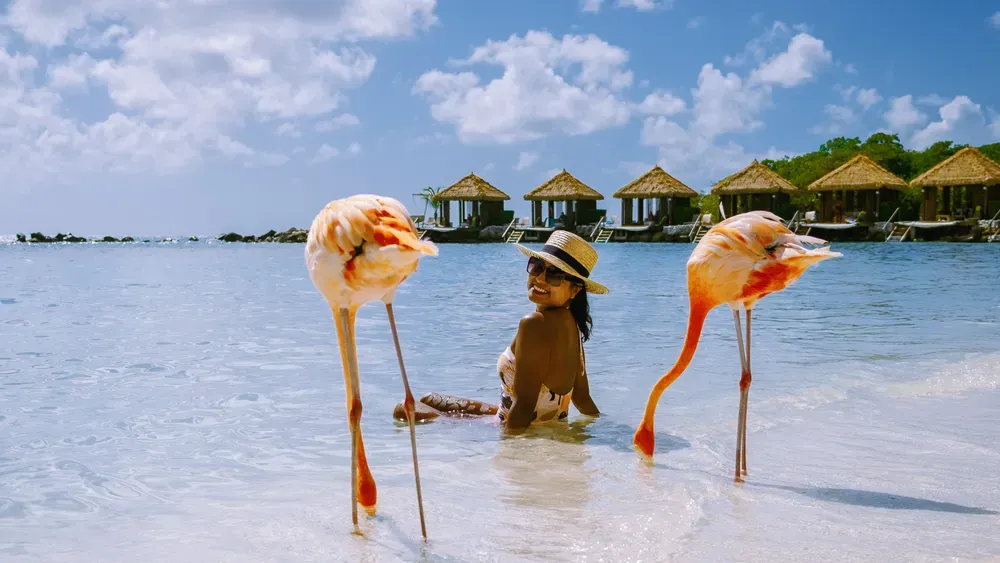
Aruba stands out in the Caribbean as a welcoming and lively destination for LGBTQ+ travelers, offering sun-soaked beaches, adventurous excursions, and a growing queer nightlife scene.
Aruba, affectionately known as the “One Happy Island,” has earned a reputation as one of the Caribbean’s most inclusive destinations for LGBTQ+ travelers. The island’s Dutch heritage and cosmopolitan culture foster open-minded attitudes, setting it apart from more conservative neighbors. Same-sex relationships are legal, and although marriage equality has not yet been enacted, Aruba’s people create a worry-free and affirming environment for LGBTQ+ individuals, couples, and families to enjoy.
Aruba’s LGBTQ+ community is vibrant and visible, with locals and visitors alike celebrating diversity across the island’s beaches, resorts, and nightlife venues. Many hotels and businesses are certified by the Travel Alternative’s Group (TAG), ensuring staff are trained in diversity and that LGBTQ+ guests are welcomed with genuine hospitality.
Aruba’s accommodations are almost universally welcoming, but several standouts go the extra mile for LGBTQ+ guests:
- Bucuti & Tara Beach Resort - This adults-only, boutique property on Eagle Beach is a perennial favorite among queer travelers. It offers oceanfront dining, a serene spa, a fitness center, and twice-weekly movie nights on the sand, making it ideal for couples seeking a romantic, child-free retreat.
- Renaissance Aruba Resort & Casino - Located in Oranjestad, this stylish, centrally-located resort is TAG-approved and features a private island, multiple dining options, and a lively casino scene.
- Hyatt Regency Aruba Resort Spa & Casino - Known for its inclusive service, stunning pools, and direct Palm Beach access, this property welcomes all guests and is especially popular with LGBTQ+ families and groups.
Aruba’s culinary scene reflects its multicultural roots, with influences from Dutch, Latin American, African, and Asian cuisines. Many restaurants are LGBTQ-friendly, and some stand out for their welcoming atmospheres:
- Yemanja Woodfired Grill - Located in Oranjestad, this upscale grill offers locally-sourced dishes and a modern Caribbean menu in a relaxed, inclusive setting.
- The West Deck - Popular for sunset cocktails and Caribbean tapas, this open-air restaurant is known for its friendly staff and diverse clientele.
- Queer Nightlife - While Aruba’s dedicated gay nightlife is still developing, the island boasts several venues where LGBTQ+ visitors gather. Cage Nightclub in Oranjestad is a lively spot open Thursday through Saturday, featuring happy hours, drag performances, and dance parties. The 7 Club Lounge Bar also hosts themed nights including drag shows, bingo, and karaoke.
Aruba’s “one happy island” spirit extends to its mainstream bars, casinos, and lounges, where LGBTQ+ visitors are welcomed without hesitation.
Beyond its world-famous beaches, Aruba offers a wealth of outdoor experiences for adventurous travelers:
- Arikok National Park - Spanning nearly 20% of the island, this protected area features dramatic desert landscapes, limestone caves, and hiking trails with sweeping views. Jeep and ATV tours are a favorite way to explore its natural wonders.
- Snorkeling and Diving - The warm, clear waters around Aruba are perfect for exploring coral reefs and shipwrecks. Mangel Halto and Boca Catalina are top snorkeling spots, while the Antilla wreck offers a unique dive experience.
- Water Sports - Kite surfing at Boca Grandi, catamaran cruises at sunset, and paddleboarding along the coast are popular with visitors of all identities.
- Cultural Excursions - The artistic district of San Nicolas is known for its bright street murals, while the Aruba Aloe Factory and local art galleries offer insights into the island’s creative spirit.
Aruba is widely regarded as one of the safest Caribbean destinations for LGBTQ+ travelers. The Aruban people are known for their open-mindedness and hospitality, with public displays of affection generally accepted in tourist areas. Violence or discrimination against LGBTQ+ visitors is rare, but as in any destination, it is wise to remain aware of your surroundings, especially in less-touristed or rural areas.
While Aruba does not yet offer marriage equality, same-sex couples can hold commitment ceremonies and celebrations, with many resorts offering dedicated wedding and event planning services.
Travelers are encouraged to check for the latest local guidance and event calendars, as Aruba periodically hosts Pride events and queer cultural gatherings, reflecting a growing sense of visibility and community on the island.
Aruba’s warm climate, welcoming culture, and growing array of LGBTQ+ spaces make it a standout destination for queer travelers in search of sun, celebration, and community. Whether relaxing on Eagle Beach, sampling fusion cuisine in Oranjestad, or dancing through the night at a drag show, visitors will find that Aruba truly lives up to its “One Happy Island” promise.
QT Wellington, a boutique hotel in the heart of Wellington, New Zealand, has become a standout destination for queer travelers seeking both creative inspiration and a genuinely welcoming atmosphere.
Wellington, New Zealand’s breezy, creative capital, stands out in 2025 as one of the world’s most queer-friendly tourist destinations. Its inclusive culture is evident not just in public events and rainbow flags waving from business windows, but in the everyday experiences of visitors and locals alike. Among the businesses leading this charge is QT Wellington, a boutique hotel that seamlessly fuses bold art, hospitality, and a deep respect for queer identities.
QT Wellington is housed in a former department store, but its transformation is nothing short of spectacular. From the moment guests step into the lobby, they’re surrounded by vibrant murals, avant-garde sculptures, and eclectic furnishings that reflect the city’s creative energy. Each corridor bursts with queer-coded creativity, making the hotel itself a living gallery where every guest is invited to feel celebrated and seen.
The staff at QT Wellington are as diverse as the décor; management and front desk teams are trained in inclusive hospitality practices and are proactive in supporting guests of all genders, sexual orientations, and backgrounds. Pronoun badges, gender-neutral bathrooms, and sensitivity training are standard, ensuring no awkward moments—just pure welcome. The hotel’s own website and social media regularly showcase their participation in local Pride events and partnerships with LGBTQ+ organizations .
QT Wellington doesn’t just provide accommodation—it actively supports and hosts queer events throughout the year. During Wellington’s annual Out in the City Pride celebrations, the hotel serves as both a venue and a sponsor, offering space for drag brunches, queer art exhibitions, and panel discussions on issues affecting queer communities. These events are family-friendly and attract a diverse range of participants, from local transgender activists to international travelers.
The hotel also collaborates with Wellington’s trans-led collectives and queer organizations to provide safe spaces for workshops, wellness retreats, and social gatherings. Its rooftop bar, with panoramic views of the city and harbor, is a favorite spot for both casual meetups and more formal celebrations.
QT Wellington’s commitment to inclusivity goes beyond visible symbols. Staff are trained to respond to the needs of queer guests with sensitivity and respect, whether that means assisting with travel arrangements for same-sex couples, offering information on local queer nightlife, or connecting guests with community resources in the city. The hotel’s employment policies emphasize diversity, with targeted recruitment for queer staff and ongoing professional development focused on equity and anti-discrimination.
Furthermore, QT Wellington works with local businesses to source inclusive amenities, such as gender-neutral toiletries and sustainable products. Their partnerships extend to queer-owned cafés, galleries, and tour operators, helping guests experience Wellington’s rich queer culture beyond the hotel walls.
QT Wellington has received praise from major travel publications and queer advocacy groups for its approach. It has been featured in guides by the International LGBTQ+ Travel Association and is regularly recommended by travel experts for its mix of creative flair and genuine welcome. Guests frequently cite the hotel’s “radically inclusive” environment and the sense of belonging they feel during their stay.
Local leaders have also acknowledged QT Wellington’s role in supporting the community, particularly its sponsorship of Pride events and ongoing support for trans-led initiatives. The hotel’s visibility as a safe and affirming space has helped set a standard for other businesses in Wellington and across New Zealand.
QT Wellington is a microcosm of what makes Wellington such a compelling destination for queer travelers. The city itself boasts exciting cultural, artistic, and gastronomic destinations. Rainbow flags in businesses, regular drag shows in dive bars, and an active conversation around queer rights make it clear that queer culture is woven into the fabric of daily life.