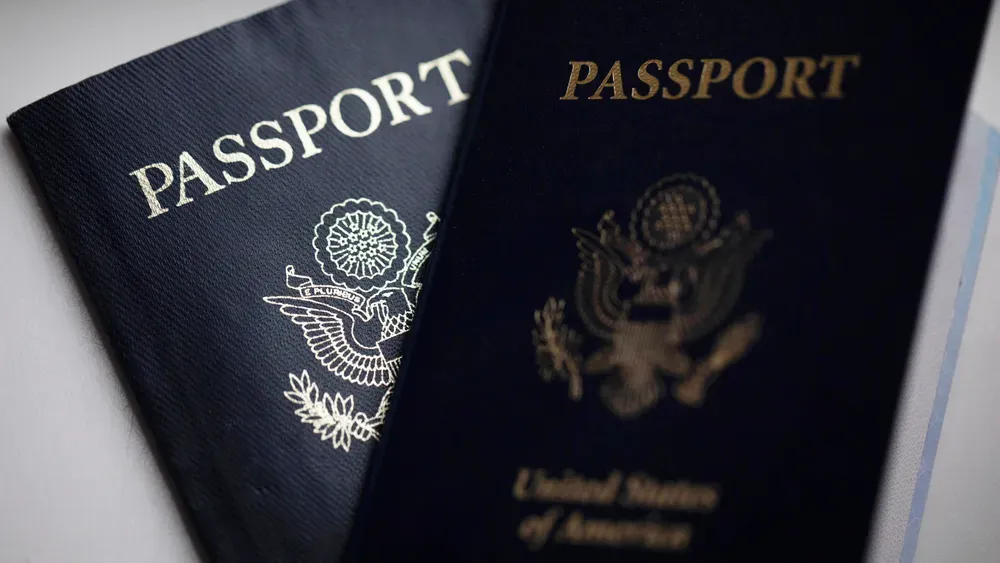
President Donald Trump’s administration is asking the Supreme Court to let it enforce a passport policy for transgender and nonbinary people requiring male or female sex designations based on birth certificates
WASHINGTON (AP) — President Donald Trump’s administration asked the Supreme Court on Friday to let it enforce a passport policy for transgender and nonbinary people that requires male or female sex designations based on birth certificates.
The Justice Department appealed a lower-court order allowing people use the gender or “X” identification marker that lines up with their gender identity.
It’s the latest in a series of emergency appeals from the Trump administration, many of which have resulted in victories amid litigation, including on banning transgender people from the military.
The government argues it can’t be required to use sex designations it considers inaccurate on official documents. The plaintiffs, meanwhile, say the policy violates the rights of transgender and nonbinary Americans.
The State Department changed its passport rules after Trump, a Republican, handed down an executive order in January declaring the United States would “recognize two sexes, male and female," based on what it called “an individual’s immutable biological classification.”
Transgender actor Hunter Schafer, for example, said in February that her new passport had been issued with a male gender marker, even though she submitted the application with the female gender marker she's used for years on her driver's license and passport.
A judge blocked the Trump administration policy in June after a lawsuit from nonbinary and transgender people, some of whom said they were afraid to submit applications. An appeals court left the judge’s order in place.
The Trump administration on Friday asked the Supreme Court to put the order on hold while the lawsuit plays out.
“The Constitution does not prohibit the government from defining sex in terms of an individual’s biological classification,” Solicitor General D. John Sauer wrote.
He pointed to the high court’s recent ruling upholding a ban on transition-related health care for transgender minors. The courts conservative majority found that law doesn't discriminate on the basis of sex, and Sauer argued that finding also supports the Trump administration’s decision to change passport rules issued in 2021.
An attorney for the plaintiffs, on the other hand, said the passport rules are discriminatory.
“This administration has taken escalating steps to limit transgender people’s health care, speech, and other rights under the Constitution, and we are committed to defending those rights,” said Jon Davidson, senior counsel for the LGBTQ & HIV Project at the American Civil Liberties Union.
by Lindsay Whitehurst
Copyright Associated Press. All rights reserved. This material may not be published, broadcast, rewritten, or redistributed.
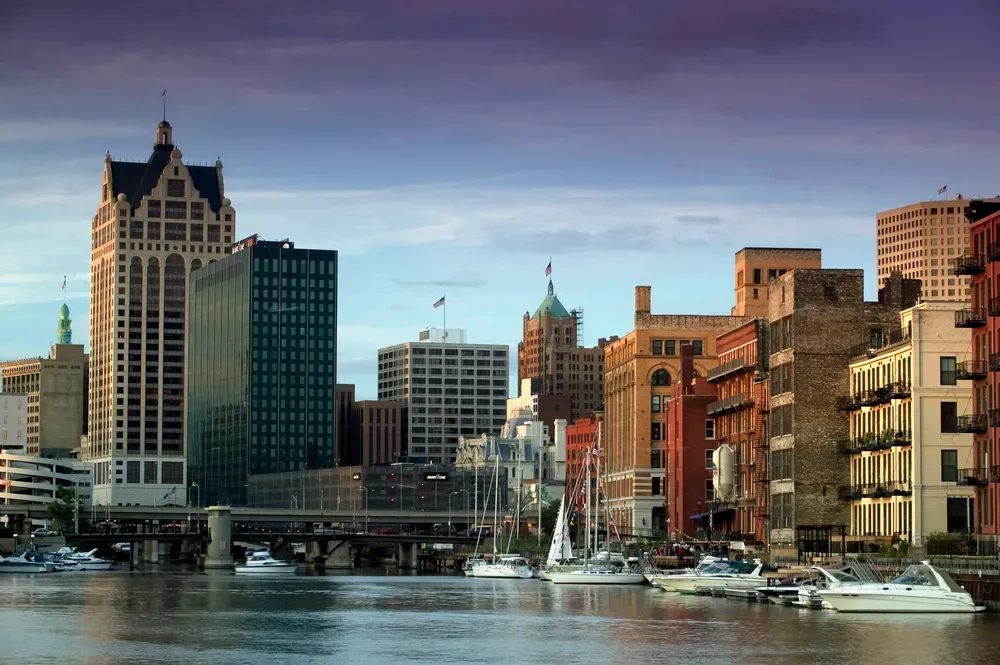
Known historically as a hub for brewing and manufacturing, Milwaukee has transformed into a vibrant cultural destination with world-class museums, iconic tours, and a thriving LGBTQ community.
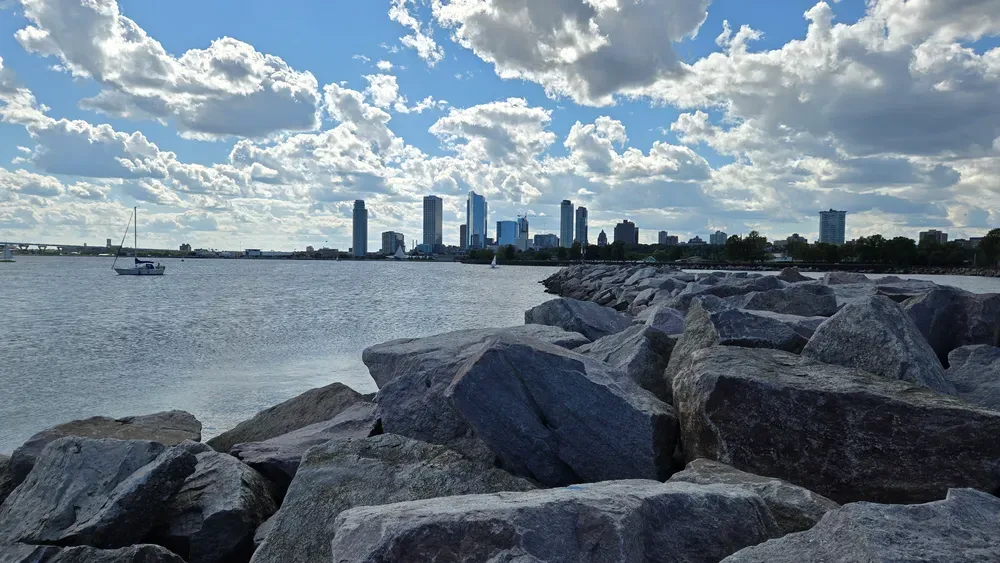
Nestled on the shores of Lake Michigan, Milwaukee, Wisconsin is a city that often surprises first-time visitors. Known historically as a hub for brewing and manufacturing, Milwaukee has transformed into a vibrant cultural destination with world-class museums, iconic tours, and a thriving LGBTQ community. From the famous Miller Brewing Tour to the innovative Milwaukee Art Museum, the city offers a little something for everyone. Whether you’re a lover of history, art, beer, or nightlife, Milwaukee deserves a spot on your travel radar.
While its breweries and motorcycles may get much of the spotlight, Milwaukee also boasts a welcoming and vibrant LGBTQ culture. The city has long been recognized as one of the Midwest’s most inclusive destinations, offering a variety of queer-owned businesses, bars, and cultural events.
Walker’s Point, located just south of downtown, is the heart of Milwaukee’s LGBTQ scene. The neighborhood is home to a variety of bars, nightclubs, and cafes that cater to the community. Venues like D.I.X., Fluid, LaCage and Krux are all within a few blocks of each other while Walker’s Pint is a popular hangout for the lesbian community.
Milwaukee also hosts PrideFest, one of the largest and most celebrated Pride festivals in the Midwest. Held in June, the event brings together music, performances, parades, and activism, drawing visitors from across the region. Combined with the city’s dedication to inclusivity, PrideFest underscores Milwaukee’s role as a safe and affirming place for LGBTQ residents and travelers alike.
In addition to nightlife and festivals, the city also supports LGBTQ arts and culture. Local theaters and galleries frequently highlight queer voices, while organizations like Diverse & Resilient advocate for equality and representation. Their mission is to achieve health equity and improve the safety and well-being of LGBTQ people and communities in Wisconsin.
Few cities are as synonymous with beer as Milwaukee. Often called “Brew City,” its brewing history dates back to the 19th century when German immigrants introduced their traditions to the region. Today, visitors can still experience that heritage firsthand on the Miller Brewing Tour .
Located in Miller Valley, the Miller Brewery combines more than 160 years of history with modern innovation. The tour walks guests through the brewing process, from the massive brew kettles to the bottling lines, and of course, ends with a tasting session. It’s an authentic glimpse into Milwaukee’s past and present, one that showcases why beer remains an integral part of the city’s cultural identity.
But Miller is only the beginning. Dozens of craft breweries now call Milwaukee home, giving beer enthusiasts endless opportunities to sample IPAs, stouts, and lagers that reflect the creativity of the city’s new wave of brewmasters.
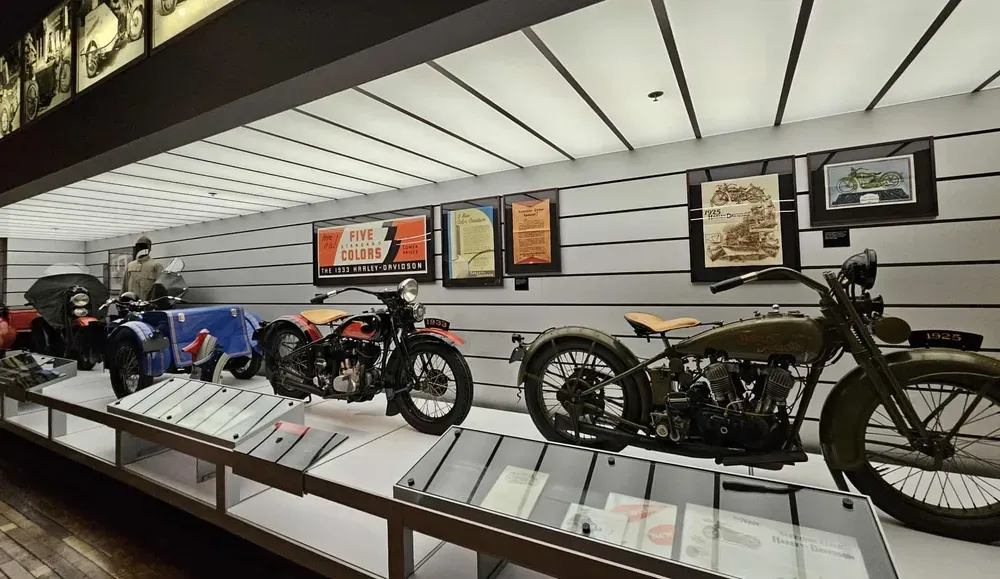
Beyond beer, Milwaukee is also known worldwide as the birthplace of Harley-Davidson. The Harley-Davidson Museum , located along the Menomonee River, is a must-visit attraction for anyone interested in American history, engineering, or motorcycle culture.
The museum tells the story of the company’s rise from a small workshop in 1903 to an international symbol of freedom and rebellion. Visitors can admire more than 450 motorcycles and artifacts, including some of the earliest Harley models ever built. Interactive exhibits allow guests to understand the mechanics behind the bikes, while rotating installations highlight the brand’s cultural impact.
Even if you’ve never ridden a motorcycle, the Harley-Davidson Museum is captivating. It captures not just the history of a company, but the evolution of an American icon that has influenced fashion, music, and even film.
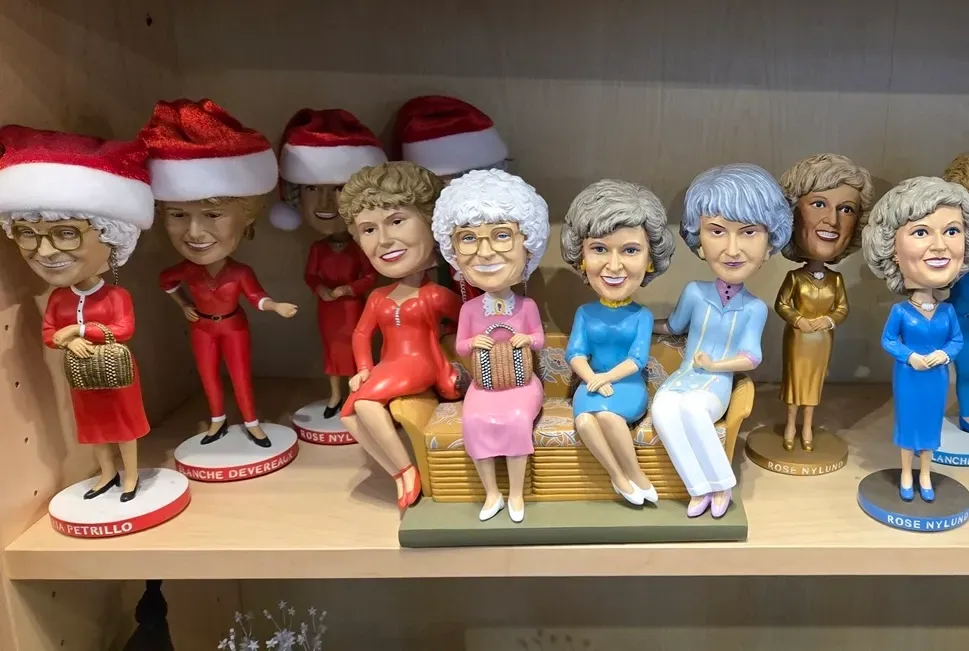
Every city has its quirks, and in Milwaukee, that eccentric charm shines brightly at the National Bobblehead Hall of Fame and Museum . This one-of-a-kind attraction celebrates the playful, nostalgic world of bobblehead dolls.
Home to the world’s largest collection of bobbleheads, the museum features everything from sports figures and celebrities to political leaders and cultural icons including the Golden Girls. Exhibits highlight the history of bobbleheads, their evolution over the decades, and the artistry that goes into creating these fun collectibles.
It’s a lighthearted stop that perfectly balances Milwaukee’s more serious cultural offerings. Visitors often leave smiling, realizing they’ve just experienced one of the most delightfully unexpected museums in the country.
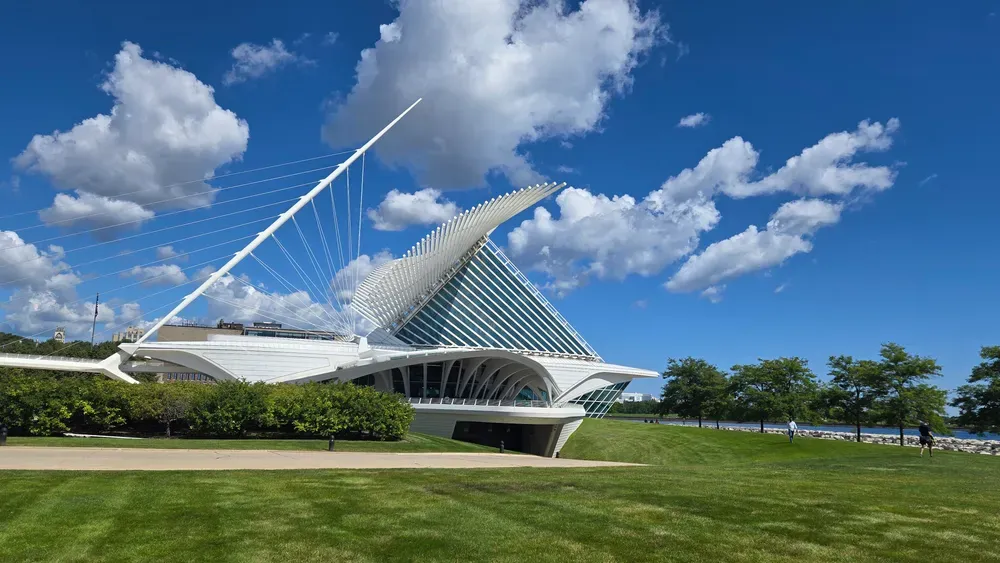
No trip to Milwaukee would be complete without a visit to the Milwaukee Art Museum . Not only is it one of the city’s most prestigious institutions, but it’s also an architectural marvel. Designed by renowned architect Santiago Calatrava, the museum’s Quadracci Pavilion features the “Burke Brise Soleil,” a stunning moveable structure resembling a bird in flight that opens and closes throughout the day.
Inside, the museum houses an impressive collection of more than 25,000 works of art, spanning from antiquity to contemporary pieces. Highlights include works by Georgia O’Keeffe—who was born in Wisconsin—as well as European masters and modern innovators such as Roy Lichtenstein. The museum regularly hosts traveling exhibitions, ensuring there’s always something new for visitors to discover.
More than just an art institution, the Milwaukee Art Museum serves as a community hub, bringing together locals and tourists for lectures, performances, and special events. Its location on the lakefront makes it the perfect starting point for a day of exploring the city’s waterfront parks and scenic trails.
Foodies will also find plenty to love. Milwaukee’s culinary scene is booming, with chefs combining Midwestern traditions with global flavors.
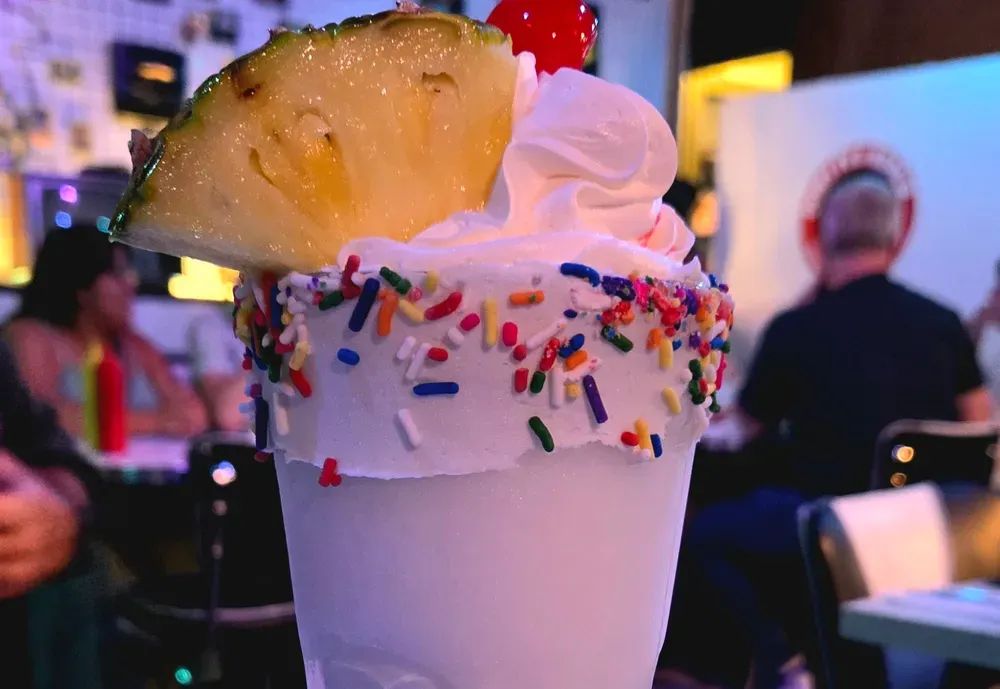
Don’s TV & Repair Shop is not what you think. As guests walk through an inconspicuous door they enter into a lobby filled with 80’s era arcade games and electronics. A host asks for a secret password and then opens a secret door which leads into the restaurant/speakeasy portion of the building. Don’s specializes in burgers and shakes, so ordering any of those is a homerun. We happened to go on a day where all burgers were .99 cents with the order of a drink. This was a deal we couldn’t pass up. The burgers were cooked perfectly, and the boozy shakes tasted incredible. A full bar menu is also available if you aren’t in the mood for a shake.
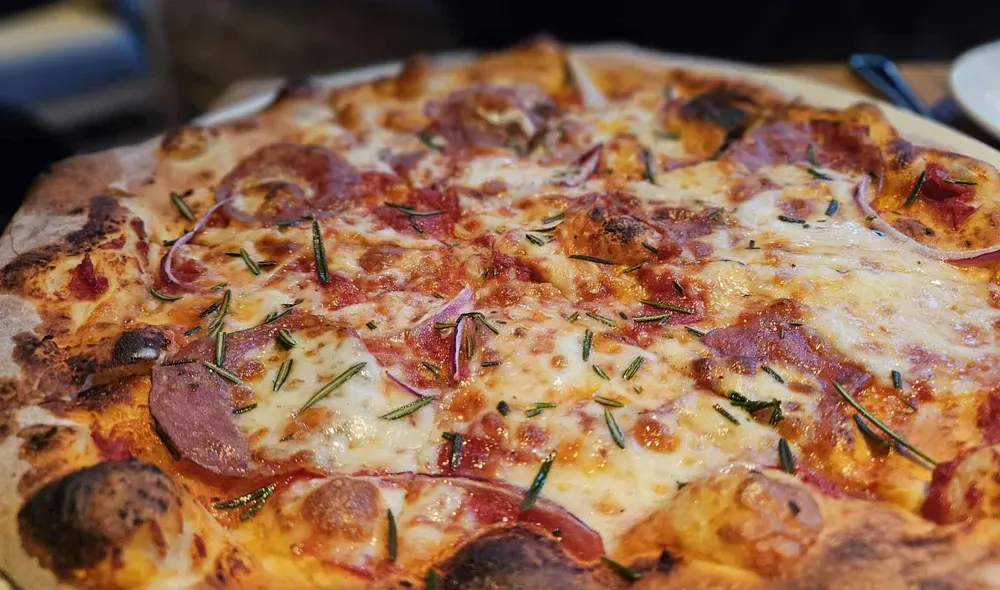
For a date night meal, head to Tre Rivali at the Kimpton Journeyman Hotel for upscale Mediterranean cuisine. While the menu consisted of a variety of shareable dishes and homemade pastas, we decided to share a few pizzas. The four of us split the Truffle Mushroom, Margherita and Calabrese. Each had its own distinct flavor, and the crusts were cooked perfectly in the wood fired oven. My favorite among them was the Truffle Mushroom which was prepared with ricotta, taleggio, mozzarella, truffle pecorino, roasted garlic, truffle salt, and served on top of a white sauce.
What sets Milwaukee apart is its balance of tradition and innovation. It’s a city that honors its brewing and industrial roots while embracing creativity, diversity, and progress. Most importantly, Milwaukee is a city that welcomes all. Its thriving LGBTQ culture, combined with its Midwestern warmth, ensures that every visitor feels included. For travelers seeking a destination that blends history, culture, and community, Milwaukee is a city worth discovering.
Don’t let the map fool you – Colorado is anything but square. Delivering on that promise, you’ll find a mouthwatering culinary scene that has way more sides than meets the eye.
Don’t let the map fool you – Colorado is anything but square. Delivering on that promise, you’ll find a mouthwatering culinary scene that has way more sides than meets the eye. Discover bold flavors, worldly infusions, and innovative cooking styles that emphasize local ingredients for exceptional dining experiences. From the latest Michelin-star restaurants to the beloved farm-to-table hotspot making waves with food lovers of all kinds, send your taste buds on a culinary quest through the Rocky Mountains.
Award-Winning Restaurants
Your taste buds will thank you when you introduce them to Colorado’s refined culinary side, one filled with award-winning restaurants that push the boundaries of fine dining but remain authentically true to the state. First on your bucket list is Alma Fonda Fina in Denver, a warm and inviting Mexican-style restaurant serving up chef Johnny Curiel’s hometown flavors. The native Mexican brings his Guadalajaran roots to every dish – whether it's agave-roasted sweet potato or crispy pork belly carnitas. And keep the yummy flavors flowing with a delectable drink pairing featuring Guadalajara spirits like mezcal or tequila.
If you want a more romantic atmosphere, reserve a table at Bosq in Aspen, where this concept restaurant makes innovative use of the surrounding wilderness. Tucked away in a soft-lighting dining space, Bosq curates a menu sourced from the mountains just outside its doors, delivering irresistibly fresh flavors to your plate in the form of wild berries, harvested greens, and foraged mushrooms. As the menu changes with the seasons, pair your dish with the perfect glass of wine for an elevated dining experience.
For a charming night out, The Wolf’s Tailor in Denver offers a one-of-a-kind symphony of flavors you won’t soon forget. This Michelin Green Star winner matches its outstanding cuisine with their commitment to sustainable practices. Indulge in the multicourse menu ranging from Berkshire pork dumplings to charcoal-roasted duck and grilled octopus; or try the Colorado bison loin with apricot and grilled zucchini. No matter the dish you choose, Chef Taylor Stark’s fusion of Nordic, Italian and East Asian cuisines makes this spot a top Colorado dining destination.
Or for the best seat in town, cozy up at the bar and let Basta’s modern Italian restaurant in Boulder put on a show with its open kitchen and wood-burning oven. The Michelin Bib Gourmand winner, set in an industrial-chic space, serves up mouth-watering Italian dishes – like lamb over fairytale eggplant or fresh burrata served with authentic piada – that echo the best of Mediterranean cooking. Come with a big appetite because the plates are heartily served family style. But don’t forget to leave room for one of their indulgent dulce de leche cream desserts.
Farm-to-Table Favorites
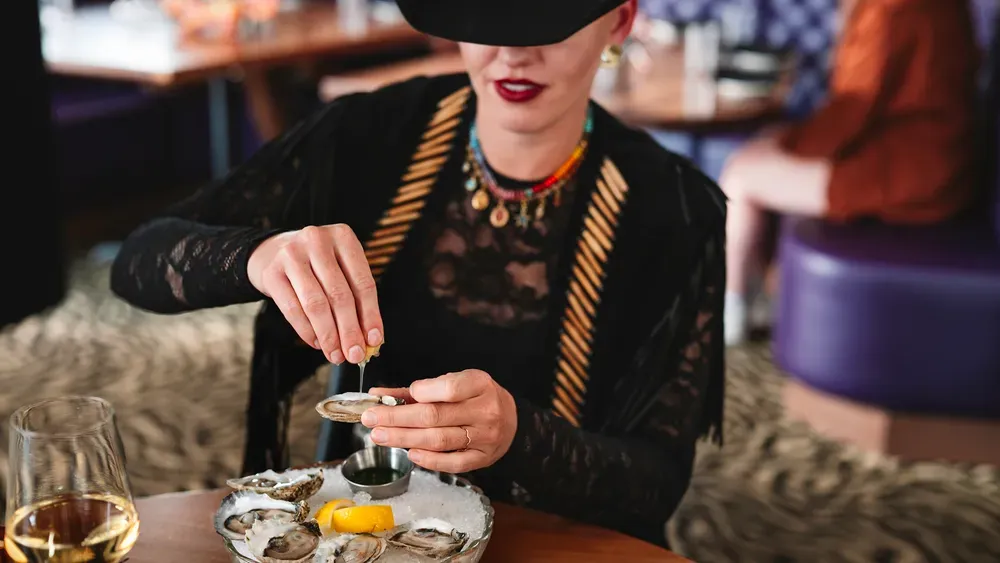
You don’t want to miss Colorado’s wild side, a harvest of the land’s fruits, flowers, meats, and dairy – served as sauces, soups, and more. At Annette in Aurora, Chef Caroline Glover stages her restaurant in a mini greenhouse, channeling a scratch-to-table atmosphere perfect for brunch or dinner. The James Beard Award winner is a cozy spot to find a seat at their renowned oyster bar and drink in the sights, sounds, and smells of this delightful ingredient-driven enclave. Try one of the wood-fired vegetable dishes like the tomato and Greek vinaigrette salad or share one of the large plates like the whole roasted fish with your loved ones.
If food presentation is the flair you love, Potager in Denver makes every dish and drink a magical delight. Chef Paul Warthen uses hand-picked edible flowers to garnish the plates and drinks, a colorful way to elevate your dining experience. Beyond floral flourishes, the restaurant works with over 30 farms to source the finest local ingredients and even utilizes its own plots of land to harvest the freshest fruits, herbs, vegetables, and flowers. Mix and match to craft the most scrumptious meal – from small plates like the zucchini tart and charred eggplant flatbread to large plates such as the irresistible peach barbecue pork and dill meatball.
Perhaps Bin 707 Foodbar is most notable on our list for sustainability and a commitment to seasonal and regional cuisine in Colorado. The destination restaurant in downtown Grand Junction uses local ingredients that reflect Western Colorado and the Four Corners region flavors in every dish. Chef Josh Nierenberg, a multiple James Beard Award nominee and semifinalist with his restaurant creations, is devoted to community and excellence, which comes through in every bite. Give the Palisade Peach cobbler a try after your meal and see why this ode to the western region of the state is top-notch. Pro tip: Kick things off withTacoParty, Nierenberg’s second restaurant that’s equally thoughtful of supporting sustainability and locally sourced ingredients. Try the Al pastor and let the flavors keep the festivities going all night long.
The farm-to-table dining experience extends to the drink menu, too. At Coperta in Denver, a bistro serving authentic Southern Italian meals, the cocktail menu features handcrafted concoctions made with a simple syrup that comes from freshly juiced carrots brought in from nearby farms – along with all their savory servings. Nosh on a freshly made pasta and sip your margherita carrota cocktail to finish off a wonderful Colorado night.
Savory Surprises
You definitely don’t want to miss out on meeting Colorado’s eclectic culinary side, filled with an off-the-beaten-path mix of dining experiences in settings that will stun you. The bright lights of Hollywood come to Colorado at The Stanley Hotel – the famed inspiration for Stephen King’s haunted hotel story “The Shining.” Tucked inside the hotel is Cascades Restaurant and Lounge, a lavish and grandiose dining space that channels the hotel’s old-timey atmosphere. Enjoy modern American fare and soak up the ambience. After dinner, grab a cocktail from the bar and meander to the front porch for breathtaking mountain views overlooking Estes Park.
This next dining adventure isn’t for the faint of heart. Linger Restaurant in Denver, set in a former mortuary, updates the macabre remnants of the building’s former glory with posh accent pieces for a spooky yet refined experience. Head to the rooftop for more surprises: a 1970s GMC RV retrofitted to a bar and perhaps the coolest hang in all of Colorado. Don’t let the spooky glam distract from your hunger pangs because the food and drinks don’t disappoint. Pair Korean barbecue tacos with a cocktail from the RV-turned-bar and check out the killer views.
Take a trip into the unknown at The Rabbit Hole in Colorado Springs, a Wonderland-themed speakeasy nestled in an old subway. Enter through a clandestine subway booth to a subterranean space accentuated by gothic art, moody low-key lighting, and flaming cocktails. The menu offers upscale New American cuisine, an eclectic mix of small plates like Bison lettuce wraps, brussels sprouts, and goat cheese balls to fill your hunger.
The wild west comes to life at The Diamond Belle, an old west saloon in Durango ’s Historic Strater Hotel. Belle Girls – servers clad in corsets, fishnets and feathered headpieces – bring you classic cocktails while a local musician strums the guitar every night. There’s even a ragtime piano where a resident pianist plays the keys to the tunes of a bygone era. Old-fashioned bar food fills out the menu – from tasty appetizers and zesty salads to juicy burgers and savory entrees.
Plan Your Visit
There are so many unexpected, delicious sides to Colorado’s culinary scene. Start planning your foodie adventure and discover all the fresh and vibrant flavors Colorado has to offer at https://www.colorado.com/.
A new international survey has revealed the top cities for gay cruising in 2025, shining a spotlight on destinations celebrated for their vibrant LGBTQ+ nightlife, inclusivity, and rich queer history.
A comprehensive new report published this week has identified the world’s best cities for gay cruising in 2025, reflecting broader changes in LGBTQ+ travel and urban culture. The list, which draws on traveler testimonials, nightlife data, and insights from LGBTQ+ organizations, highlights cities that combine historical significance, progressive policy, and a thriving queer scene. The ranking comes as cities worldwide continue to adapt to evolving attitudes about public space, safety, and sexual expression, offering both local residents and visitors unique opportunities for connection and exploration .
San Francisco tops the list as a perennial favorite, renowned for its deep-rooted queer history and enduring reputation as a global gay capital. The city’s neighborhoods, notably the Castro and the Mission, are home to a spectrum of cruising venues ranging from historic bars to contemporary clubs. Events like the Folsom Street Fair and San Francisco Pride attract hundreds of thousands annually, transforming public spaces into celebrations of sexual freedom and community solidarity. The city’s robust LGBTQ+ protections and visible queer culture continue to make it an international touchstone for gay cruising, as well as a model for inclusive urban policy .
On the East Coast, Provincetown, Massachusetts, is recognized as one of America’s most beloved gay destinations. Despite its small size, Provincetown’s impact is substantial, with historic sites like The Atlantic House and an annual calendar filled with festivals — from Bear Week to Girl Splash and Provincetown Pride. Nightlife in Provincetown is described as both welcoming and adventurous, with venues and events catering to a wide spectrum of identities and interests. The town’s enduring appeal lies in its unique blend of seaside charm, historical resonance, and an atmosphere that encourages free expression .
Toulouse, France, nicknamed “The Pink City” for its distinctive terracotta architecture, has ascended the ranks as a top destination for LGBTQ+ travelers in 2025. Recognized for its inclusive atmosphere and flourishing nightlife, Toulouse boasts a variety of queer-friendly bars and clubs clustered around the city center. Popular venues like Limelight and La Gougnotte are celebrated for their diversity of programming, including drag king shows and theme nights that appeal to a broad LGBTQ+ audience. The city’s commitment to inclusivity is further reflected in its cultural calendar and visible support for Pride events, making it a standout among European destinations .
The survey’s findings highlight a key trend: the increasing importance of safety, legal protections, and community support in shaping gay cruising culture. Cities that invest in anti-discrimination laws, visible policing of hate crimes, and public health initiatives tend to attract more LGBTQ+ visitors and foster active local scenes. For example, cities like Reykjavik and Oslo, while smaller, are lauded for their progressive policies and safe environments, contributing to their growing appeal among queer travelers .
LGBTQ+ advocates and nightlife organizers emphasize that cruising culture is not monolithic but shaped by the unique character of each city. “Cruising continues to reflect the diversity of our communities — from the exuberance of major festivals to the intimacy of local bars,” said a spokesperson for a leading LGBTQ+ advocacy group . Cities that support a range of venues and events, and that prioritize the safety and dignity of all queer people, are repeatedly cited as models for others to follow.
As cruising remains an essential part of queer history and contemporary life, experts and advocacy groups stress the importance of respect, consent, and cultural sensitivity. Local organizations often provide guidance on safe cruising practices, and many cities now feature online resources or hotlines for travelers seeking advice. Visitors are encouraged to familiarize themselves with local customs and legal frameworks, ensuring that their experiences are both enjoyable and responsible .
The new ranking reflects a broader shift toward more inclusive, intersectional, and safety-conscious queer spaces. As cities continue to compete for LGBTQ+ tourism and recognition, the most successful are those that combine vibrant nightlife with a genuine commitment to diversity and equality.
While the world’s best cities for gay cruising will continue to evolve, the 2025 list offers a snapshot of destinations where queer life thrives — not only through parties and nightlife but through a shared commitment to visibility, acceptance, and the celebration of all identities.
Wisconsin's proximity to water is hard to ignore: Thousands flock to the coast each summer for a taste of summer lake life, while others fill the many cabins scattered throughout Wisconsin's great forests.
Wisconsin made headlines recently with the discovery of a 138-year-old shipwreck in Lake Michigan. Fittingly, the wreck came into the sights of a local man researching satellite photos of the lake for his rafting company.
Matt Olson, who owns Door County Adventure Rafting, was scanning the coast around Door County and stumbled upon a discolored part of the water. This moment led to a reconnaissance voyage on his sonar-equipped boat, which confirmed his suspicions.
More Than Just Sunken Treasures
Olson told Door County Pulse, "I pulled over the wreck, and it definitely looked like a shipwreck." What he had found was the Frank D. Barker, a canal-length schooner built in New York in 1867. It sank in 1887 after running into a reef near Spider Island on the western side of the Door Peninsula.
When you hear such stories of legendary shipwrecks, Wisconsin's proximity to water is hard to ignore. Thousands flock to the coast each summer for a taste of summer lake life, while others fill the many cabins scattered throughout Wisconsin's great forests.
However, Wisconsin is a great place to visit for a food adventure, not least during the harvest season.
Shipwrecks and Food Abundance
There are many reasons why a foodie can discover food Nirvana if they visit the Badger State:
Being a mostly flat northern state with vast volumes of fresh water, the Dairyland State has an advantage for excellent dairy products.
A rich immigrant history makes Wisconsin's food options more diverse than one might think. German, Scandinavian, Polish, and Czech dishes sit alongside the American host cuisine.
Craft beer is prominent in Wisconsin, not least in Milwaukee, also known as "Brew City."
The harvest is especially bountiful on the border, celebrated with dozens of state fairs each season. Wisconsin prides itself on being the cranberry capital of the United States; it also brings a healthy apple harvest each year.
A farm-to-table ethos promotes freshness and seasonality.
Oktoberfests, cheese fests, and all manner of other festivals make Wisconsin a good place to celebrate food.
Comfort foods are popular in this region: iconic comfort classics like Wisconsin kringle, cheese curds, and frozen custard rule supreme.
Wisconsin's unique supper club scene sets it apart from other regions.
The Supper Club Spirit
Supper Clubs are popular throughout much of the region, though Wisconsin can lay claim to having the best. Autumn Swiers of TastingTable explains in a review how a supper club is more like a one-off dining experience as opposed to a mere restaurant meal.
"They're typically characterized by a limited number of guests, a cozy atmosphere," she writes. There, diners will find "upscale fare, limited operational hours, and particular care to a curated and intimate ambiance."
Eating Out With a Twist
Modern supper clubs might best be described as private restaurants, much like a members' nightclub. The supper club phenomenon arrived in late 19th-century London's theatrical society, according to the official Wisconsin Supper Clubs webpage.
"Every supper club is steeped in history…" writes contributor Ron Faiola. He reflects on a time "when lobster was three dollars and drinks were half a buck."
The catalyst for supper clubs sweeping across the United States was Prohibition, which brought people together in a socially exclusive, albeit secretive, setting. After World War II, supper clubs spread, providing post-war America with a chance to eat, dance, and enjoy life once more.
A Map of Food Possibilities
When your state is renowned for its plentiful harvest, the fall is a perfect time to sample this culture. The Wisconsin Supper Clubs platform has a map of every supper club in the state. The 250-plus entries show why Wisconsin is the place to go if you like the idea of an exclusively Wisconsinite dining experience. To many, there is a reassuring comfort in dining at a supper club.
Predictably, Wisconsin's major cities like Milwaukee, Madison, and Green Bay have popular supper club networks. However, if you like to eat in more natural surroundings, every region has something different. Furthermore, leaf peepers can still get their fix, though they need to be quick.
Leaf Peepers Be Ready
The Green Bay Press-Gazette shares insight on some of the best supper clubs in the North Woods region. Nonetheless, when advising visits for the fall, last year's report was ominous. "As of Sept. 19, many northern Wisconsin observers were reporting about 20% color, and last year's peak came in the second week of October," it reads.
In terms of the food on display, many will have heard of the Friday fish fry or prime rib Saturdays, but there are many other choices one must try.
Beyond Fish Fries and Prime Rib
For instance, Donny's Glidden Lodge on the Lower Door Peninsula's Whitefish Bay offers a weekly set menu each day, in addition to a dinner menu. Mondays give punters the chance to try coldwater lobster tail or a rack of lamb. Tuesdays see a roasted duck or baked whitefish offering, while Wednesdays are labeled: "German."
Meanwhile, pioneering supper clubs and pop-up experiences are appearing all over the modern world. As one can imagine, the retro side of supper clubs appeals to a new generation of global artisans. Venue Report shares a list of more modern supper clubs: it seems the bourgeoisie in cities like Amsterdam and London are catching up.
One of them, Supper in a Pear Tree, is a blend of dinner and life drawing. Diners can practice their art skills while appreciating some fantastic cooking. Venue Report reviewer Jake Kilroy sees humor in this idea. "I mean, you probably won't ever have another chance to drink wine, bond with strangers, and sketch a nude model," he writes. Wisconsinites might not be so impressed by such an ordeal.
Regardless, it is always worth trying something different to bring in the final quarter of the year, making fall a time for new anticipation. There are few more unique adventures a food lover can try than going on a Wisconsin food tour.
by Ben Rice | Travelbinger
Copyright Associated Press. All rights reserved. This material may not be published, broadcast, rewritten, or redistributed.
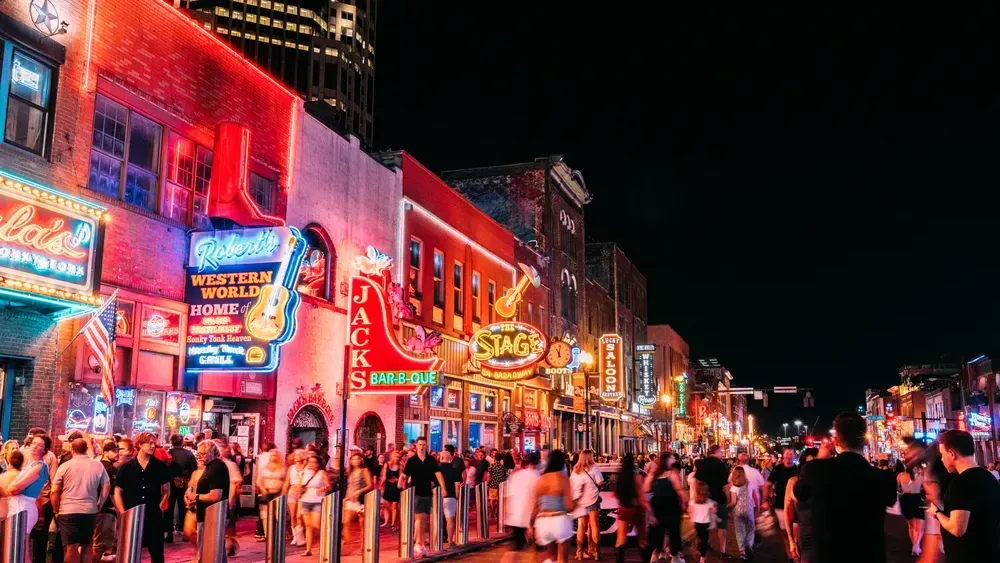
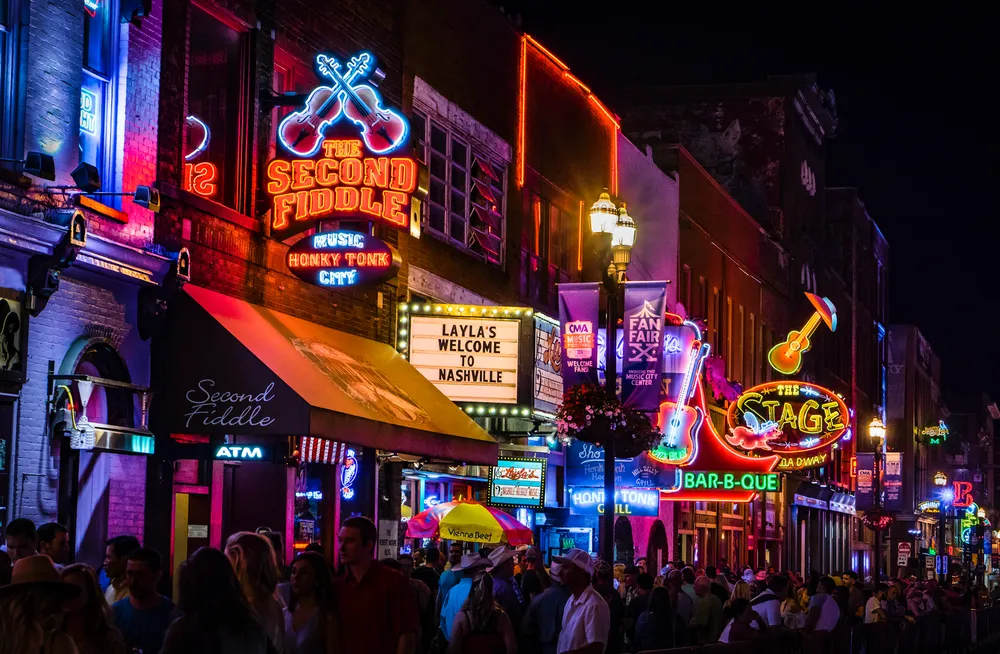
Nashville, Tennessee, affectionately known as "Music City," has long been a hub of culture, creativity, and hospitality. From its historic roots in country music to its burgeoning culinary scene and inclusive nightlife, Nashville offers a dynamic array of experiences for every traveler.
Nashville, Tennessee, affectionately known as "Music City," has long been a hub of culture, creativity, and hospitality. From its historic roots in country music to its burgeoning culinary scene and inclusive nightlife, Nashville offers a dynamic array of experiences for every traveler. As a former resident, I can attest to Nashville being a welcoming and inclusive community for all.
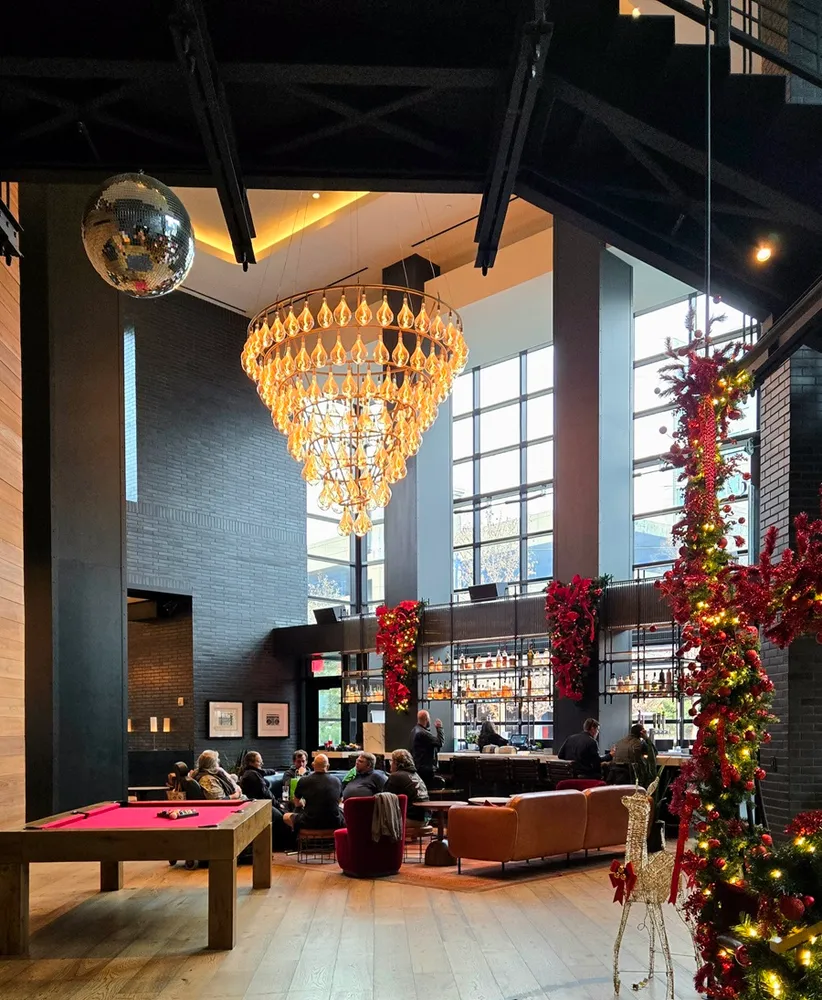
For a modern and stylish stay, the Virgin Hotel Nashville delivers an unparalleled experience. Located in the heart of the Music Row neighborhood, this sleek and vibrant property blends Southern charm with contemporary design. Upon arrival, you’re greeted by warm hospitality and unique touches like the “Commons Club,” a lively social space where guests and locals mingle over creative cocktails and delicious bites.
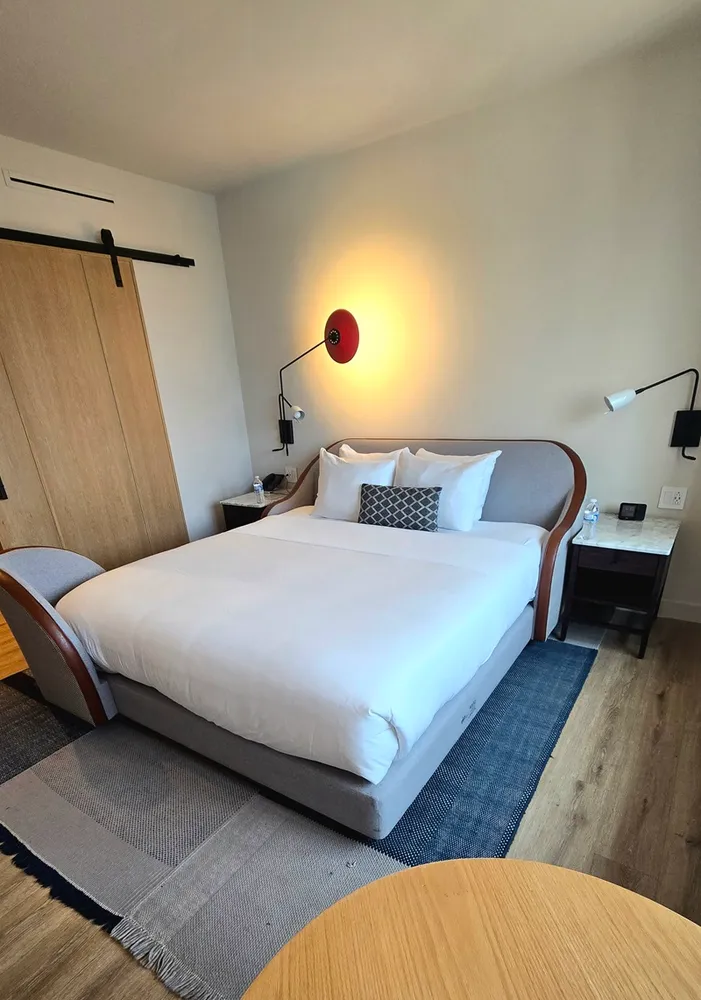
The rooms, or “Chambers” as Virgin calls them, are thoughtfully designed with functional layouts and bold décor. The patented "Red Room" design ensures comfort and privacy, featuring sliding doors that separate the sleeping area from the dressing room. Don’t miss the rooftop pool and bar, which offers stunning views of the Nashville skyline and serves as a hotspot for both relaxation and vibrant nightlife. The property is located in a quieter section of town, away from the hustle and bustle of Lower Broadway’s honkytonks.
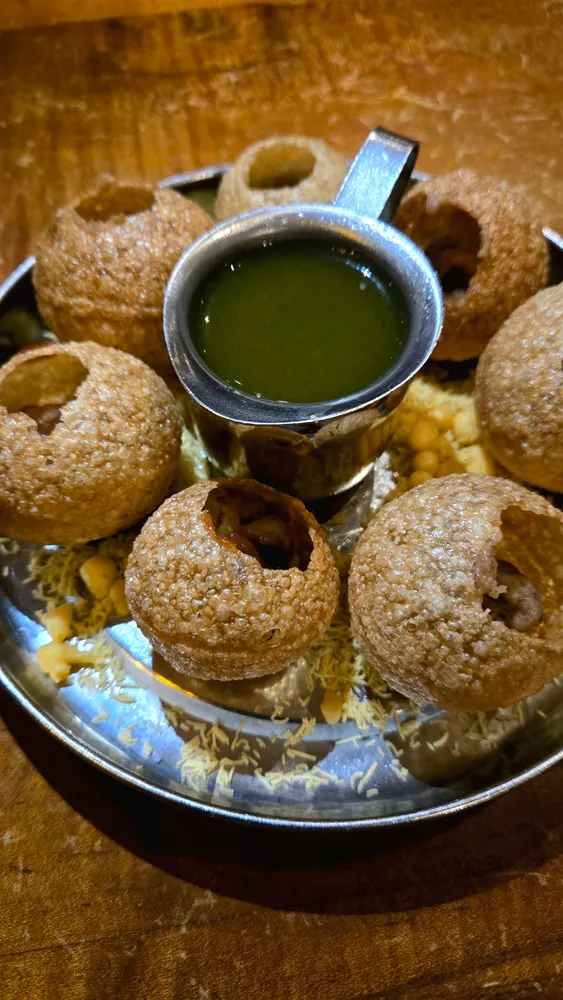
For dinner, head to my absolute favorite establishment in the city, Chauhan Ale & Masala House . Helmed by celebrity chef Maneet Chauhan, this Indian-fusion restaurant takes diners on an unforgettable gastronomic journey. Signature dishes like the "Lamb Keema Papadi Nachos" and "Tandoori Chicken Poutine" creatively blend Indian spices with Southern comfort food staples, resulting in an explosion of flavors. My partner and I shared the Kale Pakora and Gol Guppa shots for our starter. Both were so delicious and seasoned to perfection. For our entrée, we had farm vegetables prepared in a moilee, a Southern Indian coconut milk curry. As always, a trip to Chauhan was a masterclass in Indian cuisine making it a must-visit for food lovers.
Nashville’s LGBTQ nightlife is as vibrant and welcoming as the city itself, offering a variety of bars and clubs where everyone can feel at home. The Lipstick Lounge is a local favorite, known for its friendly atmosphere and diverse crowd. This inclusive bar hosts karaoke nights, trivia contests, and drag shows, making it a lively spot for entertainment and connection. It is also one of the last lesbian-owned bars in the country.
For a more dance-centric experience, check out Play Dance Bar, one of Nashville’s premier LGBTQ venues. With high-energy drag performances and themed dance nights, Play attracts locals and visitors alike. The spacious dance floor and stellar lineup of DJs ensure a night of nonstop fun. Another notable spot is Tribe, a stylish lounge offering expertly crafted cocktails and an upscale vibe. The dazzling light displays and chic décor make Tribe a great place to kick off a night out or enjoy a more laid-back evening.
You should also check out Canvas in East Nashville and Trax’s new location which is receiving rave reviews from the locals.
Beyond nightlife, Nashville’s LGBTQ community is supported by several organizations that work tirelessly to foster inclusion and advocacy. TN Pride Chamberconnects LGBTQ professionals and allies, promoting economic growth and equal opportunities. Annual events like Nashville Pride and the HRC Dinner further showcase the city’s commitment to fostering an inclusive environment, drawing thousands of attendees for parades, live performances, and community celebrations.
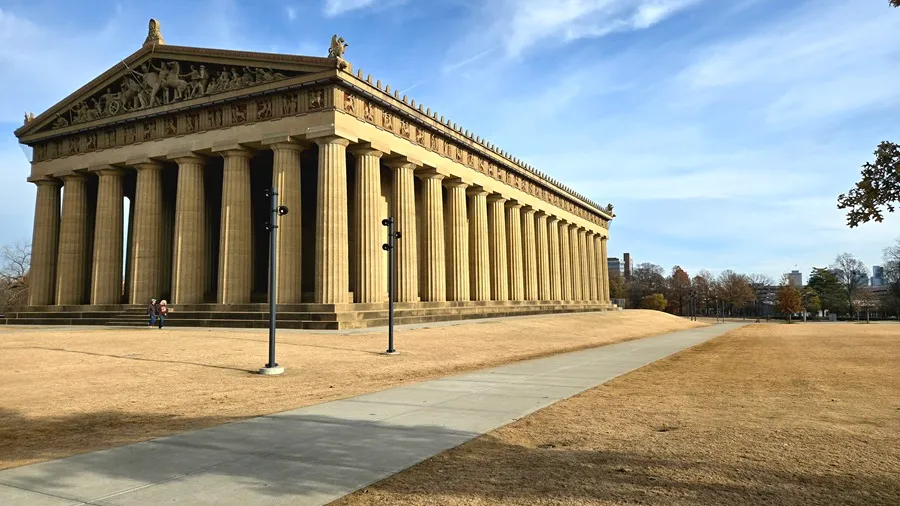
A trip to Nashville wouldn’t be complete without visiting The Parthenon, a full-scale replica of the ancient Greek temple, located in Centennial Park. Originally built in 1897 for Tennessee’s Centennial Exposition, this architectural marvel stands as a testament to the city’s dedication to art and history.
Inside, you’ll find a 42-foot statue of Athena, adorned with gold leaf and surrounded by intricate details that capture the essence of Greek mythology. The Parthenon also houses an impressive art museum featuring works from American artists, making it a cultural hub for visitors. Whether you’re a history buff, an art enthusiast, or simply looking for a serene spot to enjoy Nashville’s natural beauty, The Parthenon is a must-see.
Nashville’s reputation as the epicenter of country music is celebrated at the Country Music Hall of Fame and Museum. This iconic institution is home to a treasure trove of memorabilia, including costumes, instruments, and personal artifacts from some of the genre’s most legendary artists. Interactive exhibits allow visitors to explore the evolution of country music, from its roots to its modern-day influence. Highlights include the historic RCA Studio B, where legends like Elvis Presley and Dolly Parton recorded some of their greatest hits. Whether you’re a lifelong fan of country music or new to the genre, the museum offers a fascinating look at the stories and sounds that define Nashville.
For a sophisticated yet intimate dining experience, head to Black Rabbit , a chic restaurant and bar located in the Printers Alley neighborhood. The dimly lit, speakeasy-inspired setting creates an ambiance of mystery and charm, perfect for a romantic evening or a night out with friends. We stopped by for brunch and decided to try their biscuits n gravy, cinnamon role and breakfast tacos. Every item on the menu is scratch made and you can taste it in the food. If one thing is for certain, you will not leave hungry.
Nashville seamlessly blends its rich history with modern innovation, creating a destination that appeals to a wide range of interests. Whether you’re indulging in world-class cuisine, exploring cultural landmarks, or immersing yourself in the city’s vibrant LGBTQ scene, there’s something for everyone in Music City. With its welcoming spirit and endless opportunities for adventure, Nashville invites you to create memories that will last a lifetime.
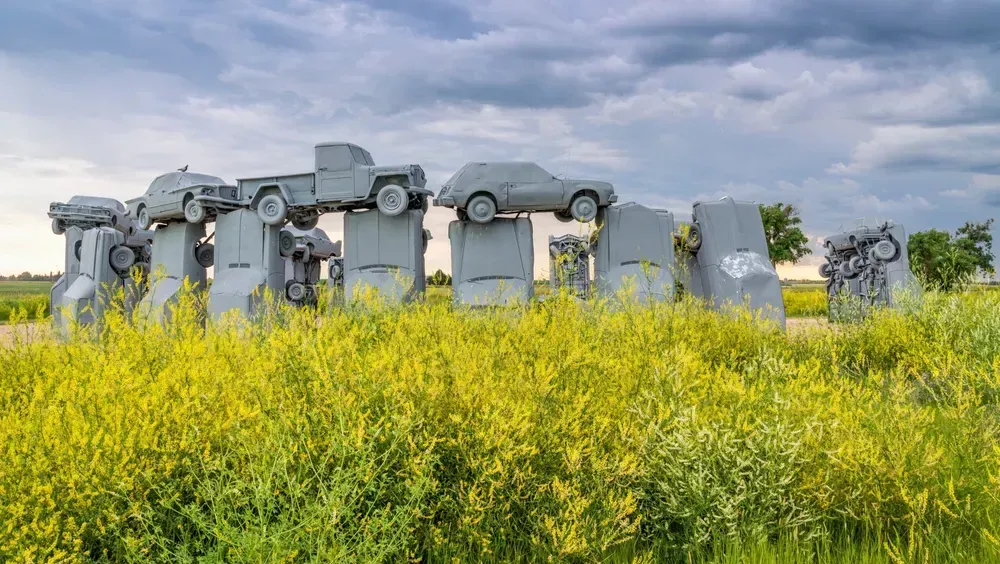
Alliance, Nebraska — Carhenge, the quirky Stonehenge-inspired sculpture made of old cars, stands out against the summer fields of yellow sweet clover. Created by Jim Reinders, it’s one of America’s most offbeat roadside attractions. Photo: Marekuliasz / ShutterstockPhoto Credit: Photo: Marekuliasz / Shutterstock via AP
Long known as a stretch of prairie most travelers pass over, Nebraska is working to change its reputation; the state’s “Good Life is Calling” campaign aims to redefine Nebraska’s image, highlighting communities where art, history, and outdoor recreation meet.
Long known as a stretch of prairie most travelers pass over, Nebraska is working to change its reputation. And in towns like Alliance and Valentine, visitors are discovering family-friendly adventures ranging from quirky roadside attractions to kayaking rivers under star-studded skies.
The state’s “Good Life is Calling” campaign aims to redefine Nebraska’s image, highlighting communities where art, history, and outdoor recreation meet. For families willing to look beyond the highway, small towns are offering experiences that blend affordability, adventure, and the kind of warm welcome that makes visitors feel at home.
Alliance: Arts, Americana, and a Car Sculpture ParkAlliance, a town of about 8,000 in western Nebraska, has developed a reputation for creativity and community spirit. At the edge of town sits Carhenge, a replica of England’s Stonehenge built entirely from vintage cars. The roadside attraction, once considered a curiosity, has become a centerpiece of the town’s identity, drawing travelers off U.S. Highway 385 to wander among the painted autos arranged in a circle.
Downtown, families find a slower pace and a creative undercurrent. The Carnegie Arts Center, housed in a restored library, showcases regional artists, children’s workshops, and traveling exhibits that connect small-town Nebraska with the broader art world.
Just outside town, Dobby’s Frontier Town offers a hands-on history lesson: a reconstructed pioneer settlement with clapboard storefronts, log cabins, a saloon, and even a jailhouse where kids and adults alike can imagine life in another era.
Hannah Robinson, who grew up in Alliance, left for college but later chose to return. Now working with Box Butte Development Corporation, she helps promote tourism in the region. Robinson says she takes pride in her hometown and enjoys showing visitors what makes Alliance a unique place.
Valentine: Where the Sandhills Meet the River
About three hours northeast, Valentine sits in the heart of Nebraska’s Sandhills, a region of rolling grass-covered dunes that feels far removed from the interstate. For families, the town of roughly 2,700 offers a gateway to outdoor recreation.
The Niobrara River winds through the valley, drawing kayakers and tubers during the summer months. Outfitters line the riverbanks, offering equipment rentals and shuttles, making it easy for families to float past limestone cliffs, waterfalls, and cottonwood groves. Along the way, it’s not uncommon to spot bald eagles overhead or deer grazing on the bluffs.
At Smith Falls State Park, visitors hike a short trail to Nebraska’s tallest waterfall, cascading 63 feet into the Niobrara. The nearby Fort Niobrara National Wildlife Refuge offers another side of the outdoors, with trails through prairie grasslands and the chance to see herds of bison and elk.
Evenings bring a quieter kind of adventure. At the Nebraska Star Party, held near Merritt Reservoir, visitors spread blankets on open fields to take in some of the darkest skies in the Midwest. Bob Rose, a resident of Tucson, Ariz., came once and was so impressed he returned this year. “The sky is unbelievable,” he said. “I had such a great time last year that I decided to come back again.”
Locals Who Open Their Doors and Hand Over KeysVisitors often talk about Nebraska's attractions, but many say it’s the people who leave the lasting impression. When my rental car fell through, Jordan Diedrich of Twin Cities Development Association handed over his own keys for the week, no questions asked. “That’s just the way people are here,” a fellow resident said. “You look out for each other.”
Hospitality also runs through the Valentine's tourism office. Regina Osburn, tourism director in Valentine, is known for her enthusiasm and local knowledge. “She has so much love and passion for her job that she can recommend the perfect activities for every type of family and vacation,” one visitor said. “Stop in and chat with her, and you’ll leave with more ideas than you have time to try.”
The sense of community extends to those who have chosen Nebraska as home. At one riverside park, a staffer from Iowa said he moved to Valentine because he loved the outdoor lifestyle. “Working along the Niobrara has been my favorite job ever,” he said, gesturing to the river. “I get to spend my days outside, surrounded by this.”
A Community That Calls People Back
While the attractions make for good itineraries, locals say what keeps people rooted is harder to quantify. Again and again, residents tell a similar story: they grew up in towns like Alliance or Valentine, left for school or careers, and eventually found their way back.
“There’s nowhere else that gives you the same sense of home,” said one Valentine resident. “You know your neighbors. People show up for each other. That’s something families feel when they visit, too.”
That sense of belonging is part of what Nebraska is banking on with its tourism push. The “Good Life is Calling” campaign doesn’t just sell attractions; it sells the idea of community as part of the travel experience.
Affordable, Approachable, and Authentic
For families weighing vacation options, Nebraska’s appeal lies in both affordability and authenticity. Lodging in small towns often comes at a fraction of big-city rates, while outdoor attractions like the Niobrara or Dobby’s Frontier Town cost little more than the price of admission or a day’s rental.
At the same time, travelers can experience slices of Americana that feel less packaged than larger destinations. Small-town festivals, summer concerts, and local wineries provide an opportunity to slow down. Parents can share a bottle of Nebraska-made wine while kids play cornhole on the lawn — a simple moment that resonates long after the trip.
Redefining “Flyover Country”
For many travelers, Nebraska has long been shorthand for the miles between one destination and another. The campaign, and the communities behind it, are working to change that perception. In Alliance, the car sculptures of Carhenge now appear on postcards and tourism brochures. In Valentine, the Niobrara River has been recognized as a National Scenic River, raising its profile among paddlers and conservationists.
The combination of quirky attractions and natural beauty is winning converts. “I came with no expectations and left with a list of things I still want to do,” said one visitor after kayaking the river and attending a dark sky party. “It feels like discovering a hidden part of America.”
by Chantelle Kincy | Travelbinger
Copyright Associated Press. All rights reserved. This material may not be published, broadcast, rewritten, or redistributed.
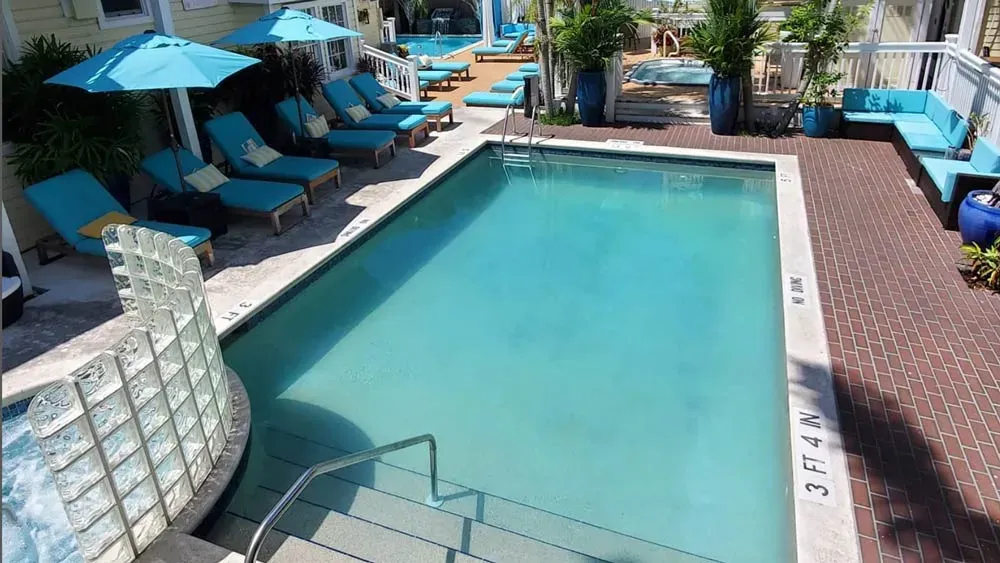
The Equator Resort in Key West stands out as a beacon of queer inclusivity, offering a welcoming and affirming environment for travelers in one of the world’s most storied queer destinations.
Key West is famed as an LGBTQ+ haven, attracting visitors from around the globe since the 20th century with its laid-back ambiance, progressive values, and vibrant queer culture. The Equator Resort, nestled just off the historic Duval Street, has become a standout establishment for LGBTQ+ travelers seeking not just a place to stay, but a community to join. Local businesses and hotels in Key West, including the Equator Resort, are celebrated for flying the rainbow flag year-round, signaling openness and a steadfast commitment to inclusivity .
The Equator Resort is specifically marketed and designed as an adult, clothing-optional resort catering primarily to gay men, but its ethos of inclusivity and support extends to all LGBTQ+ identities. The staff is trained to affirm and respect diverse gender identities and sexual orientations, ensuring that every guest feels valued and safe during their stay. In a region where queer travelers have sometimes faced discrimination elsewhere, the Equator Resort’s explicit policy of welcome is both a relief and a joy for guests. As noted in coverage of Key West’s tourism, acceptance “lingers in the air all year round,” with local businesses like the Equator Resort upholding this tradition not just during Pride, but every day .
Key West’s reputation as an LGBTQ+-friendly destination is rooted in decades of activism and community-building. The city’s famous “One Human Family” motto is reflected in its annual Pride festivities, drag shows, and inclusive nightlife, but also in the everyday experiences of travelers and residents alike. The Equator Resort participates in community outreach efforts such as supporting local LGBTQ+ charities, contributing to Pride events, and collaborating with advocacy organizations to ensure equitable treatment for all visitors . With amenities like pool parties, social mixers, and group excursions, the resort fosters organic connections among guests and helps newcomers feel immediately at home.
The importance of spaces like the Equator Resort extends beyond hospitality—they serve as informal centers of advocacy and support for LGBTQ+ people, especially those traveling from less accepting regions. By modeling best practices in inclusivity, the resort influences other businesses in Key West and beyond to adopt similar policies. Its visible support for all members of the LGBTQ+ community, including transgender people and nonbinary guests, sets a high bar for what affirming travel experiences can and should look like .
Travelers consistently report feeling not just tolerated, but celebrated at the Equator Resort, with staff and management taking active steps to address any concerns related to identity, safety, and comfort. The resort’s official materials and online presence stress that guests of every background are welcome, and policies are in place to address discrimination or harassment swiftly and decisively .
For many LGBTQ+ travelers, the ability to be open about their identities while on vacation is more than a luxury—it is a necessity. The Equator Resort’s visible celebration of queerness, from its staff policies to its participation in Key West’s legendary drag brunches and Pride parades, offers a sense of belonging that can be difficult to find elsewhere. This visibility is especially meaningful for guests from countries or states where LGBTQ+ rights are under threat or where public expression is limited .
Key West’s enduring status as a queer-friendly destination is inextricably linked to the success and practices of local businesses like the Equator Resort. By providing a safe, affirming, and joyful environment, the resort not only enhances the travel experience, but also strengthens the broader movement for LGBTQ+ acceptance and equality—one guest at a time.
Route 66 may be best known for classic cars, retro motels and neon signs, but its walls tell their own story. Across eight states and more than 2,400 miles, murals celebrate the people, places and pop culture that have shaped the Mother Road for nearly a century.
Route 66 may be best known for classic cars, retro motels and neon signs, but its walls tell their own story. Across eight states and more than 2,400 miles, murals celebrate the people, places and pop culture that have shaped the Mother Road for nearly a century.
Some works reflect the golden age of road travel. Others reimagine historic moments, celebrate community identity or simply invite travelers to slow down and look closer. From Lake Michigan to the Pacific Ocean, you'll find these colorful creations splashed across old brick buildings, gas stations, fences and even motels. They may be painted on brick and stucco, but these murals turn otherwise forgettable walls into something worth pulling over for.
Murals in Illinois
In the Land of Lincoln, Route 66 travelers are greeted by a trail of vibrant postcard-style murals stretching from Chicago to Collinsville. These large-scale artworks showcase iconic landmarks and slogans from each stop along the Mother Road.
Pontiac stands out as a mural hotspot, home to more than two dozen public artworks. The most photographed piece is the large Route 66 shield mural on the side of the Illinois Route 66 Hall of Fame and Museum, which is designed for drivers to pull up and snap a picture with their vehicle.
Murals in Missouri
In the Show Me State, Cuba proudly claims the title of Route 66 Mural City. This small town features 14 public artworks that depict scenes from both local and national history, including visits from Harry Truman, Amelia Earhart and Bette Davis.
In Joplin, travelers can visit the Route 66 Mural Park, where a cherry red 1963 Corvette bursts from the wall. Downtown Joplin also features several large-scale murals, but the most significant is inside City Hall. "Joplin at the Turn of the Century" was painted by Thomas Hart Benton and remains the famed artist's final signed work. Just down the hall, his grandson added a mural that captures the city during Route 66's heyday, blending artistic legacy with road trip nostalgia.
Murals in Kansas
The Sunflower State may claim the shortest stretch of Route 66 with just 13 miles of the iconic highway, but it still delivers plenty of mural charm. In Galena, the "Greetings from Galena" mural offers a colorful photo op with a vintage postcard design that reflects the town's mining roots and Route 66 pride.
Just down the street, a pair of dueling billboard murals, one for Coca-Cola and the other for Pepsi, adds a playful touch to the historic downtown. These side-by-side artworks reflect both advertising nostalgia and the friendly rivalry that shaped American pop culture, turning a small corner of Southeast Kansas into a must-see mural stop.
Murals in Oklahoma
The Sooner State is rich in Route 66 history, and its mural scene reflects that deep connection. From Claremore's Route 66-themed wall art to Edmond's colorful welcome mural, small towns contribute vibrant slices of local pride. But it's Tulsa that leads the state's mural movement.
With 28 miles of the Mother Road running through its core, Tulsa showcases several impressive, large-scale artworks. Road trippers can see many of these works near Route 66 landmarks such as the Meadow Gold sign and Mother Road Market, which blend public art with dining, history and roadside nostalgia.
Murals in Texas
Route 66 murals in the Lone Star State are bold and larger-than-life. In Shamrock, murals feature vintage cars, neon signs and the town's famous U-Drop Inn. In Amarillo, the largest city along the Panhandle's stretch of the Mother Road, red trucks cruise across city maps and sunsets glow behind technicolor cacti. These murals blend Western grit with pop-art flair, celebrating Texas heritage with boots, hats and a wink of Western flair.
Murals in New Mexico
The Land of Enchantment's murals mix nostalgia with Native, Hispanic and roadside influences, showcasing the state's deep cultural roots in desert tones along this sunbaked stretch of Route 66. In Tucumcari, there are now almost 100 murals, many painted by the husband-and-wife team of Doug and Sharon Quarles. They feature desert landscapes, vintage cars and nods to the Mother Road's heyday, turning buildings along Tucumcari Boulevard into a drive-by gallery.
In Albuquerque, one standout is at Garcia's Kitchen, where vivid florals and local symbolism pay tribute to the city's heritage and culinary roots. Farther west, Gallup honors its cultural diversity with more than 20 murals spread across three self-guided mural walking tours.
Murals in Arizona
In Flagstaff, one impressive mural stretches a full city block as it chronicles the history of Route 66. "The Mother Myth of Route 66" spotlights the shifting identity of the road and the people who traveled it. Migrants, classic cars and neon signs come together in a visual timeline that blends historical imagery with symbolic storytelling.
In Kingman, the El Trovatore Motel is home to the world's longest Route 66 map: a 206-foot mural that tracks the highway's full route from Chicago to Santa Monica. Its illustrated landmarks offer a state-by-state preview of the 2,448-mile journey along Route 66, painted directly onto the motel's stucco exterior.
Murals in California
As Route 66 rolls into the Golden State, murals along its final miles reflect both the vast desert landscapes of the Mojave and the promise of the Pacific ahead. In Needles, a cheerful mural near the museum features Spike, Snoopy's desert-dwelling brother from Charles Schulz's "Peanuts" comic strip. He stands alongside a Santa Fe train and a Mojave tortoise, set against a rocky backdrop and a U.S. flag that nods to local history and Americana.
Farther west in San Bernardino, the McDonald's Museum, housed in the chain's original fast-food location, includes several exterior murals that reflect fast-food nostalgia and the golden age of car culture. In Claremont, a mural inside the historic Wolfe's Market illustrates local landmarks in soft pastels, bridging Route 66's roadside Americana with the city's own century-old story.
Continuing westward, Pasadena's murals lean more artistic. One vibrant piece, "Sunset Symphony," places the city's domed city hall among orange blossoms and glowing skies, blending realism with postcard fantasy. Just around the corner, a bold "Greetings from Pasadena" mural uses classic block letters filled with references to Jackie Robinson, Van Halen and the Rose Parade.
How to best experience Route 66 murals
Route 66 murals often appear on the sides of historic buildings, in downtown districts or even on fences and retaining walls. To capture them clearly, photographers should aim for morning or late afternoon light, avoiding the harsh midday sun. Travelers should respect private property and avoid blocking local driveways or walkways.
Because some murals may be newly painted or temporarily covered, it's helpful to check visitor center websites or community social media pages for the most recent updates. Many towns also offer printed or digital mural maps to guide walking tours. Whether snapping a quick photo or planning a longer stop, appreciating these public artworks adds another layer of discovery to the classic American road trip.
The Mother Road's most colorful storytellers
Woven into the fabric of this historic highway, Route 66 murals offer a century of vivid, street-level views of American culture. They echo the past, celebrate the present and invite anyone passing by to slow down and see what makes each place unique.
Sage Scott is a travel writer and photographer who was bitten by the travel bug as a preschooler when her family moved abroad for the first time. She recently checked a classic road trip off her bucket list by driving all 2,448 miles of Route 66, from Chicago to Santa Monica. Follow her adventures at Everyday Wanderer.
by Sage Scott
Copyright Associated Press. All rights reserved. This material may not be published, broadcast, rewritten, or redistributed.
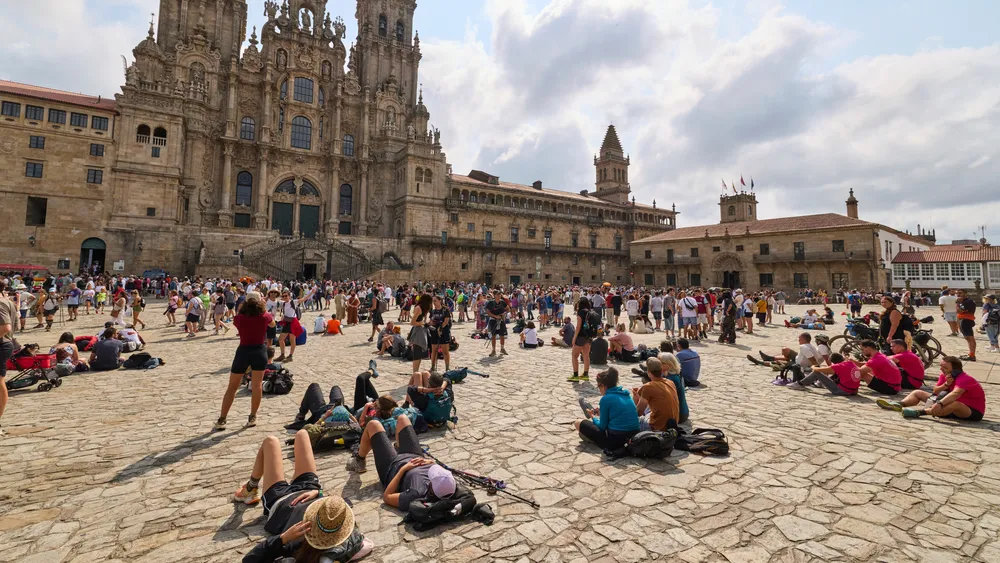
Pilgrims and tourists rest in front of the cathedral in Santiago de Compostela, northwestern Spain, Thursday, Aug. 21, 2025. Photo Credit: AP Photo/Lalo Villar
Residents of Santiago de Compostela are struggling with overtourism
SANTIAGO DE COMPOSTELA, Spain (AP) — While some Barcelona residents sought to repel a tsunami of tourists with plastic water pistols, a neighborhood association in Santiago de Compostela opted for a friendlier approach: a guide to good manners for visitors to their town, the endpoint of the Catholic world's most famous pilgrimage.
Translated into several languages, the group posted it throughout the northwestern Spanish city and distributed it at its ever-growing number of hostels. It reminded tourists to keep noise down, respect traffic rules and use plastic protectors on hiking poles to avoid damaging the narrow cobblestone streets, among other things.
To little avail, it would seem. Large groups still take over the streets singing hymns, bikes ride in the wrong direction and metal pole tips clatter against the ground. Santiago's social media is awash with photos denouncing a lack of decorum.
Tourists' greater offense, though, stems from their sheer numbers; the old town and squares surrounding the cathedral holding the reputed tomb of Saint James the Apostle — and that was the center of town life for a millennium — today are almost exclusively the domain of outsiders, whose influx has served to expel residents. This dynamic has left Santiago emerging as the latest global destination where longtime residents have grown embittered by the overtourism transforming their community.
“We do not have tourism-phobia. We have always lived in harmony with tourism, but when it gets out of hand, when the pressure goes beyond what is reasonable, that is when rejection arises,” said Roberto Almuíña, president of the neighborhood association in the old town that's a UNESCO World Heritage site.
Scenery for visitors
The “Camino de Santiago,” known in English as the Way of St. James, dates back to the 9th century, with pilgrims following its converging trails for up to hundreds of kilometers on paths originating in Portugal and France. The modern popularity it gained with the 2010 film “The Way” starring Martin Sheen was turbocharged more recently by social media and experience-driven travel after the coronavirus pandemic.
Last year, a record half-million people signed up to trek one of the approved routes to the cathedral — equal to five times the city’s resident population, and marking a 725-fold increase over the last four decades. Added to those masses are ordinary tourists not arriving by trail.
The proliferation of short-term rentals drove annual rent prices up 44% from 2018 to 2023, according to a study commissioned by the city council to the Fundación Universidade da Coruña. That led municipal authorities in May to request the regional government classify the area as a high-pressure zone, like Barcelona or San Sebastian, which would help to limit rent increases.
Already, last November, Santiago's city council enacted a ban on Airbnb-style tourist accommodations in the historic center, arguing at the time in a statement that it was “a necessity arising from its significant growth, which has clear effects on the number of housing units available for residents and on their price.”
Sihara Pérez, a researcher at the University of Santiago, described finding anywhere to rent in the city as “mission impossible,” while Antonio Jeremías, 27, told The Associated Press that he's considering moving back in with his mother, because his salary working full-time at a warehouse isn’t enough to make ends meet.
Andrea Dopazo, 32, tried to move out of her parents’ house in a neighborhood located fully 5 kilometers (3 miles) from the city center. But her desire to continue living in the place where she grew up and community ties are strong proved futile, and she had to take something in a town outside Santiago.
“The only people who have been able to stay in the neighborhoods are those who have been lucky — or unlucky — enough to inherit an apartment from their grandparents, uncles or parents,” said Dopazo, who works in human resources.
Across Spain, there have been major street protests against unaffordable housing, with many linking the housing crunch to tourists gobbling up short-term rentals.
Breaking the rules
In the old town, tourists can stay in small hotels in former homes or huge hostels converted from former seminaries, which aren’t subject to the ban. But in the hustle to cash in, some short-term rentals are apparently flouting the restriction, evidenced by tenants collecting keys from lockboxes hung outside buildings.
“Some follow the rules and others don’t, but this is the model that is really limiting residential housing,” said Montse Vilar, from another neighborhood group, Xuntanza.
Santiago’s City Hall told The Associated Press in a statement that it is “doing everything in its power to enforce the regulations” and that it takes action whenever it detects a case of an illegal apartment housing tourists.
Between 2000 and 2020, the historic center lost about half its permanent population, now reduced to just 3,000 residents who “resist like the Gauls” behind buildings' thick stone facades, Almuíña said. There are no hardware stores or newsstands left, and just one bakery. A couple grocery stores coexist with cafes, ice cream parlors and souvenir shops.
“The city has emptied out. You only have to take a walk to see that all we've got are closed, abandoned buildings that are falling apart,” Almuíña added.
Spirituality
This year, the number of pilgrims reaching Santiago is on track to set another record. The surge is further souring Santiago's residents on their city's tourism-centric economic model; already half of them rejected it as of 2023, up from just over one-quarter a decade earlier, according to a study conducted by Rede Galabra, a research group focused on cultural studies at the University of Santiago.
Even some of the pilgrims are noting a shift, like Spaniards Álvaro Castaño and Ale Osteso who met on the route four years ago and have returned every year since.
“The Camino is becoming more and more known, many more people are coming,” Osteso said one recent morning at the end of their trek, among tour groups of pilgrims in bright, color-coordinated outfits and families snapping pictures. “Spirituality seems to have been a little lost at times.”
by Teresa Medrano
Copyright Associated Press. All rights reserved. This material may not be published, broadcast, rewritten, or redistributed.