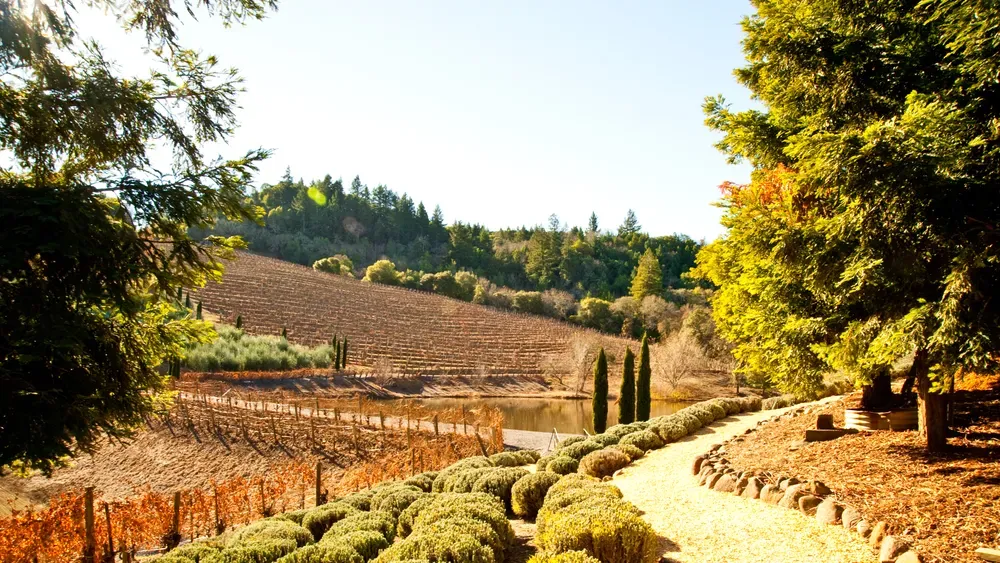
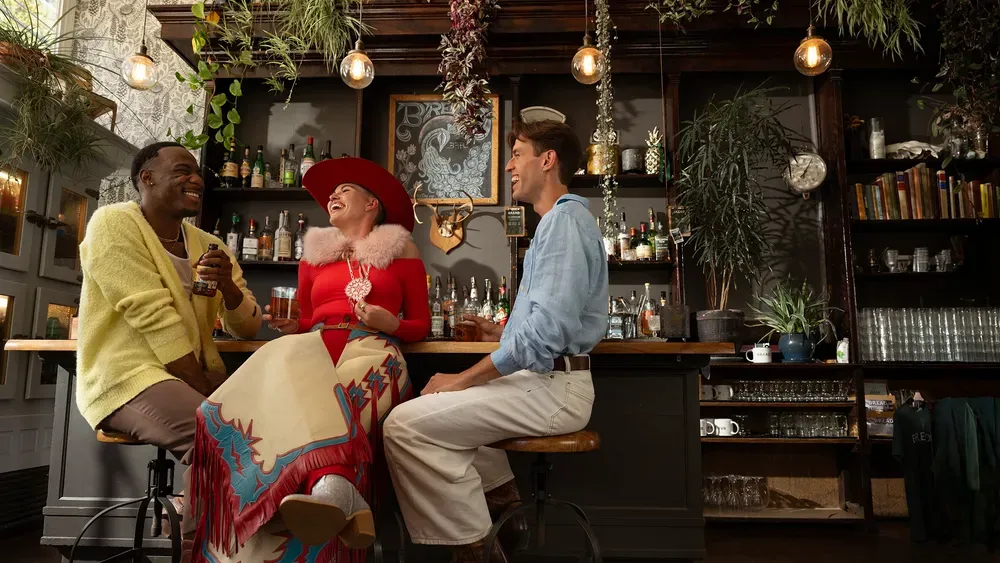
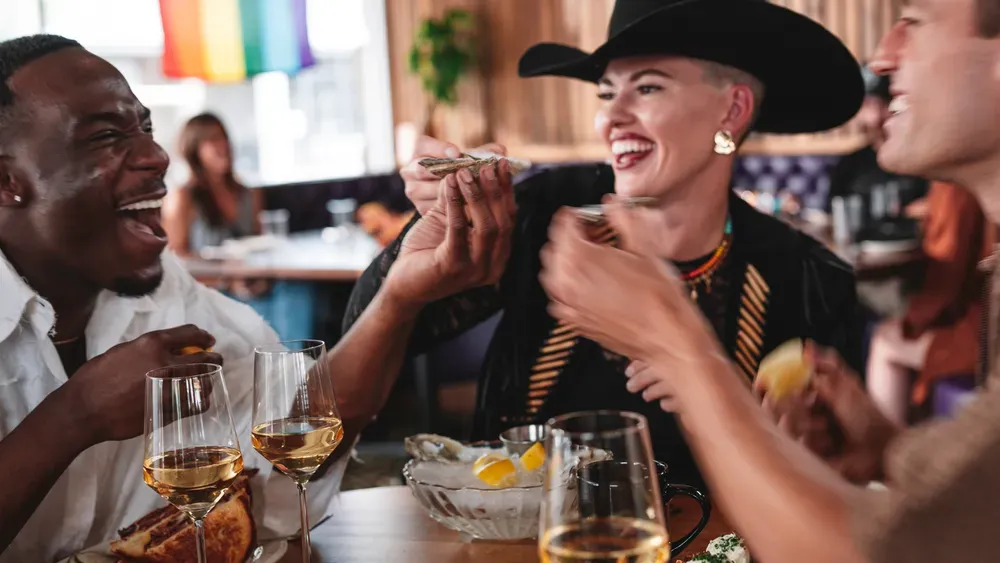
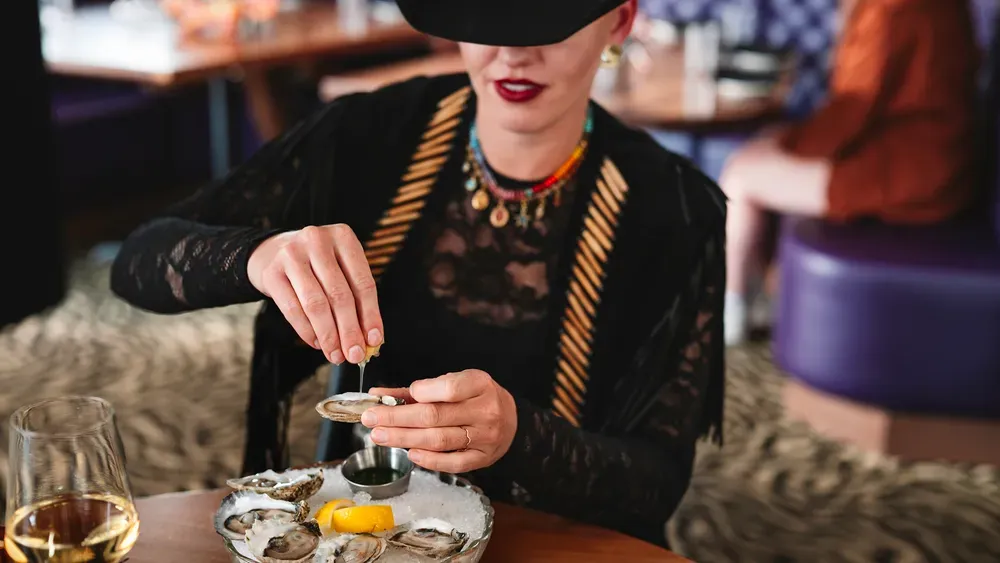
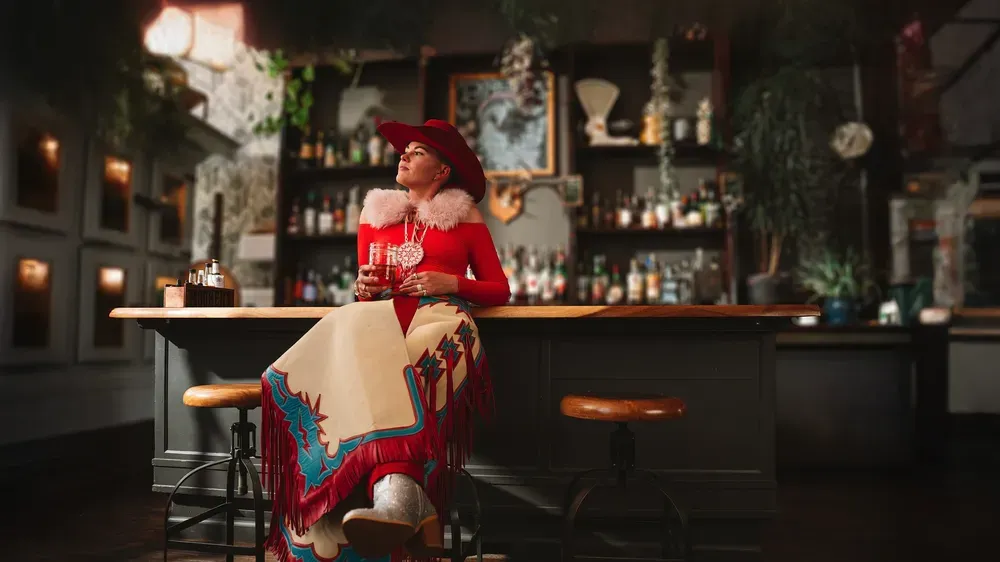
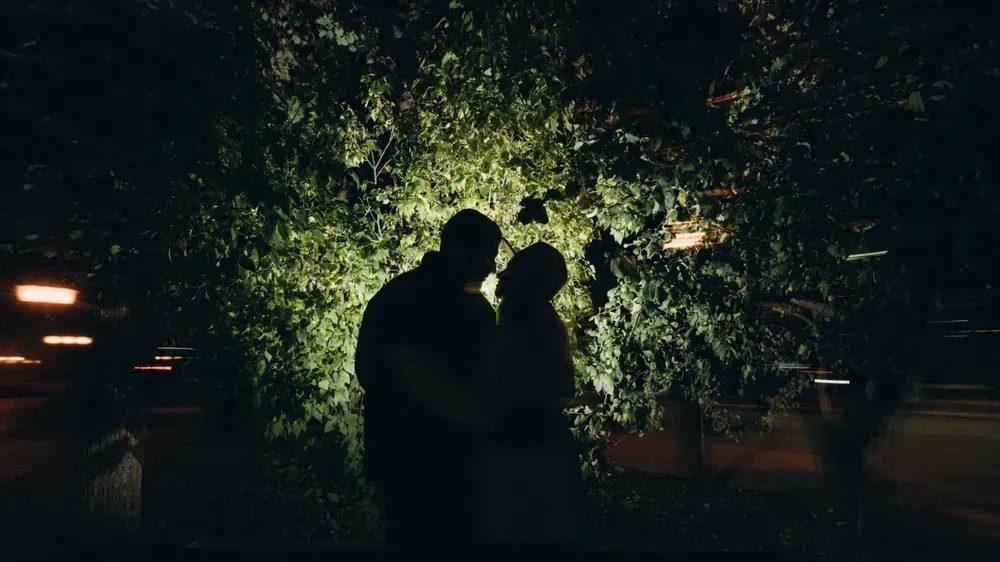
In the heart of California’s wine country, Healdsburg is quietly transforming into one of North America’s most welcoming destinations for LGBTQ+ travelers.
For decades, established hubs like Provincetown, Palm Springs, and Seattle have dominated the itineraries of LGBTQ+ travelers seeking affirming spaces and visible community. But as queer travelers look for unique, authentic, and less-crowded experiences, smaller towns are rising as destinations in their own right. Among them, Healdsburg—a picturesque town in Northern California’s Sonoma County—has emerged as a standout, quietly building a reputation for genuine inclusivity and dynamic queer culture .
Unlike some destinations that market to LGBTQ+ visitors only during Pride season, Healdsburg’s queer-friendliness is woven into everyday life. The town center, anchored by its historic plaza, is dotted with LGBTQ+-owned shops, art galleries, and farm-to-table restaurants. This year, Out in the Vineyard—a locally based, LGBTQ+-owned tour company—has expanded its offerings, collaborating with queer winemakers and chefs to create immersive tasting experiences that celebrate diversity in the wine industry .
Out in the Vineyard’s signature events, such as their annual Big Gay Wine Weekend, have become a significant draw. Guests are welcomed not just as tourists, but as participants in Healdsburg’s evolving queer narrative—one that honors both visibility and intersectionality. The company’s founder, Gary Saperstein, notes: “Healdsburg is different because you’re not just tolerated here—you’re celebrated. The whole community is involved, from wineries to local artisans” .
Healdsburg’s appeal isn’t limited to its famed Pinot Noir. The town boasts a year-round calendar of queer-inclusive events. Local galleries frequently host LGBTQ+ artists, and Healdsburg Center for the Arts supports exhibitions that uplift queer voices. Seasonal food festivals and farmers’ markets double as safe spaces, with rainbow flags displayed alongside heirloom tomatoes. In recent years, the town has hosted pop-up drag brunches and dance parties in collaboration with Bay Area performers, drawing diverse crowds from across Northern California .
Unlike the fast-paced nightlife of larger cities, Healdsburg offers a more relaxed—yet no less vibrant—social scene. Local favorites include LGBTQ+-owned coffee shops and tasting rooms that become informal gathering spots, where visitors can connect with residents and fellow travelers.
Healdsburg’s hospitality extends to all members of the LGBTQ+ spectrum. Businesses have undergone inclusivity training, and many accommodations explicitly welcome transgender people, non-binary travelers, and families with queer parents . Local advocacy groups work with city officials to ensure that town policies and public spaces remain accessible and affirming. For instance, gender-neutral restrooms are now standard in many restaurants and tasting rooms, and the local library regularly hosts story hours featuring LGBTQ+ authors .
Healdsburg’s emergence as a queer destination is timely. Many LGBTQ+ travelers report seeking smaller, community-driven destinations where they can relax, connect, and contribute meaningfully to local economies . The town’s leadership has embraced this shift, launching visitor initiatives that highlight queer-owned businesses and events. As a result, Healdsburg’s reputation is growing—yet, for now, it retains an intimate, off-the-beaten-path charm.
Travelers can expect a welcoming experience year-round. Fall, in particular, is ideal: the grape harvest brings crisp weather, golden vineyards, and a bustling festival calendar. Winter offers cozy tasting rooms and art walks, perfect for those who prefer a slower pace and fewer crowds .
Healdsburg is easily accessible from San Francisco , making it a convenient addition to any Northern California itinerary. Visitors are encouraged to explore beyond the town: the surrounding Russian River Valley is home to LGBTQ+-owned bed-and-breakfasts and scenic hiking trails. Transportation options include car rentals and regional buses; once in town, most attractions are walkable.
Accommodations range from luxury inns to charming guesthouses, many of which are owned or managed by queer locals. Advance booking is recommended during major events, such as Big Gay Wine Weekend and the town’s annual Pride festivities.
Healdsburg exemplifies how smaller communities can serve as models of queer inclusion—not just during high-profile events, but every day. Its evolution from a sleepy wine town to a vibrant LGBTQ+ sanctuary reflects broader trends in queer travel: a desire for authenticity, connection, and spaces where all identities are affirmed.
For LGBTQ+ travelers seeking a destination that is both welcoming and refreshingly genuine, Healdsburg offers a new kind of sanctuary—one where the wine flows, the welcome is heartfelt, and queer joy is celebrated year-round.
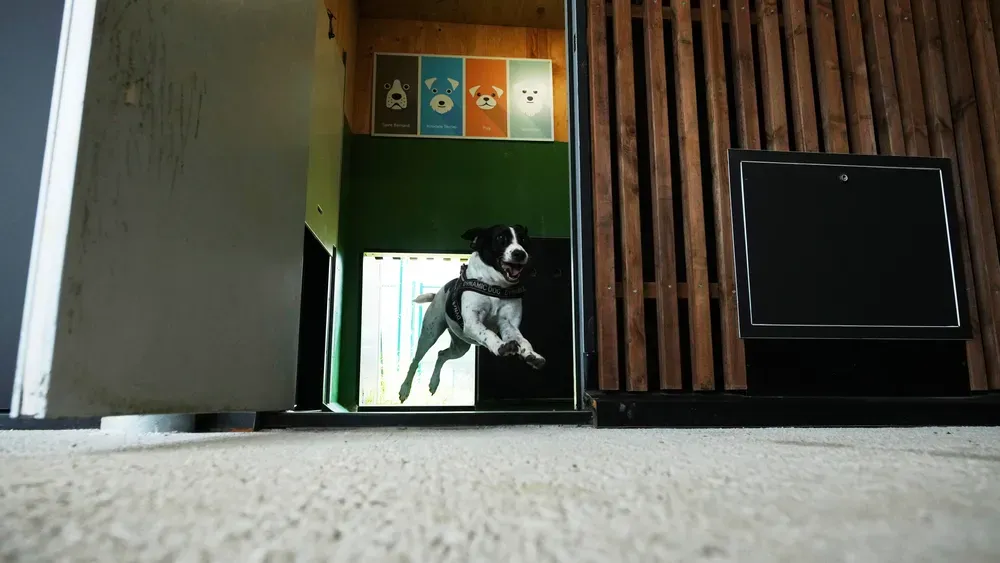
A dog named Zoe, runs out from one of the rooms of the Dog Relais, a hotel for dogs at Rome's Fiumicino International Airport, Wednesday, Sept. 17, 2025. Photo Credit: (AP Photo/Alessandra Tarantino)
Rome’s international airport has opened a dog hotel to make travel easier for pet owners
FIUMICINO, Italy (AP) — Dog owners often face a dilemma before traveling: leave your beloved pet with a sitter or at a kennel? Both require quite some planning and logistics, which can be stressful and time-consuming for fur parents.
Rome’s Fiumicino International Airport has sought to streamline the process by opening one of the first on-site hotels at a major European airport, following a similar initiative in Frankfurt. Dog Relais' workers even retrieve pups from the terminal so travelers can proceed straight to their flight.
“This project is fitting into a strategy to provide a very immersive experience to passengers,” said Marilena Blasi, chief commercial officer at Aeroporti di Roma, the company that manages Italian capital's two airports. “In this case, we provide services to dogs and the owners of the dogs.”
Basic rooms at the dog hotel cost about €40 ($47) and feature temperature-controlled floors and private gardens. More timid or solitary dogs can be placed in kennels at the edge of the facility, where they interact with staff rather than other dogs in the common grass pens. At night, ambient music that has a frequency with a low, soft tone — 432 hertz — designed for relaxation is piped in through the rooms’ speakers.
There are optional extras that range from the usual grooming, bathing and cleaning teeth services, to the more indulgent, such as aromatherapy with lavender or peppermint scents to help induce calm, or arnica cream rubbed into aching muscles and joints.
Owners unsatisfied with standard-issue webcams for checking in on their canines from afar can spring for a €60 (about $70) premium room equipped with a screen for round-the-clock videocalls. They can even pamper their pet by tossing a treat via an application connected to a dispenser.
The facility not only provides its services to travelers, but also to dog owners who need daycare.
Working in human resources for Aeroporti di Roma, Alessandra Morelli regularly leaves her 2-year-old, chocolate-colored Labrador Retriever there.
“Since I’ve been able to bring Nina to this dog hotel, my life, and the balance between my personal and professional life have changed because it allows me to enjoy my working day and my personal travels in total peace and tranquility,” said Morelli, 47.
Dario Chiassarini, 32, said he started bringing his Rottweiler puppy, Athena, to Dog Relais for training, another service on offer, because it's clean, well-organized and its location was easily accessible. And he said he plans to check his beloved pup into the hotel whenever he and his girlfriend need to travel.
“We will rely on them without hesitation and without doubt — both because we got to know the people who work here, which for us is essential, and because of the love they have for animals and the peace of mind of knowing who we are entrusting Athena to," said Chiassarini, who works in car sales. "It is certainly a service that, if we should need it, we will make use of.”
The dog hotel has proved popular so far. All 40 rooms were occupied in August, when Italians take their customary summer vacation and millions of passengers come through Fiumicino. Occupancy averaged almost 2/3 since doors opened in May, said Blasi.
The same month the dog hotel opened, Italy’s commercial aviation authority changed rules to allow large dogs to fly inside plane cabins for domestic flights, provided they are inside secured crates. The first such flight will take off on Sept. 23, according to transport minister, Matteo Salvini.
Salvini admits that while many are happy with having their pups on the plane, others may feel annoyed. However, at a pet conference on Sept. 16, he said: “We always have to use judgment, but ... for me it’s a source of pride, as well as a step forward from the point of view of civilization.”
___
Associated Press writer David Biller in Rome contributed to this report.
by Francesco Sportelli
Copyright Associated Press. All rights reserved. This material may not be published, broadcast, rewritten, or redistributed.
Guerneville, a small town nestled among the redwoods along California's Russian River, has long been celebrated as a welcoming haven for LGBTQ+ people.
Guerneville, tucked within Sonoma County’s majestic redwoods and skirted by the winding Russian River, has grown from humble logging roots into one of northern California’s most celebrated LGBTQ+ sanctuaries. Initially established in 1877 as “Stumptown” for its clear-cut forests, the town’s landscape and population shifted dramatically when the logging industry faded and the immense beauty of the area began to attract vacationers from the San Francisco Bay Area and beyond .
Railroads connected Guerneville to San Francisco, making it a beloved getaway for city dwellers from the late nineteenth century onward . However, as air travel became prevalent in the 1960s and disastrous floods swept through the region, Guerneville’s popularity as a mainstream vacation spot waned .
This downturn created a unique opportunity: as old resorts and hotels came up for sale, queer entrepreneurs and community members began purchasing properties, reimagining Guerneville as a safe and celebratory space for LGBTQ+ visitors. In 1978, Peter Pender, a Philadelphia native, bought a riverside hotel and renamed it Fife’s, inaugurating the town’s first openly gay resort . Other iconic venues soon followed, including The Woods, Highlands Resort, The Rainbow Cattle Company, and The Triple R Hotel, each catering to a growing clientele eager for community and acceptance .
These establishments thrived during the sexual liberation movement of the late 1970s and early 1980s, drawing crowds from San Francisco and across the nation. Guerneville became renowned for its vibrant nightlife, legendary dance floors, and star-studded performances, featuring disco icons such as Sylvester and Angela Clemmons .
Guerneville’s role as a sanctuary deepened during the HIV/AIDS epidemic of the 1980s and 1990s. Despite the devastating impact on local businesses and visitors, the town’s LGBTQ+ community remained resilient. Notably, lesbian residents and visitors became primary caregivers for gay men affected by the epidemic, forging bonds of solidarity and compassion that are still honored in the structure and priorities of local organizations .
Many original resorts—The Rainbow Cattle Company, The Woods Cottages & Cabins, The R 3 Hotel, and The Highlands Resort—continue to operate, preserving the legacy of queer hospitality. Newer venues, such as the lesbian-owned Boon Eat + Drink and Boon Hotel + Spa, reflect ongoing innovation and commitment to LGBTQ+ inclusivity. Chef Crista Luedtke, owner of these establishments, has received national recognition for her work, appearing in outlets like The New York Times, Cosmopolitan, and Food & Wine .
Guerneville’s calendar is packed with LGBTQ+ events, drawing thousands from across the globe to celebrate identity, joy, and community.
- Lazy Bear Week is one of the largest annual gatherings for the “bear” subculture of gay men, raising significant funds for charity and fostering intergenerational connections. The 2024 edition is scheduled from July 29 to August 5 .
- Women’s Weekend Russian River, held each spring, creates dedicated space for LGBTQ+ women and allies to connect and celebrate .
- Russian River Pride is another cornerstone event, occurring this year from September 19 to 21, featuring parades, performances, and community outreach initiatives .
These festivals serve not only as celebrations but also as vital fundraising and advocacy opportunities, supporting local nonprofits and promoting broader LGBTQ+ rights.
Recent years have seen some transformation in Guerneville’s hospitality sector, with venues like Dawn Ranch (formerly Fife’s) shifting marketing away from LGBTQ+ audiences towards mainstream wedding and wine tourism . While some lament the loss of explicitly queer spaces, the town remains steadfast in its commitment to inclusivity, and local business owners continue to champion LGBTQ+ visibility and hospitality .
Guerneville’s enduring magic lies in its ability to adapt while honoring its roots as a place of refuge, celebration, and solidarity. The town’s story is a testament to what can be achieved when marginalized communities reclaim space, foster connection, and build lasting institutions.
Whether attending a festival, relaxing in a historic resort, or simply walking among the towering redwoods, visitors and residents alike experience firsthand the spirit of affirmation and belonging that defines Guerneville’s Russian River. As LGBTQ+ communities nationwide seek spaces that are truly welcoming, Guerneville stands as a model for both progress and preservation, offering inspiration for generations to come.
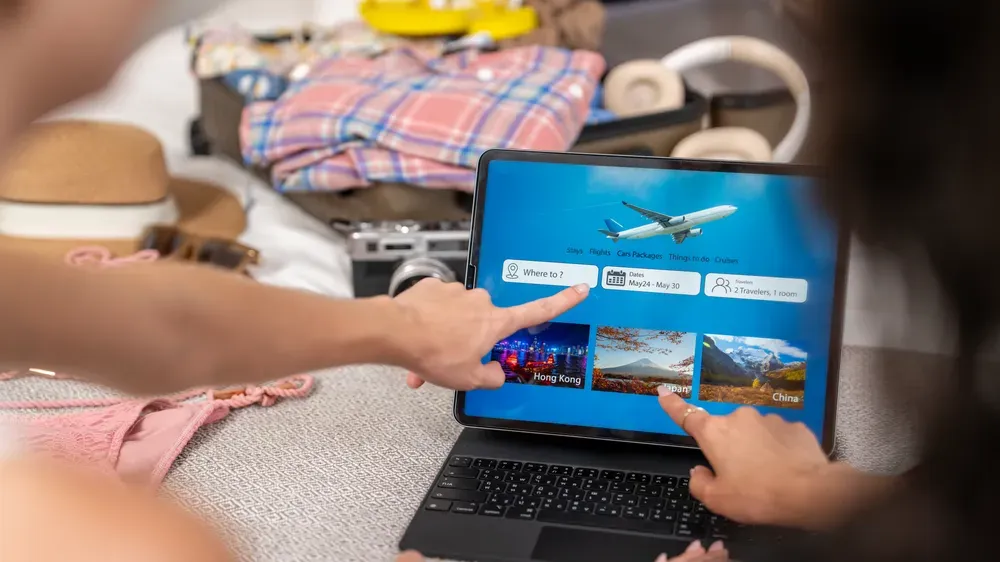
A majority of Americans are using AI, according to an Associated Press-NORC Center for Public Affairs Research poll, with 42% of leisure travelers using it to help research and plan vacations.
A majority of Americans are using AI, according to an Associated Press-NORC Center for Public Affairs Research poll, with 42% of leisure travelers using it to help research and plan vacations. However, those taking luxury getaways are increasingly using people to book holidays. Why? Because human expertise is still thriving.
“We’ve always believed that human connection would be the key to sustained competitive advantage – not in opposition to technology, but in concert with it – especially in the hands of skilled virtuosos,” said Virtuoso Chairman and CEO Matthew D. Upchurch, whose organization of 20,000 travel advisors is responsible for $35 billion in yearly travel bookings.
“I believe our futures depend on how we live in two rapidly changing ecosystems – technological and human – not just coexisting but actively blending and enhancing the two. We’ve been investing in scaling human connection for nearly four decades because travel advisors don’t just sell experiences; they are part of the experience.
The relationships our advisors nurture with our partners enhance the travelers’ experience, ultimately making them feel something special. The world is changing faster than ever, but what’s exciting is the head start we have in the human connection business – one that is global and a competitive advantage in luxury,” he adds.
In today’s dynamic and unpredictable world, luxury travelers are increasingly seeking expert guidance, personalized service, and reliability. Virtuoso reports a sustained 76 percent increase in consumers seeking out travel advisors via their website.
According to the Generative AI Working Group, these technology tools can create content that’s skewed, misleading, or inaccurate, yet they present it convincingly as correct. Their goal is to generate plausible content, not to verify its truth. No wonder less than a third of Kaspersky’s survey respondents trust AI for vacation planning.
“We receive ChatGPT-built itineraries from clients that include hotels that closed a year ago and restaurants that are closed the day they are planning to go,” shared Eli Wagner, Founder of Wagner Bespoke Travel, an affiliate of Coastline Travel.
“Millennials often come with itineraries created by AI, thinking they’re already perfect. While many of these plans are great, they still need fine-tuning by an expert,” adds Marcos Ramirez, luxury travel advisor at NUBA.
Travel is now a vital part of life as well as an investment of precious time and money, so people aren’t taking chances. Similar to a financial advisor, a travel advisor is now a strategic partner, not just handling transactions but helping to map out the next 10 years of clients' lives.
“Of course, they could do it themselves, but they don’t want to,” said Upchurch about today’s travel advisor use. “Why would they want to do it on their own?”
According to Virtuoso's 2025 Global Luxury Traveler Report, an annual survey of travelers across 17 countries, safety and security are of leading importance, with an added layer of protection coming in second. Perks, upgrades, exclusive access, and VIP accommodations, a combination that is impossible to replicate online, round out the driving factors.
“Experienced travelers know that arranging their trips through a travel advisor offers significant added value, as they gain access to exclusive perks and experiences they wouldn’t be able to reach otherwise. Even with the increasing use of AI, many of these experiences cannot be booked without a travel advisor, which is where their real value comes in,” explains Ramirez.
People who use a travel agent can receive resort credits, automatic upgrades, early and late check-out, and VIP services. For example, those who use a Virtuoso Travel agent to book an Explora Journeys cruise not only get the best price but can choose from complimentary custom in-port events that go well beyond the traditional shore excursion, a private car and driver in destination for independent exploration, or a shipboard credit to elevate their vacation.
More than half of Americans feel they don’t have enough time in the day for all their daily tasks, let alone plan vacations or figure out the best way to avoid crowds in popular destinations.
“During a hectic year, a travel advisor handled our annual adults-only getaway for the first time,” shared Daniel Jarrad. “ Kristin Scordilis recommended Atelier Playa Mujeres, which wasn’t even on our radar and doesn’t show up in the top-billed AI Overview or Google search results, despite receiving a Forbes Travel Guide Four-Star rating and "Best of the Best" designation from TripAdvisor. She knocked it out of the park. I never knew food could be that good at an all-inclusive resort.”
Families who are limited to school breaks for vacation often turn to a travel advisor to ensure these trips are still enjoyable. “In a world of crowded travel in peak seasons, working with an advisor is important. We will get families with the right suppliers and hotels to ensure they have a great experience,” adds Wagner.
by Monica Fish | Travelbinger
Copyright Associated Press. All rights reserved. This material may not be published, broadcast, rewritten, or redistributed.
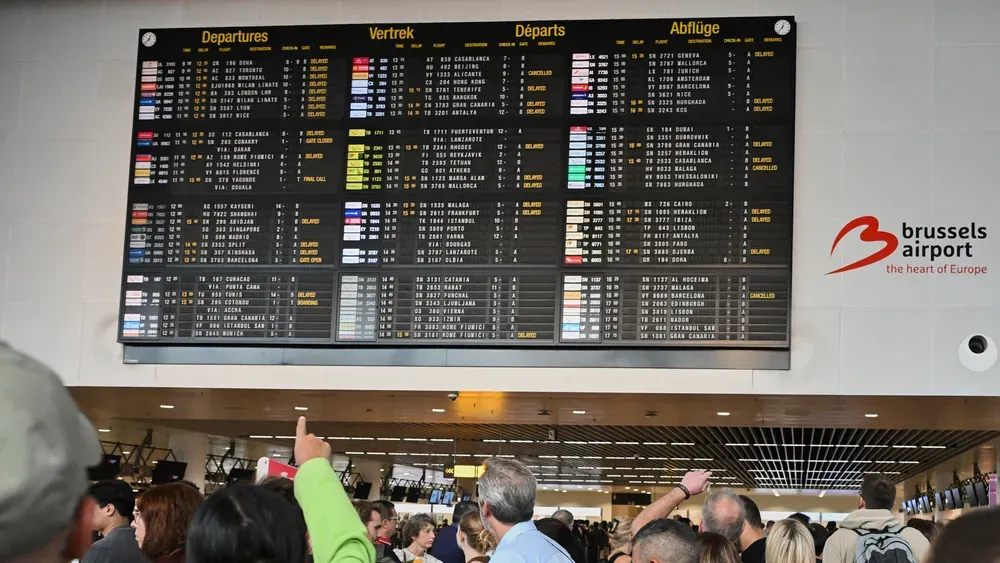
An airport employee points at a departure board after a cyber attack caused delays at Brussels International Airport in Zaventem, Belgium, Saturday, Sept. 20, 2025. Photo Credit: (AP Photo/Harry Nakos)
A cyberattack targeting check-in and boarding systems has disrupted air traffic at several major European airports
LONDON (AP) — A cyberattack targeting check-in and boarding systems disrupted air traffic and caused delays at several of Europe’s major airports on Saturday.
While the impact on travelers appeared to be limited, experts said the intrusion exposed vulnerabilities in security systems.
The disruptions to electronic systems initially reported at Brussels, Berlin's Brandenburg and London's Heathrow airports meant that only manual check-in and boarding was possible. Many other European airports said their operations were unaffected.
“There was a cyberattack on Friday night 19 September against the service provider for the check-in and boarding systems affecting several European airports including Brussels Airport,” said Brussels Airport in a statement, initially reporting a “large impact” on flight schedules.
Airports said the issue centered around a provider of check-in and boarding systems — not airlines or the airports themselves.
Collins Aerospace, whose systems help passengers check themselves in, print boarding passes and bag tags and dispatch their luggage from a kiosk, cited a “cyber-related disruption” to its MUSE (Multi-User System Environment) software at “select airports.”
‘A very clever cyberattack’
It was not immediately clear who might be behind the cyberattack, but experts said it could turn out to be hackers, criminal organizations, or state actors.
Travel analyst Paul Charles said he was “surprised and shocked” by the attack that has affected one of the world's top aviation and defense companies.
He said "it's deeply worrying that a company of that stature who normally have such resilient systems in place have been affected.”
“This is a very clever cyberattack indeed because it’s affected a number of airlines and airports at the same time — not just one airport or one airline, but they’ve got into the core system that enables airlines to effectively check in many of their passengers at different desks at different airports around Europe,” he told Sky News.
As the day wore on, the fallout appeared to be contained.
Brussels Airport spokesperson Ihsane Chioua Lekhli told broadcaster VTM that by mid-morning, nine flights had been canceled, four were redirected to another airport and 15 faced delays of an hour or more. She said it wasn’t immediately clear how long the disruptions might last.
Axel Schmidt, head of communications at the Brandenburg airport, said that by late morning, “we don’t have any flights canceled due to this specific reason, but that could change.” The Berlin airport said operators had cut off connections to affected systems.
Heathrow, Europe’s busiest airport, said the disruption has been “minimal” with no flight cancellations directly linked to the problems afflicting Collins. A spokesperson would not provide details as to how many flights have been delayed as a result of the cyberattack.
The airports advised travelers to check their flight status and apologized for any inconvenience.
Frustration at the counters
Some passengers voiced annoyance at the lack of staff. With many, if not most, checking in individually, airlines have reduced the number of people operating at the traditional check-in counters.
Maria Casey, who was on her way to a two-week backpacking holiday in Thailand with Etihad Airways, said she had to spend three hours at baggage check-in at Heathrow’s Terminal 4.
“They had to write our baggage tabs by hand,” she said. “Only two desks were staffed, which is why we were cheesed off.”
Collins, an aviation and defense technology company that is a subsidiary of RTX Corp., formerly Raytheon Technologies, said it was “actively working to resolve the issue and restore full functionality to our customers as quickly as possible.”
“The impact is limited to electronic customer check-in and baggage drop and can be mitigated with manual check-in operations,” it said in a statement.
Airline industry is vulnerable through the use of third-party platforms
Still, experts said the attack pointed to vulnerabilities — ones that hackers are increasingly trying to exploit.
Charlotte Wilson, head of enterprise at cybersecurity firm Check Point, said the aviation industry has become an “increasingly attractive target” for cybercriminals because of its heavy reliance on shared digital systems.
“These attacks often strike through the supply chain, exploiting third-party platforms that are used by multiple airlines and airports at once,” she said. “When one vendor is compromised, the ripple effect can be immediate and far-reaching, causing widespread disruption across borders.”
Experts said it was too early to tell who might be behind the attack, and were trying to read some clues.
“It looks almost more like vandalism than extortion, based on the information we have,” said James Davenport, a professor of information technology at the University of Bath in England. “I think significant new details would have to emerge to change this view.”
___
Keaten reported from Lyon, France.
by Pan Pylas and Jamey Keaten
Copyright Associated Press. All rights reserved. This material may not be published, broadcast, rewritten, or redistributed.
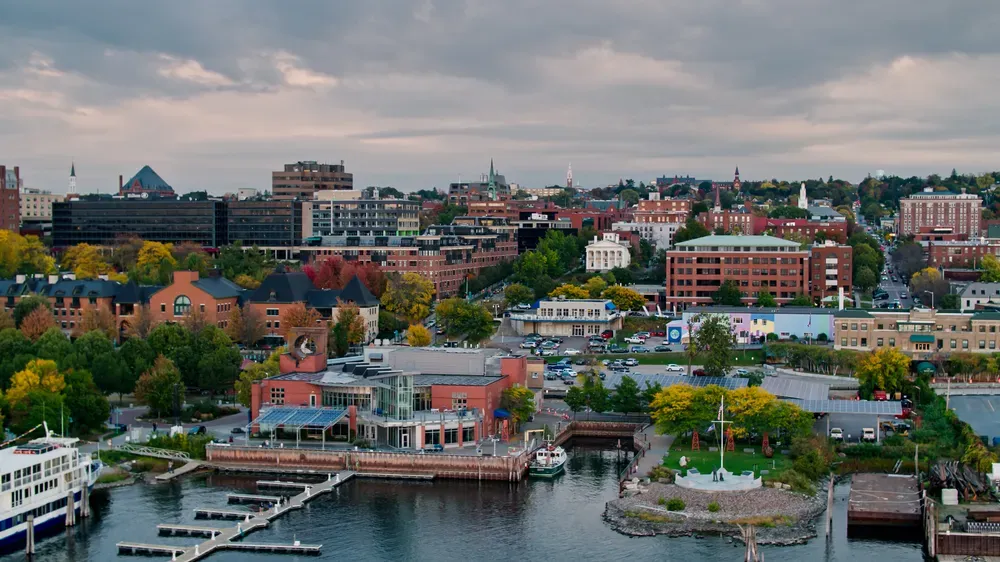
Nestled on the shores of Lake Champlain, Burlington, Vermont is quietly emerging as a vibrant, inclusive haven for LGBTQ+ travelers seeking authentic community and off-the-beaten-path charm.
Once overshadowed by coastal metropolises, Burlington, Vermont is now earning its place on the queer map. Known for its progressive values and picturesque setting, Burlington has recently seen a surge in LGBTQ+ visibility, community events, and policy milestones, ushering in a new era for travelers seeking destinations that are both welcoming and refreshingly genuine .
Burlington’s LGBTQ+ story reached a new milestone in 2025 with the city’s largest-ever Pride Parade, which drew thousands of participants and allies from across New England. Organized by the Pride Center of Vermont, this year’s event featured Vermont’s first all-transgender and nonbinary marching block, as well as the debut of the “Rural Rainbow” float, amplifying voices from Vermont’s smaller towns . Mayor Miro Weinberger, in his opening remarks, reaffirmed Burlington’s commitment to equity: “Burlington’s strength is its diversity, and we are proud to stand with our LGBTQ+ neighbors—today and every day” .
In addition to major public events, Burlington has taken concrete steps to support queer residents and visitors alike. In early 2025, the city council passed a resolution mandating LGBTQ+ cultural competency training for all public-facing municipal employees, including police, tourism staff, and healthcare workers . This move was lauded by local advocacy groups as a significant step toward ensuring safety and respect for all.
Burlington’s queer scene is refreshingly community-driven and intersectional. The city’s downtown is dotted with LGBTQ+-owned businesses, from the iconic Radio Bean café to the recently opened “Out in the Open” cooperative bookstore, which specializes in queer literature and hosts regular trans writers’ circles .
Nightlife in Burlington eschews the mega-club model in favor of intimate, creative spaces. The annual “Queer Prom” at ArtsRiot draws a multigenerational crowd, while the seasonal “Dyke Night” at Monkey House in nearby Winooski has become a staple for lesbian, bisexual, and queer women as well as nonbinary patrons . For transgender people, the monthly “Trans Joy” social, co-hosted by the Pride Center and local mutual aid groups, offers a vital space for connection and celebration.
Vermont’s famed natural beauty is a powerful draw. Increasingly, queer travelers are choosing Burlington as a base for outdoor adventure with a welcoming twist. The “Queer Peaks” hiking collective organizes monthly excursions into the Green Mountains, centering inclusivity and body positivity . Lake Champlain’s beaches and bike trails are popular for informal queer gatherings, especially during summer.
This year, the first annual “Rainbow Paddle” brought together over 100 LGBTQ+ kayakers and allies for an afternoon of visibility and fun on the water, a collaboration between the local OUTDOORS LGBTQ+ group and Burlington Parks & Recreation .
What sets Burlington apart is its focus on intersectionality and justice. The Pride Center of Vermont’s “Rural Rainbow Summit” in June 2025 convened LGBTQ+ activists and allies from across northern New England to discuss rural queer visibility, healthcare access, and mutual aid . The summit’s keynote, delivered by Two-Spirit educator Xander Bear of the Abenaki Nation, highlighted Indigenous LGBTQ+ perspectives and the need for solidarity across identities.
Burlington’s queer community also prioritizes mental health and safety, with the Safe Spaces program offering drop-in counseling and crisis support for LGBTQ+ youth and adults .
Burlington is accessible by air via Burlington International Airport, with direct flights from several major U.S. cities. Amtrak’s Ethan Allen Express now connects New York City to Burlington, offering a scenic and stress-free alternative . The city’s walkable downtown and robust public transit make it easy for travelers without cars to explore safely and comfortably.
Most hotels and guesthouses display “Rainbow Welcome” stickers, indicating participation in the city’s voluntary LGBTQ+ Safe Stay program, which requires annual staff training and explicit non-discrimination policies .
As anti-LGBTQ+ policies and rhetoric rise in some areas of North America, destinations like Burlington demonstrate the power of local action and community resilience. By centering intersectional advocacy, celebrating queer joy, and fostering authentic belonging, Burlington offers a model for inclusive travel that goes beyond rainbow capitalism.
For LGBTQ+ travelers seeking an escape that is both affirming and adventurous, Burlington, Vermont stands ready to welcome you—not just for Pride, but year-round.
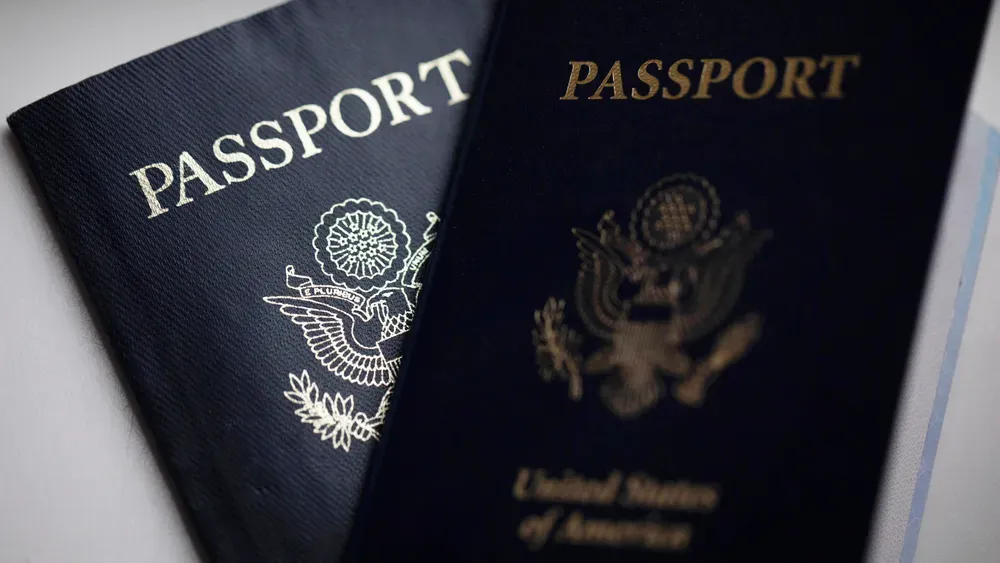
President Donald Trump’s administration is asking the Supreme Court to let it enforce a passport policy for transgender and nonbinary people requiring male or female sex designations based on birth certificates
WASHINGTON (AP) — President Donald Trump’s administration asked the Supreme Court on Friday to let it enforce a passport policy for transgender and nonbinary people that requires male or female sex designations based on birth certificates.
The Justice Department appealed a lower-court order allowing people use the gender or “X” identification marker that lines up with their gender identity.
It’s the latest in a series of emergency appeals from the Trump administration, many of which have resulted in victories amid litigation, including on banning transgender people from the military.
The government argues it can’t be required to use sex designations it considers inaccurate on official documents. The plaintiffs, meanwhile, say the policy violates the rights of transgender and nonbinary Americans.
The State Department changed its passport rules after Trump, a Republican, handed down an executive order in January declaring the United States would “recognize two sexes, male and female," based on what it called “an individual’s immutable biological classification.”
Transgender actor Hunter Schafer, for example, said in February that her new passport had been issued with a male gender marker, even though she submitted the application with the female gender marker she's used for years on her driver's license and passport.
A judge blocked the Trump administration policy in June after a lawsuit from nonbinary and transgender people, some of whom said they were afraid to submit applications. An appeals court left the judge’s order in place.
The Trump administration on Friday asked the Supreme Court to put the order on hold while the lawsuit plays out.
“The Constitution does not prohibit the government from defining sex in terms of an individual’s biological classification,” Solicitor General D. John Sauer wrote.
He pointed to the high court’s recent ruling upholding a ban on transition-related health care for transgender minors. The courts conservative majority found that law doesn't discriminate on the basis of sex, and Sauer argued that finding also supports the Trump administration’s decision to change passport rules issued in 2021.
An attorney for the plaintiffs, on the other hand, said the passport rules are discriminatory.
“This administration has taken escalating steps to limit transgender people’s health care, speech, and other rights under the Constitution, and we are committed to defending those rights,” said Jon Davidson, senior counsel for the LGBTQ & HIV Project at the American Civil Liberties Union.
by Lindsay Whitehurst
Copyright Associated Press. All rights reserved. This material may not be published, broadcast, rewritten, or redistributed.
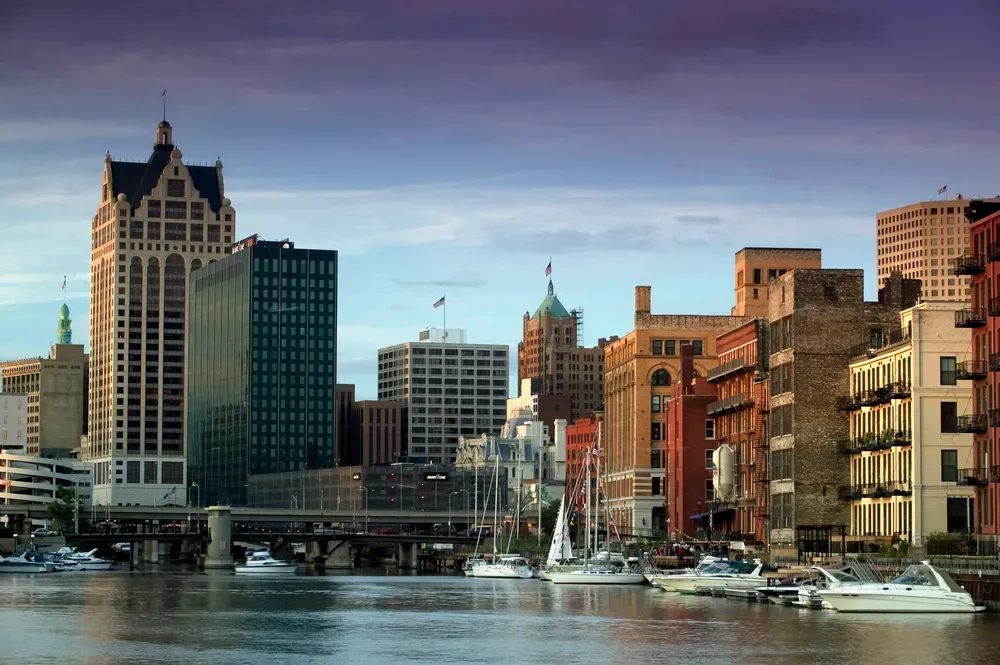
Known historically as a hub for brewing and manufacturing, Milwaukee has transformed into a vibrant cultural destination with world-class museums, iconic tours, and a thriving LGBTQ community.
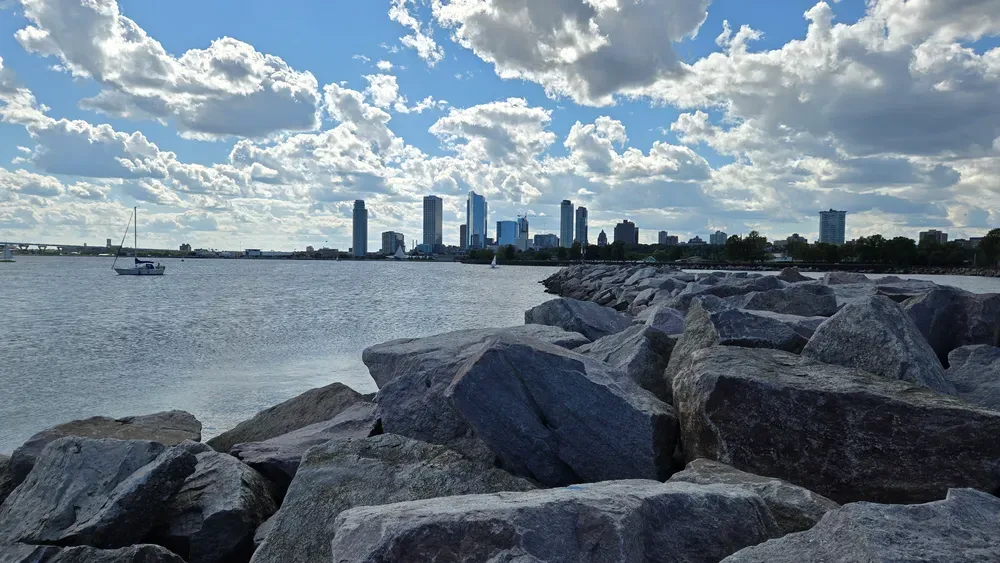
Nestled on the shores of Lake Michigan, Milwaukee, Wisconsin is a city that often surprises first-time visitors. Known historically as a hub for brewing and manufacturing, Milwaukee has transformed into a vibrant cultural destination with world-class museums, iconic tours, and a thriving LGBTQ community. From the famous Miller Brewing Tour to the innovative Milwaukee Art Museum, the city offers a little something for everyone. Whether you’re a lover of history, art, beer, or nightlife, Milwaukee deserves a spot on your travel radar.
While its breweries and motorcycles may get much of the spotlight, Milwaukee also boasts a welcoming and vibrant LGBTQ culture. The city has long been recognized as one of the Midwest’s most inclusive destinations, offering a variety of queer-owned businesses, bars, and cultural events.
Walker’s Point, located just south of downtown, is the heart of Milwaukee’s LGBTQ scene. The neighborhood is home to a variety of bars, nightclubs, and cafes that cater to the community. Venues like D.I.X., Fluid, LaCage and Krux are all within a few blocks of each other while Walker’s Pint is a popular hangout for the lesbian community.
Milwaukee also hosts PrideFest, one of the largest and most celebrated Pride festivals in the Midwest. Held in June, the event brings together music, performances, parades, and activism, drawing visitors from across the region. Combined with the city’s dedication to inclusivity, PrideFest underscores Milwaukee’s role as a safe and affirming place for LGBTQ residents and travelers alike.
In addition to nightlife and festivals, the city also supports LGBTQ arts and culture. Local theaters and galleries frequently highlight queer voices, while organizations like Diverse & Resilient advocate for equality and representation. Their mission is to achieve health equity and improve the safety and well-being of LGBTQ people and communities in Wisconsin.
Few cities are as synonymous with beer as Milwaukee. Often called “Brew City,” its brewing history dates back to the 19th century when German immigrants introduced their traditions to the region. Today, visitors can still experience that heritage firsthand on the Miller Brewing Tour .
Located in Miller Valley, the Miller Brewery combines more than 160 years of history with modern innovation. The tour walks guests through the brewing process, from the massive brew kettles to the bottling lines, and of course, ends with a tasting session. It’s an authentic glimpse into Milwaukee’s past and present, one that showcases why beer remains an integral part of the city’s cultural identity.
But Miller is only the beginning. Dozens of craft breweries now call Milwaukee home, giving beer enthusiasts endless opportunities to sample IPAs, stouts, and lagers that reflect the creativity of the city’s new wave of brewmasters.
Beyond beer, Milwaukee is also known worldwide as the birthplace of Harley-Davidson. The Harley-Davidson Museum , located along the Menomonee River, is a must-visit attraction for anyone interested in American history, engineering, or motorcycle culture.
The museum tells the story of the company’s rise from a small workshop in 1903 to an international symbol of freedom and rebellion. Visitors can admire more than 450 motorcycles and artifacts, including some of the earliest Harley models ever built. Interactive exhibits allow guests to understand the mechanics behind the bikes, while rotating installations highlight the brand’s cultural impact.
Even if you’ve never ridden a motorcycle, the Harley-Davidson Museum is captivating. It captures not just the history of a company, but the evolution of an American icon that has influenced fashion, music, and even film.
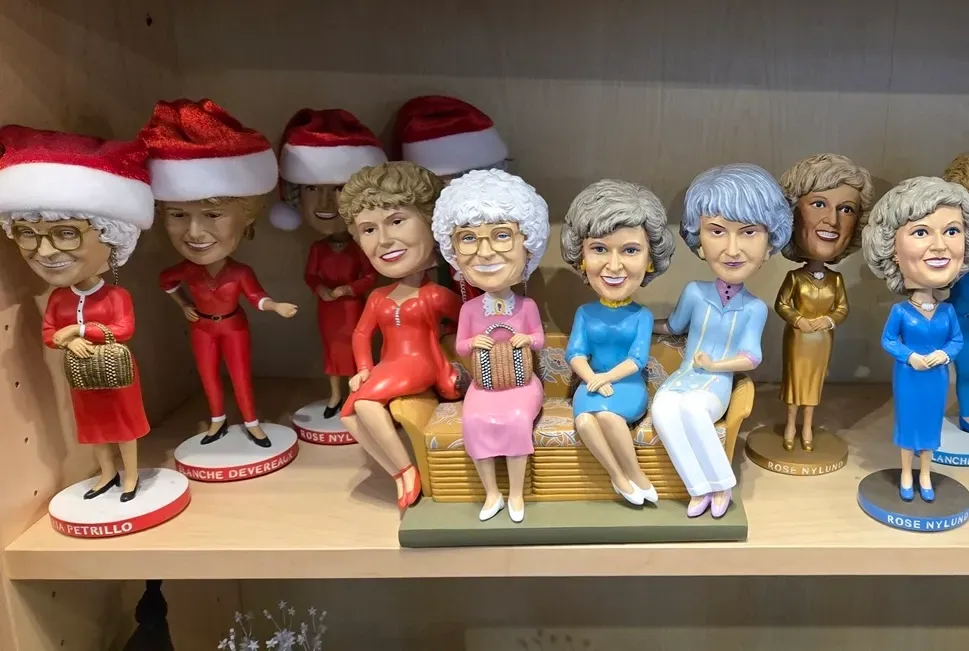
Every city has its quirks, and in Milwaukee, that eccentric charm shines brightly at the National Bobblehead Hall of Fame and Museum . This one-of-a-kind attraction celebrates the playful, nostalgic world of bobblehead dolls.
Home to the world’s largest collection of bobbleheads, the museum features everything from sports figures and celebrities to political leaders and cultural icons including the Golden Girls. Exhibits highlight the history of bobbleheads, their evolution over the decades, and the artistry that goes into creating these fun collectibles.
It’s a lighthearted stop that perfectly balances Milwaukee’s more serious cultural offerings. Visitors often leave smiling, realizing they’ve just experienced one of the most delightfully unexpected museums in the country.
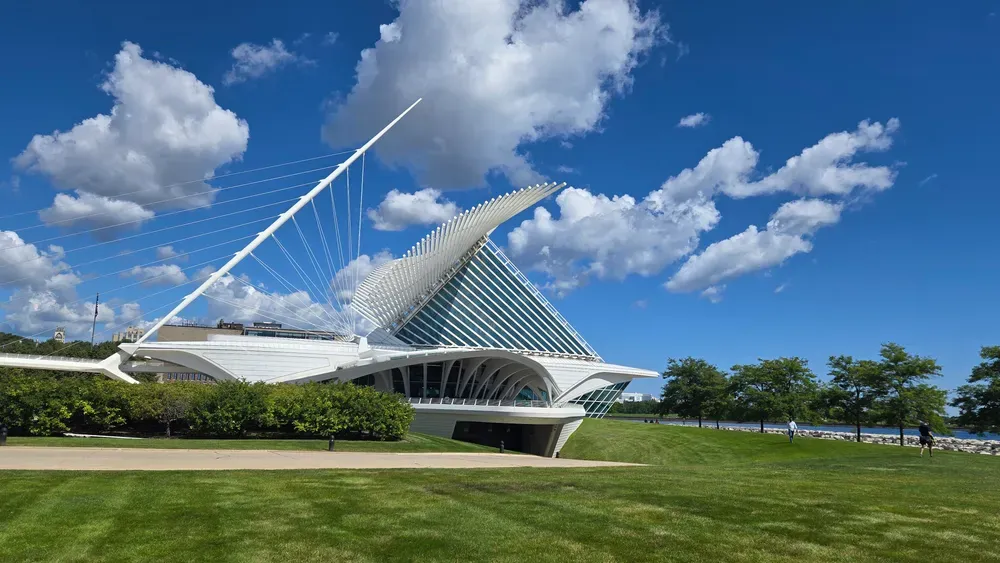
No trip to Milwaukee would be complete without a visit to the Milwaukee Art Museum . Not only is it one of the city’s most prestigious institutions, but it’s also an architectural marvel. Designed by renowned architect Santiago Calatrava, the museum’s Quadracci Pavilion features the “Burke Brise Soleil,” a stunning moveable structure resembling a bird in flight that opens and closes throughout the day.
Inside, the museum houses an impressive collection of more than 25,000 works of art, spanning from antiquity to contemporary pieces. Highlights include works by Georgia O’Keeffe—who was born in Wisconsin—as well as European masters and modern innovators such as Roy Lichtenstein. The museum regularly hosts traveling exhibitions, ensuring there’s always something new for visitors to discover.
More than just an art institution, the Milwaukee Art Museum serves as a community hub, bringing together locals and tourists for lectures, performances, and special events. Its location on the lakefront makes it the perfect starting point for a day of exploring the city’s waterfront parks and scenic trails.
Foodies will also find plenty to love. Milwaukee’s culinary scene is booming, with chefs combining Midwestern traditions with global flavors.
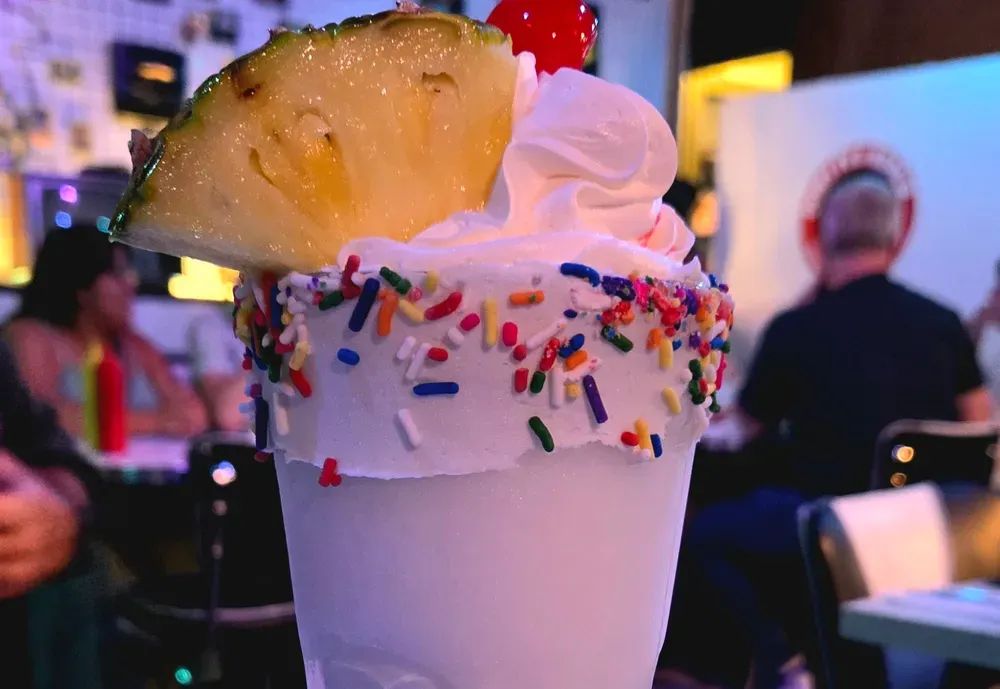
Don’s TV & Repair Shop is not what you think. As guests walk through an inconspicuous door they enter into a lobby filled with 80’s era arcade games and electronics. A host asks for a secret password and then opens a secret door which leads into the restaurant/speakeasy portion of the building. Don’s specializes in burgers and shakes, so ordering any of those is a homerun. We happened to go on a day where all burgers were .99 cents with the order of a drink. This was a deal we couldn’t pass up. The burgers were cooked perfectly, and the boozy shakes tasted incredible. A full bar menu is also available if you aren’t in the mood for a shake.
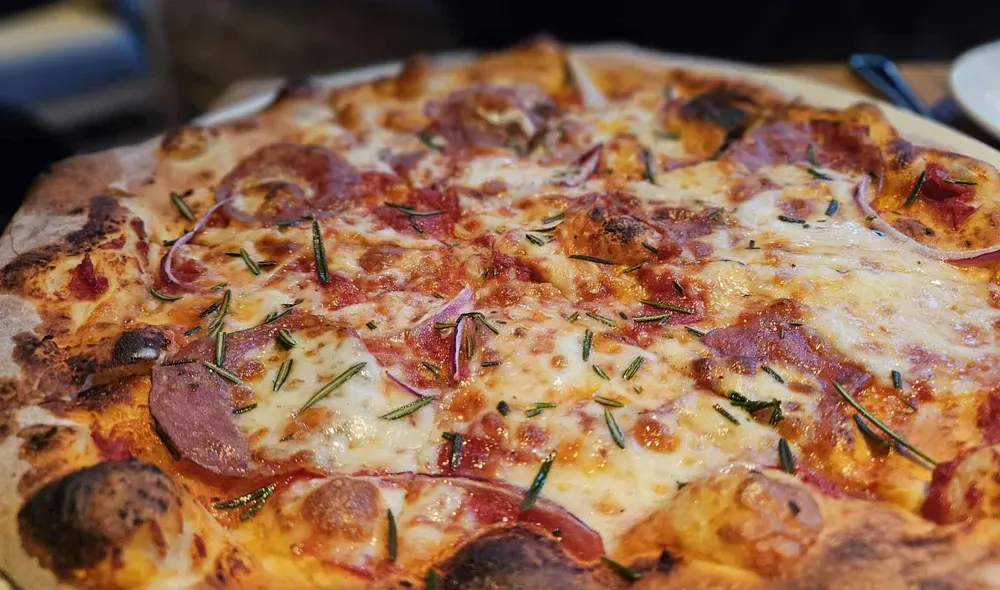
For a date night meal, head to Tre Rivali at the Kimpton Journeyman Hotel for upscale Mediterranean cuisine. While the menu consisted of a variety of shareable dishes and homemade pastas, we decided to share a few pizzas. The four of us split the Truffle Mushroom, Margherita and Calabrese. Each had its own distinct flavor, and the crusts were cooked perfectly in the wood fired oven. My favorite among them was the Truffle Mushroom which was prepared with ricotta, taleggio, mozzarella, truffle pecorino, roasted garlic, truffle salt, and served on top of a white sauce.
What sets Milwaukee apart is its balance of tradition and innovation. It’s a city that honors its brewing and industrial roots while embracing creativity, diversity, and progress. Most importantly, Milwaukee is a city that welcomes all. Its thriving LGBTQ culture, combined with its Midwestern warmth, ensures that every visitor feels included. For travelers seeking a destination that blends history, culture, and community, Milwaukee is a city worth discovering.
Don’t let the map fool you – Colorado is anything but square. Delivering on that promise, you’ll find a mouthwatering culinary scene that has way more sides than meets the eye.
Don’t let the map fool you – Colorado is anything but square. Delivering on that promise, you’ll find a mouthwatering culinary scene that has way more sides than meets the eye. Discover bold flavors, worldly infusions, and innovative cooking styles that emphasize local ingredients for exceptional dining experiences. From the latest Michelin-star restaurants to the beloved farm-to-table hotspot making waves with food lovers of all kinds, send your taste buds on a culinary quest through the Rocky Mountains.
Award-Winning Restaurants
Your taste buds will thank you when you introduce them to Colorado’s refined culinary side, one filled with award-winning restaurants that push the boundaries of fine dining but remain authentically true to the state. First on your bucket list is Alma Fonda Fina in Denver, a warm and inviting Mexican-style restaurant serving up chef Johnny Curiel’s hometown flavors. The native Mexican brings his Guadalajaran roots to every dish – whether it's agave-roasted sweet potato or crispy pork belly carnitas. And keep the yummy flavors flowing with a delectable drink pairing featuring Guadalajara spirits like mezcal or tequila.
If you want a more romantic atmosphere, reserve a table at Bosq in Aspen, where this concept restaurant makes innovative use of the surrounding wilderness. Tucked away in a soft-lighting dining space, Bosq curates a menu sourced from the mountains just outside its doors, delivering irresistibly fresh flavors to your plate in the form of wild berries, harvested greens, and foraged mushrooms. As the menu changes with the seasons, pair your dish with the perfect glass of wine for an elevated dining experience.
For a charming night out, The Wolf’s Tailor in Denver offers a one-of-a-kind symphony of flavors you won’t soon forget. This Michelin Green Star winner matches its outstanding cuisine with their commitment to sustainable practices. Indulge in the multicourse menu ranging from Berkshire pork dumplings to charcoal-roasted duck and grilled octopus; or try the Colorado bison loin with apricot and grilled zucchini. No matter the dish you choose, Chef Taylor Stark’s fusion of Nordic, Italian and East Asian cuisines makes this spot a top Colorado dining destination.
Or for the best seat in town, cozy up at the bar and let Basta’s modern Italian restaurant in Boulder put on a show with its open kitchen and wood-burning oven. The Michelin Bib Gourmand winner, set in an industrial-chic space, serves up mouth-watering Italian dishes – like lamb over fairytale eggplant or fresh burrata served with authentic piada – that echo the best of Mediterranean cooking. Come with a big appetite because the plates are heartily served family style. But don’t forget to leave room for one of their indulgent dulce de leche cream desserts.
Farm-to-Table Favorites
You don’t want to miss Colorado’s wild side, a harvest of the land’s fruits, flowers, meats, and dairy – served as sauces, soups, and more. At Annette in Aurora, Chef Caroline Glover stages her restaurant in a mini greenhouse, channeling a scratch-to-table atmosphere perfect for brunch or dinner. The James Beard Award winner is a cozy spot to find a seat at their renowned oyster bar and drink in the sights, sounds, and smells of this delightful ingredient-driven enclave. Try one of the wood-fired vegetable dishes like the tomato and Greek vinaigrette salad or share one of the large plates like the whole roasted fish with your loved ones.
If food presentation is the flair you love, Potager in Denver makes every dish and drink a magical delight. Chef Paul Warthen uses hand-picked edible flowers to garnish the plates and drinks, a colorful way to elevate your dining experience. Beyond floral flourishes, the restaurant works with over 30 farms to source the finest local ingredients and even utilizes its own plots of land to harvest the freshest fruits, herbs, vegetables, and flowers. Mix and match to craft the most scrumptious meal – from small plates like the zucchini tart and charred eggplant flatbread to large plates such as the irresistible peach barbecue pork and dill meatball.
Perhaps Bin 707 Foodbar is most notable on our list for sustainability and a commitment to seasonal and regional cuisine in Colorado. The destination restaurant in downtown Grand Junction uses local ingredients that reflect Western Colorado and the Four Corners region flavors in every dish. Chef Josh Nierenberg, a multiple James Beard Award nominee and semifinalist with his restaurant creations, is devoted to community and excellence, which comes through in every bite. Give the Palisade Peach cobbler a try after your meal and see why this ode to the western region of the state is top-notch. Pro tip: Kick things off withTacoParty, Nierenberg’s second restaurant that’s equally thoughtful of supporting sustainability and locally sourced ingredients. Try the Al pastor and let the flavors keep the festivities going all night long.
The farm-to-table dining experience extends to the drink menu, too. At Coperta in Denver, a bistro serving authentic Southern Italian meals, the cocktail menu features handcrafted concoctions made with a simple syrup that comes from freshly juiced carrots brought in from nearby farms – along with all their savory servings. Nosh on a freshly made pasta and sip your margherita carrota cocktail to finish off a wonderful Colorado night.
Savory Surprises
You definitely don’t want to miss out on meeting Colorado’s eclectic culinary side, filled with an off-the-beaten-path mix of dining experiences in settings that will stun you. The bright lights of Hollywood come to Colorado at The Stanley Hotel – the famed inspiration for Stephen King’s haunted hotel story “The Shining.” Tucked inside the hotel is Cascades Restaurant and Lounge, a lavish and grandiose dining space that channels the hotel’s old-timey atmosphere. Enjoy modern American fare and soak up the ambience. After dinner, grab a cocktail from the bar and meander to the front porch for breathtaking mountain views overlooking Estes Park.
This next dining adventure isn’t for the faint of heart. Linger Restaurant in Denver, set in a former mortuary, updates the macabre remnants of the building’s former glory with posh accent pieces for a spooky yet refined experience. Head to the rooftop for more surprises: a 1970s GMC RV retrofitted to a bar and perhaps the coolest hang in all of Colorado. Don’t let the spooky glam distract from your hunger pangs because the food and drinks don’t disappoint. Pair Korean barbecue tacos with a cocktail from the RV-turned-bar and check out the killer views.
Take a trip into the unknown at The Rabbit Hole in Colorado Springs, a Wonderland-themed speakeasy nestled in an old subway. Enter through a clandestine subway booth to a subterranean space accentuated by gothic art, moody low-key lighting, and flaming cocktails. The menu offers upscale New American cuisine, an eclectic mix of small plates like Bison lettuce wraps, brussels sprouts, and goat cheese balls to fill your hunger.
The wild west comes to life at The Diamond Belle, an old west saloon in Durango ’s Historic Strater Hotel. Belle Girls – servers clad in corsets, fishnets and feathered headpieces – bring you classic cocktails while a local musician strums the guitar every night. There’s even a ragtime piano where a resident pianist plays the keys to the tunes of a bygone era. Old-fashioned bar food fills out the menu – from tasty appetizers and zesty salads to juicy burgers and savory entrees.
Plan Your Visit
There are so many unexpected, delicious sides to Colorado’s culinary scene. Start planning your foodie adventure and discover all the fresh and vibrant flavors Colorado has to offer at https://www.colorado.com/.
A new international survey has revealed the top cities for gay cruising in 2025, shining a spotlight on destinations celebrated for their vibrant LGBTQ+ nightlife, inclusivity, and rich queer history.
A comprehensive new report published this week has identified the world’s best cities for gay cruising in 2025, reflecting broader changes in LGBTQ+ travel and urban culture. The list, which draws on traveler testimonials, nightlife data, and insights from LGBTQ+ organizations, highlights cities that combine historical significance, progressive policy, and a thriving queer scene. The ranking comes as cities worldwide continue to adapt to evolving attitudes about public space, safety, and sexual expression, offering both local residents and visitors unique opportunities for connection and exploration .
San Francisco tops the list as a perennial favorite, renowned for its deep-rooted queer history and enduring reputation as a global gay capital. The city’s neighborhoods, notably the Castro and the Mission, are home to a spectrum of cruising venues ranging from historic bars to contemporary clubs. Events like the Folsom Street Fair and San Francisco Pride attract hundreds of thousands annually, transforming public spaces into celebrations of sexual freedom and community solidarity. The city’s robust LGBTQ+ protections and visible queer culture continue to make it an international touchstone for gay cruising, as well as a model for inclusive urban policy .
On the East Coast, Provincetown, Massachusetts, is recognized as one of America’s most beloved gay destinations. Despite its small size, Provincetown’s impact is substantial, with historic sites like The Atlantic House and an annual calendar filled with festivals — from Bear Week to Girl Splash and Provincetown Pride. Nightlife in Provincetown is described as both welcoming and adventurous, with venues and events catering to a wide spectrum of identities and interests. The town’s enduring appeal lies in its unique blend of seaside charm, historical resonance, and an atmosphere that encourages free expression .
Toulouse, France, nicknamed “The Pink City” for its distinctive terracotta architecture, has ascended the ranks as a top destination for LGBTQ+ travelers in 2025. Recognized for its inclusive atmosphere and flourishing nightlife, Toulouse boasts a variety of queer-friendly bars and clubs clustered around the city center. Popular venues like Limelight and La Gougnotte are celebrated for their diversity of programming, including drag king shows and theme nights that appeal to a broad LGBTQ+ audience. The city’s commitment to inclusivity is further reflected in its cultural calendar and visible support for Pride events, making it a standout among European destinations .
The survey’s findings highlight a key trend: the increasing importance of safety, legal protections, and community support in shaping gay cruising culture. Cities that invest in anti-discrimination laws, visible policing of hate crimes, and public health initiatives tend to attract more LGBTQ+ visitors and foster active local scenes. For example, cities like Reykjavik and Oslo, while smaller, are lauded for their progressive policies and safe environments, contributing to their growing appeal among queer travelers .
LGBTQ+ advocates and nightlife organizers emphasize that cruising culture is not monolithic but shaped by the unique character of each city. “Cruising continues to reflect the diversity of our communities — from the exuberance of major festivals to the intimacy of local bars,” said a spokesperson for a leading LGBTQ+ advocacy group . Cities that support a range of venues and events, and that prioritize the safety and dignity of all queer people, are repeatedly cited as models for others to follow.
As cruising remains an essential part of queer history and contemporary life, experts and advocacy groups stress the importance of respect, consent, and cultural sensitivity. Local organizations often provide guidance on safe cruising practices, and many cities now feature online resources or hotlines for travelers seeking advice. Visitors are encouraged to familiarize themselves with local customs and legal frameworks, ensuring that their experiences are both enjoyable and responsible .
The new ranking reflects a broader shift toward more inclusive, intersectional, and safety-conscious queer spaces. As cities continue to compete for LGBTQ+ tourism and recognition, the most successful are those that combine vibrant nightlife with a genuine commitment to diversity and equality.
While the world’s best cities for gay cruising will continue to evolve, the 2025 list offers a snapshot of destinations where queer life thrives — not only through parties and nightlife but through a shared commitment to visibility, acceptance, and the celebration of all identities.