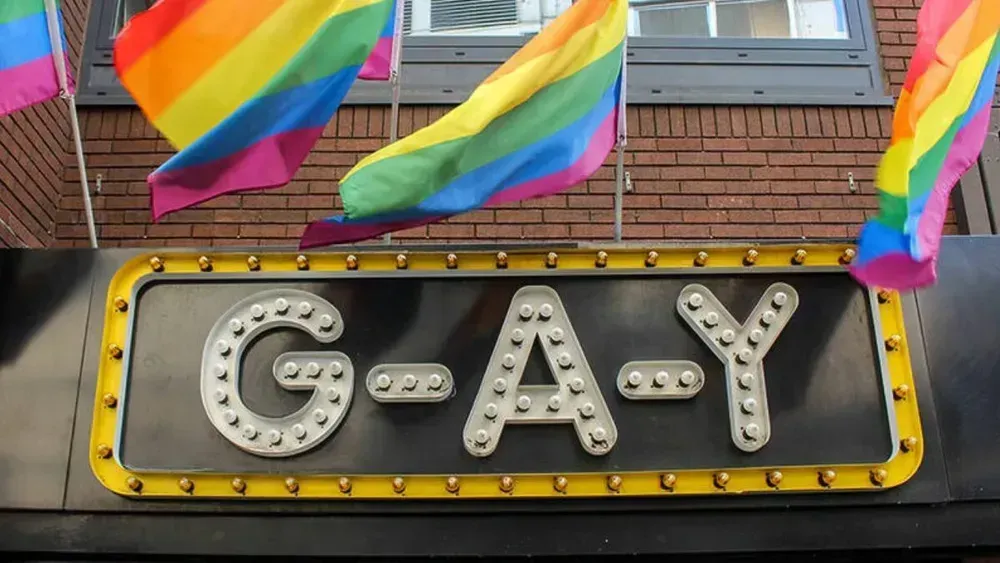
G-A-Y Bar, a cornerstone of London’s LGBTQ+ nightlife, will soon close its doors, according to owner Jeremy Joseph, who delivered an emotional statement reflecting on decades of community, activism, and celebration.
The iconic G-A-Y Bar, a staple of London’s LGBTQ+ nightlife for more than two decades, will soon cease operations, owner Jeremy Joseph confirmed in a heartfelt public statement this week. The venue, located on Old Compton Street in Soho, has been a vital hub for the city’s queer community, hosting generations of revelers, activists, and allies since its opening in 1996 .
In his announcement, Joseph described the decision as “one of the hardest of my life,” emphasizing the deep personal and cultural significance of the bar: “G-A-Y has been my life. It’s been your life. It’s been a place where we have come together in good times and bad, to celebrate, to protest, and to find community.” He went on to explain that the closure reflects both personal circumstances and the evolving character of Soho, stating, “The street has lost its LGBT identity” .
The announcement has sparked both sadness and reflection within the LGBTQ+ community and beyond. For many, G-A-Y Bar has represented more than just a nightlife destination—it has been a symbol of acceptance, safety, and queer progress in a city long synonymous with LGBTQ+ rights and culture .
Joseph’s statement alluded to the shifting identity of Soho, once widely considered the heart of London’s LGBTQ+ community. Over recent years, rising rents, increasing commercialization, and changing demographics have contributed to the loss or transformation of multiple queer spaces in the neighborhood. “Soho is not what it was,” Joseph noted, pointing to a growing sense of displacement among LGBTQ+ business owners and patrons .
Community advocates have echoed these concerns. Many fear that the closure of G-A-Y Bar will accelerate the erasure of LGBTQ+ spaces in central London, making it harder for queer people—especially those who are young, marginalized, or new to the city—to find welcoming environments. As one long-time patron remarked, “It’s not just a bar. It’s history, it’s family, it’s a safe place in a world that isn’t always safe for people like us” .
Since opening, G-A-Y Bar has played a prominent role in London’s LGBTQ+ life—not only as a nightlife venue, but as a platform for activism and visibility. The bar has hosted countless fundraisers, pride events, and appearances by LGBTQ+ icons and allies, serving as a launchpad for campaigns on issues ranging from HIV/AIDS awareness to anti-discrimination legislation .
Jeremy Joseph has long been recognized as a leading advocate for LGBTQ+ rights in the UK, using the platform of G-A-Y to foster solidarity, amplify marginalized voices, and support charitable causes. In his closing statement, he thanked the countless staff, drag performers, DJs, and community members who have contributed to the bar’s legacy, saying, “This isn’t the end of our story—it’s just the end of this chapter” .
Although the closure of G-A-Y Bar is a significant loss, Joseph expressed hope for the resilience of LGBTQ+ nightlife in London. He confirmed that other venues under the G-A-Y brand, including G-A-Y Late and Heaven, will remain open for the foreseeable future, continuing to provide spaces for celebration and community .
The event has reignited conversations about the need to protect and support queer spaces in cities worldwide. LGBTQ+ organizations and advocates have called on local authorities to recognize the cultural and historical value of such venues and to implement policies that safeguard their future. As the queer community in London and beyond reflects on the legacy of G-A-Y Bar, many are vowing to keep its spirit alive—by supporting existing venues, fostering inclusive spaces, and remembering the importance of visibility and solidarity.
As Jeremy Joseph concluded in his statement: “G-A-Y has always been about more than just a night out. It’s about family, about belonging, and about standing together. Thank you for making it what it was—and for keeping the fight for equality alive, wherever you are.”
The UK government’s announcement of a compulsory digital ID, known as the ‘Brit Card,’ has ignited widespread concern among transgender people and LGBTQ+ advocates, who fear the scheme could compromise privacy and force unwanted disclosure of gender histo
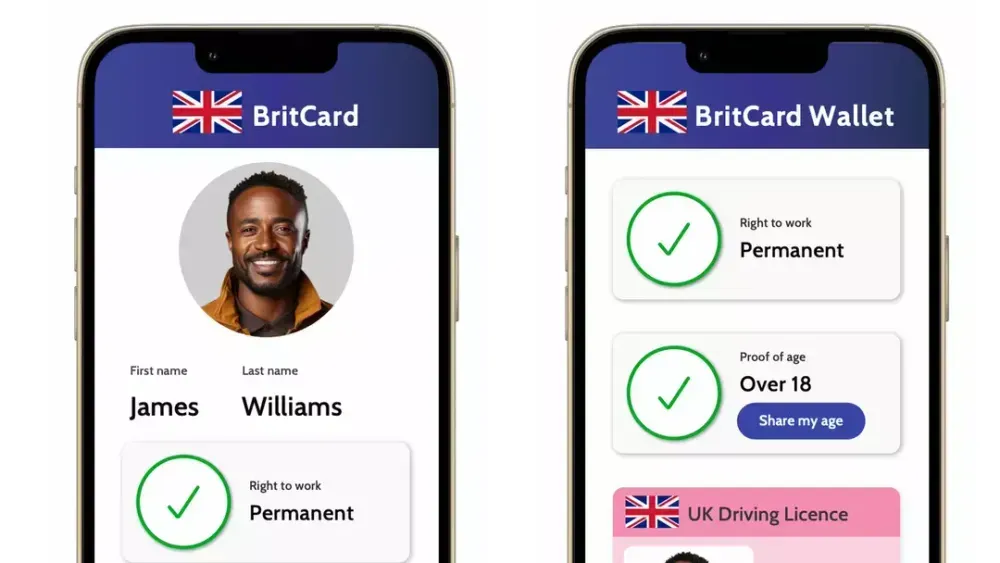
The UK government, led by Prime Minister Sir Keir Starmer, formally announced plans to introduce a nationwide mandatory digital identification system for all working adults on 25 September 2025. The proposed 'Brit Card' will serve as a digital credential stored on smartphones, intended to verify identity, right to work, and access to public services. Officials assert that the scheme aims to tackle illegal migration and streamline bureaucratic processes, positioning it as an “important part” of what Starmer calls “patriotic renewal” for the country .
However, the announcement was met with swift and significant opposition. Within 24 hours of the scheme’s unveiling, a parliamentary petition demanding its withdrawal amassed nearly 800,000 signatures, reflecting widespread unease about its implications for privacy, civil liberties, and digital security . Civil rights organizations and cybersecurity experts have described the policy as “intrusive” and potentially dangerous, echoing past controversies that led to the abandonment of similar proposals in the late 2000s and again in the 2010s .
Transgender people and LGBTQ+ advocacy groups have voiced acute concerns that the Brit Card could jeopardize the privacy and safety of trans and non-binary individuals. Questions have emerged over whether the digital IDs will accurately reflect a person’s affirmed gender, especially for those holding Gender Recognition Certificates (GRCs)—the legal documentation used to change gender markers in the UK. Many trans people fear the scheme could require them to disclose their sex assigned at birth, effectively outing them in workplaces and public settings .
Olivia Campbell-Cavendish LLB, founder of the Trans Legal Clinic, argued that the proposal “effectively forces the outing of trans people,” warning that it marks a “dangerous escalation in the erosion of civil liberties, human rights, and the fundamental right to privacy.” Campbell-Cavendish emphasized that any digital identification system must ensure that individuals’ lived and legally recognized genders are respected, as required under European and international law .
Not A Phase, a UK-based trans advocacy charity, echoed these concerns in a public statement: “If we’re hypothetically headed towards a future where trans people will be outed by the digital ID documents they possess, this could have a monumental impact on the right to disclosure every trans+ person deserves. We should be gravely concerned about any potential documentation which forces a person’s transness to be more broadly known” .
The anxiety surrounding the Brit Card is not limited to privacy concerns. Advocacy groups and legal experts warn that the scheme could expose trans and non-binary people to discrimination, harassment, and violence if their gender history is revealed without their consent. According to campaigners, the system could be weaponized by anti-trans groups and policymakers seeking to restrict trans rights, including the ability to use gendered facilities or access gender-affirming healthcare .
Keyne Walker, strategy director at TransActual, stated, “Even before the plans were announced, anti-trans groups have already been lobbying ministers, civil servants and right-wing parliamentarians to ensure that the single governmental record held lists trans people as their ‘birth sex’. This scheme could easily be weaponised and hijacked by MPs who are already trying to push anti-trans policies through Parliament” .
While government mock-ups of the Brit Card currently omit a sex marker, campaigners remain skeptical, citing ongoing efforts by government officials to require public institutions to record sex assigned at birth. The possibility that such information may be tied to digital IDs has alarmed many, who fear it could facilitate unwanted disclosure and undermine the protections that GRCs provide .
Beyond the specific concerns of the trans community, broader civil liberties groups have criticized the digital ID scheme as a step towards “mass surveillance and digital control.” Privacy experts argue that the centralized collection of sensitive personal data increases the risk of breaches and misuse, particularly if the system is not designed with robust safeguards .
Opponents have also questioned the scheme’s practicality, noting that some individuals—especially older adults, people with disabilities, and those without access to smartphones—may struggle to comply with the requirements. A Reddit user highlighted these challenges, saying: “My mum just can’t do technology, and my dad has advanced Parkinson’s – there’s no way he’s using a touchscreen device” .
The government asserts that the Brit Card will be free of charge and based on existing GOV.UK ‘One Login’ infrastructure, including name, date of birth, nationality, residency status, and a biometric photo. A public consultation is planned regarding the inclusion of address details and other data points .
The concept of mandatory ID cards has a contentious history in the UK. Previous attempts to implement similar systems were abandoned following public outcry, with critics labeling them as “intrusive, ineffective, and enormously expensive” . Other countries, including France, China, and the United Arab Emirates, have introduced digital ID systems, often accompanied by debates over privacy and human rights .
In the UK, the current proposal arrives amid heightened scrutiny of trans rights and a documented rise in hate crimes against transgender people, with statistics showing a 186% increase from 2018 to 2023 . Advocates urge lawmakers to consider the unique vulnerabilities faced by transgender individuals in any digital identification policy.
As the government prepares to move forward with legislation, LGBTQ+ organizations and legal experts are calling for robust safeguards to protect trans and non-binary people from forced disclosure and discrimination. They emphasize the need for meaningful consultation with affected communities and adherence to international human rights standards.
Trans Legal Clinic’s Olivia Campbell-Cavendish concluded, “Any system of digital identification must ensure that the gender in which a person navigates the world is accurately and lawfully recognised. This principle is not up for debate, it is enshrined in European and international law, and was recently reaffirmed by the European Court of Justice” .
As debate continues, many in the LGBTQ+ community remain vigilant, urging transparency and accountability from the government to prevent the Brit Card scheme from becoming a tool of surveillance, discrimination, or harm.
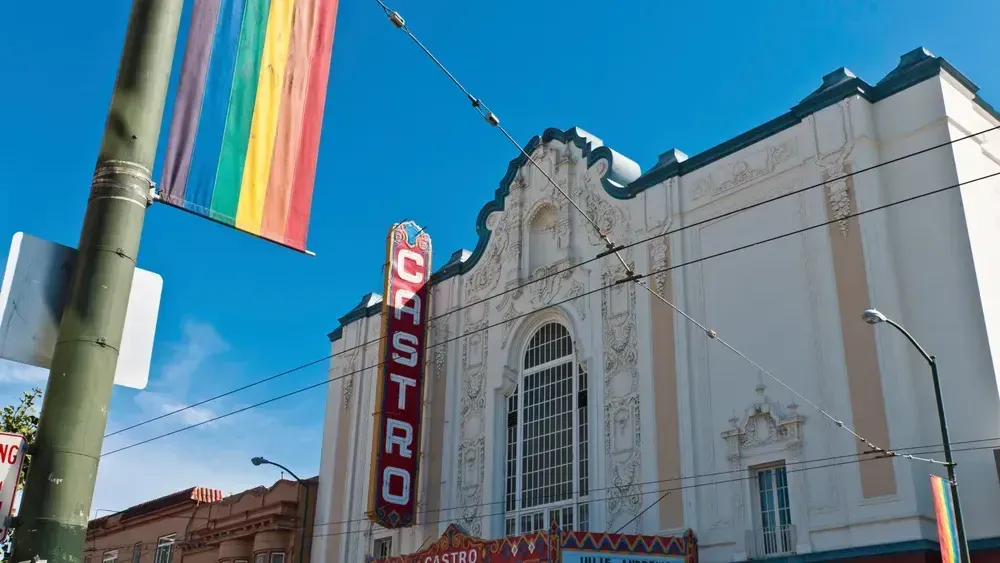
After two years of closure and extensive renovations, San Francisco’s historic Castro Theatre will reopen its doors in February 2026.
San Francisco’s Castro Theatre, a century-old architectural and cultural icon at the heart of the city’s LGBTQ+ community, is set to reopen in February 2026 after a two-year closure for extensive renovations. The announcement has been met with excitement and anticipation by residents, business owners, and queer communities locally and beyond, marking a significant moment in the ongoing story of one of America’s most storied LGBTQ+ spaces .
The reopening will be celebrated with an eight-night residency by Sam Smith, the Grammy-winning British pop star and openly nonbinary artist, whose presence is seen as both a tribute to the venue’s legacy and a statement for its future. Smith’s performances, scheduled for February 10–21, 2026, will inaugurate the restored venue, which has undergone $41 million in renovations overseen by Another Planet Entertainment .
The Castro Theatre, first opened in 1922, has long stood as a gathering place for queer cinema, performance, and activism. In 2022, Another Planet Entertainment assumed management, initiating a multi-million dollar renovation to modernize the building while preserving its signature Spanish Colonial Baroque façade and opulent interior details .
The renovation aimed to secure the theatre’s future as a multipurpose venue, with upgrades including state-of-the-art sound and lighting, improved accessibility, and a more flexible auditorium layout designed to accommodate concerts, film screenings, comedy, live podcasts, and community events throughout the year. Allen Scott, President of Concerts and Festivals at Another Planet Entertainment, emphasized, “We’ll have concerts, podcasts, movies, comedy… programmed for over 300 nights a year. It’s going to be very active, and I think it’s going to serve the community really well” .
The two-year closure, however, was not without challenges. Renovation delays, rising costs, and debates over the theatre’s evolving focus sparked passionate responses from community members and movie lovers concerned about the future of film programming in the venue. Another Planet Entertainment has responded by affirming its commitment to maintaining film as a key part of the Castro Theatre’s offerings, alongside new forms of live entertainment .
The decision to have Sam Smith headline the reopening is deeply symbolic for many in the LGBTQ+ community. Smith, a globally recognized performer who uses they/them pronouns, made history in 2022 as the first openly nonbinary artist to top the Billboard Hot 100 with their song “Unholy” . Their presence at the Castro Theatre—an iconic location in LGBTQ+ history—underscores the venue’s enduring significance as a site of visibility, celebration, and inclusion.
Smith’s residency, titled “To Be Free: San Francisco,” will feature eight concerts and is named after their latest single, “To Be Free.” The artist teased the announcement with a TikTok video filmed beneath the Castro Theatre’s illuminated marquee, generating waves of excitement across social media and in the neighborhood itself .
“Getting a huge artist like Sam Smith… was a huge shot of adrenaline of what is going to be an already exciting reopening,” said Nate Bourg, President of the Castro Merchants Association, highlighting the positive impact anticipated for local businesses and the broader Castro community .
For many in San Francisco and the global LGBTQ+ community, the Castro Theatre is much more than a venue—it is a gathering place, a symbol of resistance, and a living memorial to generations of queer culture and activism . The theatre has hosted rallies, film festivals, drag shows, and countless events central to the struggle for LGBTQ+ rights and visibility. Its closure during renovations was keenly felt, with at least 15 neighboring storefronts shuttering amid a downturn in foot traffic .
Gregg Perloff, CEO and co-founder of Another Planet Entertainment, reaffirmed the venue’s renewed commitment to equity and inclusion, stating, “Our goal is to activate and re-energize the building with equity, inclusion, and community at the forefront. We look forward to contributing to the vibrancy and economic health of the Castro while honoring its legacy as an LGBTQ+ landmark and cultural anchor” .
Business owners and community leaders hope the theatre’s revival will catalyze a broader economic and cultural recovery for the neighborhood. With over 300 nights of programming planned annually, the Castro Theatre aims to serve as a resilient hub for both traditional moviegoers and a new generation of LGBTQ+ artists, performers, and audiences .
As the Castro Theatre prepares to turn the lights back on, its reopening is poised to be a milestone not just for San Francisco, but for LGBTQ+ communities everywhere—a testament to the enduring power of queer spaces, representation, and collective celebration .
The owners of a giant Northern California corn maze once crowned the world’s largest want visitors to remember that there is fun in getting lost
The owners of a giant Northern California corn maze once crowned the world's largest want visitors to remember that there is fun in getting lost.
“It is confusing. It’s exciting, and in a world of GPS and constant signage, you always know where you are, where you’re going," said Tayler Cooley, whose family owns Cool Patch Pumpkins. “When you’re in the corn, everything looks the same until you pop up on a bridge and you’re like, ‘Oh wait, I’m all the way over here. I thought I was over there.’”
The pumpkin patch and corn maze along Interstate 80 between Sacramento and San Francisco are open once again for the fall season through Halloween. Back in 2007 and again in 2014, Cool Patch Pumpkins earned a spot in the Guinness Book of World Records as the world’s largest corn maze.
The maze — spread out over 40 acres (16.2 hectares) — typically takes at least 45 minutes to complete and features five different bridges that allow maze-goers to rise above the stalks. It is also known for the elaborate designs the team creates in the maze that can be seen from overhead. This year's maze celebrates farmers. Previous seasons honored veterans and first responders with giant murals included in the maze design.
“Everything is done by hand,” Cooley said. “We want to communicate something fun and exciting, and then we build our pathways around that.”
On a recent afternoon, visitors from near and far wound their way through the maze.
“I have no sense of direction, and we could spend all day here. That’s fine. We have water. We’ll survive, three days,” said Ryan Moore, who was visiting from Hawaii.
Likewise, Shelley Tang from Redwood City, California, joked there is always corn to eat if they get lost.
“My children have a better sense of direction than me, so I’ll be following them,” she said.
A corn maze in Quebec, Canada, as well as those in Minnesota and Illinois, also boast record-breaking mazes, either by acreage or mileage.
Beyond the maze, Cool Patch features a corn bath for toddlers full of 150,000 pounds (68 kilograms) of dried corn.
by Haven Daley
Copyright Associated Press. All rights reserved. This material may not be published, broadcast, rewritten, or redistributed.
From Kenya's conservation retreats to England's canal journeys, travelers in 2025 are rethinking where to go next. As crowded cities and oversold attractions lose appeal, smaller towns, rural escapes and slower-paced trips are stepping into the spotlight.
From Kenya's conservation retreats to England's canal journeys, travelers in 2025 are rethinking where to go next. As crowded cities and oversold attractions lose appeal, smaller towns, rural escapes and slower-paced trips are stepping into the spotlight.
This shift is especially clear among younger travelers. Gen Z in their 20s drives the trend by choosing experiences that feel more personal. They're booking conservation-focused stays such as Segera Retreat in Kenya and leisurely trips along England's canals. Destinations are responding with itineraries that encourage visitors to linger, connect with locals and spend more time in one place.
The pressures of overtourism
Overtourism weighs on destinations, with crowded streets, packed buses and trains and attractions overwhelmed by long lines. Even basic services like water, waste and sanitation struggle to keep up, leaving local resources stretched thin.
The toll extends to the environment and daily life. I've watched natural areas suffer from trampling and litter, while residents deal with traffic, noise and overflowing public spaces. These pressures push both travelers and tourism boards to highlight less-visited destinations that ease the load on popular hubs.
Explore beyond crowded hubs
Crowded streets and overrun attractions are steering more travelers toward smaller towns and off-the-beaten-path cities. These places offer breathing room and a closer connection to local life, and they're easier to reach now with new flights and improved transport links. In Germany, for example, time in Cologne often combines with a stop in Düsseldorf, where the pace feels more relaxed.
Many travelers are also using big cities as jumping-off points and adding side trips to nearby towns or rural areas to keep their itineraries distinct. I've seen this in Europe, where visitors might split time between Vienna and Salzburg, and in Africa, where a weekend in Nairobi pairs naturally with a stay at Segera Retreat in Kenya. Blending major cities with smaller stops makes a trip feel more balanced and memorable.
Travelers seek real experiences
More travelers want more than a checklist of landmarks when planning trips. A McKinsey survey shows 52% of Gen Z travelers splurge on experiences, compared with only 29% of baby boomers. Retreats such as Segera in Kenya weave conservation and community programs into the guest experience, making the stay feel part of something bigger. Platforms that highlight these kinds of authentic encounters are capturing growing interest and bookings.
Trends shape modern trip choices
Travelers are gravitating toward more peaceful corners, where small communities benefit without being overwhelmed. New flight routes and rail connections make it easier to include these stops in longer trips, giving travelers more variety without the crush of big-city crowds.
I've experienced the value of slow travel on a narrowboat trip along England's Kennet & Avon Canal, where moving at 4 miles per hour meant stopping in villages, shopping at local markets and joining community events along the way. Staying longer in one place can spread spending over more days and give both travelers and locals a break from the quick turnover of short visits.
Regional examples of growing interest
U.S. News & World Report's latest rankings feature quieter destinations in the United States. On Georgia's coast, St. Simons Island boasts beaches, hiking paths and a small-town pace far removed from the theme parks and city lights. In upstate New York, the Catskills continue to attract visitors with clear lakes and forest trails, appealing to those who prefer mountain air over crowded shorelines.
Social posts spotlight new spots
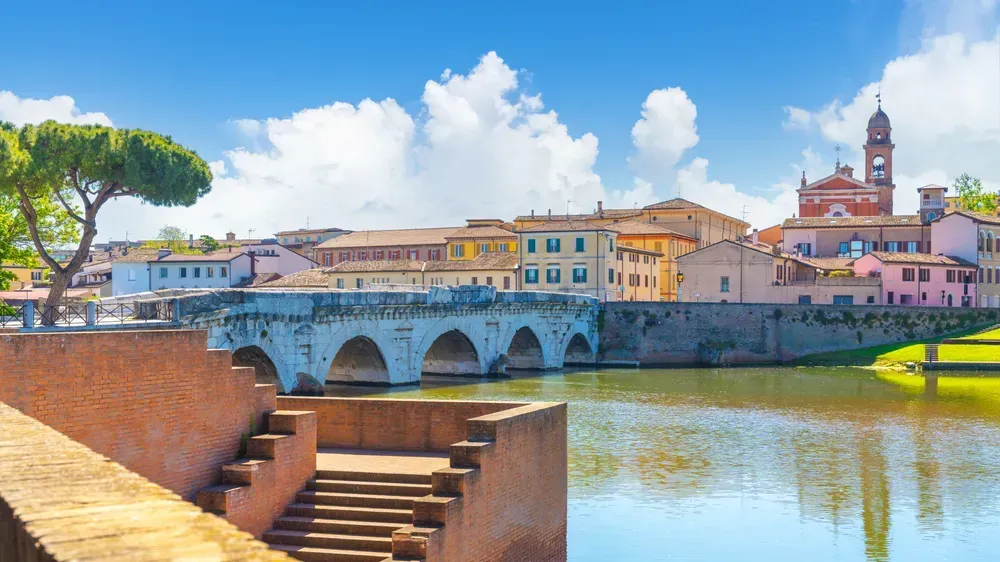
Rimini is gaining buzz online for its lively nightlife, sunny beaches and walkable streets, with travelers calling it a cheaper and less crowded alternative to Ibiza. Social media users describe it as how Ibiza felt a decade ago, with relaxed days, late-night house music and mostly local visitors.
In the U.S., Tioga Pass in California is gaining attention as a less-crowded gateway to Yosemite, with sweeping Sierra Nevada views and access to less crowded trails like Clouds Rest, Soda Springs and sections of the Pacific Crest Trail that are ideal for photos. Reels and tags make it easy for travelers to save these spots and plan their own trips.
The visuals do most of the work. Reels that map out each step make remote places feel simple to reach. Online groups swap itineraries and share under-the-radar finds, giving small businesses a boost in recognition they might not have had otherwise.
Tourism beyond the crowds
Travel in 2025 is moving beyond crowded hubs toward places with more space and a slower way of life. As overtourism pushes both travelers and tourism boards to seek alternatives, smaller towns and rural regions are stepping into the spotlight. With better transport links and social media visibility making them easier to reach, visitors are staying longer and engaging more with local life. I've found that the most meaningful journeys aren't always in the busiest cities but in the moments when I slow down and connect with a place that feels personal.
Mandy is a luxury travel, fine dining and bucket list adventure journalist with expert insight from 46 countries. She uncovers unforgettable experiences around the world and brings them to life through immersive storytelling that blends indulgence, culture and discovery, and shares it all with a global audience as co-founder of Food Drink Life. Her articles appear on MSN and through the Associated Press Wire in major U.S. outlets, including NBC, the Daily News, Boston Herald, Chicago Sun-Times and many more.
by Mandy Applegate
Copyright Associated Press. All rights reserved. This material may not be published, broadcast, rewritten, or redistributed.
Crush, a beloved LGBTQ+ bar in Dallas’s Oak Lawn neighborhood, has revealed urgent financial struggles threatening its future.
Crush, an LGBTQ+ nightspot located at 2914 Oak Lawn Ave in Dallas, has become a cornerstone for queer nightlife since its opening just over a year ago. The venue celebrated its first anniversary in August with a performance by Kennedy Davenport, a renowned drag entertainer, highlighting its commitment to providing a vibrant and affirming space for the local LGBTQ+ community . However, Crush now faces the very real possibility of closure due to mounting financial pressures.
On Friday, owners Andrew and David Perre issued a public letter on the bar’s social media platforms, detailing the economic hardship that has left the business unable to make its weekly rent. The letter cited “much-needed repairs and a very slow last 2 months” as primary factors behind the bar's cash flow crisis . The financial shortfall has escalated to a critical point: the Perres revealed they must pay a balance of over $30,000, with an additional $11,440 due for upcoming rent, or risk being locked out by their landlord at any time .
In response to the dire situation, the owners have launched an online fundraising campaign with a goal of $50,000. The campaign gained immediate traction, raising more than $2,000 within hours of its announcement . The Perres’ appeal underscores the essential role Crush plays as a safe and celebratory space for LGBTQ+ individuals, particularly in a region where such venues are not always guaranteed.
The bar’s supporters have expressed their love for the venue across multiple platforms, praising its inclusive atmosphere, energetic drag shows, and the sense of family fostered by staff and management . Reviews from patrons consistently highlight Crush’s welcoming environment and its importance as a gathering spot for queer people in Dallas, with one reviewer stating, “The owners, David & Andrew, have created something truly special—heaven on earth. No notes. Keep up the good work...” .
Crush’s financial troubles are emblematic of broader challenges faced by LGBTQ+ bars and clubs nationwide. These venues have historically been lifelines for queer and transgender people, serving as places for self-expression, community organizing, and celebration—often in the face of discrimination and exclusion elsewhere . However, the economic fallout from unexpected repair costs, fluctuating attendance, and increased rent have left many such establishments vulnerable to closure .
Industry experts and advocates have noted that the decline of LGBTQ+ nightlife spaces has accelerated over the past decade, with fewer venues able to sustain themselves amid rising costs and shifting nightlife trends . In many cities, the loss of such spaces has had a tangible impact on the well-being and visibility of LGBTQ+ communities.
The situation at Crush has galvanized supporters online, with many expressing a desire to help preserve the bar. Fundraising efforts are being tracked on social media, and regular patrons have shared testimonials about the bar’s positive impact on their lives . “From the moment you step in, you’re greeted with amazing service that makes you feel like family,” one supporter posted, reflecting a sentiment echoed by many .
The owners have not yet responded to requests for additional comment, but their initial letter emphasizes a message of hope and perseverance. They encourage the community to rally together, not only to save Crush, but to ensure that Dallas’s LGBTQ+ scene remains vibrant and resilient .
If Crush is unable to meet its financial obligations, Dallas risks losing one of its newest and most celebrated queer venues. The bar’s closure would not only affect the staff and performers who rely on it for income, but would also signal the loss of a vital resource for LGBTQ+ people seeking connection and affirmation in their city .
The fundraising campaign and community response highlight both the precariousness and the enduring strength of LGBTQ+ spaces. As Crush’s patrons and supporters mobilize, the fate of the bar serves as a powerful reminder of the importance of solidarity and mutual aid in preserving queer culture and history.
For now, the Dallas LGBTQ+ community watches anxiously, united in their hope that Crush will weather this storm—and continue to be a beacon of inclusivity, joy, and resistance for years to come.
NEW YORK, NEW YORK - MAY 05: Cardi B attends the 2025 Met Gala Celebrating "Superfine: Tailoring Black Style" at Metropolitan Museum of Art on May 05, 2025 in New York City. Photo Credit: (Photo by Dimitrios Kambouris/Getty Images for The Met Museum/Vogue)
Cardi B has partnered with the Metropolitan Transportation Authority to record public service announcements for the New York City subway system.
Cardi B, the Grammy-winning rapper and cultural icon, is now the new voice of New York’s subway system. In a unique partnership with the Metropolitan Transportation Authority (MTA), the Bronx native has recorded a series of public service announcements (PSAs) that are being broadcast across train stations and platforms throughout the city, infusing the daily commute with her unmistakable energy and inclusivity .
The collaboration, unveiled this week, is already making waves across social media and the city’s diverse communities. Cardi B’s PSAs, delivered in her signature style, address core issues of subway etiquette and safety. In one announcement, she reminds riders, “These trains don’t move without you. So make sure you pay that fare and keep it real.” In another, she tackles the dangerous trend of subway surfing, urging, “Stop subway surfing. Ride safe, keep it cute, and keep it moving” .
The decision to feature Cardi B is both a nod to her local roots and her international star power. Born and raised in the Bronx, Cardi B’s life and music have long celebrated the energy and resilience of New York’s boroughs. The MTA’s campaign comes at a time when the city is seeking to rebuild ridership and public trust following several challenging years.
“Having Cardi B as the voice of our subway is a celebration of the city’s diversity and vibrancy,” said MTA spokesperson Angela Martinez. “She represents New York’s spirit—bold, unapologetic, and welcoming to all” .
For many LGBTQ+ New Yorkers, the arrival of Cardi B’s voice in the subway is more than a celebrity endorsement—it’s a sign of representation and belonging. The subway is a lifeline for millions, including LGBTQ+ youth, transgender people, and queer commuters who rely on public transit not just for mobility but as safe spaces in a city that prides itself on diversity.
“Cardi B has always stood up for our community, whether it’s speaking out against discrimination or celebrating Pride,” said Marsha Taylor, director of the LGBTQ+ advocacy group OUTreach New York. “Hearing her voice in the subway is a reminder that this city is for all of us, no matter who we are or who we love” .
The campaign’s inclusive tone is intentional. The MTA has stated that Cardi B’s announcements are part of a broader effort to make the subway feel more welcoming and safe for all, particularly marginalized communities that have historically faced harassment or exclusion on public transit .
Cardi B’s involvement in public safety announcements is timely. The MTA reports that subway surfing, a dangerous and sometimes deadly trend, resulted in six fatalities in 2023 alone. By lending her voice to safety campaigns, Cardi B is using her platform to reach younger riders and fans who might otherwise tune out traditional warnings .
“Public figures have a responsibility to the communities they come from,” said LGBTQ+ activist and subway conductor Jamie Rivera. “Cardi B showing up for the city, especially for communities that are often overlooked, makes a real difference” .
This campaign is not Cardi B’s first time supporting LGBTQ+ communities. Over the years, she has spoken out in support of same-sex marriage, advocated for transgender rights, and frequently used her platform to amplify the voices of LGBTQ+ artists and activists. Her visibility and advocacy have made her a beloved figure in queer nightlife and Pride celebrations across New York and beyond .
The MTA’s choice builds on previous efforts to make New York’s transit system more inclusive, including campaigns that feature multilingual announcements, gender-inclusive restroom signage, and partnerships with Pride organizers during June and beyond.
As the subway’s new voice, Cardi B is helping redefine what public transportation sounds like in a city that is constantly evolving. Her messages blend humor, authority, and authenticity—a combination that resonates with the city’s mosaic of riders.
For LGBTQ+ New Yorkers, the message is clear: the subway, like the city itself, belongs to everyone. Cardi B’s voice, echoing through the tunnels and platforms, is both a celebration of local pride and a reminder of the importance of visible, affirming representation in public life .
As New York continues to set the standard for urban innovation, Cardi B’s subway debut is a powerful statement: every voice matters, and every rider belongs.
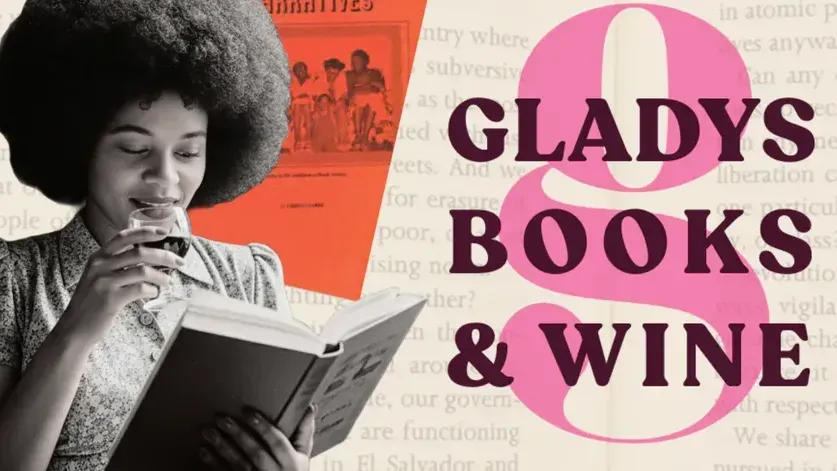
Gladys Books & Wine, a newly opened bookstore and wine bar in Brooklyn’s Bed-Stuy neighborhood, is setting a new standard for inclusive social spaces by centering Black queer women, transgender people, and their allies.
Gladys Books & Wine, located at 306 Malcolm X Blvd in Brooklyn’s Bed-Stuy, is not just a bar or a bookstore—it is a testament to the power of intentional community-building for Black queer people and their allies. The founder, Tiffany Dockery, was inspired by the warmth and togetherness she experienced at her grandmother Gladys’ home in Chicago, where family gatherings were filled with love, conversation, and comfort. Dockery’s goal was to “bottle that feeling” and create a space where others could feel equally held and celebrated .
The interior of Gladys Books & Wine is carefully designed to evoke this sense of belonging. Visitors are greeted by retro bar stools, pink feather chandeliers, beaded curtains, and arched bookshelves reminiscent of stained glass. The setting is intimate and inviting, with jazz music humming in the background and the buzz of conversation filling the air .
One of the defining features of Gladys Books & Wine is its curated selection of literature. The shelves are not simply filled—they are intentionally stocked to center Black and lesbian voices, including classics by writers such as Audre Lorde and James Baldwin. This focus ensures that patrons see themselves reflected in the stories that line the walls, fostering a sense of belonging and validation for Black queer individuals .
Dockery’s commitment to inclusivity extends to her staff as well. “Our staff is full of trans and gender non-conforming folks, because they’ve always been a part of Black lesbian communities,” Dockery shared in a recent interview. Her long-term vision is to provide healthcare for every staff member while ensuring the business remains sustainable and profitable. Dockery emphasizes that Gladys is “created for Black queer women and fem-presenting folks, but the door is open to all,” underscoring the space’s commitment to intersectional inclusivity .
Gladys Books & Wine opened its doors after a whirlwind turnaround—Dockery conceptualized the idea in January 2025, broke ground in May, and was welcoming guests by August. The project was built by the community, for the community. Friends and allies helped with everything from stocking bookshelves to bar-backing at the grand opening. “As someone who can sometimes think I can do it all by myself, I had to ask for help. There was no way we could do it without it,” Dockery recounted, highlighting the collective spirit behind the space’s creation .
Even before its physical opening, Gladys cultivated a strong presence online, gathering approximately 9,000 followers on Instagram and 5,000 on TikTok. However, it was the community’s in-person response that truly affirmed the need for such a venue. At the grand opening, a guest remarked, “I’ve gone to so many Black business closing parties. It’s nice to be at a grand opening,” a sentiment that moved Dockery and underscored the hunger for spaces that prioritize Black queer experiences .
Programming at Gladys Books & Wine is already underway. The space regularly hosts movie screenings, mixers, anonymous wine tastings, and community talks. Upcoming events include a screening of *Rainbow Girls* with a Q&A featuring the filmmakers and activist Qween Jean, as well as appearances from Kimberlé Crenshaw, the African American Policy Forum, and the Black Feminist School. The venue’s calendar of events is designed to foster education, activism, and celebration within the Black queer community .
The selection of books at Gladys goes beyond queer and Black literature, including texts on topics such as Palestinian history and resistance. This reflects Dockery’s commitment to solidarity across struggles and her understanding that intersectionality is central to true community-building .
Looking ahead, Dockery envisions Gladys as more than just a neighborhood spot—it is a sanctuary where Black queer women, transgender people, and their allies can feel both safe and celebrated. Plans for book-and-wine pairings and expanded community programming are already in the works, positioning Gladys Books & Wine as a model for similar spaces nationwide .
Gladys Books & Wine stands as a rare and much-needed sanctuary for Black queer people in Brooklyn and beyond. With its curated shelves, intentional staffing, and ambitious programming, the space offers a blueprint for what inclusive, affirming community venues can look like. Dockery’s vision is proving transformative—not just as a business, but as a movement where culture is both sipped and savored, and where every visitor is invited to feel at home.
For those seeking a place to find their next favorite book, discover new wines, or simply be in community, Gladys Books & Wine is already becoming a cherished fixture in Bed-Stuy—and a beacon for the broader LGBTQ+ community.
To stay updated on events and initiatives, follow @gladysbooksbk on Instagram and Threads .
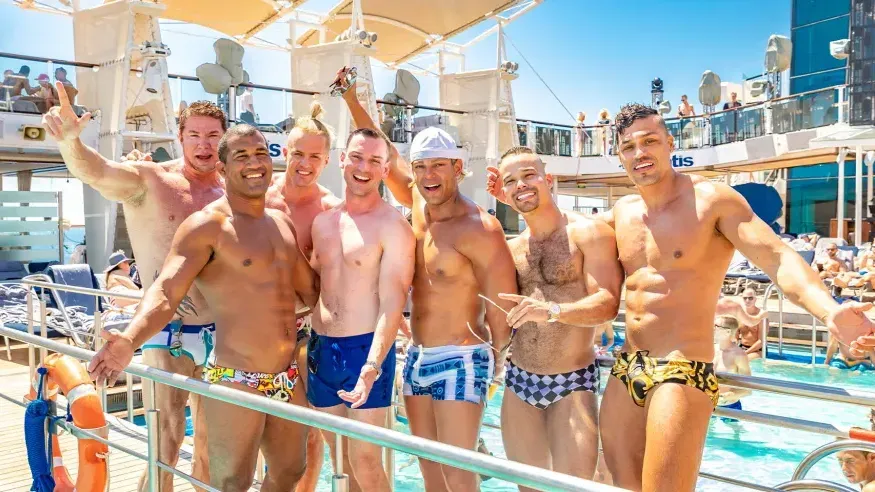
Atlantis Events has announced its most ambitious Asian cruise to date: a 12-night, all-gay journey aboard the luxurious Celebrity Solstice, sailing from Hong Kong to Singapore this November.
Atlantis Events, celebrated for its trailblazing LGBTQ+ travel experiences, has announced its most ambitious Asian voyage yet: a 12-night, all-gay cruise aboard the Celebrity Solstice, departing from Hong Kong and culminating in Singapore from November 16 to November 28, 2025. Touted as “Asia’s biggest all-gay cruise,” the itinerary promises a vibrant blend of cultural exploration, world-class entertainment, and the signature inclusivity that has defined Atlantis for 35 years .
The cruise will whisk up to 2,800 guests across seven intoxicating destinations, including overnight stays in Vietnam’s Halong Bay and Hanoi, Chan May, Ho Chi Minh City, Thailand’s Bangkok and Ko Samui, and finally, the cosmopolitan city-state of Singapore. Each stop offers curated excursions designed to showcase local culture, cuisine, and the vibrant LGBTQ+ communities that have flourished across the region .
Halong Bay, renowned for its limestone karsts and emerald waters, sets the stage for breathtaking river tours and excursions to Hanoi, where the city’s rich history and progressive attitudes toward LGBTQ+ rights are increasingly visible in its nightlife and community organizations. Bangkok, a global beacon for LGBTQ+ travelers, offers a dazzling array of queer-friendly venues, from lively bars in Silom to serene temples and bustling night markets. Singapore, the cruise’s final destination, invites guests to explore its glittering skyline, world-class shopping, and a dynamic queer scene that continues to make strides in visibility and acceptance .
The Celebrity Solstice, a 121,878-ton vessel refurbished in 2021, is renowned for its luxurious amenities, spacious staterooms, and sleek, modern design. With a capacity for 2,852 guests and an attentive crew of 1,250, the ship is equipped with eight restaurants, a stunning pool deck perfect for outdoor events, and exclusive spaces designed by top international architects. Highlights include the wraparound glass walls of the main dining room, expansive wood decks, and the Solarium—a sanctuary for relaxation and poolside festivities .
Dining options range from casual eateries to upscale venues such as Blu and Luminae, catering to the diverse tastes and preferences of LGBTQ+ travelers. The ship’s design emphasizes both privacy and community, with public spaces crafted for connection and celebration—a hallmark of Atlantis Events cruises .
Atlantis is renowned for its “sizzling performers, fabulously fun parties, and legendary service.” Onboard entertainment will include drag shows, live music, dance parties, and outdoor t-dances, ensuring that every night is a celebration of queer artistry and self-expression. These events are curated to foster a welcoming, affirming atmosphere for all LGBTQ+ identities—including gay, lesbian, bisexual, transgender, non-binary, and queer guests—while maintaining the highest standards of inclusivity and safety .
Atlantis also prioritizes diversity within its guest lineup, reflecting the global reach of the LGBTQ+ community. “We’re creating Asia’s biggest all-gay cruise with an exotic itinerary that sails to the best of Vietnam and Thailand, including overnights in Halong Bay and Bangkok, and so much more. All were designed for the most diverse group ever assembled on Asia’s largest gay cruise. Ever,” states the official announcement .
Fares for the 12-night voyage start at $1,599 per person for an interior stateroom, with options ranging up to $3,399 for SkySuite cabins. Port fees, taxes, and prepaid gratuities are additional, with Atlantis offering flexible payment plans and travel insurance to ensure accessibility for a broad spectrum of travelers .
Pre- and post-cruise hotel packages are available, including accommodations at the Hilton Singapore Orchard, strategically located near the city’s entertainment and shopping districts. Atlantis Events provides comprehensive support, including guidance for LGBTQ+ travelers navigating visa requirements, health protocols, and local customs .
The cruise’s presence in Southeast Asia is anticipated to boost local economies and visibility for regional LGBTQ+ communities. In recent years, Hong Kong, Vietnam, Thailand, and Singapore have made significant strides in LGBTQ+ rights and public acceptance. Thailand, for example, is on the cusp of passing marriage equality legislation, while Singapore decriminalized consensual same-sex relations in 2022—a landmark victory for equality advocates .
Atlantis Events has emphasized its commitment to partnering with local LGBTQ+ organizations and venues in each port of call, supporting advocacy and community engagement through visibility and economic activity. The cruise’s programming includes educational sessions and cultural events designed to highlight local queer history and contemporary issues .
For many participants, the Hong Kong to Singapore cruise represents more than leisure—it is a celebration of resilience, diversity, and global solidarity. “Atlantis cruises are more than just vacations; they are affirming spaces where every LGBTQ+ person can feel seen, safe, and celebrated,” says one repeat guest, whose testimonial is featured on Atlantis’s website .
Travel experts note that such large-scale LGBTQ+ events play a vital role in advancing acceptance and representation, both within the travel industry and the broader society. “By bringing thousands of queer travelers together in some of Asia’s most dynamic cities, Atlantis is sending a powerful message: queer joy and visibility know no borders,” said a spokesperson for KGay Travel .
Reservations are open for the November 2025 sailing, with a $200 deposit required to secure a spot. Prospective guests are encouraged to review health protocols, travel insurance options, and local COVID-19 regulations, as well as register for pre- and post-cruise tours through Atlantis’s official channels .
For more information, travelers can consult Atlantis Events (atlantisevents.com), Happy Gay Travel, and KGay Travel, which offer detailed itineraries, pricing, and support for LGBTQ+ guests of all backgrounds.
As Atlantis celebrates 35 years of pioneering all-gay vacations, the Hong Kong to Singapore cruise stands as a milestone for LGBTQ+ travel—an invitation to explore, connect, and celebrate in some of the world’s most vibrant cities. With its commitment to inclusivity, safety, and community advocacy, Atlantis continues to set new standards for queer travel in Asia and beyond .
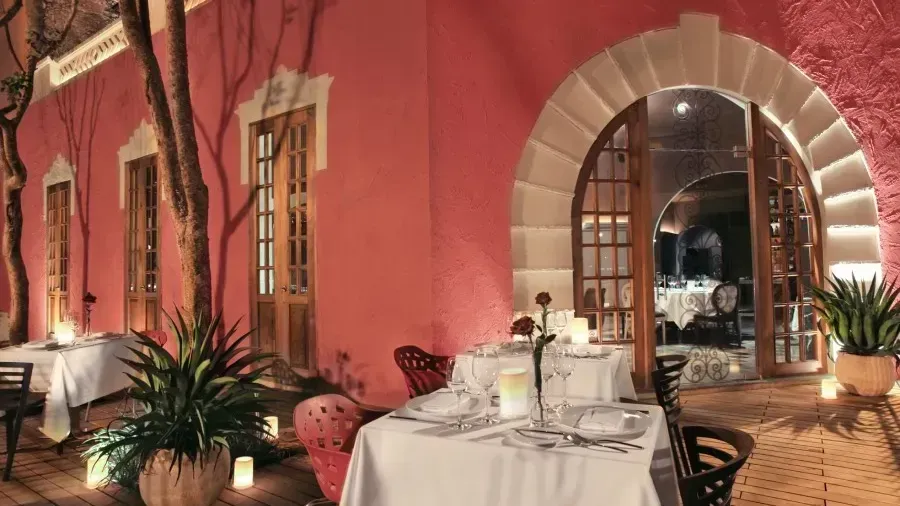
Located in Merida, Mexico, Rosas & Xocolate Boutique Hotel and Spa is celebrated as an LGBTQ+ friendly business embraced by both locals and travelers.
Merida, Mexico, is gaining recognition as one of the most welcoming and inclusive cities for LGBTQ+ travelers in 2025, according to several leading travel publications . Known for its rich Mayan and Spanish colonial history, Merida offers a blend of sophisticated urban life and tranquil, historic charm. Its city center is filled with leafy parks, festive cafes, galleries, and boutiques—many of which are queer-owned or queer-friendly. The local government and business community have fostered an environment of acceptance, making Merida an ideal base for travelers interested in both culture and community.
Rosas & Xocolate Boutique Hotel and Spa stands out as a beacon of LGBTQ+ inclusion in Merida. This 17-room luxury hotel, part of the Marriott-affiliated Design Hotels portfolio, occupies two palatial Spanish colonial mansions along the city’s iconic Paseo de Montejo, a boulevard inspired by Parisian design . The hotel is well-known for its visible support of LGBTQ+ travelers and its ongoing partnerships with local queer organizations. Staff are trained in inclusive hospitality practices and are openly affirming of all gender identities and sexual orientations, ensuring that every guest feels respected and valued.
Rosas & Xocolate regularly hosts events that celebrate diversity, including art exhibitions by LGBTQ+ artists, culinary experiences highlighting queer chefs, and wellness retreats that actively welcome transgender people, nonbinary individuals, and couples of all backgrounds . The hotel’s spa offers gender-neutral treatments, and its restaurant features inclusive menus that accommodate dietary needs relevant to diverse communities.
The presence of Rosas & Xocolate has elevated Merida’s profile as a destination where LGBTQ+ identities are celebrated openly. The hotel collaborates with local queer-friendly bars, cafes, and cultural institutions, such as Casa Pompidou and La Negrita Cantina, to create safe spaces for both residents and visitors. These partnerships help sustain a thriving LGBTQ+ ecosystem that extends beyond hospitality, supporting local entrepreneurs and artists .
In addition, Rosas & Xocolate supports Merida’s annual Pride events and sponsors educational workshops on topics such as LGBTQ+ history in the Yucatan, trans health and wellness, and intersectional activism. These initiatives are widely praised by advocacy organizations for their positive impact and authentic engagement .
Travelers consistently highlight the hotel’s atmosphere of warmth and acceptance. Reviews on travel platforms such as TripAdvisor and Booking.com note that LGBTQ+ couples and solo travelers feel safe and welcomed at Rosas & Xocolate, citing attentive staff and visible anti-discrimination policies .
One recent guest, a nonbinary traveler from Canada, shared: “Rosas & Xocolate is more than just a hotel—it’s a community. Staff used my correct pronouns, and I met other LGBTQ+ travelers during a local art tour organized by the hotel. It’s the kind of place where you can truly be yourself without fear” .
Another testimonial from a trans woman traveling with her wife stated: “The spa team made us feel special and respected. The city itself is beautiful, but what made our stay memorable was the sense of community and belonging fostered by Rosas & Xocolate” .
While Merida continues to grow as an LGBTQ+ destination, challenges remain. Mexico’s broader legal landscape is still evolving, with varying levels of protection and recognition for LGBTQ+ people across different states . Rosas & Xocolate has actively advocated for stronger anti-discrimination laws and works with local leaders to promote safe tourism and equal rights .
The hotel’s leadership is committed to ongoing staff education and community engagement, recognizing that visibility and representation are crucial to sustaining Merida’s reputation as a truly inclusive city. By partnering with national and international LGBTQ+ organizations, Rosas & Xocolate hopes to inspire other businesses to follow suit.
Rosas & Xocolate Boutique Hotel and Spa exemplifies how a business can serve as both a safe haven and a catalyst for social change in a tourist hotspot. Its dedication to LGBTQ+ inclusion is not just rhetoric—it is reflected in every aspect of its operations, from staff training to event programming to community outreach .
As Merida’s popularity grows among global travelers, Rosas & Xocolate offers a blueprint for how hospitality businesses can create truly welcoming spaces for all, regardless of sexual orientation, gender identity, or background. The hotel’s story is a testament to the power of visibility, community, and authentic inclusion in the heart of the Yucatan.