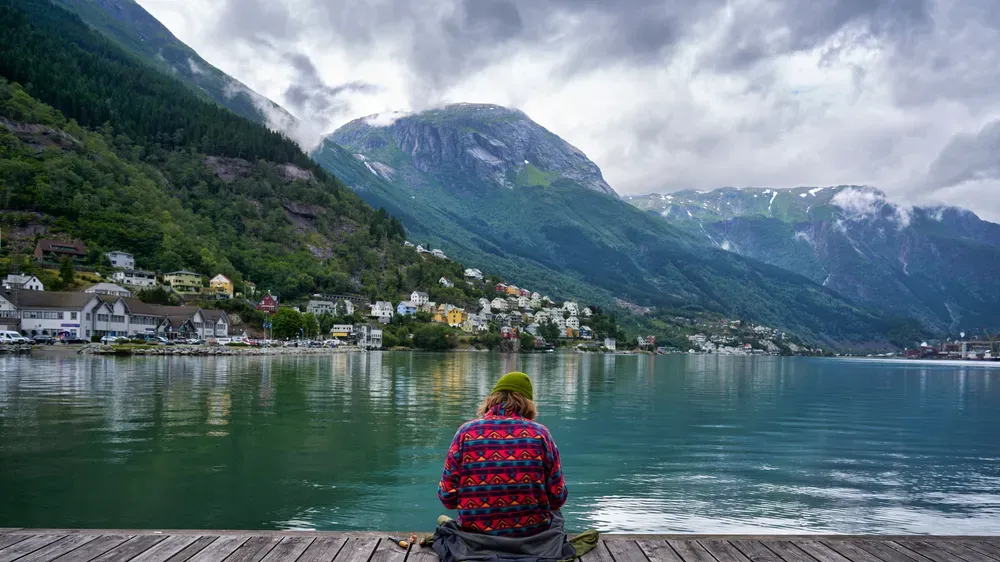
Norway stands out as one of the world’s most LGBTQ+ inclusive destinations, blending progressive rights with stunning natural beauty and vibrant city culture.
Norway, celebrated for its dramatic fjords, northern lights, and rich cultural tapestry, is equally notable for its unwavering commitment to LGBTQ+ equality. Ranking consistently among the top ten most LGBTQ+-friendly countries globally, Norway offers both historic milestones and a contemporary ethos of inclusion, making it a premier destination for queer travelers seeking both adventure and acceptance .
Norway’s progressive legal framework provides a solid foundation for LGBTQ+ visitors. Same-sex marriage has been recognized since 2009, with equal rights granted in areas including adoption, assisted pregnancies, and church weddings . Discrimination based on sexual orientation and gender identity is strictly prohibited, with robust anti-discrimination laws in place since the 1980s . The country’s inclusive policies have fostered a society where most venues—cafés, hotels, museums, bars—are welcoming to all, regardless of identity .
Oslo, Norway’s capital and largest city, is a dynamic urban hub where queer life flourishes. The city’s main gay district, Grünerløkka, is famed for its eclectic mix of LGBTQ+-friendly bars, clubs, and restaurants . Popular venues include the longstanding London Pub and Elsker, both of which regularly host drag shows, themed parties, and live performances .
Oslo Pride is the country’s largest LGBTQ+ festival, drawing thousands for ten days of concerts, art exhibitions, debates, and parties, culminating in a vibrant parade through the city . The festival not only celebrates diversity but also foregrounds human rights and queer culture, ensuring visitors feel both welcomed and inspired.
For those interested in art and history, the city offers highlights such as the Munch Museum, the National Gallery, and the striking modernist Opera House, all easily accessible and inclusive for LGBTQ+ travelers .
Bergen, Norway’s second-largest city, is renowned for its picturesque harbor, mountain backdrops, and a unique Pride spirit that thrives regardless of weather. Regnbuedagene (Rainbow Days), the city’s annual Pride festival, is recognized for its grassroots approach—eschewing large corporate floats for a more community-driven, joyous march where locals and visitors celebrate side by side .
The city’s only dedicated queer bar, Fincken, is emblematic of Bergen’s inclusive ethos: rather than segregating LGBTQ+ spaces, most establishments are open and welcoming by default . Each June, the city center comes alive with rainbow flags, public art installations, and a parade that weaves through the historic streets, undeterred by rain—a symbol of Norway’s resilient and joyful queer community.
For adventurous travelers, Tromsø offers a singular opportunity: Arctic Pride. Held in November, this event draws locals and visitors together for a week of festivities under the polar night, as the city is bathed in the magical glow of the northern lights . The city’s queer-friendly pubs, bars, and social venues, including Studentsamfunnet Driv (the student union), Storgata Camping, and Bastard Bar, provide warm, welcoming spaces to escape the Arctic chill. The festival’s unique atmosphere—think rainbow flags against a snowy backdrop—makes it a must-experience for those seeking something different in the global Pride calendar.
Norway’s LGBTQ+ nightlife scene is concentrated in its larger cities but remains accessible and inclusive nationwide. In Oslo, besides London Pub and Elsker, travelers can join guided LGBTQ+ city tours offering both historical insights and a safe introduction to the local scene . In Bergen and Trondheim, while there are fewer explicitly “queer” bars, the culture of openness means travelers rarely need to seek out designated safe spaces—most venues operate with inclusive policies .
Travel Tips for LGBTQ+ Visitors
- Safety and Comfort: Norway is widely regarded as safe for LGBTQ+ travelers. Queerphobic incidents are rare, and police and emergency services are trained to respond sensitively to LGBTQ+ needs .
- Language and Etiquette: English is widely spoken, and Norwegians are known for their politeness and respect for privacy, making it easy for visitors to navigate both city life and rural adventures .
- Gender Inclusivity: Non-binary and transgender travelers will find a supportive environment, with gender-neutral facilities available in many public spaces .
Norway’s natural wonders—fjords, mountains, midnight sun, and the northern lights—are open to all. LGBTQ+ travelers can join organized tours, many of which are committed to inclusivity, or explore independently. The ethos of “alle er velkommen” (everyone is welcome) permeates even the most remote destinations, from hiking in Lofoten to kayaking near Geirangerfjord .
Norwegian LGBTQ+ leaders and activists emphasize the importance of both celebrating progress and acknowledging ongoing work for equality. Inge Alexander Gjestvang, leader of FRI (The Norwegian Organization for Sexual and Gender Diversity), notes: “It is important to look back with gratitude to those who pushed through that change in the law. Because it was hard work, and still is today. We need to continue to keep up the pressure” .
Locals echo the sentiment that Norway’s inclusivity is not just legal, but lived: “I find that Norway is very good at making most things available to everyone. I rarely look up safe places to go, because most places are,” says Majken Helén Evensen, Oslo Pride volunteer .
For LGBTQ+ travelers seeking a destination where rights, safety, and celebration go hand in hand, Norway offers a model of progressive inclusivity. Whether you’re dancing at Oslo Pride, marching through the rain in Bergen, or watching the aurora borealis at Arctic Pride, you’ll find a travel experience that is as welcoming as it is unforgettable.
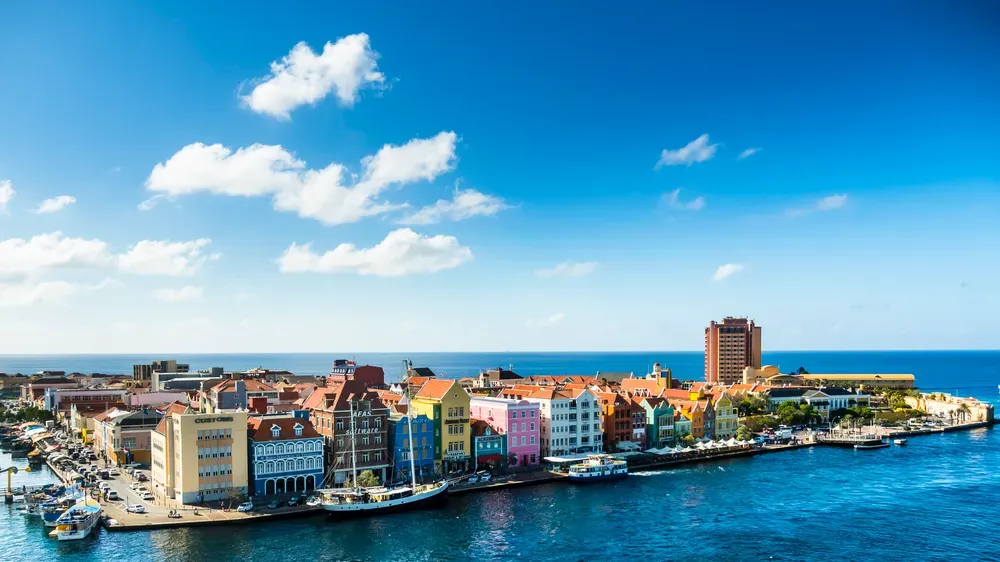
Curaçao, a vibrant Caribbean island, is fast becoming an emerging destination for LGBTQ+ travelers seeking inclusivity and authenticity.
In recent years, the Caribbean has seen a gradual shift toward greater acceptance of LGBTQ+ identities, but few islands have embraced this change as openly or joyously as Curaçao. Once overshadowed by more prominent destinations, Curaçao is now gaining international attention as a queer-friendly hotspot, thanks in large part to legal advances and a passionate, visible local LGBTQ+ community. In 2024, Curaçao made international headlines by legalizing same-sex marriage, a landmark move that reflects the island’s growing commitment to equality and inclusion for all.
For years, LGBTQ+ rights in many Caribbean nations have lagged behind global trends. Curaçao’s decision to legalize same-sex marriage marked a turning point not only for the island but for the region at large. The new legislation provides equal protection under the law for queer couples, ensuring that visitors and residents alike are free to express their love and identities without fear of legal persecution. This legal framework is matched by a visible shift in the island’s social atmosphere: hotels, restaurants, and businesses are increasingly supportive, with many actively training staff in LGBTQ+ inclusivity and displaying rainbow flags in solidarity.
Curaçao’s queer nightlife is thriving, with new venues and events catering to a diverse range of identities and tastes. The island’s first dedicated queer bar, Gaze, has quickly become a community hub, offering Thursday night karaoke and regular drag performances that attract both locals and tourists. The sense of belonging and celebration is palpable, as travelers find spaces where they can connect authentically.
October now marks a highlight on the island’s social calendar: Curaçao Pride. This annual celebration has grown in scale and scope, with parades, beach parties, film screenings, and cultural events drawing visitors from across the Americas and Europe. The Pride festivities are not only a time for joyful visibility but also a platform for local activists to raise awareness and advocate for further rights.
Hospitality in Curaçao is evolving to meet the needs of queer travelers. Numerous hotels and guesthouses are now LGBTQ+-owned or explicitly queer-friendly, with staff trained in inclusivity and sensitivity. Many local businesses have joined regional campaigns to promote diversity and ensure that queer visitors feel genuinely welcome, not merely tolerated. The presence of rainbow flags at popular resorts and bars signals a wider cultural embrace, and the island’s tourism board has partnered with international organizations to further inclusivity efforts.
The evolution of Curaçao as an LGBTQ+ destination is not without challenges, but local queer activists and residents express optimism about the future. Community leaders highlight the importance of visibility, education, and solidarity in pushing for social progress. Tourists report feeling safe and celebrated, noting that the island’s unique blend of Caribbean and Dutch influences fosters an environment where difference is valued.
Kiraau, a local queer advocate, describes the change: “Maybe five or six years ago, Curaçao felt welcoming, but the laws were not up to par with the community spirit. Now, especially for tourists, the laws protect us. The atmosphere has shifted—there’s a sense that queer people are truly valued as part of the island’s fabric.”
While traditional queer destinations such as San Francisco, Provincetown, or Key West remain popular, Curaçao offers a distinct alternative—one that combines natural beauty with cultural authenticity and progressive values. The island’s beaches, colorful architecture, and rich culinary scene provide the backdrop for queer travelers to explore with confidence and joy. Curaçao’s emergence signals a broader movement toward inclusivity in travel, where destinations off the beaten path can set new standards for hospitality and community engagement.
Travel Tips for Queer Visitors
- Visit in October to experience Curaçao Pride, when the island’s queer community is most visible and vibrant.
- Explore local LGBTQ+-owned businesses, including bars, cafes, and guesthouses, many of which can be found in the capital, Willemstad.
- Engage with community organizations and attend cultural events to gain deeper insight into the island’s queer history and activism.
Curaçao’s progress offers a blueprint for other Caribbean destinations seeking to attract LGBTQ+ travelers. The island demonstrates that legislative change, when paired with grassroots advocacy and business engagement, can transform not only the tourist experience but also the daily lives of queer residents. As more visitors discover Curaçao’s warm embrace, the hope is that a ripple effect will encourage greater acceptance and equality throughout the region.
For queer travelers yearning for adventure, authenticity, and community, Curaçao stands ready to welcome you—not just as a guest, but as family.
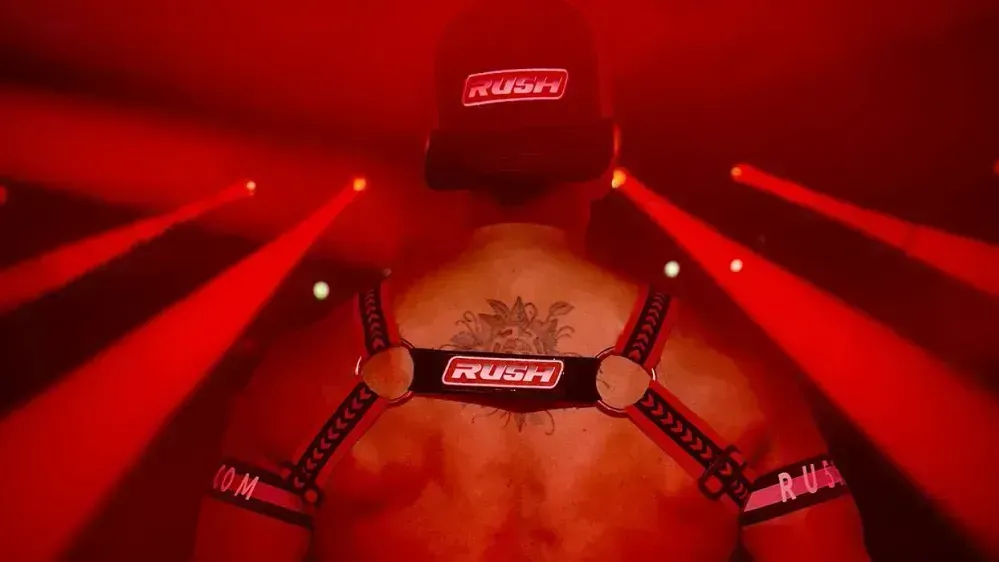
RU5H, a new all-gay, trans-inclusive travel and lifestyle brand, made its debut at San Francisco's Folsom Street Fair in September 2025, announcing plans for kink-minded cruises, resort takeovers, and fetish events.
A bold new player has entered the LGBTQ+ travel market with an explicitly sex-positive mission. RU5H, billing itself as an "all-gay, all-male travel and lifestyle brand," announced its launch with a provocative activation at the Folsom Street Fair on September 28, 2025, promising to deliver "unapologetically sex-progressive vacations" that combine kink culture with luxury travel experiences .
The brand's debut at the world's largest leather and fetish gathering set the tone for what travelers can expect. The RU5H activation featured a playground setup that became a notable gathering spot at the fair, complete with pup masks, slings, and a rotating penis-and-scrotum disco ball—a clear signal of the company's commitment to creating spaces where sexual expression is not just tolerated but celebrated .
RU5H positions itself as welcoming "gay, bi, and pan men and male-identifying adventurers ready to explore their desires on their own terms" . This inclusive language explicitly welcomes transgender men and non-binary individuals who identify as male, marking a progressive stance in the gay cruise market.
The brand's Instagram presence offers an unfiltered preview of its philosophy: "Welcome to RU5H: the no-shame, all-gay male & male identifying vacation escapes where fantasies roar to life. Dance, flirt, and f**k under the stars with zero apologies. This is your invitation to indulge with few limits, surrender to pleasure, and revel in pure decadence" .
In an exclusive statement to Out Magazine, RU5H's founders explained their vision: "RU5H is where sexual freedom and adventurous travel meet. Launching at Folsom Street Fair was our way of honoring the fearless creativity of the kink community and inviting men everywhere to take that spirit with them on every RU5H escape" .
Central to the RU5H brand identity are what the company calls its "five pillars": sex, stimulation, submission, seduction, and satisfaction. The brand stylizes these words by replacing the letter "s" with the number five, reflecting the numerical branding in its name .
An Instagram post elaborating on the "5ex" pillar describes it as "the unapologetic heartbeat of RU5H, where raw desire and unfiltered pleasure set everything in motion" . This framework positions sexual freedom as the foundational element of the travel experience, with the other pillars supporting various aspects of kink and fetish exploration.
A press release detailing the brand's offerings promised "unapologetically sex-progressive vacations in the form of three- and four-night full-ship cruises, resort takeovers, and pop-up fetish events that combine underground energy, uninhibited freedom, and just the right amount of hospitality" . The release further described RU5H as "engineered for men who want to play harder, let go of inhibitions, break free from personal boundaries, and live out (nearly) every fantasy" .
While specific details remain under wraps, RU5H has confirmed it will announce its inaugural "high-voltage, all-gay big-ship getaway" in mid-December 2025 . The reference to a "big-ship" suggests the company has chartered a large ocean-going vessel, similar to other established gay cruise operators.
In the meantime, interested travelers can visit ru5h.com to view a promotional video and enter a sweepstakes for a chance to win a trip on one of the brand's upcoming voyages .
The timing of RU5H's entry into the market comes as LGBTQ+ travel continues to expand and diversify. The company is positioning itself alongside established players in the gay cruise market, though with a distinctly more explicit focus on sexual expression and kink culture than many of its competitors.
RU5H enters a well-established LGBTQ+ cruise market that has been serving the community for decades. Major charter companies like Atlantis Events, which focuses on gay men, and Olivia, which caters exclusively to lesbians, have long partnered with mainstream cruise lines to offer all-LGBTQ+ sailings .
These established operators typically charter entire ships from major cruise lines including Celebrity Cruises, Holland America Line, Royal Caribbean, Uniworld, Azamara, and Virgin Voyages, then customize the experience with LGBTQ+-focused entertainment, musical guests, and speakers .
However, even within this established market, there have been ongoing discussions about boundaries and appropriate conduct. In 2023, Atlantis Events reportedly asked gay cruise passengers to refrain from making pornographic films during voyages , highlighting the ongoing negotiation between sexual freedom and appropriate public behavior that exists even in LGBTQ+-exclusive spaces.
RU5H appears to be positioning itself as an alternative for travelers seeking a more overtly sexual and kink-friendly environment than traditional gay cruises might offer. The brand's emphasis on fetish events, darkly decadent parties, and "round-the-clock fetish-fueled experiences" suggests it aims to capture a niche market of travelers specifically interested in exploring BDSM, leather culture, and other kink-related interests in a vacation setting .
The launch of RU5H reflects broader trends in LGBTQ+ travel, where operators are increasingly offering specialized experiences that cater to specific segments of the community. While traditional gay cruises and lesbian cruises continue to thrive, there's growing demand for experiences that reflect the diverse interests within LGBTQ+ communities, from adventure travel to cultural tourism to explicitly sexual experiences.
Other LGBTQ+ travel companies have found success by offering tailored experiences. For example, The Cruise, powered by La Demence, has been organizing European gay cruises in the Mediterranean for more than a decade . Meanwhile, John Heath Travel has partnered with Transcend Cruises to offer river cruises specifically designed for LGBTQ+ travelers, including a Rhine River cruise in August 2025 aboard "The Gentleman" .
These various operators demonstrate that the LGBTQ+ travel market can support multiple approaches and philosophies, from family-friendly cruises to explicitly adult-oriented experiences.
While RU5H's promotional materials emphasize freedom and lack of inhibition, questions remain about how the company will balance sexual freedom with safety, consent, and legal compliance. Operating a cruise ship involves navigating complex maritime law, port regulations, and the policies of cruise line partners who ultimately own the vessels.
The brand's promise to deliver experiences with "few limits" and facilitate guests living out "nearly every fantasy" will need to be reconciled with practical realities of operating in international waters and visiting ports in various countries with different legal frameworks around public sexual behavior .
Additionally, while the brand's trans-inclusive language is progressive, how this inclusion will be implemented in practice—particularly in spaces traditionally dominated by cisgender gay male culture—remains to be seen.
As RU5H prepares to announce its inaugural cruise in December, the LGBTQ+ travel community will be watching to see how the brand delivers on its bold promises. The company's success will likely depend on its ability to create genuinely liberating experiences while managing the logistical, legal, and interpersonal complexities that come with facilitating sexual expression in a group travel setting.
For travelers interested in kink-friendly LGBTQ+ vacations, RU5H represents a new option that explicitly centers sexual freedom and fetish culture. Whether it will establish itself as a lasting presence in the LGBTQ+ travel market or remain a niche offering will become clearer once the company begins operating its promised cruises, resort takeovers, and pop-up events.
The brand's launch also raises broader questions about the evolving nature of LGBTQ+ spaces and travel. As acceptance of LGBTQ+ people has increased in many parts of the world, some community members have expressed concern about the sanitization of queer culture and the loss of explicitly sexual spaces that were once central to LGBTQ+ identity and community building. RU5H's unapologetic embrace of sexual freedom could be seen as a response to these concerns, offering an alternative to increasingly mainstream gay travel experiences.
As the mid-December announcement approaches, interested travelers can visit the company's website for updates and opportunities to be among the first to experience this new approach to LGBTQ+ travel.
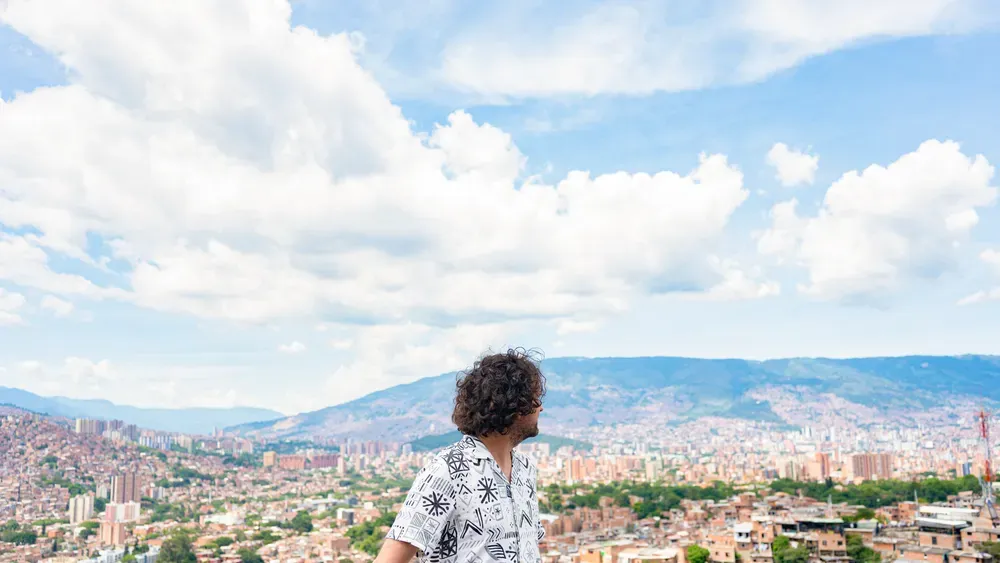
Queer Scout, a new tour service in Medellín, Colombia, is offering specialized experiences for LGBTQ+ travelers, including bar crawls, cultural tours, and guided excursions to nearby destinations.
Medellín, Colombia, has emerged as a dynamic destination for LGBTQ+ travelers seeking authentic cultural experiences combined with vibrant nightlife, and a newly-launched tour service is working to make the city more accessible to queer visitors from around the world. Queer Scout, which began operations in 2024, offers a range of specialized tours and experiences designed specifically for LGBTQ+ travelers exploring Colombia's second-largest city .
The tour company provides multiple experience options, from nightlife-focused bar crawls to cultural explorations of the city's street art scene and day trips to nearby towns. According to their offerings, Queer Scout has positioned itself as a comprehensive resource for LGBTQ+ visitors who want to experience Medellín's queer culture with the guidance of knowledgeable local hosts .
Queer Scout's most popular offering is the NightOUT Medellín Bar Crawl, a four-hour experience priced at $175 per person that takes participants through three of the city's most popular LGBTQ+ bars and nightclubs. The experience includes VIP access to venues, eliminating wait times, and features welcome shots or cocktails at each location. Private transportation is provided when necessary, along with bottled water and bilingual tour guides .
Beyond nightlife, the company offers cultural experiences such as the Gay Picnic & Graffiti Experience, which takes visitors to Medellín's Moravia neighborhood. This four-hour tour, priced at $150 per person, explores the area's transformation from a former landfill site into a thriving hub of street art and community culture. The tour focuses on murals that tell stories of resilience, identity, and community spirit, with bilingual guides providing historical and cultural context .
Additional offerings include a Gay Guatapé Boat Tour to the nearby colorful town of Guatapé, a Medellín Rooftop Bar Crawl, a Gay Salsa Dance Experience, and a DiningOUT Experience featuring exclusive dining tailored to private groups. The company also offers a Drink & Dance Experience that allows visitors to explore Medellín's nightlife at their own pace .
Reviews from early participants highlight the welcoming atmosphere created by Queer Scout's team. One visitor who participated in both the Guatapé tour and a gay dinner experience in February 2025 described the events as "delightful and eye opening," noting that the experiences provided an intimate look at gay Medellín and Guatapé. The reviewer praised the team's dedication, stating, "The teams really throw themselves into making sure we enjoyed ourselves. The dinner in a private home was delicious and filled with great discussions about the gay world of Medellin" .
Another participant, who experienced the NightOUT Bar Crawl in October 2024, emphasized the inclusive nature of the tours: "This agency does a fantastic job of creating a welcoming atmosphere for the LGBTQ+ community while also embracing everyone, regardless of their preferences." The reviewer noted that Medellín's nightlife "truly comes alive" after sunset, with venues offering drag shows, inclusive dance parties, and opportunities to connect with locals and fellow travelers .
Queer Scout joined Tripadvisor in August 2024 and has quickly earned recognition, ranking #31 out of 119 classes and workshops in Medellín with a 5.0 rating based on customer reviews . The company offers free cancellation up to 24 hours in advance for full refunds on all experiences, providing flexibility for travelers .
Tours accommodate ages 18-100 and typically last four hours, with suggested start times of 10:00 am and 2:00 pm for daytime experiences, though the company indicates flexibility in scheduling to accommodate different preferences . All tours include bilingual guides fluent in English and Spanish, private transportation when needed, and all applicable fees and taxes. However, medical insurance, tips and gratuities for drivers and guides, and food or drinks not specifically mentioned in itineraries are not included in the base price .
The launch of Queer Scout reflects Medellín's broader evolution as an LGBTQ+-friendly destination in Latin America. The city has developed a reputation for its vibrant queer nightlife scene and increasingly visible LGBTQ+ community, making it an attractive option for travelers seeking authentic cultural experiences combined with inclusive social spaces.
Colombia has made significant strides in LGBTQ+ rights in recent years, including legal recognition of same-sex marriage and anti-discrimination protections, though challenges remain in implementation and social acceptance. Tourism initiatives like Queer Scout play a role in both showcasing the city's queer culture to international visitors and supporting local LGBTQ+ communities through economic engagement.
The company's focus on providing safe, curated experiences addresses a common concern among LGBTQ+ travelers: navigating unfamiliar destinations while finding authentic queer spaces. By offering guided access to established venues and cultural sites, along with knowledgeable local hosts who can provide context and connections, Queer Scout aims to reduce barriers to exploration while enhancing the overall travel experience.
The Moravia neighborhood graffiti tour exemplifies how Queer Scout integrates LGBTQ+ perspectives with broader community narratives. Moravia's transformation from a landfill site to a cultural hub represents a powerful story of urban renewal and community resilience. By highlighting street art that addresses themes of identity and social justice within this context, the tour connects LGBTQ+ visitors to wider conversations about marginalization, transformation, and creative expression in Colombian society .
Similarly, the DiningOUT Experience, which features meals in private homes with discussions about gay life in Medellín, creates opportunities for meaningful cultural exchange beyond typical tourist experiences. These intimate settings allow for deeper conversations about the realities of LGBTQ+ life in Colombia, fostering understanding and connection between visitors and local community members .
As Medellín continues to develop its tourism infrastructure and brand itself as a welcoming destination for diverse travelers, services like Queer Scout represent an important niche in the market. By specifically catering to LGBTQ+ travelers while remaining inclusive of all participants, the company addresses both the desire for community-specific experiences and the broader appeal of well-organized, knowledgeable tours.
The company's early success, as indicated by its high ratings and positive reviews, suggests demand for specialized LGBTQ+ tourism services in Medellín. As word-of-mouth grows and the company expands its offerings, Queer Scout has the potential to become a model for LGBTQ+-focused tourism in other Latin American cities.
For LGBTQ+ travelers considering Medellín as a destination, Queer Scout offers a structured entry point into the city's queer culture, providing both safety and authenticity through local expertise and community connections. Whether seeking nightlife adventures, cultural exploration, or opportunities for meaningful dialogue about LGBTQ+ life in Colombia, the service positions itself as a comprehensive resource for queer travelers wanting to experience Medellín beyond typical tourist itineraries.
While some may mourn the end of summer, others love the arrival of fall. Gentle sunshine, crisp mornings, and dramatic skyscapes make for one of the Northern Hemisphere’s most beautiful seasons. However, while some lament the early nightfall and frost on their car windscreens, others are planning road trips and, quite possibly, train journeys.
While some may mourn the end of summer, others love the arrival of fall. Gentle sunshine, crisp mornings, and dramatic skyscapes make for one of the Northern Hemisphere’s most beautiful seasons. However, while some lament the early nightfall and frost on their car windscreens, others are planning road trips and, quite possibly, train journeys.
Recently, a study from the Japanese train company JR Pass shed light on the world’s most suitable fall train routes. The study charted all the world’s most beautiful train routes, as cited on travel platforms and forums such as TripAdvisor, WeatherSpark, and Instagram.
Reviews, data for average sun days, and hashtag frequency provided the relevant data for how each railway fared. Researchers also utilized data from Ahrefs, a keyword analytics platform that tracks the frequency of specific terms being searched online, to measure global interest in each route.
This season, why not say goodbye to summer and say hello to autumn from the view of a train carriage? These journeys are united by epic scenery, impressive design, and years of heritage.
Cumbres & Toltec Scenic Railroad, United States
America leads the way for fall railway trips, and topping the list with an incredible 9.08/10 is the 1880s mining boom-inspired Cumbres & Toltec Scenic Railroad. Running from Colorado to the New Mexico state border, this route operates between Antonito and Cumbres, Colorado, via Chama, New Mexico.
Passengers can opt for limited or full itineraries, taking in the sweet air of the San Juan Mountains and the high desert, while admiring the golden aspen groves. What’s more, there are options such as open carriages and exclusive “ Dark Sky Train ” rides. The latter allows passengers a 90-minute wander under the vast, dark skies to marvel at the Cosmos.
Tren de Sóller, Mallorca
Most tourists would consider Spain a place for whitewashed hilltop villages, busy beaches, and liberal swimwear laws. Nonetheless, the nation’s Balearic Island region has one of the most remarkable train journeys out there, winning second place in the JR Pass ranking. This trip is a lazy, sun-filled excursion on a 1912-built wooden train. The trip lets you immerse yourself in a timeless Mediterranean landscape and history-washed urbanizations.
If this appeals to you, the Tren de Soller’s webpage paints a picture of refined, gentile travel. Once onboard, you will find “lacquered wood floor, walls, and ceiling; sash windows, gilt light fixtures, and leather and metal seats.” The ride runs between the island capital of Palma and the Port of Sóller in Mallorca’s north, crossing fields of carob and almond before rising through the Serra de Tramuntana Mountains.
GoldenPass Line, Switzerland
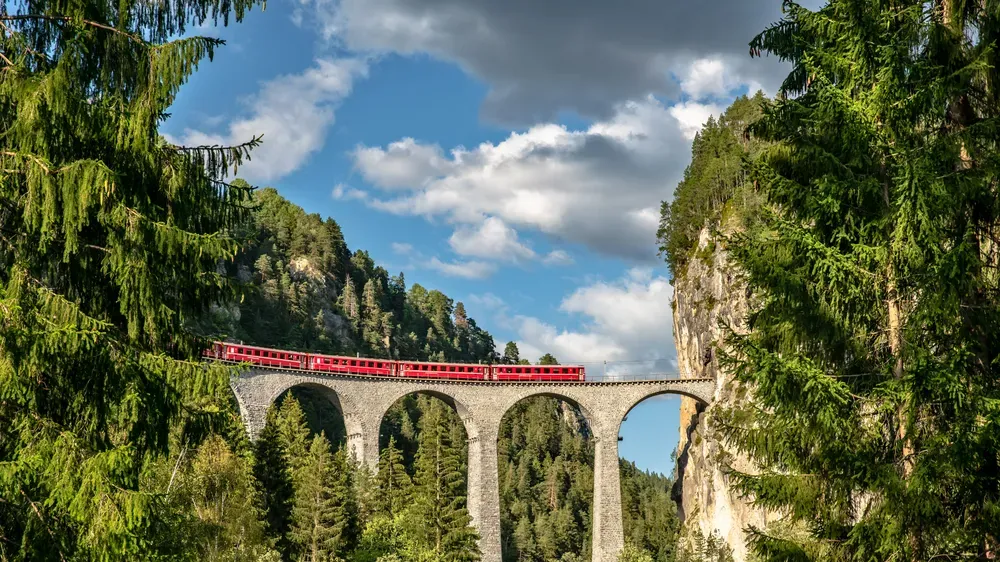
Next, we find ourselves in one of the higher-altitude journeys through possibly Europe’s most postcard-ready country: Switzerland. There’s a reason why the Alpine nation has so many TV shows dedicated to train journeys, most notably those presented by travel presenter Jeff Wilson. He has created several documentaries and written extensively about Switzerland, namely its vintage trains. The GoldenPass Line is just that: a railroad dating back to the 1890s, taking in some of Switzerland’s most breathtaking sights.
However, some of the trains that ride between Montreux and Interlaken are anything but vintage. The GoldenPass Line operates several railway companies, including the premium service, GoldenPass Express. This journey offers two levels of comfort, with the prestige option being the more luxurious option. “The Prestige area is raised by 40 centimetres to allow the passengers to be fully immersed in the landscape,” reads the GoldenPass Express page description. “The passenger feels like sitting in the landscape.” If that doesn’t tempt you, no train journey ever will.
Oigawa Railway, Japan
YouTube is awash with hundreds of Japanese train journeys depicted via in-real-life (IRL) videos, tempting any train lover with calm luxury and epic scenery. The fourth-ranked journey, the Oigawa Railway in Japan, comes with a score of 8.05/10. What makes this railway company special is its dedication to history.
The company has steam locomotives, a fleet of Thomas the Tank Engine characters, and old local vehicles for shorter journeys. “Retired trains from all over Japan come here to start their second career,” reads the Oigawa Railway guide. “Relax and sit back on these local trains and enjoy the scenery along the river.”
Blue Ridge Scenic Railway, United States
Of course, we all knew the Appalachian experience would make the grade, and Georgia’s Blue Ridge Scenic Railway is a slice of leaf-peeper Heaven. This piece of wilderness, accessible by train, commands huge admiration from would-be visitors. A reported 20,000 monthly searches and 6,429 Instagram hashtags unite tree fans and railway enthusiasts alike.
The Blue Ridge website advertises both a two-hour “Foliage Express Tour” and a four-hour “Foliage Extended Tour” that, at one point, straddles the state lines. Taryn White writes about her experience in Travel & Leisure. “What makes this ride so special isn’t just the fall colors; it’s also the pace,” she says. “Riding the rails gives you time to slow down and look at the canopy’s changing hues, from chartreuse to crimson.” For an added touch of authenticity, options like open-air coaches and locomotive cab rides make this train ride one to remember.
Rhodope Narrow Gauge Railway, Bulgaria
Not many will have heard of the Rhodope Narrow Gauge Railway in Bulgaria. Nonetheless, this multi-leg journey across the Rhodope Mountains National Park will reward those willing to try something new. The train line is as steeped in history as it is in natural wonders, running between Septemvri and Dobrinishte in Bulgaria’s Balkans. For those willing to visit this far into Eastern Europe this fall, a wholesome train adventure awaits.
Think: natural spas, high passes, ancient fortresses, and endless vistas of unspoilt Balkan Mountain landscapes. According to the online booking page, “each station and stop along the route offers access to a plethora of hiking trails leading to captivating natural and historical sights.” This ride is one for nature’s disciples.
Semmering Railway, Austria
One of the most dramatic railway journeys in the world is the Semmering Railway, which has been designated a UNESCO World Heritage site. Quite simply, this strip of rail is as ambitious as it is technologically advanced for its age. It was the world’s first purpose-built mountain railway, built to tackle Austria’s Alpine foothills. According to travel blog Byway, this engineering feat was quite spectacular.
The railway created “14 tunnels” and “16 viaducts” on a trackbed laid with a 1,500 ft altitude climb. The Semmering Railway network climbs across a Marathon-length stretch of lofty Austrian Alps territory, though don’t let the distance fool you—the route drapes across rises ranging up to the 5,000 ft Semmering Pass. Austria’s ÖBB (Österreich Bundesbahn - Austria Train Travel) website makes booking any leg of the trip simple.
Sagano Romantic Train, Japan
While the majority of Japan’s visitors may only think of seeing Tokyo, the country’s natural wonders and its ancient rural treasures are never far away. The old capital city of Kyoto sets the scene for this short route, with its numerous historical temples, a bamboo forest, and other attractions making the experience worthwhile. This part of Japan in the fall is similar to America’s leaf-peeper season, whereby the Hozugawa Valley comes alive in vibrant red and gold.
Therefore, the Sagano Romantic Train website recommends booking a trip between September and November. Its summary of the landscape’s foliage depicts how it “makes you feel like you are traveling through an autumn painting.” Coupled with trademark excellent Japanese hospitality and service, this train ride is for those who deserve it.
White Pass & Yukon Route, Alaska
Back to the United States for the next entry here. This time, we head north to Alaska, where the fall season heralds a dramatic shift in the landscape. The White Pass & Yukon Route (WPYR) starts at Skagway on the Northern tip of Chikook Inlet in Alaska’s Southeastern region. The northern section of the railroad follows in the footsteps of the Klondike Gold Rush of the late 1900s up into Whitehorse, Yukon.
However, the WPYR website offers a plethora of options, featuring a blend of short and longer round-trip train tours. Hikers can enjoy “Hiker Service” routes that incorporate trekking into the itinerary, while overnight sleeper one-way journeys are also possible. Unfortunately, demand is high, and one should book at least six months in advance for the WPYR fall trips, which end in October.
Schneeberg Railway, Austria
Austria strikes again with a different train route, the Schneebergbahn (or Cog Railway), where adventurers and relaxed daytrippers alike have something for their pleasure. Remarkably, this railway route has been hitting the Schneeberg shoulder since 1897. It is a roughly 6,500 ft mountain, and Lower Austria’s highest peak; therefore, one can even hike to the top after they alight.
Visitors can use either the older vintage steam train or the newer Salamander train, built in 1999, to reach the nearly 6,000-foot train stop. In typically understated Austrian fashion, the Schneeberg train website declares how “you will be impressed by the performance of this small railway.” When you see the views atop this marvelous engineering feat, you will be more than impressed.
Hakone Tozan Railway, Japan
Japan gets the three-peat slam dunk with its third entry, and making the grade this time is the Hakone Tozan line on Japan’s western coast. The lower section of this track starts in Japan’s Hakone Prefecture, while the upper part reaches the elegant Gora, in the nearby Hakone Mountains.
The great thing about this railway is how it makes a great day trip from Tokyo, where many commuters use the lower line daily. Japan Guide explains that along the upper route, a Hakone Free Pass comes with “unlimited use of selected trains, cablecars, ropeways, boats and buses in the Hakone area.” Be warned, it is near Tokyo, which has many people wanting to see the fall colors. Booking early is highly recommended.
Douro Line, Portugal
Europe’s contribution to this group of journeys started in the Iberian Peninsula, and we revisit the same place in Portugal’s world-famous Douro River Valley, a region synonymous with port wine. However, Portugal’s bonus is the Douro Line, a highly relaxed train journey snaking through the terraced hills where the wine is still made by hand. What’s more, the weather stays in the late fifties for most of the fall season, making excursions like wine-tasting or river cruises possible.
Travel-writing heavyweight Rick Steves champions this journey into Portugal’s heartland. Unlike other famous wine-producing areas, like France’s Loire River Valley, the Douro Valley wasn’t a strategic medieval military location. “So, rather than castles and stony ramparts, visitors encounter farms and sleepy villages,” he writes. “The only thing fortified here…is the wine.”
by Ben Rice | Guessing Headlights
Copyright Associated Press. All rights reserved. This material may not be published, broadcast, rewritten, or redistributed.
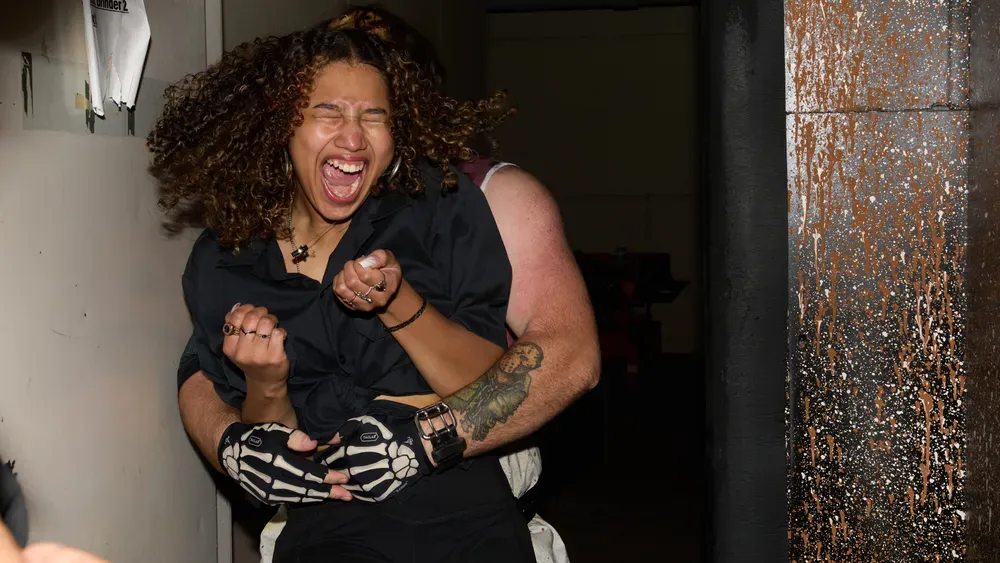
Rosey Washington reacts while being grabbed during her performance at the Erebus Haunted House, Oct. 2, 2025, in Pontiac, Mich. Photo Credit: (AP Photo/Ryan Sun)
A suburban Detroit haunted house prepares its scare actors for the Halloween season by sending them to school
Grotesque makeup, menacing props and intimidating costumes are just one part of a Michigan haunted house's 25-year-old formula to terrify guests.
It starts by educating the actors looking to provide the most horrifying experience to its visitors. At Scare School, they learn all the tricks of the trade.
Lessons begin weeks before the four-level walk-through scream factory opens to visitors, introducing fresh talent to the get-ups, face paint and unnatural body movements proven to petrify thousands of customers since the turn of the century.
The actors' report card of sorts is the “Wimp Out Score Board” in Erebus Haunted Attraction's ground-level lobby, tallying the numbers of visitors who flee before making it through all four levels or who join the “wetters, pukers & fainters” total.
And, yes, they really tally it.
The one-time abandoned parking structure in Pontiac consistently lands on lists of the scariest haunted houses in America. Operations managers and brothers Zac and Brad Terebus said the coaching and training performers receive isn’t just about what they wear or how loud they can shout.
“Scare School really comes down to the psychology of fear,” Zac Terebus said. “Fear is not an accident. Fear is an art.”
In the weeks before Erebus opened for the Sept. 19-Nov. 2 Halloween season, managers auditioned and hired dozens of scare actors, then coached them to be as frightening as humanly — or rather, supernaturally — possible.
In an upstairs room in early September, Erebus veterans schooled the newbies on the finer points of zombie shuffling and demon shrieking, walking on stilts and wielding a spiked (plastic) club. The new hires also learned about make-up application, costuming, how to get into their roles and personas as well as rules about interacting with the guests.
It’s all part of an effort to bring out their inner fiend, Brad Terebus said.
“Let’s say they’re a lawyer by day,” he said. “They can come here, break their shell off and just release this monster within them.”
Alan Tucker, who portrays a bloodthirsty clown, said scare acting is “therapeutic.”
“You never really think that you can be something else for a couple hours and scare people. But then when you really actually get to do that, it’s so entertaining. It’s so fulfilling,” said Tucker, who is in his second year as a scare actor.
Renee Piehl is in her third year, this time around playing Nyx, based on the Greek goddess of night, who frightens guests waiting in line to enter the haunt.
“They come here to be scared. It’s Halloween. It’s fun,” she said. “We are to be ugly and scary and bloody.”
Plus, the scarier the actors are, the bigger the numbers will get on the Wimp Out Score Board.
The board currently lists 10,711 “wimps” and 1,246 “wetters, pukers & fainters” both cumulative totals since the Terebuses’ father and uncle opened the attraction.
“What we have throughout the haunted house, we call them ‘chicken exits.’ They’re actually fire exits,” Zac Terebus said. “But, at any point in the show, if you say, ‘I want out,’ we take you out, we escort you down, you end up here in the exit lobby, you can wait for your group to come on out.
“It's a competition among our monsters to see who can really scare the pee out of somebody."
by Mike Householder
Copyright Associated Press. All rights reserved. This material may not be published, broadcast, rewritten, or redistributed.
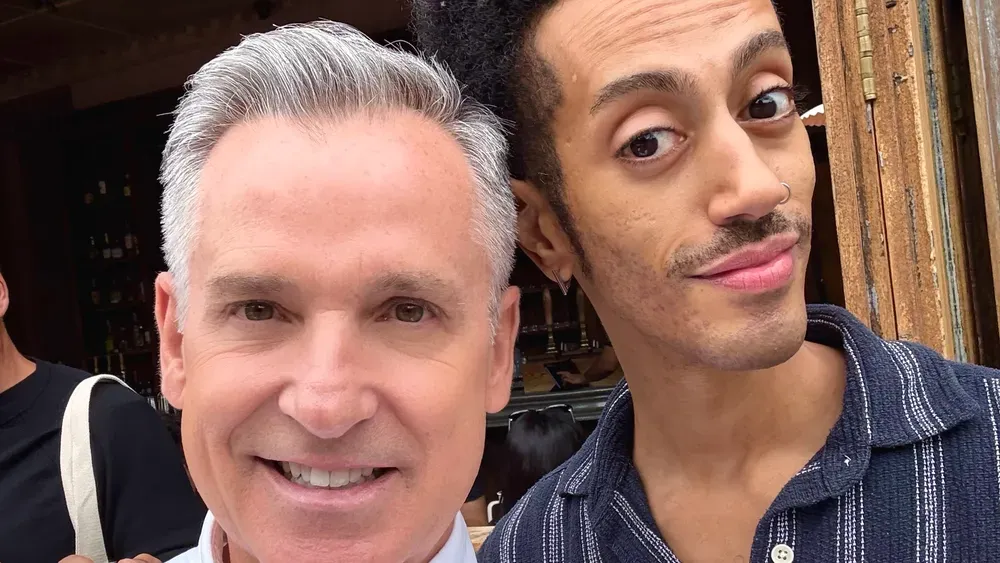
As I look back on those whirlwind days in London—filled with theater, laughter, long dinners, and the kind of conversations that nourish the soul—I’m reminded of how lucky I am to live a life threaded together by such extraordinary people and places.
September came and went in a blur of planes, parties, and performances—so much so that I found myself off the grid when it came to writing my column. With a month this packed, one piece simply won’t do it justice. I have so many adventures to share that I’ll need three columns in a row just to cover September.
Instead of spanning coast to coast and across the globe all at once, this edition focuses solely on our London trip—a whirlwind packed with theater, friends, community impact, and unexpected encounters. London deserves its own spotlight, while my next installments will take you back across the pond and on to the rest of September’s adventures in Phoenix, Tucson, Atlanta, and beyond. And with the city in the grip of a tube strike that week, we experienced London above ground—on foot, by bus, and by cab—giving every outing its own sense of adventure and discovery.
From New York to London for Evita’s Last Curtain
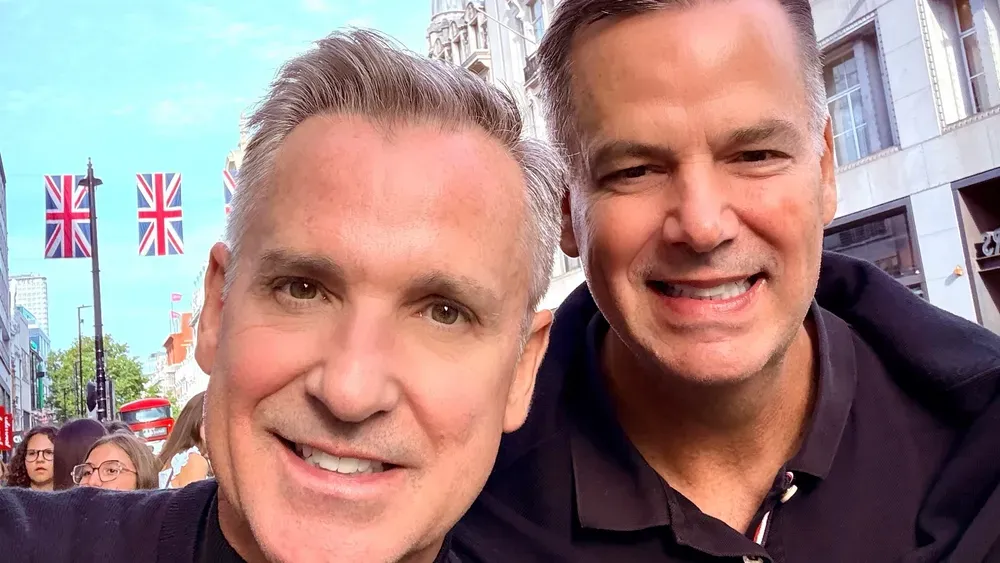
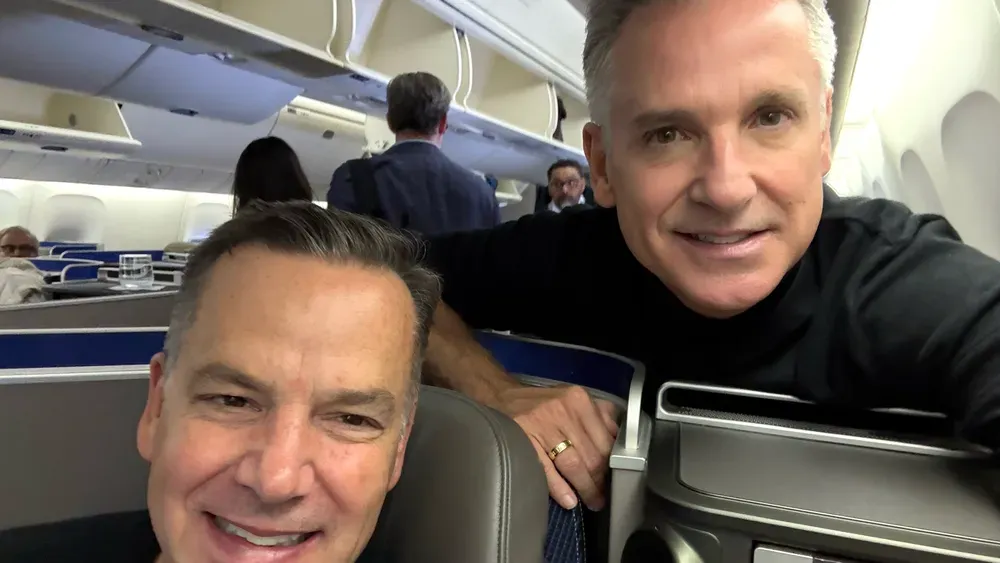
Eric and I boarded a red-eye out of Newark—hardly the most reliable airport in the area, but for overnight flights to London, it offers the widest selection. It was the kind of flight where the anticipation of what awaited us across the Atlantic made sleep elusive. After more than a year and a half of commuting back and forth to the UK, we’ve found our rhythm on United’s Polaris service: dinner in the lounge before boarding, just a light snack on the plane, and always saving room for the ice cream sundae cart (extra hot fudge, please). A movie, a sip of Baileys, and a decaf cappuccino set the perfect stage for a little dozing before wheels down in London.
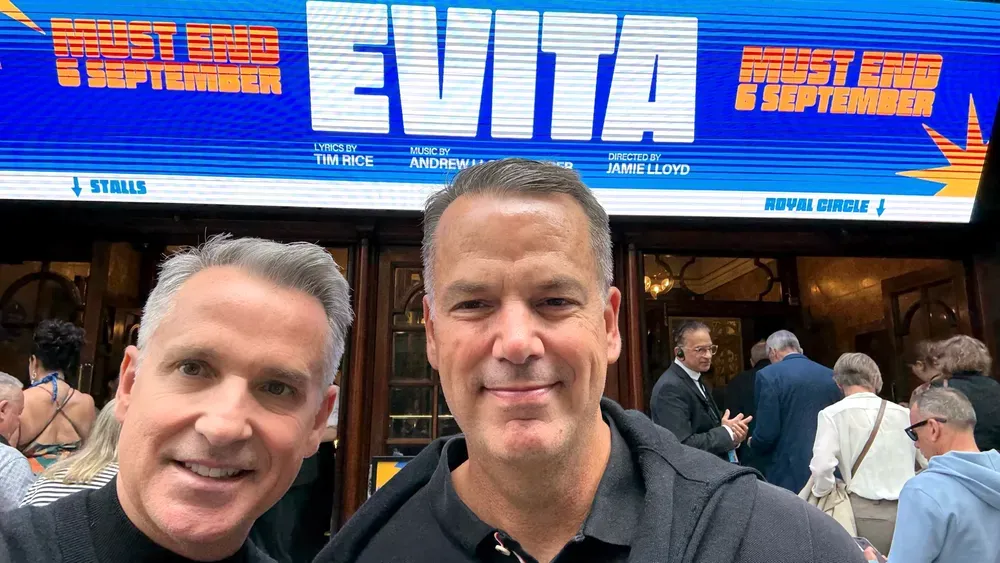
We landed on the morning of September 6th, dropped our bags at the Four Seasons in Mayfair, and went straight to the London Palladium for the closing matinee of Evita. Before the show, we scurried across the street into Hyde Park, taking in the unparalleled views before heading inside.
It was the final day of Rachel Zegler’s dazzling, 12-week summer run, and the atmosphere inside the theater felt electric with anticipation.
The show itself was extraordinary, but the most unforgettable moment came when Zegler stepped outside onto the makeshift balcony—an audacious choice by director Jamie Lloyd that transformed “Don’t Cry for Me Argentina” into a living, breathing moment of history.
From our seats, we watched the livestream of her addressing the masses below; it felt as though we were watching old news footage from the real Casa Rosada, waiting for Evita to emerge and speak directly to “her people.”
The performance inside the Palladium was equally thrilling—the inventive staging stripped away excess and brought raw intensity to the story, with a sleek, modern design that let the music and movement take center stage. The energy on stage was electric, every performer giving their all, and Zegler delivered a performance so powerful and nuanced that it left us both moved and exhilarated.
The audience leapt to its feet in a well-deserved ovation, a perfect send-off to a remarkable run.
Later that evening, Eric and I returned to the theater to be part of the excitement from outside, joining the sea of fans gathered for Zegler’s final balcony scene. The energy was absolutely electric, and as her voice soared into the London night, I felt as if I were part of theater history—witnessing not just a performance, but a bold reimagining of a classic that will be remembered for years to come.
Rupert Street: A London Homecoming
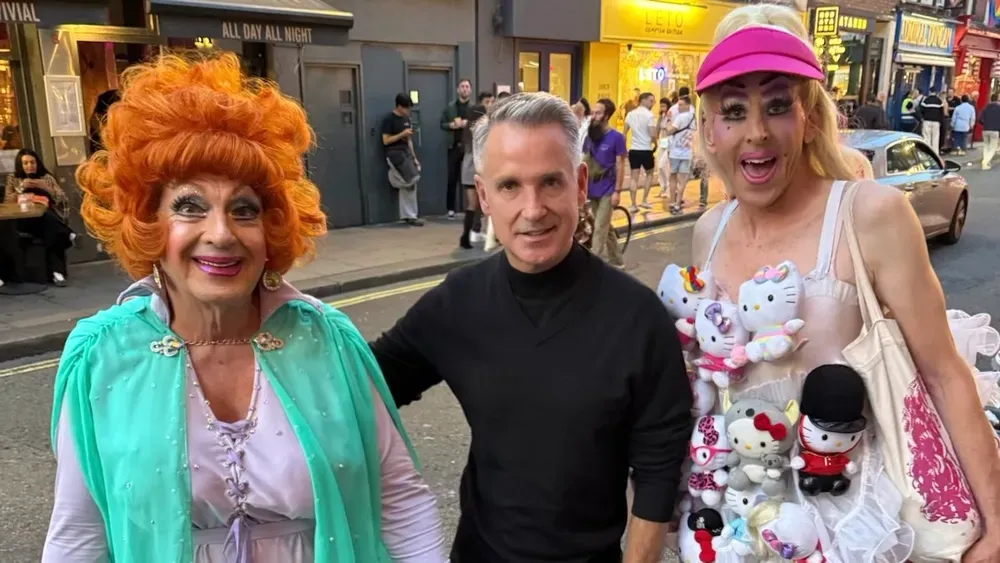
Eric and I pushed ourselves to stay awake that first day and made our way toward Rupert Street Bar to toast our London arrival. Along the walk, we stumbled onto a scene straight out of a Warner Brothers backlot: Miss Bea Haven, the beloved Palm Springs drag performer (Paul Torrigino), resplendent in full Endora-from-Bewitched regalia, chatting with my favorite London talent, Heidi Liscious (Robbie John Dean)
Heidi was a vision—dressed in a light pink camisole with a tulle overlay that created the effect of a high-waisted skirt—her outfit playfully adorned with stuffed Hello Kitty dolls. A matching pink visor perched on her head as if she’d just stepped off the tennis court, while pink sneakers completed the ensemble.
A longtime DJ at Rupert Street and a fixture of the city’s nightlife, Heidi asked us to escort her to the club where she was spinning that evening. And so, the four of us strolled together down the cobblestone street—a riot of color and sparkle, waving to strangers and drawing smiles as we passed. It was an unexpected, joyful moment that made London feel alive and welcoming, even after a sleepless night.
We found ourselves back at Rupert Street several times that week. Its central location, just steps from the Soho Houses we frequent in London, made it an easy choice. The bar itself is relaxed and unpretentious—more neighborhood hangout than high-gloss club—reminding us of the kind of spot we’d happily slip into back home in Chelsea.
Bankside Evenings: Friends, Views, and History
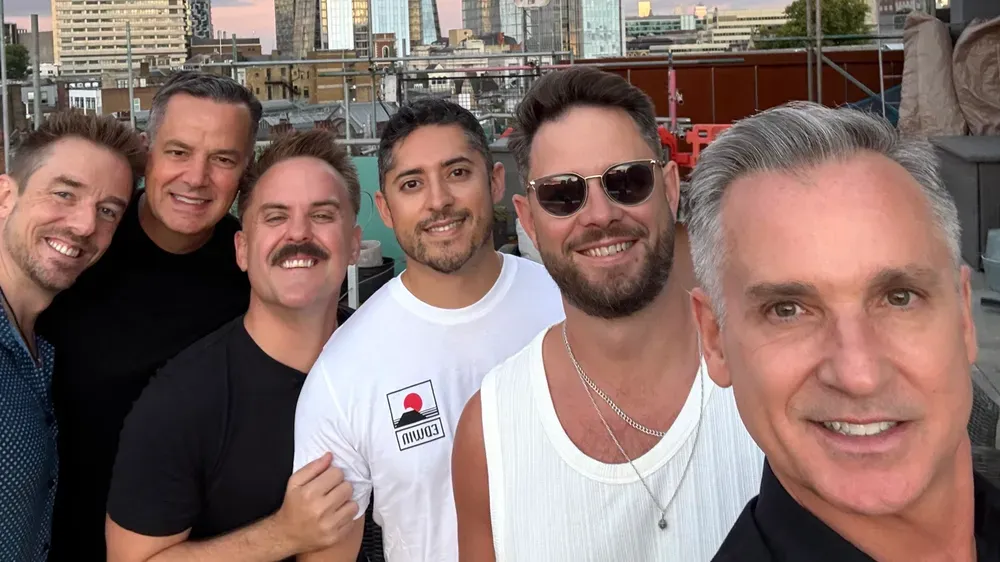
Between work and conference obligations, we also made time to break bread with longtime UK friends, and even one of our besties from New York who was in London for a few months working on scenic design projects. We gathered with four of our favorite London locals—each of whom we’d first met during their stints in New York—for dinner at Adam and David’s new apartment in Bankside, near Elephant and Castle.
The apartment was spacious by London standards, with a palatial deck offering captivating rooftop views. Looking south, you could see Elephant and Castle, while a 360-degree turn revealed the Thames, the Shard—London’s 95-story glass skyscraper and the tallest building in the UK—and the “big three” churches: St. Paul’s Cathedral, Westminster Abbey, and Southwark Cathedral.
We grabbed dinner in the neighborhood, where restaurants abound at the base of their building, and then enjoyed dessert in the form of a guided walk from David, who took us through the southeastern edge of medieval London—now firmly in the middle of everything.
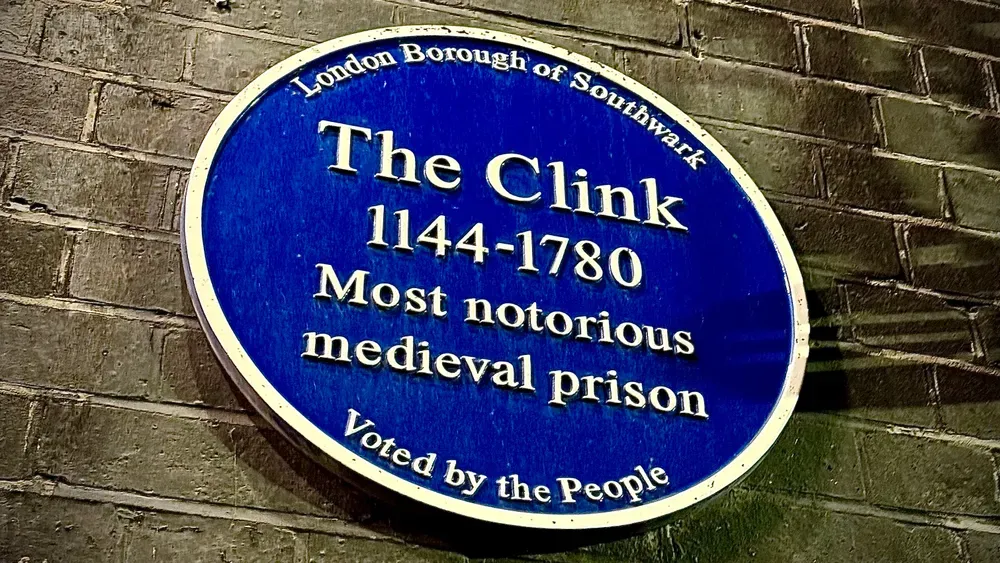
Our tour ended at “The Clink,” the notorious medieval prison that operated from 1144 to 1780, before we ducked into a local pub to toast the night.
Catching Up Over Brunch at The Hero
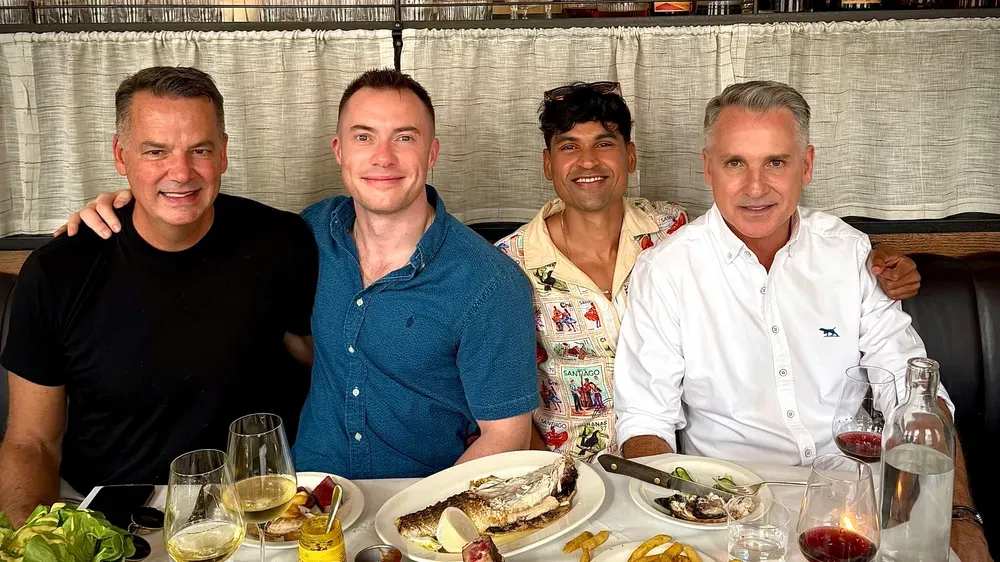
The next day, we met up with two more of our British friends, Dane and Adam, for brunch at The Hero in the Maida Vale/Little Venice area. The pub has two personalities: downstairs, “The Pub” offers a relaxed, casual setting for dining and drinks—where Eric and I grabbed a beer outside and enjoyed the people-watching—while upstairs, the Grill Room serves a more refined menu.
While waiting for the boys to arrive, we were delighted to reconnect with Haben Tesfamariam, who now manages “The Pub.” We first knew Haben from his time at the Chiltern Firehouse, just around the corner from our flat in Marylebone, which unfortunately had to close this past Valentine’s Day after a fire caused by burning wood from the pizza oven. It was wonderful to see that staff from the Firehouse had found new opportunities while repairs are underway.
As for brunch, we did what we do best—over-ordered and over-indulged—but the time together was absolutely worth it. Sharing a meal and catching up with friends you’ve known for years, picking up as if no time has passed, is the truest sign of friendship. The afternoon was simply terrific.
London Moments with Women Who Inspire
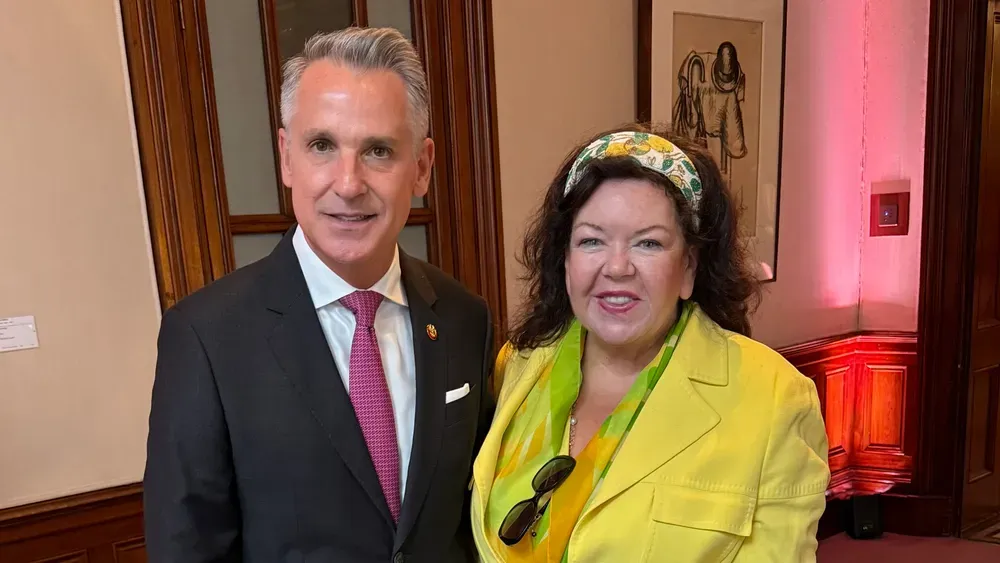
In addition to catching up with the London chaps, I was grateful for time with several of my dearest lady friends. A real highlight was spending time with Dame Karen Pierce, the former UK Ambassador to the United States. I’ve known Karen for many years—we first crossed paths at the UN in New York—and I’ve always admired her sharp insight and approachable style.
I also reconnected with Maggie Berry OBE, a great friend since our days in Dublin, when we co-presented on The 30% Club Ireland’s mission of achieving at least 30% gender balance at senior decision-making tables.
I was lucky, too, to see my friend Reshma Sheikh, Managing Director of MSDUK, the UK’s leading supplier diversity organization. Her leadership in inclusive procurement is especially timely with the UK’s new Procurement Act of 2023, which is reshaping opportunities for suppliers of all sizes.
I also spent time with Elizabeth Vazquez, CEO and Co-Founder of WEConnect International. Elizabeth is not only a global leader in women’s economic empowerment, she’s also a very special friend—I’m fortunate to see her often, whether while traveling or back in the States, where I have the honor of serving on her board.
And finally, a friend who always makes me smile is Carla Preston from Amazon; her warm, giving personality makes every moment in her company uplifting.
Sparkle, Sequins, and Chosen Family: Evenings with Scott in London
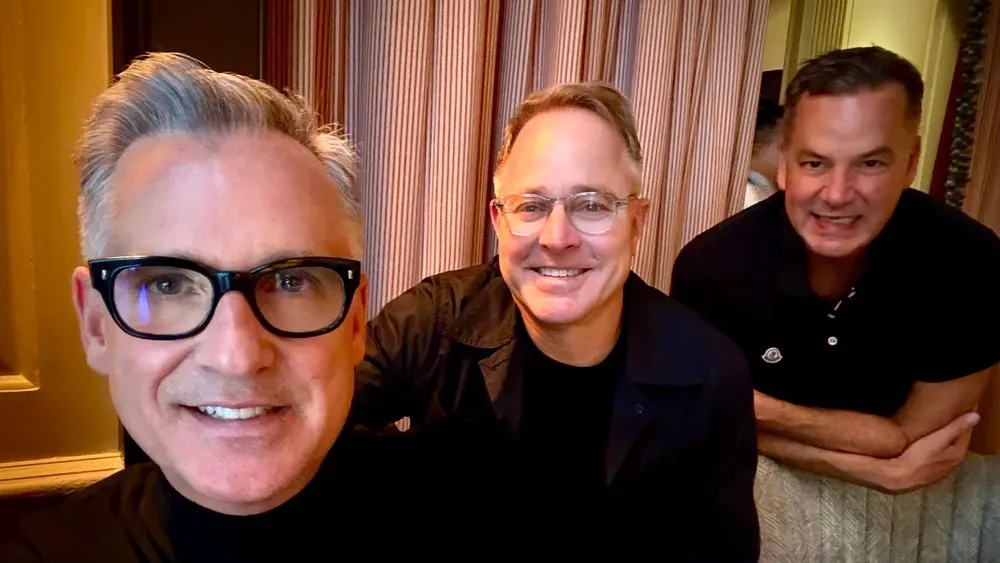
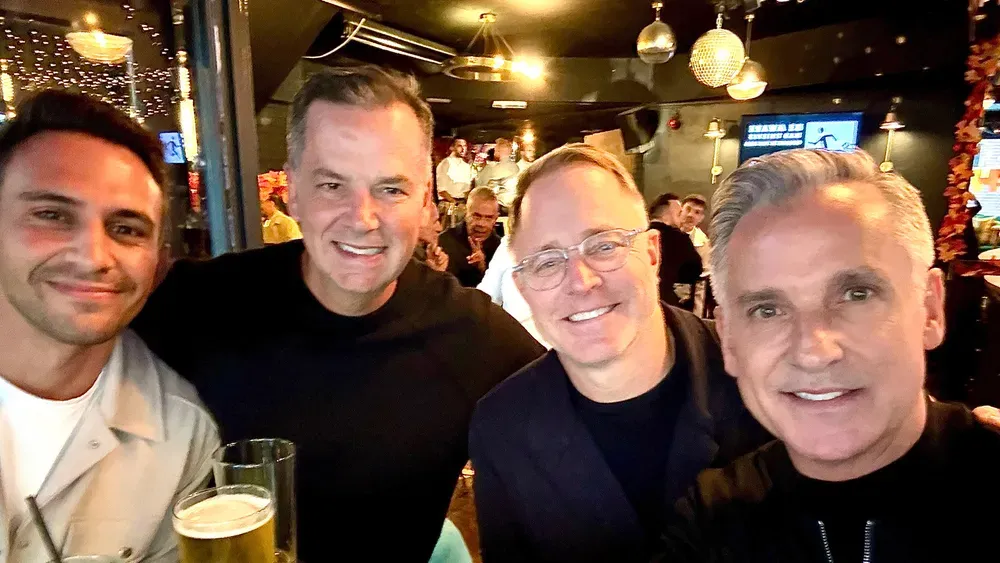
Although there were many standout moments during our short trip to London, the most special were those spent with our dear friend Scott Pask—a part of our chosen family who, like us, lives in New York but also keeps a home in Arizona. Our evenings together were filled with drinks and dinners, including a night out with our buddy Shen (who I often forget actually lives in London, since we seem to bump into him all over the world), and a visit to Soho House Mews.
The Mews is one of those tucked-away London gems—a members’ club reserved for those who’ve been part of the Soho House family for at least ten years. With its townhouse charm and intimate feel, it offers longtime members and their guests a more secret, hidden side of the Soho House world.
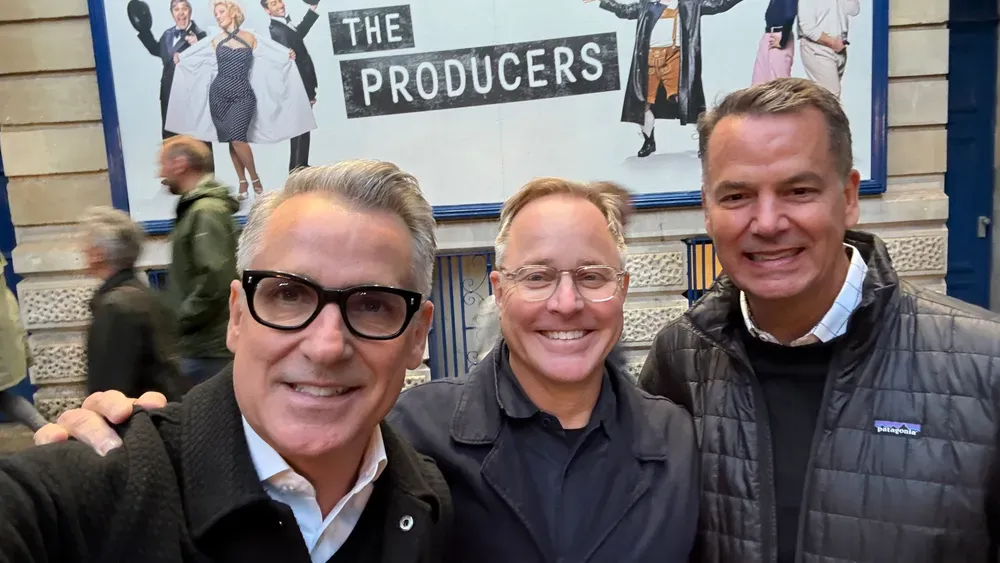
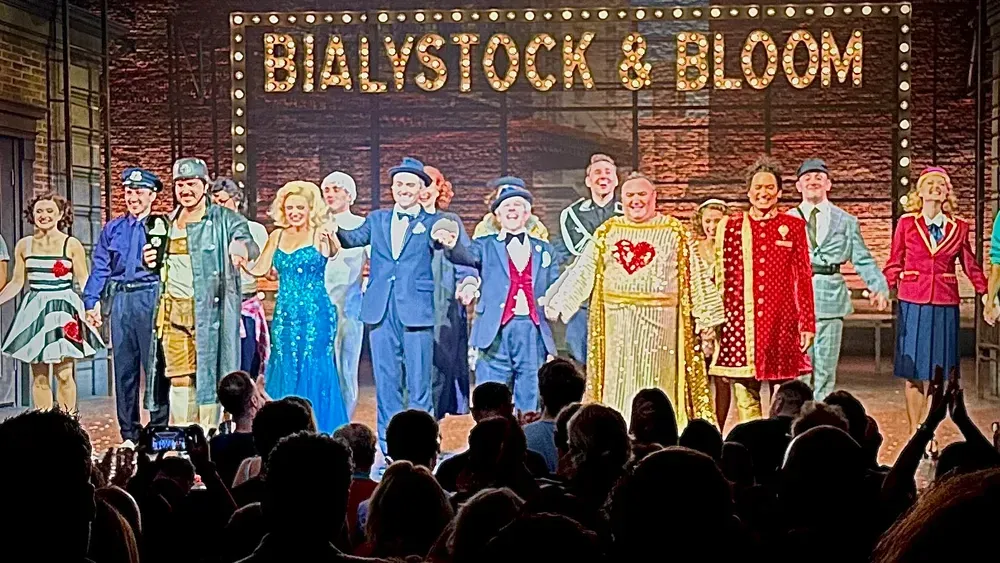
And then there was Scott’s latest show, The Producers, which was one of the most heartwarming and soul-enriching experiences of the trip. We first saw The Producers back in 2001 with Nathan Lane and Matthew Broderick, but the London staging surpassed anything I’d seen before—cleverly staged, perfectly cast, and laugh-out-loud funny.
Scott’s set design tied it all together, playful and inventive in ways that made each scene sparkle. And I mean sparkle quite literally—the costumes were a dazzling riot of sequins, feathers, and over-the-top glamour, from shimmering chorus lines to outrageous character ensembles that had the audience laughing before a single line was spoken.
The True Treasure of Travel: People, Places, and Memories
As I look back on those whirlwind days in London—filled with theater, laughter, long dinners, and the kind of conversations that nourish the soul—I’m reminded of how lucky I am to live a life threaded together by such extraordinary people and places. Each encounter, whether with old friends or unexpected moments of joy on the streets of Soho, reaffirmed for me that the true magic of travel lies not only in the destinations, but in the connections we carry and the memories we create together. September may have been a blur of planes, panels, and parties, but it was also a reminder to pause, savor, and celebrate the beauty of community, wherever in the world we may find it. And with so many more September happenings still to share, this is just the beginning of the story.
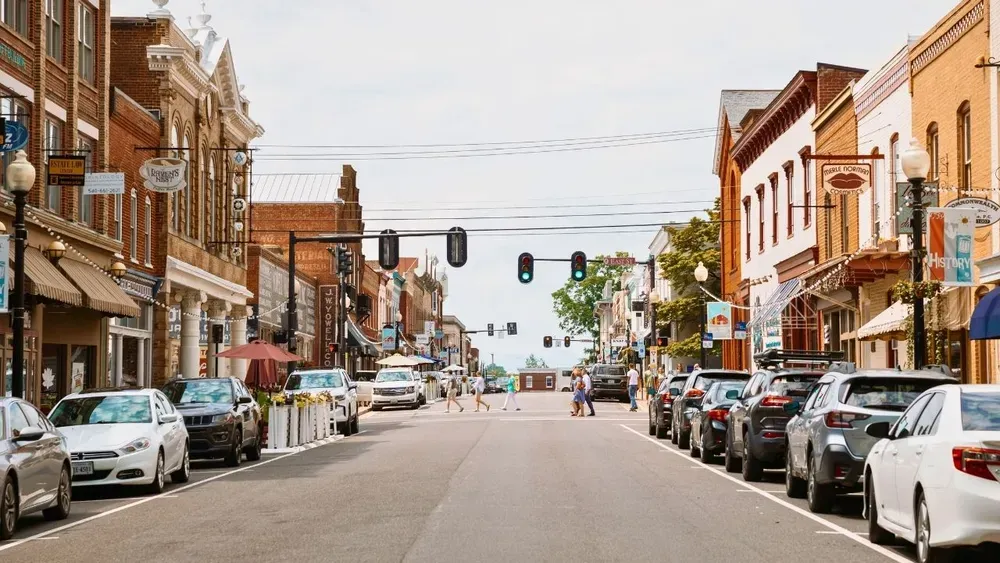
Culpeper, Virginia, offers couples, families, and friends a small-town escape straight out of a feel-good movie.
Culpeper, Virginia, offers couples, families, and friends a small-town escape straight out of a feel-good movie.
Located near both Washington, D.C., and Richmond, Virginia, this Southern town offers the perfect "townsizing" experience, blending history and tradition with a vibrant local dining scene, boutique hotels, and shopping options. Townsizing is one of 2025’s biggest travel trends, focusing on swapping busy cities for the charm of small towns.
Downtown Culpeper feels both timeless and fresh, thanks to a community-led transformation that preserves its history while welcoming thoughtful new additions.
Founded in 1759, Culpeper has been an integral part of Virginia’s story for centuries, and its historic sites, cultural attractions, and thriving Davis Street make it a place where the past and present coexist side by side.
Stay Boutique for a True Small Town Experience
The Suites@249 boutique hotel combines bespoke charm with modern amenities. Centrally located on Davis Street in downtown Culpeper, it is just steps away from dining and shopping options, making it the perfect home base to experience the cozy charm of this small town.
Each of their six luxury suites is uniquely decorated with thoughtful touches and amenities, and is a far cry from the monotone décor of giant hotel chains. This spot is an especially great option for a romantic weekend getaway for couples.
Unique Shopping and Whimsical Finds
First and foremost, any Davis Street shopping experience in downtown Culpeper should start with a stop at Raven's Nest Coffee House. This community-focused coffee shop serves all the best cafe staples: espresso, coffee, tea, breakfast sandwiches, and freshly baked sweet treats. Between the beautiful greenery and creative décor, Raven's Nest is a place that welcomes you to sip, enjoy, and stay awhile.
For a shopping trip, you won’t want to miss these women-owned favorites, such as Botanical Dwellings, a plant and home décor haven featuring gorgeous greenery, unique gifts, and fun workshops, including terrarium making and yoga, set among the plants.
Le Monkey House is eclectic, contemporary, and full of personality, with playful finds that'll make you smile. Green Roost is a boutique built around meaningful brands and purposeful gifting, offering a curated selection of everything from jewelry to cozy home goods.
La Bee da Loca has honey, bee-themed treasures, artisan-made goods, and even a live beehive upstairs. Reigning Cats & Dogs and Kindness is a treasure trove of toys, treats, and gear for your furry best friend (and you can even say hello to their little whiskered greeter, Bluey).
From home décor and thoughtful gifts to just-for-fun browsing, downtown Culpeper offers a mix of unique boutiques and whimsical finds.
Culpeper's Dining Scene Serves a Side of Nostalgia
Frost Café is the ultimate source of nostalgia, making you feel like you are stepping back in time in the best way, with its 1950s diner décor and classic menu. Situated in the heart of downtown on the corner of South Main Street and East Davis Street, it is a perfect place to soak up the small-town buzz of Culpeper.
Enjoy Southern classics like golden biscuits and savory Virginia ham, alongside other hearty American breakfast staples, such as fluffy pancakes and cheesy omelets, while sitting at the diner counter or in their red-and-white booths.
It's About Thyme is a local favorite that combines flavorful culinary creations with timeless details in its cozy décor. From fresh seafood and pasta to hearty daily specials and fresh cocktails, there's something delicious for every craving.
Here you can dine among beautiful murals and flowers inside, or outside in the glow of their cozy alley patio seating. Either way, you're sure to soak up Culpeper's small-town charm here.
A meal at Dtom Dtun Noodle will be packed with incredible flavor, featuring a wide menu that includes fresh Thai, Vietnamese, Chinese, Japanese, and Korean noodle dishes, as well as a variety of appetizers, such as steamed buns and dumplings.
With friendly service, fun décor, and delicious food, this is the kind of spot that you want to go to more than once on your trip.
Sip Your Way Through Culpeper’s History
Family-owned and rooted in tradition, Belmont Farm Distillery is authentic at its core, from its genuine copper pot still to its signature Kopper Kettle whiskey. This award-winning establishment has been recognized as one of the top moonshine distilleries in the country.
Virginia's whiskey-making roots are thriving here, and stepping inside feels less like a visit and more like being invited to experience Virginia's heritage firsthand. The Discovery Channel has even featured this local spot on its popular TV show Moonshiners.
Tucked away on 75 scenic acres, Old House Vineyards is Virginia's first tri-fecta: winery, brewery, and distillery. Here, you can sip and sample award-winning wines and craft spirits, including gin, whiskey, and vodka, while enjoying inventive and gourmet dishes from their in-house kitchen, Green Ribbon.
One of Green Ribbon's owners, Jocelyn, received patisserie and culinary training from Le Cordon Bleu in Paris, France, and keeps environmental sustainability and options for all diets, including vegetarian and gluten-free, at the forefront as they curate their menus.
Old House's wines have been among the winners of the Virginia Governor's Cup Best Wines for the last five years, and their brandy has been recognized as the best in class by Virginia's First Landing Cup.
In addition to their expansive winery space, their distillery offers a wide selection of spirits and honors WWII veterans with community-donated artifacts, making your visit both meaningful and memorable.
Hikes, History, and Hidden Stories
You can step into history at Culpeper Battlefields State Park, Virginia's 43rd state park. Spanning more than 2,200 acres, this preserved landscape allows you to step into four major Civil War battles: Brandy Station, Cedar Mountain, Kelly's Ford, and Rappahannock Station.
With trails ranging from short walks, such as Fleetwood Hill (0.26 mi), to longer hikes like Buford's Knoll (2.52 mi), you can find plenty of ways to explore while taking in the views and signage throughout the park that bring the past to life.
The Museum of Culpeper History is full of unique artifacts and is another excellent place to step back in time. Here you can see some of Culpeper's 5,000 unearthed dinosaur tracks from the Triassic era.
Fun fact: Most of the tracks are from the four-legged carnivore and ancestor of the infamous raptor, called the Anchisauripus Parallellus.
Here, you can also find detailed exhibits and artifacts related to Culpeper's role in the American Revolution and the Civil War, as well as its Native American Gallery, which highlights the Manahoac Confederation's tool and weapon artifacts.
Experience Small Town Charm in Culpeper, VA
Culpeper, Virginia, is a getaway where you can relish nostalgia and experience the authentic charm of a small town. With a mouthwatering dining scene, unique local goods, charming boutique hotels, and historic stops, this town is the perfect place to enjoy life’s small moments.
by Katherine Woodward Ramer | Guessing Headlights
Copyright Associated Press. All rights reserved. This material may not be published, broadcast, rewritten, or redistributed.
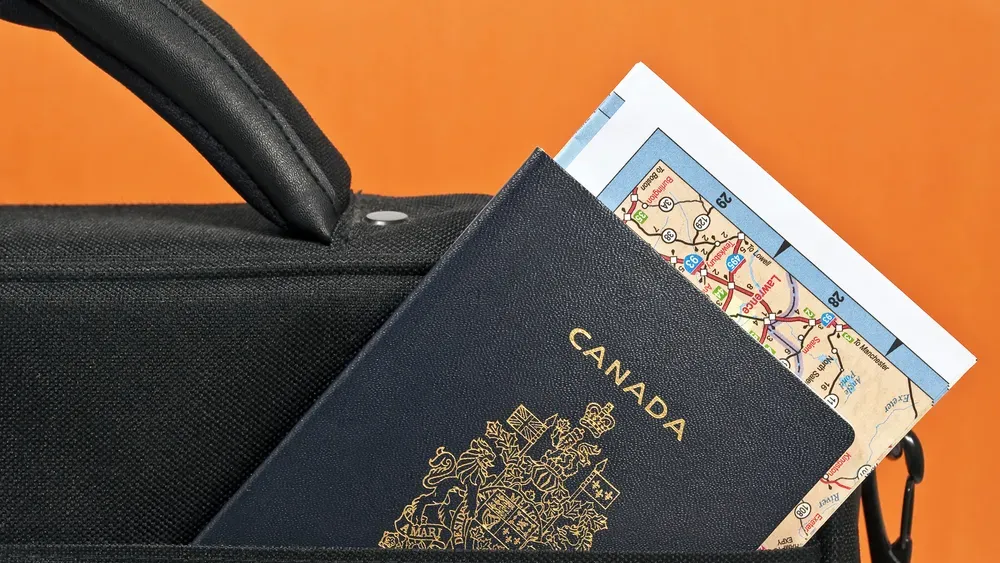
The Government of Canada has cautioned citizens holding passports with a gender-neutral ‘X’ marker that they may encounter difficulties when entering the United States.
The Canadian government has issued a travel advisory warning that citizens holding passports with a gender-neutral ‘X’ marker may face problems at the United States border. The caution comes amid heightened concerns about varying recognition of gender markers across national boundaries and shifting U.S. federal policies affecting transgender and non-binary travelers .
Since 2017, Canada has offered an ‘X’ option on passports to designate a gender other than male or female, a move widely praised by LGBTQ+ advocates as a step toward greater inclusion and recognition of gender diversity . The ‘X’ marker allows passport holders to indicate that their gender identity is non-binary, gender-fluid, or otherwise not exclusively male or female. However, the use of the ‘X’ marker is not uniformly recognized by other countries, leading to potential challenges at international borders.
While the United States previously allowed its own citizens to select an ‘X’ gender marker on federal documents, recent policy reversals and new executive actions have introduced uncertainty for travelers. In January 2025, the White House announced Executive Order 14168, which redefined sex markers on federal documents and instructed agencies to apply a binary understanding of gender in government-issued identification .
Although some court decisions, such as the June 2025 preliminary relief in *Orr v. Trump*, provided limited exceptions for U.S. citizens, these changes do not guarantee recognition for foreign nationals traveling with non-binary or gender-neutral markers .
The Government of Canada’s travel advisory states: “While the Government of Canada issues passports with an ‘X’ gender identifier, it cannot guarantee your entry or transit through other countries. Each country or territory decides who can enter or exit through its borders and the Government of Canada cannot intervene on your behalf if you do not meet entry or exit requirements for the United States” .
Canadian officials emphasize that U.S. border agents have significant discretion when determining who is permitted entry, and that travelers may face additional scrutiny or denial of entry if their documents do not match the expectations or systems used by U.S. authorities .
The advisory has sparked concern among LGBTQ+ rights organizations and advocates, who note that non-binary and gender-diverse individuals already face heightened risks and barriers when traveling internationally. Advocacy groups highlight that inconsistent recognition of gender markers not only creates bureaucratic obstacles but can also expose travelers to misgendering, invasive questioning, and potential discrimination at the border .
“Traveling with documents that reflect your authentic self should not put you at risk,” said a spokesperson from Rainbow Railroad, an organization that supports LGBTQ+ people facing persecution globally. “We urge all governments to work toward harmonized standards that respect the dignity and rights of all travelers."
Reports from travelers suggest that experiences at the U.S. border vary widely. Some Canadian citizens with ‘X’ markers have been allowed entry without issue, while others report additional questioning, delays, or the need to provide supplementary documentation . The ambiguity and unpredictability at the border can cause anxiety and deter non-binary and transgender travelers from crossing into the United States for business, personal, or family reasons.
Community organizations have responded by providing updated travel guidance and resources for those with gender-diverse documentation. The Canadian Centre for Gender and Sexual Diversity, for example, encourages travelers to carry supporting identification and to be prepared for possible questions at the border.
Both Canadian and U.S. government websites recommend that travelers check the latest entry requirements before embarking on international trips. The U.S. Department of State reminds travelers that, as of now, U.S. authorities reserve the right to determine eligibility for entry, regardless of the sex marker listed on a passport .
Travelers who are denied entry or face difficulties are advised to contact their nearest Canadian consulate or embassy for support and to report their experiences, which can help inform future policy advocacy .
LGBTQ+ advocates continue to call for international dialogue and policy harmonization to protect the rights of gender-diverse travelers. The Canadian government has reiterated its commitment to promoting the rights of LGBTQ+ individuals abroad, but also acknowledges the limits of its influence over foreign entry requirements .
As governments around the world grapple with evolving understandings of gender, the situation remains fluid. Advocates urge travelers to remain informed, exercise caution, and seek assistance when needed, while calling on policymakers to prioritize the safety and dignity of all individuals, regardless of gender identity.
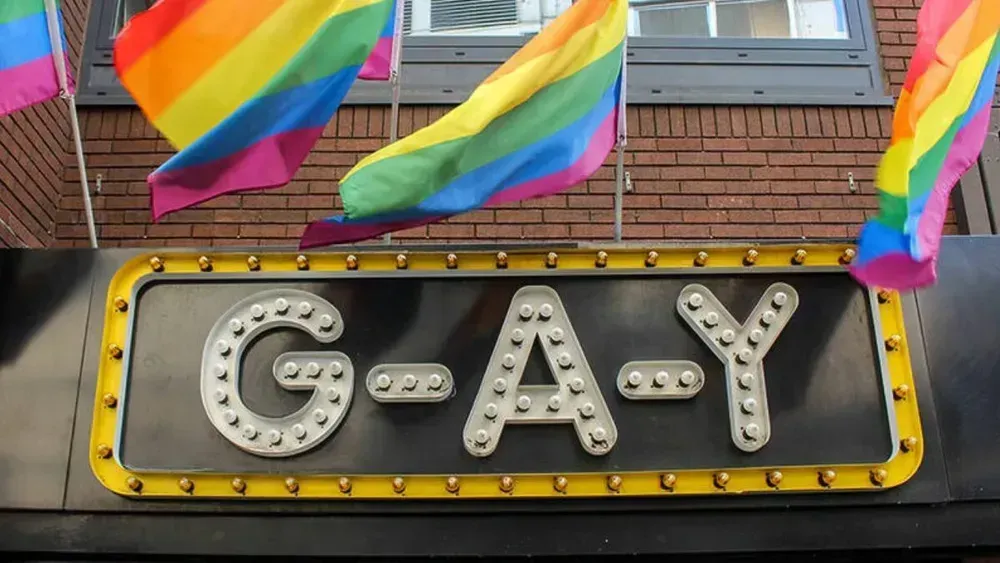
G-A-Y Bar, a cornerstone of London’s LGBTQ+ nightlife, will soon close its doors, according to owner Jeremy Joseph, who delivered an emotional statement reflecting on decades of community, activism, and celebration.
The iconic G-A-Y Bar, a staple of London’s LGBTQ+ nightlife for more than two decades, will soon cease operations, owner Jeremy Joseph confirmed in a heartfelt public statement this week. The venue, located on Old Compton Street in Soho, has been a vital hub for the city’s queer community, hosting generations of revelers, activists, and allies since its opening in 1996 .
In his announcement, Joseph described the decision as “one of the hardest of my life,” emphasizing the deep personal and cultural significance of the bar: “G-A-Y has been my life. It’s been your life. It’s been a place where we have come together in good times and bad, to celebrate, to protest, and to find community.” He went on to explain that the closure reflects both personal circumstances and the evolving character of Soho, stating, “The street has lost its LGBT identity” .
The announcement has sparked both sadness and reflection within the LGBTQ+ community and beyond. For many, G-A-Y Bar has represented more than just a nightlife destination—it has been a symbol of acceptance, safety, and queer progress in a city long synonymous with LGBTQ+ rights and culture .
Joseph’s statement alluded to the shifting identity of Soho, once widely considered the heart of London’s LGBTQ+ community. Over recent years, rising rents, increasing commercialization, and changing demographics have contributed to the loss or transformation of multiple queer spaces in the neighborhood. “Soho is not what it was,” Joseph noted, pointing to a growing sense of displacement among LGBTQ+ business owners and patrons .
Community advocates have echoed these concerns. Many fear that the closure of G-A-Y Bar will accelerate the erasure of LGBTQ+ spaces in central London, making it harder for queer people—especially those who are young, marginalized, or new to the city—to find welcoming environments. As one long-time patron remarked, “It’s not just a bar. It’s history, it’s family, it’s a safe place in a world that isn’t always safe for people like us” .
Since opening, G-A-Y Bar has played a prominent role in London’s LGBTQ+ life—not only as a nightlife venue, but as a platform for activism and visibility. The bar has hosted countless fundraisers, pride events, and appearances by LGBTQ+ icons and allies, serving as a launchpad for campaigns on issues ranging from HIV/AIDS awareness to anti-discrimination legislation .
Jeremy Joseph has long been recognized as a leading advocate for LGBTQ+ rights in the UK, using the platform of G-A-Y to foster solidarity, amplify marginalized voices, and support charitable causes. In his closing statement, he thanked the countless staff, drag performers, DJs, and community members who have contributed to the bar’s legacy, saying, “This isn’t the end of our story—it’s just the end of this chapter” .
Although the closure of G-A-Y Bar is a significant loss, Joseph expressed hope for the resilience of LGBTQ+ nightlife in London. He confirmed that other venues under the G-A-Y brand, including G-A-Y Late and Heaven, will remain open for the foreseeable future, continuing to provide spaces for celebration and community .
The event has reignited conversations about the need to protect and support queer spaces in cities worldwide. LGBTQ+ organizations and advocates have called on local authorities to recognize the cultural and historical value of such venues and to implement policies that safeguard their future. As the queer community in London and beyond reflects on the legacy of G-A-Y Bar, many are vowing to keep its spirit alive—by supporting existing venues, fostering inclusive spaces, and remembering the importance of visibility and solidarity.
As Jeremy Joseph concluded in his statement: “G-A-Y has always been about more than just a night out. It’s about family, about belonging, and about standing together. Thank you for making it what it was—and for keeping the fight for equality alive, wherever you are.”