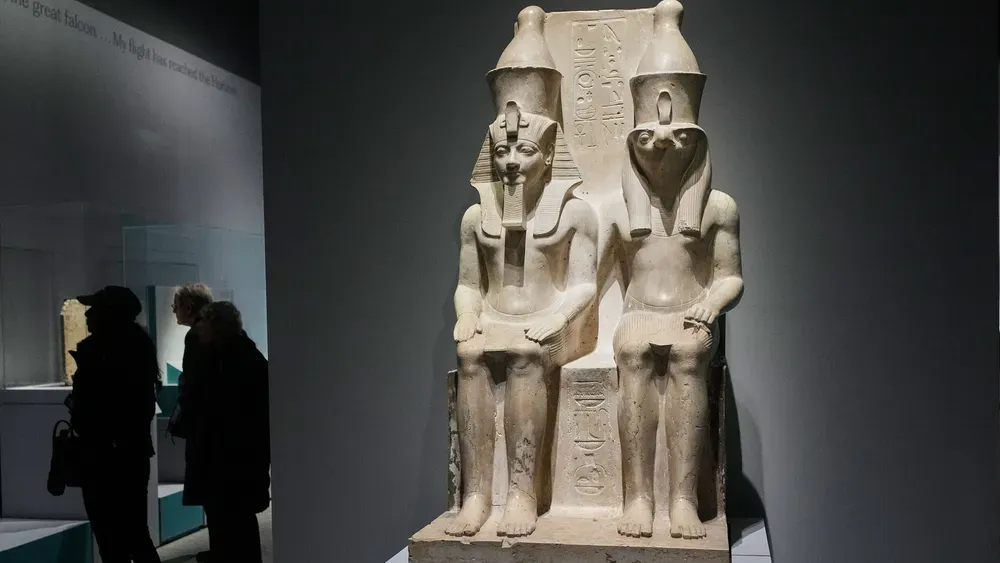
A double statue of King Haremhab and Horus is displayed in the Divine Egypt exhibition, at the Metropolitan Museum of Art, in New York, Tuesday, Oct. 14, 2025. Photo Credit: (AP Photo/Richard Drew)
It's been more than a decade since the last big ancient Egypt show at the Metropolitan Museum of Art
The powerful gods of ancient Egypt are having a get-together on Manhattan’s Upper East Side.
That would be at the Metropolitan Museum of Art. It’s been more than a decade since the museum’s last big Egypt show, so “Divine Egypt” — a lavish exploration of how ancient Egyptians depicted their gods — is a major event, as evidenced by the crowds packing the show since its Oct. 12 opening.
After all, few things excite the museum-going public like ancient Egypt, notes Diana Craig Patch, the Met’s curator of Egyptian art.
“It’s the first ancient culture that you learn in school,” says Patch. “Pyramids, mummies, the great tomb of Tutankhamun … they’re in our popular culture, books, films and now video games.”
But Patch hopes visitors will learn something deeper from “Divine Egypt,” which explores how the gods were portrayed by Egyptians both royal and common, and not only in temples where only kings or priests could go, but in daily worship by ordinary people.
Ancient Egyptian civilization lasted some 3,000 years; the show, which runs into January, covers all periods and features over 200 objects, from huge limestone statues to tiny golden figurines. It includes 140 works from the Met’s collection, as well as others lent by museums across the globe.
“The divine landscape of ancient Egypt is full of gods — actually 1,500 if you count all of them,” said Patch, leading The Associated Press on a tour last week. The show focuses on 25 main deities.
Even pared down to 25, the research was daunting. The material and the textual information in Egyptology is fragmentary. What's more, the Egyptians kept bringing in new gods, or giving established gods new roles. “And so that makes it a very complex, but fascinating landscape,” Patch says.
One aim is to show visitors that all of these images concern “how ancient Egyptians related to their world. Those gods were how they solved problems of life, death, and meaning — problems that we’re still trying to solve today.”
Some highlights:
Opening greetings from Amun-Re and a king named Tut
You’d think that the boy king Tutankhamun, aka King Tut, would be the star of any party, given the astounding riches from his tomb the world has come to know. But in a sculpture that first greets visitors, from the Louvre in Paris, the solar god Amun-Re sits on a throne, presenting the much smaller pharaoh beneath his knees — or rather, protecting him — with hands resting on the small shoulders. The god is identified by his feathered crown, curled beard, divine kilt and jewelry — and is definitely the main attraction. Amun-Re was worshipped at the Karnak temple complex; the presence of Re in his name links him closely to the sun.
Expressing the divine: Horus and Hathor
The first of five galleries, “Expressing the Divine” focuses on two main deities, the god Horus and goddess Hathor. Horus is always represented as a falcon with a double crown, which signifies he is the king of Egypt and linked to the living king. But Hathor, who represents fertility, music and defense, among other things, takes many forms, including a cow, an emblem, a lion-headed figure or a cobra. In one statue here, she wears cow horns and a sun disc.
“So these are two main ways gods are represented: sometimes with lots of roles, sometimes with only one,” Patch says.
Ruling the cosmos: the sun god Re
This gallery looks at the all-important Re, whose domains are the sun, creation, life and rebirth. Re often merges form with other deities. “Re rules the world — he's the source of light and warmth,” Patch says.
He's presented in this room as a giant scarab beetle. “That's his morning aspect,” Patch says. “He's seen as a beetle who takes the sun out from the underworld and pushes it up into the sky.”
Also here is a vivid painted relief of the goddess Maat, from the Valley of the Kings in Thebes (modern Luxor). She embodies truth, justice and social and political order. Patch notes: “The best way we translate it today is rightness. She stands for the world in rightness, the way it should work.”
Creating the world: multiple mythologies of creation
This gallery explores five myths surrounding the creation of the world and its inhabitants.
“This is one of the things that I hope people begin to take away: that Egyptians had multiple ways of dealing with things,” Patch says of the competing myths. “I find that fascinating. They overlapped.”
She's standing beside a huge statue of the god Min in limestone — a headless representation of a hard-to-define god associated with vegetation, agricultural fertility and minerals.
Coping with life: a statuette in solid gold
Only kings and priests could access state temples to worship their gods. What were regular folks to do?
Patch explains: “At festivals, the god came out of the temple on a sacred barque (sailing vessel), and people could commune with that image in the streets, and ask him or her questions.”
In this room, curators have arranged a set of objects as if on a barque. At the top and center: a gleaming, solid gold statuette of Amun, which the Met purchased in 1926 from the collection of Lord Carnarvon, who was involved in the 1922 discovery of Tut’s tomb.
Overcoming death: the gods of the afterlife
Some of the most striking art connected to Egyptian gods is about death and the afterlife. “Overcoming death is something that kings and non-royals alike had to deal with,” says Patch.
The gods in this section include Anubis, who embalms the deceased and leads them to the afterlife; Isis and Nephthys, the sisters of Osiris, who mourn and protect the dead; and Osiris, judge and ruler of the afterlife.
This gallery houses the show’s signature object: a stunning statuette, on loan from the Louvre, depicting the triad of Osiris, Isis and Horus. Made of gold inlaid with lapis lazuli, it shows the shrouded Osiris, falcon-headed Horus, and Isis in a sun disc and horns. The gold represents the skin of the gods, the lapis their hair.
Although this last section is about overcoming death, “I think you will have seen that most of the exhibition is about life,” Patch notes. “And that is what all of these deities were about. Even in overcoming death, it was about living forever.”
by Jocelyn Noveck
Copyright Associated Press. All rights reserved. This material may not be published, broadcast, rewritten, or redistributed.
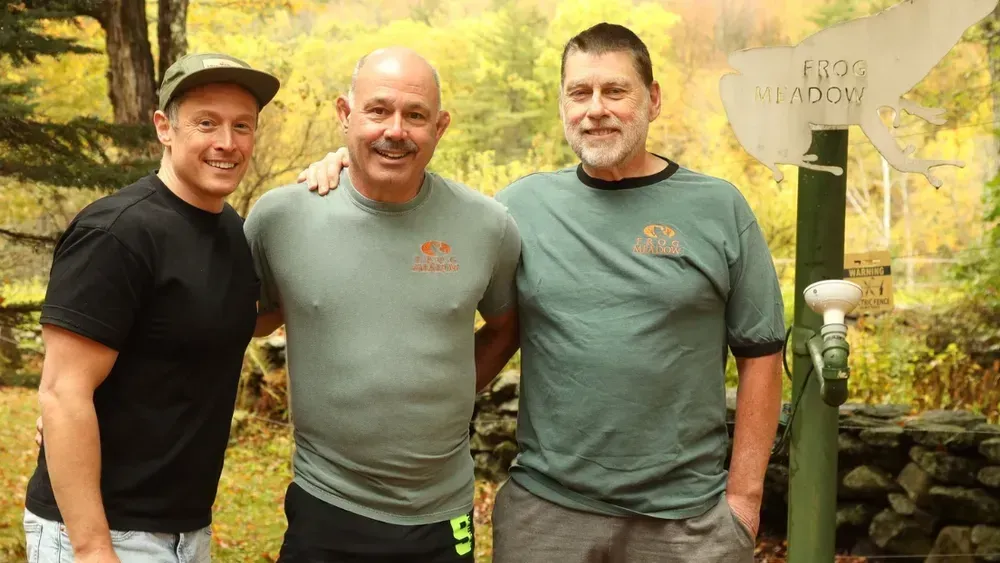
Davey Wavey, known for his pioneering work in LGBTQ+ media and sex-positive education, has acquired Frog Meadow, New England’s renowned gay resort in southern Vermont.
Frog Meadow, a celebrated bed-and-breakfast and men’s retreat in southern Vermont, has long been regarded as a haven for gay men seeking connection, relaxation, and community. After nearly two decades of passionate stewardship, founders Scott and Dave have announced their retirement and the sale of Frog Meadow to David Jacques—better known to millions as Davey Wavey—a move that signals both continuity and transformation for this cherished LGBTQ+ space .
For many in the queer community, Frog Meadow has stood as more than just a resort: it is a living legacy, a safe space where men have gathered for workshops, wellness retreats, and the simple joys of companionship. Scott and Dave’s announcement, delivered with heartfelt gratitude and optimism, underscores their dedication to ensuring that the property remains an “oasis for men”—not just in name, but in spirit .
Davey Wavey, whose media work has centered on sex-positive education, body acceptance, and queer empowerment, is no stranger to Frog Meadow. Having first visited in 2008, Wavey has cultivated a deep relationship with the space and its founders, collaborating on Himeros.tv projects that have brought together diverse voices in the celebration of erotic wellness .
In a statement following the acquisition, Wavey described Frog Meadow as his “favorite place on earth,” a sanctuary offering balance, connection, and beauty in a chaotic world. “Dreams do come true,” he wrote, expressing gratitude for the opportunity to steward the property and nurture its legacy for years to come . The new owner’s commitment is clear: Frog Meadow will remain a safe and inclusive space, continuing to welcome guests and host workshops designed for queer men.
The transition is being managed thoughtfully, with Scott and Dave staying on through October 30, 2025 to ensure business as usual. All current reservations, credits, and gift certificates will be honored, and key staff members—including Assistant Innkeeper Jay and Guest Services Associate Ben—will remain part of the team . Frog Meadow will re-open for the 2026 season on April 21, operating year-round and continuing its much-loved programming.
Central to Frog Meadow’s identity are its workshops and retreats, which have offered participants opportunities for personal growth, sexual wellness, and spiritual connection. The upcoming calendar includes events such as “Nourishing Male Vitality Through Tantra and Touch,” led by certified professionals and tailored to the needs of queer men . These programs cover a wide spectrum—from bodywork and massage to discussions of intimacy, mindfulness, and healthy relationships .
Participants consistently praise Frog Meadow for its atmosphere of camaraderie and acceptance, describing their stays as “relaxed, rejuvenated, and recharged” . The retreat’s commitment to body, mind, and spirit is evident not only in its programming, but in its approach to hospitality: every guest is welcomed as part of a larger community, and the space itself is designed to foster safety, comfort, and meaningful connection.
With Wavey at the helm, guests can expect the continuation—and evolution—of these offerings, including collaborations with Himeros.tv and other partners in queer wellness and entertainment . The property’s website and booking system remain open, with special promotions marking the transition and encouraging new and returning guests to experience Vermont’s “gay oasis” .
Frog Meadow’s story is emblematic of the broader movement toward LGBTQ+ affirming travel and hospitality. As queer spaces face pressures from commercialization and shifting social norms, the preservation of dedicated sanctuaries like Frog Meadow takes on renewed importance. The founders’ multi-year plan for succession, rooted in a commitment to community stewardship, reflects a deep understanding of the challenges and opportunities facing LGBTQ+ retreat spaces .
Wavey’s acquisition is noteworthy not only for its personal significance, but for its potential impact. As a media figure who has championed sex positivity, queer joy, and holistic wellness, Wavey brings a unique perspective to the role of innkeeper. His stewardship promises to balance the traditions of Frog Meadow with new approaches to programming, outreach, and community engagement .
Looking ahead, Frog Meadow will continue to serve as a model for inclusive, affirming travel, offering workshops, events, and hospitality tailored to the needs of gay, bisexual, and transgender men. The property’s legacy—built over 19 years of service—will endure and evolve, guided by a new generation of leadership committed to nurturing queer wellness and community .
As Frog Meadow enters its next chapter under Davey Wavey’s ownership, the retreat stands poised to remain a cornerstone of queer men’s wellness, connection, and celebration. Guided by a spirit of gratitude and purpose, the new stewardship offers guests the promise of continuity—and the excitement of new horizons in LGBTQ+ hospitality.
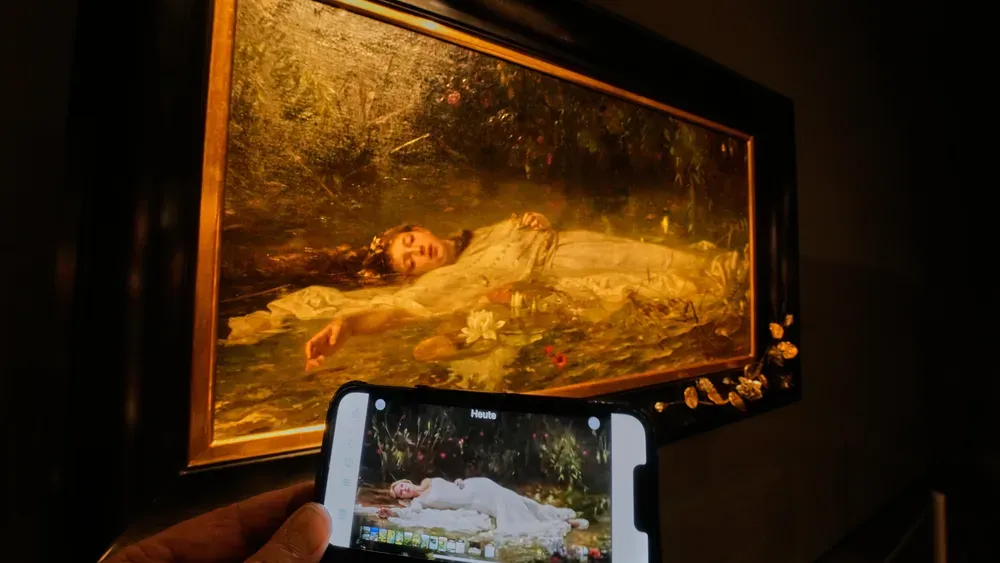
The opening part of Taylor Swift's video "The Fate of Ophelia" is displayed on a mobile phone in a museum showing a painting by Art Nouveau painter Friedrich Heyser showing Ophelia, a Shakespeare Character, in Wiesbaden, Germany, Thursday, Oct. 16, 2025. Photo Credit: (AP Photo/Michael Probst)
A German museum has been unexpectedly overrun by Taylor Swift fans because one of its paintings bears a striking resemblance to the opening scene of Swift’s current No. 1 hit video, “The Fate of Ophelia.”
A German museum has been unexpectedly overrun by Taylor Swift fans because one of its paintings bears a striking resemblance to the opening scene of Swift’s current No. 1 hit video, “The Fate of Ophelia.”
Hundreds of additional visitors came to the Hessische Landesmuseum in the central German city of Wiesbaden over the weekend to admire the painting, with one family traveling from the northern city of Hamburg especially for the occasion, museum spokesperson Susanne Hirschmann told The Associated Press on Thursday.
Among the visitors were also many American families who are stationed at an U.S. Army base in Wiesbaden.
The Swifties’ goal: an Art Nouveau painting by Friedrich Heyser featuring Ophelia, Hamlet’s beloved in William Shakespeare’s play of the same name.
In the original play, Ophelia, a young noblewoman of Denmark, ultimately becomes mad and drowns.
Heyser’s oil-on-canvas painting presents the figure of Ophelia clad in white and surrounded by white water lilies. The painting’s exact year of creation is not known but experts believe it dates back to around 1900.
In the opening scene of the video for the hit song “The Fate of Ophelia,” Swift slips into the role of Ophelia and becomes a living painting.
The scene shows similarities to the work of Heyser, museum director Andreas Henning told German news agency dpa.
Hirschmann said the museum team recognized the resemblance earlier this month and decided to invite Swifties for a special tour next month. Once they had posted an announcement of the tour on their website, news of the Ophelia painting soon went viral online.
“We’re really enjoying this attention — it’s a lot of fun,” Hirschmann told the AP, adding that all fans showing up for the Nov. 2 tour “Taylor Swift’s ‘Ophelia’ at the Wiesbaden museum” dressed as the pop star or as “the tragic beauty Ophelia” will be able to attend the tour for free.
There’s just one problem: the tour is already completely booked, so the museum may just have to add additional tours for all art-crazed Swiftie fans.
Henning said the museum has already tried to contact the singer, but has had no success so far getting a hold of the world star. “I would love to show Taylor Swift the original painting sometime,” he said.
“We are surprised and delighted that Taylor Swift used this painting from the museum as inspiration for her video,” Henning said. “This is, of course, a great opportunity to attract people to the museum who don’t know us yet.”
The museum said it does not know for sure if the art work served as a template for Swift’s song, which is currently a No. 1 hit both in Germany and the United States.
by Kirsten Grieshaber
Copyright Associated Press. All rights reserved. This material may not be published, broadcast, rewritten, or redistributed.
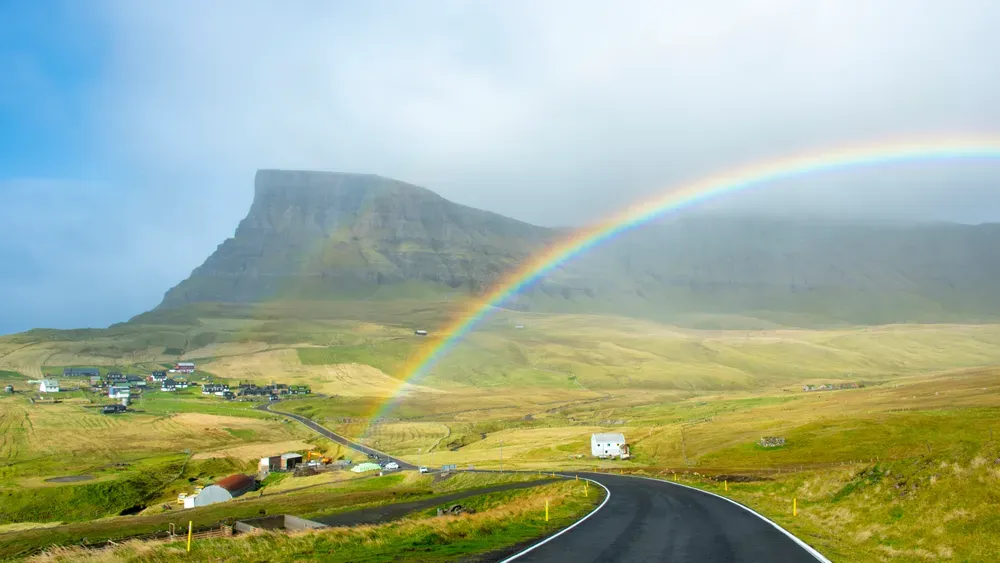
While once the Faroe Islands might have slipped under the radar, more tourists than ever are arriving on the remote archipelago in the north Atlantic.
While once the Faroe Islands might have slipped under the radar, more tourists than ever are arriving on the remote archipelago in the north Atlantic.
According to Statistics Faroe Islands, a record 94,954 check-ins occurred last year at hotels, hostels and guesthouses.
That’s relatively small for a European destination, but authorities are already thinking about how to protect the windswept 18 islands from the tourism pressure that has led to backlash elsewhere.
Be ready for anything, especially when hiking. At some point, it will rain. Strong winds can pick up quickly, and fog can be disorienting.
The Landsverk local authority has weather cams on its site, and so does FaroeIslandsLive. The official Visit Faroe Islands site has detailed advice on safe travel, as locals are aware that people can slip off trails into the sea – and sometimes do.
“I will take photos to die for, without dying for them,” says a tourist-focused flier called “The Faroese Pledge” on the library door in the village of Fuglafjordur.
Trails marked as suitable for children may not be. Keep in mind that hiking times and difficulty levels have been estimated by locals. A few of the most heavily traveled routes ask for a fee. The popular hike to the Kallur lighthouse on Kalsoy Island is about $30. Do not miss it.
It’s best to explore with a rental car for more flexibility. Public buses are available to many locations, but timetables are limited. They are available at the Strandfaraskip site. Multi-day travel passes can be purchased at the airport’s visitor center.
The Faroe Islands now have four undersea tunnels linking a few of the most visited islands, but prepare to pay. Fees range from over $15 for a round trip to over $27 one way. Plan day trips accordingly. Fees are paid to the rental car company at the end of a visit.
On land, some of the older tunnels are single lanes with designated passing areas. Some of the scenic “buttercup” routes are single lanes as well. Guardrails are not always present.
On one stretch of road leaving the community of Tjornuvik, a signal has been installed to limit traffic to one direction at a time along the well-battered guardrail above the sea. Tourists don't know how to reverse, residents said.
The need for cash is almost nonexistent. The AP used it once, for a coin-operated shower in one of the public restrooms often found at camping locations or tourist-frequented villages. Pay with cards and phones.
Food is expensive, as most of it is imported.
English is widely enough spoken and displayed.
Drone use is restricted. The Visit Faroe Islands site has details.
Don’t bother the sheep. Call the police if you hit one.
by Cara Anna
Copyright Associated Press. All rights reserved. This material may not be published, broadcast, rewritten, or redistributed.
With average vacation costs up by $1,400 since 2024, one unexpected travel trend is gaining momentum: college towns. Photo Credit: Photo credit: Depositphotos.
According to The Motley Fool, the average vacation is projected to cost $7,249 in 2025, up nearly $1,400 from the year before. Instead of cutting back on fun, many families find a smarter solution: college towns.
According to The Motley Fool, the average vacation is projected to cost $7,249 in 2025, up nearly $1,400 from the year before. Instead of cutting back on fun, many families find a smarter solution: college towns. These destinations deliver culture, history and entertainment without the big-city price tag.
The irresistible charm of college towns
Big cities may dazzle with skyscrapers and flashy attractions, but they also bring traffic jams, shoulder-to-shoulder crowds and steep prices. College towns offer a refreshing contrast with a mix of nostalgic charm, youthful energy and surprising affordability.
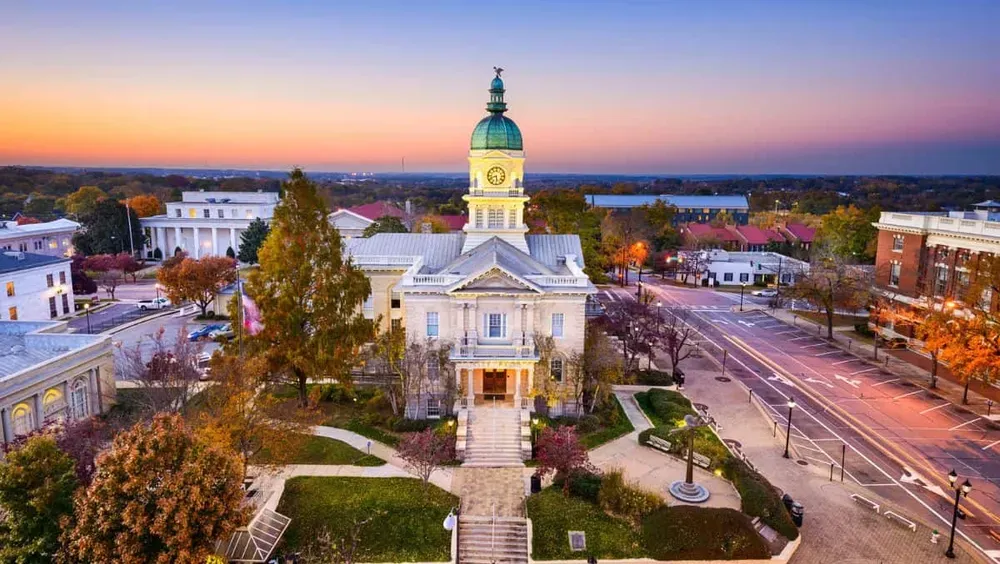
In Chapel Hill, North Carolina, that charm is on full display along Historic Franklin Street, the social hub of the University of North Carolina. Here, families can sip coffee at the century-old Carolina Coffee Shop, browse independent bookstores or pop into locally owned boutiques.
Each fall, the street comes alive during Festifall, a community event featuring local artists and live performances. It's a celebration where visitors get a true taste of local culture, an experience that's rare in sprawling urban centers. That same campus energy drives many college towns, fueling festivals, food scenes and creative events that feel approachable for visitors of all ages.
Affordable lodging that won't break the bank
While big-name cities like London, New York and Paris may be bucket-list destinations, they aren't cheap. As of August 2025, average nightly hotel rates reach $247, $178 and $174, respectively, making them out of reach for many families.
However, college towns were built with visiting parents, alumni and game-day crowds in mind. That means plenty of budget-friendly accommodations, such as cozy inns, well-rated motels and short-term rentals, within walking distance of campus attractions.
In Bozeman, Mont., families can wake up to mountain views without luxury-hotel prices, while in Athens, Ga., budget stays place visitors steps from both campus and downtown nightlife. Some universities even rent out dorm rooms during the summer, making lodging even more accessible.
Free and low-cost attractions
Many college campuses are home to cultural gems that rival those of major cities, minus the hefty admission fees. The Yale University Art Gallery in New Haven, Conn., is home to one of the most comprehensive collections in the country, from ancient artifacts to modern masters, and admission is always free. In the Midwest, the University of Michigan Museum of Art draws visitors with its rotating exhibits and interactive, family-friendly programming, also at no charge.
Nature lovers aren't left out, either. The State Botanical Garden of Georgia in Athens spans 32 acres of walking trails, koi ponds and terraced gardens, which are open to the public year-round and free.
"With Downtown Athens sitting just across from UGA's historic North Campus, visitors are immediately immersed in the vibe of a true college town," said Katie Williams, executive director of Visit Athens. "Both the Georgia Museum of Art and the State Botanical Garden are free experiences on campus. From there, visitors can head downtown to explore places like the iconic 40 Watt Club, fun festivals like Wild Rumpus and AthFest, incredible restaurants and public art around every corner. Athens' college town spirit and creative community make it such a fun place to visit, all at a great value."
Budget-friendly eats the whole family will love
Towns built to serve students are naturally designed for affordable dining. Instead of splurging on a high-priced big-city restaurant that may not live up to the hype, families can enjoy a diverse mix of local diners, global cuisines and beloved neighborhood staples.
In Charlottesville, Va., Bodo's Bagels has earned a following for its made-from-scratch, New York-style bagels, served fresh and generously topped, all for under $10. Over in Gettysburg, Penn., the Lincoln Diner serves a classic American menu with award-winning, all-day breakfast and a retro charm that's been drawing locals and college students for more than 60 years. Whether it's tacos from a campus food truck or pancakes at a decades-old diner, meals in college towns stretch travel dollars further while still delivering local flavor.
From party town to family destination
Despite their affordability and charm, college towns are often associated with stereotypes of tailgate parties and rowdy nightlife. To counter this image, local tourism boards are highlighting the family-friendly aspects of these communities.
In Ann Arbor, Mich., the Hands-On Museum keeps kids entertained with interactive STEM exhibits. Each summer, when students leave the University of Michigan campus, the Ann Arbor Summer Festival brings the community together with outdoor concerts, family movie nights and free activities for all ages.
In Lawrence, Kan., home to the University of Kansas, families can explore the natural history museum's dinosaur displays without ever buying a pricey ticket. These attractions highlight what residents already know: college towns are not just affordable; they're vibrant, family-friendly communities.
Family travel doesn't have to be complicated
Vacations are becoming increasingly expensive, stretching family budgets thin. However, college towns prove you don't need luxury hotels or extravagant attractions to create lasting memories. With free museums, affordable dining, lively festivals and a welcoming community spirit, these destinations deliver big experiences at small-town prices. So, don't be surprised if your next vacation brings you back to campus; college towns are proving they're much more than student hangouts.
Kimberly Stroh is an Atlanta-based family travel writer and the founder of Savvy Mama Lifestyle. Since 2015, she has been sharing expert travel tips, destination guides and parenting insights tailored for modern families. Her content is syndicated to over 10 million readers through platforms like MSN. With a strong social media presence, Kimberly has built a vibrant community of travel-savvy Millennial Moms who trust her for real-world advice and inspiration on making family travel memorable and manageable.
by Kimberly Stroh
Copyright Associated Press. All rights reserved. This material may not be published, broadcast, rewritten, or redistributed.
Cheer Up Charlies, a cornerstone LGBTQ+ bar and music venue in Austin, Texas, has been acquired by Pride Holdings, an investment company specializing in queer entertainment properties.
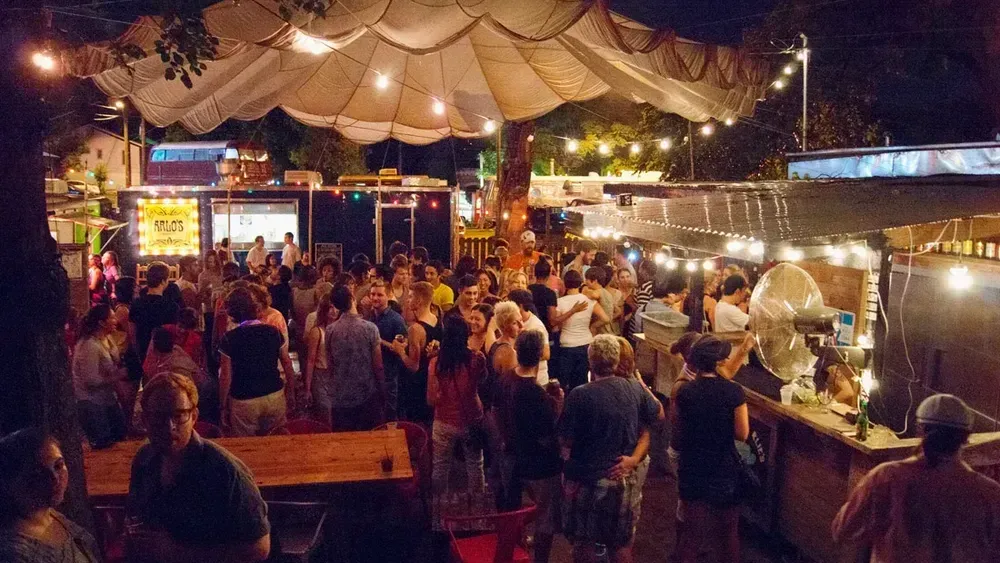
Cheer Up Charlies, a vibrant and beloved queer bar and music venue located on Austin’s Red River Street, has long been recognized as a safe haven, cultural hub, and celebration space for the LGBTQ+ community in Texas. This week, the venue entered a new era as it was sold to Pride Holdings, an investment firm dedicated to buying and managing LGBTQ+ entertainment properties across the United States. The deal, finalized in early October 2025, marks a pivotal moment for both the venue and the broader landscape of queer nightlife in Texas and beyond .
Former owners Maggie Lea and Tamara Hoover, who have steered Cheer Up Charlies through years of growth and adversity, will transition out of ownership but remain in leadership roles within the venue’s new management structure. “We’re excited to have a parent company that stabilizes us,” Lea stated. “Our missions aligned, and we felt that this was an amazing stroke of luck and fate” .
Cheer Up Charlies is more than just a nightlife spot; it has become a symbol of resilience and LGBTQ+ community-building in Austin. Known for its inclusive programming, diverse musical acts, and welcoming atmosphere, the venue has hosted countless drag performances, benefit events, and celebrations that unite people across identities. Its reputation extends beyond Austin, making it a touchstone for queer visitors and locals alike .
Pride Holdings CEO Mike Barrett emphasized the significance of the acquisition, stating: “Cheer Up Charlie’s isn’t just a bar—it’s a symbol of community, resilience, and celebration. We’re honored to carry forward its incredible legacy while giving it the resources to grow and thrive. This acquisition reflects our commitment to preserving the soul of LGBTQ+ spaces while elevating them to new levels of visibility, impact, and profitability” .
The sale comes after a period of acute financial distress for Cheer Up Charlies. Like many LGBTQ+ venues, the business was hit hard by the COVID-19 pandemic, resulting in significant revenue losses and mounting debts. Over the summer of 2025, Maggie Lea publicly warned that the venue was behind $58,000 on rent and faced imminent closure if funds could not be raised. In response, the community rallied—raising $58,000 within 24 hours through a fundraising campaign .
It was this show of solidarity that caught the attention of Pride Holdings. According to Lea, “Pride Holdings saw the fundraiser and reached out to say it was buying up bars to save them from closure. The idea, she said, was to ‘create a bigger group to have a voice’ and stop the ‘push toward silencing’ LGBTQ+ and marginalized communities.” The ensuing negotiations were rooted in a shared vision for community preservation and growth .
Looking ahead, Pride Holdings has announced plans to franchise the Cheer Up Charlies brand, with expansion into other Texas cities expected by mid-2026. The move is emblematic of a broader strategy to safeguard and amplify queer nightlife venues, which have faced threats from economic downturns, gentrification, and anti-LGBTQ+ rhetoric and policy nationwide .
Lea expressed excitement for the future: “I want it to live on for as long as possible.” She and Hoover remain committed to ensuring that the venue’s ethos—centered on inclusivity, creative expression, and community empowerment—is maintained as it grows .
Cheer Up Charlies’ story is not unique; LGBTQ+ bars and venues across the United States have struggled to stay afloat as shifting economic and cultural forces have reshaped urban landscapes. Researchers and activists alike highlight the crucial role these spaces play in fostering belonging, safety, and cultural production within the LGBTQ+ community .
Investment firms like Pride Holdings are emerging as key players in the preservation of these spaces. By providing financial backing, business acumen, and marketing support, such firms aim to stabilize and expand venues that might otherwise close. As Mike Barrett of Pride Holdings explains, “We see these acquisitions as a way to ensure that LGBTQ+ spaces are not only preserved but are positioned for growth and greater impact in their communities” .
The community response to the sale has been overwhelmingly positive, with many expressing relief that Cheer Up Charlies will remain a beacon for Austin’s LGBTQ+ residents and allies. The venue’s commitment to local artists, queer performers, and grassroots organizing is expected to continue under the new ownership, with Lea and Hoover still actively involved in day-to-day operations.
As the venue prepares for its next chapter, the story of Cheer Up Charlies underscores the importance of supporting and investing in LGBTQ+ spaces—not just for their economic value, but for their role in sustaining queer culture, visibility, and resilience. The transition serves as a model for how business partnerships can honor legacy while expanding opportunity for future generations .
Norway stands out as one of the world’s most LGBTQ+ inclusive destinations, blending progressive rights with stunning natural beauty and vibrant city culture.
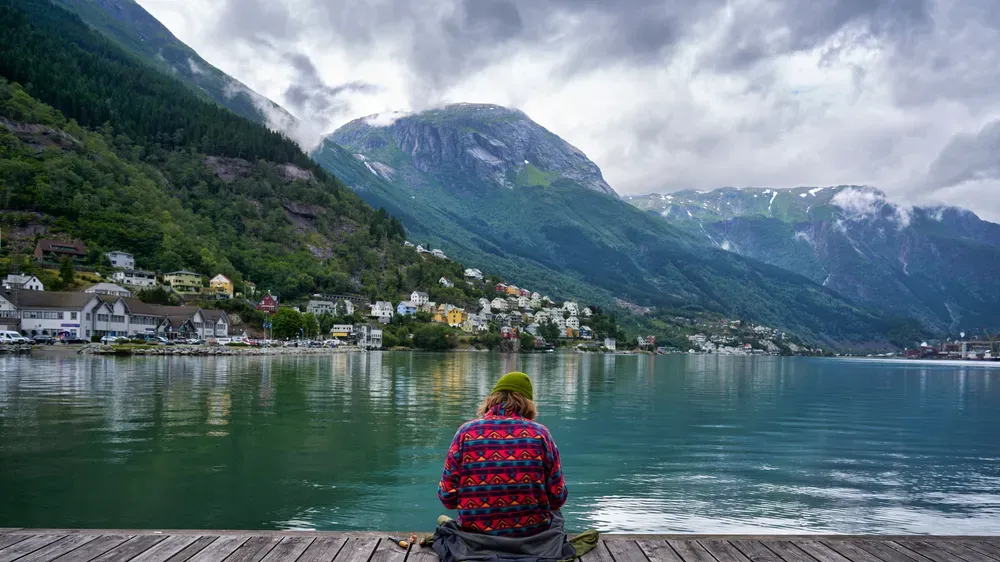
Norway, celebrated for its dramatic fjords, northern lights, and rich cultural tapestry, is equally notable for its unwavering commitment to LGBTQ+ equality. Ranking consistently among the top ten most LGBTQ+-friendly countries globally, Norway offers both historic milestones and a contemporary ethos of inclusion, making it a premier destination for queer travelers seeking both adventure and acceptance .
Norway’s progressive legal framework provides a solid foundation for LGBTQ+ visitors. Same-sex marriage has been recognized since 2009, with equal rights granted in areas including adoption, assisted pregnancies, and church weddings . Discrimination based on sexual orientation and gender identity is strictly prohibited, with robust anti-discrimination laws in place since the 1980s . The country’s inclusive policies have fostered a society where most venues—cafés, hotels, museums, bars—are welcoming to all, regardless of identity .
Oslo, Norway’s capital and largest city, is a dynamic urban hub where queer life flourishes. The city’s main gay district, Grünerløkka, is famed for its eclectic mix of LGBTQ+-friendly bars, clubs, and restaurants . Popular venues include the longstanding London Pub and Elsker, both of which regularly host drag shows, themed parties, and live performances .
Oslo Pride is the country’s largest LGBTQ+ festival, drawing thousands for ten days of concerts, art exhibitions, debates, and parties, culminating in a vibrant parade through the city . The festival not only celebrates diversity but also foregrounds human rights and queer culture, ensuring visitors feel both welcomed and inspired.
For those interested in art and history, the city offers highlights such as the Munch Museum, the National Gallery, and the striking modernist Opera House, all easily accessible and inclusive for LGBTQ+ travelers .
Bergen, Norway’s second-largest city, is renowned for its picturesque harbor, mountain backdrops, and a unique Pride spirit that thrives regardless of weather. Regnbuedagene (Rainbow Days), the city’s annual Pride festival, is recognized for its grassroots approach—eschewing large corporate floats for a more community-driven, joyous march where locals and visitors celebrate side by side .
The city’s only dedicated queer bar, Fincken, is emblematic of Bergen’s inclusive ethos: rather than segregating LGBTQ+ spaces, most establishments are open and welcoming by default . Each June, the city center comes alive with rainbow flags, public art installations, and a parade that weaves through the historic streets, undeterred by rain—a symbol of Norway’s resilient and joyful queer community.
For adventurous travelers, Tromsø offers a singular opportunity: Arctic Pride. Held in November, this event draws locals and visitors together for a week of festivities under the polar night, as the city is bathed in the magical glow of the northern lights . The city’s queer-friendly pubs, bars, and social venues, including Studentsamfunnet Driv (the student union), Storgata Camping, and Bastard Bar, provide warm, welcoming spaces to escape the Arctic chill. The festival’s unique atmosphere—think rainbow flags against a snowy backdrop—makes it a must-experience for those seeking something different in the global Pride calendar.
Norway’s LGBTQ+ nightlife scene is concentrated in its larger cities but remains accessible and inclusive nationwide. In Oslo, besides London Pub and Elsker, travelers can join guided LGBTQ+ city tours offering both historical insights and a safe introduction to the local scene . In Bergen and Trondheim, while there are fewer explicitly “queer” bars, the culture of openness means travelers rarely need to seek out designated safe spaces—most venues operate with inclusive policies .
Travel Tips for LGBTQ+ Visitors
- Safety and Comfort: Norway is widely regarded as safe for LGBTQ+ travelers. Queerphobic incidents are rare, and police and emergency services are trained to respond sensitively to LGBTQ+ needs .
- Language and Etiquette: English is widely spoken, and Norwegians are known for their politeness and respect for privacy, making it easy for visitors to navigate both city life and rural adventures .
- Gender Inclusivity: Non-binary and transgender travelers will find a supportive environment, with gender-neutral facilities available in many public spaces .
Norway’s natural wonders—fjords, mountains, midnight sun, and the northern lights—are open to all. LGBTQ+ travelers can join organized tours, many of which are committed to inclusivity, or explore independently. The ethos of “alle er velkommen” (everyone is welcome) permeates even the most remote destinations, from hiking in Lofoten to kayaking near Geirangerfjord .
Norwegian LGBTQ+ leaders and activists emphasize the importance of both celebrating progress and acknowledging ongoing work for equality. Inge Alexander Gjestvang, leader of FRI (The Norwegian Organization for Sexual and Gender Diversity), notes: “It is important to look back with gratitude to those who pushed through that change in the law. Because it was hard work, and still is today. We need to continue to keep up the pressure” .
Locals echo the sentiment that Norway’s inclusivity is not just legal, but lived: “I find that Norway is very good at making most things available to everyone. I rarely look up safe places to go, because most places are,” says Majken Helén Evensen, Oslo Pride volunteer .
For LGBTQ+ travelers seeking a destination where rights, safety, and celebration go hand in hand, Norway offers a model of progressive inclusivity. Whether you’re dancing at Oslo Pride, marching through the rain in Bergen, or watching the aurora borealis at Arctic Pride, you’ll find a travel experience that is as welcoming as it is unforgettable.
Curaçao, a vibrant Caribbean island, is fast becoming an emerging destination for LGBTQ+ travelers seeking inclusivity and authenticity.
In recent years, the Caribbean has seen a gradual shift toward greater acceptance of LGBTQ+ identities, but few islands have embraced this change as openly or joyously as Curaçao. Once overshadowed by more prominent destinations, Curaçao is now gaining international attention as a queer-friendly hotspot, thanks in large part to legal advances and a passionate, visible local LGBTQ+ community. In 2024, Curaçao made international headlines by legalizing same-sex marriage, a landmark move that reflects the island’s growing commitment to equality and inclusion for all.
For years, LGBTQ+ rights in many Caribbean nations have lagged behind global trends. Curaçao’s decision to legalize same-sex marriage marked a turning point not only for the island but for the region at large. The new legislation provides equal protection under the law for queer couples, ensuring that visitors and residents alike are free to express their love and identities without fear of legal persecution. This legal framework is matched by a visible shift in the island’s social atmosphere: hotels, restaurants, and businesses are increasingly supportive, with many actively training staff in LGBTQ+ inclusivity and displaying rainbow flags in solidarity.
Curaçao’s queer nightlife is thriving, with new venues and events catering to a diverse range of identities and tastes. The island’s first dedicated queer bar, Gaze, has quickly become a community hub, offering Thursday night karaoke and regular drag performances that attract both locals and tourists. The sense of belonging and celebration is palpable, as travelers find spaces where they can connect authentically.
October now marks a highlight on the island’s social calendar: Curaçao Pride. This annual celebration has grown in scale and scope, with parades, beach parties, film screenings, and cultural events drawing visitors from across the Americas and Europe. The Pride festivities are not only a time for joyful visibility but also a platform for local activists to raise awareness and advocate for further rights.
Hospitality in Curaçao is evolving to meet the needs of queer travelers. Numerous hotels and guesthouses are now LGBTQ+-owned or explicitly queer-friendly, with staff trained in inclusivity and sensitivity. Many local businesses have joined regional campaigns to promote diversity and ensure that queer visitors feel genuinely welcome, not merely tolerated. The presence of rainbow flags at popular resorts and bars signals a wider cultural embrace, and the island’s tourism board has partnered with international organizations to further inclusivity efforts.
The evolution of Curaçao as an LGBTQ+ destination is not without challenges, but local queer activists and residents express optimism about the future. Community leaders highlight the importance of visibility, education, and solidarity in pushing for social progress. Tourists report feeling safe and celebrated, noting that the island’s unique blend of Caribbean and Dutch influences fosters an environment where difference is valued.
Kiraau, a local queer advocate, describes the change: “Maybe five or six years ago, Curaçao felt welcoming, but the laws were not up to par with the community spirit. Now, especially for tourists, the laws protect us. The atmosphere has shifted—there’s a sense that queer people are truly valued as part of the island’s fabric.”
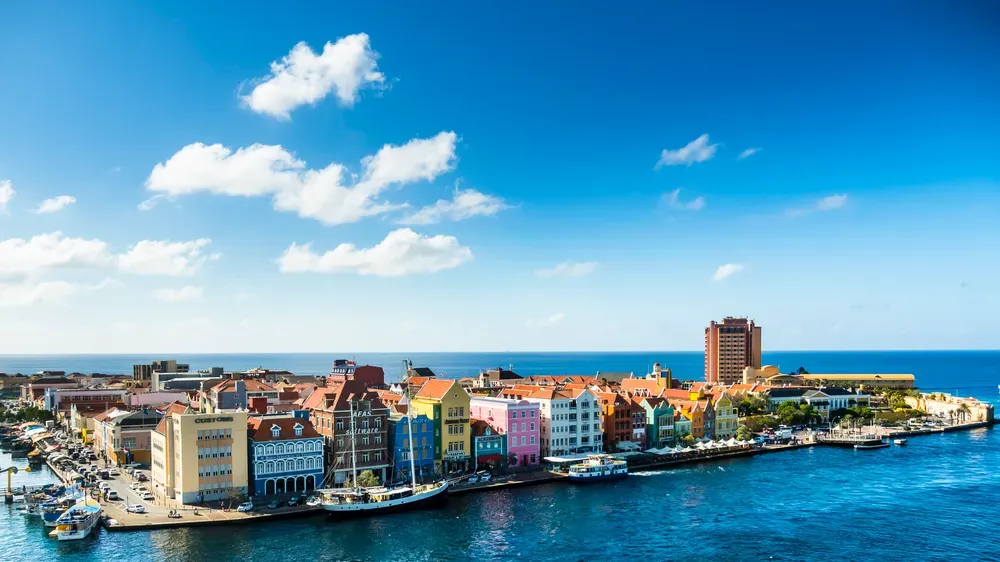
While traditional queer destinations such as San Francisco, Provincetown, or Key West remain popular, Curaçao offers a distinct alternative—one that combines natural beauty with cultural authenticity and progressive values. The island’s beaches, colorful architecture, and rich culinary scene provide the backdrop for queer travelers to explore with confidence and joy. Curaçao’s emergence signals a broader movement toward inclusivity in travel, where destinations off the beaten path can set new standards for hospitality and community engagement.
Travel Tips for Queer Visitors
- Visit in October to experience Curaçao Pride, when the island’s queer community is most visible and vibrant.
- Explore local LGBTQ+-owned businesses, including bars, cafes, and guesthouses, many of which can be found in the capital, Willemstad.
- Engage with community organizations and attend cultural events to gain deeper insight into the island’s queer history and activism.
Curaçao’s progress offers a blueprint for other Caribbean destinations seeking to attract LGBTQ+ travelers. The island demonstrates that legislative change, when paired with grassroots advocacy and business engagement, can transform not only the tourist experience but also the daily lives of queer residents. As more visitors discover Curaçao’s warm embrace, the hope is that a ripple effect will encourage greater acceptance and equality throughout the region.
For queer travelers yearning for adventure, authenticity, and community, Curaçao stands ready to welcome you—not just as a guest, but as family.
RU5H, a new all-gay, trans-inclusive travel and lifestyle brand, made its debut at San Francisco's Folsom Street Fair in September 2025, announcing plans for kink-minded cruises, resort takeovers, and fetish events.
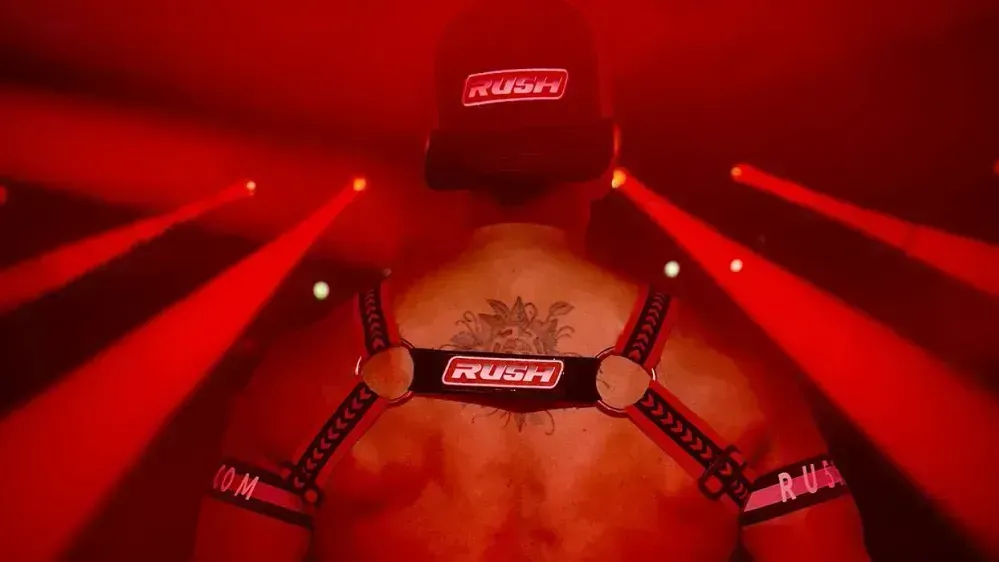
A bold new player has entered the LGBTQ+ travel market with an explicitly sex-positive mission. RU5H, billing itself as an "all-gay, all-male travel and lifestyle brand," announced its launch with a provocative activation at the Folsom Street Fair on September 28, 2025, promising to deliver "unapologetically sex-progressive vacations" that combine kink culture with luxury travel experiences .
The brand's debut at the world's largest leather and fetish gathering set the tone for what travelers can expect. The RU5H activation featured a playground setup that became a notable gathering spot at the fair, complete with pup masks, slings, and a rotating penis-and-scrotum disco ball—a clear signal of the company's commitment to creating spaces where sexual expression is not just tolerated but celebrated .
RU5H positions itself as welcoming "gay, bi, and pan men and male-identifying adventurers ready to explore their desires on their own terms" . This inclusive language explicitly welcomes transgender men and non-binary individuals who identify as male, marking a progressive stance in the gay cruise market.
The brand's Instagram presence offers an unfiltered preview of its philosophy: "Welcome to RU5H: the no-shame, all-gay male & male identifying vacation escapes where fantasies roar to life. Dance, flirt, and f**k under the stars with zero apologies. This is your invitation to indulge with few limits, surrender to pleasure, and revel in pure decadence" .
In an exclusive statement to Out Magazine, RU5H's founders explained their vision: "RU5H is where sexual freedom and adventurous travel meet. Launching at Folsom Street Fair was our way of honoring the fearless creativity of the kink community and inviting men everywhere to take that spirit with them on every RU5H escape" .
Central to the RU5H brand identity are what the company calls its "five pillars": sex, stimulation, submission, seduction, and satisfaction. The brand stylizes these words by replacing the letter "s" with the number five, reflecting the numerical branding in its name .
An Instagram post elaborating on the "5ex" pillar describes it as "the unapologetic heartbeat of RU5H, where raw desire and unfiltered pleasure set everything in motion" . This framework positions sexual freedom as the foundational element of the travel experience, with the other pillars supporting various aspects of kink and fetish exploration.
A press release detailing the brand's offerings promised "unapologetically sex-progressive vacations in the form of three- and four-night full-ship cruises, resort takeovers, and pop-up fetish events that combine underground energy, uninhibited freedom, and just the right amount of hospitality" . The release further described RU5H as "engineered for men who want to play harder, let go of inhibitions, break free from personal boundaries, and live out (nearly) every fantasy" .
While specific details remain under wraps, RU5H has confirmed it will announce its inaugural "high-voltage, all-gay big-ship getaway" in mid-December 2025 . The reference to a "big-ship" suggests the company has chartered a large ocean-going vessel, similar to other established gay cruise operators.
In the meantime, interested travelers can visit ru5h.com to view a promotional video and enter a sweepstakes for a chance to win a trip on one of the brand's upcoming voyages .
The timing of RU5H's entry into the market comes as LGBTQ+ travel continues to expand and diversify. The company is positioning itself alongside established players in the gay cruise market, though with a distinctly more explicit focus on sexual expression and kink culture than many of its competitors.
RU5H enters a well-established LGBTQ+ cruise market that has been serving the community for decades. Major charter companies like Atlantis Events, which focuses on gay men, and Olivia, which caters exclusively to lesbians, have long partnered with mainstream cruise lines to offer all-LGBTQ+ sailings .
These established operators typically charter entire ships from major cruise lines including Celebrity Cruises, Holland America Line, Royal Caribbean, Uniworld, Azamara, and Virgin Voyages, then customize the experience with LGBTQ+-focused entertainment, musical guests, and speakers .
However, even within this established market, there have been ongoing discussions about boundaries and appropriate conduct. In 2023, Atlantis Events reportedly asked gay cruise passengers to refrain from making pornographic films during voyages , highlighting the ongoing negotiation between sexual freedom and appropriate public behavior that exists even in LGBTQ+-exclusive spaces.
RU5H appears to be positioning itself as an alternative for travelers seeking a more overtly sexual and kink-friendly environment than traditional gay cruises might offer. The brand's emphasis on fetish events, darkly decadent parties, and "round-the-clock fetish-fueled experiences" suggests it aims to capture a niche market of travelers specifically interested in exploring BDSM, leather culture, and other kink-related interests in a vacation setting .
The launch of RU5H reflects broader trends in LGBTQ+ travel, where operators are increasingly offering specialized experiences that cater to specific segments of the community. While traditional gay cruises and lesbian cruises continue to thrive, there's growing demand for experiences that reflect the diverse interests within LGBTQ+ communities, from adventure travel to cultural tourism to explicitly sexual experiences.
Other LGBTQ+ travel companies have found success by offering tailored experiences. For example, The Cruise, powered by La Demence, has been organizing European gay cruises in the Mediterranean for more than a decade . Meanwhile, John Heath Travel has partnered with Transcend Cruises to offer river cruises specifically designed for LGBTQ+ travelers, including a Rhine River cruise in August 2025 aboard "The Gentleman" .
These various operators demonstrate that the LGBTQ+ travel market can support multiple approaches and philosophies, from family-friendly cruises to explicitly adult-oriented experiences.
While RU5H's promotional materials emphasize freedom and lack of inhibition, questions remain about how the company will balance sexual freedom with safety, consent, and legal compliance. Operating a cruise ship involves navigating complex maritime law, port regulations, and the policies of cruise line partners who ultimately own the vessels.
The brand's promise to deliver experiences with "few limits" and facilitate guests living out "nearly every fantasy" will need to be reconciled with practical realities of operating in international waters and visiting ports in various countries with different legal frameworks around public sexual behavior .
Additionally, while the brand's trans-inclusive language is progressive, how this inclusion will be implemented in practice—particularly in spaces traditionally dominated by cisgender gay male culture—remains to be seen.
As RU5H prepares to announce its inaugural cruise in December, the LGBTQ+ travel community will be watching to see how the brand delivers on its bold promises. The company's success will likely depend on its ability to create genuinely liberating experiences while managing the logistical, legal, and interpersonal complexities that come with facilitating sexual expression in a group travel setting.
For travelers interested in kink-friendly LGBTQ+ vacations, RU5H represents a new option that explicitly centers sexual freedom and fetish culture. Whether it will establish itself as a lasting presence in the LGBTQ+ travel market or remain a niche offering will become clearer once the company begins operating its promised cruises, resort takeovers, and pop-up events.
The brand's launch also raises broader questions about the evolving nature of LGBTQ+ spaces and travel. As acceptance of LGBTQ+ people has increased in many parts of the world, some community members have expressed concern about the sanitization of queer culture and the loss of explicitly sexual spaces that were once central to LGBTQ+ identity and community building. RU5H's unapologetic embrace of sexual freedom could be seen as a response to these concerns, offering an alternative to increasingly mainstream gay travel experiences.
As the mid-December announcement approaches, interested travelers can visit the company's website for updates and opportunities to be among the first to experience this new approach to LGBTQ+ travel.
Queer Scout, a new tour service in Medellín, Colombia, is offering specialized experiences for LGBTQ+ travelers, including bar crawls, cultural tours, and guided excursions to nearby destinations.
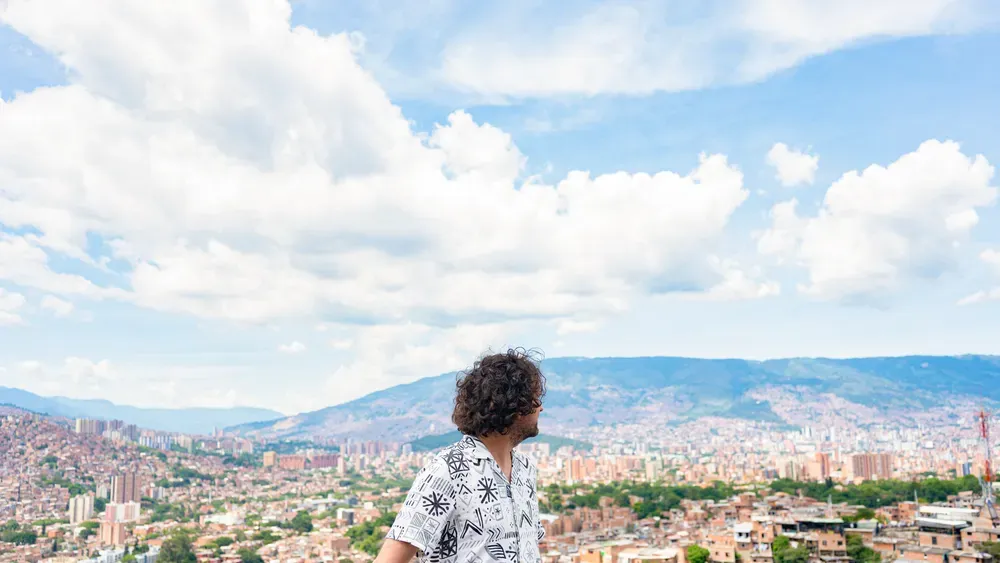
Medellín, Colombia, has emerged as a dynamic destination for LGBTQ+ travelers seeking authentic cultural experiences combined with vibrant nightlife, and a newly-launched tour service is working to make the city more accessible to queer visitors from around the world. Queer Scout, which began operations in 2024, offers a range of specialized tours and experiences designed specifically for LGBTQ+ travelers exploring Colombia's second-largest city .
The tour company provides multiple experience options, from nightlife-focused bar crawls to cultural explorations of the city's street art scene and day trips to nearby towns. According to their offerings, Queer Scout has positioned itself as a comprehensive resource for LGBTQ+ visitors who want to experience Medellín's queer culture with the guidance of knowledgeable local hosts .
Queer Scout's most popular offering is the NightOUT Medellín Bar Crawl, a four-hour experience priced at $175 per person that takes participants through three of the city's most popular LGBTQ+ bars and nightclubs. The experience includes VIP access to venues, eliminating wait times, and features welcome shots or cocktails at each location. Private transportation is provided when necessary, along with bottled water and bilingual tour guides .
Beyond nightlife, the company offers cultural experiences such as the Gay Picnic & Graffiti Experience, which takes visitors to Medellín's Moravia neighborhood. This four-hour tour, priced at $150 per person, explores the area's transformation from a former landfill site into a thriving hub of street art and community culture. The tour focuses on murals that tell stories of resilience, identity, and community spirit, with bilingual guides providing historical and cultural context .
Additional offerings include a Gay Guatapé Boat Tour to the nearby colorful town of Guatapé, a Medellín Rooftop Bar Crawl, a Gay Salsa Dance Experience, and a DiningOUT Experience featuring exclusive dining tailored to private groups. The company also offers a Drink & Dance Experience that allows visitors to explore Medellín's nightlife at their own pace .
Reviews from early participants highlight the welcoming atmosphere created by Queer Scout's team. One visitor who participated in both the Guatapé tour and a gay dinner experience in February 2025 described the events as "delightful and eye opening," noting that the experiences provided an intimate look at gay Medellín and Guatapé. The reviewer praised the team's dedication, stating, "The teams really throw themselves into making sure we enjoyed ourselves. The dinner in a private home was delicious and filled with great discussions about the gay world of Medellin" .
Another participant, who experienced the NightOUT Bar Crawl in October 2024, emphasized the inclusive nature of the tours: "This agency does a fantastic job of creating a welcoming atmosphere for the LGBTQ+ community while also embracing everyone, regardless of their preferences." The reviewer noted that Medellín's nightlife "truly comes alive" after sunset, with venues offering drag shows, inclusive dance parties, and opportunities to connect with locals and fellow travelers .
Queer Scout joined Tripadvisor in August 2024 and has quickly earned recognition, ranking #31 out of 119 classes and workshops in Medellín with a 5.0 rating based on customer reviews . The company offers free cancellation up to 24 hours in advance for full refunds on all experiences, providing flexibility for travelers .
Tours accommodate ages 18-100 and typically last four hours, with suggested start times of 10:00 am and 2:00 pm for daytime experiences, though the company indicates flexibility in scheduling to accommodate different preferences . All tours include bilingual guides fluent in English and Spanish, private transportation when needed, and all applicable fees and taxes. However, medical insurance, tips and gratuities for drivers and guides, and food or drinks not specifically mentioned in itineraries are not included in the base price .
The launch of Queer Scout reflects Medellín's broader evolution as an LGBTQ+-friendly destination in Latin America. The city has developed a reputation for its vibrant queer nightlife scene and increasingly visible LGBTQ+ community, making it an attractive option for travelers seeking authentic cultural experiences combined with inclusive social spaces.
Colombia has made significant strides in LGBTQ+ rights in recent years, including legal recognition of same-sex marriage and anti-discrimination protections, though challenges remain in implementation and social acceptance. Tourism initiatives like Queer Scout play a role in both showcasing the city's queer culture to international visitors and supporting local LGBTQ+ communities through economic engagement.
The company's focus on providing safe, curated experiences addresses a common concern among LGBTQ+ travelers: navigating unfamiliar destinations while finding authentic queer spaces. By offering guided access to established venues and cultural sites, along with knowledgeable local hosts who can provide context and connections, Queer Scout aims to reduce barriers to exploration while enhancing the overall travel experience.
The Moravia neighborhood graffiti tour exemplifies how Queer Scout integrates LGBTQ+ perspectives with broader community narratives. Moravia's transformation from a landfill site to a cultural hub represents a powerful story of urban renewal and community resilience. By highlighting street art that addresses themes of identity and social justice within this context, the tour connects LGBTQ+ visitors to wider conversations about marginalization, transformation, and creative expression in Colombian society .
Similarly, the DiningOUT Experience, which features meals in private homes with discussions about gay life in Medellín, creates opportunities for meaningful cultural exchange beyond typical tourist experiences. These intimate settings allow for deeper conversations about the realities of LGBTQ+ life in Colombia, fostering understanding and connection between visitors and local community members .
As Medellín continues to develop its tourism infrastructure and brand itself as a welcoming destination for diverse travelers, services like Queer Scout represent an important niche in the market. By specifically catering to LGBTQ+ travelers while remaining inclusive of all participants, the company addresses both the desire for community-specific experiences and the broader appeal of well-organized, knowledgeable tours.
The company's early success, as indicated by its high ratings and positive reviews, suggests demand for specialized LGBTQ+ tourism services in Medellín. As word-of-mouth grows and the company expands its offerings, Queer Scout has the potential to become a model for LGBTQ+-focused tourism in other Latin American cities.
For LGBTQ+ travelers considering Medellín as a destination, Queer Scout offers a structured entry point into the city's queer culture, providing both safety and authenticity through local expertise and community connections. Whether seeking nightlife adventures, cultural exploration, or opportunities for meaningful dialogue about LGBTQ+ life in Colombia, the service positions itself as a comprehensive resource for queer travelers wanting to experience Medellín beyond typical tourist itineraries.
Please consider whitelisting us in your ad blocker.
\n\n
For many in the queer community, Frog Meadow has stood as more than just a resort: it is a living legacy, a safe space where men have gathered for workshops, wellness retreats, and the simple joys of companionship. Scott and Dave’s announcement, delivered with heartfelt gratitude and optimism, underscores their dedication to ensuring that the property remains an “oasis for men”—not just in name, but in spirit .
Davey Wavey, whose media work has centered on sex-positive education, body acceptance, and queer empowerment, is no stranger to Frog Meadow. Having first visited in 2008, Wavey has cultivated a deep relationship with the space and its founders, collaborating on Himeros.tv projects that have brought together diverse voices in the celebration of erotic wellness .
In a statement following the acquisition, Wavey described Frog Meadow as his “favorite place on earth,” a sanctuary offering balance, connection, and beauty in a chaotic world. “Dreams do come true,” he wrote, expressing gratitude for the opportunity to steward the property and nurture its legacy for years to come . The new owner’s commitment is clear: Frog Meadow will remain a safe and inclusive space, continuing to welcome guests and host workshops designed for queer men.
The transition is being managed thoughtfully, with Scott and Dave staying on through October 30, 2025 to ensure business as usual. All current reservations, credits, and gift certificates will be honored, and key staff members—including Assistant Innkeeper Jay and Guest Services Associate Ben—will remain part of the team . Frog Meadow will re-open for the 2026 season on April 21, operating year-round and continuing its much-loved programming.
Central to Frog Meadow’s identity are its workshops and retreats, which have offered participants opportunities for personal growth, sexual wellness, and spiritual connection. The upcoming calendar includes events such as “Nourishing Male Vitality Through Tantra and Touch,” led by certified professionals and tailored to the needs of queer men . These programs cover a wide spectrum—from bodywork and massage to discussions of intimacy, mindfulness, and healthy relationships .
Participants consistently praise Frog Meadow for its atmosphere of camaraderie and acceptance, describing their stays as “relaxed, rejuvenated, and recharged” . The retreat’s commitment to body, mind, and spirit is evident not only in its programming, but in its approach to hospitality: every guest is welcomed as part of a larger community, and the space itself is designed to foster safety, comfort, and meaningful connection.
With Wavey at the helm, guests can expect the continuation—and evolution—of these offerings, including collaborations with Himeros.tv and other partners in queer wellness and entertainment . The property’s website and booking system remain open, with special promotions marking the transition and encouraging new and returning guests to experience Vermont’s “gay oasis” .
Frog Meadow’s story is emblematic of the broader movement toward LGBTQ+ affirming travel and hospitality. As queer spaces face pressures from commercialization and shifting social norms, the preservation of dedicated sanctuaries like Frog Meadow takes on renewed importance. The founders’ multi-year plan for succession, rooted in a commitment to community stewardship, reflects a deep understanding of the challenges and opportunities facing LGBTQ+ retreat spaces .
Wavey’s acquisition is noteworthy not only for its personal significance, but for its potential impact. As a media figure who has championed sex positivity, queer joy, and holistic wellness, Wavey brings a unique perspective to the role of innkeeper. His stewardship promises to balance the traditions of Frog Meadow with new approaches to programming, outreach, and community engagement .
Looking ahead, Frog Meadow will continue to serve as a model for inclusive, affirming travel, offering workshops, events, and hospitality tailored to the needs of gay, bisexual, and transgender men. The property’s legacy—built over 19 years of service—will endure and evolve, guided by a new generation of leadership committed to nurturing queer wellness and community .
As Frog Meadow enters its next chapter under Davey Wavey’s ownership, the retreat stands poised to remain a cornerstone of queer men’s wellness, connection, and celebration. Guided by a spirit of gratitude and purpose, the new stewardship offers guests the promise of continuity—and the excitement of new horizons in LGBTQ+ hospitality. ","firstParagraph":"Frog Meadow, a celebrated bed-and-breakfast and men’s retreat in southern Vermont, has long been regarded as a haven for gay men seeking connection, relaxation, and community. After nearly two decades of passionate stewardship, founders Scott and Dave have announced their retirement and the sale of Frog Meadow to David Jacques—better known to millions as Davey Wavey—a move that signals both continuity and transformation for this cherished LGBTQ+ space .","readTime":21,"graphicSource":"Davey Wavey / Instagram","graphicCaption":null,"jwId":null,"youtubeId":null,"sourcePublisherId":0,"author":null,"authorDetails":{},"writerId":0,"publisherFooter":null,"hasTwitterEmbeds":false,"hasInstaEmbeds":true,"listElements":[],"preview":true},{"id":159256,"title":"Taylor Swift Fans Flood German Museum to See Painting Echoing Her Hit Video 'The Fate of Ophelia'","archiveImages":0,"dateLive":"Oct 16","sponsored":0,"synopsis":"A German museum has been unexpectedly overrun by Taylor Swift fans because one of its paintings bears a striking resemblance to the opening scene of Swift’s current No. 1 hit video, “The Fate of Ophelia.”","imageExists":true,"isLoaded":true,"body":"Hundreds of additional visitors came to the Hessische Landesmuseum in the central German city of Wiesbaden over the weekend to admire the painting, with one family traveling from the northern city of Hamburg especially for the occasion, museum spokesperson Susanne Hirschmann told The Associated Press on Thursday.
Among the visitors were also many American families who are stationed at an U.S. Army base in Wiesbaden.
The Swifties’ goal: an Art Nouveau painting by Friedrich Heyser featuring Ophelia, Hamlet’s beloved in William Shakespeare’s play of the same name.
In the original play, Ophelia, a young noblewoman of Denmark, ultimately becomes mad and drowns.
Heyser’s oil-on-canvas painting presents the figure of Ophelia clad in white and surrounded by white water lilies. The painting’s exact year of creation is not known but experts believe it dates back to around 1900.
In the opening scene of the video for the hit song “The Fate of Ophelia,” Swift slips into the role of Ophelia and becomes a living painting.
The scene shows similarities to the work of Heyser, museum director Andreas Henning told German news agency dpa.
Hirschmann said the museum team recognized the resemblance earlier this month and decided to invite Swifties for a special tour next month. Once they had posted an announcement of the tour on their website, news of the Ophelia painting soon went viral online.
“We’re really enjoying this attention — it’s a lot of fun,” Hirschmann told the AP, adding that all fans showing up for the Nov. 2 tour “Taylor Swift’s ‘Ophelia’ at the Wiesbaden museum” dressed as the pop star or as “the tragic beauty Ophelia” will be able to attend the tour for free.
There’s just one problem: the tour is already completely booked, so the museum may just have to add additional tours for all art-crazed Swiftie fans.
Henning said the museum has already tried to contact the singer, but has had no success so far getting a hold of the world star. “I would love to show Taylor Swift the original painting sometime,” he said.
“We are surprised and delighted that Taylor Swift used this painting from the museum as inspiration for her video,” Henning said. “This is, of course, a great opportunity to attract people to the museum who don’t know us yet.”
The museum said it does not know for sure if the art work served as a template for Swift’s song, which is currently a No. 1 hit both in Germany and the United States. ","firstParagraph":"A German museum has been unexpectedly overrun by Taylor Swift fans because one of its paintings bears a striking resemblance to the opening scene of Swift’s current No. 1 hit video, “The Fate of Ophelia.”","readTime":2,"graphicSource":"(AP Photo/Michael Probst)","graphicCaption":"The opening part of Taylor Swift's video \"The Fate of Ophelia\" is displayed on a mobile phone in a museum showing a painting by Art Nouveau painter Friedrich Heyser showing Ophelia, a Shakespeare Character, in Wiesbaden, Germany, Thursday, Oct. 16, 2025. ","jwId":null,"youtubeId":null,"sourcePublisherId":1,"author":"Kirsten Grieshaber","authorDetails":{},"writerId":0,"publisherFooter":"Copyright Associated Press. All rights reserved. This material may not be published, broadcast, rewritten, or redistributed.","hasTwitterEmbeds":false,"hasInstaEmbeds":false,"listElements":[],"preview":true},{"id":159252,"title":"Prepare for Wild Weather and Don't Bother the Sheep: What to Know About Visiting the Faroe Islands","archiveImages":0,"dateLive":"Oct 16","sponsored":0,"synopsis":"While once the Faroe Islands might have slipped under the radar, more tourists than ever are arriving on the remote archipelago in the north Atlantic.\n","imageExists":true,"isLoaded":true,"body":"According to Statistics Faroe Islands, a record 94,954 check-ins occurred last year at hotels, hostels and guesthouses.
That’s relatively small for a European destination, but authorities are already thinking about how to protect the windswept 18 islands from the tourism pressure that has led to backlash elsewhere.
Be ready for anything, especially when hiking. At some point, it will rain. Strong winds can pick up quickly, and fog can be disorienting.
The Landsverk local authority has weather cams on its site, and so does FaroeIslandsLive. The official Visit Faroe Islands site has detailed advice on safe travel, as locals are aware that people can slip off trails into the sea – and sometimes do.
“I will take photos to die for, without dying for them,” says a tourist-focused flier called “The Faroese Pledge” on the library door in the village of Fuglafjordur.
Trails marked as suitable for children may not be. Keep in mind that hiking times and difficulty levels have been estimated by locals. A few of the most heavily traveled routes ask for a fee. The popular hike to the Kallur lighthouse on Kalsoy Island is about $30. Do not miss it.
It’s best to explore with a rental car for more flexibility. Public buses are available to many locations, but timetables are limited. They are available at the Strandfaraskip site. Multi-day travel passes can be purchased at the airport’s visitor center.
The Faroe Islands now have four undersea tunnels linking a few of the most visited islands, but prepare to pay. Fees range from over $15 for a round trip to over $27 one way. Plan day trips accordingly. Fees are paid to the rental car company at the end of a visit.
On land, some of the older tunnels are single lanes with designated passing areas. Some of the scenic “buttercup” routes are single lanes as well. Guardrails are not always present.
On one stretch of road leaving the community of Tjornuvik, a signal has been installed to limit traffic to one direction at a time along the well-battered guardrail above the sea. Tourists don't know how to reverse, residents said.
The need for cash is almost nonexistent. The AP used it once, for a coin-operated shower in one of the public restrooms often found at camping locations or tourist-frequented villages. Pay with cards and phones.
Food is expensive, as most of it is imported.
English is widely enough spoken and displayed.
Drone use is restricted. The Visit Faroe Islands site has details.
Don’t bother the sheep. Call the police if you hit one. ","firstParagraph":"While once the Faroe Islands might have slipped under the radar, more tourists than ever are arriving on the remote archipelago in the north Atlantic.","readTime":2,"graphicSource":"Getty Images","graphicCaption":null,"jwId":null,"youtubeId":null,"sourcePublisherId":1,"author":"Cara Anna","authorDetails":{},"writerId":0,"publisherFooter":"Copyright Associated Press. All rights reserved. This material may not be published, broadcast, rewritten, or redistributed.","hasTwitterEmbeds":false,"hasInstaEmbeds":false,"listElements":[],"preview":true},{"id":159198,"title":"Families Find Budget-Friendly Getaways in US College Towns","archiveImages":0,"dateLive":"Oct 15","sponsored":0,"synopsis":"According to The Motley Fool, the average vacation is projected to cost $7,249 in 2025, up nearly $1,400 from the year before. Instead of cutting back on fun, many families find a smarter solution: college towns. ","imageExists":true,"isLoaded":true,"body":"The irresistible charm of college towns
Big cities may dazzle with skyscrapers and flashy attractions, but they also bring traffic jams, shoulder-to-shoulder crowds and steep prices. College towns offer a refreshing contrast with a mix of nostalgic charm, youthful energy and surprising affordability.
In Chapel Hill, North Carolina, that charm is on full display along Historic Franklin Street, the social hub of the University of North Carolina. Here, families can sip coffee at the century-old Carolina Coffee Shop, browse independent bookstores or pop into locally owned boutiques.
Each fall, the street comes alive during Festifall, a community event featuring local artists and live performances. It's a celebration where visitors get a true taste of local culture, an experience that's rare in sprawling urban centers. That same campus energy drives many college towns, fueling festivals, food scenes and creative events that feel approachable for visitors of all ages.
Affordable lodging that won't break the bank
While big-name cities like London, New York and Paris may be bucket-list destinations, they aren't cheap. As of August 2025, average nightly hotel rates reach $247, $178 and $174, respectively, making them out of reach for many families.
However, college towns were built with visiting parents, alumni and game-day crowds in mind. That means plenty of budget-friendly accommodations, such as cozy inns, well-rated motels and short-term rentals, within walking distance of campus attractions.
In Bozeman, Mont., families can wake up to mountain views without luxury-hotel prices, while in Athens, Ga., budget stays place visitors steps from both campus and downtown nightlife. Some universities even rent out dorm rooms during the summer, making lodging even more accessible.
Free and low-cost attractions
Many college campuses are home to cultural gems that rival those of major cities, minus the hefty admission fees. The Yale University Art Gallery in New Haven, Conn., is home to one of the most comprehensive collections in the country, from ancient artifacts to modern masters, and admission is always free. In the Midwest, the University of Michigan Museum of Art draws visitors with its rotating exhibits and interactive, family-friendly programming, also at no charge.
Nature lovers aren't left out, either. The State Botanical Garden of Georgia in Athens spans 32 acres of walking trails, koi ponds and terraced gardens, which are open to the public year-round and free.
\"With Downtown Athens sitting just across from UGA's historic North Campus, visitors are immediately immersed in the vibe of a true college town,\" said Katie Williams, executive director of Visit Athens. \"Both the Georgia Museum of Art and the State Botanical Garden are free experiences on campus. From there, visitors can head downtown to explore places like the iconic 40 Watt Club, fun festivals like Wild Rumpus and AthFest, incredible restaurants and public art around every corner. Athens' college town spirit and creative community make it such a fun place to visit, all at a great value.\"
Budget-friendly eats the whole family will love
Towns built to serve students are naturally designed for affordable dining. Instead of splurging on a high-priced big-city restaurant that may not live up to the hype, families can enjoy a diverse mix of local diners, global cuisines and beloved neighborhood staples.
In Charlottesville, Va., Bodo's Bagels has earned a following for its made-from-scratch, New York-style bagels, served fresh and generously topped, all for under $10. Over in Gettysburg, Penn., the Lincoln Diner serves a classic American menu with award-winning, all-day breakfast and a retro charm that's been drawing locals and college students for more than 60 years. Whether it's tacos from a campus food truck or pancakes at a decades-old diner, meals in college towns stretch travel dollars further while still delivering local flavor.
From party town to family destination
Despite their affordability and charm, college towns are often associated with stereotypes of tailgate parties and rowdy nightlife. To counter this image, local tourism boards are highlighting the family-friendly aspects of these communities.
In Ann Arbor, Mich., the Hands-On Museum keeps kids entertained with interactive STEM exhibits. Each summer, when students leave the University of Michigan campus, the Ann Arbor Summer Festival brings the community together with outdoor concerts, family movie nights and free activities for all ages.
In Lawrence, Kan., home to the University of Kansas, families can explore the natural history museum's dinosaur displays without ever buying a pricey ticket. These attractions highlight what residents already know: college towns are not just affordable; they're vibrant, family-friendly communities.
Family travel doesn't have to be complicated
Vacations are becoming increasingly expensive, stretching family budgets thin. However, college towns prove you don't need luxury hotels or extravagant attractions to create lasting memories. With free museums, affordable dining, lively festivals and a welcoming community spirit, these destinations deliver big experiences at small-town prices. So, don't be surprised if your next vacation brings you back to campus; college towns are proving they're much more than student hangouts.
Kimberly Stroh is an Atlanta-based family travel writer and the founder of Savvy Mama Lifestyle. Since 2015, she has been sharing expert travel tips, destination guides and parenting insights tailored for modern families. Her content is syndicated to over 10 million readers through platforms like MSN. With a strong social media presence, Kimberly has built a vibrant community of travel-savvy Millennial Moms who trust her for real-world advice and inspiration on making family travel memorable and manageable. ","firstParagraph":"According to The Motley Fool, the average vacation is projected to cost $7,249 in 2025, up nearly $1,400 from the year before. Instead of cutting back on fun, many families find a smarter solution: college towns. These destinations deliver culture, history and entertainment without the big-city price tag.","readTime":4,"graphicSource":"Photo credit: Depositphotos.","graphicCaption":"With average vacation costs up by $1,400 since 2024, one unexpected travel trend is gaining momentum: college towns. ","jwId":null,"youtubeId":null,"sourcePublisherId":1,"author":"Kimberly Stroh","authorDetails":{},"writerId":0,"publisherFooter":"Copyright Associated Press. All rights reserved. This material may not be published, broadcast, rewritten, or redistributed.","hasTwitterEmbeds":false,"hasInstaEmbeds":false,"listElements":[],"preview":true},{"id":159189,"title":"Austin’s Iconic Cheer Up Charlies Sold to LGBTQ-Focused Investment Firm, Plans Expansion Across Texas","archiveImages":0,"dateLive":"Oct 15","sponsored":0,"synopsis":"Cheer Up Charlies, a cornerstone LGBTQ+ bar and music venue in Austin, Texas, has been acquired by Pride Holdings, an investment company specializing in queer entertainment properties. ","imageExists":true,"isLoaded":true,"body":"Former owners Maggie Lea and Tamara Hoover, who have steered Cheer Up Charlies through years of growth and adversity, will transition out of ownership but remain in leadership roles within the venue’s new management structure. “We’re excited to have a parent company that stabilizes us,” Lea stated. “Our missions aligned, and we felt that this was an amazing stroke of luck and fate” .
Cheer Up Charlies is more than just a nightlife spot; it has become a symbol of resilience and LGBTQ+ community-building in Austin. Known for its inclusive programming, diverse musical acts, and welcoming atmosphere, the venue has hosted countless drag performances, benefit events, and celebrations that unite people across identities. Its reputation extends beyond Austin, making it a touchstone for queer visitors and locals alike .
Pride Holdings CEO Mike Barrett emphasized the significance of the acquisition, stating: “Cheer Up Charlie’s isn’t just a bar—it’s a symbol of community, resilience, and celebration. We’re honored to carry forward its incredible legacy while giving it the resources to grow and thrive. This acquisition reflects our commitment to preserving the soul of LGBTQ+ spaces while elevating them to new levels of visibility, impact, and profitability” .
The sale comes after a period of acute financial distress for Cheer Up Charlies. Like many LGBTQ+ venues, the business was hit hard by the COVID-19 pandemic, resulting in significant revenue losses and mounting debts. Over the summer of 2025, Maggie Lea publicly warned that the venue was behind $58,000 on rent and faced imminent closure if funds could not be raised. In response, the community rallied—raising $58,000 within 24 hours through a fundraising campaign .
It was this show of solidarity that caught the attention of Pride Holdings. According to Lea, “Pride Holdings saw the fundraiser and reached out to say it was buying up bars to save them from closure. The idea, she said, was to ‘create a bigger group to have a voice’ and stop the ‘push toward silencing’ LGBTQ+ and marginalized communities.” The ensuing negotiations were rooted in a shared vision for community preservation and growth .
Looking ahead, Pride Holdings has announced plans to franchise the Cheer Up Charlies brand, with expansion into other Texas cities expected by mid-2026. The move is emblematic of a broader strategy to safeguard and amplify queer nightlife venues, which have faced threats from economic downturns, gentrification, and anti-LGBTQ+ rhetoric and policy nationwide .
Lea expressed excitement for the future: “I want it to live on for as long as possible.” She and Hoover remain committed to ensuring that the venue’s ethos—centered on inclusivity, creative expression, and community empowerment—is maintained as it grows .
Cheer Up Charlies’ story is not unique; LGBTQ+ bars and venues across the United States have struggled to stay afloat as shifting economic and cultural forces have reshaped urban landscapes. Researchers and activists alike highlight the crucial role these spaces play in fostering belonging, safety, and cultural production within the LGBTQ+ community .
Investment firms like Pride Holdings are emerging as key players in the preservation of these spaces. By providing financial backing, business acumen, and marketing support, such firms aim to stabilize and expand venues that might otherwise close. As Mike Barrett of Pride Holdings explains, “We see these acquisitions as a way to ensure that LGBTQ+ spaces are not only preserved but are positioned for growth and greater impact in their communities” .
The community response to the sale has been overwhelmingly positive, with many expressing relief that Cheer Up Charlies will remain a beacon for Austin’s LGBTQ+ residents and allies. The venue’s commitment to local artists, queer performers, and grassroots organizing is expected to continue under the new ownership, with Lea and Hoover still actively involved in day-to-day operations.
As the venue prepares for its next chapter, the story of Cheer Up Charlies underscores the importance of supporting and investing in LGBTQ+ spaces—not just for their economic value, but for their role in sustaining queer culture, visibility, and resilience. The transition serves as a model for how business partnerships can honor legacy while expanding opportunity for future generations . ","firstParagraph":"Cheer Up Charlies, a vibrant and beloved queer bar and music venue located on Austin’s Red River Street, has long been recognized as a safe haven, cultural hub, and celebration space for the LGBTQ+ community in Texas. This week, the venue entered a new era as it was sold to Pride Holdings, an investment firm dedicated to buying and managing LGBTQ+ entertainment properties across the United States. The deal, finalized in early October 2025, marks a pivotal moment for both the venue and the broader landscape of queer nightlife in Texas and beyond .","readTime":3,"graphicSource":"Cheer Up Charlies / Website","graphicCaption":null,"jwId":null,"youtubeId":null,"sourcePublisherId":0,"author":null,"authorDetails":{},"writerId":0,"publisherFooter":null,"hasTwitterEmbeds":false,"hasInstaEmbeds":false,"listElements":[],"preview":true},{"id":159185,"title":"Norway Unlocked: An Inclusive LGBTQ+ Travel Guide to the Land of Fjords and Pride","archiveImages":0,"dateLive":"Oct 14","sponsored":0,"synopsis":"Norway stands out as one of the world’s most LGBTQ+ inclusive destinations, blending progressive rights with stunning natural beauty and vibrant city culture.","imageExists":true,"isLoaded":true,"body":"Norway’s progressive legal framework provides a solid foundation for LGBTQ+ visitors. Same-sex marriage has been recognized since 2009, with equal rights granted in areas including adoption, assisted pregnancies, and church weddings . Discrimination based on sexual orientation and gender identity is strictly prohibited, with robust anti-discrimination laws in place since the 1980s . The country’s inclusive policies have fostered a society where most venues—cafés, hotels, museums, bars—are welcoming to all, regardless of identity .
Oslo, Norway’s capital and largest city, is a dynamic urban hub where queer life flourishes. The city’s main gay district, Grünerløkka, is famed for its eclectic mix of LGBTQ+-friendly bars, clubs, and restaurants . Popular venues include the longstanding London Pub and Elsker, both of which regularly host drag shows, themed parties, and live performances .
Oslo Pride is the country’s largest LGBTQ+ festival, drawing thousands for ten days of concerts, art exhibitions, debates, and parties, culminating in a vibrant parade through the city . The festival not only celebrates diversity but also foregrounds human rights and queer culture, ensuring visitors feel both welcomed and inspired.
For those interested in art and history, the city offers highlights such as the Munch Museum, the National Gallery, and the striking modernist Opera House, all easily accessible and inclusive for LGBTQ+ travelers .
Bergen, Norway’s second-largest city, is renowned for its picturesque harbor, mountain backdrops, and a unique Pride spirit that thrives regardless of weather. Regnbuedagene (Rainbow Days), the city’s annual Pride festival, is recognized for its grassroots approach—eschewing large corporate floats for a more community-driven, joyous march where locals and visitors celebrate side by side .
The city’s only dedicated queer bar, Fincken, is emblematic of Bergen’s inclusive ethos: rather than segregating LGBTQ+ spaces, most establishments are open and welcoming by default . Each June, the city center comes alive with rainbow flags, public art installations, and a parade that weaves through the historic streets, undeterred by rain—a symbol of Norway’s resilient and joyful queer community.
For adventurous travelers, Tromsø offers a singular opportunity: Arctic Pride. Held in November, this event draws locals and visitors together for a week of festivities under the polar night, as the city is bathed in the magical glow of the northern lights . The city’s queer-friendly pubs, bars, and social venues, including Studentsamfunnet Driv (the student union), Storgata Camping, and Bastard Bar, provide warm, welcoming spaces to escape the Arctic chill. The festival’s unique atmosphere—think rainbow flags against a snowy backdrop—makes it a must-experience for those seeking something different in the global Pride calendar.
Norway’s LGBTQ+ nightlife scene is concentrated in its larger cities but remains accessible and inclusive nationwide. In Oslo, besides London Pub and Elsker, travelers can join guided LGBTQ+ city tours offering both historical insights and a safe introduction to the local scene . In Bergen and Trondheim, while there are fewer explicitly “queer” bars, the culture of openness means travelers rarely need to seek out designated safe spaces—most venues operate with inclusive policies .
Travel Tips for LGBTQ+ Visitors
- Safety and Comfort: Norway is widely regarded as safe for LGBTQ+ travelers. Queerphobic incidents are rare, and police and emergency services are trained to respond sensitively to LGBTQ+ needs .
- Language and Etiquette: English is widely spoken, and Norwegians are known for their politeness and respect for privacy, making it easy for visitors to navigate both city life and rural adventures .
- Gender Inclusivity: Non-binary and transgender travelers will find a supportive environment, with gender-neutral facilities available in many public spaces .
Norway’s natural wonders—fjords, mountains, midnight sun, and the northern lights—are open to all. LGBTQ+ travelers can join organized tours, many of which are committed to inclusivity, or explore independently. The ethos of “alle er velkommen” (everyone is welcome) permeates even the most remote destinations, from hiking in Lofoten to kayaking near Geirangerfjord .
Norwegian LGBTQ+ leaders and activists emphasize the importance of both celebrating progress and acknowledging ongoing work for equality. Inge Alexander Gjestvang, leader of FRI (The Norwegian Organization for Sexual and Gender Diversity), notes: “It is important to look back with gratitude to those who pushed through that change in the law. Because it was hard work, and still is today. We need to continue to keep up the pressure” .
Locals echo the sentiment that Norway’s inclusivity is not just legal, but lived: “I find that Norway is very good at making most things available to everyone. I rarely look up safe places to go, because most places are,” says Majken Helén Evensen, Oslo Pride volunteer .
For LGBTQ+ travelers seeking a destination where rights, safety, and celebration go hand in hand, Norway offers a model of progressive inclusivity. Whether you’re dancing at Oslo Pride, marching through the rain in Bergen, or watching the aurora borealis at Arctic Pride, you’ll find a travel experience that is as welcoming as it is unforgettable. ","firstParagraph":"Norway, celebrated for its dramatic fjords, northern lights, and rich cultural tapestry, is equally notable for its unwavering commitment to LGBTQ+ equality. Ranking consistently among the top ten most LGBTQ+-friendly countries globally, Norway offers both historic milestones and a contemporary ethos of inclusion, making it a premier destination for queer travelers seeking both adventure and acceptance .","readTime":4,"graphicSource":"Getty","graphicCaption":null,"jwId":null,"youtubeId":null,"sourcePublisherId":0,"author":null,"authorDetails":{},"writerId":0,"publisherFooter":null,"hasTwitterEmbeds":false,"hasInstaEmbeds":false,"listElements":[],"preview":true},{"id":159004,"title":"Curaçao Emerges As A Caribbean Hidden Gem for Queer Travelers","archiveImages":0,"dateLive":"Oct 10","sponsored":0,"synopsis":"Curaçao, a vibrant Caribbean island, is fast becoming an emerging destination for LGBTQ+ travelers seeking inclusivity and authenticity. ","imageExists":true,"isLoaded":true,"body":"For years, LGBTQ+ rights in many Caribbean nations have lagged behind global trends. Curaçao’s decision to legalize same-sex marriage marked a turning point not only for the island but for the region at large. The new legislation provides equal protection under the law for queer couples, ensuring that visitors and residents alike are free to express their love and identities without fear of legal persecution. This legal framework is matched by a visible shift in the island’s social atmosphere: hotels, restaurants, and businesses are increasingly supportive, with many actively training staff in LGBTQ+ inclusivity and displaying rainbow flags in solidarity.
Curaçao’s queer nightlife is thriving, with new venues and events catering to a diverse range of identities and tastes. The island’s first dedicated queer bar, Gaze, has quickly become a community hub, offering Thursday night karaoke and regular drag performances that attract both locals and tourists. The sense of belonging and celebration is palpable, as travelers find spaces where they can connect authentically.
October now marks a highlight on the island’s social calendar: Curaçao Pride. This annual celebration has grown in scale and scope, with parades, beach parties, film screenings, and cultural events drawing visitors from across the Americas and Europe. The Pride festivities are not only a time for joyful visibility but also a platform for local activists to raise awareness and advocate for further rights.
Hospitality in Curaçao is evolving to meet the needs of queer travelers. Numerous hotels and guesthouses are now LGBTQ+-owned or explicitly queer-friendly, with staff trained in inclusivity and sensitivity. Many local businesses have joined regional campaigns to promote diversity and ensure that queer visitors feel genuinely welcome, not merely tolerated. The presence of rainbow flags at popular resorts and bars signals a wider cultural embrace, and the island’s tourism board has partnered with international organizations to further inclusivity efforts.
The evolution of Curaçao as an LGBTQ+ destination is not without challenges, but local queer activists and residents express optimism about the future. Community leaders highlight the importance of visibility, education, and solidarity in pushing for social progress. Tourists report feeling safe and celebrated, noting that the island’s unique blend of Caribbean and Dutch influences fosters an environment where difference is valued.
Kiraau, a local queer advocate, describes the change: “Maybe five or six years ago, Curaçao felt welcoming, but the laws were not up to par with the community spirit. Now, especially for tourists, the laws protect us. The atmosphere has shifted—there’s a sense that queer people are truly valued as part of the island’s fabric.”
While traditional queer destinations such as San Francisco, Provincetown, or Key West remain popular, Curaçao offers a distinct alternative—one that combines natural beauty with cultural authenticity and progressive values. The island’s beaches, colorful architecture, and rich culinary scene provide the backdrop for queer travelers to explore with confidence and joy. Curaçao’s emergence signals a broader movement toward inclusivity in travel, where destinations off the beaten path can set new standards for hospitality and community engagement.
Travel Tips for Queer Visitors
- Visit in October to experience Curaçao Pride, when the island’s queer community is most visible and vibrant.
- Explore local LGBTQ+-owned businesses, including bars, cafes, and guesthouses, many of which can be found in the capital, Willemstad.
- Engage with community organizations and attend cultural events to gain deeper insight into the island’s queer history and activism.
Curaçao’s progress offers a blueprint for other Caribbean destinations seeking to attract LGBTQ+ travelers. The island demonstrates that legislative change, when paired with grassroots advocacy and business engagement, can transform not only the tourist experience but also the daily lives of queer residents. As more visitors discover Curaçao’s warm embrace, the hope is that a ripple effect will encourage greater acceptance and equality throughout the region.
For queer travelers yearning for adventure, authenticity, and community, Curaçao stands ready to welcome you—not just as a guest, but as family. ","firstParagraph":"In recent years, the Caribbean has seen a gradual shift toward greater acceptance of LGBTQ+ identities, but few islands have embraced this change as openly or joyously as Curaçao. Once overshadowed by more prominent destinations, Curaçao is now gaining international attention as a queer-friendly hotspot, thanks in large part to legal advances and a passionate, visible local LGBTQ+ community. In 2024, Curaçao made international headlines by legalizing same-sex marriage, a landmark move that reflects the island’s growing commitment to equality and inclusion for all.","readTime":3,"graphicSource":"Getty Images","graphicCaption":null,"jwId":null,"youtubeId":null,"sourcePublisherId":0,"author":null,"authorDetails":{},"writerId":0,"publisherFooter":null,"hasTwitterEmbeds":false,"hasInstaEmbeds":false,"listElements":[],"preview":true},{"id":159006,"title":"RU5H Launches All-Male Cruise Brand Promising Adult-Only Itineraries","archiveImages":0,"dateLive":"Oct 9","sponsored":0,"synopsis":"RU5H, a new all-gay, trans-inclusive travel and lifestyle brand, made its debut at San Francisco's Folsom Street Fair in September 2025, announcing plans for kink-minded cruises, resort takeovers, and fetish events. ","imageExists":true,"isLoaded":true,"body":"The brand's debut at the world's largest leather and fetish gathering set the tone for what travelers can expect. The RU5H activation featured a playground setup that became a notable gathering spot at the fair, complete with pup masks, slings, and a rotating penis-and-scrotum disco ball—a clear signal of the company's commitment to creating spaces where sexual expression is not just tolerated but celebrated .
RU5H positions itself as welcoming \"gay, bi, and pan men and male-identifying adventurers ready to explore their desires on their own terms\" . This inclusive language explicitly welcomes transgender men and non-binary individuals who identify as male, marking a progressive stance in the gay cruise market.
The brand's Instagram presence offers an unfiltered preview of its philosophy: \"Welcome to RU5H: the no-shame, all-gay male & male identifying vacation escapes where fantasies roar to life. Dance, flirt, and f**k under the stars with zero apologies. This is your invitation to indulge with few limits, surrender to pleasure, and revel in pure decadence\" .
In an exclusive statement to Out Magazine, RU5H's founders explained their vision: \"RU5H is where sexual freedom and adventurous travel meet. Launching at Folsom Street Fair was our way of honoring the fearless creativity of the kink community and inviting men everywhere to take that spirit with them on every RU5H escape\" .
Central to the RU5H brand identity are what the company calls its \"five pillars\": sex, stimulation, submission, seduction, and satisfaction. The brand stylizes these words by replacing the letter \"s\" with the number five, reflecting the numerical branding in its name .
An Instagram post elaborating on the \"5ex\" pillar describes it as \"the unapologetic heartbeat of RU5H, where raw desire and unfiltered pleasure set everything in motion\" . This framework positions sexual freedom as the foundational element of the travel experience, with the other pillars supporting various aspects of kink and fetish exploration.
A press release detailing the brand's offerings promised \"unapologetically sex-progressive vacations in the form of three- and four-night full-ship cruises, resort takeovers, and pop-up fetish events that combine underground energy, uninhibited freedom, and just the right amount of hospitality\" . The release further described RU5H as \"engineered for men who want to play harder, let go of inhibitions, break free from personal boundaries, and live out (nearly) every fantasy\" .
While specific details remain under wraps, RU5H has confirmed it will announce its inaugural \"high-voltage, all-gay big-ship getaway\" in mid-December 2025 . The reference to a \"big-ship\" suggests the company has chartered a large ocean-going vessel, similar to other established gay cruise operators.
In the meantime, interested travelers can visit ru5h.com to view a promotional video and enter a sweepstakes for a chance to win a trip on one of the brand's upcoming voyages .
The timing of RU5H's entry into the market comes as LGBTQ+ travel continues to expand and diversify. The company is positioning itself alongside established players in the gay cruise market, though with a distinctly more explicit focus on sexual expression and kink culture than many of its competitors.
RU5H enters a well-established LGBTQ+ cruise market that has been serving the community for decades. Major charter companies like Atlantis Events, which focuses on gay men, and Olivia, which caters exclusively to lesbians, have long partnered with mainstream cruise lines to offer all-LGBTQ+ sailings .
These established operators typically charter entire ships from major cruise lines including Celebrity Cruises, Holland America Line, Royal Caribbean, Uniworld, Azamara, and Virgin Voyages, then customize the experience with LGBTQ+-focused entertainment, musical guests, and speakers .
However, even within this established market, there have been ongoing discussions about boundaries and appropriate conduct. In 2023, Atlantis Events reportedly asked gay cruise passengers to refrain from making pornographic films during voyages , highlighting the ongoing negotiation between sexual freedom and appropriate public behavior that exists even in LGBTQ+-exclusive spaces.
RU5H appears to be positioning itself as an alternative for travelers seeking a more overtly sexual and kink-friendly environment than traditional gay cruises might offer. The brand's emphasis on fetish events, darkly decadent parties, and \"round-the-clock fetish-fueled experiences\" suggests it aims to capture a niche market of travelers specifically interested in exploring BDSM, leather culture, and other kink-related interests in a vacation setting .
The launch of RU5H reflects broader trends in LGBTQ+ travel, where operators are increasingly offering specialized experiences that cater to specific segments of the community. While traditional gay cruises and lesbian cruises continue to thrive, there's growing demand for experiences that reflect the diverse interests within LGBTQ+ communities, from adventure travel to cultural tourism to explicitly sexual experiences.
Other LGBTQ+ travel companies have found success by offering tailored experiences. For example, The Cruise, powered by La Demence, has been organizing European gay cruises in the Mediterranean for more than a decade . Meanwhile, John Heath Travel has partnered with Transcend Cruises to offer river cruises specifically designed for LGBTQ+ travelers, including a Rhine River cruise in August 2025 aboard \"The Gentleman\" .
These various operators demonstrate that the LGBTQ+ travel market can support multiple approaches and philosophies, from family-friendly cruises to explicitly adult-oriented experiences.
While RU5H's promotional materials emphasize freedom and lack of inhibition, questions remain about how the company will balance sexual freedom with safety, consent, and legal compliance. Operating a cruise ship involves navigating complex maritime law, port regulations, and the policies of cruise line partners who ultimately own the vessels.
The brand's promise to deliver experiences with \"few limits\" and facilitate guests living out \"nearly every fantasy\" will need to be reconciled with practical realities of operating in international waters and visiting ports in various countries with different legal frameworks around public sexual behavior .
Additionally, while the brand's trans-inclusive language is progressive, how this inclusion will be implemented in practice—particularly in spaces traditionally dominated by cisgender gay male culture—remains to be seen.
As RU5H prepares to announce its inaugural cruise in December, the LGBTQ+ travel community will be watching to see how the brand delivers on its bold promises. The company's success will likely depend on its ability to create genuinely liberating experiences while managing the logistical, legal, and interpersonal complexities that come with facilitating sexual expression in a group travel setting.
For travelers interested in kink-friendly LGBTQ+ vacations, RU5H represents a new option that explicitly centers sexual freedom and fetish culture. Whether it will establish itself as a lasting presence in the LGBTQ+ travel market or remain a niche offering will become clearer once the company begins operating its promised cruises, resort takeovers, and pop-up events.
The brand's launch also raises broader questions about the evolving nature of LGBTQ+ spaces and travel. As acceptance of LGBTQ+ people has increased in many parts of the world, some community members have expressed concern about the sanitization of queer culture and the loss of explicitly sexual spaces that were once central to LGBTQ+ identity and community building. RU5H's unapologetic embrace of sexual freedom could be seen as a response to these concerns, offering an alternative to increasingly mainstream gay travel experiences.
As the mid-December announcement approaches, interested travelers can visit the company's website for updates and opportunities to be among the first to experience this new approach to LGBTQ+ travel. ","firstParagraph":"A bold new player has entered the LGBTQ+ travel market with an explicitly sex-positive mission. RU5H, billing itself as an \"all-gay, all-male travel and lifestyle brand,\" announced its launch with a provocative activation at the Folsom Street Fair on September 28, 2025, promising to deliver \"unapologetically sex-progressive vacations\" that combine kink culture with luxury travel experiences .","readTime":5,"graphicSource":"Rush","graphicCaption":null,"jwId":null,"youtubeId":null,"sourcePublisherId":0,"author":null,"authorDetails":{},"writerId":0,"publisherFooter":null,"hasTwitterEmbeds":false,"hasInstaEmbeds":false,"listElements":[],"preview":true},{"id":159001,"title":"Queer Scout Launches LGBTQ+-Focused Tours in Medellín, Colombia","archiveImages":0,"dateLive":"Oct 9","sponsored":0,"synopsis":"Queer Scout, a new tour service in Medellín, Colombia, is offering specialized experiences for LGBTQ+ travelers, including bar crawls, cultural tours, and guided excursions to nearby destinations.","imageExists":true,"isLoaded":true,"body":"The tour company provides multiple experience options, from nightlife-focused bar crawls to cultural explorations of the city's street art scene and day trips to nearby towns. According to their offerings, Queer Scout has positioned itself as a comprehensive resource for LGBTQ+ visitors who want to experience Medellín's queer culture with the guidance of knowledgeable local hosts .
Queer Scout's most popular offering is the NightOUT Medellín Bar Crawl, a four-hour experience priced at $175 per person that takes participants through three of the city's most popular LGBTQ+ bars and nightclubs. The experience includes VIP access to venues, eliminating wait times, and features welcome shots or cocktails at each location. Private transportation is provided when necessary, along with bottled water and bilingual tour guides .
Beyond nightlife, the company offers cultural experiences such as the Gay Picnic & Graffiti Experience, which takes visitors to Medellín's Moravia neighborhood. This four-hour tour, priced at $150 per person, explores the area's transformation from a former landfill site into a thriving hub of street art and community culture. The tour focuses on murals that tell stories of resilience, identity, and community spirit, with bilingual guides providing historical and cultural context .
Additional offerings include a Gay Guatapé Boat Tour to the nearby colorful town of Guatapé, a Medellín Rooftop Bar Crawl, a Gay Salsa Dance Experience, and a DiningOUT Experience featuring exclusive dining tailored to private groups. The company also offers a Drink & Dance Experience that allows visitors to explore Medellín's nightlife at their own pace .
Reviews from early participants highlight the welcoming atmosphere created by Queer Scout's team. One visitor who participated in both the Guatapé tour and a gay dinner experience in February 2025 described the events as \"delightful and eye opening,\" noting that the experiences provided an intimate look at gay Medellín and Guatapé. The reviewer praised the team's dedication, stating, \"The teams really throw themselves into making sure we enjoyed ourselves. The dinner in a private home was delicious and filled with great discussions about the gay world of Medellin\" .
Another participant, who experienced the NightOUT Bar Crawl in October 2024, emphasized the inclusive nature of the tours: \"This agency does a fantastic job of creating a welcoming atmosphere for the LGBTQ+ community while also embracing everyone, regardless of their preferences.\" The reviewer noted that Medellín's nightlife \"truly comes alive\" after sunset, with venues offering drag shows, inclusive dance parties, and opportunities to connect with locals and fellow travelers .
Queer Scout joined Tripadvisor in August 2024 and has quickly earned recognition, ranking #31 out of 119 classes and workshops in Medellín with a 5.0 rating based on customer reviews . The company offers free cancellation up to 24 hours in advance for full refunds on all experiences, providing flexibility for travelers .
Tours accommodate ages 18-100 and typically last four hours, with suggested start times of 10:00 am and 2:00 pm for daytime experiences, though the company indicates flexibility in scheduling to accommodate different preferences . All tours include bilingual guides fluent in English and Spanish, private transportation when needed, and all applicable fees and taxes. However, medical insurance, tips and gratuities for drivers and guides, and food or drinks not specifically mentioned in itineraries are not included in the base price .
The launch of Queer Scout reflects Medellín's broader evolution as an LGBTQ+-friendly destination in Latin America. The city has developed a reputation for its vibrant queer nightlife scene and increasingly visible LGBTQ+ community, making it an attractive option for travelers seeking authentic cultural experiences combined with inclusive social spaces.
Colombia has made significant strides in LGBTQ+ rights in recent years, including legal recognition of same-sex marriage and anti-discrimination protections, though challenges remain in implementation and social acceptance. Tourism initiatives like Queer Scout play a role in both showcasing the city's queer culture to international visitors and supporting local LGBTQ+ communities through economic engagement.
The company's focus on providing safe, curated experiences addresses a common concern among LGBTQ+ travelers: navigating unfamiliar destinations while finding authentic queer spaces. By offering guided access to established venues and cultural sites, along with knowledgeable local hosts who can provide context and connections, Queer Scout aims to reduce barriers to exploration while enhancing the overall travel experience.
The Moravia neighborhood graffiti tour exemplifies how Queer Scout integrates LGBTQ+ perspectives with broader community narratives. Moravia's transformation from a landfill site to a cultural hub represents a powerful story of urban renewal and community resilience. By highlighting street art that addresses themes of identity and social justice within this context, the tour connects LGBTQ+ visitors to wider conversations about marginalization, transformation, and creative expression in Colombian society .
Similarly, the DiningOUT Experience, which features meals in private homes with discussions about gay life in Medellín, creates opportunities for meaningful cultural exchange beyond typical tourist experiences. These intimate settings allow for deeper conversations about the realities of LGBTQ+ life in Colombia, fostering understanding and connection between visitors and local community members .
As Medellín continues to develop its tourism infrastructure and brand itself as a welcoming destination for diverse travelers, services like Queer Scout represent an important niche in the market. By specifically catering to LGBTQ+ travelers while remaining inclusive of all participants, the company addresses both the desire for community-specific experiences and the broader appeal of well-organized, knowledgeable tours.
The company's early success, as indicated by its high ratings and positive reviews, suggests demand for specialized LGBTQ+ tourism services in Medellín. As word-of-mouth grows and the company expands its offerings, Queer Scout has the potential to become a model for LGBTQ+-focused tourism in other Latin American cities.
For LGBTQ+ travelers considering Medellín as a destination, Queer Scout offers a structured entry point into the city's queer culture, providing both safety and authenticity through local expertise and community connections. Whether seeking nightlife adventures, cultural exploration, or opportunities for meaningful dialogue about LGBTQ+ life in Colombia, the service positions itself as a comprehensive resource for queer travelers wanting to experience Medellín beyond typical tourist itineraries. ","firstParagraph":"Medellín, Colombia, has emerged as a dynamic destination for LGBTQ+ travelers seeking authentic cultural experiences combined with vibrant nightlife, and a newly-launched tour service is working to make the city more accessible to queer visitors from around the world. Queer Scout, which began operations in 2024, offers a range of specialized tours and experiences designed specifically for LGBTQ+ travelers exploring Colombia's second-largest city .","readTime":4,"graphicSource":"Getty","graphicCaption":null,"jwId":null,"youtubeId":null,"sourcePublisherId":0,"author":null,"authorDetails":{},"writerId":0,"publisherFooter":null,"hasTwitterEmbeds":false,"hasInstaEmbeds":false,"listElements":[],"preview":true}]};
let adPrefix = pageValues.adParameters.adPrefix;
//rectangle ads
const rectangleDivs = document.querySelectorAll('.contentAd-row:not([data-ad-initialized])');
rectangleDivs.forEach(row => {
// Only proceed if no ad is already present inside this container
if (!row.querySelector('.content-ad')) {
row.setAttribute('data-ad-initialized', 'true');
const totalToPrint = (window.innerWidth < 680) ? 1 : (window.innerWidth < 998) ? 2 : 3;
const newSlots = [];
for (let i = 0; i < totalToPrint; i++) {
const slot = googletag.defineSlot(adPrefix, [300, 250])
.addService(googletag.pubads());
const adDiv = document.createElement('div');
adDiv.className = 'content-ad mb-4 mt-7 place-self-center';
adDiv.id = slot.getSlotElementId(); // unique ID auto-generated
row.appendChild(adDiv);
googletag.display(adDiv.id);
newSlots.push(slot);
}
googletag.pubads().refresh(newSlots);
} else {
// Mark as initialized if already has ad to avoid re-processing
row.setAttribute('data-ad-initialized', 'true');
}
});
// leadeboard ads
const leaderboardDivs = document.querySelectorAll('.leaderboard-ad:not([data-ad-initialized])');
// set up responsive ad mapping for 728x90 -> 320x50
var ldMapping = googletag.sizeMapping()
.addSize([768, 0], [728, 90]) // desktop and tablet
.addSize([0, 0], [320,50]) // mobile
.build();
leaderboardDivs.forEach(function(adDiv) {
// Mark as initialized to avoid repeat
adDiv.setAttribute('data-ad-initialized', 'true');
window.googletag.cmd.push(function() {
let slot = googletag
.defineSlot(adPrefix, [[728,90],[320,50]])
.defineSizeMapping(ldMapping) // Use the same mapping logic as original
.addService(googletag.pubads());
adDiv.id = slot.getSlotElementId(); // Assign unique ID
googletag.display(adDiv.id); // Display ad
googletag.pubads().refresh([slot]); // Request ad
// Optionally add slot to allSlots if needed for rotation
allSlots.push(slot);
});
});
}
window.addEventListener('scroll', async function() {
if (loading || allLoaded) return;
if (window.innerHeight + window.scrollY >= document.body.offsetHeight - 250) {
loading = true;
loadingIndicator.classList.remove('hidden'); // show indicator
try {
const response = await fetch('/more', {
method: 'POST',
headers: { 'Content-Type': 'application/json' },
body: JSON.stringify({ start: storyStart, searchQuery: currentSearchTerm })
});
const storiesHtml = response ? await response.json() : [];
if (storiesHtml && storiesHtml.length) {
// Append the pre-rendered HTML string from the server to the container
storyListContainer.insertAdjacentHTML('beforeend', storiesHtml);
// Move the loading indicator after the new stories
storyListContainer.appendChild(loadingIndicator);
// Update pagination/start index as needed
// Counts number of stories in the returned HTML
const storyWrapper = 'article class="py-3 border-b md:border-b-gray-400"';
const matches = storiesHtml.match(new RegExp(storyWrapper, 'g'));
const numStories = matches ? matches.length : 0;
storyStart += numStories;
highlighter();
registerNewAds();
// Re-initialize sharer.js to bind new share links
window.Sharer && Sharer.init && Sharer.init();
} else {
console.log('no more stories');
allLoaded = true; // No more stories to load
}
} catch (err) {
loadingIndicator.classList.add('hidden');
console.error(err);
}
loadingIndicator.classList.add('hidden'); // hide indicator when done
loading = false;
}
});
});