Namibia Uncharted: A Quiet Oasis for Queer Travelers in Africa
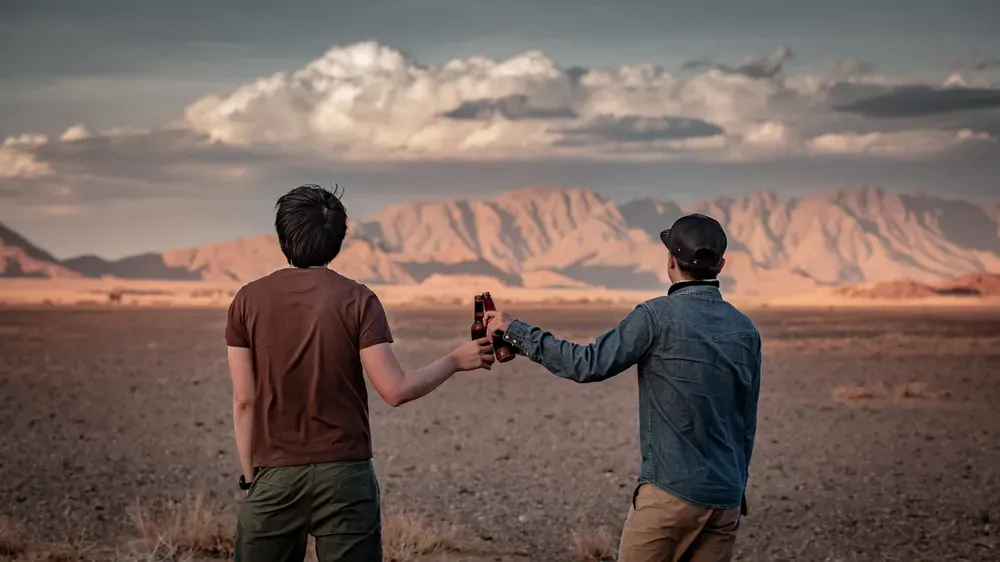
Photo Credit: Getty

Namibia, with its vast deserts, dramatic coastlines, and low-key luxury lodges, is emerging as a discreet yet increasingly welcoming destination for LGBTQ+ travelers seeking both adventure and privacy.
Namibia is not the first name that comes to mind when considering LGBTQ+ travel in Africa. Unlike South Africa’s vibrant, visible queer culture or Mauritius’s recent legal strides, Namibia’s approach is quieter, subtler—yet increasingly meaningful for those who discover it. The country’s tourism sector, particularly its luxury lodges and safari operators, has long been accustomed to welcoming international guests with professionalism and respect, regardless of sexual orientation or gender identity . For queer travelers, this means the chance to experience one of Africa’s most visually stunning landscapes—from the towering dunes of Sossusvlei to the wildlife-rich Etosha National Park—without the scrutiny or discomfort that can accompany travel in less tolerant regions.
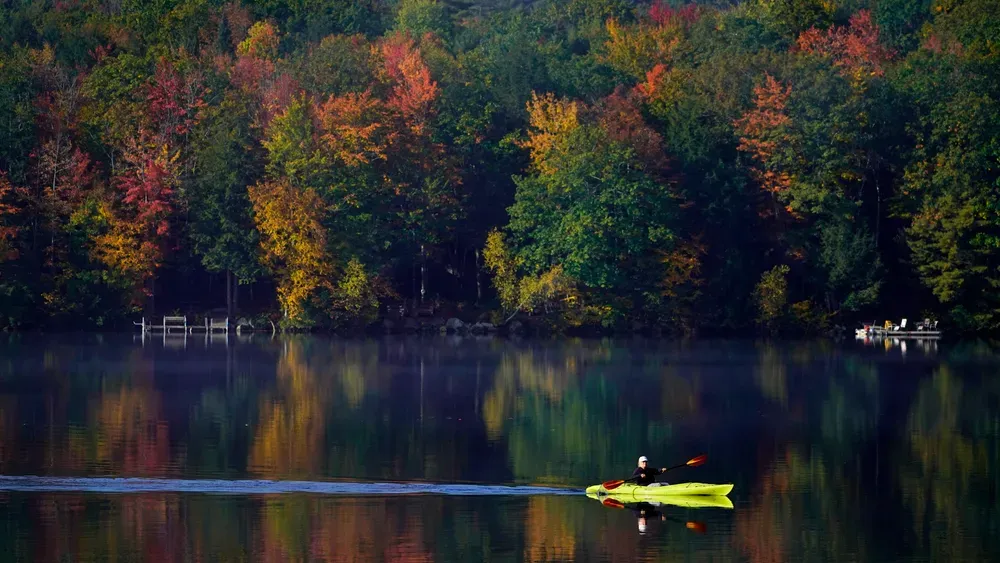
Health care providers are trying a new tactic to promote the healing effects of nature: They're actually writing prescriptions for it
Find a shady spot under a tree, take a breath of fresh air and call me in the morning. Health care providers have long suggested stressed-out patients spend time outdoors. Now hundreds of providers are going a step further and issuing formal prescriptions to get outside. The tactic is gaining momentum as social media, political strife and wars abroad weigh on the American psyche.
Copyright Associated Press. All rights reserved. This material may not be published, broadcast, rewritten, or redistributed.
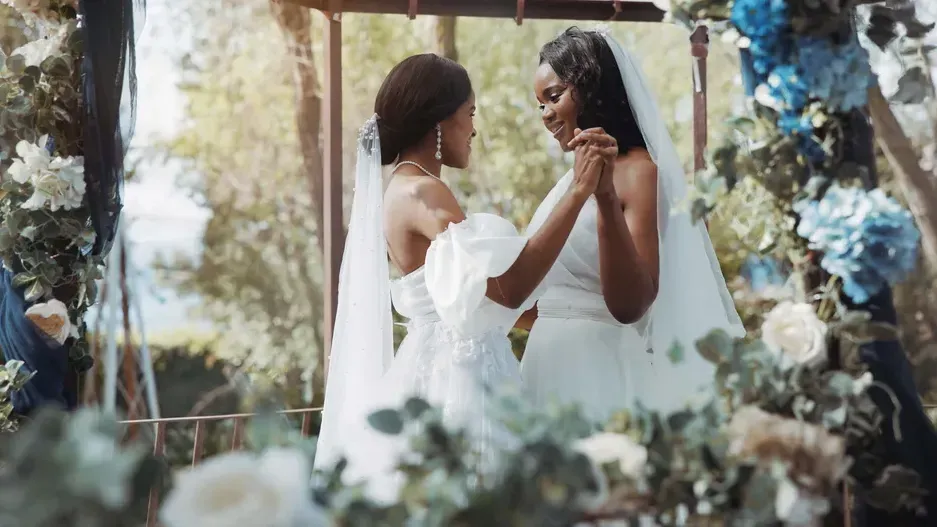
As global attitudes shift and legal protections strengthen, queer couples seeking destination weddings increasingly prioritize both safety and inclusivity.
For LGBTQ+ couples, the dream of a destination wedding comes with unique considerations. Beyond picturesque backdrops and luxurious venues, safety and social acceptance are paramount. While marriage equality is expanding globally, not every country offers the same protections or social climate for queer travelers. Recent studies emphasize that legal rights must be matched by genuine inclusivity and services, ensuring that couples can celebrate freely without fear or compromise .
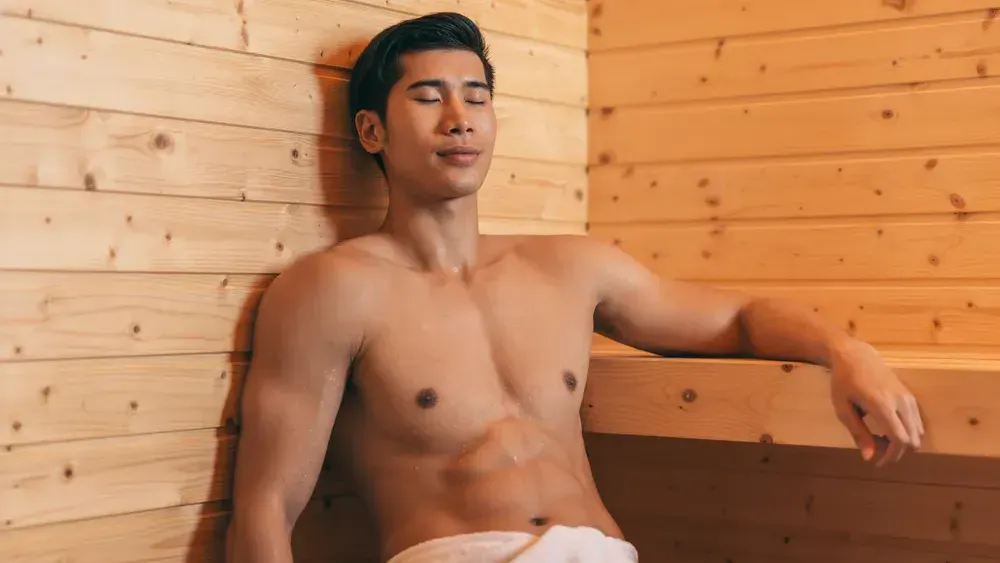
A new global study has ranked the best cities for gay cruising in 2025, revealing a dynamic landscape shaped by history, community, and resilience.
In 2025, the landscape for gay cruising—defined as seeking casual encounters in public spaces like parks, saunas, and clubs—remains as vital as ever to LGBTQ+ culture and community. The latest Global Gay Cruising Index, compiled by Erobella, ranks cities worldwide based on the vibrancy and diversity of their cruising offerings, including saunas, cruising clubs, gay bars, and public parks. The results highlight not only where men are meeting but also the enduring importance of these spaces for connection and solidarity .
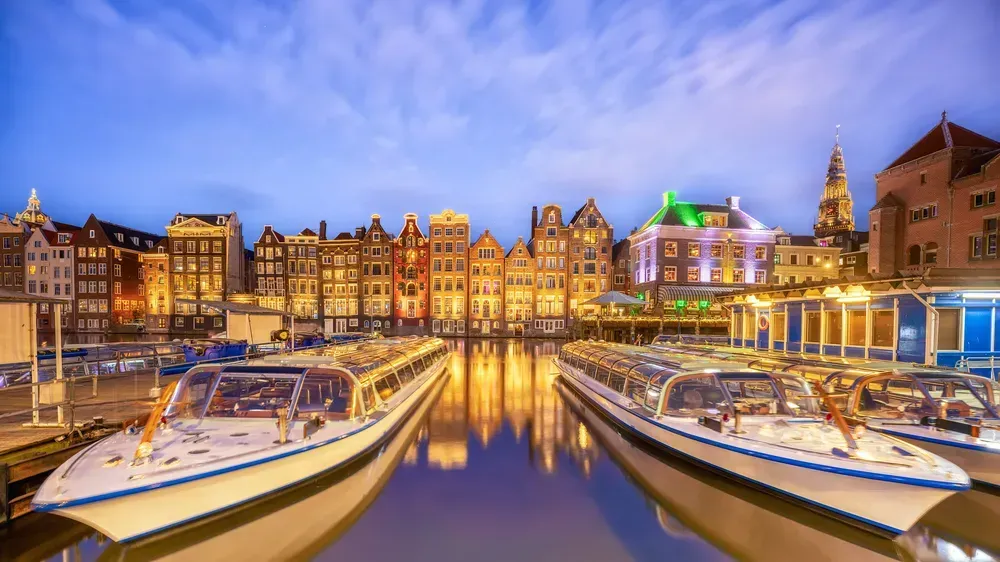
A new kind of traveler is emerging, one guided less by destination and more by intention. The question isn’t where to go anymore, but why.
A new kind of traveler is emerging, one guided less by destination and more by intention. The question isn’t where to go anymore, but why.
Copyright Associated Press. All rights reserved. This material may not be published, broadcast, rewritten, or redistributed.
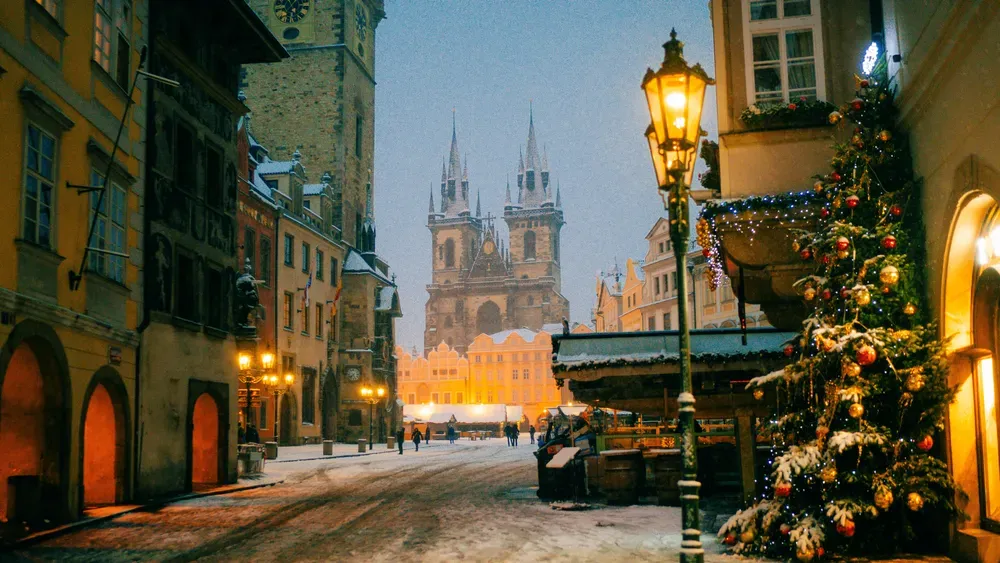
Each December, Prague takes on a distinctive holiday glow, its historic center illuminated by festive lights and the scent of mulled wine. The city’s Christmas markets, especially those in Old Town Square and Wenceslas Square, are often the first stop for visitors, and rightly so.
Each December, Prague takes on a distinctive holiday glow, its historic center illuminated by festive lights and the scent of mulled wine. The city’s Christmas markets, especially those in Old Town Square and Wenceslas Square, are often the first stop for visitors, and rightly so.
Copyright Associated Press. All rights reserved. This material may not be published, broadcast, rewritten, or redistributed.
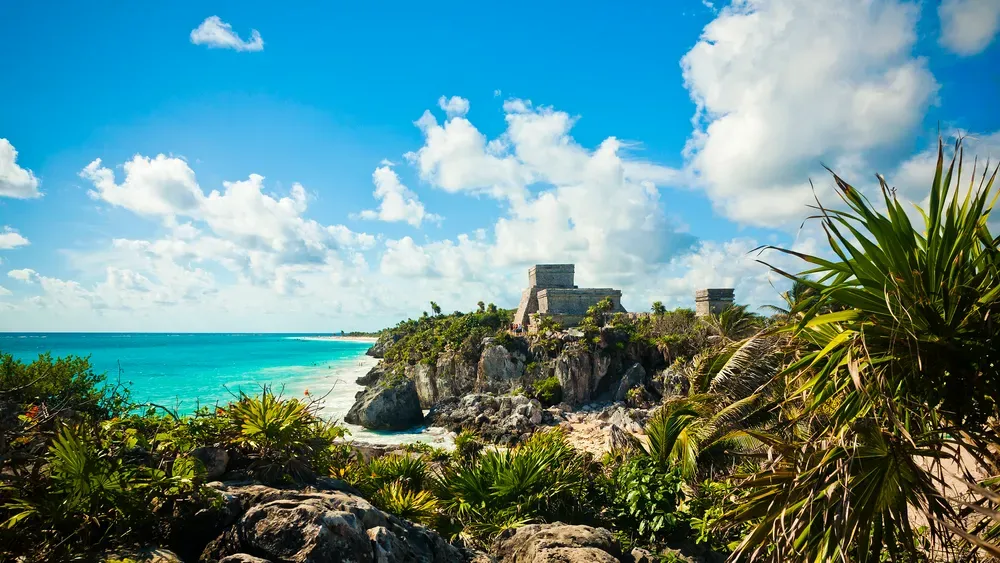
Tulum, Mexico, offers queer travelers a unique blend of laid-back beaches, a welcoming LGBTQ+ community, and a growing array of inclusive spaces—from the vibrant Red Room bar to the clothing-optional Loba Tulum guesthouse.
Tulum, once a sleepy fishing village on Mexico’s Yucatán Peninsula, has transformed into a globally recognized destination for travelers seeking sun, sea, and a slower pace of life. For Queer visitors, Tulum stands out not for raucous parties, but for its accepting atmosphere, wellness culture, and pockets of queer community that feel both authentic and accessible. Unlike the high-energy gay scenes of Puerto Vallarta or Cancun, Tulum is where queer travelers come to recharge, connect, and explore—both the natural wonders of the region and the evolving Queer spaces within the town itself.
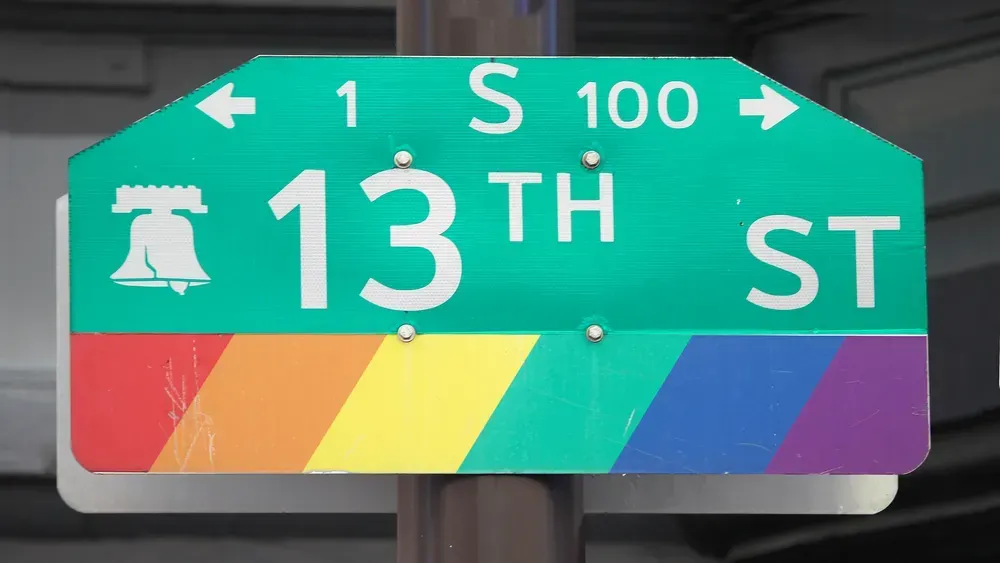
Philadelphia will inaugurate the Philly Pride Visitor Center in January 2026, marking a milestone in LGBTQ+ visibility and inclusion during the city’s celebrations for the 250th anniversary of the United States.
Philadelphia is set to make history in January 2026 with the grand opening of the Philly Pride Visitor Center at 12th and Locust streets in the heart of the city’s Gayborhood. The initiative, orchestrated by the Philadelphia Visitor Center and Visit Philadelphia, is designed to coincide with a landmark year featuring the 250th anniversary of the signing of the Declaration of Independence, as well as global sporting events such as the FIFA World Cup and the MLB All-Star Game. The center will serve as both a practical resource for travelers and a testament to the city’s legacy of LGBTQ+ activism and resilience .
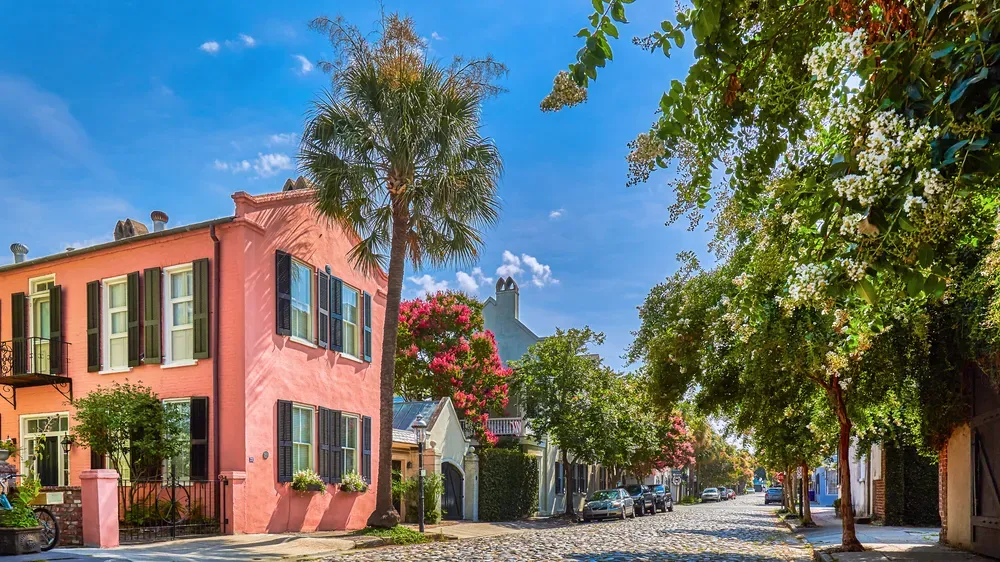
Charleston, South Carolina, blends historic allure with a vibrant, growing LGBTQ+ scene, offering queer travelers a welcoming destination rich in culture, nightlife, and advocacy.
Charleston, South Carolina, has emerged as a beacon for LGBTQ+ travelers seeking authentic Southern hospitality alongside vibrant queer culture. With its storied past, walkable streets, and dedication to inclusion, Charleston offers a range of experiences—historic tours, lively nightlife, and powerful community events—that make it a must-visit for queer individuals and allies alike. This guide explores the key facets of LGBTQ+ Charleston, with verified resources and voices from the community.
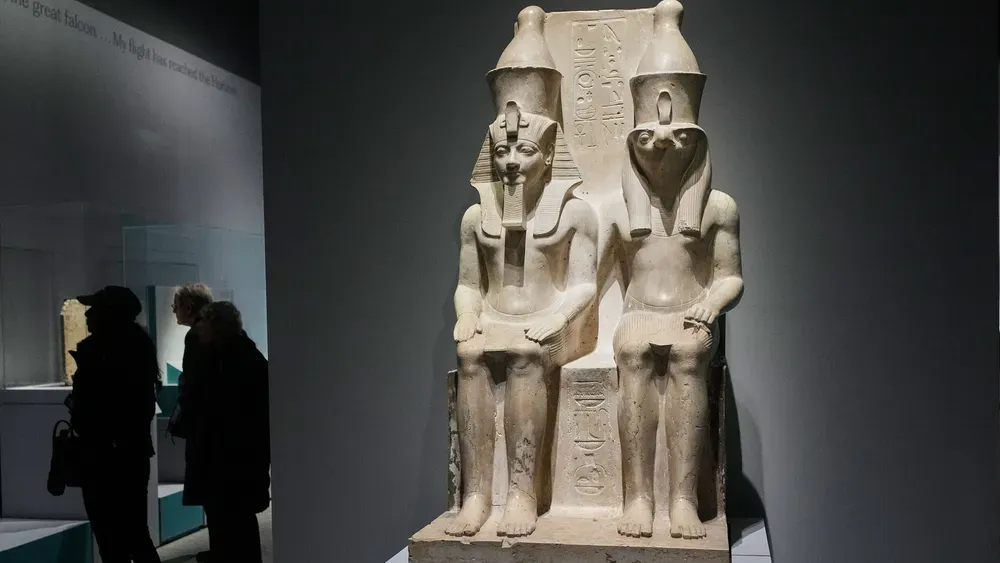
It's been more than a decade since the last big ancient Egypt show at the Metropolitan Museum of Art
The powerful gods of ancient Egypt are having a get-together on Manhattan’s Upper East Side.
Copyright Associated Press. All rights reserved. This material may not be published, broadcast, rewritten, or redistributed.
We use cookies to analyze traffic and to ensure you get the best experience on our website. Read our Privacy Policy for more information.