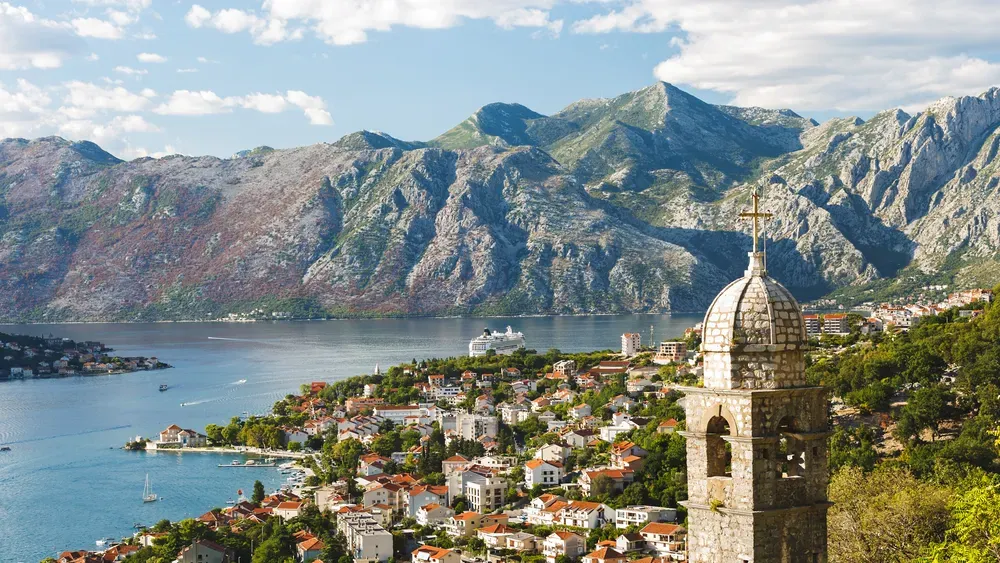
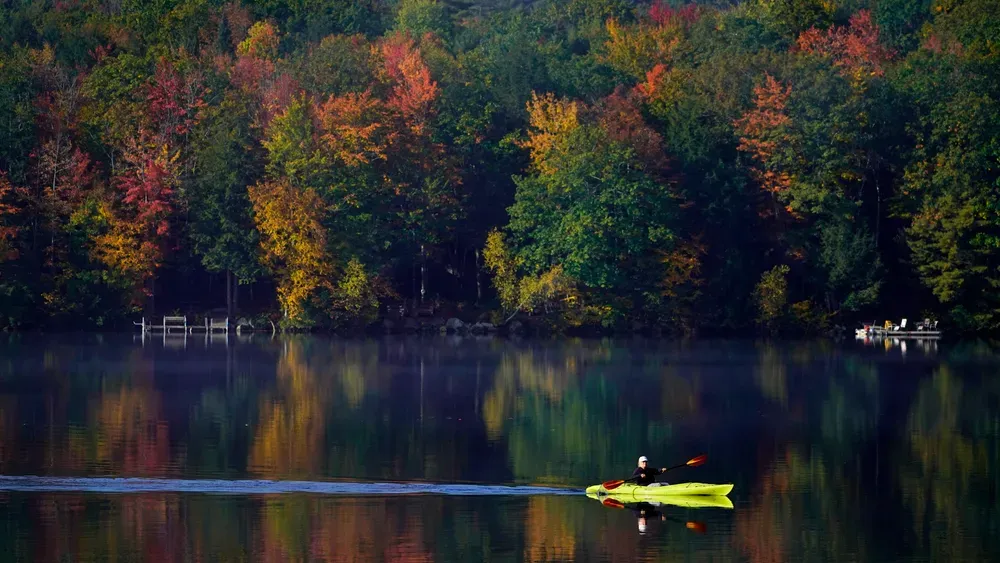
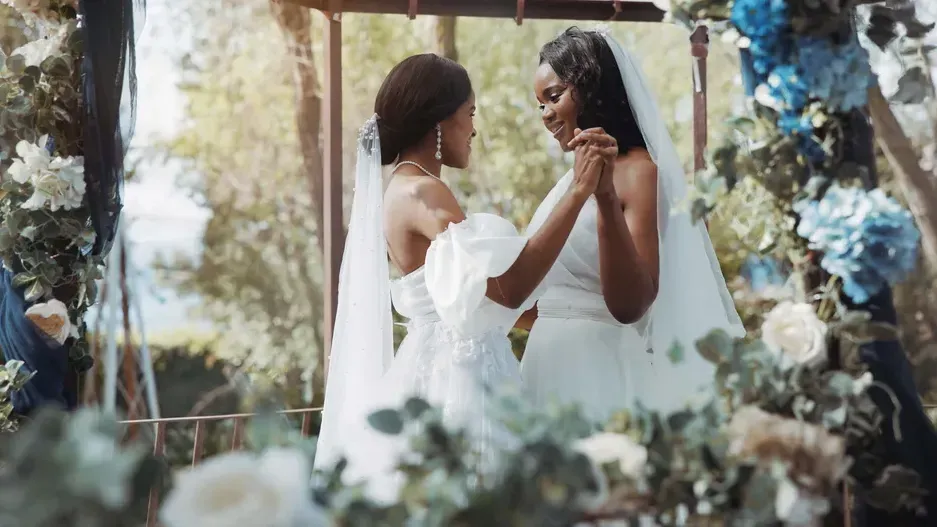
Kotor, Montenegro—where emerald mountains tumble into sapphire sea—beckons LGBTQ+ travelers with its medieval intrigue, inclusive spirit, and pockets of queer joy.
The moment you step through Kotor’s ancient stone gates, it’s as if you’ve fallen into a queer fairytale—a place where the mountains hug the bay so tightly it feels conspiratorial, and the scent of Adriatic salt mingles with woodsmoke and espresso. The Old Town pulses with a low, magnetic hum: limestone alleys echo with laughter, the clang of cathedral bells, and the shuffle of locals (and the odd drag queen) out for a late-night stroll. At dusk, rainbows skitter atop the water, not just from the sunset but reflected in the subtle, proud smiles of LGBTQ+ locals who have carved out a space for themselves in this old-world wonder.
Let’s set expectations: Kotor is not Berlin, and you won’t find a block lined with rainbow flags. But what the city lacks in explicit queer venues, it makes up for in *inclusive* spaces and warm, knowing nods. The scene is intimate, authentic, and—once you tune in—joyfully undeniable.
- Letrika Caffe Bar: By day, it’s a chill café with vintage décor and a courtyard perfect for people-watching. By night, Letrika morphs into a pulsing den with DJ beats, smoke machines, and queer-friendly energy that spills into the alleys. It’s the closest thing to a queer club in town and a favorite among LGBTQ+ travelers and allies alike. Bring cash and your best dance moves—here, identities blend and everyone is welcome .
- Old Town Pub: The social heart of many backpacker crawls, Old Town Pub is where you’ll hear group karaoke, make new friends, and maybe find your next queer crush. The vibe is easygoing and the crowd eclectic—a microcosm of Kotor’s open spirit .
- Havana and Taraca Bars: Both are known for their inclusive attitude and are regularly recommended by LGBTQ+ travelers. Havana leans cozy and cosmopolitan; Taraca is famous for its sunset cocktails and local cuisine .
- Ploce Beach: Just outside town, this rocky stretch is Montenegro’s unofficial gay beach—where sunbathers trade stories, share rakija, and swim in turquoise serenity. It’s as much about connection as it is about sea and sun, with a reputation for openness and easy smiles .
- Annual Kotor Pride Parade: Each summer, the bay erupts in a swirl of rainbow flags, music, and unapologetic self-expression. While smaller than those in major European cities, Kotor’s pride parade is rich in spirit and draws visitors from across the Balkans. Expect live performances, local art, and fierce joy—a testament to the resilience and visibility of Montenegro’s LGBTQ+ community .
Kotor wears its history like a fabulous velvet robe—think Venetian palazzos, Romanesque churches, and fortress walls that have seen more than a millennium of love, war, and whispered secrets. The city’s LGBTQ+ journey, while quieter than in Western Europe, is written into its fabric through acts of quiet resistance and open-hearted hospitality.
Montenegro, once part of Yugoslavia, has navigated a complex relationship with queer rights. Though nationwide progress is slow, Kotor has emerged as a pocket of tolerance and hope. The city’s pride events, cultural festivals, and visible LGBTQ+ advocates are signals of change—offering both solidarity for locals and a safe harbor for travelers .
Local icons—like activist Dragana Tripković, who’s worked to make pride parades possible, and queer artists whose work adorns Old Town galleries—infuse the city with resilience and color. Kotor’s International Festival of Children’s Theatre and Kotor Carnival are also known for their inclusivity and gender-bending performances, blending tradition with subversion
Who better to share Kotor’s queer secrets than those who call it home? According to Luka, a nonbinary artist who splits time between Kotor and Budva, “The best nights start at Letrika and end watching the sunrise from the fortress steps. It’s not about big crowds—it’s about the friends you make along the way” . Local tour guides (such as those offered by Holiday Houseboys) specialize in LGBTQ+ perspectives, tailoring walks to hidden viewpoints, queer history, and local lore .
Don’t miss:
- Old Town Hostel Kotor: Known for its inclusive, social vibe—whether you’re solo or with a crew, you’ll find friendly faces and impromptu rainbow-themed nights .
- Sunset boat parties: While not exclusively queer, these gatherings are famously open-minded, offering a chance to meet LGBTQ+ locals and travelers as the bay glows gold .
- Artisan shops and pop-up galleries: Seek out queer-owned businesses within the walled city, where handmade jewelry and artwork tell stories of love in all its forms .
While Kotor is considered one of Montenegro’s most welcoming destinations, public displays of affection may still draw attention outside explicitly queer events or spaces. That said, most travelers report feeling safe and accepted—especially in tourist-centric spots and during pride festivities .
- English is widely spoken in the Old Town, and locals are accustomed to diversity among visitors.
- If you’re looking for LGBTQ+ travel support or a local guide, platforms like Misterb&b and Holiday Houseboys offer direct connections to queer and queer-friendly hosts and guides .
For transgender travelers and those with less visible identities, discretion is advised in more rural areas or outside the main tourist zones, but within Kotor’s walls, you’ll find an atmosphere of respect and curiosity rather than judgment .
As night falls and the bay shimmers under a moonlit sky, Kotor reveals its true allure: a city that honors its past but dances boldly into the future, where every stone alley and sea breeze whispers, “You belong.” It’s not the size of the scene, but the depth of the welcome that makes Kotor unforgettable—a safe harbor for queer souls seeking beauty, kinship, and a touch of Adriatic magic.
Egypt is inaugurating the Grand Egyptian Museum, the world's largest museum dedicated to its ancient civilization and an effort aimed at boosting the country's tourism industry and troubled economy
Egypt was inaugurating the long-delayed Grand Egyptian Museum on Saturday, the world’s largest museum dedicated to its ancient civilization — a megaproject also aimed at boosting the country’s tourism industry and troubled economy.
Two decades in the making and located near the Giza Pyramids on the edge of Cairo, the museum showcases over 50,000 artifacts detailing life in ancient Egypt.
World leaders, including monarchs, heads of states and governments, were to attend the grand opening ceremony in the Egyptian capital, according to a statement from the presidency, which touted the museum as “an exceptional event in the history of human culture and civilization.”
President Abdel-Fattah el-Sissi wrote on social media that the museum will bring "together the genius of ancient Egyptians and the creativity of modern Egyptians, enhancing the world culture and art with a new landmark that will attract all those who cherish civilization and knowledge.”
The museum is one of several megaprojects championed by el-Sissi since he took office in 2014, embarking on massive investments in infrastructure with the aim of reviving an economy weakened by decades of stagnation and battered by the unrest that followed the 2011 Arab Spring uprising.
Preparations for the grand reveal have been shrouded in secrecy.
A stage was built in the museum courtyard where an orchestra and musicians would later preform what the Egyptian media described as a “global symphony of humanity.”
Security around Cairo was tightened ahead of the opening ceremony, with the government announcing Saturday would be a public holiday. The museum, which has been open for limited visits over the past few years, was closed for the final, two-week preparations.
The government has revamped the area around the museum and the nearby Giza Plateau that holds the pyramids and the Sphinx. Roads were paved and a metro station is being constructed outside the museum gates to improve access. An airport, Sphinx International Airport, has also opened west of Cairo — 40 minutes from the museum.
The $1 billion facility had faced multiple delays, with construction beginning in 2005 but interrupted due to political instability.
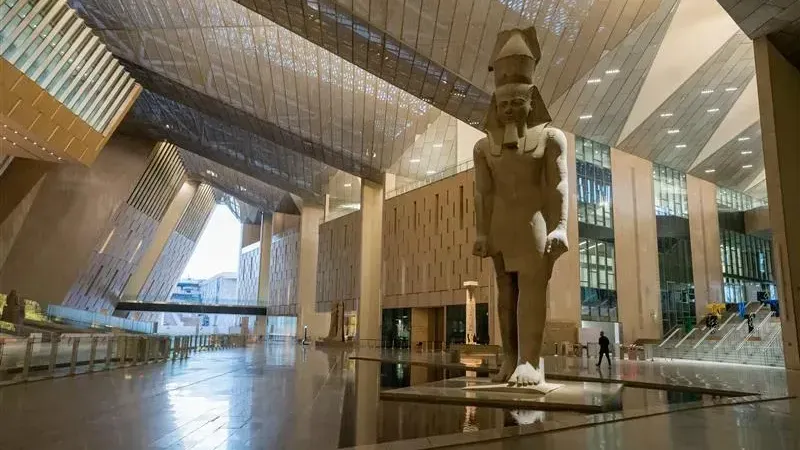
The museum, known as GEM, boasts a towering, triangular glass façade imitating the nearby pyramids, with 24,000 square meters (258,000 square feet) of permanent exhibition space.
It opens to a granite colossus of Ramses the Great, one of ancient Egypt's most powerful pharaohs who reigned for around 60 years, from 1279 B.C. to 1213 B.C., and is credited with expanding ancient Egypt’s reach as far as modern Syria to the east and modern Sudan to the south. The statue greets visitors once they step inside the museum’s angular atrium.
From the atrium, a grand six-story staircase lined with ancient statues leads up to the main galleries and a view of the pyramids. A bridge links the museum to the pyramids, allowing tourists to move between them either on foot or via electric vehicles, according to museum officials.
The museum’s 12 main galleries, which opened last year, exhibit antiquities spanning from prehistoric times to the Roman era, organized by era and by themes.
Two halls are dedicated to the 5,000 artifacts from the collection of King Tutankhamun — a boy pharaoh who ruled from 1361 B.C. to 1352 B.C. — that will be displayed in its entirely for the first time since British archaeologist Howard Carter discovered King Tut’s tomb in 1922 in the southern city of Luxor.
Zahi Hawass, Egypt’s most renowned archaeologist and former minister of antiquities, said the Tutankhamun collection is the museum's masterpiece.
“Why this museum is so important, and everyone is waiting for the opening?” he told The Associated Press. “Because of Tutankhamun.”
The government’s hopes the museum will draw more tourists who will stay for a while and provide the foreign currency needed to shore up Egypt's battered economy. The state-run Al-Ahram daily said the museum is expected to attract 5 million visitors annually.
The tourism sector has suffered during years of political turmoil and violence following the 2011 Arab Spring uprising. In recent years, the sector has started to recover after the coronavirus pandemic and amid Russia’s war on Ukraine — both countries are major sources of tourists visiting Egypt.
A record number of about 15.7 million tourists visited Egypt in 2024, contributing about 8% of the country's GDP, according to official figures. Tourism and Antiquities Minister Sherif Fathy has said that overall, Egypt expects about 18 million tourists this year, with authorities hoping for 30 million visitors annually by 2032.
This will translate into more jobs and pump foreign currency into the economy, said Walid el-Batouty, a tour guide.
“It will be boost the economy of Egypt tremendously not just the hotels and the museum itself,” he said. Whenever a tourist rides a cab or even just buys a bottle of water, "that is pumping money” into Egypt's coffers, he added.
The museum will open to the public starting Nov. 4 — the anniversary of Carter's discovery of Tutankhamun's tomb, authorties said.
by Samy Magdy
Copyright Associated Press. All rights reserved. This material may not be published, broadcast, rewritten, or redistributed.
Beyond the usual queer hotspots, Ogunquit, Maine, is quietly establishing itself as a vibrant, welcoming destination for LGBTQ+ travelers seeking art, culture, and authentic community.
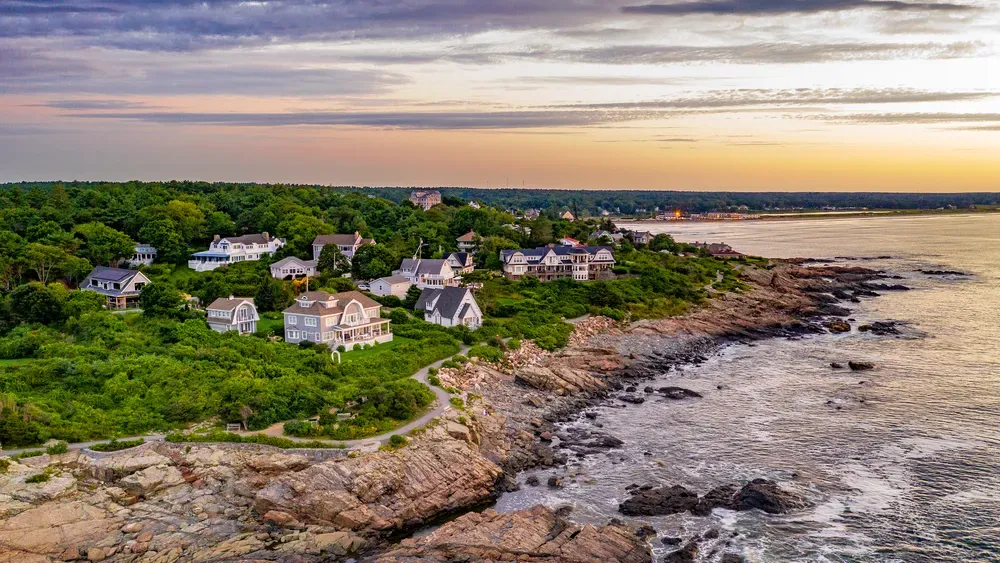
Few travelers would expect that nestled among Maine’s rugged southern coastline lies an emerging LGBTQIA+-friendly destination that rivals more widely known queer meccas in warmth, inclusivity, and creative energy. Ogunquit, whose name means “beautiful place by the sea” in the Abenaki language, has been quietly evolving from a historic artists’ refuge into a vibrant queer sanctuary, drawing visitors who crave both coastal beauty and a strong sense of belonging.
While Provincetown and Fire Island often dominate LGBTQ+ travel lists, Ogunquit is forging its own path. For decades, the town has attracted artists, writers, and performers, nurturing a culture that celebrates difference and self-expression. Today, this legacy is reflected in Ogunquit’s thriving art scene, LGBTQIA+-owned businesses, and a welcoming atmosphere that extends from sun-drenched beaches to intimate theaters and bustling cafes .
Ogunquit’s appeal for queer travelers begins with its *walkability* and *intimate scale*. The heart of the village is a cluster of clapboard bed-and-breakfasts, art galleries, and restaurants. The Marginal Way, a paved mile-long footpath along granite cliffs, connects Ogunquit Beach with the picturesque fishing cove of Perkins Cove, inviting visitors to stroll hand-in-hand with partners or friends while waves crash below.
This easy-going, open feel is amplified by visible signs of LGBTQIA+ pride. Rainbow flags wave from the porches of guesthouses and shops; local business owners greet out-of-town visitors with genuine warmth. The community’s inclusive ethos is not limited to a single “gayborhood”—it permeates the entire town, making Ogunquit one of the few places where queer travelers report feeling as much at home in a lobster shack as they do at a drag brunch .
One sign of Ogunquit’s transformation is the growing number of LGBTQIA+-owned and operated businesses. The newly rebranded Trident Inn , perched on a hilltop overlooking the village, has been fully renovated by queer owners in 2025. With 17 rooms, a saltwater pool, and a new restaurant—Coastal Alchemist—it’s become both an oasis for queer travelers and a hub for local gatherings .
Other venues, like the Front Porch Piano Bar and Restaurant, are known for their inclusive hospitality and lively entertainment. Even in the quiet off-season, the Front Porch’s sing-along piano nights draw a mix of locals and visitors across the LGBTQIA+ spectrum, creating a rare sense of intergenerational queer community .
Ogunquit’s status as an artists’ colony dates to the late 1800s, when painters and writers flocked to its dramatic coastline for inspiration. This artistic lineage lives on at the Ogunquit Museum of American Art, which showcases works by queer and allied artists in a modernist building overlooking the Atlantic. The museum’s summer exhibitions often highlight LGBTQIA+ themes and creators, drawing visitors from across New England .
The Ogunquit Playhouse, established in 1933, is a beacon of live theater and a champion of diversity both onstage and behind the scenes. Each season, the Playhouse mounts a slate of musicals and plays—many with LGBTQIA+ storylines or cast members—and regularly partners with queer performers and directors. For visitors seeking culture beyond nightlife, Ogunquit’s creative pulse is a powerful draw .
Ogunquit Beach itself is a gathering place for the queer community, particularly at the southern end of the long, sandy strand. Here, the atmosphere is relaxed and friendly: couples and chosen families stake out towels together, and impromptu volleyball games spring up alongside quiet sunbathers. Unlike more commercialized destinations, Ogunquit’s beach scene feels genuinely community-driven—welcoming to all ages, bodies, and identities .
The proximity of beach, nightlife, and accommodation means that visitors can move easily between sun, surf, and social spaces without ever feeling isolated. As one local resident told OutCoast Nation, “Ogunquit is the kind of place where you see the same friendly faces from the coffee shop to the dance floor to the beach, and everyone is looking out for each other” .
While Ogunquit’s Pride celebration is more low-key than those in large cities, its intimate scale makes it memorable. Local businesses coordinate to host drag shows, art walks, and dance parties throughout the summer, culminating in a weekend of festivities that center queer joy and visibility . Informal gatherings—like sunset picnics on the beach or group walks along Marginal Way—round out the calendar, fostering a sense of shared experience among visitors and locals alike.
Ogunquit’s rise as a queer-friendly destination is rooted in more than just visible pride flags or friendly business owners. It’s the result of decades of creative, inclusive community-building. The town’s commitment to celebrating LGBTQIA+ lives—through art, hospitality, and open public spaces—creates a rare sense of belonging for travelers who want to feel both *on vacation* and *at home*.
As larger, better-known destinations grapple with the pressures of commercialization and crowding, Ogunquit offers a gentler alternative: a place where queer travelers can connect with nature, culture, and each other in a setting that honors both tradition and transformation.
For those seeking a fresh, authentic, and deeply affirming travel experience, Ogunquit, Maine, is ready to welcome you with open arms—and perhaps, a lobster roll or two.
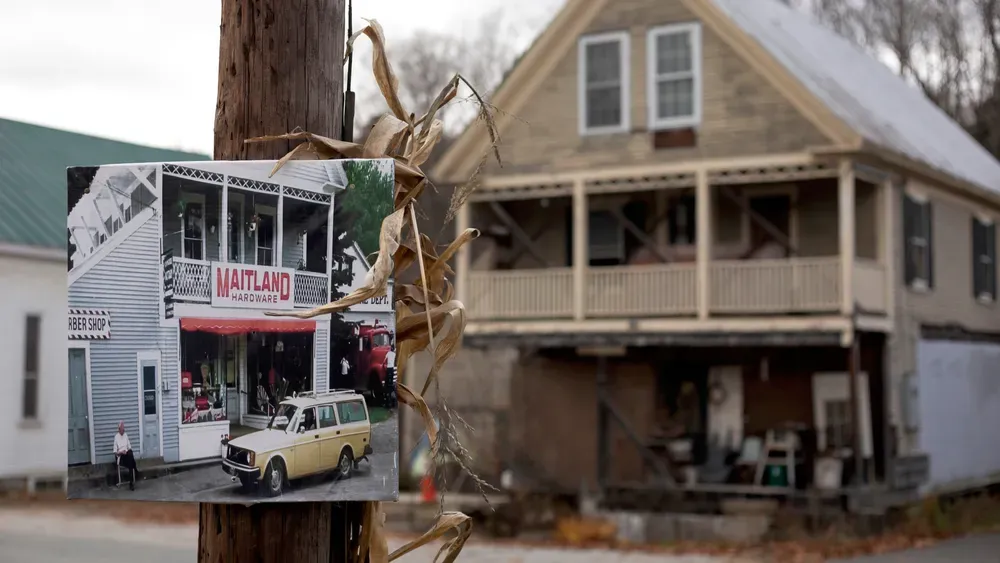
A photo of Maitland Hardware, the fictional hardware store featured in the first "Beetlejuice" film, hangs on a pole in front of the real hardware store used in the filming in East Corinth, Vt., Oct. 28, 2025. Photo Credit: (AP Photo/Amanda Swinhart)
A tiny town in Vermont has attracted “Beetlejuice” fans eager to visit the film’s iconic locations for nearly 40 years
For nearly 40 years, a tiny town in Vermont has attracted hoards of “Beetlejuice” fans eager to visit where the whimsical horror movie's most famous scenes were filmed.
With a population hovering just around 1,500, "Beetlejuice" mania has helped put East Corinth on the map not only for fans of the movies, but also those looking for a spooky-themed road trip.
“It was like one of those coming of age films for me,” said “Beetlejuice” fan Lisa Pinkerton, who traveled with her family from England and decided to include a stop in East Corinth. “It brings back all those memories of watching it with friends at the time. It’s nice to put it all into place and see the sort of Hollywood magic that happens.”
The original “Beetlejuice” was released in 1988, where it was set in the fictional town of Winter River, Connecticut. The story is centered around a recently deceased couple played by Geena Davis and Alec Baldwin trying to scare a family out of their home. When their attempts fail, the couple hire “bio-exorcist” Beetlejuice, played by Michael Keaton, but quickly regret that decision.
But in reality, director Tim Burton chose East Corinth, located near the New Hampshire border, for many of the iconic scenes.
This includes shooting the 100-year-old building that serves as the movie’s Miss Shannon’s School for Girls, where Lydia Deetz, played by Winona Ryder, attends school, as well as the red covered bridge where the main characters Adam and Barbara Maitland drive off and plummet to their death.
East Corinth resident Sarah Polli lives beside the bridge used in the film, and her garage was converted into the Winter River Fire Department, with the rest of her home serving as Jane Butterfield's Real Estate and Travel Agency. Her uncle, Maurice Page, was the only local who scored a role in the film.
“He was supposed to be the barber, but he kept ad-libbing, which frustrated Tim Burton," Polli said. "So, he gave him a nonspeaking part basically and he became Ernie dusting off the statues in front of the library.”
Page can be seen in the film saying, “Hi, how are you?” to the Maitlands as they drive by in their yellow Volvo.
“I think it was a lot of fun for everyone, but a lot of the older people in town, I think they thought that this was going to be a pleasant, bucolic movie about the countryside. There was some shock when the movie came out,” said Polli.
Burton, a moody gothic hero, returned to the Vermont town to film the sequel — “Beetlejuice Beetlejuice” — which has only helped spark more tourists flocking to East Corinth.
Polli says the town welcomes fans, who residents affectionately refer to as “juicers,” from all over the world.
“It's just been a continuous stream. I've met people from France, Germany, Spain, Denmark, Belgium, Great Britain, all over Canada and all over the United States. It's just amazing,” she said.
Wade Pierson, who grew up in East Corinth, created a walking tour for fans like Pinkerton, highlighting the various filming locations that can be seen around town. Because some of the scenes incorporated a bit of movie magic, Pierson's roughly 10-minute, self-guided tour helps enthusiasts visualize the films' iconic sets with the use of large signs featuring screenshots from the films.
“People say, 'Where's the house?' It was a movie set, so it was taken down," Pierson said. “We do have a picture on a pole that if you stand in the right place and squat down, you can line it up with the hill across the river, take a pretty realistic looking photo of what it looked like when they shot the film.”
Meanwhile, the schoolhouse building has since been sold to a “Beetlejuice” enthusiast who hopes to restore and transform it into a community center that can serve as a “Beetlejuice” museum and theater.
Decked out in “Beetlejuice”-themed Halloween decorations, Pierson's home is located directly across from the schoolhouse, where he says he's had a front-row seat to the filming of both movies.
“I literally have the honor of living across the street from Miss Shannon's, which is a living, standing movie set," he said. “The more people that enjoy it, the better.”
by Amanda Swinhart and Kimberlee Kruesi
Copyright Associated Press. All rights reserved. This material may not be published, broadcast, rewritten, or redistributed.
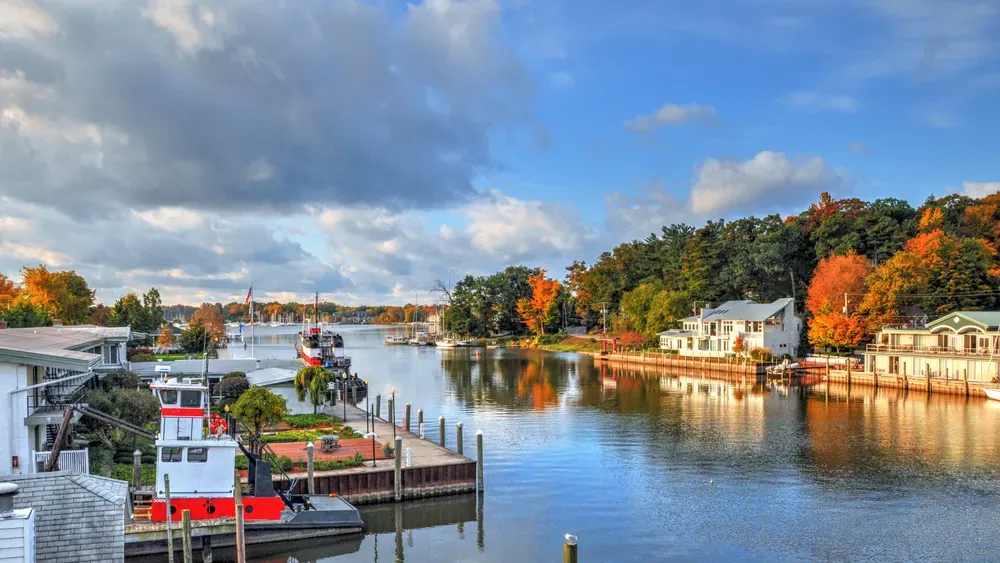
Tucked along Lake Michigan’s eastern shore, Saugatuck, Michigan, is quietly transforming into a welcoming, culturally rich destination for queer travelers seeking an alternative to the usual LGBTQ+ hotspots.
Saugatuck, Michigan, is not a name that typically headlines LGBTQ+ travel lists, but for those in the know, this picturesque town—along with its neighbor Douglas—has long been the Midwest’s best-kept queer secret. While Provincetown and Fire Island dominate the queer beach destination conversation, Saugatuck offers a distinctively Midwestern twist: a laid-back, artsy enclave where LGBTQ+ travelers can find both community and respite, all within a three-hour drive of Chicago and Detroit.
The area’s queer-friendly reputation stretches back decades. In the mid-20th century, Saugatuck became a refuge for artists, writers, and free spirits, many of whom were LGBTQ+. This heritage is still palpable in the town’s vibrant arts scene, its cluster of galleries, and the historic Saugatuck Center for the Arts, which regularly hosts performances and exhibitions that celebrate diversity and inclusion.
What sets Saugatuck apart is its density of queer-owned and queer-friendly accommodations, restaurants, and shops. The Dunes Resort, a longtime LGBTQ+ social hub, anchors the scene with multiple bars, a central pool, and overnight lodging—making it a focal point for both visitors and locals. In recent years, a new wave of LGBTQ+ entrepreneurs has revitalized classic midcentury motor lodges, such as the Starlite Resort, which now offers cozy, stylish rooms set amid tree-shaded grounds with a heated pool and fire pits—a nod to both retro charm and modern comfort.
Dining options reflect the town’s inclusive ethos. Queer-owned eateries and cafes dot the village centers of both Saugatuck and Douglas, offering everything from farm-to-table fare to casual lakeside bites. The local vibe is unpretentious and convivial, with staff and patrons alike exuding a warmth that makes LGBTQ+ guests feel immediately at home.
Saugatuck’s natural setting is as much a draw as its queer nightlife. Oval Beach, consistently ranked among the top freshwater beaches in the U.S., is a favorite for sunbathing, swimming, and sunset views. The beach’s golden dunes and clear waters create a serene backdrop for relaxation or romantic strolls.
For the more adventurous, Kalamazoo Lake offers kayaking and paddleboarding, while the hand-cranked chain ferry provides a quirky, nostalgic way to cross the river between Saugatuck and Douglas. Hiking up Mount Baldhead rewards visitors with panoramic views of Lake Michigan and the surrounding countryside—a must for photographers and nature lovers alike.
Saugatuck’s queer community is tight-knit but openly welcoming to newcomers. While the town doesn’t host a large-scale Pride festival, its LGBTQ+ residents and allies organize regular social events, artist talks, and informal gatherings that foster connection. The absence of a major, commercialized Pride event actually enhances the town’s appeal for those seeking authentic, low-key interactions rather than crowded parties.
The arts remain central to Saugatuck’s identity. The town’s galleries showcase works by local and national LGBTQ+ artists, and the Saugatuck Center for the Arts stages everything from drag shows to queer-themed theater productions. This cultural richness, combined with the town’s historic architecture and scenic beauty, creates an environment where queer travelers can feel both seen and inspired.
Saugatuck’s emergence as a queer-friendly destination is organic rather than manufactured. Unlike some better-known LGBTQ+ resorts, it hasn’t been marketed aggressively to queer travelers—its reputation has grown through word of mouth and the genuine hospitality of its residents. This authenticity is increasingly rare in an era of “rainbow capitalism,” where many destinations co-opt queer culture for tourism without fostering real inclusivity.
For LGBTQ+ travelers seeking a blend of natural beauty, artistic vitality, and a welcoming, low-key community, Saugatuck offers a compelling alternative to the usual suspects. Its mix of queer-owned businesses, inclusive spaces, and cultural depth makes it a destination worth discovering—and a reminder that queer-friendly havens can thrive far from the coastal hotspots.
Saugatuck may not have the name recognition of Provincetown or Palm Springs, but for queer travelers in search of authenticity, community, and natural beauty, it’s a destination that’s quietly coming into its own—a hidden gem on the shores of Lake Michigan that’s well worth the journey.
Rijeka, Croatia, is quietly emerging as one of Europe’s most welcoming and culturally rich destinations for queer travelers.
Tucked between the turquoise sweep of the Kvarner Bay and the forested foothills of the Dinaric Alps, Rijeka has long been Croatia’s “city with an open heart.” Once known primarily as a gritty port and industrial hub, Rijeka has reinvented itself as a center of creativity and progressive values, making it an increasingly welcoming haven for LGBTQ+ visitors seeking authenticity and community off the beaten path .
Rijeka’s transformation accelerated after it was named European Capital of Culture in 2020, a designation that fueled investment in the arts, nightlife, and public spaces. This cultural renaissance has gone hand-in-hand with a visible commitment to diversity and inclusion, drawing a new generation of queer artists, activists, and travelers .
Unlike Dubrovnik’s medieval spectacle or Split’s Roman grandeur, Rijeka’s appeal is more eclectic—an ever-evolving patchwork of Austro-Hungarian palaces, industrial relics, and bold contemporary murals. The city’s flagship cultural hub, the Rijeka City Museum, regularly hosts exhibitions highlighting queer history and the contributions of LGBTQ+ Croatians to the national story .
The annual “Moje, tvoje, naše” Festival, held each May, is a focal point for queer creativity—showcasing experimental theatre, performance art, film, and panel discussions on gender, identity, and intersectionality. The festival provides a safe space for transgender people, nonbinary individuals, and the broader LGBTQ+ community to share stories and celebrate difference .
Rijeka stands out for its grassroots activism and networks of solidarity. The city’s LGBTQ+ center, LORI , founded in 2000, has been a pioneer in advocating for queer rights in the region and remains a vital meeting point for locals and visitors alike . LORI organizes regular support groups, workshops, and film screenings, and its volunteers are eager to share insider tips on queer-friendly cafes, beaches, and nightlife.
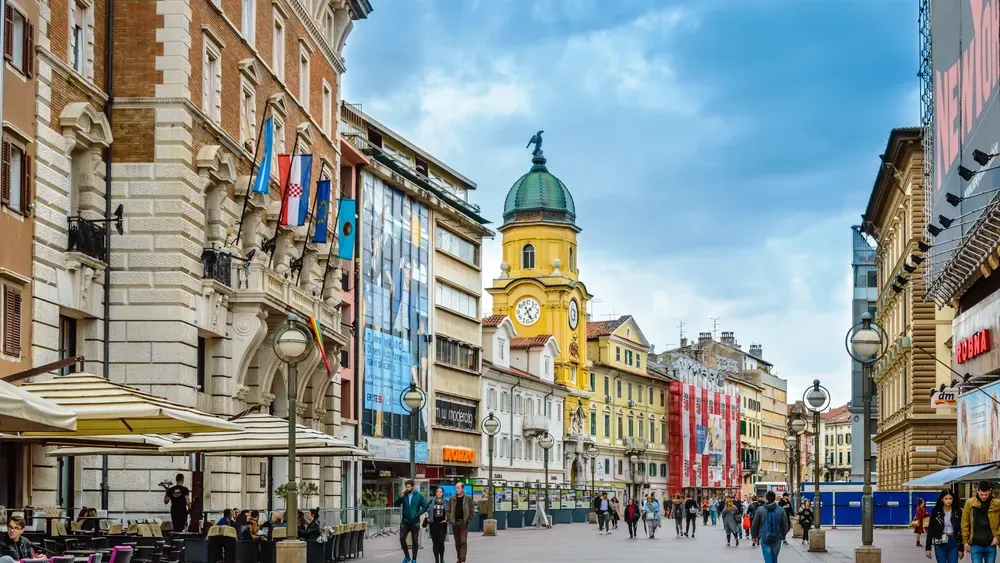
While Croatia as a whole is still navigating its relationship with LGBTQ+ rights, Rijeka’s reputation for tolerance and openness is reflected in everyday life. Queer couples stroll hand-in-hand along the Korzo, Rijeka’s bustling pedestrian promenade, and rainbow flags fly openly during Pride celebrations .
Local drag queens are regular headliners at the city’s alternative venues, such as the legendary OKC Palach, a cultural center and club that hosts queer parties, live music, and art happenings throughout the year .
Beyond its urban appeal, Rijeka offers easy access to some of the Adriatic’s most secluded and queer-friendly beaches. The nearby village of Kostrena is famed for its rocky coves and relaxed atmosphere, and the island of Krk, just a short ferry ride away, is home to a handful of unofficial nude and gay beaches—perfect for travelers seeking sun, privacy, and a sense of freedom .
What sets Rijeka apart is its combination of low-key hospitality and unapologetic individuality. The city’s small but mighty queer nightlife scene is woven into the fabric of everyday life rather than relegated to a single district, and the absence of mass tourism means every encounter feels personal. Locals take pride in their city’s reputation for “being different”—and that difference is reflected in everything from the avant-garde music scene to the wild costumes of the annual Rijeka Carnival, where gender-bending and playful subversion are celebrated traditions .
Rijeka’s growing profile as a queer-friendly destination is no accident. The city’s leadership has publicly supported anti-discrimination policies and partnered with LGBTQ+ organizations to promote visibility and safety . In 2024, Rijeka hosted its largest-ever Pride parade, with participants from across the Balkans marching through the city center in a colorful display of solidarity and joy .
Queer travelers seeking meaningful connection, artistic inspiration, and Adriatic adventure are discovering Rijeka’s magic. As one local activist put it, “Rijeka isn’t just a place to visit—it’s a place to belong” .
Rijeka is accessible via direct flights from several European hubs or by a scenic train ride along the coast from Zagreb. English is widely spoken, and the city’s compact size makes it easy to explore on foot or by bike. For those wishing to connect with the local queer community, a stop at the LORI center or a visit to one of Rijeka’s queer-friendly cafes—such as Caffé Bar Skradin or the cozy Book Caffe Dnevni Boravak—is strongly recommended .
From the rainbow-painted steps of the Korzo to the shimmering blue of the Kvarner Bay, Rijeka invites queer travelers to write their own stories—welcomed, affirmed, and inspired by a city that proudly embraces diversity at its heart.
A recent travel industry survey states 93% of travelers in the Caribbean and Latin America prefer properties offering extensive on-site amenities and entertainment.
A recent travel industry survey states 93% of travelers in the Caribbean and Latin America prefer properties offering extensive on-site amenities and entertainment. Affluent guests now favor hotels that provide meaningful experiences, fine dining and recreation, where leaving the property is optional rather than required.
Travelers who once sought full itineraries now prefer stays that feel effortless yet personal. Resorts delivering this mix of convenience and authenticity capture the attention of today's luxury market, including properties in Grand Cayman.
"At our resort, we are seeing more guests seeking travel experiences that feel personalized and purposeful," says Jim Mauer, vice president and managing director of The Westin Grand Cayman Seven Mile Beach Resort and Spa. "To cater to this growing demand, we continue to expand our offerings to highlight local culture through thoughtfully designed wellness programs, distinctive culinary experiences and nature-inspired activities across the property."
The Westin Grand Cayman leans into this trend, offering curated amenities and authentic island experiences. Its dining, spa and beachside experiences give guests reasons to linger, creating a stay that feels complete even before they step beyond the resort.
Culinary experiences that capture the island's essence
Resort dining has become a defining part of the travel experience. Some 60% of luxury travelers now choose hotels for their restaurants. The Westin Grand Cayman embraces that shift, offering menus built around the island's flavors and partnerships with local farmers and fishermen.
"A hallmark of our dining philosophy is our dedication to using fresh, seasonal products from local businesses here on Grand Cayman," said Andre Blasczak, executive chef of The Westin Grand Cayman. "Over the years, we have established strong partnerships with farmers and fishermen on the island, which allows us to source the freshest ingredients available, such as Caribbean snapper and lobster tail. These partnerships not only support our community but also enhance the quality of our dishes for our guests."
Among the resort's dining options, Toes in the Sand by Beach House stands out for its setting as much as its menu. The AAA Four Diamond restaurant, also recognized by Wine Spectator, offers guests a private table directly on Seven Mile Beach. Tiki torches and the sound of waves create a relaxed atmosphere as diners enjoy island-inspired dishes. It highlights the growing trend of resorts becoming the focal point of the luxury vacation experience.
A spa experience that complements the stay
Hibiscus Spa at The Westin Grand Cayman offers more than relaxation; it embodies the resort's focus on meaningful luxury. Within its 7,000-square-foot space, guests discover 13 treatment rooms, steam and sauna facilities, a women's whirlpool and Vichy showers.
"Today's travelers aren't just looking for luxury - they're looking for meaning in the way they unwind. They seek experiences that feel personal and effortless. From the moment guests step into the Hibiscus Spa, they're surrounded by the soothing scent of sea air, the sound of calm and the touch of treatments inspired by the island itself," says Yarlin Faurer, spa director.
That philosophy extends to the spa's offerings, which range from Swedish and deep tissue massages to holistic therapies such as Reiki Healing and 7 Chakras balancing. "We offer an oasis where our skilled team provides a range of curated and personalized therapies. Every detail is tailored to create an experience of effortless luxury that restores both body and mind in a deeply personal journey of relaxation," Faurer added.
Island experiences worth leaving the lounge chair for
While The Westin Grand Cayman offers ample opportunities to unwind on the property, many luxury travelers book curated off-site experiences to complement the resort stay. These excursions provide a balance of adventure and access to the island's culture, wildlife and natural beauty.
Few activities capture Grand Cayman's spirit like a visit to Stingray City with Red Sail Cayman. Standing in shallow turquoise water, participants meet southern stingrays in their natural environment. The calm setting reflects the island's easy rhythm and the kind of unhurried experiences today's travelers seek.
The Cayman Turtle Centre offers another hands-on experience. Visitors observe green sea turtles at different stages of development and have the opportunity to snorkel alongside them in a protected lagoon. The interactions highlight the center's conservation efforts while giving travelers a close-up view of the island's marine ecosystem.
For a combination of natural wonder and tropical exploration, the Cayman Crystal Caves offer guided tours through three limestone caves, followed by a walk through the forest above. The experience connects visitors to the island's natural beauty while adding depth to a stay centered on relaxation and discovery.
At Rum Point Club on the island's North Side, travelers can unwind where locals gather to swim, snorkel and share a meal by the sea. The calm, shallow waters and shaded hammocks invite an unhurried pace, while the recently refurbished bar and restaurant introduce guests to island flavors and the easy rhythm of Cayman life.
By combining offsite adventures with on-property amenities, guests gain firsthand insight into the island's natural and cultural highlights that complement their stay. The experiences reinforce why many travelers choose properties that offer both comfort and access to local culture.
Cayman Islands' appeal
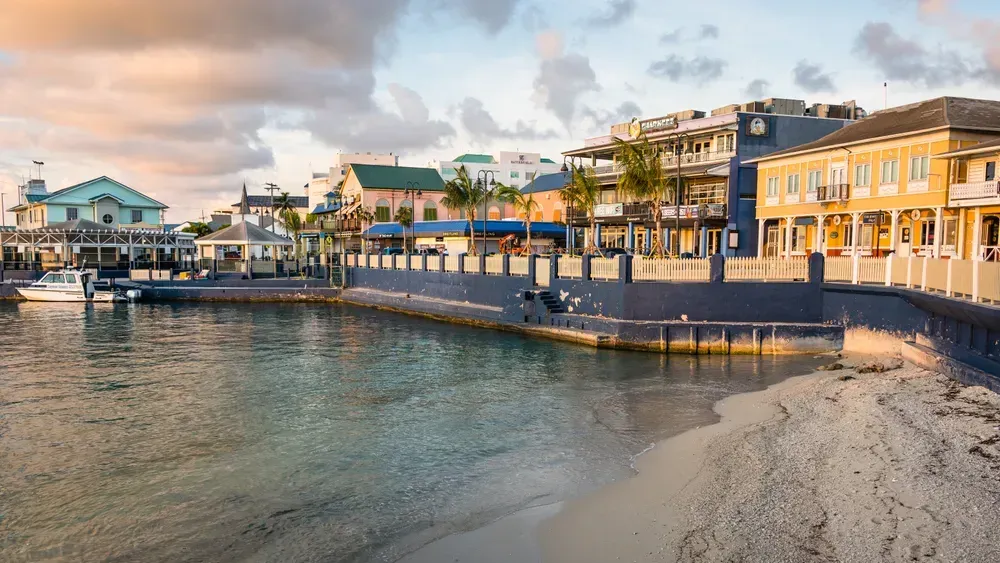
Grand Cayman continues to position itself as a luxury destination that balances natural beauty with high-end amenities. The Westin Grand Cayman Seven Mile Beach Resort & Spa is part of a wider trend in the Caribbean, where resorts offer options that encourage guests to spend most of their stay on property.
"Our resorts are transforming the guest journey by pairing effortless luxury with experiences that are deeply rooted in Cayman," said Rosa Harris, director of tourism for the Cayman Islands Department of Tourism.
"Yes, we deliver exceptional accommodations, but the true hallmark of a Cayman stay is the way our resorts connect travelers to the spirit of our islands. Whether it's dining infused with local Caymanian flavors that reaffirms our role as the ‘Culinary Capital of the Caribbean,' wellness experiences that restore balance, and nature-based adventures that showcase the beauty of our destination or cultural programming that immerses travelers in our people and heritage, Cayman resorts are redefining what vacations should truly feel like."
Research shows nearly 60% of global travelers will take one to three international trips in 2025, showing sustained demand for overseas leisure experiences. Resorts that succeed in delivering these elements position themselves as more than a temporary stop and become a central part of the vacation experience.
Karee Blunt is a nationally syndicated travel journalist and creator of the travel blog Our Woven Journey. Karee enjoys sharing what she learns about places she visits, including history museums, unique things to do indoors and out, one-of-a-kind festivals and upscale dining and accommodations. She is the mother of six kids, including four through adoption, and lives with her family in the Pacific Northwest.
by Karee Blunt
Copyright Associated Press. All rights reserved. This material may not be published, broadcast, rewritten, or redistributed.
Namibia, with its vast deserts, dramatic coastlines, and low-key luxury lodges, is emerging as a discreet yet increasingly welcoming destination for LGBTQ+ travelers seeking both adventure and privacy.
Namibia is not the first name that comes to mind when considering LGBTQ+ travel in Africa. Unlike South Africa’s vibrant, visible queer culture or Mauritius’s recent legal strides, Namibia’s approach is quieter, subtler—yet increasingly meaningful for those who discover it. The country’s tourism sector, particularly its luxury lodges and safari operators, has long been accustomed to welcoming international guests with professionalism and respect, regardless of sexual orientation or gender identity . For queer travelers, this means the chance to experience one of Africa’s most visually stunning landscapes—from the towering dunes of Sossusvlei to the wildlife-rich Etosha National Park—without the scrutiny or discomfort that can accompany travel in less tolerant regions.
While public LGBTQ+ visibility remains low and same-sex relationships are not legally recognized, Namibia’s reputation for safety, political stability, and a growing, if still nascent, queer community makes it a compelling choice for travelers seeking both adventure and a respite from hypervisibility . The capital, Windhoek, is home to a small but active LGBTQ+ scene, with occasional social gatherings and a handful of queer-friendly venues. More importantly, the country’s sparse population and vast, open spaces offer a sense of privacy and freedom rare in more crowded destinations.
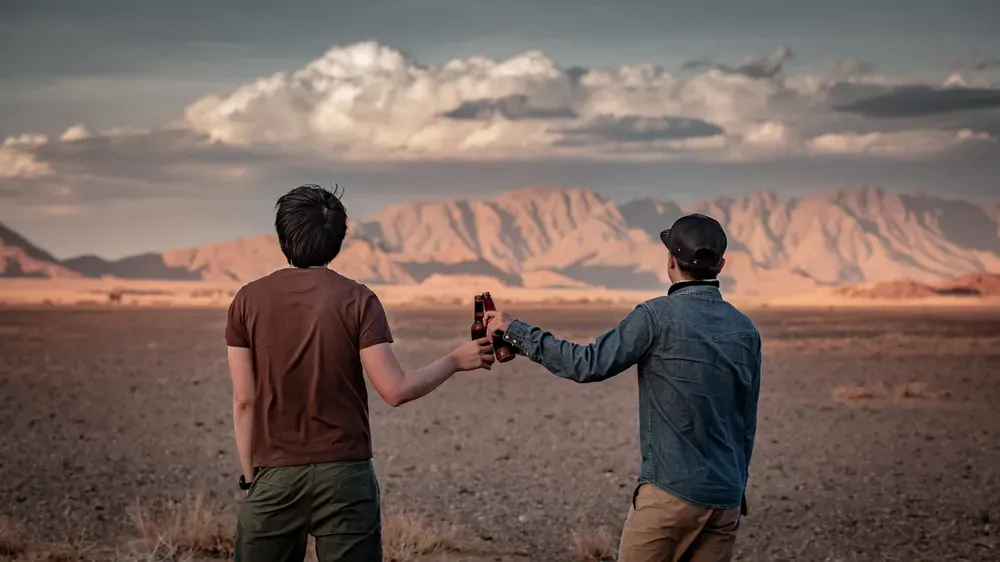
Namibia’s natural beauty is its calling card. The Namib Desert, one of the oldest and driest in the world, is a surreal expanse of rust-colored dunes and bleached salt pans. The Skeleton Coast, where the desert meets the Atlantic, is a place of shipwrecks, seal colonies, and haunting beauty. Inland, Etosha National Park teems with elephants, lions, and rhinos, while the Fish River Canyon offers some of the continent’s most dramatic hiking. For queer travelers, these landscapes are more than a backdrop—they are an invitation to introspection, connection, and a different kind of freedom.
Luxury lodges and safari camps, many of which are privately owned and internationally managed, are particularly attuned to the needs of diverse guests. Staff are trained to provide discreet, attentive service, and couples—regardless of gender—are treated with the same courtesy as any other guests . This professional hospitality, combined with Namibia’s low tourist density, means that queer travelers can enjoy intimate experiences—whether it’s a private sundowner on a dune, a gourmet dinner under the stars, or a guided walk through the desert—without fear of judgment.
Namibia’s LGBTQ+ community may not be large, but it is growing—and becoming more visible, especially among younger, urban Namibians. Windhoek hosts occasional queer events, from film screenings to informal meetups, often organized through social media or word of mouth. While there are no large-scale pride parades or overtly queer neighborhoods, the sense of solidarity and support is palpable among those who seek it.
Local LGBTQ+ activists and organizations, such as the Namibian Equal Rights Movement, continue to advocate for greater visibility and legal protections, though progress is slow and often met with resistance. For international visitors, this means that while Namibia may not offer the exuberant queer nightlife of Cape Town or the legal protections of Mauritius, it does provide a space where queer identities can exist quietly but authentically, supported by a network of allies within the tourism industry and beyond .
Namibia’s cultural tapestry is as diverse as its landscapes. The country is home to numerous ethnic groups, including the Himba, Herero, and Damara, each with their own traditions, languages, and ways of life. Queer travelers who take the time to engage with local communities—whether through guided cultural tours, craft markets, or community-run lodges—will find a warmth and curiosity that transcends the country’s conservative reputation.
In Swakopmund, a coastal town with a strong German colonial influence, the vibe is laid-back and artsy, with galleries, cafes, and a growing reputation for tolerance. In the north, the Caprivi Strip offers a taste of subtropical Africa, with river cruises, birdwatching, and encounters with local fishermen and farmers. Throughout the country, the emphasis on sustainable tourism and community involvement means that visitors can support local economies while experiencing authentic Namibian hospitality.
For queer travelers weary of the well-trodden paths to Africa’s more famous LGBTQ+ destinations, Namibia offers something different: a chance to explore one of the continent’s most breathtaking countries without the crowds, the performative allyship, or the pressure to conform. Its welcoming, professional tourism sector, combined with its natural wonders and emerging queer scene, makes it a destination where LGBTQ+ travelers can be themselves—quietly, confidently, and without compromise.
Namibia may not be on every queer travel list yet, but for those in the know, it’s a place where the desert’s silence speaks volumes, where the stars shine brighter, and where the promise of a truly inclusive African adventure is quietly becoming a reality .
Health care providers are trying a new tactic to promote the healing effects of nature: They're actually writing prescriptions for it
Find a shady spot under a tree, take a breath of fresh air and call me in the morning. Health care providers have long suggested stressed-out patients spend time outdoors. Now hundreds of providers are going a step further and issuing formal prescriptions to get outside. The tactic is gaining momentum as social media, political strife and wars abroad weigh on the American psyche.
Of course, no one needs a prescription to get outside, but some doctors think that issuing the advice that way helps people take it seriously.
“When I bring it up, it is almost like granting permission to do something they may see as frivolous when things seem so otherwise serious and stressful,” said Dr. Suzanne Hackenmiller, a Waterloo, Iowa, gynecologist who started issuing nature prescriptions after discovering time outdoors soothed her following her husband's death.
Spending time in natural areas can lower blood pressure, reduce stress hormones and boost immunity, multiple studies have found.
“Study after study says we're wired to be out in nature,” said Dr. Brent Bauer, who serves as director of the complementary and integrative medicine program at the Mayo Clinic in Rochester, Minnesota. The program focuses on practices that usually aren't part of conventional medicine, such as meditation, acupuncture, massage and nutrition. “That's more than just ‘Woo-woo, I think nature is cool.’ There's actually science.”
Telling someone to go outside is one thing. The follow-through is something else. Starting about a decade ago, health care providers began formalizing suggestions to get outside through prescriptions.
Dr. Robert Zarr, who doubles as a nature guide, launched an organization called Park Rx America around 2016, offering providers protocols for prescribing nature outings. The guidelines call for talking with patients about what they like to do outside — walking, sitting under a tree, maybe just watching leaves fall — how often to do it and where to go. That all then gets included in a prescription, and Park Rx America sends patients reminders.
Nearly 2,000 providers have registered with the organization across the U.S. and a number of other countries, including Australia, Brazil, Cameroon and Spain. They've issued more than 7,000 nature prescriptions since 2019, said Dr. Stacy Beller Stryer, Park Rx America's associate medical director. About 100 other organizations similar to Park Rx America have sprung up around the U.S., she said.
Bauer specializes in treating CEOs and other business leaders. He said he issues about 30 nature prescriptions every year. The chief executives he treats sometimes don't even know where to begin and a prescription can give them a jump start, he said.
“I recommend a lot of things to a lot of patients,” he said. “I'm not under the illusion all of them get enacted. When I get a prescription, someone hands me a piece of paper and says you must take this medication … I'm a lot more likely to activate that.”
Hackenmiller, the Iowa gynecologist, said she's having more discussions with patients about getting outside as a means of escaping a world locked in perpetual conflict.
“When so many things are out of our control, it can be helpful to step away from the media and immerse ourselves in nature,” she said. “I think time in nature often resonates with people as something they have found solace in and have gravitated to in other times in their life.”
The effectiveness of nature prescriptions is unclear. A 2020 joint study by the U.S. Forest Service, the University of Pennsylvania and North Carolina State University concluded that more work was needed to gauge follow-through and long-term health outcomes.
But unless you're choking on wildfire smoke or swatting swarms of mosquitoes, getting outside — no matter what motivates you — can be helpful.
At William & Mary college in Williamsburg, Virginia, students issue nature prescriptions to their peers. “Patients” obtain prescriptions by filling out online applications indicating how far they'll travel to get to a park, times they can visit, whether they need a ride and favorite outdoor activities.
Students issued an average of 22 online prescriptions per month in 2025, up from 12 per month in 2020.
Kelsey Wakiyama, a senior, grew up hiking trails around her home in Villanova, Pennsylvania, with her family and their dog, Duke. When she started her freshman year in Williamsburg, she didn't know where to walk. She saw an advertisement for nature prescriptions in the weekly student email and eventually got one that helped her find trails near campus.
“I love the greenery,” Wakiyama said. “When you're sitting inside — I was in the library for four hours today — the fresh air feels very nice. It calms my nervous system, definitely. I associate being outside with a lightness, a calmness, good memories. That kind of comes back to me when I'm outside.”
by Todd Richmond
Copyright Associated Press. All rights reserved. This material may not be published, broadcast, rewritten, or redistributed.
As global attitudes shift and legal protections strengthen, queer couples seeking destination weddings increasingly prioritize both safety and inclusivity.
For LGBTQ+ couples, the dream of a destination wedding comes with unique considerations. Beyond picturesque backdrops and luxurious venues, safety and social acceptance are paramount. While marriage equality is expanding globally, not every country offers the same protections or social climate for queer travelers. Recent studies emphasize that legal rights must be matched by genuine inclusivity and services, ensuring that couples can celebrate freely without fear or compromise .
This guide highlights destinations that lead the way in both legal protections and social acceptance, drawing on recent research, LGBTQ+ advocacy reports, and expert travel recommendations.
A 2024 study by Destify ranked countries on LGBTQ+ wedding safety, combining legal, social, and service-based factors. The findings underline that while same-sex marriage is now legal in 30 countries, true safety depends on more than just legality—it requires communities to be affirming and welcoming .
The top three safest countries are:
- Spain: With 20 years of marriage equality, Spain stands out for its comprehensive legal protections and vibrant queer culture. Cities like Barcelona and Madrid host some of the most exuberant Pride events in Europe, while smaller towns along the Mediterranean coast offer intimate, picturesque settings for weddings. Spain’s safety score of 93.5 reflects both legal rights and a high percentage of residents comfortable with visible LGBTQ+ couples .
- Iceland: Renowned for its breathtaking natural landscapes and strong record on LGBTQ+ rights, Iceland is a unique choice for adventurous couples. The country’s small, tight-knit communities and high ranking on the World Equality Index make it an exceptionally safe location for queer weddings. Reykjavik, the capital, combines modern amenities with easy access to glaciers, waterfalls, and black-sand beaches—offering unforgettable ceremony backdrops .
- Canada: Canada’s long-standing legal protections and open social climate secure its place among the safest wedding destinations. From cosmopolitan cities like Toronto and Vancouver to the wild beauty of the Rockies or Prince Edward Island, couples have a range of scenic and inclusive options. Canadian venues are experienced in welcoming diverse couples, and the country’s hospitality industry is known for LGBTQ+ cultural competence .
While many couples seek out well-known wedding hubs, there are several lesser-known but equally safe and welcoming destinations that offer unique experiences:
- Curaçao: This southern Caribbean island distinguishes itself with explicit legal protections for LGBTQ+ people and a longstanding reputation for inclusivity. Curaçao’s “live and let live” philosophy is reflected in its vibrant local Pride celebrations and welcoming resorts such as Zoëtry Curaçao Resort & Spa and Sandals Royal Curaçao. Couples can exchange vows on secluded coves, explore coral reefs, or celebrate with local cuisine and music .
- Aruba: Frequently cited as one of the Caribbean’s safest islands for queer travelers, Aruba blends world-class beaches, all-inclusive resorts, and a culture of hospitality. Same-sex weddings are legally recognized, and venues like the Hilton Aruba Caribbean Resort and Secrets Baby Beach Aruba are known for their inclusive services and stunning settings. The island’s consistent ranking among the top LGBTQ+ destinations is bolstered by government support for diversity and anti-discrimination measures .
- Portugal: With its warm climate, historic architecture, and progressive laws, Portugal is gaining popularity for queer destination weddings. Lisbon and Porto offer urban sophistication, while the Algarve’s dramatic cliffs and quiet beaches provide romantic seclusion. Portugal’s robust legal framework and welcoming public attitude make it a standout for couples seeking both beauty and safety .
- New Zealand: Known for its spectacular landscapes and inclusive society, New Zealand offers everything from Maori-inspired ceremonies to beachside or mountain-top weddings. Marriage equality has been enshrined since 2013, and the country’s wedding industry is celebrated for its cultural sensitivity and creativity. Locations like Queenstown and Waiheke Island are especially popular among LGBTQ+ couples .
Within the United States, social climate varies by state. According to the Movement Advancement Project’s Equality Map and recent studies, the safest states for queer weddings—based on legal protections, healthcare access, and public attitudes—include:
- Vermont - Massachusetts - Rhode Island - Connecticut - Washington D.C. - New York - Maine - Washington - Maryland - New Mexico - Colorado - Oregon - California - Minnesota
Cities like Seattle, New York, and San Francisco are celebrated for their vibrant LGBTQ+ communities, inclusive venues, and extensive queer wedding services .
For couples seeking coastal charm or small-town intimacy, places like Provincetown, Massachusetts, and Kauai, Hawaii, offer unique settings with strong community support and legal protections .
When selecting a destination, couples should consider:
- Legal status of same-sex marriage: Confirm that your union will be legally recognized.
- Social climate: Research local attitudes toward LGBTQ+ people, including public displays of affection and how queer people are treated in service settings.
- Event services: Work with venues and planners experienced in LGBTQ+ weddings. Many resorts and travel companies now openly advertise their inclusivity and can provide references from past queer clients .
Despite the allure of some global hotspots, certain locations remain unsafe for queer travelers. Countries such as Malaysia, Jamaica, and many in the Middle East and Africa retain anti-LGBTQ+ laws or lack basic legal protections, making them high-risk choices, regardless of tourist infrastructure .
The world’s safest and most unique destinations for queer marriages are defined by more than legal rights—they reflect a spirit of inclusion, hospitality, and joy. As the landscape evolves, queer couples have more opportunities than ever to celebrate their love authentically and safely, surrounded by supportive communities and unforgettable scenery.