The Supreme Court is allowing President Donald Trump’s administration to enforce a policy blocking transgender and nonbinary people from choosing passport sex markers that align with their gender identity
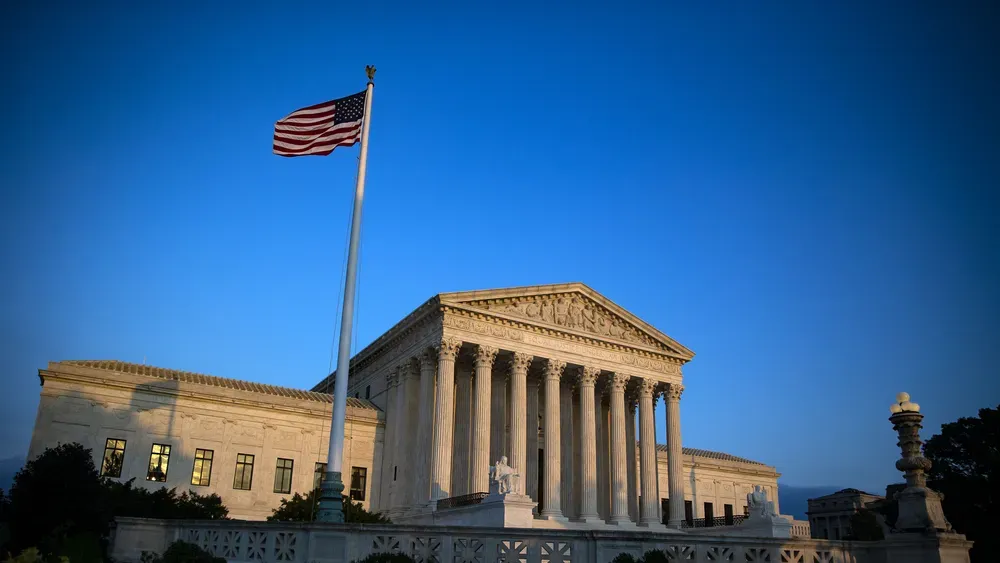
The Supreme Court on Thursday allowed President Donald Trump’s administration to enforce a policy blocking transgender and nonbinary people from choosing passport sex markers that align with their gender identity.
The decision by the conservative-majority court is Trump’s latest win on the high court’s emergency docket, and it means his administration can enforce the policy while a lawsuit over it plays out. It halts a lower-court order requiring the government to keep letting people choose male, female or X on their passport to line up with their gender identity on new or renewed passports. The court’s three liberal justices dissented.
In a brief, unsigned order, the court said the policy doesn't appear to discriminate against transgender people. “Displaying passport holders’ sex at birth no more offends equal protection principles than displaying their country of birth,” it said. “In both cases, the Government is merely attesting to a historical fact without subjecting anyone to differential treatment."
The court’s three liberal justices disagreed, saying in a dissent that passports listing only a gender at birth make transgender people vulnerable to “increased violence, harassment, and discrimination.”
“This Court has once again paved the way for the immediate infliction of injury without adequate (or, really, any) justification,” Justice Ketanji Brown Jackson wrote, saying the policy stemmed directly from Trump’s executive order that described transgender identity as “false” and “corrosive.”
The State Department changed its passport rules after Trump, a Republican, handed down an executive order in January declaring the United States would “recognize two sexes, male and female,” based on birth certificates and “biological classification.”
Transgender actor Hunter Schafer, for example, said in February that her new passport had been issued with a male gender marker, even though she’s marked female on her driver’s license and passport for years.
The plaintiffs argue that passports limited to the sex listed on a birth certificate can spark harassment or even violence for transgender people.
“By classifying people based on sex assigned at birth and exclusively issuing sex markers on passports based on that sex classification, the State Department deprives plaintiffs of a usable identification document and the ability to travel safely,” attorneys wrote in court documents.
Sex markers began appearing on passports in the mid-1970s and the federal government started allowing them to be changed with medical documentation in the early 1990s, the plaintiffs said in court documents. A 2021 change under President Joe Biden, a Democrat, removed documentation requirements and allowed nonbinary people to choose an X gender marker after years of litigation.
A judge blocked the Trump administration policy in June after a lawsuit from nonbinary and transgender people, some of whom said they were afraid to submit applications. An appeals court left the judge’s order in place.
Solicitor General D. John Sauer then turned to the Supreme Court, pointing to its recent ruling upholding a ban on transition-related health care for transgender minors. He also argued Congress gave the president control over passports, which overlap with his authority over foreign affairs.
“It is hard to imagine a system less conducive to accurate identification than one in which anyone can refuse to identify his or her sex and withhold relevant identifying information for any reason, or can rely on a mutable sense of self-identification,” Sauer wrote in court documents.
by Lindsay Whitehurst
Copyright Associated Press. All rights reserved. This material may not be published, broadcast, rewritten, or redistributed.
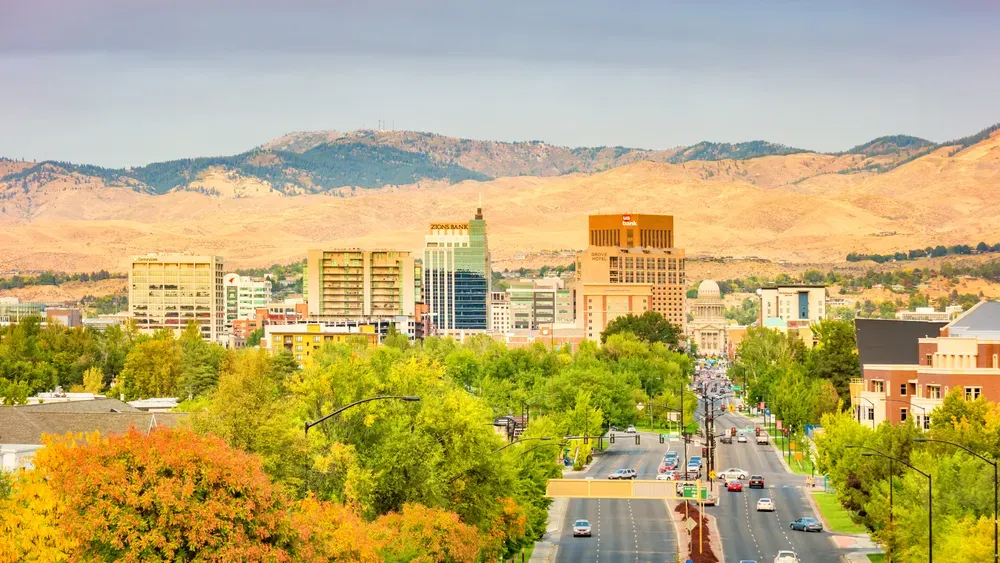
Boise, Idaho, once known primarily for its potatoes and placid mountain vistas, has quietly blossomed into a surprising haven for LGBTQ+ people, drawing newcomers with its affordability, tight-knit community, and a refreshingly inclusive spirit.
If someone told you Boise was becoming an LGBTQ+ hot spot, you might squint, check the map, and say, “Wait—Boise, Idaho?!” But the city historically more famous for russets than rainbows is now quietly climbing the ranks among North America’s most surprisingly queer-friendly destinations, making it a must-visit for travelers seeking authenticity, community, and the thrill of a place in transformation .
Boise’s LGBTQ+ population remains modest—less than 250,000 residents with a small but growing queer contingent—but what it lacks in size, it makes up for in spirit and connection. Over the last decade, the city’s liberal bent has attracted LGBTQ+ folks from across the country, drawn by Idaho’s sweeping landscapes, lower cost of living, and a sense of possibility. As more newcomers arrive, Boise’s LGBTQ+ makeup is evolving, with queer visibility increasing everywhere from downtown coffee shops to the historic Northend neighborhood, where rainbow flags wave beside mid-century modern homes .
Unlike cities with established gayborhoods, Boise’s queer scene is decentralized, thriving in pockets across the city. Hyde Park’s indie boutiques, Northend’s artsy charm, and the lively downtown corridor have become informal gathering places for LGBTQ+ residents and allies. This organic growth gives Boise’s scene a refreshing sense of authenticity—less about legacy and more about possibility .
Behind Boise’s emergence as a queer-friendly city are a handful of passionate changemakers, local organizations, and grassroots efforts. The city’s LGBTQ+ community center, housed near East Fremont, has become a hub for social events, support networks, and advocacy. Here, volunteers and staff create a welcoming space for all identities, with weekly meet-ups, mental health resources, and support for transgender people and nonbinary residents .
Local businesses are also playing a role in Boise’s transformation. Queer-owned cafés, bookstores, and art galleries foster connection and creativity, while annual events like Boise Pride Festival bring thousands together to celebrate diversity. The festival, which recently expanded to include a broader spectrum of performances and panels, is intentionally inclusive of transgender people, people of color, and families—reflecting the city’s new ethos of intersectionality and belonging .
Grassroots advocacy is part of the DNA here. Organizations such as Add the Words Idaho have campaigned fiercely for statewide nondiscrimination protections. Their work, alongside other local activists, has helped shift Boise’s policies and public sentiment toward greater LGBTQ+ acceptance .
So, what makes Boise’s queer scene truly shine? First, affordability: Boise’s rent is about 66% lower than New York City, while local purchasing power is on par—making it easier for artists, activists, and young professionals to put down roots and invest in community .
Second, Boise’s openness. Unlike legacy gayborhoods that can feel insular, Boise’s scene is welcoming to newcomers, and the city’s relatively small size means that everyone from drag queens to queer seniors is part of the same conversation. The Northend, with its leafy streets and vintage homes, is especially beloved for its progressive vibe and neighborly spirit .
Third, Boise’s creative energy. The city is ripe for a tech boom, attracting LGBTQ+ professionals in STEM fields, while its thriving arts scene includes queer-led theater troupes, pop-up galleries, and indie music nights. With more visibility comes more support, and Boise’s queer artists are finding both an audience and a platform .
Finally, Boise is making waves as a destination for LGBTQ+ seniors—ranked among the best cities for queer retirees, thanks to its mild weather, affordable healthcare, and welcoming community. SeniorAdvisor.com placed Boise in the top 20 cities for LGBTQ+ seniors, a nod to its unique blend of practicality and warmth .
Transgender people and nonbinary folks have found a supportive network, with local organizations offering gender-affirming resources and legal support. This inclusiveness is mirrored in Boise’s Pride events, which have grown to feature panels on intersectionality, workshops for parents of LGBTQ+ youth, and performances by drag artists from across the region .
While Boise still faces challenges—statewide nondiscrimination laws remain a work in progress, and visibility can be both a blessing and a risk—the city’s momentum is undeniable. The next frontier: expanding protections, fostering deeper intersectionality, and continuing to welcome LGBTQ+ travelers and new residents with open arms .
For queer travelers, Boise offers an irresistible mix of adventure and acceptance, whether you’re hiking the foothills, sipping coffee in Hyde Park, or dancing at Pride. It’s a place where the unexpected is always possible—and where every rainbow flag feels just a little brighter against the Idaho sky.
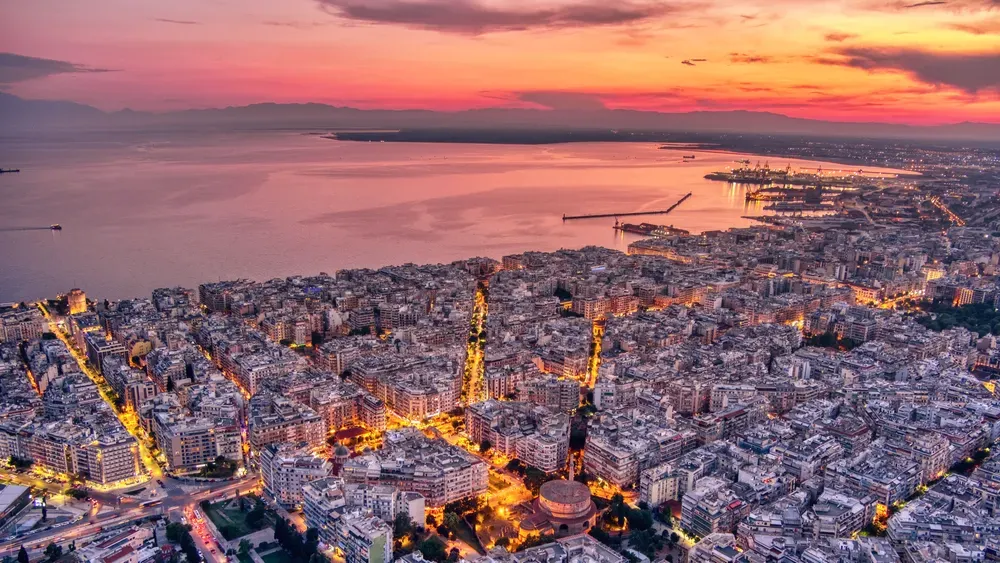
Thessaloniki, Greece’s dynamic northern city, is quietly becoming a premier destination for LGBTQ+ travelers, offering a blend of ancient history, vibrant queer culture, and genuine Balkan hospitality.
For decades, Athens and Mykonos have dominated the conversation around LGBTQ+ travel in Greece and the Balkans. Yet, in recent years, Thessaloniki has quietly transformed into a dazzling, welcoming retreat for queer travelers seeking authenticity, community, and cultural depth away from the usual tourist crowds. Thessaloniki’s unique blend of ancient ruins, vibrant contemporary arts, and a blossoming LGBTQ+ scene have made it a rising star on Europe’s queer travel map .
Thessaloniki’s urban heart beats with millennia-old rhythms: Byzantine churches, Roman forums, and Ottoman relics form a dramatic backdrop for the city’s modern pulse. This convergence of cultures is reflected in the local ethos, which values diversity and hospitality. While Greece as a whole has made significant strides in LGBTQ+ rights, Thessaloniki stands out for its open-mindedness and grassroots activism .
The city’s proximity to the Balkans and its history as a port and trading hub have made it a natural crossroads for people of various backgrounds and identities. Local residents and business owners often cite Thessaloniki’s cosmopolitan spirit as a major reason why queer people feel safe and seen here .
Each June, Thessaloniki hosts its own Pride festival—a multi-day celebration of queer identity, solidarity, and visibility. The festival’s growth has mirrored the city’s increasing commitment to inclusion: attendance has surged, and the parade now winds its way past iconic sites like the White Tower and Aristotelous Square, drawing locals and international visitors alike .
In 2024, Thessaloniki hosted EuroPride, a major pan-European event that brought thousands of LGBTQ+ people together and showcased the city’s queer-friendly infrastructure, from accessible accommodations to safe public spaces . Greek media and international outlets praised the city’s hospitality and the respectful, celebratory atmosphere of EuroPride .
Thessaloniki’s nightlife is legendary, with a distinctly queer edge. The city’s LGBTQ+ bars, like Enola and Dada, offer lively dance floors, drag performances, and open-air terraces, while mixed venues such as Laika and Urania embrace all identities and styles . Many venues double as community hubs, hosting poetry nights, art openings, and support group meetings.
The LGBTQ+ scene here is refreshingly grounded; visitors report feeling genuinely welcomed by staff and patrons, with little of the gatekeeping or exclusivity found in more hyped destinations. Local organizations—including Thessaloniki Pride and Positive Voice—provide resources, safe spaces, and advocacy for queer people and allies year-round, making it easy for travelers to connect with the city’s activist heartbeat .
Thessaloniki’s famous Modiano and Kapani markets are sensory playgrounds, overflowing with fresh produce, local cheeses, and handmade crafts. Queer travelers often cite these bustling markets as prime spots to experience daily life and connect with local artisans. The city’s waterfront promenade—lined with cafes and street performers—offers stunning sunset views over the Thermaic Gulf, a favorite gathering place for both locals and visitors, especially in the summer evenings.
Art and culture thrive here: the city’s museums, galleries, and street art projects reflect a commitment to dialogue and expression. The annual Thessaloniki International Film Festival regularly features queer cinema, and local collectives like Qreer Art push boundaries with exhibitions and workshops .
Local activists and community members credit Thessaloniki’s warmth to its grassroots approach. “We’re not just throwing parties—we’re building networks of support,” says Maria Papadopoulou, a volunteer with Thessaloniki Pride . “Here, you can find a chosen family, whether you’re a student, an artist, or just passing through.”
International visitors echo this sentiment, noting the ease of meeting people and finding recommendations for events and safe spaces. The city’s universities and creative industries have attracted a new wave of young LGBTQ+ people, further energizing the local scene.
Thessaloniki’s emergence as an LGBTQ+ destination is rooted in its intersection of history, activism, and everyday hospitality. Unlike more commercialized hubs, Thessaloniki offers authentic connection and cultural immersion: queer travelers can stroll ancient streets, join in community events, and relax in spaces where their identities are affirmed.
The city is also a gateway to northern Greece’s natural wonders—Mount Olympus, Halkidiki’s beaches, and the vineyards of Naousa—making it ideal for travelers who want to mix urban adventure with outdoor escapes.
- Best Time to Visit: May to October, when the weather is warm and festival season is in full swing .
- Where to Stay: The Modernist Thessaloniki and other centrally located hotels offer stylish, welcoming atmospheres and easy access to nightlife and culture .
- Getting Connected: Thessaloniki Pride’s website and local social media groups regularly post about events, meet-ups, and community resources.
As Europe continues to grapple with questions of inclusion and belonging, Thessaloniki stands as a testament to the power of local activism, hospitality, and cultural richness. For queer travelers, it offers a rare opportunity to experience genuine welcome, dynamic community, and the thrill of discovery in a city that’s only beginning to reveal its full rainbow spectrum .
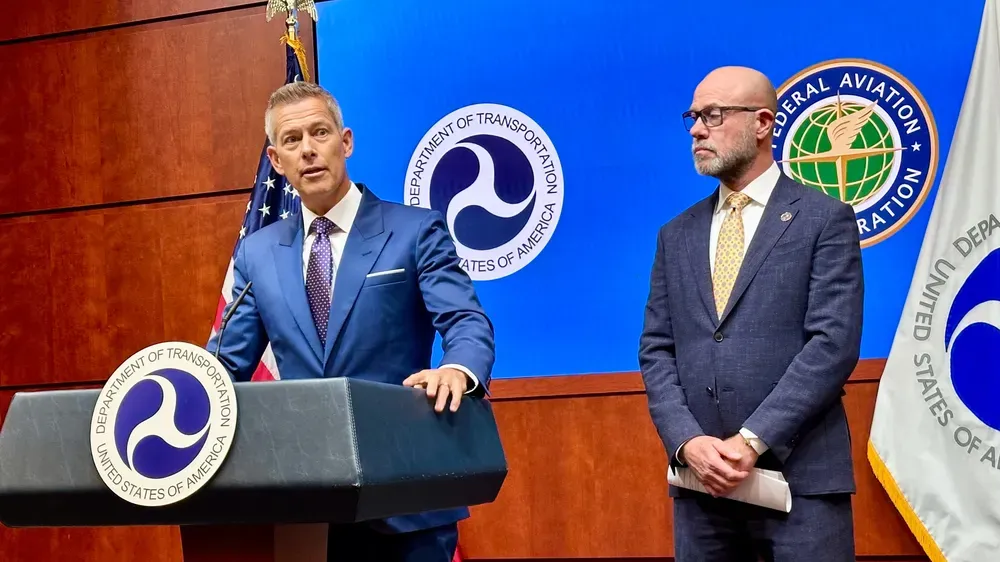
Transportation Secretary Sean Duffy, left, speaks at a news conference with FAA administrator Bryan Bedford to announce flight cancellations across the country because of the government shutdown Wednesday, Nov. 5, 2025 at the U.S. Department of Transportation headquarters in Washington. Photo Credit: (AP Photo/Matthew Daly)
The Federal Aviation Administration says it plans to reduce air traffic by 10% across 40 “high-volume” markets beginning Friday morning to maintain safety during the ongoing government shutdown
The Federal Aviation Administration said Wednesday that it was taking the extraordinary step of reducing air traffic by 10% across 40 “high-volume” markets beginning Friday morning to maintain travel safety as air traffic controllers exhibit signs of strain during the ongoing government shutdown.
The cutback stands to impact thousands of flights nationwide because the FAA directs more than 44,000 flights daily, including commercial passenger flights, cargo planes and private aircraft. The agency didn't immediately identify which airports or cities will be affected but said the restrictions would remain in place as long as necessary.
“I’m not aware in my 35-year history in the aviation market where we’ve had a situation where we’re taking these kinds of measures,” FAA Administrator Bryan Bedford said at a news conference.
Air traffic controllers have been working unpaid since the shutdown began Oct. 1, and most have been on duty six days a week while putting in mandatory overtime. With some calling out of work due to frustration, taking second jobs or not having money for child care or gas, staffing shortages during some shifts have led to flight delays at a number of U.S. airports.
Bedford, citing increased staffing pressures and voluntary safety reports from pilots indicating growing fatigue among air traffic controllers, said he and U.S. Transportation Secretary Sean Duffy did not want to wait until the situation reached a crisis point.
“We’re not going to wait for a safety problem to truly manifest itself when the early indicators are telling us we can take action today to prevent things from deteriorating,” Bedford said. “The system is extremely safe today and will be extremely safe tomorrow. If the pressures continue to build even after we take these measures, we’ll come back and take additional measures.”
He and Duffy said they would meet with airline executives later Wednesday to determine how to implement the reduction in flights before a list of the affected airports would be released sometime Thursday.
United, Southwest and American all said they will try to minimize the impact on consumers as they cut their schedules to comply with the order.
Calls to the customer service hotlines at United and American were answered within a few minutes Wednesday afternoon, suggesting anxious passengers were not swamping the airlines with questions about the status of their upcoming flights.
In a letter to employees, United CEO Scott Kirby promised to focus the cuts on regional routes and flights that don't travel between hubs. He said the airline will try to reschedule customers when possible and will also offer refunds to anyone who doesn't want to fly during this time, even if their flight isn't canceled.
“United’s long-haul international flying and our hub-to-hub flying will not be impacted by this schedule reduction direction from the FAA,” Kirby said. “That’s important to maintain the integrity of our network, give impacted customers as many options as possible to resume their trip, and sustain our crew pairing systems.”
Airline industry analyst Henry Harteveldt, who is president of Atmosphere Research Group, said he thinks the government may have bungled this announcement by not meeting with airlines first and giving them more time to adjust schedules made months in advance.
“To tell airlines you’ve got 48 hours to rebuild your schedules at 90% of what you’ve got isn’t much time, and it’s going to result in a lot of chaos,” said Harteveldt, who was waiting to hear if his own flight from San Francisco to Dallas on Saturday would be canceled. He added that the Trump administration may be using aviation safety “to force the two sides in Washington back to the negotiating table to resolve the shutdown.”
AAA spokesperson Aixa Diaz advised travelers to watch for flight updates on the airline's app and airport social media accounts. She also recommended allowing plenty of time at the airport before a scheduled flight.
“It’s frustrating for travelers, because there’s not much you can do. At the end of the day, you either fly or you don’t,” she said.
The cuts could represent as many as 1,800 flights and upward of 268,000 seats combined, according to an estimate by aviation analytics firm Cirium. For example, O’Hare International Airport in Chicago could see 121 of its 1,212 flights currently scheduled for Friday cut if the FAA distributes the reductions equally among impacted airports, Cirium said.
The FAA regularly slows down or stops flights from taking off toward an airport for a number of reasons, including weather conditions, equipment failures and technical problems. Staffing shortages also may lead to slowed or halted departures if there aren't enough controllers and another facility can't absorb some of the work load.
Last weekend saw some of the worst staffing shortages of the shutdown, which became the longest on record early Wednesday.
From Friday to Sunday evening, at least 39 different air traffic control facilities announced there was some potential for limited staffing, according to an Associated Press analysis of operations plans sent through the Air Traffic Control System Command Center system. The figure, which is likely an undercount, is well above the average for weekends before the shutdown
During weekend periods from Jan. 1 to Sept. 30, the average number of airport towers, regional centers overseeing multiple airports and facilities monitoring traffic at higher altitudes that announced the potential for staffing issues was 8.3, according to the AP analysis. But during the five weekend periods since the shutdown began on Oct. 1, the average more than tripled to 26.2 facilities.
Major airlines, aviation unions and the wider travel industry have urged Congress to end the shutdown.
Wednesday's announcement came on the heels of Duffy warning a day earlier that there could be chaos in the skies next week if the shutdown drags on long enough for air traffic controllers to miss their second full paychecks next Tuesday.
Duffy said the FAA wanted to take a proactive approach instead of reacting after a disaster. He pointed to all the questions that arose after the deadly midair collision in January between a commercial jet and a military helicopter near Ronald Reagan Washington National Airport about why FAA didn't recognize the risks and act sooner.
“We learned from that. And so now we look at data, and before it would become an issue, we try to assess the pressure and try to make moves before there could be adverse consequences,” Duffy said. “And that’s what’s happening here today.”
by Matthew Daly, Josh Funk and Rio Yamat
Copyright Associated Press. All rights reserved. This material may not be published, broadcast, rewritten, or redistributed.
Set-jetting brings cinema to life as travelers turn famous filming locations into their next five-star getaway. With more and more people turning to set-jetting, destinations once known only on screen now drive real-world tourism.
Set-jetting brings cinema to life as travelers turn famous filming locations into their next five-star getaway. With more and more people turning to set-jetting, destinations once known only on screen now drive real-world tourism. Luxury hotels and tour operators are responding fast, creating experiences that let fans walk through the worlds they've only watched before.
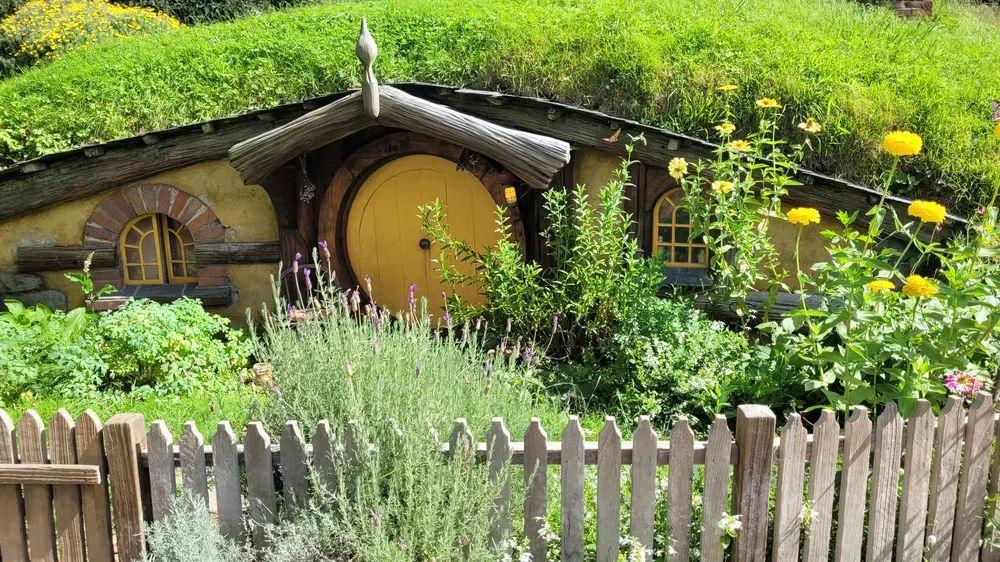
To see the stories come alive firsthand, travelers head to places like Scotland, Norfolk and Northern Ireland, where castles, flower fields and coastlines have become cinematic landmarks. Even creative studios in New Zealand open their doors to visitors eager to step inside the world of movie-making.
The rise of cinematic travel
Set-jetting isn't new, but as more people search for off-the-beaten-path destinations that resonate on a deeper level, some tourists are looking to experience the real places behind their favorite movies. Travelers now go beyond sightseeing to explore the settings that brought iconic scenes to life. About 53% of travelers report that their interest in set-jetting, or visiting locations featured in movies and TV shows, has increased over the past year. The movement is expanding rapidly and could become an $8 billion industry in the United States alone.
Luxury travelers are driving much of this growth. They're combining cinematic itineraries with boutique stays, private guides and curated experiences at filming sites. Local economies benefit from the surge in visitors, with tourism boards and film studios forming partnerships to promote locations that appear on screen. What began as fan-inspired travel has evolved into a sophisticated segment of luxury tourism that connects storytelling with real-world adventure.
Explore Frankenstein's path in Scotland
Scotland continues to draw visitors with its stunning scenery and rich architectural heritage. Filmed across Edinburgh, Glasgow and Aberdeenshire, "Frankenstein," starring Oscar Isaac and Jacob Elordi, arrives on Netflix on Nov. 7 after spending time in theaters. In the heart of Edinburgh, the Royal Mile became a stand-in for 1850s Europe, attracting visitors curious to see the film's setting in person.
Travelers can book stays that capture the same gothic atmosphere seen on screen. The Witchery by the Castle offers lavish suites draped in old-world opulence just steps from the filming locations. Nearby, Prestonfield House near Arthur's Seat combines city access with the calm of a country retreat, giving guests an experience that balances luxury with a touch of history.
For a setting that recreates the film's dramatic landscapes, Glenapp Castle on the Ayrshire Coast delivers rural grandeur at its finest. The property's sweeping views and refined interiors convey the same sense of isolation and majesty that defines the cinematic world of "Frankenstein."
Step into the floral world of ‘Wicked'
Britain's countryside takes on a storybook look in "Wicked: For Good," arriving in theaters on Nov. 21, 2025. The production team turned Norfolk's Belmont Nurseries into a real-life fairytale, where endless rows of tulips formed the backdrop for the film's opening scenes. To create the sweeping floral effect, the nursery worked with the production designer to plant more than nine million tulips, with special effects later seamlessly blending their mismatched blooming periods on screen.
Each spring, the same tulip fields open briefly for ticketed walks and photography sessions, drawing visitors from across the country. The bright geometric rows of color stretch across the landscape, creating a vivid scene that captures the film's enchanted world. Norfolk's tulip trails have since become a must-see stop for travelers tracing the magical locations that inspired one of Britain's most striking film moments.
Set-jetting along the Causeway Coast
Northern Ireland's rugged coastline takes on new life in the live-action remake of "How to Train Your Dragon," which hit the U.S. theaters in June 2025. Scenes set in the mythical Isle of Berk took shape across the country, where dramatic cliffs and ancient ruins merged with cinematic imagination. Filming locations include Tollymore Forest Park, the Giant's Causeway and Dunseverick Castle, all reachable on a day trip of Belfast and offering striking views that evoke the film's sweeping fantasy world.
The landscapes feature a rare mix of basalt columns and cliff-top fortresses that feel lifted straight from the screen. Visitors can drive or walk portions of the Causeway Coast to see these dramatic settings for themselves. For an upscale place to stay nearby, the Titanic Hotel Belfast offers stylish rooms, fine dining and a location close to the harbor where the RMS Titanic was built.
Film craftsmanship in New Zealand
New Zealand remains a landmark for film lovers, and Wellington's Wētā Workshop continues to draw visitors from around the world. The studio, known for its work on "The Lord of the Rings," "The Hobbit," "King Kong" and "Avatar," will once again be in focus with "Avatar: Fire and Ash" releasing in the U.S. on Dec. 19, 2025. Visitors can take year-round tours that showcase the props, costumes and visual effects behind some of cinema's most famous productions.
At the Wētā Workshop Experience, guests can see how armor, creatures and miniatures are crafted for the big screen. The studio also offers creative workshops where visitors can sculpt with clay, practice leatherwork or apply realistic special effects makeup under the guidance of Wētā's artists. For travelers drawn to movie-making and storytelling, New Zealand remains a destination where imagination and craftsmanship meet.
Films turn viewers into travelers
Set-jetting's growth signals a new direction for modern travel. Audiences are turning cinematic fascination into movement, visiting landscapes that once existed only on screen. Places that adopt this trend gain not just visitors but enduring recognition tied to global storytelling. It points to a new reality where entertainment, tourism and culture work together to keep destinations relevant long after the credits roll.
Jennifer Allen is a retired chef turned traveler, cookbook author and nationally syndicated journalist; she's also a co-founder of Food Drink Life, where she shares expert travel tips, cruise insights and luxury destination guides. A recognized cruise expert with a deep passion for high-end experiences and off-the-beaten-path destinations, Jennifer explores the world with curiosity, depth and a storyteller's perspective. Her articles are regularly featured on the Associated Press Wire, The Washington Post, Seattle Times, MSN and more.
by Jenn Allen
Copyright Associated Press. All rights reserved. This material may not be published, broadcast, rewritten, or redistributed.
Charlotte, North Carolina, pulses with a vibrant queer energy that transforms the city’s Southern charm into something uniquely fabulous.
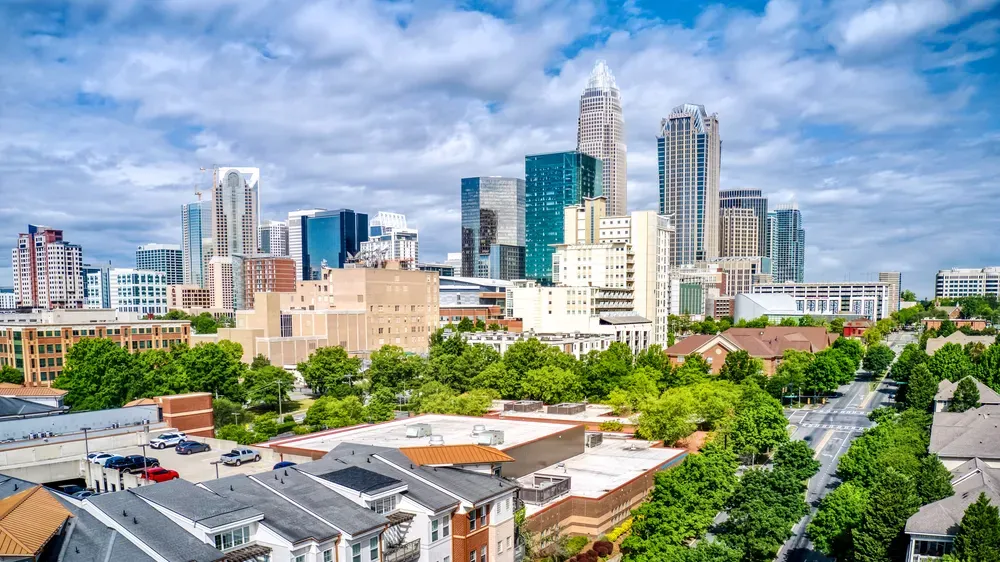
Step off the plane in Charlotte, North Carolina, and you’ll catch a whiff of magnolia and ambition—a city where skyscrapers rise beside historic churches and rainbow flags peek out from porch railings in Plaza Midwood. The Queen City, so named for Queen Charlotte of Mecklenburg-Strelitz, has always had a knack for reinvention. And nowhere is this more dazzlingly apparent than in its LGBTQ+ culture—a scene shaped by resilience, wit, and the unapologetic sparkle of queer southerners who know how to throw a party *and* build community.
Charlotte’s queer legacy is storied and tenacious. The city’s earliest known gay bars—Oleens and the Scorpio Lounge—opened in the 1960s, offering sanctuary and kinship at a time when such spaces risked harassment and closure . Through the following decades, Charlotte’s LGBTQ+ nightlife blossomed, weathering political storms and societal shifts. Lesbian-specific venues like Garbo’s, Hartigan’s, and L4 carved out their own space in a landscape often dominated by male-centered bars. These were more than watering holes—they were lifelines, places where chosen family could gather, mourn, and celebrate .
Today, icons like Chasers and The Scorpio continue this tradition, joined by a new wave of inclusive venues and community-driven events. The city’s LGBTQ+ scene is as rich in history as it is in possibility—a place where yesterday’s heroes and today’s drag stars share the same dance floor.
If you believe nightlife should be equal parts glitter and grit, Charlotte delivers in style. The city’s queer bar scene is a constellation of spaces—each with its own vibe and story, yet united by a spirit of unfiltered welcome.
- Bar Argon: Calling itself “the Queen City’s most diverse & only true video bar,” Bar Argon is a sanctuary for anyone who wants to dance under the glow of music videos, sip potent cocktails, or belt out a show tune on karaoke night. The crowd is deliciously mixed—young, old, every letter of the LGBTQ+ alphabet and their allies—making it the kind of place where you can be both a wallflower and a star in the same evening . The outdoor patio offers a breath of fresh air (and a chance to plot your next dance floor move).
- Chasers: For those who like their nightlife with a side of legacy, Chasers is a must. Open since 1991 and still going strong, Chasers is renowned for its high-energy drag shows, go-go dancers, and theme nights that run the gamut from campy to sexy. If you’re in town during Charlotte Pride, this is the electric heart of the city’s after-dark celebration .
- Petra’s: Not strictly a gay bar these days, but still central to the community, Petra’s in Plaza Midwood is where artists, queerdos, and dreamers converge for poetry slams, live music, comedy, and legendary drag. The crowd here is delightfully eclectic, and the back patio is a favorite spot to swap stories about your wildest ex or your wildest dreams .
- The Scorpio: One of Charlotte’s oldest LGBTQ+ bars, The Scorpio serves up drag, dance, and nostalgia in equal measure. The club’s long history and loyal regulars make it feel like a time capsule—one that still manages to surprise with its energy and inclusiveness .
- The Woodshed: For those whose tastes skew a little more leather and lace, The Woodshed is Charlotte’s home for kink, leather, and everything in between. The crowd is open-minded and diverse, a testament to the city’s embrace of every shade of queer .
Charlotte’s queer spaces aren’t limited to bars and clubs. Plaza Midwood, with its muraled walls and indie cafes, feels like a rainbow-hued heartbeat in the city’s east side. Here, you’ll find queer-owned coffee shops, thrift stores, and the kind of bookstores where you can lose an afternoon (and maybe find a date).
NoDa—short for North Davidson—is Charlotte’s arts district, pulsing with creativity and activism. It’s not uncommon to stumble upon a pop-up drag brunch or a queer poetry reading in a converted warehouse. Local arts collectives and LGBTQ+ advocacy groups often host events that blend activism, performance, and joy.
Keep an eye out for community hubs like Hattie’s Tap & Tavern and Sidelines Sports Bar & Billiards—both spots where queer folks of every stripe come together for trivia, karaoke, or just to share a plate of tater tots and laughs .
Charlotte’s queer community is as dynamic as its skyline. Every bartender, drag queen, DJ, and community organizer adds a stitch to the city’s ever-evolving tapestry. During Pride, the city explodes with color—parades, marches, and parties drawing tens of thousands from across the Southeast and beyond. Drag performers like those at Chasers and The Scorpio are local celebrities, using their platforms to raise money for causes from HIV/AIDS awareness to trans youth support .
Grassroots organizations help ensure that Charlotte remains a city where LGBTQ+ people can not just survive, but thrive. From youth groups to elder advocacy, the city’s queer community is defined not just by its parties, but by its commitment to mutual care.
Insider Tips for the Queer Traveler
- Download the Lex app (Instagram: @lex.lgbt), a text-based social platform that connects LGBTQ+ folks for everything from making new friends to finding events or even scoring a date before you hit the bars .
- Many venues host themed nights—check social media for the latest drag shows, Latin dance parties, and queer art pop-ups.
- Don’t sleep on Charlotte’s queer brunch scene: keep an eye out for drag brunches and fundraising events, especially during Pride season.
To walk Charlotte’s queer streets is to be reminded that Southern hospitality isn’t just a cliché—it’s a radical act of welcome, a shared table where every letter of LGBTQ+ is invited to feast. Here, the past is honored, the present is lived out loud, and the future is being written in neon and lipstick. Whether you come for the dance floors, the drag, or the feeling of belonging, you’ll leave with a story—and maybe a new chosen family. Charlotte is proof that even in the New South, the heart beats loudest when it beats for all.
Transportation Secretary Sean Duffy predicted Tuesday that there could be chaos in the skies next week if the government shutdown drags on and air traffic controllers miss a second paycheck
Transportation Secretary Sean Duffy predicted Tuesday that there could be chaos in the skies next week if the government shutdown drags on and air traffic controllers miss a second paycheck.
There have already been numerous delays at airports across the country — sometimes hours long — because the Federal Aviation Administration slows down or stops traffic temporarily anytime it is short on controllers. Last weekend saw some of the worst staff shortages and on Sunday, flights at Newark Liberty International Airport in New Jersey were delayed for several hours.
Duffy and the head of the air traffic controllers union have both warned that the situation will only get worse the longer the shutdown continues and the financial pressure continues to grow on people who are forced to work without pay. FAA employees already missed one paycheck on Oct. 28. Their next payday is scheduled for next Tuesday.
“Many of the controllers said ‘A lot of us can navigate missing one paycheck. Not everybody, but a lot of us can. None of us can manage missing two paychecks,’” Duffy said. “So if you bring us to a week from today, Democrats, you will see mass chaos. You will see mass flight delays. You’ll see mass cancellations, and you may see us close certain parts of the airspace, because we just cannot manage it because we don’t have air traffic controllers.”
Most of the flight disruptions so far during the shutdown have been isolated and temporary. But if delays become more widespread and start to ripple throughout the system, the pressure will mount on Congress to reach an agreement to end the shutdown.
It's difficult to predict how much worse the situation will get once controllers miss a second paycheck. The impact of the staff shortages could also be magnified if controllers coordinated a large effort to call out sick across a certain region of the country. Both the National Air Traffic Controllers Association and Duffy have urged controllers not to consider that and continue reporting to work.
Mike McCormick, who used to oversee air traffic control for the FAA before he retired and is now a professor at Embry-Riddle Aeronautical University, said closing down part of the airspace and forcing planes to fly around an area is routinely done when there is a major thunderstorm. The FAA may also close down part of the airspace if it is short on controllers at one of its regional radar centers that directs planes flying at high altitude across the country. This move is very similar to a ground delay program that FAA uses at an airport when it is short on controllers there or encounters an equipment failure.
Major airlines, aviation unions and the travel industry have been urging Congress to end this shutdown as soon as possible by voting to support the clean funding resolution that Republicans have proposed.
The U.S. Travel Association said in a letter to Congressional leaders this week that the economy has already lost more than $4 billion because of the shutdown, and the industry worries the impact will get significantly worse if the shutdown continues into the holiday travel season.
“With Thanksgiving, the busiest travel period of the year, imminently approaching, the consequences of a continued shutdown will be immediate, deeply felt by millions of American travelers, and economically devastating to communities in every state,” the U.S. Travel Association said.
Normally, airlines strive to have at least 80% of their flights depart and arrive within 15 minutes of when they are scheduled. Aviation analytics firm Cirium said that since the shutdown began on Oct. 1, the total number of delays overall has not fallen significantly below that goal because most of the disruptions so far have been no worse than what happens when a major thunderstorm moves across an airport.
But on Sunday, only about 56% of Newark's departures were on time, and the Orlando airport reported that only about 70% of its flights were on time, according to Cirium.
As of midday Tuesday, there have been 1,932 flight delays reported across the United States, according to www.FlightAware.com. That is lower than what is typical although the FAA did say that flights in Phoenix were being delayed Tuesday morning because of staffing shortages. Strong winds are also causing delays at the Newark and LaGuardia airports Tuesday.
by Josh Funk
Copyright Associated Press. All rights reserved. This material may not be published, broadcast, rewritten, or redistributed.
Setenil de las Bodegas, the Andalusian village built into ancient stone, offers more than just jaw-dropping architecture—it’s a destination where queer travelers can find unexpected welcome, local color, and quiet pride.
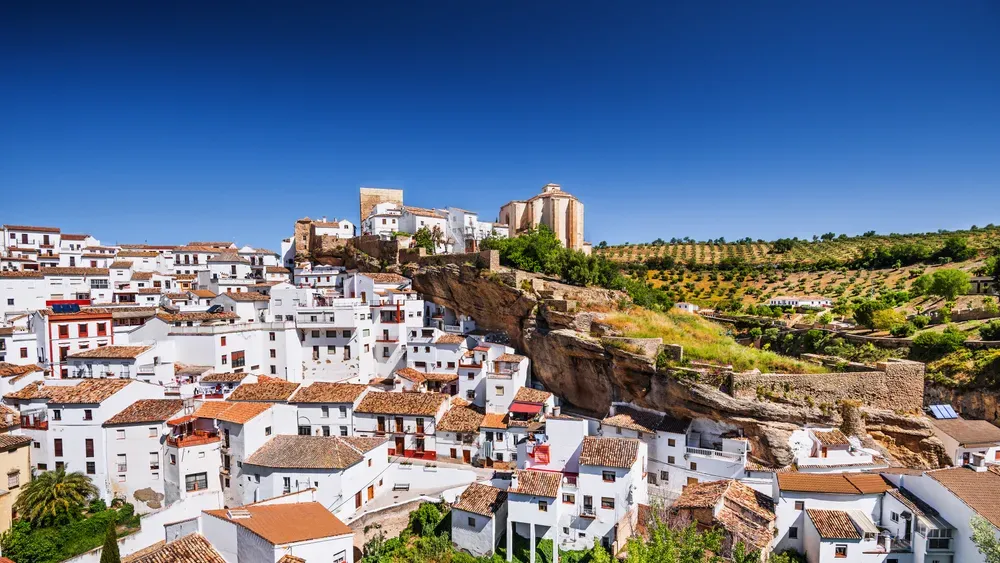
If you crave places that feel like a fabulous secret—where the streets twist under cliffs and every whitewashed wall whispers history—Setenil de las Bodegas is your next queer getaway. Picture this: It’s golden hour, and you’re sipping a local sherry beneath a jagged stone overhang that’s served as roof and refuge for centuries. The air carries the sizzle of chorizo al vino, the laughter of locals swapping stories in Andaluz dialect, and the hum of possibility. This isn’t just another stop on the white village circuit—it’s a place that knows what it means to thrive on the margins and turn difference into beauty.
Setenil’s magic is all about contrast: sunlight blazing down Calle Sol (“Sun Street”), where rainbow-wrapped souvenirs catch the light, versus the cool tranquility of Calle Sombra (“Shade Street”), where cafés nestle under the rock itself, offering perfect shade for mid-afternoon musings (and, let’s be honest, a little flirty people-watching). The entire village seems to pulse with a gentle acceptance—a place used to sheltering outcasts and rebels, from its Moorish defenders to generations of artists and dreamers.
You’ll hear church bells echoing off ancient stone, the clink of glasses in intimate bars, and the soft shuffle of feet along cobblestones that have outlasted kings and crusades. Even in the heat of summer, the air beneath the rocks stays cool—a natural, cave-born comfort that feels like an embrace.
While Setenil isn’t home to a neon-lit gayborhood, its spirit of hospitality and resilience is very much in line with queer ethos. The village features on several LGBTQ+ group tours of Andalusia, drawing queer travelers into its fold alongside other storied cities like Seville and Torremolinos. On these tours, Setenil is celebrated as a highlight for its visual drama, culinary delights, and—most importantly—its warmth.
For a taste of local nightlife, head to the bars lining Calle Sol. Here, you’ll find tapas joints and wine cellars that welcome every kind of traveler. While the village’s venues aren’t explicitly queer-branded, the staff and owners are accustomed to LGBTQ+ visitors and respond with characteristic Andalusian charm and curiosity. If you’re after a late-night scene, Setenil’s rhythm is more slow-burn than high-octane: think intimate conversations over local cheese and jamón, not thumping club beats. For a more raucous night out, consider day-tripping to nearby Ronda or Torremolinos, both with established queer nightlife scenes.
Setenil’s true gems are its people. Ask for Ana, a local ceramicist whose shop on Calle Sombra doubles as a gathering place for artists and the LGBTQ+ community—her mugs, glazed with rainbow hues, are the unofficial pride flag of the town. Or seek out Diego, a young chef who returned from Madrid to open a tapas bar that’s become a quiet hub for queer travelers and their allies. “We don’t put labels on people here,” Diego says, “but we always make extra room at our table.”
While Setenil doesn’t have a visible legacy of LGBTQ+ activism, its story is one of transformation and survival. The village’s cave-houses began as defensive fortresses against invaders, later evolving into homes for generations who made their lives on the edge—quite literally—of mainstream society. This outsider energy resonates with many queer visitors, who find in Setenil a metaphor for resilience and chosen family.
Setenil participates in wider Andalusian pride celebrations, particularly during local festivals, when queer travelers and locals alike don their brightest attire and join the revelry. The region’s LGBTQ+ history is also honored through group tours that consciously include Setenil in their itineraries, fostering community connections among travelers from around the world.
Local Wisdom: Insider Tips for the Queer Traveler
- Visit in spring or fall: The village is at its most inviting when the crowds thin and the wildflowers bloom on the cliffs.
- Lean into café culture: Spend an afternoon at a shaded terrace on Calle Sombra, strike up a conversation with the staff, and you’ll quickly find yourself woven into the fabric of village life.
- Connect with creators: Many artisans here are LGBTQ+ or outspoken allies—ask about pottery workshops or pop-up exhibitions.
- Day-trip for nightlife: For those craving a high-energy party, Ronda and Torremolinos are just a short ride away, each with their own storied queer venues and annual pride events.
- Safety and Inclusivity: Setenil’s small size means a slower, more personal pace—while overt displays of queerness may draw curiosity, local attitudes are welcoming, and most visitors report feeling safe and respected. As with any rural destination, a little cultural sensitivity and openness go a long way.
There’s something deeply queer about a village that has made its home under the rocks—a place that invites difference, reinvents tradition, and offers shelter in its shadows. Setenil de las Bodegas isn’t a place of rainbow flags on every corner, but of quiet pride, shared stories, and unexpected kinship. It’s a reminder that queer joy flourishes not just in the bright lights of big cities, but in the cool embrace of ancient stone, in laughter echoing off cave walls, in a table set for everyone.
For travelers who seek more than just a photo op—for those who want connection, culture, and the thrill of being somewhere that celebrates both history and chosen family—Setenil de las Bodegas belongs at the top of your list. Out under the rocks, you’ll find not only shelter, but a sense of home.
Snow-covered chalets glow under starlit skies while church bells echo across frosted peaks. Mountain towns come alive with lights, markets and the scent of mulled wine in the crisp winter air. Christmas in the French Alps is everything people dream of during the holiday season, like stepping into a scene on a Christmas card.
Snow-covered chalets glow under starlit skies while church bells echo across frosted peaks. Mountain towns come alive with lights, markets and the scent of mulled wine in the crisp winter air. Christmas in the French Alps is everything people dream of during the holiday season, like stepping into a scene on a Christmas card.
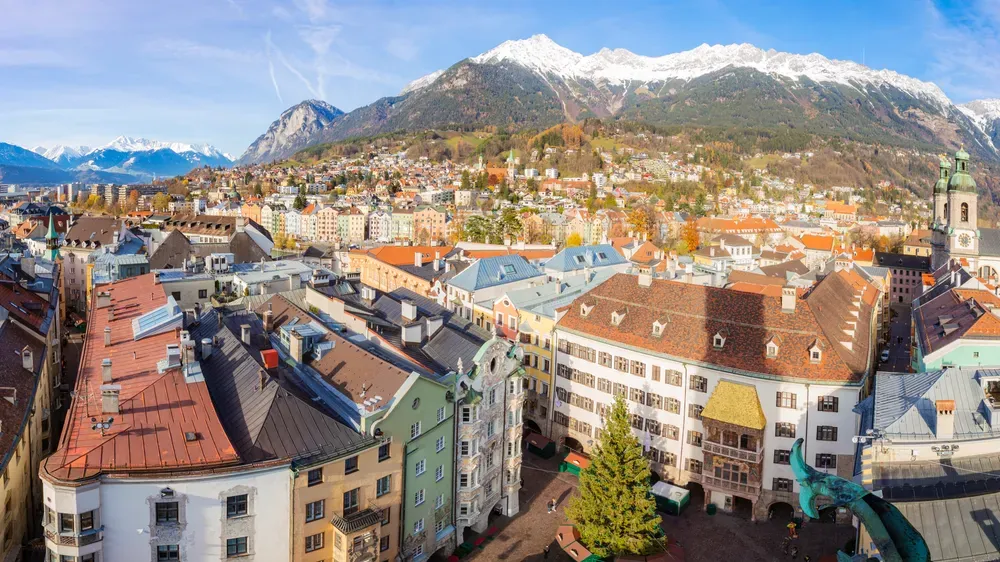
The world-famous ski resorts of Chamonix and Courchevel attract the rich and famous and are the perfect place to enjoy a little star-spotting. The quieter resorts of Megève, Les Gets and La Clusazare like a magical snowy playground for families to enjoy the festive period. They capture the heart of a traditional Alpine Christmas, complete with horse-drawn sleigh rides, twinkling markets and a trip to see Père Noël.
A festive landscape carved from snow
By early December, the Alps transform into a living snow globe. Resorts sparkle with garlands, skiers glide through powder and villages are alive with festive charm. From skiing and snowboarding to the spas and après-ski, between 55 and 60 million tourists visit the French Alps at Christmas. During the week of Dec. 21, 2024, French ski resorts welcomed record crowds, with visitor numbers increasing by 11% compared to the same period the previous year.
In Megève, the heart of Haute-Savoie, carolers sing beneath a grand Christmas tree while horse-drawn carriages clip along cobbled lanes. The town's ice rink sits at the center of the festivities, surrounded by chalets strung with white lights. Families sip hot chocolate on terraces as children spin on the ice.
Nearby in Annecy, known as the Venice of the Alps, the network of canals and frozen lakes mirrors twinkling lights against snow-tipped rooftops. The market on Place François de Menthon buzzes with local artisans selling wooden toys, mountain cheeses and handmade ornaments. Evenings often end with fireworks bursting above the frozen lake.
Further south, Les Gets has a storybook-like setting. Wooden chalets cluster around the village square, lined with decorated trees. For those seeking peace away from the glitz and glamour, Samoëns charms its visitors. Its preserved architecture, horse-drawn sleigh rides and community concerts capture the warm feelings of a traditional mountain Christmas.
Val d'Isère has a luxury feel with designer boutiques and boutique hotels. Each year, the village stages a torchlight descent and fireworks on Christmas Eve, blending alpine luxury with old-fashioned holiday magic.
Where families and luxury travelers meet
Christmas in the Alps caters to both families seeking tradition and travelers craving indulgence. At luxury resorts such as Courchevel, guests wake to panoramic views and ski-in breakfasts served beside open fires. Spa treatments, Champagne tastings and gourmet dinners bring a sense of refinement without losing the cozy alpine feel.
In Les Gets, Santa's village becomes a real-life playground where elves hand out sweets and children follow the trails through the forest. After-dark ski shows and snow-sculpting workshops keep younger visitors entertained long after dark.
Ski slopes and snowy adventures
Skiing remains the star of the show. Resorts like Val Thorens and Alpe d'Huez guarantee reliable snow well into December. Many hold special events on Christmas Eve, including night skiing featuring torchlit descents down the slopes, followed by fireworks and carols in the village square.
For those who prefer slower adventures, snowshoe trails wind through pine forests, and horse-drawn sleigh rides glide across the snow, leaving tracks as they go. Couples skate hand in hand on open ice rinks while families build snowmen outside mountain chalets.
Warmth beyond the slopes
After a day on the mountain, nothing compares to the warmth waiting indoors. Many resorts combine old-world charm with modern luxury. Exposed timber, roaring fires and deep armchairs rest beside picture windows. Spa hotels offer saunas scented with alpine herbs, outdoor hot tubs overlooking peaks and massage treatments designed for weary skiers to help you relax.
The flavors of a mountain Christmas
In France, food is at the heart of every celebration. Holiday menus feature rich Alpine classics, such as fondue, tartiflette and raclette, served with crusty bread and local white wine. Restaurants in Chamonix and Méribel elevate comfort food into fine dining, adding truffles, wild mushrooms and creamy Reblochon cheese.
Christmas Eve dinners often last for hours, beginning with foie gras or oysters and ending with a traditional bûche de Noël. Even the simplest chalet kitchens join in, filling the air with the scents of cinnamon, chocolate and roasted chestnuts.
Some resorts host open-air tastings. Visitors can sample regional wines while surrounded by snow-capped mountains in the background.
How to plan a Christmas trip to the Alps
Mid-December through Christmas week offers the best balance of snow and festivities. The first major events begin around Dec. 15, with markets, concerts and ski openings in full swing by Dec. 20.
Travelers typically fly into Geneva or Lyon, then take shuttle transfers or rent a car to their chosen resort. Many regions require snow chains or winter tires, so it's worth checking local laws before driving into the mountains.
Accommodations book quickly, especially for Christmas Eve and Christmas Day, so early planning pays off. Those seeking family-friendly stays often choose mid-altitude resorts like Les Gets or La Plagne. At the same time, luxury travelers gravitate toward Courchevel, Megève or Val d'Isère for Michelin-starred dining and top-tier service.
Kylie Lang is a lifestyle and travel writer with the British Guild of Travel Writers, living in France. She's the founder of Your The Lifestyle Library, a blog where she shares insights on European travel, culture and seasonal living. Her writing is featured in major media outlets, including MSN in the United States, The Daily Examiner, Media Decision, The Good Life France, Travelbinger, Expat Focus and many others.
by Kylie Lang
Copyright Associated Press. All rights reserved. This material may not be published, broadcast, rewritten, or redistributed.
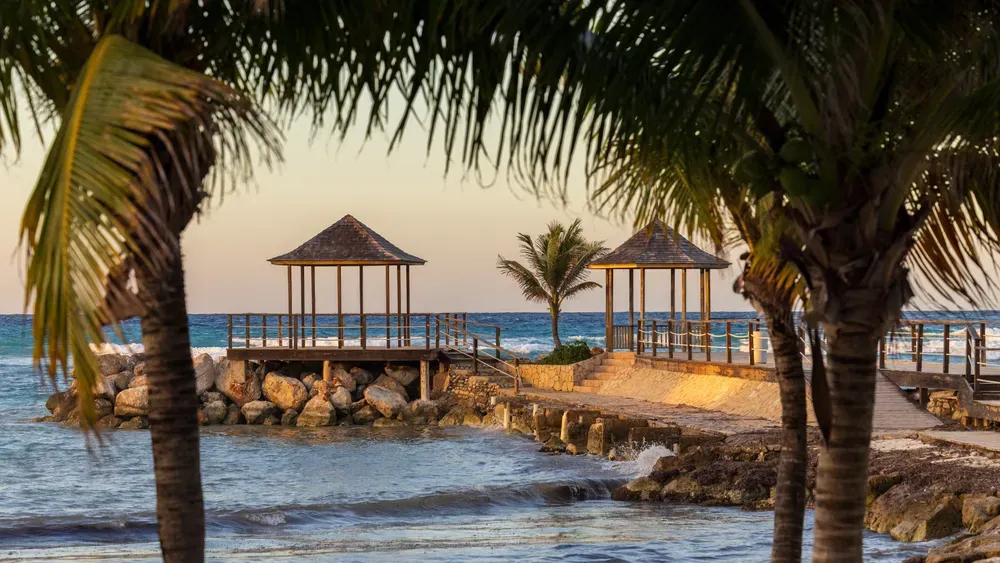
Jamaica’s peak tourism season is one month away, and officials in the hurricane-ravaged nation are rushing to rebuild from the catastrophic Category 5 storm that shredded the island’s western region
Jamaica’s peak tourism season is one month away, and officials in the hurricane-ravaged nation are rushing to rebuild from the catastrophic Category 5 storm that shredded the island’s western region.
Before Hurricane Melissa hit on Oct. 28, the government expected Jamaica’s tourism industry to grow by 7% this winter season and was preparing to welcome an estimated 4.3 million visitors.
Now, officials are scrambling to repair hotels and clear debris in the western half of the island in hopes of securing tourist dollars at a moment when they’re needed the most.
“We are still doing our assessments, but most of the damage was in the northwest and southwest,” said Christopher Jarrett, who leads the Jamaica Hotel and Tourist Association.
He noted that the popular Negril area in Westmoreland was spared major damage.
All international airports in Jamaica have reopened and are receiving commercial flights. But almost a week after one of the most powerful Atlantic hurricanes on record struck the western end of Jamaica, tourism officials were still trying to get a true picture of the damage to the sector — a mainstay of the island’s economy.
Jarrett said the lobby group that represents private hotels and attractions on the island is still unable to reach many of its members, especially in the western parish of Hanover, as communication and electricity services were down.
“Every individual member who was affected is doing everything to get back up and running,” he said.
In recent days, Tourism Minister Edmund Bartlett said he expected Jamaica’s tourism sector to be back to normal by Dec. 15, the start of the island’s peak tourism season.
“It’s doable for some and not for others,” Jarrett said of the timeline, pointing out that the larger hotel chains would be able to recover quicker.
Jarrett, who operates the family-owned Altamont Court Hotel that has properties in Kingston and Montego Bay, said only one property in Montego Bay sustained roof damage and that repairs were underway.
Despite the disruption to the important tourism sector, Jarrett said he doesn’t expect the economic fallout to be significant. He said many hotels in the capital of Kingston and in the northern coastal town of Ocho Rios were gaining business from the influx of aid workers and volunteers in the hurricane’s aftermath.
“Right now, we’re giving discounts, between 25% and 50%, and some (hotels) are giving complimentary stays as well,” Jarrett said.
Tourism is Jamaica’s main source of foreign exchange earnings, contributing a combined 30% to gross domestic product directly and indirectly. It employs an estimated 175,000 people and is a major economic driver for other sectors in the Jamaican economy, such as construction, banking and finance, utilities and agriculture.
The disruption to the tourism sector also is affecting many providers of goods and services.
“With some of the hotels closed and most of the tourists gone, many of us are left without work. This storm didn’t just destroy buildings; it shattered jobs and incomes for many of us and our families,” said Patricia Mighten, who works in the western parish of Hanover as a hotel housekeeper.
Desrine Smith, a craft vendor who plies her trade in the resort town of Falmouth in the northwestern parish of Trelawny, echoed those sentiments.
“Going days without tourists coming to buy anything means no sales and no money. We survive on daily earnings, and now everything is uncertain,” she said. “The hurricane has impacted our pockets hard.”
The government announced Monday that the death toll increased to 32 and is expected to keep rising.
Crews are still trying to access 25 isolated areas in western Jamaica as helicopters continue to drop food for them. Nearly half of all power customers remain without electricity.
by John Myers, Jr.
Copyright Associated Press. All rights reserved. This material may not be published, broadcast, rewritten, or redistributed.