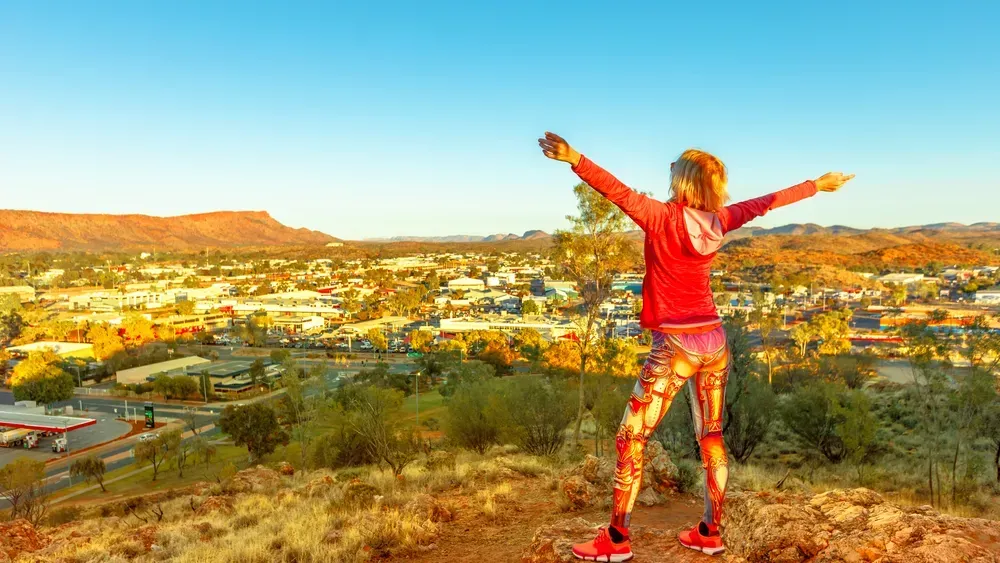
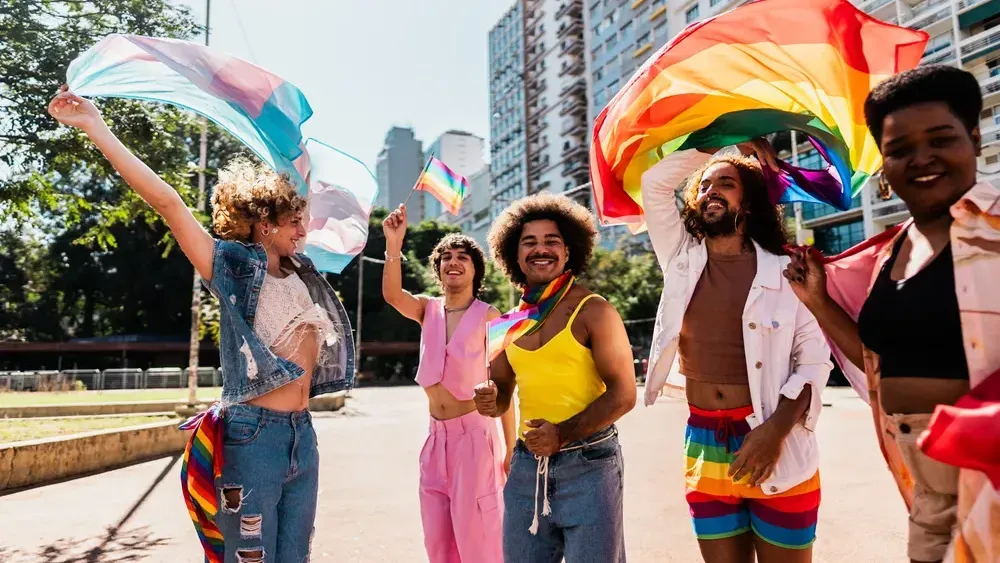
Alice Springs, often known for its rugged outback and Indigenous heritage, is quietly emerging as a vibrant, welcoming space for LGBTQ+ travelers.
Alice Springs, tucked between ochre cliffs and sprawling desert skies, isn’t the first place most queer travelers look for community and celebration. Yet, in recent years, this remote town in the Northern Territory has quietly become one of Australia’s most welcoming—and surprising—destinations for LGBTQ+ visitors. With its dynamic FABalice Festival, strong local queer networks, and a culture shaped by Indigenous, artistic, and activist voices, Alice Springs offers a fresh alternative to the urban scenes of Sydney or Melbourne .
The heart of Alice Springs’ queer renaissance is the annual FABalice Festival, a weekend-long celebration inspired by the cult classic "The Adventures of Priscilla, Queen of the Desert," much of which was filmed in and around the Red Centre. The festival, held each March, brings drag queens, cabaret artists, transgender people, and allies together for a dazzling program that includes street parades, lip-sync battles, art exhibitions, and dance parties. It’s not just a party—it’s a tribute to the region’s history as a site of both struggle and celebration for LGBTQ+ Australians .
Local organizers emphasize the festival’s role in fostering visibility and connection. “FABalice is about creating a space where everyone feels seen and safe, regardless of identity,” said one committee member in a recent interview with the ABC, noting the importance of rural pride events for those isolated by geography or stigma .
Alice Springs hosts a surprisingly active and welcoming queer community, with support groups, social nights, and advocacy led by organizations such as Headspace Alice Springs and the local branch of Rainbow Territory. These groups provide vital resources for LGBTQ+ youth and adults, including mental health support, social meetups, and training for businesses on inclusive practices .
The town’s cafes, galleries, and live music venues reflect this diversity. Page 27 Café, a local favourite, hosts regular queer nights and art shows featuring LGBTQ+ creators. Epilogue Lounge offers open mic events and drag performances, while the Araluen Arts Centre often collaborates with FABalice to showcase queer artists and storytellers .
Local voices highlight the unique experience of being queer in the outback. “There’s something special about building community here,” says Jade, a non-binary artist and festival volunteer. “It’s intimate, it’s creative, and people genuinely look out for each other. You’re not anonymous—you’re embraced” .
What sets Alice Springs apart isn’t just its queer-friendliness, but the intersection of LGBTQ+ and Indigenous cultures. The region is a hub for Aboriginal art, and many local galleries—including the acclaimed Iltja Ntjarra Many Hands Art Centre—feature works that explore themes of identity, resistance, and belonging. During FABalice, Indigenous LGBTQ+ voices are central, with storytelling sessions and performances that honor the “Sistergirls” and “Brotherboys”—terms used by Aboriginal transgender women and men .
This blend of cultures creates a sense of solidarity and shared celebration. Many festival events are held in partnership with local Indigenous organizations, and workshops explore topics from queer history in the Territory to the art of bush drag. The result is a festival—and a community—that feels genuinely inclusive and culturally rich.
Several factors are driving Alice Springs’ rise as a queer-friendly destination:
- Authenticity: Visitors are drawn to the town’s laid-back, genuine atmosphere. Unlike larger cities, Alice Springs offers intimate gatherings, accessible events, and opportunities to connect directly with locals .
- Visibility: The FABalice Festival and year-round activism have made LGBTQ+ identities more visible and accepted throughout the town, encouraging both locals and visitors to express themselves freely .
- Support Networks: Strong community groups and local businesses work together to ensure queer travelers feel safe and supported, offering resources and recommendations for everything from nightlife to health services .
- Natural Beauty: The surrounding MacDonnell Ranges and nearby national parks add adventure, with guided walks, cycling trails, and stargazing nights popular among LGBTQ+ travelers seeking connection to nature .
Alice Springs boasts several accommodations that welcome LGBTQ+ guests, such as the quirky Alice Springs YHA—housed in a converted movie set—and eco-friendly bed and breakfasts run by queer owners .
Highlights for queer visitors include:
- The Todd Mall: Home to galleries, boutiques, and weekend markets, often featuring queer artists and vendors .
- Olive Pink Botanic Garden: A tranquil spot for picnics, nature walks, and occasional storytelling events.
- Drag Under the Stars: Outdoor drag shows held during FABalice at local parks, drawing crowds from across the region.
- Bushwalks and Outback Adventure: Guided hikes into the West MacDonnell Ranges with LGBTQ+ friendly tour operators.
- Queer Film Nights: Screenings of classic and new LGBTQ+ cinema at the Alice Springs Cinema and Araluen Arts Centre.
While Alice Springs is increasingly queer-friendly, rural and remote communities still face barriers—from limited resources to lingering social stigma. Organizers stress the importance of continued advocacy and allyship, particularly for transgender people and queer Indigenous Australians .
Despite these challenges, the energy in Alice Springs is one of hope and momentum. Each year, FABalice grows in size and ambition, and local businesses, schools, and artists increasingly weave LGBTQ+ inclusion into their everyday practices .
For LGBTQ+ travelers seeking a destination beyond the expected, Alice Springs offers a rare combination of acceptance, creativity, and community spirit. It’s a place where drag queens can strut beneath desert stars, Indigenous and queer histories are celebrated side by side, and strangers become friends over coffee, art, and adventure.
Here, every visitor can find both a sense of belonging and the thrill of discovery—a true hidden gem in Australia’s Red Centre.
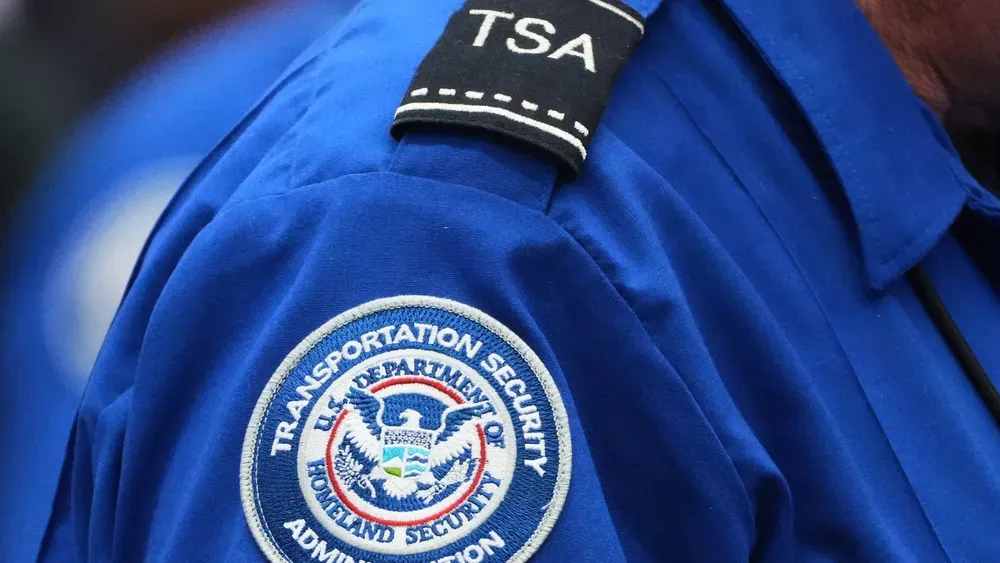
A TSA agent wears a Transportation Security Administration badge while checking identification at Seattle-Tacoma International Airport, Thursday, Nov. 6, 2025, in SeaTac, Wash. Photo Credit: (AP Photo/Lindsey Wasson)
A Virginia transportation security officer is accusing the U.S. Department of Homeland Security of sex discrimination over a policy barring transgender officers from performing security pat-downs
A Virginia transportation security officer is accusing the U.S. Department of Homeland Security of sex discrimination over a policy that bars transgender officers from performing security screening pat-downs, according to a federal lawsuit.
The Transportation Security Administration, which operates under DHS, enacted the policy in February to comply with President Donald Trump’s executive order declaring two unchangeable sexes: male and female.
According to internal documents explaining the policy change that The Associated Press obtained from four independent sources, including one current and two former TSA workers, “transgender officers will no longer engage in pat-down duties, which are conducted based on both the traveler’s and officer’s biological sex. In addition, transgender officers will no longer serve as a TSA-required witness when a traveler elects to have a pat-down conducted in a private screening area."
Until February, TSA assigned work consistent with officers’ gender identity under a 2021 management directive. The agency told the AP it rescinded that directive to comply with Trump’s Jan. 20 executive order.
Although transgender officers “shall continue to be eligible to perform all other security screening functions consistent with their certifications," and must attend all required training, they will not be allowed to demonstrate how to conduct pat-downs as part of their training or while training others, according to the internal documents.
A transgender officer at Dulles International Airport, Danielle Mittereder, alleges in her lawsuit filed Friday that the new policy — which also bars her from using TSA facility restrooms that align with her gender identity — violates civil rights law.
“Solely because she is transgender, TSA now prohibits Plaintiff from conducting core functions of her job, impedes her advancement to higher-level positions and specialized certifications, excludes her from TSA-controlled facilities, and subjects her identity to unwanted and undue scrutiny each workday,” the complaint says.
Mittereder declined to speak with the AP but her lawyer, Jonathan Puth, called TSA's policy “terribly demeaning and 100% illegal."
TSA spokesperson Russell Read declined to comment, citing pending litigation. But he said the new policy directs that “Male Transportation Security Officers will conduct pat-down procedures on male passengers and female Transportation Security Officers will conduct pat-down procedures on female passengers, based on operational needs.”
Other transgender officers describe similar challenges to Mittereder.
Kai Regan worked for six years at Harry Reid International Airport in Las Vegas, but retired in July in large part because of the new policy. Regan, who is not involved in the Virginia case, transitioned from female to male in 2021 and said he had conducted pat-downs on men without issue until the policy change.
“It made me feel inadequate at my job, not because I can’t physically do it but because they put that on me," said the 61-year-old, who worried that he would soon be fired for his gender identity, so he retired earlier than planned rather than “waiting for the bomb to drop."
Skye Perryman, president and CEO of Democracy Forward — a legal organization that has repeatedly challenged the second Trump administration in court — called TSA's policy “arbitrary and discriminatory," adding: “There’s no evidence or data we’re aware of to suggest that a person can’t perform their duties satisfactorily as a TSA agent based on their gender identity.”
DHS pushed back on assertions by some legal experts that its policy is discriminatory.
“Does the AP want female travelers to be subjected to pat-downs by male TSA officers?” Homeland Security spokesperson Tricia McLaughlin asked in a written response to questions by the AP. "What a useless and fundamentally dangerous idea, to prioritize mental delusion over the comfort and safety of American travelers.”
Airport security expert and University of Illinois Urbana-Champaign professor Sheldon H. Jacobson, whose research contributed to the design of TSA PreCheck, said that the practice of matching the officer's sex to the passenger's is aimed at minimizing passenger discomfort during screening. Travelers can generally request another officer if they prefer, he added.
Deciding where transgender officers fit into this practice “creates a little bit of uncertainty,” Jacobson said. But because transgender officers likely make up a small percent of TSA's workforce, he said the new policy is unlikely to cause major delays.
“It could be a bit of an inconvenience, but it would not inhibit the operation of the airport security checkpoint," Jacobson said.
TSA's policy for passengers is that they be screened based on physical appearance as judged by an officer, according to internal documents. If a passenger corrects an officer's assumption, “the traveler should be patted down based on his/her declared sex." For passengers who tell an officer “that they are neither a male nor female,” the policy says officers must advise “that pat-down screening must be conducted by an officer of the same sex," and to contact a supervisor if concerns persist.
The documents also say that transgender officers “will not be adversely affected” in pay, promotions or awards, and that TSA "is committed to providing a work environment free from unlawful discrimination and retaliation.”
But the lawsuit argues otherwise, saying the policy impedes Mittereder's career prospects because “all paths toward advancement require that she be able to perform pat-downs and train others to do so,” Puth said.
According to the lawsuit, Mittereder started in her role in June 2024 and never received complaints related to her job performance, including pat-down responsibilities. Supervisors awarded her the highest-available performance rating and “have praised her professionalism, skills, knowledge, and rapport with fellow officers and the public," the lawsuit said.
“This is somebody who is really dedicated to her job and wants to make a career at TSA,” Puth said. “And while her gender identity was never an issue for her in the past, all of a sudden it’s something that has to be confronted every single day.”
Being unable to perform her full job duties has caused Mittereder to suffer fear, anxiety and depression, as well as embarrassment and humiliation by forcing her to disclose her gender identity to co-workers, the complaint says. It adds that the ban places additional burden on already-outnumbered female officers who have to pick up Mittereder's pat-down duties.
American Federation of Government Employees National President Everett Kelley urged TSA leadership to reconsider the policy “for the good of its workforce and the flying public."
“This policy does nothing to improve airport security," Kelley said, "and in fact could lead to delays in the screening of airline passengers since it means there will be fewer officers available to perform pat-down searches.”
by Claire Savage
Copyright Associated Press. All rights reserved. This material may not be published, broadcast, rewritten, or redistributed.
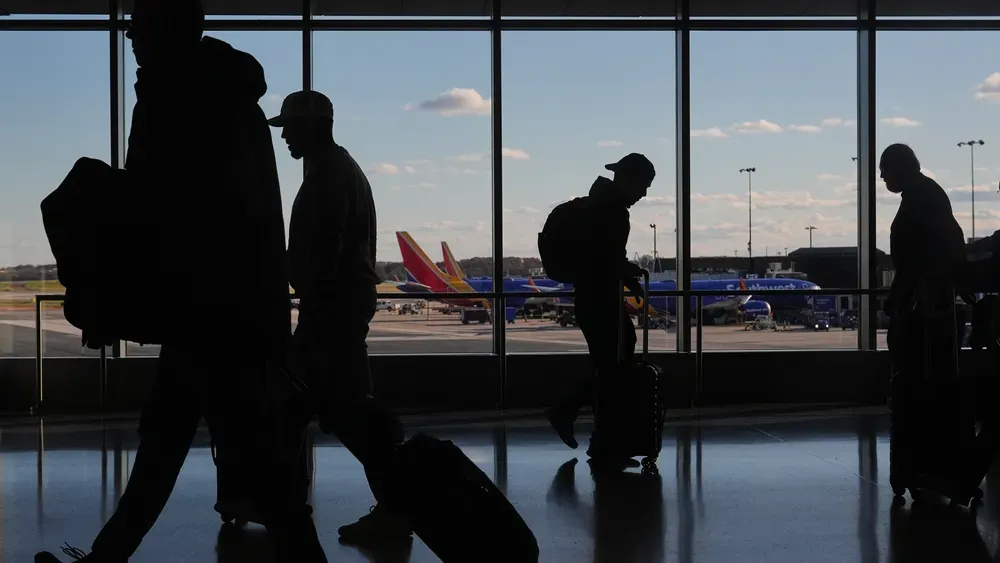
Southwest Airlines planes sit at gates as travelers walk through Baltimore/Washington International Thurgood Marshall Airport in Baltimore, Monday, Nov. 10, 2025. Photo Credit: (AP Photo/Stephanie Scarbrough)
Air travelers could face more frustration as U.S. airports need to meet a higher FAA target for reducing flights
Air travelers could face more frustration as busy U.S. airports need to meet a higher Federal Aviation Administration target for reducing flights Tuesday after already canceling thousands to scale back demands on the nation’s aviation system during the government shutdown.
The FAA ordered domestic airlines last week to drop 4% of their flights at 40 major U.S. airports, saying absences and signs of stress among traffic controllers made it imperative to act in the name of public safety. After already canceling more than 7,900 since Friday, the goal for cutting flights is set to rise to 6% on Tuesday and again to 10% on Friday.
More than 1,100 flights were canceled Tuesday, according to FlightAware, a website that tracks air travel disruptions. It was unclear exactly how many additional flights would need to be canceled for the day.
The average cancellation rate over the last few days already exceeded the FAA’s requirement, according to aviation analytics company Cirium. The FAA also expanded its flight restrictions Monday, barring business jets and many private flights from using a dozen airports already under commercial flight limits.
However, controller shortages continued to lead to flight delays, including one of about five hours for arriving flights Monday evening at Chicago O’Hare International Airport, where wintry weather added to staffing-related disruptions earlier in the day. The FAA warned that staffing at over a dozen towers and control centers could delay planes departing for Phoenix, San Diego, the New York area and Houston, among other cities.
Freezing weather in parts of the country on Tuesday could cause further delays and cancellations.
The Senate passed legislation Monday to reopen the government, but the bill still needs to clear the House and final passage could be days away. Transportation Secretary Sean Duffy made clear last week that flight cuts will remain until the FAA sees staffing levels stabilize at its air traffic control facilities.
Many planes also aren’t where they’re supposed to be, which could slow the airlines’ return to normal operations even after the FAA lifts the order, said Mike Taylor, who leads research on airports and airlines at J.D. Power.
Todd Walker said he missed his mom’s 80th birthday when his flight was canceled over the weekend.
“All of this has real negative consequences for millions of Americans, and it’s 100% unnecessary and avoidable,” he said.
The FAA had come under criticism after its original order only applied to a very small subsection of private planes. But some want to see even more done.
Patriotic Millionaires, a group of wealthy Americans pushing for more progressive taxes, is calling for all private jets to be grounded during the shutdown.
“Rich people are taking their joyrides while average Americans don’t make it to grandma’s bedside in time,” said Erica Payne, its founder and president.
She added that none of its members that still fly private have reported cancellations or delays since the FAA's order took effect.
Tuesday marks the second missed payday for controllers. Some have started calling out of work, citing stress and the need to take on second jobs.
It's unclear how quickly controllers might be paid once the shutdown ends — it took more than two months to receive full back pay after the 35-day shutdown that ended in 2019, said Nick Daniels, president of the National Air Traffic Controllers Association.
President Donald Trump took to social media on Monday to pressure controllers to “get back to work, NOW!!!” He called for a $10,000 bonus for those who’ve stayed on the job and suggested docking pay for those who haven’t.
Daniels said the shutdown has made controllers’ demanding jobs even more stressful, leading to fatigue and increased risks. He said the number who are retiring or quitting is “growing” by the day.
by Rio Yamat and Josh Funk
Copyright Associated Press. All rights reserved. This material may not be published, broadcast, rewritten, or redistributed.
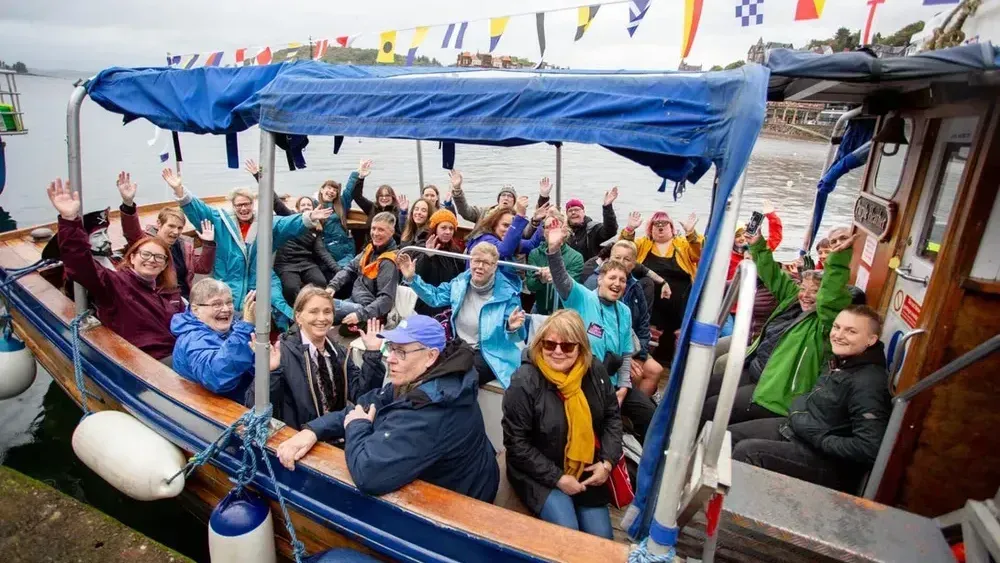
Oban Lesbian Weekend is set to return in September 2026, promising four days of music, community, and celebration for lesbian, bisexual, queer, transgender people, non-binary people, and allies.
Oban Lesbian Weekend, now approaching its sixth year in 2026, has established itself as Scotland’s premier LGBTQ+ women’s festival, intentionally welcoming lesbian, bisexual, queer, transgender, and non-binary people, as well as allies, to the scenic town of Oban on Scotland’s west coast . The event is explicitly trans-inclusive and emphasizes a policy of kindness and respect, eschewing rigid definitions of identity in favor of a welcoming environment for all LGBTQ+ women and non-binary attendees .
Located about 90 miles from Glasgow, Oban serves as a gateway to the Hebrides and has become an unexpected hub for LGBTQ+ community events. The town’s picturesque seafront, historic castles, and fresh seafood have long been draws for travelers, but Oban Lesbian Weekend has added another dimension, with previous attendees describing the festival as a transformative experience and hailing Oban as “the new LGBTQ capital of Scotland” .
The 2026 weekend will feature a full schedule, blending social events, live entertainment, and opportunities for personal growth. Highlights include:
- Live performances from LGBTQ+ bands and DJs, including previous favorites such as DJ Sandra D, Alabaster Queen, and local icons like DJ Trendy Wendy .
- The signature women’s ceilidh with the ArdMhor Ceilidh Band, a dance event renowned for its joyful spirit and inclusive nature, where both newcomers and seasoned dancers are encouraged to join .
- Workshops on topics such as neurodiversity, relationship diversity , photography, and outdoor skills, reflecting the community’s diverse interests .
- Outdoor activities like wildlife boat trips, queer cruises to nearby islands, paddleboarding, sea swimming, and scenic hikes, all with the necessary gear and guidance provided, ensuring accessibility for all activity levels .
A core strength of Oban Lesbian Weekend is its commitment to ensuring that solo attendees feel supported and included. According to organizers, around 70% of participants attend alone, but dedicated icebreaker games, small group dinners, and a warm, attentive crew quickly dissolve any initial nerves . Testimonials from previous years highlight the festival’s accessible and friendly atmosphere, with special efforts made for attendees with disabilities and neurodivergent individuals .
Oban Lesbian Weekend’s reputation for inclusivity and excellence has been recognized by several awards, including an Outstanding Recognition Award at the Proud Scotland Travel Awards . The festival’s organizers continue to reframe the term “lesbian” as a broad, inclusive umbrella, in line with the evolving language and identities within the LGBTQ+ community .
With early bird tickets for 2026 already on sale and a growing international profile, Oban Lesbian Weekend is poised to continue its mission of fostering queer joy, connection, and visibility in Scotland and beyond . Attendees can anticipate another year of memorable events, new friendships, and a celebration of LGBTQ+ identities in one of the country’s most beautiful settings.
Puerto Vallarta is rolling out the rainbow carpet this December for its inaugural Collab Week PV, a boundary-pushing, sun-drenched celebration uniting LGBTQ+ digital creators and their fans in the ultimate collision of creativity, connection, and joy.
If you’ve ever dreamed of sipping tequila with your favorite OnlyFans or JustFor.Fans creators while the Pacific sparkles behind you—and let’s be honest, who in our community hasn’t—then Puerto Vallarta’s upcoming Collab Week PV is about to make those fantasies gloriously real. Mark your calendars: from December 2nd to 8th, 2025, the city is morphing into a queer content creator paradise, and you’re invited to the party, the meet-ups, the boat, and, yes, the legendary underwear bash.
Let’s get one thing straight—actually, let’s not. Puerto Vallarta is that rare beach destination where rainbow flags flutter as naturally as palm fronds, and queer nightlife pulses with the rhythm of freedom. But Collab Week PV isn’t just another party on the sand; it’s the first event of its kind in Mexico, gathering 150–200 LGBTQ+ digital creators (think: models, adult entertainers, and content visionaries), their fans, and local partners for a uniquely collaborative, celebratory experience.
For years, JustFor.Fans has hosted model summits in the U.S., but this is the platform’s first global leap. “Collab Week is a way to make things easier…and who doesn’t want a tax-deductible excuse to go to Puerto Vallarta for a week?” tease organizers, capturing the mischievous, entrepreneurial spirit that defines queer online culture.
The real magic? This isn’t just a business trip for creators—it’s a celebration of queer visibility, a safe haven for bodies of every shape and hue, and a living example of how digital intimacy and IRL (in real life) connection can thrive side by side.
Collab Week PV isn’t playing coy. The schedule reads like an LGBTQ+ fever dream:
- Tuesday, Dec. 2: Arrive at Almar Resort, where creators mix, mingle, and maybe spark a few cross-platform collaborations before the evening’s VIP party.
- Wednesday, Dec. 3: Creators take over Spartacus Bathhouse (private, of course), then the night explodes upwards at Almar’s rooftop opening party.
- Thursday, Dec. 4: Jet’s Naked Boat Tours whisks creators to a secluded cove for a clothing-optional beach day—because why shouldn’t your content calendar include a little vitamin sea?
- Friday–Monday, Dec. 5–8: Mantamar Beach Club transforms into a fan’s playground, with public events running noon to 8 p.m. daily. The after-dark highlight? An underwear party at Industry Nightclub, followed by a dazzling white party to keep the vibes electric.
- Sunday, Dec. 7: Club Jets hosts an all-night JFF takeover, with a special meet-and-greet during the NKD party—open to the public, of course.
It’s not just the venues that matter, but the unapologetic celebration of queer bodies, queer creativity, and the microcosm of LGBTQ+ culture that flourishes when you mix sun, sea, and a dash of exhibitionism.
If Collab Week PV is the main event, then Jet de la Isla is its spirit guide. The owner of Jet’s Naked Beach and the mastermind behind the infamous boat tours, Jet’s story is one of queer migration, reinvention, and community building.
“This is a chance to join forces—Latin & international creators, fans, and local businesses—in a location that supports our community,” Jet says, radiating both pride and practicality. After moving to Vallarta in 2016, he built his tour company with a simple vision: to offer LGBTQ+ people a space of joy, connection, and adventure, far from the pressures of the mainstream. “When a creator books, they’re looking for the ultimate virgin Mexican beach paradise…We bring that together—the bay, the crew, the fantasy”.
Jet’s collaboration with Collab Week PV is more than business; it’s a homecoming for queer travelers and creators alike. His tours, famous for their open-mindedness and inclusivity, perfectly encapsulate the event’s ethos: everyone belongs, and every body deserves to shine.
In 2025, queer content creation is big business. But behind the paywalls and the DMs, there’s a deeper hunger for real-world connection—a hunger Collab Week PV is poised to satisfy. As digital creators navigate burnout and the grind of content calendars, events like this offer a reset: a place to network, experiment, and, above all, celebrate without apology.
For fans, it’s a rare chance to step beyond the screen, meet their icons, and participate in a new kind of queer festival—one that blurs the line between celebrity and community, online and offline, fantasy and reality. If Pride is about visibility, Collab Week PV is about interactivity—a living, breathing manifestation of queer life in the 21st century.
Why did organizers pick Puerto Vallarta? The answer is simple: no other city on this side of the equator has embraced queer tourism, safety, and hospitality quite like Vallarta. Its accessibility from the U.S. and Canada, combined with a rapidly growing LGBTQ+ presence, makes it the perfect launchpad for Collab Week’s global ambitions.
According to organizers, plans are already in the works to expand Collab Week to other international hotspots. But for now, Vallarta is the epicenter—a place where local businesses, creators, and fans are writing a new chapter in LGBTQ+ culture, one party at a time.
The emotional resonance of Collab Week PV runs deeper than just the parties or the promise of sun-kissed selfies. At its core, the event is about reclaiming joy, agency, and connection in a world that too often asks queer people to shrink or disappear. It’s about building bridges—between Latin and international creators, between online and offline selves, between the fantasy of queer paradise and the reality of chosen family.
As Jet de la Isla puts it: “We’ve built our tours to offer reliability, communication and connection with the local community. Collab Week helps bring all of that together”.
Whether you’re a creator, a die-hard fan, or simply looking for your next queer adventure, Collab Week PV is shaping up to be an unmissable moment. It’s proof, once again, that when LGBTQ+ people come together—online or off—the result is something magical, transformative, and defiantly alive.
So dust off your swim trunks, charge your phone, and get ready to see—and be seen—in the queerest, most creative corner of Mexico this December.
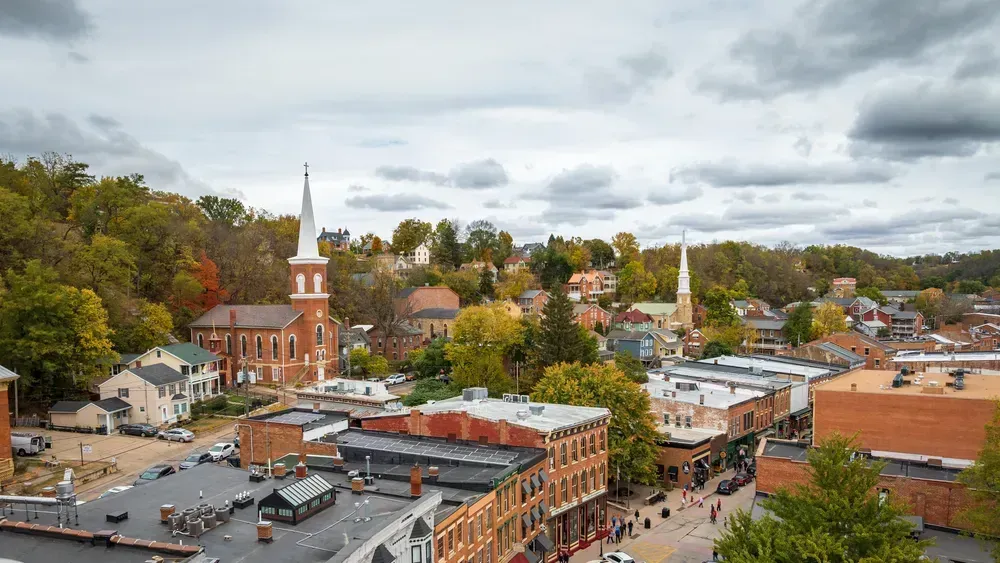
Galena, Illinois, once known for its preserved 19th-century charm, is fast emerging as one of the most LGBTQ+ inclusive destinations in the American Midwest.
Small towns across North America are quietly but powerfully transforming, with Galena, Illinois, leading the charge as a rural beacon for LGBTQ+ travelers seeking both authenticity and affirmation. Nestled amid rolling hills three hours west of Chicago, Galena is shaking off its sleepy image and embracing a future defined by diversity, visibility, and joy—for visitors and residents alike .
Galena’s transformation isn’t accidental; it’s the result of persistent community effort and a network of openly queer-owned businesses that have made inclusion their mission. “Gaylena,” as dubbed by Attitude Magazine and celebrated by LGBTQ+ travel writers, boasts three highly-rated gay-owned inns: the Aldrich Guest House, Jail Hill Inn, and Hawk Valley Retreat and Cottages . Each establishment offers not only a safe and welcoming space but also actively participates in community events, from drag brunches to fundraising for local LGBTQ+ causes.
But the embrace doesn’t end at the inn’s door. Galena’s Main Street, one of the most celebrated in the country, is dotted with queer-friendly coffee shops, artisanal boutiques, and restaurants where rainbow flags are as common as the region’s famed bourbon and gin. During Pride Month, nearly every business in the downtown district flies the rainbow flag—a visible testament to Galena’s “#AmazingForAll” campaign, which seeks to make inclusion not just a slogan but a lived reality .
What sets Galena apart is its willingness to turn moments of celebration into ongoing engagement. The annual Pride Picnic, held each June, is more than a one-day affair—it’s a city-wide gathering that sees participation from residents, visitors, and local businesses alike. Featuring live music, drag performances, and family-friendly activities, the event has grown exponentially in recent years, attracting LGBTQ+ travelers from across the Midwest .
Galena’s calendar doesn’t go dark after June. Year-round, the community hosts queer book clubs, film nights, and pop-up art events, many spearheaded by local LGBTQ+ residents and allies. These events foster a sense of continuity and belonging, challenging the notion that queer celebration is limited to a single season or space.
The acceptance found in Galena is not merely symbolic. Local government and tourism boards have actively worked to make the town a model of rural inclusivity. Campaigns like “#AmazingForAll” are backed by tangible policy efforts, including anti-discrimination ordinances and support for LGBTQ+ youth resources .
Perhaps most telling is the visibility of LGBTQ+ people in leadership and business ownership, which fosters a climate of safety and affirmation for both the queer community and their allies. According to OutCoast Nation, Galena’s regional reputation for inclusivity has made it a popular destination for same-sex couples and queer solo travelers seeking a rural escape without sacrificing comfort or security .
Galena’s story is part of a broader movement across North America, where small towns are emerging as unlikely sanctuaries for LGBTQ+ individuals. Destinations like Saugatuck-Douglas in Michigan, New Hope in Pennsylvania, and McMinnville in Oregon are similarly reimagining what rural queer life can be .
However, Galena’s unique blend of historic charm and modern inclusivity stands out, particularly in the Midwest, where such spaces have historically been few and far between. The town’s commitment to making every visitor and resident feel welcome is not just a point of pride—it’s a blueprint for rural communities nationwide.
For LGBTQ+ travelers, Galena offers more than a picturesque getaway—it’s a place where rural America’s past and future coexist in harmony. Whether it’s skiing on Chestnut Mountain, sampling local spirits at Blaum Bros. Distilling Co., or attending a drag show in a former mining town, visitors find a community eager to celebrate every identity .
With every year, Galena’s rainbow grows brighter. For those longing for a queer-friendly escape off the beaten path, this small Illinois town proves that pride isn’t limited by zip code or population—and that the future of LGBTQ+ inclusion is being written in places as unexpected as Galena’s winding streets.
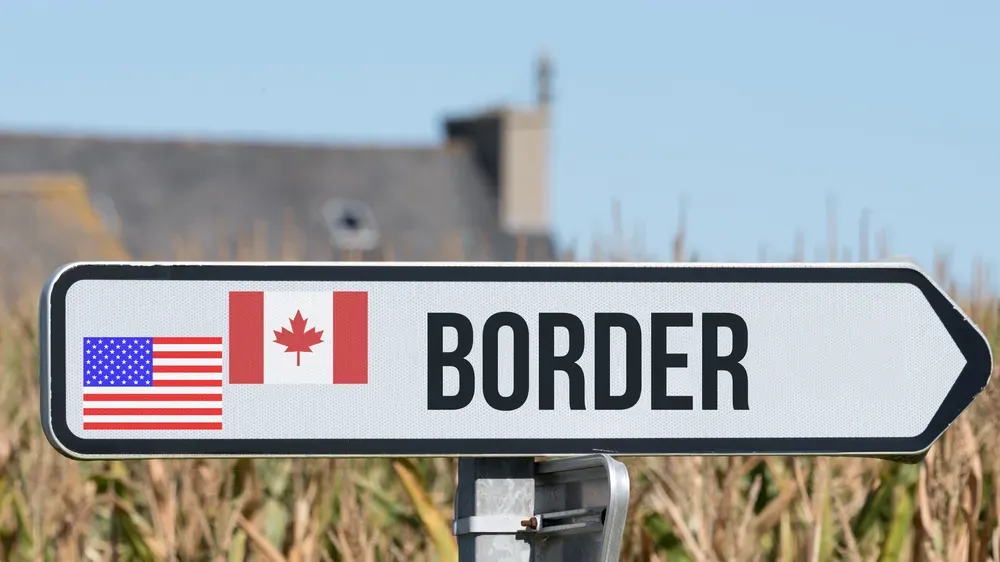
As U.S. anti-LGBTQ+ policies escalate, a historic wave of queer and trans Americans are seeking refuge in Canada. But can the “Great Gay North” really offer the safety and welcome many dream of?
There’s a new migration pattern taking shape—and it’s not your classic snowbird shuffle. In 2025, a record-breaking number of LGBTQ+ Americans are looking to Canada as a potential safe haven, escaping a wave of U.S. laws and policies that threaten queer and transgender rights at every turn. For many, the “Great Gay North” has long been imagined as a pink-tinged utopia: marriage equality enshrined, gender markers respected, rainbow crosswalks aplenty. But is the dream as attainable as it seems? Let’s take a closer look at the realities behind this urgent exodus—and whether Canada is truly the queer escape hatch we hope for.
In the first half of 2025 alone, 245 Americans filed refugee claims in Canada—surpassing the entire total for 2024 and marking the highest number since before the pandemic. The surge is small in absolute terms, but the leap is historic and, more importantly, deeply personal for those making the journey. The driving force? A rapidly changing U.S. legal and political landscape, especially for transgender people. State legislatures have rolled back gender-affirming healthcare, banned trans athletes, and introduced restrictions on pronouns and bathroom access, while the federal government and courts have signaled less protection for LGBTQ+ people overall .
Immigration lawyers say transgender Americans are “overrepresented” among asylum applicants—think a trans woman from Arizona seeking safety, or parents filing claims on behalf of their trans kids. These are not abstract legal maneuvers; they’re acts of desperation and hope, fueled by the sense that “home” has become hostile .
But before you pack your rainbow suitcase, know this: Canada’s asylum system is not an open door, even for queer Americans. The Immigration and Refugee Board of Canada (IRB) has started including international human rights reports in its assessments, looking closely at the risks LGBTQ+ people face in the U.S. But here’s the catch—Canada officially treats the U.S. as a “safe country.” That means to win asylum, Americans must prove that there is nowhere in their entire country where they could live safely as a queer or trans person. That’s a tough legal mountain to climb, and most claims fail .
Rejected claimants can end up in legal limbo, sometimes even facing detention or the threat of removal to a third country if both the U.S. and Canada deny them protection. The risk is not theoretical: some LGBTQ+ applicants have become “stateless” in practice, stuck in a bureaucratic no-man’s-land .
And for those who simply want to move for a better life—say, through work or family sponsorship—Canada has a points-based immigration system that, while lauded for fairness, is also a fortress of paperwork and quotas. Permanent resident admissions are being stabilized at less than 1% of Canada’s population annually, with no special lanes for queer or trans applicants from the U.S. .
If you do make it across, what awaits? Some very real reasons for hope. Recent research shows that queer immigrants to Canada tend to be highly educated, often arrive as economic or family class applicants, and—here’s the kicker—out-earn their heterosexual immigrant peers over time. Queer men, in particular, see steeper wage growth in their first decade in Canada, a trend researchers link to the unique social and economic capital that LGBTQ+ newcomers bring from both ethnic and queer communities .
That said, the journey isn’t without its own cultural landmines. Canada bills itself as one of the world’s most queer-friendly countries, but lived experiences can vary widely depending on where you land. Metropolitan hubs like Toronto, Vancouver, and Montreal are famously inclusive, but smaller communities may offer less robust support networks. And integration takes time: building new circles, finding affirming healthcare, and navigating subtle forms of bias can be daunting, especially for racialized or multiply-marginalized queer immigrants .
There’s another twist for LGBTQ+ travelers and would-be immigrants: documentation drama. In late 2025, Canada updated its travel advisory for Canadians heading to the U.S., warning that American authorities may refuse to recognize “X” gender markers on passports. U.S. federal systems are reportedly shifting to require sex assigned at birth on key documents—including visa applications, passenger manifests, and even Social Security forms. The advisory cautions 2SLGBTQI+ people (Canada’s inclusive acronym) to expect uneven and sometimes hostile treatment at state and local levels—and to double-check the rules before crossing .
Quoting the official advisory: “While the Government of Canada issues passports with a ‘X’ gender identifier, it cannot guarantee your entry or transit through other countries… You might face entry restrictions in countries that do not recognize the ‘X’ gender identifier.”
What does all this mean for queer and trans Americans dreaming of a northern escape? The fantasy of Canada as a seamless sanctuary is powerful, but the reality is layered—equal parts hope and hard truth. The spike in asylum claims is a wake-up call to both countries: safety for LGBTQ+ people cannot be taken for granted, even in places with rainbow crosswalks and parade floats.
For those considering the leap: seek legal advice, document your risks, and connect with LGBTQ+ organizations on both sides of the border. For allies and advocates: this is a moment to push for more inclusive policies, smarter immigration reforms, and above all, solidarity with those who need safe harbor—wherever they may find it.
The border may be a line on a map, but for queer and trans lives, it’s become a battleground—and a beacon. Whether you’re staying, fleeing, or simply watching, one thing is certain: the search for queer safety is far from over, but the courage to pursue it is stronger than ever.
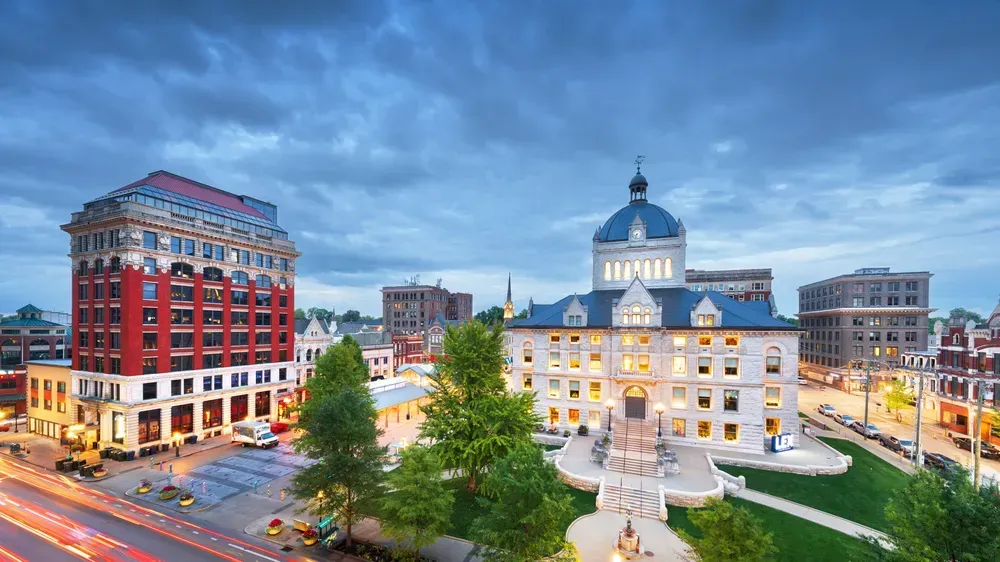
Lexington, Kentucky is emerging as a vibrant and inclusive destination for LGBTQ+ travelers, far from the usual coastal hotspots. With its walkable “Fruit Loop” district, historic queer landmarks, thriving drag scene, and locally-owned queer businesses, Lexington is redefining Southern hospitality for the queer community.
In the heart of Kentucky’s bluegrass country, Lexington surprises many first-time visitors with its dynamic, affirming atmosphere for LGBTQ+ people. Unlike the well-worn paths to Provincetown or Palm Springs, Lexington is a city where Southern charm meets queer visibility, offering both rich history and a thriving present-day community. For travelers seeking authenticity, local connection, and a sense of discovery, Lexington’s scene is refreshingly vibrant and welcoming for all identities.
The city’s “Fruit Loop”—a cluster of LGBTQ+ bars, venues, and clubs in downtown—serves as the epicenter for queer nightlife and community. The walkable area bustles with energy, as rainbow flags flutter above doorways and the sound of drag performances spills out onto the streets. Unlike larger cities where queer spaces can feel fragmented, Lexington’s Fruit Loop fosters genuine connections among locals and visitors alike, united by both pride and a love for live music, dancing, and Kentucky bourbon.
Lexington’s commitment to inclusion is evident at every turn. The historic Bar Complex, housed in a sprawling 19th-century building, is renowned for its professional drag shows and diverse crowd. Here, the city’s legacy meets modern creativity, as performers of all gender identities command the stage, and the community gathers to celebrate resilience and artistry.
Just a short stroll away, Lussi Brown Coffee Bar—a queer-owned coffee shop and cocktail lounge—offers a welcoming space for quiet mornings or late-night conversations. Its menu features locally roasted beans and inventive cocktails, and the décor pays homage to queer icons from Kentucky and beyond. The owners, active advocates for LGBTQ+ rights, host regular open-mic nights and fundraisers for trans youth, making Lussi Brown both a business and a beacon for Lexington’s queer community.
Lexington’s Pride of Place LGBTQ History tour invites visitors to explore the city’s journey toward equality. This self-guided mile-long walk highlights more than a dozen sites, including rainbow crosswalks and a towering mural dedicated to Sweet Evening Breeze, a historic local transgender icon. The mural, painted on a three-story wall, is a testament to the city’s commitment to honoring its queer heritage and inspiring future generations.
Sweet Evening Breeze, born James Herndon, lived in Lexington in the early 20th century and is celebrated for their pioneering visibility and kindness. Today, the city’s annual Pride Festival—held each June—draws more than 50,000 people to the heart of Kentucky, transforming the city into a rainbow-filled celebration of identity, artistry, and activism. The festival features drag performances, local musicians, art installations, and community workshops, highlighting both Lexington’s progress and its commitment to intersectional inclusion.
Lexington’s queer scene is distinguished by its blend of youthful energy and deep-rooted history. Unlike more established queer destinations, the city’s LGBTQ+ community is actively shaping its future—organizing grassroots events, supporting trans-inclusive healthcare initiatives, and building coalitions across the South. Recent years have seen a surge in queer-owned restaurants, vintage shops, and art galleries, many of which host regular queer art nights, poetry slams, and film screenings.
Local organizations, such as Bluegrass Black Pride and JustFundKY, collaborate with national advocacy groups to provide education, legal support, and wellness resources for LGBTQ+ Kentuckians. These partnerships have helped Lexington gain recognition as a “municipal equality leader,” with comprehensive anti-discrimination policies and visible support from city officials.
For queer travelers, these developments mean more than just safety—they signal a city where diverse identities are not only accepted but celebrated. Community leaders emphasize intersectionality, ensuring that spaces are accessible for people of color, transgender people, and those with disabilities.
Lexington offers a rare combination of Southern hospitality, cultural depth, and progressive values. Visitors can spend their days exploring the city’s historic neighborhoods, tasting farm-to-table cuisine, or hiking the rolling hills of the Kentucky countryside, then immerse themselves in queer nightlife and community events come evening.
For those seeking connection, culture, and a sense of belonging outside the traditional LGBTQ+ travel circuit, Lexington stands out as an emerging queer-friendly destination. Its “Fruit Loop” district, visible pride events, and locally-driven advocacy make the city a model for inclusive travel in North America—a place where every visitor can feel at home, and every identity is honored.
From the cobblestone streets of Greenwich Village to the sun-drenched shores of Provincetown, America’s most iconic gayborhoods are more than just tourist destinations—they’re living monuments to queer resilience, creativity, and community.
If you’ve ever strolled down a rainbow-painted street, danced in a queer bar, or simply felt the electric buzz of belonging in a city neighborhood, you’ve experienced the magic of a gayborhood. These enclaves—born from necessity, shaped by struggle, and sustained by joy—are more than just clusters of LGBTQ+ businesses and bars. They’re living, breathing testaments to the power of community, resilience, and the enduring spirit of queer life in America.
As we approach 2026, six historic gayborhoods stand out not just for their storied pasts, but for their vibrant present and promising future. From the birthplace of the modern LGBTQ+ rights movement to the sun-kissed shores of a coastal haven, these neighborhoods are still thriving, still welcoming, and still making history.
Greenwich Village: Where the Movement Began
Let’s start where it all began: Greenwich Village in New York City. The West Village, particularly Christopher Street, is synonymous with the LGBTQ+ rights movement. The Stonewall Inn, a modest bar that became a battleground in 1969, is now a National Monument—a place where the fight for equality was ignited by the courage of transgender women, drag queens, and queer people of color who refused to be silenced .
Today, the Village is still a hub of queer life, hosting New York City’s annual Pride celebration and the legendary Halloween parade. But it’s also a place where history is palpable—where every brick seems to whisper stories of resistance and resilience. “Greenwich Village is still a community that refuses to go quietly,” says Advocate Magazine, noting that the neighborhood continues to protest, celebrate, and welcome new generations of LGBTQ+ people .
Northalsted: Chicago’s Queer Heartbeat
In Chicago, Northalsted—formerly known as Boystown—remains one of the most famous gayborhoods in the country. The North Halsted Street area is a bustling corridor of LGBTQ+ bars, restaurants, and community spaces, anchored by the Center on Halsted, Chicago’s LGBTQ+ community center. The center hosts the popular Northalsted Market Days festival and is a key stop on the city’s annual Pride parade route .
The neighborhood’s name change from Boystown to Northalsted in 2020 was a deliberate move to be more inclusive, reflecting a broader understanding of what it means to be a queer community. “The Northalsted Business Alliance announced the new name after a survey found many felt the old gendered name was exclusionary,” notes Advocate Magazine . Today, Northalsted is a place where everyone—from drag queens to trans activists to queer families—can find a home.
Hillcrest: San Diego’s Rainbow District
In San Diego, Hillcrest is the city’s vibrant LGBTQ+ neighborhood, known for its colorful streets, lively bars, and annual Pride parade. The area’s queer identity was solidified in the early 1990s when LGBTQ+ advocates fought to keep the neighborhood intact during a city redistricting effort. That activism led to the election of Christine Kehoe, the city’s first openly lesbian official, and a string of LGBTQ+ politicians who have represented the district for over two decades .
Hillcrest is more than just a party zone—it’s a place where queer people have fought for their rights, built their lives, and created a community that’s both welcoming and resilient. “Hillcrest is home to numerous LGBTQ+ bars and is the site of the city’s annual Pride parade,” says Advocate Magazine, highlighting the neighborhood’s role as a cultural and political hub for San Diego’s LGBTQ+ community .
Provincetown: The Queer Cape
On the tip of Cape Cod, Provincetown—affectionately known as “P-Town”—has long been a haven for LGBTQ+ people. The town’s queer history dates back to the early 20th century, when artists and performers flocked to the area, bringing with them a spirit of creativity and freedom. By the 1970s, Provincetown had become a major destination for gay tourism, and today it remains a vibrant, welcoming community .
Provincetown’s annual Carnival celebration is a highlight of the summer, drawing thousands of visitors for parades, parties, and performances. But the town’s appeal goes beyond its nightlife—it’s a place where queer people can relax, connect, and celebrate their identities in a setting of natural beauty and historical significance. “Provincetown is rife with historical attractions as well as natural beauty to behold,” says Advocate Magazine, noting that the town’s economy still relies heavily on LGBTQ+ tourism .
The Emotional Resonance of Gayborhoods
What makes these neighborhoods so special isn’t just their history or their nightlife—it’s the sense of belonging they offer. For many LGBTQ+ people, gayborhoods are more than just places to visit; they’re places to find community, to be seen, and to be celebrated. “Queer people have always found each other,” says Advocate Magazine, “so if you’re looking to connect with your community on your next vacation, here are some thriving, historic gayborhoods you should consider visiting” .
These neighborhoods are also a reminder of how far we’ve come—and how much work remains. While many gayborhoods have faced challenges in recent years, from the COVID-19 pandemic to rising costs of living, they continue to adapt and thrive. “They’re not letting anyone drive them out—instead, they’re waiting with open arms for their next visitor or their new neighbor,” says Advocate Magazine .
A Call to Celebrate and Support
As we look ahead to 2026, these six historic gayborhoods offer more than just a vacation destination—they offer a chance to celebrate queer joy, to honor our history, and to support communities that have been at the heart of the LGBTQ+ movement. Whether you’re dancing in the streets of Greenwich Village, sipping cocktails in Northalsted, or soaking up the sun in Provincetown, you’re not just visiting a neighborhood—you’re becoming part of a legacy.
So pack your bags, grab your friends, and get ready to experience the magic of America’s most iconic gayborhoods. Because in these neighborhoods, queer joy still shines bright—and it’s waiting for you.
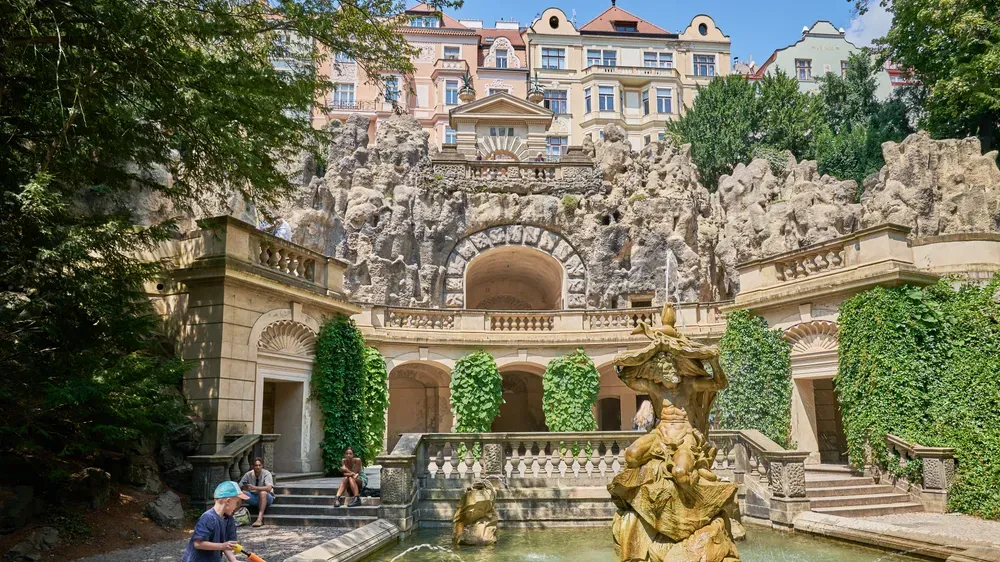
Prague, often celebrated for its Gothic spires and medieval charm, is quietly blossoming into one of Europe’s most welcoming and culturally rich destinations for LGBTQ+ travelers.
Long overshadowed by established queer havens like Berlin and Amsterdam, Prague is now drawing the spotlight as an emerging LGBTQ+ destination with an unpretentious, authentic charm. The city’s openness is rooted in the Czech Republic’s progressive attitude towards LGBTQ+ rights. Same-sex sexual activity has been legal since 1962, discrimination protections have been in place since 2009, and public opinion has steadily shifted towards inclusion, positioning Prague as one of Eastern Europe’s safest and most welcoming cities for queer travelers .
The heart of Prague’s queer scene is the leafy Vinohrady district. Here, rainbow flags flutter discreetly outside historic cafés and independent bars, signaling a local culture that values subtlety and community over brash commercialism. Unlike larger Western European capitals, Prague’s LGBTQ+ venues are woven seamlessly into the city’s social fabric—welcoming queer travelers and allies alike with a spirit of relaxed inclusivity .
Vinohrady’s broad boulevards and Art Nouveau facades provide the backdrop for a thriving queer nightlight and café culture. Popular gathering spots like Q Café and Celebrity Café offer more than just coffee; they are hubs for community events, open-mic nights, and art shows, often featuring queer Czech artists and writers .
For those seeking nightlife, venues such as Piano Bar and Klub U are celebrated for their warm, inclusive atmospheres. Termax, with its dazzling strobe lights and pop anthems, stands out as a must-visit for those wanting to dance until dawn, while Termix offers a more intimate, laid-back vibe with affordable drinks and a diverse crowd .
Local queer residents emphasize the neighborhood’s accessibility and safety. “You never feel like you have to hide who you are in Vinohrady,” shares Petr, a trans activist and event organizer, “It’s not just about the bars—it’s about feeling seen and supported in everyday life” .
Prague’s annual Pride, held each August, has quickly grown into a major celebration that transforms the city. The event is notable not only for its parade through the historic Old Town and across the Vltava River, but for its commitment to intersectionality and inclusion. Pride week features film screenings, panel discussions, and community workshops that center the voices of transgender people, nonbinary individuals, and other often-marginalized queer identities .
Another highlight is the Mezipatra Queer Film Festival, held every November. Drawing filmmakers and cinephiles from across Europe, the festival is a platform for queer stories that push boundaries and challenge stereotypes. Screenings are often followed by lively discussions in local cafés, strengthening the sense of community and cultural exchange .
Prague’s transformation into a queer-friendly city is rooted in its history of resilience and creative resistance. During the Communist era, LGBTQ+ communities operated underground, relying on coded language and secret spaces. Today, that legacy is honored through exhibits at the Prague City Museum and special walking tours that explore the hidden history of queer life in the city .
For visitors, Prague’s architectural wonders—from the fairytale Prague Castle to the winding cobblestone streets of Malá Strana—are enriched by the knowledge that the city has become a sanctuary for queer travelers seeking both beauty and belonging. The city’s cultural richness extends to its food scene, with queer-owned bakeries and restaurants offering everything from traditional Czech pastries to avant-garde tasting menus .
While Prague may lack the massive queer districts of Berlin or the high-profile Pride events of Madrid, its intimacy and authenticity set it apart. The city’s LGBTQ+ spaces are less about spectacle and more about genuine connection—a quality increasingly sought after by travelers looking for meaningful experiences .
Prague’s affordability is an added bonus. Compared to Western Europe’s bigger cities, the cost of accommodation, dining, and nightlife is significantly lower, making it accessible to a wider range of travelers .
Finally, Prague’s central location makes it an ideal jumping-off point for exploring the rest of Central and Eastern Europe, where a new generation of queer activists and artists are building communities across borders .
Key to Prague’s appeal is the vibrancy of its local queer community. Organizations such as Prague Pride and the Mezipatra Queer Film Festival foster visibility and support year-round, providing resources for transgender people, youth, and international visitors.
Vera, a nonbinary filmmaker and Prague native, notes: “What makes Prague special is the sense of solidarity. The city isn’t perfect, but people here look out for each other. There’s a determination to create safe spaces, to share art, to tell our stories—whether in a club, a café, or a festival screening room” .
Practical Tips for Queer Travelers
- The best time to visit is during the summer Pride festival or the Mezipatra film festival in November .
- Vinohrady is the most centrally located and queer-friendly neighborhood, with easy access to public transport and major attractions .
- Many venues and events are English-friendly, and the community is welcoming to international travelers.
- While public displays of affection are generally safe in central Prague, discretion is advised in more conservative areas or late at night .
Prague’s transformation into a queer-friendly, culturally rich destination is a testament to the power of community and resilience. For LGBTQ+ travelers seeking somewhere beyond the usual lists—a place with history, warmth, and a thriving queer scene—Prague and its Vinohrady district promise an experience both magical and affirming.