Halifax, the port city perched on Canada’s rugged Atlantic coast, is quietly emerging as one of North America’s most inclusive and vibrant LGBTQ+ destinations.
If you arrive in Halifax on a foggy summer morning, as I did, the city feels like a secret waiting to be shared. The air tastes of brine and possibility, with the tang of saltwater mixing with the aroma of fresh espresso from the harborfront cafes. Along the boardwalk, rainbow flags flutter from windows above indie bookstores and microbreweries, sending quiet signals of solidarity to those who know how to look for them. Halifax isn’t a place that shouts its queerness; it wears it with the easy confidence of a favorite hoodie—well-loved, well-worn, and ready to withstand the weather.
This port city of 350,000, the cultural heart of Canada’s Maritimes, has become a hub for LGBTQ+ travelers seeking more than the nightlife of big cities. Halifax’s queer community is woven through the city’s fabric, from the stone alleys of the downtown to the windswept beaches just beyond the city limits. Unlike many North American destinations, where “gayborhoods” are distinct and sometimes siloed, LGBTQ+ life in Halifax is integrated, celebrated, and quietly omnipresent.
The heart of Halifax’s queer community beats strongest in its art and performance spaces. During OutFest every April, drag queens, spoken-word poets, and queer comedians fill cafes and small theaters with laughter that echoes all the way to the harbor. The city’s pride festival, Halifax Pride, is the largest in the Canadian Maritimes, spanning ten days each July—ten days of parades, concerts, and dance parties where everyone, from two-spirit elders to non-binary teens, finds a place to shimmer.
But Halifax’s queer welcome isn’t limited to festival season. At Rumors—a cozy bar where the music is always a little too loud and the crowd is always just right—locals swap stories over pints of craft beer. Stardust, a neon-splashed lounge, hosts queer dance nights that somehow feel both glamorous and homey. Cafes like Glitterbean, a worker-owned co-op, offer not just vegan pastries but a sense of belonging; rainbow stickers on the espresso machine, gender-neutral bathrooms, and community event boards signal that all identities are respected here.
Halifax’s neighborhoods offer a patchwork of queer-friendly spaces. The North End, once working-class and now vibrantly gentrifying, is home to art galleries, vintage shops, and more than a few tattoo parlors with queer artists at the helm. South End’s leafy streets boast inclusive bookstores and performance venues, while the waterfront itself is an endless promenade for hand-holding couples and flamboyant dog walkers.
Safety here is more than a slogan. Canada’s progressive laws and strong protections for LGBTQ+ people provide a foundation, but it’s the day-to-day acts—friendly banter from bus drivers, inclusive signage in public spaces, and the ease with which couples exist in public—that make the difference. Halifax is also home to one of the highest per-capita queer populations in the country, which means you’re more likely to find yourself in a crowd where being out isn’t just accepted—it’s celebrated.
And when city energy runs low, the wilds of Nova Scotia beckon. An hour’s drive brings you to Peggy’s Cove, where dramatic cliffs and crashing waves set the stage for quiet reflection or a windswept selfie. Lunenburg, a UNESCO World Heritage Site, is famed for its storybook architecture and queer-friendly folk art shops. The Maritimes’ legendary hospitality extends to these smaller towns, where LGBTQ+ travelers report feeling both seen and safe.
Traveling as a queer person means more than seeking out rainbow crosswalks and drag brunches. It’s the relief of letting your shoulders drop, of not scanning every room for allies, of knowing that your pronouns will be respected without fanfare. Halifax offers this: visibility without spectacle, community without clique, and safety that feels woven into the city’s DNA.
The humor here is as dry as the sea air is damp. Locals will joke about the predictably unpredictable weather—“If you don’t like it, wait five minutes!”—and the city’s penchant for turning every night out into a kitchen party. But they’re serious about one thing: everyone is truly welcome.
For LGBTQ+ travelers, Halifax represents an emerging model for what queer-friendly travel can be. It’s not just about the parties or the politics, but about the daily, lived reality of being seen and safe. Whether you’re sipping coffee by the harbor, dancing at OutFest, or hiking a windswept trail, this Maritime city opens its arms—and its heart—to all.
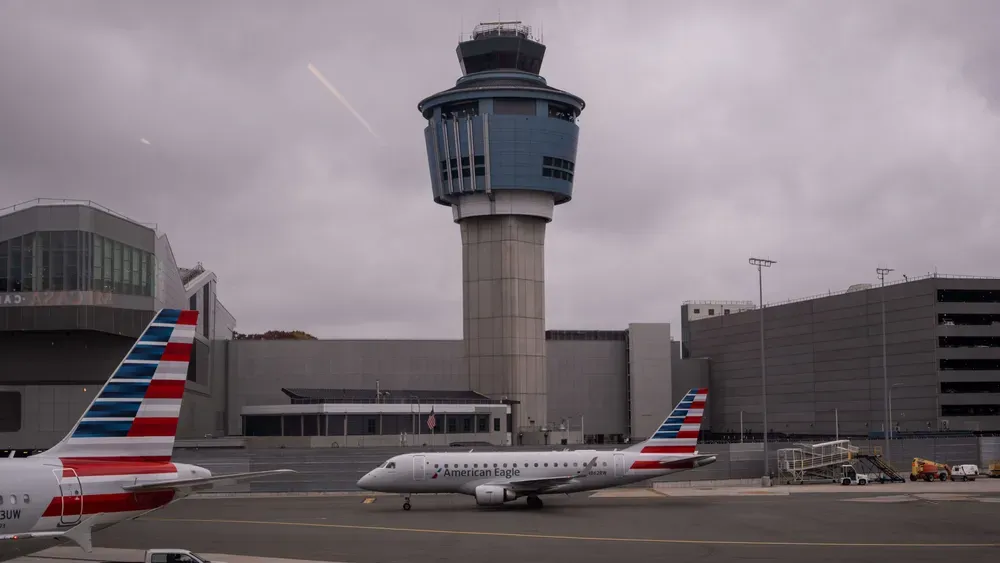
An American Eagle plane moves past the FAA Air Traffic Control tower at LaGuardia Airport (LGA) in the Queens borough of New York, Sunday, Nov. 9, 2025. Photo Credit: (AP Photo/Adam Gray)
The Federal Aviation Administration is rolling back some of its restrictions on commercial flights at 40 major U.S. airports that have been in place since Nov. 7
The Federal Aviation Administration on Friday halved the number of flights that U.S. airlines must cut from their schedules at 40 airports as the country’s aviation system recovers from a shortage of air traffic controllers during the record government shutdown.
The agency said airlines will only have to cancel 3% of their flights beginning at 6 a.m. Saturday instead of 6%. Citing safety concerns, the FAA first ordered flights reduced at the busy airports on Nov. 7 as absences mounted at air traffic facilities and airport towers. Controllers were among the federal employees who were required to work while going unpaid during the shutdown.
Cancellations peaked last Sunday at nearly 3,000 flights, about 10% of the ones scheduled, as a result of the FAA order combined with continued controller shortages and bad weather in parts of the country. The numbers started to improve as the week went on and more controllers returned to work amid news of a possible shutdown deal in Congress, prompting the FAA to pause plans for further increases.
The rollback comes amid improved staffing levels after the 43-day shutdown ended Wednesday night, the FAA and Department of Transportation said, adding that they will continue to monitor the situation throughout the weekend and evaluate when normal operations can resume.
Before the FAA released its updated guidance, airlines already seemed to be anticipating a change. Despite the restrictions still in place, just 2% of flights scheduled to depart Friday from the U.S. were canceled, according to the aviation analytics firm Cirium. By Friday evening, the flight-tracking site FlightAware was showing 273 cancellations for Saturday.
The unprecedented order started with 4% cuts that later grew to 6%, leading to the cancellation of more than 11,800 flights between Nov. 7 and Friday. The FAA originally had a 10% target.
Transportation Secretary Sean Duffy has repeatedly said safety metrics must improve before the order is lifted entirely.
Duffy hasn’t shared the specific safety data that prompted the cuts, but he cited reports during the shutdown of planes getting too close in the air, more runway incursions and pilot concerns about controllers’ responses.
How long it will take for the aviation system to stabilize is unclear. The flight restrictions upended airline operations in just a matter of days. Many planes were rerouted and aren’t where they’re supposed to be. Airlines for America, the trade group of U.S. airlines, warned there could be residual effects for days.
Some experts predicted the problems could linger longer. But airline executives were optimistic that flying could quickly rebound ahead of the busy Thanksgiving travel week once the FAA order to cut flights is lifted.
In an appearance on “CBS Mornings” after the shutdown ended, Delta Air Lines CEO Ed Bastian predicted a return to normalcy “a lot faster than people think.”
“And normal for us is an incredibly safe, incredibly reliable, great experience,” he said. “Thanksgiving is going to be a great holiday period of travel.”
The nationwide shortage of controllers isn’t new, but the shutdown put a spotlight on the problem and likely made it worse. Duffy said that by the end of the shutdown, 15 to 20 controllers were retiring daily and some younger controllers were leaving the profession.
by Rio Yamat and Josh Funk
Copyright Associated Press. All rights reserved. This material may not be published, broadcast, rewritten, or redistributed.
Barcelona is more than a destination—it’s a living, breathing queer playground where Catalan flair meets rainbow resilience.
Barcelona is the kind of city that winks at you from across the plaza, then grabs your hand and spins you into a fiesta before you’ve finished your cortado. It’s a city where Picasso once painted, but drag queens now reign; where old-world Gothic meets new-world queer, and where every cobblestone in the Eixample seems to hum with possibility. For LGBTQ+ travelers, Barcelona isn’t just tolerant—it’s exuberantly, unapologetically, joyfully queer, from the sun-drenched shores of Mar Bella beach to the neon nights of Gaixample (yes, that’s “gay” + “Eixample,” and yes, it’s as fabulous as it sounds) .
First, let’s home in on the epicenter: Gaixample. Pronounced “guy-sham-pleh,” this playfully rebranded slice of Eixample isn’t just a district—it’s a declaration. Rainbow flags flutter from Art Nouveau balconies, and queer-owned cafés spill out onto the sidewalk, their terraces alive with laughter, flirting, and the occasional dog in a glitter harness. Here, every night is Pride, and everyone—trans, lesbian, gay, bi, nonbinary, ace, questioning, and beyond—is not just welcome but celebrated .
The nightlife is legendary. Start at La Federica in Poble-sec, a cozy bar with vintage charm and a tapas menu that’s as inviting as its crowd. It’s the kind of place locals love—a spot to swap stories, share a bottle of cava, and meet new friends (or more-than-friends) before heading out .
Then, sashay over to BOYS BAR BCN, famous for its go-go dancers, themed parties, and electric energy. If you’re in town for Circuit Festival (the continent’s largest LGBTQ+ festival), this is ground zero for revelers with stamina and style .
Ready for something spicier? Night Barcelona offers not just drinks and dance but a darkroom and private cabins—a no-attitude, everyone-welcome space where pleasure and safety go hand in hand. Free condoms, cloakroom, and a staff that could teach a masterclass in hospitality? It’s no wonder both locals and visitors keep coming back .
The city truly comes alive when the sun goes down. Looking for drag that’s more art than artifice? La Sastrería hosts interactive shows where the audience joins in, making every night a celebration of diversity and self-expression . For a high-voltage club night, Arena Xperience is the place: think massive dancefloors, dazzling drag performances, and a sound system that’ll rattle your bones (in a good way). Each night boasts a different theme, from Vegas glitz to throwback tribute nights .
If your tastes run more underground, The Basement Club (formerly Club Black Hole) in El Born is a shrine to the city’s kinkier side—fetish nights, strict dress codes, and a mature, adventurous crowd. For those who want to dip a toe (or more) into Barcelona’s legendary cruising culture, this is your temple .
Prefer your nights with a side of pop and reggaeton? Moeem Barcelona keeps the beats and the vibes high, with friendly staff and a mixed crowd that feels like a chosen family reunion .
But the city’s queer magic isn’t confined to the clubs. On the sunbleached sands of Playa de la Mar Bella, LGBTQ+ beachgoers gather for sunbathing, swimming, and flirting at the iconic Chiringuito BeGay. There’s a nudist section if you’re feeling especially liberated, or just want the world’s best tan lines .
Barcelona’s queer history is as rich as its nightlife. The city was a stronghold for LGBTQ+ activism during Spain’s transition from dictatorship to democracy. In 1977, Barcelona hosted one of the country’s first public Pride demonstrations. Today, the city’s annual Pride parade and the Circuit Festival draw hundreds of thousands, transforming the streets into rivers of color, protest, and pure joy .
Local icons like the late Ocaña, a legendary drag performer and activist who lit up La Rambla with both scandal and solidarity, are celebrated with murals and bar names. His rebellious spirit still animates the city’s drag scene—a reminder that in Barcelona, queer joy is inseparable from queer resistance .
Hidden Gems and Insider Tips
- Mykonos: Not just a Greek fantasy, but an actual bar in Gaixample with drag shows and a mixed crowd. It’s fabulous but a little quieter—ideal for starting your night or finding a corner for deep conversation .
- Open Mind: This cruising bar is all about themed nights—think Nude Party or Sarong Night. Erotic art, low red lighting, and a playful spirit set the mood .
- Gràcia District: If you want to escape the party crowds, head to Gràcia for indie queer cafés, art galleries, and village vibes where every square has a story .
- Poble-sec: A pintxo crawl down Carrer Blai is a rite of passage—stop in at queer-friendly tapas bars and soak in the bohemian ambiance .
Insider tip: Many bars offer free-entry vouchers to clubs—ask at the bar before heading out, and you might just save enough for that extra gin and tonic (or two) .
What truly sets Barcelona apart is the people. The city’s LGBTQ+ community is fiercely proud, endlessly creative, and deeply welcoming. Locals will tell you their stories—of coming out, of resistance, of love and heartbreak and hope—over coffee, cañas, or on the dancefloor. You’ll meet artists, activists, drag queens, leather daddies, femmes, bears, and every beautiful identity in between. The vibe isn’t just tolerant—it’s celebratory. Barcelona doesn’t just accept difference; it revels in it.
To walk Barcelona’s streets as a queer person is to feel yourself written into the story of the city—a story still unfolding, still radical, still joyous. From the clack of heels on Carrer de la Diputació to the laughter echoing off Gaudí’s surreal facades, Barcelona is a city that invites you not just to visit, but to belong. Whether you come for the parties, the history, the beaches, or the sense of freedom, you’ll leave with a heart fuller and a suitcase glitterier than when you arrived.
A transgender TSA officer at Dulles International Airport is suing Homeland Security Secretary Kristi Noem after being blocked from performing essential job duties under a Trump-era executive order.
The security line at Washington Dulles International Airport is supposed to be about safety, not shame. Yet for Danielle Mittereder, a transgender TSA officer, the checkpoint became a battleground—not just for national security, but for basic dignity and the right to work. Danielle has filed a federal lawsuit after being barred from performing a core function of her job, alleging discrimination rooted in her gender identity and enforced by one of the country’s most vocal anti-LGBTQ+ officials: Homeland Security Secretary Kristi Noem .
Danielle joined the TSA in June 2024, in a moment when policy and reality seemed to be moving in sync: for the first time, transgender officers could conduct pat-downs for passengers matching their gender identity. Danielle was quickly recognized as “an exemplary employee,” but her trajectory was upended by a presidential pen stroke. Donald Trump’s Executive Order 14168—titled “Defending Women From Gender Ideology Extremism and Restoring Biological Truth to the Federal Government”—rolled back progress, mandating that TSA officers perform pat-downs only for passengers matching their sex assigned at birth, not their lived gender identity .
Noem, newly installed as Secretary of Homeland Security, became the order’s enforcer. Suddenly, Danielle found herself not only excluded from key job responsibilities but also barred from using restrooms corresponding to her gender identity. “She’s good at her job, she wants to go to work and do her job every day. And she’s not allowed to do it, for the sole reason that she is transgender,” her attorney told The Independent .
Danielle’s lawsuit, filed in a Virginia district court, alleges that the Department of Homeland Security and Secretary Noem violated Title VII of the Civil Rights Act by singling her out and limiting her duties solely because of her gender identity . The complaint details the emotional toll: “As a result of Defendant’s discrimination, suffered and continues to suffer anxiety, depression, fear, feelings of uncertainty, crying spells, grief, and low mood. experienced and continues to experience anger, frustration, embarrassment, and humiliation as a result of Defendant’s decision to prohibit her from doing much of her job, single her out, and stigmatize her due to her gender identity” .
For Danielle, it’s not just about missed shifts or blocked promotions—though both are real and damaging consequences. It’s about being pushed to the margins of an agency where she once felt seen. “Her chances of career progression within the agency have now been severely hampered as promotional roles would require her to conduct pat-down searches—something she is now banned from doing,” reports Paddle Your Own Kanoo .
There’s a reason this case is sparking national debate and queer outrage. At its core is a question that echoes throughout LGBTQ+ history: who gets to serve, and who gets sidelined? The TSA’s pat-down policy—now reset to “biological sex”—is a microcosm of the broader rollback of trans rights under the current federal administration, embodied by figures like Noem whose political careers are built on anti-LGBTQ+ rhetoric .
Noem’s anti-trans credentials are not new. She signed a bill banning trans student-athletes from sports that match their gender identity and ran a re-election campaign heavy on anti-trans ads, described by activists as “discriminatory rhetoric” . The executive order she now enforces is a direct extension of that agenda—one that paints transgender inclusion as “ideological extremism” and codifies exclusion into federal law.
For queer communities, especially trans people in public service, Danielle’s story is heartbreakingly familiar. The pattern repeats: Progress quietly takes root, only to be uprooted by political winds. The chilling effect is both personal and communal. When federal policy singles out transgender employees for “special handling,” it sends a clear message: your authenticity is an obstacle, not an asset.
Beyond the legal jargon and bureaucratic maneuverings, Danielle’s story is intensely human. The humiliation of being unable to rotate through jobs, the anxiety of being denied bathroom access, the frustration of having your professional identity reduced to a perceived “risk”—these are everyday indignities that add up to institutionalized shame. The complaint recounts not just professional setbacks but daily emotional wounds: “anger, frustration, embarrassment, and humiliation” .
And it’s not just Danielle. Transgender TSA officers across the country now find themselves on “limited duty,” unable to earn overtime, swap shifts, or move up the ranks. The effect is a quiet but powerful form of workplace erasure—a reminder that, for some, the cost of authenticity is paid in opportunity lost .
Danielle’s case is not just about one officer or one airport. It’s about whether federal policy will recognize transgender people as full citizens—trusted to serve, to protect, and to be themselves at the same time. The lawsuit seeks not just redress for Danielle, but a court order blocking the discriminatory practices across the agency .
As this case unfolds, it challenges us to confront the real meaning of “security.” Is it about policing bodies, or protecting dignity? For queer communities watching across the country, Danielle’s fight is a reminder that visibility is powerful—but real safety comes from belonging, not just being seen.
The next time you pass through airport security, remember that the person behind the badge might be fighting for more than your safety—they might be fighting for their own. Danielle’s courage is a call to all of us: in the face of discrimination, we don’t just demand a seat at the table. We fight for the right to serve, to lead, and to thrive—unapologetically, authentically, and on our own terms.
Valparaíso, Chile’s colorful port city, is quietly emerging as one of South America’s most inclusive, creative, and culturally rich destinations for LGBTQ+ travelers.
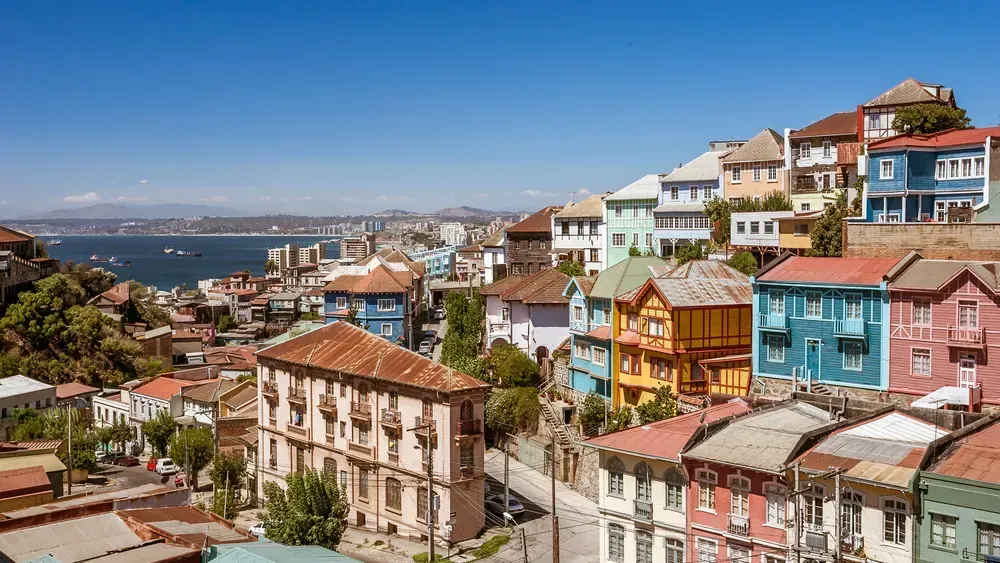
Tucked along Chile’s Pacific coast, Valparaíso shimmers with a kaleidoscope of colors: from the undulating cerros covered in street art to the blue expanse of the ocean. While Santiago and Buenos Aires often steal the limelight as queer-friendly destinations in South America, Valparaíso has quietly cultivated a reputation as an inclusive refuge for LGBTQ+ travelers and locals alike. Here, the city’s layered history and creative spirit intersect with a subtle but growing queer visibility, making it a compelling destination for those seeking authenticity and connection beyond the usual rainbow hotspots .
Valparaíso’s openness can be traced to its identity as a port city, historically welcoming outsiders and fostering a vibrant countercultural scene. The neighborhoods of Cerro Alegre and Cerro Concepción are at the heart of this renaissance: winding staircases open onto plazas where local artists and musicians, many of whom identify as LGBTQ+, perform beneath sprawling murals. Queer-owned cafés and bars such as Café del Poeta and Mascara Bar provide spaces for community, conversation, and celebration, particularly welcoming transgender people, nonbinary visitors, and same-sex couples .
Local activists note that while Chile as a whole has made significant progress in LGBTQ+ rights—recent years saw advances in same-sex marriage and gender identity laws—Valparaíso stands out for its grassroots approach to inclusion. The city hosts an annual Pride parade , which has grown steadily and is characterized by a joyful, grassroots energy. Pride in Valparaíso is a city-wide affair, with art exhibitions, concerts, and poetry readings that reflect the diverse voices of the local queer community .
What sets Valparaíso apart is the way LGBTQ+ culture is woven into everyday life. Visitors can:
- Explore the Museo a Cielo Abierto, an open-air museum of murals, many of which celebrate themes of diversity and resistance.
- Attend drag performances and cabaret shows at local venues in the Bellavista district, which has become a hub for queer nightlife.
- Visit La Sebastiana, the hilltop home of poet Pablo Neruda, a space revered for its eccentricity and openness—qualities that resonate deeply with the city’s queer community .
- Enjoy pop-up queer art markets, particularly during the summer festival season, where LGBTQ+ creators sell everything from handmade jewelry to zines.
Valparaíso’s LGBTQ+ organizations, such as Movimiento de Integración y Liberación Homosexual and Valpo Trans, offer resources and organize events designed to increase visibility and acceptance, providing support for both travelers and residents .
While the city’s creative legacy has long attracted artists, writers, and musicians, its embrace of queer culture is a relatively recent development. The legalization of same-sex marriage in Chile in 2022 and growing legal protections for transgender people have emboldened local communities to celebrate their identities more openly. “Valparaíso feels like a safe place to be visible,” shares Camila, a local nonbinary artist, “because the city itself thrives on difference and expression” .
Queer travelers are discovering that Valparaíso offers the warmth and authenticity of a smaller city, combined with the dynamic energy of a creative capital. Unlike the crowded scenes of Buenos Aires or Rio de Janeiro, here you can stroll hand-in-hand along the cobblestone streets, linger over wine in a queer-owned bistro, or join a spontaneous poetry slam—all without feeling like a tourist attraction.
Valparaíso is accessible via a 90-minute drive or bus ride from Santiago. Its bohemian neighborhoods are best explored on foot, and English is widely spoken in tourist areas. While the city is celebrated for its progressive atmosphere, travelers are encouraged to remain mindful of local customs and exercise caution as they would in any urban setting .
Visitors can find LGBTQ+-friendly accommodation ranging from boutique hotels to artist-run guesthouses. Many hosts are eager to share recommendations for queer-friendly venues and events, providing a sense of community even for solo travelers.
Valparaíso’s emergence as a queer-friendly destination is a testament to the power of grassroots activism and cultural vibrancy. As more travelers seek out destinations that offer not only safety but also a sense of belonging and creative inspiration, Valparaíso stands out as a model for inclusive travel in South America—one that is welcoming, emerging, and deeply rooted in cultural richness .
Brunei’s lush jungles and gilded mosques shimmer with a mystery that beckons the boldest queer travelers, even as its laws shadow LGBTQ+ lives.
Brunei. The name alone conjures images of opulence — golden domes glinting in the equatorial sun, rainforest canopies stretching toward the sky, and the surreal calm of a country that seems to float on oil wealth and tradition. But for the queer traveler, Brunei is less a destination on the standard rainbow map and more an act of daring: a place where every step is both discovery and subtle defiance.
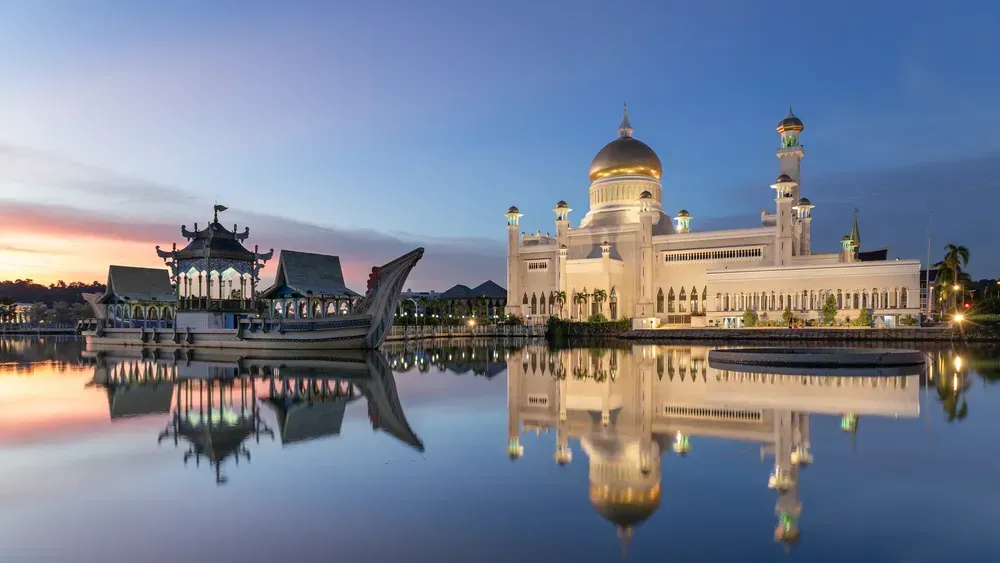
Arriving in Bandar Seri Begawan, Brunei’s capital, you’re greeted by the gentle hum of the city, the sweet scent of frangipani, and a palpable sense that everything — and everyone — is keeping secrets. The city’s famed Sultan Omar Ali Saifuddien Mosque rises like a mirage, as stunning as any cathedral but more guarded. Here, the beauty of Brunei is matched by the complexity of its soul — especially for those who love differently.
Let’s address the elephant in the room, draped in gold silk: Brunei’s laws are among the harshest in Southeast Asia for LGBTQ+ people. Same-sex sexual activity is illegal for both men and women, with penalties ranging from long prison sentences to corporal punishment, and the Syariah Penal Code includes the death penalty for male homosexuality — though no executions have been carried out in decades, and a moratorium announced in 2019 remains in effect (as of May 2023) . Still, the threat hangs heavy, and the LGBTQ+ community is compelled to live in the shadows, their identities kept secret even from family and friends.
“I felt like even chat rooms are filled with… hidden people and I’m scared they might just take me away once I get caught by them,” a gay Bruneian named S. told TIME, describing how even dating apps feel dangerous now . Physical spaces for queer gathering are rare, and most connections happen through coded glances, whispers, and careful online conversations.
Yet, where there is risk, there is resilience. The Brunei Project, a grassroots initiative founded in 2015, quietly advocates for human rights, including LGBTQ+ issues, often via social media and private events . In 2016, the country’s first International Day Against Homophobia was marked with a discreet gathering — a small, luminous act of community in a place where visibility can mean danger.
So, where do queer Bruneians go to celebrate life, love, and identity? The answer: underground, in the most literal and creative senses.
Nightlife, as you might expect, is subdued — there are no rainbow flags fluttering in the humid night, no bars advertising drag shows or queer dance parties. But the city’s cafes and quiet lounges sometimes double as meeting spots for those in the know. Look for venues with international clientele and quieter, artsy atmospheres: places like The Coffee Bean at the waterfront, or the tucked-away Little Soho, where creative types gather to talk art, music, and, in hushed tones, sometimes love .
Insider tip: If you’re seeking connection, observe the subtle codes of queer Bruneian life. A rainbow pin on a backpack, a knowing smile exchanged at a poetry reading, a whispered invitation to a private house party — these are the breadcrumbs of a community that exists mostly in private, behind closed doors.
Social media, especially encrypted messaging apps, play a vital role in organizing meetups and sharing information. Instagram accounts like @thebruneiproject (Instagram: @thebruneiproject) post updates on activism and international solidarity, while private Facebook groups connect those seeking support.
Despite the risks, queer icons and allies have emerged — often at great personal cost. Shahiran Shahrani, a Bruneian activist, was forced to seek asylum in Canada after criticizing the government’s crackdown on LGBTQ+ rights on social media; his story is a powerful testament to the courage of Brunei’s queer community .
Local allies include artists, educators, and progressive religious leaders who quietly support LGBTQ+ rights, even as public advocacy remains dangerous. In 2011, academics at the University of Brunei conducted a rare study of gay life, revealing a community that chooses silence and discretion to survive .
Travelers looking for queer-friendly spaces should seek out international hotels, wellness spas, and art galleries, which tend to be more welcoming of diverse identities. The Empire Hotel & Country Club, Brunei’s luxury resort, is known for its discretion and world-class hospitality — while not explicitly queer-friendly, its staff are trained to respect privacy and create a welcoming environment for all guests .
Art and cultural festivals, such as the Brunei Film Blitz, provide opportunities for connection and expression. Though programming steers clear of overt LGBTQ+ themes, queer artists sometimes find ways to slip coded messages into their work, creating a subtle dialogue for those who know how to listen.
Brunei’s complex relationship with queerness is deeply rooted in its history. Prior to independence in 1984, British colonial law criminalized homosexuality, and post-independence, the national ideology — Melayu Islam Beraja — reinforced conservative Islamic values . Today, the Sultan rules with near-absolute authority, and the media is tightly controlled, limiting public discussion of LGBTQ+ issues.
But Brunei’s queer history isn’t just about silence and repression; it’s also about adaptation and quiet resistance. Stories circulate of couples who found ways to be together, of friendships forged in adversity, and of small acts of kindness that sustain hope — even when the law insists on invisibility.
Insider Tips: How to Visit Brunei as a Queer Traveler
- Dress modestly and avoid public displays of affection, regardless of gender or orientation .
- Connect with local advocacy groups like The Brunei Project before you travel, for safety advice and possible meetups (Instagram: @thebruneiproject).
- Use encrypted messaging apps for private conversations and to arrange gatherings.
- Seek out international hotels and venues where privacy is respected.
- Respect local customs and laws, but don’t underestimate the power of a smile, a kind word, or a shared moment — these are the currencies of queer connection in Brunei.
Brunei is not easy, but it is unforgettable. To visit as a queer traveler is to step into a world of beauty and contradiction, where every moment is charged with meaning, and every connection — however brief or hidden — is an act of solidarity. Beneath the Sultan’s palace, love endures in the shadows, flickering like fireflies in the jungle night. Here, your presence is both witness and celebration, a reminder that queer joy survives even in the most unlikely places. Brunei may keep its rainbows hidden, but for those who look closely, the colors are always there — shimmering quietly, waiting to be discovered.
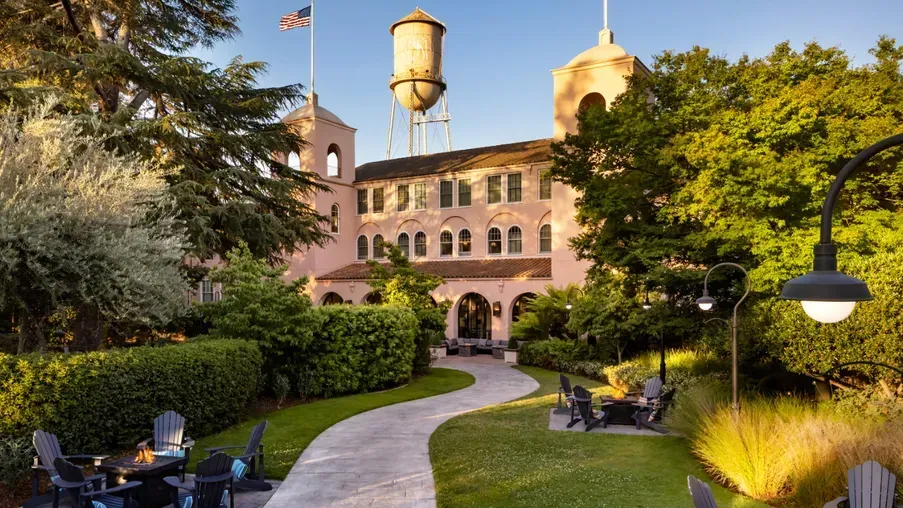
Fairmont Sonoma Mission Inn & Spa, nestled in the heart of California’s wine country, stands out as a beacon of LGBTQ+ inclusion and hospitality. With a welcoming staff, curated experiences, and an ethos that champions diversity, this luxury retreat has become a top destination for LGBTQ+ travelers seeking both relaxation and community in Sonoma Valley.
California’s wine country is renowned not only for its rolling vineyards and world-class vintages but also for its progressive, inclusive spirit. At the center of this ethos stands the Fairmont Sonoma Mission Inn & Spa, a luxury hotel that has garnered national attention for its open-armed embrace of LGBTQ+ guests and its leadership in fostering a safe, celebratory environment for all visitors .
Located amidst over 400 wineries and surrounded by the natural beauty of Sonoma Valley, the Fairmont Sonoma Mission Inn & Spa offers more than just high-end accommodations. The property features tranquil gardens, mineral-rich pools, and a celebrated spa, all designed to provide guests with an immersive experience that blends luxury with the region’s signature sense of belonging. The Inn’s commitment to inclusivity is woven into every aspect of its operations, from its nondiscrimination policies to its visible support for LGBTQ+ causes and local events .
Fairmont Sonoma Mission Inn & Spa’s reputation as an LGBTQ+ friendly business is rooted in a clear, actionable commitment to diversity. The property is part of the Accor group, which has publicly supported LGBTQ+ employees and guests for decades. Accor has implemented comprehensive training programs to ensure that all staff are equipped to provide affirming service to guests of all identities and backgrounds .
This dedication is visible in the hotel’s programming and partnerships. During Sonoma’s Pride Month celebrations, Fairmont Sonoma Mission Inn & Spa sponsors and hosts events that uplift local LGBTQ+ artists, winemakers, and activists. The hotel’s management actively collaborates with regional organizations such as Out in the Vineyard, which organizes LGBTQ+ wine tours and festivals, and Queer Destinations, a global network promoting safe travel for LGBTQ+ people .
Additionally, the Inn’s spa and wellness offerings are designed to be inclusive and affirming, ensuring that all guests—regardless of gender identity or expression—feel comfortable and valued. From gender-neutral amenities to staff trained in sensitivity and hospitality best practices, the hotel provides a model for what true LGBTQ+ inclusion can look like in the luxury hospitality sector .
The Fairmont Sonoma Mission Inn & Spa’s approach to inclusivity extends beyond its property lines. The hotel is a key supporter of Sonoma County Pride, an annual celebration that draws visitors from across California and the nation. Through sponsorships and event hosting, the Inn provides space for queer artists, performers, and entrepreneurs to share their talents and stories with a broad audience .
The Inn’s culinary team collaborates with local LGBTQ+-owned farms and wineries to highlight and amplify the contributions of queer individuals to Sonoma’s vibrant food and wine culture. Menus change seasonally to showcase the best local produce and vintages, and special Pride-themed dinners offer opportunities for guests to connect and celebrate in a safe, affirming setting .
With its historic Spanish mission-style architecture and lush surroundings, the Fairmont Sonoma Mission Inn & Spa provides a striking backdrop for weddings and commitment ceremonies. The property’s events team is known for its expertise in LGBTQ+ celebrations, ensuring that every couple—regardless of gender or sexual orientation—feels honored and supported on their special day .
Fairmont Sonoma Mission Inn & Spa’s commitment to LGBTQ+ inclusion has not gone unnoticed. The property is repeatedly featured in LGBTQ+ travel guides and was highlighted by Accor as one of the most inclusive destinations in the U.S. for 2025 . The International Gay & Lesbian Travel Association lists the hotel as a preferred LGBTQ+ welcoming property, and it is frequently recommended by travel experts for queer travelers seeking both luxury and authentic connection .
Guest reviews consistently cite the warmth and professionalism of the staff, with many noting how the hotel’s environment made them feel “immediately at home.” One recent visitor wrote, “From the rainbow flag at the entrance to the knowledgeable concierge who directed us to the best LGBTQ+ events in town, every detail made us feel celebrated” .
The presence of an LGBTQ+ affirming business like Fairmont Sonoma Mission Inn & Spa in Sonoma Valley has a ripple effect across the region. By modeling inclusive practices, the Inn encourages other local businesses to adopt similar policies and to recognize the value of welcoming LGBTQ+ guests. This collective effort has contributed to Sonoma’s reputation as not only a destination for wine lovers, but also as a haven for LGBTQ+ travelers and their families .
The hotel’s leadership also participates in regional tourism boards and advocacy groups, championing accessibility, safety, and respect for all visitors. Through ongoing staff education, community partnerships, and public advocacy, Fairmont Sonoma Mission Inn & Spa continues to raise the bar for hospitality in California and beyond .
For LGBTQ+ travelers seeking both luxury and acceptance, Fairmont Sonoma Mission Inn & Spa stands as a shining example of what is possible when a business commits fully to inclusion. Through its programs, partnerships, and daily practices, the Inn not only welcomes LGBTQ+ guests—it actively celebrates them, contributing to a broader culture of acceptance and joy in Sonoma Valley. As more travelers seek destinations where they can feel authentically themselves, Fairmont Sonoma Mission Inn & Spa’s leadership sets a benchmark for the industry and a promise for the future of inclusive travel .
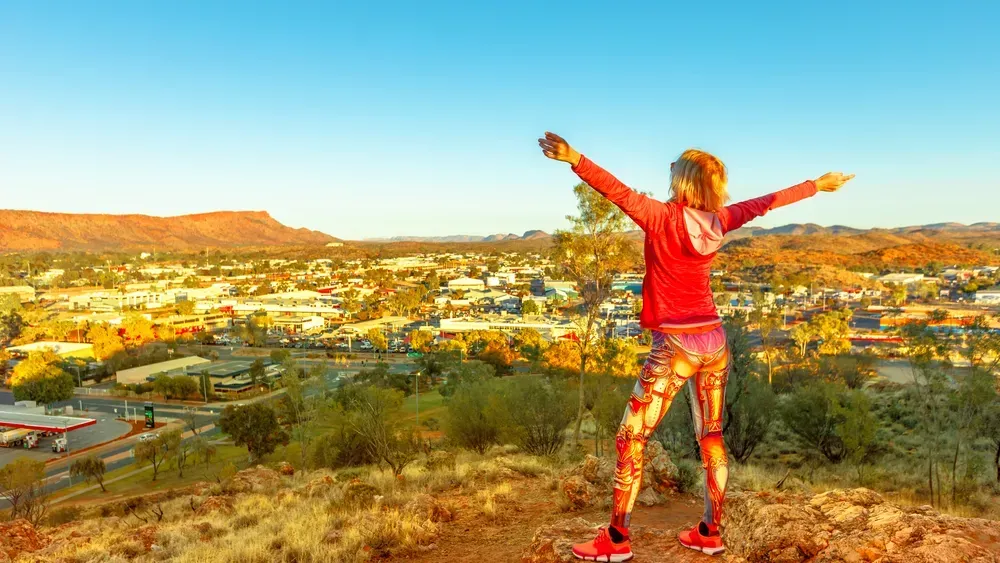
Alice Springs, often known for its rugged outback and Indigenous heritage, is quietly emerging as a vibrant, welcoming space for LGBTQ+ travelers.
Alice Springs, tucked between ochre cliffs and sprawling desert skies, isn’t the first place most queer travelers look for community and celebration. Yet, in recent years, this remote town in the Northern Territory has quietly become one of Australia’s most welcoming—and surprising—destinations for LGBTQ+ visitors. With its dynamic FABalice Festival, strong local queer networks, and a culture shaped by Indigenous, artistic, and activist voices, Alice Springs offers a fresh alternative to the urban scenes of Sydney or Melbourne .
The heart of Alice Springs’ queer renaissance is the annual FABalice Festival, a weekend-long celebration inspired by the cult classic "The Adventures of Priscilla, Queen of the Desert," much of which was filmed in and around the Red Centre. The festival, held each March, brings drag queens, cabaret artists, transgender people, and allies together for a dazzling program that includes street parades, lip-sync battles, art exhibitions, and dance parties. It’s not just a party—it’s a tribute to the region’s history as a site of both struggle and celebration for LGBTQ+ Australians .
Local organizers emphasize the festival’s role in fostering visibility and connection. “FABalice is about creating a space where everyone feels seen and safe, regardless of identity,” said one committee member in a recent interview with the ABC, noting the importance of rural pride events for those isolated by geography or stigma .
Alice Springs hosts a surprisingly active and welcoming queer community, with support groups, social nights, and advocacy led by organizations such as Headspace Alice Springs and the local branch of Rainbow Territory. These groups provide vital resources for LGBTQ+ youth and adults, including mental health support, social meetups, and training for businesses on inclusive practices .
The town’s cafes, galleries, and live music venues reflect this diversity. Page 27 Café, a local favourite, hosts regular queer nights and art shows featuring LGBTQ+ creators. Epilogue Lounge offers open mic events and drag performances, while the Araluen Arts Centre often collaborates with FABalice to showcase queer artists and storytellers .
Local voices highlight the unique experience of being queer in the outback. “There’s something special about building community here,” says Jade, a non-binary artist and festival volunteer. “It’s intimate, it’s creative, and people genuinely look out for each other. You’re not anonymous—you’re embraced” .
What sets Alice Springs apart isn’t just its queer-friendliness, but the intersection of LGBTQ+ and Indigenous cultures. The region is a hub for Aboriginal art, and many local galleries—including the acclaimed Iltja Ntjarra Many Hands Art Centre—feature works that explore themes of identity, resistance, and belonging. During FABalice, Indigenous LGBTQ+ voices are central, with storytelling sessions and performances that honor the “Sistergirls” and “Brotherboys”—terms used by Aboriginal transgender women and men .
This blend of cultures creates a sense of solidarity and shared celebration. Many festival events are held in partnership with local Indigenous organizations, and workshops explore topics from queer history in the Territory to the art of bush drag. The result is a festival—and a community—that feels genuinely inclusive and culturally rich.
Several factors are driving Alice Springs’ rise as a queer-friendly destination:
- Authenticity: Visitors are drawn to the town’s laid-back, genuine atmosphere. Unlike larger cities, Alice Springs offers intimate gatherings, accessible events, and opportunities to connect directly with locals .
- Visibility: The FABalice Festival and year-round activism have made LGBTQ+ identities more visible and accepted throughout the town, encouraging both locals and visitors to express themselves freely .
- Support Networks: Strong community groups and local businesses work together to ensure queer travelers feel safe and supported, offering resources and recommendations for everything from nightlife to health services .
- Natural Beauty: The surrounding MacDonnell Ranges and nearby national parks add adventure, with guided walks, cycling trails, and stargazing nights popular among LGBTQ+ travelers seeking connection to nature .
Alice Springs boasts several accommodations that welcome LGBTQ+ guests, such as the quirky Alice Springs YHA—housed in a converted movie set—and eco-friendly bed and breakfasts run by queer owners .
Highlights for queer visitors include:
- The Todd Mall: Home to galleries, boutiques, and weekend markets, often featuring queer artists and vendors .
- Olive Pink Botanic Garden: A tranquil spot for picnics, nature walks, and occasional storytelling events.
- Drag Under the Stars: Outdoor drag shows held during FABalice at local parks, drawing crowds from across the region.
- Bushwalks and Outback Adventure: Guided hikes into the West MacDonnell Ranges with LGBTQ+ friendly tour operators.
- Queer Film Nights: Screenings of classic and new LGBTQ+ cinema at the Alice Springs Cinema and Araluen Arts Centre.
While Alice Springs is increasingly queer-friendly, rural and remote communities still face barriers—from limited resources to lingering social stigma. Organizers stress the importance of continued advocacy and allyship, particularly for transgender people and queer Indigenous Australians .
Despite these challenges, the energy in Alice Springs is one of hope and momentum. Each year, FABalice grows in size and ambition, and local businesses, schools, and artists increasingly weave LGBTQ+ inclusion into their everyday practices .
For LGBTQ+ travelers seeking a destination beyond the expected, Alice Springs offers a rare combination of acceptance, creativity, and community spirit. It’s a place where drag queens can strut beneath desert stars, Indigenous and queer histories are celebrated side by side, and strangers become friends over coffee, art, and adventure.
Here, every visitor can find both a sense of belonging and the thrill of discovery—a true hidden gem in Australia’s Red Centre.
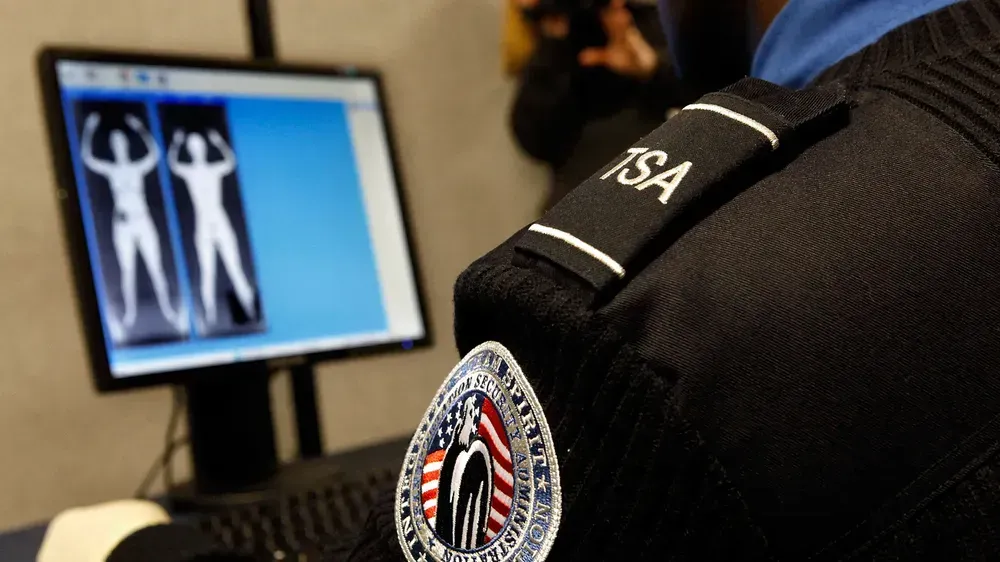
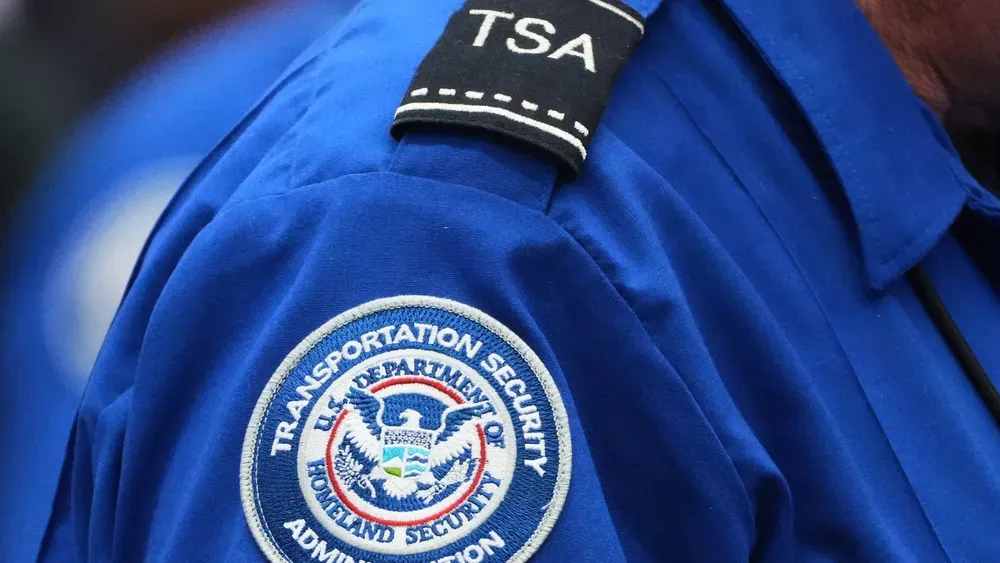
A TSA agent wears a Transportation Security Administration badge while checking identification at Seattle-Tacoma International Airport, Thursday, Nov. 6, 2025, in SeaTac, Wash. Photo Credit: (AP Photo/Lindsey Wasson)
A Virginia transportation security officer is accusing the U.S. Department of Homeland Security of sex discrimination over a policy barring transgender officers from performing security pat-downs
A Virginia transportation security officer is accusing the U.S. Department of Homeland Security of sex discrimination over a policy that bars transgender officers from performing security screening pat-downs, according to a federal lawsuit.
The Transportation Security Administration, which operates under DHS, enacted the policy in February to comply with President Donald Trump’s executive order declaring two unchangeable sexes: male and female.
According to internal documents explaining the policy change that The Associated Press obtained from four independent sources, including one current and two former TSA workers, “transgender officers will no longer engage in pat-down duties, which are conducted based on both the traveler’s and officer’s biological sex. In addition, transgender officers will no longer serve as a TSA-required witness when a traveler elects to have a pat-down conducted in a private screening area."
Until February, TSA assigned work consistent with officers’ gender identity under a 2021 management directive. The agency told the AP it rescinded that directive to comply with Trump’s Jan. 20 executive order.
Although transgender officers “shall continue to be eligible to perform all other security screening functions consistent with their certifications," and must attend all required training, they will not be allowed to demonstrate how to conduct pat-downs as part of their training or while training others, according to the internal documents.
A transgender officer at Dulles International Airport, Danielle Mittereder, alleges in her lawsuit filed Friday that the new policy — which also bars her from using TSA facility restrooms that align with her gender identity — violates civil rights law.
“Solely because she is transgender, TSA now prohibits Plaintiff from conducting core functions of her job, impedes her advancement to higher-level positions and specialized certifications, excludes her from TSA-controlled facilities, and subjects her identity to unwanted and undue scrutiny each workday,” the complaint says.
Mittereder declined to speak with the AP but her lawyer, Jonathan Puth, called TSA's policy “terribly demeaning and 100% illegal."
TSA spokesperson Russell Read declined to comment, citing pending litigation. But he said the new policy directs that “Male Transportation Security Officers will conduct pat-down procedures on male passengers and female Transportation Security Officers will conduct pat-down procedures on female passengers, based on operational needs.”
Other transgender officers describe similar challenges to Mittereder.
Kai Regan worked for six years at Harry Reid International Airport in Las Vegas, but retired in July in large part because of the new policy. Regan, who is not involved in the Virginia case, transitioned from female to male in 2021 and said he had conducted pat-downs on men without issue until the policy change.
“It made me feel inadequate at my job, not because I can’t physically do it but because they put that on me," said the 61-year-old, who worried that he would soon be fired for his gender identity, so he retired earlier than planned rather than “waiting for the bomb to drop."
Skye Perryman, president and CEO of Democracy Forward — a legal organization that has repeatedly challenged the second Trump administration in court — called TSA's policy “arbitrary and discriminatory," adding: “There’s no evidence or data we’re aware of to suggest that a person can’t perform their duties satisfactorily as a TSA agent based on their gender identity.”
DHS pushed back on assertions by some legal experts that its policy is discriminatory.
“Does the AP want female travelers to be subjected to pat-downs by male TSA officers?” Homeland Security spokesperson Tricia McLaughlin asked in a written response to questions by the AP. "What a useless and fundamentally dangerous idea, to prioritize mental delusion over the comfort and safety of American travelers.”
Airport security expert and University of Illinois Urbana-Champaign professor Sheldon H. Jacobson, whose research contributed to the design of TSA PreCheck, said that the practice of matching the officer's sex to the passenger's is aimed at minimizing passenger discomfort during screening. Travelers can generally request another officer if they prefer, he added.
Deciding where transgender officers fit into this practice “creates a little bit of uncertainty,” Jacobson said. But because transgender officers likely make up a small percent of TSA's workforce, he said the new policy is unlikely to cause major delays.
“It could be a bit of an inconvenience, but it would not inhibit the operation of the airport security checkpoint," Jacobson said.
TSA's policy for passengers is that they be screened based on physical appearance as judged by an officer, according to internal documents. If a passenger corrects an officer's assumption, “the traveler should be patted down based on his/her declared sex." For passengers who tell an officer “that they are neither a male nor female,” the policy says officers must advise “that pat-down screening must be conducted by an officer of the same sex," and to contact a supervisor if concerns persist.
The documents also say that transgender officers “will not be adversely affected” in pay, promotions or awards, and that TSA "is committed to providing a work environment free from unlawful discrimination and retaliation.”
But the lawsuit argues otherwise, saying the policy impedes Mittereder's career prospects because “all paths toward advancement require that she be able to perform pat-downs and train others to do so,” Puth said.
According to the lawsuit, Mittereder started in her role in June 2024 and never received complaints related to her job performance, including pat-down responsibilities. Supervisors awarded her the highest-available performance rating and “have praised her professionalism, skills, knowledge, and rapport with fellow officers and the public," the lawsuit said.
“This is somebody who is really dedicated to her job and wants to make a career at TSA,” Puth said. “And while her gender identity was never an issue for her in the past, all of a sudden it’s something that has to be confronted every single day.”
Being unable to perform her full job duties has caused Mittereder to suffer fear, anxiety and depression, as well as embarrassment and humiliation by forcing her to disclose her gender identity to co-workers, the complaint says. It adds that the ban places additional burden on already-outnumbered female officers who have to pick up Mittereder's pat-down duties.
American Federation of Government Employees National President Everett Kelley urged TSA leadership to reconsider the policy “for the good of its workforce and the flying public."
“This policy does nothing to improve airport security," Kelley said, "and in fact could lead to delays in the screening of airline passengers since it means there will be fewer officers available to perform pat-down searches.”
by Claire Savage
Copyright Associated Press. All rights reserved. This material may not be published, broadcast, rewritten, or redistributed.
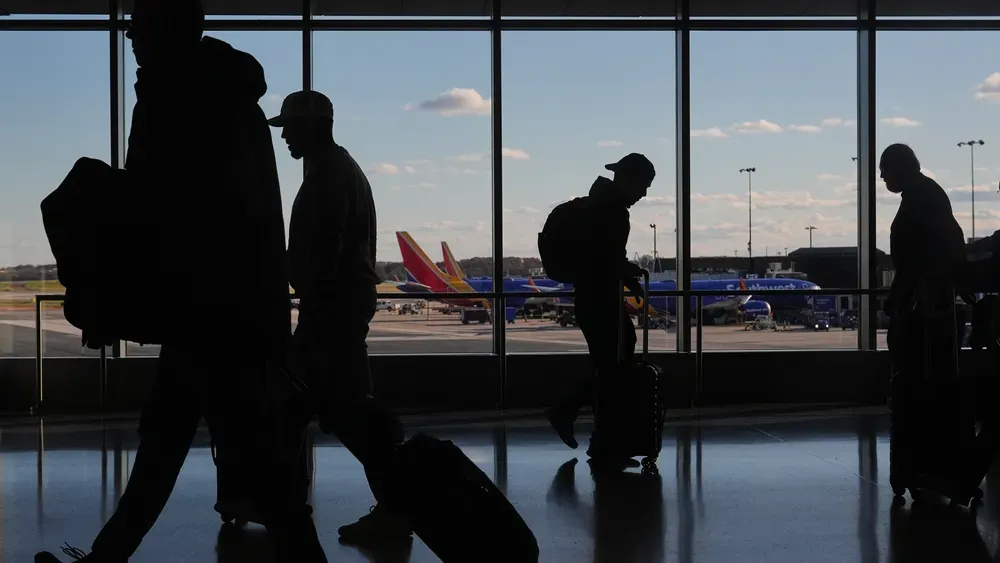
Southwest Airlines planes sit at gates as travelers walk through Baltimore/Washington International Thurgood Marshall Airport in Baltimore, Monday, Nov. 10, 2025. Photo Credit: (AP Photo/Stephanie Scarbrough)
Air travelers could face more frustration as U.S. airports need to meet a higher FAA target for reducing flights
Air travelers could face more frustration as busy U.S. airports need to meet a higher Federal Aviation Administration target for reducing flights Tuesday after already canceling thousands to scale back demands on the nation’s aviation system during the government shutdown.
The FAA ordered domestic airlines last week to drop 4% of their flights at 40 major U.S. airports, saying absences and signs of stress among traffic controllers made it imperative to act in the name of public safety. After already canceling more than 7,900 since Friday, the goal for cutting flights is set to rise to 6% on Tuesday and again to 10% on Friday.
More than 1,100 flights were canceled Tuesday, according to FlightAware, a website that tracks air travel disruptions. It was unclear exactly how many additional flights would need to be canceled for the day.
The average cancellation rate over the last few days already exceeded the FAA’s requirement, according to aviation analytics company Cirium. The FAA also expanded its flight restrictions Monday, barring business jets and many private flights from using a dozen airports already under commercial flight limits.
However, controller shortages continued to lead to flight delays, including one of about five hours for arriving flights Monday evening at Chicago O’Hare International Airport, where wintry weather added to staffing-related disruptions earlier in the day. The FAA warned that staffing at over a dozen towers and control centers could delay planes departing for Phoenix, San Diego, the New York area and Houston, among other cities.
Freezing weather in parts of the country on Tuesday could cause further delays and cancellations.
The Senate passed legislation Monday to reopen the government, but the bill still needs to clear the House and final passage could be days away. Transportation Secretary Sean Duffy made clear last week that flight cuts will remain until the FAA sees staffing levels stabilize at its air traffic control facilities.
Many planes also aren’t where they’re supposed to be, which could slow the airlines’ return to normal operations even after the FAA lifts the order, said Mike Taylor, who leads research on airports and airlines at J.D. Power.
Todd Walker said he missed his mom’s 80th birthday when his flight was canceled over the weekend.
“All of this has real negative consequences for millions of Americans, and it’s 100% unnecessary and avoidable,” he said.
The FAA had come under criticism after its original order only applied to a very small subsection of private planes. But some want to see even more done.
Patriotic Millionaires, a group of wealthy Americans pushing for more progressive taxes, is calling for all private jets to be grounded during the shutdown.
“Rich people are taking their joyrides while average Americans don’t make it to grandma’s bedside in time,” said Erica Payne, its founder and president.
She added that none of its members that still fly private have reported cancellations or delays since the FAA's order took effect.
Tuesday marks the second missed payday for controllers. Some have started calling out of work, citing stress and the need to take on second jobs.
It's unclear how quickly controllers might be paid once the shutdown ends — it took more than two months to receive full back pay after the 35-day shutdown that ended in 2019, said Nick Daniels, president of the National Air Traffic Controllers Association.
President Donald Trump took to social media on Monday to pressure controllers to “get back to work, NOW!!!” He called for a $10,000 bonus for those who’ve stayed on the job and suggested docking pay for those who haven’t.
Daniels said the shutdown has made controllers’ demanding jobs even more stressful, leading to fatigue and increased risks. He said the number who are retiring or quitting is “growing” by the day.
by Rio Yamat and Josh Funk
Copyright Associated Press. All rights reserved. This material may not be published, broadcast, rewritten, or redistributed.