National Parks to Raise Fees for Millions of International Tourists to Popular US Parks
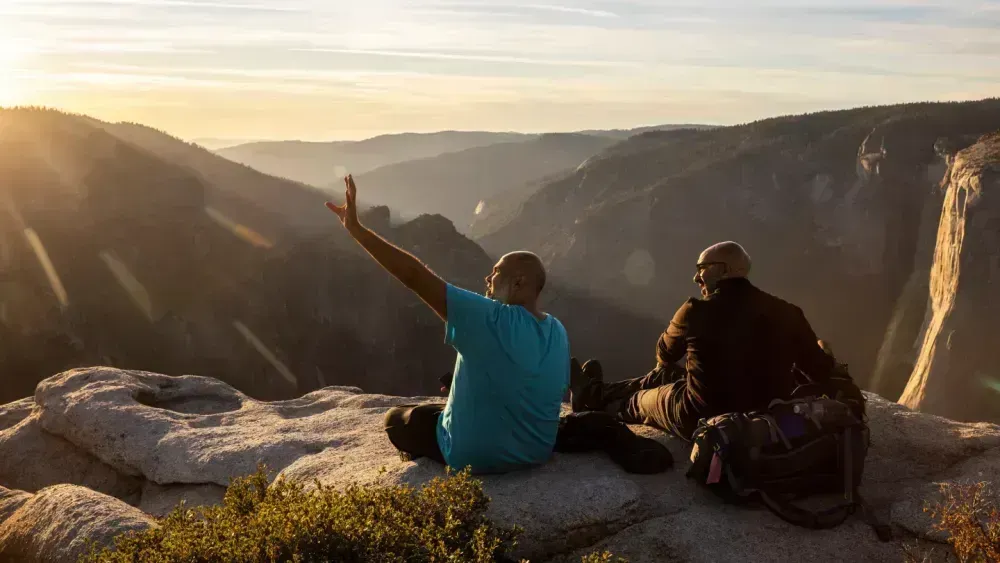
Photo Credit: Stepham Lam / San Francisco Chronicle / AP

The National Park Service says it is going to start charging international tourists an extra $100 to enter some of the most popular U.S. parks
The National Park Service said Tuesday it is going to start charging the millions of international tourists who visit U.S. parks each year an extra $100 to enter some of the most popular sites, while leaving them out of fee-free days that will be reserved for American residents.
Copyright Associated Press. All rights reserved. This material may not be published, broadcast, rewritten, or redistributed.
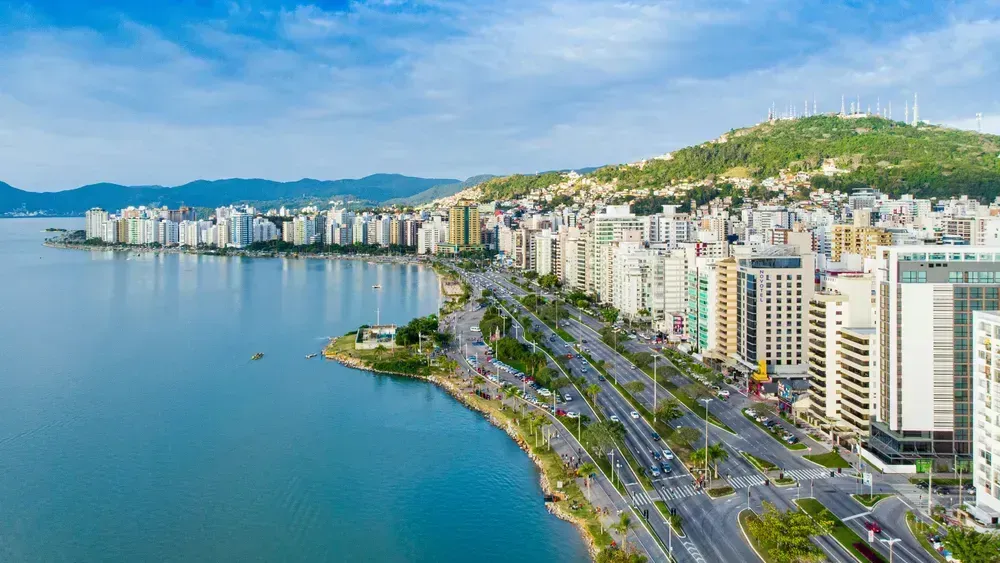
Far from the usual LGBTQ+ hotspots, Florianópolis—an island paradise in southern Brazil—has quietly emerged as a welcoming, culturally rich, and affirmingly queer destination.
When most travelers think of queer-friendly destinations in South America, vibrant metropolises like Rio de Janeiro, Buenos Aires, or Bogotá usually top the list. Yet, hundreds of miles south, the island city of Florianópolis—affectionately known as “Floripa”—is quietly rewriting the narrative of what queer travel in Brazil can look like. With over 40 beaches, a laid-back yet cosmopolitan vibe, and a growing LGBTQ+ community, Florianópolis offers an inclusivity that is fervently local and refreshingly unhurried .
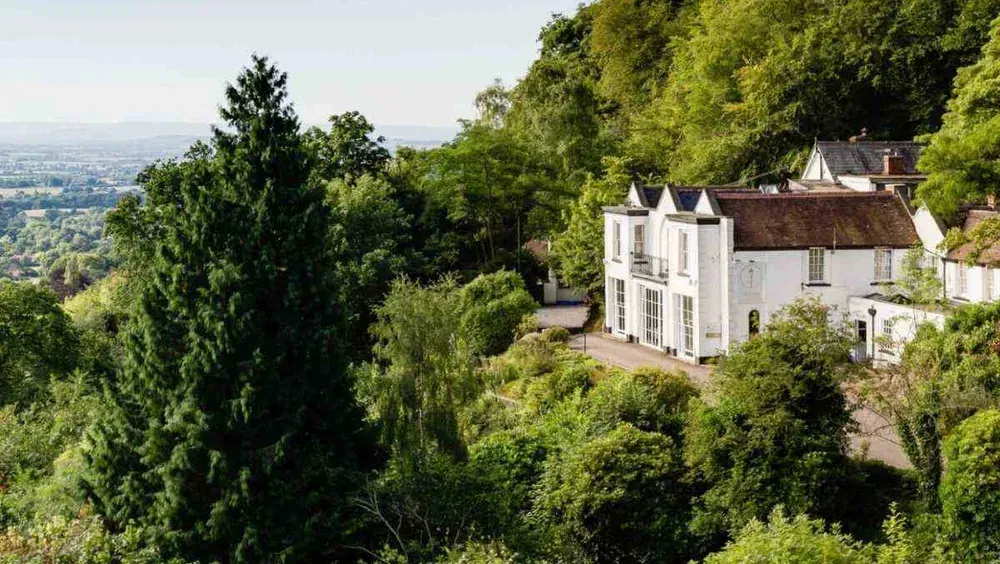
Today, the Malvern Hills, a scenic ridge near the Welsh border, draws new visitors, and the hillside hotel at the center of both stories, The Cottage in the Wood, now has a growing reputation for warm, thoughtful hospitality.
Local lore says a snowy stroll through Great Malvern, a hillside town in central England, once inspired the lamppost scene in "The Lion, the Witch and the Wardrobe." Decades later, the same hills became a quiet refuge for former British Prime Minister Margaret Thatcher during her memoir-writing years. Today, the Malvern Hills, a scenic ridge near the Welsh border, draws new visitors, and the hillside hotel at the center of both stories, The Cottage in the Wood, now has a growing reputation for warm, thoughtful hospitality.
Copyright Associated Press. All rights reserved. This material may not be published, broadcast, rewritten, or redistributed.
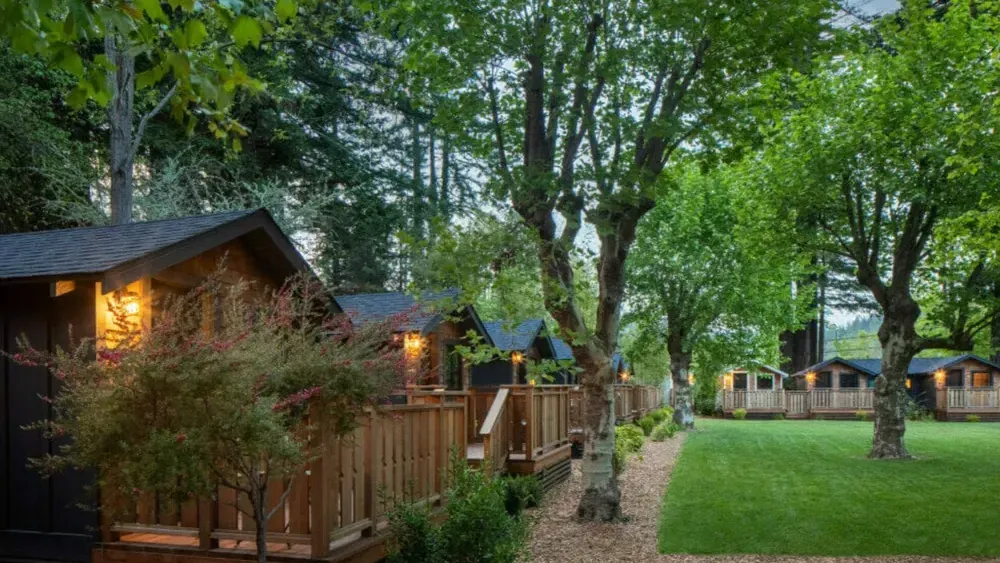
Dawn Ranch in Guerneville, California, stands as a celebrated LGBTQ+-inclusive resort, blending over a century of queer history with modern luxury amid Sonoma County’s redwoods and rivers.
Tucked beneath towering redwoods along the Russian River, Dawn Ranch—originally established in 1905—has long played a pivotal role in the cultural tapestry of Guerneville, California. After facing closure in 2019 due to severe flooding, the historic 22-acre property reopened in June 2022, welcoming guests to a reimagined retreat defined by inclusivity, relaxation, and celebration of LGBTQ+ identities . The new Dawn Ranch features 86 cabins and chalets, blending rustic charm with modern amenities, inviting guests to unwind with yoga mats, picnic blankets, and creative journals provided in every room .
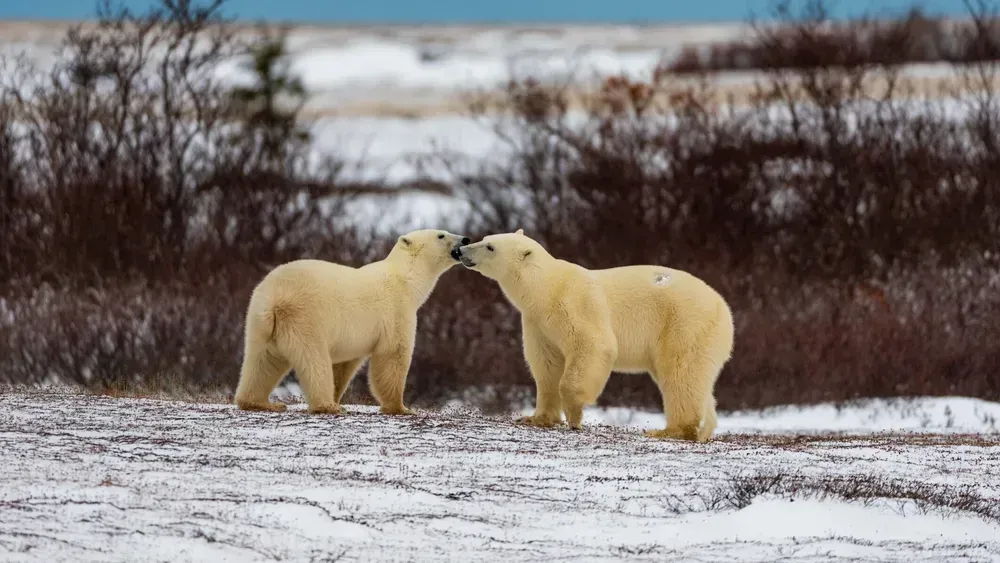
Each fall, Churchill, a town of 800, swells into the thousands as wildlife photographers and bear lovers travel to the small town on the shores of Hudson Bay, in Northern Canada, to see the magic of polar bears.
Each fall, Churchill, a town of 800, swells into the thousands as wildlife photographers and bear lovers travel to the small town on the shores of Hudson Bay, in Northern Canada, to see the magic of polar bears.
Copyright Associated Press. All rights reserved. This material may not be published, broadcast, rewritten, or redistributed.
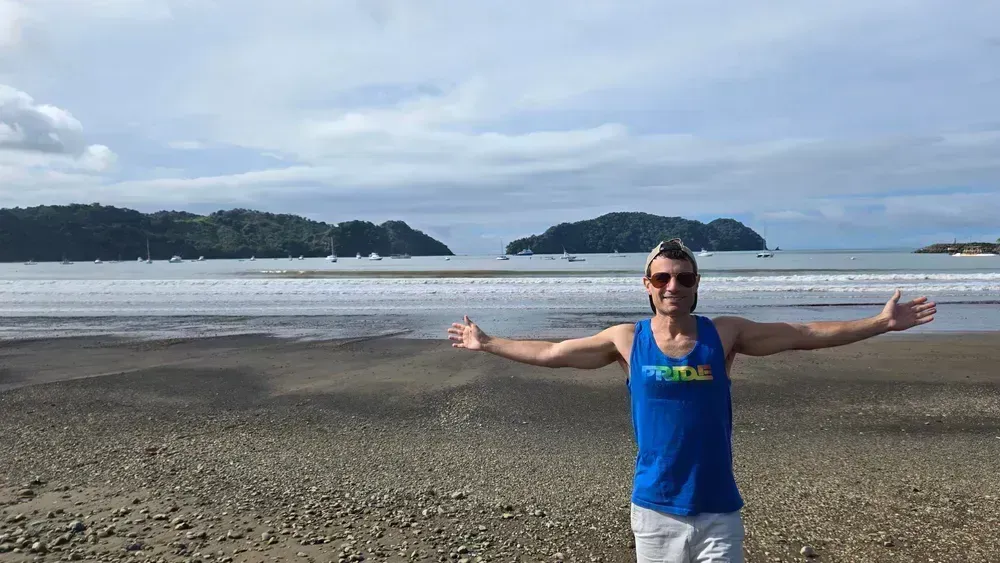
Costa Rica may be known for its lush rainforests, pristine beaches, and the ever-present philosophy of pura vida—the “pure life”—but it’s also one of the most progressive and inclusive destinations in Central America when it comes to LGBTQ+ rights and culture.
Costa Rica may be known for its lush rainforests, pristine beaches, and the ever-present philosophy of pura vida—the “pure life”—but it’s also one of the most progressive and inclusive destinations in Central America when it comes to LGBTQ+ rights and culture. With same-sex marriage legalized in 2020 and a growing queer community thriving in both urban and coastal regions, the country offers a welcoming atmosphere that celebrates diversity amid natural beauty.
We use cookies to analyze traffic and to ensure you get the best experience on our website. Read our Privacy Policy for more information.