The majority of Americans now prefer domestic getaways; just 1 in 4 plan to go abroad this year. It's part of a broader shift toward local exploration, a return to slower, more intentional travel that celebrates the landscapes and small towns just beyond our own backyards.
One destination that embodies this spirit is
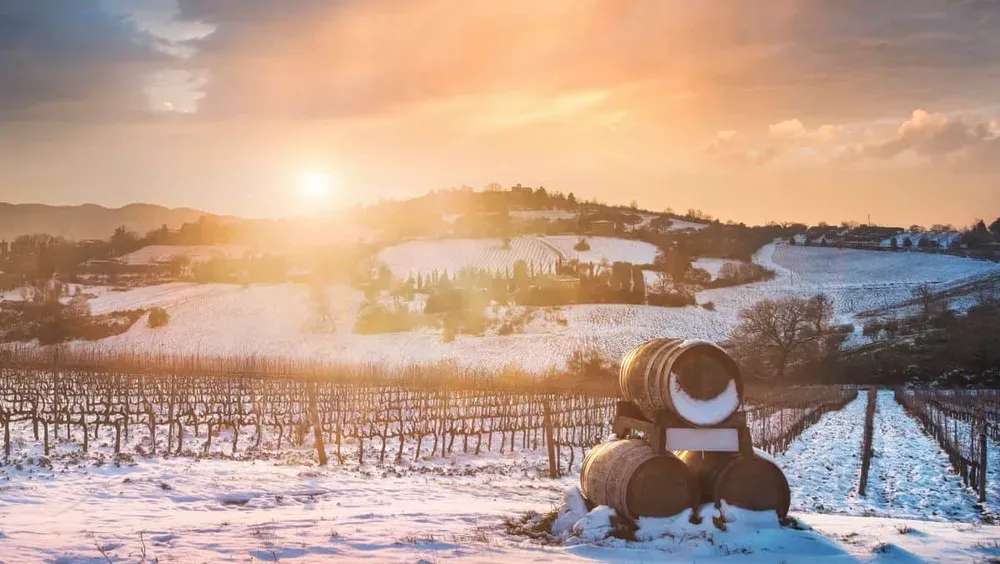
New York's Finger Lakes region. When winter settles over upstate New York, its rolling vineyards, quiet lakeside villages and candlelit restaurants transform into one of the country's coziest escapes. Known for award-winning wineries, farm-fresh cuisine and snow-covered scenery, the Finger Lakes is the
perfect road-trip blend of comfort and discovery. For travelers seeking a wine-and-food-themed getaway without the crowds, it's an off-season journey that feels both restorative and distinctly American.
The Finger Lakes glow-upOnce known largely for sweet, approachable rieslings and hybrid, juice-style wines, the region has shifted gears. Thanks to the pioneering work by viticulturists who planted cold-climate European vinifera grapes, the focus in this
U.S. wine region has moved toward sophisticated dry wines and refined styles.
Wineries across Cayuga, Keuka and Seneca lakes now embrace biodynamic and organic farming, using native yeasts, cover crops and minimal intervention to elevate the wines' story and style. In short, the Finger Lakes have leveled up from the region's roots in sweet riesling to becoming a serious player in terroir-driven, modern winemaking.
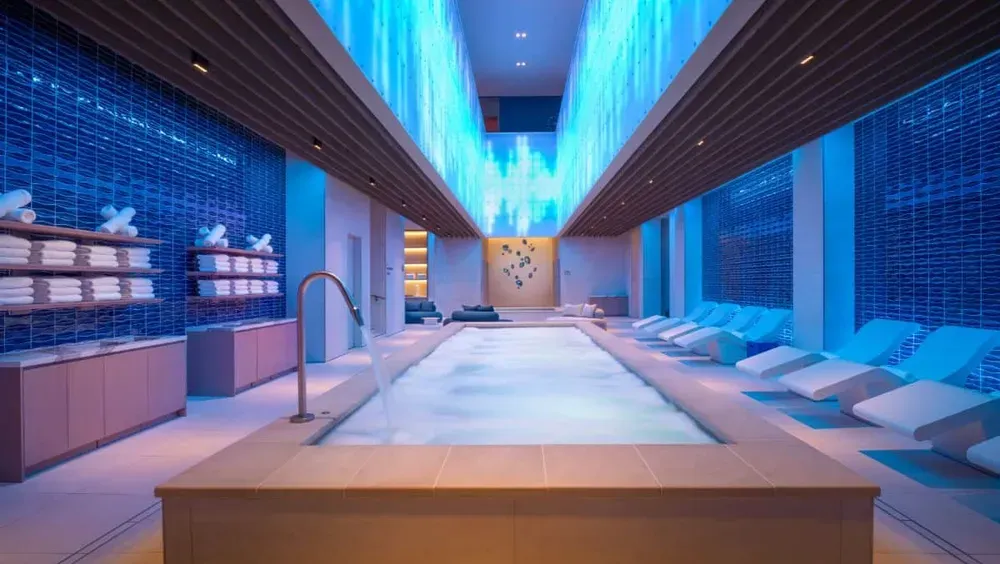
Lakeside luxury meets small-town charmStart your winter getaway in the eastern Finger Lakes at Skaneateles Fields Resort & Spa, a newly built luxury retreat overlooking Skaneateles Lake. This 89‑room property, part of the Curio Collection by Hilton, combines wellness, comfort and culinary craftsmanship into one beautifully designed experience.
The resort's food and drink program stays true to its farm‑to‑table ethos, sourcing much of its produce from the nearby Tap Root Fields Farm and serving a relaxed yet elevated dining experience at its signature restaurant. With pickleball and bocce courts, fire pits for s'mores, walking trails and an executive putting green on the grounds, guests have plenty to do between meals and lakefront strolls.
Once you've settled in, explore the village itself. Many travelers consider Skaneateles one of the Finger Lakes' most picturesque towns, with historic streets lined with boutique shops, art galleries and cafes.
Farm-to-table excellence at FieldsThe crown jewel of your Skaneateles getaway is the resort's signature restaurant,
Fields, where the philosophy is simple: from the fields to the table. Chef Esperanza Guzman, originally from the Midwest and raised in Mexico, has crafted a menu built on local partnerships and seasonal ingredients, with 85% of the produce sourced from the resort's own Tap Root Fields Farm.
Even in winter, when the farm slows down, preserved summer vegetables, hearty roots and fresh herbs form the backbone of the menu. The kitchen relies on grass-fed meats, and fresh fish arrives daily from Boston to ensure the highest quality. "Carrots and beets are one of my favorite things to grow. It's like a little present; you pull it out of the ground and every time it's a surprise," Jessica, head produce and flower grower, said.
Dishes at Fields are both comforting and refined, showcasing the chef's creativity and deep connection to the Finger Lakes. From hand-rolled pasta and perfectly cooked pork tenderloin to playful, elegant farm-to-table presentations, each plate shows thoughtfulness and balance. Breakfast continues this approach with farm-inspired classics, fluffy pancakes, frittatas and freshly squeezed juices or kombucha on tap.
Guzman's international experience, combined with a passion for sustainability, local farms and the region's seasonal bounty, makes every meal at Fields a memorable part of your Skaneateles trip.
Skaneateles' must-try restaurantsFor a casual bite in the village,
Gilda's offers hand‑crafted artisan pizzas, small plates and desserts in a warm, inviting space, with inventive toppings and a thoughtfully curated drink list. Just a short walk away,
Pâtisserie delights visitors with artful pastries, cupcakes and some of the best breads in the Finger Lakes region. The fresh-baked aroma alone is worth a stop, whether you're grabbing breakfast, an afternoon treat or something to enjoy lakeside.
You can also explore nearby agrotourism and wine experiences.
Anyela's Vineyards, set on a hill above the lake, pairs easygoing wines with live music and cheese boards, making it a relaxed spot for an afternoon out. Families or those visiting in autumn can head to Beak & Skiff Apple Hill Campus and the 1911 Tasting Room, where
apple picking, playgrounds and seasonal treats, such as apple donuts and cider frosties, add playful variety to the trip.
Cayuga LakeFrom Skaneateles, venture west to Cayuga Lake, home to America's first organized wine trail, established in 1983 and designated an American Viticultural Area, or AVA, in 1988. Its sun‑soaked slopes and long growing season helped shape the region's premium winemaking. You can also stop at notable wineries like Heart & Hands for elegant pinot noir, Sheldrake Point for lakeside views and Hosmer for approachable wines in a welcoming tasting room.
Seneca LakeSeneca Lake is the deepest of the Finger Lakes, plunging to more than 600 feet at its deepest point. Its remarkable depth and length create a microclimate that has made the region ideal for grape growing and has helped spawn more wineries here than anywhere else in the Finger Lakes.
Trestle 31Start your wine pilgrimage in Geneva at
Trestle 31. Founded in 2015 and helmed by Nova Cadamatre MW, the first female U.S. winemaker to achieve a Master of Wine certification, the winery sits in the heart of downtown Geneva as an urban tasting lounge with a luxury‑wine aesthetic.
"It's been a challenge to get people to realize that we're here. It's an unusual location for a winery. We don't have our own vineyards, and we're not technically on the trail," Nova said. She and her husband bootstrapped the venture, carefully balancing capital while renting production space and sourcing grapes from local vineyards, creating a less traditional but highly personal approach to winemaking.
Billsboro WineryA short drive south along the lakeshore brings you to
Billsboro Winery, a 60-acre property with a barn-style tasting room surrounded by walnut trees and terraced fields. As general manager and co-founder, Kim Aliperti shared, "We started offering a juice flight in 2020 during the pandemic, initially for kids because so many families were traveling, and it became hugely popular with all visitors."
Founded in 2000 and expanded in 2007, Billsboro produces about 4,000 cases a year. Kim explains, "Our wines are meant to be shared with food and people. We make food wines," highlighting the winery's focus on approachable, meal-friendly wines and the collaborative spirit of the region.
Hermann J. Wiemer VineyardNext on your trail is
Hermann J. Wiemer Vineyard in Dundee, a true pioneer of the region. Founded in 1979, the estate helped prove that European‑style grapes could succeed in Finger Lakes terrain and climate. The vineyard emphasizes biodiversity, biodynamic practices, indigenous yeasts and minimal intervention. These help define the modern identity of Finger Lakes wine.
Forge CellarsOn the opposite side of the lake, don't miss
Forge Cellars, another stellar option. Forge specializes in bone‑dry riesling, cool‑climate pinot noir and cabernet franc grown on the southeastern shores of Seneca Lake, with a philosophy of making wines that express place and narrative.
As founder Rick Rainey explained, "We're a French winery on American soil…we want to give the wines as much time as possible. Even in a small ZIP code, you can show so many different personalities of wine." Head winemaker Léana Godard adds, "We make wines for the table and encourage people to eat with our wine."
Other noteworthy stopsAlso worth a quick mention are notable wineries that you may pass or choose to visit depending on time: Ravines Wine Cellars, Kemmeter Wines, Boundary Breaks Winery and Three Brothers Wineries & Estates. The latter is a larger venue combining three wineries and a brewery designed to appeal to a younger, hip audience.
Watkins GlenIf you want a change of scenery, take a day trip to
Watkins Glen State Park at the southern tip of Seneca Lake. Even in winter, when the iconic Gorge Trail is closed for safety reasons, the park is still worth visiting for its scenic overlooks and peaceful, crowd-free atmosphere.
You can still explore the Rim and Indian Trails, which give you sweeping views of towering cliffs and icy rock walls above the gorge. The park's frozen waterfalls, like the majestic Rainbow Falls and the dramatic ice columns at Cavern Cascade, turn into a veritable winter wonderland. With fewer visitors around, you'll enjoy a more serene experience. Just remember to wear proper footwear and check conditions beforehand because ice and snow can make sections tricky.
For accommodations, you'll find plenty of good options around Geneva and along the lake. For instance, the 41 Lakefront Hotel or Fairfield by Marriott Geneva provides comfortable stays, though neither property is especially historic.
Keuka LakeContinue your journey west toward Keuka Lake, one of the smaller and most uniquely shaped of the Finger Lakes. Its distinctive Y-shape, with two arms extending from a single southern point, sets it apart.
Along its scenic shorelines, you'll find celebrated wineries that carry the legacy of innovation in the region's wine story. At
Dr. Konstantin Frank Vinifera Wine Cellars, for example, the pioneer‑winemaker Dr. Frank planted the first vinifera vines in the Eastern U.S. in 1958 on Keuka, igniting what became known as the Vinifera Revolution.
Meanwhile, boutique gems such as Weis Vineyards have continued the spirit of craftsmanship, earning recognition as New York's Winery of the Year in both 2022 and 2024.
Canandaigua LakeIf you detour toward picturesque Canandaigua Lake, be sure to visit New York Kitchen, a nonprofit culinary center that showcases New York State's agricultural and craft beverage bounty. It runs hands‑on cooking classes, craft‑drink pairings, tastings and a full‑service restaurant with lake views.
For wine enthusiasts,
Inspire Moore Winery is a must-visit boutique winery founded 18 years ago by Diane Moore and her late husband, Tim. Today, their son Nathaniel, one of the youngest winemakers in the region, leads the cellar, focusing on vintage-driven wines and natural fermentation.
As Diane shared, their pet-nat wines offer a unique tasting experience that evolves in the bottle after purchase. The winery produces around 2,000 cases annually across 15 to 20 varietals, including Austrian-inspired Blaufränkisch, Grüner Veltliner, cabernet franc and riesling. Its artisan series features collaborations with local artists, and the tasting room is a welcoming space to sample wines and attend events.
For dinner, stop at Nolan's, where the menu features steak, seafood, pasta and a strong selection of Finger Lakes wines and local brews. If you need a place to stay, the Hotel Canandaigua makes a comfortable base. It's a full‑service resort‑style hotel with lake‑view rooms, pool, hot tub and on‑site dining.
Your off-season retreat awaitsWhile many travelers associate the Finger Lakes with summer boating and fall colors, the region has plenty to offer in the off-season. Cozy resorts, charming villages and farm-to-table dining invite visitors to slow down and enjoy the quieter months. With
careful planning, you can experience the area's charm, taste its local flavors and take in its dramatic landscapes, all without leaving the United States!
Ksenia Prints is a food and travel writer from Montreal, Canada. She blogs over at
We Travel We Bond, writing about family travel off the beaten path.
Copyright Associated Press. All rights reserved. This material may not be published, broadcast, rewritten, or redistributed.