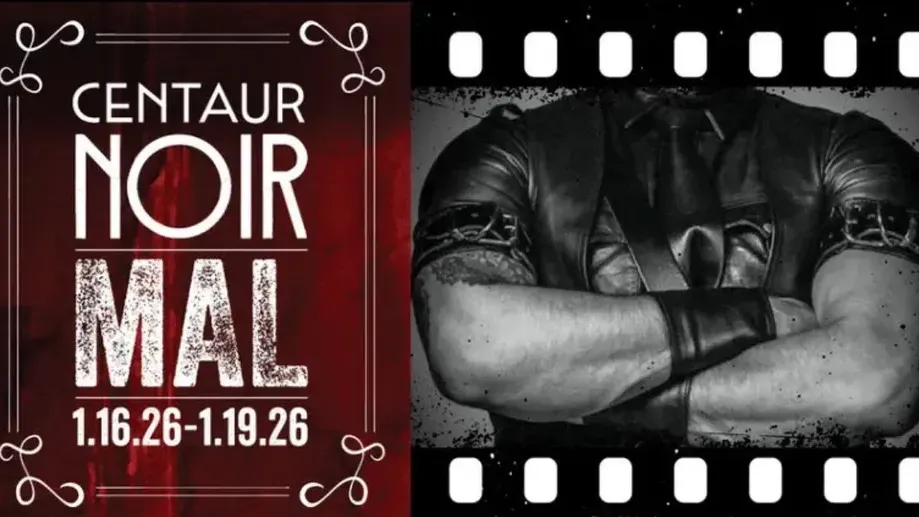
The Mid-Atlantic Leather Weekend (MAL) returns to Washington, D.C. from January 16 to 19, 2026, drawing thousands of LGBTQ+ participants for leather-themed events, contests, and parties hosted by Centaur MC.
The Mid-Atlantic Leather Weekend is set to take place from Friday, January 16, 2026, to Monday, January 19, 2026, in Washington, D.C., transforming the nation's capital into a hub for leather and kink enthusiasts. This annual gathering, now attracting thousands of participants, features a mix of social events, circuit parties, leather meet-ups, and the flagship Mr. MAL Contest, all centered around the Hyatt Regency on Capitol Hill as the host hotel. Attendees must be 21 years or older, with proof of age required for wristband access to sponsored activities.
Three-day weekend passes are already available for purchase, granting entry to core events while emphasizing that lost or broken wristbands require additional fees for replacement. The event's official website provides details on hotels, day passes, and schedules, noting that the host hotel books up months in advance.
At the core of MAL is the historic Leather Cocktails, a formal Saturday evening social that serves as the weekend's lynchpin, from which all other events have evolved. Organized by the DC-based Centaur MC, additional official programming includes a bustling Leather Exhibit Hall with over 23 vendors offering customized leather goods and kink toys, Sunday brunch, and the Mr. MAL Contest.
KINETIC Presents is producing the only four official MAL main events, running from Thursday, January 15, 2026, at 10:00 p.m. through Monday, January 19, 2026, at 4:00 a.m., across Washington, D.C. venues. These LGBTQ+ creator-led events feature dedicated play zones, new dark and sweaty venues, VIP areas, and express entry for pass holders, with all MAL Full Weekend Package holders granted access to the Sunday Closing Party. Tickets are non-refundable and non-transferable once wristbands are issued, with re-entry policies varying by pass type.
Other notable attractions include the Mr. International Rubber Cocktail Party, the Onyx Show, the Parade of Colours, and the Parade of Titleholders from around the world, fostering a global sense of community.
MAL traces its roots to 1976, when it began as an impromptu cocktail party among Leathermen at New York’s Waldorf Astoria hotel. The event quickly grew, moving to east coast bars before settling in Washington, D.C., in the mid-1980s under Centaur MC, who introduced the contest and expanded it into a major weekend destination. Over decades, it has evolved from a small gathering into a cornerstone of leather culture, emphasizing safe, consensual exploration within the LGBTQ+ community.
MAL provides an affirming space for leather, kink, and fetish communities, including gay, bisexual, transgender, and other queer individuals who participate in its inclusive programming. Nearby venues enhance the experience, such as the leather/kink-focused bar at 1357B U St NW , offering neon-lit gear nights, and underground clubs like the one at 2001 14th St NW with late-night energy. Hotels like the design-forward boutique at 2121 P St NW near Logan Circle provide convenient bases with rooftop pools and proximity to nightlife.
Participants highlight MAL's role in building connections and visibility for kink-positive identities within the broader LGBTQ+ spectrum, with events designed for uninhibited, consensual pleasure. As tickets sell out quickly, early planning is recommended for this enduring tradition.
Odyssey Pride has unveiled details for what it describes as the world's first cruise exclusively designed for the Black gay community, setting sail on October 31, 2026, from San Juan aboard Virgin Voyages' Valiant Lady.
Odyssey Pride, an event organizer specializing in experiences for the Black LGBTQ+ community, has announced the launch of what it calls the world's first cruise tailored specifically for Black gay men. The seven-day, all-inclusive voyage will depart from San Juan, Puerto Rico, on October 31, 2026, aboard Virgin Voyages' Valiant Lady, following a pre-party on October 30. Ports of call include Curaçao, Aruba, Martinique, and St. Kitts & Nevis, offering opportunities for beach excursions and cultural exploration.
This cruise builds on the evolution of LGBTQ+ charter cruises, which have provided safe, celebratory spaces for queer travelers since the 1970s. Early examples include a 1974 charter of the MS Renaissance by New York City's Islanders Club, which carried nearly 474 passengers—mostly gay men under 35 from California, New York, and Florida—on a discreet Caribbean voyage from Port Everglades. Described in a 1975 New York Times article as a "floating Pride festival," it emphasized mutual respect and marked a shift post-Stonewall, though passengers prioritized discretion amid widespread societal prejudice.
By 1986, RSVP Vacations, founded by Kevin J. Messier, popularized the concept with its first cruise, "A Cruise to Remember," aboard the Bermuda Star from New Orleans, hosting 750 guests. RSVP is often credited as the originator of modern gay and lesbian cruises, evolving from discreet sailings to vibrant, open celebrations. Today, companies like Atlantis Events, Olivia Travel, and VACAYA dominate the market, chartering ships from lines such as Virgin Voyages, Celebrity Cruises, and Royal Caribbean for all-LGBTQ+ itineraries.
The Odyssey Pride cruise promises a dynamic mix of relaxation and high-energy events. Entertainment will feature a Grammy Award-winning R&B legend, drag royalty, celebrity hosts, and international DJs, alongside themed parties that celebrate Black queer culture. A standout is the P.R.O.S.P.E.R. Conference, convening Black trailblazers for discussions on leadership and community impact. Virgin Voyages' Valiant Lady, known for its adults-only, LGBTQ+-friendly vibe, will host this fully chartered experience, ensuring an affirming environment for all participants.
Pricing starts at $4,399 for solo occupancy or $4,262 per person for shared cabins, reflecting the all-inclusive nature covering meals, entertainment, and select beverages. Bookings are available via odysseypride.com, with early interest already high as the event positions itself as a trailblazer within niche queer travel. This follows recent charters like Atlantis' Exotic Southern Caribbean cruise from San Juan in February 2025 aboard the same ship line, which drew 2,800 LGBTQ+ travelers.
For many Black gay men, mainstream LGBTQ+ cruises can feel exclusionary despite their welcoming intent, prompting demand for culturally specific experiences. Odyssey Pride's voyage addresses this by centering Black joy, resilience, and excellence, from its entertainment lineup to the P.R.O.S.P.E.R. Conference. Community leaders note that such events foster visibility and networking in spaces often dominated by white gay men.
Wikipedia's entry on LGBTQ+ cruises underscores their rise as a key segment of queer tourism, with charters adapting mainstream ships for inclusive programming. Olivia Travel's 2025 Coral Jubilee on Nieuw Statendam, celebrating 35 years with over 2,600 LGBTQ+ women, exemplifies parallel growth in lesbian-focused cruises. These developments reflect broader acceptance, as cruise lines like Virgin Voyages partner repeatedly with queer organizers.
As LGBTQ+ travel expands, Odyssey Pride's cruise arrives at a pivotal moment, offering Black gay men a dedicated platform amid a crowded field. With stops in vibrant Caribbean destinations and a focus on empowerment, it promises to redefine "first" in queer cruising history. Travelers are encouraged to visit odysseypride.com for reservations, ensuring spots on this historic sailing.
Nestled in former East Germany, Leipzig is quietly blossoming as a creative hub for queer culture, offering affordability, grassroots inclusivity, and a gritty artistic vibe that rivals Berlin without the crowds.
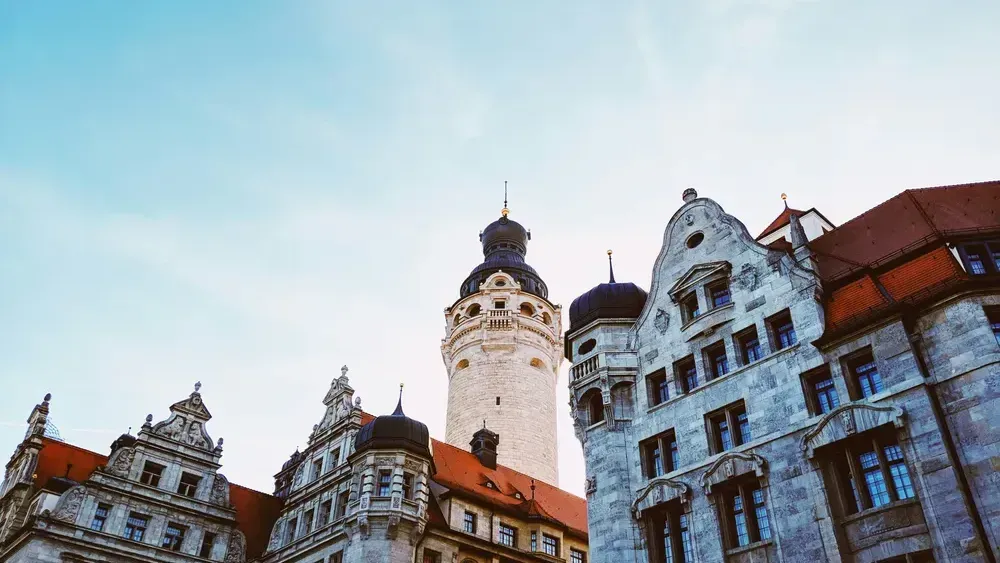
Leipzig, a city in eastern Germany with a population of around 600,000, is often overshadowed by nearby Berlin but is gaining recognition for its burgeoning queer scene. Described as a place where "the next generation of queer culture is growing," Leipzig serves as a creative hub in former East Germany, characterized by reclaimed spaces, underground art shows, and queer collectives. This gritty, student-heavy environment fosters an openness that feels organic, supported by strong grassroots LGBTQ+ initiatives that enhance everyday life for queer residents and visitors.
Unlike Berlin's commercialized nightlife, Leipzig's appeal lies in its affordability and authenticity. Rent and living costs here are significantly lower than in western German cities, allowing queer-owned businesses and artist collectives to thrive without high overheads. The city's history as part of the German Democratic Republic adds layers of resilience; post-reunification, it has transformed industrial wastelands into vibrant cultural zones, many now hosting queer events. Walking through Plagwitz, a former industrial district turned hipster enclave, visitors encounter street art murals depicting queer icons and rainbow flags fluttering from warehouse conversions turned bars.
Germany legalized same-sex marriage in 2017, and Leipzig benefits from national protections while cultivating local inclusivity. Public acceptance is high, with 86% of Germans supporting LGBTQ+ rights according to recent surveys, though eastern cities like Leipzig emphasize community-driven efforts over top-down policies. For queer travelers, this translates to safe streets where holding hands or sharing a kiss draws no stares, especially in the city center around Karl-Liebknecht-Straße, lined with indie cafes and bookstores stocking queer literature.
Leipzig's queer scene pulses through grassroots organizations and events that prioritize community over spectacle. The Leipzig Queer Archive, housed in a repurposed factory, collects stories from LGBTQ+ individuals across eastern Germany, offering exhibits on the history of queer life under communism. Visitors can browse oral histories and artifacts, such as posters from underground 1980s meetups, providing a poignant contrast to today's openness.
Annual highlights include Leipzig Pride, known locally as Christopher Street Day , which draws thousands for a parade through the historic center, featuring floats from local drag troupes and activist groups. Unlike mega-prides, it's a little smaller, with post-march parties in parks where attendees picnic under chestnut trees. Queer film festivals screen works by emerging eastern European directors at venues like the Filmpalette cinema, often followed by Q&As with transgender and non-binary filmmakers.
Local insights from queer residents highlight the city's welcoming fabric. "Leipzig feels like home because it's real – no posing, just people building spaces together," notes a member of a local collective, emphasizing the support for transgender people through free counseling at RosaLinde Leipzig. University-driven activism at Leipzig University, one of Europe's oldest, includes LGBTQ+ student unions organizing safe-space workshops, making the city particularly appealing for queer youth travelers.
Beyond its queer vibrancy, Leipzig's cultural depth enriches any visit. The city birthed the New Leipzig School of painting, with galleries like Galerie für Zeitgenössische Kunst showcasing queer-themed works by artists like Neo Rauch. Stroll the Augustusplatz, dominated by the Gewandhaus Orchestra hall, where Bach once worked – his statue now overlooks rainbow crosswalks.
For romance or relaxation, the Leipziger Neuseenland – a chain of post-mining lakes – offers nude beaches popular among queer locals, with pedal boats and lakeside saunas. Bike paths connect these spots, embodying the city's car-free ethos. Winter visits reveal Christmas markets with mulled wine stalls flying subtle pride flags, fostering a cozy, inclusive atmosphere.
Leipzig's rise as a hidden gem stems from word-of-mouth among queer Europeans seeking alternatives to saturated spots. Post-pandemic, a 20% uptick in queer tourism has been noted, driven by affordable Airbnbs in queer-friendly buildings and direct trains from Berlin .
Stay at places like the queer-affirming Hotel Michaelis, with rooms overlooking the Nikolaikirche where peaceful revolution protests began in 1989, symbolizing progressive change. Dining at Völler’s Weinkunst includes wine tastings paired with local queers' art auctions. Safety is paramount; apps like the LSVD map report minimal incidents, affirming Leipzig's status as low-risk.
As queer collectives expand, Leipzig proves small cities can lead in cultural richness and acceptance. It's a destination where history, art, and community intersect, inviting LGBTQ+ travelers to claim their space in Europe's evolving queer landscape.
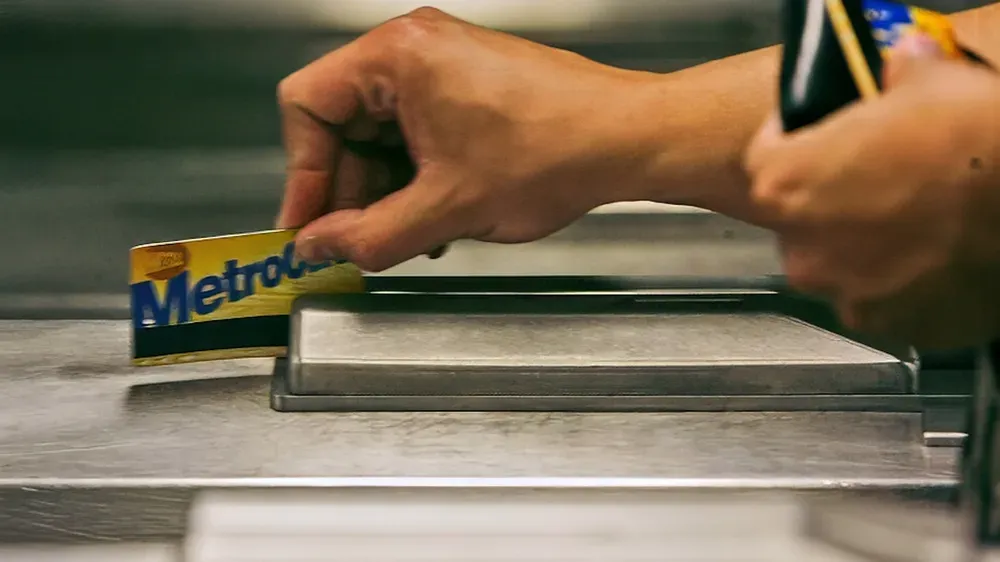
A subway rider swipes his MetroCard in a turnstile as he enters the 34th St. subway station, July 23, 2007, in New York. Photo Credit: AP Photo/Mary Altaffer, File
The New York City transit system is retiring the MetroCard after more than 30 years
When the MetroCard replaced the New York City subway token in 1994, the swipeable plastic card infused much-needed modernity into one of the world’s oldest and largest transit systems.
Now, more than three decades later, the gold-hued fare card and its notoriously finicky magnetic strip are following the token into retirement.
The last day to buy or refill a MetroCard is Dec. 31, 2025, as the transit system fully transitions to OMNY, a contactless payment system that allows riders to tap their credit card, phone or other smart device to pay fares, much like they do for other everyday purchases.
Transit officials say more than 90% of subway and bus trips are now paid using the tap-and-go system, introduced in 2019.
Major cities around the world, including London and Singapore, have long used similar contactless systems. In the U.S., San Francisco launched a pay-go system earlier this year, joining Chicago and others.
The humble MetroCard may have outlasted its useful life, but in its day it was revolutionary, says Jodi Shapiro, curator at the New York Transit Museum in Brooklyn, which opened an exhibit earlier this month reflecting on the MetroCard’s legacy.
Before MetroCards, bus and subway riders relied on tokens, the brass-colored coins introduced in 1953 that were purchased from station booths. When the subway opened in 1904, paper tickets cost just a nickel, or about $1.82 in today’s dollars.
“There was a resistance to change from tokens to something else because tokens work,” Shapiro said on a recent visit to the museum, housed underground in a decommissioned subway station. “MetroCards introduced a whole other level of thinking for New Yorkers.”
The Metropolitan Transportation Authority launched public campaigns to teach commuters how to swipe the originally blue-colored cards correctly, hoping to avoid the dreaded error message or lost fares. Officials even briefly toyed with the idea of an quirky mascot, the Cardvaark, before coming to their senses.
The cards quickly became collectors items as the transit system rolled out special commemorative editions marking major events, such as the “Subway Series” between baseball’s New York Mets and the New York Yankees in the 2000 World Series. At the time, a fare cost $1.50.
Artists from David Bowie and Olivia Rodrigo to seminal New York hip hop acts, such as the Wu-Tang Clan, the Notorious B.I.G. and LL Cool J, have also graced the plastic card over the years, as have iconic New York shows like Seinfeld and Law & Order.
“For me, the most special cards are cards which present New York City to the world,” said Lev Radin, a collector in the Bronx. “Not only photos of landmarks, skylines, but also about people who live and make New York special.”
Perfecting the correct angle and velocity of the MetroCard swipe also became something of a point of pride separating real New Yorkers from those just visiting.
During her failed 2016 presidential campaign, Hillary Clinton, a former U.S. Senator from New York, took an excruciating five swipes at a Bronx turnstile. In fairness, her chief Democratic opponent at the time, U.S. Sen. Bernie Sanders of Vermont, a native Brooklynite, didn't even appear to realize tokens had been discontinued.
Unlike the MetroCard rollout, OMNY has required little adjustment.
Riders reluctant to use a credit card or smart device can purchase an OMNY card they can reload, similar to a MetroCard. Existing MetroCards will also continue to work into 2026, allowing riders to use remaining balances.
MTA spokespersons declined to comment, pointing instead to their many public statements as the deadline approaches.
The agency has said the changeover saves at least $20 million annually in MetroCard-related costs.
The new system also allows unlimited free rides within a seven-day period because the fare is capped after 12 rides. It'll max out at $35 a week once the fare rises to $3 in January.
Still, new changes come with tradeoffs, with some critics raising concerns about data collection and surveillance.
Near Times Square on a recent morning, Ronald Minor was among the dwindling group of "straphangers" still swiping MetroCards.
The 70-year-old Manhattan resident said he's sad to see them go. He has an OMNY card but found the vending machines to reload it more cumbersome.
“It’s hard for the elders,” Minor said as he caught a train to Brooklyn. “Don’t push us aside and make it like we don’t count. You push these machines away, you push us away.”
John Sacchetti, another MetroCard user at the Port Authority stop, said he likes being able to see his balance as he swipes through a turnstile so he knows how much he’s been spending on rides.
“It’s just like everything else, just something to get used to," he said as he headed uptown. "Once I get used to it, I think it’ll be okay.”
by Philip Marcelo
Copyright Associated Press. All rights reserved. This material may not be published, broadcast, rewritten, or redistributed.
Nestled on Denmark's Jutland coast, Aarhus is gaining recognition as a lesser-known queer-friendly destination in Europe, blending progressive inclusivity with cultural depth beyond the typical LGBTQ+ travel lists.
Tucked along the Aarhus Bay in Denmark's Jutland peninsula, Aarhus stands as Denmark's second-largest city, often eclipsed by Copenhagen's global fame yet quietly cultivating a vibrant, understated queer scene. This compact coastal hub merges cutting-edge architecture with cozy hygge—Denmark's cultural embrace of coziness—creating an environment where queer travelers find genuine acceptance without the glare of tourist spotlights. Unlike the rainbow-drenched streets of Berlin or Amsterdam, Aarhus's queerness integrates seamlessly into daily life, met with a casual shrug that signals deep-rooted progressiveness.
What elevates Aarhus as welcoming for LGBTQ+ visitors is its international student population and university-driven activism, fostering events like LGBT+ art exhibitions and open mic nights hosted by queer collectives. Rainbow flags wave proudly from independent cafés in the Latin Quarter, a historic district of colorful half-timbered houses and cobblestone alleys where locals sip coffee amid street art. These spots, such as those around the Aarhus Cathedral, double as informal gathering points for transgender people, non-binary folks, and same-gender-loving couples, offering a safe space for unhurried conversations. The city's bike-friendly streets—over 300 kilometers of paths—encourage exploration, leading to windswept beaches like those at Risskov Strand, where queer locals picnic and swim in the chilly Kattegat Sea.
Denmark's national commitment to LGBTQ+ rights underpins Aarhus's appeal; same-sex marriage has been legal since 2012, and the country ranks among the world's most accepting, with strong anti-discrimination laws protecting queer identities. Local insights from queer residents highlight this normalcy: drag shows pop up in unexpected venues like community libraries, blending performance art with everyday hygge. One Aarhus-based queer collective organizes these events monthly, drawing diverse crowds including lesbian, gay, bisexual, transgender, and queer individuals who appreciate the low-key vibe. This contrasts with louder scenes elsewhere, positioning Aarhus as ideal for queer travelers desiring substance over spectacle.
Aarhus pulses with cultural depth that resonates deeply with queer sensibilities, anchored by world-class institutions like ARoS Aarhus Art Museum. This striking museum, with its rainbow-hued panorama tower designed by Olafur Eliasson, symbolizes inclusivity while housing contemporary queer art exhibitions that explore identity and belonging. Visitors ascend the 360-degree walkway, painted in spectral colors, for views over the city's red-tiled rooftops and the shimmering bay—a metaphor for the spectrum of LGBTQ+ experiences celebrated here. Nearby, Den Gamle By, an open-air museum recreating Danish life across centuries, features period-accurate homes where guides share stories of hidden queer histories from the 1920s onward.
The Latin Quarter buzzes with queer-friendly haunts: grab smørrebrød—open-faced rye sandwiches topped with herring, remoulade, and dill—at queer-owned spots like those flagged with rainbow stickers, where owners chat openly about local Pride planning. Stroll to the Botanic Garden for serene paths lined with exotic plants, a favorite for queer couples seeking quiet dates amid blooming rhododendrons. Evenings lead to the docklands, where repurposed warehouses host underground queer events—think intimate drag brunches with local performers channeling Danish wit over aquavit shots.
Aarhus Pride exemplifies the city's mighty yet short parade, a highlight that packs emotional punch despite its scale. Held annually in summer, it weaves through central streets, featuring floats, live music, and booths from LGBTQ+ organizations advocating for transgender rights and intersex visibility. Participants, from leather-clad gay men to families with non-binary youth, chant slogans of unity amid cheering crowds lining Frederiksgade. Post-parade parties spill into parks, with picnics of pickled herring and rugbrød under sunny skies, fostering connections that extend year-round.
Queer community insights reveal Aarhus's strength in grassroots networks. Local groups like those mentioned in travel reports host weekly meetups at cafés, providing peer support for queer immigrants and asexual individuals navigating Danish life. One resident collective runs drag shows in libraries, transforming quiet reading rooms into stages for lip-sync battles to ABBA remixes, blending education with entertainment. These events underscore the community's role in making Aarhus a safe harbor, where police presence at Pride is supportive, not performative. For travelers, apps like those connecting to local queer guides offer insider tips on hidden beach bars where sunset views pair with inclusive vibes.
Aarhus's emergence stems from its blend of accessibility and authenticity—reachable by a quick train from Copenhagen, it avoids overtourism while building queer infrastructure. Queer-owned boutiques in the city center stock artisanal jewelry inspired by Nordic myths reimagined through LGBTQ+ lenses, like rune necklaces symbolizing fluid identities. The harbor baths invite swims in heated pools overlooking ferries to Samsø island, a day-trip spot for queer nature lovers hiking cliffside trails.
As word spreads via 2025 travel lists, Aarhus cements its status: progressive policies, cultural immersion, and a community that welcomes all LGBTQ+ identities without fanfare. It's a destination where queer travelers recharge amid modern Viking vibes—kayaking the bay at dawn, then toasting with locals at a fika spot. For those tired of predictable lists, Aarhus delivers: a hidden gem where queerness thrives quietly, profoundly.
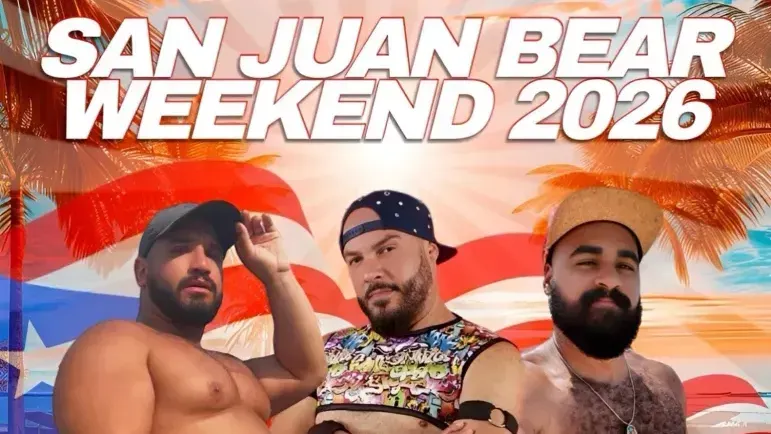
San Juan Bear Weekend is set to return for its second annual edition from February 12 to 16, 2026, inviting the global bear community to Puerto Rico for a mix of beach relaxation, parties, and nightlife.
San Juan Bear Weekend 2026 marks the second annual outing for this vibrant gathering tailored to the bear community, running from Thursday, February 12, to Monday, February 16, 2026, in San Juan, Puerto Rico. Hundreds of attendees, described as "sexy bears" from around the world, are expected to escape winter chills for a five-day, four-night experience blending tropical relaxation and energetic nightlife. The event is organized by BEAR MILK NYC , which curates a schedule of beach gatherings, pool parties, open bars, and takeovers at local gay venues.
This edition builds on the success of the inaugural event, emphasizing community connection in an inclusive environment for bears and their allies. Puerto Rico's "La Isla del Encanto" serves as the ideal backdrop, with its stunning beaches and welcoming LGBTQ+ scene in San Juan. Attendees can purchase All Access Weekend Passes for entry to all major events, with early bird pricing available until December 15, 2025. Tickets and full schedules are accessible at SanJuanBearWeekend.com .
Daytime programming focuses on leisurely pursuits under the Caribbean sun. Organized beach and pool parties provide spaces for mingling, tanning, and enjoying crystal-clear waters along San Juan's shores. These gatherings foster a relaxed atmosphere where participants can connect with fellow bears in a supportive setting.
Puerto Rico's vibrant culture enhances the experience, with opportunities to explore natural beauty beyond the parties. Organizers highlight the island's appeal as a mid-February escape from colder climates elsewhere. Hotel recommendations and travel tips are provided on the official website to help attendees plan their stays.
As night falls, the event shifts to San Juan's renowned gay nightlife. Exclusive parties at local venues form the core of evening entertainment, featuring music, dancing, and drinks. A highlight is the takeover of El Purgatorio, San Juan's dedicated bear bar, where hundreds of bears will gather for themed nights planned by BEAR MILK NYC. These events span the full four days plus the extended weekend, ensuring non-stop fun.
The lineup includes selections from San Juan's gay bar scene, promoting an inclusive celebration of bear culture. Organizers encourage following social channels for real-time updates on venues and themes .
San Juan Bear Weekend underscores the growing visibility of bear events in the Caribbean, drawing a global crowd to Puerto Rico's affirming LGBTQ+ destinations. By centering bears—a subgroup within the broader LGBTQ+ community—the event promotes body positivity, camaraderie, and shared experiences. Participants report forming lifelong friendships in this welcoming paradise.
The second annual return signals strong demand, with early booking urged due to limited tickets. Refunds follow Eventbrite policies, and the in-person format starts at 7:00 PM GMT-3 on February 12. This gathering not only boosts local tourism but also strengthens international ties within the bear community.
For those seeking a sun-soaked break, San Juan Bear Weekend offers a curated path to paradise, open to all who embrace its spirit. Visit SanJuanBearWeekend.com for details.
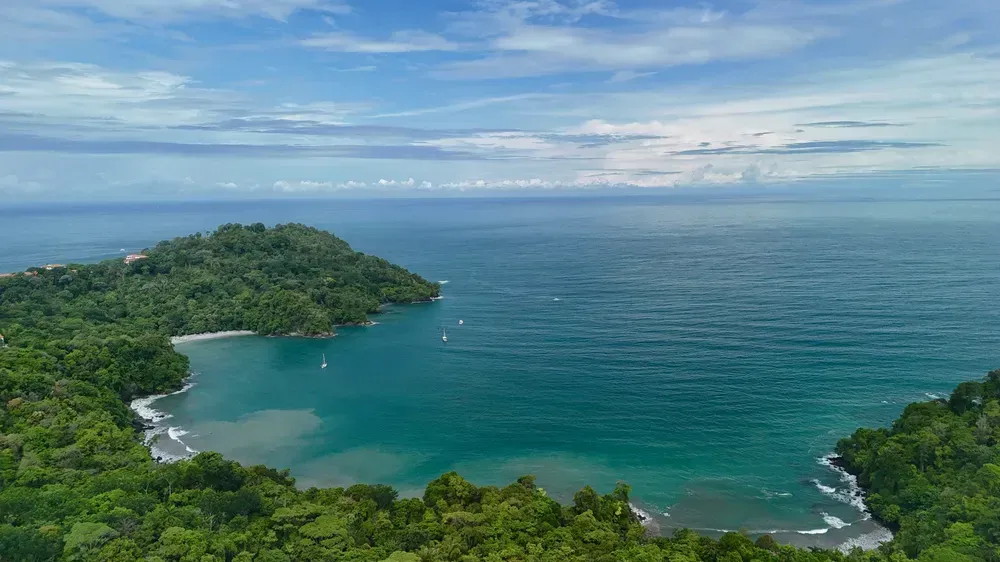
Nestled on Costa Rica's central Pacific coast, Quepos is a lesser-known gem for queer travelers seeking welcoming beaches, vibrant wildlife, and low-key LGBTQ+ events away from mainstream lists.
Quepos, a coastal town on Costa Rica's central Pacific, has long been overshadowed by flashier destinations like Puerto Vallarta or Rio de Janeiro in LGBTQ+ travel narratives, yet it stands out as an emerging queer-friendly spot in Central and South America. With its blend of stunning beaches, lush rainforests, and a relaxed vibe that welcomes LGBTQ+ visitors, Quepos provides a refreshing alternative for travelers craving authenticity over crowds.
Reaching Quepos is straightforward for international visitors, with direct flights from San Jose's Juan Santamaría International Airport taking just 20-30 minutes to the local airstrip, or a scenic three-hour drive along winding coastal roads lined with palm groves and howler monkey calls echoing from the canopy. As you descend into town, the air fills with the salty tang of the Pacific mingled with the earthy scent of tropical foliage, setting the tone for an unpretentious retreat. Quepos itself is a compact hub of weathered wooden buildings, fresh seafood stalls hawking ceviche made from just-caught mahi-mahi, and colorful sodas serving gallo pinto—rice and beans fried with onions—for breakfast.
What immediately sets Quepos apart for queer travelers is its laid-back inclusivity, rooted in Costa Rica's progressive stance on LGBTQ+ rights. Same-sex marriage has been legal nationwide since 2020, and the country consistently ranks as one of Latin America's most welcoming for queer visitors, with minimal reports of discrimination in tourist areas. Local businesses fly rainbow flags subtly alongside Tico pride, signaling safety without fanfare. Unlike the high-energy party scenes of Florianópolis or Buenos Aires, Quepos fosters a sense of belonging through quiet affirmation—bartenders at beachside spots pour caipirinhas with a knowing smile for same-sex couples holding hands at sunset.
Quepos serves as the primary gateway to Manuel Antonio National Park, a compact 682-hectare wonderland just south of town, where white-sand beaches meet dense jungle teeming with wildlife. Trails wind past turquoise coves like Playa Espadilla Sur, where queer travelers can snorkel amid colorful fish and sea turtles, or lounge under swaying almonds while capuchin monkeys—infamous for swiping sunglasses and water bottles—provide comic relief from above. The park's sloths, iguanas, and scarlet macaws add vivid splashes of color, making every hike a feast for the senses, especially at dawn when mist rises from the canopy like a living painting.
For those seeking seclusion, the park's quieter beaches offer space for intimate moments, with couples of all genders picnicking on fresh pineapple and empanadas from nearby vendors. Queer visitors often rave about the unforced camaraderie here—groups form organically for sunset yoga on the sand or shared boat tours spotting dolphins, where guides share stories of local Tico acceptance shaped by tourism's economic pull. This natural immersion contrasts sharply with urban queer hotspots, providing a restorative escape that feels both exhilarating and safe. Beyond the park, Quepos Beach buzzes with low-key watersports: stand-up paddleboarding at dawn or surfing lessons from local instructors who accommodate all skill levels and identities without judgment.
Costa Rica pioneered zip-lining in the 1980s, and Quepos delivers adrenaline rushes through canopy tours soaring over jungle rivers, where queer groups bond mid-air over shared thrills. Evenings bring bioluminescent kayak tours in nearby mangroves, where glowing plankton light up paddles like underwater stars—a magical, romantic outing perfect for transgender couples or non-binary explorers seeking wonder away from societal gaze.
Quepos's LGBTQ+ scene is understated yet thriving, centered on a handful of venues that draw mixed crowds for dancing, live music, and casual mingling. A standout is the town's fun club, where reggaeton and salsa pulse late into the night, attracting locals, expats, and visitors in a space that feels affirmingly inclusive. Pride on the Beach in July transforms the sands into a celebratory haven, with drag performances, beach volleyball tournaments, and barbecues featuring grilled chorizo and plantains, all under rainbow banners waving in the trade winds. Community insights from queer expats highlight how events like these build lasting connections, with one local organizer noting, "Quepos welcomes everyone as family—your identity is just part of the beautiful mosaic."
The town's small but dedicated queer community includes artists and wellness practitioners running pop-up events, such as full-moon drum circles on the beach or queer-friendly cacao ceremonies drawing on indigenous traditions adapted for modern spiritual seekers. Instagram handles like @QueposPride share real-time updates on safe spaces and gatherings, fostering a digital nomad vibe among remote workers who appreciate the affordable coworking spots amid ocean views. This emerging network positions Quepos as a "hidden gem" for queer travelers tired of commodified scenes, offering genuine interactions over Instagram-perfect poses.
Dining amplifies the cultural richness: El Avión, built around a salvaged 1960s warplane, serves casados with craft beers brewed locally, its open-air patio a spot for queer groups to debrief adventures. Street food markets brim with tamales wrapped in banana leaves and shaved ice vendors calling out flavors like tamarindo, evoking the town's fishing roots while embracing diverse palates.
LGBTQ+ travelers favor eco-conscious resorts that prioritize privacy and welcome all identities. Tulemar Resort, sprawling across 33 acres of jungle with a private beach, offers villas from one to four bedrooms starting at $365 per night, complete with four pools, two restaurants, and a beach bar slinging pina coladas amid toucan calls. La Mariposa Hotel, perched on a hillside with ocean panoramas, provides boutique rooms and apartments from $210 per night, beloved for its patios perfect for quiet queer retreats.
Practicalities are queer-traveler friendly: ATMs are plentiful, English is widely spoken in tourist zones, and ride-shares like Uber operate reliably. Safety is high, with low violent crime rates in Quepos proper—stick to well-lit paths at night and use reputable taxis for late returns from the club scene. For cultural depth, visit indigenous Bribri communities nearby for chocolate-making workshops, where elders share stories of resilience paralleling queer narratives of perseverance.
Quepos's ascent as a queer haven stems from word-of-mouth among eco-conscious travelers and digital nomads, who tout its blend of adventure, affordability , and subtle progressiveness. As boutique spots multiply without high-rises marring the skyline, it remains a pure escape—inviting queer individuals, couples, and chosen families to craft memories in a landscape as vibrant and accepting as its community.
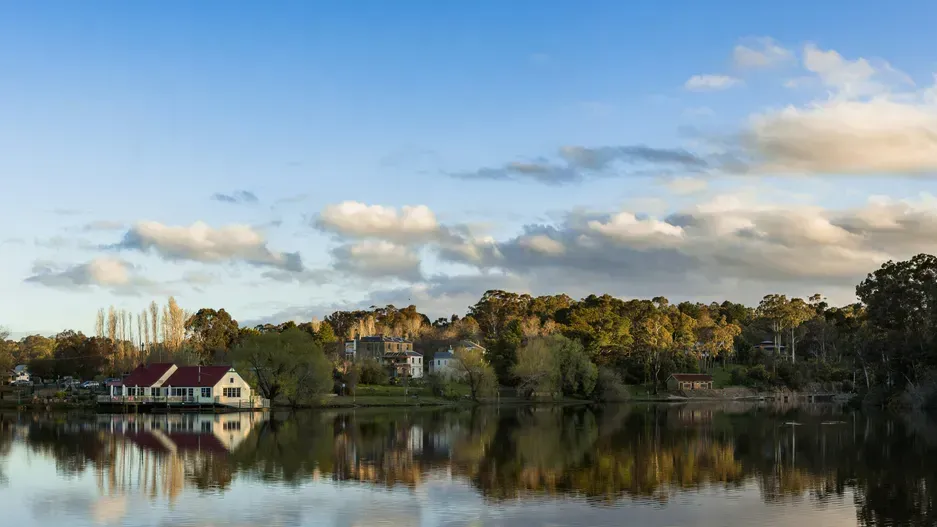
Nestled in rural Victoria, Daylesford has earned the nickname "Gaylesford" as a thriving haven for LGBTQ+ travelers seeking respite from urban hustle. ffers authentic community connections and cultural richness tailored for queer explorers.
Tucked away in Victoria's spa country, just 90 minutes northwest of Melbourne, Daylesford stands out as a lesser-known queer-friendly destination in Australia. Often overshadowed by Sydney's Mardi Gras or Melbourne's urban vibe, this rural town has cultivated a vibrant LGBTQ+ community, earning the affectionate moniker "Gaylesford." Its welcoming atmosphere stems from a history of inclusivity, where rainbow flags blend seamlessly with the town's mineral springs and art galleries, attracting queer travelers year-round.
What sets Daylesford apart is its emergence as Australia's premier LGBTQ+ regional getaway. Unlike the high-profile coastal cities dominating standard lists, Daylesford offers a quieter, more intimate experience rooted in community and nature. The town's population of around 2,500 includes a notable proportion of same-sex couples, fostering an environment where queer visitors feel immediately at home. Local cafes, shops, and accommodations prioritize inclusivity, with many owned or operated by LGBTQ+ individuals who share insider tips on hidden trails and events.
At the core of Daylesford's appeal is the ChillOut Festival, recognized as Australia's largest queer country music festival. Held annually in March, this 10-day event transforms the town into a kaleidoscope of music, dance, parades, and cultural activities celebrating LGBTQ+ identities. The festival features a colorful Pride March through main streets lined with cheering locals, cabaret performances at historic venues like the Convent Gallery, and pool parties at lakeside resorts. Queer travelers rave about the family-friendly vibe alongside late-night dances, where transgender performers, drag queens, and First Nations LGBTQ+ artists share the stage.
ChillOut's roots trace back to 1997, when it began as a small gathering to counter rural isolation for queer people. Today, it draws over 20,000 attendees, spotlighting emerging talents and international acts while highlighting local queer stories. For instance, the festival's art installations often explore themes of resilience and joy, displayed amid Daylesford's lavender fields and autumn foliage. Attendees can join workshops on queer history or yoga sessions by the Hepburn Springs, blending wellness with community bonding. This event underscores Daylesford's cultural richness, proving rural Australia harbors deep LGBTQ+ creativity.
Beyond the festival, year-round queer events keep the energy alive. The town hosts queer film screenings at the Palace Cinema, art exhibitions featuring LGBTQ+ artists, and social nights at venues like the Farmers Arms pub, a longstanding inclusive spot. These gatherings provide spaces for transgender people, non-binary travelers, and same-sex couples to connect without the intensity of big-city scenes. Local insight from community members emphasizes the town's low-key acceptance: no stares, just warm hellos.
Daylesford's natural allure amplifies its queer-friendly status. The Hepburn Mineral Springs Reserve, with its free public baths fed by healing waters, offers a serene backdrop for reflection. Queer travelers often visit at dawn for quiet dips, surrounded by ferns and bird calls, evoking a sense of renewal. Nearby, Lake Daylesford provides paddle boating and picnics, where rainbow picnics pop up spontaneously during weekends.
Hiking trails through the Wombat State Forest lead to viewpoints over misty valleys, ideal for couples or solo adventurers. LGBTQ+-owned tour operators, such as those offering guided nature walks, ensure safe, affirming experiences. The area's boutique wineries, like Passing Clouds Vineyard, host queer wine tastings with charcuterie boards overlooking vineyards. These spots emphasize sustainability and inclusivity, with owners sharing stories of Daylesford's evolution into a haven for queer retirees and visitors alike. The fusion of nature and nurture makes it welcoming for all LGBTQ+ identities, from leather enthusiasts at bush doofs to families enjoying spa days.
Culturally, Daylesford pulses with artistic energy. The streets brim with galleries like the Daylesford Art Hub, showcasing queer photographers and painters inspired by the town's landscapes. Antique shops overflow with mid-century finds, while vegan cafes like the Good Morning Cafe serve rainbow lattes and gluten-free treats. Queer-owned businesses thrive here: Blush for You stocks lingerie for all bodies, and the Daylesford Hotel hosts trivia nights with drag hosts.
Accommodations cater thoughtfully to LGBTQ+ needs. The Lake House resort offers luxurious suites with private hot tubs, popular among honeymooning same-sex couples.
Daylesford's rise as a queer destination reflects broader shifts in Australian travel. Post-pandemic, travelers seek authentic, less-crowded spots, and this town's blend of wellness, culture, and community fits perfectly. Social media buzz from queer influencers highlights its safety—low crime, visible allyship—and affordability compared to Sydney. With ChillOut gaining international notice, it's poised to explode, yet retains its intimate charm.
For queer travelers tired of the same lists, Daylesford delivers vivid details: steam rising from springs at twilight, laughter echoing from festival parades, wildflowers framing a first kiss on a trail. It's emerging because locals nurture it—through inclusive policies and events—while its cultural depth, from Indigenous storytelling to contemporary queer art, enriches every visit. Plan around March for ChillOut, or anytime for serenity. Fly into Melbourne , then drive the scenic route via Ballarat. Daylesford isn't just welcoming; it's a mirror for queer joy in unexpected places.
On the shores of Lake Erie, a once-sleepy industrial city in northwestern Pennsylvania is quietly reinventing itself as a surprisingly vibrant LGBTQ+ destination, with queer-owned businesses, grassroots organizers, and small but mighty Pride events reshaping its identity.
If you asked most people to name up‑and‑coming queer hotspots in North America, you would probably hear the usual suspects: Chicago, Seattle, or the beach‑town darlings like Provincetown and Rehoboth Beach, all of which are frequently highlighted as LGBTQ+-friendly destinations by major travel outlets and queer‑focused platforms such as Misterb&b and GayRealEstate.com.
The name Erie, Pennsylvania is not usually on that list. Yet over the last few years, this compact Great Lakes city—known more for snow squalls and steel history than drag brunches—is quietly building a reputation as a surprisingly warm spot for LGBTQ+ travelers and residents, shaped by local organizers, queer-owned spaces, and an increasingly visible Pride presence.
This is not a mass‑market, circuit‑party destination; it is the kind of place where bartenders know your name by the second night, Pride volunteers remember you from the parade route, and the drag performer who hosted your Saturday show might be serving coffee at the queer‑friendly café on Monday.
Erie sits in the far northwestern corner of Pennsylvania, on a stretch of Lake Erie shoreline that includes Presque Isle State Park, a peninsula known for its beaches, birding, and low‑key summer tourism. For decades, the city’s public image leaned industrial and conservative, with limited visible LGBTQ+ nightlife or dedicated queer spaces.
Over roughly the past decade, local LGBTQ+ advocates and allies have worked to shift that reality. Erie’s Human Relations Commission and City Council advanced protections under local non‑discrimination ordinances, aligning with statewide efforts in Pennsylvania to strengthen LGBTQ+ rights and local safety. Organizations including NW PA Pride Alliance and Erie Gay News have helped coordinate public events, legal education, and community resources designed to make queer residents more visible and supported.
While larger Pennsylvania cities such as Philadelphia and Pittsburgh have long‑standing queer neighborhoods and major Pride festivals, statewide assessments increasingly recognize the broader state—particularly municipalities with non‑discrimination protections—as relatively safer environments than some neighboring states for LGBTQ+ travelers and residents. Erie’s progress has unfolded in parallel with these shifts, translating policy changes into tangible local culture through bars, events, and grassroots groups.
Erie’s LGBTQ+ presence today is stitched together by a network of small organizations and business owners rather than a single flagship district. NW PA Pride Alliance, founded in 2012, has become a central hub, organizing Erie’s annual Pridefest and related events. According to public event listings and local coverage, the group coordinates a summer Pride parade and festival downtown, a Pride Picnic in one of the city’s parks, and supplementary gatherings such as drag shows and youth‑focused activities in partnership with other organizations.
Erie Gay News, a community publication founded in the 1990s, documents LGBTQ+ life in the city and surrounding region through event schedules, resource lists, and interviews with local activists, health providers, and faith‑based allies. The outlet’s coverage illustrates how grassroots leadership—often unpaid or lightly resourced—has sustained visibility in years when municipal funding or corporate sponsorship remained limited.
A key thread in Erie’s queer evolution has been youth and family support. Local organizations such as the Greater Erie Alliance for Equality and LGBTQ+‑affirming programs at regional health systems have hosted educational workshops, healthcare access events, and school‑focused trainings. This work mirrors broader U.S. trends in which smaller and mid‑sized cities leverage local nonprofits and health partners to provide affirming services for transgender people and queer youth despite limited nightlife infrastructure.
Erie’s queer‑owned or queer‑welcoming businesses have also helped anchor the scene. Local listings and tourism information highlight inclusive bars, cafes, and arts venues in and around the downtown, many of which explicitly promote Pride events, drag shows, and LGBTQ+-centered parties on their social media pages. While Erie does not have the density of LGBTQ+ bars found in major cities, the venues that do exist frequently serve multiple roles: nightlife space, informal community center, and organizing hub.
Erie’s Pride celebrations offer a concise window into how the city’s queer public life has grown. According to reports from NW PA Pride Alliance and local press, early Pride gatherings in Erie in the late 1990s and early 2000s focused on a community picnic and smaller events. Over time, organizers gradually expanded the program into a full Pridefest with a downtown march and festival, integrating local performers, faith communities, and advocacy organizations.
Recent editions of Erie Pridefest have taken place in prominent public spaces downtown, with street closures, vendor booths, and a main stage, reflecting a shift from semi‑private gatherings to a confident, city‑center celebration. Coverage from the Erie Times‑News notes participation from city officials and local businesses, illustrating a visible level of civic endorsement that was less common in earlier decades.
This trajectory aligns with patterns seen in other smaller U.S. cities where initial Pride events often start as lower‑profile or park‑based activities before growing into street festivals as local support solidifies. As of 2024, Erie’s Pride offerings combine a family‑friendly daytime festival with adult‑oriented after‑parties at bars and clubs, providing multiple access points for different age groups and comfort levels.
By conventional metrics—number of queer venues, scale of nightlife, national name recognition—Erie does not compete directly with large LGBTQ+ centers such as Chicago, Seattle, or San Francisco, all of which appear at or near the top of queer safety and travel indices. However, Erie leverages a few attributes that make it stand out as an “unexpectedly queer” destination.
First, there is scale. Erie’s population is under 100,000, yet it supports an annual Pride festival with city‑center visibility and multiple LGBTQ+ organizations, a proportionally large community footprint for a city of its size. That concentration can make the scene feel tightly knit to visitors accustomed to more diffuse big‑city neighborhoods.
Second, affordability and access matter. National reporting on “forgotten” or affordable queer cities notes that mid‑sized and Rust Belt communities have attracted LGBTQ+ residents priced out of coastal hubs, with examples such as Rochester, New York, and other secondary cities highlighted for their lower living costs and strong community networks. Erie sits in a similar economic context, offering comparatively lower housing costs than major metropolitan areas while providing access to nature, a compact downtown, and proximity to larger cities like Buffalo and Cleveland.
Third, outdoor culture plays a role. Presque Isle State Park’s beaches, multi‑use trails, and lakefront sunsets have long drawn regional tourists, and local LGBTQ+ groups frequently incorporate the park into Pride picnics, informal meetups, and recreational outings. For queer travelers seeking a quieter alternative to crowded coastal resorts, a day of hiking and swimming followed by a low‑key drag show or bar night can be an appealing combination.
Erie’s queer “sparkle” is less about rainbow‑wrapped chain hotels and more about overlapping cultural scenes. Local calendars compiled by Erie Gay News and regional arts organizations show a steady flow of drag performances, themed dance nights, queer‑inclusive open mics, and gallery events throughout the year. Performers frequently collaborate with benefit shows for LGBTQ+ nonprofits or mutual‑aid efforts, blending entertainment with fundraising and community care.
Intersectional organizing is also central. Greater Erie Alliance for Equality and partner organizations have hosted events focused on LGBTQ+ seniors, racial justice, transgender healthcare, and faith‑based inclusion, reflecting a broader national movement within LGBTQ+ communities toward addressing overlapping forms of marginalization. For visitors, this means the city’s queer spaces often foreground education and advocacy alongside social events.
The city’s colleges, including nearby Penn State Behrend and local universities, contribute another layer through student‑run LGBTQ+ groups that host workshops, campus Pride weeks, and collaborations with community organizations. During the academic year, this student presence brings additional energy to downtown events and helps maintain a generational pipeline of new organizers and attendees.
The emergence of Erie as an LGBTQ+-friendly destination is tied to broader shifts across the United States. As large‑scale legislative attacks on transgender rights and queer visibility rise in some states, travel writers and safety indexes increasingly highlight cities and states where legal protections and community support are comparatively stronger. Pennsylvania’s mixture of local non‑discrimination protections, active advocacy groups, and municipalities with high scores on national equality indexes has made it an important refuge for some LGBTQ+ people in the region.
Within that context, Erie offers a specific combination: relatively accessible housing and travel costs, a lakefront recreational setting, growing civic and business support for Pride events, and an established yet still intimate queer social infrastructure. For travelers accustomed to crowded, high‑cost coastal destinations, the appeal lies in discovering a city where a single weekend can meaningfully plug you into local networks rather than just dropping you into anonymous nightlife.
For some, the most surprising part may be how ordinary it feels: rainbow flags in café windows, Pride posters at the library, drag performers fundraising for a local health clinic, and families with Pride‑themed picnic blankets along the Presque Isle shoreline. In a moment when LGBTQ+ communities in many regions are navigating heightened scrutiny and legal threats, that ordinariness—queer life woven calmly into the fabric of a small Great Lakes city—can feel quietly radical.
For now, Erie remains under the radar, overshadowed by bigger names in queer travel guides. But if you find yourself on Interstate 90 with a long weekend to spare and an appetite for a smaller‑scale, community‑driven queer scene, the answer to “Wait, this town is queer now?!” might be waiting on the Lake Erie shore.
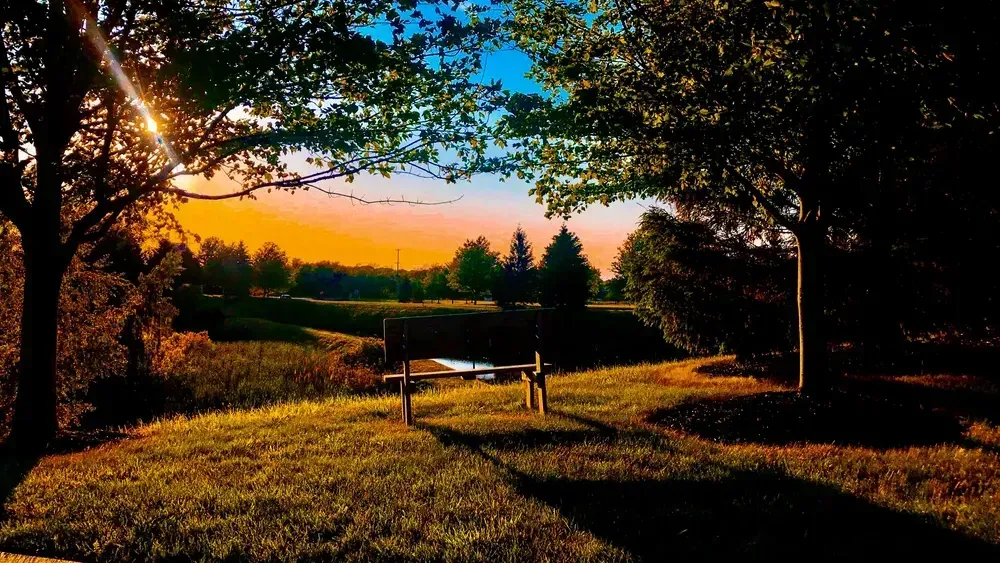
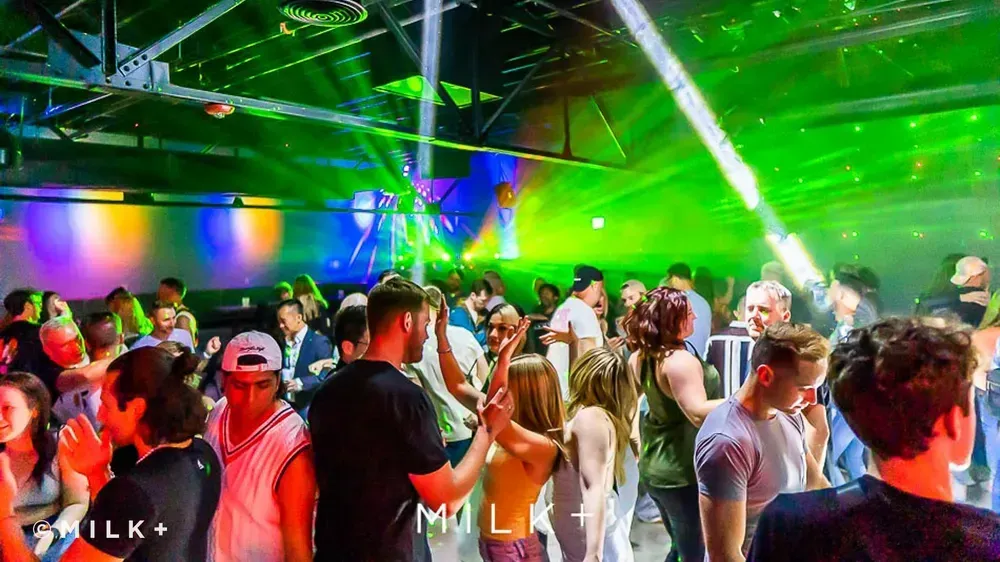
Nestled in the surprising progressive enclave of Salt Lake City, Milk+ stands out as a queer-owned nightlife hub in a tourist-friendly destination known for its scenic mountains and inclusive vibe
Salt Lake City, Utah, surprises many as an island of inclusivity within a conservative region, boasting a thriving LGBTQ+ community supported by queer-owned businesses like Milk+. The city, nestled against the Wasatch Mountains, attracts tourists for its sunny weather, outdoor adventures, and cultural attractions, while fostering progressive values. Milk+, a hopping nightspot, exemplifies this welcoming atmosphere, drawing both locals and visitors with its vibrant energy.
Tourism in Salt Lake City centers on its natural beauty and events, making it a prime spot for LGBTQ+ travelers seeking adventure beyond typical destinations. The city hosts a vibrant Pride celebration each year in late June, featuring parades, parties, and community gatherings that highlight its commitment to queer visibility. Queer-owned businesses cluster in the compact city center, offering safe spaces amid attractions like museums and mountain trails. Salt Lake City's history of liberal politics reinforces this inclusivity; for instance, Jackie Biskupski served as mayor from 2016 to 2020 as an openly lesbian leader.
Milk+ operates as a key queer-owned venue in Salt Lake City, described as a "hopping nightspot" that caters to the LGBTQ+ community with lively events and inclusive programming. Located in the city's central area, it provides a space for dancing, drinks, and socializing, appealing to tourists exploring the area's queer scene. Alongside spots like Club Try-Angles, Milk+ contributes to a concentration of LGBTQ+-friendly businesses that make the city center a go-to for visitors.
For LGBTQ+ travelers, Milk+ represents more than a bar; it embodies the city's role as an "island of inclusivity" in Utah, where queer folks own and staff businesses that prioritize safety and celebration. Patrons can expect themed nights, performances, and a mixed crowd of locals and tourists, all within walking distance of hotels and attractions. The venue's presence underscores Salt Lake City's evolution into a destination listed among 12 underrated LGBTQIA+-friendly spots for 2025. Queer staff and owners ensure an affirming environment for all identities, from gay and lesbian visitors to transgender people and non-binary individuals.
Salt Lake City's tourist draw enhances Milk+'s spotlight, with visitors combining nightlife at queer-owned spots like Milk+ with daytime adventures. The Wasatch Mountains offer hiking, skiing, and scenic views, positioning the city as a hub for active travelers. After a day outdoors, evenings at Milk+ provide a relaxing yet energetic unwind, complete with cocktails and music tailored to LGBTQ+ tastes. The city's walkable core makes it easy to hop between queer cafes, shops, and Milk+, fostering a sense of community.
Pride season amplifies the appeal, with late June events drawing international crowds to venues like Milk+ for after-parties and gatherings. Tourists appreciate the contrast: conservative surroundings juxtaposed with bold queer spaces, making Milk+ a beacon of authenticity. Colorful cafes and shops nearby complement the nightspot, offering daytime spots for coffee and shopping run by queer entrepreneurs.
From an LGBTQ+ viewpoint, businesses like Milk+ play a crucial role in making Salt Lake City a safe tourist destination. Queer owners create environments where transgender people, bisexual individuals, and others feel visible and valued. The city's high concentration of such venues signals robust community support, encouraging travel even in unexpected U.S. locales. Visitors report feeling welcomed, with Milk+ highlighted for its inclusive events that bridge locals and tourists.
This model of queer-owned tourism spots extends Salt Lake City's global profile, aligning with trends in 2025 where underrated destinations gain traction for authenticity. Milk+ supports broader efforts by hosting events that promote visibility, contributing to the area's progressive reputation. For travelers, it offers not just nightlife but a taste of resilient community spirit amid stunning landscapes.
As 2025 unfolds, Milk+ positions Salt Lake City as essential for LGBTQ+ itineraries, blending adventure tourism with queer hospitality. Queer-led businesses like this one ensure visitors experience genuine inclusivity, from mountain hikes to dance floors. The venue's role in the city's ecosystem highlights how tourist spots can champion diversity, inviting global LGBTQ+ communities to explore and celebrate.