Nestled in southeastern Spain, Murcia emerges as a lesser-known gem for queer travelers seeking authentic culture, pristine beaches, and a growing LGBTQ+ scene away from mainstream lists.
In the sun-drenched southeast of Spain, the Region of Murcia stands out as an understated destination for LGBTQ+ travelers. Far from the crowded pride circuits of Barcelona or Sitges, this area combines Mediterranean beaches, Renaissance architecture, and a burgeoning queer community that feels refreshingly local and intimate. Queer travel blogs highlight Murcia as one of 20 European hidden gems for curious gay explorers, praising its blend of natural beauty and inclusive vibes without the tourist overload. Unlike mega-hubs like Berlin or Amsterdam, Murcia's appeal lies in its emerging status—ranked among top LGBTQ+-friendly spots in Spain by travel indices, yet rarely topping mainstream lists.
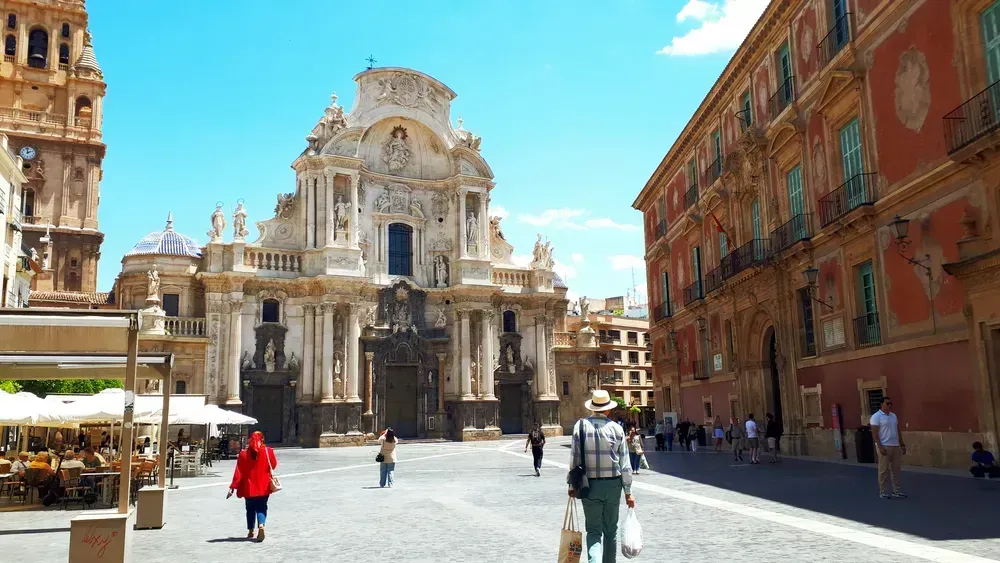
Murcia's capital city, also named Murcia, serves as the cultural heart. The old town's labyrinthine streets around the Baroque Murcia Cathedral buzz with tapas bars and markets where locals sip thick hot chocolate alongside churros. For queer visitors, the real draw is the subtle openness: same-sex couples stroll hand-in-hand along the Segura River without drawing stares, a rarity in more conservative parts of inland Spain. The region's progressive leanings stem from Spain's nationwide legalization of same-sex marriage in 2005, fostering pockets of acceptance that have quietly expanded here.
What sets Murcia apart for queer travelers is its year-round authenticity. Spring brings the Semana Santa processions—solemn parades of hooded penitents carrying ornate floats through flower-strewn streets—offering a culturally immersive experience that's welcoming to all. Nearby, the Mar Menor lagoon, Europe's largest saltwater lagoon, beckons with calm, shallow waters ideal for relaxed beach days. Queer-friendly beaches like Calblanque, with nude-optional sections, provide secluded spots amid pine forests and turquoise coves, perfect for couples or solo adventurers. Local insight from travel writers notes that while not overtly marketed as gay beaches, these areas attract diverse crowds in a judgment-free atmosphere.
Murcia's queer community thrives in low-key venues that prioritize connection over spectacle. The city hosts an annual Pride festival in June, drawing large crowds for its community-focussed events. Unlike massive events elsewhere, Murcia Pride feels intimate, with locals and visitors mingling at pop-up bars serving regional wines from Jumilla vineyards. Puglia's nearby gay guide mentions similar regional saunas, but Murcia's stand out for their affordability and local flavor. For lesbians and queer women, the scene echoes smaller European nodes like Gazi in Athens: casual cafes by day morph into dance spots by night. Nonbinary travelers appreciate the city's gender-neutral facilities in newer spots, including public restrooms at the modern Victor Villegas Auditorium, which hosts queer film screenings.
Daytime explorations reveal cultural richness. Hike to the Lorca Castle, a Moorish fortress overlooking vineyards, or wander the Real Casino de Murcia—a 19th-century social club with opulent Moorish halls, now open to all, where queer history buffs can trace threads of hidden same-sex networks from the era. Foodies rave about Murcia's huerta gardens, yielding fresh produce for dishes like zarangollo , often enjoyed at communal tables where conversations flow freely. Travel experts position Spain highly on the 2025 Gay Travel Index for protections, with Murcia exemplifying safe, everyday inclusivity.
Emerging as a hidden gem, Murcia benefits from proximity to Alicante Airport , making it accessible yet undiscovered. Queer tour operators are eyeing it for bespoke itineraries, pairing wine tastings with sunset cruises on the Mar Menor. Local hosts via platforms like Airbnb often share insider maps to inclusive businesses, echoing Mallorca's just-for-us resources but on a quieter scale.
Community voices emphasize empowerment. A queer expat blogger describes Murcia as "where you can be visibly affectionate without the performance of Pride, "highlighting municipal pools and thermal spas as sober socializing hubs—much like Reykjavik's but warmer year-round. Transgender travelers note easy access to affirming healthcare via Spain's public system, with Murcia's university hospital praised for hormone therapy services.
For couples, romantic escapes abound: paddleboard on the Mar Menor at dawn or picnic amid almond blossoms in February. Solo queer women find safety akin to Iceland, with walking tours led by local groups exploring huerta trails. Families with LGBTQ+ kids enjoy the BioPark, a zoo with interactive exhibits on Mediterranean ecosystems, in a region scoring top marks for protections.
Getting there is straightforward: high-speed AVE trains from Madrid or flights to Murcia International Airport. Stay at boutique hotels like the queer-friendly Silken Saten in the historic center, with rooftop pools overlooking the cathedral. Budget €100-150/night for doubles; eat affordably at meson spots . Best times: spring for blooms, summer for beaches , fall for festivals.
Looking ahead, Murcia's queer scene is poised for growth. Plans for a dedicated LGBTQ+ cultural center near the riverfront signal investment in visibility. As Europe’s Gay Travel Index leaders like Spain evolve, Murcia positions itself as the next must-visit—welcoming, culturally deep, and perfectly under-the-radar.
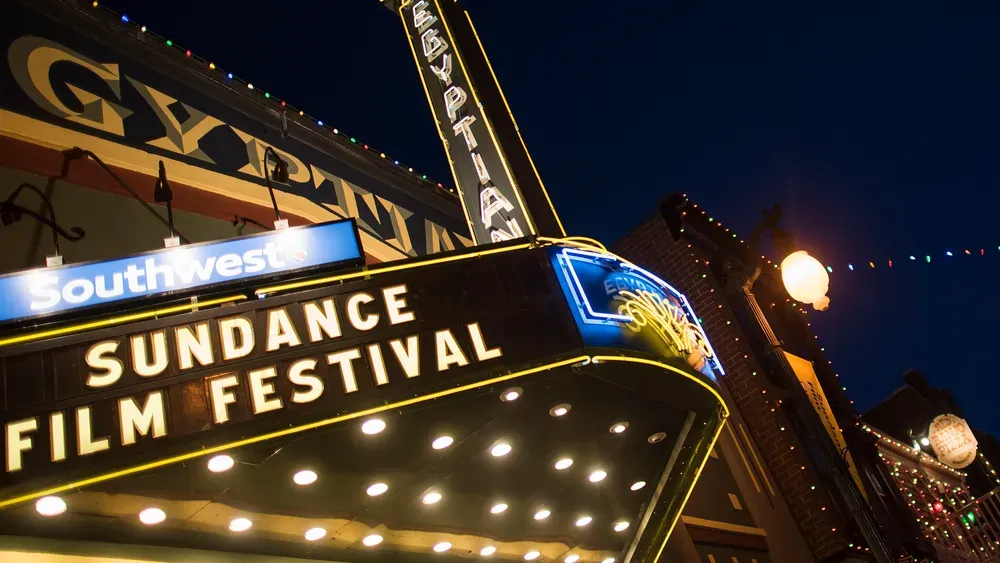
The exterior of the Egyptian Theatre is illuminated on Main Street during the Sundance Film Festival in Park City, Utah, Jan. 22, 2015. Photo Credit: Photo by Arthur Mola/Invision/AP, File
The Sundance Film Festival kicks off Thursday in Park City, Utah, marking its final year there
The Sundance Film Festival may be a little bittersweet this year. It will be familiar in some ways as it kicks off on Thursday in Park City, Utah. There will be stars, from Natalie Portman to Charli XCX, and breakout discoveries, tearjerkers, comedies, thrillers, oddities that defy categorization and maybe even a few future Oscar nominees. The pop ups and sponsors will be out in full force on Main Street. The lines to get into the 90 movies premiering across 10 days will be long and the volunteers will be endlessly helpful and cheery in subfreezing temperatures.
But the country’s premier showcase for independent film is also in a time of profound transition after decades of relative stability. The festival is bidding farewell to its longtime home and forging forward without its founder, Robert Redford, who died in September. Next year, it must find its footing in another mountain town, Boulder, Colorado.
It’s no surprise that legacy will be a through-line at this year’s final edition in Park City. There will be screenings of restored Sundance gems like “Little Miss Sunshine,” “Mysterious Skin,” “House Party” and “Humpday” as well as Redford’s first truly independent film, the 1969 sports drama “Downhill Racer.” Many will also pay tribute to Redford at the institute’s fundraising event, where honorees include Chloé Zhao, Ed Harris and Nia DaCosta.
“Sundance has always been about showcasing and fostering independent movies in America. Without that, so many filmmakers wouldn’t have had the careers they have,” said “Mysterious Skin” filmmaker Gregg Araki. He first attended the festival in 1992 and has been back many times, including at the labs where Zhao was one of his students.
Quite a few festival veterans are planning to make the trip, including “Navalny” filmmaker Daniel Roher. His first Sundance in 2022 might have been a bit unconventional (made fully remote at the last minute due to the pandemic) but ended on a high note with an Oscar. This year he’s back with two films, his narrative debut “Tuner,” and the world premiere of “The AI Doc: Or How I Became an Apocaloptimist,” which he co-directed with Charlie Tyrell.
“We’re going through a weird moment in the world … There’s something that strikes me about an institution that has been evergreen, that seems so entrenched going through its own transition and rebirth,” Roher told The Associated Press. “I’m choosing to frame this year as a celebration of Sundance and the institute and a future that will ensure the festival goes on forever and ever and ever and stays the vital conduit for so many filmmakers that it has been.”
Over the past four decades, countless careers have been shaped and boosted by the festival and the Institute. Three of this year’s presumed Oscar nominees — Paul Thomas Anderson, Ryan Coogler and Zhao — are among those the Institute supported early in their careers.
Jay Duplass, who first came to Sundance in 2003 with his brother, Mark, with what he calls a “$3 film” said it was the place where his career was made.
“I’d probably be a psychologist right now if it wasn’t for Sundance,” Duplass said.
While he’s been to “probably 15 Sundances” since, it hasn’t lost its luster. In fact, when a programmer called him to tell him that his new film “See You When I See You” was selected, he cried. The film is based on a memoir in which a young comedy writer (Cooper Raiff) attempts to process the death of his sister (Kaitlyn Dever). It's one of many films that finds humor amid grim subjects.
As always, the lineup is full of starry films as well, including Cathy Yan’s art world satire, “The Gallerist,” starring Portman, Jenna Ortega, Sterling K. Brown, Zach Galifianakis and Da’Vine Joy Randolph. The romantic drama “Carousel,” from Rachel Lambert, features Chris Pine and Jenny Slate as high school exes who rekindle their romance later in life. Araki is also bringing a new film, “I Want Your Sex,” in which Olivia Wilde plays a provocative artist (Araki described as a cross between Madonna and Robert Mapplethorpe) who takes on Cooper Hoffman as her younger muse.
“It's kind of a sex-positive love letter to Gen Z,” Araki said. “It’s a comedy. It has elements of mystery, thriller, murder — a little bit of ‘Sunset Boulevard’ … it’s fun, it’s colorful, it's sexy. It's a ride.”
Wilde also steps behind the camera for “The Invite,” in which she stars alongside Seth Rogen as a couple whose marriage disintegrates over the course of an evening. Olivia Colman is a fisherwoman looking to make the perfect husband in “Wicker,” co-starring Alexander Skarsgård. Zoey Deutch plays a Midwestern bride-to-be seeking out her celebrity “free pass” (Jon Hamm) in the screwball comedy “Gail Daughtry and the Celebrity Sex Pass.” And Ethan Hawke and Russell Crowe lead the Depression-era crime drama “The Weight.”
Pop star and noted cinephile Charli XCX will also be out and about, starring in the self-referential mockumentary “The Moment,” and appearing in “The Gallerist” and “I Want Your Sex” as well.
The 2026 festival features a robust lineup of documentaries too, which have a good track record of snagging eventual Oscar nominations and wins. There are a handful of films about famous faces, including basketball star Brittney Griner, Courtney Love, Salman Rushdie, Billie Jean King, Nelson Mandela and comedian Maria Bamford.
Others delve into newsy subjects past and present, like “When A Witness Recants,” in which author Ta-Nehisi Coates revisits the case of the 1983 murder of a boy in his Baltimore middle school and learns the truth. “American Doctor” follows three professionals trying to help in Gaza. “Who Killed Alex Odeh” examines the 1985 assassination of a Palestinian American activist in Southern California. “Everybody To Kenmure Street” is about civil resistance to deportations in Glasgow in 2021. And “Silenced” tracks international human rights lawyer Jennifer Robinson in her fight against the weaponization of defamation laws against victims of gender violence.
And some don't fit into any easy category, like “The History of Concrete” in which filmmaker John Wilson takes what he learned at a “how to sell a Hallmark movie” seminar and tries to apply it to a documentary on concrete.
There might be a bit of wistfulness in the air too, as everyone takes stock of the last Sundance in Park City and tries to imagine what Boulder might hold.
“It feels very special to be part of the last one in Park City,” Duplass said. “It’s just a super special place where, you know there are going to be movies there with giant stars and there’s also going to be some kids there who made movies for a few thousand dollars. And they’re all going to mix.”
Araki, like Redford, knew long ago that the festival had outgrown Park City. It will be strange to no longer have its iconic locations like Egyptian Theatre and Eccles and The Ray anymore, but it's also just a place.
“The legacy and the tradition of Sundance will continue no matter where it is,” Araki said.
by Lindsey Bahr
Copyright Associated Press. All rights reserved. This material may not be published, broadcast, rewritten, or redistributed.
Nestled in the quiet plains of Oklahoma, Guthrie is emerging as an unexpected LGBTQ-friendly gem for queer travelers seeking authentic rural charm over coastal crowds.
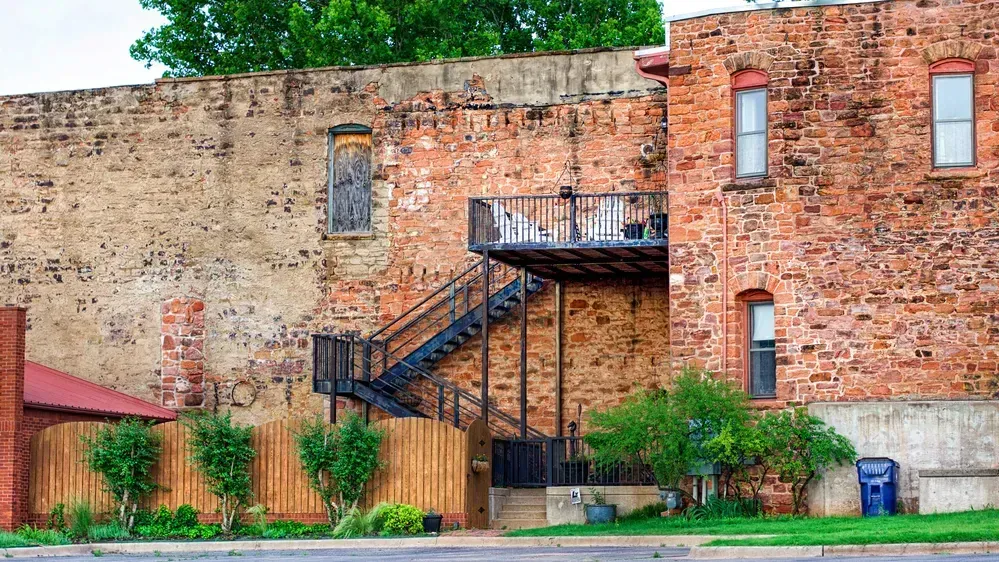
Picture this: endless golden wheat fields swaying under a vast Oklahoma sky, the scent of fresh-baked cornbread wafting from a historic diner, and rainbow flags fluttering defiantly against a backdrop of Victorian gingerbread architecture. Guthrie, Oklahoma—a speck of a town just 30 minutes north of Oklahoma City—isn't your typical LGBTQ hotspot like Provincetown or Palm Springs. Yet, this rural retreat with a population under 11, 000 is quietly blossoming into a must-visit for queer adventurers craving safety, community, and sensory delights far from the tourist throngs.
What makes Guthrie stand out? It's the unpretentious vibe where local farmers rub shoulders with drag queens at the annual Pride, and B&B owners greet same-sex couples with genuine hugs rather than side-eye. Long overlooked in favor of flashier destinations, Guthrie's transformation began accelerating post-2020, fueled by a wave of LGBTQ-owned businesses and events that prioritize inclusivity. Queer travelers report feeling seen—not just tolerated—in ways that big cities can't match, with low crime rates and a tight-knit community ensuring safety even after dark. The air hums with cicadas at dusk, fireflies dance over prairies perfect for stargazing dates, and the town's crystal-clear Scott Creek offers refreshing dips for those hot summer days.
Guthrie's story starts with grit. Founded in 1889 during the Land Rush, it served as Oklahoma's first state capital until 1910, leaving behind 2, 000 preserved historic buildings that now house art galleries, boutiques, and cozy inns. Wander the brick-lined streets, and you'll hear the creak of swinging saloon doors at spots like the Scottish Rite Masonic Temple, now a venue for queer-friendly theater. But the real magic for LGBTQ+ visitors lies in its recent pivot toward affirmation amid national headwinds.
Local leaders, including the Guthrie Chamber of Commerce, have championed inclusivity since launching the town's first Pride in 2021/2022, which has grown into a Pride-season extravaganza drawing thousands of attendees—massive for a small town. Transgender visitors praise the event's family-friendly focus, with kid zones and mental health booths alongside performances by local drag artists. "Here, you can hold hands without whispers, "shares one attendee on social media, echoing sentiments from queer travel forums. t
Guthrie checks every box for emerging appeal: it's rural yet accessible , affordable , and profoundly affirming. Queer families picnic at Territorial Museum gardens without fear, while adventure duo hikers tackle prairie trails hand-in-hand. The consensus from travel insiders? In a world of overtourism, Guthrie offers unexpected joy—where the wind whispers "you're welcome, "and every sunset feels like a personal invitation.
Nestled in Slovenia's Julian Alps, Lake Bohinj emerges as a lesser-known queer-friendly destination in Europe, offering tranquil natural splendor and a welcoming vibe far from mainstream LGBTQ+ travel lists.
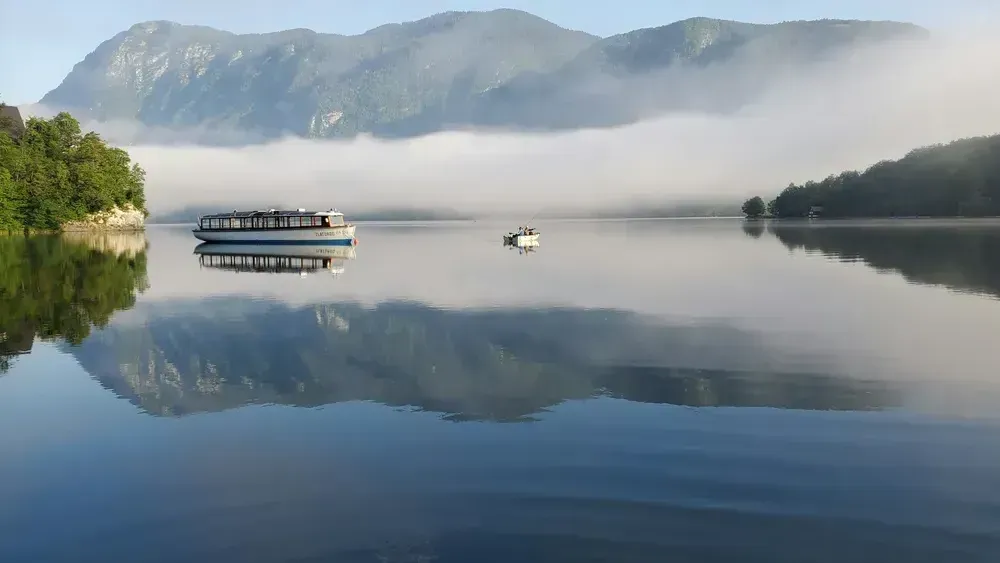
In the heart of Slovenia's Julian Alps lies Lake Bohinj, a crystalline alpine lake surrounded by towering peaks, cascading waterfalls, and dense forests—a destination that whispers rather than shouts its appeal to queer travelers. Unlike the bustling queer hubs of Berlin or Mykonos, Bohinj offers a serene escape where LGBTQ+ visitors can immerse themselves in nature's embrace without the spotlight. This spot, often overshadowed by nearby Lake Bled, is gaining quiet traction among discerning queer adventurers for its blend of outdoor pursuits, cultural depth, and an understated atmosphere of acceptance that feels genuine and unforced.
What sets Bohinj apart is its emergence as a "hidden gem"specifically curated for curious gay travelers exploring Europe's lesser-trodden paths. Travel curator Mr Hudson highlights Bohinj among 20 such European locales, praising its pristine landscapes and opportunities for authentic connections away from tourist throngs. Slovenia itself ranks highly in LGBTQ+ friendliness, with strong legal protections including same-sex marriage legalized in 2022, fostering an environment where transgender people and queer couples can feel secure. Cross-referenced with broader European queer travel guides, Bohinj stands out for its rarity on typical lists, appearing only in specialized "hidden gems"compilations rather than mainstream rankings like those featuring Sitges or Amsterdam.
Bohinj's welcoming nature stems from Slovenia's progressive stance on LGBTQ+ rights, coupled with the valley's intimate scale that encourages personal interactions. The region boasts a perfect score on ILGA-Europe's Rainbow Map for anti-discrimination laws, ensuring public displays of affection by same-sex couples face minimal legal barriers. Local accommodations and activities subtly affirm queer visitors; for instance, guesthouses in villages like Stara Fužina often host international LGBTQ+ hikers who appreciate the discretion and warmth of alpine hosts. Queer travel blogs note that while overt nightlife is absent—unlike Berlin's ten lesbian bars—Bohinj's communal saunas and lakeside gatherings provide low-key spaces for connection.
Emerging queer community insights paint Bohinj as a place where authenticity thrives. Slovenia's capital Ljubljana, just a two-hour drive away, hosts one of Europe's oldest Pride events since 2021, spilling over into regional tourism with queer-friendly operators offering Bohinj tours. Travelers report feeling "seen but not stared at, "with locals in Bohinj's craft beer scene and farm-to-table eateries creating inclusive vibes. One curated list emphasizes Bohinj's appeal for "curious gay explorers"seeking solitude amid wildflower meadows and via ferrata climbs, where body-positive attitudes mirror nearby nudist-friendly spots in Europe. This contrasts sharply with more judgmental rural areas elsewhere, positioning Bohinj as a safe bet for solo queer women, transgender people, or couples desiring peace.
Bohinj's cultural tapestry weaves ancient traditions with modern inclusivity, enriching the queer traveler's experience. The lake, Slovenia's largest glacial body, mirrors theTriglav National Park's biodiversity, home to brown bears and golden eagles—perfect for guided hikes that double as queer networking opportunities via apps. Visit the Church of St. John the Baptist in Ribčev Laz, its 16th-century frescoes depicting vivid biblical scenes under a wooden belfry that chimes hourly, evoking a sense of timeless serenity. Nearby, the Voje Waterfall plunges 21 meters through mossy cliffs, its mist-kissed rainbows a poetic nod to Pride symbolism.
For adventure seekers, paragliding tandem flights from Planina pod Golico offer bird's-eye views of the Sava Bohinjka River snaking through emerald valleys, landing on meadows buzzing with wild bees. Kayaking the lake at dawn reveals bioluminescent plankton in twilight, a magical, private moment for couples. These vivid details—crisp alpine air scented with pine, cowbells tinkling on pastures, the splash of trout rising—create an immersive backdrop that feels profoundly affirming for queer travelers tired of urban hustle.
Bohinj's rise mirrors a broader trend of queer travelers prioritizing sustainable, low-impact destinations amid overtourism in spots like Sitges or Ibiza. With direct flights to Ljubljana expanding, access has never been easier, yet visitor numbers remain modest—under 100, 000 annually versus Bled's millions—preserving its intimacy. Queer perspectives from blogs underscore its potential: "A place to recharge as your true self amid nature's grandeur, "notes one explorer.
In Bohinj, queer travelers find not just a destination, but a canvas for self-expression amid Slovenia's alpine poetry—emerging, enriching, and endlessly welcoming.
The most beautiful capitals in Europe aren't monument-heavy tourist stops; they're cities where walking is the main attraction. Photo Credit: Depositphotos
A visit around Europe's most beautiful capital cities calls for comfortable shoes and plenty of space on the camera roll. Walkable layouts and dramatic settings draw most of the attention here, with well-kept streets and architecture showing up right when travelers think they have seen it all. These are the kinds of cities where a short stroll turns into a long wander, and every corner dares the camera to come back out.
A visit around Europe's most beautiful capital cities calls for comfortable shoes and plenty of space on the camera roll. Walkable layouts and dramatic settings draw most of the attention here, with well-kept streets and architecture showing up right when travelers think they have seen it all. These are the kinds of cities where a short stroll turns into a long wander, and every corner dares the camera to come back out.
Europe's most admired capitals connect through efficient rail lines and smooth transfer options that keep travel simple without juggling maps or transit apps. With transit made that easy, plans that start neat and tidy often end with one extra city penciled in and a return date pushed a little farther out.
Walkable cities rank highest
Smaller European capitals continue to stand out for travelers who value scenery over scale. Luxury France Tours examined more than 3 million Tripadvisor comments across 46 capital cities, tracking how often visitors used appearance-related language.
Luxembourg City leads the ranking, with 18.15% of reviews using beauty-related language. Travelers often mention tidy streets and the mix of historic areas with modern sections. Many also point out how easy the city feels to explore on foot.
Close behind is Bratislava, where 17.41% of reviews cite visual appeal. Feedback centers on the old town, where short distances allow visitors to move at a steady pace without frequent transit.
Rounding out the top three is Monaco, with 17.14% of reviews noting its scenery. Harbor views and walks through the old town appear often in comments, suggesting the scene stands out more than the city's reputation for wealth or events.
Waterfront and hilltop appeal
Two well-known capitals also place high in the rankings, driven by strong scenery and easy pacing. Valletta follows closely with 17.11% of reviews using beauty-related language. Visitors often point to its seaside setting, light-colored stone buildings and narrow streets. Despite its size, the city leaves a strong impression thanks to its layered past.
Lisbon lands in fifth place at 15.26%. Travelers frequently mention views from elevated neighborhoods, tiled exteriors and long walks beside the river. The number of lookout points across the city helps explain how often reviewers use visual praise.
Scenic cities of the north
Northern capitals also earn strong marks, even with harsher climates. Oslo lands in sixth place with 14.84% of reviews using beauty-related language. Visitors often cite the harbor and how easily the city opens into forests and parks. Many note the contrast between contemporary design and open green areas, a balance that stands out even with the city's long winters.
Helsinki follows in ninth place with 14.62%. Reviews frequently mention the shoreline, nearby islands and tidy streets that make the city easy to take in. The clear layout and generous open space leave a lasting impression on travelers exploring the Finnish capital.
Landmarks drive visual appeal
Several large and lesser-known capitals also land in the top tier, driven by scale, setting and standout landmarks. Moscow ranks seventh with 14.65% of reviews using beauty-related language. Visitors often point to wide public spaces and well-known historic sites. Many note the architecture and sheer size, which leave a lasting impression despite the city's pace.
Sofia matches that share at 14.65%. Reviews frequently mention views toward the surrounding mountains and historic structures spread throughout the city. The level of praise stands out, given its reputation as a budget-friendly destination.
Rounding out the top 10 is Skopje at 13.79%. Travelers often focus on the mountain backdrop and the main square, which anchor many visits and drive positive remarks.
Easy travel between capitals
Travelers often link several capitals into a single itinerary rather than treating each stop as a standalone trip. Fast rail routes make that possible by cutting travel time and removing the need for repeated airport check-ins. Trains also place visitors closer to city centers, which helps keep schedules flexible.
For routes that cross borders or reach smaller cities, private transfers offer a simpler option. Services like Daytrip allow travelers to move between capitals while stopping at landmarks along the way. Ferry connections add another layer of access, especially between coastal and island capitals, turning travel days into part of the experience rather than a pause between destinations.
Scenery guides travel planning
For travelers weighing which European capitals to include on a trip, visual appeal often becomes a practical deciding factor. When scenery, neighborhoods and landmarks connect easily on foot, cities fit more naturally into shorter visits and multi-stop routes. That kind of layout can influence not only where travelers go, but also how long they choose to stay.
Zuzana Paar, a co-founder of Food Drink Life, is a seasoned traveler and writer who has explored 62 countries and lived in St. Lucia, Dubai, Vienna, Doha and Slovakia. Her work has been featured on Fox News, New York Daily News, MSN and more; she has also appeared live on Chicago's WGN Bob Sirott Radio Show. When she's not discovering new destinations, she shares travel tips and insider insights to help others experience the world in a unique and unforgettable way.
by Zuzana Paar
Copyright Associated Press. All rights reserved. This material may not be published, broadcast, rewritten, or redistributed.
Far from the usual circuit of gay beaches and big-city Pride, Michigan’s Keweenaw Peninsula — anchored by the tiny twin towns of Houghton and Hancock — is quietly emerging as a surprisingly warm, queer-affirming outpost on the frigid edge of Lake Superior.
On a June afternoon in Houghton, Michigan, rainbow flags ripple along a hillside street where old brick storefronts face the steel span of the Portage Lake Lift Bridge. A drag performer in a sequined parka lip-syncs on a makeshift stage as a line forms at the frybread stand, and a vendor carefully pins a tiny trans flag button to a denim jacket that has definitely seen a snowstorm or twelve. This is Keweenaw Pridefest — and it is not the queer travel backdrop most people picture when they think “summer in Michigan. ”
But that’s exactly the point.
Tucked at the top of Michigan’s Upper Peninsula, surrounded on three sides by the cold, glittering expanse of Lake Superior, the Keweenaw Peninsula — and its college town hub of Houghton-Hancock — is emerging as an off‑radar LGBTQ+‑friendly destination where queer travelers can breathe, be seen, and still get sand in their shoes .
You don’t stumble into the Keweenaw; you commit to it. From Detroit, it’s an eight‑plus‑hour drive through forests and along lonely stretches of highway before the landscape narrows to a peninsula of rocky shoreline, waterfalls, and copper‑rush ghost towns. That isolation has historically made the region feel conservative and insular — not the most obvious setting for rainbow crosswalks.
Yet on the campus of Michigan Technological University in Houghton, the student organization Keweenaw Pride has been quietly laying the groundwork for a different story for over three decades. The group traces its roots to the early 1990s and now hosts an annual Pride Week, drag shows, and a growing Spring Pridefest that invites the entire community, not just students.
In recent years, the event has outgrown campus lawns and spilled toward downtown, with local businesses flying Pride flags and sponsoring booths, from coffee shops to outdoor outfitters. The visibility is deliberate: organizers say they want queer and questioning young people — and visitors driving in from even more rural towns — to know they are welcome here.
While Michigan’s queer tourism spotlight tends to shine on places like Saugatuck-Douglas and Traverse City, LGBTQ+ travel guides have begun name‑checking Houghton and the Keweenaw as part of a broader wave of smaller, progressive Great Lakes communities that feel increasingly welcoming to queer and trans travelers. That early trickle of coverage is now meeting something real on the ground: a community that is, if not loudly queer, decidedly queer‑affirming.
Safety, of course, is not just about vibes; it is about laws, protections, and how those play out in everyday life. Michigan has seen a rapid and significant shift in legal protections for LGBTQ+ people over the last few years, changes that are especially meaningful in rural areas where queer folks can feel exposed.
In 2023, Michigan expanded its Elliott‑Larsen Civil Rights Act to explicitly include sexual orientation and gender identity, making discrimination against LGBTQ+ people in housing, employment, and public accommodations illegal statewide. In 2024, the state continued to be highlighted as a comparatively safe Midwestern option in multiple LGBTQ+ travel and rights round‑ups for its anti‑discrimination protections and for maintaining access to gender‑affirming care for transgender people.
Locally, Houghton and Hancock benefit from that statewide framework while layering on their own quiet cues of welcome. Michigan Technological University outlines non‑discrimination protections for LGBTQ+ students and staff, includes gender identity in its policies, and supports a Center for Diversity and Inclusion that regularly partners with Keweenaw Pride and other identity‑based student groups. Campus housing has worked to accommodate gender‑inclusive options, and the university publicly promotes LGBTQ+ resource lists, from counseling to student organizations.
Meanwhile, the nearby city of Marquette — about two and a half hours south and functionally the “big city” for the Upper Peninsula — is home to Upper Peninsula Rainbow Pride, which hosts a well‑attended annual Pridefest on the Lake Superior waterfront and actively promotes the U. P. as a safe and affirming region for LGBTQ+ people. Those signals matter to travelers deciding whether the two‑lane road to the Keweenaw will feel like an escape or a risk.
So what does this look and feel like if you’re visiting with a partner, chosen family, or on a solo queer retreat?
First, the setting is outrageously dramatic. The Keweenaw juts into Lake Superior in a series of rocky coves, pebbled beaches, and steep, forested ridges. The region is known for its fall color drives, waterfall hikes, and epic lake-effect snow — annual snow totals regularly top 200 inches in Houghton, making it one of the snowiest cities in the contiguous United States.
For outdoorsy LGBTQ+ travelers, that translates to four‑season options:
- In summer, a hike at Hungarian Falls or a sunset stroll at McLain State Park comes with the soft roar of water and the smell of pine, plus a good chance of running into a dog wearing a bandana in bisexual‑flag colors. - In fall, Brockway Mountain Drive turns into a tunnel of red and gold, with Lake Superior gleaming far below — a natural backdrop that feels made for a queer engagement photo shoot or a deeply introspective solo road trip. - In winter, it’s snowshoeing, skiing, and watching the northern lights from frozen beaches; this is one of the few U. S. regions with semi‑regular aurora sightings, especially in peak solar years.
Houghton itself offers a compact, walkable downtown with coffee shops, bookstores, and bars that may not market themselves as “gay” but are conspicuously unfazed by queer couples holding hands or groups of students in trans and nonbinary flag hoodies debriefing a drag show. During campus Pride Week, some windows sprout rainbow decals; others offer Pride‑themed drink specials or donate a portion of sales to LGBTQ+ student organizations.
To the north, the former mining town of Calumet is seeing a small arts revival, with galleries and performance spaces that frequently align themselves with inclusive, progressive values, even if they don’t always use the full LGBTQ+ acronym in their marketing. Queer travelers who love history will find layers of stories here — from Anishinaabe communities to labor struggles — and a reminder that rural spaces have always been more complicated than stereotypes suggest.
Part of what makes Houghton feel different from other rural towns of under 10, 000 people is the presence of Michigan Technological University, which brings in students from around the world and tends to skew younger and more progressive than the surrounding region.
Keweenaw Pride, which is student‑run, has hosted an annual drag show that draws hundreds of attendees, often selling out, and includes performers from across Michigan and sometimes neighboring states. The organization also collaborates with residence halls and campus departments on educational events, from Transgender Day of Remembrance vigils to panels on queer and trans experiences in STEM fields.
For visitors, that campus energy is palpable. In coffee shops near the university, flyers advertise queer‑friendly Dungeons & Dragons nights, LGBTQ+ book clubs, and peer support groups hosted through the Center for Diversity and Inclusion. Those spaces can be vital for transgender and nonbinary travelers, or for anyone who has learned to scan a room for potential allies before ordering a latte.
And while you won’t find a dedicated gay bar here, you will find what many big‑city queer people secretly crave: mixed spaces where straight locals don’t blink at neopronouns, where a lesbian couple from Chicago can decompress after a week of backpacking, and where a queer engineering student and a retired miner might both be cheering for the same hockey team.
Compared with Palm Springs, Provincetown, or Key West — all perennial features on lists of top gay destinations for their density of queer nightlife and resorts — the Keweenaw offers a quieter, more integrated kind of queer experience. Those destinations are important, glittering anchors of LGBTQ+ culture, but they can also feel expensive and overwhelming, especially for travelers who are more interested in hiking boots than harnesses.
Travel outlets have increasingly noted that LGBTQ+ travelers are seeking out smaller, less obvious destinations that combine safety with nature, culture, and affordability. Guides focused on queer adventurers now highlight not only the usual gayborhoods but also places like Traverse City, Michigan — another lakeside town with a growing reputation for LGBTQ+ friendliness — as examples of this shift.
The Keweenaw is a step further off that path: fewer rainbow crosswalks, more mossy sandstone and shipwreck lore. But for queer travelers, especially those who are introverted, nature‑loving, or wary of being “on display, ” that can be a selling point. Instead of a packed dance floor, you get the thrill of skinny‑dipping at dusk in a hidden cove with someone you love, or the quiet satisfaction of being the visibly queer couple at the next picnic table over — and having that be completely unremarkable.
None of this makes the Keweenaw a utopia. Rural America remains uneven terrain for LGBTQ+ people, and the Upper Peninsula has its share of political polarization and religious conservatism. The region’s LGBTQ+ residents still report experiences of family rejection, microaggressions, and the familiar problem of Everyone Knowing Everything in small towns.
Winter travel here can also be intense: snowstorms close roads, temperatures plunge well below freezing, and that romantic cabin in the woods requires a four‑wheel‑drive vehicle and serious cold‑weather gear. For transgender travelers, especially those who may need regular access to specific medications or affirming medical care, the rural health‑care landscape can be complicated, requiring planning and backup options in larger cities like Marquette or even across the border in Wisconsin.
But for many LGBTQ+ travelers, particularly those who are used to code‑switching between big‑city queer bubbles and small‑town realities, the Keweenaw strikes a compelling balance. It offers:
- Legal protections at the state level, including for transgender people. - A visible, active campus‑based Pride community that spills over into the wider town. - A sense of safety reinforced by public Pride events, affirming campus policies, and a growing culture of inclusion. - World‑class outdoor experiences that don’t require you to closet yourself to enjoy them.
In other words, this is a destination where “getting away from it all” does not have to mean getting away from yourself.
For LGBTQ+ travelers eyeing a trip, the practicalities are straightforward:
- You can fly into Hancock’s small airport or drive from larger hubs like Minneapolis, Milwaukee, or Detroit, turning the journey into a road‑trip through the Northwoods. - Summer and early fall offer the best mix of outdoor access and milder weather, with Pride‑adjacent events typically clustered around the late spring semester at Michigan Tech and regional Pride celebrations further south in Marquette in June. - Lodging ranges from chain hotels near campus to historic inns and rustic cabins along Lake Superior; many emphasize welcoming “all families” and highlight non‑discrimination policies on their websites.
And if you happen to time it right, you might end up on that hillside in Houghton in June, watching drag performers share a stage with local bands as the smell of pasties and kettle corn curls over the crowd. You might notice a group of teenagers in rainbow capes laughing with an older gay couple who drove up from Wisconsin, and a sign at a campus booth that reads, in block letters: “You Are Loved in the Keweenaw. ”
On the world map of queer travel, it’s a tiny dot. On a personal map of where it feels possible to be fully yourself — outdoorsy, nerdy, trans, questioning, Black, disabled, ace, loud, shy, all of the above — that dot might be worth circling.
Luxury is moving behind closed doors as affluent travelers trade five-star hotels for private villas and ultra-exclusive stays. Photo Credit: Hale ‘O Ka La
Marble lobbies, exclusive addresses and posh furnishings no longer define luxury travel. Today, affluent travelers are increasingly choosing private villas, chalets and ultra-exclusive retreats over traditional five-star hotels.
Marble lobbies, exclusive addresses and posh furnishings no longer define luxury travel. Today, affluent travelers are increasingly choosing private villas, chalets and ultra-exclusive retreats over traditional five-star hotels. As privacy and personalization rise in priority, demand has shifted toward properties that limit access by design rather than scale for visibility.
Existing market data support this sudden change in traveler interest. The global luxury villa rental market is projected to grow at more than 7% annually through 2030, according to Allied Market Research, outpacing growth in many traditional hotel segments. Virtuoso advisor surveys and booking data show continued strength in high-end travel, with increasing demand for private accommodations suited to families and group travel. Platforms such as Airbnb Luxe and Marriott Homes & Villas have reported sustained growth in premium private stays, signaling a broader move toward properties that deliver scale, privacy and full-service experiences without the exposure of large resorts.
What today's luxury traveler is actually buying
Luxury travelers no longer want to pay for just a bedroom; they want usable space. Living areas offer layouts designed for gathering, dining and spending time together rather than serving as places to sleep between activities. Private kitchens, outdoor terraces, pools and shared living rooms have become core components, allowing guests to settle into a property and operate independently.
Length of stay reinforces that preference. Longer visits favor accommodations that support flexible schedules, private dining and days that are not structured around hotel timetables. Meals take place whenever guests choose, mornings begin without interruption and service adjusts to the group rather than dictating the pace. These high-end properties are designed for continuity rather than turnover.
In addition, guests want clarity over who enters the space, how services are delivered and how visible they are during their stay. Privacy and access are built into the experience through dedicated staff, private guides or limited guest capacity. Exclusivity functions as a practical tool rather than a marketing device, ensuring consistency, discretion and trust.
Curated collection: Ultra-private luxury escapes
The properties below reflect how luxury travel is being redefined across regions and formats. From remote safari estates and alpine lodges to floating vessels and private urban residences, each establishment represents a different approach to the same priority: space, privacy and full-service accommodations centered on the guest rather than the brand. Together, they offer a snapshot of where high-end travel is moving and what today's most discerning travelers expect.
Laughing Waters - Barbados
Laughing Waters is a 12-bedroom private estate set on 4 acres near Sandy Lane Beach, designed for large groups seeking a fully staffed villa experience. Introduced to the rental market in 2023, the 32,000-square-foot residence accommodates up to 24 guests and includes a concierge, butler, housekeeping, kitchen staff and private security. Guests also receive access to a members-only beach club and amenities at a nearby AAA Five Diamond resort. Design features are by renowned local architect Larry Warren, with interiors by London-based designer Emma Pearson.
Cabane Tortin - Switzerland
Cabane Tortin sits high above the Tortin Glacier at roughly 9,500 feet, placing guests directly on the slopes of Switzerland's 4 Vallées ski domain. The lodge operates without lift lines or shared accommodations, allowing days to be structured entirely around snow conditions rather than resort schedules. Access begins and ends at the door, making the experience less about apres culture and more about uninterrupted time on high-altitude terrain. Mountaintop saunas, glacier sundowners and immersive encounters with local cheesemakers further elevate what it means to experience the Alps in contemporary style.
Hale ʻO Ka La - Big Island, Hawaii
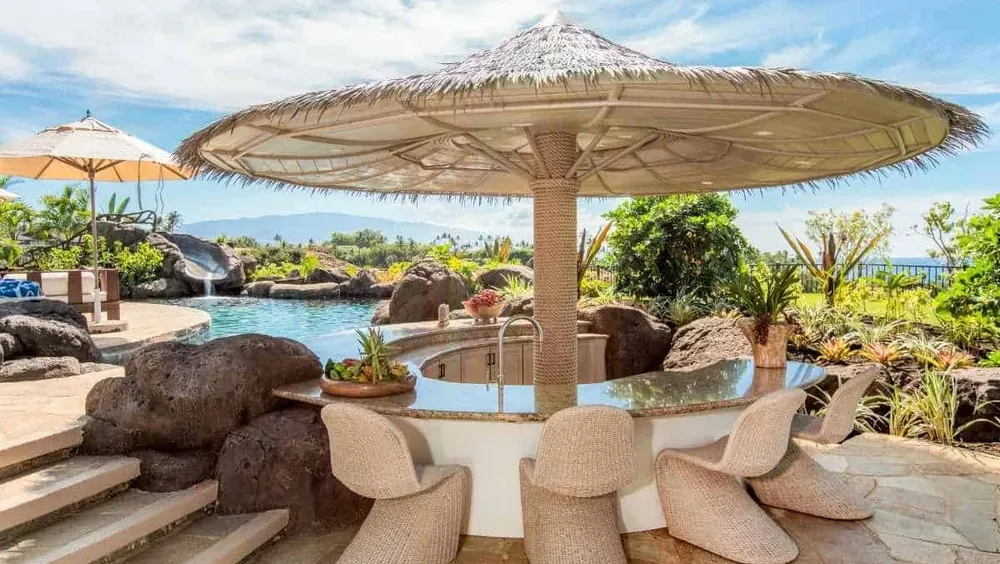
Hale ʻO Ka La is a five-bedroom private estate within the Mauna Kea Resort, rebuilt following the 2023 coastline fires after a reported $8 million renovation. The 5,358-square-foot property includes a saltwater pool, waterslide, swim-up bar and waterfall grotto, set within landscaped tropical grounds. From in-villa dining with private chefs to curated excursions such as whale watching, snorkeling and paddleboarding at Hapuna and Mauna Kea beaches, every stay is tailored to reflect the traveler's ideal pace.
Delfin Amazon Cruises - Iquitos, Peru
Delfin I is an ultra-exclusive Amazon expedition with just four suites and a maximum of eight guests, cruising through remote stretches of the rainforest. The experience is built around proximity rather than spectacle, with floor-to-ceiling windows, private terraces and daily guided excursions that move deep into tributaries and wildlife zones inaccessible to larger ships. The scale allows for flexible routing, quiet wildlife encounters and time on the river that feels observational rather than orchestrated, positioning the vessel as a rare option for travelers who want immersion without crowds.
Casa Bellamar - East Cape, Los Cabos
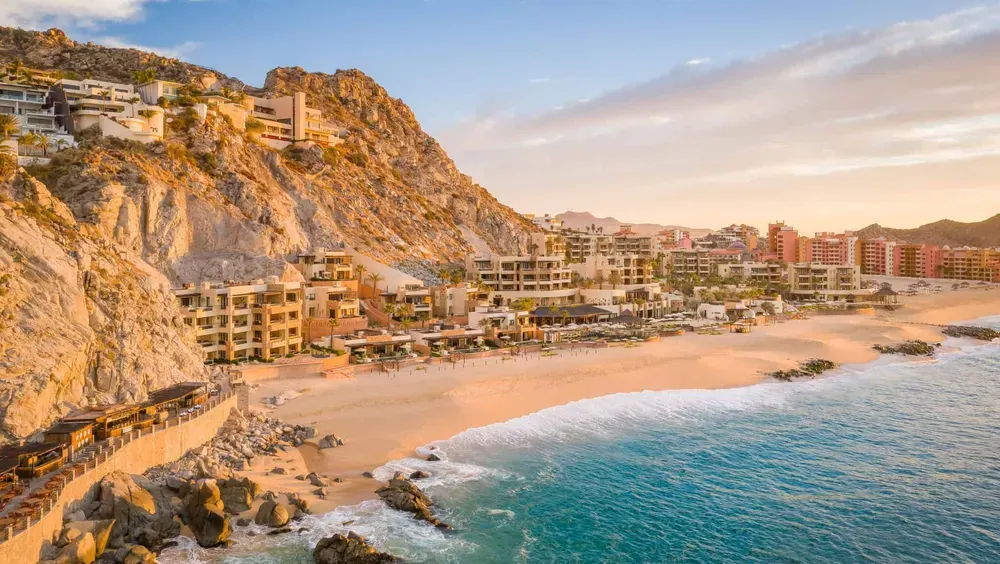
Casa Bellamar is a solar-powered oceanfront villa on the East Cape of Los Cabos, spanning approximately 2 acres with more than 400 feet of beachfront. The eight-bedroom property consists of a main house and four guest casitas, and accommodates up to 20 guests. The villa features chef and butler service, a beachfront pool, a private tennis court and facilities suited to destination weddings and extended family stays.
Cheetah Plains - Sabi Sand Nature Reserve, South Africa
Cheetah Plains operates three exclusive-use safari villas within the Sabi Sand Nature Reserve, each designed to function as a standalone lodge for a single group. Every villa comes with a full hospitality team, a private field guide and tracker, a spa therapist and its own solar-charged electric safari vehicle, eliminating shared drives and fixed schedules.
Guests set their own pace for game viewing, dining, wellness and downtime, with options ranging from guided bush walks and tailored fitness sessions to family-focused activities for children of all ages. The off-grid operation and zero-emission vehicles place sustainability at the center of the experience without limiting comfort or access.
Segera Retreat - Laikipia Plateau, Kenya
Segera Retreat is a private safari property on Kenya's Laikipia Plateau, structured as a collection of architecturally distinct villas spread across a large conservancy. Stays are customized and may include helicopter arrivals, private game drives and access to its contemporary African art collection and conservation initiatives. Solar power and regenerative land management are central to daily operations.
Nobu Villa - Caesars Palace, Las Vegas
The Nobu Villa at Caesars Palace is a controlled-access penthouse residence atop the Nobu Hotel tower. Measuring approximately 10,300 square feet, the villa includes multiple bedrooms, private fitness and media rooms, expansive living and dining areas and an outdoor terrace with a plunge pool and fire pit overlooking the Strip. Guests enjoy 24-hour butler service, in-room Nobu dining and enhanced security.
Jayne's Luxury Rentals curates a portfolio of ultra-luxury private residences in Canada's most in-demand urban and resort markets, including Toronto, Muskoka and Whistler. The company focuses on large-format, design-forward homes selected for privacy, scale and location rather than volume.
The properties function as turnkey private residences, with optional concierge coordination and local partners arranged as needed, for cooking, shopping, spa treatments and more. Many properties are discreetly marketed and used for extended stays, executive travel and multi-generational groups.
Chalet Suite - Schlosshotel Fiss, Austria
The Chalet Suite at Schlosshotel Fiss offers a private alpine residence for up to six guests, positioned a short walk from the main hotel but operating as a standalone retreat. The three-bedroom, three-bathroom chalet includes a full kitchen and separate living space, giving families or small groups privacy without losing access to the hotel's dining, spa and activity facilities.
Guests at Chalet Suite have full access to the hotel's expansive spa complex, guided wellness and fitness programming and seasonal outdoor activities across the Serfaus-Fiss-Ladis region, along with structured childcare and family-focused amenities. The appeal lies in separation without isolation, combining independent lodging with the infrastructure of a five-star mountain resort.
Where luxury travel is heading
As private stays become more common at the top end of the market, the next differentiator will be accountability. Travelers are increasingly paying attention to who owns a property, how it is operated and its impact on the surrounding community and environment. Discretion now extends beyond the guest experience to questions of stewardship, staffing and long-term sustainability.
For operators, this raises the bar. Ultra-luxury properties will be judged not only on design and service but also on transparency, consistency and their responsible operation over time. In that sense, the future of luxury travel may be defined less by where travelers go and more by how carefully those places are maintained once attention moves elsewhere.
Jennifer Allen is a retired chef turned traveler, cookbook author and nationally syndicated journalist; she's also a co-founder of Food Drink Life, where she shares expert travel tips, cruise insights and luxury destination guides. A recognized cruise expert with a deep passion for high-end experiences and off-the-beaten-path destinations, Jennifer explores the world with curiosity, depth and a storyteller's perspective. Her articles are regularly featured on the Associated Press Wire, The Washington Post, Seattle Times, MSN and more.
by Jennifer Allen
Copyright Associated Press. All rights reserved. This material may not be published, broadcast, rewritten, or redistributed.
These resorts put Mexican culture front and center, and it's so much more than tequila and tacos. Photo Credit: Waldorf Astoria Los Cabos Pedregal (Provided)
A new Deloitte study projects Mexico will be the fifth most visited country worldwide by 2040, as global interest drives tourism growth. Despite a drop in international travel to the United States, Americans are leaving the country more than ever, and our neighbor to the south remains a favorite destination.
A new Deloitte study projects Mexico will be the fifth most visited country worldwide by 2040, as global interest drives tourism growth. Despite a drop in international travel to the United States, Americans are leaving the country more than ever, and our neighbor to the south remains a favorite destination. Luxury and millennial travelers to Mexico seek culture, rejecting the stereotype of an all-inclusive cocoon.
Eighty-seven percent of luxury travelers look for authentic and exclusive cultural experiences when they travel, according to the Capital One Luxury Trendcast 2026 report. Approximately 60% of millennials consider authentic cultural experiences to be the most essential aspect of travel. Demand among this group for tours that feature biodiversity, cultural preservation and sustainability is expected to grow 5.1% annually from 2025 to 2030, according to Grand View Research. Throughout Mexico, resorts rise to meet the moment.
Preserving culture as tourism expands
At Waldorf Astoria Los Cabos Pedregal, the local heritage shapes the guest experience. From the hotel entrance chiseled through a mountain tunnel to the rough-hewn, lacquered doors throughout, you can't help but feel grounded in Mexico.
The establishment is walkable to major sites in Cabo San Lucas, a city quickly developing into a world-class tourist destination, with the resulting construction and traffic. Despite record visitor numbers in 2025, this hotel delightfully shuts out all the noise.
Newly renovated guest rooms pair modern amenities with the warmth of a Mexican hacienda, while cheerful bathroom tiles with original artwork by Mexican artists compete for attention. The real challenge is tearing your eyes from the ocean views that grace every room.
So much more than tequila and tacos
In the hotel's Peacock Alley, guests embark on a journey through Mexico's most important spirit, distilled from agave. Tequila, made from the blue agave plant, is just one of the over 200 varieties of agave native to Mexico.
Expert guides teach visitors about several other mezcal varieties, pointing out flavors and scents like a wine sommelier. The lesson spans history, geography and culture, paired with gourmet snacks and whale sightings in the winter months. The visit ends with a keepsake bottle of your own custom mezcal blend and a much deeper appreciation of agave in Mexican culture.
When nothing but tequila will do, visit Casa Salles in the town of Tequila, Jalisco. Adjacent to the La Guarreña distillery, which makes the renowned tequila brand El Tequileño, this 25-room boutique hotel is as close to the source as you can get. Guests enjoy exclusive tastings and tours while learning the secrets of tequila and the brand's founder, Don Jorge Salles Cuervo of the famous Cuervo family.
Living with the land
An hour up the road from Los Cabos, near Todos Santos, one hotel puts on a master class in working with the land. Opened in 2023 after a massive expansion and renovation, the Kimpton Mas Olas Resort and Spa keeps things as local as possible.
General Manager Armando Gonzalez proudly rattles off the resort's statistics, including 87% of the hotel restaurants' herbs and vegetables are grown on site. Executive Chef Sandro Falbo guides guests to the chicken coop and one of the resort's eight gardens to gather eggs and pick vegetables that his team whips into an omelette for breakfast.
Neem trees throughout the property provide shade, but that's not all they do. Their seeds are collected and pressed, creating a natural mosquito repellent supplied to guests. At the spa, visitors to the apothecary create custom scents and oils using botanicals grown on the resort.
Even the laundering process was rethought to minimize impact. A machine separates soap particles from gray water, which is diverted back to the land for irrigation. The soap is compressed and donated to a local business, which converts it into limewash paint and sells it.
Perhaps the most impressive example of Mas Olas's commitment to the land, however, was its decision to geotag each plant disturbed during the building process of its oceanfront suites. Plants were moved to the on-site nursery before being replanted in their same location following construction, which provides the suites a living roof and a secluded feel. The process salvaged 97% of the plants displaced by the construction.
Culture becomes personal
On the Nayarit coastline, culture comes with a personal touch. "At Four Seasons Resort Punta Mita, Enrique Alejos has held the Cultural Concierge role for more than two decades, sharing his knowledge of local culture, history and nature through lectures, guided experiences and community programs," shares John O'Sullivan, regional vice president and general manager.
A conversation with Alejos reveals how passionate he is about making guests fall in love with Mexico by educating them about its rich history. For families, Alejos organizes chocolate-making classes with just enough history to leave kids educated but not bored. Guests of all ages enjoy a bead workshop, where intricate bead patterns hold religious meaning for the Huichol, the indigenous people native to Nayarit state.
He is especially proud of the sea turtle protection program, which he started 15 years ago, that is coming full circle, with babies hatched in the program returning home to lay their own eggs. Like those sea turtles, guests come back year after year to dive deeper into Mexico with Alejos as their guide.
The ceremony of culture
Nearby neighbor Conrad Punta de Mita envelopes guests in Mexico's history with spiritual ceremonies rooted in ancient tradition. Guests choose between three guided experiences that draw on ancient practices from the Huichol culture. Activities include sound therapy, copal incense and native herbs.
Visitors can join a cacao ceremony led by a shaman who guides them through a meditation towards peace and spiritual awakening. Sweat out your toxins, both physical and mental, in the temascal, a traditional dome-shaped clay sauna used by several pre-Hispanic cultures. At Conrad Punta de Mita, a shaman guide leads a temascal ritual that incorporates herbal steam and song, making this a spa treatment distinct to Mexico.
A journey through time
At Chablé Yucatán, Mayan heritage is alive and well. The Mexican family-owned wellness resort is nestled in the jungle outside Mérida, occupying a former agave factory. Salvaged wood from the 16th century agave hacienda finds new life as furniture in the resort. The cultural rituals draw visitors even further back in time.
Curious visitors learn about the melipona bee, a stingless variety native to North America and sacred to the Mayan people for its medicinal properties. Visit the on-site "meliponario", which preserves a beekeeping culture dating back 3,200 years, and taste honey gathered only after a shamanic blessing.
All the cultural practices offered by Chablé Yucatán are done in conjunction with Maya community members, allowing them to lead the way in preserving and sharing their culture. Local artisans feature prominently in the hotel's boutique as well, which showcases handcrafted textiles and products.
Changing the conversation
Just 90 minutes from Tijuana lies Mexico's largest winemaking region, home to the Banyan Tree Veya, Valle de Guadalupe. With its close proximity to the border, visitors would be forgiven for thinking that Valle de Guadalupe shares the reputation and crime statistics of its northern neighbor. Thankfully, this stretch of farmland is a far cry from cartel turf wars.
Nestled among the hills lies Pictograma, the onsite winery at Banyan Tree Veya, Valle de Guadalupe. As the only winery in the Americas dedicated to the grenache grape, Pictograma exposes travelers to the many expressions of this Spanish varietal ideally suited to the area's climate. The winery challenges assumptions about what Mexican wines can do, showcasing reds, whites, rosés and even sparkling versions of grenache.
Elsewhere on the property, Baja culinary powerhouses Benito Molina and Solange Muris oversee Amapola, the resort's new fine dining option. Like Pictograma, Amapola dives deep into the land. An evolving tasting menu focuses on what's fresh and local.
A vacation with soul
Luxury travelers prioritize authenticity. More than half of millennials say the most important part of their trip is a cultural experience. In Mexico, the options are numerous, with resorts taking visitors beyond the surface to share the food, drinks, spiritual practices and sustainability efforts that make Mexico so much more than a stereotype.
Ashley Wali is a Seattle-based travel journalist and curator of Wanderlux, specializing in luxury family travel, sports tourism and wellness travel. Her work has appeared in The Seattle Times, Boston Herald, The Philadelphia Tribune, Orlando Sentinel, and many more. Recent assignments have had her slurping oysters on Cape Cod and cruising the fjords of Norway.
by Ashley Wali
Copyright Associated Press. All rights reserved. This material may not be published, broadcast, rewritten, or redistributed.
Corvallis, Oregon, a small Pacific Northwest city better known for college sports and river views, is steadily building a more visible and organized LGBTQ+ scene, from campus-led Pride celebrations to inclusive downtown businesses and new community organizing efforts.
If you drive an hour and a half south of Portland through Oregon’s farm country, the foothills part to reveal Corvallis, a small city of around 60, 000 anchored by Oregon State University and bordered by the Willamette River and oak-covered hills. What has long read as a classic college town is now quietly reshaping itself as a more visible, organized, and affirming place for LGBTQ+ people who live, study, or visit there.
While Corvallis has had LGBTQ+ residents and advocates for decades, the last few years have seen new public-facing signs of inclusion: larger Pride celebrations, more explicit institutional support at Oregon State University , and a growing network of queer-friendly businesses and community events that signal a cultural shift in the city’s everyday life.
Corvallis’s LGBTQ+ momentum is deeply tied to OSU, whose main campus dominates the city’s geography and culture. OSU has been formally recognized for its LGBTQ+-inclusive policies: the university’s Pride Center and related cultural resource centers provide programming and support for lesbian, gay, bisexual, transgender, queer, nonbinary, and questioning students, faculty, staff, and community members.
The OSU Pride Center describes its mission as fostering safer spaces and advocacy for LGBTQ+ communities through education, peer support, and events that are open to both campus and the broader Corvallis community. In recent years, the Pride Center and the university’s Office of Institutional Diversity have expanded public programming—such as queer history talks, trans-inclusive healthcare information sessions, and intersections-of-identity workshops—that draw local residents along with students.
OSU also hosts an annual Pride-related celebration on or around campus that includes resource fairs, performances, and visibility events led by student groups and staff. While this programming is rooted in the university, it functions as one of the most visible LGBTQ+ cultural calendars in Corvallis, signaling to visitors that the city has recognizable queer infrastructure even if it does not yet have a dense “gayborhood. ”
Beyond on-campus initiatives, OSU has taken public positions on LGBTQ+ inclusion, such as publishing guidance documents and statements affirming its support for transgender students and employees. These institutional commitments matter in a city where the university is the largest employer and shapes much of the local climate.
Corvallis sits in Benton County, a politically mixed but generally progressive county that has seen debates over LGBTQ+ rights in recent years, particularly around transgender inclusion. In 2022 and 2023, statewide conversations unfolded in Oregon around proposed restrictions and rhetorical attacks on transgender people, echoing national campaigns. Although these efforts were largely legislative and cultural rather than local ballot measures in Corvallis itself, they shaped the context in which Corvallis organizations and leaders have worked to affirm LGBTQ+ inclusion.
Oregon, as a state, has pursued a relatively strong legal framework protecting LGBTQ+ people, including statewide nondiscrimination protections in housing, employment, and public accommodations, as well as measures affirming access to gender-affirming healthcare. Advocacy organizations such as Basic Rights Oregon have emphasized the role of local communities, including smaller cities like Corvallis, in maintaining welcoming environments amid national anti-LGBTQ+ rhetoric.
Local government and civic institutions in Corvallis have signaled alignment with this statewide posture. The City of Corvallis has adopted non-discrimination language that includes sexual orientation and gender identity in municipal employment policies and public statements. Benton County’s health and social service agencies, which serve Corvallis residents, have participated in statewide efforts to improve services for LGBTQ+ youth, including those who are transgender or nonbinary.
While Corvallis does not yet have a marquee, nationally known Pride parade, local Pride observances have grown, often in partnership with OSU and grassroots groups. Community organizers have held Pride-themed gatherings, educational events, and visibility campaigns in recent Junes, often centered around inclusive venues and public spaces near downtown.
Visitors to Corvallis will not find a strip of rainbow-flagged bars on the scale of larger cities, but they will encounter a network of queer-affirming businesses, arts spaces, and organizations that contribute to a sense of everyday safety and belonging.
The city’s compact downtown—clustered around Madison Avenue and Second Street—features locally owned cafés, bars, restaurants, bookstores, and arts venues that openly embrace LGBTQ+ patrons and often collaborate with campus-based groups. Some businesses host drag shows, queer-led open mics, and inclusive trivia nights and fundraisers, frequently promoted through local social media and university channels. Specific event lineups and participating venues vary year to year and should be verified close to travel dates.
The presence of OSU’s cultural resource centers, including the Pride Center and the Women and Gender Center, also shapes the city’s wider environment. These centers collaborate with local organizations to host film screenings, discussions, and art events that foreground LGBTQ+ perspectives and are open to community members beyond the university.
For queer travelers, this means that much of Corvallis’s LGBTQ+ life is integrated into mixed spaces—coffee shops with inclusive signage, bookstores that carry queer authors, art galleries featuring local LGBTQ+ artists, and community events where pronoun pins and gender-inclusive language are normalized.
Corvallis’s emerging LGBTQ+ story is also shaped by its focus on education and young people. OSU’s policies and support systems for LGBTQ+ students intersect with local school districts and youth services to create a wider network of affirming spaces.
The Corvallis School District has adopted anti-bullying policies that include protections based on sexual orientation and gender identity, reflecting statewide standards and guidance. Oregon law requires school districts to address harassment and bias, including incidents targeting LGBTQ+ students. These frameworks, combined with local educators and counselors who collaborate with OSU and regional nonprofits, contribute to a climate that signals safety to queer and transgender youth.
Community mental health and health providers in Benton County have also engaged in training and outreach around LGBTQ+ cultural competency, particularly related to transgender healthcare access and youth mental health. The Oregon Health Authority has promoted guidelines and resources for gender-affirming care, which local providers in Corvallis can draw on.
For travelers, especially those considering a longer stay, study, or relocation, this educational and healthcare landscape matters. It suggests that Corvallis is not only a place to visit briefly, but also a community where LGBTQ+ people can potentially build sustained lives with institutional backing.
Corvallis will not compete with Portland or Seattle for nightlife density or a global Pride headliner. Its draw for LGBTQ+ travelers lies elsewhere: in scenic riverfront parks, hiking trails just minutes from downtown, a strong local food and craft beer culture, and an evolving queer presence embedded in a highly walkable, low-rise cityscape.
The Willamette Riverfront Commemorative Park offers paths and green space that become informal gathering spots in warmer months, while nearby natural areas such as Bald Hill and Chip Ross Park provide accessible hikes and viewpoints over the valley. These outdoor spaces appeal to visitors who value both nature and the ability to return to a town center where inclusive businesses and campus resources are within close reach.
Seasonally, the best time for queer travelers who want to tap into local LGBTQ+ life is late spring through early fall, when OSU is in session for at least part of that window and when Pride events, resource fairs, and community gatherings are most likely to appear on the calendar. Checking the OSU Pride Center website and Visit Corvallis before travel can help visitors match their trip to relevant events.
For queer visitors traveling with families or in intergenerational groups, Corvallis’s slower pace and emphasis on education and outdoor activities may be especially appealing. The presence of an established university Pride Center, visibly inclusive campus messaging, and local institutions committed to non-discrimination can create a sense of security for transgender people, nonbinary people, and others whose safety is often a concern when visiting smaller cities.
Corvallis is not a utopia; like many small and mid-sized North American cities, it exists within broader national tensions over LGBTQ+ rights, particularly around transgender inclusion and school policies. Yet its combination of state-level protections, a major university with explicit LGBTQ+ commitments, growing Pride programming, and an increasingly visible network of queer-affirming spaces marks it as a city moving toward deeper inclusion rather than away from it.
For LGBTQ+ travelers looking beyond the usual big-name destinations, Corvallis offers an opportunity to experience this evolution up close: to attend a campus event that doubles as community gathering, to share a meal or a drink in a venue that quietly signals “all are welcome, ” and to meet people—students, faculty, longtime residents—who are actively making a small city feel more livable for queer and transgender people.
In that sense, Corvallis represents a broader story unfolding in many North American towns and small cities: LGBTQ+ inclusion emerging not from a single marquee event, but through steady cultural change, institutional commitments, and the daily choices of businesses, schools, and residents. For travelers who care about where that story goes next, this river town in Oregon’s Willamette Valley is worth a closer look.
Once a sleepy port city better known for freight trains than drag queens, Tacoma, Washington has quietly become one of the fastest-rising LGBTQ+ travel hot spots in North America.
There was a time when the only reason many people passed through Tacoma was to get from Seattle to somewhere else. Now, queer travelers are intentionally stopping, staying, and — in many cases — never wanting to leave.
In late 2025, LGBTQ+ booking platform misterb&b reported that Tacoma, Washington topped its list of “most unusual cities LGBTQ+ travelers are flocking to” for 2025, with a 755% year-over-year increase in LGBTQ+ travel interest. That puts this once-overlooked port town ahead of bigger-name surprises like Salt Lake City and Hamilton, Ontario in the platform’s post-Pride data.
For a place long saddled with the “smell of Tacoma” joke, that is one serious queer rebrand.
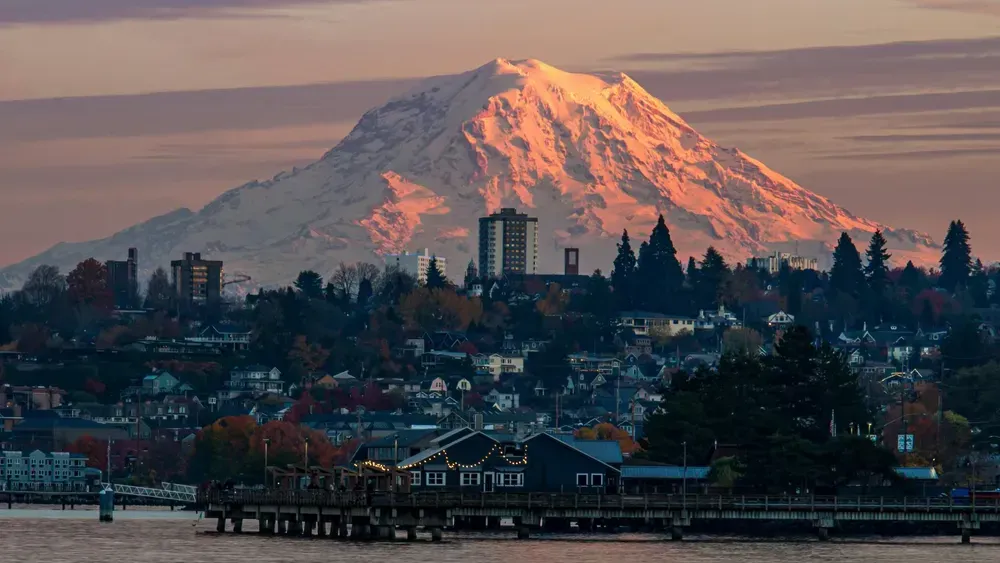
Tacoma has always had grit: industrial waterfronts, rail lines, and working-class neighborhoods in the shadow of Mount Rainier. But over the past few years, its reputation has shifted from “Seattle’s cheaper cousin” to a standalone arts city, thanks to a dense cluster of museums, galleries, and indie spaces downtown and along the Hilltop and 6th Avenue corridors.
The City of Tacoma has formally branded the area the Tacoma Art District anchored by the Museum of Glass, Tacoma Art Museum, and dozens of smaller venues, and emphasizes that the city’s creative community is “diverse, experimental, and community-driven. ” While not marketed as “the queer district, ” LGBTQ+ residents and travelers have flocked to this arts ecosystem, mirroring patterns seen in legacy gayborhoods like Asbury Park and Provincetown, where art and queer life grow up entwined.
According to Travel Tacoma – Mt. Rainier Tourism and Sports, independent venues and street festivals have helped the city shed its industrial-only identity and attract visitors seeking “authentic, creative urban neighborhoods” over polished, big-brand districts. For LGBTQ+ travelers burned out on corporate Pride floats, that authenticity is a big part of the draw.
The 755% spike in interest on misterb&b is not a cute rounding error. The company describes it as a “mind‑blowing” jump and calls Tacoma “an unapologetically queer community” with “thriving arts” and “affordable rents” that make it especially attractive to LGBTQ+ travelers and remote workers.
That affordability is real in relative terms: while Tacoma’s housing costs have risen, they remain lower than in nearby Seattle, leading a significant number of younger renters, including LGBTQ+ people, to decamp south along Puget Sound. This kind of “spillover migration” has been documented in queer travel writing as a driver of new gayborhoods, similar to how LGBTQ+ people have transformed smaller cities like Asbury Park and New Hope over the last decade.
misterb&b says its post-Pride 2025 data shows LGBTQ+ travelers are “slowly leaving legacy Pride capitals like San Francisco and Berlin in favor of off‑the‑radar gems” — naming Tacoma as the number one example of that trend. That context matters: Tacoma’s glow-up is not just local hype; it is part of a broader shift in how and where queer people vacation.
Unlike long-established gay destinations built around single, historic gayborhoods, Tacoma’s queer scene is decentralized and collaborative.
Several local organizations and venues have been quietly laying groundwork for years:
- Rainbow Center Tacoma has operated as an LGBTQ+ community hub since the 1990s, providing support services, advocacy, and education, and organizing events such as Tacoma Pride Festival in partnership with the city.
- The Tacoma Pride Festival, coordinated by Rainbow Center and the City of Tacoma, has grown into a major summer event, bringing performances, resource booths, and nightlife spillover to downtown streets each July.
- Local nightlife and arts spaces in neighborhoods like Hilltop, 6th Avenue, and the stadium district host drag shows, queer dance nights, and open mics, contributing to what misterb&b calls Tacoma’s “unapologetically queer community energy. ”
This mix of formal nonprofits, community festivals, and scrappy nightlife feels familiar to anyone who has watched a gayborhood form in real time. As LGBTQ+ travel coverage has noted in other cities, new queer scenes often arise where community centers, advocacy groups, and small businesses intersect.
Part of Tacoma’s surprise factor comes from the wider political map. While Washington State is broadly supportive of LGBTQ+ rights — including marriage equality, anti‑discrimination protections, and transgender‑inclusive policies — it sits in a region where queer and transgender people still face intense political blowback across state lines.
The Human Rights Campaign State Equality Index consistently scores Washington among the strongest states for LGBTQ+ equality, citing comprehensive non‑discrimination laws and protections in housing, employment, and public accommodations. That legal framework gives Tacoma a firm baseline of safety that many smaller, up‑and‑coming queer destinations lack.
At the same time, Tacoma’s industrial roots and working‑class demographics set it apart from polished, high‑income gay capitals, echoing what LGBTQ+ travel guides describe in cities like Salt Lake City and Hamilton: places that “defy reputation” and offer a less curated, more local Pride feeling.
In explaining its 2025 rankings, misterb&b notes that many users are now seeking “off‑the‑radar gems” instead of the usual roster of San Francisco, New York, and Berlin. That observation tracks with broader travel reporting that highlights “surprising gayborhoods” and smaller cities as new frontiers for Pride month trips.
Those pieces, while often focused on U. S. and Canadian destinations, point to consistent trends:
- Queer travelers want affordability and are more willing to mix urban culture with nearby outdoor escapes. - Many are bored with “copy‑paste” downtown blocks and are seeking art‑driven, grassroots scenes. - Destinations with active community centers and advocacy groups feel safer and more meaningful than places offering only nightlife.
Tacoma checks all three boxes. It is relatively more affordable than its immediate big‑city neighbor, has a walkable museum core and emerging nightlife, and offers quick access to Mount Rainier National Park and the southern Puget Sound coastline. For queer hikers, climbers, and beach wanderers, it combines city comforts with easy day trips into forests and mountains — something misterb&b also flagged as a selling point in spotlighting destinations like Salt Lake City.
What makes Tacoma feel distinct from more famous gayborhoods is not just that it’s smaller; it’s that its queer culture is woven into a broader civic fabric, not confined to a few rainbow‑flagged blocks.
The City of Tacoma officially recognizes Pride month, collaborates on Tacoma Pride Festival, and features LGBTQ+ events in its public events calendars. Rainbow Center’s educational programs work directly with local businesses and institutions, encouraging inclusive practices and visible support for LGBTQ+ residents and visitors.
Meanwhile, regional and national LGBTQ+ travel guides have started to name‑check Tacoma in the same breath as longer‑standing queer centers in the Pacific Northwest. Articles listing “best gay cities” and “surprising gayborhoods” now commonly include nearby Seattle as a classic favorite but nod to Tacoma as a rising alternative where queer people can still afford to live, create, and open businesses.
The result is an atmosphere where LGBTQ+ visitors might not find the endless bar strip of a Wilton Manors or Castro, but will instead encounter queer art shows, drag performances in mixed crowds, affirming bookstores, and community events threaded through multiple neighborhoods. That sprawling, integrated vibe is very 2026: less ghettoized, more blended, and deeply rooted in local culture.
To understand why Tacoma feels so “wait, this town is queer now? !” it helps to remember what traditional LGBTQ+ destinations look like in 2026.
Travel features still celebrate San Francisco, Provincetown, Fort Lauderdale, Key West, and Palm Springs as global queer capitals, with dense gayborhoods, decades of history, and entire economies built around LGBTQ+ tourism. Lists of “gayest cities” also highlight smaller but long‑established hubs like Asbury Park, New Hope, and Wilton Manors — places where rainbow flags and queer nightlife are anything but new.
Tacoma is not trying to be the next Castro, and it is nowhere near that level of saturation. Its surprise factor lies in the fact that it is none of the above: not a coastal resort, not a decades‑old gay enclave, and not a giant city. It is a mid‑sized port town that has quietly become, according to real traveler behavior, one of the most in‑demand LGBTQ+ city breaks on a major global booking platform.
For queer travelers, that makes Tacoma something rare: a city where the Pride scene is emerging in real time, where you can still watch the glow-up instead of just reading about it after the fact.
If the trend lines hold, Tacoma’s queer profile will only rise. misterb&b’s 2025 data suggests that LGBTQ+ travelers are not dabbling; they are booking in significant numbers. Local organizations like Rainbow Center provide stability and safety nets that are crucial as more transgender people, queer couples, and chosen families consider the city as a potential home.
And Washington’s strong legal protections for LGBTQ+ residents mean that unlike some “cool but precarious” scenes popping up in hostile states, Tacoma’s sparkle rests on more solid ground.
For now, Tacoma remains perfectly balanced on that sweet spot between underground discovery and fully on the map. You can still show up and feel like you’ve found something your big‑city friends haven’t claimed yet: a queer‑affirming, arts‑driven port city where nobody expects you to have a perfect Pride outfit — but someone will absolutely compliment your thrift‑store jacket at a gallery opening.
And if your group chat responds, “Wait, Tacoma is queer now? !” you can just send them a photo of Mount Rainier glowing in the background of a street‑level drag show and say: it always was. The rest of us are just catching up.