Costa Mujeres Is Not Cancun, and That's the Point
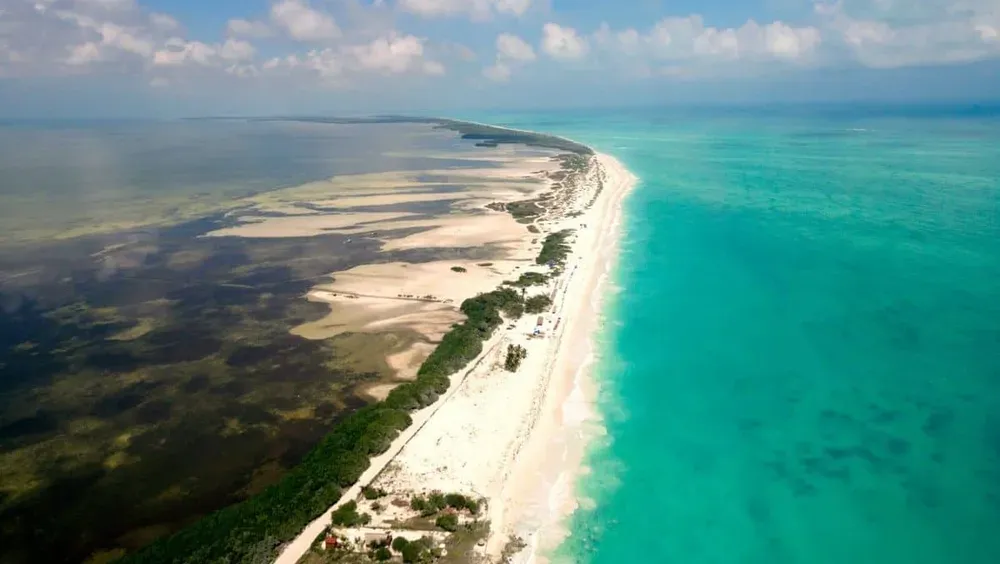
Costa Mujeres wasn't designed around nightlife or shopping. It was built around the idea of slowing down. Photo Credit: Mexican Caribbean Tourism Board / AP

Costa Mujeres was never meant to be Cancun. Just north of the city, this newer, carefully planned resort area has been built around luxury properties, wider beaches and a noticeably slower pace.
Costa Mujeres was never meant to be Cancun. Just north of the city, this newer, carefully planned resort area has been built around luxury properties, wider beaches and a noticeably slower pace. It attracts travelers who want space, privacy and a resort experience that feels self-contained rather than kinetic. For those who already know what Cancun offers and are looking for something quieter and more deliberate, that difference is exactly the point.
Copyright Associated Press. All rights reserved. This material may not be published, broadcast, rewritten, or redistributed.
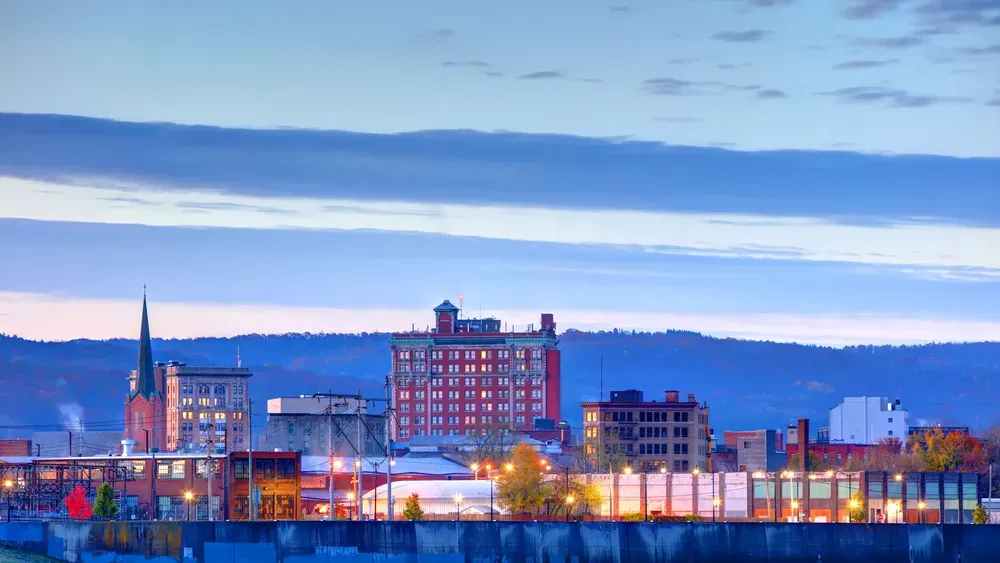
Nestled in upstate New York, Binghamton is emerging as an unlikely LGBTQ-friendly gem, blending small-town charm with a boldly integrated queer scene that makes travelers feel instantly seen and celebrated.
Picture this: crisp autumn leaves crunching underfoot along the Susquehanna River, the scent of fresh cider doughnuts wafting from a corner market, and rainbow flags fluttering from porches in a town once defined by factories, not fabulousness. Binghamton, New York—a gritty city of about 47, 000 in the Southern Tier—might not scream "queer mecca"like Provincetown or Palm Springs. But scratch the surface, and you'll uncover an emerging hotspot where LGBTQ+ travelers are flocking for an authentic, unpretentious escape. Here, transgender people, nonbinary folks, lesbian couples, and gay adventurers alike report feeling not just tolerated, but truly embraced, in everyday life.
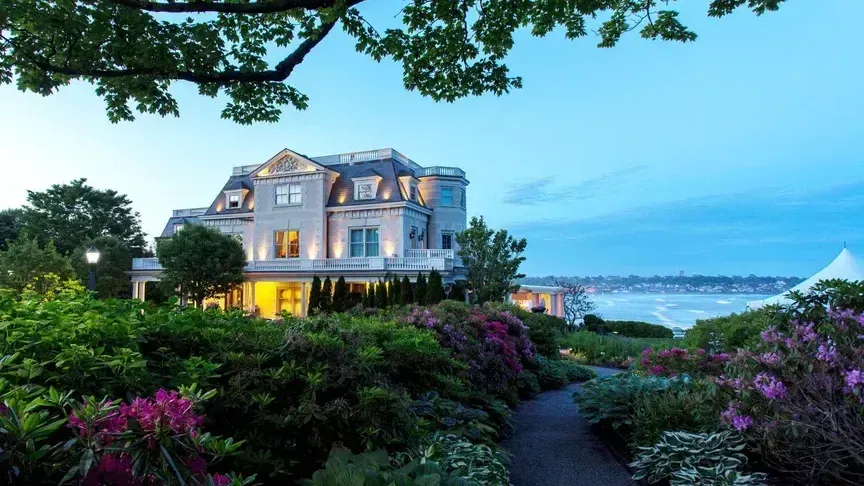
The Chanler at Cliff Walk is a vintage Newport mansion turned luxury boutique hotel. Both family- and female-owned, the intimate seaside hideaway boasts undeniable Gilded Age glamor and features 20 beautiful, uniquely designed guestrooms that pay homage to the hotel's storied past.
The Chanler at Cliff Walk is a vintage Newport mansion turned luxury boutique hotel. Both family- and female-owned, the intimate seaside hideaway boasts undeniable Gilded Age glamor and features 20 beautiful, uniquely designed guestrooms that pay homage to the hotel's storied past. A stay at The Chanler promises nothing short of opulence, with newly enhanced wellness amenities including the ability to arrange IV Therapy Services at The DRIPBaR, en-suite massages and customizable aromatherapy bath menus that complement an already robust array of suite fixtures such as deep soaking bathtubs, nightly bedtime stories, and cozy fireplaces; indulgent destination dining with surprise menu options from the fine-dining restaurant Cara, all day bites at The Café and a cocktail and caviar haven found at The Living Room; incomparable access to Newport and all of its iconic sites through curated experiences including a Private Newport Expedition with The Chanler's Private Guide Jeffrey Clark, private charter experiences in Narragansett Bay, complimentary fitness passes to the International Tennis Hall of Fame fitness center, seasonal use of Tokyo-style bikes to cruise the town in style, and Cadillac house car chauffeur service around Newport; seasonal delights that range from a decadent Hot Chocolate Bar in the winter to the Ca' del Bosco Wine Garden and Gelato Cart pop-up in the summer; unrivaled service and attention to detail, and
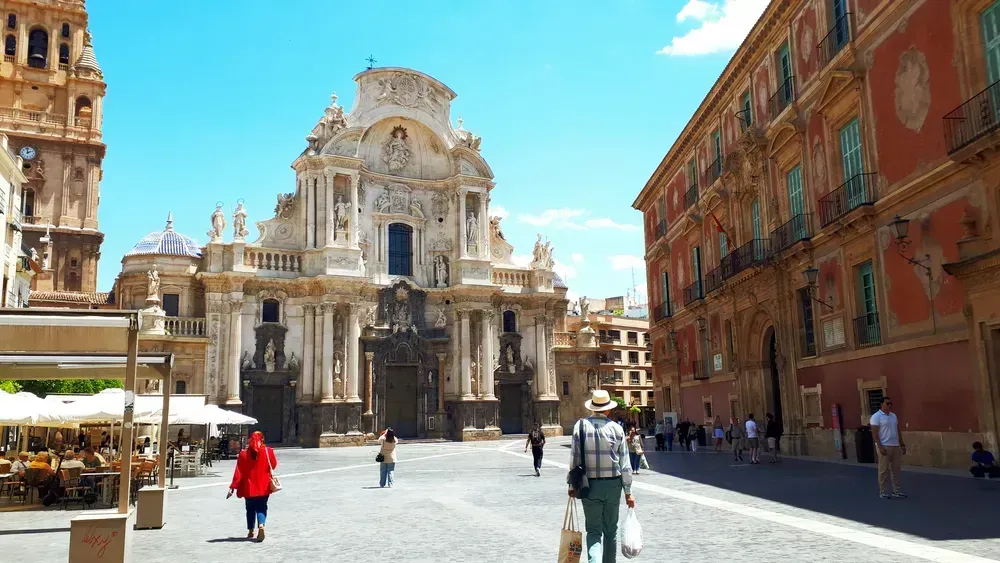
Nestled in southeastern Spain, Murcia emerges as a lesser-known gem for queer travelers seeking authentic culture, pristine beaches, and a growing LGBTQ+ scene away from mainstream lists.
In the sun-drenched southeast of Spain, the Region of Murcia stands out as an understated destination for LGBTQ+ travelers. Far from the crowded pride circuits of Barcelona or Sitges, this area combines Mediterranean beaches, Renaissance architecture, and a burgeoning queer community that feels refreshingly local and intimate. Queer travel blogs highlight Murcia as one of 20 European hidden gems for curious gay explorers, praising its blend of natural beauty and inclusive vibes without the tourist overload. Unlike mega-hubs like Berlin or Amsterdam, Murcia's appeal lies in its emerging status—ranked among top LGBTQ+-friendly spots in Spain by travel indices, yet rarely topping mainstream lists.

The Sundance Film Festival kicks off Thursday in Park City, Utah, marking its final year there
The Sundance Film Festival may be a little bittersweet this year. It will be familiar in some ways as it kicks off on Thursday in Park City, Utah. There will be stars, from Natalie Portman to Charli XCX, and breakout discoveries, tearjerkers, comedies, thrillers, oddities that defy categorization and maybe even a few future Oscar nominees. The pop ups and sponsors will be out in full force on Main Street. The lines to get into the 90 movies premiering across 10 days will be long and the volunteers will be endlessly helpful and cheery in subfreezing temperatures.
Copyright Associated Press. All rights reserved. This material may not be published, broadcast, rewritten, or redistributed.
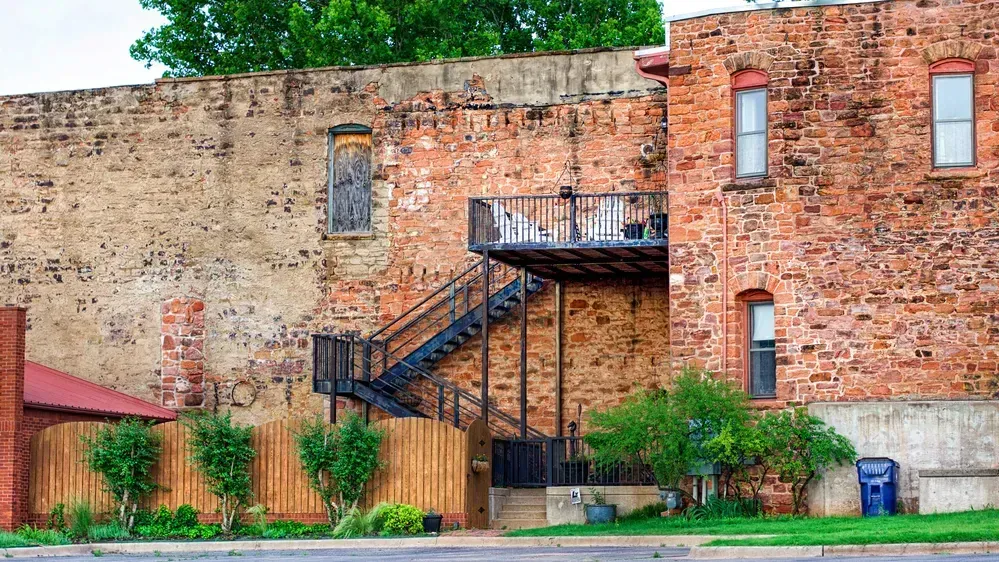
Nestled in the quiet plains of Oklahoma, Guthrie is emerging as an unexpected LGBTQ-friendly gem for queer travelers seeking authentic rural charm over coastal crowds.
Picture this: endless golden wheat fields swaying under a vast Oklahoma sky, the scent of fresh-baked cornbread wafting from a historic diner, and rainbow flags fluttering defiantly against a backdrop of Victorian gingerbread architecture. Guthrie, Oklahoma—a speck of a town just 30 minutes north of Oklahoma City—isn't your typical LGBTQ hotspot like Provincetown or Palm Springs. Yet, this rural retreat with a population under 11, 000 is quietly blossoming into a must-visit for queer adventurers craving safety, community, and sensory delights far from the tourist throngs.
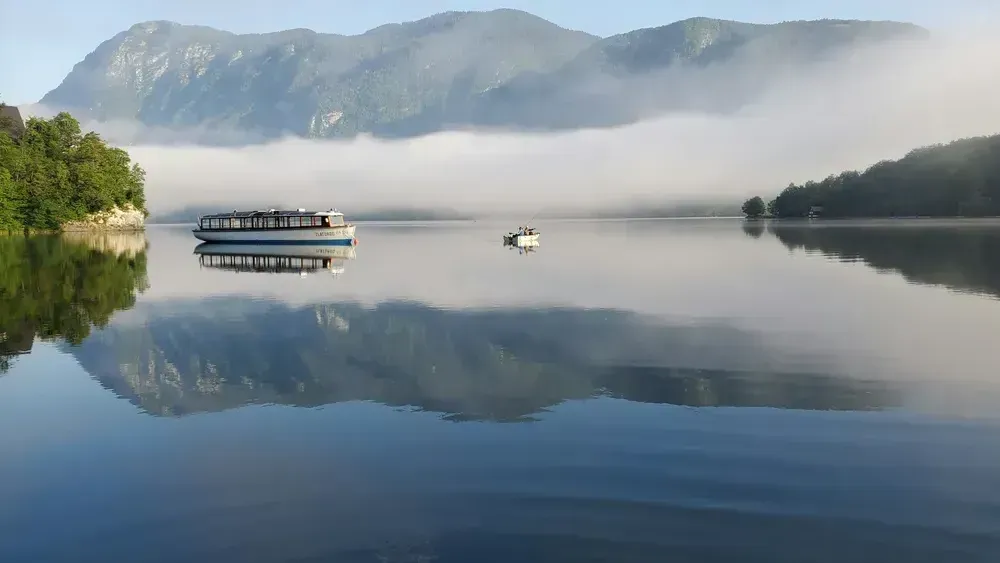
Nestled in Slovenia's Julian Alps, Lake Bohinj emerges as a lesser-known queer-friendly destination in Europe, offering tranquil natural splendor and a welcoming vibe far from mainstream LGBTQ+ travel lists.
In the heart of Slovenia's Julian Alps lies Lake Bohinj, a crystalline alpine lake surrounded by towering peaks, cascading waterfalls, and dense forests—a destination that whispers rather than shouts its appeal to queer travelers. Unlike the bustling queer hubs of Berlin or Mykonos, Bohinj offers a serene escape where LGBTQ+ visitors can immerse themselves in nature's embrace without the spotlight. This spot, often overshadowed by nearby Lake Bled, is gaining quiet traction among discerning queer adventurers for its blend of outdoor pursuits, cultural depth, and an understated atmosphere of acceptance that feels genuine and unforced.
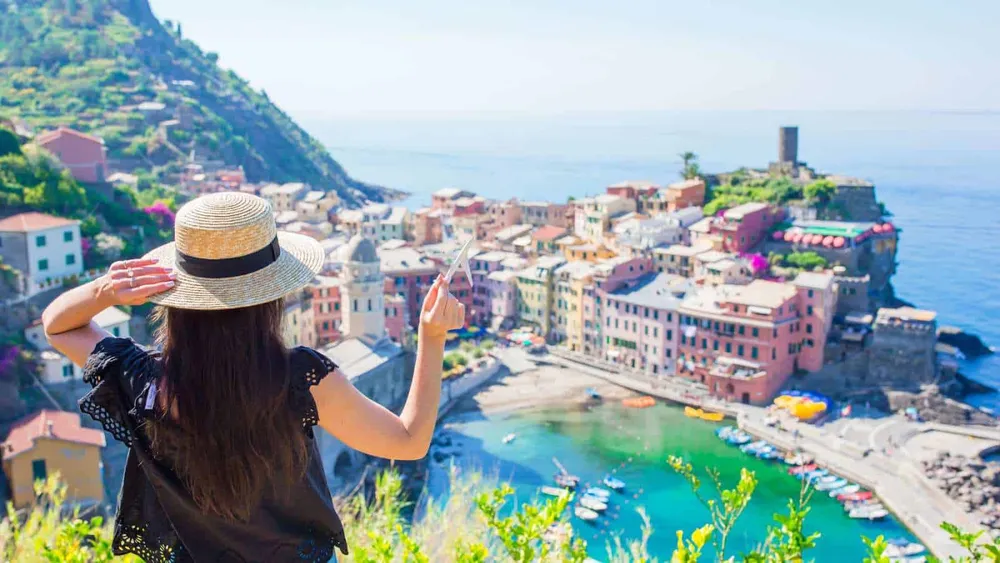
A visit around Europe's most beautiful capital cities calls for comfortable shoes and plenty of space on the camera roll. Walkable layouts and dramatic settings draw most of the attention here, with well-kept streets and architecture showing up right when travelers think they have seen it all. These are the kinds of cities where a short stroll turns into a long wander, and every corner dares the camera to come back out.
A visit around Europe's most beautiful capital cities calls for comfortable shoes and plenty of space on the camera roll. Walkable layouts and dramatic settings draw most of the attention here, with well-kept streets and architecture showing up right when travelers think they have seen it all. These are the kinds of cities where a short stroll turns into a long wander, and every corner dares the camera to come back out.
Copyright Associated Press. All rights reserved. This material may not be published, broadcast, rewritten, or redistributed.

Far from the usual circuit of gay beaches and big-city Pride, Michigan’s Keweenaw Peninsula — anchored by the tiny twin towns of Houghton and Hancock — is quietly emerging as a surprisingly warm, queer-affirming outpost on the frigid edge of Lake Superior.
On a June afternoon in Houghton, Michigan, rainbow flags ripple along a hillside street where old brick storefronts face the steel span of the Portage Lake Lift Bridge. A drag performer in a sequined parka lip-syncs on a makeshift stage as a line forms at the frybread stand, and a vendor carefully pins a tiny trans flag button to a denim jacket that has definitely seen a snowstorm or twelve. This is Keweenaw Pridefest — and it is not the queer travel backdrop most people picture when they think “summer in Michigan. ”

Marble lobbies, exclusive addresses and posh furnishings no longer define luxury travel. Today, affluent travelers are increasingly choosing private villas, chalets and ultra-exclusive retreats over traditional five-star hotels.
Marble lobbies, exclusive addresses and posh furnishings no longer define luxury travel. Today, affluent travelers are increasingly choosing private villas, chalets and ultra-exclusive retreats over traditional five-star hotels. As privacy and personalization rise in priority, demand has shifted toward properties that limit access by design rather than scale for visibility.
Copyright Associated Press. All rights reserved. This material may not be published, broadcast, rewritten, or redistributed.
We use cookies to analyze traffic and to ensure you get the best experience on our website. Read our Privacy Policy for more information.