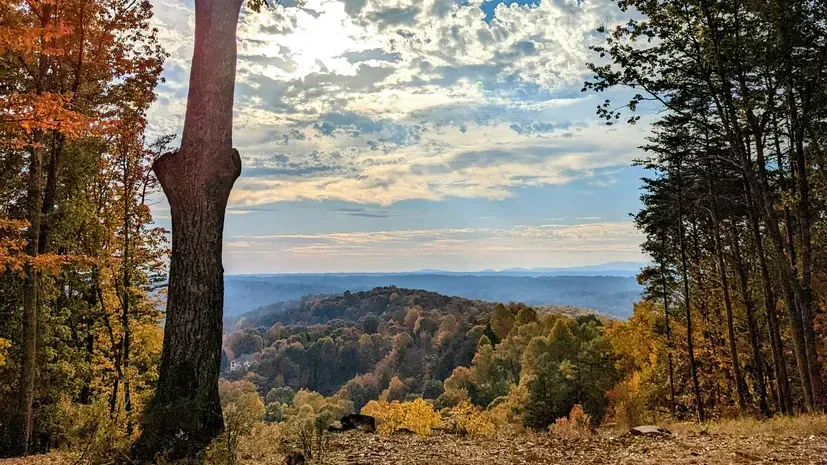
Nestled on South America's northeastern coast, Suriname emerges as a lesser-known gem for queer travelers seeking authentic cultural immersion beyond mainstream LGBTQ+ lists.
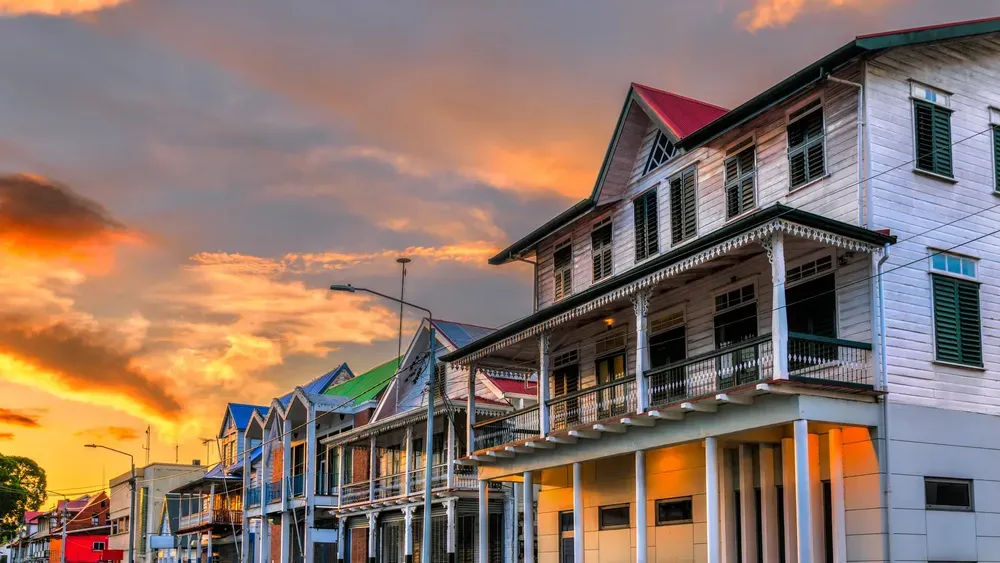
Suriname, a small nation on South America's northeastern coast bordering Guyana, French Guiana, and Brazil, stands out as an under-the-radar destination for queer travelers. Unlike heavily promoted spots like Buenos Aires or Rio de Janeiro, Suriname rarely appears on mainstream LGBTQ+ travel itineraries, yet it beckons with its unique blend of Creole, Indigenous, Maroon, and Indo-Caribbean cultures that infuse every corner with flavor and festivity. Paramaribo, the capital, feels like a living time capsule thanks to its UNESCO-listed wooden architecture, where pastel-hued Dutch colonial buildings line streets shaded by towering mango trees, creating an intimate, walkable urban oasis.
For LGBTQ+ visitors, Suriname offers a distinctive experience rooted in its multicultural fabric. The country's Maroon communities—descendants of escaped enslaved Africans—host vibrant festivals with drumming, dancing, and storytelling that celebrate resilience and community, providing queer travelers with spaces to connect authentically without the overt commercialization of better-known pride events. Indo-Caribbean influences shine through in the obscene deliciousness of roti shops, where flaky flatbreads stuffed with curry goat or potatoes are devoured at roadside stalls, often accompanied by Bollywood beats spilling from open-air eateries. Queer travelers report feeling at ease blending into this diverse tapestry, where personal expression is normalized amid the everyday hustle.
What elevates Suriname's appeal as queer-friendly is its relative safety and progressive undercurrents despite conservative pockets. As a former Dutch colony, it benefits from lingering European influences on tolerance, with no widespread reports of anti-LGBTQ+ violence targeting visitors in urban areas like Paramaribo. Local LGBTQ+ communities, though discreet, organize low-profile events and maintain online networks for visitors, fostering a sense of belonging. Digital nomads, including queer professionals, have begun trickling in, drawn by affordable living costs—around $1, 000 monthly for a comfortable setup—and reliable internet in the capital. Coworking spaces like those in Paramaribo's emerging creative districts welcome diverse groups, where remote workers share stories of hiking Brownsberg Nature Park or kayaking the Suriname River.
Queer-friendliness here manifests subtly but meaningfully. While overt nightlife is limited—Paramaribo prioritizes chill vibes over thumping clubs—hidden gems like informal beach parties along the Suriname River draw mixed crowds, including LGBTQ+ locals and expats. Instagram communities such as @queersuriname share tips on safe spots, from the artist-run Torarica Gallery hosting queer-inclusive art shows to pop-up drag brunches at cafes like Torarica. Transgender travelers appreciate the low-key environment, where gender expression blends into the carnival-like street fashion influenced by Javanese batik sarongs and Maroon pangi wraps. Person-first affirming spaces are growing, with health clinics in Paramaribo offering confidential services for LGBTQ+ individuals, supported by NGOs like ProHealth Suriname.
Culturally, Suriname's richness rivals any South American hotspot. The Sint Peter en Paul Cathedral, one of the world's largest wooden churches, hosts community events that occasionally feature queer performers sharing Kaseko music—a high-energy fusion of African rhythms. For adventure seekers, day trips to Galibi Nature Reserve reveal sea turtle nesting sites, where guided night tours led by Indigenous Kali'na guides emphasize conservation and storytelling under starlit skies—perfect for queer nature lovers craving meaningful connections.
Suriname's emergence as a hidden gem stems from word-of-mouth among queer travel circles. Travel bloggers note its appeal for those tired of crowded pride circuits, praising the "something different"factor: rainforests as rowdy as the Amazon but far less touristed, with zip-lining over canopy rivers and spotting howler monkeys in Raleighvallen Falls. Safety for LGBTQ+ visitors is bolstered by constitutional anti-discrimination protections, though same-sex marriage remains unrecognized; urban areas like Paramaribo see high acceptance, with same-sex couples holding hands without issue.
This destination's cultural depth and welcoming ethos make it ideal for queer travelers desiring immersion over Instagram fame. From savoring pom at family-run warungs to trekking the Central Suriname Nature Reserve—a UNESCO site spanning two million hectares of pristine jungle—experiences here foster personal growth and joy. Pair urban charm with eco-adventures like birdwatching over 700 species, including vibrant macaws, and you've got a trip that nourishes the spirit. As global queer travel evolves toward sustainable, authentic spots, Suriname's blend of history, biodiversity, and subtle inclusivity positions it as South America's next hidden gem. Queer adventurers: pack your sense of wonder and discover why this wooden wonderland whispers promises of unforgettable memories.
Queer camping festivals offer LGBTQ+ individuals immersive outdoor experiences combining music, wellness, and community bonding in affirming environments.
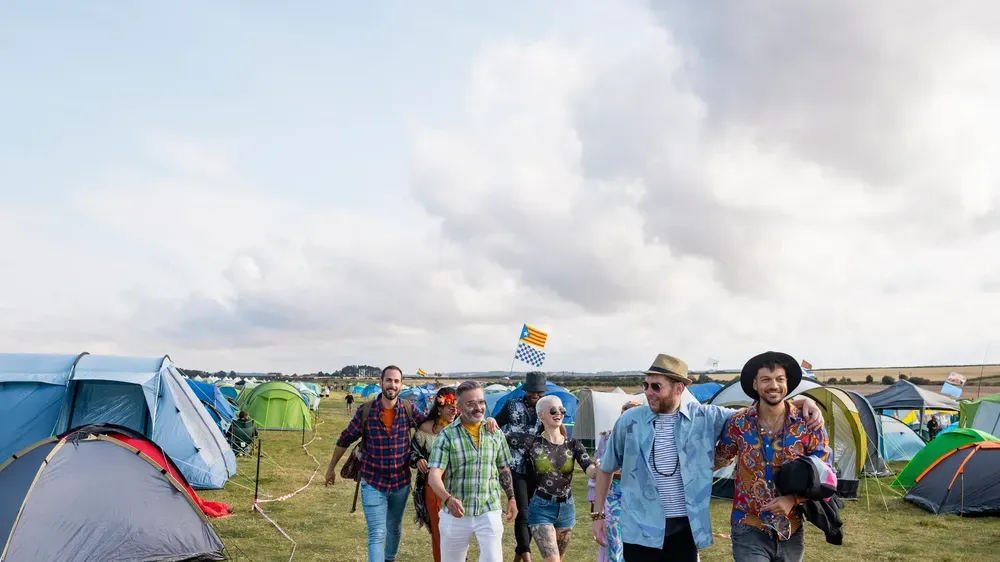
Queer camping festivals have emerged as vibrant staples in the LGBTQ+ event calendar, providing spaces where transgender people, gay men, lesbian women, bisexual individuals, and nonbinary folks can connect with nature while celebrating identity and community. These gatherings typically feature tent camping, performances, workshops, and parties in scenic locations, prioritizing safety and affirmation for queer attendees. Unlike mainstream festivals, they emphasize inclusivity, often with dedicated programming for diverse identities within the LGBTQ+ spectrum.
In the United States, Honcho Campout in Pennsylvania is a beloved queer electronic gathering in the woods, celebrated for its deep commitment to underground DJ culture and for creating a liberated sanctuary where gay, trans, and queer attendees can dance in true communal spirit. Stargaze Festival in Massachusetts (Aug 28–30, 2026) centers LGBTQ+ women, nonbinary, and trans folks with lakeside camping, music, and workshops, while California’s Something Queer (May 8–11, 2026) offers a more intimate, co-created retreat focused on nature connection and grassroots community care.
Europe hosts several prominent queer camping festivals, blending hedonism with activism. Out & Wild in Abbotsham, North Devon, UK, is a women+, nonbinary, and trans-inclusive event featuring wellness sessions, silent discos, comedy, surfing, and spoken word performances during early July. Attendees camp by the coast, fostering deep connections in a supportive setting. Queer Ranch Festival on Lesbos, Greece, in late May, centers sapphic joy with DJ sets, workshops, cinema screenings, and wild swimming over five days on the beach.
Further exemplars include Pink Lake Festival in Pörtschach am Wörthersee, Austria, welcoming the international LGBTQ+ community for a four-day event in late August with parties and lakefront activities. This festival transforms the lakeside into a hotspot for queer expression. In Germany, Whole Festival, branded as the United Queer Festival, occurs July 17–20, 2026, at Ferropolis, an open-air museum of industrial relics, hosting thousands for music, arts, and queer unity with camping options.
These festivals trace roots to early LGBTQ+ retreats seeking refuge from urban hostility, evolving with marriage equality milestones like the Netherlands' 25-year celebration tied to World Pride 2026 in Amsterdam. They address challenges such as weather unpredictability and accessibility for disabled queer attendees, with organizers increasingly offering glamping and shuttle services. Community responses praise their role in visibility; for instance, events like Folsom Europe incorporate camping elements with fetish culture, blending activism and play.
LGBTQ+ media highlights their impact on mental health, providing sober alternatives and peer support amid rising anti-queer legislation in some regions. Queer Ranch emphasizes sapphic autonomy post-Turkey's women's festival closures, offering safe haven. Critics note occasional overcrowding or commercialization, but attendees report transformative experiences of belonging.
Attendance has surged post-pandemic, with events like Munich Gay Oktoberfest incorporating camping cruises on the Danube, drawing 120 passengers for beer, tours, and pride. These festivals underscore nature's role in queer resilience, from Berlin's Christopher Street Day extensions to river charters. As climate concerns grow, sustainable practices like zero-waste policies emerge, ensuring longevity.
Long-haul flights used to be something travelers pushed through. You packed snacks, downloaded movies, and accepted that getting somewhere far meant being uncomfortable for a while. Layovers were something to survive, not something to enjoy.
Long-haul flights used to be something travelers pushed through. You packed snacks, downloaded movies, and accepted that getting somewhere far meant being uncomfortable for a while. Layovers were something to survive, not something to enjoy.
That mindset is changing. More travelers are choosing to break long journeys into smaller, more meaningful pieces, turning layovers into short stays that add depth to a trip rather than delay it.
Airline stopover programs have helped drive that shift, and Copa Airlines has been one of the carriers leading the way. Its Stopover in Panama program allows passengers to add a stay in Panama City at no additional airfare for 24 hours to 7 days, on either the outbound or return portion of their trip. The program also includes discounted hotel stays and exclusive dining and activity offers.
The idea is simple. You are already passing through Panama. Why not step outside the airport and experience it?
Stopover In Panama City
To see what that kind of stay looks like in practice, I flew from Los Angeles to Panama City as part of a hosted trip showcasing what travelers can experience during a stopover. While I did not personally book the program, the itinerary reflected how it works in real life: arrive, settle in, explore, and continue on your way.
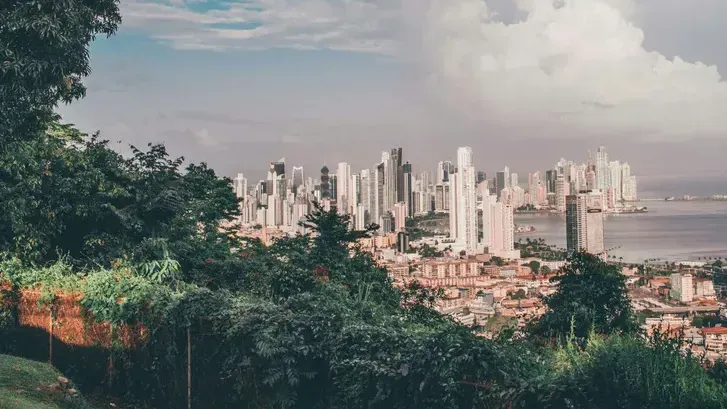
Panama City is particularly well-suited for this kind of travel. As Copa’s main hub, it connects North America to dozens of destinations across Central and South America, including Colombia, Peru, Brazil, Argentina, and Chile. The city is compact and easy to navigate, with historic neighborhoods, natural areas, and major attractions located close together.
Panama City Two Day Itinerary
I stayed at Sofitel Legend Casco Viejo, located in the heart of the historic district. My balcony overlooked the ocean. The room was spacious and thoughtfully designed, with a large bathroom and a comfortable sitting area.
Being based in Casco Viejo made the short stay feel manageable. Cafés, museums, shops, and historic streets were all within walking distance, which meant less time in transit and more time experiencing the city. The hotel’s rooftop pool and bar offered views over the water, and a small speakeasy tucked inside provided a quiet place to end the evening.
A visit to the Panama Canal offered a perspective on the scale of the operation. Watching massive cargo ships pass through narrow channels is a reminder of how much of the world’s commerce moves through Panama.
Later, I took part in a Geisha coffee tasting in the city. Before this trip, I knew little about Panama’s role in producing some of the world’s most sought-after coffee. During the session, we learned how the beans are grown, harvested, and processed, and how specific climate conditions make this region uniquely suited to producing Geisha coffee. Sampling different varieties highlighted the precision behind each cup.
That evening, I walked from the hotel to Fonda Lo Que Hay, a local restaurant frequently named among the best in the world. The menu changes regularly, and the atmosphere is relaxed. The soup alone was memorable. Another dinner at Lazotea, a rooftop restaurant nearby, I watched the sky darken over Casco Viejo while eating ceviche that remains one of the best I have had anywhere.
I traveled to Gatun Lake by small boat with a local guide who explained the area's history as we glided across the water. Along the way, we passed massive cargo ships heading toward the canal. Between them, wildlife appeared: birds, crocodiles, monkeys, and a sloth resting in the trees.
I traveled along the river by dugout canoe to visit an Embera village. As we rounded a bend in the river, straw roofs came into view. Music drifted toward us. Children ran along the shore. Women prepared food and crafts. Men carved wood and played instruments. We were welcomed with warmth and pride.
Members of the community shared their traditions through music, art, and storytelling. What stood out most was the strong sense of connection among residents and the calm rhythm of daily life.
Break Up Long Journeys With Stopovers
Copa’s program removes much of the friction that usually comes with planning a short stay in a new city and allows travelers to explore a new destination along their journey.
For travelers heading deeper into Latin America or returning home from South America, the stopover becomes part of the trip rather than a break.
The idea behind intentional stopovers is not to cram in more. It is to travel with a little more awareness, and to recognize that the spaces between destinations can hold their own meaning.
by Chantelle Kincy | Wander Worthy
Copyright Associated Press. All rights reserved. This material may not be published, broadcast, rewritten, or redistributed.
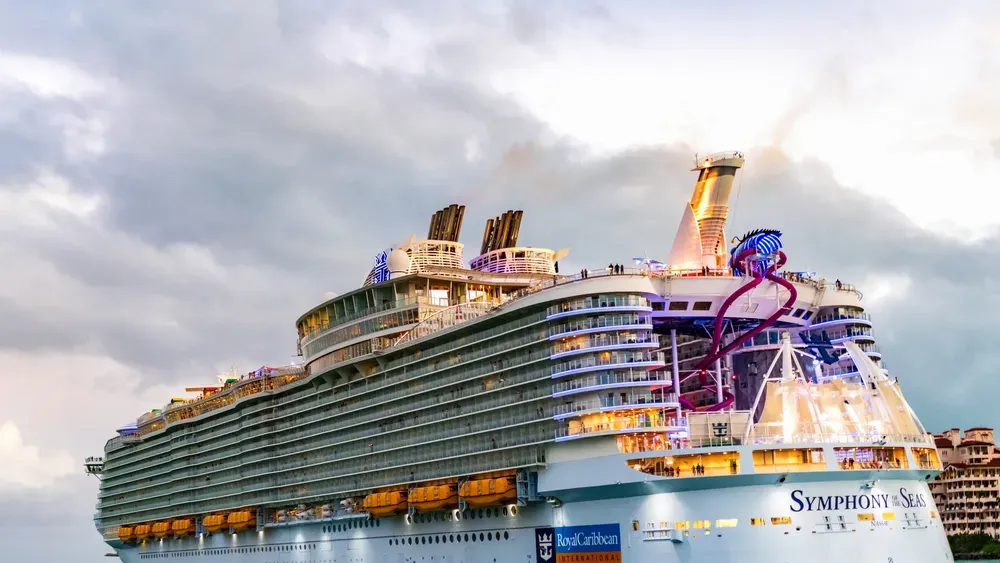
Nine tourists, including a West Hollywood resident, were arrested at PortMiami on Sunday for possessing controlled substances like MDMA, methamphetamine, and ketamine in their luggage as they prepared to board Royal Caribbean's Symphony of the Seas for Atlantis Events' sold-out "world's biggest gay festival at sea."
Several tourists were arrested at PortMiami's Terminal A on Dodge Island on Sunday afternoon as passengers prepared to board the Royal Caribbean Symphony of the Seas, a cruise ship hosting Atlantis Events' sold-out "world’s biggest gay festival at sea" with capacity for over 5,500 passengers.
The arrests stemmed from routine screenings conducted by U.S. Customs and Border Protection officers, who used trained dogs to screen luggage flagged by the ship's security team. Quantities detected were deemed too low for federal Homeland Security Investigations, leading to referrals to Miami-Dade Sheriff's Office deputies for county-level prosecution. CBP employed tools including the Gemini Test System, which uses infrared light, and the NTK Test Kit U, which relies on color changes to identify substances like MDMA , methamphetamine, and ketamine.
County inmate records from the Turner Guilford Knight Correctional Center confirmed five defendants were booked Sunday evening. Among them was Brad Kloha, 41, from Nashville, Tennessee, born in Michigan, arrested at 3:30 p.m. after CBP found several bags in his luggage testing positive for 16.3 grams of MDMA and 17.8 grams of ketamine. Kloha faced charges of trafficking MDMA and possession of a controlled substance; his bond was set at $6,000 during a Monday bond court appearance before Miami-Dade County Circuit Judge Laura Gonzalez-Marques.
Joshua Jenkins, 39, from Tacoma, Washington, was arrested at 3 p.m. following the discovery of 2.11 grams of methamphetamine in pill form in his luggage. He faced a possession charge and was released on his own recognizance Monday before Judge Tanis Brinkley.
Eddy, born in California, was arrested at 3 p.m. and booked around 10:15 p.m., facing four charges including trafficking MDMA and three counts of possession; bond was $7,000 before Judge Christina Miranda. Adam Jones, 49, from Atlanta, Georgia, born in Florida, arrested at 4 p.m., had 22.8 grams of methamphetamine found in a container; he faced trafficking charges with $5,000 bond before Judge David Young.
Hoi Le, 51, from San Francisco, California, arrested at 5:15 p.m., had two baggies testing positive for 14.9 grams of methamphetamine and 3.2 grams of ketamine; charges included trafficking methamphetamine and possession, with $5,000 bond before Judge Michelle A. Delancy.
The Symphony of the Seas departed after the incidents, carrying thousands of LGBTQ+ travelers for the Atlantis Events cruise, a prominent gathering in the community known for its festive parties and celebrations. No official statements from Atlantis Events or Royal Caribbean were immediately available in reports, but the event's scale underscores its significance for gay men and LGBTQ+ travelers seeking inclusive vacation experiences.
These arrests highlight routine port security measures intersecting with major LGBTQ+ events, where passengers from across the U.S., including communities in West Hollywood and Nashville, faced legal consequences. Miami-Dade prosecutors opened five narcotics cases as a result. Community responses were not yet documented in available coverage, but the timing just before boarding amplified attention on the incident within LGBTQ+ media circles.
CBP logged the county referrals in the TECS federal database, ensuring records of the pat-downs and identifications. The events unfolded on February 1, 2026, with court proceedings the following day.
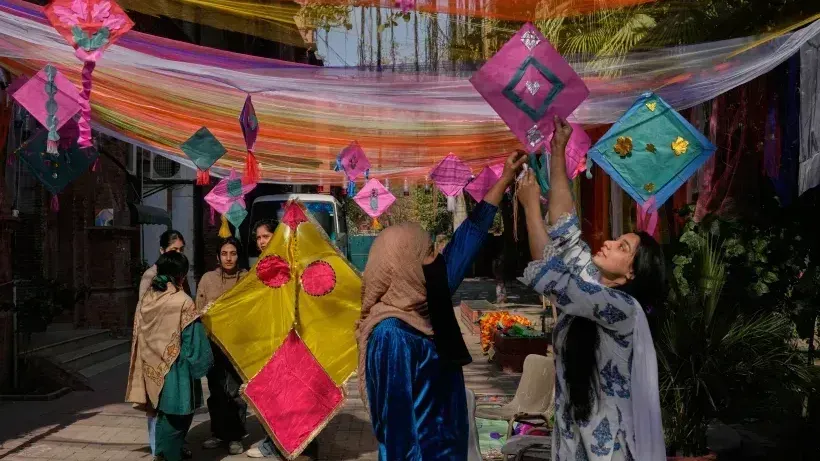
A burst of color lit up Lahore’s night sky overnight as Pakistan’s cultural capital relaunched the Basant kite-flying festival after nearly two decades
A burst of color lit up Lahore’s night sky overnight as Pakistan’s cultural capital relaunched the Basant kite-flying festival after nearly two decades.
Authorities said Friday that the celebration has been allowed only under strict safety regulations, warning that the use of hazardous kite strings that endanger lives could lead to arrests.
Kite-flying had been banned in the province since 2005 following a series of fatal accidents. Razor-sharp metal- or glass-coated strings used in competitive kite fighting killed about a dozen people, mostly motorcyclists and bystanders two decades ago, prompting the government to impose broad restrictions across Punjab and effectively halt Basant.
This year, officials say strict safety measures are in place.
Motorcyclists are required to install tall, antenna-like metal rods on their bikes to prevent airborne strings from causing injury. The provincial government also declared a two-day public holiday to reduce traffic and lower accident risks.
The government of Punjab Chief Minister Maryam Nawaz Sharif recently lifted the ban, emphasizing that the festival’s revival would be strictly regulated and violators could face fines or imprisonment.
As midnight marked the start of the two-day celebration, rooftops across the city came alive with families and friends launching vibrant kites into the cool night air.
“We’re finally seeing it again after so many years,” said Ashfaq Ahmed, 23, flying a kite from his rooftop in Lahore’s old city. “If people avoid dangerous strings, hopefully this joyful festival can continue safely in the future.”
by Babar Dogar
Copyright Associated Press. All rights reserved. This material may not be published, broadcast, rewritten, or redistributed.
Nestled on Taiwan's east coast, Hualien offers queer travelers a serene escape from crowded urban pride scenes, blending everyday acceptance with breathtaking natural wonders like Taroko Gorge.
Hualien, a coastal city on Taiwan's rugged east coast, is emerging as a quiet beacon for queer travelers in Asia, distinct from the bustling pride hubs of Taipei and Kaohsiung. Unlike more prominent destinations, Hualien lacks a defined gay nightlife but compensates with an atmosphere of effortless acceptance, where LGBTQ+ visitors report feeling at ease in hotels, restaurants, and public spaces. This everyday neutrality stems from Taiwan's progressive legal framework, including marriage equality since 2019, which fosters a nationwide culture of tolerance extending to lesser-visited regions like Hualien.
Why Hualien Feels Welcoming for Queer Travelers
Taiwan is widely recognized as Asia's most LGBTQ+-friendly nation, setting a benchmark with legal protections, school tolerance education, and events like Asia's largest pride in Taipei. Hualien benefits directly from this foundation, offering "extreme safety and comfort"for LGBTQ+ people even without dedicated queer venues. Local hospitality emphasizes respect and warmth, creating a refreshing contrast to the high-energy scenes in cities like Bangkok or Seoul. Queer couples can hold hands or share rooms without drawing attention, mirroring the neutral treatment seen across Taiwan's east coast.
Travel writers note that Hualien's slower pace appeals particularly to LGBTQ+ visitors weary of urban hustle, providing space for authentic connections amid nature. The city's open, calm vibe aligns with Taiwan's reputation for treating same-sex couples "with ease, "especially in service-oriented settings. This understated acceptance positions Hualien as a "hidden LGBT+ gem, "ideal for those seeking respite rather than parties. Beyond Taipei, other Taiwanese spots like Kaohsiung and Taichung are noted for queer hotspots, but Hualien's natural seclusion sets it apart.
Natural Wonders and Outdoor Escapes
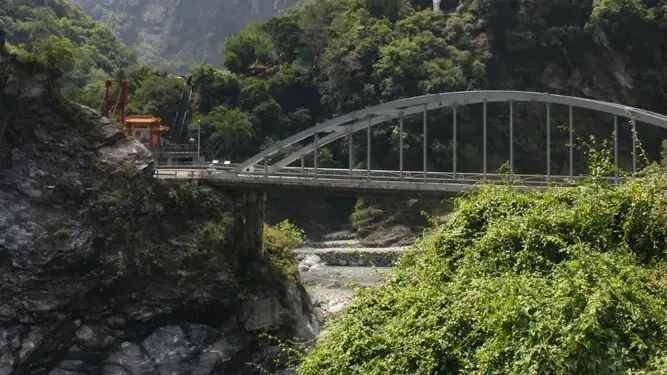
Hualien's primary allure lies in its proximity to Taroko Gorge National Park, a marvel of marble canyons, turquoise rivers, and hiking trails that draw adventurers worldwide. The park's dramatic scenery—towering cliffs etched by the Liwu River, suspension bridges swaying over foaming waters, and indigenous Truku tribe trails—offers intimate exploration opportunities. Queer travelers appreciate the personal scale of these experiences, free from the crowds plaguing similar sites elsewhere in Asia.
Popular hikes include the Eternal Spring Shrine trail, where a cascading waterfall meets a historic shrine, and the Zhuilu Old Trail, a thrilling cliffside path with ocean vistas . For gentler outings, the Qingshui Cliffs provide roadside viewpoints of Pacific waves crashing against sheer rock faces. These spots feel "almost unreal, "enhancing the sense of escape for LGBTQ+ visitors who can enjoy them as couples without scrutiny. Taiwan's east coast also features hot springs and beaches nearby, echoing gay-friendly relaxations mentioned in broader travel guides.
Cultural Richness and Daily Life
Hualien's cultural tapestry weaves Amis indigenous traditions with Hakka and Hoklo influences, evident in its night markets and festivals. The Dongdamen Night Market buzzes with stalls offering fresh seafood like grilled squid and oyster omelets, stinky tofu, and bubble tea, all amid friendly vendor chatter. Evenings unfold with seaside promenades along Nanbin Park, where locals stroll under banyan trees, and small eateries serve hearty beef noodles or peanut ice cream rolls.
The Hualien Cultural Creative Industries Park, housed in a former sugar factory, showcases artisan shops, cafes, and art exhibits blending modern queer sensibilities with traditional crafts. Amis Harvest Festivals in summer feature rhythmic drumming, traditional dances, and millet wine tastings, welcoming visitors into community rituals. This cultural immersion thrives in Hualien's respectful environment, where LGBTQ+ travelers engage without barriers.
Emerging as a Hidden Gem Amid Asia's Queer Travel Boom
As Asia's LGBTQ+ travel scene grows—with tolerant spots like Thailand's islands, Cambodia's cities, and South Korea's Seoul—Hualien distinguishes itself by prioritizing nature over nightlife. Taiwan's hosting of the 2026 Kaohsiung Asia Pride Games underscores regional momentum, drawing attention to offbeat areas like Hualien. Queer community insights highlight Hualien's value for "relaxing fully without hiding, "fostering deeper travel experiences.
Practical tips include basing in Hualien City for easy Taroko access via shuttle buses or renting scooters . Gay-friendly hotels like Silks Place Taroko offer couple suites with gorge views. Apps like Grindr show discreet local activity, though the focus remains on daytime adventures. With direct trains from Taipei , Hualien is accessible yet worlds away, cementing its status as an emerging queer-friendly retreat.
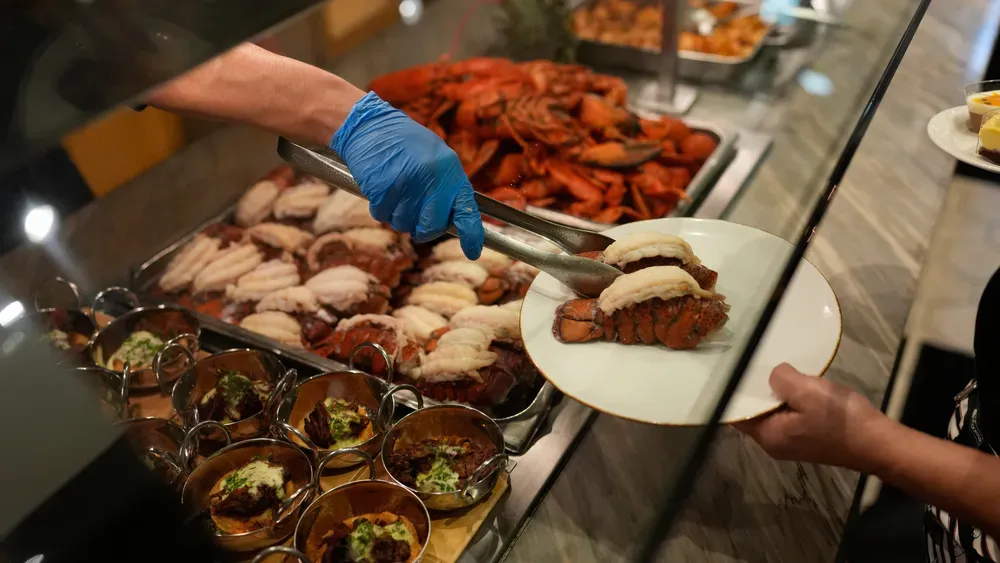
A person serves lobster tails at the A.Y.C.E Buffet in the Palms resort-casino Wednesday, Jan. 28, 2026, in Las Vegas. Photo Credit: AP Photo/John Locher
Las Vegas buffets have evolved from $1 all-you-can-eat cold cuts to $175 limitless lobster and caviar
Eighty years ago, the first Las Vegas buffet opened with the $1 western-themed Buckaroo Buffet that offered cold cuts and cheese. Today, visitors can drop $175 on luxury buffets with lobster tail, prime rib and limitless drinks.
The old Las Vegas buffets didn’t make much money, but they allowed people to eat cheaply and quickly, giving them more time to spend their money on the casino floor.
But the number of buffets has dwindled to around a dozen on the Las Vegas Strip. Many shuttered during the COVID-19 pandemic and elected not to reopen with rising prices.
Before the Carnival World Buffet at the Rio closed in 2020 and was replaced with the Canteen Food Hall, it touted itself as Las Vegas’ largest buffet with over 300 international dishes to choose from. It had just about everything you could eat for around $30, said Jim Higgins, a Las Vegas food tour guide.
ARIA’s buffet, which stood out in its offering of Indian dishes and fresh-baked naan, also closed for good in 2020 and reopened as the Proper Eats Food Hall. The food hall offers several options, including ramen, sushi and burgers. Last March, the pyramid-shaped Luxor’s ancient Egypt-themed buffet closed. It had cost around $32, but many people ate for free with a casino comp.
Many of the city's old-school buffets have been replaced by trendy food halls and pricey celebrity chef-driven restaurants — and the so-called luxury buffet, making it now an attraction in and of itself. The rise of Las Vegas as a foodie town drove demands for higher quality dining, said Al Mancini, a longtime food journalist in Las Vegas and the creator of a food guide called Neonfest.
Longtime Las Vegas visitors liken the decline of buffets to the disappearance of the 99-cent shrimp cocktail, another iconic offering that had contributed to the city’s reputation as an affordable vacation spot.
“You wander in, you eat, you stuff your face, and then you stumble on out to a slot machine. It’s just part of the culture, and it’s sad to see that change,” Arizona resident and frequent Las Vegas visitor Ryan Bohac said.
History professor and Las Vegas native Michael Green remembers the days of the $1.99 buffet, where he’d pile his plate with fried chicken, corn and desserts. An advertisement for the Old West-themed casino Silver Slipper’s buffet painted that picture of plenty with the line “Tomorrow the diet, today the great buffet."
Las Vegas is a city where visitors like to pretend they have more money than they do, and buffets allow people to live like a king, giving them a “visceral thrill” when loading up a plate with crab legs, Mancini said.
Jeff Gordon, a frequent Las Vegas visitor from California, likes the “grand spectacle” of the high-end buffets like the Wynn’s buffet or the Bacchanal at Caesars Palace, which display mountains of crab legs and elaborate carving stations with prime rib and smoked brisket.
Still, Gordon misses the affordable buffets that were once plentiful.
“It’s like going to Costco and buying a $1.50 hot dog,” Gordon said. “You may not just buy that $1.50 hot dog, but you may be spending like $150 in Costco and other things that maybe you do need, maybe you don’t need.”
He thinks the decline in affordable buffets has contributed to the city’s growing reputation as becoming too expensive. Gordon thinks it’s hurting tourism as a whole, and discouraging middle-class Americans from visiting.
Locals say buffets have adapted to meet the needs of a city that is constantly changing.
“It was a great option in its day,” said Jim Higgins, a Las Vegas food tour guide. “I think the city has just moved on.”
“A Las Vegas buffet is an attraction at this point, and you’re going to pay for an attraction,” he said. “You’re not going there to get deals.”
At the Palms' A.Y.C.E Buffet, visitors can pay $80 for endless lobster, shrimp cocktail, sushi, snow crab legs and fresh pasta like lobster mac 'n' cheese. They offer specialty themed nights where hula dancers or mariachi perform. Occasionally a lobster mascot walks around.
It’s almost like a circus, said Marcus O’Brien, the executive chef at Palms Casino Resort.
Mancini said buffets will always be part of some visitors’ Las Vegas experience, and they’ll evolve alongside the restaurant scene around them in order to succeed.
“The Las Vegas buffet will never die,” he said.
by Jessica Hill
Copyright Associated Press. All rights reserved. This material may not be published, broadcast, rewritten, or redistributed.
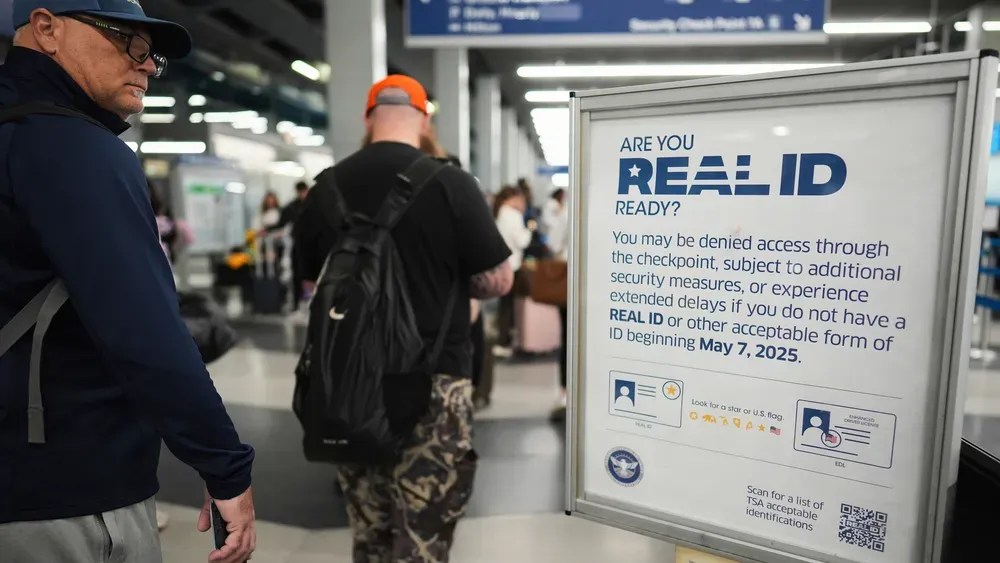
Travelers walk past a Real ID sign posted inside terminal 3 at O'Hare International Airport in Chicago, Friday, May 23, 2025. Photo Credit: AP Photo/Nam Y. Huh, File
Air travelers in the U.S. without a REAL ID or another acceptable form of identification are subject to a new fee starting Sunday
That little star on your U.S. driver’s license is about to save you $45.
Beginning Sunday, air travelers in the U.S. without a REAL ID or another acceptable form of identification, such as a passport, are subject to a new fee.
It isn't a penalty or a fine — it's payment for non-compliant travelers to use the Transportation Security Administration's new alternate identity verification option called ConfirmID. But the process takes extra time, and paying the fee doesn’t guarantee you’ll make your flight.
The Department of Homeland Security says most U.S. travelers are already compliant and that the fee is meant to encourage the rest — those without a star-marked REAL ID — to obtain one.
Still, the new fee may catch some passengers off guard, so here's a breakdown:
What is a REAL ID?
It is a federally compliant state-issued license or identification card that meets enhanced requirements mandated in the aftermath of the Sept. 11, 2001, terrorist attacks.
Obtaining the ID means taking more documents to the motor vehicle agency than most states require for regular IDs. It was supposed to be rolled out in 2008, but the implementation was repeatedly delayed.
The updated ID is indicated by a white star in a yellow circle in most U.S. states. It has been required since May, but travelers without it — and without another TSA-accepted ID — were still allowed through security with extra screening and a warning. That changes Sunday.
Who has to pay?
Travelers 18 and older flying domestically without proper identification on them will have to pay $45 to verify their identity at the airport through the ConfirmID process. If approved, the verification covers a 10-day travel period.
Paying the fee, however, does not guarantee access to U.S. air travel, and passengers whose identities cannot be verified may be turned away at airport security.
“This fee ensures that non-compliant travelers, not taxpayers, cover the cost of processing travelers without acceptable IDs,” said Adam Stahl, acting TSA deputy administrator.
How it works
The service fee is paid online at tsa.gov/ConfirmID. Travelers will have to enter their legal name and the start date of their travel. Accepted payment methods include debit and credit cards, Venmo and PayPal.
Someone other than the traveler can make the payment, according to TSA, but the traveler’s information must be entered correctly.
Passengers will then receive an emailed payment receipt from pay.gov.
At the airport checkpoint, show a government-issued ID and a digital or printed copy of the receipt to begin the verification process.
TSA recommends that travelers pay the fee before arriving at the airport to save on time, as the verification process alone could take up to 30 minutes.
Nestled in the Blue Ridge Mountains, Dahlonega, Georgia, stands out as a lesser-known queer-friendly destination with a burgeoning LGBTQ+ community, queer-owned businesses, and a rich tapestry of wine country and historic charm.
Dahlonega, Georgia, a mountain getaway in the foothills of the Blue Ridge Mountains, first gained prominence in 1828 as the site of America's initial gold rush. Today, with a population of approximately 7, 537 residents, it has transformed into the heart of Georgia's wine country, featuring six wineries within a short drive from the town center. The town's downtown area overflows with restaurants, shops, and queer-owned businesses, fostering a welcoming vibe that draws LGBTQ+ travelers seeking a genuine retreat.
What sets Dahlonega apart as an emerging destination for queer visitors is its understated authenticity. Unlike flashier coastal hotspots, this inland gem combines historic allure with a supportive local ecosystem. Queer-owned accommodations and establishments create spaces where LGBTQ+ individuals can relax without fanfare, emphasizing person-first hospitality. The town's proximity to Atlanta—about 75 miles northeast—makes it an accessible weekend escape for urban queer communities, yet it retains a small-town intimacy that feels worlds away.
Local LGBTQ+ residents and business owners describe Dahlonega as a place where inclusivity is woven into the fabric of daily life. Many downtown businesses are LGBTQ+-owned and operated, contributing to an atmosphere of acceptance that extends to visitors. For instance, boutique shops and eateries along the main street cater to diverse tastes, with owners often sharing stories of creating safe spaces for queer couples and families. This grassroots support mirrors trends in nearby Blue Ridge, Georgia, where one of the state's largest populations of gay couples resides, suggesting a regional shift toward queer-friendly mountain living.
Travelers report feeling an immediate sense of belonging, bolstered by the absence of overt commercialization. Queer accommodations range from cozy bed-and-breakfasts to cabins overlooking vineyards, many explicitly marketed as LGBTQ+-friendly on platforms like OutCoast. Community insights highlight annual events that subtly celebrate diversity, such as art walks and wine festivals where local LGBTQ+ artists showcase work inspired by the Appalachian landscape. These gatherings provide low-key opportunities for networking and connection, appealing to queer travelers tired of crowded pride circuits.
The town's infrastructure further enhances its appeal. Pedestrian-friendly streets lined with 19th-century architecture invite leisurely strolls, while proximity to hiking trails in the Chattahoochee National Forest offers outdoor adventures tailored for couples or groups. Gay travelers particularly appreciate the wineries, where tastings often occur in scenic pavilion settings, paired with live music from local queer musicians. This blend of relaxation and subtle nightlife—think intimate wine bars rather than throbbing clubs—positions Dahlonega as ideal for multigenerational queer trips or romantic getaways.
Dahlonega's cultural richness amplifies its status as a hidden gem. The Dahlonega Gold Museum, housed in the historic Lumpkin County Courthouse, offers immersive exhibits on the 1828 gold rush, complete with original minting equipment and tales of frontier life. Queer visitors find resonance in these stories of pioneers forging new paths, paralleling modern journeys toward acceptance in conservative-leaning regions.
Art and history intertwine at galleries like the Dahlonega Arts Councul and Hancock Hall gallery, where LGBTQ+ artists display works inspired by the mountains'misty mornings and gold-veined rivers. Seasonal festivals, such as the annual Gold Rush Days in October, draw crowds for parades, mining reenactments, and artisan markets, with increasing participation from queer vendors. These events underscore the town's evolution, as noted in travel compilations praising its "welcoming vibe you can’t help but feel. "
For nature lovers, Crisson Gold Mine allows hands-on panning, evoking the thrill of discovery amid rustling leaves. Queer couples often cite these activities as perfect for bonding, away from urban hustle. Evening transitions seamlessly to fireside gatherings at queer-owned lodges, where stories of local LGBTQ+ resilience are shared over craft cocktails.
Dahlonega's rise stems from its perfect storm of factors: natural splendor, economic growth via tourism, and organic community building. Unlike saturated destinations, it avoids the pitfalls of overexposure, preserving an intimate feel. Sources consistently note its queer-owned businesses as a key draw, signaling reliability for LGBTQ+ travelers prioritizing allyship.
Practical tips abound: Visit in fall for foliage and harvest festivals, or spring for wildflower blooms. Book stays at LGBTQ+-friendly spots via OutCoast recommendations, and explore wineries. Safety metrics align with Georgia's improving climate, bolstered by local pride initiatives.
In essence, Dahlonega exemplifies how small-town America is redefining queer travel—authentic, enriching, and unpretentious. Queer travelers leaving its cobblestone streets carry memories of gold-tinted sunsets, shared wines, and unspoken belonging, marking it as a destination poised for discovery.
Southwest Airlines passengers are making their final boarding-time scrambles for seats as the carrier prepares to end its signature open-seating system
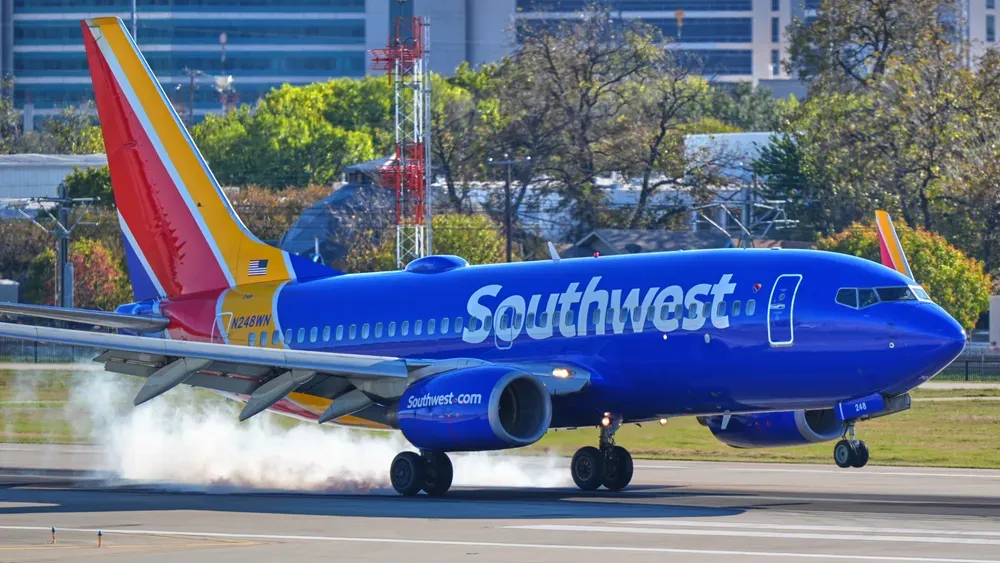
Southwest Airlines passengers made their final boarding-time scrambles for seats on Monday as the carrier prepared to end the open-seating system that distinguished it from other airlines for more than a half‑century.
Starting Tuesday, customers on Southwest flights will have assigned seats and the option of paying more to get their preferred seat closer to the front of a plane or seats with extra legroom. The airline began selling tickets shaped by the new policy in July.
Here's what travelers can expect as Southwest does away with another of its signature features and becomes more like other airlines:
Goodbye, A/B/C groups
Under the open-seat system, Southwest customers could check in starting exactly 24 hours before departure to secure places in boarding lines at departure gates.
Early check-ins were placed in the coveted “A” boarding group, essentially guaranteeing they would find an open window or aisle seat. Others landed in “B” or “C,” the likelihood of only middle seats being available rising the longer they waited to check in.
The Dallas-based airline’s unusual seating process began as a way to get passengers on planes quickly and thereby reduce the time that aircraft and crews spent on the ground not making money. It helped Southwest operate more efficiently and to squeeze a few more flights into the daily schedule; the system also was a key reason Southwest remained profitable every year until the coronavirus pandemic.
The open-seating arrangement became less democratic over time, however, as Southwest also had starting allowing passengers to pay extra for spots near the front of the line.
Hello, assigned seating
An eight‑group boarding structure is replacing the find-your-own-seat scrum. Instead of numbered metal columns at departure gates, passengers will file through two alternating lanes once it's time for their group to board.
The airline said its gate areas will be converted in phases starting Monday night, a process that could take about two months to complete. Columns that remain standing past Tuesday will have their numbers removed or covered in the meantime.
Southwest is selling tickets at fares with different seating choices, including standard seats assigned at check‑in or paid preferred and extra‑legroom seats selected at booking. For certain flights, passengers also will have the option of paying for priority boarding beginning 24 hours before departure.
How it will work
Newly designed boarding passes will show seat assignments and boarding groups, according to Southwest. A reservation made for nine or fewer people, including families, will assign those passengers to the same boarding group.
Southwest says the boarding groups are based on seat location, fare class, loyalty tier status and the airline's credit card rewards benefits. Passengers who purchase seats with extra legroom will be placed in groups 1-2. Customers with premium fares and the airline's “most loyal travelers” will also have access to preferential seats and earlier boarding, the carrier said, while those with basic fares will likely be placed in groups 6-8.
Other changes
With the switch to assigned seating also comes a revision of the airline’s policy for customers who need extra room. Under the new rule — also effective Tuesday — travelers who do not fit within a single seat’s armrests will be required to purchase an additional seat in advance.
That represents a change from the airline’s previous policy that allowed passengers the choice to purchase a fully refundable extra seat before arriving at the airport, or request a free one at the gate. Under the updated policy, refunds are still possible but no longer guaranteed and depend on seat availability and fare class.
In May 2025, Southwest also ended its decades‑old “bags fly free” policy, replacing it with baggage fees for most travelers.
The changes mark one of the biggest transformations in the airline’s history, as it alters its longstanding customer perks to bring it more in line with the practices of other larger U.S. carriers.
“We have tremendous opportunity to meet current and future customer needs, attract new customer segments we don’t compete for today, and return to the levels of profitability that both we and our shareholders expect,” Southwest CEO Robert Jordan said last year.
When the Texas-based airline first announced plans in 2024 to switch to assigned seating, it said studies on seating options showed that customer preferences had changed over the years, with the vast majority of travelers saying they now want to know where they are sitting before they get to the airport.
Jordan said at the time that open seating was the top reason surveyed travelers cited for choosing another airline over Southwest.
by Rio Yamat
Copyright Associated Press. All rights reserved. This material may not be published, broadcast, rewritten, or redistributed.