Passport Q
Jennifer Allen  Feb 12
5 MIN READ

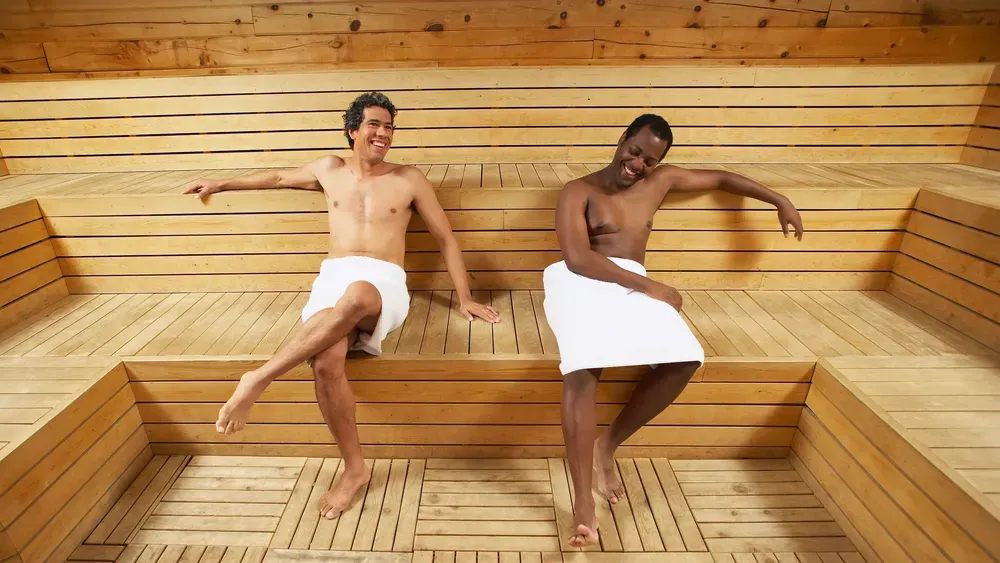
Sauna culture is heating up, and not in the quiet, niche way it once did. What began as a regional tradition closely associated with Nordic life has moved into the global mainstream, propelled largely by travel.

Sauna culture is heating up, and not in the quiet, niche way it once did. What began as a regional tradition closely associated with Nordic life has moved into the global mainstream, propelled largely by travel. Floating river saunas, glacier-edge steam rooms, forest saunas carved into rock and communal bathhouses have turned heat and cold into experiences travelers actively seek out.

That shift did not start in gyms or wellness studios. It took hold on the road, particularly across Scandinavia and Iceland, where sauna has never been treated as a trend or an upgrade. Visitors encountered something fundamentally different from the spa culture they knew in the States. Sauna was not scheduled as a treatment or marketed as self-care; it was routine, social and integrated into everyday life. Travelers returned with a broader understanding of what a sauna could be, and demand followed.

Across the Nordics, sauna has long been part of daily life rather than reserved for special occasions. In Finland, Sweden, Norway and Iceland, it sits at the intersection of hygiene, social connection and seasonality. The practice is simple: heat, cold, repeat. Sometimes with conversation, sometimes in silence.

As Nordic spa travel expanded over the past decade, that mindset began influencing how wellness experiences were designed elsewhere. Saunas stopped being treated as secondary amenities tucked beside pools or treatment rooms and began to function as the organizing principle around which entire travel experiences were built.

Sauna as an everyday practice

The cultural foundation behind a Nordic sauna helps explain why these experiences resonate so strongly with travelers. According to Visit Finland and national cultural data updated in 2024, Finland maintains more than 3 million saunas for a population of roughly 5.6 million people. Saunas exist in private homes, apartment buildings, workplaces and rural cabins, underlining the idea that a sauna is not something you book into but something you live with.

That perspective carries through many of the region's most distinctive travel experiences, including itineraries curated by Off the Map Travel, where sauna acts as connective tissue rather than a standalone attraction.

From forest floor to floating river

In Sweden, sauna culture often prioritizes restraint. As part of the Savouring Swedish Serenity itinerary, guests descend beneath the forest floor into a candlelit sauna carved directly into rock. The space is deliberately spare, with no music and no visual distractions. After heating, guests move into icy plunge pools before emerging into quiet pine woodland. The emphasis is on contrast and calm rather than spectacle.

The same restraint appears in a more architectural form at Arctic Bath, the floating circular sauna and spa moored on Sweden's Lule River. Designed as a contemporary interpretation of traditional log-driving structures, the sauna serves as both a gathering place and a focal point. Guests move between sauna heat, river immersion and treatment rooms as snow falls around them, making the sauna central to the Arctic Bath Indulgence itinerary.

Stillness in the Arctic wilderness

Further north, the Logger's Lodge sauna anchors Arctic Escape: Body, Mind & Soul. Set deep in the Arctic wilderness, the log-built, wood-fired sauna is paired with open-fire cooking and long stretches of silence. Connectivity is limited, and schedules are loose. Sauna here functions as a pause within days spent moving slowly through snow and forest, placing equal weight on mental quiet and physical heat.

Heat at the edge of a glacier

In Norway, saunas are often located in environments with little margin for comfort. On Isbreen: The Glacier, the sauna follows glacier walks and Arctic swims, providing warmth in landscapes where exposure once dictated survival. Rather than softening the experience, the sauna extends it, serving as both a recovery period and a continuation of time spent outdoors.

Iceland's geological relationship with bathing

In Iceland, bathing is inseparable from geology. The Luxury Icelandic Spa Retreat links iconic lagoons with smaller thermal pools tucked into lava fields, where steam rises directly from the ground. Sauna and soaking are experienced as part of the landscape itself, reinforcing how closely Icelandic bathing culture remains tied to the land.

Inside Finland's sauna culture

At Kelo Resort in Finland, sauna remains part of the daily routine rather than a scheduled event. Guests choose between a wood-fired outdoor log sauna and an indoor sauna in the main building, cooling off outside between sessions, often in snow. Resort manager Niina describes sauna as part of daily life, a framing that contrasts sharply with how sauna is marketed elsewhere and resonates strongly with travelers encountering it for the first time.

Sauna as a seasonal practice

Nordic sauna culture also shifts with the seasons. The Floating Safari Camp introduces a mobile sauna experience that drifts across pristine waters during summer months, anchoring beneath long northern skies at night. Guests sauna, swim, kayak and dine on deck, showing how the sauna adapts to landscape and season rather than remaining fixed in one form.

From Nordic routine to North American revival

As more travelers encountered saunas in this context, their influence began surfacing closer to home. Saunas have long existed in North America among Finnish and Scandinavian immigrant communities, particularly in the Midwest, where they once served practical needs tied to rural and industrial life. For decades, that tradition remained largely regional.

The past few years have shifted that dynamic. According to the Global Wellness Institute 's 2024 and 2025 reports, wellness tourism continues to grow faster than overall travel, with thermal bathing and heat-cold experiences among the fastest-expanding segments. Sauna has moved from novelty to infrastructure.

Floating sauna culture comes to North America

The ethos is increasingly visible closer to home. Floathaus, a Nordic-inspired floating sauna that opened on Lake Muskoka in Ontario in 2025, brings the thermal cycle directly onto the water. Guests check in at Muskoka Mind + Body before crossing the boardwalk to the sauna, where wood-fired heat, mirrored-glass views and direct lake plunges create a shared but unforced social environment.

Social sessions encourage interaction without obligation, while private bookings allow couples or groups to experience the space on their own terms. The result feels less like a spa visit and more like community infrastructure, offering a place to gather without pressure or performance.

Where Floathaus introduces Nordic sauna as shared, place-based infrastructure, CIVANA Wellness Resort & Spa in Arizona shows how that principle is being formalized within American wellness design. Rather than focusing on a single high-heat sauna, CIVANA centers its experience on a European-style sanarium and an integrated aqua therapy circuit that guides guests through warm, tepid and cold environments.

What comes next

As sauna culture continues to expand and evolve, the most compelling experiences are likely to resist excess. Floating platforms, wilderness settings and pared-back design will continue to define the strongest offerings, particularly as travelers look for wellness that integrates naturally into travel rather than interrupting it. Sauna is no longer a passing interest; it has become part of how people travel, gather and slow down.

Jennifer Allen is a retired chef turned traveler, cookbook author and nationally syndicated journalist; she's also a co-founder of Food Drink Life, where she shares expert travel tips, cruise insights and luxury destination guides. A recognized cruise expert with a deep passion for high-end experiences and off-the-beaten-path destinations, Jennifer explores the world with curiosity, depth and a storyteller's perspective. Her articles are regularly featured on the Associated Press Wire, The Washington Post, Seattle Times, MSN and more.

by Jennifer Allen

Copyright Associated Press. All rights reserved. This material may not be published, broadcast, rewritten, or redistributed.
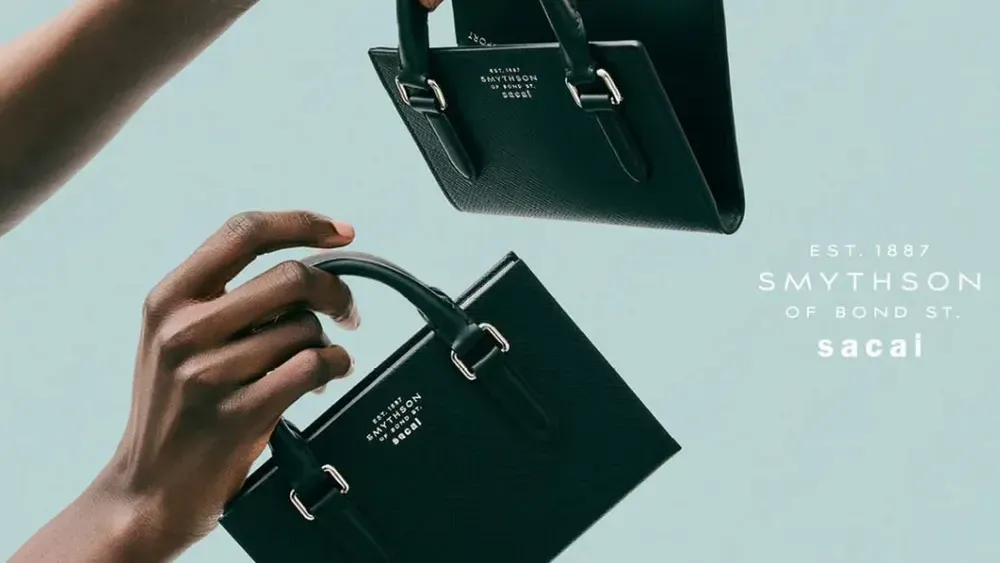

Luxury leather goods brand Smythson has partnered with Japanese fashion label sacai for a limited-edition collection of travel essentials, including a passport holder, pouch, and Chelsea notebook.

London-based luxury brand Smythson, renowned for its heritage in fine leather goods, has announced a collaboration with Tokyo-based fashion house sacai. The partnership reimagines three of Smythson's signature travel accessories: a passport holder, a pouch, and a Chelsea notebook. These items, crafted from durable black Panama leather, incorporate top handles reminiscent of Smythson's classic briefcases and luggage, enhancing their functionality for both travel and everyday use.
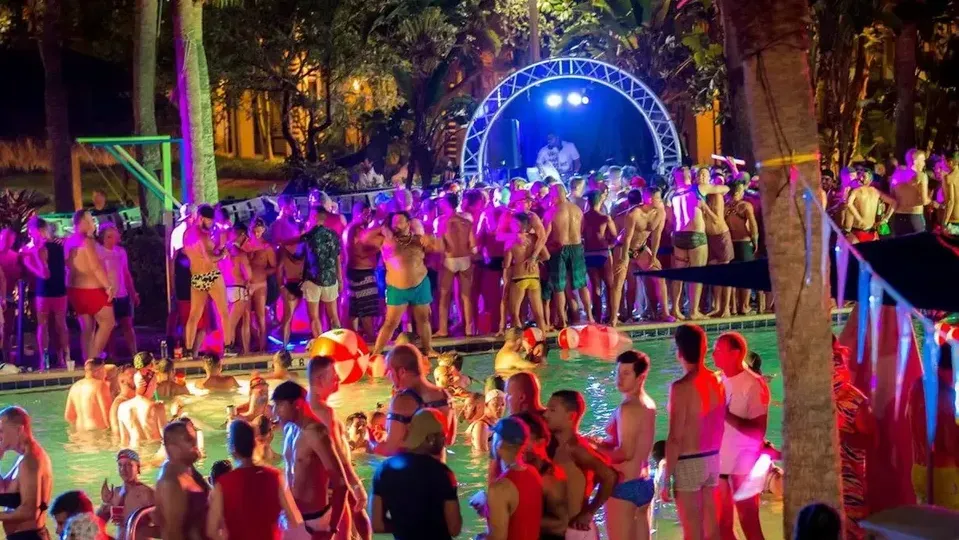
GayDays organizers have announced the cancellation of their annual Orlando event scheduled for June 2026 due to changes in the host hotel agreement, loss of key corporate sponsorships affecting LGBTQIA+ events nationwide, and broader challenges impacting Pride celebrations.

GayDays, a longstanding annual gathering celebrating LGBTQIA+ pride in Orlando, Florida, has paused its 2026 event originally set for June 4 through 7. In an email to the community shared widely online, organizers Charles and Josh from the GayDays Leadership Team stated, "After extensive evaluation and many difficult conversations, we have made the decision to pause the GayDays Orlando event originally scheduled for June 2026."
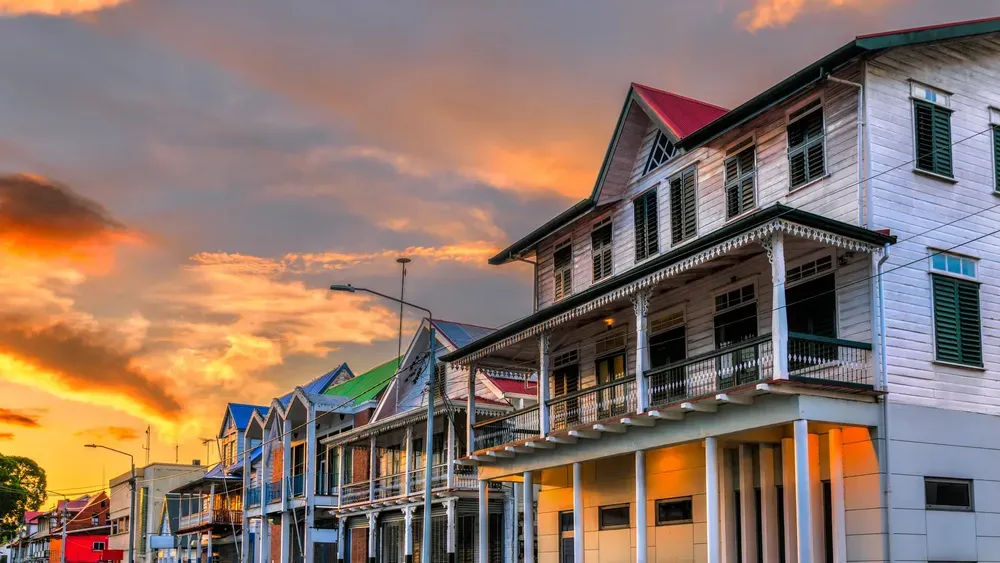
Nestled on South America's northeastern coast, Suriname emerges as a lesser-known gem for queer travelers seeking authentic cultural immersion beyond mainstream LGBTQ+ lists.

Suriname, a small nation on South America's northeastern coast bordering Guyana, French Guiana, and Brazil, stands out as an under-the-radar destination for queer travelers. Unlike heavily promoted spots like Buenos Aires or Rio de Janeiro, Suriname rarely appears on mainstream LGBTQ+ travel itineraries, yet it beckons with its unique blend of Creole, Indigenous, Maroon, and Indo-Caribbean cultures that infuse every corner with flavor and festivity. Paramaribo, the capital, feels like a living time capsule thanks to its UNESCO-listed wooden architecture, where pastel-hued Dutch colonial buildings line streets shaded by towering mango trees, creating an intimate, walkable urban oasis.
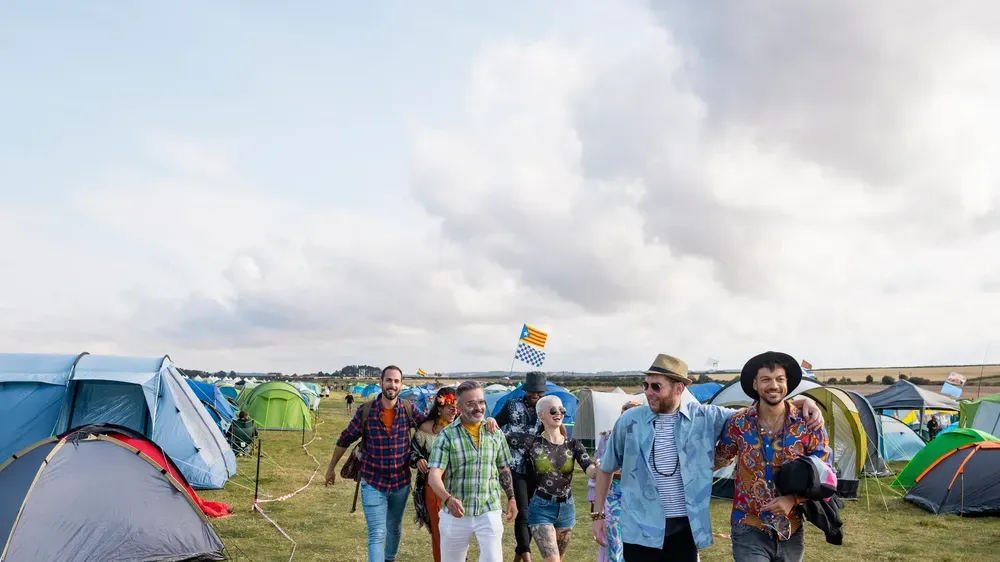
Queer camping festivals offer LGBTQ+ individuals immersive outdoor experiences combining music, wellness, and community bonding in affirming environments.

Queer camping festivals have emerged as vibrant staples in the LGBTQ+ event calendar, providing spaces where transgender people, gay men, lesbian women, bisexual individuals, and nonbinary folks can connect with nature while celebrating identity and community. These gatherings typically feature tent camping, performances, workshops, and parties in scenic locations, prioritizing safety and affirmation for queer attendees. Unlike mainstream festivals, they emphasize inclusivity, often with dedicated programming for diverse identities within the LGBTQ+ spectrum.
Chantelle Kincy | Wander Worthy  Feb 7
3 MIN READ

Long-haul flights used to be something travelers pushed through. You packed snacks, downloaded movies, and accepted that getting somewhere far meant being uncomfortable for a while. Layovers were something to survive, not something to enjoy.

Long-haul flights used to be something travelers pushed through. You packed snacks, downloaded movies, and accepted that getting somewhere far meant being uncomfortable for a while. Layovers were something to survive, not something to enjoy.

by Chantelle Kincy | Wander Worthy

Copyright Associated Press. All rights reserved. This material may not be published, broadcast, rewritten, or redistributed.
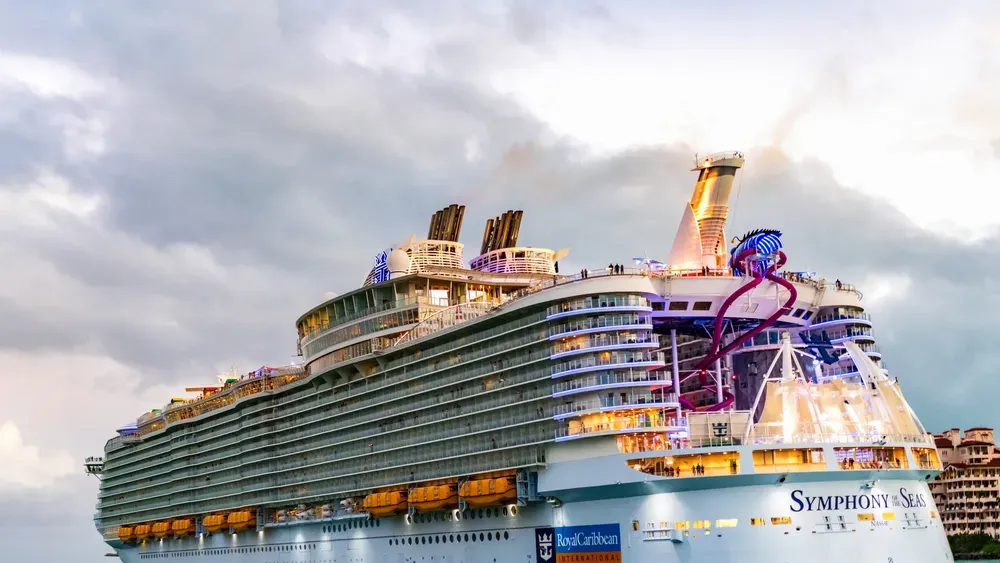

Nine tourists, including a West Hollywood resident, were arrested at PortMiami on Sunday for possessing controlled substances like MDMA, methamphetamine, and ketamine in their luggage as they prepared to board Royal Caribbean's Symphony of the Seas for Atlantis Events' sold-out "world's biggest gay festival at sea."

Several tourists were arrested at PortMiami's Terminal A on Dodge Island on Sunday afternoon as passengers prepared to board the Royal Caribbean Symphony of the Seas, a cruise ship hosting Atlantis Events' sold-out "world’s biggest gay festival at sea" with capacity for over 5,500 passengers.
Babar Dogar  Feb 6
1 MIN READ

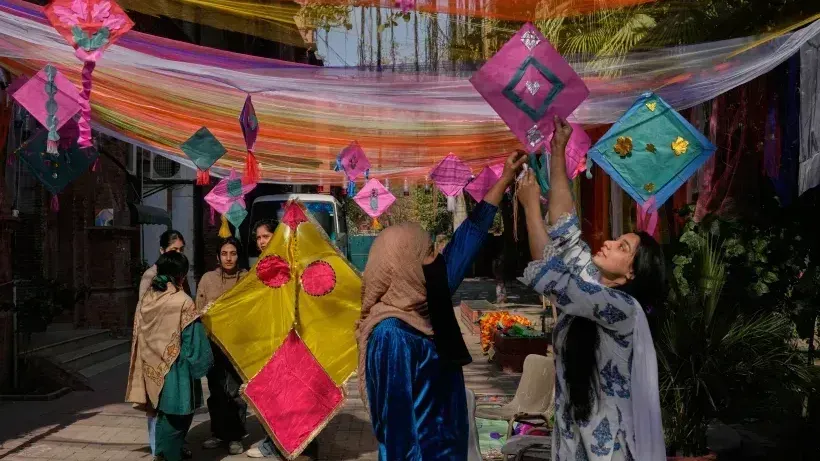
A burst of color lit up Lahore’s night sky overnight as Pakistan’s cultural capital relaunched the Basant kite-flying festival after nearly two decades

A burst of color lit up Lahore’s night sky overnight as Pakistan’s cultural capital relaunched the Basant kite-flying festival after nearly two decades.

by Babar Dogar

Copyright Associated Press. All rights reserved. This material may not be published, broadcast, rewritten, or redistributed.
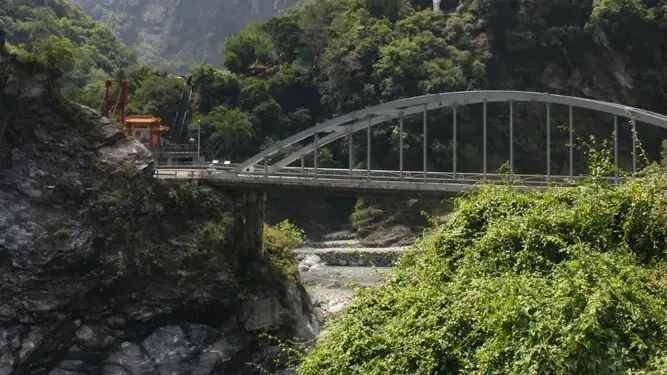

Nestled on Taiwan's east coast, Hualien offers queer travelers a serene escape from crowded urban pride scenes, blending everyday acceptance with breathtaking natural wonders like Taroko Gorge.

Hualien, a coastal city on Taiwan's rugged east coast, is emerging as a quiet beacon for queer travelers in Asia, distinct from the bustling pride hubs of Taipei and Kaohsiung. Unlike more prominent destinations, Hualien lacks a defined gay nightlife but compensates with an atmosphere of effortless acceptance, where LGBTQ+ visitors report feeling at ease in hotels, restaurants, and public spaces. This everyday neutrality stems from Taiwan's progressive legal framework, including marriage equality since 2019, which fosters a nationwide culture of tolerance extending to lesser-visited regions like Hualien.
Jessica Hill  Feb 1
3 MIN READ

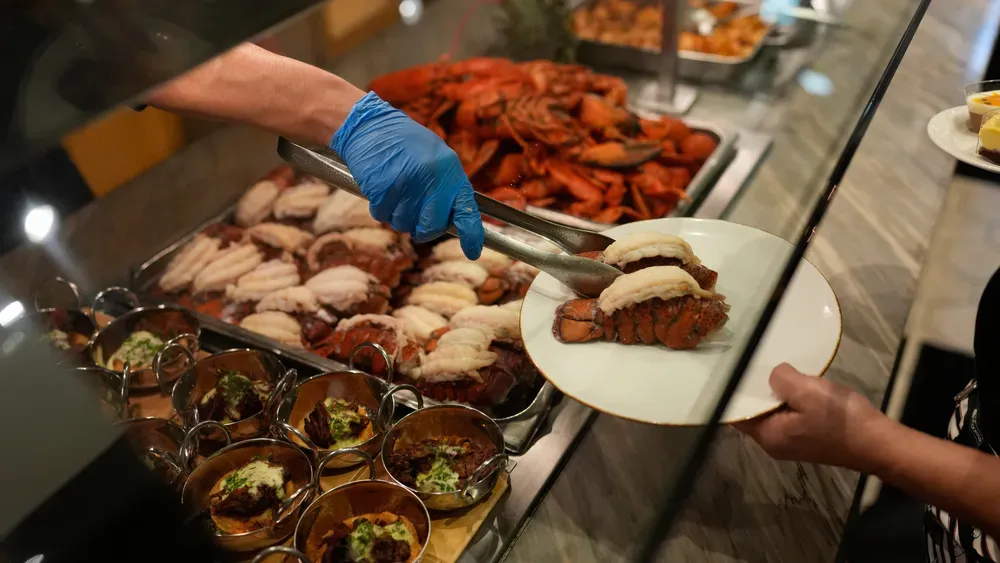
Las Vegas buffets have evolved from $1 all-you-can-eat cold cuts to $175 limitless lobster and caviar

Eighty years ago, the first Las Vegas buffet opened with the $1 western-themed Buckaroo Buffet that offered cold cuts and cheese. Today, visitors can drop $175 on luxury buffets with lobster tail, prime rib and limitless drinks.

by Jessica Hill

Copyright Associated Press. All rights reserved. This material may not be published, broadcast, rewritten, or redistributed.