Ljubljana, Slovenia: Europe's Discreet Hidden Gem for Queer Travelers Seeking Authentic Welcome
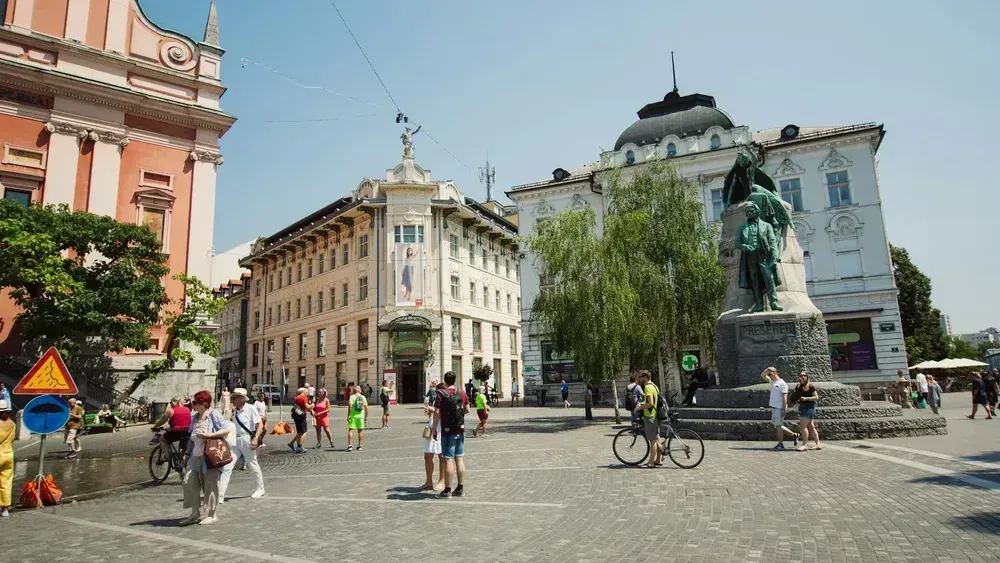
Photo Credit: UnSplash

Nestled along the Ljubljanica River, Ljubljana offers queer travelers a safe, intimate escape from Europe's mainstream LGBTQ+ hotspots, blending progressive attitudes with cultural richness.
In the heart of Slovenia, Ljubljana emerges as a understated beacon for LGBTQ+ travelers craving a destination that feels intimately welcoming without the flash of better-known European Pride hubs. Often overshadowed by nearby Vienna or coastal Croatia, this compact capital—home to just under 300, 000 residents—invites queer visitors with its pedestrian-friendly old town, riverside cafes, and a cultural scene where same-sex couples stroll hand-in-hand amid medieval bridges and baroque facades. Unlike party-centric spots like Berlin or Sitges, Ljubljana's appeal lies in its everyday normalcy: public displays of affection go unnoticed, fostering a sense of unforced belonging that many queer travelers describe as refreshing.

A Carnival party in Paraty swaps glitter and costumes for mud, as crowds cover themselves in gray sludge and celebrate as one group
Revelers heading to Carnival parties in Brazil typically don colorful, skimpy outfits and splatter glitter everywhere, but near an old colonial town in the south of the country people cover themselves in something very different – mud.
Copyright Associated Press. All rights reserved. This material may not be published, broadcast, rewritten, or redistributed.
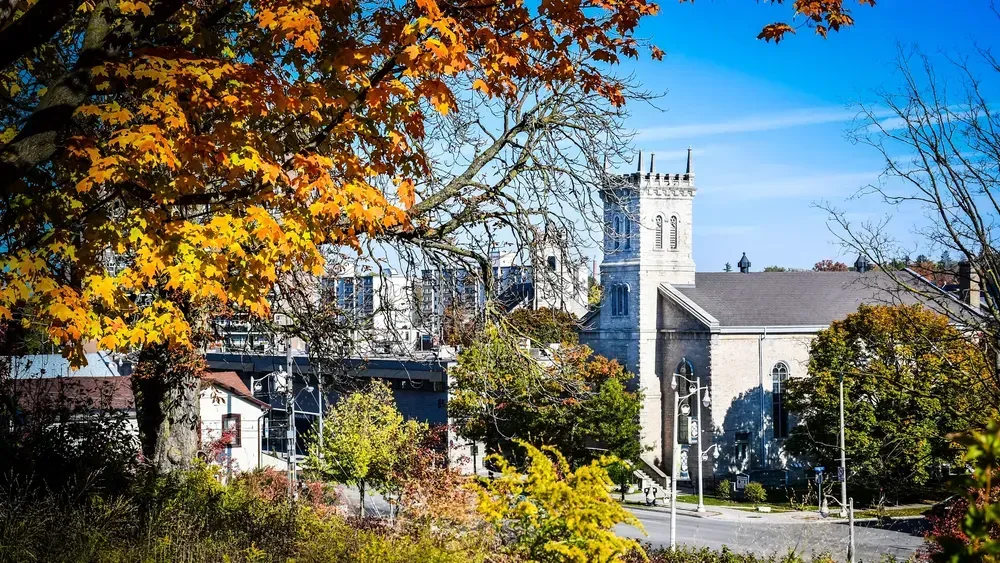
Darlings, forget the over-hyped spots—Guelph, a charming Ontario university town just an hour from Toronto, is the under-the-radar LGBTQ+ haven bubbling with queer energy, from its thriving student scene to inclusive arts fests and welcoming vibes.
Oh honey, if you're tired of elbowing through the same old Pride parade circuits in Toronto or Montreal, let me spill the tea on Guelph, Ontario. This unassuming city of about 140, 000 souls, nestled in the heart of southwestern Ontario, is whispering sweet nothings to queer travelers who crave authenticity over Instagram overload. Tucked between rolling hills and the Speed River, Guelph isn't blasting its queer credentials from the rooftops like Provincetown or Fire Island—yet. But trust your fab auntie here: it's got that electric undercurrent, fueled by the University of Guelph's massive LGBTQ+ student community, indie art scenes, and events that feel like a warm hug from your chosen family.
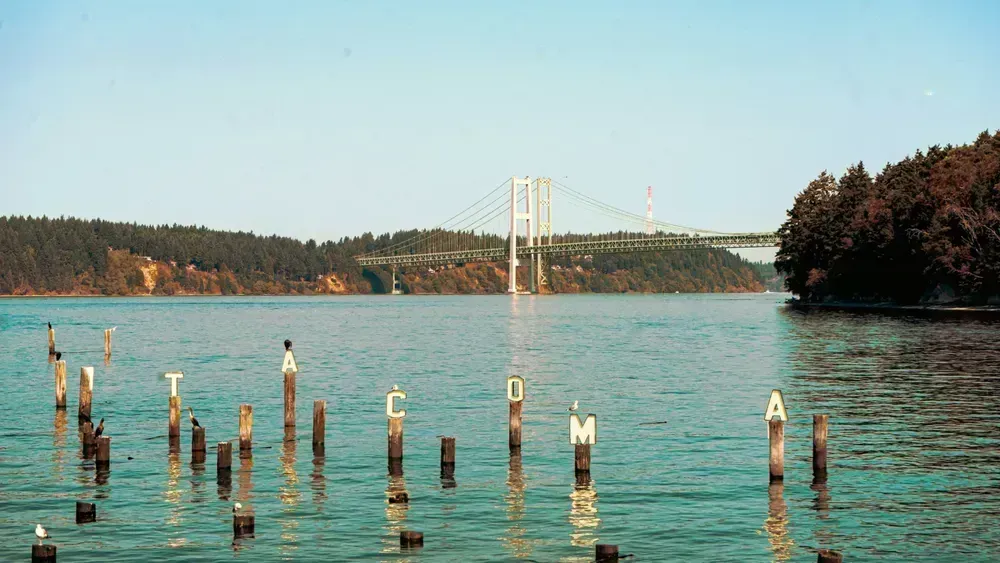
Tacoma, Washington, a gritty port city once overshadowed by Seattle, is exploding as an LGBTQ+ travel hotspot defying expectations for a place known more for trucks than rainbows. Affordable living, a burgeoning arts scene, and unapologetic community energy are drawing travelers seeking authentic vibes over polished nightlife.
Picture this: You're scrolling for your next Pride getaway, expecting the usual suspects—San Francisco's Castro, Provincetown's dunes, or Wilton Manors'bar-packed Drive. Then bam—Tacoma, Washington, pops up. Yes, that Tacoma, the blue-collar port city tucked south of Seattle, famous for rusty bridges and rainy docks, not disco balls and drag brunches. But according to fresh 2025 data from misterb&b, this Pacific Northwest underdog is leading the pack of "unusual cities"queer travelers are flocking to, leaving legacy hotspots in the dust.
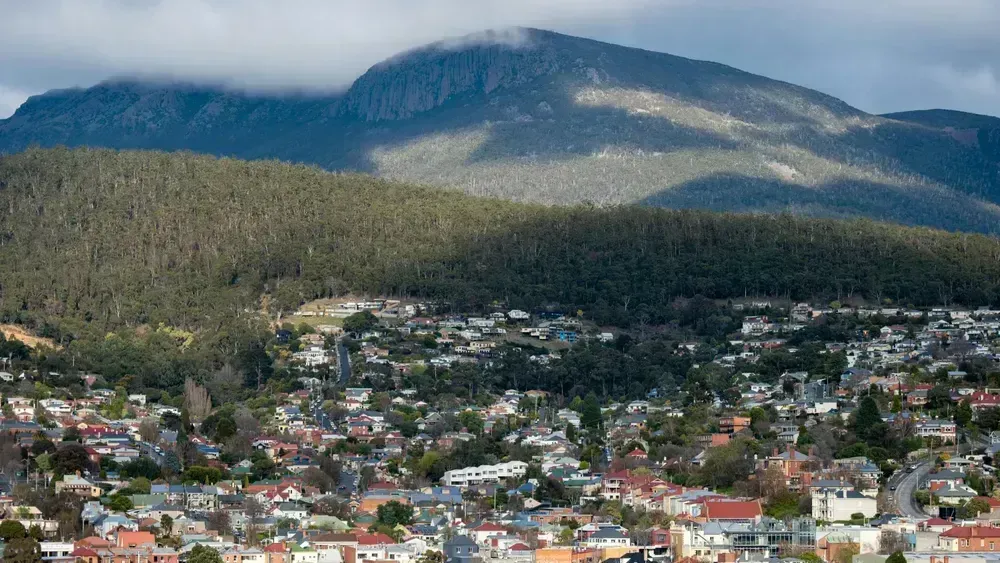
Nestled in Tasmania, Hobart offers a lesser-known escape for queer travelers seeking natural beauty, cultural depth, and an inclusive vibe away from mainstream lists dominated by Sydney and Melbourne. With attractions like the provocative MONA museum and a growing community of affirming venues, it's gaining traction as a relaxing, culturally rich destination. This feature explores why Hobart is becoming a must-visit for LGBTQ+ adventurers.
Hobart, the capital of Tasmania, stands out as a lesser-known queer-friendly destination in Australia, prized for its historic charm, stunning natural surroundings, and welcoming atmosphere that appeals to LGBTQ+ travelers avoiding crowded hotspots like Sydney or Melbourne. Unlike the high-energy Pride scenes of larger cities, Hobart provides a quieter, more introspective retreat where transgender people, gay couples, and queer individuals can explore art, markets, and wilderness in an environment noted for its inclusivity.

Sauna culture is heating up, and not in the quiet, niche way it once did. What began as a regional tradition closely associated with Nordic life has moved into the global mainstream, propelled largely by travel.
Sauna culture is heating up, and not in the quiet, niche way it once did. What began as a regional tradition closely associated with Nordic life has moved into the global mainstream, propelled largely by travel. Floating river saunas, glacier-edge steam rooms, forest saunas carved into rock and communal bathhouses have turned heat and cold into experiences travelers actively seek out.
Copyright Associated Press. All rights reserved. This material may not be published, broadcast, rewritten, or redistributed.
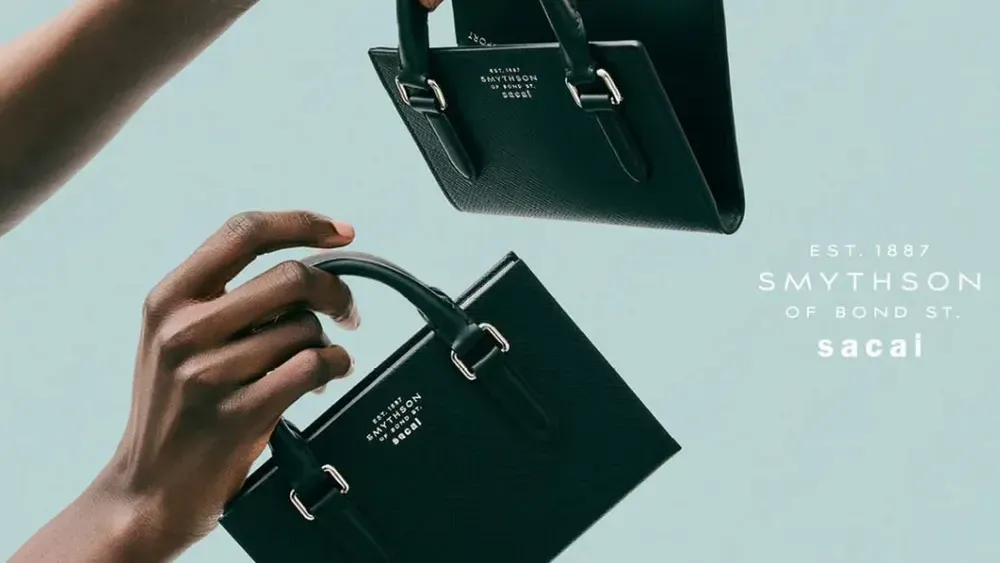
Luxury leather goods brand Smythson has partnered with Japanese fashion label sacai for a limited-edition collection of travel essentials, including a passport holder, pouch, and Chelsea notebook.
London-based luxury brand Smythson, renowned for its heritage in fine leather goods, has announced a collaboration with Tokyo-based fashion house sacai. The partnership reimagines three of Smythson's signature travel accessories: a passport holder, a pouch, and a Chelsea notebook. These items, crafted from durable black Panama leather, incorporate top handles reminiscent of Smythson's classic briefcases and luggage, enhancing their functionality for both travel and everyday use.
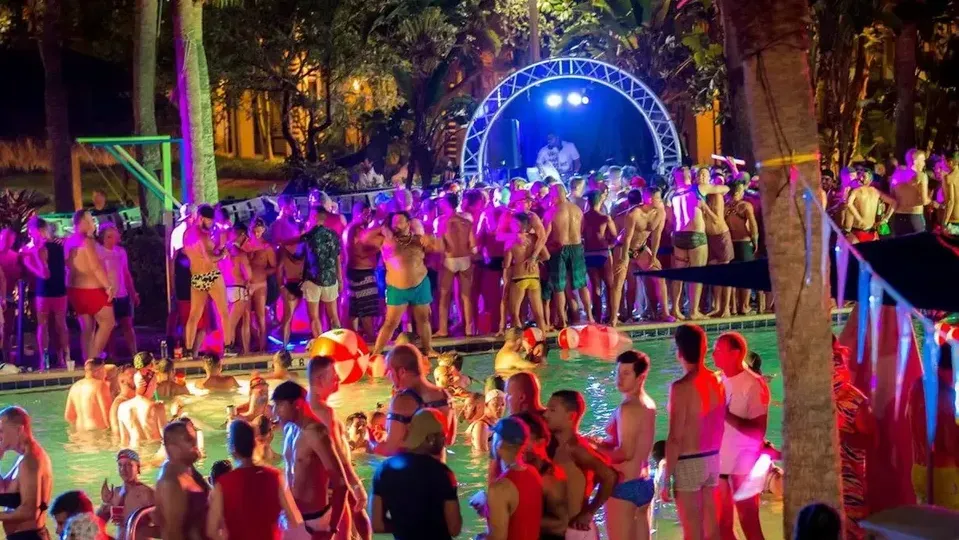
GayDays organizers have announced the cancellation of their annual Orlando event scheduled for June 2026 due to changes in the host hotel agreement, loss of key corporate sponsorships affecting LGBTQIA+ events nationwide, and broader challenges impacting Pride celebrations.
GayDays, a longstanding annual gathering celebrating LGBTQIA+ pride in Orlando, Florida, has paused its 2026 event originally set for June 4 through 7. In an email to the community shared widely online, organizers Charles and Josh from the GayDays Leadership Team stated, "After extensive evaluation and many difficult conversations, we have made the decision to pause the GayDays Orlando event originally scheduled for June 2026."
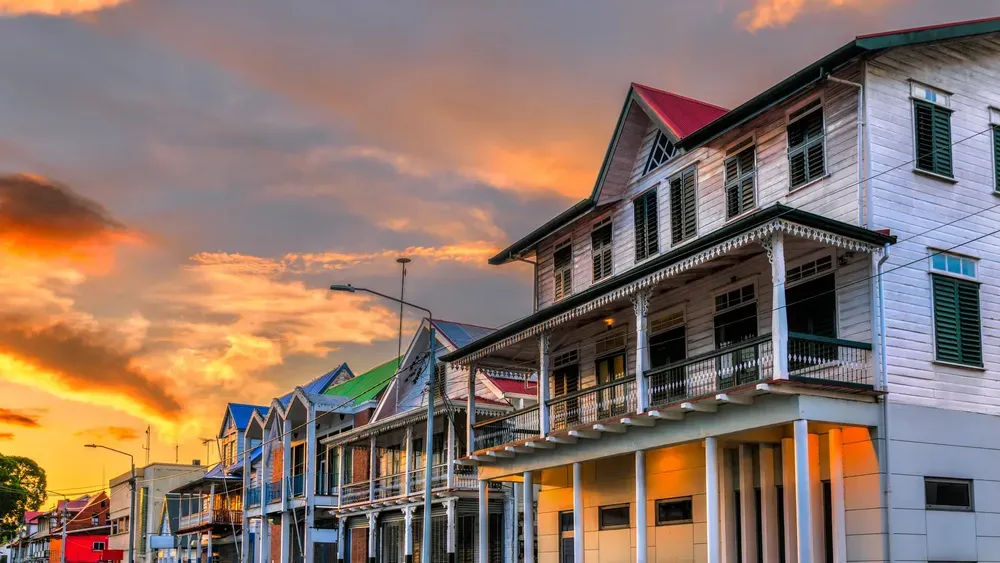
Nestled on South America's northeastern coast, Suriname emerges as a lesser-known gem for queer travelers seeking authentic cultural immersion beyond mainstream LGBTQ+ lists.
Suriname, a small nation on South America's northeastern coast bordering Guyana, French Guiana, and Brazil, stands out as an under-the-radar destination for queer travelers. Unlike heavily promoted spots like Buenos Aires or Rio de Janeiro, Suriname rarely appears on mainstream LGBTQ+ travel itineraries, yet it beckons with its unique blend of Creole, Indigenous, Maroon, and Indo-Caribbean cultures that infuse every corner with flavor and festivity. Paramaribo, the capital, feels like a living time capsule thanks to its UNESCO-listed wooden architecture, where pastel-hued Dutch colonial buildings line streets shaded by towering mango trees, creating an intimate, walkable urban oasis.
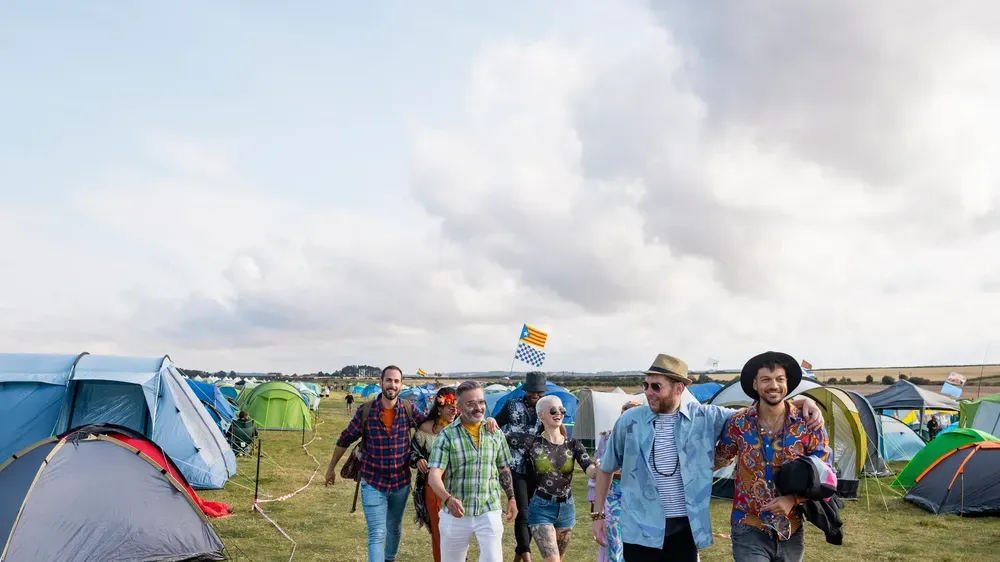
Queer camping festivals offer LGBTQ+ individuals immersive outdoor experiences combining music, wellness, and community bonding in affirming environments.
Queer camping festivals have emerged as vibrant staples in the LGBTQ+ event calendar, providing spaces where transgender people, gay men, lesbian women, bisexual individuals, and nonbinary folks can connect with nature while celebrating identity and community. These gatherings typically feature tent camping, performances, workshops, and parties in scenic locations, prioritizing safety and affirmation for queer attendees. Unlike mainstream festivals, they emphasize inclusivity, often with dedicated programming for diverse identities within the LGBTQ+ spectrum.
We use cookies to analyze traffic and to ensure you get the best experience on our website. Read our Privacy Policy for more information.