Pride Journey: Stonewall National Monument Visitor Center
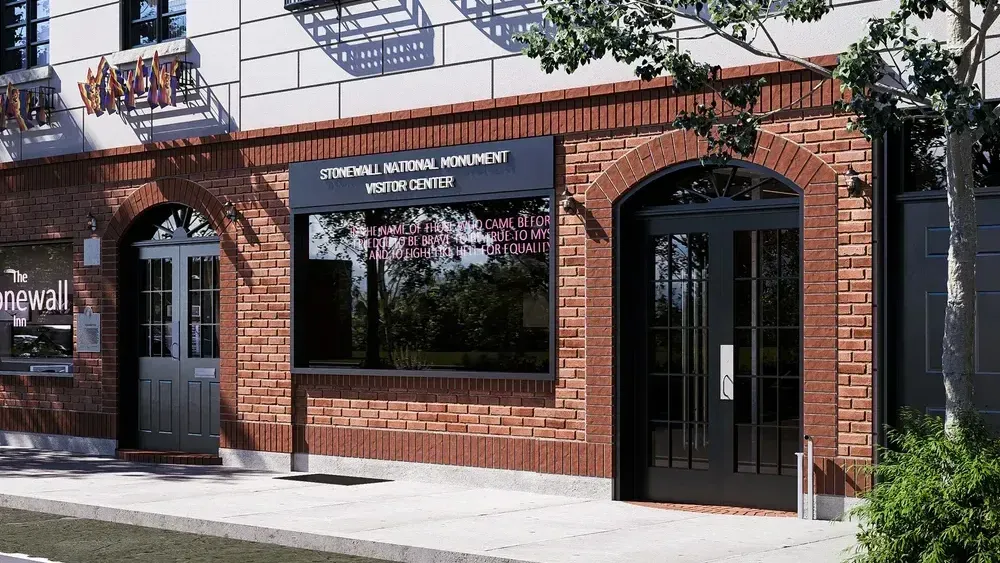
Photo Credit: Kent Johnson and EDG Architecture + Engineering

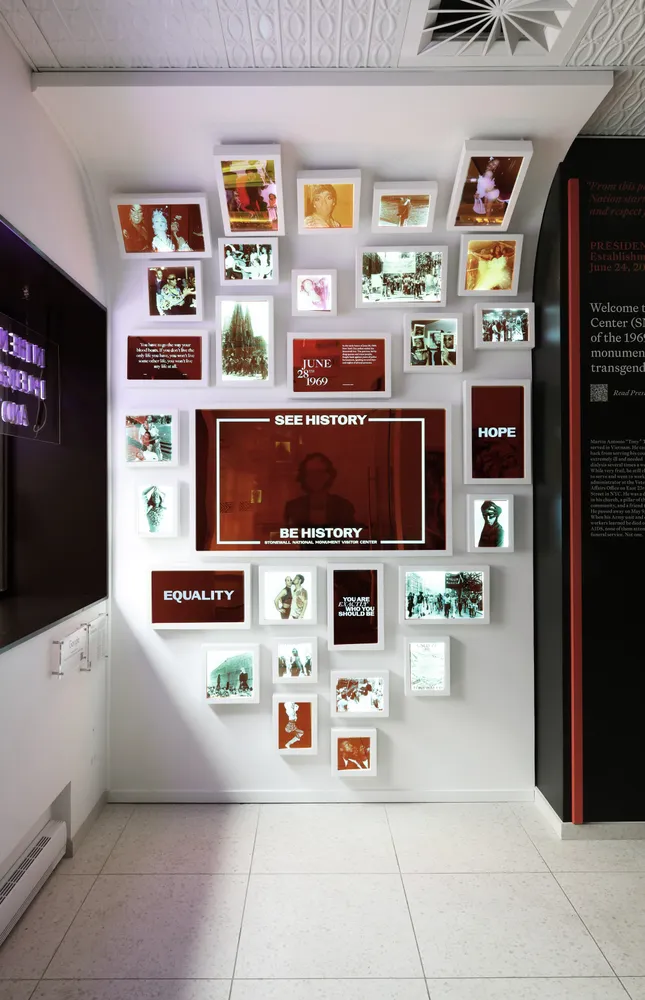
As I stepped into the Stonewall National Monument Visitor Center, the first thing that greeted me was my reflection framed by the words “See History Be History.” It felt like both a welcome and an invitation.
As I stepped into the Stonewall National Monument Visitor Center, the first thing that greeted me was my reflection framed by the words “See History Be History.” It felt like both a welcome and an invitation. As part of the Wall of Solidarity—a lively exhibit celebrating love, community, and queer joy—the frame establishes the mood for what comes next. It’s not just a space to learn about history, but a place where you feel yourself become part of it.
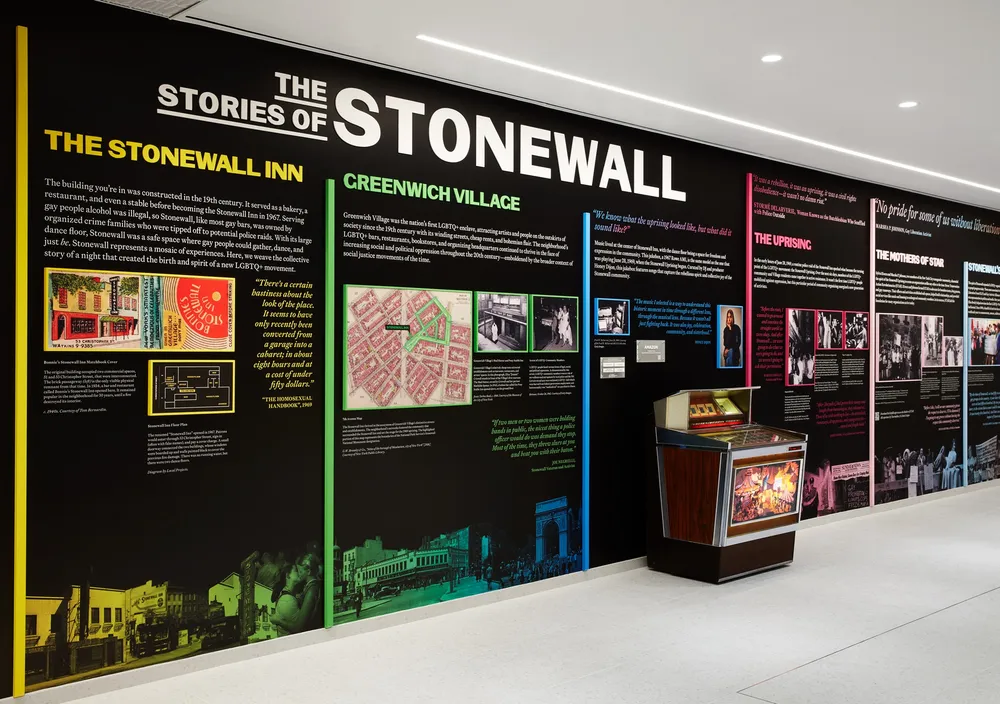
One of the most powerful add-ons comes from Mark Segal, who was at Stonewall on the night the rebellion began. As curator of the exhibit’s historical context, he shares firsthand memories of the events leading up to, during, and after June 28, 1969. His experience brings a personal immediacy that turns history into something vividly alive.
A particularly memorable touch is a fully functioning 1967 Rowe AMI jukebox featuring a playlist curated by DJ Honey Dijon. Marsha P. Johnson recalled that “I Heard It Through the Grapevine” by Marvin Gaye was playing during the police raid. Hearing it now deepens its symbolism. In an era when queer spaces couldn’t advertise their existence and gathering openly could be dangerous, people often found places like Stonewall through whispers and quiet networks—you genuinely “heard it through the grapevine.”
As you explore the photographs, stories, and music, the night of the Stonewall Rebellion feels closer than expected. The space pulls you into the emotions of that moment when frustration, courage, and unity combined to spark a movement that changed LGBTQ+ history.
That sense of continuity carries into the Stonewall National Monument Theater and the Stonewall Generations exhibit. Visitors can watch videos and listen to reflections from activists and allies—including Marsha P. Johnson, Sylvia Rivera, Mark Segal, Adam Lambert, and Chelsea Clinton—who speak about the ongoing struggle for LGBTQ+ equality and how the legacy of Stonewall shapes the activism of today. Their voices form a bridge between past and present.
The Visitor Center encourages participation through two interactive exhibits created in partnership with the Parsons School of Design: (We)ave Made History and Setting the Table. (We)ave Made History highlights young activists shaping the future of the movement. It represents where LGBTQ+ advocacy is headed, complementing the rest of the center’s focus on where the community has been.
Setting the Table reimagines the dinner table as a symbol of queer gathering, chosen family, and connection. Visitors are invited to answer a simple question: Who would you invite to dinner? Responses are written on napkins and placed at a setting on the table. Some are heartfelt—such as “My Bubi, because she passed when I was young and I wanted more time with her.” Others bring humor and joy, like “RuPaul and the last dinosaur before the meteor hit.”
Yet the feeling that stayed with me most wasn’t tied to a single artifact. It was the overall atmosphere. Even surrounded by strangers, I felt connected, safe, and free to absorb the experience without hesitation. The center radiates the same spirit of community and courage that Stonewall has come to symbolize.
No matter how you identify, the Stonewall National Monument Visitor Center welcomes everyone. Its message—rooted in belonging, support, and love—is universal. And that makes it an essential and unforgettable stop on any trip to New York City.
To learn more and to plan your visit, go to www.stonewallvisitorcenter.org .
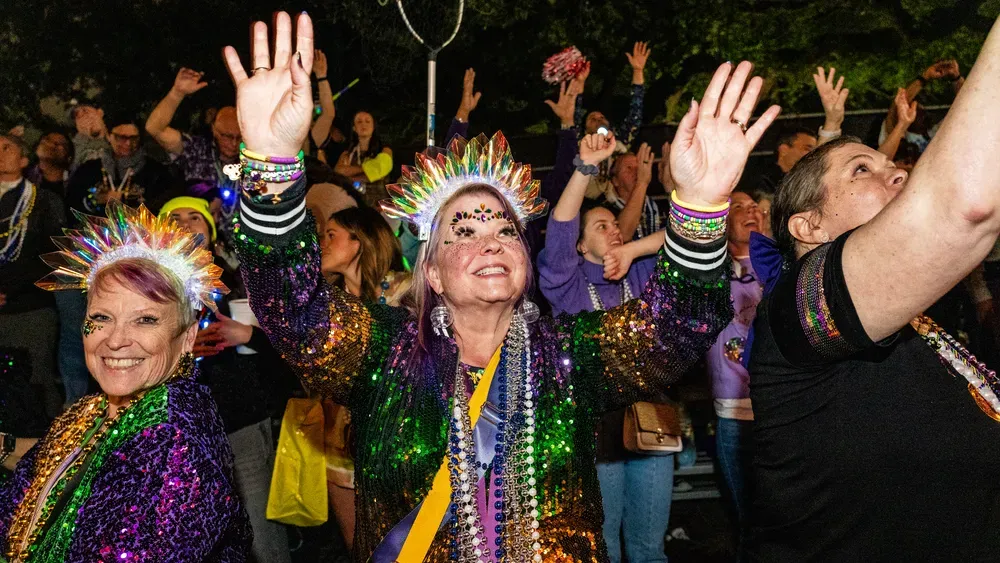
People are celebrating Mardi Gras in New Orleans on Tuesday with parades, revelry and costumes
As people head back to work Tuesday after the long holiday weekend, beads will be flying, crawfish boiling and parades rolling in New Orleans as the city celebrates Mardi Gras.
Copyright Associated Press. All rights reserved. This material may not be published, broadcast, rewritten, or redistributed.
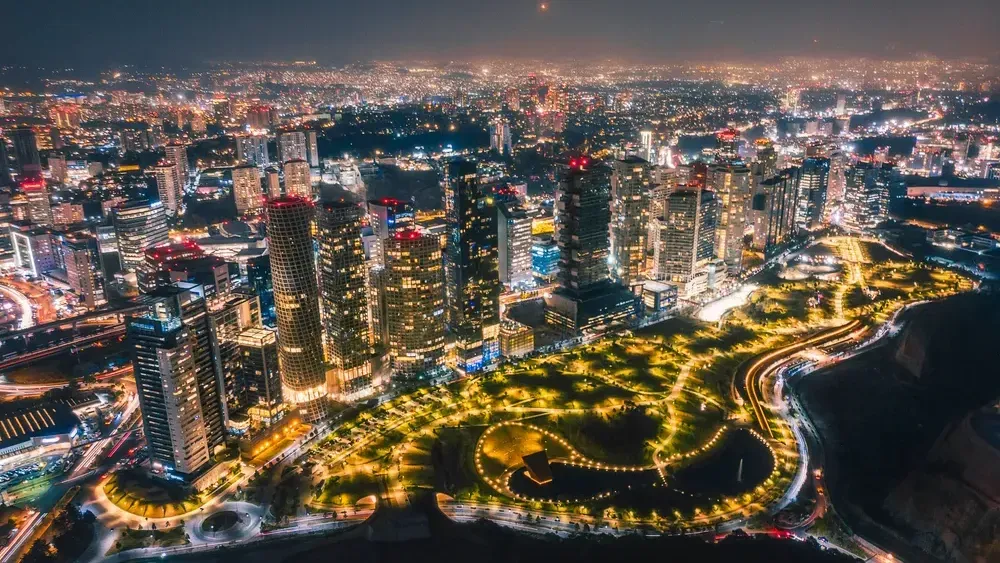
Mexico City stands as one of Latin America's most welcoming destinations for LGBTQ+ travelers, featuring the iconic Zona Rosa neighborhood, thriving nightlife, and inclusive tours that highlight queer history.
Mexico City, a sprawling metropolis of over 20 million people in Central Mexico, boasts one of the largest LGBTQ+ populations in Latin America, with queer life openly integrated into its cultural fabric. The city's Zona Rosa, often called the "Pink Zone," serves as the primary gayborhood, centrally located near Paseo de la Reforma and overflowing with gay-friendly bars, luxury hotels, restaurants, and cafes.
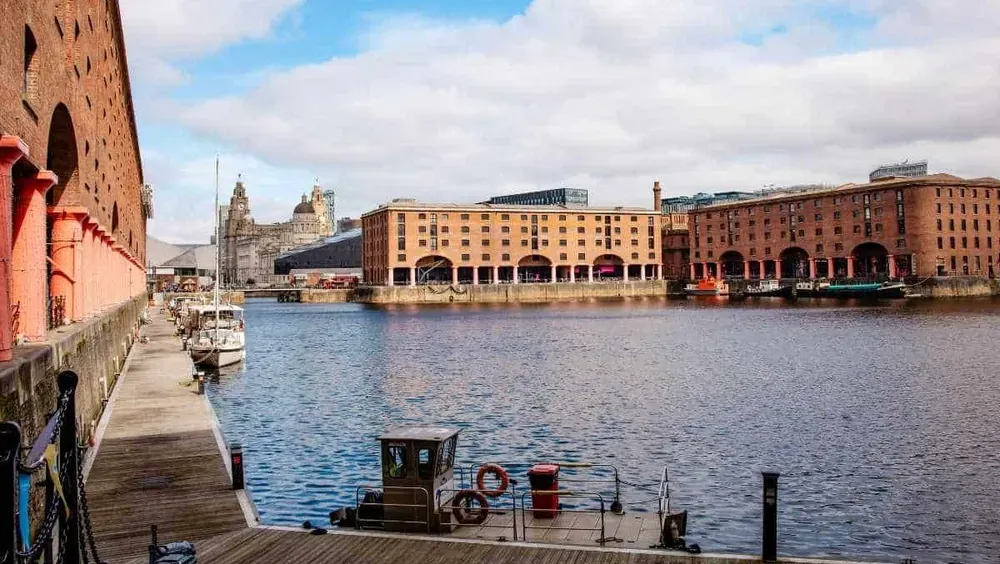
Liverpool's waterfront reads like a record of America's rise. Tobacco from Virginia passed through its warehouses, passenger liners sailed regularly to New York and the 1915 sinking of the Liverpool-registered Lusitania shifted U.S. public opinion during World War I. Long before it became shorthand for The Beatles, this English port was tied to the American economy in ways still visible along the River Mersey.
Liverpool's waterfront reads like a record of America's rise. Tobacco from Virginia passed through its warehouses, passenger liners sailed regularly to New York and the 1915 sinking of the Liverpool-registered Lusitania shifted U.S. public opinion during World War I. Long before it became shorthand for The Beatles, this English port was tied to the American economy in ways still visible along the River Mersey.
Copyright Associated Press. All rights reserved. This material may not be published, broadcast, rewritten, or redistributed.
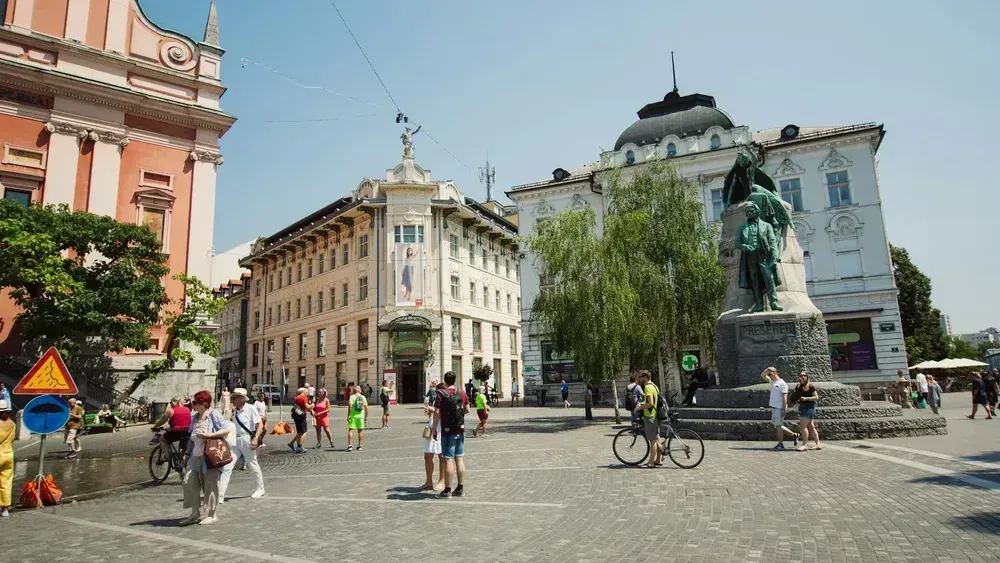
Nestled along the Ljubljanica River, Ljubljana offers queer travelers a safe, intimate escape from Europe's mainstream LGBTQ+ hotspots, blending progressive attitudes with cultural richness.
In the heart of Slovenia, Ljubljana emerges as a understated beacon for LGBTQ+ travelers craving a destination that feels intimately welcoming without the flash of better-known European Pride hubs. Often overshadowed by nearby Vienna or coastal Croatia, this compact capital—home to just under 300, 000 residents—invites queer visitors with its pedestrian-friendly old town, riverside cafes, and a cultural scene where same-sex couples stroll hand-in-hand amid medieval bridges and baroque facades. Unlike party-centric spots like Berlin or Sitges, Ljubljana's appeal lies in its everyday normalcy: public displays of affection go unnoticed, fostering a sense of unforced belonging that many queer travelers describe as refreshing.

A Carnival party in Paraty swaps glitter and costumes for mud, as crowds cover themselves in gray sludge and celebrate as one group
Revelers heading to Carnival parties in Brazil typically don colorful, skimpy outfits and splatter glitter everywhere, but near an old colonial town in the south of the country people cover themselves in something very different – mud.
Copyright Associated Press. All rights reserved. This material may not be published, broadcast, rewritten, or redistributed.
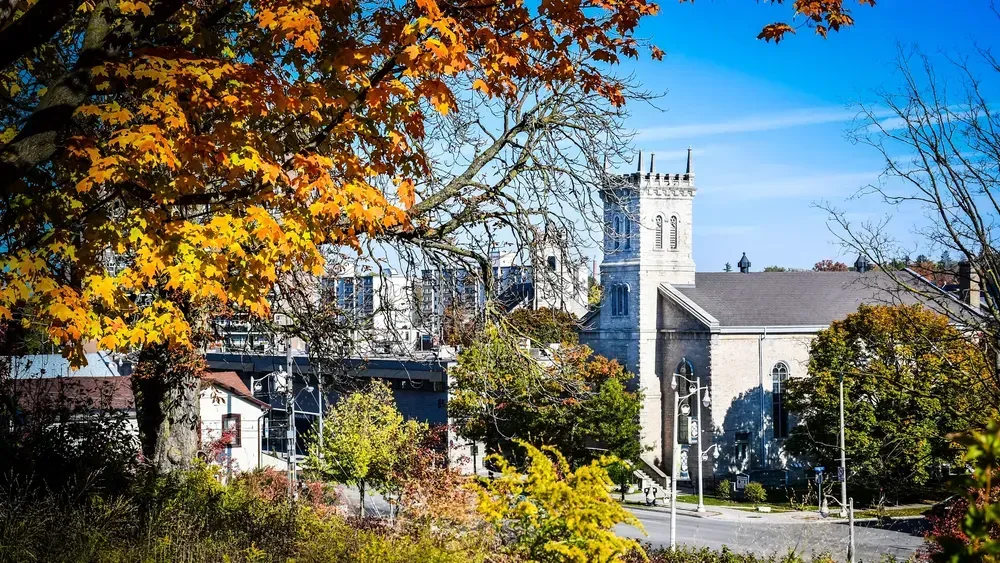
Darlings, forget the over-hyped spots—Guelph, a charming Ontario university town just an hour from Toronto, is the under-the-radar LGBTQ+ haven bubbling with queer energy, from its thriving student scene to inclusive arts fests and welcoming vibes.
Oh honey, if you're tired of elbowing through the same old Pride parade circuits in Toronto or Montreal, let me spill the tea on Guelph, Ontario. This unassuming city of about 140, 000 souls, nestled in the heart of southwestern Ontario, is whispering sweet nothings to queer travelers who crave authenticity over Instagram overload. Tucked between rolling hills and the Speed River, Guelph isn't blasting its queer credentials from the rooftops like Provincetown or Fire Island—yet. But trust your fab auntie here: it's got that electric undercurrent, fueled by the University of Guelph's massive LGBTQ+ student community, indie art scenes, and events that feel like a warm hug from your chosen family.
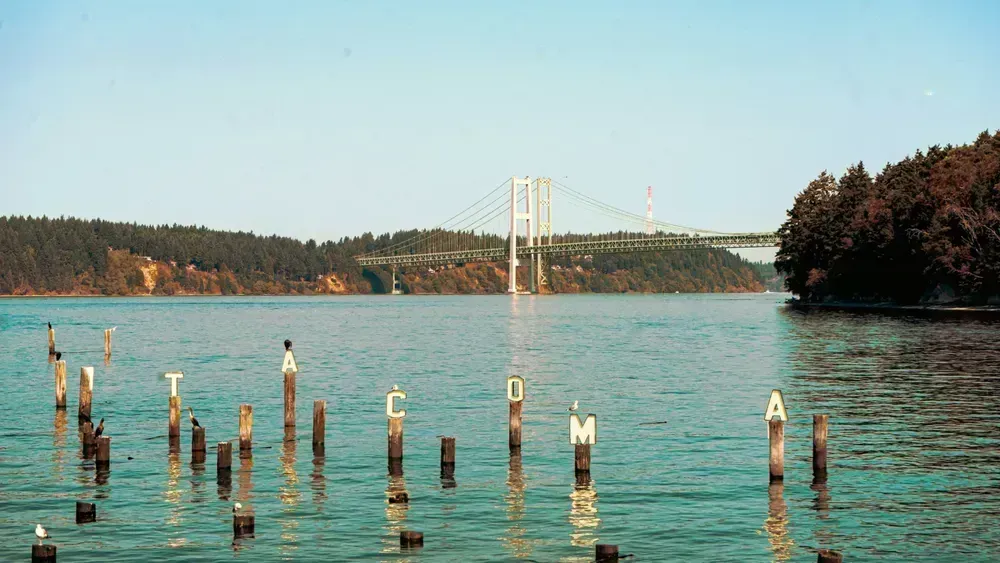
Tacoma, Washington, a gritty port city once overshadowed by Seattle, is exploding as an LGBTQ+ travel hotspot defying expectations for a place known more for trucks than rainbows. Affordable living, a burgeoning arts scene, and unapologetic community energy are drawing travelers seeking authentic vibes over polished nightlife.
Picture this: You're scrolling for your next Pride getaway, expecting the usual suspects—San Francisco's Castro, Provincetown's dunes, or Wilton Manors'bar-packed Drive. Then bam—Tacoma, Washington, pops up. Yes, that Tacoma, the blue-collar port city tucked south of Seattle, famous for rusty bridges and rainy docks, not disco balls and drag brunches. But according to fresh 2025 data from misterb&b, this Pacific Northwest underdog is leading the pack of "unusual cities"queer travelers are flocking to, leaving legacy hotspots in the dust.
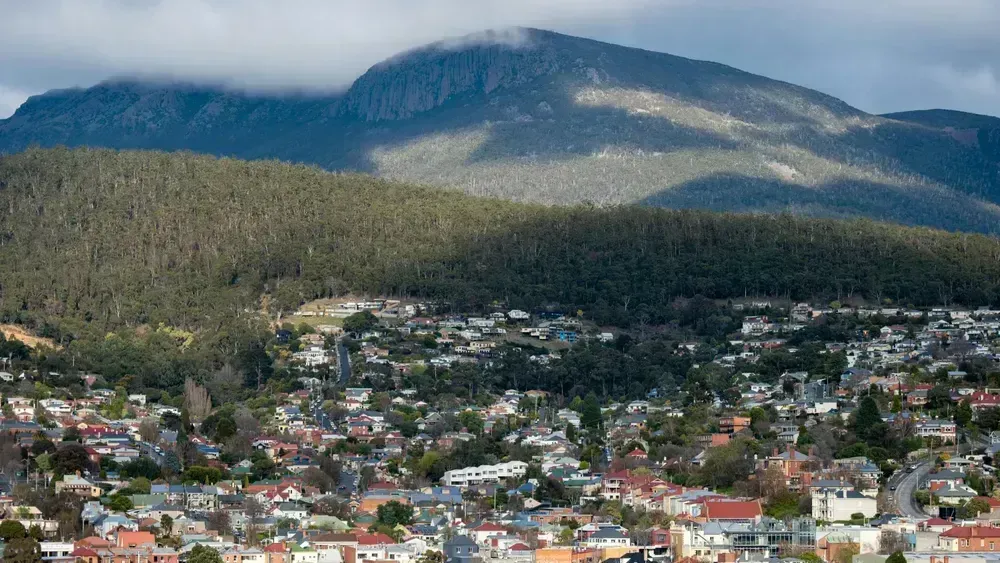
Nestled in Tasmania, Hobart offers a lesser-known escape for queer travelers seeking natural beauty, cultural depth, and an inclusive vibe away from mainstream lists dominated by Sydney and Melbourne. With attractions like the provocative MONA museum and a growing community of affirming venues, it's gaining traction as a relaxing, culturally rich destination. This feature explores why Hobart is becoming a must-visit for LGBTQ+ adventurers.
Hobart, the capital of Tasmania, stands out as a lesser-known queer-friendly destination in Australia, prized for its historic charm, stunning natural surroundings, and welcoming atmosphere that appeals to LGBTQ+ travelers avoiding crowded hotspots like Sydney or Melbourne. Unlike the high-energy Pride scenes of larger cities, Hobart provides a quieter, more introspective retreat where transgender people, gay couples, and queer individuals can explore art, markets, and wilderness in an environment noted for its inclusivity.

Sauna culture is heating up, and not in the quiet, niche way it once did. What began as a regional tradition closely associated with Nordic life has moved into the global mainstream, propelled largely by travel.
Sauna culture is heating up, and not in the quiet, niche way it once did. What began as a regional tradition closely associated with Nordic life has moved into the global mainstream, propelled largely by travel. Floating river saunas, glacier-edge steam rooms, forest saunas carved into rock and communal bathhouses have turned heat and cold into experiences travelers actively seek out.
Copyright Associated Press. All rights reserved. This material may not be published, broadcast, rewritten, or redistributed.
We use cookies to analyze traffic and to ensure you get the best experience on our website. Read our Privacy Policy for more information.