Miami's Winter Party Festival, now in its 33rd year, is set for February 26 to March 3, 2026, featuring a week of music, dance parties, and celebrations across South Beach venues to benefit the National LGBTQ Task Force.
Miami Beach is preparing for the return of the Winter Party Festival, a cornerstone event for the LGBTQ+ community, scheduled from February 26 to March 3, 2026. Now in its 33rd year, the festival raises vital funds for the National LGBTQ Task Force, an organization dedicated to building a movement for LGBTQ+ freedom, justice, and equality.
The week-long celebration spans multiple venues in Miami Beach and nearby areas, offering over 20 events centered on music, dancing, and inclusive festivities for gay, lesbian, bisexual, transgender, queer people, and their allies. Key highlights kick off on Friday, February 27, with RESIST at MAD Live in Wynwood from 10 p.m. to 5 a.m., featuring DJs Abel and Morabito spinning techno, tech house, and underground electronic music.
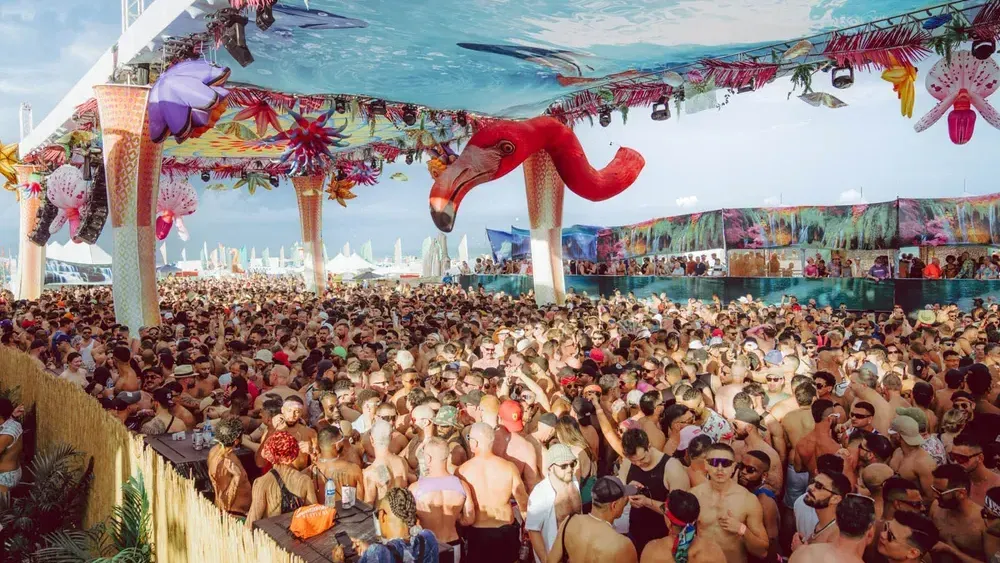
Saturday, February 28, brings two marquee parties. The Pool Party returns to the National Hotel Miami Beach from 1 p.m. to 7 p.m. , hosted at the venue's 205-foot infinity pool for the first time since 2019, with DJ GSP delivering uplifting anthems amid palm trees and ocean views. That evening, Service Station transforms M2 Nightclub from 10 p.m. to 7 a.m., powered by DJs Joshua Ruiz and Karsten Sollors.
The festival's flagship event, the Beach Party, takes place Sunday, March 1 , from 1 p.m. to 8 p.m. at 10th Street Beach in South Beach. DJ Joey with the Mustache opens with uplifting melodies, followed by Toy Armada and Jace M, creating an inclusive space celebrating queerness and diversity with state-of-the-art production and oceanfront views. Ticket options include general admission at $125, VIP starting at $220 for priority entry and open bar on a private platform, Cabana Club at $300, and beach cabanas at $6,000 for two with upgrades for eight guests.
The nightlife continues Sunday night with Masterbeat Odyssey at M2 from 10 p.m. to 5 a.m. or 6 a.m., featuring DJs Brady Prince and Sagi Kariv amid mythical themes. Monday includes The Red Eye Afterhours at Studio 60 from 6 a.m. to noon with DJ Oscar Velazquez, and the Finale at Palenque Nightclub featuring Nina Flowers, Kam, and Juanse. Additional events like SWEAT in Wilton Manors on March 1 expand the footprint.
The DJ lineup boasts international talent including Abel, Brady Prince, GSP, Jace M, Joey with the Mustache, Joshua Ruiz, Karsten Sollors, Morabito, Oscar Velazquez, Sagi Kariv, and Toy Armada, with more announcements expected. Pass options provide value: VIP Passes for priority access and Beach Party open bar; Festival Passes for all events; Weekend Passes covering major parties.
The National Hotel Miami Beach serves as the official host hotel, offering exclusive rates starting at $350 with reduced fees, though rooms are sold out; attendees can contact housing concierge Delmay and Partners for alternatives. Historically attracting around 10,000 participants from the United States, Canada, Europe, South America, and Australia, the festival underscores Miami Beach's role as a premier destination for LGBTQ+ travelers during winter. Funds support the National LGBTQ Task Force's year-round work advancing transgender people, queer individuals, and the broader community's rights and visibility.
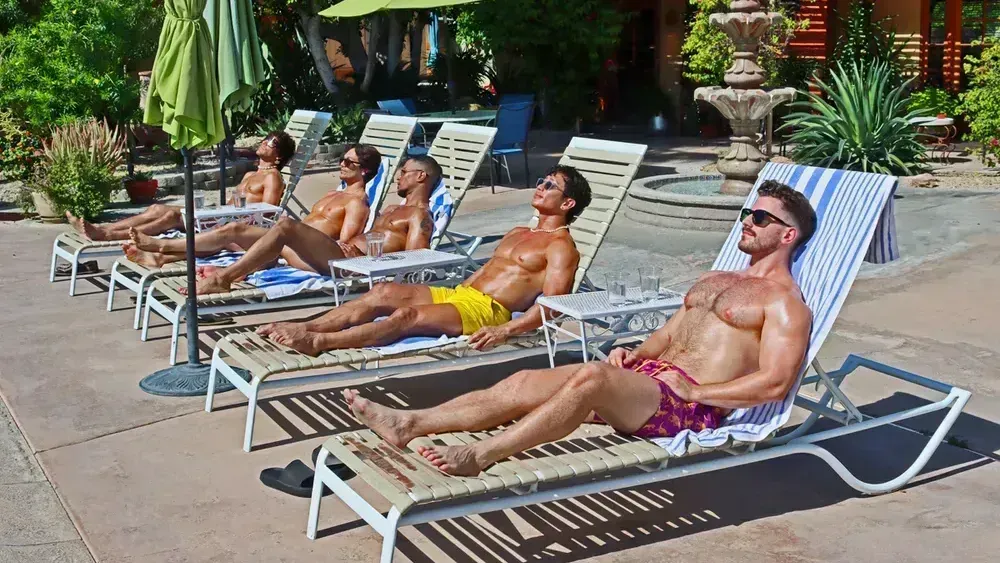
There’s no place better to strip away the daily grind, let the sunshine in, and experience a cheerful sense of rebirth than the clothing optional men’s resorts of Palm Springs Preferred Small Hotels.
“If we were meant to be nude, we would have been born that way.” – Oscar Wilde
From our Victorian funny uncle to the artist formerly known as Stefani Germanotta, wise queers and their allies have long spoken the naked truth: Baby, we were born that way.
Too frequently, today’s world encourages us to hide away our truest selves and feel uneasy in our own skin. But it’s essential to regularly remove our armor and reboot our spirits.
There’s no place better to strip away the daily grind, let the sunshine in, and experience a cheerful sense of rebirth than the clothing optional men’s resorts of Palm Springs Preferred Small Hotels.
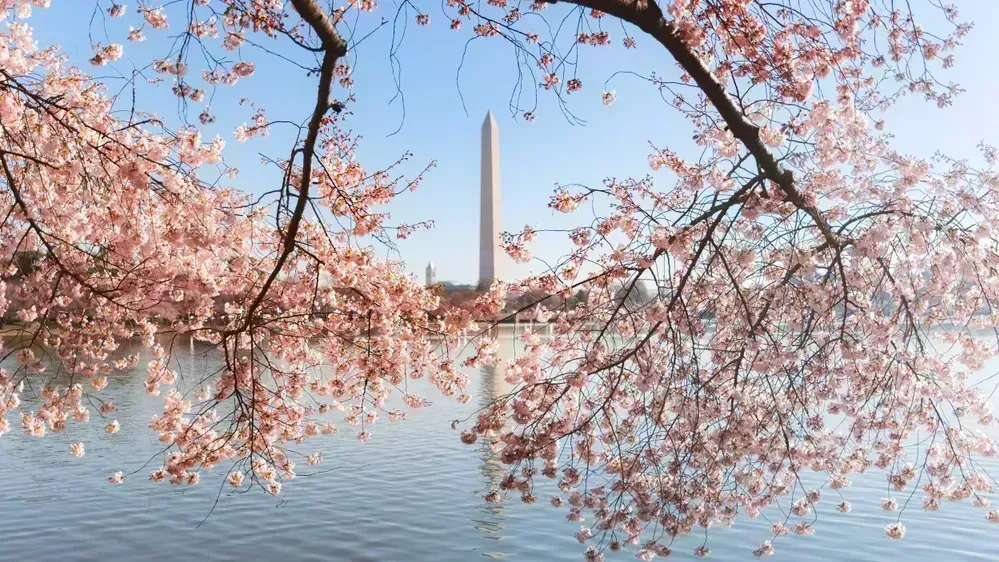
When it comes to DC, it’s not just its world-class museums, captivating art, and rich history that make it a premier destination for you to visit. The seat of our nation's capital has carved a path all its own – one bursting at the seams with culinary delights, showstopping events, and breathtaking adventures to fashion a wonderful way to celebrate the nation’s 250th anniversary. Grab your pals or cozy up with your sweetie and discover why DC is the weekend destination you won’t soon forget.
When it comes to DC, it’s not just its world-class museums, captivating art, and rich history that make it a premier destination for you to visit. The seat of our nation's capital has carved a path all its own – one bursting at the seams with culinary delights, showstopping events, and breathtaking adventures to fashion a wonderful way to celebrate the nation’s 250th anniversary. Grab your pals or cozy up with your sweetie and discover why DC is the weekend destination you won’t soon forget.
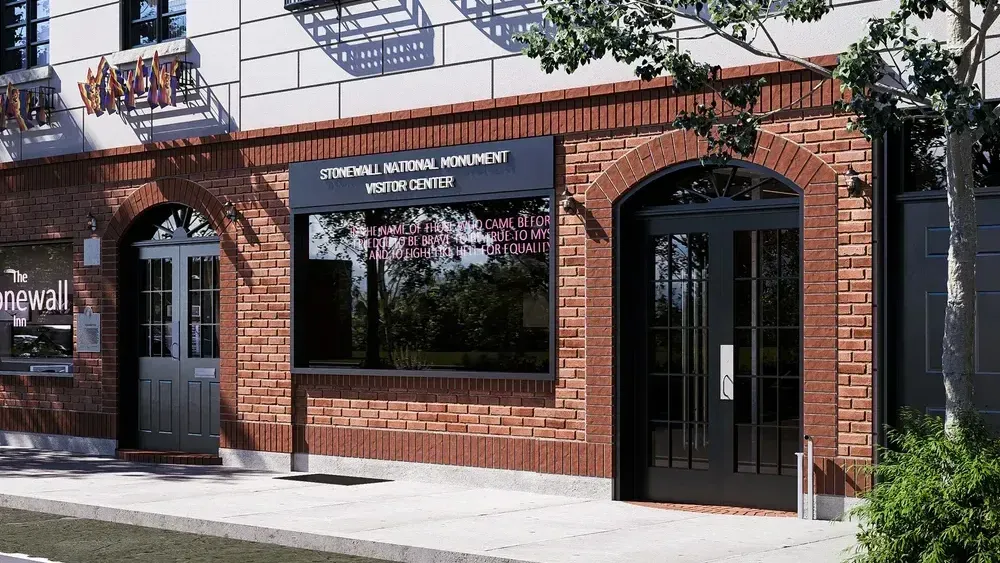
As I stepped into the Stonewall National Monument Visitor Center, the first thing that greeted me was my reflection framed by the words “See History Be History.” It felt like both a welcome and an invitation.
As I stepped into the Stonewall National Monument Visitor Center, the first thing that greeted me was my reflection framed by the words “See History Be History.” It felt like both a welcome and an invitation. As part of the Wall of Solidarity—a lively exhibit celebrating love, community, and queer joy—the frame establishes the mood for what comes next. It’s not just a space to learn about history, but a place where you feel yourself become part of it.
Located at 51 Christopher Street in New York City’s Greenwich Village, the Visitor Center occupies part of the original Stonewall Bar. Much of the original interior of the Stonewall Bar had been lost. However, one architectural detail, the Archway was able to be preserved. Privately operated by co‑founders Ann Marie Gothard and Diana Rodriguez, the Visitor Center is the result of six years of dedication to returning this historic site to the LGBTQ+ community. For Diana, the project is especially meaningful.
She comes from four generations of military service members, including her Uncle Tony, a Vietnam veteran who returned home seriously ill but continued serving others as an administrator at the Veterans Administration (VA) in New York City. When he passed away at just 47, his family learned he had died of AIDS. No colleagues from his military unit or the VA attended his funeral. Today, the flag laid on his coffin, along with his medals and dog tags, are displayed inside the center. The tribute honors him—and countless members of a generation lost to HIV/AIDS whose stories often went unrecognized.
Inside the 2,100‑square‑foot space, 57 years of queer history have been carefully curated into a series of immersive exhibits. The Stories of Stonewall grounds visitors in the evolution of the building, the neighborhood, and the uprising that reshaped LGBTQ+ activism. The exhibit also honors Marsha P. Johnson and Sylvia Rivera, two revolutionary figures in trans history whose courage and advocacy helped drive the movement forward.
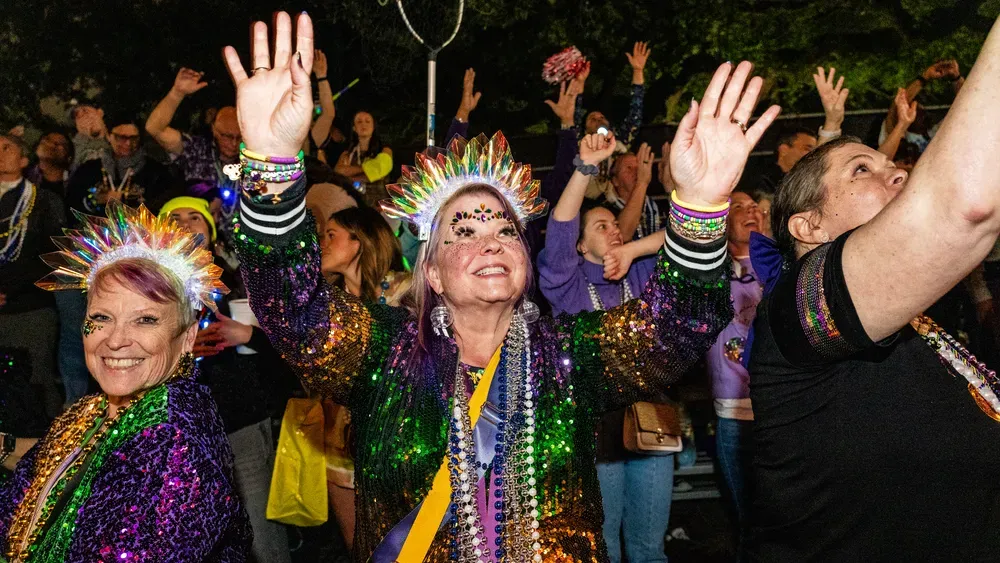
Attendees participate in the annual Krewe of Muses parade during the Mardi Gras season on Thursday, Feb. 12, 2026, in New Orleans. Photo Credit: Photo by Amy Harris/Invision/AP
People are celebrating Mardi Gras in New Orleans on Tuesday with parades, revelry and costumes
As people head back to work Tuesday after the long holiday weekend, beads will be flying, crawfish boiling and parades rolling in New Orleans as the city celebrates Mardi Gras.
Mardi Gras, also known as Fat Tuesday, marks the climax and end of the weekslong Carnival season and a final chance for indulgence, feasting and revelry before the Christian Lent period of sacrifice and reflection. The joyous goodbye to Carnival always falls the day before Ash Wednesday.
Among the final parades in Louisiana’s most populous city, which is world-famous for its Mardi Gras bash, is one hosted by the Zulu Social Aide & Pleasure Club.
Marchers and float riders in the Zulu parade wear African-inspired garb and toss “throws” — trinkets that include plastic beads, candy, doubloons, stuffed animals, cups and toys. This parade's signature “throw” is hand-decorated coconuts, coveted items that many revelers hope for.
Later in the day Rex, the King of Carnival parade will roll along St. Charles Avenue, lined by paradegoers and stately oak trees covered in Spanish moss and beads.
Carnival events are popular for their spectacular and enormous floats, and also the intricately crafted outfits worn, such as Black masking Indians, whose beaded and bejeweled costumes are topped with feathered headdresses, or paradegoers walking the French Quarter in homemade costumes that capture the unique spirit of the Big Easy.
The good times will roll not just in New Orleans but all across the state, from exclusive balls to the Cajun French tradition of the Courir de Mardi Gras, or Fat Tuesday Run — a rural event in Central Louisiana featuring costumed participants performing, begging for ingredients and chasing after live chickens to be cooked in a communal gumbo.
Parades are also held in other Gulf Coast cities such as Mobile, Alabama, and Pensacola, Florida, and there are other world-renowned celebrations in Brazil and Europe.
by Sara Cline
Copyright Associated Press. All rights reserved. This material may not be published, broadcast, rewritten, or redistributed.
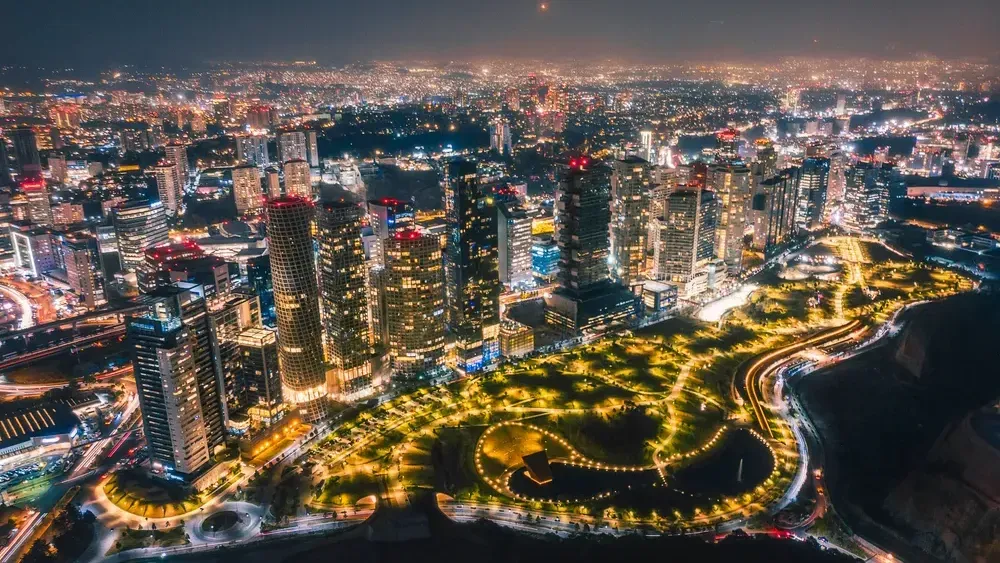
Mexico City stands as one of Latin America's most welcoming destinations for LGBTQ+ travelers, featuring the iconic Zona Rosa neighborhood, thriving nightlife, and inclusive tours that highlight queer history.
Mexico City, a sprawling metropolis of over 20 million people in Central Mexico, boasts one of the largest LGBTQ+ populations in Latin America, with queer life openly integrated into its cultural fabric. The city's Zona Rosa, often called the "Pink Zone," serves as the primary gayborhood, centrally located near Paseo de la Reforma and overflowing with gay-friendly bars, luxury hotels, restaurants, and cafes.
Zona Rosa's Amberes Street forms the epicenter of the queer community, lined with dozens of gay bars that cater to diverse tastes, from drag shows and dancing to quiet drinks. The area remains bustling year-round but transforms into party central during Pride celebrations in late June, drawing over 1.5 million visitors to the Pride Parade alone, part of a festival spanning more than 60 events. This annual event starts at the Angel of Independence Monument, underscoring the neighborhood's role in public queer visibility.
Beyond nightlife, Mexico City welcomes approximately 2.5 million LGBTQ+ tourists each year, contributing $1.4 billion to the local economy, according to recent estimates. Neighborhoods like Roma Norte and Juárez enhance the appeal, offering coffee shops, restaurants, and same-sex couples openly holding hands, alongside gay saunas and cultural centers in Roma Norte and Polanco. These areas provide safe, inclusive environments where transgender people, gay men, lesbians, and nonbinary individuals can navigate freely.
Specialized tours amplify the city's queer offerings. The Gay Hopping Tour, led by local guide Chapu—a prominent figure in Mexico City's gay nightlife—takes visitors to three curated hotspots, bypassing lines and providing VIP access with dedicated service. Chapu's connections ensure an authentic experience, from drag performances and DJ sets to private areas, fostering safety and community for international travelers. Similarly, MxCity for the Girls, Gays & Theys offers an LGBTQ+ walking tour through vibrant streets, sharing stories of unsung queer heroes, with complimentary food, drinks, and accessibility features like hearing aid support. Founded by a tour leader who started crafting queer-focused experiences five years ago, it emphasizes hidden histories absent from mainstream narratives.
Other tours delve into LGBTQ+ history, rescuing faded voices from Mexico City's past and highlighting its gay legacy amid beautiful landmarks. Nightlife extends to venues like Cabarétito Fusión, which draws lesbian crowds on Tuesdays, blending pop, reggaeton, and Latin rhythms with drag queens and go-go dancers. The city's metro system, with 12 lines and 195 stations, plus metrobus lanes, makes exploration accessible without heavy reliance on rideshares.
Mexico City's queer scene thrives alongside major holidays like Day of the Dead and Mexican Independence Day, plus gay festivals such as Pervert, BearMex, and Sunland. While generally safe—especially in Zona Rosa, where community members prioritize mutual protection—travelers note the value of guided experiences for navigating popular spots confidently. No major controversies dominate recent coverage, though guides stress awareness in a massive urban environment.
This enduring vibrancy positions Mexico City as a UNESCO World Heritage Site and top queer destination, blending history, nightlife, and community for LGBTQ+ travelers seeking authentic connections.
Liverpool's waterfront reads like a record of America's rise. Tobacco from Virginia passed through its warehouses, passenger liners sailed regularly to New York and the 1915 sinking of the Liverpool-registered Lusitania shifted U.S. public opinion during World War I. Long before it became shorthand for The Beatles, this English port was tied to the American economy in ways still visible along the River Mersey.
Liverpool's waterfront reads like a record of America's rise. Tobacco from Virginia passed through its warehouses, passenger liners sailed regularly to New York and the 1915 sinking of the Liverpool-registered Lusitania shifted U.S. public opinion during World War I. Long before it became shorthand for The Beatles, this English port was tied to the American economy in ways still visible along the River Mersey.
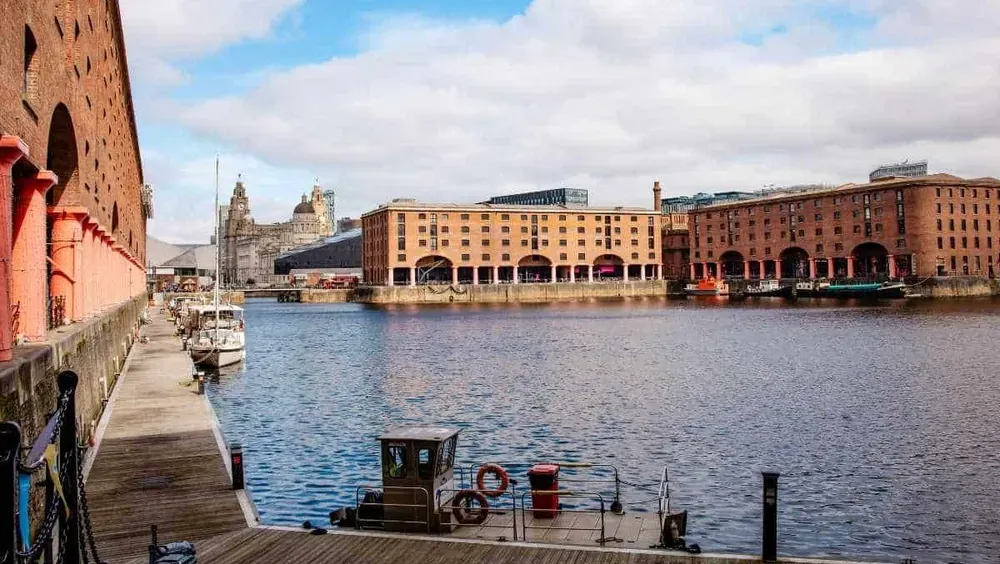
That history does not stay in museums; it runs through the docks themselves. At Stanley Dock, industrial warehouses built for tobacco and other imports reveal the scale of Atlantic commerce. At Pier Head, shipping offices and riverfront memorials point to the movement of migrants and mail between Britain and the United States. Walking the waterfront turns familiar scenery into a map of how the two countries were once economically intertwined.
Start at Stanley Dock, where the trade scale is still visible
Stanley Dock offers a clear starting point when exploring Liverpool's waterfront. Titanic Hotel Liverpool is a four-star property built into a former dock warehouse, with brick, steel and long interior spans designed for storage and movement rather than comfort.
Directly opposite, the Stanley Dock Tobacco Warehouse links the waterfront to a commodity Americans recognize immediately. Built between 1898 and 1901, it stored tobacco on an industrial scale. It is considered the largest brick warehouse in the world and could accommodate approximately 60,000 hogsheads of tobacco. For Americans, tobacco is not just a period detail; it evokes Virginia and Maryland, coastal ports, plantation wealth and an early U.S. economy tied to Atlantic trade, where goods were insured, warehoused, counted and sold.
The same waterfront carries the economy behind Atlantic goods
Liverpool's dock wealth relied in part on commodities produced by enslaved labor. The city's International Slavery Museum documents Liverpool's role in trading enslaved people and handling goods such as sugar, cotton, coffee and tobacco. That history is behind the same brick waterfront visitors photograph today. It is part of the physical setting as travelers move between docks, museums and former shipping offices.
Stanley Dock sits north of the core tourist waterfront. Redevelopment is converting industrial space into hotels and apartments, bringing new foot traffic and new people to a historic area.
Follow the river south to the civic waterfront at Pier Head
From there, a straightforward route runs south to Royal Albert Dock and Pier Head, the waterfront most Americans recognize. A walking tour adds the missing context, linking the warehouse district's scale to the trading streets behind the docks and the riverfront markers tied to war and migration. Royal Albert Dock and Pier Head keep the city's two exports in view: music on one end, port infrastructure on the other.
The Beatles Story at Royal Albert Dock explains the modern export that draws many American visitors. A short walk inland to Castle Street for lunch at Pasta Cosa, lined with former banks and trading offices, then back to Pier Head, connects the Beatles waterfront to the commercial streets that financed and serviced the port.
At Pier Head, the Three Graces stand as a record of the city's waterfront power. The Cunard Building, long tied to the line that carried passengers and mail between Britain and the U.S., faces the river like an office built to manage departures, arrivals and money. This is where travel was processed and where letters, tickets and schedules linked the two countries.
Civil War and migration markers remain on the riverfront
Civil War-era traces sit on the same waterfront. Near the river, Alabama House points to Confederate links, and guides direct visitors to plaques tied to the CSS Shenandoah, a Confederate commerce raider that arrived in Liverpool after the war had effectively ended. For many Americans, it comes as a surprise; it is an unexpected reminder that the conflict's networks extended beyond U.S. shores.
Migration stories run through the riverfront, too. Memorials and public art along the waterfront nod to families leaving Europe for America, with Liverpool as a departure point. For Americans with Irish or British ancestry, Liverpool often functioned as the last major stop before an Atlantic crossing, even when family lore compresses the journey into a single line: "They left from England."
What the docks still prove about the US connection
Liverpool 's American history is not hidden. It is structural, visible in warehouses that record what moved, riverfront offices that show who controlled the money and paperwork and a wartime memorial that acknowledges what it cost, all within the same corridor that also includes the Beatles sites. Together, those landmarks turn the waterfront from scenery into evidence of how trade, travel and conflict linked Britain and the U.S. for generations.
Mandy is a luxury travel, fine dining and bucket-list-adventure journalist with expert insight from 46 countries. She uncovers unforgettable experiences around the world and brings them to life through immersive storytelling that blends indulgence, culture and discovery, and shares them with a global audience as co-founder of Food Drink Life. Her articles appear on MSN and through the Associated Press wire in major U.S. outlets, including NBC, the Daily News, Boston Herald, the Chicago Sun-Times and many more.
by Mandy Applegate
Copyright Associated Press. All rights reserved. This material may not be published, broadcast, rewritten, or redistributed.
Nestled along the Ljubljanica River, Ljubljana offers queer travelers a safe, intimate escape from Europe's mainstream LGBTQ+ hotspots, blending progressive attitudes with cultural richness.
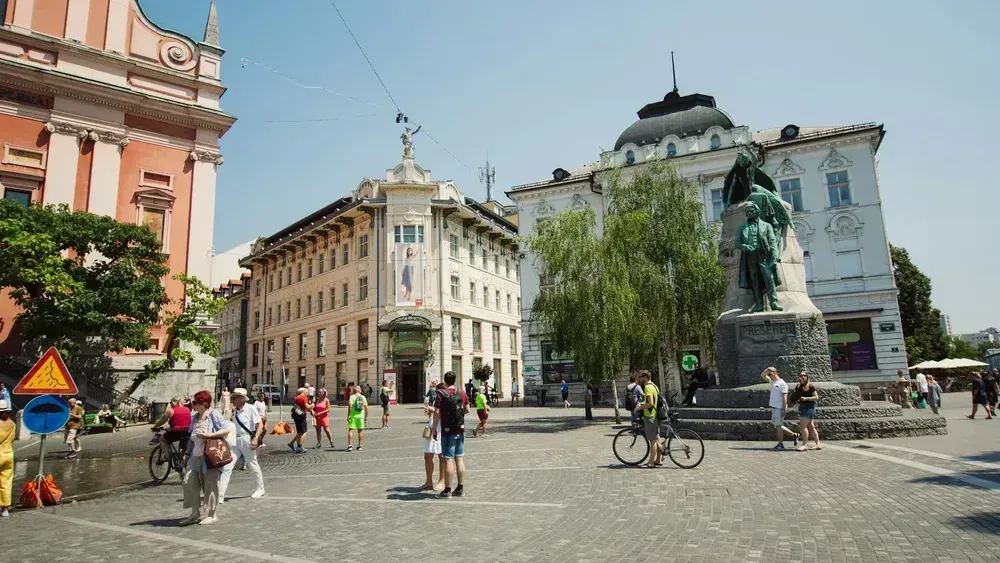
In the heart of Slovenia, Ljubljana emerges as a understated beacon for LGBTQ+ travelers craving a destination that feels intimately welcoming without the flash of better-known European Pride hubs. Often overshadowed by nearby Vienna or coastal Croatia, this compact capital—home to just under 300, 000 residents—invites queer visitors with its pedestrian-friendly old town, riverside cafes, and a cultural scene where same-sex couples stroll hand-in-hand amid medieval bridges and baroque facades. Unlike party-centric spots like Berlin or Sitges, Ljubljana's appeal lies in its everyday normalcy: public displays of affection go unnoticed, fostering a sense of unforced belonging that many queer travelers describe as refreshing.
What sets Ljubljana apart as a lesser-known queer-friendly haven is its evolution from a post-Yugoslav enclave to a progressive EU member state. Slovenia legalized same-sex marriage and adoption in 2022, ranking it among Europe's more forward-thinking nations on LGBTQ+ rights, though it remains off mainstream travel lists dominated by Amsterdam or Barcelona. The city's riverbanks, lined with willow trees and pop-up markets selling local honey and handmade jewelry, provide serene spots for queer couples to picnic under the watchful gaze of Prešeren Square's pastel buildings. Local attitudes reflect steady progress: residents in the university district and old town areas exhibit respectful, low-key acceptance, making it ideal for transgender people, non-binary travelers, and same-sex couples seeking privacy without isolation.
Ljubljana's compact layout—most attractions lie within a 15-minute walk from the Triple Bridge—makes it perfect for queer travelers prioritizing ease and immersion. The Ljubljanica River bisects the city, its emerald waters reflecting the luminous Dragon Bridge, a symbol of protection, adding a mythical layer to the welcoming vibe. Stroll along the embankment to encounter queer-friendly cafes like Le Petit Cafe , where baristas serve lavender-infused coffees amid rainbow subtle decor, or pop into independent bookstores stocking Slovenian LGBTQ+ literature.
Ljubljana's LGBTQ+ visibility is subtle yet robust, with Slovenia's Pride parade—Ljubljana Pride—drawing thousands annually in late June through the old town, emphasizing rights advocacy over commercialization. Participants from local groups like Lezješčine, a lesbian network, share stories of growing acceptance since the 2022 marriage equality win, noting how rural-to-urban migration has diversified the scene. Queer locals emphasize the city's safety: Slovenia scores high on ILGA-Europe's Rainbow Index for legal protections, with low reported incidents against LGBTQ+ visitors.
Foodies revel in Ljubljana's farm-to-table ethos: dine at queer-friendly Strelec in Ljubljana Castle, savoring venison with wild berries overlooking the city, or join wine tastings in nearby Vipava Valley, where vineyards host low-key queer suppers. The city's thermal spas, like Terme Dobrna , offer nude saunas with affirming attitudes toward diverse bodies.
Ljubljana's rise stems from word-of-mouth among queer nomads tired of overtourism in Sitges or Brussels. Its green credentials—95% car-free center, beehives on roofs producing Ljubljana Honey—appeal to eco-conscious LGBTQ+ travelers. Day trips to Lake Bled or Postojna Cave add adventure, with guides noting increasing queer group bookings. As Europe grapples with rising conservatism elsewhere, Ljubljana's steady inclusivity, cultural depth, and unpretentious charm position it as an emerging essential. Queer voices call it "Europe's best-kept secret for authentic connection, "where the focus remains on living openly amid alpine beauty.
A Carnival party in Paraty swaps glitter and costumes for mud, as crowds cover themselves in gray sludge and celebrate as one group
Revelers heading to Carnival parties in Brazil typically don colorful, skimpy outfits and splatter glitter everywhere, but near an old colonial town in the south of the country people cover themselves in something very different – mud.
Partakers in this unusual Carnival party in Paraty drape gray sludge on themselves and roll around in the silty shallows of a beach, forming a unified mass.
“Everyone is kind of the same (…), those who have money and those who don’t: everyone comes here to jump into the mud,” said Charles Garcia Pessoa, a 37-year-old entrepreneur.
Under a blazing sun, the mud-covered partygoers danced and grunted cavemen chants — “Uga! Uga!” — while marching along the sand, accompanied by musicians.
The tradition started in 1986, according to Paraty’s tourism site. Friends were playing in the mangroves at Jabaquara Beach, and realized they weren’t recognizable. They went strolling into the city’s historic center and caused a stir.
The next year, a group lathered themselves up with mud to present themselves as a prehistoric tribe for Carnival. They carried skulls, vines and bones as they uttered their chants, the site said.
And so the mud party was born. And in the years since, it has become a beloved tradition.
Matt Bloomfield, a New Zealander who runs a film festival, decided to come to Paraty for the mud party after seeing coverage of last year’s event.
“Everyone’s being so creative, you see people around decorating themselves with leaves,” he said. “It’s a great alternate version of Carnival.”
by Thiago Mostazo and Maycron Abade
Copyright Associated Press. All rights reserved. This material may not be published, broadcast, rewritten, or redistributed.
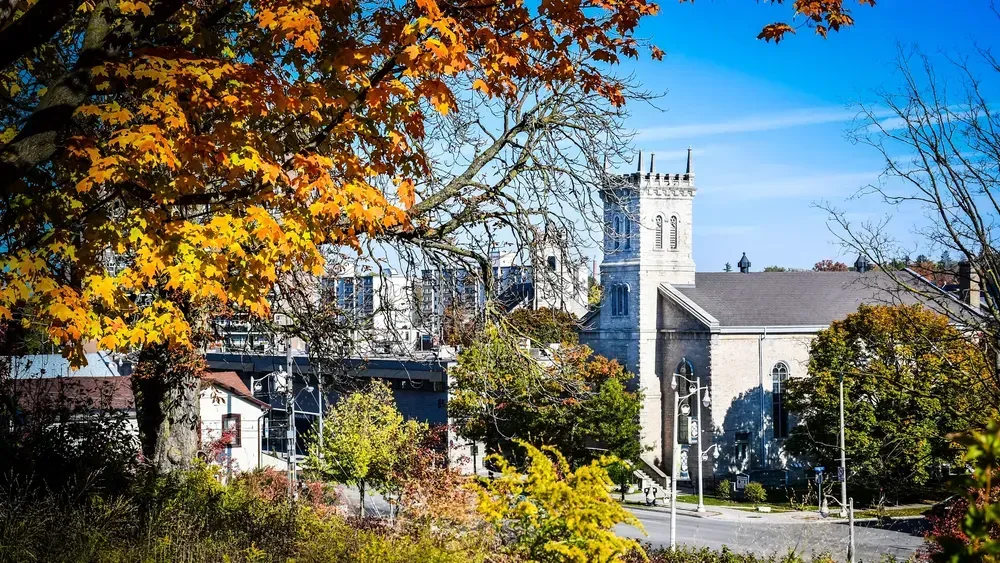
Darlings, forget the over-hyped spots—Guelph, a charming Ontario university town just an hour from Toronto, is the under-the-radar LGBTQ+ haven bubbling with queer energy, from its thriving student scene to inclusive arts fests and welcoming vibes.
Oh honey, if you're tired of elbowing through the same old Pride parade circuits in Toronto or Montreal, let me spill the tea on Guelph, Ontario. This unassuming city of about 140, 000 souls, nestled in the heart of southwestern Ontario, is whispering sweet nothings to queer travelers who crave authenticity over Instagram overload. Tucked between rolling hills and the Speed River, Guelph isn't blasting its queer credentials from the rooftops like Provincetown or Fire Island—yet. But trust your fab auntie here: it's got that electric undercurrent, fueled by the University of Guelph's massive LGBTQ+ student community, indie art scenes, and events that feel like a warm hug from your chosen family.
Picture this: you're strolling Carden Street or Macdonell Street , Guelph's de facto queer corridor, lined with cafes where baristas know your coffee order and your pronouns. The Guelph Queer Collective, a student-led powerhouse at the university, hosts everything from movie nights to drag workshops, drawing in locals and visitors alike for unpretentious fun. And let's talk about the Guelph Pride Festival—June's rainbow explosion features parades, live music, and family-friendly zones that affirm every identity under the spectrum, from transgender people celebrating their truths to non-binary folks owning the dance floor. Last year's event drew thousands, with queer artists like local drag sensation Madame Lippy headlining. It's intimate, inclusive, and oh-so-charming.
But darlings, Guelph's magic isn't just events; it's the everyday sparkle. Stay at Norfolk Guest House, a boutique spot with rainbow flags fluttering proudly, or Airbnb a queer-hosted pad in the Ward neighborhood where hosts share insider maps to the best spots. Hit up The Bookshelf, an indie bookstore-cafe hybrid that's a queer literary haven—think shelves groaning with works by Indigenous two-spirit authors and trans memoirists, plus poetry slams that run late into the night. Nearby, the Guelph Arts Council spotlights LGBTQ+ creators through exhibits featuring photography of trans and gender-diverse lives in rural Ontario.
Foodies, listen up: Guelph's culinary scene is a queer feast. The Cornerstone serves up vegan brunches with a side of allyship, owned by a lesbian couple who's been slinging comfort food since 2010. For nightlife, The Albion is the dive bar where leather daddies mingle with twinks over cheap pints and killer wings—live DJs spin everything from house to '90s throwbacks on weekends. And don't sleep on the queer-friendly tattoo parlours Nighthawk Tattoo or Steel & Ink where artists specialize in gender-affirming designs amid a chill, affirming vibe.
Nature lovers, Guelph delivers without the schlep. Riverside Park hosts queer picnics and yoga sessions organized by the Guelph Hiking Trail Club, blending birdwatching with flirty glances under the willows. Hike Preservation Park or the Eramosa River Trail for that perfect post-hike makeout spot, or paddleboard on the river at sunset—pure magic for couples or solo adventurers seeking peace.
Guelph's queer roots run deep, sweetie. Back in the '70s, the University of Guelph was a hotbed for early gay lib activism—think secret meetings in dorms that evolved into the Central Student Association's LGBTQ+ caucus, one of Canada's first. Fast-forward to today, and the Guelph Queer History Project documents it all for interested parties.
Guelph isn't "emerging"—it's arrived, quietly stealing hearts one rainbow at a time. Go now, before the world wiseens up. Your queer soul deserves this glow-up.