Passport Q
Colleen Barry  Feb 24
4 MIN READ

Milan is using the Milan Cortina Olympics to strengthen its image as a global city and to leave a lasting local legacy

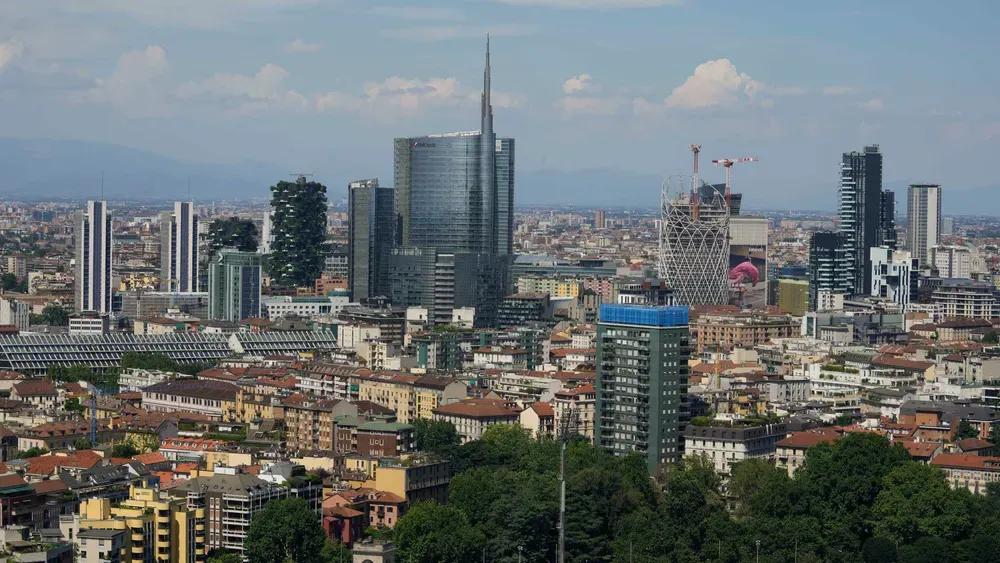
Milan has added the title of Olympic city to its long-held monikers as Italy’s fashion and finance capital, a legacy that crowns two decades of growth that reshaped the skyline and boosted investment, tourism and cultural life.

The legacy of the Milan Cortina Winter Games is both physical, in new facilities and infrastructure, and intangible, burnishing Milan’s global image. It's the second major event to leave a lasting mark on the city, after the Expo 2015 world’s fair brought new investment, tourists and talent.

“Milan is more and more creating a distinctive brand able to attract an international audience,’’ said Dino Ruta, who is heading up a Bocconi University study on the Olympics' economic impact for the International Olympic Committee, expected later this year.

Tangible impact


The physical legacy of the Milan Cortina Olympics is relatively slight, by design. The Games were spread out over seven city, valley and mountain venues hundreds of kilometers apart to leverage existing facilities, saving on new construction.

Milan inherits the brand new Santgiulia arena, which hosted Olympic hockey and will be used for concerts, exhibition and sporting events, while the athletes’ Olympic Village will be turned into housing for 1,700 students, badly needed in a city with 10 universities and an affordable housing crisis.

Preliminary data gathered for the Bocconi study shows that about 4 billion euros ($4.7 billion) were invested in the Games, including for new and upgraded sports facilities, transportation investments on roads, metro accessibility, railways and ski lifts, energy costs and the administration of the Games, Ruta said.

In Milan, the Games cost 735 million euros ($867 million) to host 90 indoor ice events and the opening ceremony at San Siro, while visitors were on course to spend around 1 billion euros ($1.2 billion), according to a Feb. 16 report by the Assolombarda business association. The Olympics are forecast to boost 2026 economic growth in Milan by 0.6 percentage points to 1.7%, accelerating industrial output in the entire region, the association said during the Games.

Two-decade transformation


Milan’s transformation from a provincial city known primarily as an industrial and business center began in the early 2000s, when a wave of redevelopment projects started reshaping its skyline.

The CityLife district emerged around three skyscrapers designed by Zaha Hadid Architects, Daniel Libeskind and Arata Isozaki, while the Porta Nuova development introduced the flagship UniCredit Tower, the city’s tallest building at 218 meters (715 feet), completed in 2012.

Much of this building boom coincided with Expo 2015, which drew 22 million visitors over six months and repositioned Milan as an international tourist destination. Tourism has grown steadily since, rising 6.5% to 9.6 million visitors in 2025, from just over 9 million a year earlier.

“Expo was not an isolated success,” said Fiorenza Lipparini, director general of Milano & Partners – YesMilano, the city’s promotion agency. “It marked a systematic shift.”

Beyond tourism, Expo triggered a 3 billion-euro investment to transform the former Expo site into MIND, a science and technology hub. Since then, the number of five-star hotels has tripled. Milan has added two subway lines and opened a dozen new museums, including Fondazione Prada, MUDEC and Pirelli HangarBicocca.

Yet the city’s rapid ascent has also fueled criticism. Housing activists argue that big events and luxury developments catering to wealthy tenants have driven up real estate prices, leaving many workers priced out. They call for policies to fill vacant public housing, create more subsized housing and incentivize private owners to make available 80,000 uninhabited residences.

“The model of development brought by big events like Expo 2015 and then the Olympics brings private interests that don’t trickle down to the people,” said Angelo Junior Avelli of the Social Forum dell’Abitare.

Post-Olympics


The Olympic Village has speeded up redevelopment in the southern Porta Romana railyard, next to one of Milan’s largest former industrial sites.

The 20-hectare (49-acre) project will deliver 100,000 square meters (more than 1 million square feet) of housing — about half social housing under city rules adopted in 2019 — along with parks and public space covering roughly half the site. After the Games, the athletes’ village will be converted into student housing.

The area sits across from Fondazione Prada, one of the first projects to catalyze the regeneration of the former industrial Symbiosis district, emerging as a fashion hub with headquarters for Bottega Veneta and Moncler. A new headquarters for Diesel-owner OTB is also under construction nearby.

“Major events can open the interest of the world to the city," said Luca Mangia, general manager of COIMA, the developer behind the Porta Romana and Porta Nuova projects. "We saw that with Expo 2015 and we hope it will happen again with the Olympic Games.”

“In this case, the Games allowed us to accelerate construction of the Olympic Village and move forward more quickly with regeneration of the area," Mangia said.

Sporting legacy


Italy's record 30 medals is also expected to reignite interest in winter sports, the way Jannik Sinner's success on the court has promoted tennis, Ruta said. In addition, Olympic organizers are working with companies to encourage employees to get 30 minutes of physical activity each day, a carryover of the 2024 Paris Olympics.

“Athletes inspire everybody to be an everyday athlete,’’ said Ruta, with an economic impact translating to such things as ski tickets, equipment sales and hotels.

Already, Milan’s convention operator, which hosted two temporary skating venues, has announced that it would maintain a temporary ice rink while it studies a project to add a new permanent rink.

“The Olympics have reignited the enthusiasm and the passion for ice and all of its sports, an energy that we don’t want to lose,’’ Giovanni Bozzetti, president of the Foundation Fiera Milano, said in a social media post.

by Colleen Barry

Copyright Associated Press. All rights reserved. This material may not be published, broadcast, rewritten, or redistributed.

Chris Tremblay  Feb 22
3 MIN READ

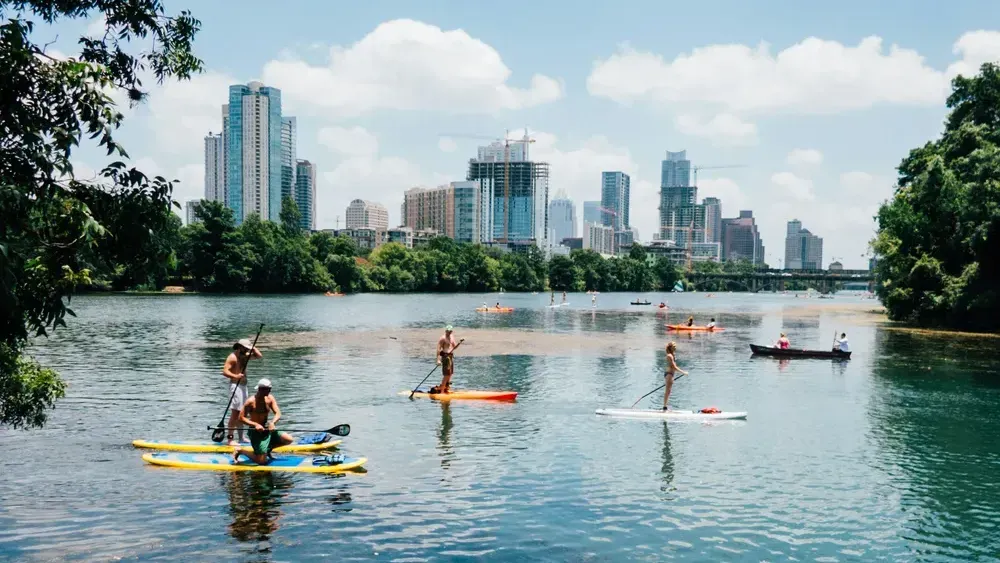
In the heart of conservative Texas, Austin is emerging as an unexpectedly vibrant hub for LGBTQ+ travelers, blending progressive vibes with live music, affordability, and integrated queer scenes that defy state stereotypes.

Picture this: you're in Texas, land of cowboy boots and big skies, yet suddenly surrounded by rainbow flags fluttering from food trucks, drag brunches packed with locals, and queer-owned distilleries pouring craft cocktails. Austin, the self-proclaimed "Live Music Capital of the World, "is having a full-on queer glow-up, transforming into one of North America's most surprising LGBTQ+ hotspots. While the state grapples with uneven protections, this city pulses with inclusive energy that has travelers whispering, "Wait, this town is queer now? !"

by Chris Tremblay
Suman Naishadham  Feb 20
2 MIN READ

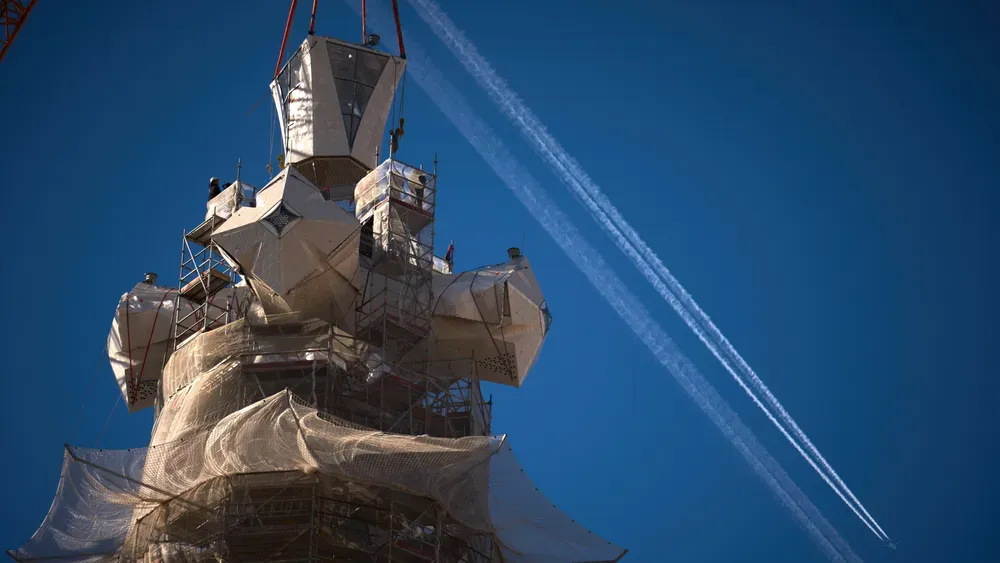
Barcelona’s Sagrada Familia church has reached its maximum height with the placement of a cross on its central Tower of Jesus Christ

Barcelona's towering Sagrada Familia basilica reached its maximum height on Friday, though the magnum opus of Catalan architect Antoni Gaudí remains years away from completion.

by Suman Naishadham

Copyright Associated Press. All rights reserved. This material may not be published, broadcast, rewritten, or redistributed.

Chris Tremblay  Feb 19
2 MIN READ

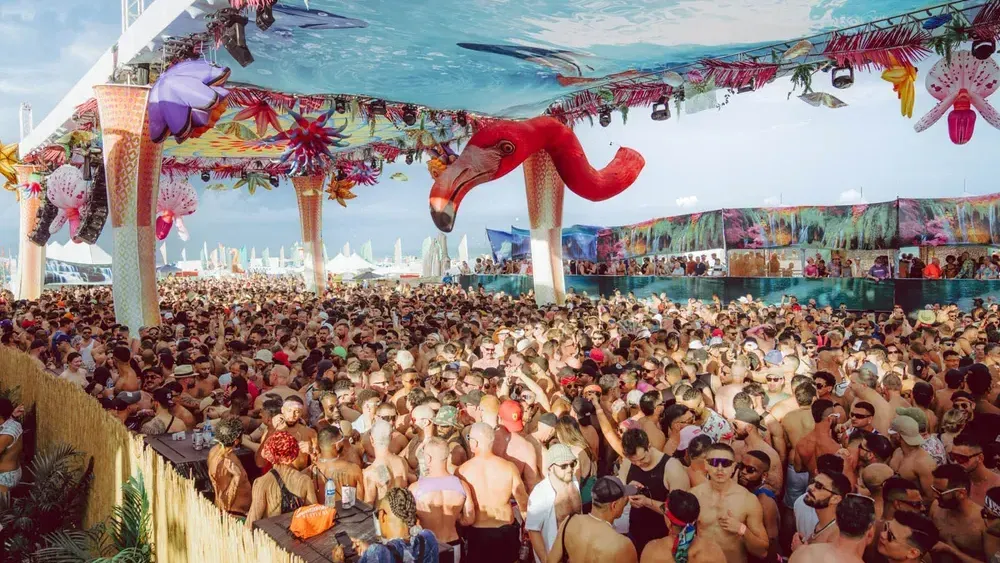
Miami's Winter Party Festival, now in its 33rd year, is set for February 26 to March 3, 2026, featuring a week of music, dance parties, and celebrations across South Beach venues to benefit the National LGBTQ Task Force.

Miami Beach is preparing for the return of the Winter Party Festival, a cornerstone event for the LGBTQ+ community, scheduled from February 26 to March 3, 2026. Now in its 33rd year, the festival raises vital funds for the National LGBTQ Task Force, an organization dedicated to building a movement for LGBTQ+ freedom, justice, and equality.

by Chris Tremblay

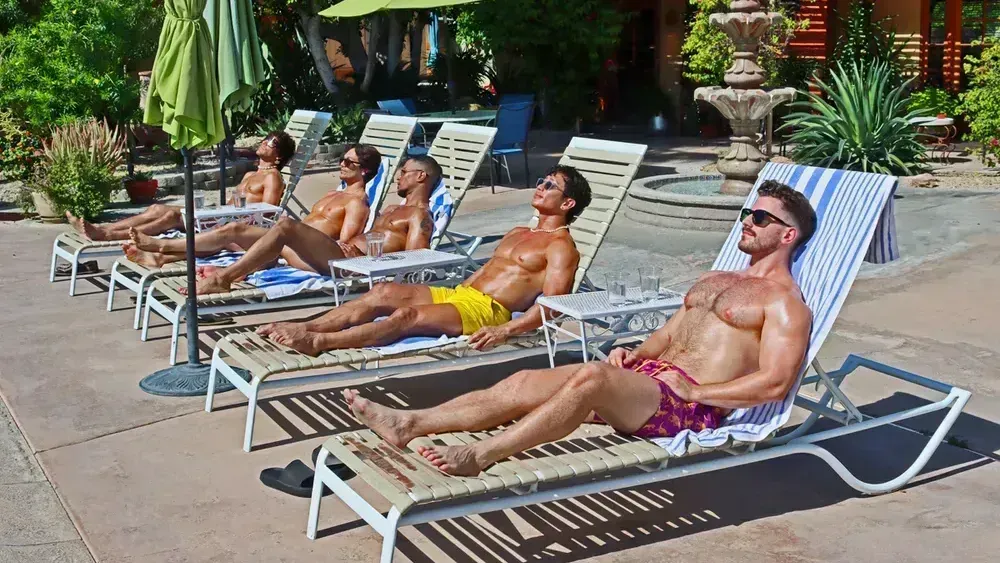
There’s no place better to strip away the daily grind, let the sunshine in, and experience a cheerful sense of rebirth than the clothing optional men’s resorts of Palm Springs Preferred Small Hotels.

“If we were meant to be nude, we would have been born that way.”
      – Oscar Wilde

Roger Porter  Feb 18
1 MIN READ

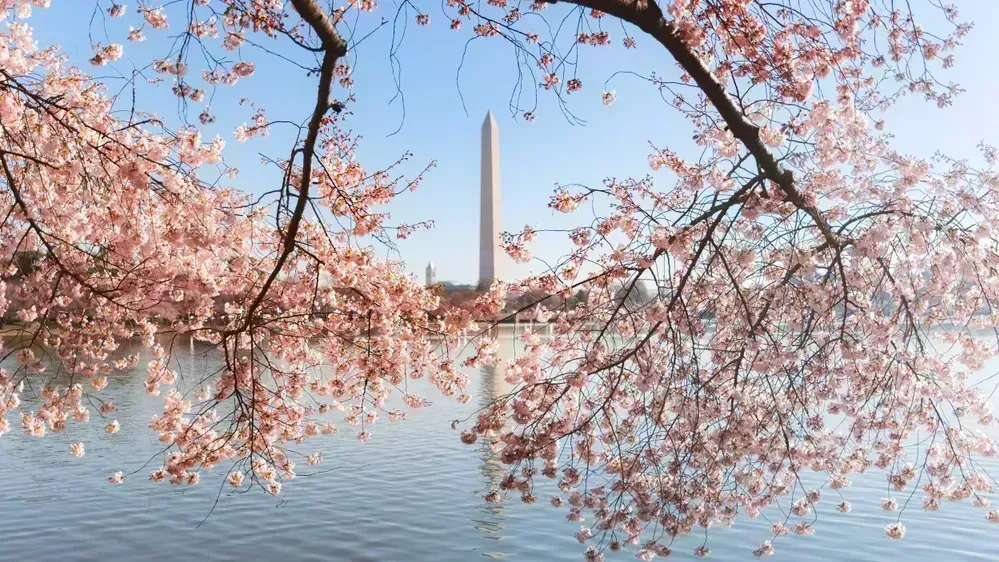
When it comes to DC, it’s not just its world-class museums, captivating art, and rich history that make it a premier destination for you to visit. The seat of our nation's capital has carved a path all its own – one bursting at the seams with culinary delights, showstopping events, and breathtaking adventures to fashion a wonderful way to celebrate the nation’s 250th anniversary. Grab your pals or cozy up with your sweetie and discover why DC is the weekend destination you won’t soon forget.

When it comes to DC, it’s not just its world-class museums, captivating art, and rich history that make it a premier destination for you to visit. The seat of our nation's capital has carved a path all its own – one bursting at the seams with culinary delights, showstopping events, and breathtaking adventures to fashion a wonderful way to celebrate the nation’s 250th anniversary. Grab your pals or cozy up with your sweetie and discover why DC is the weekend destination you won’t soon forget.

by Roger Porter
Joseph Amato  Feb 18
2 MIN READ

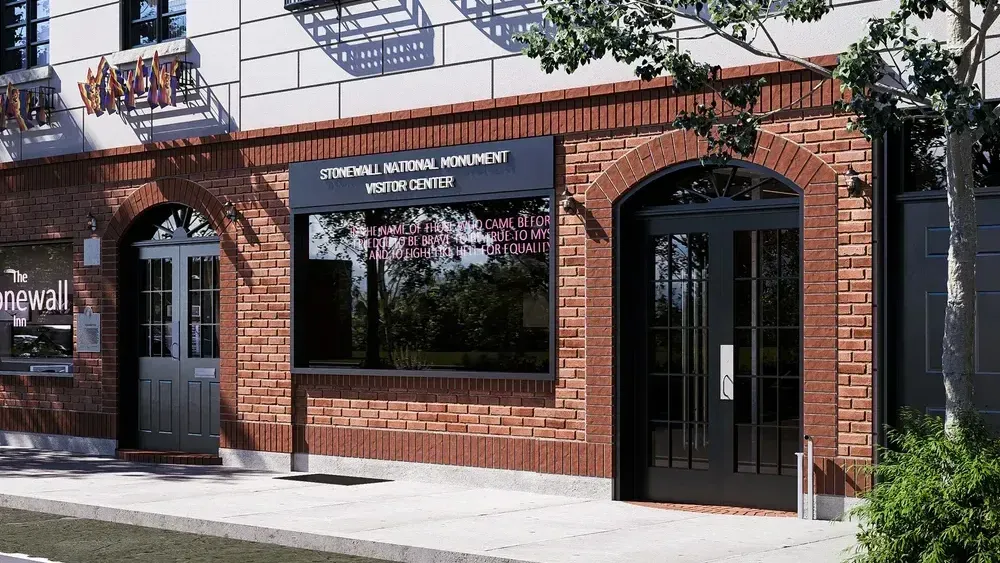
As I stepped into the Stonewall National Monument Visitor Center, the first thing that greeted me was my reflection framed by the words “See History Be History.” It felt like both a welcome and an invitation.

As I stepped into the Stonewall National Monument Visitor Center, the first thing that greeted me was my reflection framed by the words “See History Be History.” It felt like both a welcome and an invitation. As part of the Wall of Solidarity—a lively exhibit celebrating love, community, and queer joy—the frame establishes the mood for what comes next. It’s not just a space to learn about history, but a place where you feel yourself become part of it.

by Joseph Amato
Sara Cline  Feb 17
2 MIN READ

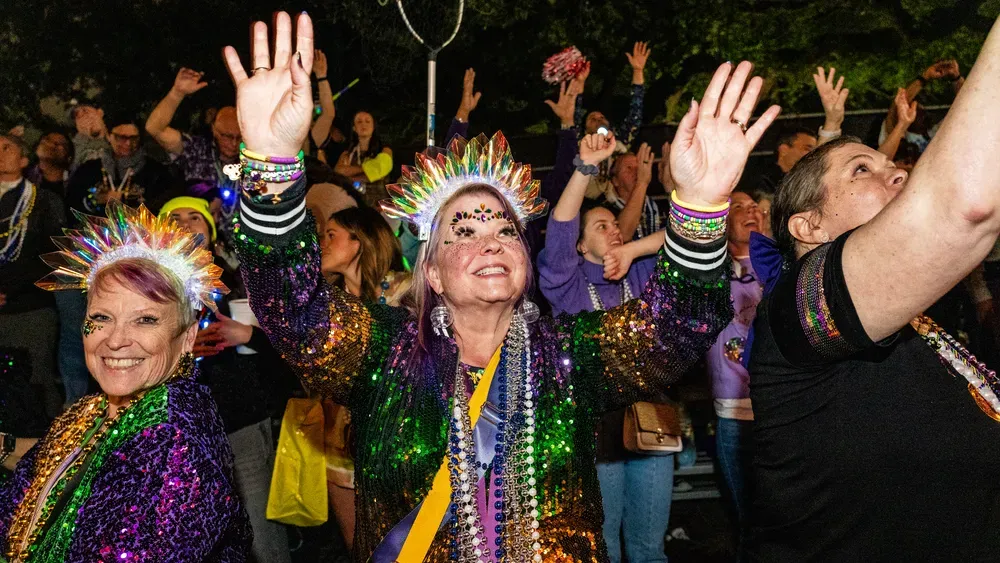
People are celebrating Mardi Gras in New Orleans on Tuesday with parades, revelry and costumes

As people head back to work Tuesday after the long holiday weekend, beads will be flying, crawfish boiling and parades rolling in New Orleans as the city celebrates Mardi Gras.

by Sara Cline

Copyright Associated Press. All rights reserved. This material may not be published, broadcast, rewritten, or redistributed.

Chris Tremblay  Feb 19
2 MIN READ

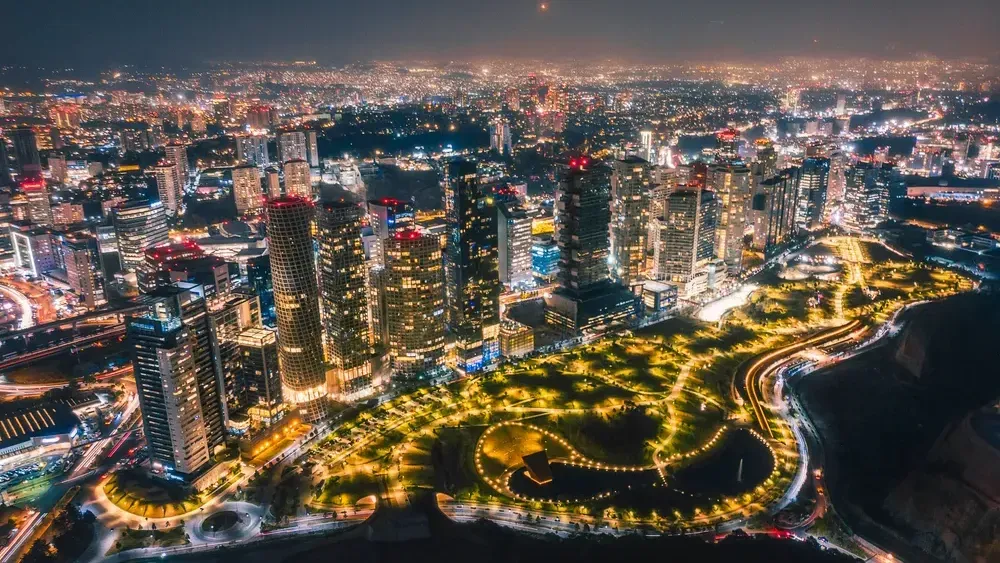
Mexico City stands as one of Latin America's most welcoming destinations for LGBTQ+ travelers, featuring the iconic Zona Rosa neighborhood, thriving nightlife, and inclusive tours that highlight queer history.

Mexico City, a sprawling metropolis of over 20 million people in Central Mexico, boasts one of the largest LGBTQ+ populations in Latin America, with queer life openly integrated into its cultural fabric. The city's Zona Rosa, often called the "Pink Zone," serves as the primary gayborhood, centrally located near Paseo de la Reforma and overflowing with gay-friendly bars, luxury hotels, restaurants, and cafes.

by Chris Tremblay
Mandy Applegate  Feb 18
4 MIN READ

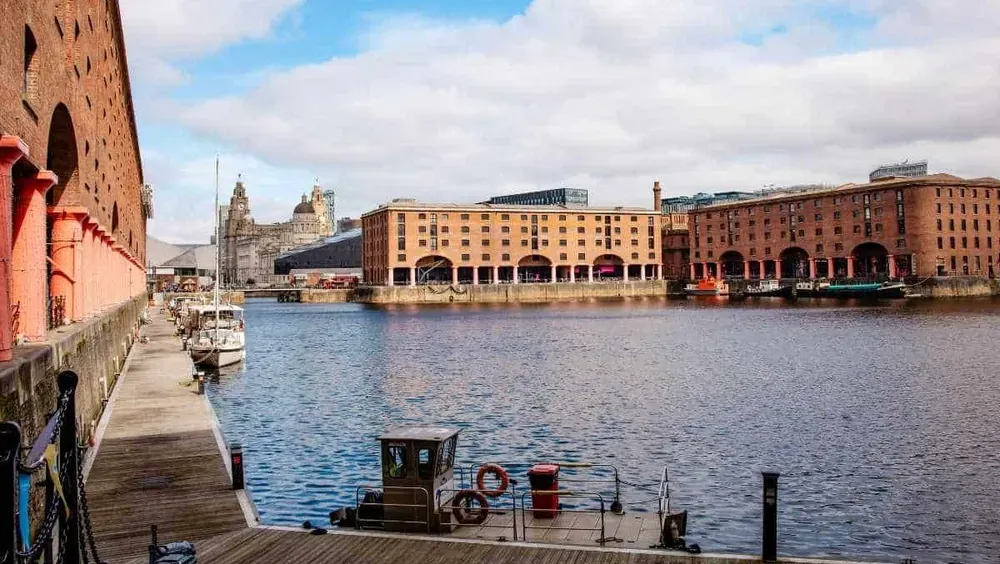
Liverpool's waterfront reads like a record of America's rise. Tobacco from Virginia passed through its warehouses, passenger liners sailed regularly to New York and the 1915 sinking of the Liverpool-registered Lusitania shifted U.S. public opinion during World War I. Long before it became shorthand for The Beatles, this English port was tied to the American economy in ways still visible along the River Mersey.

Liverpool's waterfront reads like a record of America's rise. Tobacco from Virginia passed through its warehouses, passenger liners sailed regularly to New York and the 1915 sinking of the Liverpool-registered Lusitania shifted U.S. public opinion during World War I. Long before it became shorthand for The Beatles, this English port was tied to the American economy in ways still visible along the River Mersey.

by Mandy Applegate

Copyright Associated Press. All rights reserved. This material may not be published, broadcast, rewritten, or redistributed.