Discovering Salta: Argentina's Emerging Queer Haven in the Andean Northwest
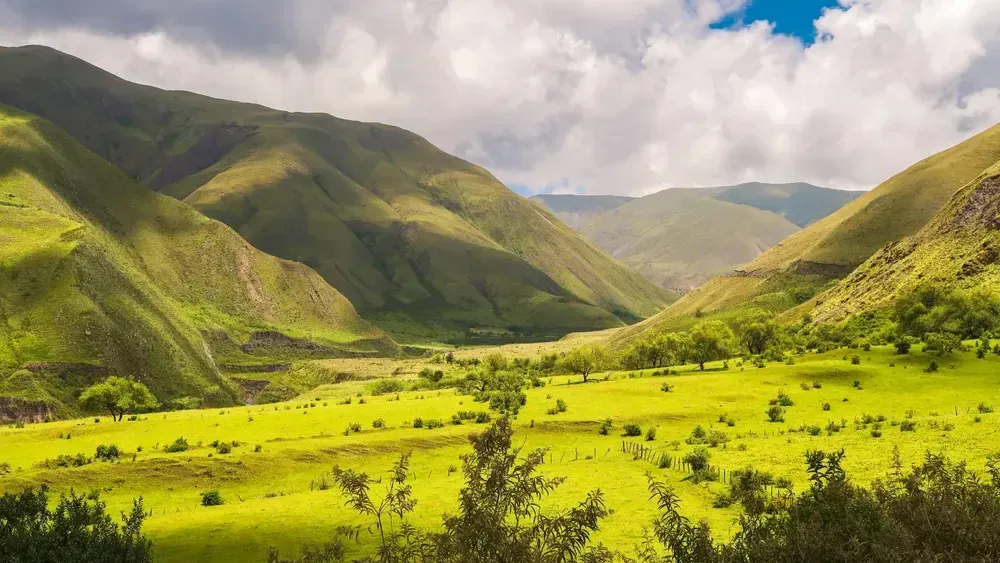
Photo Credit: Pexels

Nestled in Argentina's Andean foothills, Salta stands out as a lesser-known queer-friendly destination in South America, blending colonial charm, indigenous culture, and a growing LGBTQ+ scene away from mainstream lists dominated by Buenos Aires.
Salta, often overshadowed by the vibrant tango halls of Buenos Aires, offers a more intimate and culturally richalternative for queer travelers. While it lacks a high-density 'gay village' like Palermo, the city is defined by a sophisticated blend of colonial architecture and Andean indigenous heritage. Along Balcarce Street, the traditional heart of the city’s nightlife, queer visitors are welcomed into the fold of local Peñas (folk music clubs). While the province remains socially conservative and traditional, Argentina’s progressive national laws ensure a baseline of safety, making Salta a peaceful gateway for those seeking history and nature over a high-energy party scene.
Copyright EDGE Media Network. All rights reserved. This material may not be published, broadcast, rewritten, or redistributed.
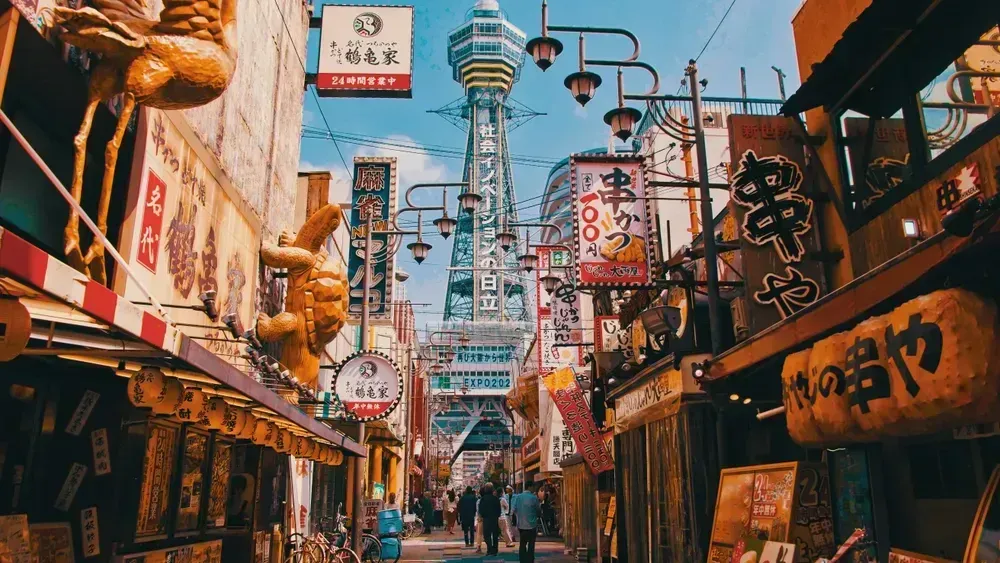
Osaka, Japan's vibrant second city, is emerging as a lesser-known gem for queer travelers in Asia, boasting the country's second-largest LGBTQIA+ scene with a relaxed, liberal atmosphere that rivals even Tokyo.
Nestled in the heart of Japan's Kansai region, Osaka stands out as a dynamic, food-obsessed metropolis that pulses with energy, neon lights, and an under-the-radar queer scene making it one of Asia's most welcoming yet overlooked destinations for LGBTQIA+ travelers. Unlike the perpetually spotlighted Tokyo, Osaka exudes a more laid-back vibe, where locals embrace a liberal spirit that fosters openness toward diverse identities. Home to Japan's second-largest LGBTQIA+ community, the city has cultivated bars, events, and cultural hubs that provide safe, affirming spaces for queer visitors to connect and explore. This reputation was solidified in 2024 when Osaka hosted the global annual convention of the International Gay and Lesbian Travel Association , drawing queer travel professionals from around the world and underscoring its growing stature.
Copyright EDGE Media Network. All rights reserved. This material may not be published, broadcast, rewritten, or redistributed.
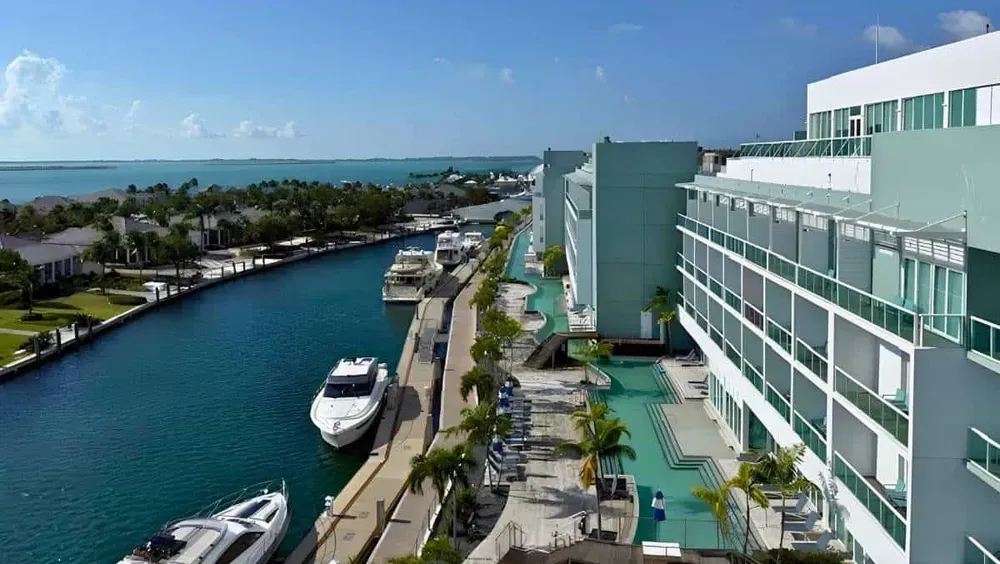
Bimini sits just about 50 nautical miles east of Miami, closer to the United States than many Americans realize. The 7-mile-long island is the westernmost district of The Bahamas, long familiar to anglers and private boaters but less visible to mainstream travelers. For decades, it served as a fishing stop, a cruise port of call or a destination for those who already knew it well.
Bimini sits just about 50 nautical miles east of Miami, closer to the United States than many Americans realize. The 7-mile-long island is the westernmost district of The Bahamas, long familiar to anglers and private boaters but less visible to mainstream travelers. For decades, it served as a fishing stop, a cruise port of call or a destination for those who already knew it well.
Copyright Associated Press. All rights reserved. This material may not be published, broadcast, rewritten, or redistributed.
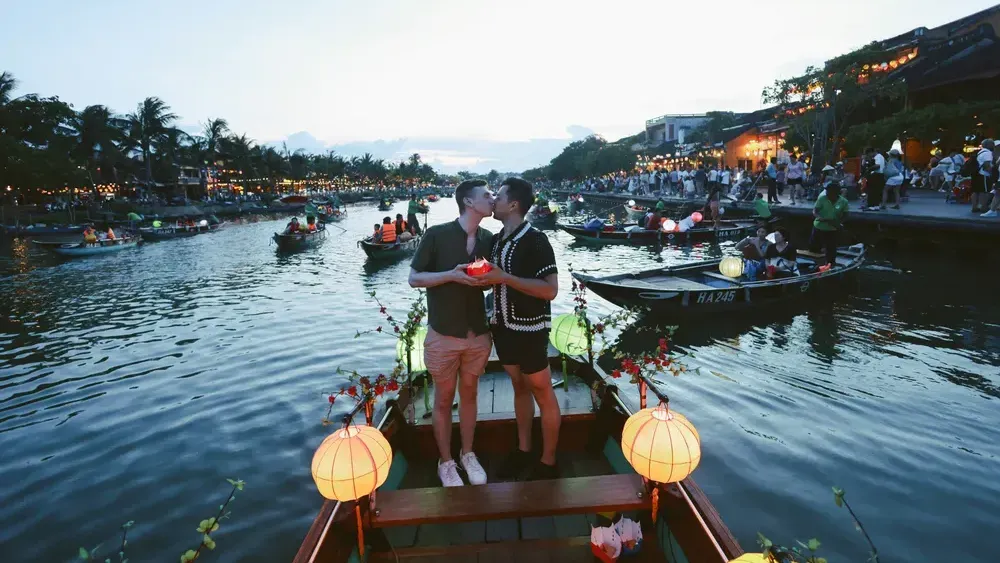
Spring break is no longer just for plastic red cups and crowded sandbars; adults are claiming it with better plans and earlier reservations.
Spring break is no longer just for plastic red cups and crowded sandbars; adults are claiming it with better plans and earlier reservations. Across the country and overseas, travelers are filling March with wine-focused weekends, European rail itineraries, composed coastal stays and performance-driven retreats built around clear goals rather than partying and chaos.
Copyright Associated Press. All rights reserved. This material may not be published, broadcast, rewritten, or redistributed.
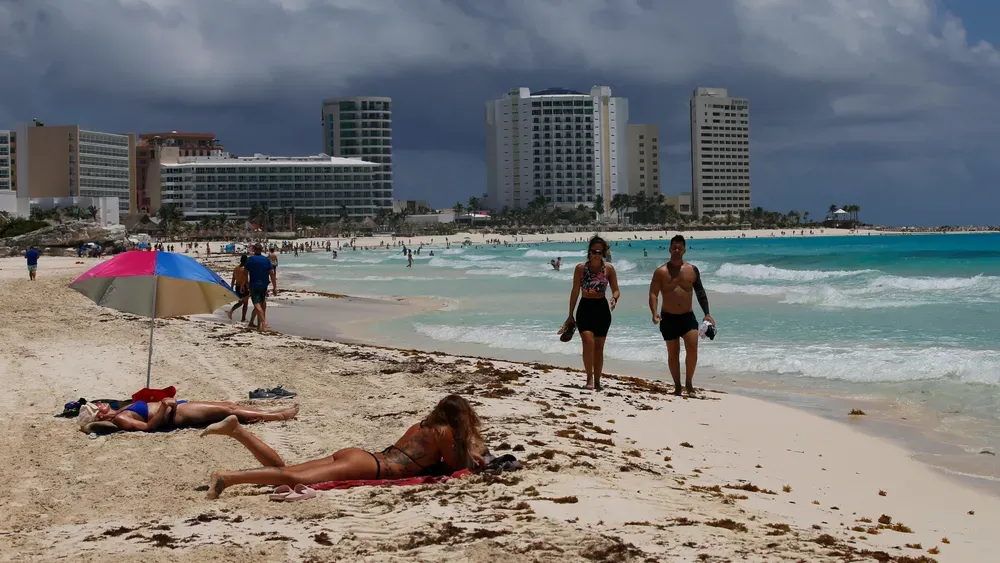
Cartel-linked violence in parts of Mexico may have some spring break travelers rethinking their plans
With spring break on the horizon, travelers may be reassessing their plans to vacation in Mexico after cartel-related violence broke out last weekend in parts of the country.
Copyright Associated Press. All rights reserved. This material may not be published, broadcast, rewritten, or redistributed.

Wanderlust and jet-setting aren’t terms reserved just for straight people anymore. Relaxed politics and acceptance have opened the world to the LGBTQ+ community. It’s not perfect but it’s progress, and the more stamps we get on our passports the better. Below are some queer travel influencers who are paving the way for others to travel the world with peace of mind and in some cases, looking fabulous.
Wanderlust and jet-setting aren’t terms reserved just for straight people anymore. Relaxed politics and acceptance have opened the world to the LGBTQ+ community. It’s not perfect but it’s progress, and the more stamps we get on our passports the better. Below are some queer travel influencers who are paving the way for others to travel the world with peace of mind and in some cases, looking fabulous.
Copyright EDGE Media Network. All rights reserved. This material may not be published, broadcast, rewritten, or redistributed.
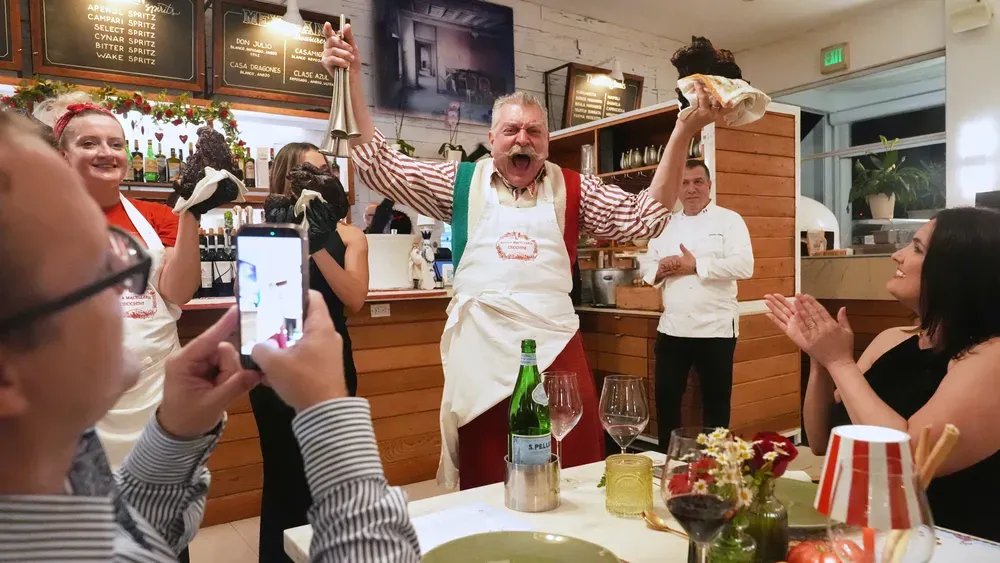
Food festivals are evolving
For nearly 10 years running, Lesley VanNess never missed the South Beach Wine & Food Festival, a beachfront bacchanal of celebrities, booze and bites that tens of thousands of attendees pay hundreds to thousands of dollars to join.
Copyright Associated Press. All rights reserved. This material may not be published, broadcast, rewritten, or redistributed.
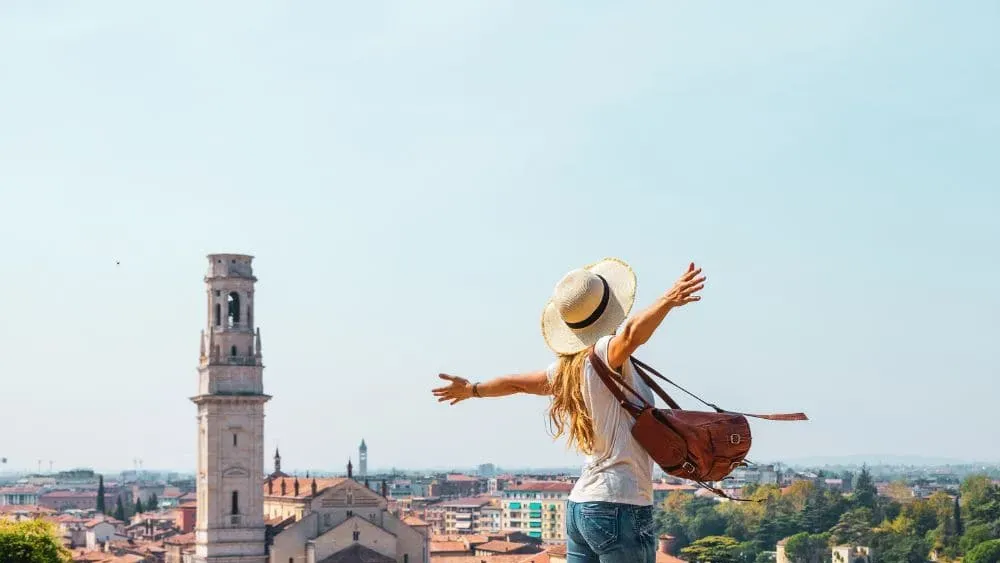
Twenty-four percent of people say AI gives them too many choices when it comes to travel. Despite that, 22% say there are not enough meaningful options, according to Skyskanner's Travel Trends 2026 report. Though AI adoption in travel planning is growing, travelers are also moving to more intentionality.
Twenty-four percent of people say AI gives them too many choices when it comes to travel. Despite that, 22% say there are not enough meaningful options, according to Skyskanner's Travel Trends 2026 report. Though AI adoption in travel planning is growing, travelers are also moving to more intentionality.
Copyright Associated Press. All rights reserved. This material may not be published, broadcast, rewritten, or redistributed.
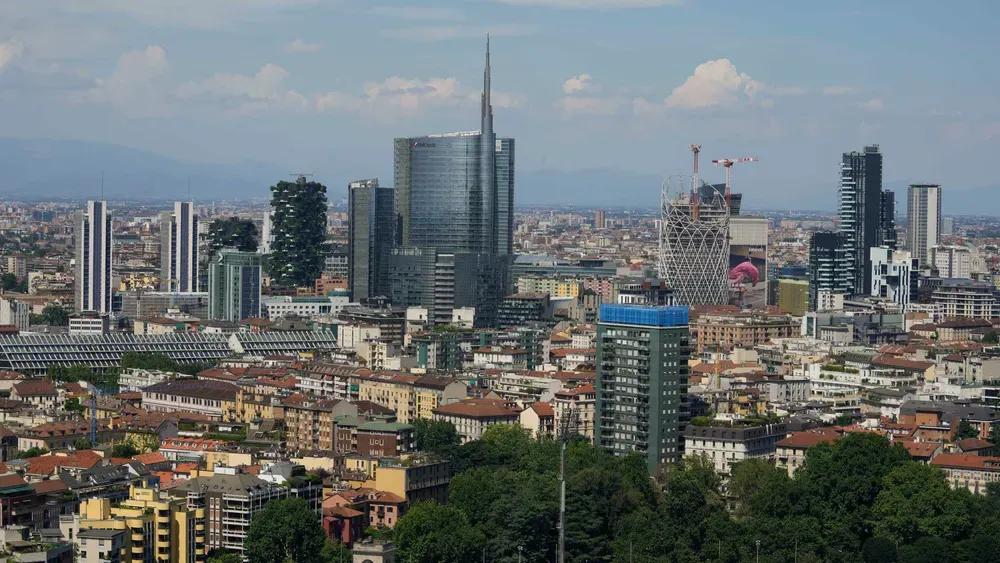
Milan is using the Milan Cortina Olympics to strengthen its image as a global city and to leave a lasting local legacy
Milan has added the title of Olympic city to its long-held monikers as Italy’s fashion and finance capital, a legacy that crowns two decades of growth that reshaped the skyline and boosted investment, tourism and cultural life.
Copyright Associated Press. All rights reserved. This material may not be published, broadcast, rewritten, or redistributed.
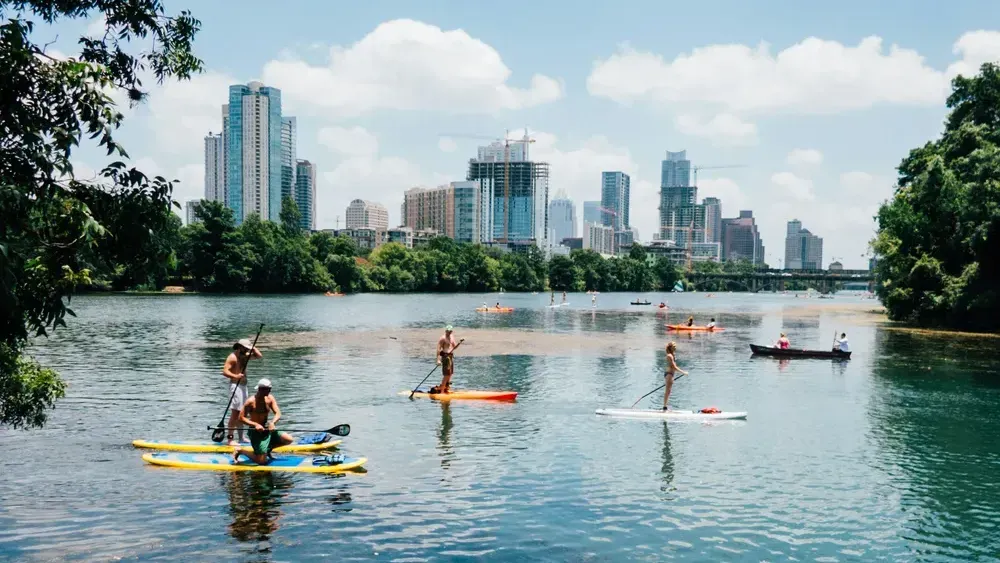
In the heart of conservative Texas, Austin is emerging as an unexpectedly vibrant hub for LGBTQ+ travelers, blending progressive vibes with live music, affordability, and integrated queer scenes that defy state stereotypes.
Picture this: you're in Texas, land of cowboy boots and big skies, yet suddenly surrounded by rainbow flags fluttering from food trucks, drag brunches packed with locals, and queer-owned distilleries pouring craft cocktails. Austin, the self-proclaimed "Live Music Capital of the World, "is having a full-on queer glow-up, transforming into one of North America's most surprising LGBTQ+ hotspots. While the state grapples with uneven protections, this city pulses with inclusive energy that has travelers whispering, "Wait, this town is queer now? !"
Copyright EDGE Media Network. All rights reserved. This material may not be published, broadcast, rewritten, or redistributed.
We use cookies to analyze traffic and to ensure you get the best experience on our website. Read our Privacy Policy for more information.