Discovering Quito: Ecuador's Hidden Queer Haven Amid Andes and Galápagos Allure
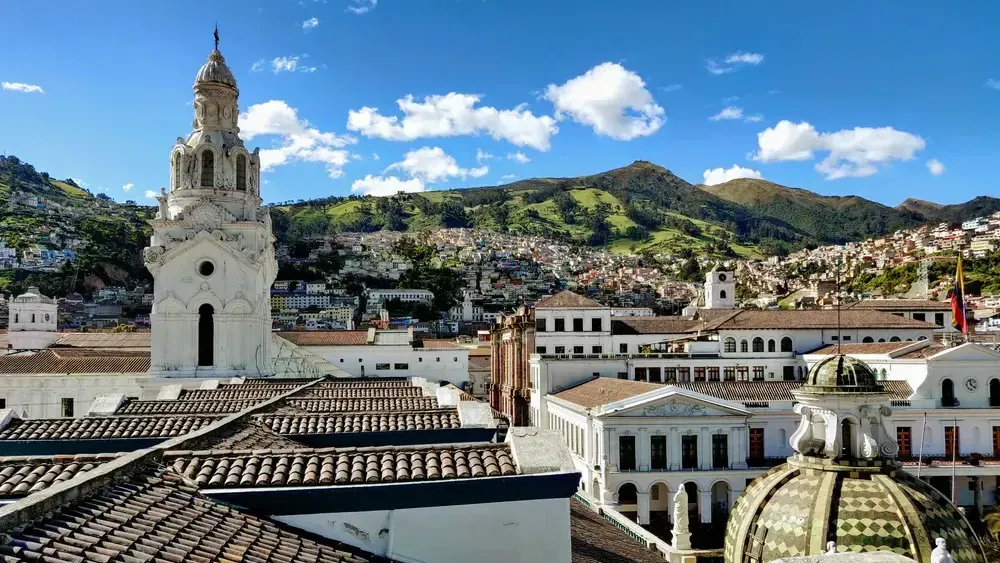
Photo Credit: UnSplash

Quito, Ecuador, emerges as a lesser-known queer-friendly destination in South America, blending colonial charm, progressive urban scenes, and natural wonders like the Galápagos Islands, away from mainstream LGBTQ+ travel lists dominated by Buenos Aires and Rio.
Nestled high in the Andes at over 9, 000 feet, Quito, Ecuador's capital, captivates with its UNESCO-listed colonial old town, volcanic backdrops, and a burgeoning queer scene that feels worlds away from the continent's more hyped spots like Buenos Aires or São Paulo. Unlike heavily touristed gay meccas, Quito remains under the radar on major LGBTQ+ lists, yet it draws discerning travelers with its old-world architecture, cloud forests, and Equatorial culture. For queer visitors, the city's progressive stance—marked by the 2019 recognition of same-sex marriage—provides a foundation of legal protections in urban areas, fostering spaces where LGBTQ+ people can connect openly.
Copyright EDGE Media Network. All rights reserved. This material may not be published, broadcast, rewritten, or redistributed.
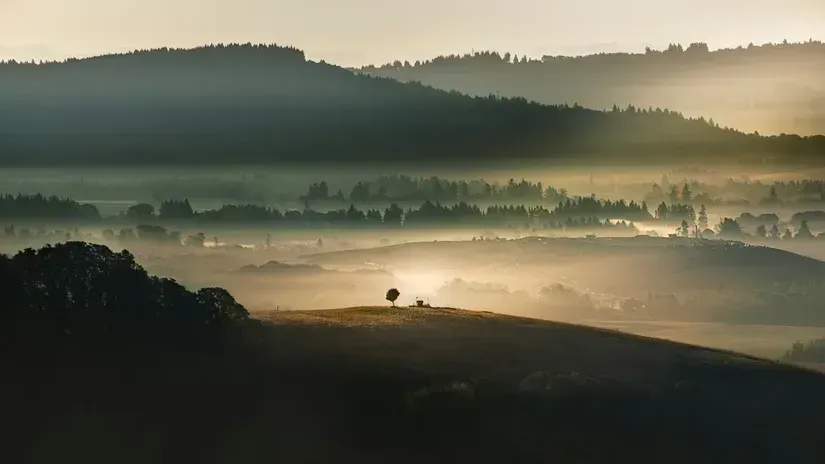
Nestled in Oregon's Willamette Valley, McMinnville emerges as a welcoming destination for queer travelers seeking an off-the-radar escape amid vineyards and vibrant community events.
McMinnville, Oregon, a town of approximately 34, 666 residents located about an hour's drive south of Portland in the heart of the Willamette Valley, has quietly cultivated a reputation as one of the most unexpectedly queer-friendly small towns in the United States. This county seat stands out for its agricultural heritage, rolling vineyards, and a burgeoning LGBTQ+ scene that emphasizes community over commercialization. Queer travelers find here a place where acceptance is woven into daily life, from local festivals to leadership roles held by openly queer individuals.
Copyright EDGE Media Network. All rights reserved. This material may not be published, broadcast, rewritten, or redistributed.
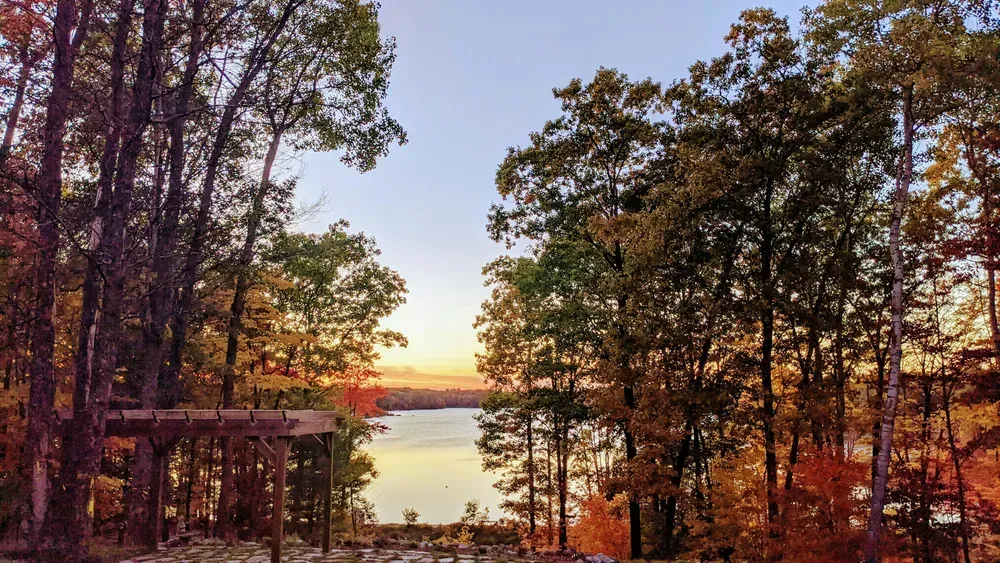
Nestled among Michigan's rolling orchards and serene Lake Michigan shores, Traverse City is quietly emerging as an surprising LGBTQ-friendly gem for queer travelers seeking respite from urban hustle.
Imagine crunching through vibrant orchards under a vast cerulean sky, the fresh pine breeze off Lake Michigan mingling with the buzz of a community that’s as warm as its famed cherry pie. This is Traverse City, Michigan—a pint-sized artisan hub that’s stealthily stealing the spotlight as one of the Midwest's most unexpected LGBTQ-friendly destinations. While it lacks the scale of a metropolis, it offers a sophisticated queer infrastructure where travelers can hike the rugged Sleeping Bear Dunes by day and sip local ciders in inclusive spaces like Rare Bird Brewpub by night. Whether visiting for the summer harvest or the massive Up North Pride Week in September, you’ll find a city where the 'knowing smiles' make you feel at home from the first pour.
Copyright EDGE Media Network. All rights reserved. This material may not be published, broadcast, rewritten, or redistributed.
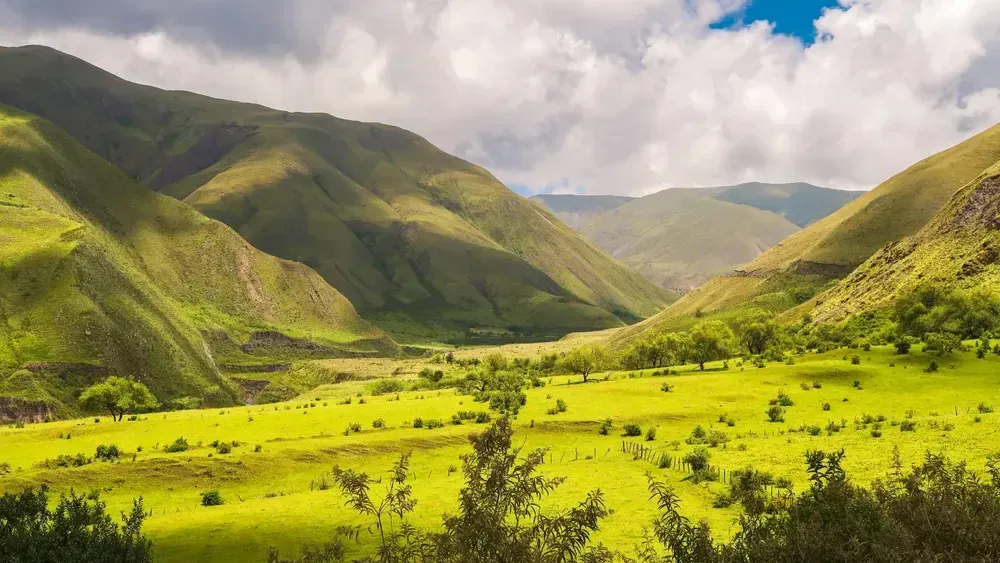
Nestled in Argentina's Andean foothills, Salta stands out as a lesser-known queer-friendly destination in South America, blending colonial charm, indigenous culture, and a growing LGBTQ+ scene away from mainstream lists dominated by Buenos Aires.
Salta, often overshadowed by the vibrant tango halls of Buenos Aires, offers a more intimate and culturally richalternative for queer travelers. While it lacks a high-density 'gay village' like Palermo, the city is defined by a sophisticated blend of colonial architecture and Andean indigenous heritage. Along Balcarce Street, the traditional heart of the city’s nightlife, queer visitors are welcomed into the fold of local Peñas (folk music clubs). While the province remains socially conservative and traditional, Argentina’s progressive national laws ensure a baseline of safety, making Salta a peaceful gateway for those seeking history and nature over a high-energy party scene.
Copyright EDGE Media Network. All rights reserved. This material may not be published, broadcast, rewritten, or redistributed.
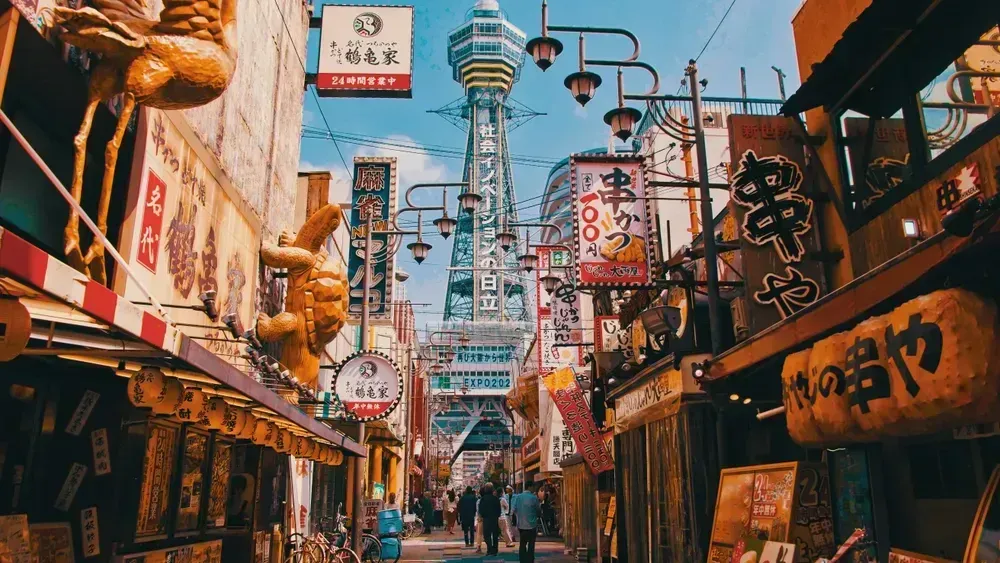
Osaka, Japan's vibrant second city, is emerging as a lesser-known gem for queer travelers in Asia, boasting the country's second-largest LGBTQIA+ scene with a relaxed, liberal atmosphere that rivals even Tokyo.
Nestled in the heart of Japan's Kansai region, Osaka stands out as a dynamic, food-obsessed metropolis that pulses with energy, neon lights, and an under-the-radar queer scene making it one of Asia's most welcoming yet overlooked destinations for LGBTQIA+ travelers. Unlike the perpetually spotlighted Tokyo, Osaka exudes a more laid-back vibe, where locals embrace a liberal spirit that fosters openness toward diverse identities. Home to Japan's second-largest LGBTQIA+ community, the city has cultivated bars, events, and cultural hubs that provide safe, affirming spaces for queer visitors to connect and explore. This reputation was solidified in 2024 when Osaka hosted the global annual convention of the International Gay and Lesbian Travel Association , drawing queer travel professionals from around the world and underscoring its growing stature.
Copyright EDGE Media Network. All rights reserved. This material may not be published, broadcast, rewritten, or redistributed.
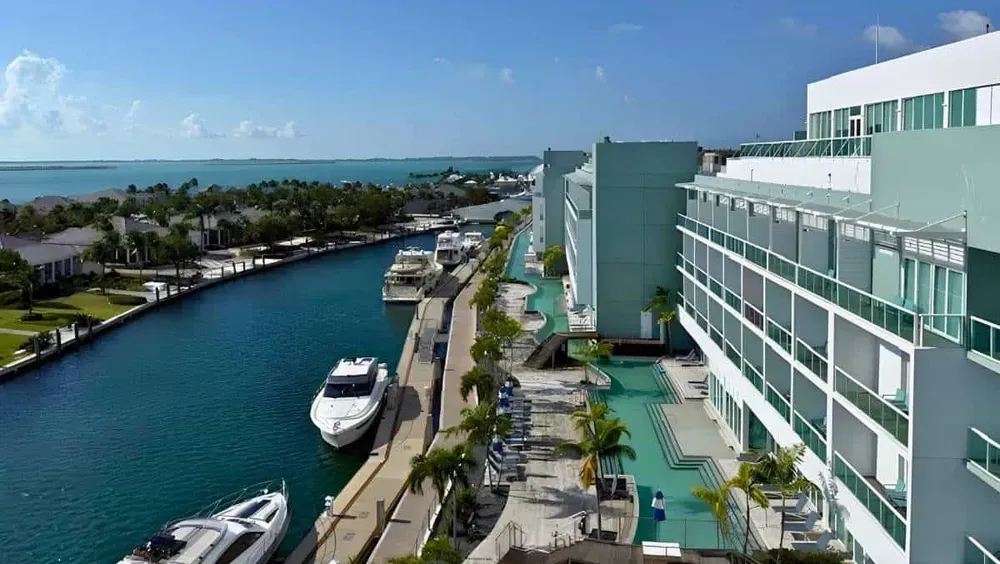
Bimini sits just about 50 nautical miles east of Miami, closer to the United States than many Americans realize. The 7-mile-long island is the westernmost district of The Bahamas, long familiar to anglers and private boaters but less visible to mainstream travelers. For decades, it served as a fishing stop, a cruise port of call or a destination for those who already knew it well.
Bimini sits just about 50 nautical miles east of Miami, closer to the United States than many Americans realize. The 7-mile-long island is the westernmost district of The Bahamas, long familiar to anglers and private boaters but less visible to mainstream travelers. For decades, it served as a fishing stop, a cruise port of call or a destination for those who already knew it well.
Copyright Associated Press. All rights reserved. This material may not be published, broadcast, rewritten, or redistributed.
Spring break is no longer just for plastic red cups and crowded sandbars; adults are claiming it with better plans and earlier reservations.
Spring break is no longer just for plastic red cups and crowded sandbars; adults are claiming it with better plans and earlier reservations. Across the country and overseas, travelers are filling March with wine-focused weekends, European rail itineraries, composed coastal stays and performance-driven retreats built around clear goals rather than partying and chaos.
Copyright Associated Press. All rights reserved. This material may not be published, broadcast, rewritten, or redistributed.
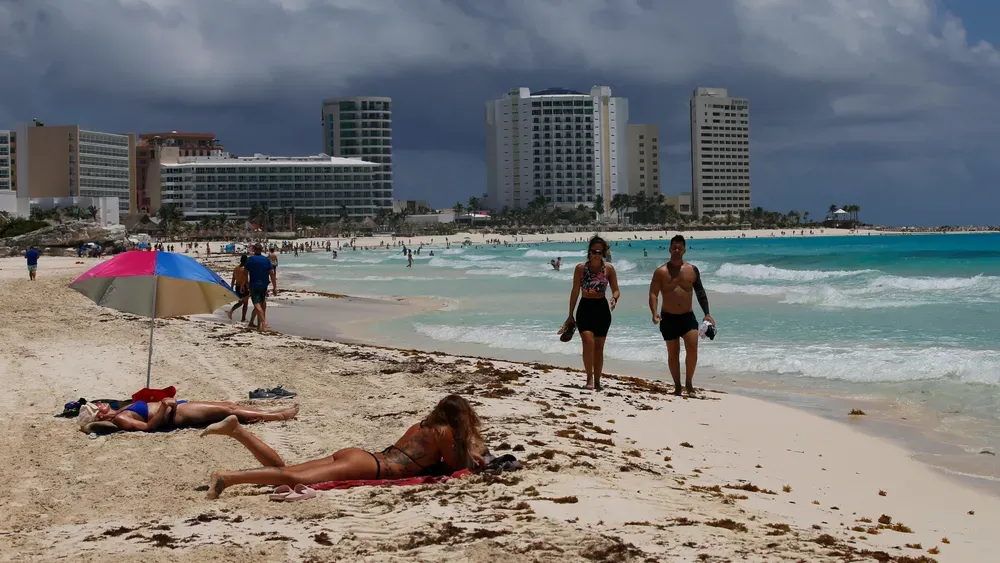
Cartel-linked violence in parts of Mexico may have some spring break travelers rethinking their plans
With spring break on the horizon, travelers may be reassessing their plans to vacation in Mexico after cartel-related violence broke out last weekend in parts of the country.
Copyright Associated Press. All rights reserved. This material may not be published, broadcast, rewritten, or redistributed.
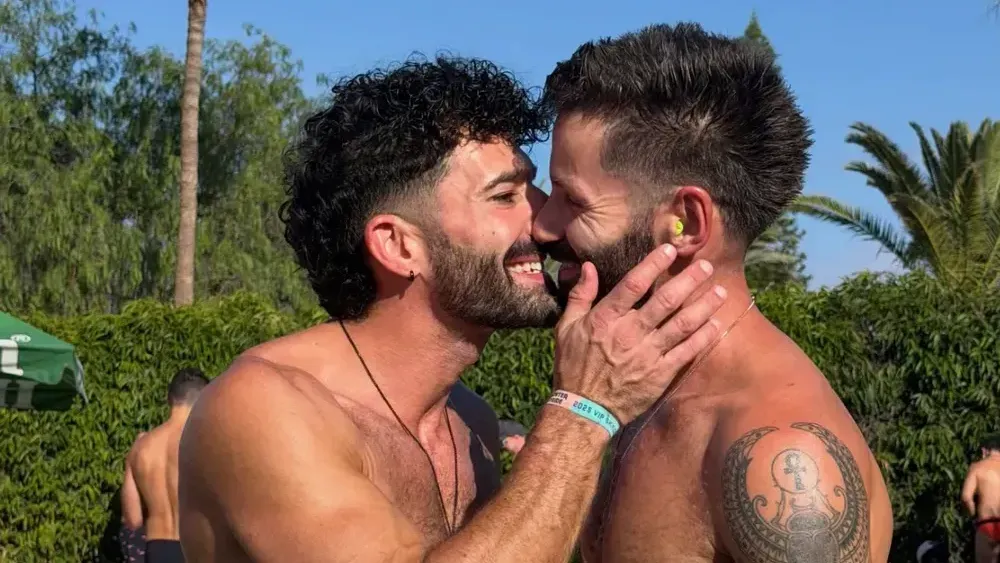
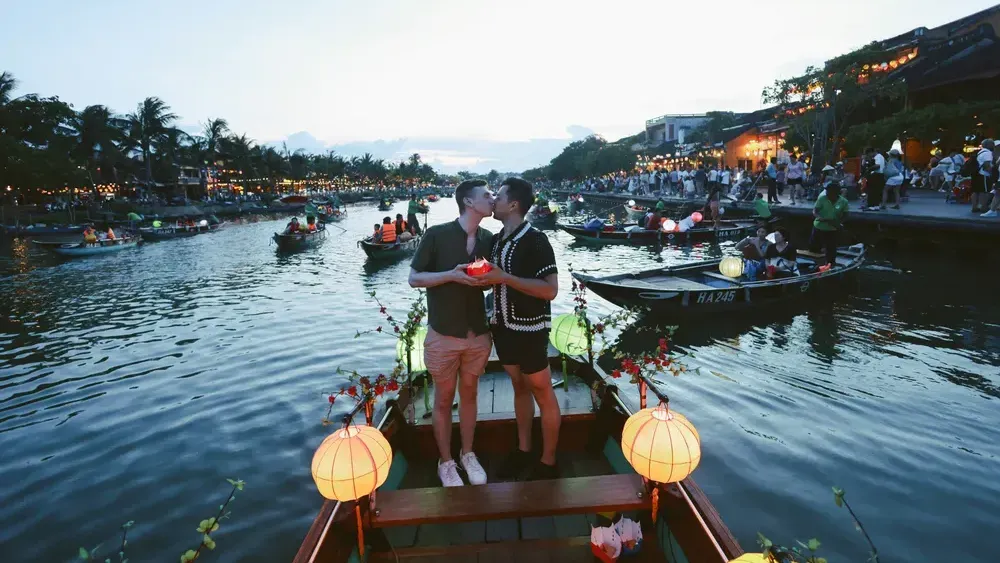
Wanderlust and jet-setting aren’t terms reserved just for straight people anymore. Relaxed politics and acceptance have opened the world to the LGBTQ+ community. It’s not perfect but it’s progress, and the more stamps we get on our passports the better. Below are some queer travel influencers who are paving the way for others to travel the world with peace of mind and in some cases, looking fabulous.
Wanderlust and jet-setting aren’t terms reserved just for straight people anymore. Relaxed politics and acceptance have opened the world to the LGBTQ+ community. It’s not perfect but it’s progress, and the more stamps we get on our passports the better. Below are some queer travel influencers who are paving the way for others to travel the world with peace of mind and in some cases, looking fabulous.
Copyright EDGE Media Network. All rights reserved. This material may not be published, broadcast, rewritten, or redistributed.
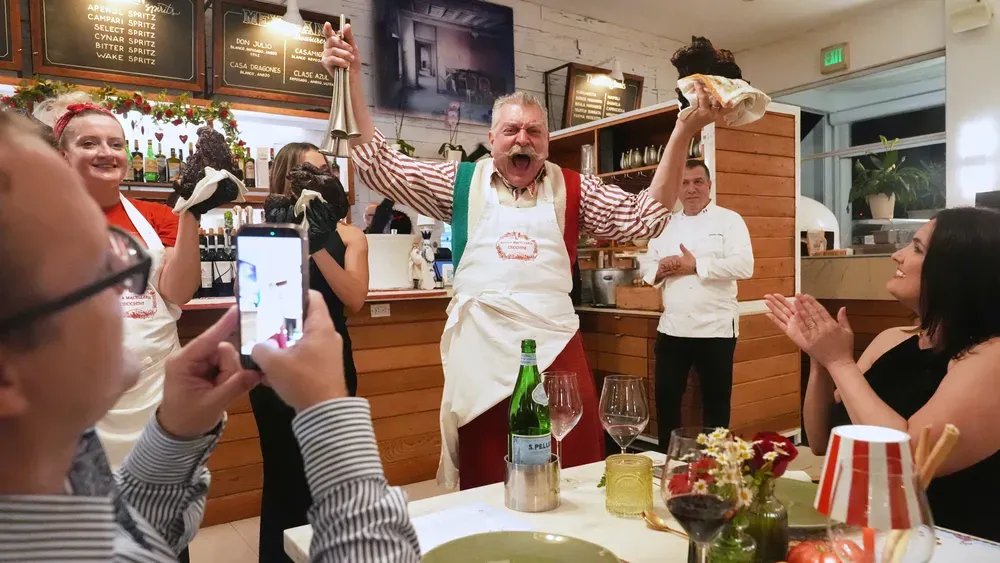
Food festivals are evolving
For nearly 10 years running, Lesley VanNess never missed the South Beach Wine & Food Festival, a beachfront bacchanal of celebrities, booze and bites that tens of thousands of attendees pay hundreds to thousands of dollars to join.
Copyright Associated Press. All rights reserved. This material may not be published, broadcast, rewritten, or redistributed.
We use cookies to analyze traffic and to ensure you get the best experience on our website. Read our Privacy Policy for more information.