Early travel trends for 2026 show a shift toward simpler, healthier, and less crowded experiences. After years of packed itineraries and activity-driven trips, many travelers are prioritizing digital detoxes and alcohol-free escapes, choosing vacations that emphasize rest and presence over constant stimulation.
Early travel trends for 2026 show a shift toward simpler, healthier, and less crowded experiences. After years of packed itineraries and activity-driven trips, many travelers are prioritizing digital detoxes and alcohol-free escapes, choosing vacations that emphasize rest and presence over constant stimulation.
New data from Expedia and Vrbo show increased demand for farm stays, nature-based destinations, and alcohol-free travel experiences. This shift mirrors a broader cultural turn toward analog experiences as daily life becomes more screen-heavy.
Vacations that offer a break from constant connectivity, like farm stays, mountain towns, and wellness resorts, are increasingly appealing.
Farm Charm Leads Slower Travel
The popularity of rural-based travel, dubbed “farm charm” in recent trend reports, reflects the growing desire for low-tech experiences. According to Vrbo’s Unpack ’26 travel trends report, mentions of farm-related experiences in guest reviews rose 300% year over year, and 84% of travelers say they’re interested in staying on or near a farm in 2026.
Travel operators say the appeal lies in a desire to unplug and reconnect with daily rhythms. At farm-based retreats, the structure of the day often comes from the land itself, such as morning walks, produce-heavy seasonal meals, and time outdoors, rather than a packed itinerary.
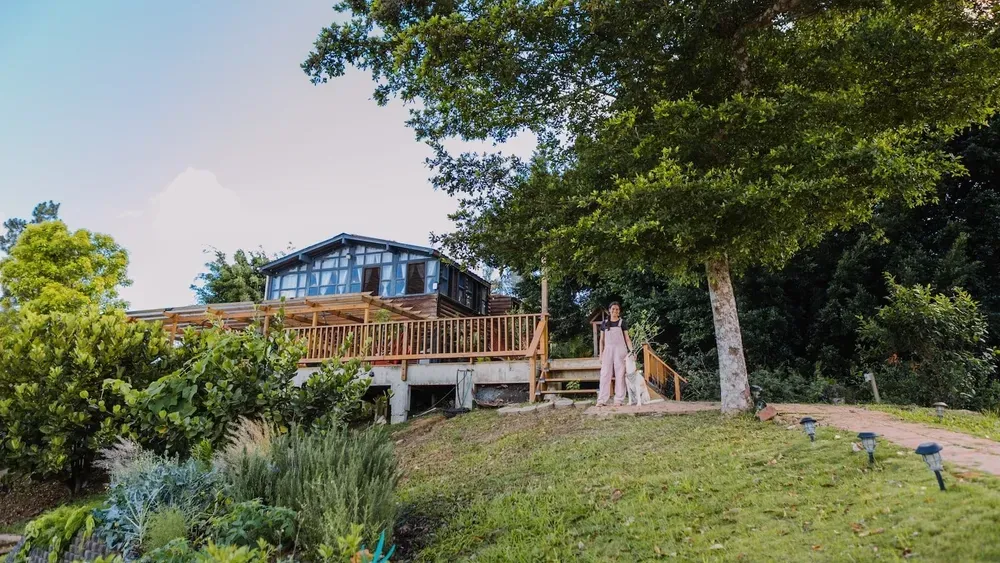
Located in the scenic Cercadillo community in Cayey, El Pretexto serves as the first culinary farm lodge in Puerto Rico. The women-owned agroecological property offers a small number of villas surrounded by coffee groves, gardens, and free-range poultry, with views stretching from the mountains to the south coast.
Guests participate in immersive culinary experiences that highlight local traditions, like preparing sofrito and filleting freshly caught fish. Much of the food is sourced directly from the property or nearby farms.
“Her love of Puerto Rican cuisine and for the island and its people is infectious,” says recent visitor Amy of the owner, Crystal. “Much of what she served was sourced from her property or through her connections with local farmers and fishermen.”
Stays like this are intentionally small and place-specific, offering travelers a one-of-a-kind experience centered on local agriculture and culture rather than a traditional resort-style visit.
In Virginia’s Loudoun County, properties such as Meadowkirk at Delta Farm are also leaning into the slow-travel appeal. Set across hundreds of acres, the retreat center focuses on rest and reflection, including shared meals and low-key group experiences.
Big Sky Reflects the Move Toward Rural Destinations
Expedia named Big Sky one of its top U.S. destinations for 2026 after the area saw a 92% surge in flight and accommodation searches in 2025.
Melanie Fish, vice president of global public relations for Expedia Group, said destinations like Big Sky align with the company’s “Smart Travel Health Check,” a framework inspired by the World Travel & Tourism Council that highlights destinations that offer meaningful experiences while helping manage overtourism.
The region also reflects a broader trend toward nature-based travel and flexible lodging. Camper-van and RV trips, which surged during the pandemic, remain popular for visitors exploring Big Sky and nearby national parks. These options let travelers avoid crowded hotels and move at their own pace.
“Historically, Big Sky has been a natural stopover for people traveling between Yellowstone and Glacier,” says Trevor James, COO of Moterra Campervans. “What we’re seeing now is a shift where people are choosing Big Sky as a destination in itself. Guests are building full trips around it instead of just passing through.”
James notes that mobile travel plays a key role in this shift.
“When they travel by camper van, they experience it as a region. You’re not just visiting Big Sky, you’re moving through Gallatin Canyon, remote forest roads, and wild public lands where you can camp for free and truly feel how vast Montana is. That sense of scale is the magic.”
Sober Travel Moves Into the Mainstream
Alongside nature-based travel, demand for alcohol-free experiences is growing, especially among younger travelers.
A 2024 report from StudentUniverse found that 77% of Gen Z travelers prefer vacations that don’t center on drinking, while Expedia data shows 49% of travelers, and up to 66% of those ages 25 to 35, are interested in hotels that offer alcohol-free beverages.
In response, some hotels are expanding zero-proof drink programs beyond basic substitutions.
At the wellness-focused Palmaïa, The House of AïA, alcohol-free beverages are presented first on menus rather than as an alternative.
“From the very beginning, Palmaïa was created as a place where clarity, presence, and well-being are at the center of the experience,” says founder Alex Ferri.
Leading with alcohol-free beverages came from that philosophy and was later reinforced by what guests were already asking for. The goal is to support sober travelers and reshape expectations around vacation drinking culture.
“We wanted sober travelers to feel genuinely celebrated with sophisticated, complex drinks that feel like an experience, not like a compromise,” says Ferri. He adds that travelers are finding they feel better, sleep better, and enjoy their vacation more when alcohol isn’t the focus.
by Alexandra Caspero | Guessing Headlights
Copyright Associated Press. All rights reserved. This material may not be published, broadcast, rewritten, or redistributed.
Madison, Wisconsin, long known as a progressive college town and policy laboratory, is steadily gaining attention as an unusually welcoming destination for LGBTQ+ travelers in the American Midwest.
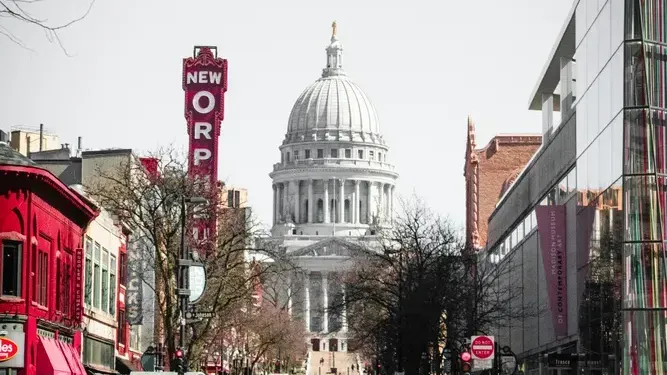
On paper, Madison, Wisconsin, looks like many mid‑sized American college towns: a state capitol dome rising above a compact downtown, a Big Ten campus threaded by bike lanes, and neighborhoods stretching out along two large lakes. But for LGBTQ+ travelers seeking a destination that is queer‑affirming without the crowds or costs of traditional resort cities, Madison has been quietly building a reputation as a welcoming hub in the Upper Midwest.
The city combines explicit LGBTQ+ legal protections with a long‑running culture of student activism, arts, and community organizing, offering visitors a mix of safety, access, and local texture that is still largely absent from mainstream queer travel lists.
Strong protections in a purple state
Wisconsin became the first U. S. state to enact a statewide law banning discrimination on the basis of sexual orientation in employment, housing, and public accommodations in 1982, a protection that remains in force today. Madison layered additional safeguards on top of that baseline, including local ordinances that protect people from discrimination based on gender identity and gender expression in housing, employment, and public accommodations.
Those local protections matter for visitors as well as residents. Hotels, restaurants, bars, and venues in the city are bound by Madison’s public accommodations rules, which explicitly cover transgender people and others whose gender expression may not conform to stereotypes. The Madison Police Department also maintains an LGBTQ+ liaison officer position to support community relations and reporting, a model that some cities have adopted to improve trust between law enforcement and marginalized communities.
That local framework stands in contrast to the broader national picture. While Wisconsin’s statewide law is notable for its early focus on sexual orientation, it does not explicitly mention gender identity, leaving transgender people and nonbinary people reliant on a patchwork of federal interpretations and local ordinances for clear protections. Madison’s decision to codify gender identity as a protected class is one reason the city receives a perfect score on the Human Rights Campaign’s Municipal Equality Index, which evaluates local LGBTQ+ policies such as nondiscrimination, inclusive benefits, and law enforcement engagement.
For travelers deciding where to spend tourism dollars, that score offers one data point among many. The Municipal Equality Index is not a travel ranking, but it does provide an independent snapshot of how a city’s policies align with LGBTQ+ inclusion, from youth services to city contractor rules.
A college town where queer culture is part of the landscape
At street level, Madison’s LGBTQ+ visibility is shaped heavily by the University of Wisconsin–Madison, a flagship campus with more than 49, 000 students that has operated a staffed LGBTQ+ campus center since the early 1990s. The Gender and Sexuality Campus Center coordinates training, discussion groups, and events for students and community members, helping normalize queer and trans presence in classrooms, campus housing, and public spaces.
That campus energy spills into adjacent neighborhoods like State Street and the Capitol Square area, where coffee shops, bookstores, and vegetarian restaurants often double as informal queer‑friendly spaces. Visitors walking State Street, a pedestrian‑oriented thoroughfare linking the university and the capitol, encounter rainbow flags in storefronts, LGBTQ+ inclusive “all are welcome” signage, and flyers for drag shows, queer dance nights, and mutual aid fundraisers posted in windows and on kiosks.
Madison’s dedicated LGBTQ+ nightlife venues are clustered downtown and on the near east side. FIVE Nightclub, a long-running queer bar and performance venue, remains the city’s premiere stage for high-energy drag shows, themed dance nights, and fundraisers featuring local performers. Downtown, Shamrock Bar & Grille serves as the city's oldest gay landmark, offering a welcoming "neighborhood pub" atmosphere, while Sotto provides a high-energy dance floor popular with university students and young professionals.
These venues sit within broader corridors known for progressive politics and independent culture. The near-east corridor around Williamson Street—locally dubbed “Willy Street”—is the city's alternative heart. While former anchors like Plan B have closed, the space has evolved into The Crucible, an inclusive, "alternative" venue that hosts everything from drag and burlesque to goth and kink nights.
Willy Street remains home to co-ops, live-music venues, and community gardens, drawing a dense population of artists, students, and organizers, including many LGBTQ+ people. For visitors, this means queer-friendly spaces often overlap with broader cultural offerings—like the trans-owned Giant Jones Brewing or the feminist bookstore A Room of One's Own—offering a sense of total community integration rather than a single, isolated “gayborhood.”
Pride on the capitol steps and beyond
Madison’s public Pride celebrations reflect that integration. While Milwaukee hosts Wisconsin’s largest Pride festival in June, Madison’s OutReach Magic Pride Festival brings thousands of people together each August for performances, resource booths, and community gathering. Following a shift to create a more expansive and inclusive environment, the festival is now held at Warner Park on the city’s north side rather than in a downtown square.
The event is organized by the OutReach LGBTQ+ Community Center, a nonprofit that has provided support, advocacy, and social programming for local LGBTQ+ people since 1973. By hosting the festival in August, Madison honors the historical "Magic Picnic" of the 1970s while offering a "summer encore" that distinguishes its local celebration from the national June circuit.
In recent years, organizers have emphasized intergenerational participation, with youth areas, sober spaces, and family‑friendly programming alongside drag performances and live music. For visitors, the festival offers a window into local networks, from transgender support groups to queer‑led faith communities and health initiatives, many of which maintain tables and information booths.
Smaller Pride‑themed events are woven through the summer and fall calendar. Drag brunches at local restaurants, Pride‑focused trivia nights, and LGBTQ+ film screenings at venues such as the historic Barrymore Theatre and the nonprofit Madison Museum of Contemporary Art punctuate the city’s event listings. Some of these events are coordinated with campus groups or queer‑affirming faith congregations, illustrating how Pride in Madison extends beyond a single weekend.
A regional hub for Midwestern queer travelers
Multiple travel and lifestyle publications have begun flagging Madison as an underappreciated destination for LGBTQ+ travelers. A feature on affordable queer‑friendly cities by the Queer Money Podcast highlighted Madison’s combination of progressive politics, university‑driven culture, and relatively low cost of living, noting that queer residents and visitors can find affirming spaces without the housing and travel prices common in coastal metropolitan areas.
Mainstream travel outlets have echoed that framing. The U. S. edition of Condé Nast Traveler has referred to Madison as a “liberal oasis” in the Upper Midwest, pointing to its bike infrastructure, lakefront parks, and food culture as key draws for weekend visitors. Travel Madison, the region’s official tourism bureau, actively markets the city’s LGBTQ+ inclusivity in its promotional materials, highlighting Pride events, queer‑owned businesses, and the city’s perfect Municipal Equality Index score as part of a broader “come as you are” messaging strategy.
Because Madison sits within driving distance of Chicago, Minneapolis–Saint Paul, and Milwaukee, it functions as a regional hub for queer travelers seeking a smaller‑scale getaway. Weekend visitors commonly combine daytime outdoor activities—such as biking the Lake Monona Loop, kayaking on Lake Wingra, or hiking at nearby state parks—with evenings spent in local bars, music venues, or drag shows. For some Midwestern LGBTQ+ people, particularly those living in smaller towns without explicitly queer spaces, Madison offers a closer and more affordable option than flying to coastal destinations.
Queer‑affirming culture across arts, food, and nightlife
The city’s restaurant and bar scene incorporates queer-affirming spaces beyond explicitly labeled venues. Establishments along Willy Street and the Near East side—such as Fair Trade Coffee House or Johnson Public House—regularly host queer reading series and community meet-ups. While these businesses serve a broad clientele, their programming and visible 'all-gender' signage explicitly welcome LGBTQ+ patrons, a factor many queer travelers weigh when selecting destinations."
Community infrastructure behind the scenes
Madison’s ability to present a welcoming face to visitors rests on infrastructure that primarily serves local LGBTQ+ people year‑round. OutReach LGBTQ+ Community Center operates support groups, peer counseling, and educational programs addressing topics such as coming out, navigating health systems, and supporting transgender youth. The organization also coordinates with schools, employers, and faith communities to provide training on LGBTQ+ inclusion, shaping the broader climate that visitors experience in hotels, restaurants, and public spaces.
Health care access is another component. UW Health, the health system affiliated with the university, maintains specialized services for LGBTQ+ patients, including a Gender Services Program that provides gender‑affirming medical care and support for transgender and nonbinary people. While those services primarily benefit residents, their existence signals an institutional commitment to LGBTQ+ health that can be reassuring to queer travelers considering longer stays or relocations.
Local advocacy groups also work at the policy level. Fair Wisconsin , a statewide LGBTQ+ civil rights organization based in Madison, has campaigned for inclusive nondiscrimination protections, relationship recognition, and safe schools policies since the 1990s. Its presence contributes to an environment in which LGBTQ+ issues are part of mainstream political discussion at the capitol, visible to visitors arriving for tours or events.
Navigating a changing political climate
Madison’s queer-affirming reputation exists within a complex national and state context. While the city remains a declared trans sanctuary, Wisconsin’s Republican-led legislature continues to pass measures aimed at restricting gender-affirming care and transgender participation in sports. While Governor Tony Evers has consistently used his veto power to block these bills, the legal landscape remains a "patchwork" that travelers must navigate carefully.
This tension reached a critical point in early 2026, when UW Health suspended pediatric gender-affirming medical treatments for minors. This institutional shift—driven by federal funding concerns rather than state law—has significantly altered the landscape for visiting families who once viewed the city as a regional medical hub. Despite this, Madison’s local leaders and the Madison Metropolitan School District continue to publicly defy state-level trends, affirming policies that protect students' privacy and their right to use facilities and pronouns aligned with their gender identity.
For travelers, this underscores that Madison offers a set of relative strengths rather than a fully resolved environment. Organizations like OutReach LGBTQ+ Community Center and Fair Wisconsin continue to document incidents of bias while providing the advocacy that maintains Madison's status as a progressive stronghold. For visitors, especially those with nonbinary or transgender youth, the city’s local protections provide a necessary—if currently strained—buffer against broader political shifts.
A “hidden gem” that is still evolving
Unlike well‑known LGBTQ+ travel destinations such as Provincetown, Palm Springs, or Montreal, Madison rarely appears at the top of international queer travel lists. Instead, it surfaces in niche rankings focused on affordability, quality of life, or progressive politics, where its combination of protections, culture, and scale stands out.
For many LGBTQ+ travelers, that relative anonymity can be a feature rather than a drawback. Madison’s hotel rates and dining costs generally track with other mid‑sized U. S. cities, and its compact layout allows visitors to walk or bike between lakeside parks, museums, and queer‑friendly venues without needing a car. Outdoor‑oriented queer travelers can spend a morning kayaking on Lake Monona, an afternoon browsing independent bookstores and galleries, and an evening at a drag show or live‑music event, all within a few square miles.
Local advocates and tourism officials say the city is still in the process of articulating an explicit LGBTQ+ travel identity. OutReach LGBTQ+ Community Center and Destination Madison have partnered on visibility campaigns and resource guides aimed at helping visitors locate queer‑owned or queer‑affirming businesses, while also emphasizing that LGBTQ+ people are integrated into the city’s broader civic and cultural life.
For queer travelers looking beyond the usual coastal or resort‑style destinations, Madison offers one model of what a “hidden gem” can look like in 2026: a city where policy, campus culture, and community infrastructure have aligned over decades to create an environment that is not branded primarily as an LGBTQ+ enclave, but where LGBTQ+ people can move through public life with a degree of safety, visibility, and everyday inclusion.
by Chris Tremblay
Copyright EDGE Media Network. All rights reserved. This material may not be published, broadcast, rewritten, or redistributed.
Nestled in the Pyrenees mountains between France and Spain, Andorra emerges as a lesser-known queer-friendly destination in Europe, offering stunning natural beauty, progressive LGBTQ+ rights, and a peaceful escape from mainstream gay travel hotspots.
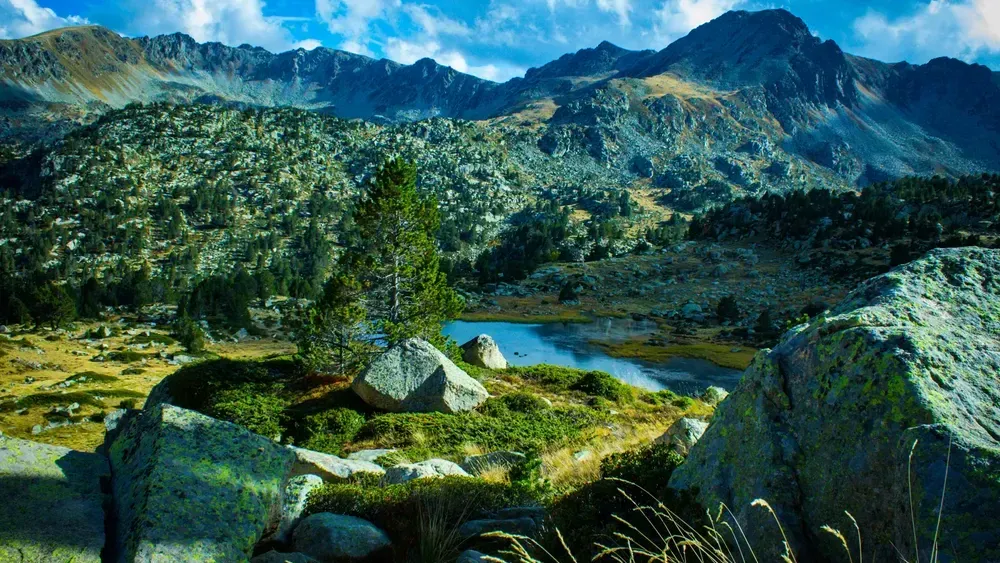
Andorra, a tiny landlocked principality high in the Pyrenees mountains between France and Spain, stands out as one of Europe's lesser-known queer-friendly destinations, appealing to LGBTQ+ travelers who crave natural splendor and discretion away from the bustling scenes of Barcelona or Mykonos. Unlike heavily touristed gay capitals, Andorra offers a tranquil backdrop of snow-capped peaks, lush hiking trails, and charming alpine villages, where queer visitors can immerse themselves in outdoor pursuits without the spotlight. This microstate, spanning just 468 square kilometers, attracts those seeking an "off the beaten track"experience, blending adventure with a welcoming vibe that prioritizes safety and personal freedom.
What sets Andorra apart for queer travelers is its rapid progress on LGBTQ+ rights amid a backdrop of stunning scenery. Same-sex marriage became legal in Andorra following significant legislative strides in the 21st century, reflecting evolving societal attitudes that now embrace transgender rights and broader inclusivity. For many LGBTQ+ individuals, this legal foundation provides reassurance in a destination where public displays of affection can feel natural yet understated, fostering a sense of security in intimate mountain settings. The principality's commitment to progressive views positions it as a safe haven for same-sex couples and transgender people exploring Europe's hidden corners, distinct from the party-centric allure of places like Sitges or Gran Canaria.
Andorra's main draw lies in its dramatic mountain landscapes, offering activities that cater to queer travelers desiring both adrenaline and relaxation. In winter, the Pyrenees transform into a skier's paradise with over 300 kilometers of slopes across resorts like Grandvalira and Vallnord, where LGBTQ+ visitors can glide down powdery runs or snowboard amid breathtaking vistas. Summer brings hiking opportunities through verdant trails, wildflower meadows, and crystal-clear lakes, ideal for couples seeking romantic picnics or solo reflections in nature's embrace. The principality's compact size—home to around 80, 000 residents—ensures easy access to these pursuits, with cable cars whisking visitors to high-altitude viewpoints like the Pic de Comapedrosa, Andorra's highest peak at 2, 942 meters.
Culturally, Andorra weaves a rich tapestry of Catalan heritage, Romanesque churches, and duty-free shopping in its capital, Andorra la Vella, Europe's highest capital city at 1, 023 meters. Queer travelers can wander cobblestone streets lined with boutiques, sample hearty mountain cuisine like escudella stew or trinxat at cozy fondas , and visit sanctuaries such as Sant Joan de Caselles, a 12th-century gem with intricate frescoes. While not boasting massive Pride events, Andorra's queer community thrives quietly through local meetups and online networks, with growing visibility in wellness retreats that emphasize body positivity and inclusivity—perfect for transgender people or non-binary travelers embracing self-care amid the peaks. The absence of overt commercialization allows for authentic connections, where visitors might join yoga sessions overlooking valleys or thermal spa soaks at Caldea, Europe's largest wellness center, known for its welcoming atmosphere.
Emerging as a hidden gem, Andorra benefits from its proximity to major hubs—reachable by a short drive from Barcelona or Toulouse airports—yet remains under-the-radar compared to coastal hotspots. Travel experts note its appeal for those who've "already hit the major gay capitals, "highlighting its budget-friendly charm and lack of crowds. Queer locals and expats describe a subtle but supportive scene, with Andorra's progressive legislation enabling safe expression; for instance, anti-discrimination laws protect LGBTQ+ individuals in employment and public spaces, fostering confidence for travelers. Anecdotal insights from queer forums echo this, praising the "chill, non-judgmental vibe"where holding hands while strolling through La Massana's markets feels unremarkable.
Andorra's rise ties into broader 2026 travel trends favoring sustainable, low-key escapes for queer audiences tired of overtourism. Its LGBTQ+ friendliness stems not from neon-lit nightlife but from genuine societal shifts; the 2023 legalization of same-sex marriage has paved the way for inclusive, family-friendly vacations, with high-end resorts increasingly offering gender-neutral couple's packages. Transgender travelers particularly value the principality's privacy and world-class wellness infrastructure for post-operative recovery, benefiting from the proximity to specialized surgical hubs in nearby Barcelona while utilizing Andorra's own clinics for holistic health and high-altitude rejuvenation.
Vivid local details enhance the allure: imagine après-ski gatherings at mountain huts serving ratafia liqueur under starlit skies, or biking the Ruta del Ferro with panoramic views of the Sorteny Nature Park’s ancient forests. The queer community, though small, connects via platforms like Instagram, sharing tips on pet-friendly hikes for chosen families or contemporary art exhibits at the CAEE in Escaldes-Engordany. Culturally rich festivals, such as the Ordino Flower Festival, blend tradition with modern inclusivity, drawing artisans and visitors alike. For foodies, wine tastings of high-altitude varietals in Sant Julià de Lòria offer sensory delights, paired with an increasingly diverse and welcoming hospitality scene that prioritizes authentic mountain connection.
Comparatively, while Gran Canaria flaunts Yumbo Center parties and Sitges its beaches, Andorra delivers introspection and empowerment through nature. Zurich and Alicante gain mentions for arts and sun, but Andorra's isolation amplifies its exclusivity. Safety rankings underscore this: Andorra scores highly for low crime and progressive policies, ideal for solo queer women or older couples.
Practicalities seal the deal for this alpine escape. Stay at queer-friendly gems like Hotel Spa Termes Carlemany in Escaldes-Engordany, featuring natural thermal water and mountain views, or cozy boutique stays like Xalet Verdú in Arinsal. Dining ranges from the Michelin-starred excellence of Ibaya in Soldeu to casual tapas at local favorites like L’Escapada. A reliable network of national buses connects the parishes efficiently, and the Visit Andorra tourist board actively promotes accessible trails, such as the Circuit of Springs at Engolasters. As word spreads via 2026 trend reports, Andorra beckons as Europe's premier 'quiet luxury' destination for queer travelers yearning for peaks over parties—welcoming, emerging, and profoundly restorative.
by Chris Tremblay
Copyright EDGE Media Network. All rights reserved. This material may not be published, broadcast, rewritten, or redistributed.
Tucked along New Jersey's rugged coastline, Asbury Park is blossoming into an unexpected LGBTQ-friendly gem, blending boardwalk nostalgia, indie music vibes, and rainbow-welcoming shores far from the usual suspects like Provincetown or San Francisco.
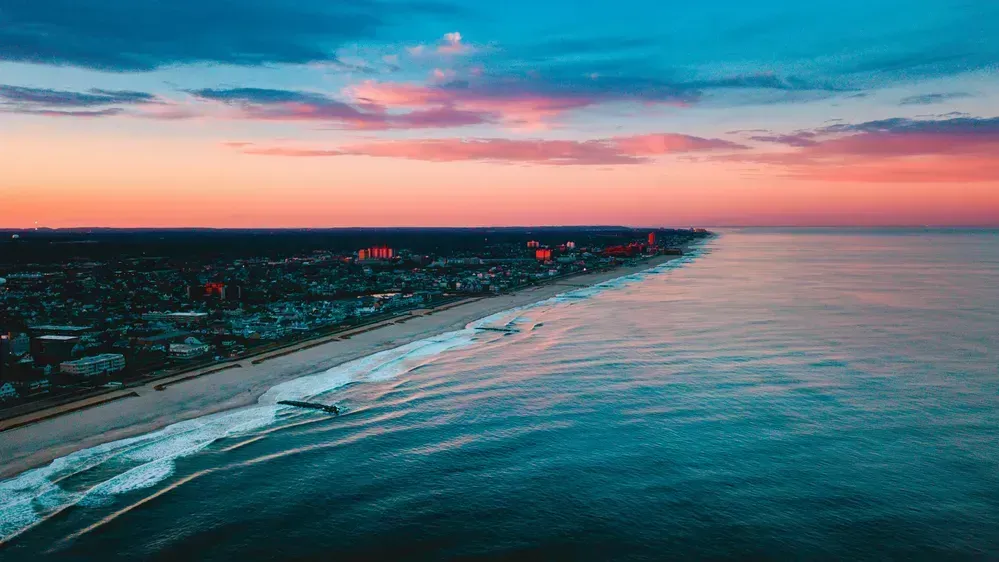
Picture this: salty ocean breezes whipping through your hair as you stroll a weathered boardwalk, the distant crash of Atlantic waves mingling with the strum of live indie rock from a beachside stage. You're not in Provincetown or Fire Island—these are the sensory signatures of Asbury Park, New Jersey, a compact coastal city that's quietly surging as North America's most surprising LGBTQ-friendly destination. Once a faded resort town immortalized in Bruce Springsteen's anthems, Asbury Park has reinvented itself into a haven where queer travelers can unwind, feel profoundly seen, and revel in unpretentious joy. With its constellation of gay bars, advocacy hubs, and Pride-soaked summers, this isn't your grandfather's Jersey Shore—it's a vibrant, affirming retreat where transgender folks, nonbinary adventurers, and same-sex couples sip craft IPAs under rainbow flags without a second glance.
What sets Asbury Park apart from traditional gay hotspots? It's the unexpected alchemy of rural-edged charm and urban edge in a small-town package—population hovering around 15, 000, with wide beaches that feel worlds away from Manhattan's frenzy, yet just a quick train ride south. Queer visitors report a profound sense of safety here, where local businesses fly Pride flags year-round, and the community's palpable warmth wraps around you like a favorite flannel shirt on a foggy morning. "This seaside city isn't just known for its boardwalks and beaches—it's also home to various LGBTQ+ bars, gay-friendly beach resorts such as the Empress and Fagabond, "notes The Advocate, highlighting how these spots create pockets of belonging amid the saltwater taffy stands and Ferris wheel silhouettes. For queer travelers craving that "I'm home"glow, Asbury Park delivers: think sunset yoga on the sand, where instructors shout affirmations like "Your body, your truth, "or drag brunches where performers from diverse gender identities slay Whitney Houston lip-syncs to roaring applause.
Asbury Park's queer allure didn't sprout overnight; it's rooted in a gritty revival story that resonates deeply with LGBTQ+ narratives of rebirth. In the mid-20th century, the city teetered on economic ruin—boardwalks boarded up, casinos crumbling like forgotten dreams. But a wave of artists, musicians, and LGBTQ+ pioneers washed in during the 1990s and 2000s, transforming derelict venues into queer-affirming spaces. Today, it's home to New Jersey's largest LGBTQ+ advocacy group, Garden State Equality, whose offices pulse with organizing energy just blocks from the surf. This organization champions transgender rights, marriage equality, and anti-discrimination laws, creating a safety net that lets queer visitors exhale.
Wander Cookman Avenue, the hip heart of town, where coffee shops like Asbury Park Roastery pour ethically sourced brews with a side of effortless inclusivity. While spontaneous midnight fires are a dream, the city’s sanctioned beach bonfires create a communal glow where couples of all identities hold hands freely. This isn't just a getaway; it's a homecoming curated by voices like Fagabond, ensuring every bike ride past the historic pavilions feels like a victory lap for the community.
Queer perspectives underscore the magic. Local creators find a home at Parlor Gallery, where the walls come alive with fluid identities. While the terrain is flat, the spirit is elevated; nonbinary visitors find peace kayaking the quiet corners of Deal Lake or cycling past the Wooden Walls murals. Safety stats back the vibe: New Jersey’s robust nondiscrimination laws ensure that in Asbury, your identity is respected from the gallery floor to the shoreline.
No visit feels complete without Jersey Pride, a riotous explosion of color snaking from Town Hall toward the Atlantic. Floats blast pop anthems while confetti rains on crowds lining the streets. The festival grounds at Bradley Park feature stages with transgender headliners and family zones where same-sex parents gather. As the sun sets, the energy shifts to Paradise, where the dance floor pulses under neon lights, anchoring the city's reputation as the heartbeat of queer New Jersey.
The Silverball Retro Arcade serves as a neon-lit community living room where pinballs clang and high scores are the only currency. The boardwalk murals—vibrant depictions of fluid identities—invite selfies that announce 'I belong.' While the Atlantic is for surfing, Deal Lake offers serene kayaking for those seeking a quiet moment. Here, the romance is real: knees hit the sand at dusk as couples celebrate their 'I do's' against a backdrop of historic pavilions and a community that has spent decades building a home for everyone.
As 2026 unfolds, Asbury Park is skyrocketing as a premier historic queer destination. It's intimately scaled, letting you forge connections over wood-fired pizzas at Porta or seafood at The Iron Whale, where the staff’s inclusivity is as natural as the tide. For a rural pivot, travelers take the short drive to Holmdel’s orchards, trading the boardwalk for sun-warmed berries and quiet picnics. Back in town, the relief is palpable: it’s a place where you can simply exist, ordering your morning latte and holding your partner's hand without a second thought.
Safety is woven into the city’s fabric, supported by a dedicated Police LGBTQ+ Liaison and a community that has championed inclusivity for decades. Transgender visitors find comfort in the widespread availability of all-gender restrooms and the city's perfect score on equality indices. The sensory payoff? A morning jog past the 4th Avenue queer beach, followed by an evening at the Stone Pony or a high-energy drag show at Paradise . With the Empress Hotel already seeing high demand for 2026, now is the time to plan your stay in Jersey's most vibrant seaside sanctuary.
by Chris Tremblay
Copyright EDGE Media Network. All rights reserved. This material may not be published, broadcast, rewritten, or redistributed.
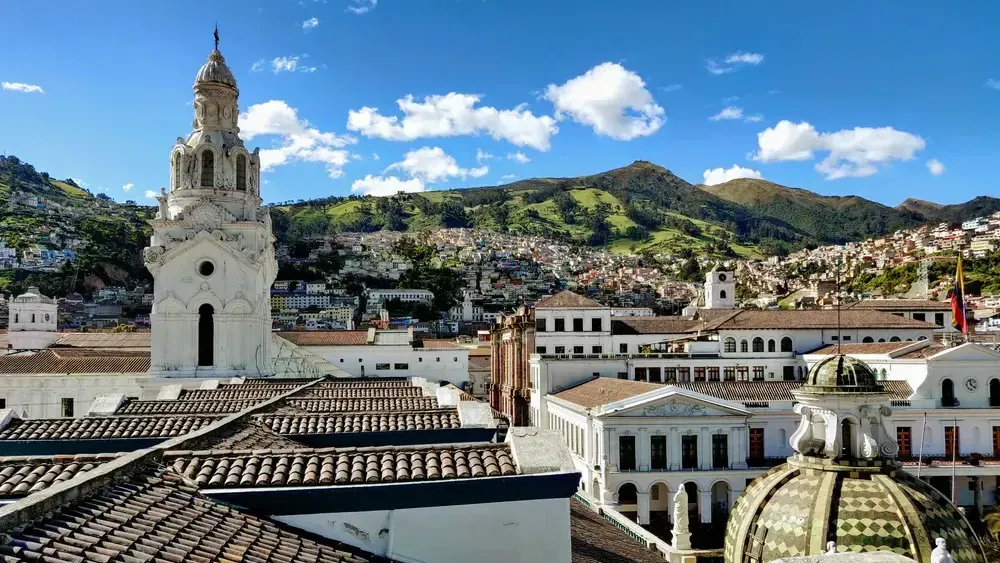
Quito, Ecuador, emerges as a lesser-known queer-friendly destination in South America, blending colonial charm, progressive urban scenes, and natural wonders like the Galápagos Islands, away from mainstream LGBTQ+ travel lists dominated by Buenos Aires and Rio.
Nestled high in the Andes at over 9, 000 feet, Quito, Ecuador's capital, captivates with its UNESCO-listed colonial old town, volcanic backdrops, and a burgeoning queer scene that feels worlds away from the continent's more hyped spots like Buenos Aires or São Paulo. Unlike heavily touristed gay meccas, Quito remains under the radar on major LGBTQ+ lists, yet it draws discerning travelers with its old-world architecture, cloud forests, and Equatorial culture. For queer visitors, the city's progressive stance—marked by the 2019 recognition of same-sex marriage—provides a foundation of legal protections in urban areas, fostering spaces where LGBTQ+ people can connect openly.
What sets Quito apart is its seamless integration of queer life into everyday vibrancy. The historic center, with cobblestone streets lined by pastel-hued buildings and the towering La Compañía de Jesús church glittering in gold leaf, buzzes with markets selling fresh empanadas de viento and bowls of locro de papa, a hearty potato soup infused with achiote and avocado. Queer travelers often start their days here, wandering from the Plaza de la Independencia to boutique cafes where local LGBTQ+ artists showcase work inspired by Andean myths reimagined through a queer lens. Evenings shift to the modern Mariscal neighborhood, a compact hub of queer nightlife with bars like El Hueco and Kika Club, where drag shows feature performers channeling Ecuador's diverse Indigenous and mestizo heritage in glittering costumes. These venues host everything from salsa nights open to all genders to poetry slams amplifying voices of transgender people and non-binary artists. Quito's queer community emphasizes person-first inclusivity, with organizations like Fundación Causana providing safe spaces and HIV prevention tailored for gay, bisexual, and transgender people.
Ecuador's journey toward LGBTQ+ affirmation has been steady, with same-sex marriage legalized via a 2019 Constitutional Court ruling and anti-discrimination protections enshrined nationwide. While the Constitution still prohibits joint adoption for same-sex couples, individuals may adopt, and the capital of Quito offers a visible and vibrant queer life. Rainbow flags flutter from balconies in La Floresta, a bohemian enclave where same-sex couples stroll hand-in-hand past street art murals depicting Indigenous queer icons like the chamanisa—spiritual healers blending pre-Columbian traditions with modern gender fluidity. Local insights from queer Ecuadorians highlight the city's welcoming vibe; one community member noted in a travel guide that "Quito feels like home for those who've faced rejection elsewhere—our highland resilience mirrors our spirits." Cross-checked reports confirm urban safety, though rural areas retain conservative attitudes rooted in Catholicism, advising queer travelers to exercise discretion outside cities.
Guayaquil’s queer energy thrives in its bustling city center and Alborada district. Unlike the more reserved highlands, the coast is home to a fierce Ballroom culture where voguing balls are infused with Afro-Ecuadorian marimba rhythms. While Quito offers colonial history, Guayaquil offers raw, electric visibility, anchored by pioneering transgender organizations that have shaped the nation's civil rights.
Quito’s cultural depth shines at the Intiñan Solar Museum, where the Equator’s literal balance resonates with non-binary travelers seeking their own 'middle of the world.' After a high-altitude ascent on the TelefériQo, queer adventurers often head to the historic La Ronda district to warm up with canelazo, a spiced cinnamon spirit, amid a backdrop of Andean peaks and colonial charm.
Quito’s food scene blends tradition with inclusion at spots in the Mariscal, where travelers enjoy humitasbefore heading to the Mindo Cloud Forest. While Quito Pride is more intimate than its neighbors, it stands out for its Kichwa drag performers who merge ancestral Andean feathers with neon lights, reclaiming indigenous history for a new generation of queer Ecuadorians.
The ultimate draw remains the Galápagos, where the seclusion of Santa Cruz’s Tortuga Bay offers queer couples a prehistoric paradise of sea lions and marine iguanas. While the islands' local culture remains traditional, high-end eco-lodges provide an inclusive, private sanctuary for those seeking a literal 'end of the world' escape into nature's embrace.
Quito’s ascent stems from a growing community of queer digital nomads seeking an affordable Andean alternative to crowded hotspots. Boutique stays in the San Marcos district offer rooftop views of the volcanic peaks for $60–$120 nightly. While the city's 'Pink Zone' provides electric nightlife, local guides emphasize the balance of urban visibility with secluded hikes in the nearby Pululahua Crater, offering a 'slow travel' experience that feels authentic and deeply connected to the land.
Quito outshines regional peers like Lima or La Paz by offering the legal certainty of same-sex marriage alongside a vibrant, urban-safe environment. For queer travelers seeking authenticity—sipping chicha in the historic San Roque market or dancing in the high-energy clubs of the Mariscal—Quito delivers a unique Andean sanctuary. It is a city where legal progress meets 'slow travel,' providing a sophisticated canvas for personal stories in the heart of the Andes.
by Chris Tremblay
Copyright EDGE Media Network. All rights reserved. This material may not be published, broadcast, rewritten, or redistributed.
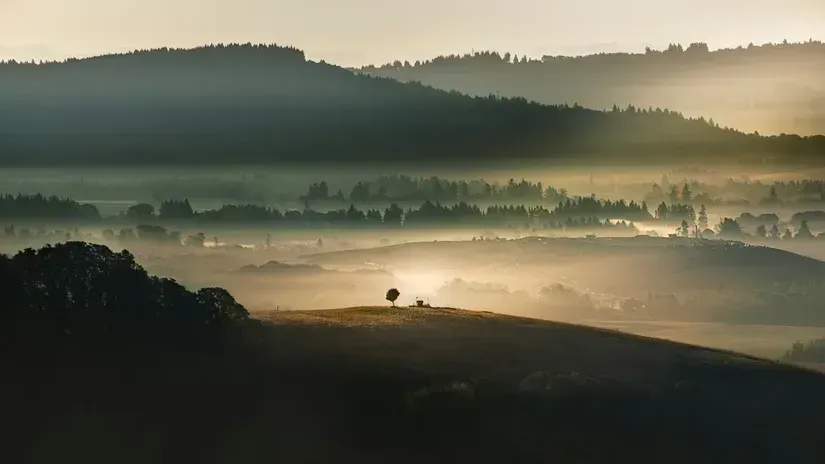
Nestled in Oregon's Willamette Valley, McMinnville emerges as a welcoming destination for queer travelers seeking an off-the-radar escape amid vineyards and vibrant community events.
McMinnville, Oregon, a town of approximately 34, 666 residents located about an hour's drive south of Portland in the heart of the Willamette Valley, has quietly cultivated a reputation as one of the most unexpectedly queer-friendly small towns in the United States. This county seat stands out for its agricultural heritage, rolling vineyards, and a burgeoning LGBTQ+ scene that emphasizes community over commercialization. Queer travelers find here a place where acceptance is woven into daily life, from local festivals to leadership roles held by openly queer individuals.
The town's welcoming atmosphere stems from its commitment to inclusive events and visible queer presence. McMinnville hosts the Queer Wine Fest each June, recognized as the world's first such event, featuring a street fair, drag performances, and a Pride-themed pet parade. Adding to this, the town organizes Wine Country Pride, a street fair every fall that draws locals and visitors to celebrate diversity amid the harvest season. These gatherings highlight McMinnville's evolution into a cultural hub where LGBTQ+ people, including transgender individuals and non-binary folks, can connect authentically.
At the helm of this progress is Mayor Remy Drabkin, an openly queer leader who founded the Queer Wine Fest. Drabkin's role underscores the town's political inclusivity, providing queer travelers with reassurance that local governance supports their presence. Nearby, the Capital Pride group in Salem hosts an annual Pride event each August, along with hikes, camping trips, and potlucks, extending the regional network of support. Time Out also lists McMinnville among the best LGBTQ+-friendly small towns in the USA, praising its vibrant community and walkable spaces.
What sets McMinnville apart for queer visitors is its blend of dedicated spaces and broader cultural offerings. The Willamette Valley's wine country provides a scenic backdrop, with tasting rooms and vineyards that welcome all patrons. Travelers can explore rolling hills dotted with pinot noir vines, where harvest festivals foster a sense of community reflective of the region's inclusive spirit. This environment appeals to LGBTQ+ people seeking relaxation alongside affirmation, far from urban hustle.
Local queer-owned businesses enhance the experience. While specific bar listings in McMinnville are less prominent than in nearby areas, the town's events create pop-up hubs of activity, such as drag shows during Queer Wine Fest. The proximity to Portland allows easy access to larger scenes, but McMinnville's charm lies in its self-contained authenticity. Queer travelers often describe it as a place where they can sip local wines by day and join Pride parades by evening, fostering connections with residents who share their identities.
Culturally, McMinnville boasts a rich arts scene tied to its agricultural roots. The Linfield University campus contributes to intellectual vibrancy, hosting events that occasionally intersect with LGBTQ+ themes. Evergreen Aviation & Space Museum, home to the Spruce Goose, draws history buffs, while the town's historic downtown features boutique shops and farm-to-table eateries run by diverse owners. For queer families or couples, this mix offers low-key adventures: bike tours through vineyards, picnics by the Yamhill River, or attending theater at the McMinnville Community Center. These elements make it culturally rich, appealing to those desiring substance beyond nightlife.
McMinnville's rise as a queer-friendly destination is marked by its organic growth rather than marketed hype. Unlike saturated spots, it avoids overcrowding, allowing LGBTQ+ travelers to experience genuine interactions. The Queer Wine Fest, initiated by Mayor Drabkin, has positioned the town on niche travel radars, yet it remains lesser-known compared to coastal havens. Sources like Pink Ticket Travel highlight it among "surprisingly LGBTQ2S+-friendly small towns, "emphasizing its appeal in the U. S. heartland-adjacent West.
For transgender people and other queer identities, the town's small size translates to safety and visibility without tokenism. Events like the Pride-themed pet parade invite participation from all, creating joyful, intergenerational spaces. Wine enthusiasts within the community appreciate pairings like pinot flights with live queer performances. Seasonal shifts add layers: spring blooms for romantic getaways, summer fests for socializing, fall harvests for introspection, and winter cozying in local inns.
Practicalities enhance its draw. Affordable accommodations range from boutique hotels to vineyard stays, with many listing as inclusive. Dining spots emphasize Oregon's bounty—think hazelnut-crusted salmon or berry desserts—paired with non-alcoholic options for sober queer travelers. Accessibility via Portland International Airport , followed by a scenic drive, makes it feasible. Safety metrics align with Oregon's progressive stance, though visitors should check current event calendars via the town's official site .
Community insights from sources reveal enthusiasm. Queer locals praise the lack of pretense, noting how festivals build lasting bonds. Time Out notes its "vibrant LGBTQ+ community, "ideal for those exploring beyond big cities. As wine tourism grows, McMinnville's queer events position it as a pioneer, attracting couples, solo adventurers, and groups seeking affirmation in nature's embrace.
To visit, time trips around Queer Wine Fest or Wine Country Pride . Stay at welcoming spots like the Hotel Oregon, known for its historic vibe and central location. Dine at queer-supportive venues in downtown, and venture to nearby Lafayette for more tastings. Hike the King's Mountain trail for panoramic views, or join Capital Pride outings. McMinnville proves that hidden gems sparkle brightest for those who seek them, offering queer travelers a tapestry of wine, warmth, and welcome.
by Chris Tremblay
Copyright EDGE Media Network. All rights reserved. This material may not be published, broadcast, rewritten, or redistributed.
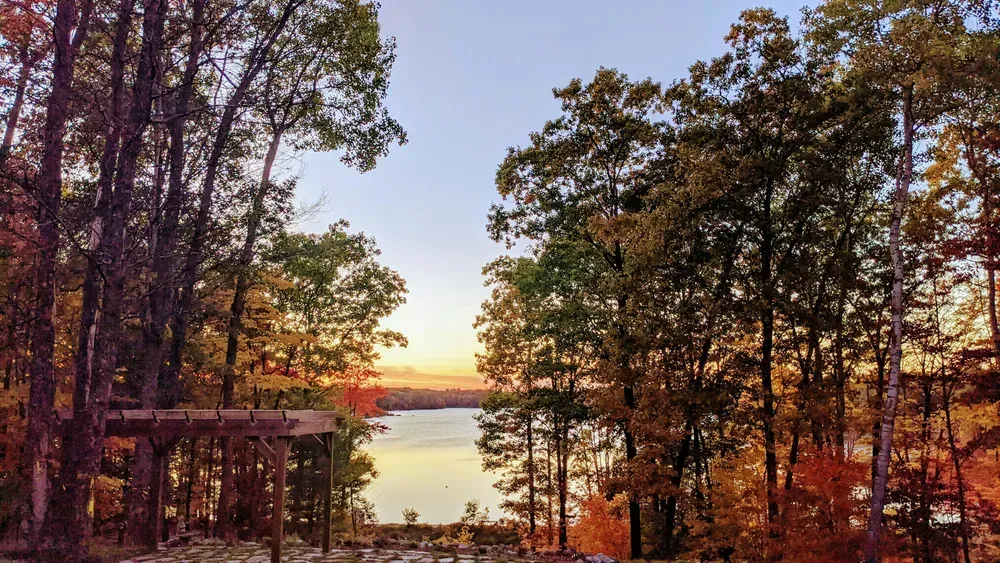
Nestled among Michigan's rolling orchards and serene Lake Michigan shores, Traverse City is quietly emerging as an surprising LGBTQ-friendly gem for queer travelers seeking respite from urban hustle.
Imagine crunching through vibrant orchards under a vast cerulean sky, the fresh pine breeze off Lake Michigan mingling with the buzz of a community that’s as warm as its famed cherry pie. This is Traverse City, Michigan—a pint-sized artisan hub that’s stealthily stealing the spotlight as one of the Midwest's most unexpected LGBTQ-friendly destinations. While it lacks the scale of a metropolis, it offers a sophisticated queer infrastructure where travelers can hike the rugged Sleeping Bear Dunes by day and sip local ciders in inclusive spaces like Rare Bird Brewpub by night. Whether visiting for the summer harvest or the massive Up North Pride Week in September, you’ll find a city where the 'knowing smiles' make you feel at home from the first pour.
Tucked in the northwest corner of Michigan's Lower Peninsula, Traverse City sits like a hidden jewel at the base of Grand Traverse Bay, where sapphire waters lap against powdery sands and vineyard-draped hills roll into infinity. It's the kind of place where you can paddleboard at dawn, forage for morels in spring forests, or cycle winding paths through 20, 000 acres of cherry trees—the world's cherry capital, producing 75% of U. S. tart cherries. But beneath this pastoral idyll pulses a vibrant queer heartbeat that's catching fire among savvy LGBTQ+ adventurers tired of the same old circuits.
What makes it 'emerging'? Unlike the seasonal circuits of Fire Island or Provincetown, Traverse City’s queer appeal is fresh, unpretentious, and year-round. Local advocates point to a perfect storm: a 2011 Non-Discrimination Ordinance that set the gold standard for Michigan, and a creative post-pandemic migration. The flagship event, Up North Pride (UNP), celebrated its 11th anniversary in 2025, with attendance for the main Visibility March swelling toward 10,000 participants. Held in late September to capture the region’s stunning fall colors, the week features drag brunches at the Grand Traverse Commons and a massive march through downtown's brick-lined streets. Organizers emphasize how the event fosters 'visibility without spectacle,' letting transgender people and lesbian couples march hand-in-hand amid a crowd of cheering locals and savvy travelers alike.
Safety is the secret sauce here. While Michigan’s broader legal landscape continues to evolve, Traverse City stands out with a voter-affirmed Non-Discrimination Ordinancethat has protected sexual orientation and gender identity in housing and employment since 2011. This legal bedrock fosters an environment where queer visitors report feeling 'unapologetically seen.' Whether it’s two moms picnicking on Clinch Park Beach or a non-binary hiker grabbing tacos at The Little Fleet food hall, the atmosphere is one of casual, 'Up North' hospitality. As one trans traveler noted: 'I kayaked solo at dusk without a second thought; the locals waved like old friends'—a testament to a city that values belonging over bureaucracy.
Sensory delights await: Dive into the crisp waters of Grand Traverse Bay at West End Beach, where the chill bite of Lake Michigan contrasts with sun-warmed pebbles underfoot. Wander the Sara Hardy Farmers Market on a Saturday morning, alive with local fiddle music, sizzling street corn, and stalls featuring handmade crafts. Evenings? Cozy up at allied spots like Rare Bird Brewpub or explore the inclusive exhibits at Higher Art Gallery, where rotating shows often highlight the bay's moody sunrises. The air hums with laughter, fireflies, and the faint twang of live folk sets blending queer anthems with classic Michigan Motown soul.
For the adventure-seeking queer soul, Traverse City’s outdoors are a revelation. Cycle the 27-mile TART and Leelanau Trail network, threading through aspen groves that rustle in the breeze, emerging at viewpoints where Grand Traverse Bay sparkles like shattered turquoise. While the region lacks dedicated 'queer-only' outfitters, local hubs like The River offer inclusive bike and kayak rentals, making it easy to find hidden coves for a private moment of reflection. 'Here, you shed urban armor; the woods don’t judge,' shares one frequent visitor—a sentiment that rings true for anyone seeking freedom in Northern Michigan’s vast, unpretentious beauty.
Winter transforms Traverse City into a snowy wonderland. You can cross-country ski at Sleeping Bear Dunes National Lakeshore , the world’s largest freshwater dune system, where snow-covered bluffs tower over Lake Michigan. On the clearest nights, you might even catch the aurora borealis dancing over the dark-sky preserves of the park. For a true 'Up North' experience, head to Black Star Farms , where you can snowshoe or ski through the vineyard trails before warming up with a glass of award-winning mulled wine by the fire. While the city lacks a formal 'Pink Powder' collective, Up North Pride hosts year-round gatherings that celebrate the community against the backdrop of the region's fiery fall maples and crisp spring blossoms—a sensory highlight that includes the earthy petrichor of a forest rain and the comfort of starlit bonfires.
Safety extends to the wilds of Northern Michigan. While standard federal protocols ensure a professional environment at Sleeping Bear Dunes, it’s the local community that provides the extra layer of security. Digital directories from Up North Pride flag 'Pride Certified' rest stops and welcoming campgrounds across the region. Non-binary travelers often praise the low-key, unpretentious vibe—there’s no gawking, just genuine hellos from fellow hikers. It’s empowerment incarnate: Scaling the Empire Bluff Trail, standing atop the 260-foot dune as the wind whips across Lake Michigan, you feel a profound sense of belonging in a landscape that's as vast as it is welcoming
Traverse City’s creative pulse beats strongest in its reimagined historic spaces. The Dennos Museum Centeroffers a sophisticated look at contemporary and Indigenous art, fostering an inclusive environment for all visitors. Downtown, the historic City Opera House stands as a testament to the city’s cultural heritage, while the real 'artisan soul' thrives at The Village at Grand Traverse Commons. In this sprawling complex, inclusive spots like Higher Art Gallery showcase modern works that often explore diverse identities. Here, you can find locally crafted cherrywood bowls and hand-thrown pottery, inhaling the fresh-sawn scent of a region that celebrates both its natural roots and its creative future.
Foodies, rejoice: Traverse City is a farm-to-table heaven with a deeply inclusive heart. Savor wood-fired pizzas at The Filling Station Microbrewery, where hoppy IPAs pair with smoky crusts in a historic railroad depot. For a truly queer-owned experience, head to Red Spire Brunch House for avocado toast piled high and a bustling atmosphere that feels like a community living room. Don’t miss the wine tastings on the Old Mission Peninsula, where vineyard sunsets at estates like Chateau Chantalpaint the sky in vibrant hues. In this 'Cherry Capital,' every bite affirms a commitment to local roots and universal hospitality, nourishing both the body and the spirit of every traveler.
Inclusive stays are the hallmark of an 'Up North' escape. Book a room at a historic B&B like The Wellington Inn, where Victorian elegance meets modern hospitality, or stay at the Grand Traverse Resort, an IGLTA-aligned partner. While the region lacks dedicated 'queer resorts,' the Old Mission Peninsula offers private, scenic retreats just minutes from the bay. Events keep the energy high year-round: February features Winter Pride with cozy community mixers, while the city's true heart beats in late September during Up North Pride Week. This flagship festival brings thousands for visibility marches and drag brunches. Year-round, the Polestar LGBT+ Community Center fosters connections through book clubs and trivia nights, ensuring that travelers and locals alike find a sense of belonging in the Cherry Capital.
Tips for feeling safe and seen: Skip the generic apps and head straight to the Up North Pride (UNP) website for a directory of 'Pride Certified' businesses. For real-time local intel, follow the Up North Pride social media channels. Respect the 'rural rhythm'—slow down and chat with the winemakers and orchardists who often display subtle rainbow decals or 'All Are Welcome' signs. Challenges? Winters are truly brutal, and this isn't a 24/7 nightlife destination, but that’s the charm. It’s a place to recharge, not rage. Traverse City proves that community thrives anywhere the soil is fertile and hearts are open. Pack your flannels and your flags—this heartland haven awaits with open arms.
by Chris Tremblay
Copyright EDGE Media Network. All rights reserved. This material may not be published, broadcast, rewritten, or redistributed.
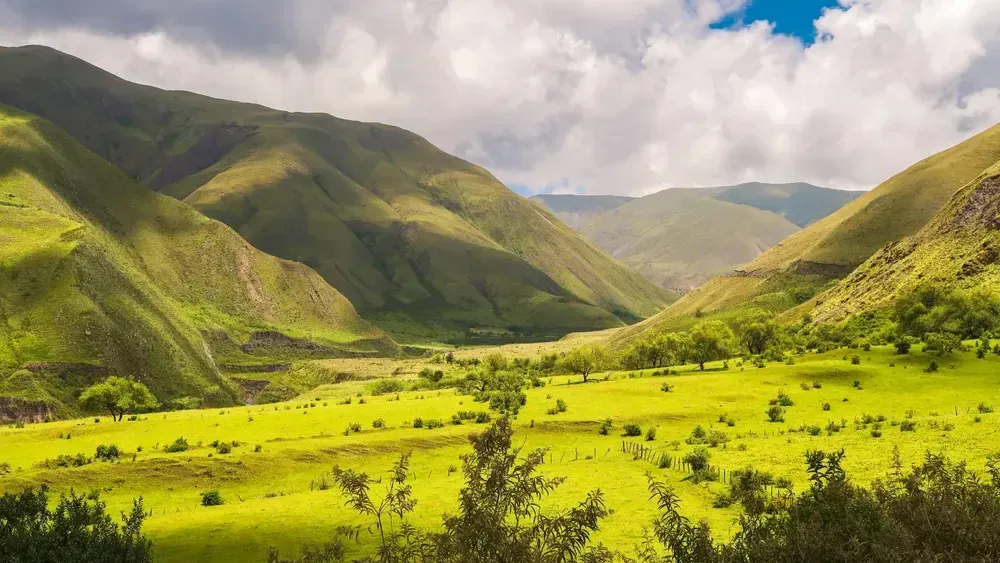
Nestled in Argentina's Andean foothills, Salta stands out as a lesser-known queer-friendly destination in South America, blending colonial charm, indigenous culture, and a growing LGBTQ+ scene away from mainstream lists dominated by Buenos Aires.
Salta, often overshadowed by the vibrant tango halls of Buenos Aires, offers a more intimate and culturally richalternative for queer travelers. While it lacks a high-density 'gay village' like Palermo, the city is defined by a sophisticated blend of colonial architecture and Andean indigenous heritage. Along Balcarce Street, the traditional heart of the city’s nightlife, queer visitors are welcomed into the fold of local Peñas (folk music clubs). While the province remains socially conservative and traditional, Argentina’s progressive national laws ensure a baseline of safety, making Salta a peaceful gateway for those seeking history and nature over a high-energy party scene.
What sets Salta apart is its status as a sophisticated, under-the-radar destination for travelers seeking an alternative to the high-energy scenes of Buenos Aires or Medellín. While Argentina has been a global leader in equality since 2010, Salta offers a more traditional Andean experience. Its appeal lies in its quietly welcoming atmosphere, where queer travelers can immerse themselves in the region’s world-class Torrontés wine production, dramatic Andean trekking, and authentic peñas. While these folk music venues remain deeply rooted in tradition, the city’s 'slow travel' pace and Argentina’s progressive national spirit ensure a respectful environment for those exploring beyond the typical LGBTQ+ hotspots.
Salta’s quiet queer community thrives in the city’s inclusive, 'mixed' spaces rather than dedicated districts. The historic center, with its 16th-century cathedral and the cable car-accessible San Bernardo Hill, offers a romantic and respectful backdrop for all couples. Along Balcarce Street, venues like Café del Tiempo provide a welcoming, bohemian atmosphere where locals and travelers mingle freely. While the scene remains intimate and discreetcompared to the capital, a growing sense of community is fostered by local university circles and boutique hospitality, offering a 'slow travel' experience defined by genuine, low-key connections rather than large-scale pride circuits.
Interviews with local activists from the Salta Diversacollective highlight a city in the midst of a slow but steady transformation. While Salta remains one of Argentina’s more conservative provinces, its annual Marcha del Orgullo(Pride March) is a powerful display of visibility that winds through the historic Plaza 9 de Julio. These events are smaller and more grassroots than those in Buenos Aires, focusing on community solidarity in the heart of the Andean Northwest. For travelers, premier accommodations like Hotel Alejandro I provide a sophisticated and respectful base in the city center, offering the high standard of professional hospitality that defines Argentina’s premier travel destinations.
Nightlife in Salta finds its soul in places like La Casona del Molino, a restored 18th-century mill where the city's famous peñas (folk music gatherings) take place. Here, travelers of all backgrounds are welcomed into a shared experience of live chacarera and zamba, paired with Salta’s signature Torrontés wine. While these traditional venues are not 'queer-themed,' they offer a respectful, communal atmosphere rooted in Northern hospitality. While Argentina’s national laws provide a strong legal safety net, Salta remains a traditionally conservative city where discretion is the local norm. For queer travelers, the draw is not a high-energy 'scene,' but the opportunity to immerse in Argentina’s most authentic Andean traditions within a safe and professional tourism infrastructure.
Salta’s cultural tapestry offers a deeply immersive experience, beginning at the Mercado San Miguel, where travelers can taste authentic humitas and tamales amidst the city’s daily bustle. For a profound look at the region’s heritage, the MAAM Museum showcases the remarkably preserved Incan mummies, providing a somber and scientific look at Andean sacred history. While these traditional institutions remain focused on historical preservation, queer travelers find a respectful and quiet hospitality throughout the city. The draw here is the 'slow travel' opportunity to explore Argentina’s Andean roots and colonial architecture within a safe, professional tourism infrastructure.
For a breathtaking perspective, the Tren a las Nubes takes travelers on one of the world’s highest railway journeys through the heart of the Andes. South of the city, a three-hour drive leads to Cafayate, the center of Salta’s high-altitude wine production. Here, historic bodegas like El Esteco offer world-class Torrontés tastings within stunning colonial estates that welcome all travelers with professional hospitality. While the region’s massive folk festivals remain deeply rooted in traditional gaucho culture, the growing 'slow travel' movement in the North ensures a respectful and safe environment for queer visitors seeking a sophisticated blend of Andean nature, history, and wine.
The natural surroundings amplify Salta’s allure, starting with the Quebrada de las Conchas, a canyon of red rock formations resembling otherworldly sculptures. This landscape is a haven for photography and quiet reflection, easily explored through professional local trekking guides who ensure a safe and welcoming experience for all. For a deeper escape, the colonial village of Cachi offers a step back in time with its mud-brick churches and incredibly clear night skies. Here, visitors can learn about the local reverence for Pachamama (Mother Earth), an indigenous spiritual tradition that honors the interconnectedness of all life—a resonant theme for travelers seeking a profound connection with the Andean landscape.
Salta’s rise ties into a post-pandemic shift toward authentic, slow-travel destinations. For digital nomads, the city offers an affordable lifestyle—with monthly costs for couples often falling under $1,500—and reliable Wi-Fi in modern local co-working spaces. While it lacks the high-visibility 'beach scene' of Uruguay’s Punta del Este, Salta offers a profound cultural immersion in the Andean Northwest. Travelers can take day trips to the thermal springs of Termas de Reyes in nearby Jujuy or explore the high-altitude vineyards of Cafayate, enjoying a level of professional hospitality that makes this traditional region a safe and sophisticated escape for those seeking history over headlines.
Challenges exist; rural outskirts remain deeply traditional, so sticking to urban Salta and professional guided experiences is recommended—a social climate that mirrors parts of Bolivia or Peru. Yet, supported by the national advocacy of the Federación Argentina LGBT, Salta’s community continues to find its voice. Queer couples increasingly choose this region for its blend of adventure and intimacy, from horseback rides through the San Lorenzo yungas (cloud forests) to candlelit dinners at El Castillo, where the lights of the city glitter below. It is a destination where sophisticated hospitality meets the rugged spirit of the Andes, offering a respectful sanctuary for those seeking a meaningful connection with Argentina’s heritage.
As global queer travel evolves, Salta exemplifies South America’s profound cultural diversity: a place where the aromas of world-class empanadas, dramatic Andean sunsets, and the haunting melodies of traditional zambaprovide a backdrop of sophisticated respect. Its lesser-known status preserves an authentic Andean soul, making it a compelling sanctuary for those seeking cultural depth over high-energy nightlife. While the region remains rooted in tradition, Argentina’s progressive national spirit ensures a safe and professional environment, offering a 'slow travel' escape where history and nature are the primary draws.
by Chris Tremblay
Copyright EDGE Media Network. All rights reserved. This material may not be published, broadcast, rewritten, or redistributed.
Osaka, Japan's vibrant second city, is emerging as a lesser-known gem for queer travelers in Asia, boasting the country's second-largest LGBTQIA+ scene with a relaxed, liberal atmosphere that rivals even Tokyo.
Nestled in the heart of Japan's Kansai region, Osaka stands out as a dynamic, food-obsessed metropolis that pulses with energy, neon lights, and an under-the-radar queer scene making it one of Asia's most welcoming yet overlooked destinations for LGBTQIA+ travelers. Unlike the perpetually spotlighted Tokyo, Osaka exudes a more laid-back vibe, where locals embrace a liberal spirit that fosters openness toward diverse identities. Home to Japan's second-largest LGBTQIA+ community, the city has cultivated bars, events, and cultural hubs that provide safe, affirming spaces for queer visitors to connect and explore. This reputation was solidified in 2024 when Osaka hosted the global annual convention of the International Gay and Lesbian Travel Association , drawing queer travel professionals from around the world and underscoring its growing stature.
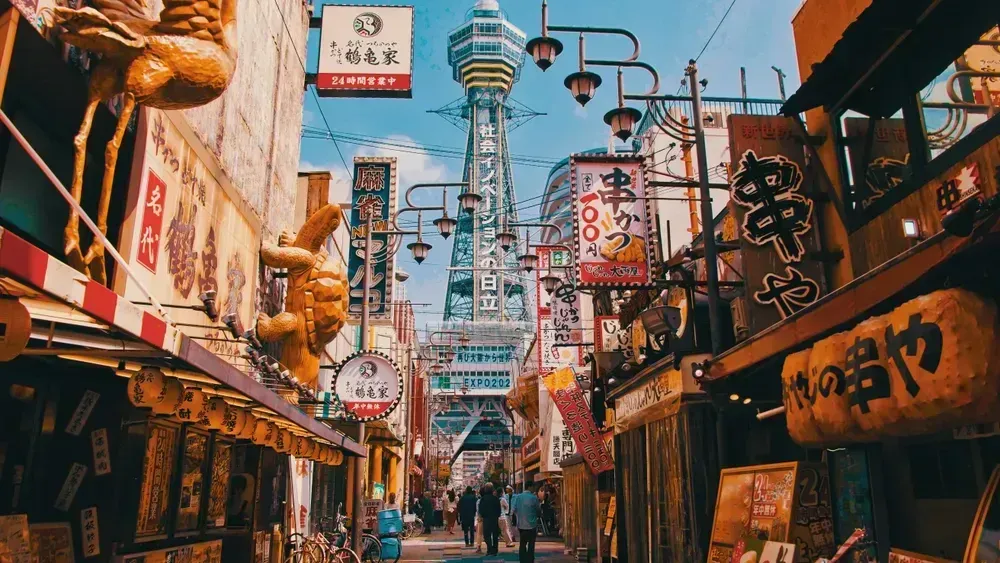
What sets Osaka apart is its blend of gritty authenticity and profound hospitality, traits deeply rooted in the local ethos of "kuidaore"—literally "eat until you drop"—which invites everyone, regardless of identity, to indulge in the city's world-renowned street food like takoyaki sizzling on griddles in Dotonbori or okonomiyaki savory pancakes flipped at bustling yatai stalls. For queer travelers, this welcoming food culture extends into nightlife districts where same-sex couples stroll hand-in-hand without drawing stares, a rarity in more conservative parts of Japan. Osaka's queer scene thrives in areas like Shinsekai, with its retro arcade vibe, and the trendy Umeda district, where modern high-rises house inclusive cafes and clubs. The city's annual Osaka Rainbow Pride, held every spring, fills streets with colorful parades, workshops on LGBTQIA+ rights, and parties that celebrate transgender people, non-binary individuals, and all spectrum identities in person-first, affirming ways.
Osaka's LGBTQIA+ nightlife is a vibrant mosaic of intimate bars, drag shows, and dance clubs that cater specifically to queer needs, offering spaces where transgender patrons, gay men, lesbians, bisexual individuals, and others feel seen and celebrated. Key spots include Club Explosion in the Doyama-cho district, known for its thumping electronic beats and themed queer nights that draw diverse crowds, including locals and expats sharing stories of navigating Japan's evolving acceptance. Nearby, Frenz Frenzy provides a cozy karaoke haven where same-sex couples belt out J-pop hits in private rooms, fostering intimate connections amid the city's humid summer nights.
Community insights reveal Osaka's edge over flashier destinations: queer locals emphasize the city's working-class roots create genuine interactions, free from Tokyo's tourist gloss. "Osaka people are straightforward and warm-hearted; they don't judge, "shares a pseudonymous organizer from Osaka Queer Archive, a grassroots group preserving LGBTQIA+ history through exhibits at small galleries in Namba. These archives host monthly meetups blending oral histories with art, attracting travelers interested in cultural depth. For those seeking wellness, onsen hot springs on the outskirts, like those in Minoo Park, welcome queer groups with private baths, allowing relaxation amid cascading waterfalls and maple groves—vivid autumn foliage painting the scene in fiery reds.
The 2024 IGLTA convention amplified this buzz, featuring panels on sustainable queer tourism and networking events at venues like the Osaka Castle area, where participants kayaked moats by day and partied by night. This event not only boosted local businesses but highlighted Osaka's infrastructure—efficient trains, English-friendly apps, and rainbow-flagged hotels like the Cross Hotel Osaka, which offers pride packages with spa access.
Osaka's cultural tapestry weaves Shinto shrines and centuries-old theater into a city that feels surprisingly inclusive. At Sumiyoshi Taisha, one of Japan’s oldest shrines, the emphasis on wa (harmony) creates a peaceful atmosphere where all travelers can participate in timeless rituals. While the National Bunraku Theatre performs traditional puppet dramas, queer visitors often find resonance in their historic themes of 'forbidden love' and gender-fluid performance—ideally followed by post-show drinks in the nearby Doyama-cho district. While official 'queer murals' are rare in the traditional Tenma district, the area’s gritty, authentic charm and 'standing bars' offer a welcoming, judgment-free environment where the local 'working-class' ethos ensures everyone a seat at the table.
Emerging as a hidden gem, Osaka benefits from Japan's broader shifts: while same-sex marriage lags nationally, Osaka was the first prefecture to implement a regional partnership system, emboldening a record number of venues to display rainbow flags openly. Queer travelers report high levels of safety, supported by the city’s proactive LGBTQ+ Tourism Bureau which works to sensitize local businesses and hospitality staff. Day trips to nearby Kyoto’s Gion district offer tea ceremonies with inclusive hosts who welcome all travelers, or Nara’s deer parks where feeding sacred animals offers a meditative escape. For a deeper connection, specialized food tourslead visitors through Shinsekai to savor golden kushikatsu skewers while sharing local stories of resilience and the quiet revolution of visibility in Japan.
For queer adventurers, autumn is the ideal season, perfectly aligning with the Kansai Rainbow Festa in October. After landing at Kansai International Airport, skip the costly JR Pass and zip to central hubs using a local ICOCA card or the Nankai Rap:t express. Stay at LGBTQIA+-affirming spots like Hotel The Flag Shinsaibashi, a design-forward gem located just steps from the Dotonbori canal’s iconic neon glow. Digital resources like Visit Gay Osaka provide the best maps for queer venues, while the @kansairainbowfesta Instagram handle shares real-time event updates. A daily budget of $150–$250 comfortably covers refined kaiseki dinners, temple entries, and late-night club covers in the Doyama-cho district.
Osaka's ascent stems from word-of-mouth among savvy travelers seeking a more grounded alternative to Japan’s larger hubs. While Taiwan and Thailand dominate global headlines, Osaka quietly builds a loyal following for its unpretentious charm. Queer couples often take the short trip to Mount Rokko for panoramic sunsets over Osaka Bay, then return to the city to unwind at well-known gay saunas like Daikichi in the Doyama-cho district. Local community leaders and performers, like those at Club EXPLOSION , mentor newcomers and foster a welcoming spirit that affirms: 'Here, you're family from the first irasshaimase.'
In a region where visibility varies, Osaka exemplifies emerging tolerance: discreet yet proud, culturally immersive, and endlessly flavorful. Queer travelers depart with full bellies, fuller hearts, and stories of a city that feels like home.
by Chris Tremblay
Copyright EDGE Media Network. All rights reserved. This material may not be published, broadcast, rewritten, or redistributed.
Bimini sits 50 miles from Miami and runs almost entirely on golf carts, but few Americans have ever heard of it. Photo Credit: Photo credit: Jenn Allen
Bimini sits just about 50 nautical miles east of Miami, closer to the United States than many Americans realize. The 7-mile-long island is the westernmost district of The Bahamas, long familiar to anglers and private boaters but less visible to mainstream travelers. For decades, it served as a fishing stop, a cruise port of call or a destination for those who already knew it well.
Bimini sits just about 50 nautical miles east of Miami, closer to the United States than many Americans realize. The 7-mile-long island is the westernmost district of The Bahamas, long familiar to anglers and private boaters but less visible to mainstream travelers. For decades, it served as a fishing stop, a cruise port of call or a destination for those who already knew it well.
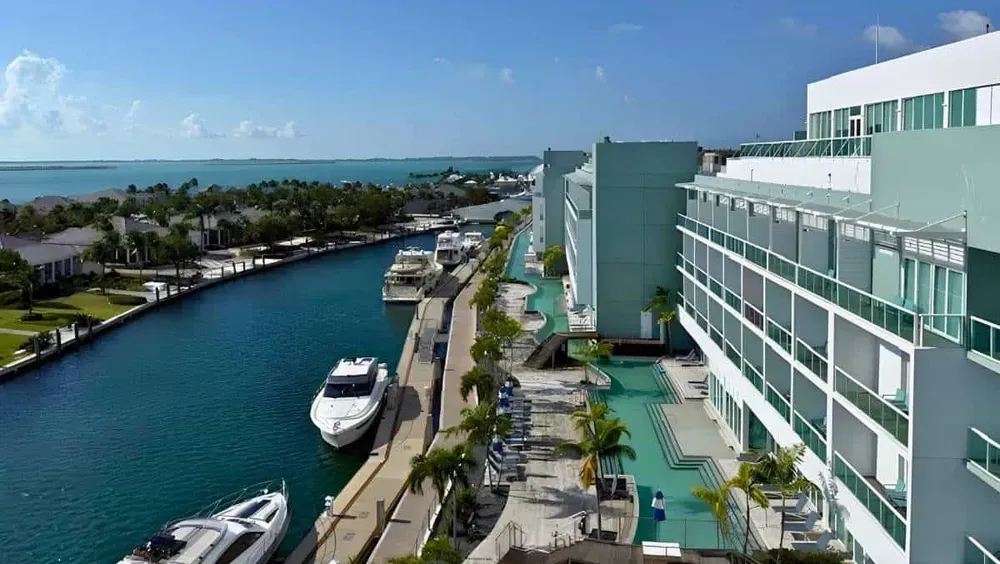
That may be changing. Expanded commercial air access began Feb. 14, 2026, when American Airlines launched three-times-weekly nonstop service from Miami International Airport to South Bimini. What visitors find on arrival is not a corridor of high-rises or a sprawl of mega-resorts; Bimini remains compact, navigable and closely tied to the water that surrounds it.
A 7-mile island best explored by golf cart
Bimini stretches roughly 7 miles from end to end, and golf carts are the preferred way to get around. Visitors move between beaches, small restaurants and marinas without long drives or traffic to contend with. The airport, town and shoreline sit within minutes of one another, which keeps the island feeling immediate.
Alice Town remains the commercial center. Small shops, marinas and neighborhood cafes line the main strip, and much of the daily activity happens within a few blocks of the sea. There are no large shopping districts or themed entertainment complexes. Most businesses operate locally, and most encounters feel impromptu: a conversation at a dock, a stop at a roadside stand, a short ride to the next stretch of sand.
Conch is on nearly every menu
Conch appears across Bimini without ceremony. In small cafes along the main road, it goes into salads with lime juice, onion, and sweet pepper, or is lightly battered and fried for fritters and cracked conch plates that arrive on simple platters, often eaten outdoors within view of passing boats and golf carts.
Behind many of those cafes, glistening mountains of shiny pink conch shells rise in open yards and along back fences. The shells remain on land; fishermen say returning them to the water can deter live conch from repopulating the same areas. Over time, the piles grow high enough to be visible from the street, bright against the sand and sun, a byproduct of a fishery that continues to shape the island's economy.
Water within reach
The sea is rarely more than a short walk or golf cart ride away. Shallow banks and reef systems have supported sportfishing here for decades. In calm conditions, underwater visibility can exceed 80 feet, drawing snorkelers and divers to coral reefs and to the limestone formation commonly referred to as the Bimini Road.
The water shifts from pale turquoise in the shallows to deeper blue offshore, and nearly every road seems to end at a dock, a marina or a stretch of beach. For visitors, access to the shoreline requires little planning; it is part of the island's layout.
Resorts World Bimini and Bimini Beach add capacity
At the northern end of the island, Resorts World Bimini provides the largest concentration of visitor infrastructure. The 305-room property includes six bars and restaurants, two expansive pools and a casino overlooking the ocean.
Resorts World Bimini Beach offers private beachfront access, pool areas, bars and cabana rentals reserved for guests. Because the property spans a sizable footprint, a tram service connects accommodations, marina areas, dining venues and the Day Club, allowing visitors to move easily across the grounds.
Nearby, Fisherman's Village links resort guests with excursion operators and retail spaces, providing an entry point into the broader island rather than isolating visitors within hotel walls.
A small island at a turning point
For years, Bimini's visitor mix leaned heavily toward cruise passengers and private boaters; extended stays were secondary. With commercial flights now feeding directly from Miami, the island enters a different phase, one where overnight visitors can arrive without charter planning or ferry schedules.
Whether that shift changes the character of the island remains to be seen. For now, Bimini still runs on golf carts, small cafes and steady marina traffic. The resort has the scale to welcome more guests; the town retains its size. The balance between the two will define what comes next.
Jennifer Allen is a retired chef turned traveler, cookbook author and nationally syndicated journalist; she's also a co-founder of Food Drink Life, where she shares expert travel tips, cruise insights and luxury destination guides. A recognized cruise expert with a deep passion for high-end experiences and off-the-beaten-path destinations, Jennifer explores the world with curiosity, depth and a storyteller's perspective. Her articles are regularly featured on the Associated Press Wire, The Washington Post, Seattle Times, MSN and more.
by Jennifer Allen
Copyright Associated Press. All rights reserved. This material may not be published, broadcast, rewritten, or redistributed.