Dallas sits at the intersection of soul, sun and southern hospitality. The bustling metropolis boasts a lively cultural arts hub for creative exploration, delectable dining destinations that will leave you salivating, and a popping entertainment, music, and nightlife scene that can’t be beat.
Dallas sits at the intersection of soul, sun and southern hospitality. The bustling metropolis boasts a lively cultural arts hub for creative exploration, delectable dining destinations that will leave you salivating, and a popping entertainment, music, and nightlife scene that can’t be beat.
Speaking of entertainment and nightlife, Dallas’ upcoming June Pride celebration is one of the largest in the south – a colorful celebration that draws queers, allies, and friends from every corner of the region to live their truth in the streets of this thriving city. But no matter what time of year you visit, Dallas invites you with its bold, eclectic spirit. Grab your pals and your dancing shoes because it’s time to let your pride shine in the Lonestar state.
Friday
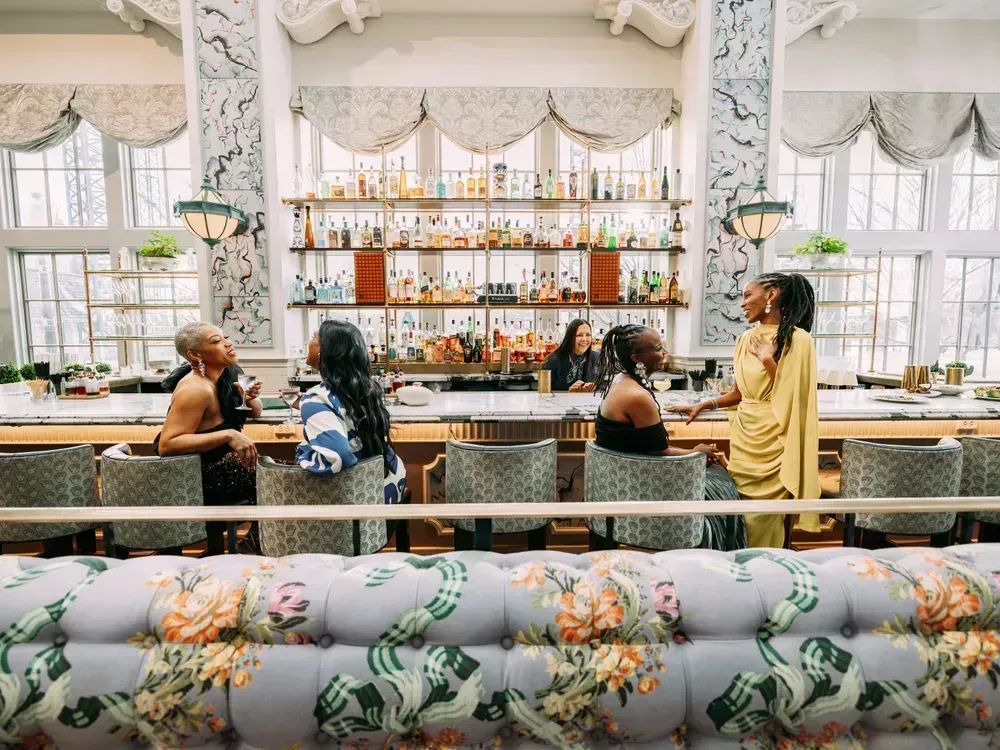
When you get into town, make your way to the Warwick Melrose Hotel, a luxurious historic spot in the Turtle Creek neighborhood. This home-away-from-home offers an old world elegance mixed with modern design comforts for the ultimate stay in relaxed comfort. Pro tip: check into your suite, drop off your bags, and meander to the boutique hotel’s signature spot: The Library Bar. Enter a Jazz Age world where style meets sophistication against a backdrop of breathtaking views of Dallas. Grab a bite or a cocktail and stick around for live music playing almost every night at this beloved piano bar.
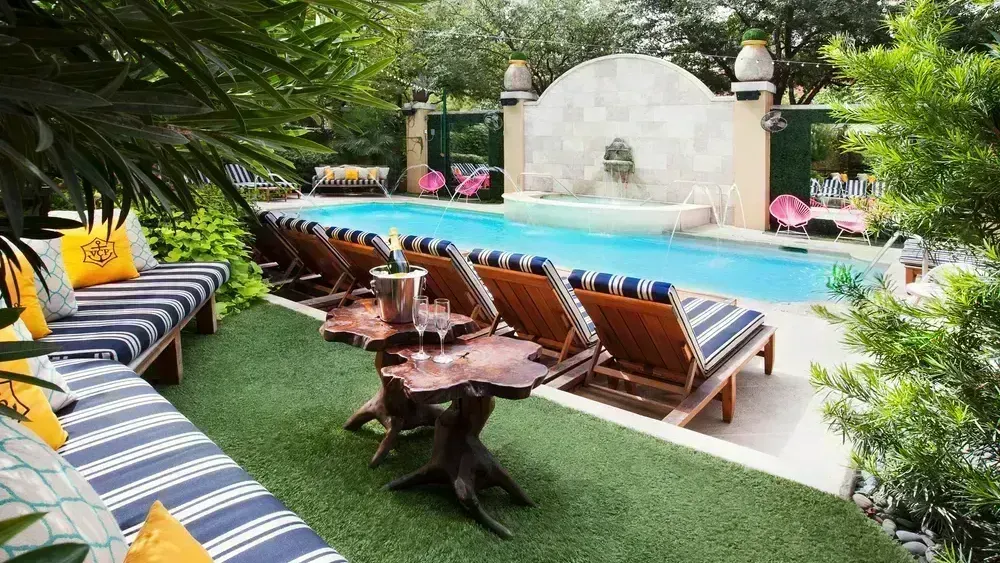
Or if contemporary design is more your style, book a stay at The Kimpton Pittman, a world-class hotel nestled in Downtown Dallas’ Deep Ellum neighborhood. Post up at the hotel’s pool deck for a relaxed moment in the sun and order wood-fired cuisine favorites as you hob-knob with other guests around the communal fire pit. Then take to the streets to explore the neighborhood's thriving cultural district steeped in live music, street murals and indie galleries.
If you want to take elegance to the next level, make your reservation at Hotel ZaZa and step into a world of fine Mediterranean accents in the fashionable Uptown neighborhood. This hotel is unique (including properties in Austin and Houston) and a visit to ZaSpa is a must-do activity for a rejuvenative spa treatment, cleansing your mind, body, and spirit. But don’t skip Dragonfly, the hotel’s award winning restaurant and lounge, promising “a gift to the palate” with its delectable cuisine and lush interior accents.
Saturday
Start your day with a shopping excursion in the Bishop Arts District and discover hidden treasures in boutiques and galleries in this artsy neighborhood. Bishop Street Market is a vibrant first stop on your shopping spree, offering local artist wares ranging from books and candles to home goods and kitchen accessories. Next on your list is a visit to We Are 1976, a hipster-inspired letterpress studio where you’ll find your next great print to add some indie artist sparkle to your home. Peruse a sprawling gallery of inspired artists’ work and shop for all kinds of finely designed cards and stationary.
All that shopping will have you hankering for a tasty treat. Take a stroll to Paradiso and pick a shady spot in this Southern European-inspired destination’s newly renovated outdoor patio. Soak up the patio’s lush garden vibes, sip on a craft cocktail, and nosh on fresh seasonal favorites, including pizza, pasta, and baked goods. For a music lover's experience, find your way to Revelers Hall for good times and good sounds. A music haven with deep jazz roots, the melodic hotspot boasts a full lineup of indie artist performances and a menu complete with bar favorites and handmade cocktails. Or if infused flavors call to you, grab a table at Restaurant Beatrice for a blending of “Cajun heart with Japanese craft.” This unique culinary experience celebrates chef Michelle Carpenter’s cultural heritage with flavors that span generations.
After a savory meal, get lost in stacks of books at The Wild Detectives and not only find a great new read but have a drink while you’re at it. The quirky book store combines the owners’ two great passions – books and booze – into a cultural watering hole that invites you to sip, read, and schmooze with locals and visitors alike. Check the website for the indie book seller’s storied programming schedule – known for its literary and culturally significant events that will make for an unforgettable day out in Dallas.
When the sun sets in the vast Texas sky, an indulgent evening awaits for delicious creative cuisine. We think you’ll love Mister Charles, a MICHELIN Recommended spot with irresistible culinary plays on French and Italian cuisine. Come for the chic interiors and stay for locally sourced flavors and an exceptional wine list. Or taste the flavors at Quarter Acre, delivering the goods with inventive small plates to go with your cocktail in a cozy, intimate space. But don’t sleep on Catbird “where the view is always better at the top.” Perched on the ninth floor of the Thompson Hotel, dine in an opulent setting and take in panoramic views of downtown Dallas. For late night revelers, step into a Moroccan dream at Casablanca, an exotic lounge serving craft cocktails and shared plates. Pro tip: enjoy a nightcap at The Palm Bar, the lounge’s outdoor bar drenched in neon.
Sunday
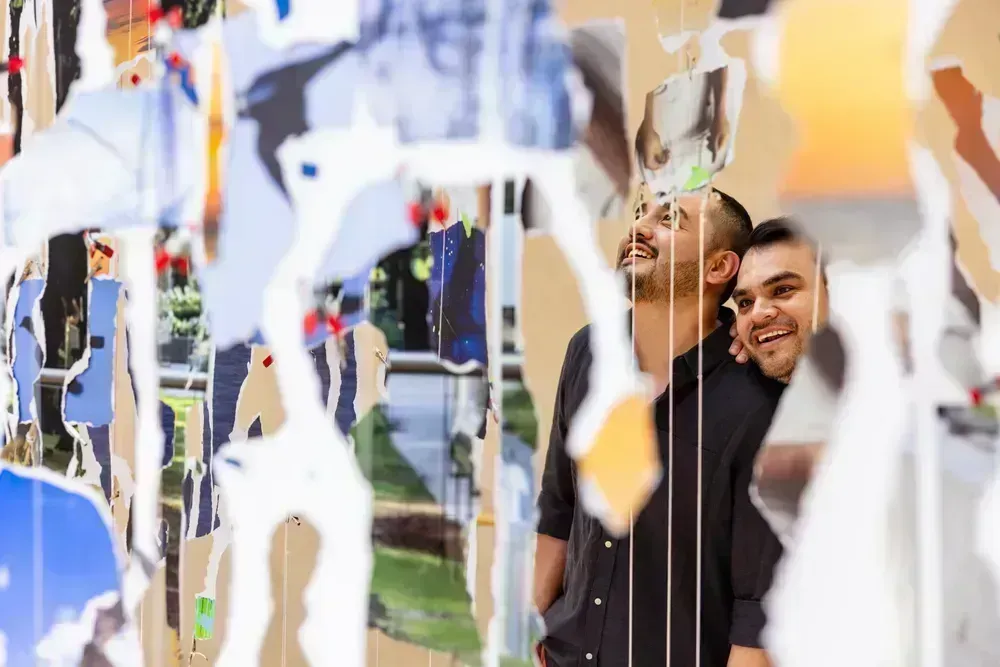
Spend the day in the Dallas Arts District, a walkable cultural anchor where you’ll discover museums, performance spaces, and public art. Your first stop is the Dallas Museum of Art to uncover a sprawling collection of 22,000 pieces that spans three thousand years of artistic expression. But don’t miss the museum’s diverse programming – from revolving exhibitions and film series to lectures and events. Pro tip: summer visitors are welcome to check out the Pride Block Party on June 19. The party draws regional and local Dallas artists for a night of gourmet food, art exhibits, and community events to showcase Pride in all its colors. And this year’s party will be bigger than ever – a tentpole extravaganza welcoming FIFA World Cup 2026!
Or check out the Nasher Sculpture Center where you’ll discover one of the finest collections of modern and contemporary sculptures in the world. Meander through the garden to witness masterpieces from celebrated artists like Calder, de Kooning, di Suvero, and more. Keep the artistic creations flowing with a stroll through Klyde Warren Park, a green space that serves as a beloved town square in the heart of the arts district. The 5.4 acre park brings the surrounding neighborhoods together for community engagement in a vibrant setting.
If all that walking works up an appetite, make your way to the AT&T Performing Arts Center for a bite at Flora Cantina. Your taste buds will come alive with savory tapas, fresh bowls, and Tex-Mex favorites. Or give Ellie’s Restaurant & Lounge a try in the award-winning HALL Arts Hotel. The seasonal Napa-inspired cuisine will sate your palate for more adventures through the arts district.
Plan Your Visit
Dallas is the southern weekend getaway you didn’t know you needed. Explore the city’s diverse dining destinations, eclectic art hubs, and vibrant nightlife and music scene – all in a collection of inviting neighborhoods. And if you’re here in the summer, don’t miss the Dallas Pride Festival and Parade the weekend of June 6, a southern fried fun fest where memories are made. Check out Visit Dallas and start planning your trip today.
by Roger Porter
Copyright EDGE Media Network. All rights reserved. This material may not be published, broadcast, rewritten, or redistributed.
Romantasy turns fiction into reality, and readers start booking trips to worlds they once imagined. Photo Credit: Photo credit: rudi1976, Depositphotos.
Romantasy travel gives readers a new way to follow the plot, and this time, it comes with a passport in hand and a castle on the itinerary. The trend influences tourism planning, with fans looking to relive the scenes they once imagined on the page. In response, tour operators design trips that transform the traveler's imagination into real-life experiences.
Romantasy travel gives readers a new way to follow the plot, and this time, it comes with a passport in hand and a castle on the itinerary. The trend influences tourism planning, with fans looking to relive the scenes they once imagined on the page. In response, tour operators design trips that transform the traveler's imagination into real-life experiences.
Social media fuels romantasy-inspired trips, with around 71% of global travelers expressing interest in visiting destinations that capture the genre's mood. On TikTok, the BookTok community has helped propel romantasy titles into mainstream popularity, while creators increasingly point audiences toward lesser-known settings with dramatic interiors that their followers may not be aware of.
Romantic-fantasy storytelling meets tourism
Romance-driven fantasy novels now influence travel plans as readers shift from standard travel planning to story-led destination choices. Romantasy blends a central love story with a magical setting, which often includes castles, wild mountain terrain and ancient kingdoms. About 39% of travelers said they would consider trips built around fantasy-inspired activities or themed experiences tied to the genre.
Readers are drawn to settings that make fictional worlds feel within reach. Mountain scenery, forests and castle settings bring to mind the fae courts in "A Court of Thorns and Roses" by Sarah J. Maas or the kingdom-driven setting in "From Blood and Ash" by Jennifer L. Armentrout. Tourism planners have begun to recognize this travel interest as literary fandom starts influencing where fans choose to go.
Real landscapes behind fantasy worlds
Fantasy romance books often take place in imagined realms filled with powerful rulers, supernatural figures and elaborate systems of magic. Plots frequently include court politics, legendary predictions or rival characters whose relationships evolve. These elements create vivid settings that readers easily picture while following the story.
Parts of Scotland and Ireland draw attention because their scenery evokes the dramatic settings found in many fantasy novels, where medieval fortresses stand along rugged coastlines while fog settles over hills and valleys across the countryside. The combination of preserved landmarks and striking terrain gives travelers places that capture the atmosphere readers associate with these fictional worlds.
Killarney in southwest Ireland offers several locations that match this setting. Reenadinna Woods, for example, contains dense tree cover and thick moss across the forest floor. Nearby, Muckross Abbey features stone archways and centuries-old ruins that remain largely intact, while Torc Waterfall adds a powerful cascade surrounded by woodland inside Killarney National Park.
Scotland's Isle of Skye also attracts visitors searching for dramatic natural scenery. The Old Man of Storr rises high above the surrounding land with towering rock formations, while the Quiraing stretches across the island's northern landscape with steep cliffs and winding ridges.
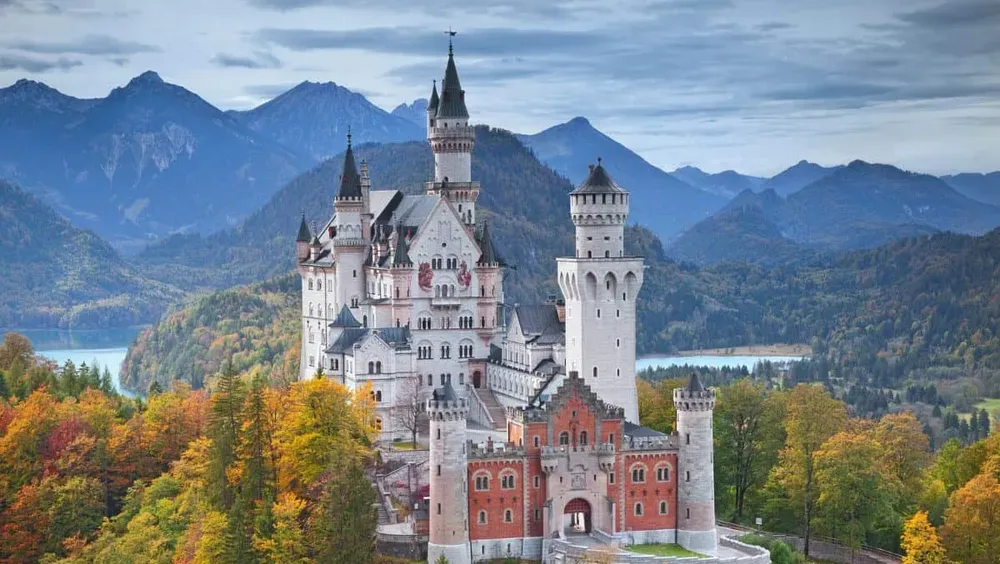
Other historic sites across Europe also draw travelers who want dramatic architecture tied to centuries of history. Neuschwanstein Castle in Germany stands above the Bavarian countryside with tall towers and fortified walls, while Mont Saint-Michel in France rises from a tidal island with stone buildings and narrow streets that date back to the medieval period.
Themed trips follow fantasy worlds
Travel companies have begun creating itineraries based on popular fantasy and literary series as fan interest grows. These trips connect readers with destinations linked to the worlds they followed in books, often through themed activities and group discussions during the journey.
EF Ultimate Break offers several tours inspired by stories popular on BookTok. One itinerary visits Cairo, Athens and Rome through themes connected to the "Percy Jackson & the Olympians" books by Rick Riordan. The route appeals to travelers who grew up reading the series and want to visit places linked to the mythology behind the story.
Another itinerary takes inspiration from "A Court of Thorns and Roses" by Sarah J. Maas. The trip moves across Switzerland with stops in Geneva, Lausanne, Zermatt, Lucerne and Zurich. Activities include a themed dinner in Zermatt, castle visits and a walk across a glacier suspension bridge. The schedule also includes book discussions so fans can talk about the series while traveling together.
Social media fuels fandom
Online book communities have played a major role in bringing romance fantasy titles to wider audiences. On the video platform TikTok, posts tied to the BookTok and romantasy tags have helped move several novels onto bestseller lists. Readers often share clips from castles, wooded paths and historic towns that match the settings described in their favorite books.
Travel creators have also begun pointing followers toward locations that match the atmosphere of fantasy stories. TikTok creator @halfpackedhannah recently featured the Admont Abbey Library in Austria as a destination for readers drawn to dramatic interiors. The site includes long, ornate halls and a concealed doorway that remind visitors of scenes often imagined in fantasy fiction.
Other influencers have started planning travel routes built around similar visual themes, with some organizing small group tours that visit historic landscapes associated with fantasy settings. TikTok creator @cobblestonesandcastles organizes trips focused on this idea, including a women's group tour in Ireland promoted in a recent video.
Niche trends reveal new destinations
Mainstream landscapes linked to fantasy imagery continue to draw visitors each year. At the same time, readers searching for that same mood may begin exploring places that share the same scenery but receive far less attention. This movement from famous landmarks to quieter regions could gradually expand the range of destinations connected with fantasy-inspired travel.
by Jennifer Allen
Copyright Associated Press. All rights reserved. This material may not be published, broadcast, rewritten, or redistributed.
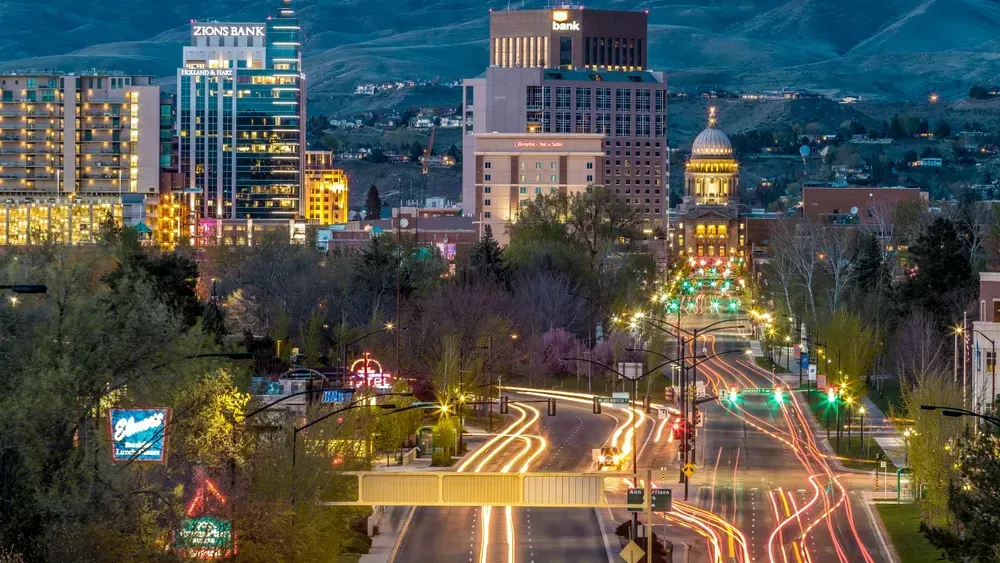
In the heart of conservative Idaho, Boise is emerging as a shocking LGBTQ+ hotspot, with a growing queer scene fueled by transplants, welcoming businesses, and community events that defy expectations.
Nestled in the conservative Gem State, Boise, Idaho, might not scream "LGBTQ+ paradise"at first glance—but that's exactly what makes it the ultimate head-scratcher for queer travelers. With a population under 250, 000, this riverside city is flipping the script on red-state stereotypes, boasting a small but fiercely connected LGBTQ+ community that's drawing newcomers from coast to coast. Queer Money describes Boise as "one of the more liberal cities between Minneapolis and Seattle, "noting its evolving demographics as folks from around the country reshape its makeup, with the LGBTQ+ scene growing steadily. It's the kind of place where you spot rainbow stickers on craft breweries and hear stories of transplants building lives amid the mountains—proving that queerness thrives where you least expect it.
What gives Boise its unexpected sparkle? Affordability plays a starring role. The city's cost of living matches the national average, with rents running about 66% lower than New York City, making it a magnet for LGBTQ+ folks seeking space without the coastal price tag. Local purchasing power holds steady, so your dollar stretches far for farm-to-table dinners or outdoor adventures. This economic edge, paired with Idaho's stunning natural backdrop—think Boise River Greenbelt trails and nearby Bogus Basin skiing—creates a livable vibe that's pulling in queer professionals, artists, and retirees who want community without compromise.
At the heart of Boise's glow-up are dedicated locals and organizations weaving inclusivity into the fabric of daily life. The Boise Pridefest, organized by the Boise Pride Foundation, draws thousands annually for parades, concerts, and family-friendly festivities, cementing the city's commitment to visibility. Community hubs like the Community Center for the LGBTQ+ Center of Idaho offer support groups, health resources, and social mixers, fostering connections in a state where such spaces are gold. Transgender people and nonbinary folks find affirming care through partnerships with St. Luke's Health System, which provides hormone therapy and mental health services tailored to queer needs.
Behind the momentum? A wave of queer entrepreneurs and activists. Take Gaia’s Garden Cafe, a downtown staple serving plant-based bliss with a side of community spirit—hosting everything from queer art markets to inclusive mixers. North End-adjacent spots like Neurolux host diverse events where drag performers, musicians, and everyone in between share the stage. And don't sleep on the arts scene: Boise's Treefort Music Fest, one of the West's biggest indie events, features Dragfort, a dedicated programming track with LGBTQ+ headliners and afterparties that spill into gay-friendly lounges. These grassroots efforts, led by local leaders and the Boise Pride board, are turning whispers into roars.
Boise's "hidden gem" status is its greatest asset. Unlike saturated spots like San Francisco or Provincetown, Boise feels fresh—no tourist traps, just authentic hangs in the North End or along the Greenbelt. The Queer Money Podcast actually ranks Boise as the top LGBTQ-friendly city in Idaho, noting its strong local purchasing power and high quality of life. For those looking to put down roots, GayRealEstate.com provides a dedicated network of Boise-based LGBTQ+ agents to help newcomers navigate this "progressive pocket." Active community hubs like @boisepride and @thecommunitycenter on Instagram keep the scene buzzing with everything from inclusive outdoor adventures to sober game nights, showcasing a resilient community that welcomes all.
Dive into Boise’s emerging scene, and you'll find a playground tailored for queer joy. Start in the North End, the city's progressive heart filled with Victorian homes and Pride flags, then wander to Downtown for inclusive stops like Rediscovered Books, an indie bookstore that champions queer authors. Stroll the Boise River Greenbelt for sunset picnics—perfect for first dates or friend-group hangs—then hit The Balcony Club for karaoke nights, where divas of all genders slay the stage in the city's premier LGBTQ+ space.
Foodies, rejoice: Queer-led spots like Gaia’s Garden Cafe serve plant-based bliss in a community-centered space, while downtown staples like Fork offer upscale, farm-fresh meals in a welcoming urban atmosphere. Nightlife pulses at The Balcony Club, the city's premier LGBTQ+ destination where legendary drag shows pack the floor with sweaty, smiling queer bodies. For wellness warriors, inclusive studios like Sage Yoga & Wellness welcome transgender and non-binary individuals with a "yoga for all" philosophy and affirming instructors who ensure every student feels at home.
Outdoor lovers get a major boost from groups like OUTdoors Idaho, the Sierra Club’s queer-only outings program that organizes everything from Greenbelt bike rides to snowshoeing trips. These adventures often lead to "hidden gems" like Kirkham Hot Springs or weekend climbing at City of Rocks . Summer culture centers on the Idaho Shakespeare Festival, where the inclusive "Legends Reborn" 2026 season—featuring a gender-flipped Sherlock Holmes—draws diverse crowds for picnics under the stars. Meanwhile, the Boise Art Museum continues to spotlight identity and community through rotating exhibits like "Here We Have Idaho: Belonging," proving the city's arts scene is as multifaceted as its people.
Events seal the deal. Beyond Pridefest , there's Transgender Day of Visibility marches, Leather Pride Night, and the annual Queer Prom—open to all ages and identities. These gatherings aren't just parties; they're lifelines, especially for rural Idaho queers road-tripping in for connection.
Boise's queer surge is fueled by a decade of local resilience. Since 2012, Boise has enforced a nondiscrimination ordinance protecting sexual orientation and gender identity, a commitment the City Council strengthened in 2023 by adding source-of-income protections for renters. While the Human Rights Campaign consistently awards Boise high marks on its Municipal Equality Index , the city currently faces a major challenge: the 2026 Idaho Legislature is pushing House Bill 557 to strip away these local protections. Despite these state-level hurdles, Boise continues to lead with inclusive workforce regulations and a robust network of affirming healthcare providers like St. Luke’s, maintaining its status as a sanctuary of progress in the Gem State.
Who's flocking here? Professionals from California, retirees from Texas, and families seeking a manageable cost of living. The Queer Money Podcast ranks Boise as the top LGBTQ-friendly city in Idaho, citing its strong local purchasing power and high quality of life. Challenges persist—state-level efforts like House Bill 557 loom over local protections—but Boise's resilience shines through hubs like The Community Center, which has supported the valley since 1983. With home prices now averaging around $540,000, the city remains a significant draw for queer investment. Pack your bags for Boise: where rainbow flags flap against blue skies, and every corner whispers possibility. This isn't just a pit stop—it's a resilient community, one surprisingly fabulous Idaho sunset at a time.
by Chris Tremblay
Copyright EDGE Media Network. All rights reserved. This material may not be published, broadcast, rewritten, or redistributed.
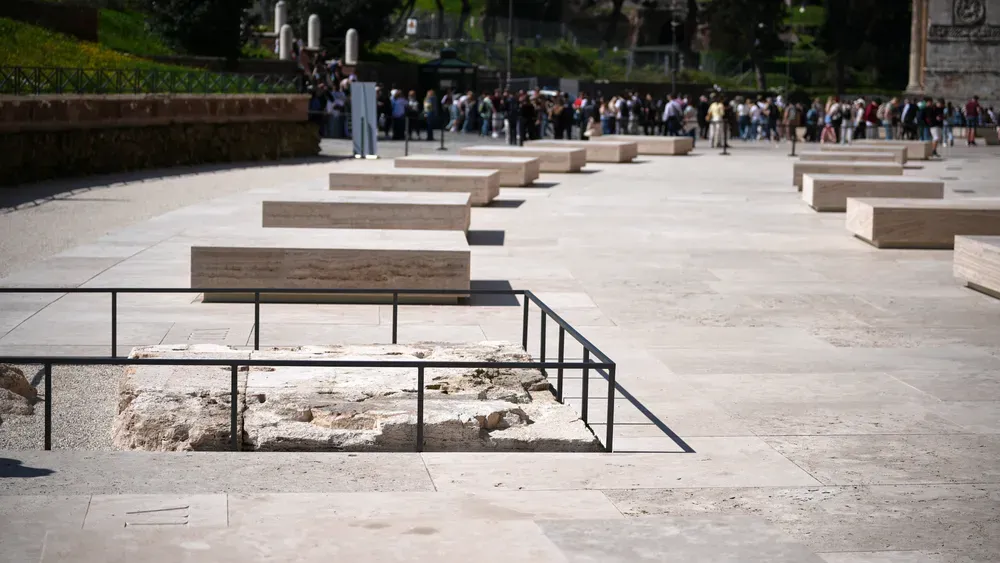
People walk in the new outdoor space created with travertine marble around the Colosseum during it's inauguration in Rome, Tuesday, March 17, 2026. Photo Credit: AP Photo/Andrew Medichini
The Colosseum has a bright new look following a restoration using the same travertine marble of ancient Rome to recreate parts of columns from 2,000 years ago
The Colosseum has a bright new look following a restoration using the same travertine marble of ancient Rome to recreate parts of columns from 2,000 years ago.
Thousands of Romans once flocked to this arena to watch gladiators battle each other and wild animals. The structure still captures the public's imagination; it is Italy’s most popular tourist destination, with 9 million visitors in 2025 alone.
The project focused on a semicircular piazza outside the arena, where Roman spectators crowded under two arcades comprised of marble columns stretching up to 50 meters (164 feet) high. People stood in these arcades as they waited to pass through the entrances and take their seats.
Those arches are long gone, collapsing over the centuries from earthquakes and unstable ground. But now, tourists will be able to sit on large travertine marble slabs where their columns once stood and read reproductions of the Roman numerals that indicated seat sections.
“These blocks of travertine marble are placed, located exactly where the pillars, the original pillars were based,” said Italian architect Stefano Boeri, who designed the piazza. “The idea we had was to give back to the public the perception of the proportion of the arcades and the proportion of the vaults of the arches that were used to enter in the center of the Colosseum.”
Over time, the outside area became filled with detritus, including pieces of ruins, and overgrown with weeds.
Restorers began by digging a meter (yard) to where the travertine paving stones once covered the entrance area. They discovered coins, statues, animal bones and a gold ring. Deeper down is the secret underground passageway where Emperor Commodus used to enter the Colosseum while avoiding the hoi-polloi, and which was opened to the public last year.
Restorers sourced the new slabs of travertine from the same quarries where the ancient Romans retrieved theirs — and that today are used build a new generation of religious buildings, banks, museums, government buildings and private homes.
“From the beginning we understood only one thing and that was that we wanted to be involved,” Fabrizio Mariotti, head of the Mariotti Carlo stonecutting firm that has been carving travertine to order for four generations in Tivoli, said Tuesday while sitting on a slab of the stone.
“For a family like ours that has been working with travertine for four generations, working at the Colosseum, which is the symbol not only of Rome but also of this material, is so important.”
Earlier this year, the city of Rome opened two new subway stations, one deep beneath the Colosseum completing a multi-billion euro metro project. The restoration of the Colosseum’s perimeter was done using compensatory funds from the metro, project officials said.
by Trisha Thomas
Copyright Associated Press. All rights reserved. This material may not be published, broadcast, rewritten, or redistributed.
‘Luxury train hopping,’ ‘ancestry travel’ and ‘period drama set-jetting’ may dominate social feeds, but many Americans are approaching viral vacation trends with caution.
‘Luxury train hopping,’ ‘ancestry travel’ and ‘period drama set-jetting’ may dominate social feeds, but many Americans are approaching viral vacation trends with caution.
A new survey of 2,000 Americans who travel frequently finds that while social media continues to shape inspiration, real-world participation tells a more nuanced story about what motivates people to pack their bags.
That motivation is rooted less in aesthetics and more in emotion. More than a third of respondents (35%) said they’re seeking vacations that feel ready and comfortable, while 31% want experiences that feel exciting.
The survey, conducted by Talker Research on behalf of Apple Vacations, also found that another 28% are simply looking to get away, while 26% prioritized trips that feel restorative.
When asked what motivates them most when choosing where to go, curiosity or learning topped the list at 44%, followed by comfort or familiarity at 38% and personal growth, self-discovery, creativity and inspiration tied at 29%.
Just over half of respondents (51%) said they have planned a trip inspired by a widely discussed travel trend, while 38% said they have not — and another 11% couldn’t recall doing so, suggesting that online buzz doesn’t always translate into real-world bookings.
For those who did take trend-driven trips, expectations weren’t always met.
Among travelers who planned vacations based on trends, just 21% said those experiences always lived up to expectations, leaving nearly one in four saying they sometimes, rarely or never matched the hype.
That disconnect becomes even clearer elsewhere in the data: 59% said they’ve arrived at a destination that looked better on Instagram or TikTok than it did in real life.
“At the end of the day, people want trips that feel good — not just ones that look good,” said Dana Studebaker, Vice President of Marketing, Consumer Brands at Apple Vacations. “Travel is becoming less about keeping up with what’s trending and more about reconnecting with yourself, the people you’re traveling with and the places that leave a lasting impression.”
When it comes time to choose where to go, practical considerations quickly take over.
Cost and value ranked first when travelers considered where to go next, cited by 23% of respondents, followed closely by cultural interest and emotional connection, both at 15%.
By comparison, just 5% said social media trends would primarily guide their decisions.
“People are being more intentional about how they travel,” added Studebaker. “They’re thinking about value, connection and how a trip will make them feel, not just what looks good online. It’s a shift toward experiences that feel meaningful and memorable.”
TRAVEL TRENDS AMERICANS ACTUALLY TRIED
Bleisure travel — extending a work trip to include leisure time (37%)
Hotel hopping (29%)
Ancestry or heritage travel (27%)
Dry tourism, or alcohol-free travel experiences (19%)
Multigenerational, “extended family” trips (18%)
Grocery store tourism (15%)
“Cowboy core” or Western-inspired getaways (11%)
Period drama or film/TV set-jetting (11%)
Astro-cruising or astrology-themed trips (7%)
None of the above (18%)
Research methodology:Talker Research surveyed 2,000 Americans who travel often (3x a year international or domestic) who have access to the internet; the survey was commissioned by Apple Vacations and administered and conducted online by Talker Research between Feb 5 - Feb 17, 2026. A link to the questionnaire can be found here.
To view the complete methodology as part of AAPOR’s Transparency Initiative, please visit the Talker Research Process and Methodology page.
by Talker News | Talker
Copyright Associated Press. All rights reserved. This material may not be published, broadcast, rewritten, or redistributed.
Hollywood headlines may treat Calabasas like a celebrity hideout, but a walk through town paints a far calmer picture. Thick greenery and homes along the water create the kind of quiet, tropical feel often found in Caribbean waterfront communities, where the views do the talking. Nearby cafes and boutique shops keep that relaxed mood, giving the streets the feel of a small, exclusive village where high fashion simply looks like everyday style.
Hollywood headlines may treat Calabasas like a celebrity hideout, but a walk through town paints a far calmer picture. Thick greenery and homes along the water create the kind of quiet, tropical feel often found in Caribbean waterfront communities, where the views do the talking. Nearby cafes and boutique shops keep that relaxed mood, giving the streets the feel of a small, exclusive village where high fashion simply looks like everyday style.
Calabasas operates with planning choices that prioritize long-term livability for residents over celebrity appeal. Land-use rules protect surrounding hillsides and open land, while community programs, public facilities and neighborhood gathering spots support everyday routines that keep the city active well beyond its entertainment coverage.
Calabasas beyond celebrity fame
Headlines often link Calabasas to celebrity home sales and gated estates, turning the city's name into shorthand for luxury real estate. Entertainment coverage regularly mentions high-profile residents such as the Kardashians, Will Smith, Nas and Katie Holmes, reinforcing the image of a private enclave for Hollywood figures.
Beyond the security gates and property listings, Calabasas functions as a quiet residential community in California where most streets remain calm and traffic stays light outside commuting hours. Local parks, public schools and neighborhood shopping centers support everyday routines, giving the area the steady feel of a suburban municipality rather than a constant media backdrop.
For many who have lived in Calabasas for years, the city's public image does not fully capture everyday life. Local discussions often center on land-use regulations that limit overdevelopment, protect surrounding hillsides and preserve trail systems that keep large areas of open space intact. Those policies influence growth patterns and neighborhood design far more than entertainment headlines.
Local life beyond the spotlight
Daily life in Calabasas centers on neighborhood businesses that residents visit week after week. The Calabasas Farmers Market brings steady weekend crowds looking for fresh fruits, baked items and ready-to-eat meals. Families browse produce stands, pick up coffee or pastries and spend time catching up with neighbors in a setting built around routine community visits.
Several nearby dining spots draw loyal local crowds, including Sol y Luna, a few minutes' drive from the city center, where classic Mexican dishes remain a neighborhood favorite. Staff prepares guacamole at the table while baskets of warm tortilla chips arrive straight from the kitchen. Brendt's Deli serves towering pastrami sandwiches stacked thick between slices of bread. The plate often includes warm bagel chips along with potato latkes and pickles, a combination that carries the taste of traditional Eastern European cooking.
Quick stops and casual outings often lead residents to familiar shopping areas such as The Commons at Calabasas, which functions as a regular stop for errands, family dinners and relaxed walks between stores. There, La La Land Kind Cafe attracts a younger crowd with a bright white and yellow interior and an extensive lineup of matcha drinks that keeps customers returning for another round.
Parks and trails over paparazzi
The city sits at the edge of the Santa Monica Mountains, where trailheads and open land lie close to residential neighborhoods. Residents can step onto hiking paths within minutes, which gives the area a strong connection to the surrounding hills and preserves. Many families choose the community for this access to nature and the chance to spend time outside throughout the year.
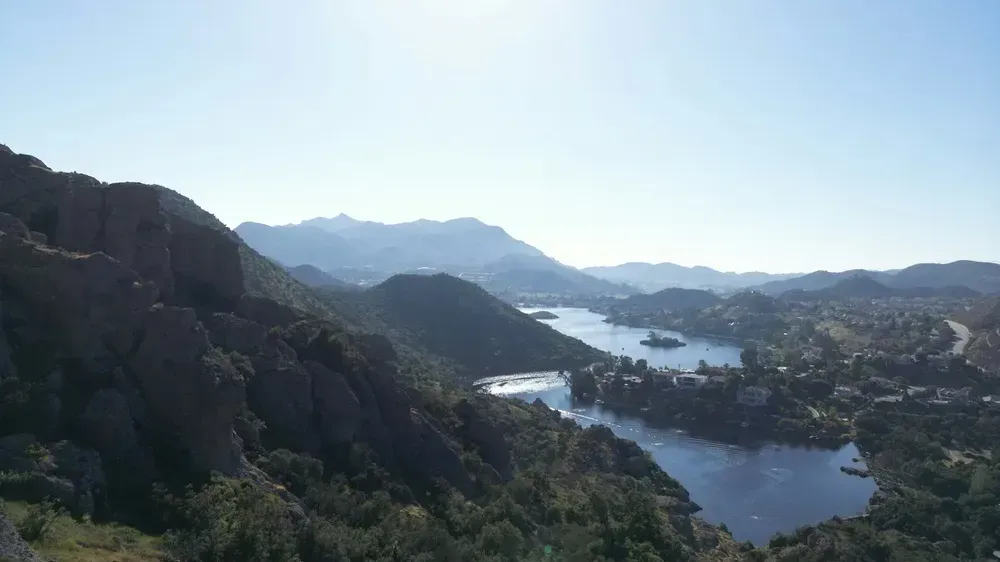
A walk around the local lake offers one of the clearest examples of that setting, with homes near the water and tall trees and thick greenery surrounding the shoreline. The calm environment brings to mind the quiet coastal towns of the Caribbean, where houses stand near the water and daily routines happen among tropical greenery and peaceful views. The scene feels far removed from the fast pace often associated with Los Angeles.
Public parks extend that outdoor culture through spaces built for recreation and community use. Gates Canyon Park provides areas for sports and family activities, while Brandon's Village offers a playground designed so children with disabilities can take part in play alongside others. City parks operate with organized scheduling, permits for large gatherings and regular oversight to keep facilities safe and accessible.
Privacy outweighs public curiosity
Daily life in Calabasas places a strong value on personal space, and people often treat recognizable neighbors with the same courtesy offered to anyone else in town. A familiar face may appear during an errand, yet the moment rarely interrupts what others came to do, as daily routines continue without pause.
Frequent exposure also reduces the sense of novelty linked to celebrity encounters. In areas where well-known residents live year-round, seeing them in public usually registers as routine, and attention tends to fade as people return to their plans. Coffee shops, markets and service businesses keep their regular pace when public figures stop by, while customers finish purchases, staff handle orders and chats continue without turning the moment into a spectacle.
In conversations about priorities, topics lean toward practical matters that affect daily life rather than speculation about the next Hollywood figure moving into the neighborhood. Property maintenance and long-term investment stability often carry more weight in those discussions than attention tied to celebrity residents.
Families choose Calabasas long-term
Many households choose Calabasas for its strong commitment to neighborhood safety and family services. Local officials promote wildfire education and preparedness programs that help residents reduce risks associated with nearby hills and dry conditions. Public protection also relies on coordination with the Los Angeles County Sheriff's Department, the Fire Department and other state and federal partners that support emergency response across the area.
Clear communication supports these safety systems during urgent situations. Through the Genasys alert platform, administrators can send voice calls, text messages or email notices to households within minutes so residents receive important updates quickly and stay informed during emergencies.
Family life also benefits from youth programs connected to nearby schools and community services. Calabasas has partnered with Little Learners to provide after-school care at Lupin Hill Elementary, along with seasonal camps open to the broader public. Children take part in arts projects, reading sessions, sports and science exploration in a supervised environment designed to support working parents and growing families.
Community identity beyond headlines
Cities often become known for the industries around them, but the everyday experience of residents can tell a different story. Local priorities such as safety planning, youth programs and neighborhood stability often influence how a place evolves over time. Calabasas offers an example of how communities can develop a lasting identity that grows from local life rather than outside attention.
Zuzana Paar, a co-founder of Food Drink Life, is a seasoned traveler and writer who has explored 62 countries and lived in St. Lucia, Dubai, Vienna, Doha and Slovakia. Her work has been featured on Fox News, New York Daily News, MSN and more; she has also appeared live on Chicago's WGN Bob Sirott Radio Show. When she's not discovering new destinations, she shares travel tips and insider insights to help others experience the world in a unique and unforgettable way.
by Zuzana Paar
Copyright Associated Press. All rights reserved. This material may not be published, broadcast, rewritten, or redistributed.
Nestled in the high desert of central Oregon, Bend is emerging as an unlikely LGBTQ-friendly retreat for queer adventurers seeking safety, stunning outdoors, and subtle affirmation far from urban gay hotspots.
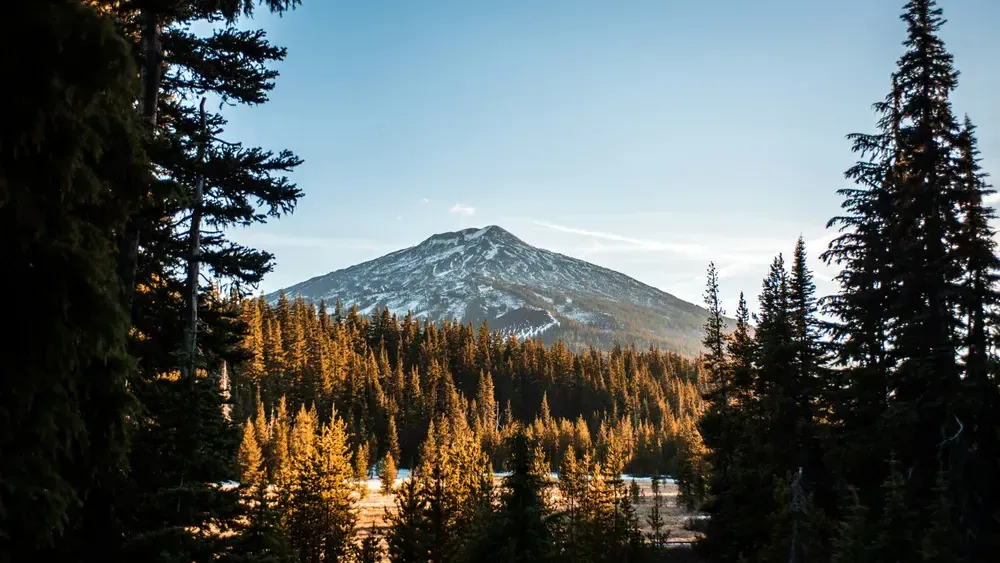
In the shadow of snow-dusted Cascade peaks, where the Deschutes River carves through ponderosa pine forests and the air carries the crisp scent of alpine wildflowers, Bend, Oregon, is quietly rewriting the map of queer travel. Forget the neon-lit streets of San Francisco or Provincetown's bustling boardwalks—these are well-trodden paths for LGBTQ+ explorers. Instead, picture yourself as a transgender hiker pausing at a trailhead, backpack slung low, knowing the single-stall public bathrooms ahead are gender-neutral by state decree, a small but profound nod to your existence. Bend, a small city of about 100, 000 in central Oregon's high desert, is that rare gem: an emerging, unexpected destination where queer folks—especially transgender people and gender-nonconforming travelers—can breathe easy amid world-class outdoor adventures, artisanal vibes, and a subtle undercurrent of affirmation.
This isn't hyperbole born of wishful thinking. Oregon's progressive policies, including sanctuary status for gender-affirming care, have drawn LGBTQ+ transplants from red-leaning states, infusing Bend with a vibrant, low-key queer energy. A recent winter Pride event here underscored the town's shift: attendees savored craft IPAs by roaring fire pits, danced under starry skies to indie queer DJs, and felt the warmth of community without the coastal crowds. The author of a trans-focused travel guide recounted driving through Oregon's smaller towns, noting Bend's welcoming aura despite surrounding red-leaning areas—gender-nonconforming visitors reported friendly interactions at local outposts, from gear shops to coffee roasters. Cross-referenced with broader state analyses, Oregon ranks high for LGBTQ+ protections, with Portland's fame spilling into rural outposts like Bend, where progressive policies ensure safety nets for transgender people seeking healthcare or just a respite.
Why Bend Feels Like a Queer Secret Stash
Arriving in Bend, you're hit first by the visuals: jagged peaks like Mount Bachelor looming like ancient guardians, their slopes glittering under fresh powder in winter or bursting with wild lupine in summer. The scent of sun-warmed sagebrush mingles with woodsmoke from cedar-sided breweries, where rainbow flags flap discreetly beside Patagonia-clad locals. This isn't a "gayborhood"screaming visibility; it's a rural art hub where queerness simmers like a slow-brewed porter—subtle, strong, and inviting. Queer travelers, particularly transgender women and nonbinary folks, highlight the safety: Oregon's laws shield gender-affirming care, making Bend a beacon for those fleeing Texas or Florida's restrictions. One visitor, openly gender-nonconforming, spent a winter weekend at Pride without a single sidelong glance, hiking snowshoe trails where the only judgment came from chatty squirrels.
Sensory immersion is key here. Imagine dipping into a natural hot spring at Paulina Lake, steam rising like a lover's breath, your skin tingling as mineral-rich waters soothe trail-weary muscles—knowing nearby rest stops offer gender-neutral facilities, a quiet win for transgender people who dread binary bathrooms. Or paddleboarding on Sparks Lake at dawn, mist veiling obsidian shores, rainbow trout flashing silver below, while your partner snaps photos without fear of prying eyes. Bend's queer scene thrives in these pockets: queer-owned galleries like The Stovehouse showcase trans artists'vibrant murals, and events like Bend Pride draw hundreds for yoga flows, live music, and panels on rural queer resilience. Local spots like Crux Fermentation Project host "Queer Brews"nights, where laughter echoes off exposed brick walls, and same-sex couples share flights of hazy IPAs without a second thought.
Safety data backs the vibes. Oregon's comprehensive nondiscrimination laws cover sexual orientation and gender identity in housing, employment, and public accommodations, extending to Bend's rural reaches. Trans travelers cite the state's single-use bathroom mandate as a game-changer—every gas station pit stop feels affirming, letting you focus on the adventure, not anxiety. Community orgs like Out Central Oregon offer resources, from welcoming hikes to support groups, ensuring lesbian couples, gay dads, and solo bisexual explorers feel anchored. Recent relocations have swelled the local LGBTQ+ population, with queer real estate guides noting Bend's appeal for its work-life balance: tech jobs, healthcare hubs, and endless trails.
Outdoor Escapes Where Queerness Blends with Nature
Bend's not just safe—it's a playground for the senses, tailored for queer souls craving authenticity. Summit South Sister volcano, lungs burning with pine-scented air, vistas unfolding like a queer love letter to the wild: turquoise Tumalo Falls cascading below, eagles wheeling overhead. Trans hikers rave about the freedom—no urban stares, just trail magic from fellow adventurers sharing snacks and stories. Winter? Shred powder at Mt. Bachelor, where queer ski weeks turn après-ski into flirty mixers by firelit lodges, mulled wine warming palms as snowflakes kiss lashes.
For artsy types, Bend's galleries pulse with queer energy. The High Desert Museum blends wildlife exhibits with indigenous queer histories, while pop-up markets feature nonbinary jewelers hawking turquoise rings that catch the golden hour light. Foodies? Queer-friendly farms-to-table spots like Jackson's Corner serve lavender-honey lattes and bison burgers, patios buzzing with same-sex dates watching sunsets paint the sky fuchsia. Evenings unwind at queer-open-mic nights at The Domino Room, voices raw and vivid sharing poems of identity amid the scent of aged wood and spilled craft cider.
Contrast this with traditional hotspots: no cover charges, no velvet ropes—just raw, unfiltered belonging. A gender-nonconforming road-tripper noted Bend's rural charm outshines Portland's bustle, with friendlier locals and fewer pretensions. Honeymooners find romance in glamping at Sunriver Resort, where private decks overlook star-drenched skies, and couples'massages cater to all bodies.
Community Pulse: Seen, Safe, and Celebrated
What sets Bend apart? It's the little affirmations: baristas using your chosen pronouns without fanfare, trail signs in inclusive language, Pride flags on ranch fences. Local leaders amplify this—Deschutes County partnerships with LGBTQ+ groups ensure events like the Cascade Queer Film Fest screen trans-led docs in cozy theaters smelling of fresh popcorn. Trans families praise schools'ally training, making family road trips stress-free.
Challenges? Winters bite with -10°F chills, but that's fuel for communal hot tub soaks. Surrounding areas lean conservative, but Bend's bubble holds firm, much like Vermont's progressive towns. Globally, as anti-trans laws spread, U. S. havens like Bend gain traction—HRC maps confirm Oregon's shield status.
For queer travelers, Bend whispers: You're home here. Pack your boots, your flag, your love— the mountains await.
by Chris Tremblay
Copyright EDGE Media Network. All rights reserved. This material may not be published, broadcast, rewritten, or redistributed.
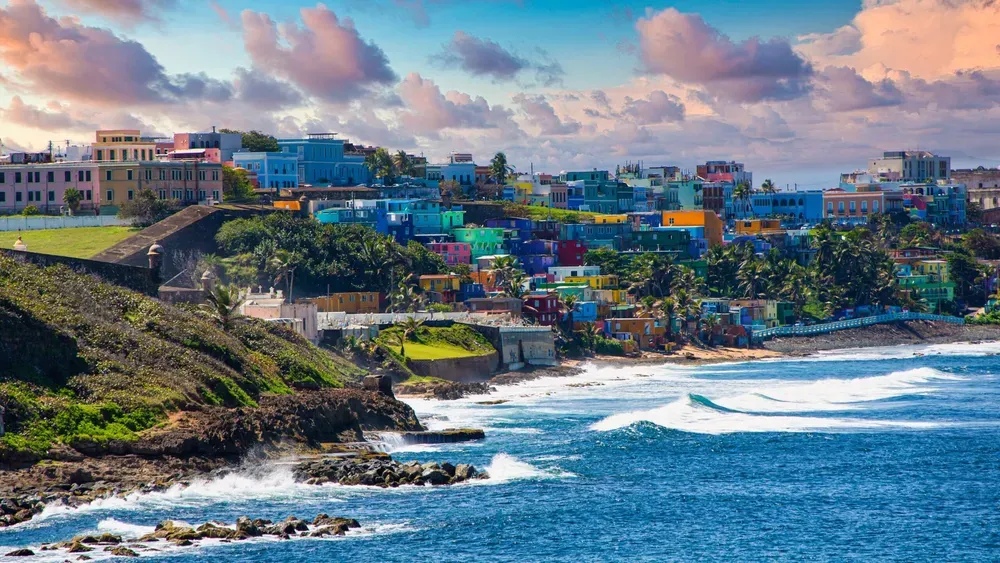
After Bad Bunny's Super Bowl LX halftime show, Google searches for Puerto Rico travel jumped 213%, and Expedia flight searches rose 245%. Vega Baja, his hometown, saw interest soar by 1450%.
After Bad Bunny's Super Bowl LX halftime show, Google searches for Puerto Rico travel jumped 213%, and Expedia flight searches rose 245%. Vega Baja, his hometown, saw interest soar by 1450%.
A 14-minute performance put the whole island on a wish list, and spring break 2026 may be its busiest yet.
Discover Puerto Rico reported that 2025 marked its fifth consecutive year of record-breaking tourism, with more than 6.8 million air arrivals, 7.9 million hotel and short-term rental nights booked, lodging revenue approaching $2 billion, and over 1.6 million cruise passengers. Each of those figures topped the year before.
Bad Bunny’s halftime show may have introduced Puerto Rico to millions of new travelers overnight, but the island has been earning its reputation for years.
Rainforest Access and the Rise of Adventure Travel
Adventure-based travel, which includes active and immersive experiences such as hiking, biking, and exploring local culture and cuisine, now represents a nearly trillion-dollar market. The core adventure-first traveler base has grown from 30 to 40% of international travelers globally.
According to the Adventure Travel Trade Association, adventure travel encompasses a wide range of experiences, beyond just adrenaline-fueled activities, such as hiking, biking, trying local foods, and experiencing different cultures. Puerto Rico’s east coast is well-positioned to cater to all these interests.
El Yunque National Forest, roughly 25 miles east of San Juan, is the only tropical rainforest in the U.S. National Forest System, making it a practical draw for U.S. travelers. At the edge of Luquillo, Carabalí Rainforest Adventure Park has become a reliable stop for those who want to go beyond a trail hike. The 600-acre park offers UTV and ATV rides through the rainforest, horseback riding, and go-karts, making it broad enough to work for mixed groups or families with younger children.
“The East and West regions of the Island have captured attention over the past year, as travelers seek coastal beauty, outdoor adventure, and authentic connection,” said Storm Tussey, chief marketing officer of Discover Puerto Rico.
For US travelers, Puerto Rico offers domestic travel ease, no passport, U.S. currency, plus the adventure and culture of an international trip.
Rebuilding After Maria
Perched on a cliff with ocean views for miles, El Conquistador Resort is one of the most recognizable properties on the island– and one of its best comeback stories.
After Hurricane Maria shuttered the resort in 2017, it remained closed for nearly 4 years before Royale Blue Hospitality Group, a Puerto Rican ownership group, purchased the property in 2019 and reopened it in 2021, following an investment of $220 million.
That bet seems to be paying off. The resort's private island, Palomino, sits just offshore and is available exclusively to resort guests via a ferry. It’s the kind of amenity that’s easy to build a trip around, and an ideal location for exploring the eastern side of the island.
For travelers using the resort as their base, El Yunque is a short drive inland; the ferry to Culebra and its famed Flamenco Beach departs nearby; and Luquillo’s beaches and iconic food kiosks are also minutes away.
"What's especially notable is how visitors are exploring more of the island," said Laressa Morales, director of research and analytics at Discover Puerto Rico. "Although San Juan remains a primary gateway, travelers are increasingly incorporating the East and West regions into their itineraries.”
Food Scene, Old and New
Tell someone you are visiting the coastal town of Luquillo, and the first thing they’ll mention is the kiosks– over 60 open-air stalls selling traditional Puerto Rican fare: mofongo, locally caught seafood, grilled meats, and fresh coconut drinks. On weekends, the crowd is just as much local as tourist, with families and regulars spending the day eating, drinking, and soaking up the sun.
While the kiosks have been a fixture for decades, what’s new is what’s grown up around them. La Estacion has been a much-written-about spot since it opened in 2006, building a menu around Nuyorican BBQ, traditional American barbecue fused with Caribbean flavors and spices.
El Patio 773 Food Truck Park adds another must-try spot, founded by two childhood friends who wanted to create a place to boost the economy of their hometown, Luquillo. Designed as a beachfront outdoor gathering space at La Pared Beach, El Patio 773 hosts food stations, shaded seating, a playground, and a live music stage. It’s a lunch stop, an evening out, and just as importantly, a community anchor.
These experiences are resonating with visitors. Puerto Rico welcomed 8.1 million visitors in 2025, marking an 8% increase over the previous year.
"Travelers are not just visiting Puerto Rico; they are embracing the Island in a more meaningful way," said Tussey. "They are staying longer, venturing beyond San Juan, and immersing themselves in the culture, the coastline, and the rhythm of our communities."
by Alexandra Caspero | Guessing Headlights
Copyright Associated Press. All rights reserved. This material may not be published, broadcast, rewritten, or redistributed.
Early travel trends for 2026 show a shift toward simpler, healthier, and less crowded experiences. After years of packed itineraries and activity-driven trips, many travelers are prioritizing digital detoxes and alcohol-free escapes, choosing vacations that emphasize rest and presence over constant stimulation.
Early travel trends for 2026 show a shift toward simpler, healthier, and less crowded experiences. After years of packed itineraries and activity-driven trips, many travelers are prioritizing digital detoxes and alcohol-free escapes, choosing vacations that emphasize rest and presence over constant stimulation.
New data from Expedia and Vrbo show increased demand for farm stays, nature-based destinations, and alcohol-free travel experiences. This shift mirrors a broader cultural turn toward analog experiences as daily life becomes more screen-heavy.
Vacations that offer a break from constant connectivity, like farm stays, mountain towns, and wellness resorts, are increasingly appealing.
Farm Charm Leads Slower Travel
The popularity of rural-based travel, dubbed “farm charm” in recent trend reports, reflects the growing desire for low-tech experiences. According to Vrbo’s Unpack ’26 travel trends report, mentions of farm-related experiences in guest reviews rose 300% year over year, and 84% of travelers say they’re interested in staying on or near a farm in 2026.
Travel operators say the appeal lies in a desire to unplug and reconnect with daily rhythms. At farm-based retreats, the structure of the day often comes from the land itself, such as morning walks, produce-heavy seasonal meals, and time outdoors, rather than a packed itinerary.
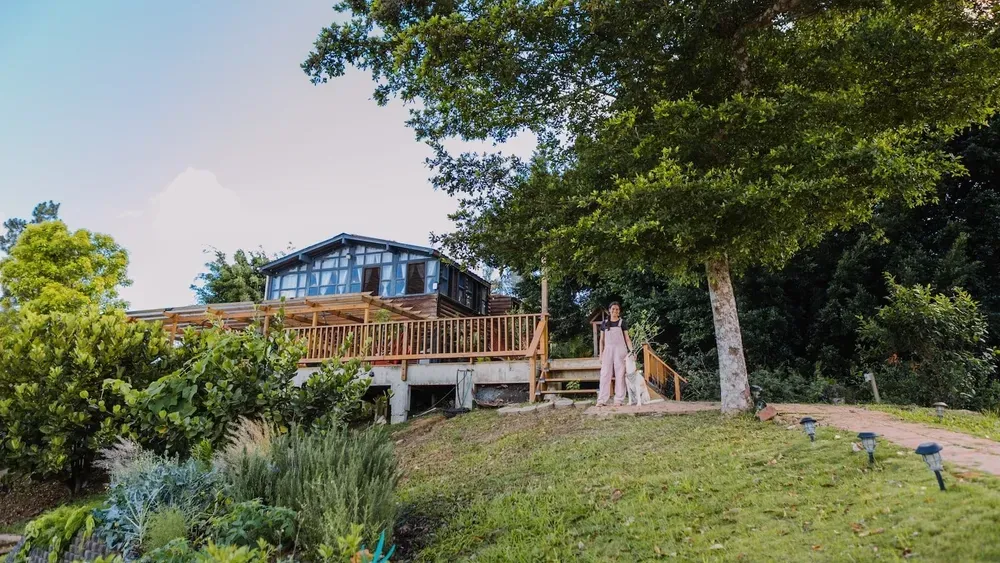
Located in the scenic Cercadillo community in Cayey, El Pretexto serves as the first culinary farm lodge in Puerto Rico. The women-owned agroecological property offers a small number of villas surrounded by coffee groves, gardens, and free-range poultry, with views stretching from the mountains to the south coast.
Guests participate in immersive culinary experiences that highlight local traditions, like preparing sofrito and filleting freshly caught fish. Much of the food is sourced directly from the property or nearby farms.
“Her love of Puerto Rican cuisine and for the island and its people is infectious,” says recent visitor Amy of the owner, Crystal. “Much of what she served was sourced from her property or through her connections with local farmers and fishermen.”
Stays like this are intentionally small and place-specific, offering travelers a one-of-a-kind experience centered on local agriculture and culture rather than a traditional resort-style visit.
In Virginia’s Loudoun County, properties such as Meadowkirk at Delta Farm are also leaning into the slow-travel appeal. Set across hundreds of acres, the retreat center focuses on rest and reflection, including shared meals and low-key group experiences.
Big Sky Reflects the Move Toward Rural Destinations
Expedia named Big Sky one of its top U.S. destinations for 2026 after the area saw a 92% surge in flight and accommodation searches in 2025.
Melanie Fish, vice president of global public relations for Expedia Group, said destinations like Big Sky align with the company’s “Smart Travel Health Check,” a framework inspired by the World Travel & Tourism Council that highlights destinations that offer meaningful experiences while helping manage overtourism.
The region also reflects a broader trend toward nature-based travel and flexible lodging. Camper-van and RV trips, which surged during the pandemic, remain popular for visitors exploring Big Sky and nearby national parks. These options let travelers avoid crowded hotels and move at their own pace.
“Historically, Big Sky has been a natural stopover for people traveling between Yellowstone and Glacier,” says Trevor James, COO of Moterra Campervans. “What we’re seeing now is a shift where people are choosing Big Sky as a destination in itself. Guests are building full trips around it instead of just passing through.”
James notes that mobile travel plays a key role in this shift.
“When they travel by camper van, they experience it as a region. You’re not just visiting Big Sky, you’re moving through Gallatin Canyon, remote forest roads, and wild public lands where you can camp for free and truly feel how vast Montana is. That sense of scale is the magic.”
Sober Travel Moves Into the Mainstream
Alongside nature-based travel, demand for alcohol-free experiences is growing, especially among younger travelers.
A 2024 report from StudentUniverse found that 77% of Gen Z travelers prefer vacations that don’t center on drinking, while Expedia data shows 49% of travelers, and up to 66% of those ages 25 to 35, are interested in hotels that offer alcohol-free beverages.
In response, some hotels are expanding zero-proof drink programs beyond basic substitutions.
At the wellness-focused Palmaïa, The House of AïA, alcohol-free beverages are presented first on menus rather than as an alternative.
“From the very beginning, Palmaïa was created as a place where clarity, presence, and well-being are at the center of the experience,” says founder Alex Ferri.
Leading with alcohol-free beverages came from that philosophy and was later reinforced by what guests were already asking for. The goal is to support sober travelers and reshape expectations around vacation drinking culture.
“We wanted sober travelers to feel genuinely celebrated with sophisticated, complex drinks that feel like an experience, not like a compromise,” says Ferri. He adds that travelers are finding they feel better, sleep better, and enjoy their vacation more when alcohol isn’t the focus.
by Alexandra Caspero | Guessing Headlights
Copyright Associated Press. All rights reserved. This material may not be published, broadcast, rewritten, or redistributed.
Madison, Wisconsin, long known as a progressive college town and policy laboratory, is steadily gaining attention as an unusually welcoming destination for LGBTQ+ travelers in the American Midwest.
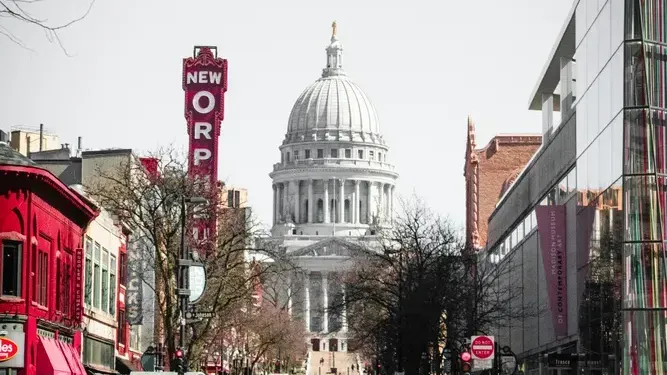
On paper, Madison, Wisconsin, looks like many mid‑sized American college towns: a state capitol dome rising above a compact downtown, a Big Ten campus threaded by bike lanes, and neighborhoods stretching out along two large lakes. But for LGBTQ+ travelers seeking a destination that is queer‑affirming without the crowds or costs of traditional resort cities, Madison has been quietly building a reputation as a welcoming hub in the Upper Midwest.
The city combines explicit LGBTQ+ legal protections with a long‑running culture of student activism, arts, and community organizing, offering visitors a mix of safety, access, and local texture that is still largely absent from mainstream queer travel lists.
Strong protections in a purple state
Wisconsin became the first U. S. state to enact a statewide law banning discrimination on the basis of sexual orientation in employment, housing, and public accommodations in 1982, a protection that remains in force today. Madison layered additional safeguards on top of that baseline, including local ordinances that protect people from discrimination based on gender identity and gender expression in housing, employment, and public accommodations.
Those local protections matter for visitors as well as residents. Hotels, restaurants, bars, and venues in the city are bound by Madison’s public accommodations rules, which explicitly cover transgender people and others whose gender expression may not conform to stereotypes. The Madison Police Department also maintains an LGBTQ+ liaison officer position to support community relations and reporting, a model that some cities have adopted to improve trust between law enforcement and marginalized communities.
That local framework stands in contrast to the broader national picture. While Wisconsin’s statewide law is notable for its early focus on sexual orientation, it does not explicitly mention gender identity, leaving transgender people and nonbinary people reliant on a patchwork of federal interpretations and local ordinances for clear protections. Madison’s decision to codify gender identity as a protected class is one reason the city receives a perfect score on the Human Rights Campaign’s Municipal Equality Index, which evaluates local LGBTQ+ policies such as nondiscrimination, inclusive benefits, and law enforcement engagement.
For travelers deciding where to spend tourism dollars, that score offers one data point among many. The Municipal Equality Index is not a travel ranking, but it does provide an independent snapshot of how a city’s policies align with LGBTQ+ inclusion, from youth services to city contractor rules.
A college town where queer culture is part of the landscape
At street level, Madison’s LGBTQ+ visibility is shaped heavily by the University of Wisconsin–Madison, a flagship campus with more than 49, 000 students that has operated a staffed LGBTQ+ campus center since the early 1990s. The Gender and Sexuality Campus Center coordinates training, discussion groups, and events for students and community members, helping normalize queer and trans presence in classrooms, campus housing, and public spaces.
That campus energy spills into adjacent neighborhoods like State Street and the Capitol Square area, where coffee shops, bookstores, and vegetarian restaurants often double as informal queer‑friendly spaces. Visitors walking State Street, a pedestrian‑oriented thoroughfare linking the university and the capitol, encounter rainbow flags in storefronts, LGBTQ+ inclusive “all are welcome” signage, and flyers for drag shows, queer dance nights, and mutual aid fundraisers posted in windows and on kiosks.
Madison’s dedicated LGBTQ+ nightlife venues are clustered downtown and on the near east side. FIVE Nightclub, a long-running queer bar and performance venue, remains the city’s premiere stage for high-energy drag shows, themed dance nights, and fundraisers featuring local performers. Downtown, Shamrock Bar & Grille serves as the city's oldest gay landmark, offering a welcoming "neighborhood pub" atmosphere, while Sotto provides a high-energy dance floor popular with university students and young professionals.
These venues sit within broader corridors known for progressive politics and independent culture. The near-east corridor around Williamson Street—locally dubbed “Willy Street”—is the city's alternative heart. While former anchors like Plan B have closed, the space has evolved into The Crucible, an inclusive, "alternative" venue that hosts everything from drag and burlesque to goth and kink nights.
Willy Street remains home to co-ops, live-music venues, and community gardens, drawing a dense population of artists, students, and organizers, including many LGBTQ+ people. For visitors, this means queer-friendly spaces often overlap with broader cultural offerings—like the trans-owned Giant Jones Brewing or the feminist bookstore A Room of One's Own—offering a sense of total community integration rather than a single, isolated “gayborhood.”
Pride on the capitol steps and beyond
Madison’s public Pride celebrations reflect that integration. While Milwaukee hosts Wisconsin’s largest Pride festival in June, Madison’s OutReach Magic Pride Festival brings thousands of people together each August for performances, resource booths, and community gathering. Following a shift to create a more expansive and inclusive environment, the festival is now held at Warner Park on the city’s north side rather than in a downtown square.
The event is organized by the OutReach LGBTQ+ Community Center, a nonprofit that has provided support, advocacy, and social programming for local LGBTQ+ people since 1973. By hosting the festival in August, Madison honors the historical "Magic Picnic" of the 1970s while offering a "summer encore" that distinguishes its local celebration from the national June circuit.
In recent years, organizers have emphasized intergenerational participation, with youth areas, sober spaces, and family‑friendly programming alongside drag performances and live music. For visitors, the festival offers a window into local networks, from transgender support groups to queer‑led faith communities and health initiatives, many of which maintain tables and information booths.
Smaller Pride‑themed events are woven through the summer and fall calendar. Drag brunches at local restaurants, Pride‑focused trivia nights, and LGBTQ+ film screenings at venues such as the historic Barrymore Theatre and the nonprofit Madison Museum of Contemporary Art punctuate the city’s event listings. Some of these events are coordinated with campus groups or queer‑affirming faith congregations, illustrating how Pride in Madison extends beyond a single weekend.
A regional hub for Midwestern queer travelers
Multiple travel and lifestyle publications have begun flagging Madison as an underappreciated destination for LGBTQ+ travelers. A feature on affordable queer‑friendly cities by the Queer Money Podcast highlighted Madison’s combination of progressive politics, university‑driven culture, and relatively low cost of living, noting that queer residents and visitors can find affirming spaces without the housing and travel prices common in coastal metropolitan areas.
Mainstream travel outlets have echoed that framing. The U. S. edition of Condé Nast Traveler has referred to Madison as a “liberal oasis” in the Upper Midwest, pointing to its bike infrastructure, lakefront parks, and food culture as key draws for weekend visitors. Travel Madison, the region’s official tourism bureau, actively markets the city’s LGBTQ+ inclusivity in its promotional materials, highlighting Pride events, queer‑owned businesses, and the city’s perfect Municipal Equality Index score as part of a broader “come as you are” messaging strategy.
Because Madison sits within driving distance of Chicago, Minneapolis–Saint Paul, and Milwaukee, it functions as a regional hub for queer travelers seeking a smaller‑scale getaway. Weekend visitors commonly combine daytime outdoor activities—such as biking the Lake Monona Loop, kayaking on Lake Wingra, or hiking at nearby state parks—with evenings spent in local bars, music venues, or drag shows. For some Midwestern LGBTQ+ people, particularly those living in smaller towns without explicitly queer spaces, Madison offers a closer and more affordable option than flying to coastal destinations.
Queer‑affirming culture across arts, food, and nightlife
The city’s restaurant and bar scene incorporates queer-affirming spaces beyond explicitly labeled venues. Establishments along Willy Street and the Near East side—such as Fair Trade Coffee House or Johnson Public House—regularly host queer reading series and community meet-ups. While these businesses serve a broad clientele, their programming and visible 'all-gender' signage explicitly welcome LGBTQ+ patrons, a factor many queer travelers weigh when selecting destinations."
Community infrastructure behind the scenes
Madison’s ability to present a welcoming face to visitors rests on infrastructure that primarily serves local LGBTQ+ people year‑round. OutReach LGBTQ+ Community Center operates support groups, peer counseling, and educational programs addressing topics such as coming out, navigating health systems, and supporting transgender youth. The organization also coordinates with schools, employers, and faith communities to provide training on LGBTQ+ inclusion, shaping the broader climate that visitors experience in hotels, restaurants, and public spaces.
Health care access is another component. UW Health, the health system affiliated with the university, maintains specialized services for LGBTQ+ patients, including a Gender Services Program that provides gender‑affirming medical care and support for transgender and nonbinary people. While those services primarily benefit residents, their existence signals an institutional commitment to LGBTQ+ health that can be reassuring to queer travelers considering longer stays or relocations.
Local advocacy groups also work at the policy level. Fair Wisconsin , a statewide LGBTQ+ civil rights organization based in Madison, has campaigned for inclusive nondiscrimination protections, relationship recognition, and safe schools policies since the 1990s. Its presence contributes to an environment in which LGBTQ+ issues are part of mainstream political discussion at the capitol, visible to visitors arriving for tours or events.
Navigating a changing political climate
Madison’s queer-affirming reputation exists within a complex national and state context. While the city remains a declared trans sanctuary, Wisconsin’s Republican-led legislature continues to pass measures aimed at restricting gender-affirming care and transgender participation in sports. While Governor Tony Evers has consistently used his veto power to block these bills, the legal landscape remains a "patchwork" that travelers must navigate carefully.
This tension reached a critical point in early 2026, when UW Health suspended pediatric gender-affirming medical treatments for minors. This institutional shift—driven by federal funding concerns rather than state law—has significantly altered the landscape for visiting families who once viewed the city as a regional medical hub. Despite this, Madison’s local leaders and the Madison Metropolitan School District continue to publicly defy state-level trends, affirming policies that protect students' privacy and their right to use facilities and pronouns aligned with their gender identity.
For travelers, this underscores that Madison offers a set of relative strengths rather than a fully resolved environment. Organizations like OutReach LGBTQ+ Community Center and Fair Wisconsin continue to document incidents of bias while providing the advocacy that maintains Madison's status as a progressive stronghold. For visitors, especially those with nonbinary or transgender youth, the city’s local protections provide a necessary—if currently strained—buffer against broader political shifts.
A “hidden gem” that is still evolving
Unlike well‑known LGBTQ+ travel destinations such as Provincetown, Palm Springs, or Montreal, Madison rarely appears at the top of international queer travel lists. Instead, it surfaces in niche rankings focused on affordability, quality of life, or progressive politics, where its combination of protections, culture, and scale stands out.
For many LGBTQ+ travelers, that relative anonymity can be a feature rather than a drawback. Madison’s hotel rates and dining costs generally track with other mid‑sized U. S. cities, and its compact layout allows visitors to walk or bike between lakeside parks, museums, and queer‑friendly venues without needing a car. Outdoor‑oriented queer travelers can spend a morning kayaking on Lake Monona, an afternoon browsing independent bookstores and galleries, and an evening at a drag show or live‑music event, all within a few square miles.
Local advocates and tourism officials say the city is still in the process of articulating an explicit LGBTQ+ travel identity. OutReach LGBTQ+ Community Center and Destination Madison have partnered on visibility campaigns and resource guides aimed at helping visitors locate queer‑owned or queer‑affirming businesses, while also emphasizing that LGBTQ+ people are integrated into the city’s broader civic and cultural life.
For queer travelers looking beyond the usual coastal or resort‑style destinations, Madison offers one model of what a “hidden gem” can look like in 2026: a city where policy, campus culture, and community infrastructure have aligned over decades to create an environment that is not branded primarily as an LGBTQ+ enclave, but where LGBTQ+ people can move through public life with a degree of safety, visibility, and everyday inclusion.
by Chris Tremblay
Copyright EDGE Media Network. All rights reserved. This material may not be published, broadcast, rewritten, or redistributed.