Passport Q
Chris Tremblay  May 18
8 MIN READ

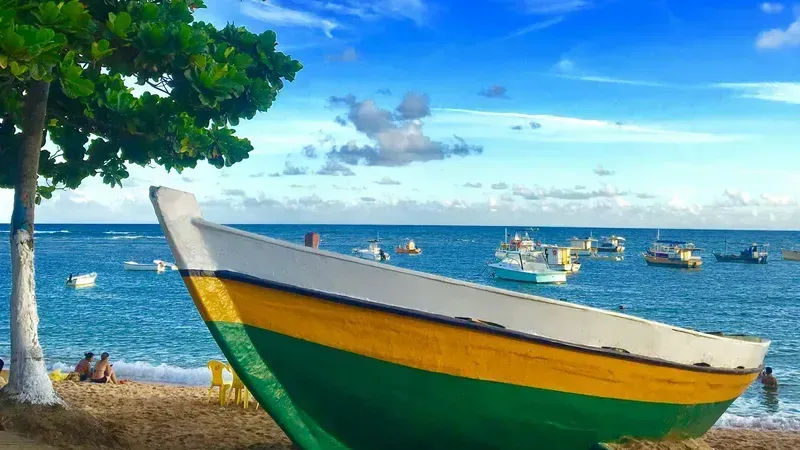
An hour up the coast from Salvador, the small resort town of Praia do Forte in Bahia, Brazil, is quietly emerging as a queer‑welcoming beach escape—without yet appearing on many mainstream LGBTQ+ travel lists.

On Brazil’s northeastern coast, past the industrial outskirts of Salvador and along a highway fringed with coconut groves, Praia do Forte appears almost abruptly: a compact pedestrian village of cobbled lanes, open‑air cafés and a long crescent of sand where surfers, families and queer couples share the same stretch of Atlantic shoreline.

Despite its popularity with Brazilian travelers, Praia do Forte rarely appears in international LGBTQ+ destination roundups, which tend to focus on Rio de Janeiro, São Paulo or Florianópolis. Yet local activists and tour operators say this coastal community in the state of Bahia—a region long associated with Afro‑Brazilian culture and a history of resistance—is steadily becoming a discreet but genuinely welcoming base for queer travelers seeking beaches, culture and safety without the intensity or cost of Brazil’s major urban hubs.

Brazil’s evolving LGBTQ+ landscape—and Bahia’s place in it


Any account of queer‑friendly travel in Brazil starts with the law. Same‑sex marriage has been legal nationwide since 2013, following a ruling by Brazil’s National Council of Justice that required notaries to perform marriages and convert stable civil unions into marriages. Transgender people gained the right to change their name and gender marker on civil records without surgery or judicial authorization in a 2018 decision by the Federal Supreme Court.

Brazil’s federal Supreme Court has also criminalized homophobia and transphobia by equating them with racism under existing anti‑discrimination laws, effectively allowing hate crimes based on sexual orientation or gender identity to be prosecuted with similar severity. These decisions place Brazil among Latin America’s more progressive countries on paper, a status reflected in regional equality assessments that rank it in the upper tier, behind Uruguay and Argentina but ahead of several neighbors.

Yet rights on paper do not always translate to safety in the street. Brazilian LGBTQ+ organizations have repeatedly documented high levels of anti‑LGBTQ+ violence, particularly against transgender women and Black queer people, prompting warnings that travelers should understand local nuances.

Bahia, whose capital is Salvador, occupies a complex position in this landscape. It is one of Brazil’s most culturally influential states, with a Black majority population and a deep Afro‑Brazilian heritage expressed through Candomblé religious traditions, music and cuisine. Salvador’s Carnival, considered one of the largest street festivals in the world, has long included queer participation and blocos featuring drag performers, and the city hosts an annual Pride parade that draws hundreds of thousands of participants.

While Bahia still contends with homophobia and transphobia, local authorities and civil society organizations have launched initiatives to promote diversity, including an “LGBT+ Friendly Bahia” tourism campaign highlighting inclusive businesses in Salvador and coastal towns such as Praia do Forte.

A beach town built around conservation, not nightlife


Praia do Forte itself is small: the village has approximately 3, 000 permanent residents, though that number swells significantly on weekends and holidays when domestic tourists arrive. The town grew up around a 16th‑century fortress and a fishing community, but its modern identity is tied to eco‑tourism and planned development rather than high‑rise resorts.

In the 1970s and 1980s, the surrounding area was purchased and developed with an emphasis on low‑rise architecture and environmental preservation, including protection of dune systems and native vegetation. Today, the village center is mostly pedestrianized: the main street, known as Alameda do Sol, is lined with boutiques, pousadas , bars and restaurants, many of them open‑fronted and operating late into the evening.

The beach itself runs for several kilometers, with natural pools formed by reefs at low tide that are popular with families and snorkelers. The relative absence of large all‑inclusive resorts within the village core has contributed to a more mixed clientele: Brazilian family groups, couples, solo travelers and foreign visitors share the same streets, and no single demographic dominates.

For LGBTQ+ travelers, that integrated, small‑scale atmosphere can translate to a sense of being part of the everyday fabric rather than confined to a specific “gay beach. ” International travel advisories frequently note that in Brazil, queer acceptance is often strongest in urban and tourist areas where diversity is normalized. Praia do Forte fits this pattern: while it does not market itself explicitly as a gay destination, local tourism authorities include it in broader campaigns that frame Bahia as inclusive, and there are documented examples of queer‑owned businesses and mixed‑crowd venues where same‑gender couples can socialize without attracting undue attention.

Turtles, tides and a quieter kind of queer‑friendly


One of Praia do Forte’s most distinctive features is its role in Brazil’s sea turtle conservation movement. The town is home to one of the main visitor centers of Projeto Tamar, a long‑running national program that protects sea turtles through research, community engagement and environmental education.

The Praia do Forte center includes open‑air pools where rescued turtles are rehabilitated, educational exhibits and nighttime nest‑monitoring activities during the nesting season, typically from October to March. Families, school groups and international visitors mingle on the pathways, turning conservation into a shared social activity.

While Projeto Tamar is not an LGBTQ+ organization, its presence contributes to a broader culture of environmental awareness and social responsibility in the town. Brazilian LGBTQ+ travel specialists have noted that destinations with strong community‑based tourism and environmental projects often foster more inclusive attitudes, because they rely on attracting a diverse range of visitors and on long‑term relationships with guests. In interviews about Brazilian eco‑tourism corridors that include Praia do Forte, regional tourism planners have explicitly linked sustainability, community participation and diversity as pillars of development.

In practice, queer travelers who visit Praia do Forte describe a low‑key environment in which hand‑holding and public affection between same‑gender couples is increasingly visible on the beach and in restaurants, particularly on weekends when the town fills with visitors from Salvador. These reports align with broader observations that Brazil’s beach culture in tourist zones tends to be socially relaxed, provided visitors remain mindful of local norms.

Proximity to Salvador’s established queer scene


Part of Praia do Forte’s appeal for LGBTQ+ travelers is its access to, but separation from, Salvador’s larger and more visible queer community. The beach town lies about 80 kilometers north of the city, along the Linha Verde coastal highway. Regular buses and private transfers connect the two, and the journey generally takes around 1. 5 hours, depending on traffic.

Salvador has a documented LGBTQ+ nightlife scene, with bars and clubs in neighborhoods such as Rio Vermelho, Comércio and the historic Pelourinho, where mixed‑crowd venues host drag performances, samba and electronic music nights. During Carnival and Pride, the city’s trio elétrico parade trucks and street blocos include performances by openly queer artists, and local organizations use the events to advocate for LGBTQ+ rights.

International LGBTQ+ travel guides routinely recommend Salvador as a culturally rich stop for queer travelers who want Afro‑Brazilian music, religious heritage sites and nightlife without the scale of Rio de Janeiro. For those based in Praia do Forte, this means they can spend days in a quiet, beach‑centered environment and then dip into urban queer spaces for a night out or a festival before returning to the village.

Local tourism officials in Bahia have promoted this combination explicitly, positioning Salvador and Praia do Forte as a “culture and coast” pairing suitable for travelers seeking both city experiences and relaxation. While these campaigns do not exclusively target LGBTQ+ visitors, they highlight Pride events, inclusive cultural programming and a range of accommodations, including boutique inns and guesthouses that advertise themselves as welcoming to all couples.

Where queer travelers are staying—and what they’re eating


Praia do Forte’s lodging options skew toward small and medium‑sized pousadas rather than international hotel chains. Many are individually owned properties with 10 to 30 rooms, interior gardens and swimming pools, some of them explicitly marketing to couples and honeymooners.

Brazilian LGBTQ+ travel agencies that operate in Bahia describe Praia do Forte as a destination where queer couples can book mainstream accommodations without necessarily seeking out a “gay hotel, ” because staff in tourist‑oriented businesses are accustomed to diverse guests. While specific guesthouse owners’ identities are not always publicized, Bahia’s tourism secretariat has documented LGBTQ+‑friendly businesses in the region as part of its inclusive tourism program, which includes training in non‑discriminatory service practices and diversity awareness for hospitality workers.

Dining in Praia do Forte reflects Bahia’s culinary traditions: moqueca , acarajé and various preparations of fresh fish are commonly served in beachside restaurants and casual eateries along Alameda do Sol. The region’s strong Afro‑Brazilian influence is evident, and Salvador’s historic Pelourinho district—reachable as a day trip—offers deeper immersion with restaurants and cultural centers focusing on this heritage.

For many LGBTQ+ travelers, food can be a key entry point into local culture, and Bahia’s well‑documented culinary scene allows visitors to connect with the state’s Black and Indigenous histories, which have been central to Brazil’s broader movements for social justice and inclusion. While these movements are not exclusively queer, alliances between Black, feminist and LGBTQ+ organizations in Bahia have been recorded in campaigns against gender‑based violence and racism, reinforcing an intersectional approach to rights that informs local civic life.

Safety, visibility and the realities behind the postcard


Despite the welcoming atmosphere many visitors experience, it is important to contextualize Praia do Forte and Bahia within Brazil’s ongoing struggles with violence and inequality. Human rights organizations have reported that Brazil continues to record high numbers of killings of LGBTQ+ people, particularly transgender women, and have criticized authorities for inconsistent investigations and a lack of comprehensive national data.

Grupo Gay da Bahia, one of the country’s oldest LGBTQ+ rights organizations, based in Salvador, has published annual reports on anti‑LGBTQ+ violence for decades and has advocated for better protections and visibility for queer communities in the state. These reports emphasize that while coastal tourist areas like Praia do Forte may feel relatively safe, marginalized Brazilians—especially those who are Black, poor or transgender—face higher risks elsewhere.

Travel advisories from international LGBTQ+ tour operators recommend that visitors exercise the same caution in Bahia that they would in other parts of Brazil: avoiding isolated areas at night, being aware of petty theft, and adjusting expressions of affection according to context, particularly outside major tourist zones. These same sources note, however, that in practice, queer travelers in destinations like Salvador and the Bahia coast generally report positive interactions, especially in hospitality settings familiar with international guests.

The Brazilian government has recognized violence and discrimination against LGBTQ+ people as a public policy issue, and in 2023 announced measures including the reactivation of a national council focused on LGBTQ+ rights and efforts to improve data collection on hate crimes. Bahia’s state government has participated in these initiatives, including public campaigns against LGBTQ+phobia and support for Pride events.

An emerging “hidden gem” rather than a gayborhood


Praia do Forte does not have a designated “gay street” or rainbow‑flagged district, and it is unlikely to become Brazil’s next big party destination. Instead, its draw for LGBTQ+ travelers lies in a quieter combination of factors: progressive national laws, state‑level inclusion efforts, proximity to a city with an established queer community and a tourism model oriented around sustainability and cultural immersion rather than nightlife alone.

Regional and international travel outlets have started to highlight Bahia more frequently as a queer‑friendly region, pointing to Salvador and coastal towns like Praia do Forte as alternatives for travelers who may have already visited Rio de Janeiro or São Paulo. Yet the town remains largely absent from mainstream LGBTQ+ destination rankings compiled by large English‑language media brands, which tend to focus on well‑known South American capitals and beach resorts.

For travelers who prioritize local culture over club‑hopping, that relative anonymity can be part of Praia do Forte’s appeal. Days in the village follow an unhurried rhythm: sunrise over the reef pools, a walk to the turtle center, a lunch of moqueca under a thatched roof, an afternoon of reading under palm trees and an evening drink on Alameda do Sol while music spills onto the lane. Within that rhythm, queer couples and transgender travelers increasingly report feeling visible but unremarkable—noticed, when at all, as just another part of a larger, diverse crowd.

If Brazil’s ongoing efforts to strengthen protections and collect better data on anti‑LGBTQ+ violence bear fruit, and if Bahia’s tourism sector continues to invest in diversity training and community partnerships, destinations like Praia do Forte may come to be recognized not only for their beaches and turtles, but as models of how smaller, environmentally minded resorts can quietly embed inclusion into their everyday life.

For now, though, Praia do Forte remains something of a hidden gem in South America’s queer‑friendly map—a place where the most visible symbols of LGBTQ+ inclusion might be less about rainbow flags and more about who is comfortably sharing a table at the beach bar at sunset.

by Chris Tremblay

Copyright EDGE Media Network. All rights reserved. This material may not be published, broadcast, rewritten, or redistributed.

Chris Tremblay  May 16
5 MIN READ

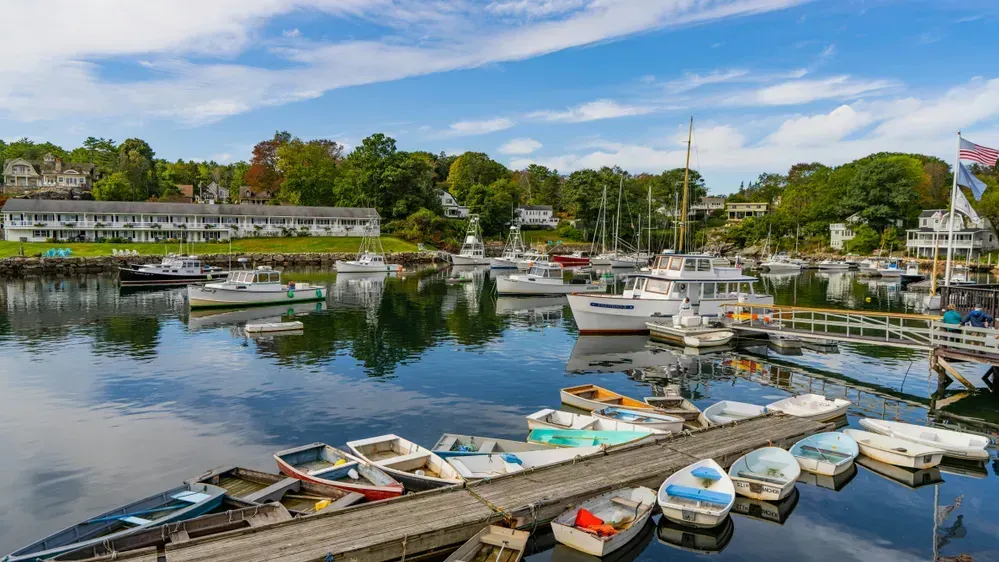
Long known to insiders but still a surprise to many travelers, Ogunquit, Maine, is emerging as a small-town LGBTQ+-friendly escape where cliffs, beaches, art galleries, and queer-owned businesses coexist without the usual big-city fuss.

If Provincetown is the glittering extrovert of New England queer travel, Ogunquit is its softer-spoken cousin: still stylish, still celebratory, but happier to greet you with sea salt on the wind than a velvet rope. The Maine town has long been described as a refuge for LGBTQ+ travelers, and recent travel coverage continues to place it among North America’s under-the-radar queer-friendly destinations.

by Chris Tremblay

Copyright EDGE Media Network. All rights reserved. This material may not be published, broadcast, rewritten, or redistributed.

Mandy Applegate  May 14
5 MIN READ

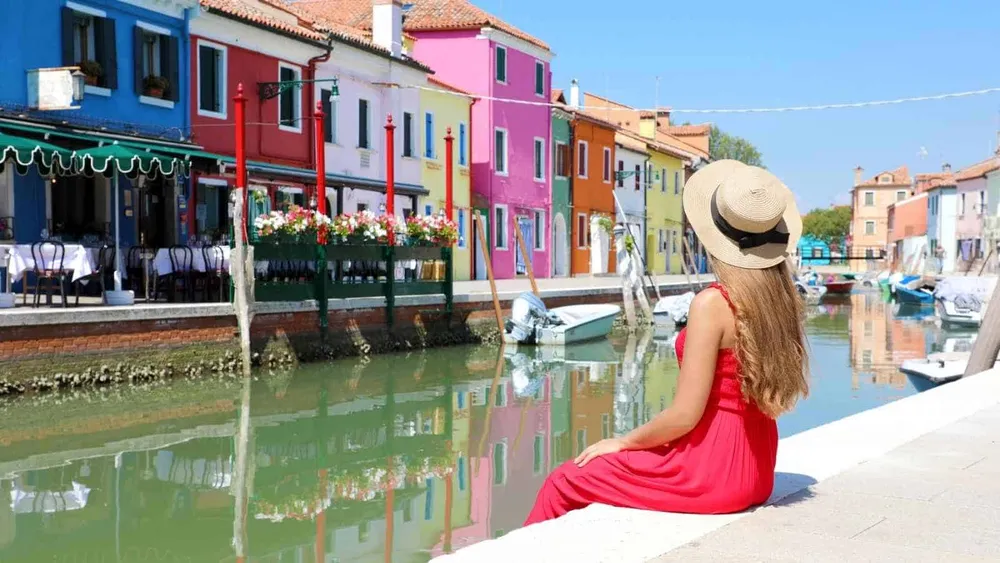
Search interest in slow travel hit an all-time high in 2026, according to Google's 2026 travel trends data, with searches for "slow travel Italy" alone climbing 100% in a single month. At the same time, bookings for trips of more than eight days grew by 19% compared to the prior year, which indicates a clear, measurable shift in how Americans choose to spend their time away.

Search interest in slow travel hit an all-time high in 2026, according to Google's 2026 travel trends data, with searches for "slow travel Italy" alone climbing 100% in a single month. At the same time, bookings for trips of more than eight days grew by 19% compared to the prior year, which indicates a clear, measurable shift in how Americans choose to spend their time away.

by Mandy Applegate

Copyright Associated Press. All rights reserved. This material may not be published, broadcast, rewritten, or redistributed.

Rio Yamat  May 6
3 MIN READ

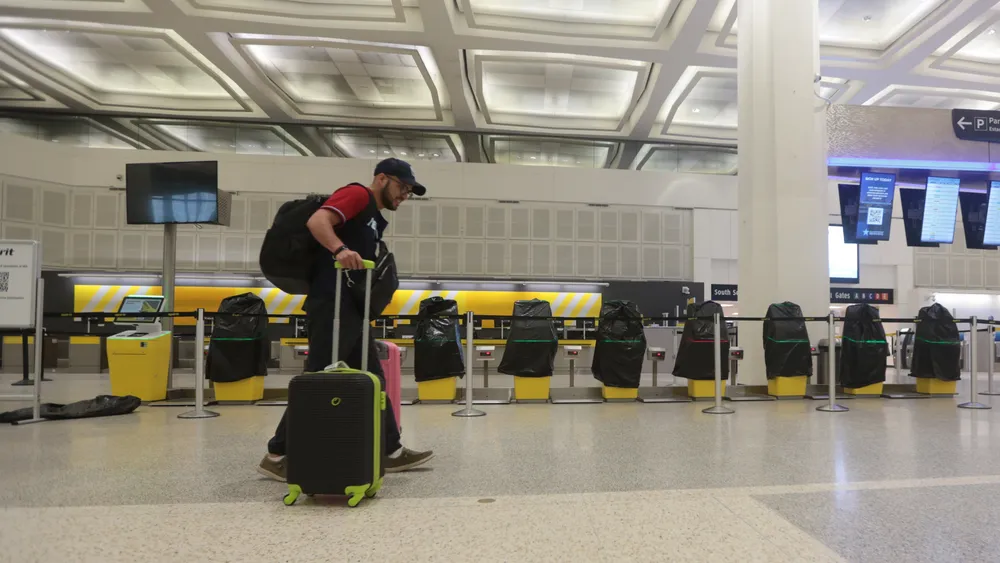
Spirit Airlines has secured court approval to begin dismantling the once-busy budget carrier and sell its parts to pay creditors

The bright yellow planes are grounded. Now the selloff begins.

by Rio Yamat

Copyright Associated Press. All rights reserved. This material may not be published, broadcast, rewritten, or redistributed.


Mark Kennedy  May 5
1 MIN READ

A star-studded cruise ship featuring Broadway's biggest names is setting sail from Florida to Mexico and the Bahamas next spring

A star-studded cruise ship with some of Broadway's biggest names — including Tony Award-winners Patti LuPone, Darren Criss, Norbert Leo Butz and Adrienne Warren — is setting sail from Florida to Mexico and the Bahamas next spring.

by Mark Kennedy

Copyright Associated Press. All rights reserved. This material may not be published, broadcast, rewritten, or redistributed.

Aamer Madhani  May 2
2 MIN READ

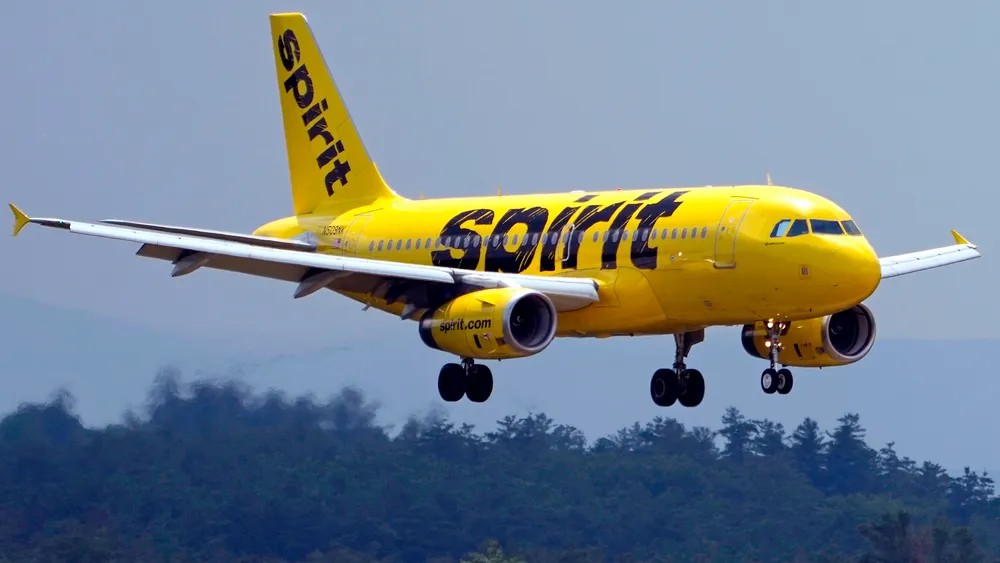
Spirit Airlines has announced it is going out of business after 34 years

Spirit Airlines, an impish upstart that shook the industry with its irreverent ads and deep discount fares, announced Saturday that it has gone out of business after 34 years.

by Aamer Madhani

Copyright Associated Press. All rights reserved. This material may not be published, broadcast, rewritten, or redistributed.

Chris Tremblay  May 1
3 MIN READ

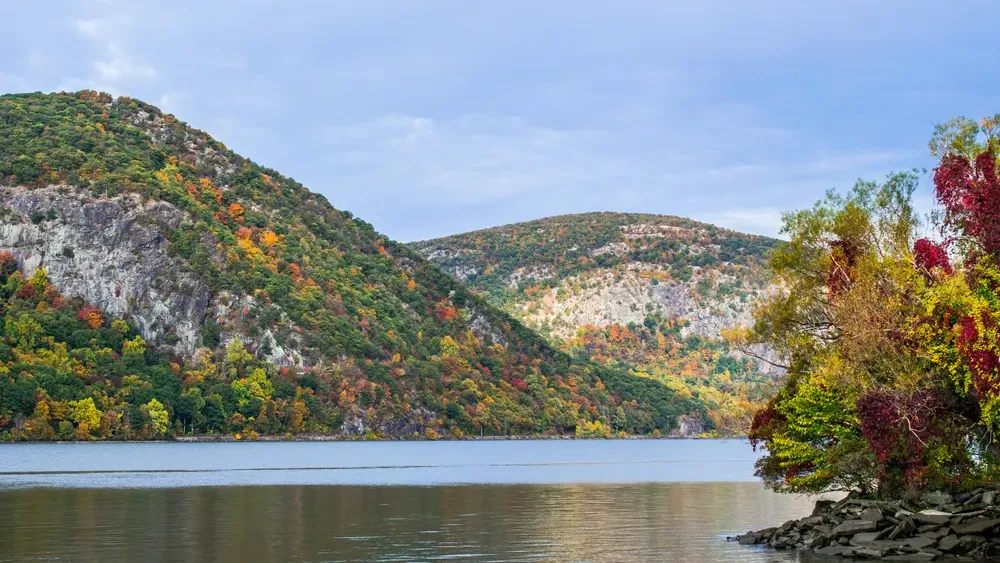
Tucked along the Hudson River, this charming upstate New York town is buzzing with LGBTQ+-owned shops, galleries flaunting homoerotic art, and a vibe that feels like a secret handshake among queer travelers. Far from the crowded scenes of Fire Island or Provincetown, Hudson offers art, antiques, and authentic community without the hype—yet.

Darlings, lean in close because I've got the tea on North America's best-kept queer secret: Hudson, New York. This riverfront darling, just 120 miles north of the Big Apple, is where queer creativity spills onto Warren Street like glitter on a dance floor. We're talking LGBTQ+-owned boutiques, galleries dripping with unapologetic homoerotica, and a community that's been thriving under the radar for years. No thumping Pride megafestals here—just the kind of intimate, sparkling energy that makes you feel seen, celebrated, and ready for a spontaneous gallery crawl or riverside cocktail.

by Chris Tremblay

Copyright EDGE Media Network. All rights reserved. This material may not be published, broadcast, rewritten, or redistributed.

Chris Tremblay  Apr 29
4 MIN READ

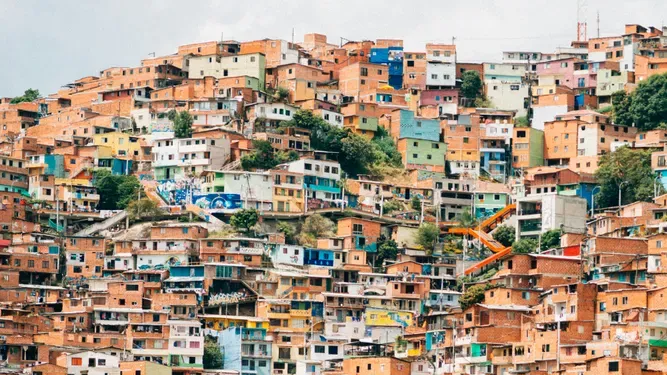
Nestled high in a lush Andean valley, Medellín emerges as a lesser-known queer-friendly gem in South America, boasting one of Latin America's most dynamic LGBTQ+ communities amid vibrant nightlife and cultural riches.

Medellín, Colombia's second-largest city, perches nearly a mile high in a verdant forested valley, transforming from a reputation marred by past violence into a beacon of innovation and inclusivity. Home to one of Latin America's most dynamic LGBTQ+ communities, queer people here are generally quite out and open, fostering an environment where same-sex relationships are visible in everyday life. This high-altitude setting, with its eternal spring climate averaging 72°F year-round, provides a refreshing backdrop for exploration, where misty mountains frame colorful neighborhoods and cable cars whisk visitors to hillside communities.

by Chris Tremblay

Copyright EDGE Media Network. All rights reserved. This material may not be published, broadcast, rewritten, or redistributed.

Chris Tremblay  Apr 28
4 MIN READ

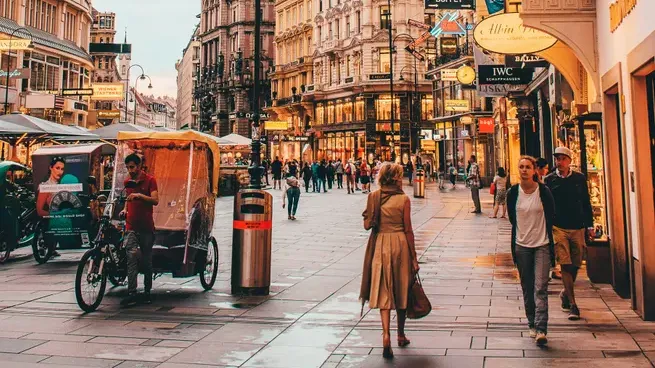
Vienna, Austria, emerges as a lesser-known queer-friendly destination in Europe, blending imperial elegance with a relaxed, inclusive atmosphere for LGBTQ+ visitors year-round.

Nestled along the Danube, Vienna stands as one of Europe's most elegant cities, where baroque palaces meet coffeehouse culture in a symphony of history and modernity. For queer travelers seeking a destination beyond the well-trodden paths of Amsterdam or Madrid, Vienna offers a sophisticated welcome that feels both timeless and contemporary. Unlike flashier hotspots, Vienna's appeal lies in its understated inclusivity—safe streets, queer-friendly museums, and a growing scene of bars and drag events that blend seamlessly with the city's old-world charm.

by Chris Tremblay

Copyright EDGE Media Network. All rights reserved. This material may not be published, broadcast, rewritten, or redistributed.

Stefanie Dazio  Apr 27
5 MIN READ

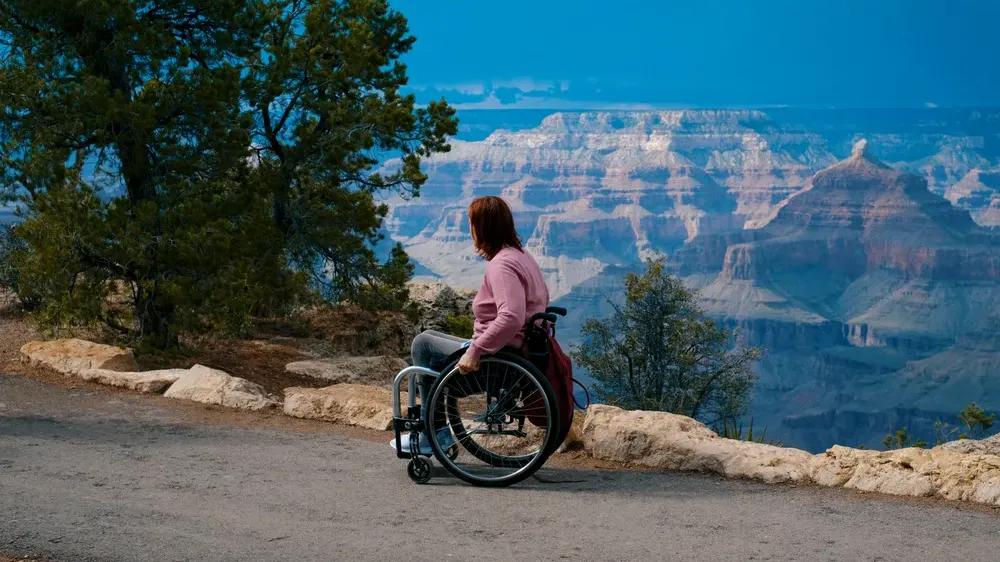
Barriers to tourism for people living with disabilities can range from the obvious, such as an out-of-service elevator, to an outing that’s too long or a setting that’s too loud

For people living with disabilities, barriers to tourism can range from the obvious — such as an out-of-service elevator — to the unseen, like an outing that's too long or a setting that's too loud.

by Stefanie Dazio

Copyright Associated Press. All rights reserved. This material may not be published, broadcast, rewritten, or redistributed.