The New York Times recently named Querétaro, Mexico, as one of the 52 best places to go in 2026. Mexico City, Tijuana and Cancun may be the most well-known cities in the Republica Mexicana, but they only tell half the story. In the highlands of the Bajío, there are colonial cities the color of sunset and desert valleys laced with vineyards and cheese caves.
Querétaro was founded in 1531 through a rare alliance between Spanish colonizers and the indigenous Otomí people. It quickly grew into one of New Spain's most prosperous cities. Otomí, Tarasco, Chichimeca and Spanish communities coexisted here for centuries. In 1996, UNESCO recognized its historic center as a World Heritage Site. By the early 19th century, Queretaro served as the meeting point for the conspiracy that launched Mexico's War of Independence.
Today, the city is considered one of the most dynamic and competitive economies in Mexico. Between 2021 and 2025, 74 million travelers visited the city. This generated 103 billion Mexican dollars or $5.83 million in revenue, and an average hotel occupancy of 64%. Its rise in popularity has not gone unnoticed. When The New York Times named Querétaro as one of their unique, emerging hotspots, they cited the area's recent reputation as a destination for food and drink.
And yet, internationally, it remains largely under the radar. However, it's quietly defining itself as Central Mexico's next designated travel destination. Now is the ideal time to experience it before the rest of the world catches on.
A colonial city that outlasted its own history
Querétaro has about 1 million residents and sits in a dry, high-altitude landscape that feels nothing like the Mexico most tourists know. The historic center is walkable and compact, with mostly well-kept Spanish colonial architecture from the 18th century. Buildings more than 200 years old line the streets with hues of ochre, terracotta, blue and yellow. There are active plazas, restaurants at various price points, missions, convents and small galleries.
The city's most recognizable feature is its aqueduct, characterized by 74 stone arches stretching more than 4,000 feet. It's in the 1730s and still standing at the edge of the historic center. Its image appears on menus, murals, shop signs and souvenirs throughout the city.
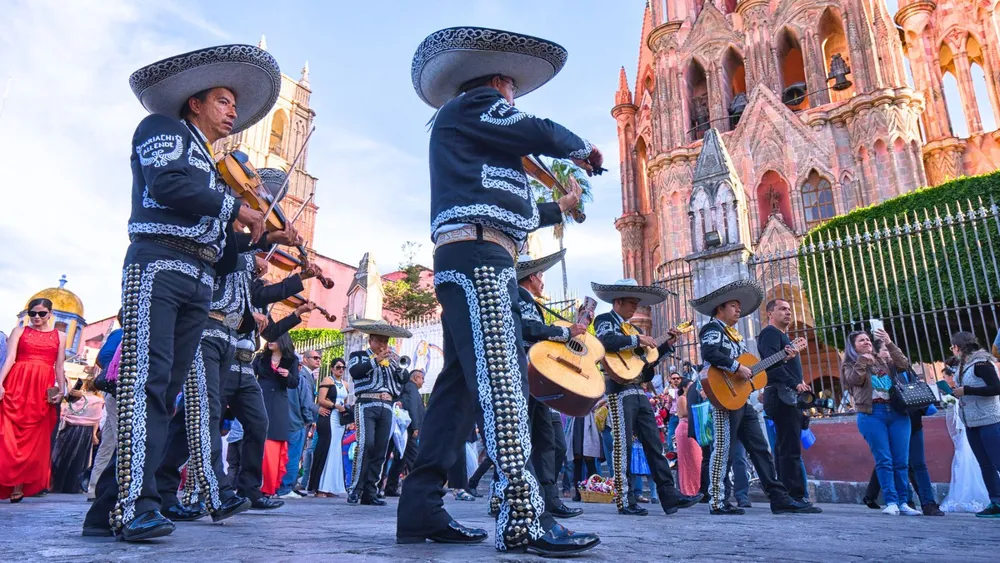
On Saturday nights, the Plaza de la Independencia fills with mariachi bands and groups of dancers doing line dances to traditional songs. It's a genuinely local scene that's not designed for tourists. If you happen to be there at the right time, it's something you won't want to miss.
Due to traffic and the high cost of living in a 23-million-person metro area, residents of Mexico City have been moving to smaller cities, resulting in Querétaro's steady growth. As you'll see, both longtime residents and newcomers live in the city. What you get is a place where a cheap torta stand operates around the corner from a serious mezcal bar, where the theater scene is small but real and where people dress, as one local put it, however they feel like.
The restaurant that puts Querétaro's pantry on the plate
Casa Concheros is one of Querétaro's better-known restaurants for regional cuisine. It's a good place to work through a few dishes specific to the area. The menu leans on local ingredients and traditional preparations.
Start with the camote: a sweet potato soup with apple and goat cheese, mild and slightly sweet, better than it sounds. The tostada arriera follows, piled with nopales and steak. Then the mole de guajolote, a dark, pepper-forward dish with just a faint trace of cocoa underneath; the kind of mole that takes most of a day to make correctly. The latter is the kind that takes hours to prepare properly.
For dessert, the camote achilado returns to sweet potato, this time with dulce de leche, berries and a crumble. Finally, the guayaba sorbet, served with a pour of mezcal, is a straightforward but good way to finish the entire ensemble.
Mexico's best-kept wine secret is in the highlands
Most people don't associate Mexico with wine. The Querétaro highlands are one reason that would totally change that outdated notion. Mexican wine has advanced significantly, with some of the more intriguing work being done in this area.
The vineyards sit 5,900 to 6,500 feet above sea level, near San Juan del Río, about 31 miles south of the city. Wineries here are increasingly making good use of the natural advantages of high altitude and low nighttime temperatures, which help maintain the grapes' acidity.
Where to stay in Querétaro
Hotels in the historic center of Santiago de Querétaro reflect both the city's history and its evolving identity. Boutique properties in the historic center lean into design and locality, while larger hotels offer a more expansive, comfort-driven stay.
At Hotel Criol, the experience begins the moment you arrive, with a welcome glass of agua de pinole served in a traditional clay cup. It's a small, thoughtful detail that sets the tone. The design is clean and modern, but doesn't feel disconnected from its surroundings, and its central location makes it easy to step out and immediately be part of the city's daily life.
A different perspective comes from Grand Fiesta Americana Querétaro. Here, the focus shifts toward space and ease: larger rooms, polished service and amenities that make it a comfortable base after long days exploring. Staying in reveals how varied the city can feel, depending on where you wake up.
That approach provides a broader idea of how people are traveling. According to Hotels.com, 54% of travelers globally are embracing the "Hotel Hop" trend, which involves booking multiple hotels within a single destination to get a fuller experience. The motivation is as much practical as it is curious: about 50% want to explore different neighborhoods, while 35% look for better value throughout their stay.
The trend also relates to how trips themselves are changing. Short city breaks, event-driven travel like concerts or festivals and even "bleisure" trips are driving the shift. One in four Gen Z and millennial travelers now extend work trips into multi-stop leisure stays.
In a place like Querétaro, where the historic center, wine country and newer districts each offer something distinct, splitting time between hotels doesn't feel excessive; it's actually a great way to see the city.
Where the cheese and wine actually come from
The area around Querétaro deserves at least a day of driving. Here you'll find some of Mexico's finest artisanal goat cheese. Its production dates back to Spanish dairy farming practices brought here after colonization, and it has since been refined over the centuries.
"Querétaro is the state that receives the most visitors nationwide through wine tourism," said Tourism Secretary Adriana Vega Vázquez Mellado in an interview with The Queretaro Post. "Ultimately, we have 20 million potential customers there, whom we need to win over, and that's where we have the greatest attraction for Querétaro."
Experts at the Global Wine Tourism Organization emphasize that "Querétaro wines have made significant progress, developing their own characteristics that strengthen their prestige."
Tequisquiapan, a town about 40 miles southeast of the city, runs a Saturday market where small producers sell directly to visitors. Pair a stop there with a winery visit, and you've got a full afternoon. It's the kind of food experience that rarely shows up in Mexico travel writing, which is half the reason to do it.
The most award-winning small city in the world
San Miguel de Allende sits about 40 miles east of Querétaro, just over the border into Guanajuato state. It has spent the past several years collecting travel awards at a pace that's hard to keep up with.
Travel + Leisure named San Miguel de Allende the best city in the world for 2025, with a reader score of 93.33%, its fourth consecutive year at the top. Condé Nast Traveler's 2025 Reader's Choice Awards hailed it as the best small city in the world. Expedia's Unpack '26 Destinations of the Year report placed it on its trending list, with a 30% year-over-year jump in search interest. Eventually, the awards stopped being surprising and started sounding like statistics.
The city takes its name from Ignacio Allende, a key figure in Mexico's fight for independence. At the entrance, a towering statue of him welcomes visitors. Inside the centro histórico, the streets are cobblestone, narrow and backed up with more traffic than you'd expect from a city this size; a direct consequence of its popularity. The houses run in shades of ochre, mustard, white and burnt red, with heavy wooden doors and iron-barred windows.
Everything in the city center revolves around the Jardín Principal, the main square where locals gather and street musicians play. At one end is the Parroquia de San Miguel Arcángel, a neo-Gothic church made with pink stone. Zeferino Gutiérrez, a local mason, rebuilt the church in the late 19th century, and reportedly used postcards of European cathedrals as design inspirations. The church, unsurprisingly, looks like it's from another continent, yet somehow feels like it belongs right in the city. Across the square, the house where Ignacio Allende was born is now a museum.
South of the church, Cuna de Allende is lined with galleries and boutique shops selling work from local artists and artisans. Contemporary Alebrije reinterpretations share wall space with ceramic crosses made from flowers and three-dimensional Lego portraits of ordinary Mexicans. A few blocks over, Plaza de la Soledad is quieter; worth a detour for the Temple of the Oratory of San Felipe Neri, a baroque church whose stone facade alone merits attention.
Plan your trip
Querétaro has its own international airport, with domestic connections and a growing number of U.S. routes. Buses from Mexico City's Terminal Norte take about two to two and a half hours and run frequently. San Miguel de Allende is about an hour from Querétaro by car; shared shuttles and private transfers connect the cities without much hassle.
October through April is the dry season, characterized by warm days, cool nights and reliable skies. December and January get cold after dark, while Semana Santa draws large crowds to both cities. If the latter is when you're going, book accommodation early.
With its blend of history, culture and culinary delights, Central Mexico rewards travelers who venture beyond the usual hotspots. And what better places to start than Querétaro and its equally fascinating neighbor, San Miguel de Allende?
Ksenia Prints is a food and travel writer from Montreal, Canada. She blogs over at We Travel We Bond, writing about family travel off the beaten path.
Copyright Associated Press. All rights reserved. This material may not be published, broadcast, rewritten, or redistributed.
Cali, Colombia: South America's Salsa-Fueled Hidden Gem for Queer Travelers
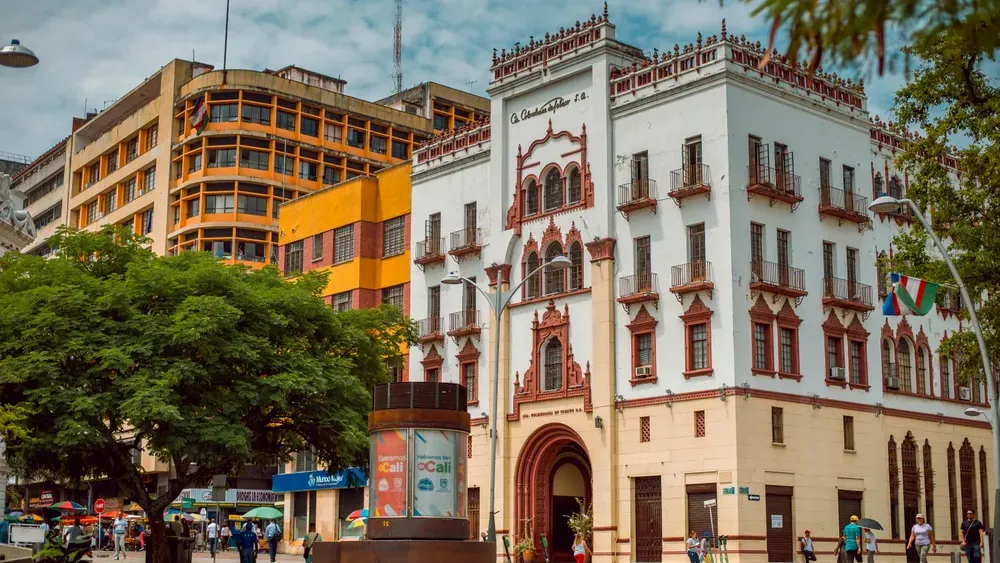
Nestled in Colombia's Cauca Valley, Cali emerges as a lesser-known queer-friendly destination in South America, celebrated for its vibrant salsa culture, welcoming LGBTQ+ nightlife, and culturally rich heritage far from mainstream tourist trails
Cali, Colombia's third-largest city with a population exceeding 2. 2 million, sits in a verdant valley at about 3, 300 feet elevation, known worldwide as the salsa capital where dance permeates daily life from street corners to grand ballrooms. Unlike Bogotá or Medellín, which dominate Colombia's LGBTQ+ travel narratives with their established scenes, Cali remains under-the-radar, drawing queer travelers who crave an immersive, less commercialized experience. Its welcoming atmosphere stems from a historically progressive urban culture where LGBTQ+ individuals openly participate in social life, bolstered by Colombia's nationwide legalization of same-sex marriage in 2016.
Copyright EDGE Media Network. All rights reserved. This material may not be published, broadcast, rewritten, or redistributed.
Belgium’s Beguinages: Tranquil Oases in a World of Noise and Distraction
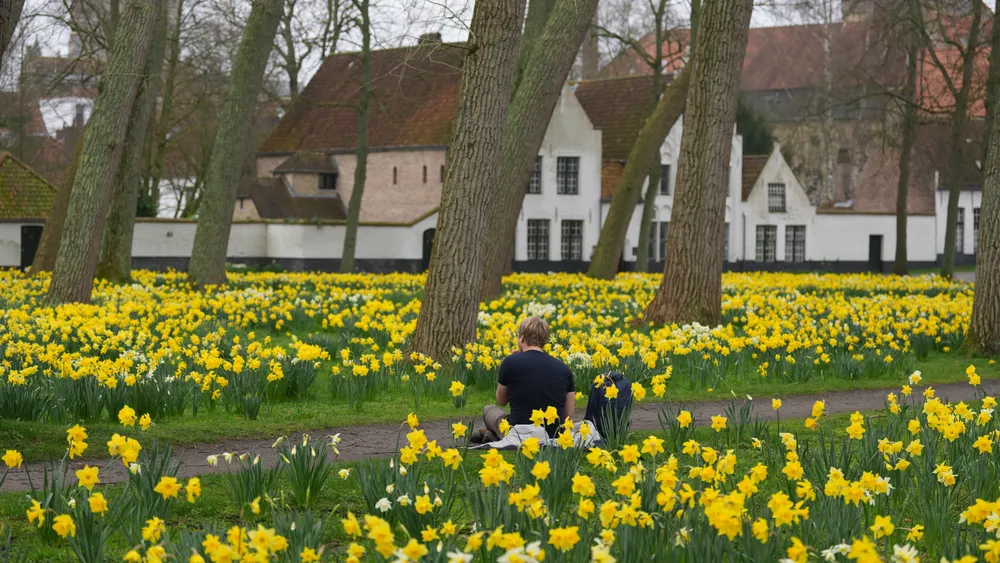
The Princely Beguinage Ten Wijngaerde in Bruges offers a tranquil refuge for women amid the city's bustling tourism
BRUGES, Belgium (AP) — The clatter of suitcases rolling over cobblestones, motorboats chugging along a canal and visitors chattering in a smattering of languages provide a soundtrack to Bruges that makes it clear you are in one of Belgium’s most touristic cities.
Copyright Associated Press. All rights reserved. This material may not be published, broadcast, rewritten, or redistributed.

Airline Adding Bunk Beds for Economy Travelers But Bans Snacks, Smells and Cuddling
Air New Zealand will soon add triple-tier bunk beds for economy travelers to have a chance to sleep on long-haul flights
Sleep on a long-haul flight in economy class has always been a fantasy for many travelers. Air New Zealand will soon offer a solution that involves climbing into a triple-tier bunk bed wearing special socks.
Copyright Associated Press. All rights reserved. This material may not be published, broadcast, rewritten, or redistributed.
Noctourism Gains Momentum As Travelers Plan Trips Around After-Dark Experiences
Travelers are increasingly planning trips around what happens after sunset, a shift known as noctourism that is changing how destinations structure their offerings and how visitors spend their time. From guided night tours to scheduled hotel programming, after-dark experiences are becoming a central part of itineraries rather than downtime between daytime activities.
Copyright Associated Press. All rights reserved. This material may not be published, broadcast, rewritten, or redistributed.
It's Music Festival Season. How to Stay Safe and Healthy While Enjoying the Show
Music festival season is here, bringing outdoor fun, music and dancing
Music festival season has arrived: a time to gather outside with friends, listening to tunes, dancing, and maybe even getting the chance to rub shoulders with musicians you love.
Copyright Associated Press. All rights reserved. This material may not be published, broadcast, rewritten, or redistributed.
Cruise Companies to Alaska Are Avoiding a Popular Excursion to Tracy Arm After a Massive Landslide
For years, a popular part of many cruises in southeast Alaska has been sailing up Tracy Arm, a long, narrow fjord marked by steep mountains, glittering waterfalls and calving glaciers
For years, a popular part of many cruises in southeast Alaska has been sailing up Tracy Arm, a long, narrow fjord marked by steep mountains, glittering waterfalls and calving glaciers.
Copyright Associated Press. All rights reserved. This material may not be published, broadcast, rewritten, or redistributed.
Japanese Town Sours on the Crowds Coming to See Cherry Blossoms and Mount Fuji
A viral photo of snow-capped Mount Fuji, a red pagoda and cherry blossoms has brought many tourists to a peaceful Japanese town
The trouble started with a beautiful photo.
Copyright Associated Press. All rights reserved. This material may not be published, broadcast, rewritten, or redistributed.
Trixie Motel: Palm Springs' Pink Paradise, a Haven for LGBTQ+ Travelers in a Desert Tourist Oasis
Nestled in the heart of Palm Springs, California—a premier tourist destination known for its mid-century modern architecture and vibrant festival scene—the Trixie Motel stands out as an LGBTQ+-friendly boutique hotel owned by drag superstar Trixie Mattel.
Palm Springs, California, has long been a magnet for tourists drawn to its sun-drenched desert landscapes, iconic mid-century modern homes, and bustling events like Modernism Week and the Coachella Valley Music and Arts Festival, which draw hundreds of thousands annually to the Coachella Valley. Amid this backdrop of celebrity glamour and architectural allure, the Trixie Motel emerges as a specific beacon for LGBTQ+ travelers seeking a welcoming, themed stay. Owned and designed by Trixie Mattel, a prominent drag performer known from "RuPaul's Drag Race," the motel officially opened in 2022 as a vibrant, all-pink boutique property that celebrates queer creativity and hospitality.
Copyright EDGE Media Network. All rights reserved. This material may not be published, broadcast, rewritten, or redistributed.
Route 66, a Quintessential American Road Trip Heavy on Kitsch and History, Turns 100
One of the world's most famous highways marks its centennial this year
There are faster ways to get from Chicago to Los Angeles, but none have the allure or cultural cachet of Route 66.
Copyright Associated Press. All rights reserved. This material may not be published, broadcast, rewritten, or redistributed.
We use cookies to analyze traffic and to ensure you get the best experience on our website. Read our Privacy Policy for more information.