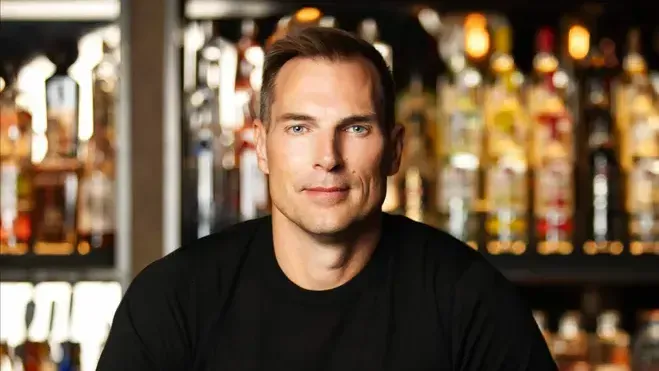
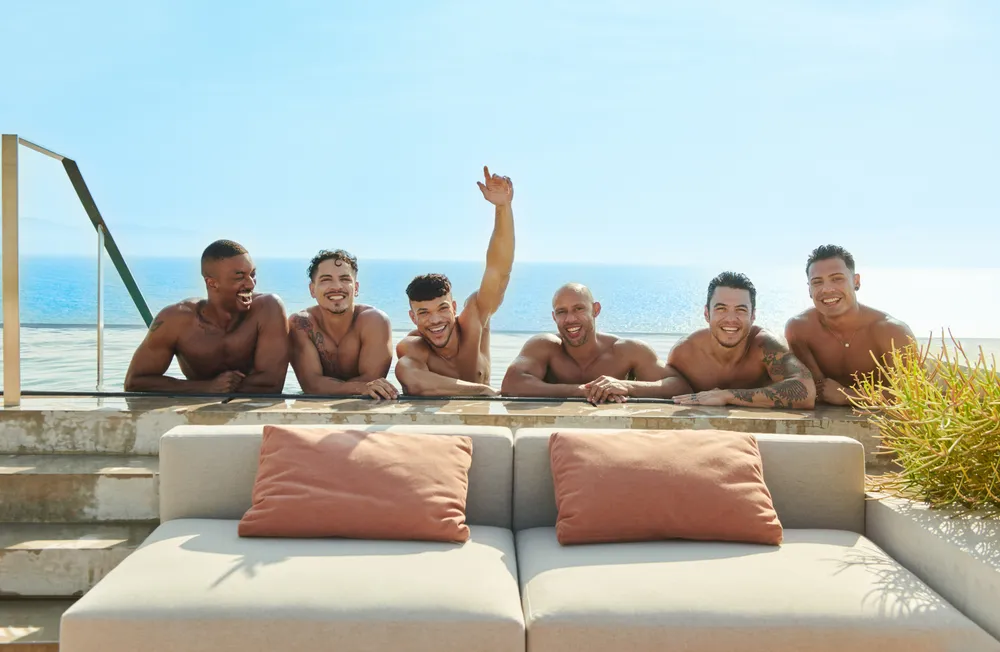
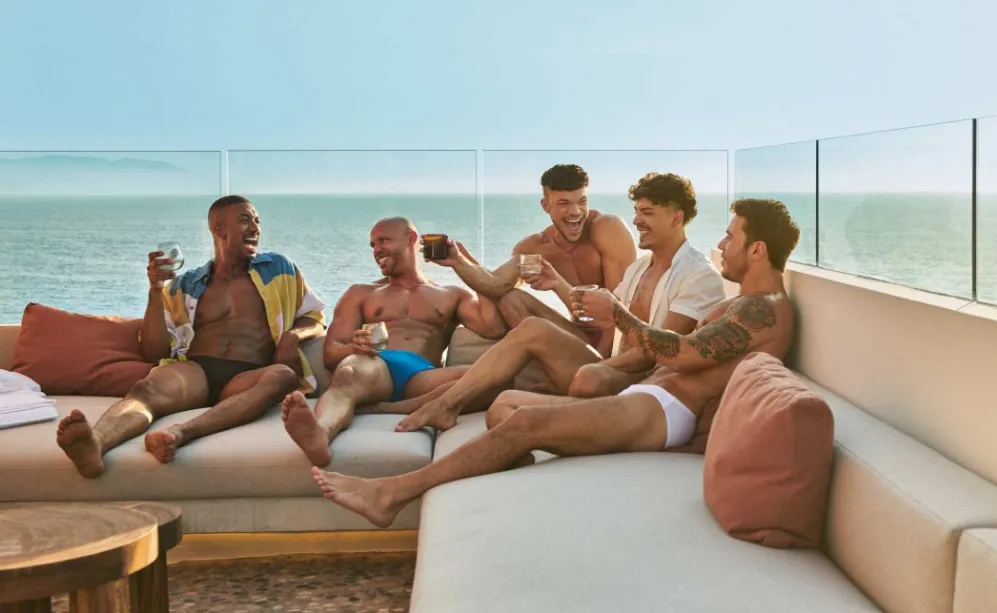
Through his ventures, Schukraft has positioned himself not only as a successful entrepreneur but also as a key figure shaping LGBTQ+ spaces, experiences, and community around the world. With that vision in mind, Schukraft spoke with us about the inspiration behind Tryst Hospitality, his personal journey, and how he’s helping shape the future of LGBTQ+ travel and nightlife.
Tristan Schukraft—often referred to as “The CEO of Everything Gay”—has built a career that blends entrepreneurship, investment, and cultural influence across multiple industries. A Los Angeles native now based in Puerto Rico, he has developed a far-reaching portfolio spanning technology, healthcare, media, airlines, hospitality, and real estate, which forms the backbone of his success.
His entrepreneurial path began at just 21, when he founded ID90.com, an e-ticketing platform designed for airline personnel. What started as a niche service grew into a major industry tool, now handling ticketing for more than half of airline staff worldwide. This early achievement set the tone for Schukraft’s approach—identifying underserved markets and scaling solutions that meet their needs.
He later turned his attention to healthcare, launching MISTR, a telemedicine platform focused on HIV prevention and long-term care. Under his leadership, MISTR has grown into the largest platform of its kind in the United States, serving more than 800,000 patients and expanding access to critical, stigma-free care.
Beyond business and technology, Schukraft has also made a name for himself in entertainment and hospitality. As an award-winning and Tony-nominated producer, he has brought projects like Drag: The Musical and Titanique to the stage, further cementing his role as a cultural tastemaker. At the same time, his influence extends into global hospitality and nightlife.
He is the founder of Tryst Hotels, the world’s first luxury hotel brand designed specifically for gay travelers, with locations in development or operation across Puerto Vallarta, Rio de Janeiro, Fire Island Pines, Chicago, Provincetown, Wilton Manors, and San Juan. Complementing this portfolio is a collection of iconic LGBTQ+ venues he owns and operates, including The Abbey in West Hollywood, DS Tequila in Chicago, Circo in San Juan, The Crown & Anchor in Provincetown, and several celebrated destinations in Fire Island Pines such as The Blue Whale, The Pavilion Nightclub, and The Canteen.
Through his ventures, Schukraft has positioned himself not only as a successful entrepreneur but also as a key figure shaping LGBTQ+ spaces, experiences, and community around the world.
With that vision in mind, Schukraft spoke with us about the inspiration behind Tryst Hospitality, his personal journey, and how he’s helping shape the future of LGBTQ+ travel and nightlife.
EDGE: What inspired you to create Tryst Hospitality
TS: I didn’t sit down and say, “I’m going to build a hospitality company.” It started with San Juan. I bought The Tryst there thinking it might be a fun retirement project, one hotel, something I could have fun with. But once I got into it, I started seeing the bigger picture.
In San Juan, I watched what happened as gay bars started disappearing, and you could feel how much it hurt the community. When you lose those places, you don’t just lose a bar. You lose the energy, the meeting place, the thing that holds the scene together. The whole ecosystem gets weaker.
Then the Abbey became available. I didn’t want to see it become the gay version of losing the mall's anchor store. Once the anchor goes, everything around it starts to suffer. The Abbey matters far beyond its four walls.
Around the same time, a hotel I’d wanted in Puerto Vallarta became available, and that was the moment it really clicked for me. These weren’t just real estate deals or hospitality assets. They were cultural anchors for our community, and if the wrong person bought them or nobody stepped in, you could lose something much bigger than a business.
That’s really how Tryst Hospitality was born. It became about creating incredible hotels and experiences for gay travelers, but also about protecting and investing in the places that hold gay communities together. I’m not interested in generic “gay-friendly” hospitality. I want to build places that are actually ours.
EDGE: How has your personal journey influenced the vision behind Tryst?
TS: A lot of hotels claim to be gay-friendly, but that doesn’t always mean you actually feel comfortable there. Maybe you’re at the pool and don’t feel comfortable wearing the bathing suit you want to wear. Maybe you don’t feel comfortable holding your boyfriend’s hand. I’ve been in several throuples, and I’ve had hotels refuse to let three men share one bed. They insisted we book multiple rooms.
That’s why I built Tryst. I wanted a place where you don’t have to look over your shoulder or tone it down. You can be your best self, even when you're at your worst.
I also built the hotels around the things I actually like. You’ll hear Dua Lipa, Lady Gaga, Madonna, and Cardi B in the lobby. We have sugar-free Red Bull, electrolytes, and protein shakes in the minibar. We have a Bone Appétit dog room service menu, and we don’t charge pet fees. I built Tryst Puerto Vallarta with the things I like, and if you like them too, even better.
EDGE: Why was it important to center LGBTQ+ identity so prominently in a luxury hospitality brand?
TS: True luxury is about more than 800-thread-count sheets and a great pool party. It’s about feeling completely at ease. I wanted a place where you don’t have to wonder if you belong. It’s about waking up in the middle of the gayborhood, surrounded by the LGBTQ+ community, and knowing you’re exactly where you’re supposed to be.
EDGE: What makes a city or location truly “Tryst-worthy?”
TS: Puerto Vallarta is the perfect example of what makes a location ‘Tryst-worthy.” It has to be gay, have great nightlife, and I love somewhere tropical. I want to party at night, eat well, and wake up near the ocean. If a place can deliver all three, I’m already booking it.
EDGE: Tell us about upcoming locations that are currently in development.
TS: We’ve announced seven locations. Our award-winning flagship in Puerto Vallarta is open now. The Tryst San Juan is about to be fully renovated and will be all new next year. We’re in various stages of development in Chicago, Wilton Manors, Fire Island Pines, Provincetown, and Rio de Janeiro.
Rio is probably my favorite place to visit. The energy is sexy, the beaches are unbeatable, and the men are absolutely gorgeous. That hotel will be our largest, and it’s going to have everything: a hotel, a nightclub, Tryst Fitness, a new spa project, and a rooftop pool overlooking Ipanema Beach. It’s going to be incredible.
EDGE: How has LGBTQ+ nightlife evolved, and where do you see it going next?
TS: It’s always evolving, and it looks different depending on the city. In Los Angeles, a lot of the energy has moved underground into warehouse parties. In New York, you see a similar thing in Bushwick. In Puerto Vallarta, it’s much more about day life, beach clubs, pool parties, and rooftop parties.
I think what’s changed most is that LGBTQ+ nightlife isn’t one thing anymore. It’s become much more segmented by vibe, daypart, and the kind of experience people want. Sometimes you want a big circuit party at 2 a.m. Sometimes you want a drag brunch, a sunset tea dance, or a rooftop party with pop divas and cocktails. Sometimes you want something intimate and local, and sometimes you want something huge and high-energy.
That’s where I think it’s going next, too. Less one-size-fits-all, more curated experiences that meet people where they are, whether that’s a beach party in the afternoon, a warehouse rave at night, or a Sunday Funday by the pool. It is still community, but the way people want to experience it keeps expanding.
EDGE: What role does nightlife play in the broader Tryst guest experience?
TS: I like to party, so I built the hotels with that in mind. For me, a great gay hotel isn’t just about the room or the pool; it’s about creating a full experience where nightlife, entertainment, and community are part of the stay.
At Tryst Puerto Vallarta, for example, we have drag brunch and a rooftop pool party every Sunday. We’re not trying to turn the hotel into a nonstop club seven days a week, but I do love a good Sunday Funday, and I think our guests do too. The nightlife element gives the hotels energy. It makes them feel social, fun, and Gay.
EDGE: What responsibility do you think brands like Tryst have in advancing LGBTQ+ rights and visibility?
TS: When you buy a drink in a gay bar, book a stay at a gay hotel, or spend money with an LGBTQ-owned business, you’re doing more than having a good time. You’re helping create economic power, visibility, and community. Those dollars support the spaces where we gather, but they also give us a louder voice politically and culturally.
That means brands like Tryst have a real responsibility to invest back into the community. Queer spaces and queer communities don’t survive by accident. They survive because people support them, and because the businesses behind them reinvest in the community that built them.
I also think part of that responsibility is being a place where allies and leaders show up. Vice President Kamala Harris recently stopped by The Abbey, and we took heat from both the left and the right for it. You might not agree with everything she’s done, but I appreciate that she’s shown up for our community again and again. Visibility matters. Support matters. And I think brands like ours should be creating spaces that not only serve the LGBTQ+ community but also help elevate its voice and influence.
EDGE: How do you see LGBTQ+ travel evolving over the next 5–10 years?
TS: I’ll have 10 hotels open by then, so I plan to lead the evolution. I think we’ll see more boutique, higher-end experiences and less corporate hospitality. Gay travelers want luxury, but they also want personality, community, and places that actually feel designed for them rather than a generic hotel with a rainbow flag in the lobby during Pride.
That’s a big part of why Tryst properties are intentionally small. Puerto Vallarta has only 53 rooms. I’m not trying to build giant convention hotels. I want intimate, design-forward properties where the experience feels personal, social, and very connected to the destination and the community around it.
EDGE: Which Tryst destination best matches your personality—and why?
TS: I LOVE Puerto Vallarta because it has everything I look for every day: friendly people, gay nightlife, great food, and a community that feels like home.
Keep up with Tryst Hospitality and watch as the future of queer travel unfolds in real time at www.trysthospitality.com
by Steve Duffy
Copyright EDGE Media Network. All rights reserved. This material may not be published, broadcast, rewritten, or redistributed.
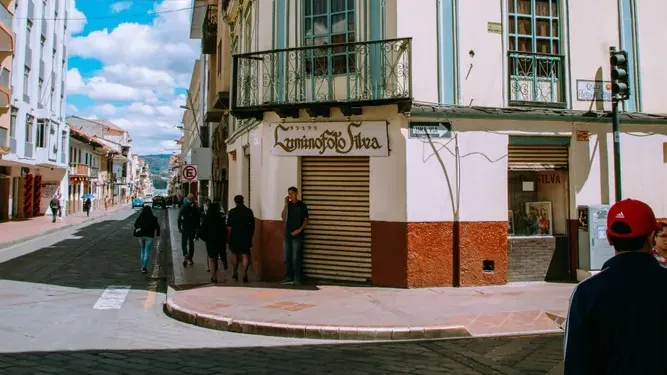
While South American LGBTQ+ travel often focuses on the bustling hubs of Buenos Aires and São Paulo, the UNESCO World Heritage city of Cuenca, Ecuador, is carving out a unique identity as an inclusive mountain retreat.
For decades, Cuenca was primarily known to international audiences as a top destination for retirees and a bastion of Spanish colonial history. Nestled at 2,560 meters in the Azuay province, its cobblestone streets and blue-tiled cathedrals reflect a conservative past. However, in June 2026, the city’s atmosphere is decidedly different. Rainbow flags now flutter alongside the traditional red and gold banners of the city, marking a new chapter in its social fabric.
The shift toward inclusivity in Cuenca is not a sudden trend but the result of years of grassroots activism. Local organizations such as Mujeres Diversas have worked to create safe spaces in a region historically influenced by deep-seated religious traditions. This evolution was significantly bolstered by Ecuador’s landmark 2019 Constitutional Court ruling which legalized same-sex marriage, a decision that remains a point of both pride and continued advocacy for the local community.
June 2026: A Month of Intersectional Celebration
June in Cuenca has become a vibrant tapestry of celebrations that interweave the modern LGBTQ+ Pride movement with the ancient Andean festival of Inti Raymi. On June 19, 2026, the "Inti Raymi de las Universidades y Diversidades" took place at the Teatro Universitario P. Carlos Crespi. This event, which combined university dance groups with music marking the June solstice, exemplifies how the city celebrates "diversities" in the broadest sense—encompassing sexual orientation, gender identity, and indigenous heritage.
The 2026 Pride calendar, organized by the local LGBTQ+ movement, featured a series of events throughout late June, leading up to the main march. Activities included the "Carteleada LGBTIQ+" on Wednesday, June 24, 2026, where community members gathered at Parque El Jardín to create banners and posters for the upcoming parade. This year’s theme focused on "Existence and Resistance," echoing similar sentiments found in larger South American gatherings like the National LGBTIQNB+ Meeting in Rosario, Argentina.
The 2026 Pride March and Cultural Impact
The hallmark of the season is the Marcha del Orgullo Cuenca 2026, scheduled for Saturday, July 4, 2026. Unlike the massive, commercialized parades of Brazil, Cuenca’s march retains a communal, grassroots feel. The route begins at the historic Parque San Blas at 17:30 and winds through the heart of the city along Calle Simón Bolívar, eventually culminating in a "Festival of Diversity" at the Plaza de San Francisco.
Local organizers emphasize that while the march is a celebration, it is also a vital platform for transgender people and other marginalized groups within the community to demand equal rights and protection. The inclusion of "Dragnation," a local drag collective, adds a layer of performance art and visible resistance to the festivities, with events like "Star Night" showcasing the city’s growing drag scene at the Sala Alfonso Carrasco.
Why Cuenca is a Hidden Gem for Queer Travelers
For the LGBTQ+ traveler, Cuenca offers a different pace of life. The city’s "Centro Comunitario LGBTIQANB+" serves as a hub for both locals and visitors, offering workshops on human rights and social networking events. This sense of community is a major draw for those who find the major metropolitan Pride circuits overwhelming.
The city’s safety profile is another factor. While travelers should always remain aware of their surroundings, Cuenca is frequently cited as one of the safer urban centers in the Andean region. The presence of a large, diverse expatriate community has also contributed to a more cosmopolitan and accepting environment.
Culturally, the city is in a state of constant activity. Beyond Pride, June 2026 saw the "Fiesta de la Música," hosted by Alianza Francesa de Cuenca, which featured concerts across various plazas from June 18 to June 27. This overlapping of festivals ensures that visitors can experience the city’s rich musical and artistic life while supporting inclusive spaces.
Looking Forward
The growth of Cuenca as a queer-friendly destination is part of a broader trend in South America where secondary cities are becoming focal points for diversity. From the "Gala del Orgullo" in Rosario, Argentina, which concluded the Month of Diversity on June 28, 2026, to the emerging scenes in Valparaiso, Chile, the continent’s queer map is expanding.
For those visiting Cuenca, the experience is defined by the contrast between its ancient stone walls and the vibrant, inclusive future being built within them. As the city prepares for its July 4 march, the message from the local community is clear: everyone is welcome in the "City of the Four Rivers."
by Chris Tremblay
Copyright EDGE Media Network. All rights reserved. This material may not be published, broadcast, rewritten, or redistributed.
Most of the country is staying home this year. A few Americans are paying a fortune to sleep somewhere that should terrify them. Photo Credit: Deposit Photos Via AP
The hotel rooms Americans pay the most to sleep in this year are the ones that should frighten them off. They are pinned to cliff faces, sunk beneath the sea, carved from river ice and parked in the path of polar bears. As most of the country quietly cancels its travel plans, a small band of Americans spends more than ever to wake up somewhere that should not be possible.
The hotel rooms Americans pay the most to sleep in this year are the ones that should frighten them off. They are pinned to cliff faces, sunk beneath the sea, carved from river ice and parked in the path of polar bears. As most of the country quietly cancels its travel plans, a small band of Americans spends more than ever to wake up somewhere that should not be possible.
The divide is real, and the numbers behind it are stark. This year, the share of Americans planning a vacation with paid lodging fell to 45%, the lowest in six years, while those who still traveled raised their budgets by about 17% from the year before. It breaks down sharply by income. More than half of Americans earning under $100,000 say travel is one of the first things they cut when money is tight, against about a quarter of those earning $200,000 or more. The people least troubled by the squeeze spend on rooms most Americans will never see.
Engineered to defy the drop
Some of these places put a bed exactly where a bed should not go. The boldest is The Muraka at Conrad Maldives Rangali Island, where the master bedroom sits about 16 feet underwater inside a curved acrylic dome, the reef drifting past the glass as you sleep.
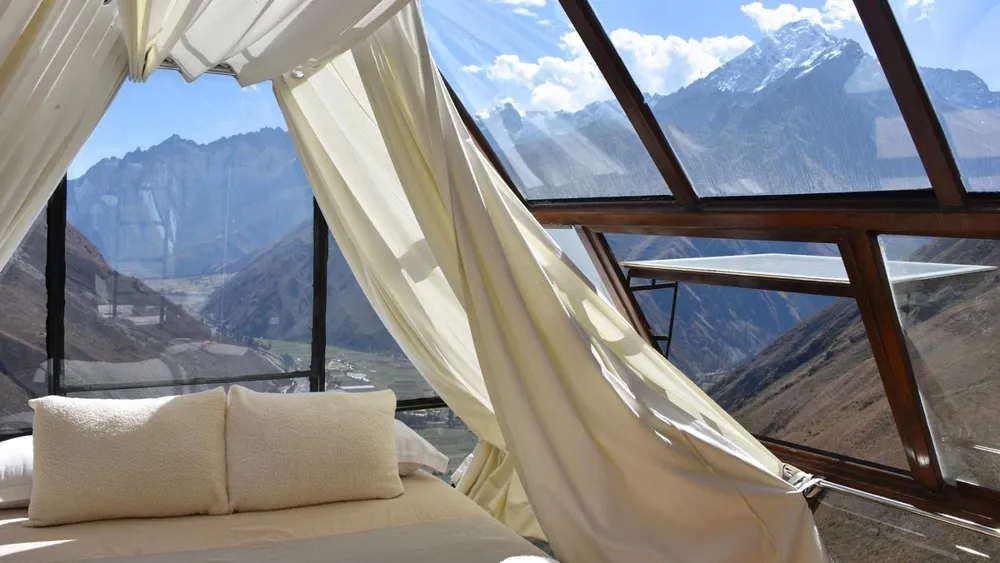
Peru's Sacred Valley takes the same nerve in the opposite direction. Skylodge Adventure Suites is a transparent capsule fixed to a sheer rock face hundreds of feet up, reached only by climbing a via ferrata route or hiking a trail strung with ziplines. Condors pass at eye level, and dinner arrives on the back of a guide who carries it up the mountain.
Where the setting is the real room
Other stays barely register as architecture because the surrounding wilderness is the draw. At Sorrisniva Igloo Hotel near Alta in northern Norway, the rooms are rebuilt each winter from 250 tons of ice cut from the Alta River, then melt away every spring. Guests sleep on reindeer hides inside thermal bags while the air holds a few degrees below freezing.
Sweden's Treehotel, in the village of Harads, lifts its rooms as high as 10 meters into a pine forest, each one built by a different architect. They range from a mirrored cube that nearly vanishes among the trunks to a cabin clad in hundreds of bird nests.
Closer to home, on Manitoba's Hudson Bay coast, Churchill Wild sets its remote lodges directly in the path of migrating polar bears. Picture windows run the length of the walls, and fenced compounds let guests watch one of the world's largest land predators from a few feet away. Two of its lodges, Seal River Heritage Lodge and Nanuk Polar Bear Lodge, hold National Geographic's Unique Lodges of the World designation.
Neither runs all year. Sorrisniva opens only from late December to early April, and the polar bears reach the Hudson Bay coast from late summer into fall, with a second showing in late winter.
A front-row seat to something dangerous
For the traveler who wants the drama without the passport stamps, the most extreme room on this list is also the most reachable. Volcano House sits on the rim of the Kīlauea caldera, the only hotel inside Hawaiʻi Volcanoes National Park, its crater-view rooms facing the steaming Halemaʻumaʻu. When Kīlauea erupts, the glow joins the view. When it is quiet, the crater is still there, smoking.
Who's actually paying for all this
Separate research tracking affluent American travelers found the wealthiest 10% of U.S. households now drive more than half of all consumer spending, with their leisure travel alone projected to reach $544 billion in 2026.
What the wealthiest travelers buy is not quite danger but proximity to it from the comfortable side of the glass: the shark a few feet from the bed, the crater steaming below the window, the polar bear on the other side of the pane. The risk is mostly engineered out, the spectacle left in, and that combination is what the money at the top is increasingly chasing.
by Mandy Applegate
Copyright Associated Press. All rights reserved. This material may not be published, broadcast, rewritten, or redistributed.
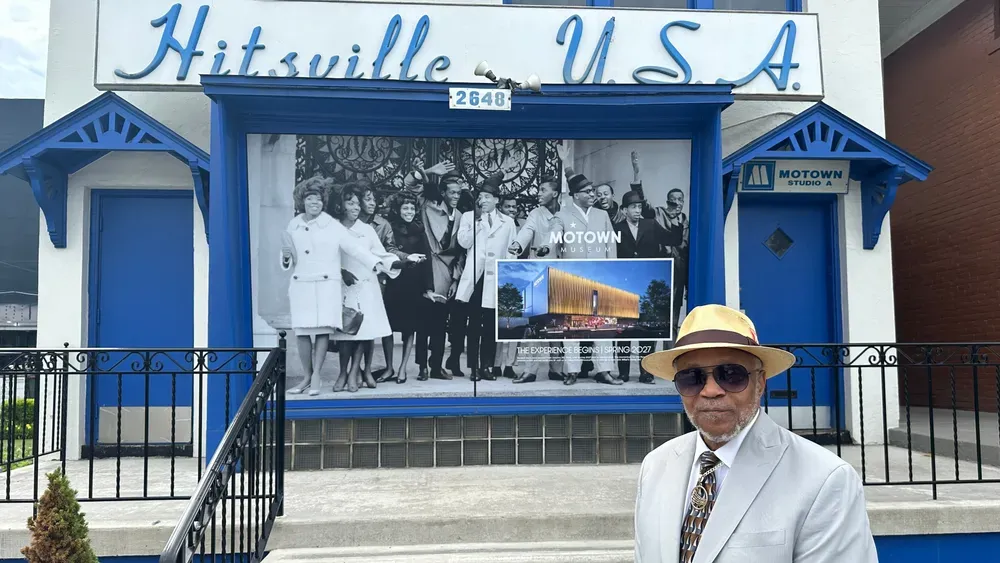
The Motown Museum in Detroit is undergoing a $75 million expansion that is slated to open in 2027
The Motown Museum in Detroit has been resonating with a different signature sound — the rumble of trucks, the buzz of drills and the pounding of metal — as one of the most significant sites in American musical history undergoes a $75 million donor-driven face-lift ahead of its 2027 grand reopening.
The expansion of the Hitsville USA campus — a house where chart-toppers by Stevie Wonder, Marvin Gaye and Diana Ross and The Supremes were written, rehearsed and recorded — aims not just to honor Detroit's musical legacy, but also to increase the city's footprint as an education and tourism destination.
The museum should enjoy the same level of promotion as other landmarks in the United States, former Motown music arranger Paul Riser Sr., comparing the seminal label's potential to a tourist mecca in New York City.
“The city can really benefit by further marketing this whole concept here,” Riser said. “We need to see more pageantry of Motown. Every time I think Motown, I think Times Square.”
Cities across the U.S. have for years promoted musical heritage as a selling point to attract business conventions, exhibitions and tourists. The Rock and Roll Hall of Fame attracts 500,000 people each year to Cleveland, while Nashville’s music history and attractions tied to country, gospel and other genres bring in about 17 million people annually.
The Motown Museum says it logs more than 100,000 visitors each year and is expecting at least 325,000 visitors per year after the expansion opens.
“Motown for many, many decades has been just a magical source of pride and inspiration,” said Robin Terry, Motown Museum chair and chief executive. “Visitors come to the little house that’s Hitsville USA — what used to be the headquarters of Motown — just to touch the magical space where so many of their musical icons … got their start.”
Motown, uniquely Detroit
Motown was founded in 1959 by Berry Gordy in one of the three homes on West Grand Boulevard just north of downtown Detroit, that currently house the Motown Museum.
Just a year later, The Marvelettes’ “Please Mr. Postman” reached number one on the Billboard Hot 100. Hits like “I Heard it Through the Grapevine,” “Baby Love,” “My Girl” and “The Tracks of My Tears” soon sent the Motown sound around the globe.
Gordy moved the label to Los Angeles in 1972 and sold it to MCA Records in 1988. His late sister, Esther Gordy Edwards, founded the museum in 1985.
The 40,000 square foot (3,716 square meter) expansion is being constructed around the original Hitsville USA house and will feature a theater, a recording studio, retail space and a cafe, as well as immersive exhibits and a searchable back catalog of music and interviews.
“The expansion is so iconic and unique for Detroit,” said Riser, who joined Motown at age 17 and won a Grammy in 1973 for best R&B instrumental performance on The Temptations' “Papa Was a Rollin’ Stone.”
“I would hope to see the legacies and the historical content preserved,” Riser said. “It’s OK to having buildings … but if we don’t keep the legacies of these people who built this masterpiece, keep them in mind, we’ve lost something.”
Marketing music history
The Motown Museum is a must-see for international and domestic visitors, according to Jennifer Ollinger, senior director of tourism for Visit Detroit. The Michigan city clawed its way back from bankruptcy in 2014 and has seen something of a revival in recent years.
Motown is part of the pitch to businesses considering Detroit for conventions, conferences and other large gatherings, Ollinger said.
“We are the only place in the world that can claim Motown music as our own,” Ollinger said.
In Cleveland, rock 'n' roll is a pillar of the Ohio city's brand, said Emily Lauer, vice president of Public Relations and Communications at Destination Cleveland.
“Out-of-town visitors and the Rock & Roll Hall of Fame are very important for Cleveland,” Lauer said. “They are likely to stay overnight and spend money on hotel rooms, in our restaurants and in our stores. They get to see Cleveland and that strengthens the likelihood to come back.”
Nashville's vibrant music scene, encompassing country, gospel and the storied Grand Ole Opry, brings in tourist revenue totaling more than $11 billion annually.
Deana Ivey, president and chief executive of the Nashville Convention & Visitors Corp., said music has been the main reason tourists visit Nashville for three decades. The Tennessee Department of Tourist Development agrees.
“We’re the second fastest growing state in America and we’ve done that without a beach or casinos,” department commissioner Mark Ezell said. “Music is our draw to Tennessee.”
by Corey Williams
Copyright Associated Press. All rights reserved. This material may not be published, broadcast, rewritten, or redistributed.
The picture most people carry of a wine trip is fixed: rolling rows in Napa or Sonoma, a cellar in Bordeaux, a Tuscan hillside at golden hour. It is a lovely picture, but it is increasingly out of date. Americans are pouring billions into wine travel, and a growing share of that money is leaving California behind for colder, stranger and older places most people could not find on a wine map.
The picture most people carry of a wine trip is fixed: rolling rows in Napa or Sonoma, a cellar in Bordeaux, a Tuscan hillside at golden hour. It is a lovely picture, but it is increasingly out of date. Americans are pouring billions into wine travel, and a growing share of that money is leaving California behind for colder, stranger and older places most people could not find on a wine map.
The map of where wine happens has quietly redrawn itself, and the new coordinates surprise even people who thought they knew wine country. Part of the change is what travelers now want from a trip. Fewer people are content to sip behind a tasting bar; they want to walk the rows, see how the wine is actually made and eat where it is poured. There is a quieter paradox in it, too. People are drinking less wine and traveling more to stand in the places it comes from, treating the vineyard as somewhere to understand a bottle, not just buy one.
The numbers behind that shift are not small. Seventy-four million visits to U.S. wine country and about $14.13 billion in tourism spending flow through the industry each year, and a rising share now points somewhere other than the usual valleys, toward countries most travelers could not have placed on a wine map five years ago.
Where wine was born, 8,000 years ago
Start in Georgia, the small Caucasus nation with a fair claim to being the birthplace of the whole craft. Winemaking here stretches back more than 8,000 years, and the method that defines it is still in daily use. Grapes ferment inside qvevri, large egg-shaped clay vessels buried underground, a tradition UNESCO added to its list of intangible cultural heritage. The wines that emerge, often amber, textured and nothing like a supermarket bottle, have made the country a magnet for travelers who want their wine with several thousand years of history behind it.
The world's largest cellar sits in Europe's least-expected corner
Moldova, wedged between Romania and Ukraine, is one of Europe's fastest-growing destinations, with international arrivals up 62% in the first half of 2025 compared with pre-pandemic levels. The draw is partly underground. Outside Chișinău, the Mileștii Mici cellars hold the largest wine collection in the world, with tunnels of bottles running for miles and tastings that start around $90.
A Champagne house bet on Kent, and the frontier kept moving north
The clearest sign that the climate is rewriting the map is who is planting where. Champagne Taittinger opened Domaine Evremond in Kent in late 2024 and released its first English sparkling wine the following spring, the first time a Champagne house has built an English estate from the ground up. The site was chosen for chalk soils and south-facing slopes that echo Champagne itself.
The frontier runs further north still. Sweden has grown from two commercial vineyards 15 years ago to roughly 40 today, helped by southern temperatures that have climbed about 3.6 degrees Fahrenheit over three decades, and the world's northernmost commercial vineyard now sits in Telemark, Norway.
In Kenya, a wine cellar in a water tower
Africa's wine story reaches well beyond the established estates of South Africa. In Kenya's Laikipia highlands, Segera Retreat keeps its cellar inside a converted water tower, where a private tasting or a dinner among the bottles is arranged on request rather than ordered from a list, often steps from where elephants pass at dusk.
Further west, Dakar has built a small but serious wine-bar culture, and Ethiopia pours tej, a honey wine with a history all its own. The industry is taking notice. The continent's biggest travel trade show added a dedicated wine tourism program for 2026.
What the numbers say comes next
None of this is a niche curiosity any longer. The first Global Wine Tourism Report, published in 2025 by Geisenheim University with the UN World Tourism Organization and partners, drew on responses from 1,310 wineries across 47 countries and found that tourism now generates around a quarter of total winery revenue.
Wine drinking is softening worldwide, yet visits to wineries are doing the opposite, and producers are building for it. Hotels and resorts increasingly stage the experience themselves rather than leave it to the vineyards. W Algarve, in southern Portugal, is launching a sommelier-led dinner series with the centuries-old Douro producer Van Zellers, making the wine itself the reason to book the trip.
There is a short-lived advantage in all of this. The regions that feel improbable now, a clay vessel buried in Georgia or a vineyard inching up the Swedish coast, are on the same path Napa walked 50 years ago, from curiosity to crowded. The travelers paying attention are the ones going while these places are still discoveries rather than destinations, before the maps catch up and the prices follow.
Mandy is a luxury travel, fine dining and bucket-list-adventure journalist with expert insight from 47 countries. She uncovers unforgettable experiences around the world and brings them to life through immersive storytelling that blends indulgence, culture and discovery, and shares them with a global audience as co-founder of Food Drink Life. Her articles appear on MSN, Yahoo and through the Associated Press wire in major U.S. outlets, including NBC, the Daily News, Boston Herald, the Chicago Sun-Times and many more.
by Mandy Applegate
Copyright Associated Press. All rights reserved. This material may not be published, broadcast, rewritten, or redistributed.
Tucked in the scenic Ozark Mountains, Bentonville, Arkansas, has emerged as a surprising and vibrant sanctuary for LGBTQ+ travelers and residents alike.
For many years, the mention of Northwest Arkansas conjured images of rolling hills and corporate boardrooms, but today, a new narrative is being written in the heart of Bentonville. With a population of approximately 54,000, this once-quiet town is rapidly evolving into one of North America’s most compelling "lesser-known" LGBTQ+ destinations. The shift isn't just happening in the margins; it is being led by world-class art institutions, local entrepreneurs, and a grassroots community determined to make the Ozarks a place where transgender people, non-binary individuals, and the entire queer spectrum can flourish.
A Celebration in Bloom
The momentum of this cultural change was palpable on the evening of Friday, June 19, 2026, when the 21c Museum Hotel Bentonville hosted its annual Pride Celebration. This year’s theme, “Nature is Queer,” drew hundreds of attendees to the boutique hotel’s downtown location at 200 NE A Street. The event, which ran from 7:30 p.m. to 11 p.m., was a high-energy testament to the city's growing inclusivity, featuring drag performances, live music, and a focus on the intersection of identity and the natural world.
Attendees at the "Nature is Queer" party were greeted by an environment that blended the hotel’s contemporary art galleries with vibrant, floral-inspired queer aesthetics. The celebration served as a fundraiser for local initiatives, reinforcing the idea that Pride in Bentonville is as much about community support as it is about visibility. By centering the event on the "Nature is Queer" concept, organizers highlighted the inherent diversity of the natural world, a message that resonates deeply in a region known for its outdoor beauty.
Curated Spaces for Connection
Beyond the high-profile parties, Bentonville has focused on creating consistent, year-round spaces for LGBTQ+ people to connect. A standout example is the "Hairpins" monthly happy hour series, which recently expanded from Little Rock to Bentonville. Hosted at The Momentary , a contemporary art space and sister site to Crystal Bridges, these gatherings occur every second Wednesday of the month. The June 10, 2026, gathering saw a record turnout of lesbian, queer, and gender-diverse residents who filled the venue for an evening of live music and community building.
The "Hairpins" events are intentional in their design, offering a free and public 21+ gathering that prioritizes safety and joy for gender-diverse people in a state that has seen challenging legislative climates. By partnering with major cultural venues like The Momentary, organizers are ensuring that queer social life is integrated into the city's premier artistic landscape. This partnership signifies a long-term commitment to visibility and stability for queer Arkansans, moving beyond one-off events to foster a genuine sense of belonging.
Art as an Anchor
The role of the Crystal Bridges Museum of American Art in this transformation cannot be overstated. Throughout June 2026, the museum has hosted a series of "Pride in the Galleries" cocktail tours, allowing visitors to explore the collection through an LGBTQ+ lens. One particularly popular tour in June focused on the exhibition *Keith Haring in 3D*, celebrating the legendary gay artist's work and activism. These tours, led by museum staff, provide a historical and cultural context for queer identity, grounding the local movement in a broader narrative of American art history.
Crystal Bridges is also currently undergoing a major expansion that is set to increase its size by 50% in 2026, further cementing Bentonville’s status as a global art destination. The museum’s commitment to diversity extends to its "CB to You" Mobile Art Lab, which brings art-making activities and LGBTQ+ resources directly into community spaces, including the upcoming Northwest Arkansas Pride festivities. By making queer art and history accessible to all, the museum serves as a powerful ally in the fight for equality and visibility.
Navigating the New Ozarks
The spirit of inclusion has permeated Bentonville’s local business community as well. Organizations like Northwest Arkansas Equality and digital resources like "Rainbow Radar" have helped identify and promote LGBTQ+-affirming businesses throughout the city. From creative studios like Crock a Doodle at 326 Southwest A Street to local coffee shops and boutiques, a visible network of allies is making the city more navigable and welcoming for LGBTQ+ travelers.
This business-led inclusion is essential for a city like Bentonville, which attracts thousands of visitors for its mountain biking trails and corporate headquarters. When travelers see Pride flags in shop windows and trans-affirming policies in local hotels, it changes the perception of what is possible in the South. The 21c Museum Hotel, for instance, explicitly welcomes guests of all sexual orientations and gender identities, offering "Pride Packages" where a portion of the proceeds is donated to Queer|Art, a non-profit supporting LGBTQ+ artists across the country.
The Road Ahead
While Bentonville serves as a sophisticated arts-centric hub, it is part of a larger regional awakening. The neighboring city of Fayetteville is currently preparing for Northwest Arkansas Pride, taking place from June 26 to June 28, 2026. This celebration, the largest in the state, includes a Trans March, a vibrant parade down Dickson Street, and the "Glitterville" party at George’s Majestic Lounge. The synergy between Bentonville’s curated art events and Fayetteville’s large-scale community celebrations creates a diverse weekend of festivities that attracts visitors from across the nation.
For those considering a visit, the current moment offers a unique opportunity to witness a community in bloom. Bentonville is no longer just a destination for corporate travelers; it is a city where the "Nature is Queer" celebration on June 19 and the monthly "Hairpins" gatherings are defining a new standard for Southern hospitality. As the city continues to expand its cultural footprint, its commitment to inclusive, person-first language and radical acceptance remains its most beautiful attribute.
by Chris Tremblay
Copyright EDGE Media Network. All rights reserved. This material may not be published, broadcast, rewritten, or redistributed.
Competitors take part in the Aberdeen Dragon Boat Race to celebrate the Dragon Boat Festival in Hong Kong, Friday, June 19, 2026. Photo Credit: AP Photo/Chan Long Hei
Dragon boat races, lion dances, and other festivities have been staged across mainland China, Hong Kong and Taiwan to mark the Dragon Boat Festival
Dragon boat races, lion dances and other festivities marked the Dragon Boat Festival on Friday across mainland China, Hong Kong and Taiwan. The more than 2,000-year-old holiday is best known for its sporting events, but its origins are rooted in ancient beliefs about health, protection and harmony with nature.
“The fact that this holiday has been preserved for thousands of years shows how much we value our traditional customs,” said Meng Dongmei, a retired resident of Beijing’s Tongzhou district.
Meng said her family observes the holiday through a variety of traditional customs. They prepare zongzi, the sticky rice dumplings associated with the festival, and children wear five-colored bracelets believed to ward off evil.
“We also learned online about a traditional recipe using mugwort leaves, red dates, brown sugar and ginger to boil eggs,” Meng said. “We heard that it could help ward off illness and keep people healthy throughout the year, so we hope that through this festival our family will enjoy good health.”
Thousands to gather for boat races
Beijing’s 2026 celebrations will continue through the weekend at the capital’s Grand Canal.
The three-day event features men’s, women’s and mixed dragon boat races over distances of 100, 200 and 500 meters. Teams from Beijing, Tianjin, Hebei, Shanxi and Guangdong will compete throughout the holiday weekend.
More than 1,000 athletes and 200,000 spectators are expected to gather for the event, organizers said in a press release.
“The competition helped strengthen our team spirit,” said Li Maoshan, a participant in Friday’s races. “It also gave us an opportunity to demonstrate the spirit of perseverance and hard work.”
Beyond the races
Among the cultural features during Beijing’s Dragon Boat Festival were demonstrations of Wing Chun martial arts, a market featuring traditional handicrafts and a performance in which dancers mimic the movements of a lion.
Activities were intended to highlight cultural exchanges between northern and southern China, officials said.
Friday’s lion dance was presented by a group of performers from Guangdong province in southern China. “Wherever there is a festive occasion, you’ll find dragon and lion dances,” said He Weihong, founder of the group. “Dragon boat racing and dragon-and-lion dancing are inseparable, as they are both part of our intangible cultural heritage.”
Ancient customs on health and protection
The festival’s roots run deeper than sporting competitions. It is widely associated with the ancient poet Qu Yuan, who according to legend drowned himself more than 2,000 years ago.
Tradition holds that people raced out in boats to search for him and threw rice into the river so fish would not eat his body. That story is often linked to both today’s dragon boat races and the zongzi still prepared by families across China.
“The Dragon Boat Festival is probably the richest and most diverse of all traditional Chinese festivals,” said Tsinghua University history professor Liu Xiaofeng. “Across different regions, people developed a wide variety of traditions based on ideas connected to the summer solstice and the balance of yin and yang.”
The holiday falls in the fifth month of the traditional Chinese lunar calendar, around the time of the summer solstice. Ancient Chinese viewed this as a period when insects, poisonous creatures and disease became more prevalent, giving rise to a wide range of customs aimed at preserving health and warding off misfortune.
“At its core, the Dragon Boat Festival is about disease prevention, warding off evil and maintaining health,” Liu said.
Some people wear sachets containing medicinal herbs during the festival. Others fumigate their homes with smoke, a practice intended to prevent disease by driving out things considered harmful.
“Chinese people have traditionally placed a special emphasis on happiness, well-being and living in peace and safety,” Liu said. “Nearly all of China’s major festivals are connected in some way to these aspirations.”
Evolving traditions
Participants in Hong Kong’s dragon boat races on Friday wore costumes including a cartoon version of Chinese Taoist deity Ne Zha.
Guided by the thunderous beat of their drummers, crews pulled their paddles through the water in unison, each boat surging toward the finish line as spectators cheered them on. Others watched the races at home as they enjoyed zongzi with their families.
“Today more than 64% of China’s population lives in urban areas and people’s lifestyles have been transformed,” Liu said. “In a large city, it’s difficult to celebrate the festival the way people once did in rural communities. Festivals evolve along with the times.”
Bao Nari, a Beijing resident who spent years away from home while she studied in Japan, said that while boat races were not part of her childhood celebrations, other long-standing Dragon Boat Festival traditions like wearing five-colored bracelets were passed down through her family.
“After coming back, I’m impressed by how much cultural development has progressed here,” Bao said. “This cultural heritage has become deeply rooted in our hearts and it inspires our generation to be more confident.”
by María Teresa Hernández
Copyright Associated Press. All rights reserved. This material may not be published, broadcast, rewritten, or redistributed.
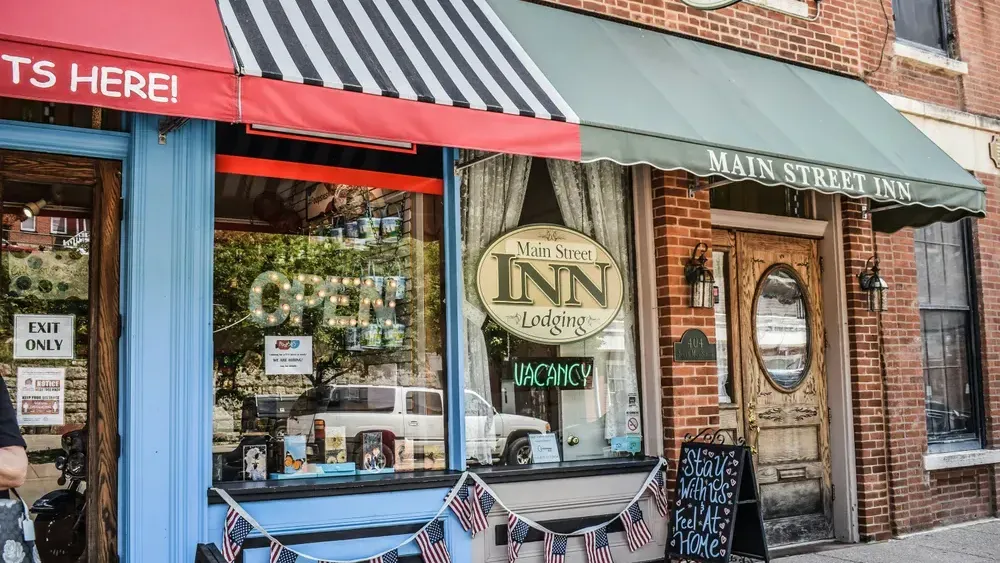
Nestled in the rolling hills just off the Mississippi River, the small former mining town of Galena, Illinois, has quietly become one of the Midwest’s most LGBTQ-friendly getaways, trading big-city anonymity for front-porch warmth and rainbow bunting on Main Street.
The first thing you notice in Galena isn’t a rainbow flag; it’s the light. On summer evenings, it sinks over the ridges of the Driftless Zone and catches the brick facades of 19th-century storefronts, turning Main Street the color of warm bourbon as church bells and bar chatter drift into the valley. Then, as you wander past antique shops and wine bars, you see it: a small Progress Pride flag taped in a café window, a rainbow decal on a real estate office door, a drag brunch poster in a shop that, from the outside, looks like it should only sell feed and seed.
For queer travelers used to hiding in plain sight in big cities, Galena feels oddly intimate and surprisingly *visible* at the same time. This town of roughly 3,000 people, three hours west of Chicago and a world away in pace, has quietly engineered a reputation as a rural queer refuge—complete with gay-owned inns, a Pride picnic that commandeers the local park every June, and locals so enthusiastic about inclusivity that an international LGBTQ+ magazine happily dubbed the place “Gaylena.”
How Galena Became “Gaylena”
Galena’s queer story begins like many good queer stories do: with a few stubborn dreamers buying old buildings and daring to imagine a different kind of future. Over the past decade, LGBTQ business owners have restored historic homes into boutique guesthouses, opened eclectic shops, and helped seed a culture where being openly gay, lesbian, bisexual, transgender, or nonbinary is not just tolerated but casually woven into daily life.
Attitude Magazine in the United Kingdom went so far as to call Galena “Gaylena,” describing it as a rural haven where queer couples stroll hand-in-hand past steeples and river bluffs without drawing a second glance. Travel outlet Islands Magazine echoed that sentiment in a 2024 feature on the most LGBTQ+ friendly small towns, highlighting Galena’s trifecta of gay-owned inns, a growing Pride calendar, and enthusiastic community support for queer visitors.
Local tourism officials have leaned into this evolution with a mix of Midwestern understatement and rainbow-forward marketing. The official Galena Country Tourism website features LGBTQ-friendly lodging and experiences alongside its broader messaging, and regional campaigns such as #AmazingForAll emphasize that the town’s welcome isn’t just seasonal or symbolic.
Staying in a Queer-Owned Historic Home
Where you sleep in Galena is part of the story. Many queer travelers choose one of several LGBTQ-owned or LGBTQ-welcoming inns that have turned 19th-century architecture into something decidedly 21st-century: safe, affirming space.
Aldrich Guest House, a gay-owned inn dating back to the 1840s, is routinely cited in LGBTQ travel features as a standout stay, pairing period details—hardwood floors, tall windows—with thoughtful touches like locally sourced breakfasts and evening wine-and-cocktail hours where guests actually talk to one another. Hawk Valley Retreat and Cottages, another gay-owned property just outside town, offers private cottages with porches that look out over rolling countryside, creating a retreat-like environment for couples and solo travelers who want to hear more birds than car horns.
Even beyond explicitly gay-owned lodging, the area’s hospitality industry has embraced inclusive training and messaging. Galena Country Tourism reports that many local accommodations, from B&Bs to vacation rentals, participate in regional diversity and hospitality programs, signaling to LGBTQ guests that they can disclose their partner’s pronouns or ask for one bed without bracing for awkwardness.
For transgender travelers and nonbinary guests, that attention to detail can be the difference between a weekend that feels like a true escape and one that feels like constant emotional labor.
Pride on the Pasture: Galena’s Pride Picnic
If big-city Pride is all about scale and spectacle, Galena’s annual Pride Picnic is about proximity—the kind where you can actually see the faces behind the flags. Every June, locals and visitors gather in a community park for a day that looks like a classic Midwestern picnic until you notice the drag performers, the rainbow picnic blankets, and the elderly couple wearing matching “Free Mom Hugs” T-shirts.
The Pride Picnic, launched in 2021 and now a staple of the town’s summer calendar, typically features live music, family-friendly activities, and a visible presence from regional LGBTQ organizations and affirming faith groups. Islands Magazine notes that nearly all of Main Street seems to show up, flying rainbow flags and using the hashtag #AmazingForAll to amplify the day beyond the hills.
EDGE Media Network reports that the event’s popularity reflects a deeper cultural shift, with LGBTQ residents visible in local leadership, entrepreneurship, and community groups. That visibility contributes to a climate where queer youth, queer elders, and visitors can see themselves reflected in more than just annual celebrations.
What Queer Visitors Actually Do Here
This is still a river town, which means Galena’s charms are as much about texture and air as they are about policy. On a typical weekend, visitors might wake to the smell of coffee and fresh pastries at a bed-and-breakfast, step onto a porch wrapped in morning fog, and then wander down to Main Street as the sun burns through over the bluffs.
For outdoorsy travelers, the area offers hiking and skiing at Chestnut Mountain Resort, where trails weave above the river valley and, in winter, chairlifts rattle over snow-dusted slopes. Kayaking and paddling excursions on the Galena River provide a quieter way to explore, with outfitters accustomed to welcoming LGBTQ couples and groups.
Back in town, the sensory palette shifts from pine and river mud to wood polish and bourbon. Main Street’s historic storefronts house galleries, tasting rooms, and boutiques, including Blaum Bros. Distilling Co., where small-batch spirits are poured for visitors of all identities in a space that frequently appears on queer travel itineraries. Evening can mean everything from a low-key dinner in a candlelit restaurant to a drag show in a former mining-town venue, an experience EDGE Media Network highlighted as emblematic of Galena’s blend of heritage and queer joy.
For art lovers, nearby studios and galleries showcase regional painters, sculptors, and photographers, and many spaces participate in inclusive programming that welcomes LGBTQ artists and audiences. That blend of rural landscape and creative energy has helped cement Galena’s image as a place where queer travelers can have both: a morning on a trail and an evening arguing about abstract art over local wine.
Safety, Policy, and the Feel of the Street
Legally, Galena benefits from Illinois’s statewide protections against discrimination based on sexual orientation and gender identity in employment, housing, and public accommodations, which have been in place in various forms since the mid-2000s. Human Rights Campaign’s latest Municipal Equality Index notes that several Illinois cities score highly on LGBTQ inclusivity, reflecting the broader policy environment that underpins rural destinations like Galena.
But queer travelers do not experience statutes; they experience sidewalks. Here, the sidewalks are narrow and often crowded, and anecdotal reports collated by LGBTQ travel writers and platforms such as OutCoast Nation describe a town where same-sex couples feel comfortable showing affection and transgender people report positive interactions in shops and restaurants.
Travelers should still use the same common-sense safety practices they would anywhere: check recent reviews, be mindful at night, and stay connected with trusted contacts. That said, Time Out’s and Islands Magazine’s small-town LGBTQ features consistently place Galena among the standout rural destinations in the country, not just for its picturesque streets but for the community norms that make queer visitors feel not just tolerated but welcome.
Why Rural Queer Escapes Matter Now
In an era when headlines often highlight legislative attacks on LGBTQ rights in parts of the United States, the existence of visibly queer-affirming small towns carries symbolic and practical weight. For queer people who grew up in rural areas and fled to cities for safety, places like Galena complicate the old narrative that the only safe direction is “away.”
LGBTQ advocates and travel professionals note that smaller destinations can also offer something large cities struggle to provide: relational visibility. In a town this size, your bartender might also be your hiking guide and your Pride volunteer coordinator, collapsing the distance between “service provider” and “neighbor.” That can create a sense of belonging that isn’t always available in anonymous urban nightlife districts.
Economically, Galena’s embrace of LGBTQ visitors is not just altruistic; it is strategic. State tourism campaigns have explicitly identified LGBTQ travelers as a key market segment, encouraging small towns to highlight inclusive events and queer-owned businesses as part of their growth strategies. In Galena, that has translated into support for Pride programming, marketing partnerships with LGBTQ media, and targeted outreach to Chicago’s queer community looking for weekend escapes.
Planning a Trip with an Eye on Inclusion
For LGBTQ travelers considering Galena, experts recommend some specific steps to maximize comfort and connection. Booking directly with queer-owned or clearly LGBTQ-welcoming inns such as Aldrich Guest House or Hawk Valley Retreat allows visitors to support local LGBTQ entrepreneurs and get insider recommendations on queer-friendly experiences.
Checking the calendar for the Pride Picnic or related events can shape the feel of a visit: June brings the most explicitly queer programming, but shoulder seasons offer more privacy and lower prices without sacrificing the town’s inclusive vibe. Social media channels from Galena Country Tourism and local businesses provide up-to-date information on drag shows, queer-led tours, and special events.
For transgender travelers or those with specific safety concerns, organizations like the International LGBTQ+ Travel Association maintain guides and partner lists that include properties and operators vetted for their commitment to inclusion. Combined with recent travel pieces in outlets such as Islands Magazine and EDGE Media Network, these resources paint a consistent picture: Galena may be small, but it is not timid about welcoming queer visitors.
As dusk settles and the last day-trippers drive back toward Chicago, the town quiets to a soft hum—crickets, clinking glasses, laughter spilling out of a bar where someone in a sequined dress is belting out a ballad. In the glow of porch lights and neon, Galena feels like what many LGBTQ people are still searching for: a place small enough to know your name and proud enough to make sure it is pronounced, and respected, exactly as you choose.
by Chris Tremblay
Copyright EDGE Media Network. All rights reserved. This material may not be published, broadcast, rewritten, or redistributed.
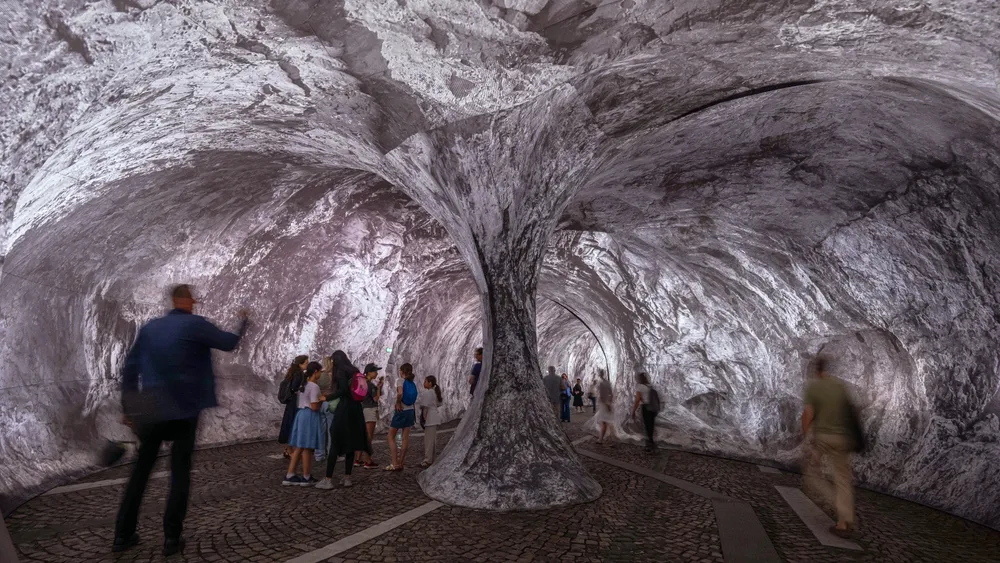
Visitors walk into the artwork "The Pont Neuf Cave" by French street artist JR on the Pont Neuf bridge, Tuesday, June 16, 2026, in Paris, open to the public from June 15 to 28. Photo Credit: (AP Photo/Aurelien Morissard)
French street artist JR has transformed Paris' oldest bridge, the Pont Neuf, into an artificial cavern
For weeks, a black mountain loomed over the Seine where Paris’ oldest bridge should have been. On Monday evening, its doors finally opened.
Inside, Paris smells different. The air carries the scent of earth after rain — damp ancient stone, cellar walls, perhaps a trace of smoke.
Visitors step from the bright riverfront into a dark passage lined with glowing photographs of caves, as a low electronic pulse seems to breathe through the walls.
Beneath it all, the old cobblestones of the Pont Neuf rise and fall underfoot.
Made largely from printed fabric and air, it transforms the 17th-century bridge into an artificial cavern rising 18 meters (59 feet) above the Seine.
“It feels like the city has disappeared,” said Léa Martin, a 22-year-old art student from Lyon on Tuesday. “You know the river is right outside, but for a moment you’re somewhere ancient.”
Paris steps in and sniffs history
The smell is central to the illusion.
Olfactory expert Sarah Bouasse created two shifting scents: drawing on geosmin and isoborneol, compounds associated with the aroma released when rain strikes dry earth.
It changes along the crossing: first wet earth and mineral dampness, then something warmer, smokier and faintly animal.
“Usually I cross here without looking up once,” said Michel Dupré, a 67-year-old retiree, blinking as he emerged into daylight. “Today I felt the stones under my feet. And smelled them too. It makes you walk like a child again.”
A sound installation by Thomas Bangalter, formerly of the French electronic duo Daft Punk, accompanies the work, filling the cavern with low rumbles, echoes and pulses.
Completed in 1607, the Pont Neuf — despite its name, “New Bridge” — is the oldest bridge still standing in Paris.
JR’s installation asks people to experience the familiar crossing through their noses, ears and feet.
It also pays tribute to Christo and Jeanne-Claude, whose 1985 wrapping of the bridge in pale golden fabric drew an estimated 3 million visitors.
Their work covered the Pont Neuf in light.
The dark side
JR sends visitors into darkness.
“You enter into the darkness,” he has said, “and emerge into the light on the other side.”
Visitors can also raise their phones to activate an augmented-reality experience developed with tech company Snap.
Digital bats trail light through the cave, passing bodies leave ghostly traces and a dancer materializes in space.
JR has linked the work to Plato’s allegory of the cave, in which prisoners mistake shadows for reality. Today’s cave walls, he argues, are screens and the algorithms that shape what people see. Yet the installation’s strongest effects require no phone.
“It’s completely strange,” said Nadia Benali, 34, smiling beside the artificial cliffs. “Paris needs things that make people stop.”
When the cave closes, its fabric will be reused or recycled.
The mountain will vanish, traffic will return and the Pont Neuf — older than the French Revolution — will emerge into the light once more.
by Thomas Adamson
Copyright Associated Press. All rights reserved. This material may not be published, broadcast, rewritten, or redistributed.
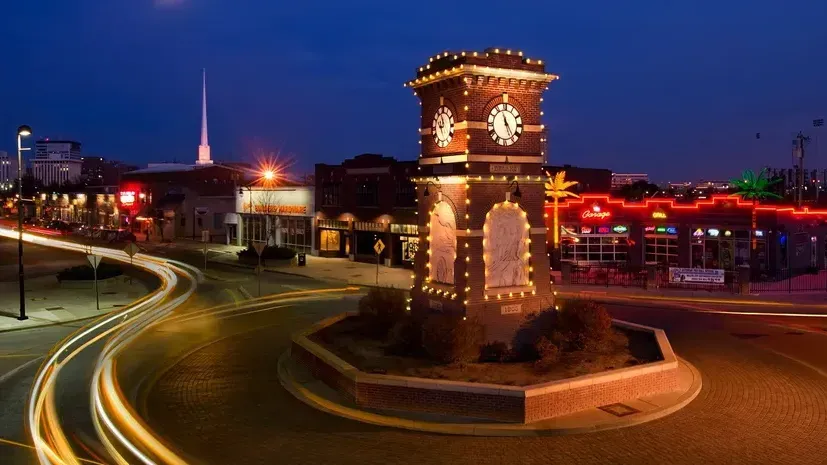
Wichita, Kansas, has been positioning itself as a more welcoming destination for LGBTQ+ travelers, and the Delano District has emerged as one of the city’s most visible examples.
Wichita’s Delano District is being presented by the city’s tourism arm as one of the most LGBTQ-friendly parts of town, a place where visitors can find independent businesses, walkable streets and a neighborhood identity that is openly welcoming. Visit Wichita describes Delano as one of the city’s “hip” and LGBTQ+ friendly neighborhoods, noting that it is home to boutiques, restaurants and attractions near the Arkansas River and the Keeper of the Plains.
That positioning matters because the travel market for LGBTQ+ people is not only about entertainment or nightlife; it is also about safety, ease of movement and the ability to patronize businesses without drawing unwanted attention. Visit Wichita says that Wichita does not have a dedicated gayborhood, but does have LGBTQ-friendly areas, restaurants, bars and shops spread across the city, especially in more central districts such as Downtown, Riverside, the Douglas Design District and Delano.
Why Delano is drawing attention
According to Visit Wichita, Delano stands out because it combines a historic riverfront setting with a mix of locally rooted commerce and tourist-friendly landmarks. The guide points visitors toward Riverfront Stadium, the Keeper of the Plains, Boats & Bikes, the Wichita Baseball Museum and nearby local shops, framing the district as a place where tourism and everyday neighborhood life overlap.
The district’s appeal also rests on its business mix. Visit Wichita highlights Vortex Souvenir, describing it as a shop that features local art and handcrafted goods from queer artists in the community. That emphasis on locally made goods and queer creators gives the area a distinctly small-business character rather than a chain-driven one.
For LGBTQ+ travelers, that kind of business ecosystem can be especially valuable. Travel guides and destination organizations often frame welcoming spaces not only as places that tolerate queer visitors, but as spaces where they can feel seen in the ordinary flow of commerce—shopping, dining, walking and attending events without needing to self-censor. The International LGBTQ+ Travel Association identifies itself as the world’s leading network of LGBTQ+ welcoming tourism businesses, reflecting the broader industry recognition that affirming travel experiences are a distinct market segment.
A city trying to signal inclusion
Wichita’s tourism guide says the city adopted what it calls the strongest non-discrimination ordinance in Kansas in 2021, protecting sexual orientation and gender identity within city limits. The same guide says that change helped Wichita earn a perfect 100 on the Human Rights Campaign’s Equality Index.
Those legal protections help explain why a neighborhood spotlight like Delano matters beyond tourism branding. When a city publicly identifies neighborhoods and businesses as welcoming, it creates a practical signal for travelers deciding where to stay, eat and spend their money. Visit Wichita’s guide presents central Wichita neighborhoods as places where queer couples are unlikely to face outright hostility and where public displays of affection are less likely to draw attention than in more suburban areas.
The tourism message is reinforced by the city’s broader visitor-facing narrative: Wichita does not claim a single concentrated LGBTQ+ district, but instead points to a network of friendly spaces across the city. That is a different model from the classic “gayborhood” approach, and it may appeal to travelers looking for a broader urban experience with multiple options for dining, culture and nightlife.
Business, nightlife and everyday visibility
The Delano District is not only about daytime tourism. Visit Wichita’s guide says Wichita’s nightlife is centered largely in Old Town, including two of the city’s gay bars, and it identifies XY as the city’s newest LGBTQ+ nightclub, with drag shows, karaoke and DJ nights. It also describes J’s Lounge as a gay dive bar near Old Town and notes that another nearby dive bar is popular with LGBTQ+ college students and locals.
Although those venues are not all in Delano itself, their proximity to the district helps create a larger visitor experience in central Wichita. For travelers, that means an evening out in one neighborhood can be paired with daytime shopping, riverfront sightseeing and dining in another nearby district without requiring extensive transit.
The nearby Douglas Design District adds another layer to that city-center network. Visit Wichita says the district includes shops, art galleries, restaurants and 108 murals, and it describes the area as gay-friendly. Together with Delano, this creates a corridor of visually distinctive, locally owned or locally flavored destinations that can be attractive to visitors interested in urban exploration rather than resort-style tourism.
Why this matters for LGBTQ+ travelers
A travel feature about one business district can reveal something larger about how destinations market themselves to LGBTQ+ visitors. The core message from Wichita’s tourism office is not that inclusion depends on one venue, but that welcome is distributed across multiple businesses, neighborhoods and public spaces. That approach reflects a shift in travel marketing, where affirming destinations increasingly emphasize walkability, neighborhood character and visible local commerce alongside formal protections.
For many queer travelers, a place like Delano can function as a low-pressure entry point into a city. Independent shops, restaurants and riverside attractions provide familiar travel anchors, while nearby districts extend the experience into nightlife and arts. The result is a destination image built less on spectacle than on everyday accessibility.
That matters because inclusive travel is not only about whether a destination is “friendly” in the abstract. It is also about whether businesses, public spaces and local institutions make visitors feel welcome in practice. Wichita’s tourism pitch suggests that Delano, along with nearby downtown districts, is part of that effort—one that combines local commerce, public art, and visible LGBTQ+ inclusion into a single visitor experience.
The business case behind the welcome
There is also a straightforward economic dimension to this story. When tourism boards identify LGBTQ-friendly districts, they are helping businesses reach a market that actively looks for affirming places to stay, shop and dine. Visit Wichita’s guide does exactly that by naming specific neighborhoods and businesses, from Delano’s Vortex Souvenir to Old Town’s LGBTQ nightlife venues, turning inclusion into a practical travel guide rather than a vague promise.
In that sense, Delano is more than a pleasant district near the river. It is part of Wichita’s public case that the city can be navigated comfortably by LGBTQ+ visitors, with affirming businesses and recognizable landmarks woven into the tourist experience.
by Chris Tremblay
Copyright EDGE Media Network. All rights reserved. This material may not be published, broadcast, rewritten, or redistributed.