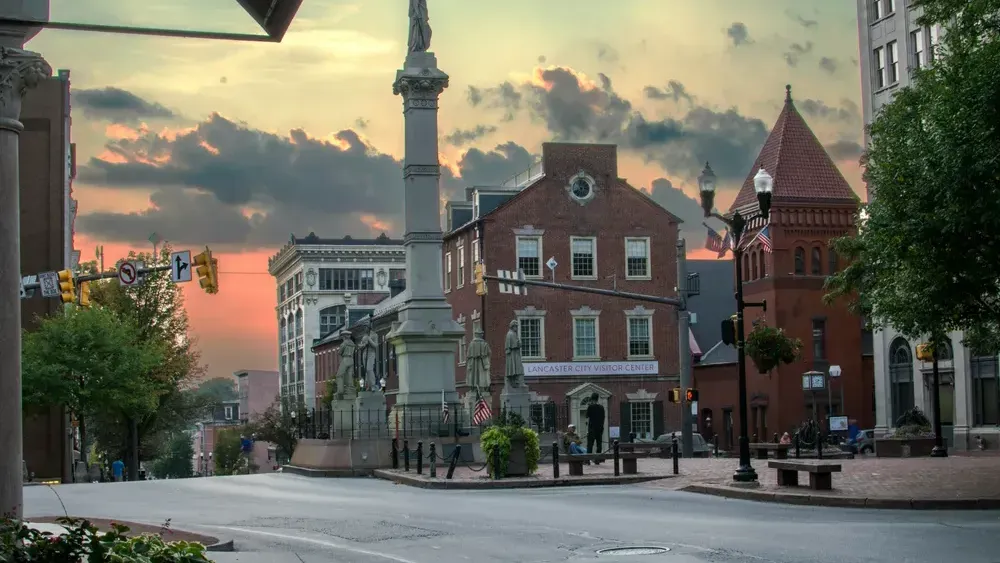
While often associated with its pastoral Amish heritage, Lancaster, Pennsylvania, has rapidly transformed into one of the most LGBTQ+ affirming small cities in North America.
Lancaster, Pennsylvania, is a city defined by its striking contrasts. For decades, travelers have flocked to the region for its rolling farmland and the traditional lifestyle of the Amish community. However, as of Monday, July 13, 2026, the city’s narrative is being rewritten by a vibrant, visible, and growing LGBTQ+ community that has turned this historic hub into a modern sanctuary. Located in a county that has historically leaned conservative, the city of Lancaster—with a population of approximately 58,000 residents—has emerged as a "shining beacon of hope" for LGBTQ+ individuals across the Mid-Atlantic .
This cultural shift is not merely superficial; it is backed by concrete municipal action and a thriving network of local entrepreneurs. The city has consistently aimed for high marks on the Human Rights Campaign Municipal Equality Index, joining a record-breaking 130 cities across the United States that have demonstrated an unwavering dedication to inclusivity despite restrictive state-level regulations elsewhere . Today, Lancaster stands as a premier example of how small-city America is leading the charge in civil rights and cultural acceptance.
The 2026 Pride Milestone
The summer of 2026 has been a landmark season for the local community. On June 20, 2026, the 18th Annual Lancaster Pride Festival took place at Penn Medicine Park, the home of the Lancaster Stormers. The event was a massive success, featuring live entertainment, local vendors, and a wide array of community resources dedicated to supporting LGBTQ+ health and wellness . The festival’s move to the stadium highlighted the sheer scale of the community’s growth, offering an expansive and safe environment for thousands of attendees to celebrate their identities openly .
Following the festival, the City Council of Lancaster solidified this progress through legislative recognition. During a public meeting on June 23, 2026, the council passed a formal resolution recognizing June as Lesbian, Gay, Bisexual, Transgender, Queer, Intersex, and Asexual Pride Month. The resolution encouraged all residents to work toward advancing the cause of equality and fostering a safe community that appreciates diversity in all its forms for future generations . This official proclamation serves as a vital signal to both residents and visitors that the city’s leadership is committed to protecting the rights and dignity of all people, regardless of their sexual orientation or gender identity.
A Landscape of Inclusivity: Local Businesses Lead the Way
One of the most compelling reasons to visit Lancaster now is its thriving "gay-friendly" business district, where many establishments are owned and operated by members of the LGBTQ+ community. Unlike larger metropolitan areas where queer spaces are often concentrated in a single neighborhood, Lancaster’s inclusive spots are woven into the very fabric of its downtown core.
A centerpiece of this movement is The Midnight Oil, a transgender-owned and queer-run café that has become a vital social hub. The café places a heavy emphasis on creating a safe environment for people to connect, play board games, and enjoy sober social interactions—an essential resource in an area where such spaces were previously limited . The Midnight Oil is frequently cited by locals as the "top choice" for those seeking a welcoming atmosphere without the pressure of a traditional bar scene .
For those seeking fine dining, the city offers several high-end, LGBTQ-owned and affirming options. 401 Prime, a premier modern steakhouse, and The Belvedere Inn known for its award-winning American cuisine and elegant atmosphere, both served as official hosts for the 2026 "Uptown Pride After Party" . These businesses demonstrate that LGBTQ+ entrepreneurship is driving the city’s economic and culinary revitalization. Other notable stops include Pocket Books, a bookstore owned by queer women, and Farbo Co, a queer-owned gaming and hobby shop that serves as a cornerstone for local geek culture .
Community Beyond the Parade
The spirit of inclusivity in Lancaster extends well beyond the month of June. Tonight, July 13, 2026, the community continues its summer of celebration with a Free Community Pool Party at the Conestoga Pines Pool from 6:00 PM to 8:00 PM. Hosted by Lancaster Pride, the event is designed to provide a relaxed, affirming space for LGBTQ+ individuals and allies to cool off and connect .
This commitment to year-round engagement is further evidenced by initiatives like "Pride on the Conestoga," a collaboration with the Conestoga River Club during Lancaster Water Week, which integrates environmental stewardship with queer visibility . Additionally, organizations like the Keystone Business Alliance work tirelessly to bridge the gap between the LGBTQ+ community and the broader local economy, ensuring that diverse-owned businesses have the support they need to thrive .
A Travel Destination for Everyone
For the LGBTQ+ traveler, Lancaster offers the rare combination of small-town charm and big-city progressiveness. The city is highly walkable, with a dense collection of galleries, boutiques, and cafes that are "openly supportive" of the queer community . While the surrounding rural landscape remains more conservative, the city itself acts as a safe harbor, where rainbow flags are a common sight and gender-neutral bathrooms are becoming the standard in local haunts like Little Mutants .
Whether you are visiting for the 18-year-old Pride tradition, the unique transgender-owned shopping experiences, or simply to enjoy a meal at an affirming steakhouse, Lancaster provides a travel experience that is both culturally rich and socially conscious. As more LGBTQ+ people seek out inclusive communities in less traditional areas, Lancaster, Pennsylvania, is standing tall as a model for the future of the American small city.
by Chris Tremblay
Copyright EDGE Media Network. All rights reserved. This material may not be published, broadcast, rewritten, or redistributed.
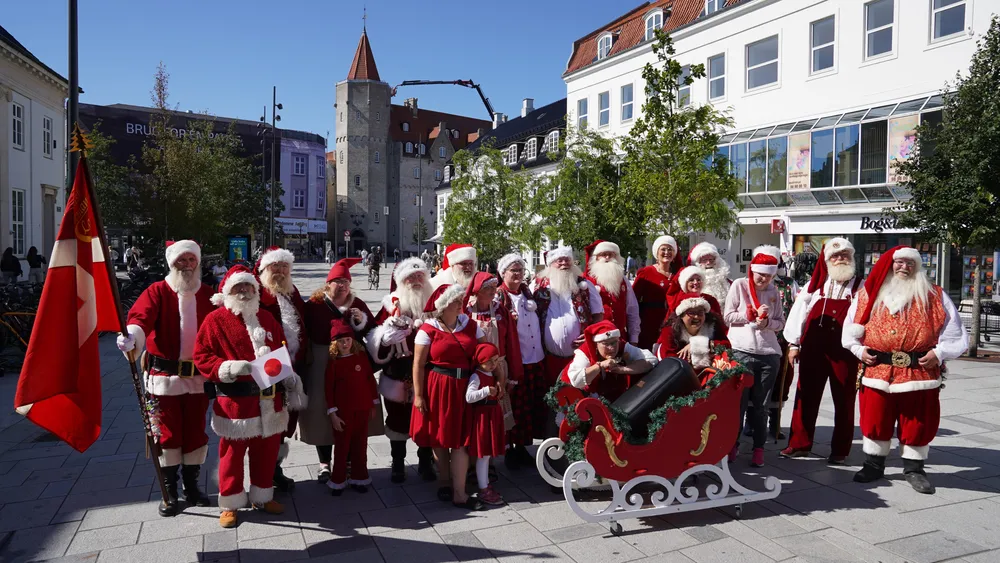
Santas, Mrs. Clauses and Christmas elves from around the world pose for a photo at the annual World Santa Claus Congress, a colorful midsummer tradition, in Aalborg, Denmark, Wednesday July 8, 2026. Photo Credit: AP Photo/James Brooks
Santas, Mrs. Clauses, and elves from around the world have gathered in Aalborg, Denmark, for the annual World Santa Claus Congress
While Europe's still in the throes of summer heat, it’s beginning to look a lot like Christmas in the Danish city of Aalborg.
Dozens of Santas, Mrs. Clauses and elves from around the world have descended on Denmark's fourth-largest city for the Nordic nation’s annual World Santa Claus Congress, a colorful midsummer tradition for decades.
First staged at an amusement park near Copenhagen in 1957, the congress moved to Aalborg on Denmark’s Jutland peninsula two years ago. This year, the Santa suits looked a little stifling under the Danish summer sun.
The event, which marks its 70th anniversary next year, was created to entertain children, but became a popular gathering for Santas who appear in stores and shopping malls during the Yuletide season.
The gathering offers a chance for professional Santas — not the real one, of course! — to swap stories, compare beards, sharpen their craft and compete in lighthearted contests months before anyone checks naughty-or-nice lists for the Christmas rush.
The packed agenda features events like gingerbread eating, gift wrapping, balloon modeling, and several noisy parades.
“The grandmas say: ‘Oh, it’s too early to come here’," said organizer Peter Gislund, himself a Santa Claus in Aalborg during the Christmas season. “The kids say: 'Hooray! Santa’s here already'.”
Christmas as a state of mind, not just a season
Over the years, the annual four-day gathering has attracted Santas and Mrs. Clauses from as far away as Australia, Hong Kong, Canada and the United States.
Most of the three dozen or so Santas and Mrs. Clauses at the congress this week hail from Scandinavia, but some flew in — like Paradise Yamamoto from Tokyo.
“This is very fun, so many children … Ho, ho, ho!” said Yamamoto with a laugh after parading through Aalborg waving a Japanese flag and dancing to the song "Feliz Navidad” — one of many Christmas classics played during the event.
Robert Hercz, a 64-year-old Norwegian Santa from Oslo, said that despite their different nationalities, all Santas on hand share “a gene” — for generosity and spreading joy.
“You have it or you don’t,” said Hercz, who was attending the congress for the first time. “We have the true Santa spirit. And it’s all about giving, sharing, and putting a little bit of joy in people’s hearts.”
It’s not all ho-ho-ing and belly rubs.
“When Santas are together, they always mingle and talk a little bit,” said Gislund. “Maybe I put a little bit of sparkle in the beard and so on. That’s the good part of meeting some Santas from all over the world.”
For Simon Brøns, a 33-year-old Danish Santa, the event is proof that the festive spirit isn’t just for Christmas.
“Christmas is not a season. It’s a feeling you have in your stomach," he said with a smile. "So if you want, you can have Christmas the whole year.”
by James Brooks
Copyright Associated Press. All rights reserved. This material may not be published, broadcast, rewritten, or redistributed.
Psst! Can you keep a secret? There’s a hidden gem along California’s Central Coast that delivers everything travelers love about the Golden State—award-winning wine, scenic beaches, incredible food, and laid-back charm—without the sky-high prices or overwhelming crowds.
Psst! Can you keep a secret? There’s a hidden gem along California’s Central Coast that delivers everything travelers love about the Golden State—award-winning wine, scenic beaches, incredible food, and laid-back charm—without the sky-high prices or overwhelming crowds. Nestled between Santa Barbara and San Luis Obispo, Santa Maria Valley is the kind of destination where LGBTQ+ travelers can truly unwind, connect, and explore at their own pace.
Whether you’re planning a romantic same-sex couples’ getaway, a fun trip with chosen family, or a solo recharge filled with wine and wellness, Santa Maria Valley offers a warm, welcoming vibe that feels refreshingly authentic.
Santa Maria Valley is one of the world’s most dynamic wine-growing regions, producing complex and beautifully balanced wines thanks to its unique coastal climate. The region is especially celebrated for Pinot Noir, Chardonnay, and Syrah, though adventurous wine lovers will find plenty of varietals worth sipping.
by Joseph Amato
Copyright EDGE Media Network. All rights reserved. This material may not be published, broadcast, rewritten, or redistributed.
Following its successful 14th annual Pride celebration this June, Thessaloniki is solidifying its reputation as a premier, albeit lesser-known, LGBTQ+ destination in Southern Europe.
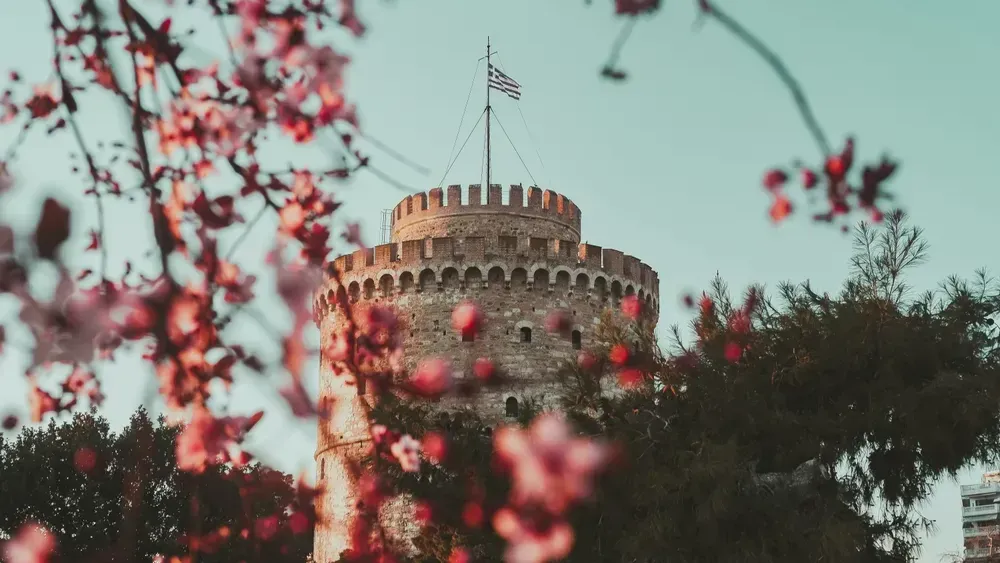
As the sun dipped below the horizon of the Thermaic Gulf on June 20, 2026, the historic White Tower of Thessaloniki was bathed not in its usual amber glow, but in the vibrant, defiant colors of the Progress Pride flag. This moment marked the climax of the 14th annual Thessaloniki Pride, an event that has transformed from a grassroots protest into one of the most significant LGBTQ+ gatherings in the Balkans. This year, the festival operated under the provocative and empowering theme "Break the Code" , a call to action for queer people and allies to dismantle the invisible social barriers and stereotypes that persist despite legislative gains.
The festivities culminated in a massive Pride Parade that saw more than 13,000 participants take to the streets, a record-breaking turnout for the city that underscores its growing status as a destination of choice for LGBTQ+ travelers looking beyond the traditional hubs of Madrid or Berlin. The procession began at White Tower Square , winding through the heart of the city along Ethnikis Aminis, Tsimiski, and Venizelou streets before returning via the scenic Nikis Avenue waterfront.
The atmosphere was described by local organizers as electric, characterized by a "rainbow river" of people of all ages, including families, youth, and elderly activists. The "Break the Code" slogan served as a dual-purpose message: both a celebration of the unique identities within the community and a demand for continued progress in a society that is rapidly evolving but still navigating deep-seated traditional influences.
A Cultural Crossroads for Queer Travelers
Unlike the high-octane, commercialized queer scenes of Mykonos or Santorini, Thessaloniki offers a more grounded and culturally rich experience. Known as the "Lady of the North," the city is Greece’s second-largest urban center and a major student hub, home to the Aristotle University. This youthful energy feeds into a queer scene that is artistic, political, and fiercely authentic.
The 14th Thessaloniki Pride was not merely a parade but a week-long cultural festival that began on June 15, 2026. The program included book presentations, experiential workshops, and open-air interventions in public spaces designed to engage the broader citizenry. On the waterfront, the "Pride Fair" provided a platform for various human rights organizations and local businesses to showcase their support and services for the LGBTQ+ community.
The entertainment lineup for the closing concert on June 20 reflected the city's diverse tastes. Performances featured a mix of mainstream pop stars and underground queer icons. Popular singers such as Tamta, Evangelia, Lionder, Laffis, and Mikay took the stage at the White Tower, supported by high-energy dance groups like House of Drama and The Mode.
The drag performances, a perennial highlight of the Thessaloniki scene, featured local and national talents including Raw Bee Candles, Fatality, Heelcat, Katina Bella, and Mystic Van Rouge. These artists represent a burgeoning Greek drag culture that blends traditional Balkan aesthetics with modern queer activism, often using their platform to speak on issues of transgender rights and social acceptance.
Progress in the Cradle of Democracy
The backdrop to this year’s Pride is Greece’s significant shift in LGBTQ+ policy. Since early 2024, when Greece became the first Orthodox Christian country to legalize same-sex marriage and adoption, the social landscape for LGBTQ+ people has undergone a visible transformation. While legislation has provided a new level of security, the community in Thessaloniki continues to advocate for more comprehensive protections against hate speech and discrimination.
The participation of the Diversity Charter Greece in the 2026 Pride events signaled a growing commitment from the corporate sector to foster inclusive workplaces. More than 13,000 attendees, including representatives from various social and political bodies, sent a resounding message against discrimination and homophobia.
Local activists emphasize that Thessaloniki’s identity is inextricably linked to its history as a multicultural crossroads. This historical "openness" is being reclaimed by the queer community to create a space where transgender people and gender-nonconforming individuals can navigate the city with increasing confidence.
The Heartbeat of Valaoritou and Beyond
For the queer traveler, Thessaloniki’s charm lies in its "walkability" and its hidden pockets of community. The Valaoritou district, once a commercial textile hub, has transformed into the city's nightlife epicenter. It is home to Enola , a legendary queer club that has anchored the community for nearly two decades. Following the official Pride Parade on June 20, Enola hosted the primary "After-Pride Party," featuring drag shows by Helena Hudson and Fatality that lasted until the early hours of the morning.
Beyond the organized events, the city offers a wealth of queer-friendly spaces. The waterfront, stretching from the White Tower to the Thessaloniki Concert Hall, is a public living room where the community gathers for coffee—a serious local pastime. Bars and cafes in the Ladadika and Valaoritou areas are known for their inclusive atmosphere, often flying rainbow flags year-round.
The city's status as the host of EuroPride in 2024 left a lasting legacy of infrastructure and visibility that is still evident today. The 2026 festival proved that the momentum has not faded; rather, it has matured. Thessaloniki is no longer just a "gay-friendly" stopover; it is a destination where queer culture is woven into the very fabric of the city’s resurgence.
A Vision for the Future
As the 14th Thessaloniki Pride concluded, the message from the "Break the Code" campaign remained clear: visibility is the first step toward true equality. By inviting travelers to explore its streets, the city is not just promoting tourism but building a more inclusive Europe. For those looking for a destination that offers history, vibrant nightlife, and a soulful, activist-led community, Thessaloniki is the hidden gem that is finally coming into the light.
The success of the June 2026 events suggests that Thessaloniki will continue to grow as a beacon of LGBTQ+ pride in the Mediterranean, challenging older narratives and inviting everyone to "break the code" of what a queer-friendly city can be.
by Chris Tremblay
Copyright EDGE Media Network. All rights reserved. This material may not be published, broadcast, rewritten, or redistributed.
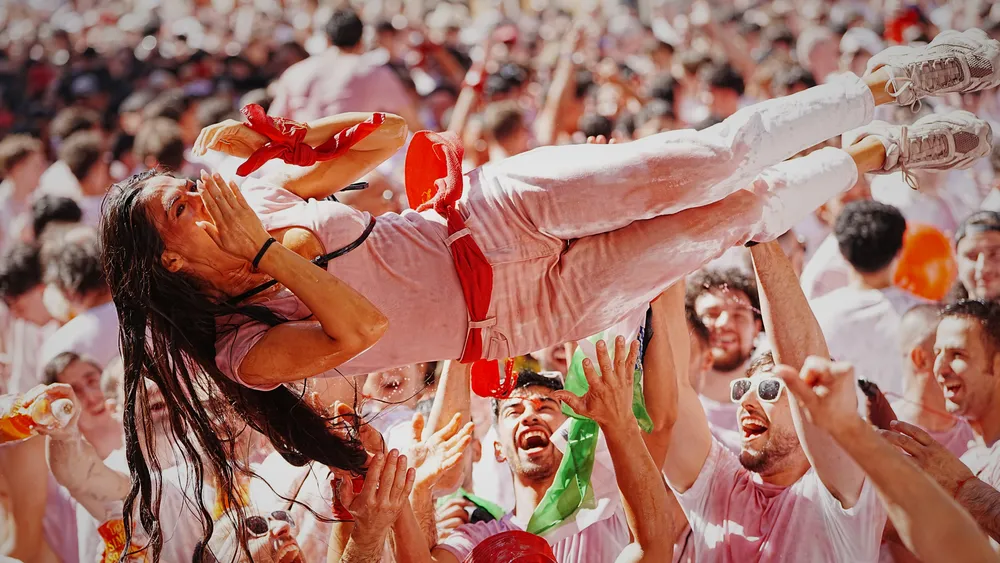
Revelers celebrate as the txupinazo, the traditional rocket marking the start of the San Fermín festival, kicks off nine days of uninterrupted festivities in Pamplona, Spain, Monday, July 6, 2026. Photo Credit: AP Photo/Miguel Oses
One hundred years ago a book was published that put Spain's biggest bull run festival on the map for millions of readers around the world
Bill Hillmann has been gored three times while running with the bulls in Spain, but he wouldn’t miss this year’s San Fermin festival for anything.
It marks the 100th anniversary of the publication of Ernest Hemingway ’s book “The Sun Also Rises” that launched the future Nobel Laureate to literary fame and put Pamplona on the map for millions of people around the world.
On Monday, the festival kicked off with a firework blast over a jam-packed plaza. The first of eight bull runs is on Tuesday.
Hemingway’s 1926 novella captivated generations of readers with its sexy Jazz Age tale of American and British bohemians trying to fill some inner void with the distractions of exotic travel, vast quantities of alcohol and the anguishing pursuit of impossible love.
Its success established “The Sun Also Rises” as a cornerstone of the American literary canon, right up there with F. Scott Fitzgerald’s “The Great Gatsby.” It also popularized the term “lost generation” to describe the tight-knit group of early 20th-century writers expatriated in Paris. Hemingway's terse style forever changed American literature. In Spanish, its title is translated as “Fiesta.”
Hillmann, who hails from Chicago, was 19 when Hemingway’s vivid depiction of the bull running festival first enthralled him, especially descriptions of average Spaniards risking their lives sprinting through the streets to guide the bulls to the bull ring during the nine-day festival. It kicks off with a firework blast over a packed plaza on Monday, and the first of eight bull runs is on Tuesday.
“It was the first book I ever read,” Hillmann told The Associated Press in Pamplona as he looked down on the pen where the bulls are held before being set free on the cobblestoned route. “I sat there for about six hours, well past midnight, reading the book. And by the time I was done with that book, I was going to be a writer and I was going to be a bull runner.”
Since that literary encounter, the 44-year-old Hillmann has run with the bulls in Spain hundreds of times, counting both his trips to Pamplona and his participation in dozens more bull runs in other Spanish towns. His infatuation with Hemingway and Pamplona has never waned, even though he nearly died one time that he was gored by a bull horn.
Hillmann’s appreciation led him to earn a doctorate in English, and now it is his turn to teach “The Sun Also Rises” at East-West University in Chicago, and write about bull running.
Americans are the biggest group of foreign bull runners
Hillmann is just one of many Americans inspired to travel to Spain to see the festival firsthand. While running with bulls is a cherished local custom for Spanish daredevils, Americans are still the leading group of foreigners who run at the San Fermin festival. In 2022, 16% of the bull runners were Americans, the largest percentage among foreigners and four times more than those from neighboring France, according to Pamplona’s City Hall.
Dallas-based tour operator Bruce Anderson, whose company “Running Of The Bulls” has helped thousands of Americans attend San Fermin over the years, says that Hemingway’s work made the festival a bucket-list destination. This year, his company is bringing 1,400 people to the festival, with over two-thirds from the United States.
“There’s a lot of energy, a lot of excitement around just remembering that book and the impact that it’s had,” said Anderson, himself a lifelong Hemingway fan. He spoke in Pamplona’s art deco Café Iruña, which features heavily as a drinking spot in “The Sun Also Rises” and today houses a life-size statue of Hemingway bellying up to the bar.
And Anderson, with his thick white beard, is something of a Hemingway look-alike. Local Spaniards often call out to him: “Papa!” – a nickname for their adopted hero.
It is impossible to avoid Hemingway in Pamplona
Hemingway is etched into the landscape of Pamplona. Hotels and bars have busts of him or signs up that he was once there. Outside the Pamplona bull ring, which also has a statue of the writer, a huge banner hangs in honor of the novel, including a quote that shows how the festival left the writer speechless: “At noon of Sunday, the 6th of July, the fiesta exploded. There is no other way to describe it.”
When Hemingway made his last visits to Pamplona, he would frequent the Perla Hotel; his suite still has furniture from the 1950s when he stayed there. The room, which overlooks the bull run route, also has two glass book cases holding dozens of copies of “The Sun Also Rises.”
“Hemingway did a lot for Pamplona because he made it known around the world,” said Fernando Hualde, who worked for four decades as a receptionist in the hotel.
Hemingway’s legacy has become complicated over time
Hemingway’s local legacy, however, is mixed.
Beside a feminist critique of his hyper masculine public persona, Hemingway has drawn criticism from the animal rights movement for his praise of bull fighters. In “The Sun Also Rises,” he spills far more ink on descriptions of their bravery than on the bull runs.
Animal welfare activist Brook Spurling said during a protest against the San Fermin bullfights that “Hemingway wrote about many, many themes that today would not be accepted into society. He writes about hunting, about war, and we don’t want to be appreciating these themes today.”
Hualde says that some Pamplona residents rue his early promotion of the festival due to the ills of overtourism the sleepy provincial city is now experiencing.
Pamplona has 200,000 residents and receives over a million more people for the festival. While most are Spaniards, around 15% of the revelers are from abroad. And many, especially the younger visitors, follow Hemingway’s example of drinking to excess.
Some locals take pride in spots that weren’t touched by Hemingway. Local literature professor Gabriel Insausti of Pamplona’s University of Navarra recalls being in a bar with a sign that read “Hemingway was not here.”
“In general, Hemingway has become a product of a franchise associated with San Fermin festival that has obscured his novel,” Insausti said. “People know who Hemingway is, but they haven’t read his novel.”
But the power of Hemingway’s English prose lives on
Hillmann said that the high percentage of inexperienced foreigners today makes the Pamplona bull runs particularly dangerous. The last death was in 2009 but gorings and other injuries are common. Novice runners can easily panic and make a wrong move that can cause a pileup or send someone into the path of a bull.
He was badly gored in 2014 when he said a bad maneuver by a fellow runner left him exposed to a bull. He thought he was dying, such was the quantity of blood gushing from his leg.
After another goring in 2017, Hillmann told the AP from his hospital bed in Pamplona that he would not stop running. “People think this is just crazy people running. There is real art. If you pay attention, you can see it,” he said then.
Hemingway's granddaughter, the actress Mariel Hemingway, recalls being treated “like royalty” when she attended San Fermin years ago. Mariel, who has written and spoken about her grandfather as a sufferer of mental illness that led to his suicide in 1961, is convinced his work will endure.
That fascination with death is likewise timeless.
“Identity, love, purpose, and how to rebuild after profound loss ... those themes haven’t ever changed. That’s what’s great about my grandfather,” Mariel Hemingway told the AP from her home in Idaho.
“I think he captured something that will never go away.”
by Joseph Wilson
Copyright Associated Press. All rights reserved. This material may not be published, broadcast, rewritten, or redistributed.
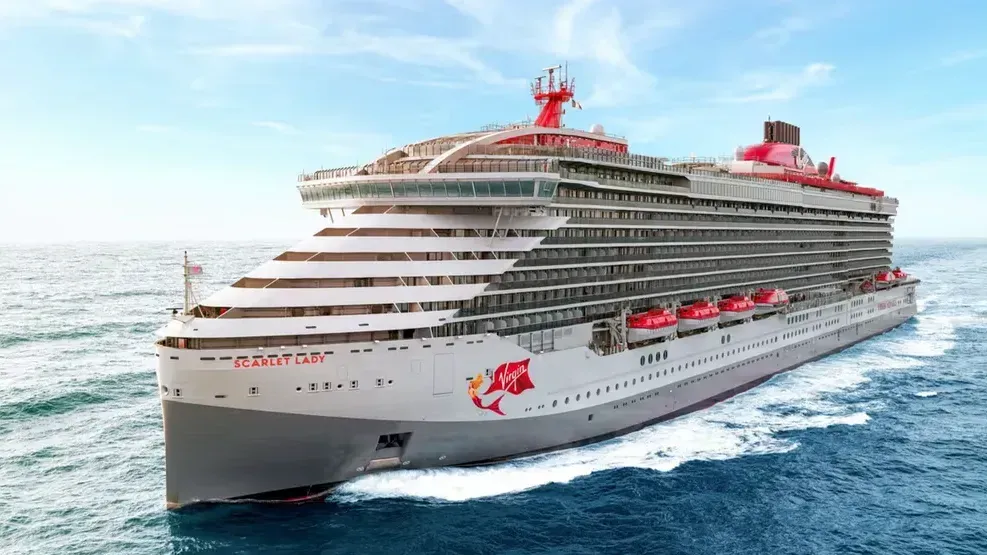
The Turkish government has officially blocked the "Scarlet Lady", an American-chartered cruise ship carrying approximately 2,000 LGBTQ+ passengers, from docking at national ports in Kuşadası and Istanbul.
On July 2, 2026, the Turkish government issued a formal prohibition preventing a high-profile LGBTQ+ cruise ship, largely populated by American citizens, from docking at its ports on the Aegean and Marmara seas [CNN]. The vessel, the Scarlet Lady, which is operated by Virgin Voyages and was chartered by the U.S.-based Atlantis Events, was scheduled to bring approximately 2,000 passengers to the country, including an estimated 1,100 travelers from the United States [CNN, The Washington Post]. Turkish officials justified the sudden cancellation of the docking permits by citing the protection of "family values" and "moral standards," asserting that the presence of the group was incompatible with the "societal fabric" of the nation [The Guardian].
The Incident and Official Justification
The conflict began when authorities in Turkey’s Aydın province, where the popular port town of Kuşadası is located, published an official statement online announcing that the cruise’s arrival had been revoked [CNN, The Guardian]. The statement claimed that the ship was chartered by groups "known for behaviors that do not align with the structure of our society and our moral values" [CNN]. Furthermore, local officials alleged that the scheduled arrival of the Scarlet Lady had "sparked significant public concern," leading to the conclusion that there was "absolutely no possibility of the group in question visiting our province for an event of this nature" [CNN].
The Scarlet Lady was originally scheduled to embark from Athens, Greece, on July 5, 2026, and arrive in Kuşadası on July 7, 2026, followed by a stay in Istanbul [CNN, The Washington Post]. However, the late-notice ban forced Atlantis Events to radically alter the ten-day itinerary while the ship was already preparing for departure [The Washington Post]. According to Rich Campbell, the CEO of Atlantis Events, this is the first time in the company’s 36-year history that a destination has explicitly barred a vessel based on the identity of its passengers [CNN, The Washington Post]. Campbell noted that while the company has faced logistical hurdles in the past, they had never been "actively told we may not berth here because of who we are" [The Washington Post].
Passenger Reactions and On-Board Sentiment
The decision has left many of the 2,000 passengers—more than half of whom are American—expressing shock and disappointment [The Washington Post]. Among the high-profile individuals on board is legendary Broadway performer Patti LuPone, who is performing during the voyage [CNN]. LuPone took to social media to express her frustration, writing, "A ship – a magnificent ship – full of gay men. And me. Denied entry to Turkey simply because of who is on board" [CNN].
Randy Slovacek, a passenger and journalist who spoke with CNN’s Ben Hunte, highlighted the irony and suddenness of the ban, noting that Turkey has long been a popular destination for LGBTQ+ travelers despite the country's complex relationship with human rights [CNN]. The unexpected nature of the refusal meant that many travelers had already booked land excursions in Istanbul and Kuşadası, including tours of the ancient city of Ephesus, which have now been cancelled without recourse to the original plans [CNN].
Political and Legal Context in Turkey
Homosexuality has been legal in Turkey since 1858, following the decriminalization of same-sex acts during the Ottoman Empire [The Guardian]. Despite this long-standing legal status, the political climate for LGBTQ+ people in Turkey has grown increasingly hostile over the last decade [The Guardian]. The Turkish government, under the leadership of President Recep Tayyip Erdoğan, has frequently employed rhetoric that characterizes LGBTQ+ identities as a threat to traditional Turkish "family values" [The Guardian].
Pride parades in major cities such as Istanbul have been consistently banned since 2015, often on the grounds of "security" or "public morality" [The Guardian]. Observers note that the specific targeting of a cruise ship—a major source of tourism revenue—marks a significant escalation in the government's willingness to enforce its "moral standards" at the expense of the economy [The Guardian]. The ship’s operator, Virgin Voyages, which is backed by billionaire Richard Branson, had not anticipated such a blanket ban, given that individual LGBTQ+ travelers continue to visit Turkey regularly [CNN, The Guardian].
Itinerary Changes and International Implications
Following the ban, Atlantis Events informed passengers that the Scarlet Lady would instead call at the port of Alexandria, Egypt, and the Greek island of Crete [The Washington Post]. The pivot to Egypt has been met with mixed reactions from passengers, as Egypt also possesses a documented history of targeting LGBTQ+ individuals under "debauchery" laws, leading some to question the safety and logic of the new route [CNN].
Rich Campbell stated that the company worked tirelessly to find alternatives that would still provide a high-quality experience for the guests while ensuring their safety and dignity [The Washington Post]. The logistical feat of re-routing a ship of the Scarlet Lady’s size—which is tracked by services like MarineTraffic—on such short notice is considerable, involving new port fees, security arrangements, and shore excursion logistics.
Broader Impacts on LGBTQ+ Tourism
The incident has sparked a broader conversation about the risks faced by LGBTQ+ travelers, even when traveling with established companies like Atlantis Events or Virgin Voyages [The Washington Post]. Travel experts suggest that this event could lead to a chilling effect on LGBTQ+ tourism in the region, as travelers may seek destinations with more robust legal protections and a more welcoming social atmosphere.
For the American travelers on board, the situation serves as a stark reminder of the varying degrees of acceptance worldwide. While the U.S. State Department has not issued a specific travel advisory regarding this incident, it generally advises LGBTQ+ travelers to remain aware of local laws and social customs that may differ significantly from those in the United States. As of July 6, 2026, representatives of the central Turkish government in Ankara have yet to issue a national-level comment on the matter, leaving the Aydın province's statement as the primary official explanation for the ban [The Guardian].
Safety and Hospitality Concerns
The decision to block the ship has also been criticized by local tourism operators in Kuşadası and Istanbul, who have reportedly expressed private concerns about the loss of revenue and the negative impact on Turkey's image as a global tourism hub. With over 2,000 high-spending tourists redirected to other countries, the local economic loss is estimated to be significant, particularly for the luxury retail and hospitality sectors in the port areas.
As the Scarlet Lady continues its journey through the Mediterranean, bypassing the Turkish coast, the international LGBTQ+ community continues to monitor the situation. The event highlights the precarious balance between international commerce and local political agendas, especially concerning marginalized groups. For now, the passengers on board the "epic all-gay voyage" will spend their time in Alexandria and Crete, far from the ports that deemed their presence a threat to national "moral standards" [CNN]..
by Chris Tremblay
Copyright EDGE Media Network. All rights reserved. This material may not be published, broadcast, rewritten, or redistributed.
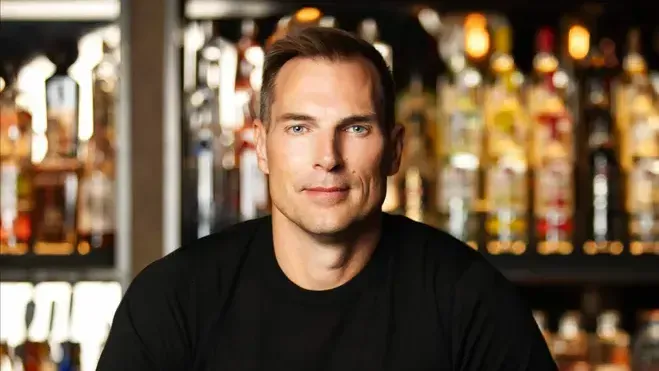
Through his ventures, Schukraft has positioned himself not only as a successful entrepreneur but also as a key figure shaping LGBTQ+ spaces, experiences, and community around the world. With that vision in mind, Schukraft spoke with us about the inspiration behind Tryst Hospitality, his personal journey, and how he’s helping shape the future of LGBTQ+ travel and nightlife.
Tristan Schukraft—often referred to as “The CEO of Everything Gay”—has built a career that blends entrepreneurship, investment, and cultural influence across multiple industries. A Los Angeles native now based in Puerto Rico, he has developed a far-reaching portfolio spanning technology, healthcare, media, airlines, hospitality, and real estate, which forms the backbone of his success.
His entrepreneurial path began at just 21, when he founded ID90.com, an e-ticketing platform designed for airline personnel. What started as a niche service grew into a major industry tool, now handling ticketing for more than half of airline staff worldwide. This early achievement set the tone for Schukraft’s approach—identifying underserved markets and scaling solutions that meet their needs.
He later turned his attention to healthcare, launching MISTR, a telemedicine platform focused on HIV prevention and long-term care. Under his leadership, MISTR has grown into the largest platform of its kind in the United States, serving more than 800,000 patients and expanding access to critical, stigma-free care.
Beyond business and technology, Schukraft has also made a name for himself in entertainment and hospitality. As an award-winning and Tony-nominated producer, he has brought projects like Drag: The Musical and Titanique to the stage, further cementing his role as a cultural tastemaker. At the same time, his influence extends into global hospitality and nightlife.
He is the founder of Tryst Hotels, the world’s first luxury hotel brand designed specifically for gay travelers, with locations in development or operation across Puerto Vallarta, Rio de Janeiro, Fire Island Pines, Chicago, Provincetown, Wilton Manors, and San Juan. Complementing this portfolio is a collection of iconic LGBTQ+ venues he owns and operates, including The Abbey in West Hollywood, DS Tequila in Chicago, Circo in San Juan, The Crown & Anchor in Provincetown, and several celebrated destinations in Fire Island Pines such as The Blue Whale, The Pavilion Nightclub, and The Canteen.
Through his ventures, Schukraft has positioned himself not only as a successful entrepreneur but also as a key figure shaping LGBTQ+ spaces, experiences, and community around the world.
With that vision in mind, Schukraft spoke with us about the inspiration behind Tryst Hospitality, his personal journey, and how he’s helping shape the future of LGBTQ+ travel and nightlife.
by Steve Duffy
Copyright EDGE Media Network. All rights reserved. This material may not be published, broadcast, rewritten, or redistributed.
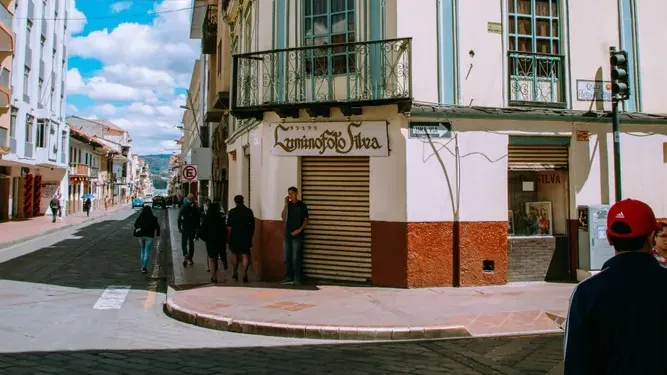
While South American LGBTQ+ travel often focuses on the bustling hubs of Buenos Aires and São Paulo, the UNESCO World Heritage city of Cuenca, Ecuador, is carving out a unique identity as an inclusive mountain retreat.
For decades, Cuenca was primarily known to international audiences as a top destination for retirees and a bastion of Spanish colonial history. Nestled at 2,560 meters in the Azuay province, its cobblestone streets and blue-tiled cathedrals reflect a conservative past. However, in June 2026, the city’s atmosphere is decidedly different. Rainbow flags now flutter alongside the traditional red and gold banners of the city, marking a new chapter in its social fabric.
The shift toward inclusivity in Cuenca is not a sudden trend but the result of years of grassroots activism. Local organizations such as Mujeres Diversas have worked to create safe spaces in a region historically influenced by deep-seated religious traditions. This evolution was significantly bolstered by Ecuador’s landmark 2019 Constitutional Court ruling which legalized same-sex marriage, a decision that remains a point of both pride and continued advocacy for the local community.
June 2026: A Month of Intersectional Celebration
June in Cuenca has become a vibrant tapestry of celebrations that interweave the modern LGBTQ+ Pride movement with the ancient Andean festival of Inti Raymi. On June 19, 2026, the "Inti Raymi de las Universidades y Diversidades" took place at the Teatro Universitario P. Carlos Crespi. This event, which combined university dance groups with music marking the June solstice, exemplifies how the city celebrates "diversities" in the broadest sense—encompassing sexual orientation, gender identity, and indigenous heritage.
The 2026 Pride calendar, organized by the local LGBTQ+ movement, featured a series of events throughout late June, leading up to the main march. Activities included the "Carteleada LGBTIQ+" on Wednesday, June 24, 2026, where community members gathered at Parque El Jardín to create banners and posters for the upcoming parade. This year’s theme focused on "Existence and Resistance," echoing similar sentiments found in larger South American gatherings like the National LGBTIQNB+ Meeting in Rosario, Argentina.
The 2026 Pride March and Cultural Impact
The hallmark of the season is the Marcha del Orgullo Cuenca 2026, scheduled for Saturday, July 4, 2026. Unlike the massive, commercialized parades of Brazil, Cuenca’s march retains a communal, grassroots feel. The route begins at the historic Parque San Blas at 17:30 and winds through the heart of the city along Calle Simón Bolívar, eventually culminating in a "Festival of Diversity" at the Plaza de San Francisco.
Local organizers emphasize that while the march is a celebration, it is also a vital platform for transgender people and other marginalized groups within the community to demand equal rights and protection. The inclusion of "Dragnation," a local drag collective, adds a layer of performance art and visible resistance to the festivities, with events like "Star Night" showcasing the city’s growing drag scene at the Sala Alfonso Carrasco.
Why Cuenca is a Hidden Gem for Queer Travelers
For the LGBTQ+ traveler, Cuenca offers a different pace of life. The city’s "Centro Comunitario LGBTIQANB+" serves as a hub for both locals and visitors, offering workshops on human rights and social networking events. This sense of community is a major draw for those who find the major metropolitan Pride circuits overwhelming.
The city’s safety profile is another factor. While travelers should always remain aware of their surroundings, Cuenca is frequently cited as one of the safer urban centers in the Andean region. The presence of a large, diverse expatriate community has also contributed to a more cosmopolitan and accepting environment.
Culturally, the city is in a state of constant activity. Beyond Pride, June 2026 saw the "Fiesta de la Música," hosted by Alianza Francesa de Cuenca, which featured concerts across various plazas from June 18 to June 27. This overlapping of festivals ensures that visitors can experience the city’s rich musical and artistic life while supporting inclusive spaces.
Looking Forward
The growth of Cuenca as a queer-friendly destination is part of a broader trend in South America where secondary cities are becoming focal points for diversity. From the "Gala del Orgullo" in Rosario, Argentina, which concluded the Month of Diversity on June 28, 2026, to the emerging scenes in Valparaiso, Chile, the continent’s queer map is expanding.
For those visiting Cuenca, the experience is defined by the contrast between its ancient stone walls and the vibrant, inclusive future being built within them. As the city prepares for its July 4 march, the message from the local community is clear: everyone is welcome in the "City of the Four Rivers."
by Chris Tremblay
Copyright EDGE Media Network. All rights reserved. This material may not be published, broadcast, rewritten, or redistributed.
Most of the country is staying home this year. A few Americans are paying a fortune to sleep somewhere that should terrify them. Photo Credit: Deposit Photos Via AP
The hotel rooms Americans pay the most to sleep in this year are the ones that should frighten them off. They are pinned to cliff faces, sunk beneath the sea, carved from river ice and parked in the path of polar bears. As most of the country quietly cancels its travel plans, a small band of Americans spends more than ever to wake up somewhere that should not be possible.
The hotel rooms Americans pay the most to sleep in this year are the ones that should frighten them off. They are pinned to cliff faces, sunk beneath the sea, carved from river ice and parked in the path of polar bears. As most of the country quietly cancels its travel plans, a small band of Americans spends more than ever to wake up somewhere that should not be possible.
The divide is real, and the numbers behind it are stark. This year, the share of Americans planning a vacation with paid lodging fell to 45%, the lowest in six years, while those who still traveled raised their budgets by about 17% from the year before. It breaks down sharply by income. More than half of Americans earning under $100,000 say travel is one of the first things they cut when money is tight, against about a quarter of those earning $200,000 or more. The people least troubled by the squeeze spend on rooms most Americans will never see.
Engineered to defy the drop
Some of these places put a bed exactly where a bed should not go. The boldest is The Muraka at Conrad Maldives Rangali Island, where the master bedroom sits about 16 feet underwater inside a curved acrylic dome, the reef drifting past the glass as you sleep.
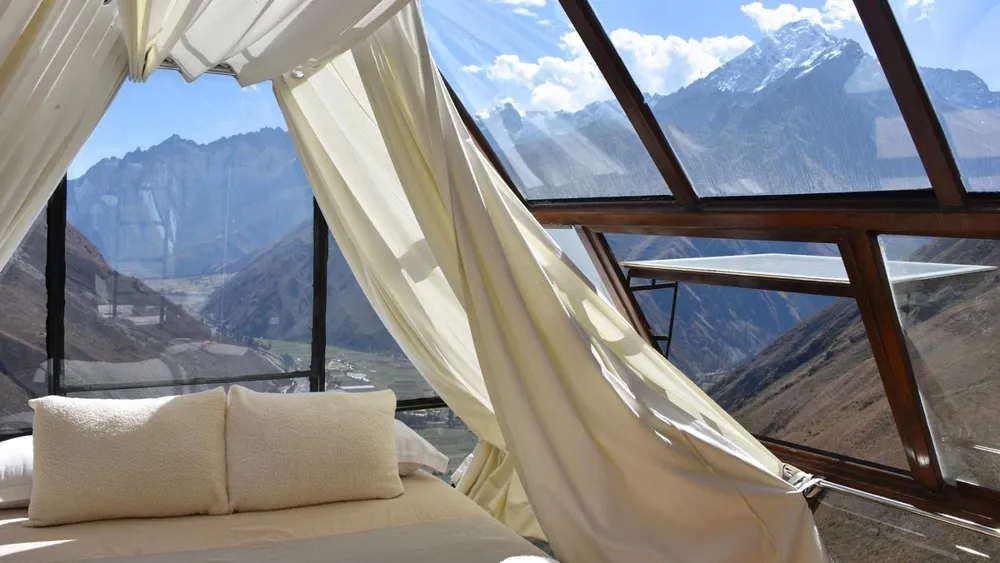
Peru's Sacred Valley takes the same nerve in the opposite direction. Skylodge Adventure Suites is a transparent capsule fixed to a sheer rock face hundreds of feet up, reached only by climbing a via ferrata route or hiking a trail strung with ziplines. Condors pass at eye level, and dinner arrives on the back of a guide who carries it up the mountain.
Where the setting is the real room
Other stays barely register as architecture because the surrounding wilderness is the draw. At Sorrisniva Igloo Hotel near Alta in northern Norway, the rooms are rebuilt each winter from 250 tons of ice cut from the Alta River, then melt away every spring. Guests sleep on reindeer hides inside thermal bags while the air holds a few degrees below freezing.
Sweden's Treehotel, in the village of Harads, lifts its rooms as high as 10 meters into a pine forest, each one built by a different architect. They range from a mirrored cube that nearly vanishes among the trunks to a cabin clad in hundreds of bird nests.
Closer to home, on Manitoba's Hudson Bay coast, Churchill Wild sets its remote lodges directly in the path of migrating polar bears. Picture windows run the length of the walls, and fenced compounds let guests watch one of the world's largest land predators from a few feet away. Two of its lodges, Seal River Heritage Lodge and Nanuk Polar Bear Lodge, hold National Geographic's Unique Lodges of the World designation.
Neither runs all year. Sorrisniva opens only from late December to early April, and the polar bears reach the Hudson Bay coast from late summer into fall, with a second showing in late winter.
A front-row seat to something dangerous
For the traveler who wants the drama without the passport stamps, the most extreme room on this list is also the most reachable. Volcano House sits on the rim of the Kīlauea caldera, the only hotel inside Hawaiʻi Volcanoes National Park, its crater-view rooms facing the steaming Halemaʻumaʻu. When Kīlauea erupts, the glow joins the view. When it is quiet, the crater is still there, smoking.
Who's actually paying for all this
Separate research tracking affluent American travelers found the wealthiest 10% of U.S. households now drive more than half of all consumer spending, with their leisure travel alone projected to reach $544 billion in 2026.
What the wealthiest travelers buy is not quite danger but proximity to it from the comfortable side of the glass: the shark a few feet from the bed, the crater steaming below the window, the polar bear on the other side of the pane. The risk is mostly engineered out, the spectacle left in, and that combination is what the money at the top is increasingly chasing.
by Mandy Applegate
Copyright Associated Press. All rights reserved. This material may not be published, broadcast, rewritten, or redistributed.
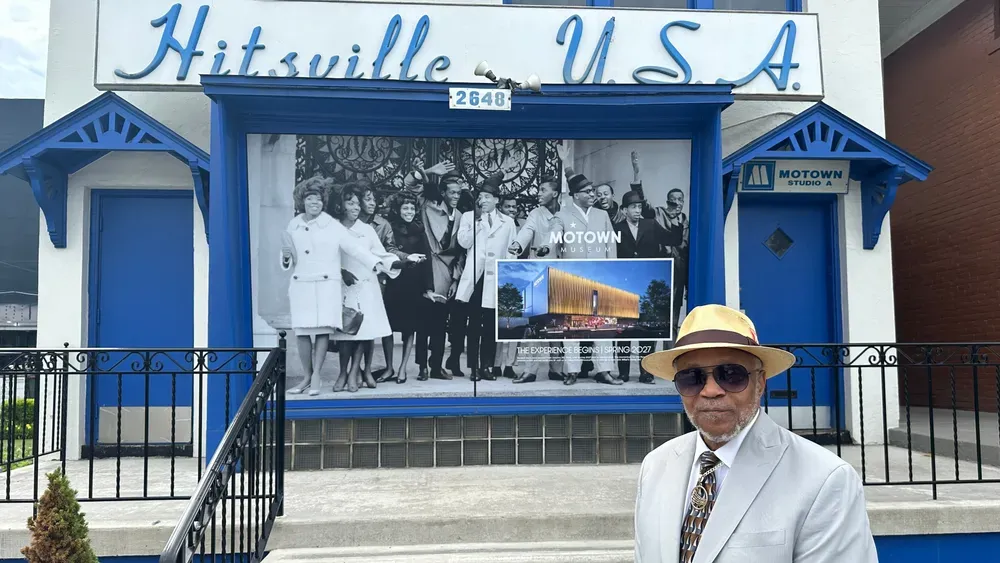
The Motown Museum in Detroit is undergoing a $75 million expansion that is slated to open in 2027
The Motown Museum in Detroit has been resonating with a different signature sound — the rumble of trucks, the buzz of drills and the pounding of metal — as one of the most significant sites in American musical history undergoes a $75 million donor-driven face-lift ahead of its 2027 grand reopening.
The expansion of the Hitsville USA campus — a house where chart-toppers by Stevie Wonder, Marvin Gaye and Diana Ross and The Supremes were written, rehearsed and recorded — aims not just to honor Detroit's musical legacy, but also to increase the city's footprint as an education and tourism destination.
The museum should enjoy the same level of promotion as other landmarks in the United States, former Motown music arranger Paul Riser Sr., comparing the seminal label's potential to a tourist mecca in New York City.
“The city can really benefit by further marketing this whole concept here,” Riser said. “We need to see more pageantry of Motown. Every time I think Motown, I think Times Square.”
Cities across the U.S. have for years promoted musical heritage as a selling point to attract business conventions, exhibitions and tourists. The Rock and Roll Hall of Fame attracts 500,000 people each year to Cleveland, while Nashville’s music history and attractions tied to country, gospel and other genres bring in about 17 million people annually.
The Motown Museum says it logs more than 100,000 visitors each year and is expecting at least 325,000 visitors per year after the expansion opens.
“Motown for many, many decades has been just a magical source of pride and inspiration,” said Robin Terry, Motown Museum chair and chief executive. “Visitors come to the little house that’s Hitsville USA — what used to be the headquarters of Motown — just to touch the magical space where so many of their musical icons … got their start.”
Motown, uniquely Detroit
Motown was founded in 1959 by Berry Gordy in one of the three homes on West Grand Boulevard just north of downtown Detroit, that currently house the Motown Museum.
Just a year later, The Marvelettes’ “Please Mr. Postman” reached number one on the Billboard Hot 100. Hits like “I Heard it Through the Grapevine,” “Baby Love,” “My Girl” and “The Tracks of My Tears” soon sent the Motown sound around the globe.
Gordy moved the label to Los Angeles in 1972 and sold it to MCA Records in 1988. His late sister, Esther Gordy Edwards, founded the museum in 1985.
The 40,000 square foot (3,716 square meter) expansion is being constructed around the original Hitsville USA house and will feature a theater, a recording studio, retail space and a cafe, as well as immersive exhibits and a searchable back catalog of music and interviews.
“The expansion is so iconic and unique for Detroit,” said Riser, who joined Motown at age 17 and won a Grammy in 1973 for best R&B instrumental performance on The Temptations' “Papa Was a Rollin’ Stone.”
“I would hope to see the legacies and the historical content preserved,” Riser said. “It’s OK to having buildings … but if we don’t keep the legacies of these people who built this masterpiece, keep them in mind, we’ve lost something.”
Marketing music history
The Motown Museum is a must-see for international and domestic visitors, according to Jennifer Ollinger, senior director of tourism for Visit Detroit. The Michigan city clawed its way back from bankruptcy in 2014 and has seen something of a revival in recent years.
Motown is part of the pitch to businesses considering Detroit for conventions, conferences and other large gatherings, Ollinger said.
“We are the only place in the world that can claim Motown music as our own,” Ollinger said.
In Cleveland, rock 'n' roll is a pillar of the Ohio city's brand, said Emily Lauer, vice president of Public Relations and Communications at Destination Cleveland.
“Out-of-town visitors and the Rock & Roll Hall of Fame are very important for Cleveland,” Lauer said. “They are likely to stay overnight and spend money on hotel rooms, in our restaurants and in our stores. They get to see Cleveland and that strengthens the likelihood to come back.”
Nashville's vibrant music scene, encompassing country, gospel and the storied Grand Ole Opry, brings in tourist revenue totaling more than $11 billion annually.
Deana Ivey, president and chief executive of the Nashville Convention & Visitors Corp., said music has been the main reason tourists visit Nashville for three decades. The Tennessee Department of Tourist Development agrees.
“We’re the second fastest growing state in America and we’ve done that without a beach or casinos,” department commissioner Mark Ezell said. “Music is our draw to Tennessee.”
by Corey Williams
Copyright Associated Press. All rights reserved. This material may not be published, broadcast, rewritten, or redistributed.