LGBTQ+ Oklahoma City Travel Guide: Gay Bars, Inclusive Neighborhoods & Queer-Friendly Dining in OKC
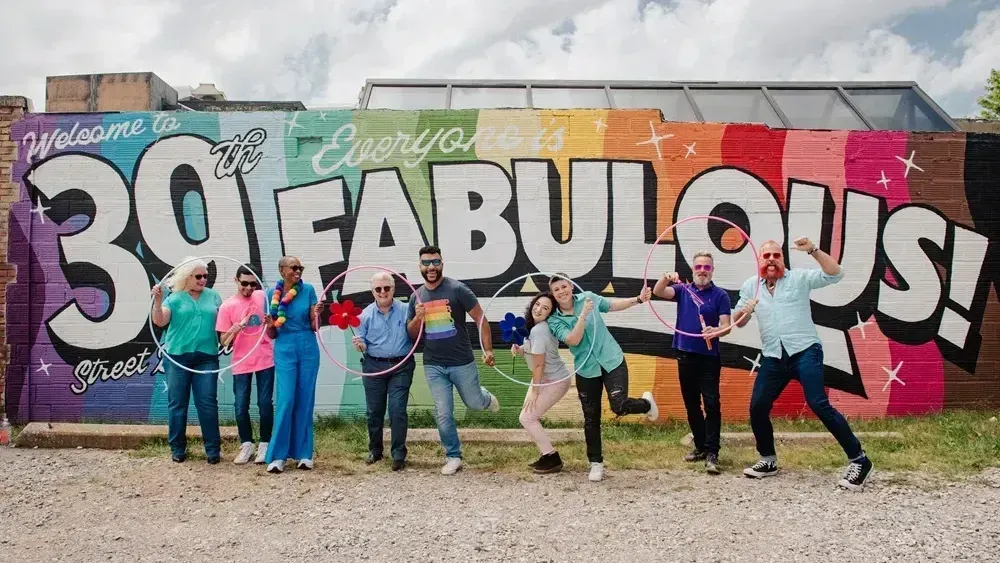
Photo Credit: Joey Amato

Oklahoma City isn’t a place that announces itself loudly. It doesn’t rely on spectacle or reputation to draw you in. Instead, it unfolds slowly, revealing its character in moments—over a cocktail at a neighborhood bar, in the glow of a gallery opening, or in a late-night conversation with someone who proudly calls this city home. For LGBTQ+ travelers, that sense of discovery is part of the appeal. What you’ll find here isn’t just a scene—it’s a community.
Oklahoma City isn’t a place that announces itself loudly. It doesn’t rely on spectacle or reputation to draw you in. Instead, it unfolds slowly, revealing its character in moments—over a cocktail at a neighborhood bar, in the glow of a gallery opening, or in a late-night conversation with someone who proudly calls this city home. For LGBTQ+ travelers, that sense of discovery is part of the appeal. What you’ll find here isn’t just a scene—it’s a community.
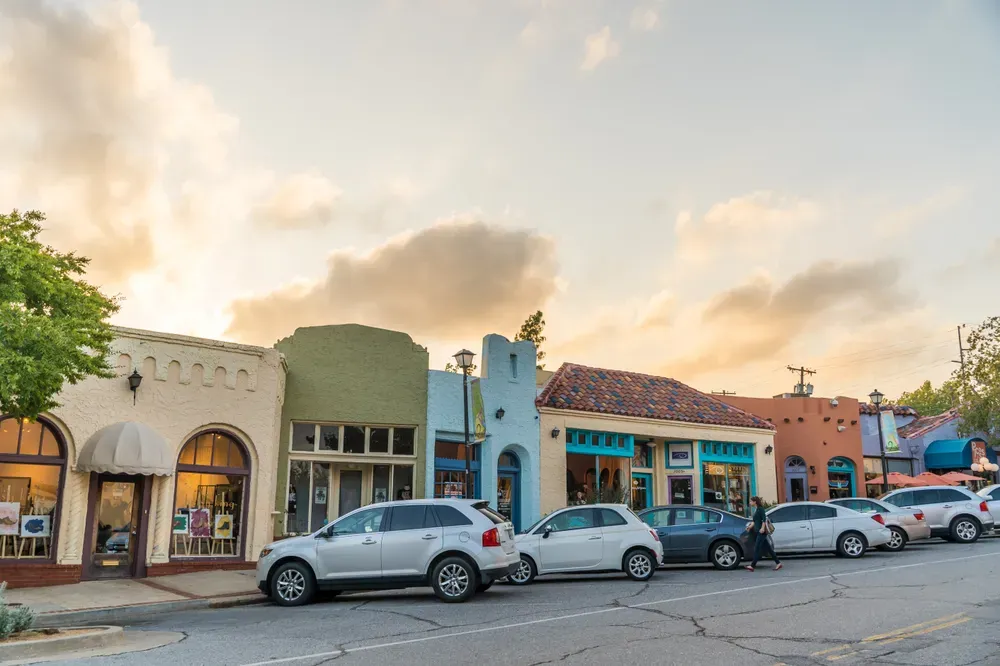
In the Paseo Arts District, the pace shifts. The architecture feels almost transportive, with warm-toned stucco buildings and winding streets that invite you to wander. Inside galleries and studios, artists explore identity, expression, and community in ways that feel both personal and universal. It’s easy to spend an afternoon here, moving from one space to another, each offering a different perspective.
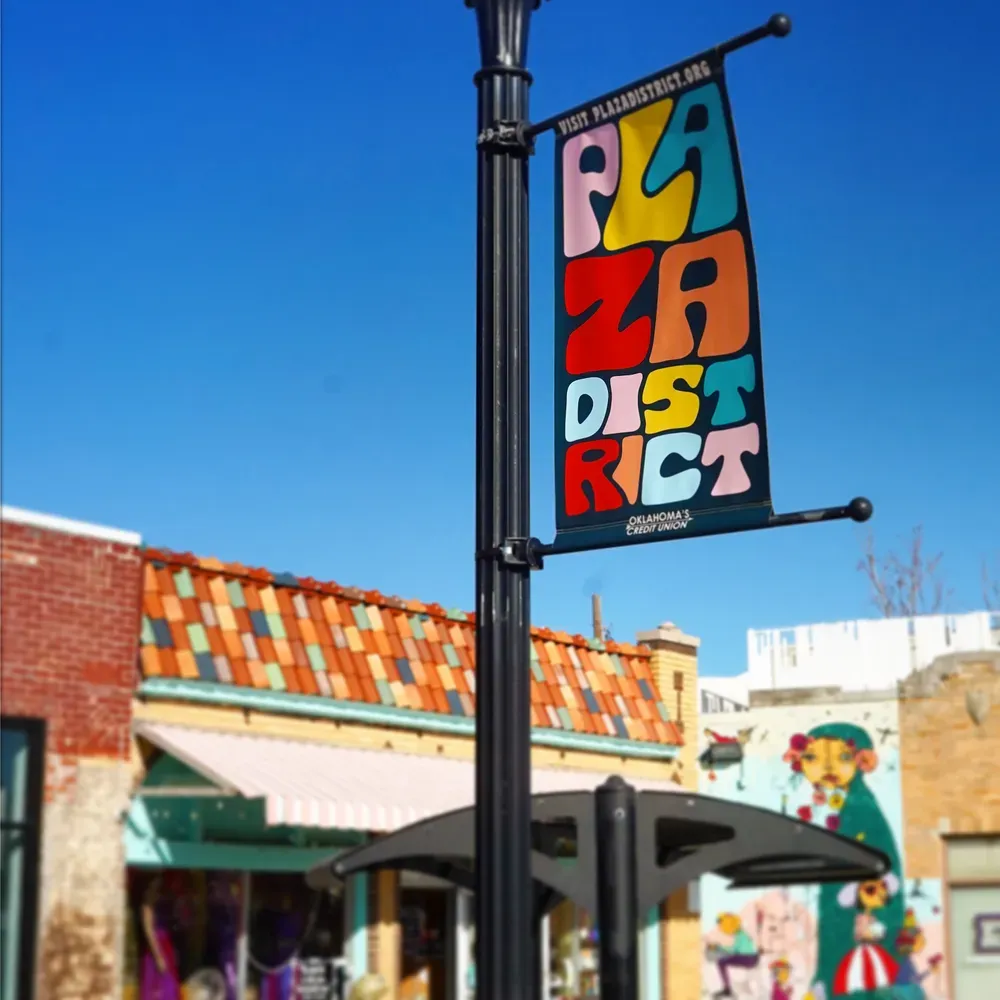
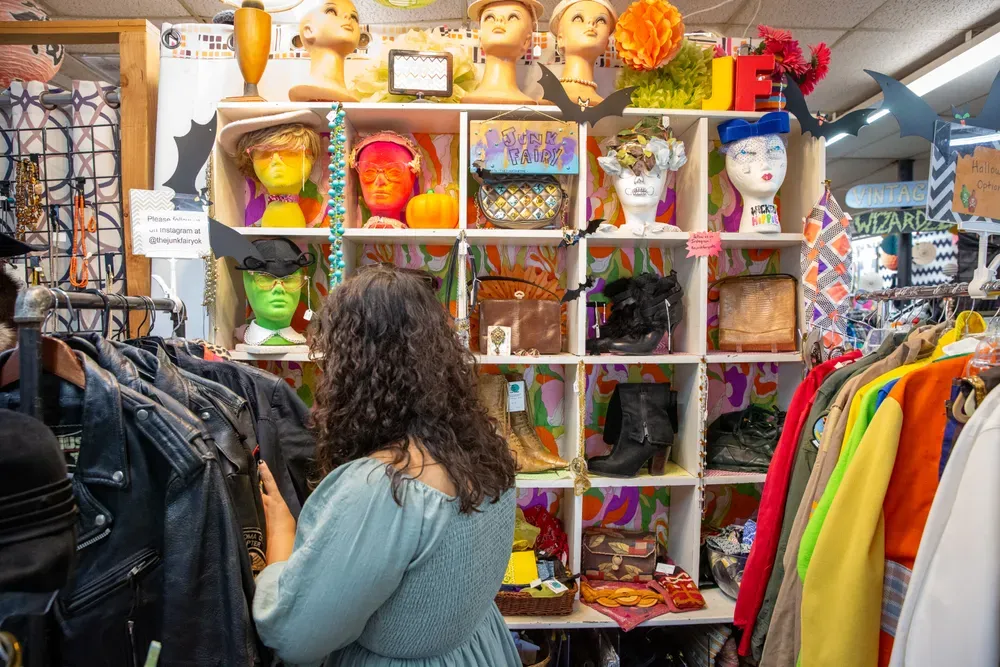
A few miles away, the Plaza District hums with a different kind of energy. Murals stretch across building walls, independent shops showcase local makers, and restaurants spill out onto sidewalks. There’s a sense of momentum here, of a neighborhood that’s constantly evolving while remaining deeply rooted in inclusivity. It’s the kind of place where you might come for a meal and end up staying for hours, drawn in by the rhythm of the street. I would highly recommend stopping in Bad Granny's Bazaar for some cool vintage threads for your night out on the town.
Midtown offers yet another layer. Polished but still approachable, it blends historic charm with modern design. Coffee shops, cocktail bars, and restaurants create a seamless flow from day to night, and the crowd reflects the diversity of the city itself. It’s not unusual to see couples, friend groups, and solo travelers all sharing the same spaces, each adding to the atmosphere in their own way.
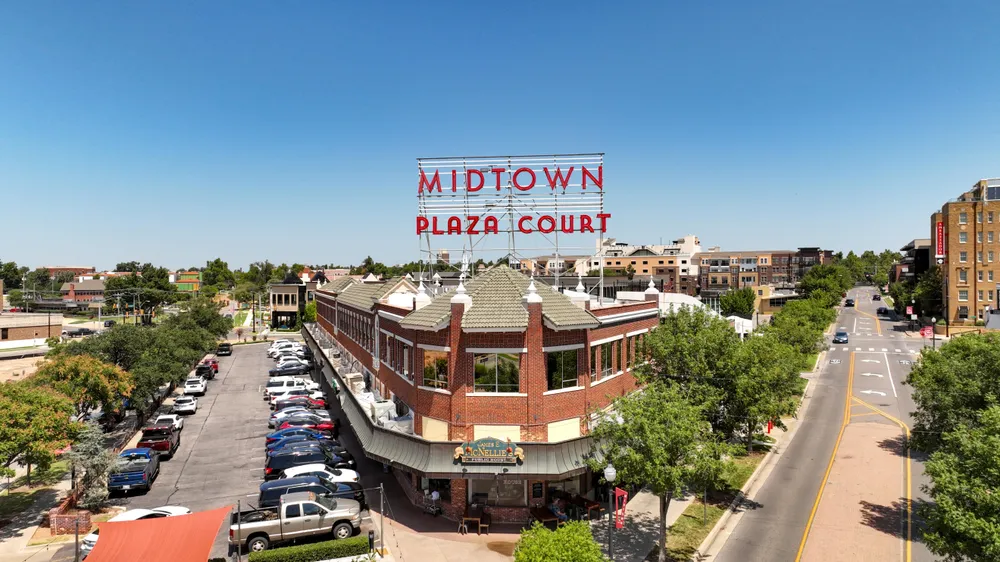
Dining in Oklahoma City often feels like an extension of this sense of community. At places like The Boom and Frankie’s, meals come with entertainment and conversation. Elsewhere, in the Plaza and Paseo districts, restaurants emphasize creativity and connection over formality. Menus are thoughtful, spaces are welcoming, and there’s an unspoken understanding that everyone belongs.
What stands out most isn’t just the number of LGBTQ+-friendly or owned spaces—it’s the way they’re woven into the fabric of the city. You don’t have to search for them. They reveal themselves naturally, through interactions, recommendations, and moments of serendipity.
That sense of belonging becomes even more apparent when you start talking to people. Oklahoma City’s LGBTQ+ community carries a quiet resilience, shaped by years of building spaces that are both safe and celebratory. There’s pride here, but it’s expressed in a way that feels grounded—less about spectacle and more about connection.
It’s in the bartender who remembers your name after one visit. The performer who takes a moment after the show to thank the audience. The artist who shares the story behind their work. These interactions create a kind of intimacy that’s increasingly rare in larger, more saturated destinations.
And perhaps that’s what makes Oklahoma City so compelling. It doesn’t try to compete with the scale of cities like New York or Los Angeles. Instead, it offers something different—something more personal.
Here, the LGBTQ+ experience isn’t confined to a single neighborhood or moment. It’s part of the city’s rhythm, present in its nightlife, its art, its food, and its people. It’s a reminder that inclusivity isn’t just about visibility—it’s about creating spaces where people feel genuinely seen.
As the night winds down and the lights of 39th Street begin to fade, there’s a lingering sense that you’ve experienced something real. Not manufactured or packaged, but lived-in and evolving.
Oklahoma City may not be the loudest destination on the map, but for those willing to explore it, it offers something far more meaningful—a community that welcomes you in, exactly as you are, and invites you to stay a little longer.
Copyright EDGE Media Network. All rights reserved. This material may not be published, broadcast, rewritten, or redistributed.
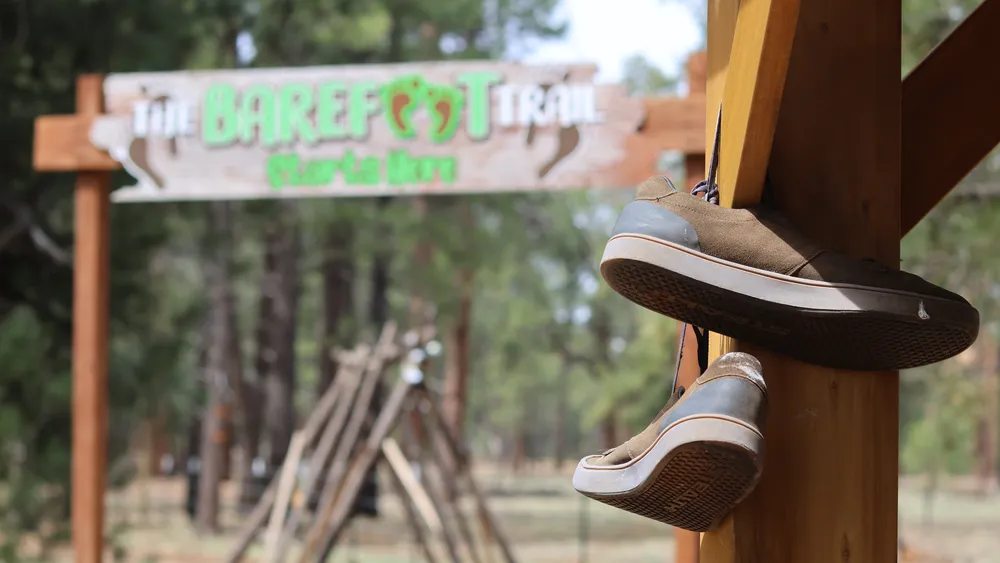
Barefoot trails located around the world invite visitors to get close to nature in a different way
At the edge of a trail in Germany’s picturesque Black Forest region, waterlogged steps sink into ankle-deep water and mud, requiring careful footing. An ocean away, a sandy trail in the ponderosa forests of northern Arizona demands treading just as deliberately when walkers reach a line of tree stumps arranged as stepping stones.
Copyright Associated Press. All rights reserved. This material may not be published, broadcast, rewritten, or redistributed.
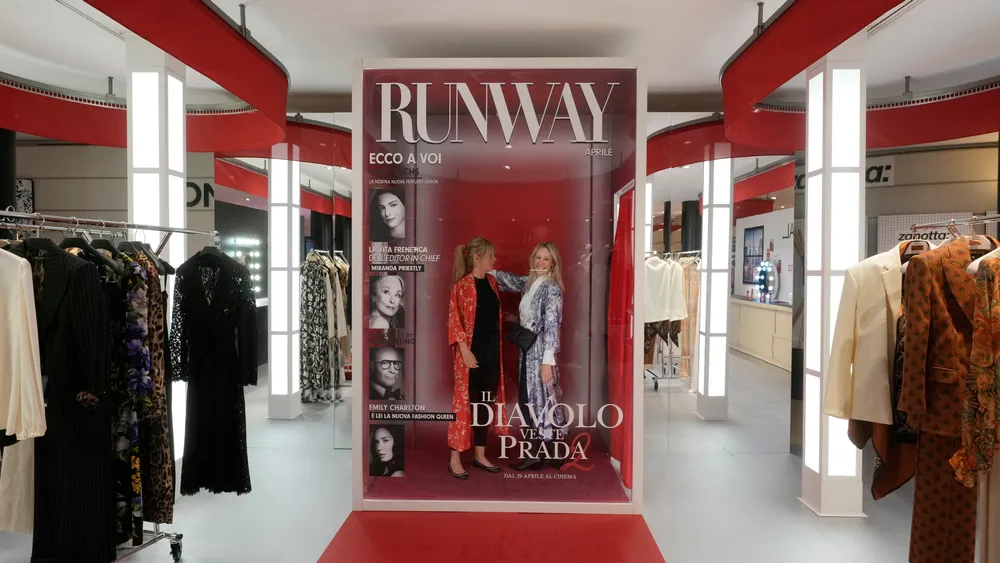
Prada may play a title role in “The Devil Wears Prada 2,” premiering in Milan on Thursday, but fashion and the city itself are also in the spotlight
Prada may have a title role in “The Devil Wears Prada 2,” which premieres in Italy’s fashion capital on Thursday, but fashion at large gets a spotlight and Milan a supporting role.
Copyright Associated Press. All rights reserved. This material may not be published, broadcast, rewritten, or redistributed.
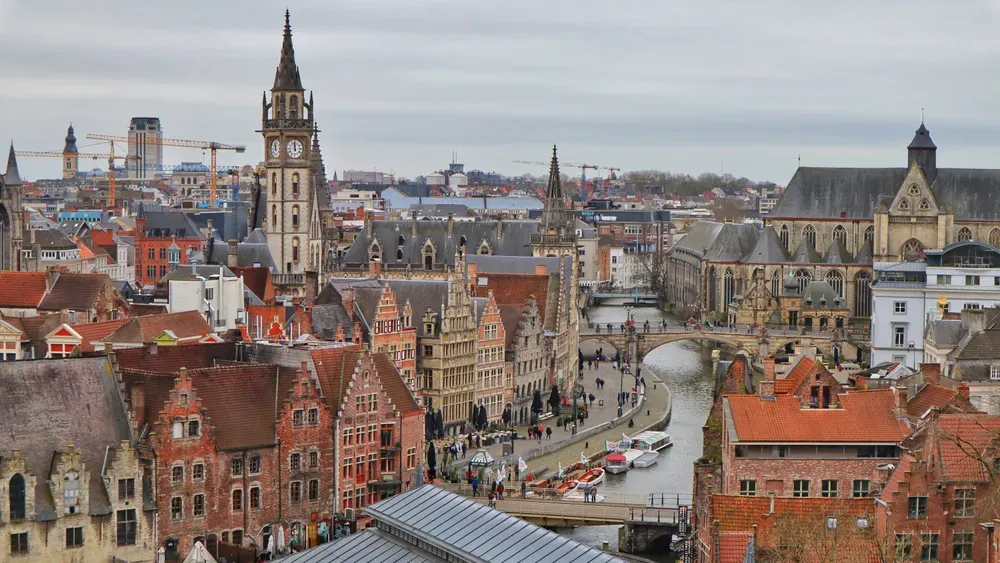
Nestled along charming canals in Belgium, Ghent emerges as a lesser-known queer-friendly destination in Europe, offering a relaxed yet vibrant atmosphere for LGBTQ+ travelers seeking authenticity over crowds.
Ghent, Belgium's third-largest city, captivates with its medieval skyline dominated by three towering towers—St. Bavo's Cathedral, Belfry, and St. Nicholas'Church—that pierce the sky along the Leie River. Unlike flashier European hotspots like Amsterdam or Berlin, Ghent remains off the beaten path for many queer travelers, yet it pulses with an understated inclusivity that feels both timeless and modern. Positioned just 30 miles northwest of Brussels, this compact city of around 260, 000 residents weaves a tapestry of Gothic architecture, street art, and canal-side cafés, where LGBTQ+ visitors report feeling effortlessly at ease.
Copyright EDGE Media Network. All rights reserved. This material may not be published, broadcast, rewritten, or redistributed.
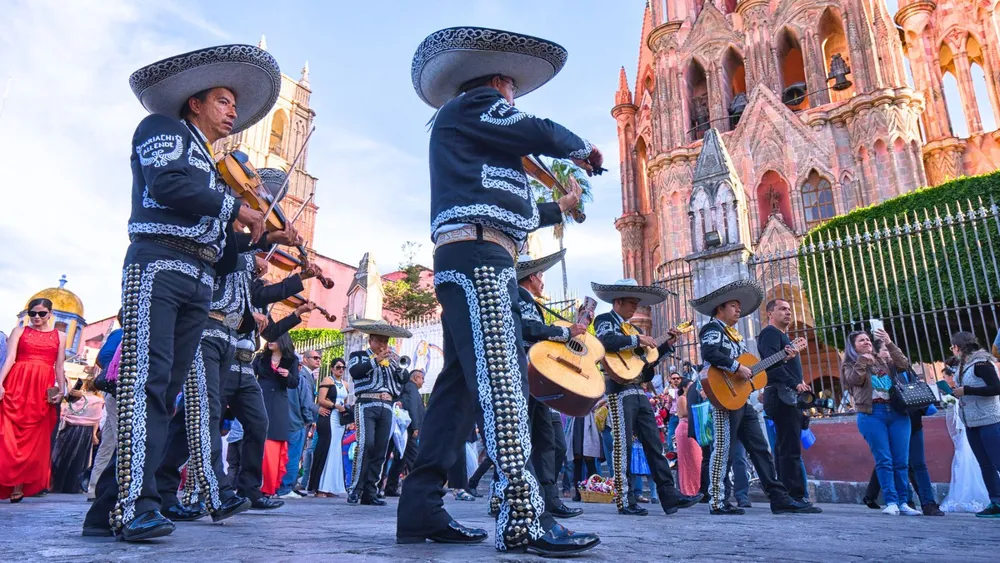
The New York Times recently named Querétaro, Mexico, as one of the 52 best places to go in 2026. Mexico City, Tijuana and Cancun may be the most well-known cities in the Republica Mexicana, but they only tell half the story. In the highlands of the Bajío, there are colonial cities the color of sunset and desert valleys laced with vineyards and cheese caves.
The New York Times recently named Querétaro, Mexico, as one of the 52 best places to go in 2026. Mexico City, Tijuana and Cancun may be the most well-known cities in the Republica Mexicana, but they only tell half the story. In the highlands of the Bajío, there are colonial cities the color of sunset and desert valleys laced with vineyards and cheese caves.
Copyright Associated Press. All rights reserved. This material may not be published, broadcast, rewritten, or redistributed.
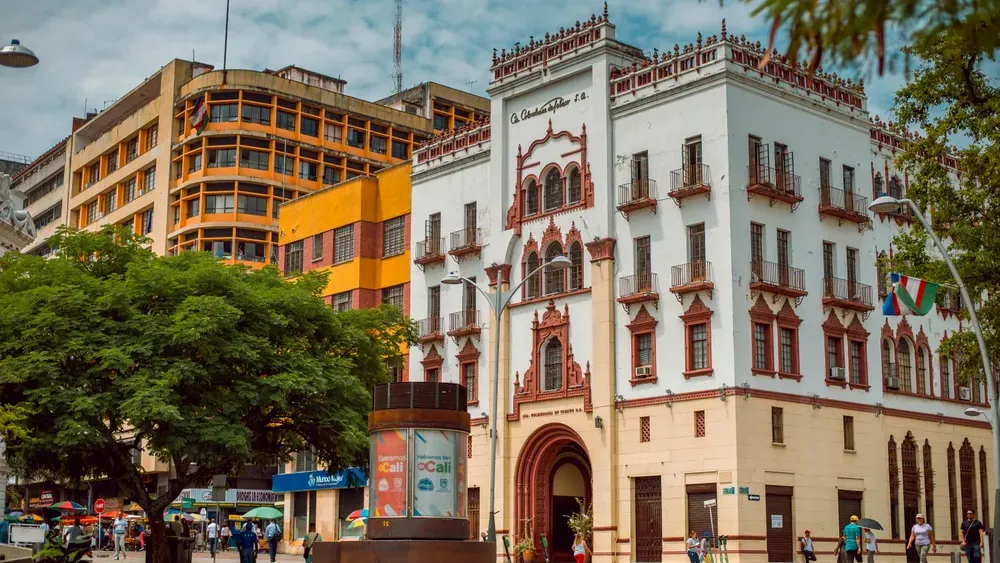
Nestled in Colombia's Cauca Valley, Cali emerges as a lesser-known queer-friendly destination in South America, celebrated for its vibrant salsa culture, welcoming LGBTQ+ nightlife, and culturally rich heritage far from mainstream tourist trails
Cali, Colombia's third-largest city with a population exceeding 2. 2 million, sits in a verdant valley at about 3, 300 feet elevation, known worldwide as the salsa capital where dance permeates daily life from street corners to grand ballrooms. Unlike Bogotá or Medellín, which dominate Colombia's LGBTQ+ travel narratives with their established scenes, Cali remains under-the-radar, drawing queer travelers who crave an immersive, less commercialized experience. Its welcoming atmosphere stems from a historically progressive urban culture where LGBTQ+ individuals openly participate in social life, bolstered by Colombia's nationwide legalization of same-sex marriage in 2016.
Copyright EDGE Media Network. All rights reserved. This material may not be published, broadcast, rewritten, or redistributed.
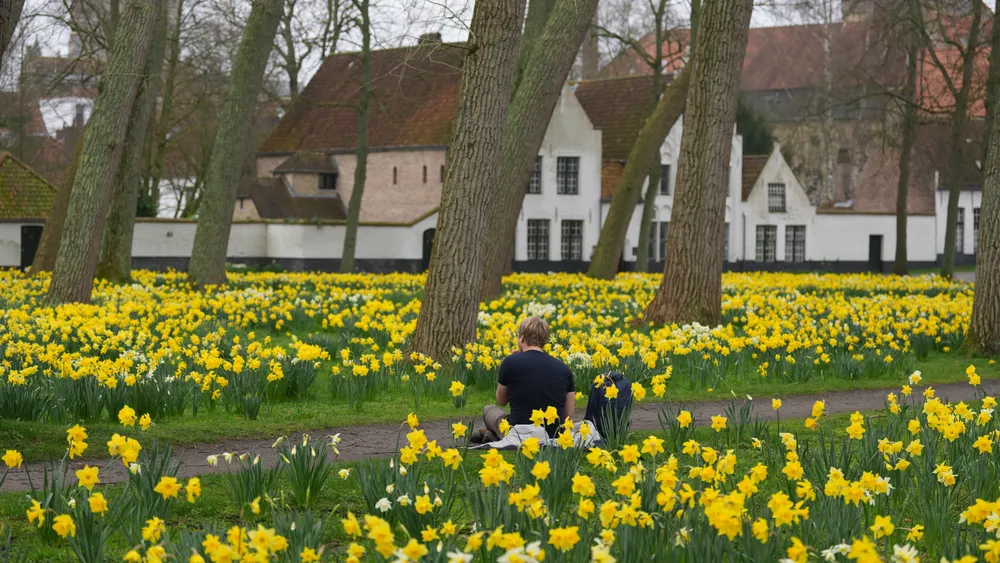
The Princely Beguinage Ten Wijngaerde in Bruges offers a tranquil refuge for women amid the city's bustling tourism
BRUGES, Belgium (AP) — The clatter of suitcases rolling over cobblestones, motorboats chugging along a canal and visitors chattering in a smattering of languages provide a soundtrack to Bruges that makes it clear you are in one of Belgium’s most touristic cities.
Copyright Associated Press. All rights reserved. This material may not be published, broadcast, rewritten, or redistributed.

Air New Zealand will soon add triple-tier bunk beds for economy travelers to have a chance to sleep on long-haul flights
Sleep on a long-haul flight in economy class has always been a fantasy for many travelers. Air New Zealand will soon offer a solution that involves climbing into a triple-tier bunk bed wearing special socks.
Copyright Associated Press. All rights reserved. This material may not be published, broadcast, rewritten, or redistributed.
Travelers are increasingly planning trips around what happens after sunset, a shift known as noctourism that is changing how destinations structure their offerings and how visitors spend their time. From guided night tours to scheduled hotel programming, after-dark experiences are becoming a central part of itineraries rather than downtime between daytime activities.
Travelers are increasingly planning trips around what happens after sunset, a shift known as noctourism that is changing how destinations structure their offerings and how visitors spend their time. From guided night tours to scheduled hotel programming, after-dark experiences are becoming a central part of itineraries rather than downtime between daytime activities.
Copyright Associated Press. All rights reserved. This material may not be published, broadcast, rewritten, or redistributed.
Music festival season is here, bringing outdoor fun, music and dancing
Music festival season has arrived: a time to gather outside with friends, listening to tunes, dancing, and maybe even getting the chance to rub shoulders with musicians you love.
Copyright Associated Press. All rights reserved. This material may not be published, broadcast, rewritten, or redistributed.
We use cookies to analyze traffic and to ensure you get the best experience on our website. Read our Privacy Policy for more information.