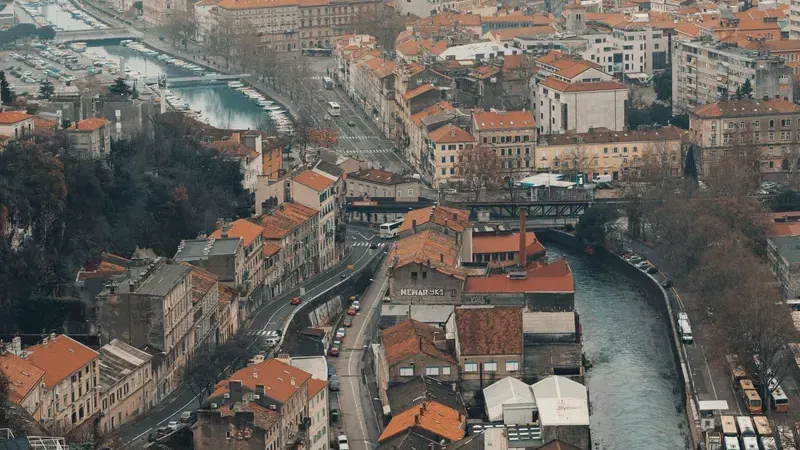
On Croatia’s northern Adriatic coast, the industrial port city of Rijeka is quietly positioning itself as one of Europe’s most welcoming lesser-known destinations for LGBTQ+ travelers, far from the mainstream party circuits of Barcelona or Berlin.
On a stretch of the northern Adriatic where the mountains meet the sea, Rijeka has long been known to Croatians as a working port city and gateway to nearby islands. Now, this city of just over 100,000 residents is increasingly being noticed for something else: a quietly confident, queer‑affirming atmosphere that sets it apart from more commercialized European LGBTQ+ hubs.
Unlike well‑publicized destinations such as Madrid or Amsterdam, Rijeka rarely appears on standard LGBTQ+ “top 10” travel lists. Yet local activists, cultural institutions, and city officials have spent the past decade building a record of public Pride events, anti‑discrimination policies, and inclusive programming that make the city an emerging “hidden gem” for queer travelers seeking both safety and substance.
A progressive pocket on the Adriatic
Croatia’s legal framework has shifted markedly in the last 15 years, laying the groundwork for cities like Rijeka to become safer spaces for lesbian, gay, bisexual, transgender, queer, and intersex travelers. The country introduced life partnership legislation for same‑sex couples in 2014, granting many of the rights associated with marriage, and later expanded adoption rights to include partners in same‑sex unions in 2022. While activists emphasize that full marriage equality and broader social acceptance are still unfinished work, Croatia consistently ranks in the upper tier of Eastern and Southeastern European states on LGBTQ+ legal protections.
Within this national context, Rijeka has developed a reputation as one of Croatia’s more progressive urban centers. The city was among the first in the country to adopt local anti‑discrimination measures and support Pride activities with visible municipal backing. According to the municipality, Rijeka’s development strategy explicitly references inclusion and diversity as guiding values for cultural and urban planning, positioning minority rights as a core component of city branding rather than a side note.
Travel advisories and guides for queer visitors increasingly highlight the Adriatic coast—including cities such as Rijeka, Split, and nearby Opatija—as a region where legal protections and tourism infrastructure combine to provide relatively safe conditions for LGBTQ+ travelers compared with some neighboring states. Those guides often single out Rijeka as notably less tourist‑saturated than Croatia’s best‑known destination, Dubrovnik, and more explicitly progressive than some smaller coastal towns.
An evolving Pride tradition
Rijeka’s LGBTQ+ community has made itself visible in public spaces primarily through its Pride events, which have emerged over the past decade as a recurring focal point for local activism and regional solidarity. Local organizers held early Pride marches and queer‑focused protests in the 2010s, and by the early 2020s, Rijeka had established an annual Pride gathering featuring a city‑center march, concerts, and panel discussions on equality and human rights.
LORI—the Lesbian Organization Rijeka—has been active since 2000, making it one of the oldest continuously operating LGBTQ+ organizations in Croatia. The group organizes workshops, film screenings, and youth programs, and has played a leading role in Pride events, often in cooperation with other NGOs and local institutions. In recent years, LORI has reported increasing attendance from both local residents and visitors from elsewhere in Croatia and neighboring countries, including Slovenia and Italy.
Rijeka’s Pride events are smaller than those in Zagreb or Split, but that scale offers something different for visitors: the opportunity to experience an event where local residents, activists, and allies are more likely to know one another, and where Pride functions as both celebration and grassroots community organizing. Queer travel blogs and community‑run platforms note that this intimacy can be appealing for travelers who prefer conversation‑friendly gatherings and workshops over large commercial parades.
While there is comparatively limited mainstream media coverage of Rijeka Pride in English‑language outlets, Croatian and regional media regularly document the events, noting visible support from local authorities, the presence of human rights organizations, and, in some years, counter‑protests that underscore ongoing challenges for LGBTQ+ equality in the region.
Hidden in plain sight: Rijeka’s queer spaces
Rijeka does not have a large, commercially branded “gay district” on the scale of Berlin’s Schöneberg or Madrid’s Chueca, but local venues and community spaces have carved out explicitly queer‑friendly niches. Bars and cafes in and around the compact city center and waterfront host LGBTQ+ club nights, drag shows, and themed events, often promoted via social media pages rather than large tourist campaigns.
Community organizations, including LORI and partner NGOs, emphasize culture and education as central pillars of their work, hosting queer film screenings, exhibitions, and public discussions in collaboration with independent cinemas and cultural centers. These activities often take place in multi‑use spaces rather than dedicated LGBTQ+ venues, strengthening connections between queer communities and the wider cultural scene.
For queer travelers, this means that Rijeka’s LGBTQ+ life is more integrated into the everyday life of the city. Visitors are likely to encounter queer‑inclusive events at mainstream venues, from art galleries to small theaters, rather than only in clearly labeled “gay bars.” Travel writers covering Croatia for LGBTQ+ audiences note that Rijeka’s atmosphere is “quietly welcoming” rather than overtly branded, with visible affection between same‑sex couples generally accepted in central areas, though discretion is still recommended in more conservative spaces.
From shipyards to European Capital of Culture
Rijeka’s broader cultural transformation has helped create conditions that are more welcoming to LGBTQ+ communities and travelers. Historically an industrial port with major shipyards, the city used its designation as the European Capital of Culture 2020 to launch a wave of cultural projects and infrastructure upgrades that emphasized openness, diversity, and social inclusion.
The official “Rijeka 2020 – European Capital of Culture” program included more than 600 cultural, artistic, and community events, many of them designed to address themes of migration, minority rights, and freedom of expression. Organizers highlighted the city’s long history as a multicultural hub at the crossroads of Central Europe and the Mediterranean—a history that includes Italian, Austro‑Hungarian, and Yugoslav influences.
While the COVID‑19 pandemic disrupted some of the planned programming in 2020, many of the physical and institutional legacies remain. These include newly renovated cultural venues, strengthened networks among local arts organizations, and higher international visibility for Rijeka’s contemporary arts scene. Local activists and cultural workers have continued to use these spaces to address issues around gender, sexuality, and minority rights.
In interviews with Croatian media, organizers have framed inclusivity as a core value of Rijeka’s cultural identity, emphasizing that programming linked to the Capital of Culture initiative aimed to reflect the city’s diverse residents and communities. For LGBTQ+ travelers, this focus on diversity translates to exhibitions, performances, and public art that explore queer narratives alongside other stories of social change and migration.
Why queer travelers are looking beyond the usual European hotspots
Recent LGBTQ+ travel coverage has pointed to a broader trend in which queer travelers are increasingly interested in “second‑tier” cities—smaller, less internationally famous destinations that offer a mix of legal safety, community presence, and cultural depth without the crowds and costs of major capitals.
Guides aimed at queer women and non‑binary travelers, for example, highlight that destinations like Rijeka can feel more approachable than large nightlife‑oriented scenes, with more space for daytime culture, outdoor activities, and small‑scale community events. Rijeka’s compact size makes it easy to navigate on foot, and its position on the Kvarner Gulf places beaches, islands, and hiking trails within easy reach by local bus or short ferry rides.
At the same time, Croatia’s membership in the European Union and Schengen Area is cited in travel guidance as a practical safety benefit, with standardized protections against discrimination in services and access to consular support for many international visitors. Human rights organizations note that hate speech and anti‑LGBTQ+ rhetoric still exist in public life, but they also document a steady expansion of legal protections and institutional support, including anti‑discrimination provisions in Croatia’s Constitution and labor laws.
For queer travelers weighing different European options, experts recommend considering both national legal frameworks and local community realities. In Rijeka’s case, that combination includes:
- National‑level recognition of same‑sex life partnerships and related rights. - A documented history of local NGO work on LGBTQ+ rights through organizations such as LORI. - Ongoing Pride events with visible municipal backing. - A city‑wide cultural narrative that explicitly celebrates diversity following the European Capital of Culture program.
Travel guides aimed at LGBTQ+ audiences increasingly mention Croatia in lists of relatively LGBTQ+‑friendly European countries, often noting that coastal cities and islands with established tourism industries tend to be more accepting than some inland areas. Rijeka’s growing presence in these conversations suggests that it is no longer entirely under the radar, but it remains far less commercialized than other Adriatic hotspots.
Local life: from Korzo to Kvarner Bay
For visitors, much of Rijeka’s appeal lies in its combination of lived‑in urban atmosphere and easy access to nature. The city’s main pedestrian street, Korzo, serves as an informal social hub, lined with cafes and terraces where residents of all ages gather throughout the day. LGBTQ+ visitors are a small but growing part of that mix, and travel writers report that same‑sex couples can generally sit together comfortably at central cafes, particularly in warmer months when outdoor seating dominates the streetscape.
Historic landmarks such as the City Tower and nearby Trsat Castle offer panoramic views of the port and Kvarner Bay, while the restored art‑nouveau Governor’s Palace hosts the Maritime and History Museum of the Croatian Littoral. Many of these institutions participated in the European Capital of Culture program, hosting contemporary art installations and thematic exhibitions alongside permanent collections.
A short ride from the center, beaches and seaside promenades stretch along the coast in the direction of Opatija and beyond, with swimming possible from late spring through early autumn. Outdoor‑oriented queer travelers can combine city‑based cultural activities with day trips to nearby islands such as Krk or Cres, ferried from ports within the Kvarner region.
Food culture in Rijeka reflects its position at the meeting point of Central European and Mediterranean traditions. Restaurants and konobe serve seafood from the Adriatic, pasta and risotto dishes influenced by nearby Italy, and hearty stews that recall the city’s Austro‑Hungarian past. LGBTQ+ travel writers advise that while overtly queer‑themed venues remain limited, most central restaurants and bars are accustomed to international guests and do not treat same‑sex couples differently from other patrons.
Community resilience and remaining challenges
Human rights organizations stress that progress in cities like Rijeka should be understood alongside continuing challenges for LGBTQ+ communities across Croatia and the wider region. ILGA‑Europe’s latest Rainbow Europe report, which assesses laws and policies affecting LGBTQ+ people, places Croatia in the middle range among European states, noting advances in partnership recognition and anti‑discrimination protections but highlighting gaps in legal gender recognition procedures for transgender people and persistent social stigma in some contexts.
Local reporting on Pride events in Rijeka and other Croatian cities documents instances of verbal hostility and counter‑demonstrations, underscoring that many LGBTQ+ people still experience discrimination in daily life. Activists emphasize that visibility—through Pride, cultural programming, and public education—remains crucial to countering prejudice and pushing for further legal reforms.
For travelers, this means that Rijeka offers a relatively safe and welcoming environment within a national and regional context that is still evolving. Travel advisories encourage LGBTQ+ visitors to stay informed about local conditions, connect with community organizations such as LORI for up‑to‑date guidance, and approach religious or strongly conservative spaces with cultural sensitivity.
Yet the same activists also stress that tourism can play a positive role. By choosing destinations like Rijeka—where local LGBTQ+ organizations, inclusive businesses, and municipal authorities are actively working to build affirming environments—queer travelers can support ongoing efforts toward equality, both economically and symbolically.
In Rijeka today, that support might look like attending a locally organized Pride discussion, visiting an exhibition that explores gender and identity in a city gallery, or simply sharing a quiet coffee on the Korzo as part of the city’s everyday mix. For a growing number of queer travelers seeking spaces that are both welcoming and rooted in local realities, this Adriatic port is becoming one of Europe’s most compelling lesser‑known destinations.
by Chris Tremblay
Copyright EDGE Media Network. All rights reserved. This material may not be published, broadcast, rewritten, or redistributed.
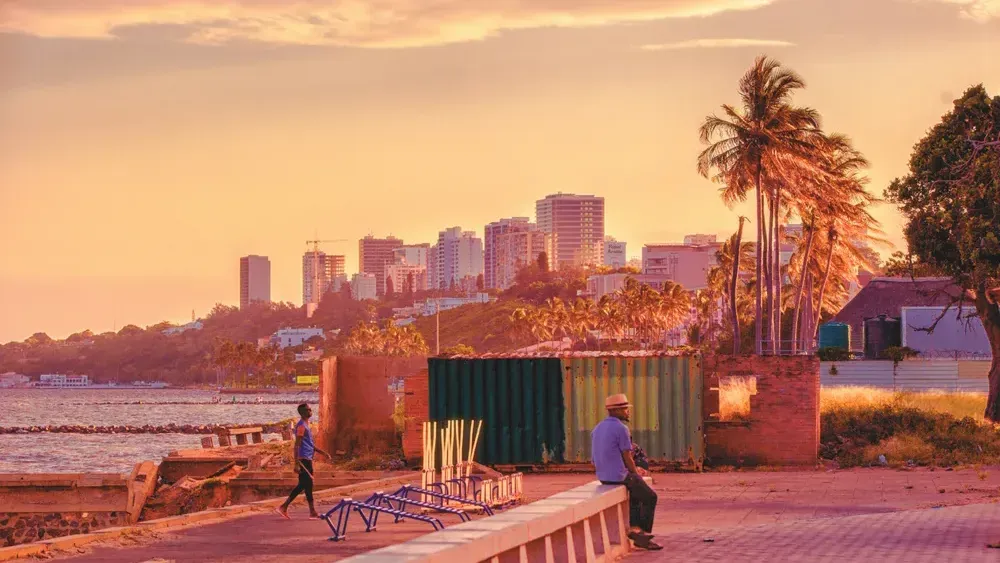
Mozambique’s capital, Maputo, is quietly becoming one of Africa’s most promising city breaks for LGBTQ+ travelers, even as it rarely appears on standard queer travel lists.
On a balmy weekend night in Maputo, Mozambique’s low‑slung capital, the sounds of marrabenta music mix with Afro‑house and kizomba spilling from small bars near the Baixa and Polana neighborhoods. In the crowd, couples of all kinds dance closely; same‑gender pairs attract little more than a passing glance. It is not a scene many travelers associate with Africa, nor with a country that still appears on few international LGBTQ+ destination lists, yet local advocates say this is precisely what makes Maputo one of the continent’s most quietly queer‑friendly urban escapes.
A legal landscape that quietly opened the door
Mozambique decriminalized consensual same‑gender sexual activity in 2015, when a new penal code came into force and removed colonial‑era provisions that had been used to target same‑gender intimacy. The United Nations High Commissioner for Human Rights has cited Mozambique among African states that have reformed or removed criminal laws against consensual same‑gender relations in the past decade.
Although Mozambique does not yet have explicit nationwide anti‑discrimination legislation that covers sexual orientation and gender identity, international rights monitors describe the legal environment as comparatively permissive by regional standards. The advocacy group ILGA World has repeatedly noted that Mozambique does not criminalize same‑gender sexual acts between consenting adults, distinguishing it from many neighboring states.
Travel guidance for LGBTQ+ people from African‑based writers often points to Mozambique as one of the more welcoming destinations on the continent, especially when compared with countries where punitive penalties remain. This broader legal context has helped make Maputo an increasingly attractive base for regional queer travelers who are seeking relative safety and anonymity in a busy coastal city rather than an overtly marketed gay destination.
A capital city where visibility is cautious but growing
Public LGBTQ+ visibility in Maputo is still measured, but human rights researchers and local organizations describe a noticeable shift in urban attitudes over the past decade. Maputo’s younger residents, influenced by regional migration, online culture, and the city’s universities, are often reported to be more accepting of diverse sexual orientations and gender identities than older generations.
The organization Lambda, widely recognized as Mozambique’s first LGBTQ+ rights group, has been active in Maputo for years, advocating for recognition and providing support services, although it has faced delays in obtaining full legal registration as an association. Lambda’s staff and volunteers have engaged in community outreach, legal accompaniment, and dialogue with state institutions, contributing to a gradual normalization of public discussion around sexual orientation and gender identity in the capital.
International reporting from human rights organizations notes that while discrimination and stigma persist in Mozambique, Maputo residents who are part of the LGBTQ+ community often describe a degree of “quiet tolerance” in many urban social spaces, particularly in comparison with more conservative rural areas. This combination of legal reform, city anonymity, and evolving attitudes has contributed to Maputo’s reputation among some regional travelers as a city that feels “livable” and manageable for LGBTQ+ people, even if it is still far from fully equal.
A coastal city with layered culture
For travelers in general, Maputo’s appeal has long been its blend of Indian Ocean coastline, mid‑20th‑century architecture, and a food scene shaped by Portuguese, Mozambican, Indian, and Arab influences. The national tourism board and travel publishers frequently highlight Maputo’s seaside setting, tree‑lined avenues, and historic buildings such as the domed Central Railway Station and the Iron House, a pre‑fabricated structure attributed to Gustave Eiffel.
The city’s mercado central and waterfront fish market are cited as key stops for visitors seeking grilled seafood and local dishes like matapa, a stew made with cassava leaves, coconut milk, and peanuts. Cafés in the Polana and Sommerschield districts, many housed in renovated villas, have become gathering points for artists, students, and activists, including LGBTQ+ people who prefer mixed, low‑key spaces rather than explicitly queer venues.
Music is central to Maputo’s cultural life. The city’s clubs and live venues feature marrabenta, jazz, hip‑hop, and Afro‑house, and cultural centers such as the Franco‑Mozambican Cultural Centre regularly host performances and film screenings that attract a diverse audience. Local activists say these arts spaces are often more welcoming to LGBTQ+ people than overtly political forums, providing opportunities to connect in environments where self‑expression is valued.
An emerging, discreet queer nightlife
Unlike Cape Town or Johannesburg, Maputo does not have a clearly defined gay neighborhood or a widely advertised LGBTQ+ club circuit, and many venues that are perceived as queer‑friendly present themselves as mixed or alternative spaces instead. Regional travel advisors focusing on LGBTQ+ visitors note that in cities like Maputo, informal networks and word‑of‑mouth recommendations are often more important than labels on the door.
Some nightlife spots in Maputo have developed a reputation—primarily through local social media, personal recommendations, and messaging apps—as safe places where same‑gender couples can socialize relatively freely. Specific venue names and details of programming are often shared privately to minimize unwanted attention, and many bars and lounges operate on a principle of general openness rather than explicit branding as LGBTQ+ spaces. Because these details depend heavily on personal networks and can change quickly, travelers are encouraged by queer‑focused travel writers to connect with local organizations and community members online before arrival.
Digital platforms also play a significant role. Rights groups and community collectives in Maputo use Facebook pages, WhatsApp groups, and Instagram accounts to share information about social events, film nights, or workshops that welcome LGBTQ+ people, though this activity is often described as semi‑private and invite‑based to reduce risks of harassment.
What “welcoming” looks like in practice
Travel advocates who focus on African destinations emphasize that “queer‑friendly” in Maputo, as in many cities on the continent, typically means a combination of legal non‑criminalization, a degree of urban anonymity, and pockets of social acceptance, rather than a fully visible Pride‑branded experience. They underline that discretion is still advisable in public, especially outside central and coastal districts, and that public displays of affection—by any couple—may be frowned upon in more conservative settings.
International human rights reporting documents cases in Mozambique where LGBTQ+ people have faced discrimination, including in healthcare, housing, and family settings, but notes that these experiences are often tied more to social stigma than to targeted state prosecution. For travelers, organizations that specialize in LGBTQ+ tourism in Africa stress the importance of understanding this gap between law and lived reality, encouraging people to engage respectfully with local culture while being attentive to their own safety.
These advisors also highlight that Maputo’s hospitality sector has begun to respond, albeit slowly, to the needs of LGBTQ+ guests. International hotel brands operating in the city often bring corporate non‑discrimination policies and staff training that cover sexual orientation, which can offer an additional layer of reassurance for same‑gender couples or transgender travelers checking in together. Independent guesthouses and boutique hotels, particularly in the Polana and Sommerschield neighborhoods, have also been recommended by LGBTQ+ travel specialists for their more relaxed, cosmopolitan atmosphere.
Community work and quiet advocacy
Behind the scenes, local organizations based in Maputo have been working for years to improve conditions for LGBTQ+ people. Lambda’s advocacy for legal recognition is documented by international human rights groups, which report that the organization has submitted applications for registration and engaged in dialogue with state authorities, arguing that formal status is essential for it to operate fully as a civil society actor.
These organizations also prioritize health and education. Reports from human rights observers note that LGBTQ+ groups in Maputo have collaborated with public health programs to expand access to HIV prevention and treatment, and to address stigma in clinics and hospitals. Some of this work involves training healthcare workers, distributing information materials, and supporting peer‑education initiatives that reach gay men, bisexual men, transgender women, and other key populations.
Although large‑scale Pride marches are not widely reported in Maputo, smaller community events—such as panel discussions, cultural evenings, and film screenings related to sexual orientation and gender identity—have been documented by civil society groups and international partners. These events often take place in cultural centers and educational institutions, focusing on human rights and public health, and they contribute to a gradual increase in visibility for LGBTQ+ people within Maputo’s broader civic life.
Why Maputo hardly appears on standard LGBTQ+ travel lists
Despite these developments, most global LGBTQ+ travel rankings and mainstream destination lists still highlight South Africa’s major cities, the Seychelles, or Réunion Island as Africa’s primary “gay‑friendly” options, often overlooking Mozambique altogether. Equality indices compiled by data platforms such as Equaldex show Mozambique as more progressive than many of its neighbors on legal measures, but still behind South Africa, which has constitutional protections and marriage equality.
Travel experts attribute Maputo’s absence from mainstream LGBTQ+ marketing to several factors: limited tourism promotion budgets, the city’s smaller international profile, and the still‑cautious approach of local organizers who prioritize community safety over visibility. At the same time, some African‑based queer travel writers argue that this lack of overt branding is part of the city’s appeal, allowing LGBTQ+ travelers to blend into an everyday urban environment rather than being singled out as a niche market.
Navigating Maputo as an LGBTQ+ traveler
Travel safety guides for LGBTQ+ visitors to Africa consistently recommend that travelers learn about the legal and social situation of their destination, use discretion in public, and connect with local community networks when possible. These recommendations apply to Maputo as well. Advisors note that, although same‑gender intimacy is not criminalized, public expressions of affection—particularly outside nightlife or arts spaces—may still draw attention in a society where many people are socially conservative.
Many guides suggest that travelers:
- Familiarize themselves with Mozambique’s legal status regarding sexual orientation and gender identity. - Use gender‑neutral language when discussing partners with strangers, especially in unfamiliar situations, if that feels safer. - Seek recommendations for queer‑friendly accommodation and venues from local organizations or LGBTQ+‑aware tour operators before arrival. - Respect local customs and dress norms, particularly when visiting religious or traditional sites.
These steps, travel writers say, are intended not to restrict self‑expression, but to help LGBTQ+ travelers make informed choices in a context where legal reforms coexist with ongoing social stigma.
A hidden gem for those willing to look beyond the obvious
For LGBTQ+ travelers accustomed to established hubs like Cape Town, Maputo offers a very different experience: one rooted in everyday city life rather than Gay Pride parades, in seafood markets and seaside promenades rather than rainbow‑flagged districts. Tourism officials and independent travel writers consistently describe Maputo as culturally rich and relatively relaxed, with a slow‑burn charm that rewards visitors who take the time to walk, eat, listen to music, and engage with residents.
For LGBTQ+ people, particularly those from the region who may be seeking a short break from more hostile environments, that combination of urban anonymity, emerging community structures, and non‑criminalized legal status is significant. While Maputo is not yet a fully inclusive city—and activists stress that there is substantial work ahead—it is gradually becoming a place where more lesbian, gay, bisexual, transgender, queer, and intersex people can move with a little less fear and a little more freedom.
The city’s relative absence from standard LGBTQ+ travel lists has not stopped local advocates from pushing for rights, or visitors from quietly discovering its possibilities. For now, Maputo remains a hidden gem: a coastal African capital where queer life is emerging in the spaces between art exhibitions, café terraces, and dance floors, even as the struggle for full equality continues.
by Chris Tremblay
Copyright EDGE Media Network. All rights reserved. This material may not be published, broadcast, rewritten, or redistributed.
In the traditionally conservative state of Zacatecas, Mexico, an unusually progressive and celebratory Pride event has quickly become a regional symbol of LGBTQ+ joy, visibility, and resilience.
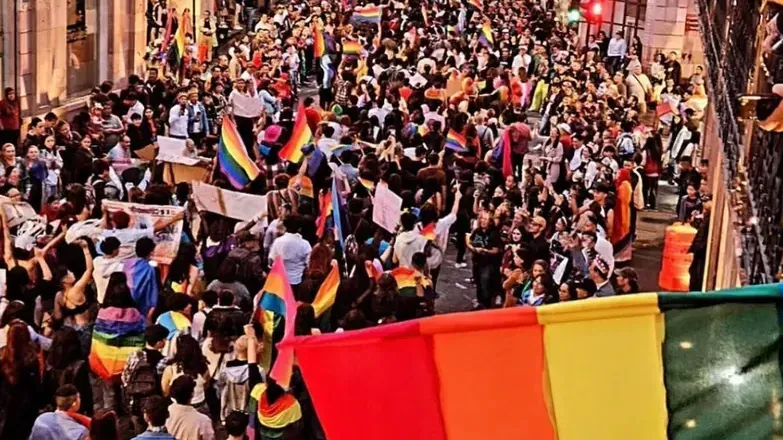
When thousands of people gather in the colonial streets of Zacatecas City for its annual Pride march, they are doing more than celebrating lesbian, gay, bisexual, transgender, queer, and intersex communities—they are reshaping the public image of an entire state long regarded as socially conservative and religiously traditional.
Zacatecas Pride, anchored in the state capital’s historic center, has rapidly evolved in recent years from a modest local march into a fuller week of programming that includes cultural events, panel discussions, and nightlife, drawing visitors from other Mexican states and, increasingly, from abroad.
Local organizers describe the event as “unusually progressive” for its context: a public, unapologetic celebration of LGBTQ+ life in a state where many queer and transgender people still navigate strong social stigma rooted in traditional religious norms and patriarchal expectations.
At the center of this year’s push to bring Zacatecas Pride to a wider audience is activist and organizer Teresa Lopez, who has been urging U. S. and international visitors to consider the city as a Pride-season destination.
A Pride Celebration in a Traditionally Conservative State
Zacatecas, located in north-central Mexico, has historically been known more for mining, agriculture, and its baroque architecture than for LGBTQ+ rights organizing. For many years, LGBTQ+ activists in the region focused on discrete community support and HIV prevention, often operating with limited public visibility due to social and religious conservatism.
Over the last decade, however, the broader national context for LGBTQ+ rights in Mexico has shifted significantly. Mexico’s Supreme Court has repeatedly affirmed marriage equality, culminating in a series of decisions that effectively made same‑sex marriage legal across all states by 2022, including historically conservative regions.
These legal developments created new space for local activists in places like Zacatecas to push for visible, joyful Pride celebrations that go beyond legal recognition to affirm the full dignity and cultural presence of LGBTQ+ people.
According to reporting by LGBTQ Nation, Zacatecas Pride has distinguished itself by leaning into that opportunity, positioning the city as “a surprisingly progressive Pride destination” within a region better known for conservative politics.
Organizers Center Local Community — and Invite the World
In an interview highlighted by LGBTQ Nation, organizer Teresa Lopez explains that the Pride celebration is designed first and foremost to serve local lesbian, gay, bisexual, transgender, and queer residents who often feel pressure to leave the state to live openly. Lopez emphasizes that many LGBTQ+ people from Zacatecas relocate to larger cities like Mexico City or Guadalajara seeking more inclusive environments, and that the Pride march and related events are a way of “bringing that sense of queer belonging back home. ”
At the same time, Lopez and other organizers are actively courting national and international visitors, framing Zacatecas Pride as both a political demonstration and a celebration of culture. They highlight the city’s colonial architecture, walkable historic center, and established tourism infrastructure as reasons LGBTQ+ travelers might choose to attend the event and support local businesses that are welcoming to LGBTQ+ customers.
This approach mirrors a broader pattern across Mexico, where Pride events increasingly intertwine local cultural identity, tourism promotion, and LGBTQ+ visibility. For example, Pride celebrations in Mexico City and Guadalajara already draw substantial numbers of visitors alongside local participants, combining marches with concerts, drag performances, and art exhibitions.
From Protest to Party—and Back Again
Although Zacatecas Pride is celebrated for its festive atmosphere, organizers have repeatedly stressed that it remains grounded in the political realities LGBTQ+ people face in the region. Mexican LGBTQ+ organizations have documented ongoing discrimination, violence, and barriers to healthcare for LGBTQ+ communities, particularly for transgender people and those living outside major urban centers.
Reports by Mexican civil society groups note that hate‑motivated violence against LGBTQ+ people remains a serious concern nationally, with many incidents underreported, especially in smaller cities and rural areas. That context gives the Pride march in Zacatecas particular resonance: marching openly as LGBTQ+ in a historically conservative state carries symbolic and personal risk, as well as profound affirmation for participants.
Organizers have described how the event balances protest and celebration—the march includes rainbow flags, music, and dancing, but also banners demanding better enforcement of anti‑discrimination protections, improved access to gender‑affirming care for transgender people, and stronger measures to address hate‑motivated violence. This dual nature aligns with the broader global Pride movement, where many events are simultaneously parades and political demonstrations.
A Different Kind of Pride Experience
LGBTQ Nation’s coverage notes that Zacatecas Pride offers a more intimate experience than some of Mexico’s largest Pride events, with smaller but deeply engaged crowds that allow participants to connect more easily with local activists and community spaces.
Visitors can attend the central march, which moves through the historic center, and then explore local bars, cafés, and community events that have become informal gathering points during Pride week. According to tourism promotions by the federal government, Zacatecas City offers a range of cultural attractions—including museums, churches, and panoramic viewpoints accessible by cable car—allowing visitors to weave Pride festivities into broader explorations of the city’s history and architecture.
For many LGBTQ+ travelers who are used to large, commercialized Pride parades, Zacatecas Pride offers a contrast: less corporate sponsorship, more grassroots organizing, and a stronger focus on local community needs. That dynamic has become appealing to some LGBTQ+ people who seek Pride experiences that feel closely connected to on‑the‑ground activism rather than solely to entertainment.
Regional Context: Pride Beyond Mexico City
The emergence of Zacatecas Pride as a notable event reflects a broader shift in Mexico and in Latin America, where Pride celebrations are expanding beyond major capitals into mid‑sized cities and regional centers. In recent years, cities across Mexico—including Mérida, Puebla, and Tijuana—have developed their own Pride marches, each shaped by local culture and politics.
Mexico City remains one of Latin America’s largest Pride gatherings, drawing hundreds of thousands of participants and featuring extensive programming around HIV awareness, transgender rights, and legislative advocacy. However, advocates point out that local Pride events like those in Zacatecas are critical because they offer visibility and support to LGBTQ+ people who may not have the means or ability to travel to the capital.
International human rights organizations have noted that visibility through Pride events can play an important role in shifting public attitudes, particularly in communities where LGBTQ+ people have historically faced high levels of stigma and exclusion. These organizations emphasize that Pride celebrations are not only about expression but also about asserting the presence and rights of LGBTQ+ people in public space.
Economic and Social Impact for Zacatecas
Although detailed economic data specific to Zacatecas Pride are not yet available in national tourism or municipal reports, federal tourism authorities have documented the broader importance of LGBTQ+ tourism for Mexican cities that host Pride events and queer‑inclusive festivals. These reports describe how Pride and LGBTQ‑focused cultural events can attract visitors who support local hotels, restaurants, transportation providers, and cultural venues.
LGBTQ Nation’s coverage underscores that organizers in Zacatecas are conscious of this potential impact and see the Pride celebration as a way to demonstrate that the city can be welcoming to LGBTQ+ visitors while also uplifting local businesses that embrace inclusion.
From a social perspective, advocates say that the visible participation of local institutions—such as small businesses flying Pride flags or hosting Pride‑related events—can help normalize LGBTQ+ presence in everyday life. In other Mexican cities, this visible support has sometimes preceded changes in local policy or improvements in how authorities respond to anti‑LGBTQ+ discrimination.
Balancing Safety, Visibility, and Joy
Organizers in Zacatecas are also navigating the realities of security in a country where public marches must consider both general safety concerns and the specific risks LGBTQ+ people can face. In other parts of Mexico, Pride events have at times required coordination with local authorities to ensure safe routes and adequate policing while also addressing community concerns about trust in law enforcement.
LGBTQ Nation notes that the Pride march in Zacatecas has proceeded in recent years with a strong emphasis on joy and community care, highlighting how participants look out for one another and how local organizations provide information about services ranging from legal support to mental health resources.
This focus on community care is in line with recommendations from international LGBTQ+ rights organizations, which encourage Pride organizers worldwide to integrate safety planning, consent culture, and accessible support services into Pride events, especially in contexts where LGBTQ+ people may face elevated risks.
An Invitation to Witness Local LGBTQ+ Joy
Through her outreach, Teresa Lopez has been explicit that Pride in Zacatecas is not only about drawing tourists; it is also about inviting people to witness and support local LGBTQ+ joy in a place where that visibility remains relatively new. She frames the event as an opportunity for solidarity, where visitors can honor the leadership of local organizers, attend workshops and cultural events, and demonstrate that LGBTQ+ communities in smaller cities are not alone.
Global LGBTQ+ media coverage of Zacatecas Pride has highlighted this message, presenting the event as a reminder that Pride’s most transformative power often emerges not only in the largest metropolitan parades, but in smaller marches where every rainbow flag carried through a historic plaza can signal a significant cultural shift.
As Mexico approaches another June filled with Pride events across its many regions, the story of Zacatecas Pride demonstrates how local organizers are harnessing law, culture, and community to build spaces where lesbian, gay, bisexual, transgender, queer, and intersex people can claim both public visibility and joy—on their own streets, in their own state, and on their own terms.
by Chris Tremblay
Copyright EDGE Media Network. All rights reserved. This material may not be published, broadcast, rewritten, or redistributed.
While Bangkok and Taipei dominate LGBTQ+ travel lists, the lakeside city of Pokhara in central Nepal is emerging as a quieter, lesser‑known haven for queer travelers.
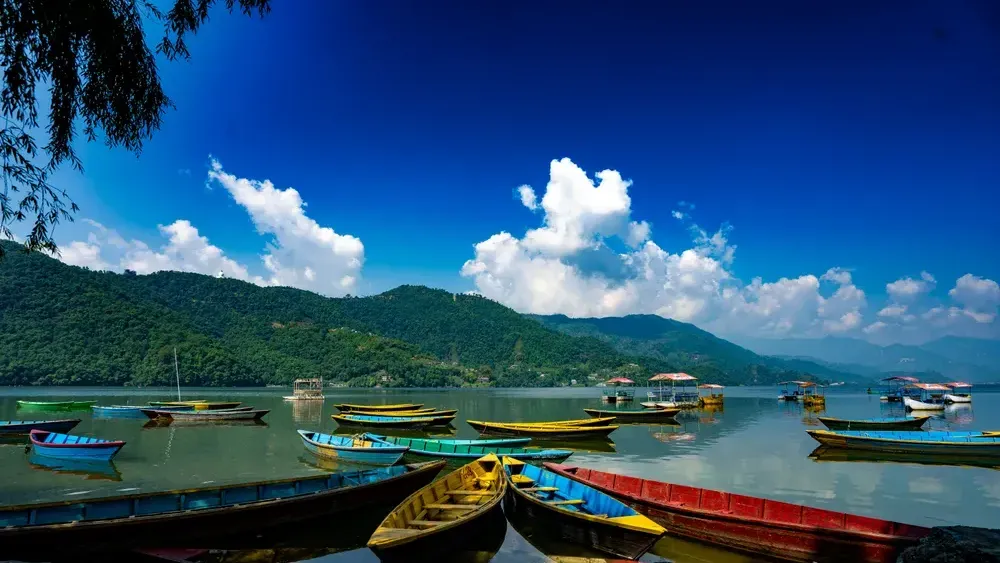
On the shores of Lake Phewa, ringed by the snow‑streaked Annapurna range, Pokhara has long been a waypoint for trekkers and spiritual seekers moving through the Himalayas. Now, a quieter shift is underway: this laid‑back Nepali city is becoming an emerging, queer‑friendly destination in a region where LGBTQ+ travelers still tread carefully.
Unlike marquee Asian queer hubs such as Bangkok, Taipei, or Tokyo, Pokhara rarely appears on LGBTQ+ travel lists. Yet Nepal’s comparatively progressive legal framework, combined with a growing local LGBTQ+ community and a tourism sector accustomed to working with diverse visitors, is making this city one of Asia’s most underrated options for queer‑affirming travel.
Legal Landscape: A Small Country with Surprisingly Big Protections
For travelers scanning maps for safe destinations, the starting point is often law. Nepal stands out in South Asia for some of the region’s most progressive constitutional protections for sexual and gender minorities, even if implementation is uneven.
In 2007, the Supreme Court of Nepal ruled that sexual and gender minorities were entitled to equal rights and protections under the law and directed the government to form a committee to study same‑sex marriage. The landmark decision came in a case brought by Blue Diamond Society, a Kathmandu‑based LGBTQ+ rights organization , and other petitioners.
Those protections were later reflected in Nepal’s 2015 constitution, which explicitly prohibits discrimination on the basis of “gender and sexual orientation” and recognizes “gender and sexual minorities” in its list of protected groups.
Nepal introduced a “third gender” category in its citizenship documents and passports, allowing gender‑diverse people to identify beyond the male–female binary. In 2015, the government began issuing passports with an “O” designation for gender.
These developments are significant for queer travelers for two reasons. First, they signal that state persecution based on sexual orientation or gender identity is not official policy. Second, they contribute to a broader social climate—especially in tourism‑heavy cities like Pokhara—that is more accustomed to diversity than many neighboring destinations.
At the same time, same‑sex marriage is not yet fully legalized nationwide, despite years of advocacy and a 2023 Supreme Court interim order instructing the government to create a temporary register for same‑sex marriages. Implementation has been halting, and activists report that many same‑sex couples still struggle to register their marriages at the local level.
From Kathmandu to the Lake: Why Pokhara Matters
Most international coverage of LGBTQ+ life in Nepal focuses on Kathmandu, where Blue Diamond Society and other groups organize Pride events, community drop‑in centers, and HIV‑prevention projects. Pokhara, by contrast, is often framed purely as a trekking base camp.
Yet tourism research suggests that Pokhara is one of the country’s fastest‑growing tourist hubs, with pre‑pandemic visitor numbers rivalling Kathmandu’s and a rapid expansion of hotels, cafes, and bars along the Lakeside district.
For queer travelers, that growth intersects with Nepal’s relative openness in subtle but important ways:
- Many Pokhara guesthouses and trekking agencies are run by younger Nepalis who have worked abroad in Gulf countries, East Asia, or Europe and are accustomed to cosmopolitan clientele. - The city’s economy relies heavily on international visitors, which encourages service providers to maintain a reputation for safety and non‑discrimination. - LGBTQ+ travelers tend to blend easily into the steady flow of foreign tourists, reducing unwanted attention in public spaces.
Informal accounts from LGBTQ+ travel bloggers describe Pokhara as relaxed and relatively safe for same‑gender couples, especially around the Lakeside area, provided public displays of affection are modest. These accounts are consistent with broader observations by international rights organizations that note a gap between legal progress in Kathmandu and more conservative attitudes in rural areas—but place Pokhara, a cosmopolitan urban center, closer to the capital in terms of day‑to‑day tolerance.
Queer Community, Mostly Offline but Increasingly Visible
Pokhara does not yet have an extensive network of LGBTQ+ venues comparable to the dedicated gay bars of Bangkok or Taipei. Instead, queer community life is emerging through mixed‑crowd spaces, activist networks, and occasional events.
Blue Diamond Society reports that it operates or partners with community‑based organizations in several provincial cities, including Pokhara, offering HIV testing, counseling, and support services for lesbian, gay, bisexual, transgender, and intersex people. A 2014 joint report by the United Nations Development Programme and the United States Agency for International Development noted that many sexual and gender minority people in Nepal migrate from rural districts to urban centers such as Kathmandu and Pokhara in search of community and economic opportunity.
Local activists have also hosted Pride‑related activities in Pokhara, often timed around the national Pride observances that coincide with the June International Day Against Homophobia, Transphobia and Biphobia and local festivals. While these events are smaller than Kathmandu’s main parade, they signal a growing willingness among local LGBTQ+ people and allies to claim space in the public sphere.
Digital platforms are helping to knit these efforts together. Nepali LGBTQ+ groups maintain active social media presences—such as Queer Youth Group and Mitini Nepal —that share information about regional meet‑ups, legal developments, and mental‑health resources. Although these organizations are headquartered in Kathmandu, their online outreach regularly reaches queer people living in Pokhara and other cities.
For visiting travelers, this means that in‑person queer spaces may not be immediately visible but can often be accessed through online networks, community health centers, or connections made via LGBTQ+‑friendly trekking companies that work closely with NGOs.
Nightlife: Mixed Spaces and Quiet Acceptance
Pokhara’s nightlife centers on the Lakeside district, where bars and live‑music venues line the main road and side streets. Tourist guides describe an easygoing bar culture: casual rock venues, rooftop lounges, and lakeside cafes that cater to an international crowd of hikers, paragliders, and yoga practitioners.
While no major English‑language guidebook or travel resource identifies a fully exclusive gay bar in Pokhara, several sources emphasize that same‑gender couples are generally welcome in popular venues, provided they respect the same social norms as heterosexual couples. This “integrated” nightlife pattern is common across much of South Asia, where queer‑friendly spaces are often mixed and inclusive rather than explicitly branded.
Travel companies that specialize in LGBTQ+ itineraries, such as Out Adventures , have repeatedly listed Nepal—rather than just its capital—as one of Asia’s more welcoming destinations, citing interactions with local guides and hospitality workers as evidence of practical tolerance. Gay travel platforms such as Nomadic Boys similarly recommend Pokhara as part of broader Nepal trips, pointing to its relaxed atmosphere and outdoor activities as major draws for queer visitors.
Culture and Spirituality: A Queer‑Inclusive Context
Part of what makes Pokhara distinctive is the cultural and spiritual lens through which many Nepalis—queer and non‑queer alike—understand gender and sexuality. Scholars note that South Asian religious and cultural traditions include long‑standing recognition of gender diversity, even if modern legal systems and social attitudes have fluctuated.
UN‑supported research on sexual and gender minorities in Nepal concludes that some transgender and gender‑diverse people have found ways to integrate spiritual identities with their gender expression, particularly within Hindu and Buddhist contexts. This can translate into nuanced, if sometimes ambivalent, forms of social acceptance.
In Pokhara, this cultural layering is visible in small ways: temple bells ringing above rainbow‑clad foreign trekkers on the lakeside path; young queer Nepalis attending both local shrines and activist meetings; and tourism businesses that quietly partner with LGBTQ+ groups for HIV‑prevention and awareness campaigns.
Local festivals add another dimension. Pokhara is a gateway for visitors traveling to nearby religious and cultural sites, including the Annapurna region and smaller temples around the valley. Regional festivals—such as Dashain and Tihar—are celebrated citywide, blending family gatherings, public rituals, and street‑level celebrations that visiting queer travelers can respectfully observe or join. While these festivals are not explicitly LGBTQ+ themed, activists note that visibility during major holidays has become one subtle strategy for sexual and gender minorities to assert their presence in society.
Safety, Challenges, and the Limits of Progress
Pokhara’s appeal for LGBTQ+ travelers does not erase the challenges that sexual and gender minorities still face in Nepal. Reports by Human Rights Watch and OutRight International describe ongoing discrimination in employment, housing, and healthcare, particularly for transgender people and intersex people.
A 2023 briefing by Human Rights Watch noted that, despite constitutional protections, government agencies and local officials have been slow to implement court orders on same‑sex marriage and other rights, leaving many couples in legal limbo. Transgender people have reported difficulties in changing their legal gender markers, especially when documentation requirements remain unclear at the local level.
For visitors, these structural issues translate into a nuanced but navigable environment:
- The risk of state‑backed persecution based on sexual orientation or gender identity is significantly lower than in several neighboring countries, thanks to the Supreme Court rulings and constitutional safeguards. - Social attitudes in Pokhara, while often tolerant, can still be conservative, particularly outside tourist districts and in more traditional neighborhoods. - LGBTQ+ travelers are advised by local activists to be mindful of public displays of affection and to seek information from established organizations, such as Blue Diamond Society or Queer Youth Group, when they want to connect with the local community in ways that are safe and respectful.
These complexities are not unique to Pokhara. They reflect broader tensions within Nepal’s rapid legal transformation and slower cultural change. Yet for queer travelers who weigh legal frameworks, social climate, and on‑the‑ground experiences when choosing destinations, Pokhara offers a pragmatic balance: a city where the law is comparatively protective, locals are accustomed to diversity, and the tourism industry has strong incentives to remain welcoming.
A Hidden Gem in a Changing Asian Travel Map
As global LGBTQ+ travelers look beyond established hubs, Nepal is starting to appear more frequently in guides and rankings of queer‑friendly Asian destinations, often alongside Thailand, Taiwan, and Japan. Regional equality indexes similarly rank Nepal among the more LGBTQ+‑affirming countries in Asia, based on its constitutional protections, recognition of gender diversity, and absence of criminalization laws targeting consensual same‑sex relationships.
Pokhara benefits directly from this shifting map. Its combination of natural beauty, outdoor adventure, spiritual heritage, and emerging queer community infrastructure makes it particularly appealing to travelers seeking more than just nightlife. LGBTQ+ guests can share a sunrise boat ride across Lake Phewa, embark on a multi‑day trek with affirming guides, or attend a yoga retreat that welcomes all identities, then spend evenings in mixed‑crowd venues where difference is largely unremarkable.
Behind these experiences is nearly two decades of sustained activism by Nepali sexual and gender minority organizations, whose court cases, advocacy, and service provision have helped reshape both the law and public debate. Their work has laid the groundwork for cities like Pokhara to welcome queer visitors within a national framework that, while imperfect, is among the most progressive in the region.
For LGBTQ+ travelers scanning Asia for destinations that combine safety, cultural richness, and a sense of emerging community, Pokhara may not yet be a headliner. But on the lakefront paths and mountain trails of this Himalayan city, a quieter, inclusive future for regional travel is already taking shape.
by Chris Tremblay
Copyright EDGE Media Network. All rights reserved. This material may not be published, broadcast, rewritten, or redistributed.
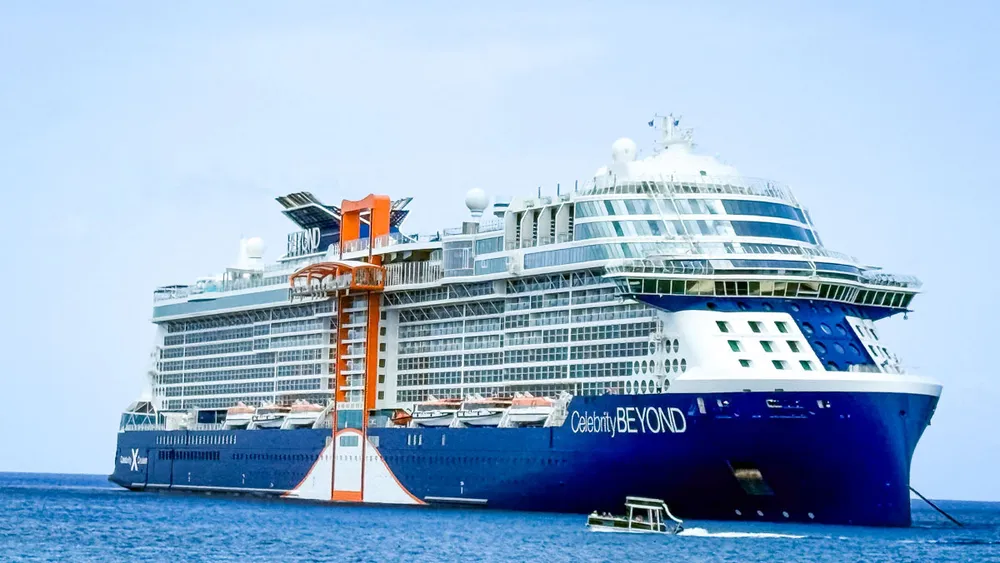
Picture the classic cruise passenger with a deck chair, ocean view and a formal dinner by 6 p.m. That image clashes with a harder set of numbers: 76% of Gen Z travelers who have already been on a cruise plan to do it again, and the industry knows it. Cruise lines are overhauling itineraries, forging sport partnerships and rethinking who they're building for because the youngest generation of travelers has arrived at sea, and they're not leaving.
Picture the classic cruise passenger with a deck chair, ocean view and a formal dinner by 6 p.m. That image clashes with a harder set of numbers: 76% of Gen Z travelers who have already been on a cruise plan to do it again, and the industry knows it. Cruise lines are overhauling itineraries, forging sport partnerships and rethinking who they're building for because the youngest generation of travelers has arrived at sea, and they're not leaving.
The demographic change goes well beyond one age group. According to Cruise Lines International Association, or CLIA, global cruise passengers hit a record 37.2 million in 2025, with roughly one-third of all cruisers now under 40. Royal Caribbean logged a 19% jump in Gen Z customers in 2025 compared to the year before, and nearly 90% of all passengers say they intend to sail again, the highest intent level the industry has ever recorded. That under-40 share isn't incidental; it represents millions of passengers who booked cabins, spent money onboard and came back for more.
Short itineraries, big pull
What Gen Z wants from a cruise doesn't look like what their parents booked, with shorter durations, port-heavy routes and itineraries that don't require two weeks of vacation time. Virgin Voyages and Celebrity Cruises have leaned into influencer marketing to reach this audience where they already spend time, swapping traditional travel advertising for content creators who show the real experience onboard.
Sail Croatia takes the format further with its Navigator Cruises, seven-night voyages along the Dalmatian Coast built specifically for travelers aged 18 to 39. The itineraries pair cultural immersion with flexibility: hidden coves, coastal hiking, ancient towns and local food, with nightlife available but not mandatory.
When the ship is the event
Themed sailings have become one of the sharpest tools cruise lines have for attracting younger travelers, because they reframe the trip entirely. The cruise isn't the backdrop; it's the reason. Explora Journeys, the luxury ocean travel brand of MSC Group, will dock EXPLORA I at Port Hercule in Monaco from June 3 to June 8, 2026, for the Formula 1 Grand Prix de Monaco. The ship sits 492 feet from the track. Guests have access to exclusive onboard programming across race weekend, with options to add three-day grandstand tickets or F1 Paddock Club hospitality. MSC Group's partnership with Formula 1 runs through 2030.
Cunard works a different passion point with its Abbey Road at Sea voyage aboard Queen Mary 2, a Southampton-to-New York crossing built around live performances, a photography exhibition and the history of one of music's most iconic albums.
What longtime cruisers should know
The demographic change doesn't shrink the product; it expands it. One-third of all cruises are now multigenerational sailings, with grandparents, parents and adult children booking together. Itinerary variety has grown at every price point, with more themed options, port choices and onboard programming; the fleet is larger and more diverse than it has ever been. The traveler booking a 14-night Mediterranean voyage and the 24-year-old signing up for a race weekend in Monaco are, more and more, on the same ship.
Where this goes next
CLIA projects 42 million passengers will cruise by 2028; growth that depends heavily on converting younger first-timers into repeat bookers. The lines courting Gen Z through sport partnerships, influencer campaigns and short-form itineraries aren't abandoning their existing base. They're making a calculated bet that identity-driven travel, trips built around what you love and not just where you go, is where the entire market is headed. The retiree cliche didn't disappear because it was wrong. It disappeared because the product became much more interesting.
by Jennifer Allen
Copyright Associated Press. All rights reserved. This material may not be published, broadcast, rewritten, or redistributed.
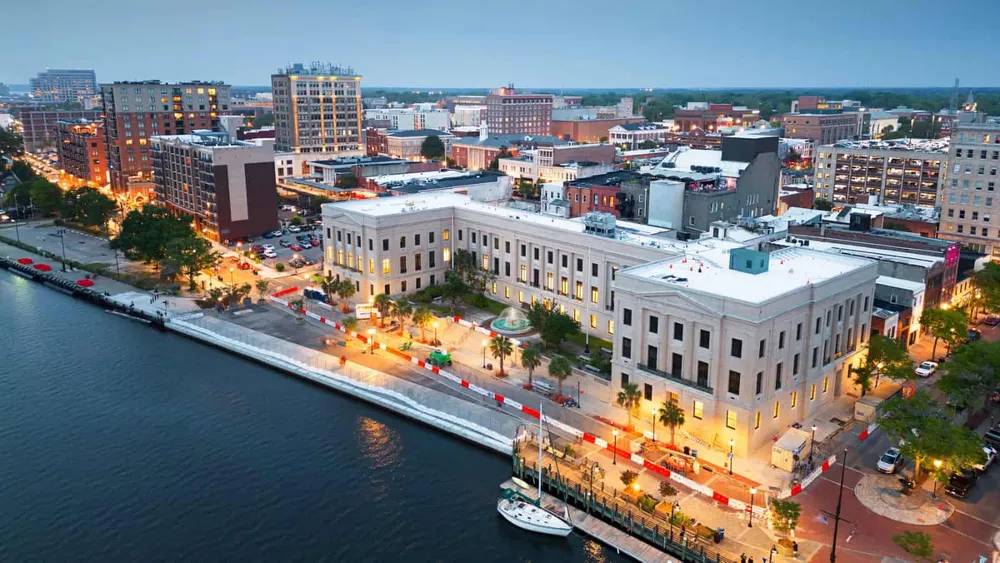
Forget overpriced resort towns. Wilmington, North Carolina, delivers coastal charm, historic streets and family fun for less.Photo Credit: Deposit Photos Via AP
Airfare prices, for the carriers that still exist, jumped nearly 15% this year; escalating travel costs across the board have families rethinking where they spend their summers. The usual suspects, like Hilton Head, Virginia Beach and the Florida Gulf Coast, carry price tags and crowd levels to match their popularity. Wilmington, North Carolina, is a different story.
Airfare prices, for the carriers that still exist, jumped nearly 15% this year; escalating travel costs across the board have families rethinking where they spend their summers. The usual suspects, like Hilton Head, Virginia Beach and the Florida Gulf Coast, carry price tags and crowd levels to match their popularity. Wilmington, North Carolina, is a different story.
As a destination for family coastal travel, this port city on the Cape Fear River quietly delivers the kind of vacation that feels expensive: a walkable historic district, multiple beaches within 20 minutes, world-class gardens and a food scene rooted in fresh coastal seafood. The catch? The cost stays surprisingly low.
That's good news, as gas prices continue to rise, up more than 19% since this time last year. The U.S. Travel Association reports vacation costs in 2026 nearly doubled the overall inflation rate. Meanwhile, a stay in Wilmington averages $245 per person, per day.
Wilmington's three surrounding beaches, Wrightsville Beach, Carolina Beach and Kure Beach, were named top travel destinations for 2026. The region's coastal charm, rich history and family-friendly atmosphere win tourists over. The recognition is well-earned, and for families watching their budgets, the timing could not be better.
The Riverwalk sets the tone for free
Any visit to Wilmington begins on the Riverwalk, a nearly 2-mile wooden boardwalk that hugs the Cape Fear River through the heart of the Historic Downtown River District. Lined with locally owned restaurants, boutiques and open-air seating, it has been voted one of the best riverfronts in America, and strolling it costs nothing.
Families can spend an entire morning exploring the waterfront, watching boats move along the river, and ducking into the kind of shops that feel curated rather than commercial. The downtown itself rewards slow exploration. Brick-lined streets connect antebellum architecture, art galleries and a food scene that leans heavily on locally sourced seafood and Southern staples. The vibe is unhurried and genuine, a sharp contrast to the neon-and-miniature-golf atmosphere that defines many coastal tourist trap towns.
Attractions that deliver big experiences at small prices
Wilmington's paid attractions are priced far below what families typically encounter at comparable East Coast beach destinations. The Battleship North Carolina, moored directly across the river from downtown, charges $14 for adults and $6 for children ages 6 through 11, with children 5 and under admitted free. The self-guided tour spans nine decks and keeps families occupied for two to three hours aboard the most decorated United States battleship of World War II. USA Today readers ranked it among the top 10 best museum ships in the country in 2025.
Airlie Gardens offers 67 acres of walking trails, a butterfly house, 10 acres of lakes and a 470-year-old live oak for $10 per adult and just $3 for children ages 4 to 12, with children under 4 admitted free. A single admission stretches into hours of family time: the grounds host a summer concert series, seasonal light shows and guided history walks.
For families who prefer something more active, the North Carolina Aquarium at Fort Fisher sits just a short drive south. The aquarium boasts touch tanks, sea turtles and marine life exhibits in a setting that doubles as an educational experience.
What makes Wilmington particularly appealing for budget-conscious families is the sheer volume of free experiences. Greenfield Lake Park, just south of downtown, offers 5 miles of paved trails around a cypress-lined lake at no cost. The city's farmers market runs Saturday mornings in the downtown historic district with free admission and local produce, baked goods and artisan wares that give families a genuine taste of the region.
‘Hollywood East' adds a layer no other beach town can match
Few beach destinations can claim more than 400 film and television credits, but Wilmington has carried the nickname "Hollywood East" since famed producer Dino DeLaurentiis built Cinespace Studios here in 1984. Productions including "Iron Man 3," "Dawson's Creek," "One Tree Hill" and Prime Video's "The Summer I Turned Pretty" all filmed on location throughout the city and its surrounding beaches.
For families, this creates another entirely free layer of entertainment. The self-guided film location tour winds through downtown, along the Riverwalk and out to Airlie Gardens, where dozens of recognizable sites appear in shows that kids and adults alike will recall. Guided walking tours of filming locations are also available for around $12 per adult, one of the better entertainment values in any coastal city.
3 beaches for eco-tourism itineraries
Wrightsville Beach, just 15 minutes from downtown, consistently draws praise for its clean water, manageable crowds and family-friendly atmosphere. Budget Your Trip ranks Wilmington as a stronger family destination than Myrtle Beach, noting its combination of family-friendly attractions, historic appeal and budget-accessible activities.
Carolina Beach and Kure Beach, both roughly 20 to 30 minutes south of downtown, offer a quieter alternative with a boardwalk, state park access and the Fort Fisher State Historic Site, all at little to no cost.
The beaches here do not come with the carnival-ride infrastructure and high-rise resort density of the Grand Strand. What they do provide is clean, uncrowded sand and clear Atlantic water, which, for many families, is the point.
Lodging that respects the budget
Average hotel rates in Wilmington run approximately $155 per night, with budget-friendly options starting around $100. Several properties near the Wrightsville Beach corridor supply complimentary breakfast and pool access, meaning a family of four can anchor a five-night stay for significantly less than comparable accommodations in coastal Florida or the Virginia Beach resort corridor.
For something more memorable, The Cove Riverwalk Villas offers 35 custom-designed luxury houseboats moored at Port City Marina, directly on the Cape Fear River and steps from the Riverwalk. It's a one-of-a-kind stay that feels far more indulgent than its price suggests. Vacation rentals and short-term condo options near Carolina Beach and Kure Beach extend the value further, particularly for families who prefer a kitchen to keep dining costs in check.
A refined feel without the resort price tag
What separates Wilmington from other affordable coastal options is that it does not feel like a compromise. The historic district, the riverside dining, the botanical gardens and the three distinct beaches combine into a destination that reads as polished and well rounded. It's the kind of trip families return to. For those searching for family coastal travel that delivers genuine experiences without the pressure of a big-destination budget, Wilmington makes a compelling case that the best vacations do not always come with the highest price tag.
Kimberly Stroh is an Atlanta-based family travel writer and the founder of Savvy Mama Lifestyle. Since 2015, she has been sharing expert travel tips, destination guides and parenting insights tailored for modern families, and her content is syndicated to over 10 million readers through platforms like MSN. With a strong social media presence, Kimberly has built a vibrant community of travel-savvy Millennial Moms who trust her for real-world advice and inspiration on making family travel memorable and manageable.
by Kimberly Stroh
Copyright Associated Press. All rights reserved. This material may not be published, broadcast, rewritten, or redistributed.
American travelers are booking Toronto at a pace the city hasn't seen in years. Summer travel searches for the city are up 24% year over year, according to data, and the draw isn't the CN Tower or the waterfront. It's a food city that took generations to build, and visitors are only now catching up to what locals have known all along.
American travelers are booking Toronto at a pace the city hasn't seen in years. Summer travel searches for the city are up 24% year over year, according to data, and the draw isn't the CN Tower or the waterfront. It's a food city that took generations to build, and visitors are only now catching up to what locals have known all along.
Toronto is home to more than 200 nationalities. According to Statistics Canada's 2021 census, 55.7% of the city's population belongs to a visible minority group, a figure higher than any other major Canadian city. That's not a marketing statistic, but the reason the food scene here operates differently than anywhere else in North America. The restaurants visitors find weren't built for them; they were built by communities feeding themselves, which is exactly what makes them worth finding.
The neighborhoods that built Toronto's food identity
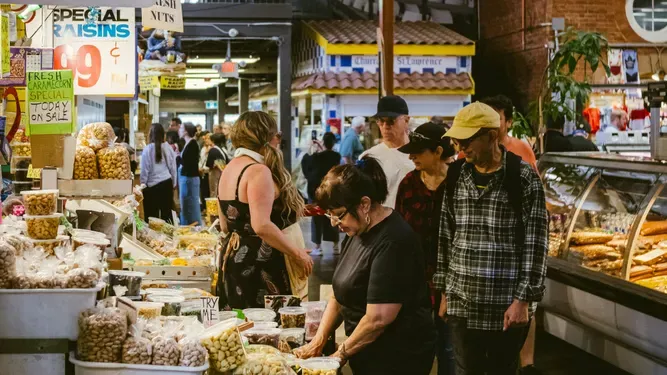
Kensington Market is the most compressed food corridor in the city, a few walkable blocks west of the downtown core, where Jamaican patties, Portuguese custard tarts and Mexican birria sit within a few blocks of each other. No chains have ever been established here; the vendors are owner-operated, the streets are narrow and the whole thing resists the kind of curation that turns neighborhoods into dining districts. It is one of the few places left in any major North American city that still feels genuinely accidental.
Chinatown, located along Spadina Avenue and Dundas Street West, is one of the densest Chinese food corridors on the continent. Dim sum houses that have been running the same service for three decades sit alongside newer Sichuan and Shanghainese spots that draw serious eaters from across the city. The depth here is generational, and the prices mirror a neighborhood feeding its own, not a tourist corridor inflating for visitors.
Little Italy on College Street is the original immigrant strip, now layered. Second- and third-generation Italian-Canadian cooking shares storefronts with wine bars and late-night spots that moved in as rents changed. The recipes at the old-guard spots haven't changed in 40 years. That's not nostalgia, and that's the point.
Greektown on the Danforth runs along Danforth Avenue east of the Don Valley and is one of the largest Greek commercial corridors in North America. The souvlaki and loukoumades at the institutions are the obvious draws, but the neighborhood tavernas that haven't updated their menus since the 1980s are the real reason to make the trip east.
Little Portugal along Dundas Street West is lined with pastelarias, bifanas and bacalhau, with Brazilian and Cape Verdean communities layered into the same corridor over decades. It feeds itself first and happens to welcome visitors, and there is nothing quite like it in any American city.
St. Lawrence Market, open since 1803, was named one of the world's best food markets by National Geographic in 2011. The Saturday-morning peameal bacon sandwich from Carousel Bakery is the non-negotiable first stop. Everything else, such as the cheese vendors, the fish stalls, the produce from Ontario farmers who have been showing up at dawn for two centuries, follows from there.
For the food-curious: Step outside the usual haunts
The neighborhoods above will fill a long weekend. These five reward the traveler who wants to eat where the city's newest and oldest communities actually live.
Gerrard India Bazaar on Gerrard Street East is North America's longest South Asian commercial strip, running through what Toronto calls Little India. Chaat counters, dosa spots and mithai shops stack up along several city blocks. It draws far fewer visitors than it should.
Corso Italia along St. Clair Avenue West is the other Italian strip, quieter and older than College Street, with less scenery and considerably better espresso. The regulars have been coming for decades, and that fact alone is reason to go.
Roncesvalles still showcases its Polish heritage at the institutions, where pierogies, kielbasa and borscht remain the draws, while the surrounding blocks have absorbed a wave of serious independent restaurants that haven't displaced the neighborhood's working-class food identity. Both versions coexist without friction.
Scarborough, the city's eastern district, is the pick that Toronto food writers have been pushing for years and visitors rarely act on. Authentic Tamil, Sri Lankan, Caribbean and Chinese cooking at prices the downtown core cannot match. The 30-minute transit ride from Union Station is the only barrier, and it is not a real one.
Koreatown along Bloor Street West near Christie Street is compact, walkable and best visited after 9 p.m., when the Korean BBQ grills run at full output, and the army stew spots fill up. Banchan shops and late-night noodle counters are spread across a few dense, walkable blocks.
The moment to go is now
Destination Toronto reported a record 28.2 million visitors in 2025, generating $9.1 billion in direct spending. TripAdvisor's Summer Travel Index flagged Toronto as a trending Memorial Day weekend international destination for 2026. The FIFA World Cup arrives this summer with six matches at BMO Field, and the city's international profile is about to get significantly louder. All just a part of what's driving the increased searches for summer travel to Toronto.
Toronto's food scene grew from the inside out over decades. No single chef moment put it on the map, and no James Beard wave rewrote the story. What American travelers are finding in 2026 is a city that was already complete before anyone outside Canada was paying close attention. The food will be the same when the crowds arrive, but the experience of finding it first will not.
Jennifer Allen is a retired chef turned traveler, cookbook author and nationally syndicated journalist; she's also a co-founder of Food Drink Life, where she shares expert travel tips, cruise insights and luxury destination guides. A recognized cruise expert with a deep passion for high-end experiences and off-the-beaten-path destinations, Jennifer explores the world with curiosity, depth and a storyteller's perspective. Her articles are regularly featured on the Associated Press Wire, The Washington Post, Seattle Times, MSN and more.
by Jennifer Allen
Copyright Associated Press. All rights reserved. This material may not be published, broadcast, rewritten, or redistributed.
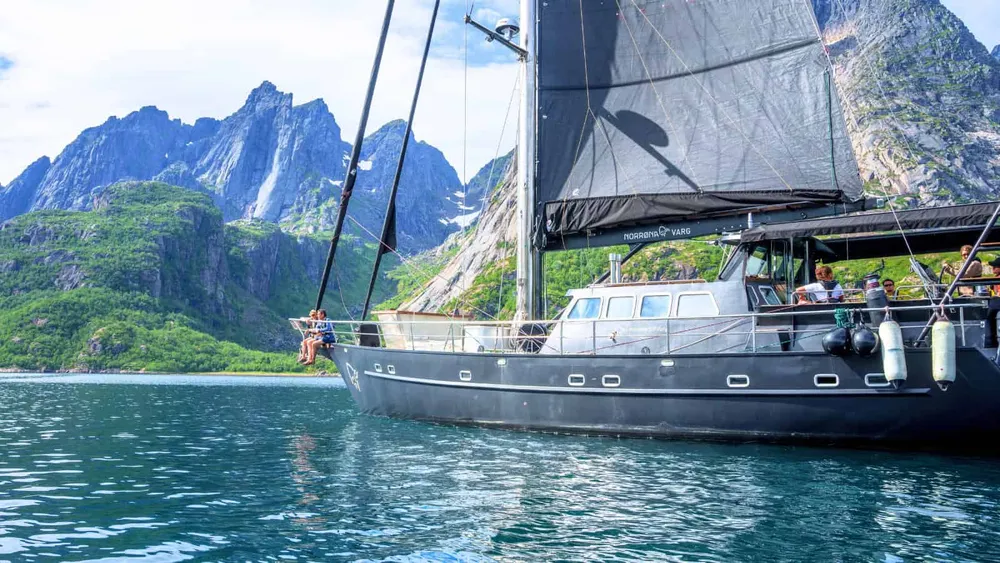
Travelers spending the most on cruises aren't booking the ships with roller coasters. They're choosing the opposite.Photo Credit: Norrøna Adventure Via AP
The mainstream cruise industry is building bigger than ever. Ships carrying 5,000 passengers, private islands and onboard roller coasters have made scale the default language of cruise marketing. But among travelers willing to spend the most, something different is happening.
The mainstream cruise industry is building bigger than ever. Ships carrying 5,000 passengers, private islands and onboard roller coasters have made scale the default language of cruise marketing. But among travelers willing to spend the most, something different is happening.
New research from Internova Travel Group, one of the world's largest travel services companies, found that one-third of North American travelers now express interest in small-ship cruising. Among luxury and ultra-luxury travelers, the demand is stronger. The data, drawn from millions of bookings and a survey of 4,000 North American travelers, found expedition cruise prices have risen more than 20% since 2023, the largest price increase of any cruise category, and a reliable indication of demand outpacing supply.
Expedition and exploration cruising is the fastest-growing segment in the entire cruise sector, with passenger numbers up 42%, according to Cruise Lines International Association, or CLIA, a trend the association's 2026 report confirms is continuing.
Access is the new luxury
The organizing idea is the same across every operator driving this shift. A vessel carrying 36 guests instead of 3,600 can navigate a shallow river gorge in the Australian Kimberley, anchor overnight in a harbor closed to larger ships or sail into an Antarctic bay that mainstream itineraries will never reach. Small size is not a compromise in this market; it is the product.
The operators defining the category
SeaDream Yacht Club has been making this argument since before "expedition cruising" was a marketing term. The family-owned line, now celebrating more than 25 years, operates two intimate mega-yachts carrying just 112 guests each under a philosophy it calls "yachting, not cruising." That means overnight stays in secluded harbors, midnight departures from anchorages closed to larger ships and the kind of spontaneity only a small vessel can deliver. When conditions are right in the Caribbean, the captain anchors, deploys the onboard marina and hosts a Champagne & Caviar Splash with jet skis and an inflatable slide off the stern. Itineraries span the Mediterranean, Caribbean and Northern Europe.
At the far end of the expedition spectrum, Terra Nova Expeditions has launched what it calls the world's first cruise-sailing hybrid in Antarctica. The 20-day Ultimate Antarctic Adventure pairs a purpose-built expedition vessel with a six-day microexpedition aboard the intimate Icebird Yacht, which gives guests access to rarely visited bays and the ability to sail among icebergs well beyond any traditional Antarctic itinerary. The line carries a maximum of 98 guests and backs the adventure with its Antarctic Classroom, a structured onboard program pairing guests with scientists for real-time citizen science and sustainability education.
In Arctic Norway, Varg Sail Yacht takes intimacy to its logical conclusion. The 62-foot sailing yacht, operated by Norwegian outdoor brand Norrøna Adventure, accommodates just six guests across three cabins and earned a spot on TIME's World's Greatest Places list for 2026. Winter voyages center on whale watching and northern lights in the Barents Sea, while spring itineraries combine ski touring with coastal sailing through the Lyngen Alps. Summer shifts to the remote anchorages of the Lofoten archipelago. A wood-fired sauna and outdoor hot tub sit on a deck; the culinary program is built around foraged and locally sourced Arctic ingredients.
Sailuxe operates 13 premium Lagoon catamarans ranging from 51 to 65 feet across the Aeolian Islands, Sardinia's Costa Smeralda and the waters around Amalfi and Capri. Each vessel carries a crew trained to boutique hotel standards and a private chef certified through an exclusive partnership with the Gambero Rosso Academy, Italy's most respected culinary institution. Signature experiences vary by catamaran: cinema under the stars off one coast, private granita-making with a Sicilian producer off another. Bookings have grown 113% in the past two years.
Geography makes the case for small-ship cruising in British Columbia and Alaska. Maple Leaf Adventures operates in Haida Gwaii, the Great Bear Rainforest and remote Vancouver Island, places where cultural site access, wildlife sensitivity and permit structures cap group sizes by design. The company's luxury vessel, Cascadia, delivers spacious cabins, locally inspired design and highly personalized service in a market where the company says no comparable luxury offering exists.
True North Adventure Cruises has spent more than 35 years making the same argument along Australia's Kimberley coast. The 50-meter expedition vessel carries a maximum of 36 guests with a crew of 22, and its shallow draft allows it to navigate river systems and gorges that larger ships cannot physically enter. An onboard helicopter extends that reach further, lifting guests above Mitchell Falls and into the wilderness inaccessible by any other means. Chef-driven menus built on sustainable local ingredients, 18 en-suite staterooms and a $4 million fleet refit ahead of the 2026 season round out a product that holds full membership in Luxury Lodges of Australia.
Regent Seven Seas Cruises extends the access argument through time. Its new Legendary Voyages collection for 2028 includes the 101-night Grand Pathways of Europe and the 61-night Grand Silk Seas Passage, built around longer port stays and deeper destination immersion rather than maximizing ports visited. Shore excursions, fine dining and business-class air are all included, which lets travelers focus entirely on the places they are in rather than the logistics of getting there.
New Zealand's Heritage Expeditions brings 40-plus years of Southern Ocean expertise to the category's most remote itineraries. The second-generation family-owned operator sends its new vessel, Heritage Discoverer, on a 21-day preview voyage this November to the Antarctic Peninsula, South Georgia and the Falkland Islands, ahead of the ship's maiden 2027-28 season. A maximum of 130 expeditioners sail with an expedition team of 15 and 14 Zodiacs. South Georgia alone hosts penguin, seabird and fur seal populations numbering in the millions; early-season Antarctica delivers more than 20 hours of daylight each day.
Where the category is heading
CLIA projects expedition cruise capacity will grow 150% between 2019 and 2029, a figure that confirms this segment has moved well past niche status. The operators that see the sharpest demand share one advantage: a product that cannot be replicated at scale. The gorge, iceberg bay and remote anchorage belong only to the vessel small enough to reach them.
The real measure of luxury
The table stakes in high-end travel now are the suite, fine dining and personalized service. What this generation of small-ship operators is selling is something harder to manufacture: a berth on a vessel small enough to go where the crowds are not and, in some cases, where almost no one has gone before. In 2026, that is the most exclusive address at sea.
by Jennifer Allen
Copyright Associated Press. All rights reserved. This material may not be published, broadcast, rewritten, or redistributed.
From immersive workshops to world-class festivals, this is a city that invites you to do more than just visit.
Tucked into the heart of southwest Michigan, Kalamazoo is a vibrant town which blends creativity, culture, and community in a way that feels both refreshingly unpretentious and quietly progressive. Long known for its craft beverage scene and artistic spirit, Kalamazoo is increasingly becoming a destination for LGBTQ+ travelers seeking a welcoming Midwest escape filled with hands-on experiences, live performance, and meaningful connection.
From immersive workshops to world-class festivals, this is a city that invites you to do more than just visit.
by Joseph Amato
Copyright EDGE Media Network. All rights reserved. This material may not be published, broadcast, rewritten, or redistributed.
France welcomed 102 million international visitors in 2025, more than any country on earth. Most of them went to Paris. A major new study suggests they left without seeing one of the best parts of France: Nantes.
France welcomed 102 million international visitors in 2025, more than any country on earth. Most of them went to Paris. A major new study suggests they left without seeing one of the best parts of France: Nantes.
Research published in April 2026 by GetYourGuide, drawn from nearly 2.9 million bookings across France, found that Paris ranks sixth in average spend per transaction, well behind smaller destinations where travelers linger longer, spend more and return with something Paris rarely delivers at scale: access. "Growth no longer comes solely from volumes," said Cécile Lavarenne, regional manager of GetYourGuide France, "but from the value created by experiences, often outside of major metropolises." Nantes, two hours from Paris on France's high-speed rail network, is the clearest proof of that shift, and spring is the time to go.
A castle in the middle of the city
The Château des ducs de Bretagne sits in the center of Nantes, the way the Louvre sits in Paris, except you can walk its ramparts for free, picnic on the surrounding lawns and spend an afternoon inside the Museum of the History of Nantes without booking weeks in advance. Built in the late 15th century by François II, the last Duke of Brittany, the chateau is a listed Historic Monument and the site where Henri IV signed the Edict of Nantes in 1598. Through Nov. 8, it hosts " Expression(s) Décoloniale(s) #4," an exhibition featuring Brazilian artist Rosana Paulino, Senegalese artist Omar Victor Diop and Beninese historian Lylly Houngnihin. The combination of medieval architecture and urgent contemporary art is about as far from a Paris queue as travel gets.
A five-minute walk delivers you to the Cathédrale Saint-Pierre-et-Saint-Paul, which reopened on September 27, 2025, after a five-year restoration following a devastating 2020 arson attack. Its nave rises 123 feet, taller than Notre-Dame de Paris, and spring 2026 is its first full season back. Restoration continues through 2028, but the cathedral is open and worth every step.
Seven stars and a table by the river
Nantes retained seven Michelin Stars in the 2026 guide: L'Atlantide 1874 - Maison Guého, LuluRouget, Le Manoir de la Régate, Les Cadets, Freia, Omija and Le 1201 in nearby Les Sorinières. The dining culture beyond the starred tables runs just as deep. Each spring, "guinguettes," open-air restaurants along the Loire riverbanks, reopen their terraces, serving fouées, zander with beurre blanc and local Muscadet by the glass. La Cantine du Voyage, Station Nuage and Château de la Frémoire are among those opening tables in the sunlight this season, and river cruise dining is returning to the Loire for the warmer months. Paris has its brasseries; Nantes has the river.
The summer festival you should beat to it
On July 4, Le Voyage à Nantes launches its 15th edition, this year themed around earth, the first in a four-year cycle exploring the elements. Running alongside it, the HAB Galerie will host " Interstellar: Re-imagining Earth," an immersive exhibition featuring around 20 contemporary visual artists, photographers, videographers and designers, which opens on May 23 and runs through Sept. 27. The festival will transform the city with a green line painted through the streets connecting new installations and cultural sites across the urban landscape.
The event runs through Sept. 6. That makes spring, now through late June, the smart window: the Château is open, the cathedral is back, the guinguettes are serving and the city is unhurried. By July, Nantes will have earned its crowds; it just hasn't yet.
Where the value has gone
The GetYourGuide research found that more than a quarter of travelers said an experience was a decisive factor in their choice of destination, and nearly 1 in 4 extended their stay because of one. Nantes is the perfect choice: a walkable medieval core, a riverfront that has been reclaimed for public life, a Michelin-dense food scene and a cultural infrastructure that has been compounding for years. Paris will always be Paris, but in 2026, the traveler getting the most out of France may not be the one standing in line at the Eiffel Tower.
Jennifer Allen is a retired chef turned traveler, cookbook author and nationally syndicated journalist; she's also a co-founder of Food Drink Life, where she shares expert travel tips, cruise insights and luxury destination guides. A recognized cruise expert with a deep passion for high-end experiences and off-the-beaten-path destinations, Jennifer explores the world with curiosity, depth and a storyteller's perspective. Her articles are regularly featured on the Associated Press Wire, The Washington Post, Seattle Times, MSN and more.
by Jennifer Allen
Copyright Associated Press. All rights reserved. This material may not be published, broadcast, rewritten, or redistributed.