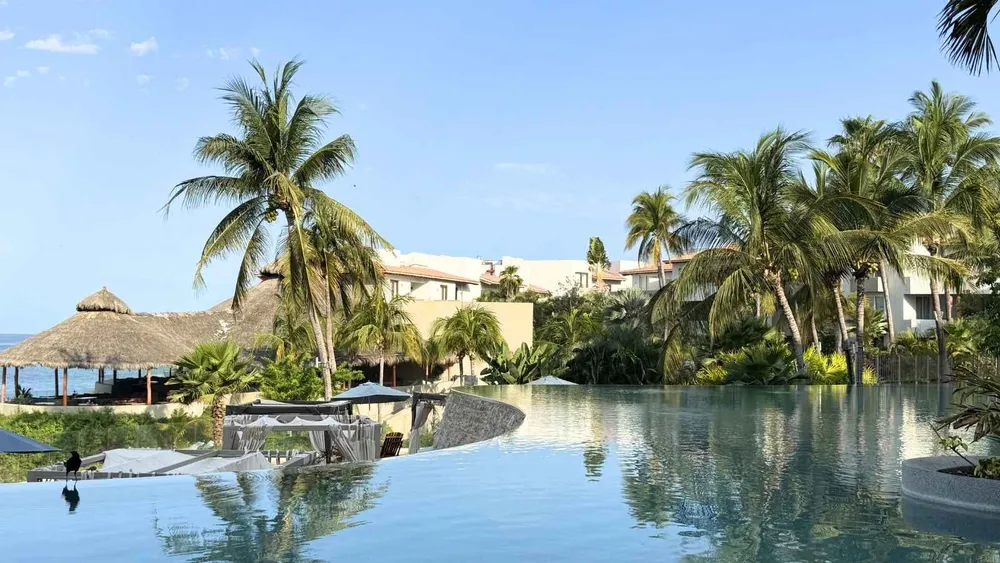
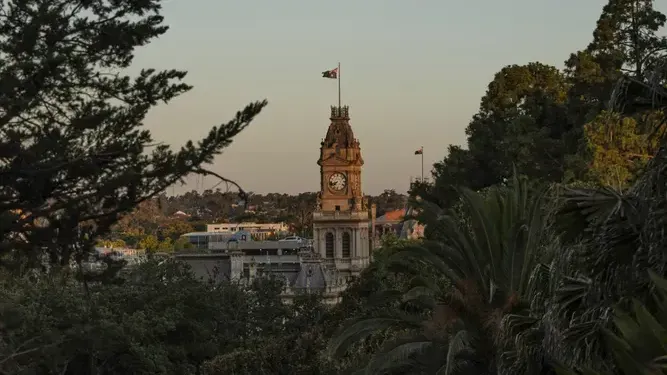
The first thing you notice at Armony Marival is what you cannot see; walk the path from the lobby toward the water, and the architecture keeps slipping behind fig trees and parota, the terraced buildings following the hillside instead of cutting through it.
The first thing you notice at Armony Marival is what you cannot see; walk the path from the lobby toward the water, and the architecture keeps slipping behind fig trees and parota, the terraced buildings following the hillside instead of cutting through it. The effect lands somewhere between Costa Rica and the windward side of a Hawaiian island, all canopy and birdsong and salt air, then the Pacific opens up at the bottom of the slope, and you realize the jungle was the point all along. This is a Mexican beach resort where the vegetation is the amenity, not the obstacle.
Banderas Bay has no shortage of all-inclusives, but few were built to disappear into the land the way this one was. Armony Marival Resort & Spa Punta de Mita sits directly on Playa Destiladeras, a roughly 3-mile run of Pacific coast, with 268 rooms tucked so far into the greenery you can barely pick them out from the sand. The sheltered bay keeps the water calm and the undertow light, which makes the beach genuinely swimmable, and there is no seaweed to wade through. It is the kind of sand built for a slow morning walk, sunrise yoga or an afternoon watching the kids dig in. The resort's biophilic design earned a 2023 Jalisco Architecture Award, down to the cuastecomate tree whose round fruit turns up scattered across the grounds and, eventually, on the dinner plate.
A family name behind the front desk
Armony is the newest chapter of a Mexican hospitality group whose roots run deep along this coast. The company traces its all-inclusive lineage to Nuevo Vallarta, where it converted the old Jack Tar Village property and helped pioneer the region's all-inclusive model decades ago. The group says it was among the first to bring the format to the bay. That heritage carries a family-owned sensibility the staff sums up as "mi casa, tu casa," and it reads in how they greet returning guests by name. Armony opened in 2020 as the group's first property in Punta de Mita, then joined Accor's MGallery Collection in early 2025.
The jungle as design language
Most resorts draw a hard line between the manicured grounds and the wild edge beyond. Armony blurs it on purpose. The buildings were sited to be consumed by vegetation rather than to hold it back, and guests who arrive expecting a sealed resort perimeter find something more porous and alive. Iguanas sun themselves on the walkways, and the canopy presses close to the open-air restaurants. The whole property reads less like a compound dropped onto the coast than like something that grew there.
Soft wellness; room for everyone
Wellness here is woven in rather than being the whole point. Watsu water therapy is complementary, and the daily program runs from beach yoga to sound healing and tai chi under the trees. The resort is family friendly, with a kids' club featuring art and nature programming, a family fun room loaded with arcade games and VR stations, a ramen vending machine, a cooking station where kids build their own bowls and more. The bay turns into a stage from December through March, when humpback whales move through to calve offshore. When someone spots one surfacing, the resort rings a gong, and guests up and down the beach turn to watch.
An all-inclusive that shows its math
Armony treats the all-inclusive format with unusual candor, with a European plan that allows guests to opt out of the full package if they want, and menus show the prices so you can see the value of what is already covered. A handful of premium items carry an upcharge, stated plainly rather than buried, and several restaurants remain open to the public rather than sealing the property off from the surrounding destination.
A taste of what is coming
The food program delivers well above the all-inclusive standard. At the buffet restaurant, live cooking stations put the preparation in front of you rather than behind a sneeze guard. Divum, the adults-only signature restaurant, runs a zero-kilometer kitchen, sourcing ingredients from the region and building its menu around what the land offers, including that cuastecomate mole that has become the property's calling card. A new concept, Parrotfish, is on the way. The mocktail that greets you on arrival, with passion fruit, pineapple and vanilla, sets the tone for how seriously the team takes what lands in the glass as well as on the plate.
What Armony offers that a standard beach resort cannot is the sense that you have been somewhere specific. Plenty of places promise warmth and a pool and a buffet, and most of them could be anywhere. Here, the jungle keeps reminding you exactly where you stand, pressing in at the edges of every path, refusing to let the destination fade into the background. That is the wager the whole property makes, and it is the direction more of the Mexican Pacific is starting to follow.
by Jennifer Allen
Copyright Associated Press. All rights reserved. This material may not be published, broadcast, rewritten, or redistributed.
South Haven, a once-sleepy Lake Michigan beach town better known for blueberries and boat shoes than queer nightcaps, has been quietly morphing into one of the Midwest’s most surprising LGBTQ‑friendly escapes.
If you had “South Haven, Michigan becomes a low‑key queer beach haven” on your 2026 bingo card, you’re either psychic or already in on one of the Great Lakes’ best under‑the‑gaydar surprises.
Perched on the eastern shore of Lake Michigan, about two hours from Chicago and three from Detroit, South Haven has long sold itself on sunsets, sailboats, and family‑friendly beach holidays. But over the last few years, a quieter shift has been unfolding: more queer‑owned businesses opening their doors, more visibly LGBTQ+ visitors strolling beachside, and a local Pride celebration that’s gone from “tiny picnic” to “full‑blown downtown moment.”
The result is the kind of place that makes you say, with genuine delight: “Wait… this town is queer now?!”
A Lake Town With Rainbow Edges
South Haven sits in southwestern Michigan’s traditionally conservative farm‑and‑fruit belt, but the city itself has leaned more socially progressive in recent years as tourism and remote workers have reshaped the lakeshore corridor. The area’s long‑running reputation as a summer escape for families from Chicago, Grand Rapids, and Detroit has gradually intersected with a broader trend: LGBTQ+ travelers looking for quieter, more affordable alternatives to legacy gay destinations like Provincetown or Fire Island.
Across the U.S., small towns from Lexington, Kentucky to Bisbee, Arizona have embraced LGBTQ+ visitors, with national publications increasingly spotlighting “unexpected” queer‑friendly destinations. South Haven is part of that wave, but its evolution has been particularly driven by visible LGBTQ+ business owners and community organizers.
One of the most attention‑grabbing signals came from travel‑focused LGBTQ+ content creators, including an early‑2024 Instagram reel that dubbed South Haven “the gayest small town in the Midwest, fight me,” calling out a queer‑owned bed‑and‑breakfast and the town’s surprisingly inclusive vibe. While that claim is more tongue‑in‑cheek than statistical fact , the video racked up tens of thousands of views and planted South Haven in the minds of LGBTQ+ travelers well beyond Michigan.
Queer‑Owned Inns and the New Great Lakes “Gay Guestroom”
The biggest sparkle in South Haven’s emerging LGBTQ+ scene comes from its lodging. Bed‑and‑breakfast culture is serious business here—this is a town where porches and pancakes are practically a competitive sport—and several queer‑owned or loudly queer‑friendly inns now anchor the hospitality landscape.
The historic Victoria Resort Bed & Breakfast, a 1920s property tucked into a tree‑lined residential neighborhood, has become a standout for LGBTQ+ travelers thanks to openly queer ownership, inclusive marketing, and an emphasis on welcoming same‑gender couples and transgender guests with zero fuss and plenty of carbs. The inn promotes South Haven Pride on its website, highlights LGBTQ+ events in its newsletters, and has been featured in queer travel content that praises it for being “as rainbow‑warm as the sunrise over the lake.”
Other area lodgings, while not explicitly branded as LGBTQ+ spaces, have leaned into inclusive language and imagery, featuring diverse couples in their marketing and listing their properties on LGBTQ+‑focused travel platforms like QueerAdventurers.com . This visible inclusion—rainbow stickers on front doors, nondiscrimination policies published on websites, pronoun‑friendly check‑in forms—is part of what signals safety and comfort to transgender travelers and queer families who have to think about more than just thread count when booking a room.
Pride at the Pier: How a Harbor Town Built a Celebration
South Haven’s Pride celebration is young, but growing fast. South Haven Pride, a local volunteer‑run organization, began coordinating events in the early 2020s with a mission to “create safe, affirming spaces for LGBTQ+ people and allies in South Haven and surrounding communities.”
In June 2024, South Haven Pride successfully launched the city's first-ever official LGBTQ+ Pride festival. The historic inaugural event brought the community together with a downtown march, live music, a family-friendly picnic, and booths from local businesses showing public support. Since that landmark debut, the celebration has rapidly grown, expanding its programming to include youth-focused events, weekend beach meetups, and partnerships with local inclusive churches.
Local media coverage from the South Haven Tribune described families with small children waving rainbow flags, older LGBTQ+ residents sharing that they “never expected to see a Pride march in South Haven,” and small‑business owners noting that Pride weekend has become a meaningful boost to early‑summer tourism. For a town of about 4,000 year‑round residents, that visibility is part celebration, part gentle revolution.
Behind the Sparkle: Who’s Making South Haven Queer‑Friendly?
South Haven’s queer turn is not an accident; it is the result of local organizing, hospitable business owners, and broader policy shifts in Michigan that signal support for LGBTQ+ residents.
In 2023, Michigan amended its Elliott‑Larsen Civil Rights Act to explicitly include sexual orientation and gender identity as protected categories, prohibiting discrimination in employment, housing, and public accommodations statewide. LGBTQ+ advocacy organizations, including Equality Michigan , identified the change as a “game‑changer” for queer people living outside of major cities, noting that legal protections can make smaller communities feel more livable and safer.
At the local level, South Haven’s city leadership and tourism promoters have echoed an inclusive message. The South Haven/Van Buren County Convention and Visitors Bureau uses language about welcoming “all visitors” and has shared Pride event information on its visitor‑facing platforms. While not branded explicitly as an LGBTQ+ destination, the bureau’s promotion of Pride programming and its partnerships with South Haven Pride help normalize queer presence in the local tourism economy.
On the ground, LGBTQ+ residents and seasonal workers are creating the social infrastructure that makes a place feel authentically queer‑friendly rather than just rainbow‑washed. South Haven Pride has highlighted the roles of local queer educators, artists, and hospitality workers who host meetups, drag‑adjacent variety shows, and informal social nights at bars and restaurants around town. While many of these events are still modest in scale—think twenty people at a trivia night, not a 2 a.m. circuit party—they provide vital community, especially for younger LGBTQ+ people and transgender residents who might otherwise feel isolated in a rural county.
The Unexpected Gay Itinerary: Beaches, Blueberries, and a Lot of Rosé
For LGBTQ+ travelers, South Haven offers a specific flavor of queer getaway: low‑key, outdoorsy, heavy on carbs and local wine, and light on big‑city nightlife.
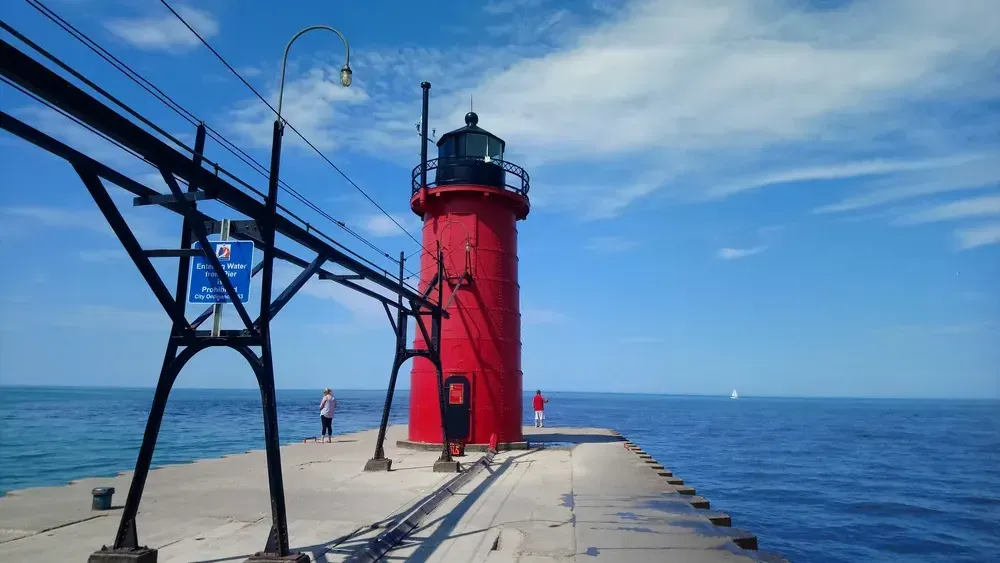
During the day, the draw is obvious. South Haven features seven public beaches along Lake Michigan, a picturesque lighthouse and pier, and a walkable harbor district lined with shops and cafés. The Kal‑Haven Trail, a 33‑mile rail‑trail connecting South Haven to Kalamazoo, adds bike‑friendly adventure, popular with couples looking for a blend of nature and town time.
Food and drink are another big pull. Nearby wineries and tasting rooms in Michigan’s Lake Michigan Shore American Viticultural Area have been increasingly vocal about LGBTQ+ inclusion, welcoming Pride groups and featuring rainbow flags and signage during June. Some South Haven eateries and bars have hosted Pride‑adjacent events, from drag brunches to themed cocktail nights, often promoted via Instagram and Facebook to LGBTQ+ audiences.
Then there are the blueberries. South Haven markets itself as the “Blueberry Capital of the World” and hosts the National Blueberry Festival every August, a four‑day event with parades, live music, pie‑eating contests, and a blueberry‑themed 5K. In recent years, festival organizers have highlighted inclusive, family‑friendly programming and have welcomed LGBTQ+ families and couples among the thousands of attendees that flood the town each summer. While the festival is not specifically queer‑branded, its open, community‑focused nature and the town’s growing Pride presence have made it part of the broader LGBTQ+ travel appeal.
How Safe and Inclusive Is It, Really?
For LGBTQ+ travelers—especially transgender people, queer people of color, and families with kids—the question isn’t just “Is this cute?” It’s “Is this safe and affirming?”
Michigan overall ranks in the upper tier of U.S. states for LGBTQ+ equality measures, according to state‑by‑state scorecards that weigh nondiscrimination protections, relationship recognition, and trans‑inclusive policies. The state’s explicit civil‑rights protections for sexual orientation and gender identity, plus its recognition of same‑gender marriage and adoption, create a legal backdrop that many Midwest queer travelers find reassuring.
On a local level, South Haven Pride reports positive relationships with city officials and law enforcement during Pride events, highlighting collaboration on safety planning and street closures. The South Haven Tribune has not reported significant anti‑LGBTQ+ incidents connected to Pride in recent years, noting that community responses have largely been supportive or neutral.
That said, South Haven remains a small town in a largely rural county. Public displays of affection by same‑gender couples may still draw stares in certain settings, and transgender travelers in particular may encounter inconsistent levels of understanding in some businesses or surrounding communities. LGBTQ+ advocacy groups generally recommend that travelers in smaller destinations research local resources, connect with community organizations like South Haven Pride in advance via email or social media, and prioritize clearly queer‑friendly lodging and venues.
The Bigger Picture: Small‑Town Queerness Is Having a Moment
South Haven’s evolution fits into a larger North American story: queer life slowly expanding beyond major urban centers.
Recent travel coverage has highlighted an array of small U.S. cities and towns—Lexington, Kentucky; McMinnville, Oregon; Saratoga Springs, New York; and Bisbee, Arizona among them—as notably LGBTQ+‑friendly, pointing to Pride celebrations, queer‑owned businesses, and visible local activism. LGBTQ+ travel guides emphasize that younger queer people and LGBTQ+ families are increasingly seeking destinations that combine outdoor recreation, affordability, and community over all‑night clubbing.
Meanwhile, organizations like Big Gay Hudson Valley in upstate New York have shown how regional LGBTQ+ initiatives can connect smaller communities into a broader queer ecosystem, promoting Pride events and queer‑owned businesses across multiple towns. South Haven Pride plays a similar role along Michigan’s lakeshore, connecting South Haven to nearby communities like Saugatuck, Douglas, and Holland, which have their own varying levels of LGBTQ+ visibility.
In this context, South Haven’s story is less about becoming “the next Provincetown” and more about joining a growing constellation of smaller, quieter queer places—spots where LGBTQ+ people can hold hands on a beach, sip local wine, chat with queer‑owned innkeepers about dinner reservations, and feel genuinely, comfortably included.
If You Go: Queer‑Forward South Haven, in Practice
Travel guides generally recommend late spring through early fall as the prime window for South Haven, when the beaches are open, the farmers’ markets are overflowing, and the sunsets linger well past 9 p.m. For LGBTQ+ visitors, timing a trip with South Haven Pride or the National Blueberry Festival in August can add a communal, celebratory layer to the experience.
Queer travelers looking to build an inclusive itinerary can:
- Stay at a queer‑owned or clearly queer‑affirming inn or bed‑and‑breakfast such as Victoria Resort Bed & Breakfast, which has a documented track record of welcoming LGBTQ+ guests.
- Use social media—searching hashtags like #SouthHavenPride or following South Haven Pride on Facebook and Instagram —to find current events, meetups, and Pride‑adjacent gatherings.
- Explore wineries along the Lake Michigan Shore Wine Trail and look for venues that have publicly supported Pride or hosted inclusive events.
- Build in some time to wander: the harbor, downtown shops, and beach paths are where you’re most likely to spot rainbow stickers on storefronts and other subtle signals that the town’s “queer now” reputation is rooted in real people and real community.
South Haven may never top the global “gay destination” charts, and that’s partly the point. Its appeal lies in its scale: a town where you can recognize faces by day two, where Pride organizers are also your baristas and bartenders, and where the most pressing evening decision is which beach to watch the sky go cotton‑candy over Lake Michigan.
For LGBTQ+ travelers who have ever wondered whether a classic Midwestern beach town could feel truly welcoming, South Haven’s emerging answer is gentle but clear: pull up a porch chair. You’re invited.
by Chris Tremblay
Copyright EDGE Media Network. All rights reserved. This material may not be published, broadcast, rewritten, or redistributed.
American travelers set records in France last year, yet most never made it past the Riviera coastline to Cotignac, a Provence village at the foot of a sheer rock face. Those who drive an hour inland find hotel rooms carved into the cliff, a Michelin-recognized kitchen and the rosé producer whose bottles already sit on U.S. shelves.
American travelers set records in France last year, yet most never made it past the Riviera coastline to Cotignac, a Provence village at the foot of a sheer rock face. Those who drive an hour inland find hotel rooms carved into the cliff, a Michelin-recognized kitchen and the rosé producer whose bottles already sit on U.S. shelves.
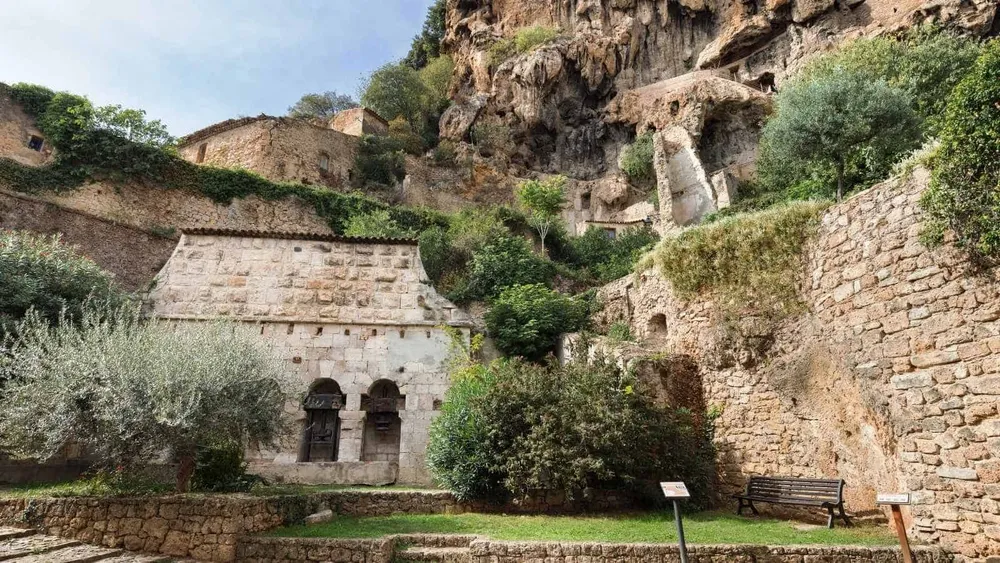
Cotingnac is in the South of France, about an hour from the Mediterranean, and its oldest homes are dug straight into the stone. Saint-Tropez gets the crowds down on the coast; Cotignac has spent 50 years quietly hosting famous names who didn't want to be found.
The Provence village most American itineraries miss
France welcomed a record 102 million international visitors in 2025, and arrivals from the United States grew by more than 10%. Traditionally, international visitors gravitate toward Paris, the Riviera and the lavender country around Aix-en-Provence, leaving the green interior largely to the French.
Cotignac joined Les Plus Beaux Villages de France, the independent association that maintains France's best-known list of its most beautiful villages, in 2022. It remains 1 of only 7 in the surrounding Var region to hold the label, and one look explains why: the buildings back directly onto the rock.
The cliff, cut by the Cassole river, runs 1,300 feet long and 260 feet high, with two medieval watchtowers at the summit and a secured path behind the town hall that climbs past the old cave homes. Below, the Cours Gambetta stretches through the village center under ancient plane trees, with cafes along its length and a Tuesday market selling local produce and crafts.
Sleeping inside the rock at Lou Calen
Guests at La Troglodyte sleep with a 260-foot-high cliff for a headboard. The bedroom and shower are cut into the bare limestone, the same rock that hid villagers during medieval raids, and a glass-walled living area opens the cave to the Provence sun. It is the closest a luxury hotel gets to living the way Cotignac's first residents did, minus the invading armies. A second cave room is in the works at Lou Calen, whose 7-acre estate holds more than 30 rooms and gardens, with olive trees and vegetable beds supplying the kitchens a few steps away.
The hotel has been attracting notable guests since it opened in 1971: Yvonne de Gaulle, widow of French President Charles de Gaulle, stayed for a month in 1972, and singer Joe Dassin held his 500-guest wedding here in 1978. It closed in 1999 and sat dark until Canadian entrepreneur Graham Porter bought it in 2015. He reopened it in stages, finishing in June 2024 with the last guest rooms and O Fadoli, a bar on the main square devoted to pastis, the anise-flavored aperitif of southern France. The full history, including the nuns who ran the building before it ever took a paying guest, is told in the story of Lou Calen.
A Michelin chef who said no to the stars
The estate's fine dining restaurant holds a Michelin Green Star, an award the guide created for restaurants leading the way in eco-responsible cooking. The chef behind it trained in Lyon under Paul Bocuse and spent more than 15 years with Alain Ducasse, including the three-star Louis XV in Monaco and the Bastide de Moustiers, before running kitchens at Monaco's Hotel Hermitage. He says that when Michelin contacted him about his Cotignac kitchen, he asked to be left out of the star rankings; the Green Star was the only recognition he wanted.
Benoit Witz, chef of Jardin Secret at Lou Calen, says, "The biggest challenge is to make people happy with simple products coming from this area."
Dinner at Jardin Secret comes with no printed menu. Witz proposes the evening's dishes and swaps courses for guests who prefer fish over meat or vegetables over both. The kitchen wastes almost nothing; asparagus peels go into stocks, and trimmings turn into butters and sauces. A weekly three-course lobster lunch changes every time it appears. Meals run two, three or four hours, and early arrivals get a glass of wine and a walk in the gardens instead of a rushed table.
The rosé Americans already drink comes from this corner of Provence
In 2009, Stephen and Jeany Cronk sold their London home, packed up three children and moved to Provence, barely speaking a word of French. The rosé brand they launched from a spare room the next year, Maison Mirabeau, now sells in more than 40 countries, sits on Forbes' list of the world's top 50 wine brands and drew a majority investment from Chilean wine giant Concha y Toro in February 2026.
Americans don't need a plane ticket to taste it; the wine is available across the United States. The bigger reason to visit is the family's tasting room in the center of Cotignac, which pours the full lineup, including wines from Domaine Mirabeau, the first vineyard in France to earn both Regenerative Organic Certification and Certified Regenerative status.
Plan a trip from the United States
Marseille Provence Airport is the most direct gateway; Cotignac is about an 80-minute drive via the A8 highway. Nice works for travelers pairing the trip with the Riviera coast, and high-speed TGV trains stop at Les Arcs-Draguignan, roughly 50 minutes away by car.
A rental car is essential for both the transfer and the day trips to the limestone canyons of the Verdon Gorge, hilltop neighbors like Tourtour and the surrounding wine country. Spring and fall bring mild weather without the crowds. Summer brings markets, festivals and open-air concerts at the base of the cliff.
Cotignac won't stay quiet
Gordes and Saint-Paul-de-Vence were quiet villages once, before the day-trip buses found them. Cotignac now has the finished hotel, the recognized restaurant, the globally backed wine brand and the official label that tends to precede that kind of discovery. What it does not yet have is the crowd, and that is unlikely to last.
Mandy Applegate is a luxury travel and fine dining journalist who has covered destinations across 47 countries, with a focus on high-end experiences and distinctive adventures. She is a co-founder of Food Drink Life, where she writes about travel, food and culture for a global audience. Her work is distributed through the Associated Press wire and appears in major U.S. outlets, including NBC, the Chicago Sun-Times, the Boston Herald and the Daily News.
by Mandy Applegate
Copyright Associated Press. All rights reserved. This material may not be published, broadcast, rewritten, or redistributed.
Thunder Bay, Ontario, is not a staple of mainstream LGBTQ+ travel roundups, but it is increasingly visible as a welcoming destination for queer travelers who want nature, arts, and a close-knit local scene without the usual marquee-city crowds.
Thunder Bay, on the northwestern shore of Lake Superior, offers a different kind of queer-friendly getaway: less “scene” city, more regional hub with a strong sense of place. It is not usually featured alongside the most familiar North American LGBTQ+ destinations such as Palm Springs, Provincetown, or Montreal, but it appears in Canadian LGBTQ+ travel and Pride-oriented coverage as a destination where visitors can combine outdoor adventure, arts, and community events in a city that is comparatively under the radar.
What makes Thunder Bay especially notable is the combination of its natural setting and its civic scale. Travelers can spend a morning on the waterfront, an afternoon exploring galleries or cafés, and an evening at a local performance or Pride event without dealing with the pace and expense of a larger metropolitan scene. That mix is one reason smaller cities are increasingly surfacing in LGBTQ+ travel coverage: they offer belonging through community institutions rather than through a single tourist district.
A Pride scene that signals welcome
Thunder Bay’s LGBTQ+ visibility has been anchored by local Pride organizing, especially Pride Thunder Bay , which has helped keep queer life visible in the city through parades, programming, and community outreach. The existence of an organized Pride body in a mid-sized northern city matters because it gives visitors a concrete sign that the city is not merely tolerant in theory but active in public affirmation.
Local Pride efforts also tend to be practical in smaller markets: they connect visitors with affirming businesses, volunteer-run events, and community partners more directly than in larger destinations where queer life can be diffuse and segmented. For queer travelers, that can translate into a more personal experience, with fewer assumptions and more direct local guidance.
Culture, food, and the feel of the city
Thunder Bay’s cultural appeal extends beyond LGBTQ+ life alone. The city has long been shaped by a mix of Indigenous, Finnish, Italian, Ukrainian, and other communities, and that multicultural identity is visible in its restaurants, neighborhoods, and public institutions. For travelers, this gives the city a distinct character: it is not a generic small town, but a northern city with a layered identity that rewards curiosity.
That cultural depth also helps explain why queer visitors may find Thunder Bay appealing even without a dense nightlife strip. Smaller cities often develop welcoming atmospheres through cafés, bookstores, arts venues, and neighborhood gathering places, and Thunder Bay’s local scene fits that pattern. Rather than selling itself as an explicitly “gay district” destination, the city offers a broader sense of livability that can still matter deeply to LGBTQ+ travelers seeking spaces where they do not have to perform tourist identity to feel comfortable.
The landscape is part of the story
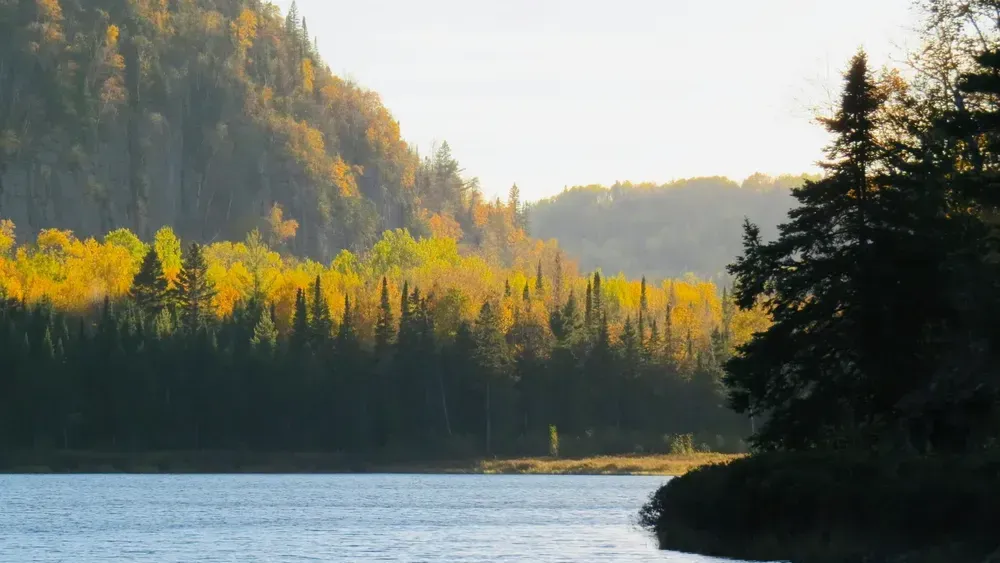
One of Thunder Bay’s strongest selling points is its geography. The city sits beside Lake Superior, and the surrounding region includes some of Ontario’s most striking natural scenery, including the Sleeping Giant and accessible waterfront parks. For queer travelers looking for a trip that balances community with solitude, that landscape can be part of the draw: hiking, shoreline walks, and scenic drives provide a way to experience the region beyond nightlife and events.
That outdoor dimension is especially meaningful in the current travel landscape, where many LGBTQ+ travelers are looking for destinations that feel restorative rather than performative. Thunder Bay’s appeal lies in its ability to offer both public welcome and private space, with enough urban infrastructure to make a trip easy, but enough natural beauty to make it feel removed from the pressures of larger tourist centers.
Why it is becoming a hidden gem
Thunder Bay is emerging as a hidden gem for queer travelers for three reasons. First, it is relatively absent from the standard LGBTQ+ travel lists, which means visitors can still discover it as something of a local secret. Second, it has visible community infrastructure through Pride organizing and an established civic identity that gives affirming visitors a place to land. Third, it offers a travel experience built around the combination of culture and wilderness, which is increasingly attractive to travelers who want authenticity rather than a packaged queer-tourism brand.
Its under-the-radar status is part of the story. Mainstream queer travel coverage often gravitates toward destinations with already-famous reputations, but places like Thunder Bay show how LGBTQ+ hospitality is also being built in smaller regional centers. In those places, welcome is often measured less by spectacle than by whether a traveler can walk into a café, attend a community event, book a room, and move through a city without needing to explain themselves.
What queer travelers can expect
For LGBTQ+ visitors, Thunder Bay is best understood as a destination for a calm, self-directed trip rather than a party-first getaway. Travelers who value local culture, food, lakeside scenery, and community-based events are likely to find more to do than they may expect from a city of its size. Those looking for a dense late-night queer entertainment corridor may find the scene quieter than in larger metros, but that quieter profile is exactly what makes Thunder Bay distinctive.
The city’s value also lies in its flexibility. It can function as a weekend stop, a road-trip anchor, or a summer base for exploring northwestern Ontario. For queer travelers who often evaluate destinations not only by formal policy but by the texture of daily life, Thunder Bay offers an appealing blend of practicality and place: a city where the landscape is dramatic, the cultural mix is real, and the LGBTQ+ footprint is visible enough to matter.
The broader significance
Thunder Bay’s rise as a queer-friendly destination reflects a broader shift in travel culture. LGBTQ+ travelers are increasingly looking beyond the best-known urban icons and toward secondary cities that offer better access, lower congestion, and a stronger sense of local connection. In that context, Thunder Bay is not trying to imitate the better-known queer capitals. It is succeeding by being itself: a northern city where Pride exists, culture runs deep, and the lake and forest are never far away.
by Chris Tremblay
Copyright EDGE Media Network. All rights reserved. This material may not be published, broadcast, rewritten, or redistributed.
In the high desert of northern New Mexico, the small arts town of Taos is emerging as an unexpectedly LGBTQ-friendly refuge, blending Indigenous culture, countercultural history, and a quietly visible queer community.
If you ask most people to name a queer getaway in North America, they’ll toss out the usual coastal suspects: Provincetown, Fire Island, Palm Springs, maybe Miami Beach. But several hundred miles from the nearest gayborhood, past vast plains of sagebrush and roadside shrines of plastic flowers, a different kind of LGBTQ‑friendly haven is taking shape in Taos, New Mexico.
Taos has long been known to painters, skiers, and spiritual seekers; lately, it’s quietly drawing queer travelers looking for something softer than a circuit weekend and more grounded than a rainbow‑flag resort. There’s no official gayborhood, no giant nightclub. Instead, there’s a cluster of queer‑owned galleries and cafés, a gender‑inclusive spa dress code, Indigenous‑led cultural tours that welcome LGBTQ+ visitors, and a town ethos that leans hard into live‑and‑let‑live.
In other words: less glitter, more stars.
An artsy, off‑grid town with queer DNA built in
With a population hovering around 6,000 people, Taos is tiny even by small‑town standards, but its artistic and countercultural reputation is outsized. Beginning in the early 20th century, the town attracted painters and writers such as Georgia O’Keeffe, Mabel Dodge Luhan, and D.H. Lawrence, all of whom were drawn to the dramatic light and the sense that the rules—social, sexual, artistic—could bend a little here.
Taos’s creative streak never went away; today, the town supports more than 80 art galleries and studios, an unusually high concentration for a community of its size. Many of those spaces are either owned by LGBTQ+ people or intentionally showcase queer and gender‑expansive artists, though those connections are often more word‑of‑mouth than billboarded.
New Mexico itself has consistently scored among the more LGBTQ‑affirming U.S. states in recent years, with statewide protections against discrimination in employment, housing, and public accommodations based on sexual orientation and gender identity. In 2019, the state also banned the so‑called “panic defense” in criminal cases involving LGBTQ+ victims, becoming the first in the Southwest to do so. That legal backdrop matters when you’re queer in a rural place; it’s the quiet infrastructure that helps the town’s do‑your‑own‑thing vibe feel like freedom rather than risk.
A small town where queer visibility feels casual, not curated
On a summer afternoon, the Taos Plaza smells like roasting chiles and sunscreen. The adobe‑lined square, anchored by a 19th‑century church, hosts weekly live music and festivals where couples—straight and queer—dance together without fuss. You’ll spot same‑gender couples walking hand‑in‑hand, a nonbinary traveler comparing turquoise rings with a local artisan, and a lesbian couple chasing two toddlers carrying melting paletas.
There are no rainbow crosswalks, but there are subtle signals. A bookstore chalkboard invites customers to use their pronouns on name stickers. A café advertises a “Queer Zine Swap” next Thursday alongside its blue corn waffles. A local art collective’s poster touts a “Trans and Two‑Spirit Figure Drawing Night,” co‑organized with Indigenous artists from surrounding pueblos.
New Mexico recognizes Two‑Spirit identities as part of ongoing Indigenous cultural revitalization, and tribes around Taos—particularly Taos Pueblo, which has been continuously inhabited for more than 1,000 years—are engaged in broader conversations about gender, tradition, and community health. While those conversations are primarily internal to each tribe, tour operators and local Indigenous leaders have publicly emphasized that respectful LGBTQ+ visitors, including transgender and Two‑Spirit people, are welcome when they follow community protocols.
Safety, laws, and the reality of being out in the rural Southwest
For queer travelers, the romance of the open road runs up against a very practical question: Is it safe for us there?
New Mexico legalized same‑gender marriage in 2013 and has included sexual orientation and gender identity in its statewide nondiscrimination law since 2003. The state also allows transgender people to update gender markers on driver’s licenses and birth certificates with relatively streamlined processes that do not require proof of surgery.
In Taos County, local government has voiced support for LGBTQ+ residents through backing Pride events and inclusive public health messaging. In 2023, Taos hosted a public Pride celebration that included a march, drag performances, and a resource fair featuring organizations such as Equality New Mexico , the state’s primary LGBTQ+ advocacy group.
According to Equality New Mexico, reports of anti‑LGBTQ+ harassment in the Taos area remain relatively low compared with other parts of the state, though advocates caution that rural underreporting is a persistent problem. For travelers, that translates into this: Taos is not a risk‑free utopia, but it is meaningfully safer and more affirming than many rural regions in the U.S., particularly those without statewide civil rights protections.
It also helps that Taos’s economy is deeply reliant on tourism and the arts. Local business owners interviewed by regional outlets have repeatedly framed LGBTQ+ visitors as integral to the town’s creative and economic life, emphasizing that “everyone’s money is green here, and everyone should feel welcome spending it.”
Queer‑owned and queer‑friendly spaces, from hot springs to hotel bars
Unlike big‑city scenes, where queer life clusters in a few nightlife blocks, Taos’s LGBTQ+ spaces are more woven into daily life.
Several of the town’s boutique hotels and inns are owned or managed by LGBTQ+ people, many of whom promote their properties as explicitly inclusive on their websites and social media. Regional travel coverage has highlighted Taos as one of New Mexico’s more welcoming small towns, in part because of these visible commitments by hospitality businesses.
New Mexico as a whole has been marketing itself as an LGBTQ‑friendly destination, with the state tourism office’s “New Mexico True” campaign explicitly featuring queer couples in its imagery and recommending Taos in itineraries for LGBTQ+ travelers seeking art, skiing, and spiritual retreats. That state‑level endorsement has nudged more local businesses to adopt inclusive policies and staff training.
Within a short drive of town, clothing‑optional hot springs and spa retreats popular with queer and gender‑expansive visitors emphasize body‑positive, all‑genders‑welcome policies on their websites. Travelers can soak under a sky so dark that the Milky Way looks like spilled salt, surrounded by piñon and juniper; at some properties, the only dress code is “respect other people’s boundaries.”
Taos also sits near the world‑famous Earthship community, a cluster of radically sustainable homes built from recycled materials like tires and bottles. The off‑grid, eco‑queer aesthetic is strong here—think solar panels, rainwater catchment, queer environmentalists in wide‑brim hats, and guests of all genders marveling at how cool the interior stays without air‑conditioning.
Pride on the mesa: small, scrappy, and deeply local
Taos doesn’t make the list of North America’s top ten LGBTQIA+ destinations in mainstream travel surveys, which tend to focus on big cities like New York, San Francisco, and Toronto. But local Pride celebrations have been growing, mirroring a broader trend of rural and small‑town Pride events across the U.S. and Canada.
In recent years, Taos Pride events have included a march through the historic district, an outdoor drag show in the plaza, and family‑friendly activities like story hours and craft tables for kids. Organizers have also elevated queer and Two‑Spirit artists in performance lineups, acknowledging the intersection of Indigenous culture and modern LGBTQ+ life in northern New Mexico.
Regional media have reported an increase in attendance, driven in part by visitors from surrounding rural communities who may not have a local Pride of their own. For queer travelers, that means Taos Pride isn’t just a party; it’s one of the rare spaces where LGBTQ+ people from isolated pockets of the Southwest can gather, network, and feel part of something bigger than their ZIP code.
What it feels like to arrive as a queer traveler
Getting to Taos typically means flying into Albuquerque or Santa Fe and then driving for an hour or two through landscapes that look like they’re still buffering. Cell service drops; the road snakes past abandoned gas stations, tiny chapels, and roadside stands stacked with ristras of dried red chiles.
For many LGBTQ+ travelers, especially transgender people and queer people of color, that drive can be tense. Nationally, both anti‑LGBTQ+ rhetoric and targeted violence have created new anxieties about traveling through rural areas. New Mexico’s legal protections and Taos’s inclusive reputation do not erase that context, but they do reshape the experience at the destination.
Visitors describe the moment they arrive in town as a kind of pressure drop: rainbow stickers in shop windows, inclusive bathroom signage at cafés, staff using gender‑neutral greetings as naturally as “y’all.” At night, the air smells of cedar smoke and roasting corn; couples queue for tamales after a drag show, kids chasing each other between food trucks, elders wrapped in woven blankets perched on folding chairs.
The sensory palette is unmistakably Southwestern—crisp, high‑altitude air; chile‑laced stews; adobe walls still radiating sun at dusk—but the social signals quietly say: You belong here, whoever “you” is today.
Outdoor adventure without having to go back into the closet
Taos isn’t just an art town; it’s an outdoor playground ringed by mountains, rivers, and canyons. Taos Ski Valley, about 30 minutes from town, offers skiing and snowboarding in the winter and hiking and mountain biking in the warmer months. The Rio Grande del Norte National Monument, just north of Taos, features dramatic basalt cliffs and river‑runner rapids that attract rafting and kayaking enthusiasts.
Queer travelers often talk about the relief of being able to book an outdoor adventure—rafting trip, guided hike, ski lesson—without having to downplay their partners or pronouns. In recent years, several regional guiding companies have publicly promoted their LGBTQ+ inclusivity in marketing materials and staff training, acknowledging the need for safer outdoor spaces for queer and transgender people.
That matters because outdoor recreation has historically been coded as hyper‑masculine and heteronormative, leaving many LGBTQ+ people feeling unwelcome or unsafe in wilderness settings. Taos, by contrast, offers an alternate script: a queer woman guiding your snowshoe tour; a nonbinary rafting instructor cracking jokes on the riverbank; a group of friends in Pride beanies taking selfies at the edge of a gorge so deep it feels like the earth itself is exhaling.
Intersectional by geography, not by marketing slogan
Taos sits at the intersection of multiple communities: the historic Taos Pueblo; Hispano villages whose roots stretch back to Spanish colonization; Anglo transplants from both coasts; and artists who arrived for a residency and never quite left. That layered history means that conversations about queerness in Taos are also conversations about race, colonialism, and gentrification.
Local reporting has documented tensions over rising housing costs and short‑term rentals, which affect low‑income residents—including many LGBTQ+ people—more acutely. Some long‑time locals worry that new money, including from out‑of‑state queer visitors and second‑home owners, could erode the town’s cultural fabric.
At the same time, community organizations in Taos have formed coalitions that include both LGBTQ+ advocacy and broader social justice work, such as housing, immigration, and Indigenous rights. For visiting queer travelers, that means the town’s queer‑friendliness is not just about rainbow flags in storefronts; it’s intertwined with ongoing work to make the community safer and more livable for all marginalized residents.
How to show up as a respectful queer guest
If Taos is starting to sound like your next desert crush, there are ways to show up that support the people who make it welcoming.
Travel experts and local advocates suggest booking with locally owned accommodations, including queer‑owned inns and guesthouses when possible, rather than defaulting to national chains. Visitors are also encouraged to take at least one Indigenous‑led tour or cultural experience rather than treating nearby pueblos as mere photo backdrops.
Respect local norms when visiting Taos Pueblo, which has specific rules around photography, sacred sites, and dress. Those expectations apply equally to LGBTQ+ and non‑LGBTQ+ visitors and are a key part of maintaining trust between the pueblo and the town.
And finally, consider timing your trip to coincide with Taos Pride or one of the town’s many arts festivals, from film to ceramics to poetry. You’ll not only get a richer experience; you’ll add your body, your story, and your dollars to a growing, resilient ecosystem where queer and trans joy isn’t imported for a weekend—it’s being rooted in the high desert for the long haul.
by Chris Tremblay
Copyright EDGE Media Network. All rights reserved. This material may not be published, broadcast, rewritten, or redistributed.
While everyone else is still flocking to Toronto and Montréal, a smaller Canadian city just down the tracks is quietly building one of the most intriguing, grassroots queer scenes in North America: Hamilton, Ontario.
If you’ve ever looked at Toronto’s Pride hotel prices and thought, “There has to be another way,” this one’s for you.
Just 45–60 minutes west of Toronto by train, Hamilton, Ontario has spent the past decade transforming from a post‑industrial punchline into one of Canada’s most interesting mid‑sized cities — and queer people are at the center of that glow‑up.
It’s not yet on the big lists of classic LGBTQ+ getaways — the New Yorks, San Franciscos, and Torontos of the world still dominate those rankings. But on the ground, Hamilton’s 2SLGBTQIA+ community is building something smaller, scrappier, and arguably more exciting: a city that increasingly treats queer folks as neighbors, creators, and organizers — not just seasonal Pride tourists.
Quick orientation: where, what, and why now
Hamilton sits on the western edge of Lake Ontario, about 70 kilometers from downtown Toronto, connected by frequent GO Transit trains and buses. Historically known as “Steeltown” for its manufacturing and port industries, Hamilton has spent the last decade pivoting into a mix of healthcare, education, arts, and tech, with large employers like Hamilton Health Sciences and McMaster University reshaping the local economy.
That shift brought waves of students, artists, and younger residents priced out of Toronto — including many LGBTQ+ people — who were looking for a city with character, slightly more affordable housing, and at least a few decent espresso options.
As of Canada’s 2021 Census, roughly 1 million people across the country self‑identified as lesbian, gay, bisexual, or another minority sexual identity, and nearly 60,000 people identified as transgender or non‑binary. Statistics Canada noted that younger people and those in larger urban areas were more likely to identify as part of the LGBTQ+ community. While this data is national, Hamilton fits the trend: it’s a growing urban center with a sizable student population and relatively lower costs than Toronto, a combination that tends to attract queer people and creatives.
Add in the fact that Ontario prohibits discrimination based on sexual orientation, gender identity, and gender expression in employment, housing, and services under the Ontario Human Rights Code, giving LGBTQ+ residents and travelers strong provincial legal protections. For visitors, Canada also updated its federal travel documents to include an “X” gender marker option on passports and immigration documents, a move that improves ease of travel for many non‑binary, gender‑diverse, and some transgender people.
So, on paper, Hamilton has the legal and geographic foundations for a welcoming visit. The real magic, though, is what’s happening in its neighborhoods.
The downtown queer core: James Street North and beyond
Hamilton’s downtown — especially James Street North and the surrounding streets — has become the city’s de facto queer‑friendly spine, packed with independent businesses, galleries, and bars.
The city’s tourism office highlights James Street North as a creative corridor, home to artist‑run spaces, galleries, and restaurants that anchor monthly art crawls and the annual Supercrawl festival. Supercrawl, a free multi‑day arts and music festival that draws more than 200,000 attendees in some years, prominently features diverse performers and has included LGBTQ+ artists and queer‑inclusive programming in recent editions.
Local reporting from CBC Hamilton describes how the area’s galleries, independent shops, and nightlife have contributed to a broader cultural revitalization downtown, drawing artists and younger residents from across the region. Many of the businesses in this corridor are queer‑owned or explicitly LGBTQ‑friendly, though not always branded as “gay bars,” reflecting a trend seen in several North American cities where queer people increasingly prefer integrated, inclusive spaces over strictly segregated venues.
This doesn’t mean Hamilton has no explicitly queer spaces. A small but growing set of venues regularly hosts drag shows, queer dance nights, and 2SLGBTQIA+ community events, often promoted through local organizers and on social media rather than national travel guides. Because many of these events are grassroots and rotate between venues, travelers are best served by checking recent listings via organizations like Hamilton Pride and local queer collectives on Instagram.
Hamilton Pride: small, scrappy, and increasingly loud
Hamilton’s Pride scene is far more intimate than Toronto’s massive parade, but it has a hard‑won, community‑driven energy that many visitors find refreshing.
Hamilton Pride traces its roots to grassroots 2SLGBTQIA+ organizing in the city and currently runs an annual Pride festival typically scheduled in June, featuring a community fair, performances, and a march. In recent years, organizers have emphasized accessibility, sober‑friendly programming, and family‑inclusive events, reflecting broader shifts in Pride culture toward centering marginalized community members alongside celebration.
The Hamilton Pride website notes that its board intentionally includes diverse voices from across the 2SLGBTQIA+ spectrum and highlights partnerships with local organizations providing services for queer and transgender people, including youth support and health services.
Ontario‑wide, Pride organizations coordinate through networks that share resources on safety, inclusion, and advocacy. For example, Fierté Canada Pride works to support Pride festivals across the country, including smaller cities, with training and advocacy tools designed to help local organizers respond to hate incidents and navigate municipal politics.
Canada‑wide data shows that 2SLGBTQIA+ organizations have reported increased harassment and targeted hate in recent years, particularly at public events, even as public support for LGBTQ+ rights remains relatively high. Hamilton is not immune to these broader trends, and local advocacy groups have stressed the importance of allyship, bystander intervention, and community support at public queer events. For visitors, that means Pride in Hamilton comes with an added sense of solidarity: you are not just showing up for a party — you are visibly supporting a local community that has done the organizing work year‑round.
Nature, waterfalls, and queer‑friendly outdoorsy vibes
Hamilton markets itself as the “Waterfall Capital of the World,” with over 150 waterfalls and cascades in the surrounding area along the Niagara Escarpment and Bruce Trail. The city’s official tourism materials highlight popular spots like Webster’s Falls, Albion Falls, and the Dundas Peak lookout, which offer hiking and scenic vistas within short drives or transit‑plus‑walk routes from downtown.
Though not designated specifically as queer spaces, these natural areas appeal to many LGBTQ+ travelers who prioritize outdoor experiences, mental health, and wellness in their trips — a trend documented by multiple travel and LGBTQ+ organizations. Out Adventures, an LGBTQ+ tour operator based in Canada, cites growing interest among LGBTQ+ travelers in small‑group, nature‑oriented trips in countries with robust legal protections, including Canada.
For queer visitors who live in denser urban centers or countries with less legal protection, Hamilton’s combination of accessible hiking, lake views, and walkable urban streets offers an appealing balance of nature and city life in a country that ranks highly on global LGBTQ+ safety indices.
Queer‑affirming services, health infrastructure, and safety
For many LGBTQ+ travelers — especially transgender people and those with intersecting marginalized identities — “LGBTQ‑friendly” is not just about nightlife and rainbow crosswalks; it is also about whether the city offers affirming services and a broader culture of inclusion.
Hamilton benefits from Ontario’s public healthcare system and local providers that explicitly serve LGBTQ+ communities. Hamilton Health Sciences and other regional health bodies promote equity, diversity, and inclusion policies that include sexual orientation and gender identity, and some clinics partner with community organizations to improve care for transgender and gender‑diverse people.
At a national level, the Government of Canada has recognized the need to address health inequities facing LGBTQ+ people, funding research and community initiatives aimed at improving mental health, access to gender‑affirming care, and HIV prevention. Organizations like Rainbow Health Ontario , based in the province, provide training and resources to healthcare providers to improve care for 2SLGBTQIA+ communities, including in mid‑sized cities like Hamilton.
On the safety front, ILGA World’s latest global report notes that Canada maintains federal protections for sexual orientation and gender identity and bans discrimination in most areas of public life. The report highlights Canada’s recognition of same‑sex marriage nationwide since 2005 and the inclusion of gender identity and expression in federal human rights law. While no city is entirely free of risk, Canada consistently scores among the higher‑ranked countries in global LGBTQ+ travel safety guides.
For travelers, that combination — local health infrastructure, provincial and federal protections, and a visible community network — can make Hamilton feel significantly safer and more navigable than destinations where queer people must remain closeted in public or lack access to affirming services.
Why Hamilton isn’t famous (yet) — and why that’s exactly the point
If Hamilton is so promising, why isn’t it already plastered across queer travel lists?
Most major LGBTQ+ destination roundups still focus on large, heavily touristed cities — New York, San Francisco, Toronto, Montréal, Vancouver, and similar hubs dominate lists of top LGBTQ+ destinations in North America. These rankings often rely on metrics like Pride parade size, number of gay bars, or social media visibility, which naturally privilege global cities over emerging mid‑sized ones.
Hamilton, by contrast, has relatively modest tourism marketing compared with Toronto and Niagara Falls, and its queer spaces are more community‑driven than corporate‑sponsored. Pride events, drag shows, and 2SLGBTQIA+ meet‑ups are often promoted through local networks and social media rather than big national campaigns. That makes Hamilton easy to miss if your idea of planning a queer trip is “Google ‘gay destination’ and click the first page.”
But for many travelers, that’s the appeal. Queer travel specialists note a rising interest in “second‑tier” cities — places with strong legal protections and visible communities but fewer tourists and lower costs. These destinations offer more opportunities to connect with local LGBTQ+ residents, support queer‑owned businesses, and experience the everyday culture of a place rather than a Pride‑weekend version of it.
Hamilton fits that profile almost perfectly: it is close to Toronto but culturally distinct, legally safe but not oversaturated, and queer in a way that feels lived‑in rather than curated for tourism.
How to do Hamilton like an insider (and not a lost Torontonian)
Because many of Hamilton’s LGBTQ‑inclusive spaces are integrated into the broader city fabric, the best way to experience it is to follow the local rhythms rather than hunting for a single “gay neighborhood.”
A few practical, grounded tips for planning a queer‑affirming trip:
- Center your visit around events. Check the Hamilton Pride site and social media for festival dates, drag shows, and 2SLGBTQIA+ community events. Many of the most affirming spaces are event‑based pop‑ups or rotating nights rather than permanent “gay bars.”
- Use Toronto as your entry point, Hamilton as your base. Pearson International Airport and Billy Bishop Toronto City Airport offer extensive international connections, and GO Transit provides direct rail service from downtown Toronto’s Union Station to Hamilton’s stations. This allows travelers to access big‑city amenities while staying in a quieter, more affordable, and increasingly queer‑friendly city.
- Stay walkable, explore by foot and transit. Hamilton’s central neighborhoods around James Street North, King William Street, and Locke Street South are walkable and connected by local transit, making car‑free travel possible for many visitors.
- Balance cafes, galleries, and waterfalls. Tourism Hamilton’s guides highlight independent cafes, restaurants, galleries, and waterfall hikes that can easily be combined into a long weekend. Queer travelers looking for both culture and nature can plan days that start with brunch, continue with a hike, and end with a show or community event.
- Engage with local organizations. If you want to support local 2SLGBTQIA+ communities directly, look for events, fundraisers, or volunteer opportunities promoted by Hamilton Pride and regional organizations like Rainbow Health Ontario , which often shares local training and community news.
Why Hamilton deserves a spot on the queer travel map
With major LGBTQ+ travel guides still fixated on the same handful of North American cities, it is easy to miss the quieter revolutions happening in places like Hamilton. Yet all the indicators that queer travelers say they care about — strong legal protections, visible community, arts and culture, nature access, and an emerging Pride infrastructure — are already in place or actively growing in this lakeside city.
Hamilton will likely never be Toronto, and that is precisely its charm. Instead of five‑deep Pride crowds and brand‑sponsored floats, it offers an intimate, community‑centered queer experience where you can actually talk to the people who live there, ask baristas where to find the best drag show that night, and end your day looking over the escarpment with a sense that you have stumbled onto something special — and not yet overrun.
For queer travelers ready to expand their North American map beyond the usual suspects, Hamilton is not just a stopover between Toronto and Niagara Falls; it is starting to look like a destination in its own right. And if you go now, you still get to be the friend who says, “I was there before everyone else figured it out.”
by Chris Tremblay
Copyright EDGE Media Network. All rights reserved. This material may not be published, broadcast, rewritten, or redistributed.
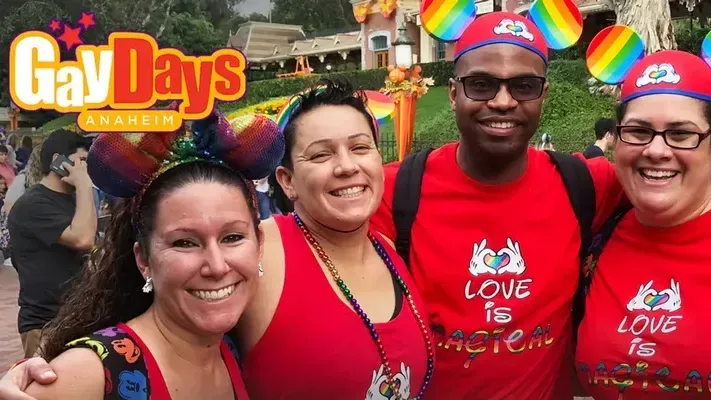
The twenty-eighth annual Gay Days at Disneyland are set to take place Friday, September 18 to Sunday, September 20. The event is expected to attract thousands of LGBTQ+ park-hoppers from California and all over the country. They will enjoy Disneyland in a way that it can only be experienced during Gay Days.
The twenty-eighth annualGay Days at Disneyland are set to take place Friday, September 18 to Sunday, September 20. The event is expected to attract thousands of LGBTQ+ park-hoppers from California and all over the country. They will enjoy Disneyland in a way that it can only be experienced during Gay Days.
Since the event began in 1998, the Disneyland Resort has welcomed this annual celebration and continues to do so even as some of the country’s culture wars aim their sights at Disney and the LBGTQ+ community.
Festivities begin on Friday at noon with the opening of the Gay Days Welcome Center/ Expo at the Grand Californian Hotel. At 7:00 PM, Cheyenne Jackson, fresh from starring opposite Maya Rudolph in Oh, Mary! on Broadway, takes to the stage with his new act, “That Guy from That Thing.” At 9:00, queer stand up comedian Zach Noe Towers returns to Gay Days debut with a night of comedy.
Saturday, September 19 will be Gay Day at Disneyland with a full day of activities and meet-ups scheduled in the park. The day culminates at House of Blues Anaheim with two performances featuring RuPaul’s Drag Race Global All Stars champion, Alyssa Edwards, in a brand-new show, “Once Upon a Tongue Pop” at 7:00 PM and 9:00 PM. At 10:00 DJ Paulo Ramirez. takes over for our signature dance party, KINGDOM!
Sunday, September 20 will be Gay Day at Disney's California Adventure with more in-park activitiesand at 11:00, Gay Days Drag Queen Bingo featuring Chico’s Angels star, Kay Sedia.
As the sun sets, we’ll close the weekend at 6:00 PM with more Drag Race favorites, Jackie Cox and Jan Sport in their show, Y2J, and then Irene the Alien, in “Diva Worship” at 8:00 PM.
VIP ticket packages are available now.
Both days in the parks will feature gatherings only available over Gay Days weekend, including a scavenger hunt, a group photo, a lesbian ice cream social, group meet ups at varying attractions, and many more events targeted to families, teens, bears, couples and Mouseketeers of every ilk. A complete schedule is available at the Gay Days website www.GayDaysAnaheiminfo.com
Other highlights of the weekend include the Gay Days Welcome Center (located inside the Trillium Room of Disney’s Grand Californian Hotel), a scavenger hunt, a gigantic group photo and mixers all over the resort.
Gay Days Anaheim is a "mix-in" with the park’s other weekend guests, but gays and lesbians are encouraged to wear red shirts in order to identify each other and to show strong numbers. Official T-shirts are available at the official Gay Days at Disneyland website.
Additionally, Gay Days guests can enjoy the exclusive discounts available at the three Disneyland Hotels. The rates are better than any pricing one could otherwise find throughout the year.
Gay Days Anaheim is NOT a Disney-sponsored event so Disney will not have any information regarding the "unofficial" happening.
Sponsors for the event include Delta, Howard Johnson Anaheim, and Radiant Health Center. Media sponsors are The Fight, Pink Media, and EDGE Media Network.
For complete details, including discounted hotel rooms and park tickets, visit www.GayDaysAnaheiminfo.com
by Gay Days Anaheim
Copyright EDGE Media Network. All rights reserved. This material may not be published, broadcast, rewritten, or redistributed.
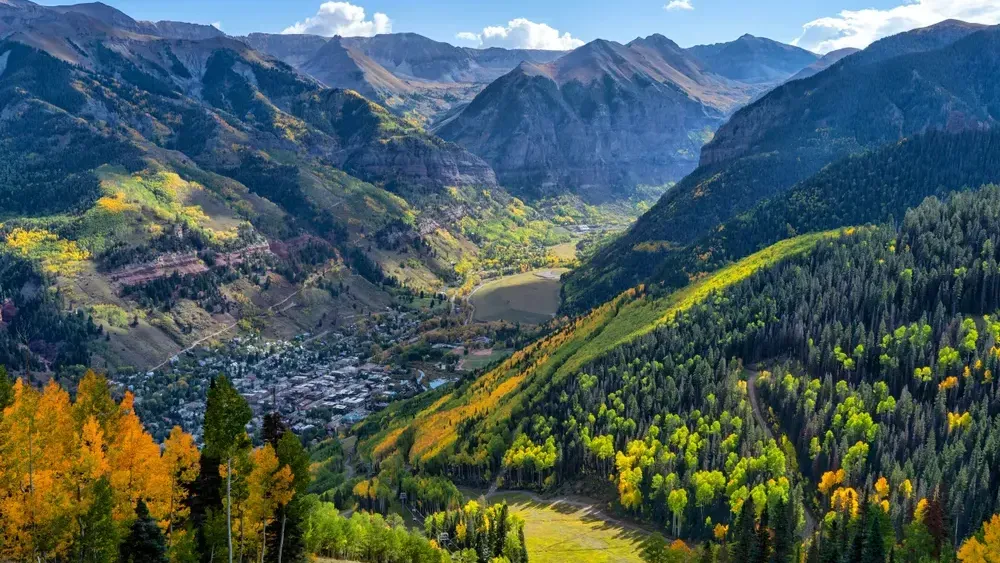
Tucked between red rock canyons and snow-dusted peaks, the former mining town of Salida, Colorado is emerging as an unexpectedly LGBTQ-friendly hub, drawing queer travelers who want art, rivers, and safety without the big-city scene.
On a summer evening in downtown Salida, Colorado, the Arkansas River glows copper in the late light, rafters float past in damp neoprene, and someone in sequins wheels a portable speaker into Riverside Park. A drag performer in hiking boots adjusts their wig against the breeze while a local family unfolds camp chairs nearby. No one stares. A few people wave.
For a growing number of LGBTQ+ travelers, this is the fantasy: not just rainbow crosswalks and nightclub districts, but a small mountain town where being visibly queer is about as remarkable as carrying a kayak helmet to dinner.
Salida—population around 6,000—has quietly become one of the most LGBTQ-friendly small destinations in the Rockies, even as nearby ski resorts and Denver soak up most of the tourism spotlight. Now, a visible queer community, a local Pride that has expanded from picnic to multi-event weekend, and an arts scene that actively centers inclusion are turning this high-desert outpost into a rural retreat where queer travelers can feel both seen and safe.
A river town with a rainbow current
Salida sits in Colorado’s “banana belt,” a pocket of comparatively mild climate surrounded by fourteen-thousand-foot peaks. The historic downtown, designated a creative district by the State of Colorado, is all brick storefronts, hand-lettered signs, and galleries spilling out onto the sidewalk. In winter, there’s Monarch Mountain’s powder. In summer, there’s whitewater, biking, and hot springs.
That mix—outdoor access plus artsy downtown—has increasingly drawn LGBTQ+ residents and visitors, reflecting a broader trend of queer people seeking community in smaller, more affordable places. Time Out has noted that LGBTQ-friendly small towns often share a combination of scenic beauty, creative culture, and vocal local allies; Salida now fits that pattern even though it’s not yet on most national lists.
Officially, Salida brands itself as “the Heart of the Rockies.” Unofficially, local queer residents are building a quieter tagline: “come for the river, stay because no one cares who you hold hands with.”
From informal hangouts to an official Pride
Salida Pride, the town’s LGBTQ+ festival, grew out of informal gatherings and has evolved into a more structured event schedule, including a family-friendly celebration at Riverside Park, drag performances, and community resource tables. The organization describes its mission as “celebrating and advancing equality, dignity, and visibility” for LGBTQ+ people in Salida and surrounding Chaffee County.
Photos from recent Salida Pride weekends show trans flags draped over camp chairs, kids chalking rainbow hearts on the pavement, and older residents in hiking hats dancing to live music. Unlike the huge corporate-branded parades in major cities, Salida’s Pride feels more like an extended potluck beside a very scenic river—if potlucks included spontaneous vogueing on the grass.
Salida Pride’s events sit within a broader Colorado context where state law explicitly prohibits discrimination based on sexual orientation and gender identity in public accommodations and employment, and where conversion “therapy” for minors is banned. That legal framework matters for queer travelers choosing where to spend their money and their vacation days.
Visible queer leadership in an arts-first downtown
Salida’s historic district is designated as a Colorado Certified Creative District, a program created to support arts-driven economic development. Galleries, studios, and performance spaces line F Street and the surrounding blocks, and several are owned or run by LGBTQ+ people or vocal queer allies.
For queer travelers, that arts infrastructure isn’t just about buying a locally thrown mug. It means spaces where creative expression and experimentation are normal, which can translate into safer environments for LGBTQ+ self-expression. Time Out’s analysis of queer-friendly small towns notes that places with strong creative economies often report more visible and integrated LGBTQ+ communities, even without a formal “gayborhood.”
Local venues and collectives—such as those listed by the Salida Creative District —regularly host drag shows, queer musicians, and LGBTQ+ themed art openings, especially during Pride month and peak summer. While individual lineups change seasonally, recent schedules have included cabaret-style performances, gender-bending costume nights, and open mics where nonbinary poets share the stage with folk singers in river sandals.
Safety, politics, and the “rural Colorado” question
Rural America is often portrayed as hostile terrain for LGBTQ+ people, but the reality is uneven and layered. National reporting has highlighted how queer communities have taken root in smaller, politically mixed locales, building networks of mutual support even when state policies lag behind.
In Salida’s case, local politics do not map neatly onto national talking points. Chaffee County has shown a mix of voting patterns over the past decade, reflecting both longtime residents and newer arrivals. However, public support for local LGBTQ+ events and the absence of major publicized anti-LGBTQ+ incidents in recent years have helped queer residents feel more comfortable being out, according to profiles in regional media and community organizations.
The broader state context also matters. Colorado ranks relatively high on LGBTQ+ legal equality indices, with protections in housing, public accommodations, and employment, and with hate-crime laws that include sexual orientation and gender identity. For many queer travelers, especially transgender people and queer families, that policy baseline is a core part of feeling safe enough to book a trip.
A basecamp for queer outdoor lovers
Salida’s geography is pure adventure catalogue: the Arkansas River’s famed whitewater, the Sawatch Range looming on the horizon, and miles of singletrack and forest roads within a quick drive. Colorado Parks and Wildlife notes that Chaffee County is home to extensive public lands, from Browns Canyon National Monument to nearby trailheads leading into the San Isabel National Forest.
Traditionally, outdoor culture has skewed macho and heteronormative, but LGBTQ+ outdoor organizations have been reshaping that landscape across North America. Groups such as The Venture Out Project and LGBTQ+ hiking collectives have shown that queer people are increasingly claiming trails, rivers, and climbing routes as spaces for community and healing.
While Salida is not formally branded as an LGBTQ+ outdoor hub, local outfitters and guide companies have publicly highlighted their commitment to inclusion and have hosted Pride-adjacent events and fundraisers, according to regional travel pieces and local business profiles. That kind of explicit allyship—from using inclusive language in marketing to training staff on respectful pronoun use—can make the difference between a transgender traveler feeling comfortable renting a wetsuit and opting out entirely.
For many LGBTQ+ visitors, the appeal is the ability to move between queer-affirming downtown spaces and wild landscapes in a single afternoon: a morning rafting trip with a guide who doesn’t flinch at they/them pronouns, an afternoon gallery stroll, then an evening drag show where you find the same bartender from your lunch shift cheering in the front row.
Lodging where pronouns are part of the welcome
Travel guides increasingly stress that queer-friendly lodging is less about rainbow stickers and more about everyday respect: correct pronouns at check-in, no awkward questions about bed configurations, and staff who understand that two women or two men checking in together are very likely a couple.
Salida’s accommodation landscape skews toward small: boutique hotels, riverside motels, bed-and-breakfasts, and vacation rentals in renovated miners’ cottages. While individual policies vary, several downtown properties highlight inclusivity and diversity on their websites or social media, aligning themselves with Colorado’s reputation as an LGBTQ+-friendly destination.
IGLTA and similar organizations recommend that LGBTQ+ travelers look for lodging that explicitly mentions nondiscrimination policies or inclusive practices on their sites, and that they prioritize destinations in states with strong legal protections—boxes that Salida and Colorado generally check.
How it feels to arrive as a queer visitor
While every traveler’s experience is individual, patterns emerge in reporting about LGBTQ+ visitors to smaller, progressive-leaning towns: people describe an initial wariness—especially for transgender people and queer couples of color—followed by cautious relief when they realize they are not the first visibly queer people to walk down Main Street.
In Salida, that emotional arc is helped along by physically visible cues: Pride flags in shop windows, event posters using inclusive language, and a mix of visitors and locals whose gender expression reads as delightfully nonconforming—from queer-coded river guides in cutoffs to nonbinary artists in paint-splattered overalls.
National LGBTQ+ organizations emphasize the importance of this “felt safety,” which extends beyond legal protections into everyday interactions: who smiles back when you hold hands, whether a bartender corrects a misgendering, how a local responds if you ask about the nearest gender-neutral restroom. These micro-moments can make or break a trip.
Reports from Colorado’s smaller creative towns—including Salida—indicate that many queer residents and visitors experience a strong sense of community grounded in repeated casual kindness: neighbors who show up en masse for Pride, straight river rats who recommend the best café for queer-friendly wifi time, and older residents who quietly mention that they’ve had a gay cousin “forever” and don’t see what the fuss is about.
Getting there (and getting oriented)
Reached by a two-and-a-half to three-hour drive from Denver or Colorado Springs, Salida is remote enough to feel like an escape but close enough for a long weekend. Most visitors arrive by car; once in town, downtown is walkable, with bike rentals widely available.
Queer travelers planning a trip can start with state and regional resources that highlight LGBTQ+-inclusive businesses and events across Colorado. Salida Pride’s channels and the Salida Creative District’s website list up-to-date event calendars, including Pride-month happenings, art walks, and performances with explicit queer themes.
For transgender and nonbinary travelers, organizations such as Advocates for Trans Equality (A4TE) and the Transgender Law Center offer state-by-state guides to ID requirements, healthcare access, and airport navigation, which can be useful when planning any trip that involves air travel into Colorado.
Why Salida matters in the bigger queer travel story
Salida is not Provincetown, Palm Springs, or Fire Island—and that’s the point. National travel media have begun celebrating a wider constellation of LGBTQ-friendly small towns, from Northampton, Massachusetts, to New Hope, Pennsylvania, and Eureka Springs, Arkansas, as queer people look for spaces that feel intimate, affordable, and integrated into local life.
Salida sits just outside that emerging canon: not yet widely marketed as a “gay town,” but steadily building the infrastructure—Pride celebrations, visible queer residents, inclusive arts spaces, and outdoor businesses that actively welcome LGBTQ+ people—that define truly affirming destinations.
For queer travelers exhausted by legislation targeting LGBTQ+ rights in parts of the United States, especially attacks on transgender health care and drag performance, choosing where to spend tourism dollars has become a form of quiet political expression. Destinations like Salida—where state law affirms LGBTQ+ dignity and local culture follows suit—offer a vision of what queer-friendly rural travel can be: not an exception, but a new kind of normal.
And there is something quietly radical about watching drag performers lip-sync in front of snowcapped peaks while rafters drift by, barely glancing up. In a time when visibility can feel dangerous in many places, Salida’s gift to LGBTQ+ travelers is deceptively simple: the freedom to be unforgettable if you want to be—or just another pair of muddy hiking boots in the crowd.
by Chris Tremblay
Copyright EDGE Media Network. All rights reserved. This material may not be published, broadcast, rewritten, or redistributed.
Bendigo, in central Victoria, is not the first Australian city that appears on most LGBTQ+ travel lists, but it is increasingly presenting itself as a culturally rich and inclusive stop for queer travelers.
Bendigo is the kind of destination that rewards travelers who prefer a slower, more layered kind of city break: grand gold-rush architecture, a strong gallery and museum culture, tree-lined avenues, cellar doors and a local rhythm that feels distinct from Australia’s better-known queer tourism hubs. It is not typically the first name on LGBTQ+ travel lists, which are more likely to foreground Sydney, Melbourne or coastal resort destinations, but it sits within a national context that is explicitly supportive of LGBTQ+ visitors. Australia legalized same-sex marriage in 2017, and the International LGBTQ+ Travel Association says discrimination based on sexual orientation and gender identity or expression is prohibited in every state and territory, with federal protections also in place.
That legal backdrop matters for queer travelers, but Bendigo’s emerging appeal is also cultural. The city is known for its historic streetscapes and major arts institutions, including the Bendigo Art Gallery and the Bendigo Joss House Temple, which reflect the city’s layered colonial and migration histories. Bendigo Tourism describes the city as a place where heritage and contemporary culture sit side by side, shaping an experience that is more than a simple weekend stop.
For LGBTQ+ travelers, that kind of setting can be significant. Regional destinations often feel more intimate than major cities, and Bendigo’s compact center makes it easy to move between galleries, cafés, parks and heritage sites without the friction of a larger urban itinerary. The city’s tourism and cultural institutions consistently emphasize accessibility to its central precinct, which can make it an attractive base for travelers who want a relaxed stay rather than a nightlife-heavy trip.
A regional city with visible community signals
What makes Bendigo especially interesting as a queer-friendly destination is not a single marquee event, but a combination of visible signals. Regional Pride activity in central Victoria has become more established in recent years, with local groups and civic organizations using the city’s public spaces to mark inclusion and community visibility. These events are important because they indicate that queer life in Bendigo is not confined to private networks or metropolitan spillover; it has a public footprint.
Bendigo Pride Festival presents itself as a locally rooted celebration of LGBTQ+ communities in the region, and its existence points to a broader shift in how regional Australian cities are positioning themselves. Rather than relying only on “safe” branding, Bendigo is building a civic identity that includes queer people in the story of the city. That is especially relevant for travelers who want more than tolerance: they want evidence of participation, representation and ordinary belonging.
Local institutions also reinforce that message. The City of Greater Bendigo has public inclusion and diversity policies that frame the municipality as a community serving residents and visitors of differing identities and backgrounds. While a policy alone does not define the lived experience of every traveler, it does provide an institutional baseline that many LGBTQ+ visitors look for when deciding where to spend time and money.
Why Bendigo feels different from the usual LGBTQ+ circuits
Bendigo does not compete with Sydney’s Mardi Gras scale or Melbourne’s larger queer nightlife ecosystem, and that is precisely why it can stand out. Its value lies in offering a different model of queer-friendly travel: one centered on culture, daylight experiences and regional hospitality rather than an identity-specific entertainment district. That approach aligns with a broader pattern in LGBTQ+ travel, where many travelers increasingly seek places that are welcoming in everyday life rather than only during festival weekends.
The city’s arts institutions add depth to that experience. The Bendigo Art Gallery has a national profile for major exhibitions, which helps give the city a cosmopolitan edge uncommon in a regional center of its size. The gallery’s programming, combined with Bendigo’s heritage architecture and seasonal food-and-wine culture, makes it possible to build a trip that feels intellectually and aesthetically rich without leaving central Victoria.
Bendigo’s regional setting also matters because it reflects a broader Australian reality: LGBTQ+ travelers are not limited to the country’s largest cities. The national legal framework is comparatively strong, and state and territory protections are broadly established, which helps create the conditions for smaller destinations to market themselves as inclusive. In practice, that means a traveler can choose Bendigo for its architecture, food, art and slower pace without having to treat queer safety as an afterthought.
Local texture: heritage, food and the kind of small-city ease that can feel welcoming
A hidden-gem destination often succeeds because its physical character supports a sense of ease, and Bendigo has that quality in abundance. Its streets are defined by the wealth of the nineteenth-century gold rush, and the city has preserved enough of that era’s civic ambition to make a walk through the center feel like a tour through Australian history. At the same time, Bendigo’s tourism materials emphasize contemporary dining, creative production and wine-country day trips, which means the city does not read as a museum piece.
For queer travelers, that balance can be attractive. A place does not need a sprawling gayborhood to feel inclusive; it needs legible public spaces, cultural institutions that welcome broad audiences and a civic culture that does not insist visitors stay invisible. Bendigo’s appeal is that it offers all three in modest but recognizable form.
The city also benefits from being close enough to Melbourne to be accessible, but far enough away to feel like a change of pace. That makes it a useful add-on for travelers building a broader Victoria itinerary. Visitors can combine Bendigo with regional wine, country hospitality and the city’s museum and gallery circuit, creating a trip that is rooted in place rather than in the usual resort template.
What queer travelers are likely to notice
The most meaningful thing about Bendigo may be that it offers a quieter version of welcome. Queer travelers who have often had to decode whether a destination is safe, visible or merely marketing itself as friendly may find Bendigo’s strongest asset is its normalcy: a regional Australian city where inclusion is increasingly embedded in civic life, where cultural institutions are central to the visitor experience and where Pride has a local home.
That does not make Bendigo a queer capital, and it should not be described as one. But it does make the city a credible candidate for travelers looking for a place that is off the obvious route yet still grounded in real infrastructure, public visibility and a national framework of legal protection. In a travel market often dominated by the same handful of LGBTQ+ destinations, that is enough to make Bendigo feel like a hidden gem with room to grow.
by Chris Tremblay
Copyright EDGE Media Network. All rights reserved. This material may not be published, broadcast, rewritten, or redistributed.
Whether he’s getting rare access inside Big Ben’s Great Clock, sampling the generations old art of cheese making at Quatrehomme Paris, drifting off in a surreal dreamscape at Queztacoatl’s News in Mexico City or handing out medals alongside world-class volunteers at the finish line of the New York City Marathon, each stop cracks open a vivid slice of the culture, craft and creativity that brings the very best of the world to vibrant life.
Inspired by National Geographic’s acclaimed “Best of the World’ franchise, the series follows Emmy winner Antoni Porowski, known for his food and culture storytelling, as he sets out to uncover what truly makes a destination unforgettable. From iconic landmarks to hidden gems, he explores Mexico City, Paris, London, and his hometown of New York City, seeking out the people, flavors, and experiences that extend beyond the guidebook.
Whether he’s getting rare access inside Big Ben’s Great Clock, sampling the generations old art of cheese making at Quatrehomme Paris, drifting off in a surreal dreamscape at Queztacoatl’s News in Mexico City or handing out medals alongside world-class volunteers at the finish line of the New York City Marathon, each stop cracks open a vivid slice of the culture, craft and creativity that brings the very best of the world to vibrant life.
I spoke with Antoni about uncovering the moments—and people—that make each destination unforgettable.
by Steve Duffy
Copyright EDGE Media Network. All rights reserved. This material may not be published, broadcast, rewritten, or redistributed.