With a Historic 3 Michelin Stars, a Mexican Restaurant in San Francisco Defies Stereotypes
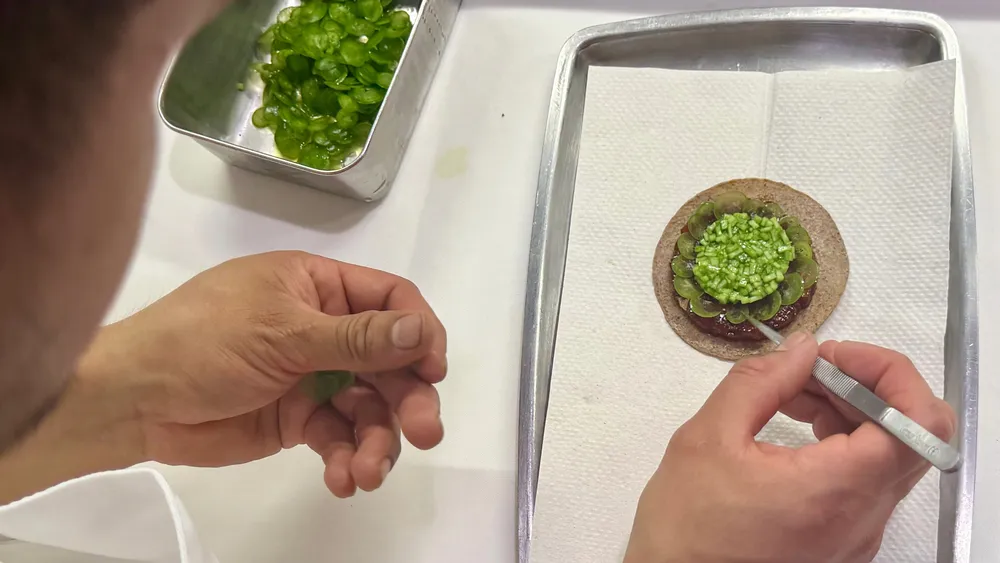
A tostada with bluefin tuna is prepared at Californios in San Francisco on Thursday, July 16, 2026. Photo Credit: AP Photo/Haven Daley

Chef Val Cantú and his team at Californios in San Francisco have earned a historic third Michelin star, the first for a Mexican restaurant worldwide
After an eight-year wait, the historic third Michelin star that chef and co-owner Val Cantú and his team at San Francisco's Californios craved is theirs. It's a first for any Mexican restaurant worldwide. So it's understandable he and his 40-person staff have more swagger.
Copyright Associated Press. All rights reserved. This material may not be published, broadcast, rewritten, or redistributed.
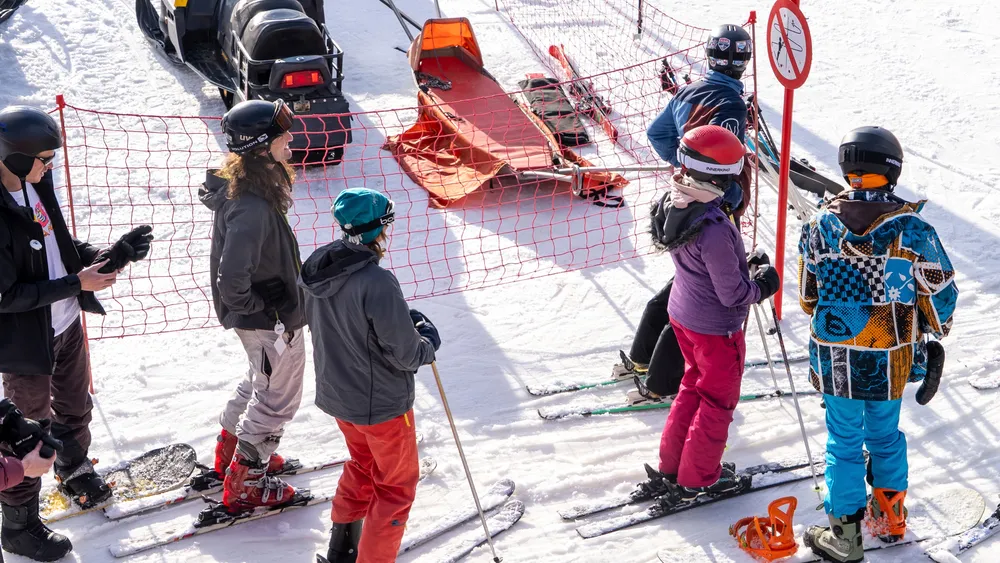
Lesotho attracts thousands each winter to its unique ski resort, the only such tourist attraction in sub-Saharan Africa
One may not expect thousands to flock each winter to Lesotho but for many ski enthusiasts from across southern Africa, the small, landlocked mountain kingdom has become the go-to place in recent years.
Copyright Associated Press. All rights reserved. This material may not be published, broadcast, rewritten, or redistributed.
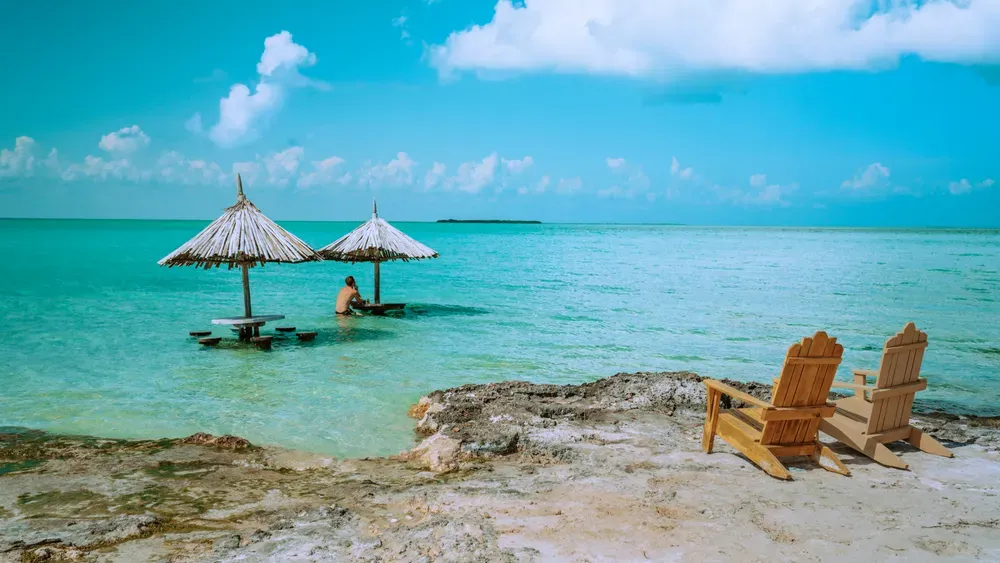
Tourism in Belize is projected to top pre-COVID tourism numbers by more than 10%. That record-breaking tourism, driven by expanding U.S. air service and a major airport modernization, has transformed Belize into one of the Caribbean's fastest-growing destinations for American travelers.
Tourism in Belize is projected to top pre-COVID tourism numbers by more than 10%. That record-breaking tourism, driven by expanding U.S. air service and a major airport modernization, has transformed Belize into one of the Caribbean's fastest-growing destinations for American travelers.
Copyright Associated Press. All rights reserved. This material may not be published, broadcast, rewritten, or redistributed.
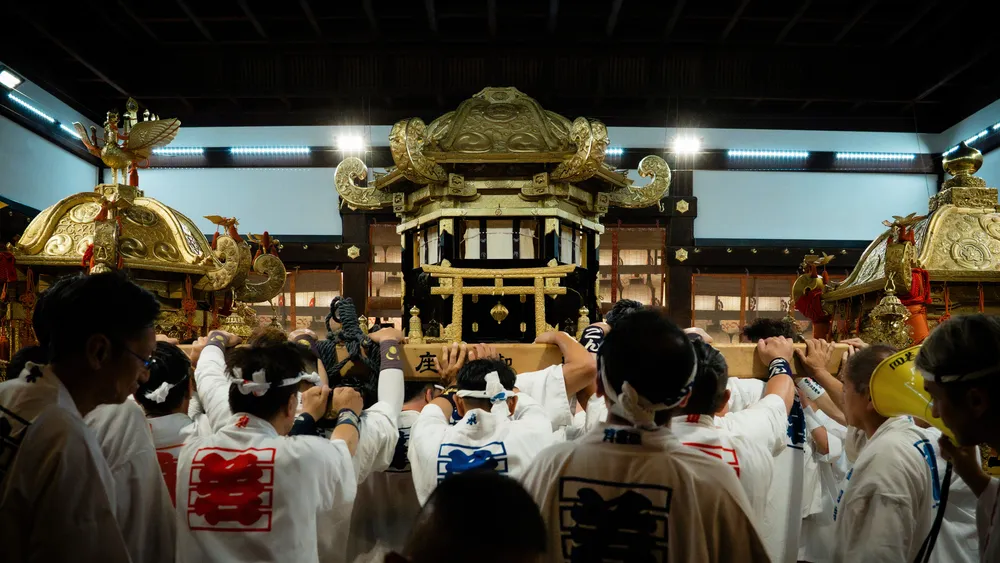
In Japan, the Gion Matsuri festival brings towering floats to the streets in Shinto religious processions that are rooted in rituals dating back more than 1,000 years and that were intended to ward off epidemics
There’s a special moment when Katsushi Horikawa feels closer to the gods. It comes as he rides atop one of the towering floats pulled through the streets in a centuries-old procession in Japan.
Copyright Associated Press. All rights reserved. This material may not be published, broadcast, rewritten, or redistributed.
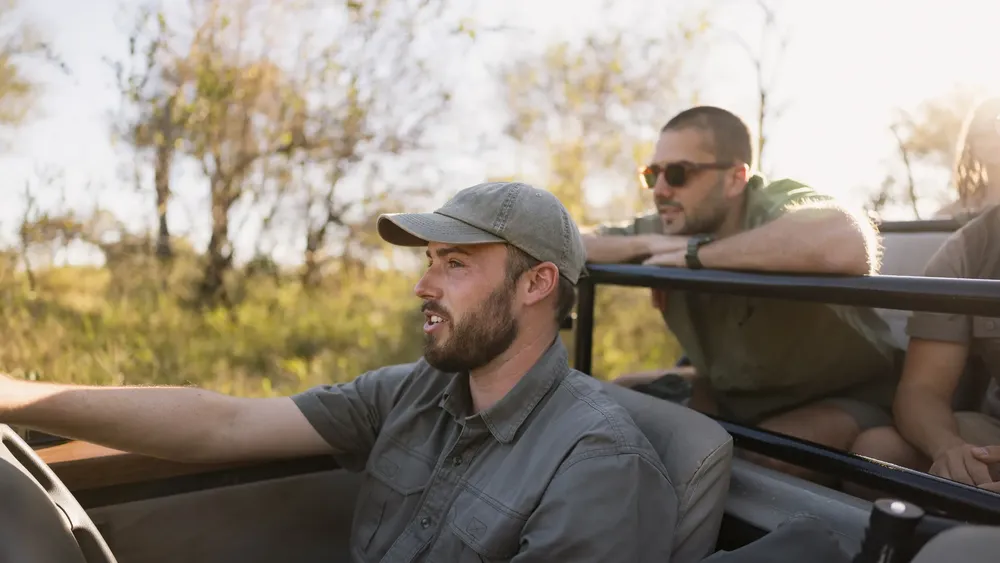
The wedding is over, and the couple has already taken a quick trip away, a long weekend somewhere warm and close. The honeymoon itself is still to come. More American couples are splitting the tradition into two: a short getaway right after the wedding and a much bigger trip planned months or a year later, and the latter increasingly points toward Africa.
The wedding is over, and the couple has already taken a quick trip away, a long weekend somewhere warm and close. The honeymoon itself is still to come. More American couples are splitting the tradition into two: a short getaway right after the wedding and a much bigger trip planned months or a year later, and the latter increasingly points toward Africa.
Copyright Associated Press. All rights reserved. This material may not be published, broadcast, rewritten, or redistributed.
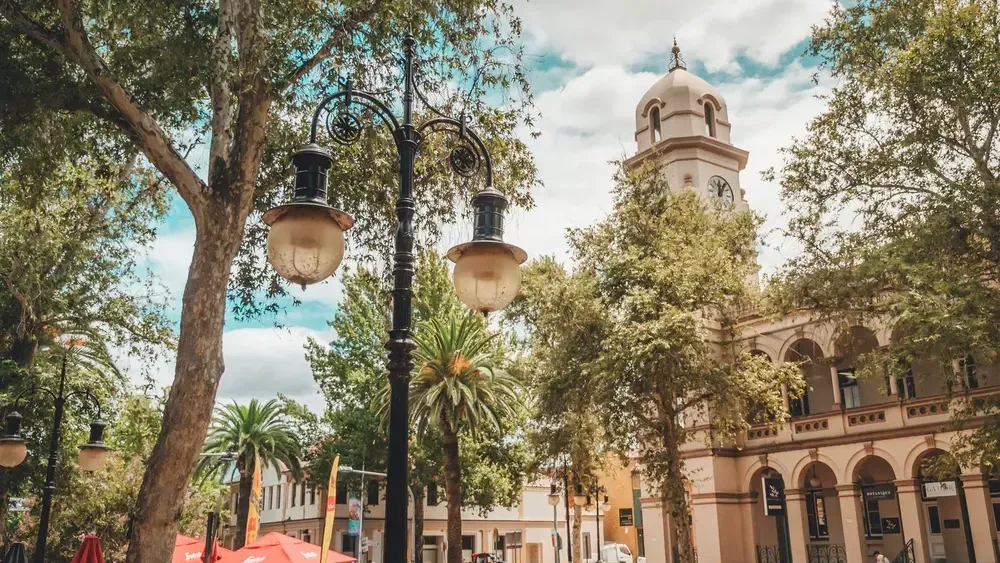
The regional city of Tamworth, New South Wales, is successfully moving beyond its traditional country music identity to establish itself as a welcoming and emerging hub for LGBTQ+ travelers.
Tamworth, New South Wales, has long been synonymous with the strumming of acoustic guitars and the wide-brimmed hats of the annual Country Music Festival. However, the regional city is increasingly recognized for a different kind of vibrancy: its growing and resilient LGBTQ+ community. Traditionally viewed as a conservative rural stronghold, Tamworth is undergoing a quiet revolution, transforming into a lesser-known but deeply welcoming destination for queer travelers seeking an authentic regional Australian experience without the exclusion of the past.
Copyright EDGE Media Network. All rights reserved. This material may not be published, broadcast, rewritten, or redistributed.
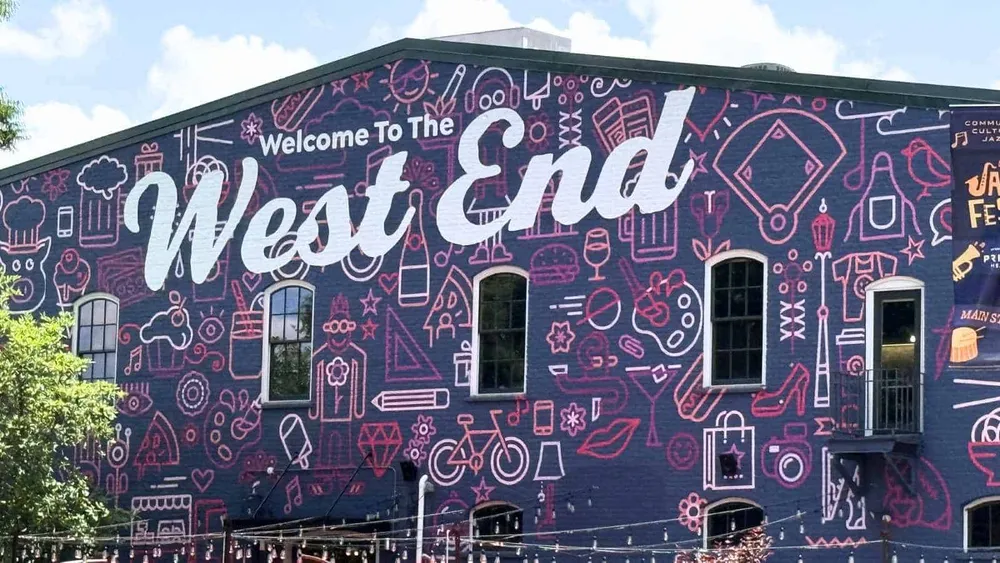
For years, Greenville, South Carolina, was a city travelers flew over on the way to somewhere better known, but lately it has become a destination in its own right. Tucked into the foothills of the Blue Ridge Mountains, the Upstate town has built a compact, walkable downtown around a waterfall park, a 28-mile rail trail and a cluster of museums, then added a food scene good enough to earn its first Michelin Star and host a season of "Top Chef."
For years, Greenville, South Carolina, was a city travelers flew over on the way to somewhere better known, but lately it has become a destination in its own right. Tucked into the foothills of the Blue Ridge Mountains, the Upstate town has built a compact, walkable downtown around a waterfall park, a 28-mile rail trail and a cluster of museums, then added a food scene good enough to earn its first Michelin Star and host a season of "Top Chef." Forty-eight hours is enough to eat well, get outside and take in the art, mostly without touching the car.
Copyright Associated Press. All rights reserved. This material may not be published, broadcast, rewritten, or redistributed.
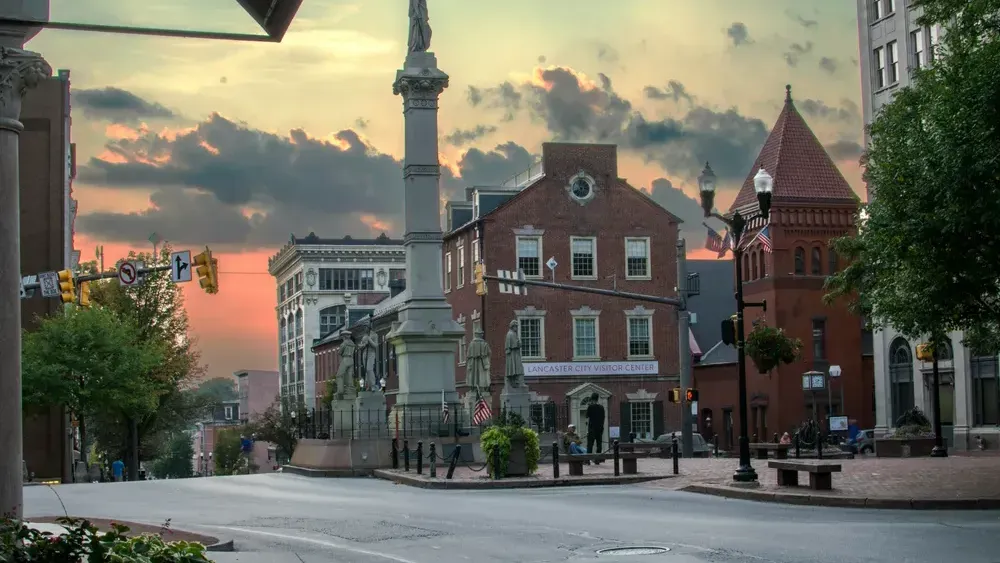
While often associated with its pastoral Amish heritage, Lancaster, Pennsylvania, has rapidly transformed into one of the most LGBTQ+ affirming small cities in North America.
Lancaster, Pennsylvania, is a city defined by its striking contrasts. For decades, travelers have flocked to the region for its rolling farmland and the traditional lifestyle of the Amish community. However, as of Monday, July 13, 2026, the city’s narrative is being rewritten by a vibrant, visible, and growing LGBTQ+ community that has turned this historic hub into a modern sanctuary. Located in a county that has historically leaned conservative, the city of Lancaster—with a population of approximately 58,000 residents—has emerged as a "shining beacon of hope" for LGBTQ+ individuals across the Mid-Atlantic .
Copyright EDGE Media Network. All rights reserved. This material may not be published, broadcast, rewritten, or redistributed.

Santas, Mrs. Clauses, and elves from around the world have gathered in Aalborg, Denmark, for the annual World Santa Claus Congress
While Europe's still in the throes of summer heat, it’s beginning to look a lot like Christmas in the Danish city of Aalborg.
Copyright Associated Press. All rights reserved. This material may not be published, broadcast, rewritten, or redistributed.

Psst! Can you keep a secret? There’s a hidden gem along California’s Central Coast that delivers everything travelers love about the Golden State—award-winning wine, scenic beaches, incredible food, and laid-back charm—without the sky-high prices or overwhelming crowds.
Psst! Can you keep a secret? There’s a hidden gem along California’s Central Coast that delivers everything travelers love about the Golden State—award-winning wine, scenic beaches, incredible food, and laid-back charm—without the sky-high prices or overwhelming crowds. Nestled between Santa Barbara and San Luis Obispo, Santa Maria Valley is the kind of destination where LGBTQ+ travelers can truly unwind, connect, and explore at their own pace.
Whether you’re planning a romantic same-sex couples’ getaway, a fun trip with chosen family, or a solo recharge filled with wine and wellness, Santa Maria Valley offers a warm, welcoming vibe that feels refreshingly authentic.
Santa Maria Valley is one of the world’s most dynamic wine-growing regions, producing complex and beautifully balanced wines thanks to its unique coastal climate. The region is especially celebrated for Pinot Noir, Chardonnay, and Syrah, though adventurous wine lovers will find plenty of varietals worth sipping.
Copyright EDGE Media Network. All rights reserved. This material may not be published, broadcast, rewritten, or redistributed.
We use cookies to analyze traffic and to ensure you get the best experience on our website. Read our Privacy Policy for more information.