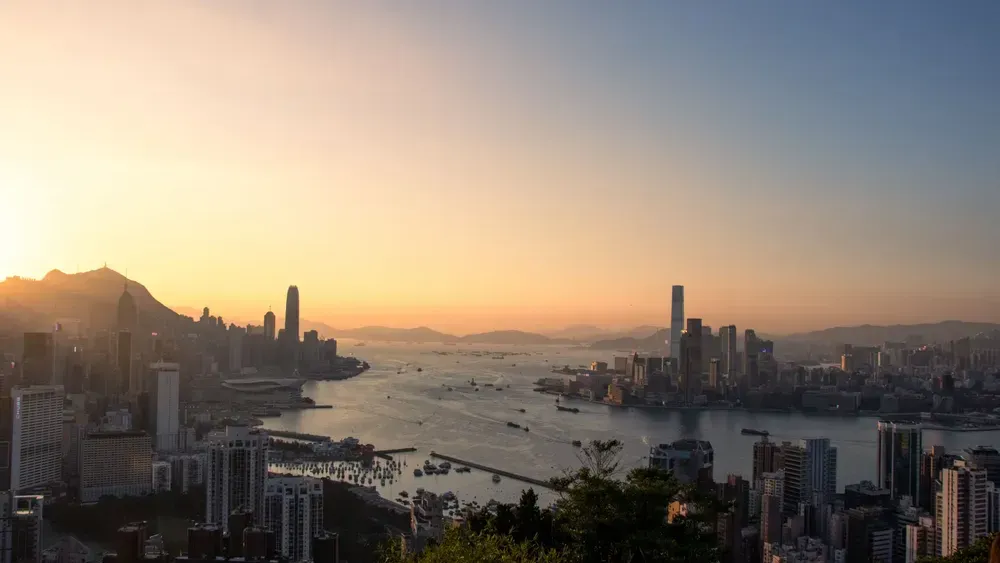
The 37th Hong Kong Lesbian and Gay Film Festival, held from September 4th through the 20th, brought international and local queer storytelling to cinemas across the territory while connecting travelers with Hong Kong’s dense neighborhoods, food traditions, nightlife, and creative communities.
Hong Kong’s appeal for queer travelers is less immediately visible than the nightlife districts of Bangkok, the Pride infrastructure of Taipei, or the beach resorts of Thailand and the Philippines. Its welcome is often found instead in cinemas, independent cultural venues, neighborhood restaurants, and a community accustomed to building visibility through art.
For visitors, the festival offered more than a schedule of screenings. It provided a practical way to encounter Hong Kong through the people and places that sustain its LGBTQ+ cultural life. Opening and closing events were held in partnership with Soho House Hong Kong, while the cinemas placed audiences in markedly different parts of the city: Broadway Cinematheque in Yau Ma Tei, Premiere Elements in West Kowloon, and Palace ifc in Central.
A festival that doubles as a city guide
The geographic spread of the festival mirrors Hong Kong’s character. A traveler can move from the neon-lit streets and market lanes of Yau Ma Tei to the polished towers of Central and then across to the museums, performance spaces, and waterfront promenades of West Kowloon. Hong Kong’s Mass Transit Railway provides connections between Hong Kong Island, Kowloon, and the New Territories, making it possible to build an LGBTQ+-focused itinerary without limiting a trip to one nightlife district.
Yau Ma Tei and nearby Jordan are particularly useful bases for travelers interested in the city’s everyday textures. Temple Street’s food stalls, herbal shops, small restaurants, and crowded sidewalks provide a sensory contrast to the festival’s darkened theatres. The area is also close to the waterfront and to the cultural institutions of West Kowloon, where visitors can pair a film screening with galleries, museums, or an evening walk.
Kowloon City offers a different kind of cultural itinerary. The Hong Kong Tourism Board describes the district as a place where historical layers can be explored through sites including Sung Wong Toi, the archaeological display at Sung Wong Toi MTR Station, and Kowloon Walled City Park. The neighborhood is also known for its Thai food community, giving travelers a chance to move beyond the conventional Central-and-Tsim Sha Tsui circuit.
For queer travelers, that combination of cultural depth and public transport is significant. A destination does not have to advertise itself exclusively as an LGBTQ+ resort to offer meaningful access to queer life. In Hong Kong, film festivals, bars, cafés, bookstores, arts venues, and social groups can form a network that is dispersed rather than concentrated.
Visibility through storytelling
The Hong Kong Lesbian and Gay Film Festival’s longevity is itself a marker of continuity. The 2026 edition was the festival’s 37th, and its programme was reported as its largest in recent years. It included films from across the world and used multiple thematic groupings to organize stories around different moods and experiences.
The programme also demonstrated how queer communities use cultural events to create public space. A festival screening is comparatively accessible: visitors can attend alone, with a partner, or with friends; listen to local audience reactions; and meet people in a setting organized around queer stories rather than around assumptions about identity. That makes cinema a particularly useful bridge for travelers who may not know Hong Kong’s community networks.
The festival’s official celebrations also extended beyond the theatre. The Beat Asia reported that the opening party took place at Soho House Hong Kong in Sheung Wan on September 4th and that the closing party was scheduled for September 19. Those events gave visiting audiences opportunities to participate in the social side of the festival while remaining connected to established local venues.
Other queer cultural activities were taking place during the same period. The Beat Asia listed the 2026 Hong Kong Lesbian and Gay Film Festival alongside Margarita Mile, a citywide cocktail trail running from 9/1 to 9/16 across 10 bars. Although Margarita Mile was not itself an LGBTQ+ event, its presence illustrated the city’s broader bar and hospitality infrastructure, which can give queer visitors options beyond explicitly LGBTQ+-branded venues.
A welcome with important limits
Hong Kong should not be presented as an uncomplicated LGBTQ+ haven. Its legal environment remains incomplete. The Equal Opportunities Commission has reported that Hong Kong does not have comprehensive anti-discrimination legislation covering sexual orientation, gender identity, or intersex status, and that same-sex couples cannot marry there under local law.
At the same time, Hong Kong’s courts and public institutions have recognized some rights and benefits for same-sex couples in particular circumstances. The Community Legal Information Centre states that overseas same-sex marriages may be regarded as valid for certain purposes, including immigration visas, inheritance, public rental housing, tax assessment, and parental rights, while emphasizing that same-sex couples still cannot marry in Hong Kong.
That distinction matters to travelers. Cultural visibility, social ease, and legal equality are not the same thing. A queer visitor may find a welcoming festival audience and an active creative scene while still needing to understand the limits of local legal recognition. Transgender travelers should also consult current official travel and identity-document guidance before departure, particularly if documentation does not align across bookings, immigration records, and identification.
The festival therefore matters not because it proves that every LGBTQ+ traveler will experience Hong Kong in the same way, but because it offers evidence of a durable public queer culture. Its 37-year history, international programme, and cooperation with multiple cinemas show a community able to claim space through storytelling and collective attendance.
Why Hong Kong is emerging as a hidden gem
Hong Kong’s strength as an emerging queer destination lies in its layering. A visitor can attend a lesbian and gay film screening, eat noodles or Thai food in Kowloon City, explore the history of Kowloon Walled City, ride the MTR across the harbor, and end the night in a community-linked bar or cultural venue. The experience is not built around one parade, one resort strip, or one officially designated LGBTQ+ quarter.
That makes the city especially attractive to travelers seeking queer culture alongside history, architecture, food, and cinema. The Hong Kong Lesbian and Gay Film Festival provides a timely anchor, but the deeper appeal is the network around it: audiences, filmmakers, venues, neighborhood businesses, and community organizers who keep queer stories visible.
Travelers planning a future visit should verify festival dates, venue locations, ticket availability, and local legal guidance directly with organizers and official institutions. The 2026 festival has ended, but its recent programme shows why Hong Kong deserves consideration as a culturally rich, less predictable destination for LGBTQ+ travelers in Asia.
Copyright EDGE Media Network. All rights reserved. This material may not be published, broadcast, rewritten, or redistributed.
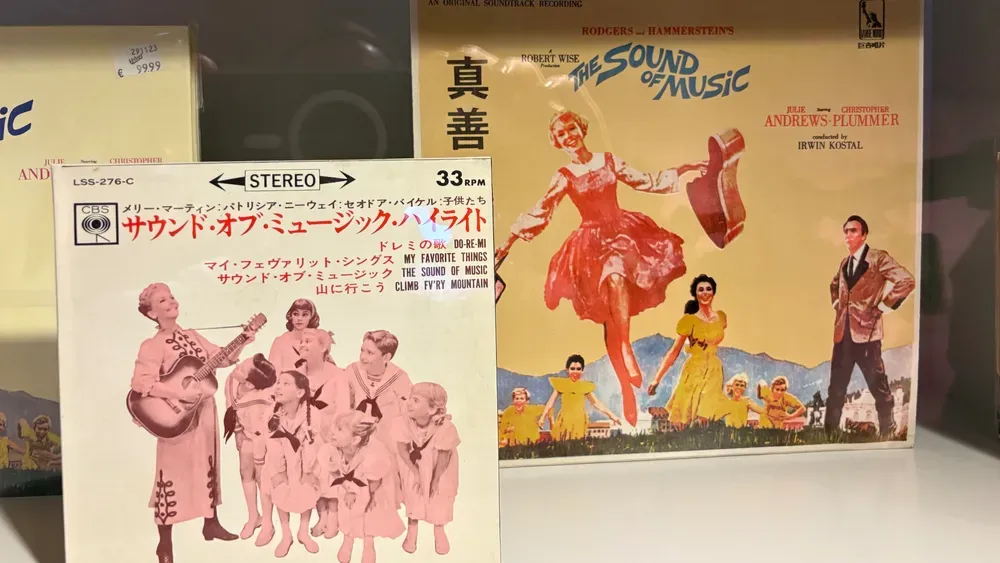
Sound of Music Museum Opens Where the Von Trapp Story Met Hollywood
An Austrian museum is now alive with “The Sound of Music.”
SALZBURG, Austria — An Austrian museum is alive with “The Sound of Music,” a first-ever venue devoted to the classic 1965 singalong movie starring Julie Andrews.
Copyright Associated Press. All rights reserved. This material may not be published, broadcast, rewritten, or redistributed.
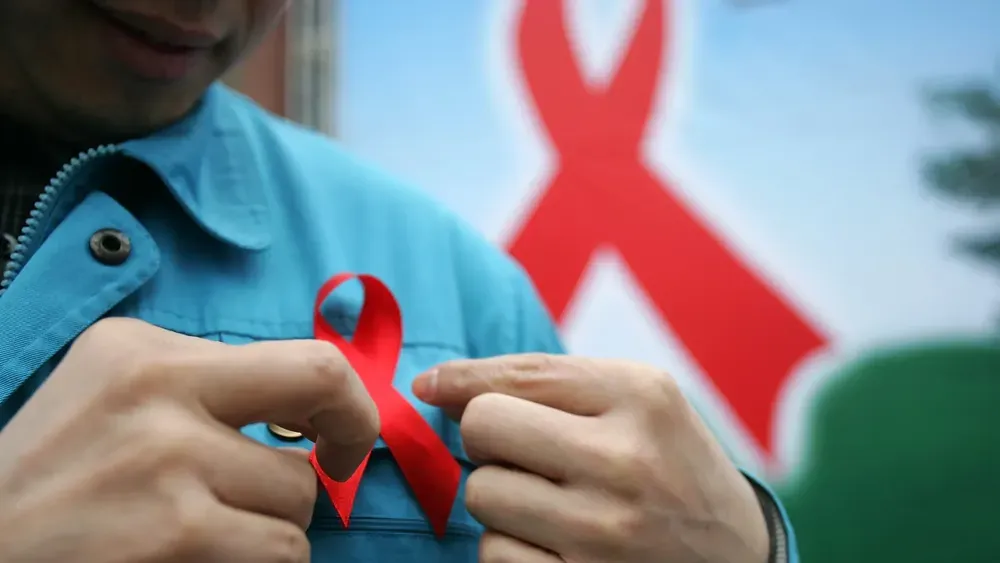
Fiji Declares National HIV Emergency as Diagnoses Surge
Fiji has formally declared HIV a national emergency after a sharp increase in new diagnoses, with health authorities estimating that approximately one in 60 adults is living with the virus.
Fiji formally declared HIV a national emergency on September 15, 2026, following a rapid rise in new infections and a government assessment that the existing outbreak response was no longer sufficient. Health and Medical Services Minister Ratu Atonio Lalabalavu said the declaration recognized “the seriousness of the epidemic and the urgent coordinated response our country now needs.”
Copyright EDGE Media Network. All rights reserved. This material may not be published, broadcast, rewritten, or redistributed.
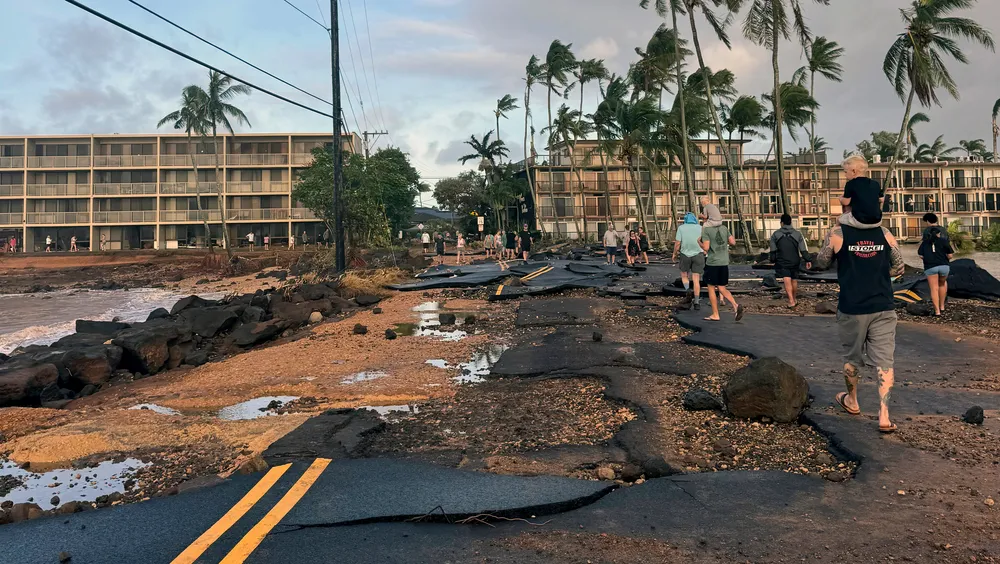
Kauai Small Businesses Ask Tourists to Return After Hurricane Lowell, With Aloha and Some Patience
In the days after Hurricane Lowell, officials asked tourists to stay away from Kauai to let island residents recover and responders clean up
Watching her staff happily hand out free meals for hundreds of residents outside their Wailua commercial kitchen, food truck co-owner Kelly Kakalia felt fulfilled.
Copyright Associated Press. All rights reserved. This material may not be published, broadcast, rewritten, or redistributed.
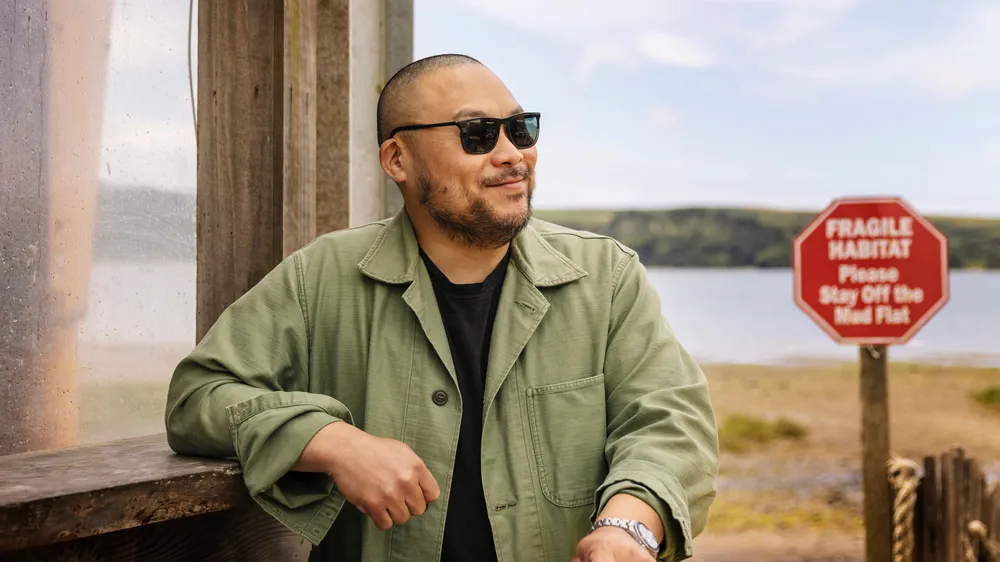
Chef David Chang Hits the Road Across the US in New Food-Centric CNN Travel Series
Chef David Chang's new CNN travel series, “The Detour with David Chang,” explores America's culinary landscape
In an episode of his new CNN travel series, chef David Chang is cruising down the highway on his way to Las Vegas when he stops at a humble truck stop off Interstate 15.
Copyright Associated Press. All rights reserved. This material may not be published, broadcast, rewritten, or redistributed.
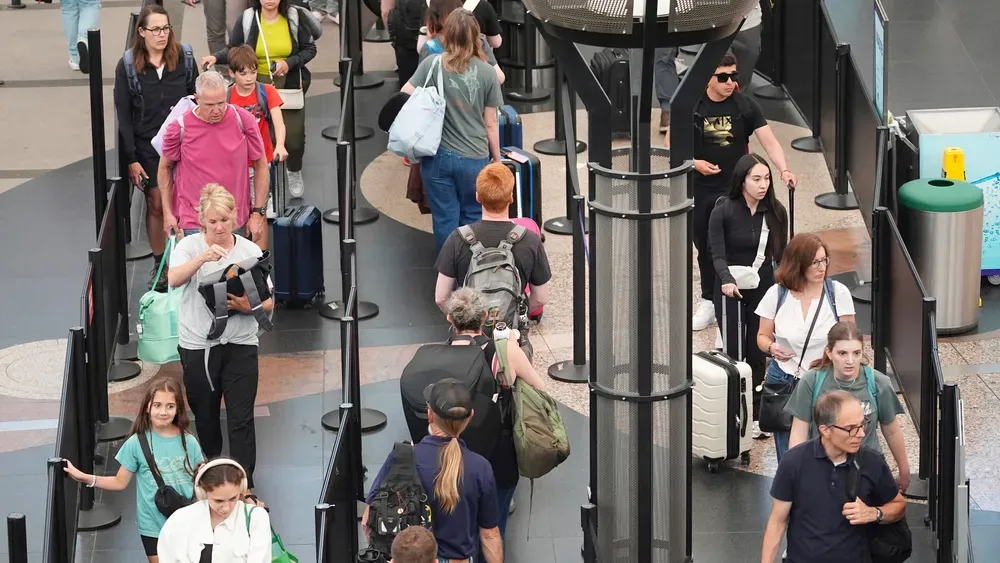
Travel Scams Are Getting Harder to Spot. Here's How to Stay Safe
If you're booking a trip soon, you need to watch out for travel scams
Pickpockets were once the biggest worry for travelers heading to new destinations on vacation.
Copyright Associated Press. All rights reserved. This material may not be published, broadcast, rewritten, or redistributed.
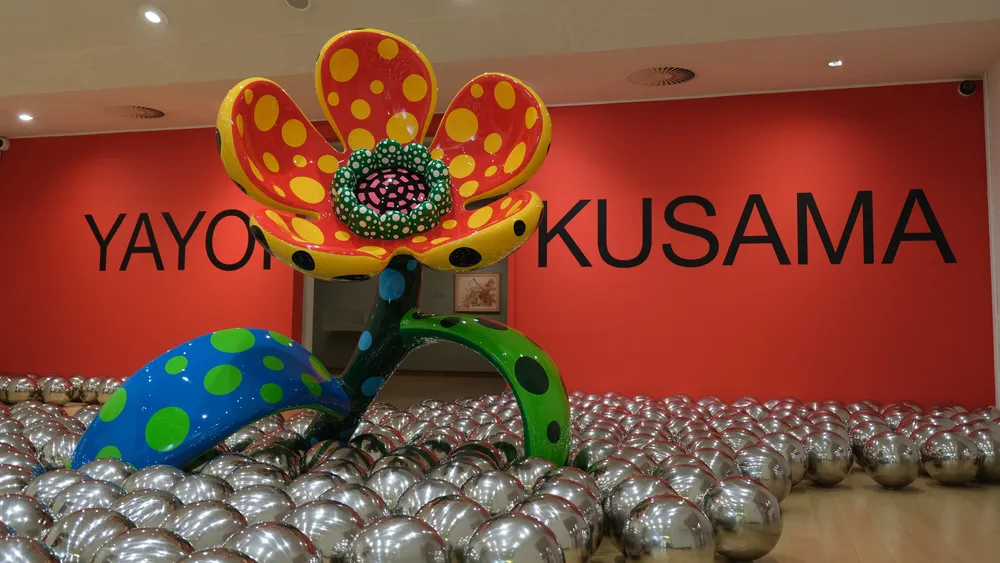
Amsterdam’s Stedelijk Museum Opens a Major Yayoi Kusama Exhibition After Her Death Last Month
Amsterdam's Stedelijk Museum is hosting a major exhibition of Yayoi Kusama's work, two weeks after the celebrated Japanese artist's death at 97
Yellow tentacles decorated with rhythmic patterns of dots swirl around a room, the patterns echoed on the floor and the walls. Reflections bounce off mirrors, blurring the boundaries of the space at Amsterdam 's Stedelijk Museum.
Copyright Associated Press. All rights reserved. This material may not be published, broadcast, rewritten, or redistributed.
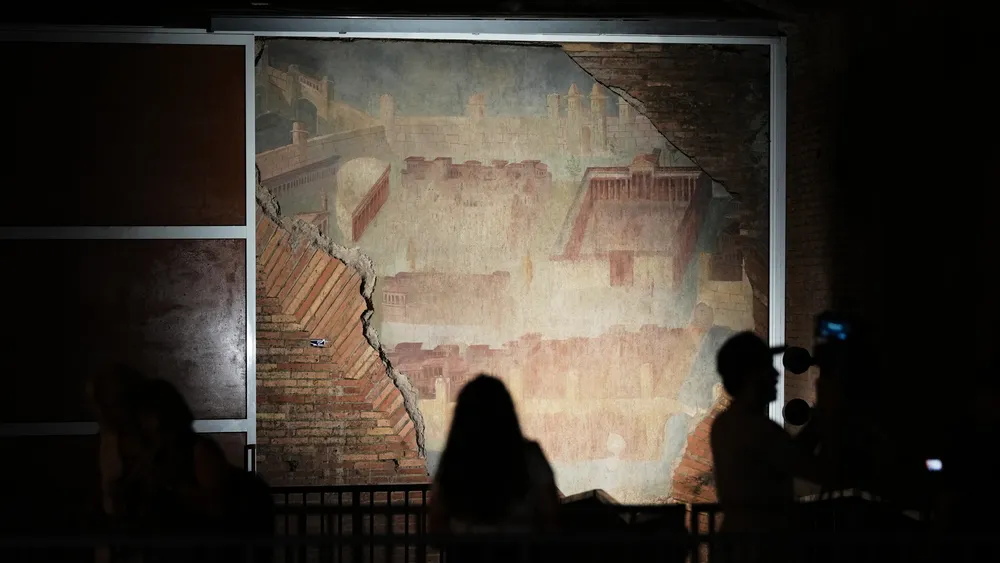
Ancient Rome's Biggest Fresco and Mosaic Opens to Visitors Three Decades After Discovery
Authorities in Rome have unveiled what is believed to be the largest fresco and mosaic complex of ancient Rome
Authorities on Tuesday unveiled what is believed to be the largest fresco and mosaic complex of ancient Rome, a 1st-century AD depiction of a maritime city in what became the largest bath complex in the world.
Copyright Associated Press. All rights reserved. This material may not be published, broadcast, rewritten, or redistributed.
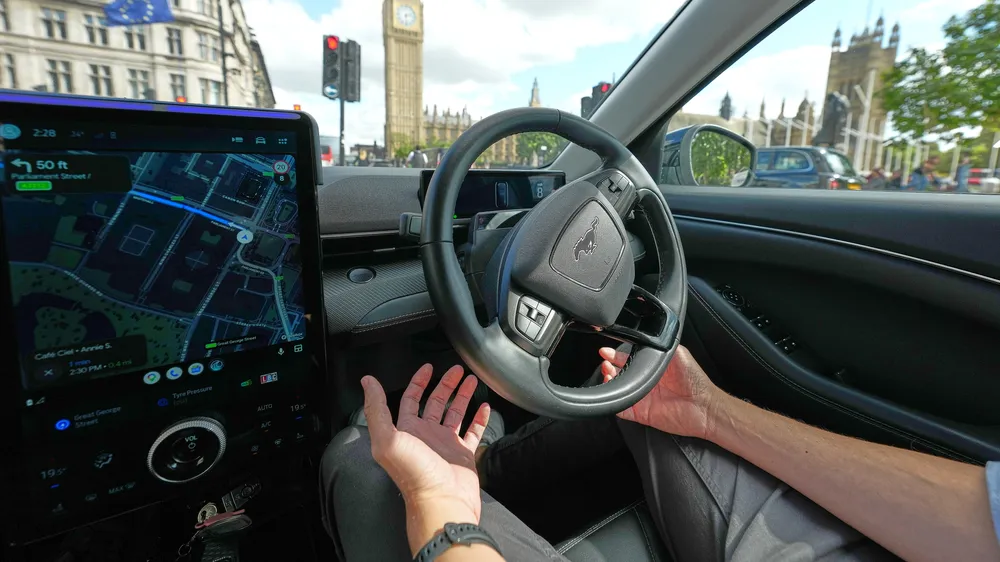
Robotaxi Service Debuts on London's Busy Streets As Europe Weighs More Self-Driving Vehicles
Uber and Wayve are launching a robotaxi service in London on Thursday, marking the city's first self-driving taxi service
Uber and British tech company Wayve are launching London's first self-driving taxi service on Thursday, giving residents a chance to use technology that's already available in many U.S. cities and other parts of the world.
Copyright Associated Press. All rights reserved. This material may not be published, broadcast, rewritten, or redistributed.
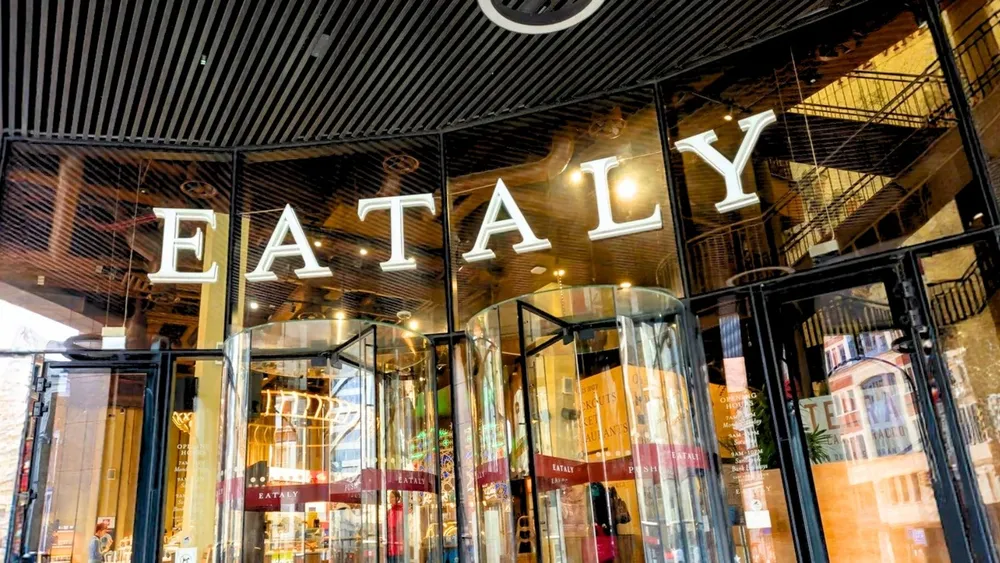
Food Halls Have Become a Destination in Their Own Right, and the Closest Luxury Hotels Are Just Minutes Away
The food hall used to be a stop on the way to dinner. Now it is dinner. A seat at a chef's counter, a glass of something poured by the person who imported it, a plate carrying a Michelin star a few minutes from where guests are sleeping: these used to mean a special trip across town. Now they're a short walk from the room. That pairing is showing up in cities from San Antonio to Newcastle, each one a luxury hotel within walking distance of a food hall.
A two-minute walk in San Antonio separates a converted 19th-century brewery from a former glass factory that now holds two Michelin-starred restaurants. Five minutes away in Edinburgh, a 19th-century church-turned-hotel sits close to a room full of Scottish cheese counters and chef-led kitchens. Food halls have become destination dining in their own right, not just a stop between sights, and in cities across the United States and the United Kingdom, a number of luxury hotels now put travelers within an easy walk of one.
Copyright Associated Press. All rights reserved. This material may not be published, broadcast, rewritten, or redistributed.
We use cookies to analyze traffic and to ensure you get the best experience on our website. Read our Privacy Policy for more information.