Discovering Laos: Asia's Under-the-Radar Haven for Queer Travelers
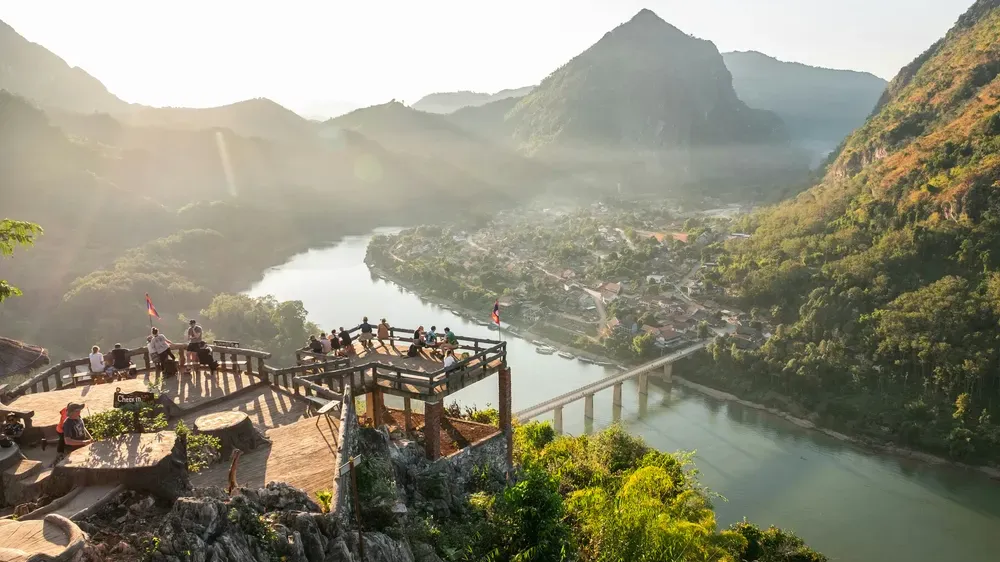
Photo Credit: UnSplash

Laos, a landlocked Southeast Asian gem often overshadowed by its flashier neighbors, is emerging as a safe and welcoming destination for LGBTQ+ travelers seeking authentic cultural immersion and natural beauty.
Nestled between Thailand, Vietnam, and Cambodia, Laos is Southeast Asia's only landlocked country, renowned for its unspoiled rivers, limestone karsts, and ancient Buddhist temples. Unlike tourist-saturated spots like Bangkok or Bali, Laos remains largely off the beaten path, drawing queer travelers who crave genuine encounters over commercialized scenes. A 2024 analysis of safest LGBTQ+ travel destinations in Asia ranks Laos seventh overall, ahead of Thailand and Nepal, due to its combined score of 51 points from general safety and LGBTQ+ rights metrics. This positioning highlights Laos'appeal: progressive enough in safety for worry-free exploration, yet traditional and rural, preserving a sense of discovery.
Copyright EDGE Media Network. All rights reserved. This material may not be published, broadcast, rewritten, or redistributed.
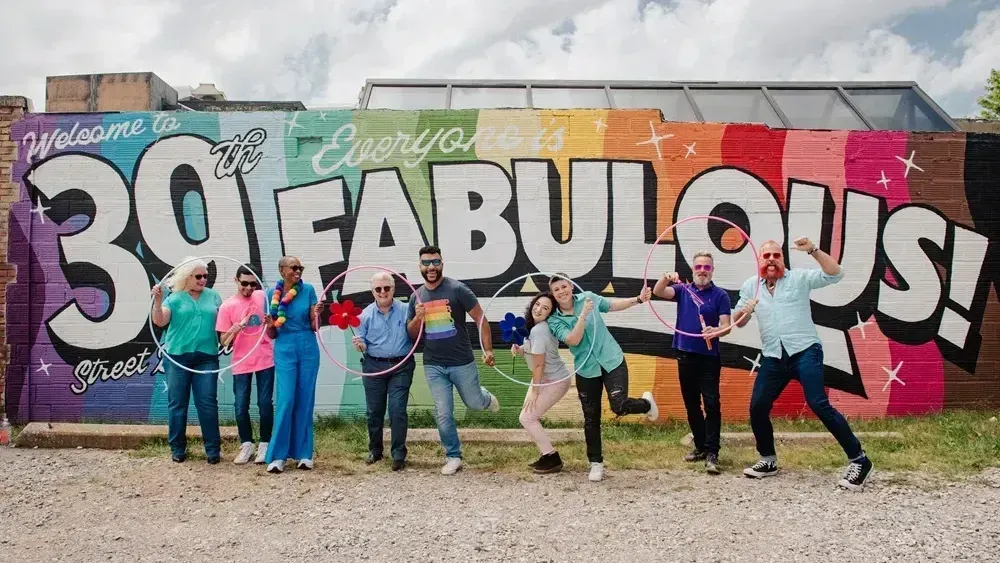
Oklahoma City isn’t a place that announces itself loudly. It doesn’t rely on spectacle or reputation to draw you in. Instead, it unfolds slowly, revealing its character in moments—over a cocktail at a neighborhood bar, in the glow of a gallery opening, or in a late-night conversation with someone who proudly calls this city home. For LGBTQ+ travelers, that sense of discovery is part of the appeal. What you’ll find here isn’t just a scene—it’s a community.
Oklahoma City isn’t a place that announces itself loudly. It doesn’t rely on spectacle or reputation to draw you in. Instead, it unfolds slowly, revealing its character in moments—over a cocktail at a neighborhood bar, in the glow of a gallery opening, or in a late-night conversation with someone who proudly calls this city home. For LGBTQ+ travelers, that sense of discovery is part of the appeal. What you’ll find here isn’t just a scene—it’s a community.
Copyright EDGE Media Network. All rights reserved. This material may not be published, broadcast, rewritten, or redistributed.
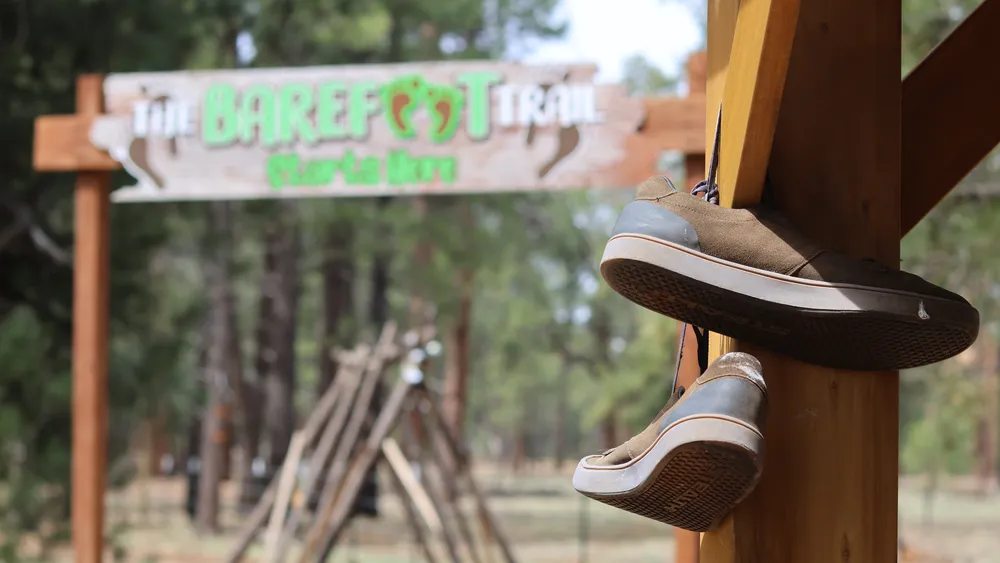
Barefoot trails located around the world invite visitors to get close to nature in a different way
At the edge of a trail in Germany’s picturesque Black Forest region, waterlogged steps sink into ankle-deep water and mud, requiring careful footing. An ocean away, a sandy trail in the ponderosa forests of northern Arizona demands treading just as deliberately when walkers reach a line of tree stumps arranged as stepping stones.
Copyright Associated Press. All rights reserved. This material may not be published, broadcast, rewritten, or redistributed.

Prada may play a title role in “The Devil Wears Prada 2,” premiering in Milan on Thursday, but fashion and the city itself are also in the spotlight
Prada may have a title role in “The Devil Wears Prada 2,” which premieres in Italy’s fashion capital on Thursday, but fashion at large gets a spotlight and Milan a supporting role.
Copyright Associated Press. All rights reserved. This material may not be published, broadcast, rewritten, or redistributed.
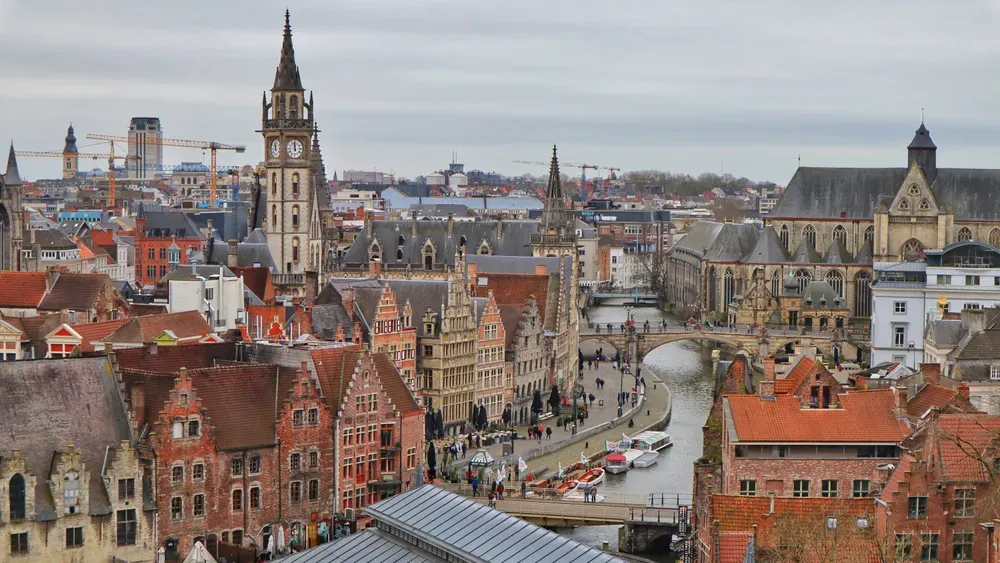
Nestled along charming canals in Belgium, Ghent emerges as a lesser-known queer-friendly destination in Europe, offering a relaxed yet vibrant atmosphere for LGBTQ+ travelers seeking authenticity over crowds.
Ghent, Belgium's third-largest city, captivates with its medieval skyline dominated by three towering towers—St. Bavo's Cathedral, Belfry, and St. Nicholas'Church—that pierce the sky along the Leie River. Unlike flashier European hotspots like Amsterdam or Berlin, Ghent remains off the beaten path for many queer travelers, yet it pulses with an understated inclusivity that feels both timeless and modern. Positioned just 30 miles northwest of Brussels, this compact city of around 260, 000 residents weaves a tapestry of Gothic architecture, street art, and canal-side cafés, where LGBTQ+ visitors report feeling effortlessly at ease.
Copyright EDGE Media Network. All rights reserved. This material may not be published, broadcast, rewritten, or redistributed.
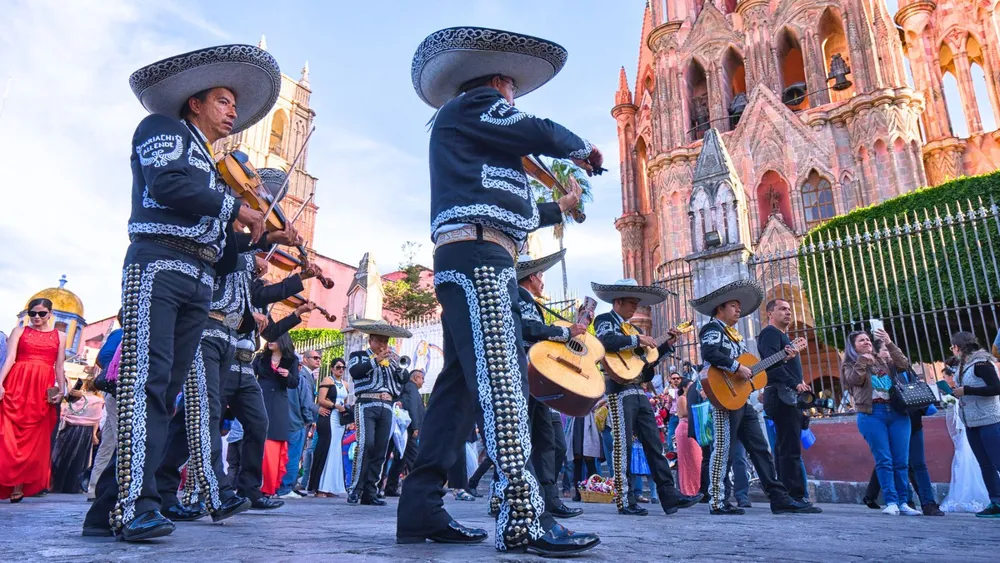
The New York Times recently named Querétaro, Mexico, as one of the 52 best places to go in 2026. Mexico City, Tijuana and Cancun may be the most well-known cities in the Republica Mexicana, but they only tell half the story. In the highlands of the Bajío, there are colonial cities the color of sunset and desert valleys laced with vineyards and cheese caves.
The New York Times recently named Querétaro, Mexico, as one of the 52 best places to go in 2026. Mexico City, Tijuana and Cancun may be the most well-known cities in the Republica Mexicana, but they only tell half the story. In the highlands of the Bajío, there are colonial cities the color of sunset and desert valleys laced with vineyards and cheese caves.
Copyright Associated Press. All rights reserved. This material may not be published, broadcast, rewritten, or redistributed.
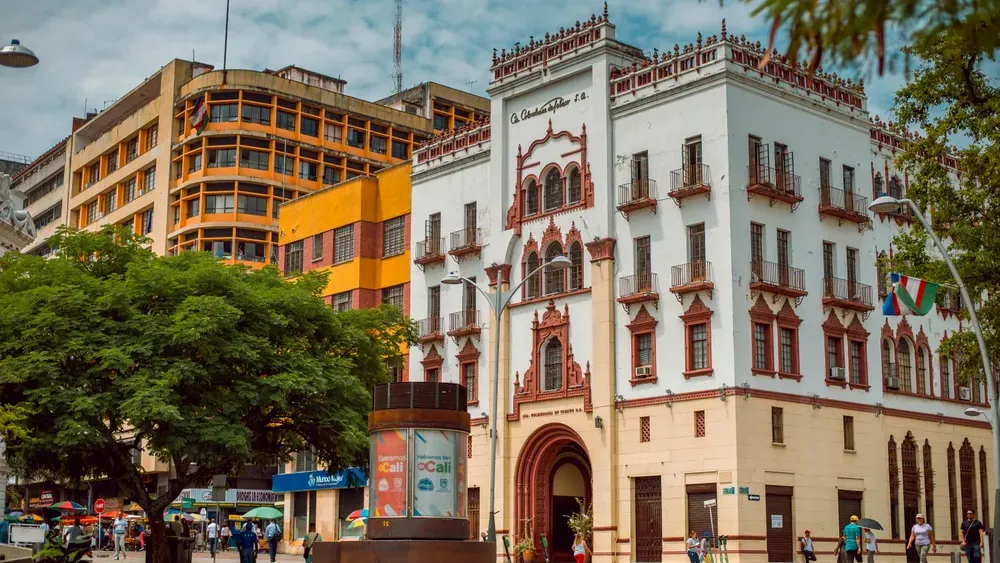
Nestled in Colombia's Cauca Valley, Cali emerges as a lesser-known queer-friendly destination in South America, celebrated for its vibrant salsa culture, welcoming LGBTQ+ nightlife, and culturally rich heritage far from mainstream tourist trails
Cali, Colombia's third-largest city with a population exceeding 2. 2 million, sits in a verdant valley at about 3, 300 feet elevation, known worldwide as the salsa capital where dance permeates daily life from street corners to grand ballrooms. Unlike Bogotá or Medellín, which dominate Colombia's LGBTQ+ travel narratives with their established scenes, Cali remains under-the-radar, drawing queer travelers who crave an immersive, less commercialized experience. Its welcoming atmosphere stems from a historically progressive urban culture where LGBTQ+ individuals openly participate in social life, bolstered by Colombia's nationwide legalization of same-sex marriage in 2016.
Copyright EDGE Media Network. All rights reserved. This material may not be published, broadcast, rewritten, or redistributed.
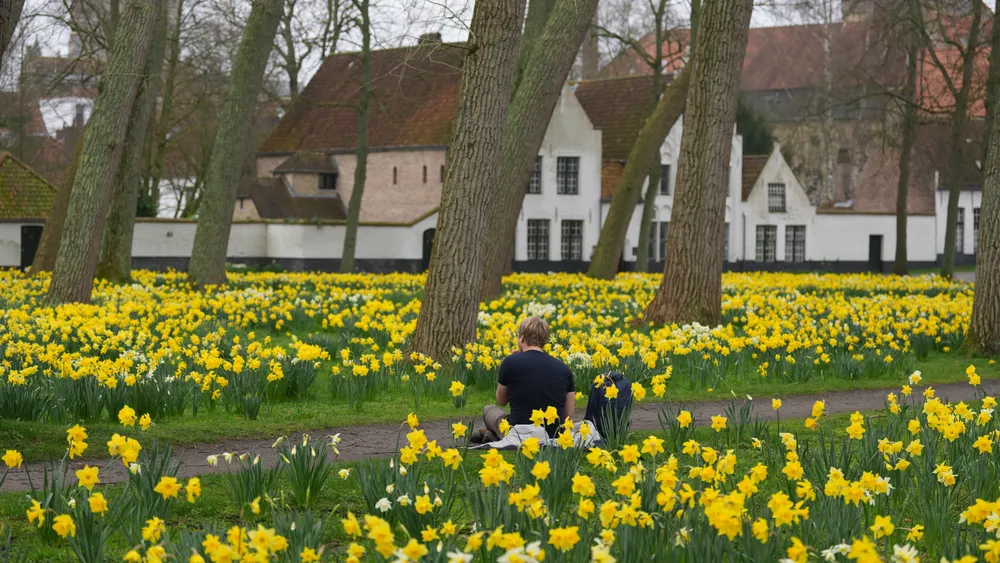
The Princely Beguinage Ten Wijngaerde in Bruges offers a tranquil refuge for women amid the city's bustling tourism
BRUGES, Belgium (AP) — The clatter of suitcases rolling over cobblestones, motorboats chugging along a canal and visitors chattering in a smattering of languages provide a soundtrack to Bruges that makes it clear you are in one of Belgium’s most touristic cities.
Copyright Associated Press. All rights reserved. This material may not be published, broadcast, rewritten, or redistributed.

Air New Zealand will soon add triple-tier bunk beds for economy travelers to have a chance to sleep on long-haul flights
Sleep on a long-haul flight in economy class has always been a fantasy for many travelers. Air New Zealand will soon offer a solution that involves climbing into a triple-tier bunk bed wearing special socks.
Copyright Associated Press. All rights reserved. This material may not be published, broadcast, rewritten, or redistributed.
Travelers are increasingly planning trips around what happens after sunset, a shift known as noctourism that is changing how destinations structure their offerings and how visitors spend their time. From guided night tours to scheduled hotel programming, after-dark experiences are becoming a central part of itineraries rather than downtime between daytime activities.
Travelers are increasingly planning trips around what happens after sunset, a shift known as noctourism that is changing how destinations structure their offerings and how visitors spend their time. From guided night tours to scheduled hotel programming, after-dark experiences are becoming a central part of itineraries rather than downtime between daytime activities.
Copyright Associated Press. All rights reserved. This material may not be published, broadcast, rewritten, or redistributed.
We use cookies to analyze traffic and to ensure you get the best experience on our website. Read our Privacy Policy for more information.